

While Tarik Skubal is the clear belle of the ball in this winter's MLB free agency cycle, there will be dozens of players who get multi-year contracts at north of $10M per season.
In pursuit of this offseason's versions of Pete Alonso and Dylan Cease, however, teams are hoping they don't drive off the metaphorical used car lot in a lemon.
Every player on this list was worth at least 2.0 WAR in 2026, according to either FanGraphs or Baseball-Reference (though not necessarily both). Notably, each and every one of the 24 players who were worth at least 2.0 fWAR before hitting free agency last winter ended up getting eight-figure salaries on their new contracts.
Some of them proved to be more than worth it in 2026, but quite a few emphatically were not.
Who are this year's looming busts to avoid?
To be clear, every player on this list deserves to sign somewhere. Most should get at least double their 2026 salary, too.
But the teams that win these forthcoming bidding wars may live to regret it.
LHP Shota Imanaga
1 of 7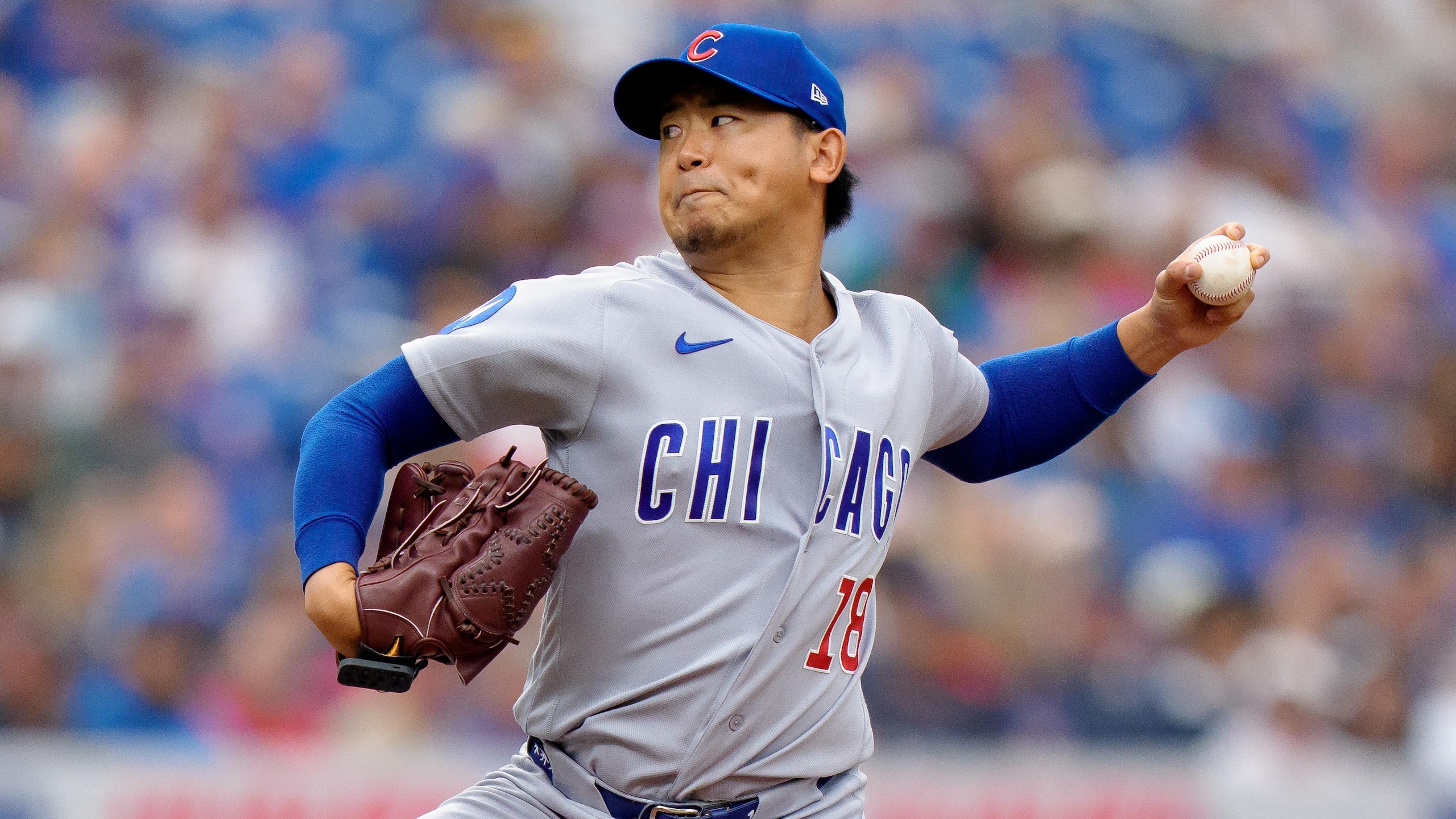
2026 Stats: 174.1 IP, 3.77 ERA, 4.47 FIP, 1.10 WHIP, 9.0 K/9
Since making his MLB debut in 2024, Shota Imanaga has pitched 492.1 innings, posting a 3.45 ERA and a 5.11 K/BB ratio.
There is one pitcher in all of baseball with more innings pitched, a lower ERA and a higher K/BB ratio during that time. His name is Tarik Skubal—546.0, 2.42 and 6.89, respectively.
The problem is that among the 80 pitchers with at least 350 innings pitched since the beginning of 2024, no one has a worse ratio of home runs allowed per nine innings pitched than Imanaga's mark of 1.70.
It's only because of Aaron Nola that Imanaga didn't "lead" the majors in home runs allowed in 2026. It's only because he missed nearly two months of action that he wasn't dead last in that department in 2025.
Even worse, the home run monster always becomes more problematic for Imanaga in the latter months of the season. If you include his postseason numbers from last fall, he has allowed 42 home runs in 178.2 innings pitched (2.12 HR/9) from August 1 onward.
Signing with either San Francisco or St. Louis could help alleviate the issue, as Oracle Park and Busch Stadium have consistently been two of MLB's least homer-happy venues over the past three years. But what happens when you need him to keep the ball in the park at Dodger Stadium or Yankee Stadium in October?
1B/OF Jake Bauers
2 of 7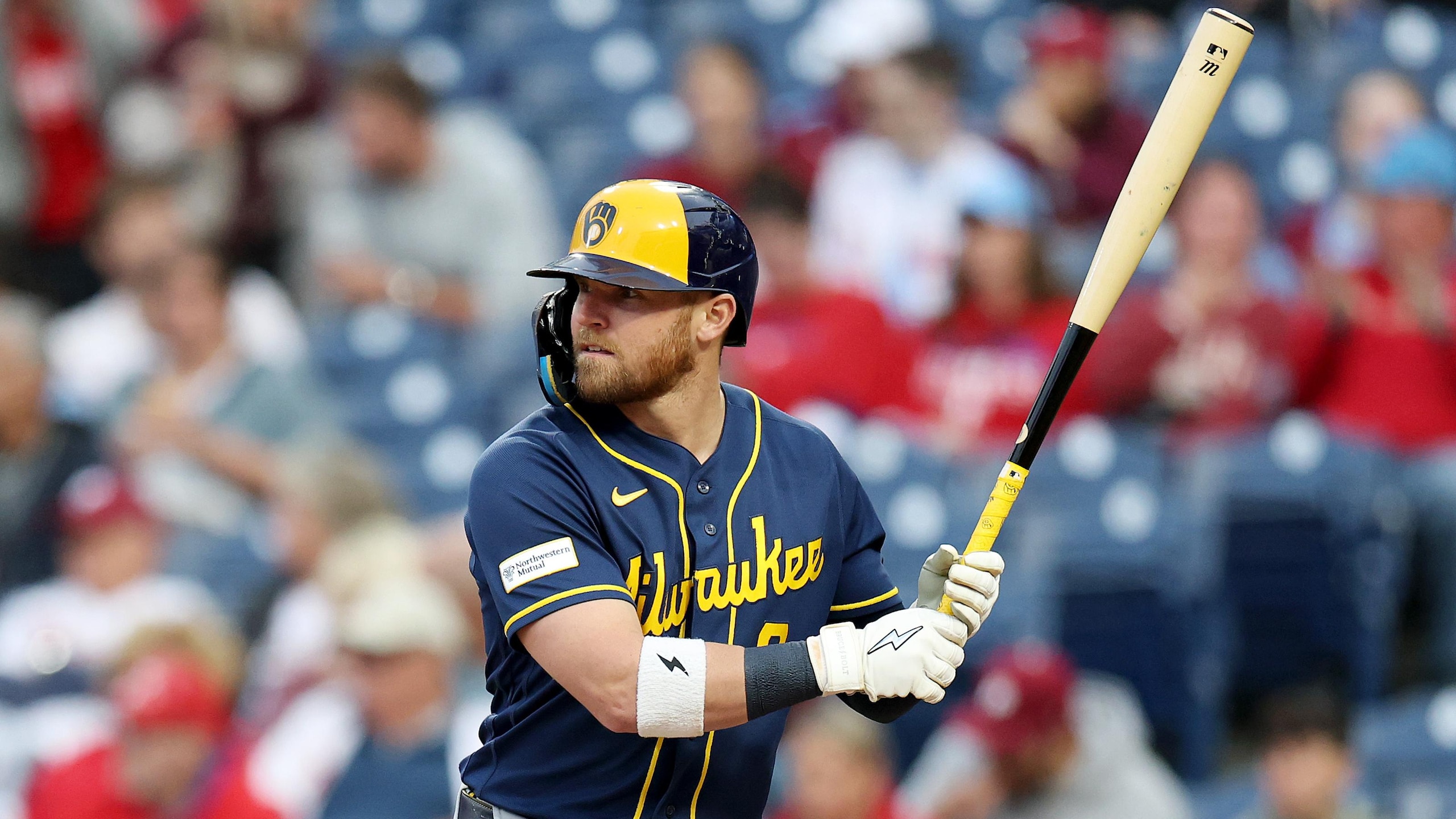
2026 Stats: .266/.389/.484, 26 HR, 86 RBI, 11 SB
Jake Bauers is probably going to get some down-ballot votes for NL MVP, and deservedly so. The man led the 103-win Brewers in home runs, walks and OPS.
But where in the world did this come from?
From 2018-25, Bauers had a minus-1.2 bWAR and a minus-0.4 fWAR. In fact, among the 252 players who received at least 1,900 plate appearances during that time, only late-career Miguel Cabrera had a worse fWAR than Bauers.
This, of course, begs the question: What does history say about hitters who suddenly break through at the age of 30 after plenty of opportunity to do so in their 20s?
A prime example from recent history is Justin Smoak, who spent seven replacement-level seasons in the big leagues before becoming an All-Star out of nowhere at 30. He proceeded to have a respectable enough age-31 campaign, but his breakthrough year was more of a one-hit wonder than any sort of second-half-of-career rebirth.
Is Bauers destined for a similar fate? Or is this more of a "going to shine for a few years after a late arrival" situation?
For $2.7M, Bauers was an incredible bargain this year. We'll see how things go from here.
RHP Michael Soroka
3 of 7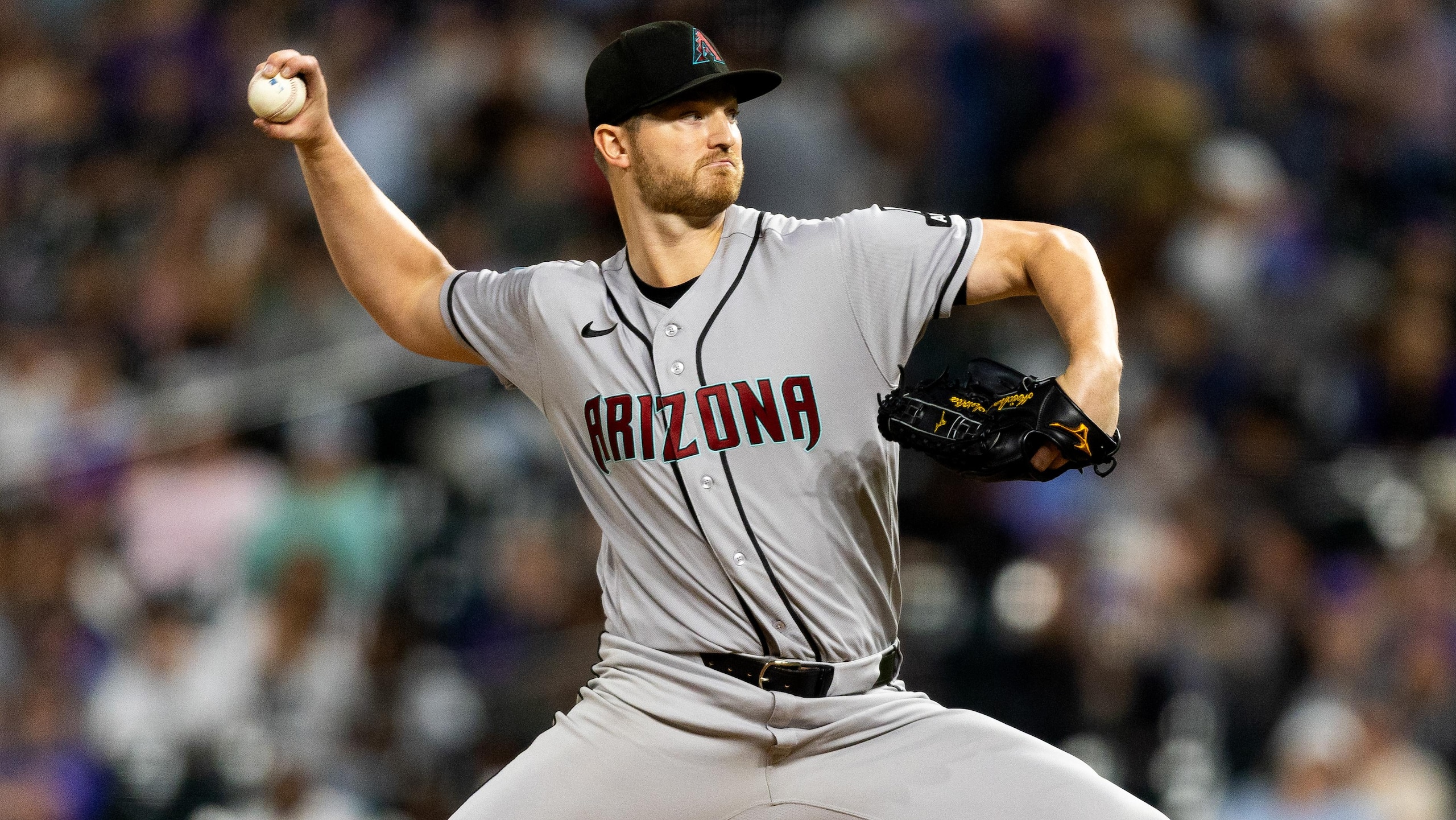
2026 Stats: 116.0 IP, 3.41 ERA, 3.19 FIP, 1.09 WHIP, 8.8 K/9
Michael Soroka had a solid season in the desert.
He was one of just 13 pitchers to log at least 110 innings with an ERA of 3.50 or better, a WHIP of 1.10 or better and a K/9 of 8.5 or better. His cohorts in that club were: Jacob Misiorowski, Dylan Cease, Cam Schlittler, Chris Sale, Tarik Skubal, Zack Wheeler, Jesús Luzardo, Yoshinobu Yamamoto, Drew Rasmussen, Parker Messick, Reid Detmers and Payton Tolle.
Soroka also just turned 29 this summer. The other 29-year-old free agent in that group (Skubal) is probably headed to a record-setting contract.
However, yet again, Soroka could not stay healthy.
He missed nearly two months with a glute injury and subsequently missed two more weeks of action with shoulder inflammation.
That would be a nothing burger if he had been generally healthy in recent years, but it was the first time Soroka had pitched 90 innings in a season since 2019.
That's why he signed with Arizona to a one-year, $7.5M deal with up to $2M in appearance incentives, one year after earning a $9M contract with Washington. If a team could get him again on a deal in that vicinity, it would be a no-brainer.
Spotrac puts his market value at $56.4M for four years, which would be quite the ill-advised gamble for any team to take.
2B Jazz Chisholm Jr.
4 of 7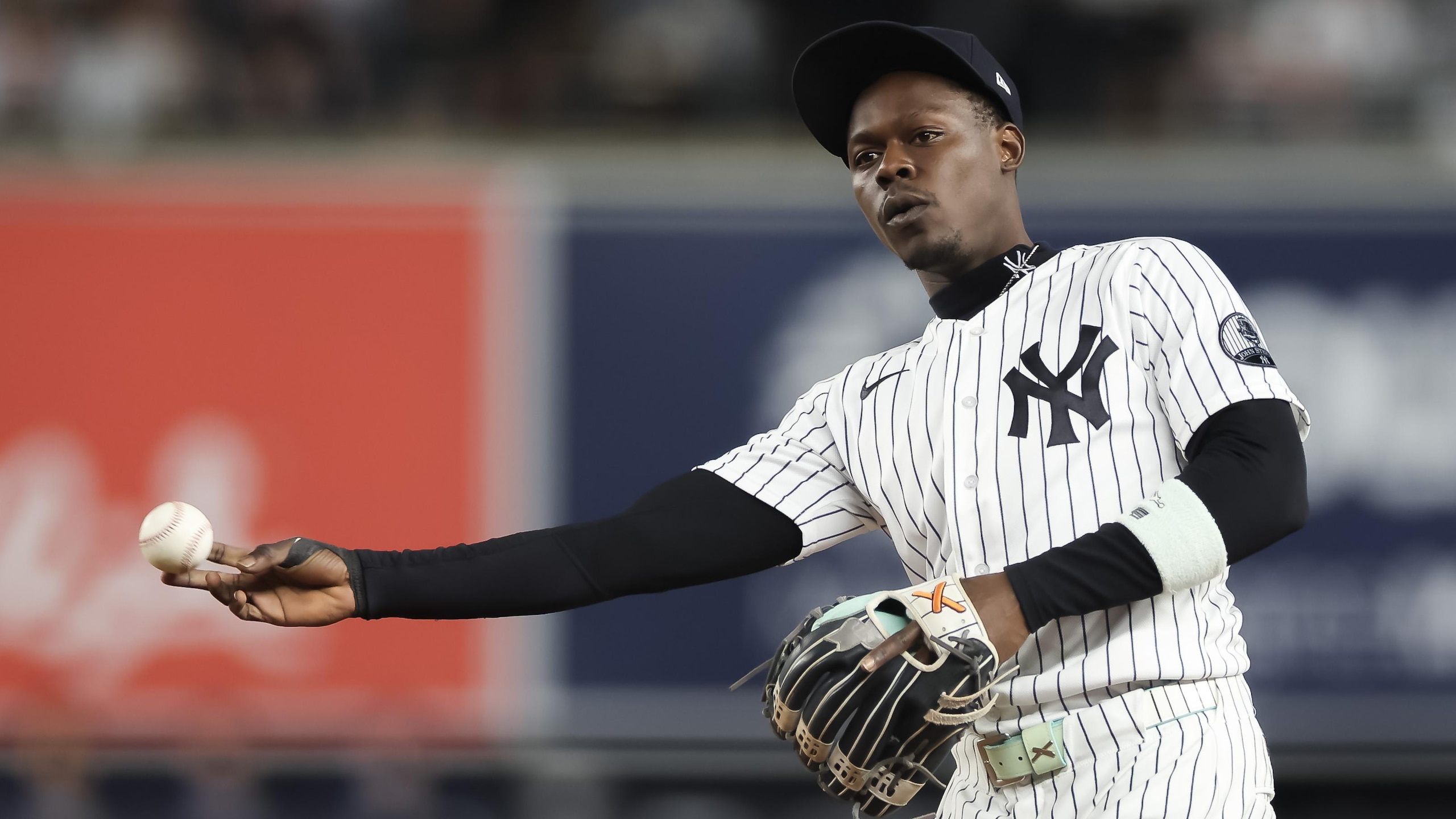
2026 Stats: .231/.312/.399, 19 HR, 55 RBI, 41 SB
Over the previous half-decade, Jazz Chisholm Jr. had been a considerably better-than-average hitter against fastballs. No one was confusing him with Aaron Judge or Shohei Ohtani, but he had a .508 slugging percentage against the collection of four-seamers, sinkers and cutters—on par with the likes of Bobby Witt Jr. and Corbin Carroll.
This year, however, his barrel rate plummeted. He ended up with a run value against fastballs that ranked in the bottom five percent among qualified hitters.
After posting actual and expected slugging percentages of .481 in 2025, Chisholm finished with .399 and .366 in 2026, respectively.
The glass-half-full perspective is that even in a down year by his standards, Chisholm still racked up 19 home runs and 41 stolen bases. (Plus four more swipes in the postseason.) Seasons like those don't grow on trees, especially among second basemen. Maybe his barrel rate bounces back after an underwhelming walk year.
But what if struggling with fastballs is simply his new normal?
Can anyone justify giving him anything close to the sort of $300M contract he thought he was worth heading into this season?
If that market never comes together and he settles for something like a one-year, $25M deal with a $22M player option for a second season, that might be a bargain. Any sort of contract that goes into the 2030s, however, is a terrifying proposition.
LHP Foster Griffin
5 of 7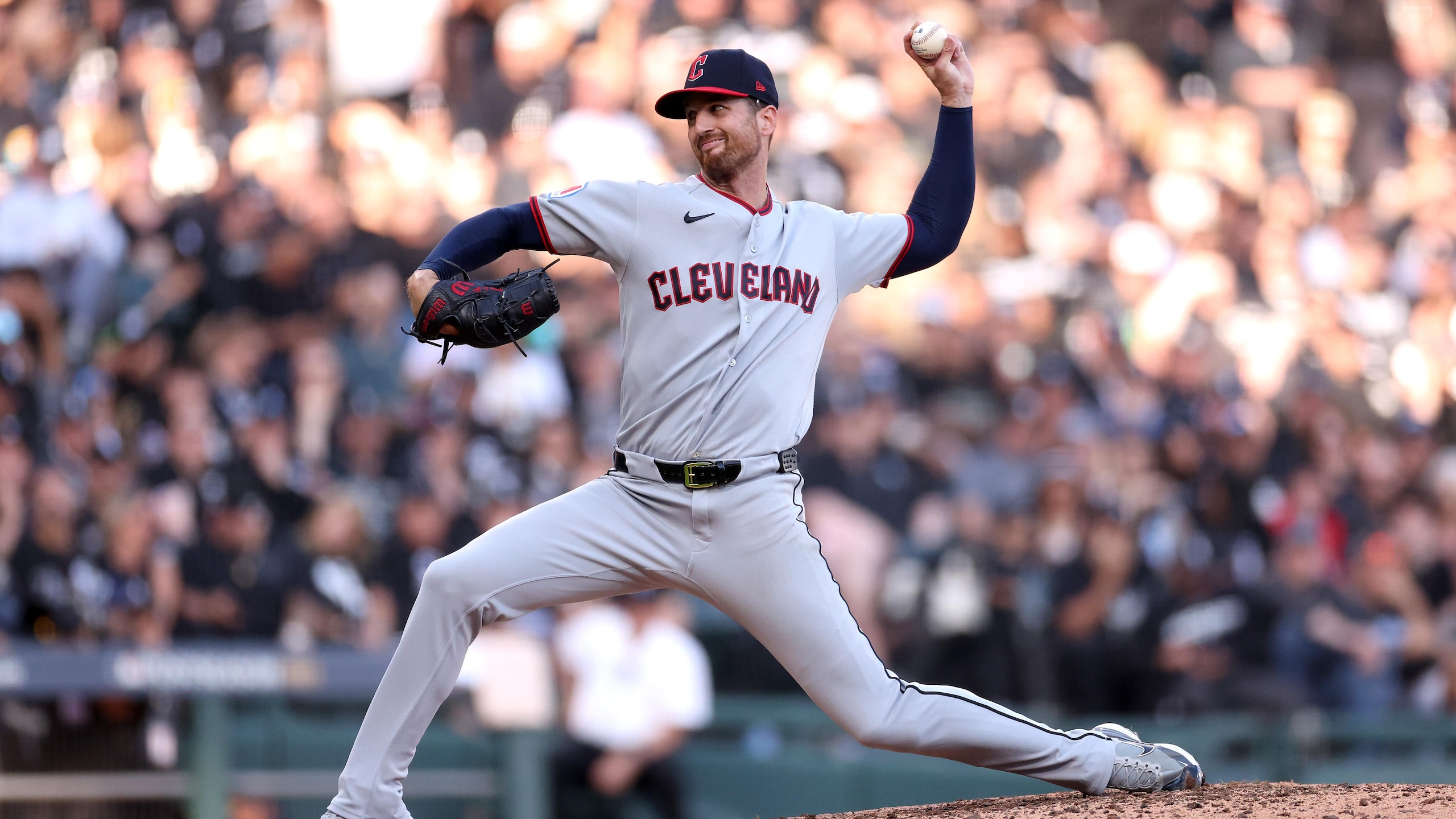
2026 Stats: 172.2 IP, 3.60 ERA, 3.96 FIP, 1.21 WHIP, 8.2 K/9
Generally speaking, starting pitchers who hit free agency the winter after an All-Star Game make bank.
No one fit that description last year, save for the retiring Clayton Kershaw. The two who did so in 2024 were Corbin Burnes and Max Fried. They. both signed for north of $200M. This year, there are three: Tarik Skubal, Nick Martinez (who would be a strong candidate for a huge payday if he weren't already 36 years old) and Foster Griffin.
To be sure, it's a "one of these things is not like the other" situation. By no means is Griffin coming within a thousand miles of Burnes/Fried/Skubal money. But he'll surely get a raise from his $5.5M salary this year.
Will it be regrettable for the team that signs him?
En route to being named an All-Star, Griffin had a 2.77 ERA in the first half. He was particularly on point in June, allowing four runs over five starts with 33 strikeouts against just four walks.
His final 10 starts of the regular season were a much different story, though, posting a 5.73 ERA.
Maybe he just ran out of good luck? After a .249 BABIP against through his first 21 starts, it skyrocketed to a .382 mark for the rest of the season.
Perhaps he simply hit a wall? Griffin averaged just 116 innings pitched over his previous three seasons in Japan. After 124 innings, things started to go downhill.
Or maybe opponents figured him out as they got more tape on him?
Griffin's whiff rate plummeted in August. Then, opponents hit .560 against his go-to pitch (the cutter) in September.
The silver lining is that he wasn't getting tattooed. In fact, Griffin didn't allow a single home run across his final six starts of the regular season. Still, base hit followed base hit as regression from the strong first half reared its ugly head.
1B Ty France
6 of 7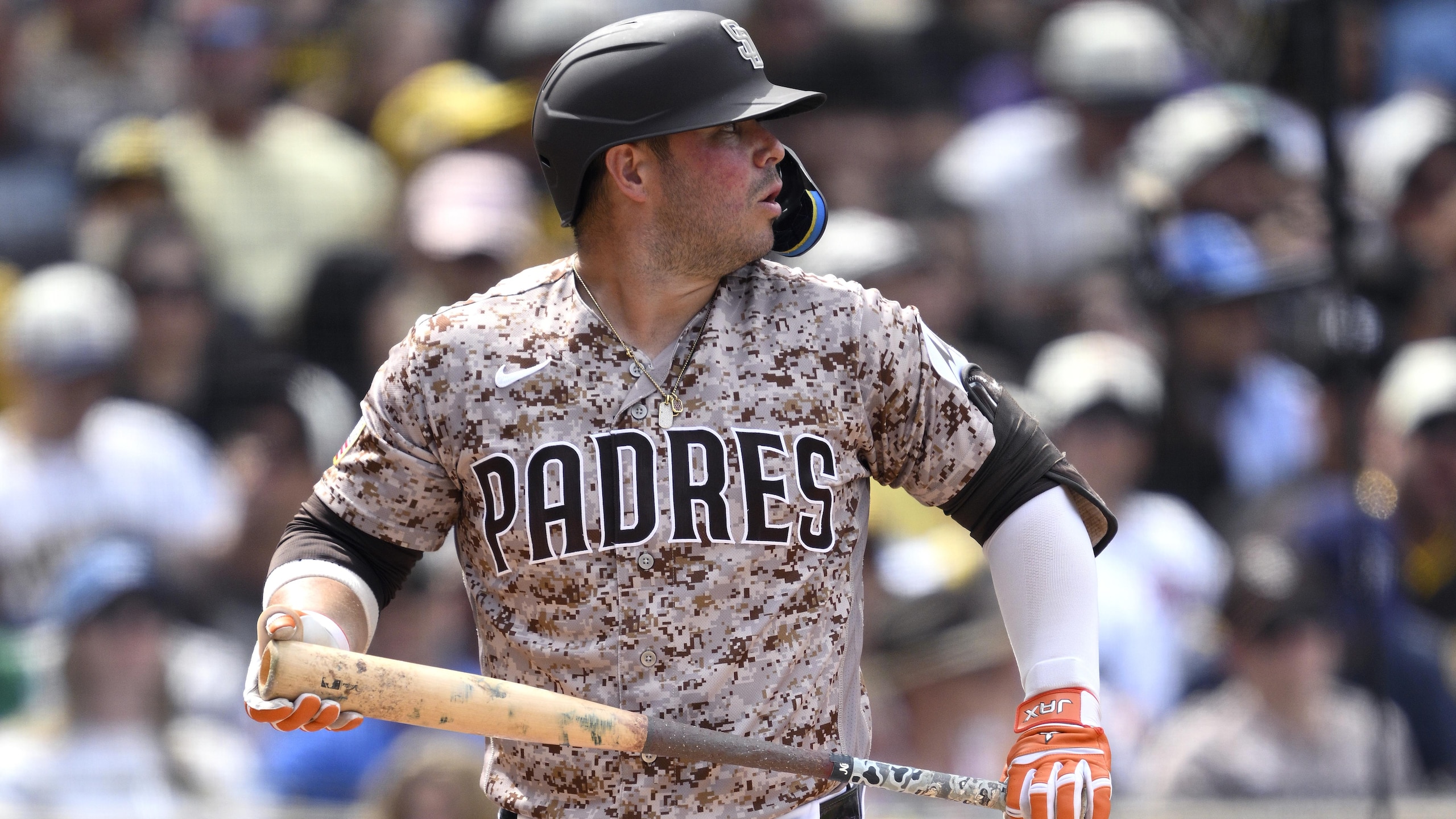
2026 Stats: .295/.363/.502, 21 HR, 72 RBI
Ty France's 2026 stat line was almost identical to what Josh Naylor did before hitting free agency last year: a .295 batting average and 20 home runs.
Naylor stole way more bags (30). France has the substantially better glove at first base. France is four years older than Naylor was last October. Still, it's a noteworthy comparison between a guy who made $2M this season and one who got a five-year, $92.5M contract last winter.
With Naylor, though, that level of production was nothing new. He hit 31 home runs the season before his walk year. He batted .308 the year before that.
But France couldn't hit much of anything from 2023-25. He kept getting regular playing time, but among the 103 players who made at least 1,500 plate appearances in those three years, only Andrés Giménez, Anthony Volpe and Brenton Doyle had a worse OPS (.686).
Then again, from 2020-22, France was a .285 hitter who averaged 20 home runs per 162 games played.
So, did he find the fountain of youth in San Diego?
Or is he destined to go right back to replacement-level production on a new deal?
More importantly, how much is it going to cost to find out?
France has made a little north of $16M in his eight-year career, but his salary might be a bit north of $16M on a multi-year deal if Naylor, Christian Walker, José Abreu, Anthony Rizzo and Brandon Belt are reasonable comps for France's market.
He was worth 3.6 fWAR this season. Those first basemen were all in the 2.5-3.8 range in their walk year before getting AAVs ranging from $16M-$20M.
My guess is he'll be more in the two-year, $25M type of range, but even that would've been unthinkable six months ago and could age poorly.
RHP Tyler Mahle
7 of 7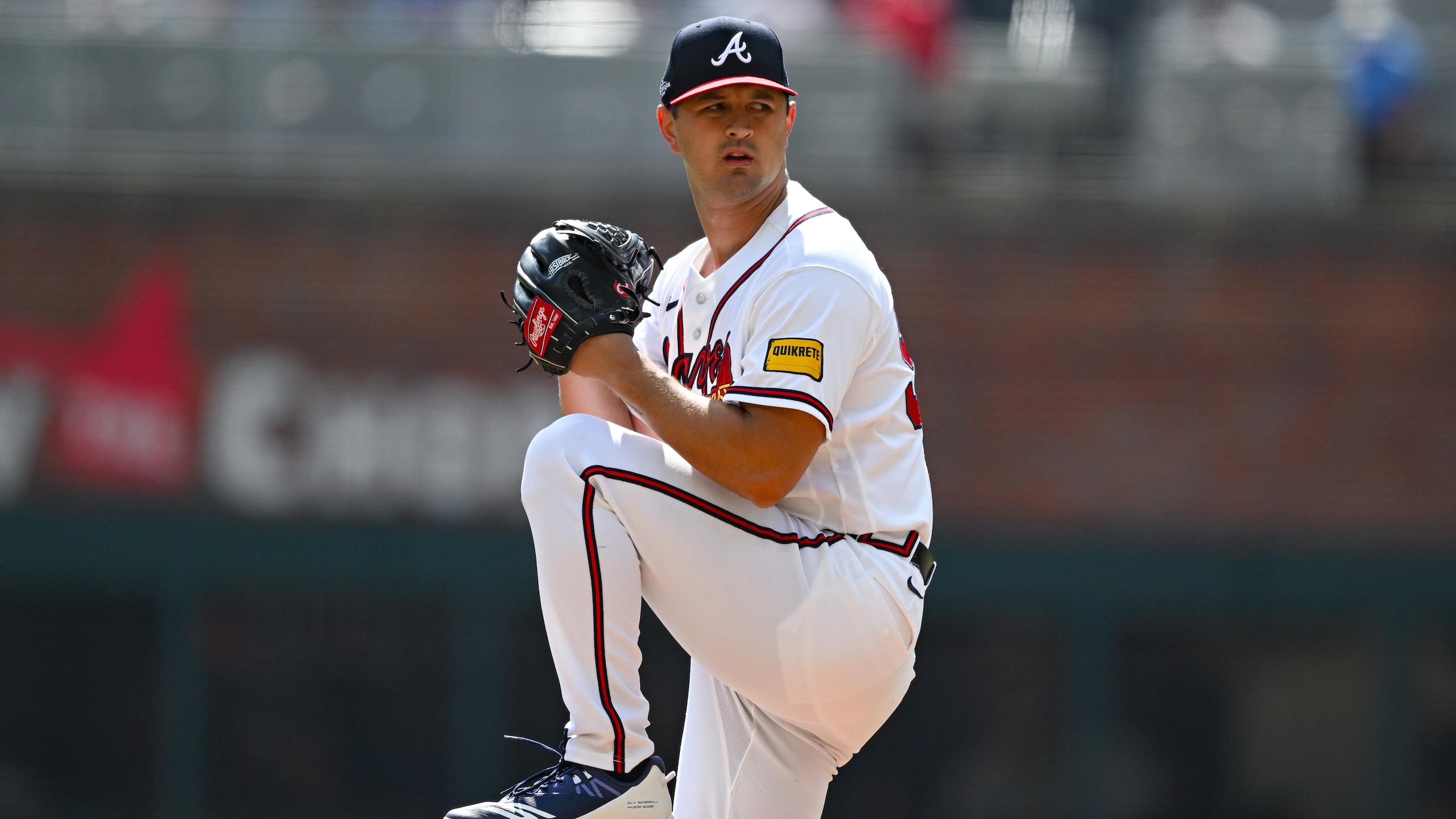
2026 Stats: 149.0 IP, 3.99 ERA, 3.99 FIP, 1.24 WHIP, 8.3 K/9
Shortly after the trade deadline, MLB.com ranked the 25 biggest trades.
Tyler Mahle going to Atlanta didn't even crack the list, but it ended up being maybe the biggest non-Skubal trade of them all.
Mahle was masterful over the final two months of the regular season, making nine starts with a 1.99 ERA. He proceeded to deliver two more quality starts in the postseason. He was the only pitcher through two rounds who could make such a claim.
Based solely on the way he pitched down the stretch, he ought to be a top-five pitcher on the open market.
However, the reason Mahle's departure from San Francisco barely made a blip on the national radar was because he had a 5.13 ERA prior to the trade deadline. He could never seem to get or stay healthy over the previous four seasons.
So, what's it going to be?
Is he a legitimate No. 2 starter for a contender?
Or should he be viewed as a No. 4/5 starter who happens to enter free agency on a two-month tear?
Mahle signed a two-year, $22M deal when he hit free agency for the first time three years ago, as well as a one-year, $10M contract this past offseason. But he was recovering from Tommy John surgery the first time and had missed more than half of the 2025 campaign due to injury.
This is the first time teams are bidding on a reasonably healthy Mahle, and that might mean a considerable overpay is forthcoming.


.jpg?w=2560 "Ravens DB Called Tua INT 🔮")
.jpg?w=2560 "Breaking News")
.jpg?w=2560 "Jerry Defends Dak Heckler")
.jpg?w=2560 "Ranking NFL's True Super Bowl Contenders")
.jpg?w=2560 "Buzz: Browns Shopping Jeudy")