
MLB Reportedly Proposes Delaying Salary Cap Until 2028, Latest Details Revealed amid CBA Talks

A firm salary cap wouldn't go into effect until 2028 in the newest proposed collective bargaining agreement from MLB.
The league said Tuesday it would set the cap at $258.2 million and the floor at $180.2 million.

ESPN's Jeff Passan noted those figures are slight increases from MLB's last proposal:
The salary floor would trigger massive investment across the sport. Half of the 30 teams spent less than $180.2 million on payroll in 2026, per Spotrac, and hitting that number would require more than doubling their spending in the cases of the Miami Marlins and Cleveland Guardians.
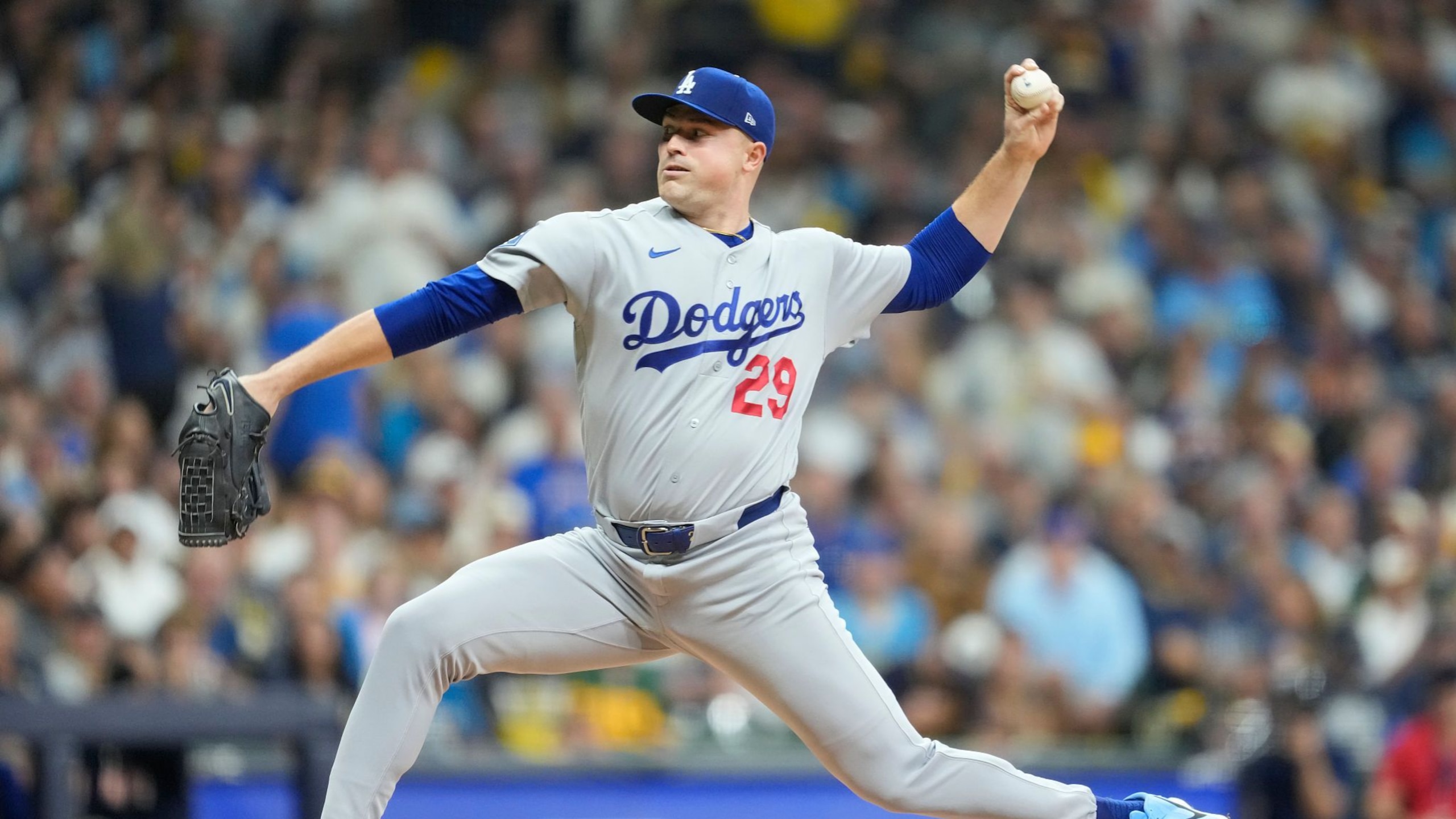
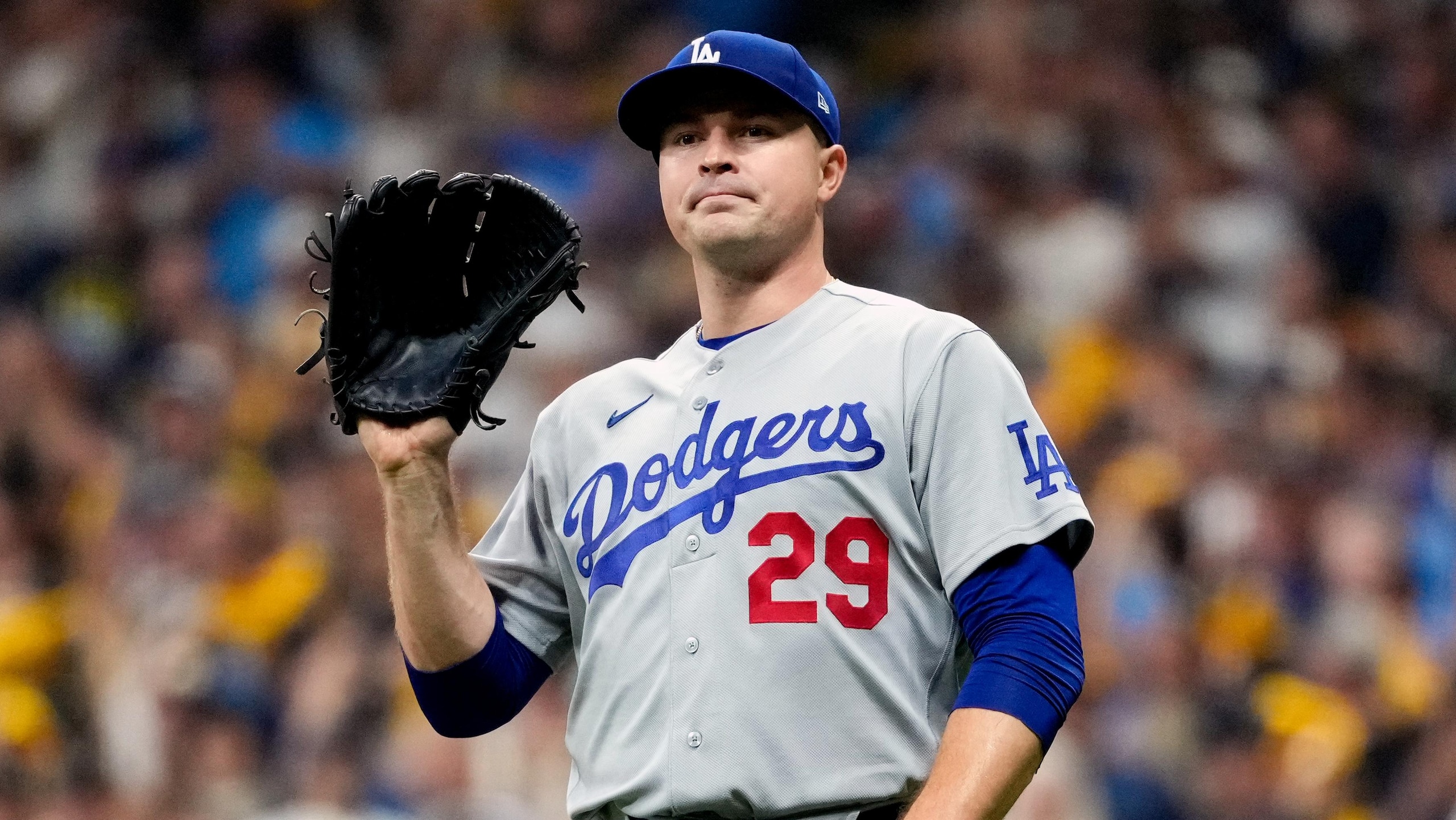
Of course, a hard cap would hit MLB's biggest spenders significantly. The New York Mets, Los Angeles Dodgers and New York Yankees were north of $300 million.
The effects of inflation also mean that $258.2 million in 2028 doesn't equal the same as it does now.
From the ownership side, pushing the salary cap back another year would give front offices more time to plan and clean up the books as necessary. That could make it easier to build a consensus.
Players are unlikely to be moved, however, when they've long pushed back against a salary cap in any form.
MLB Players Association interim executive director Bruce Meyer posited in June the effects of a cap would be sizable on future earnings.
"Using MLB's definition of revenue and player share as set forth in their proposal and their presentation to us, player share under their proposal would go down," he said, per The Athletic's Evan Drellich. "Player share for this season, 2026, is projected to be well over 50 percent, using, again MLB's definitions of revenues and what counts against player share.
"Had MLB's proposal been in place in 2026, players, we estimate, would lose over half a billion dollars."
The current CBA will expire at 11:59 p.m. ET on Dec. 1.