
Top 2027 NBA Draft Prospects To Know at Every Position
The 2027 NBA draft cycle is officially underway, and unlike the past two years, there is no clear-cut favorite or consensus superstar sitting atop the board.
That said, between overseas exhibition tournaments and FIBA youth competitions, we've already gotten our first looks at some of the leading names in the class.
NBA teams scouting prospects are likely to separate them by archetype to make it easier to identify their projected roles. The position chart keeps on evolving, though, so while there are still guards, forwards and centers, it's worth breaking them down even further.
Primary ball-handling guards play and defend only one position: The traditional point guard spot.
Combo guards can be interchangeable in the backcourt.
Off-ball guards/wings will play off the ball, aren't used as much to create and will usually defend 1s, 2s and sometimes 3s.
Initiator wings are forwards size-wise who often handle the ball and create.
Frontcourt off-ball wings will likely play the 3 and score, but offense won't run through their ball-handling.
Combo forwards have the size to play the 4 with enough perimeter skill and mobility to play the 3.
Power forwards have inside-out skill, but aren't big or defensive-minded enough to play center. They aren't shifty or quick enough on the perimeter to be a wing.
Interchangeable bigs have the size to play center with enough perimeter skill to play the 4.
Centers lack perimeter skill/movement and play one position using their size around the basket at both ends.
Primary Ball-handling Guards
1 of 9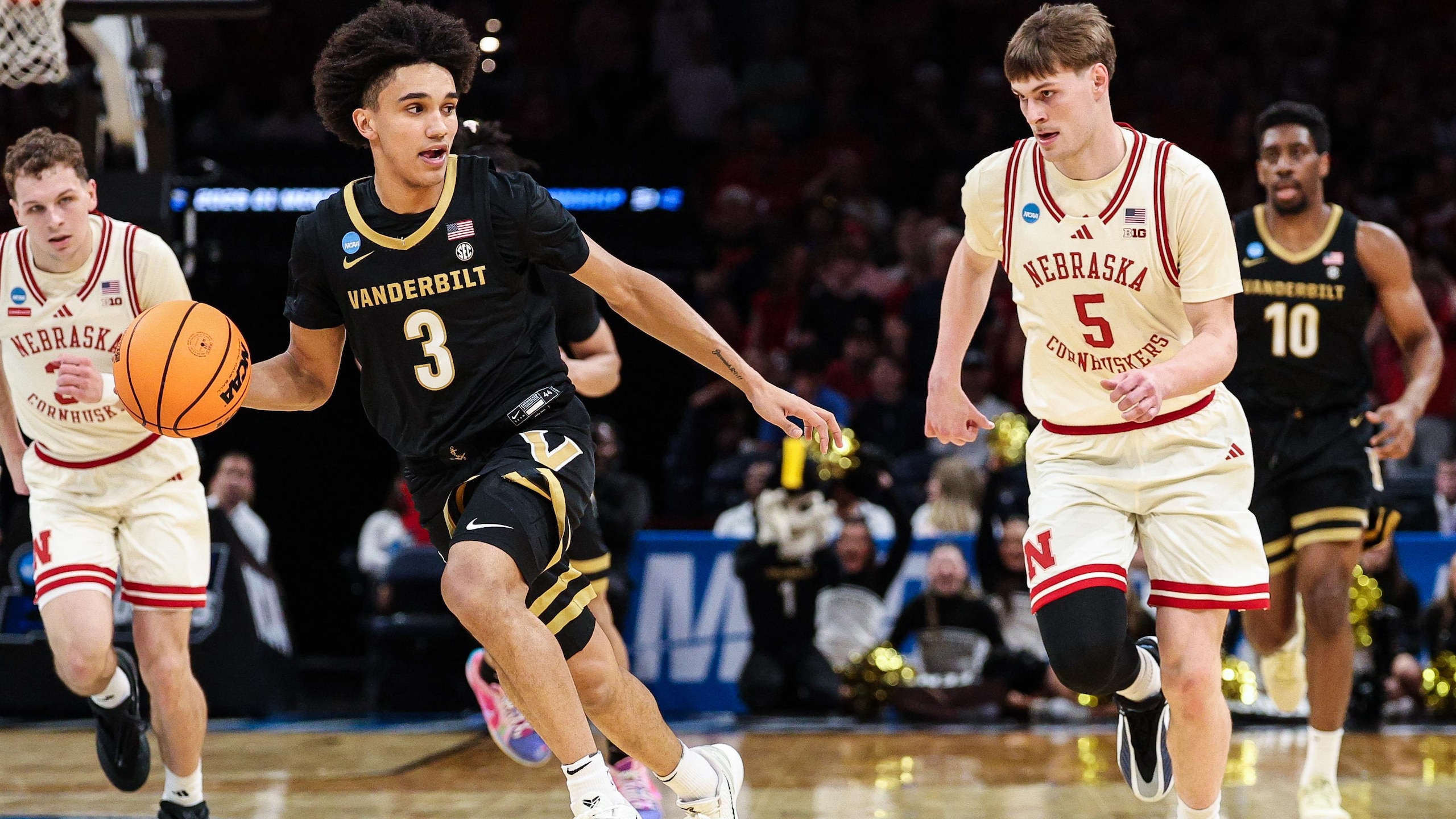
- Miles Sadler (West Virginia)
The conversation around Sadler changed after his 29-point game at the Nike Hoop Summit. For a 6'0" guard, he still has to show scouts that his shooting is on track to be a surefire plus, but Sadler's ability to create advantages, get to spots, set the table and finish with improvisation/craft looks special.
2. Tyler Tanner (Vanderbilt)
Unless we see a surplus of surprise breakouts, Tanner should have a clearer path to the first round in 2027. The only realistic way to ease concerns over his 167-pound frame will be to raise his shotmaking to nuclear levels, considering scouts still hesitated while he made 1.7 threes, excelled as a finisher, produced a strong assist-to-turnover ratio and put up outlier small-guard numbers like 18 dunks and 12 blocks. Interest in Tanner will ultimately revolve around his ability to create advantages, rim pressure and defensive breakdowns.
3. Nigel James (Marquette)
Powerful, explosive and shifty, James creates rim pressure and highlights around the rim. He's also a true playmaker who'll use his gravity and vision to set up teammates. He'll draw more NBA attention if he's able to take a step forward with his shotmaking, particularly with his pull-up and floater. He did make 45.8 percent of his catch-and-shoot attempts.
4. Deron Rippey Jr. (Duke)
Rippey may become more of a 2028 draft prospect with Caleb Foster, Cayden Boozer and John Blackwell ahead of him on Duke's depth chart. His explosiveness, advantage creation and playmaking are still exciting long-term, while his energy and defense should also help him earn freshman minutes. How convincing his shooting and overall efficiency look this season will likely determine whether NBA teams are willing to buy right away in 2027.
5. Jeremy Fears Jr. (Michigan State)
Fears just had one of the most productive playmaking seasons on record, joining four others (including Ja Morant and Kris Dunn) to register a 50.0 assist percentage. There is still hesitation from scouts around the combination of limited size, weak finishing and low-volume three-point shooting. That said, he has become so advanced running offense, making decisions and creating for others while still posing a threat with his catch-and-shoot stroke and pull-up.
Combo guards
2 of 9
- Jordan Smith Jr. (Arkansas)
Arkansas' offense will run through Smith's ability to pressure defenses with transition speed and explosive rim pressure. Skeptics will question his playmaking for a lead guard and his size for a 2, but he has the athletic traits, shotmaking potential and defensive intensity that can help evaluators picture outlier outcomes.
2. Jason Crowe Jr. (Missouri)
No freshman possesses more shotmaking skill or scoring instincts than Crowe. His self-creation, shooting versatility and range/confidence can lead to the type of instant offense that can execute against any defense. Scouts will just want to see some degree of competent playmaking (and enough efficiency) for a 6'4", 190-pound guard who isn't going to generate easy rim pressure.
3. Dylan Mingo (Baylor)
Mingo has size for both backcourt spots, with a handle and shiftiness to create advantages off the dribble. He's shown encouraging flashes of shotmaking and playmaking, while his 6'5" frame and length give him the tools to defend multiple positions. His NBA and draft ceilings will hinge largely on becoming a more consistent three-point shooter and proving he can stay healthy.
4. Quentin Coleman (Illinois)
Coleman is a versatile guard who should give Illinois another ball-handler with enough size and shotmaking to play off the ball. His role will likely center on providing secondary creation, perimeter scoring and athletic playmaking.
5. Alijah Arenas (USC)
Arenas shot just 34.1 percent in 14 games last year, but offseason injuries and a late start deserve blame. His natural talent and skill for creation and shotmaking are evident. At 6'6" with a dangerous handle, three-level scoring ability and playmaking potential, he'll jump right back into the first-round discussion if he's able to execute with far more efficiency.
Off-ball Guards/Wings
3 of 9
- Caleb Holt (Arizona)
At 6'5", Holt is more of an undersized wing who compensates for limited height and creation with physicality, shotmaking, off-ball scoring versatility and defense. It's difficult to label Holt with a specific position, given the various roles and spots on the floor he plays and the fact that his game keeps evolving. With more offense likely to run through Ivan Kharchenkov and Derek Dixon, Holt will likely operate as an off-ball wing who'll provide some secondary playmaking in transition and limited ball-screen situations.
2. Bryson Howard (Duke)
Howard seems more like a 2028 draft prospect with Duke bringing back Caleb Foster, Cayden Boozer and Dame Sarr while adding John Blackwell to the backcourt. He should still draw NBA scouts' attention this year with his solid frame, perimeter creation and confident shotmaking. He'll play mostly off the ball and, presumably, look to improve his off-the-dribble game, three-level scoring and playmaking ability further down the road.
3. Braylon Mullins (Connecticut)
While scouts sound divided on Mullins' NBA ceiling, his positional size, advanced shotmaking and functional athleticism make him an easy fit, high floor and useful archetype for many teams. He should have more opportunities to work in ball screens and experiment in creation situations.
4. Abdou Toure (Arkansas)
Toure should make his mark with athletic-driven creation and finishing. The burst, power and explosion should translate to rim pressure, easy buckets and defensive activity. He's ultimately become a lottery name to watch by improving his shooting, both off the catch and dribble. The consistency of his shot will likely factor heavily into whether Toure can enter the conversation with the top freshman prospects in the nation.
5. Maximo Adams (North Carolina)
Adams is a strong, skilled wing whose footwork, pull-up shooting and three-point range should stand out quickly, even if he's reduced to a reserve role. He's not an explosive athlete or dynamic creator, but his feel, physicality and shotmaking should stand out quickly.

Initiator Wings
4 of 9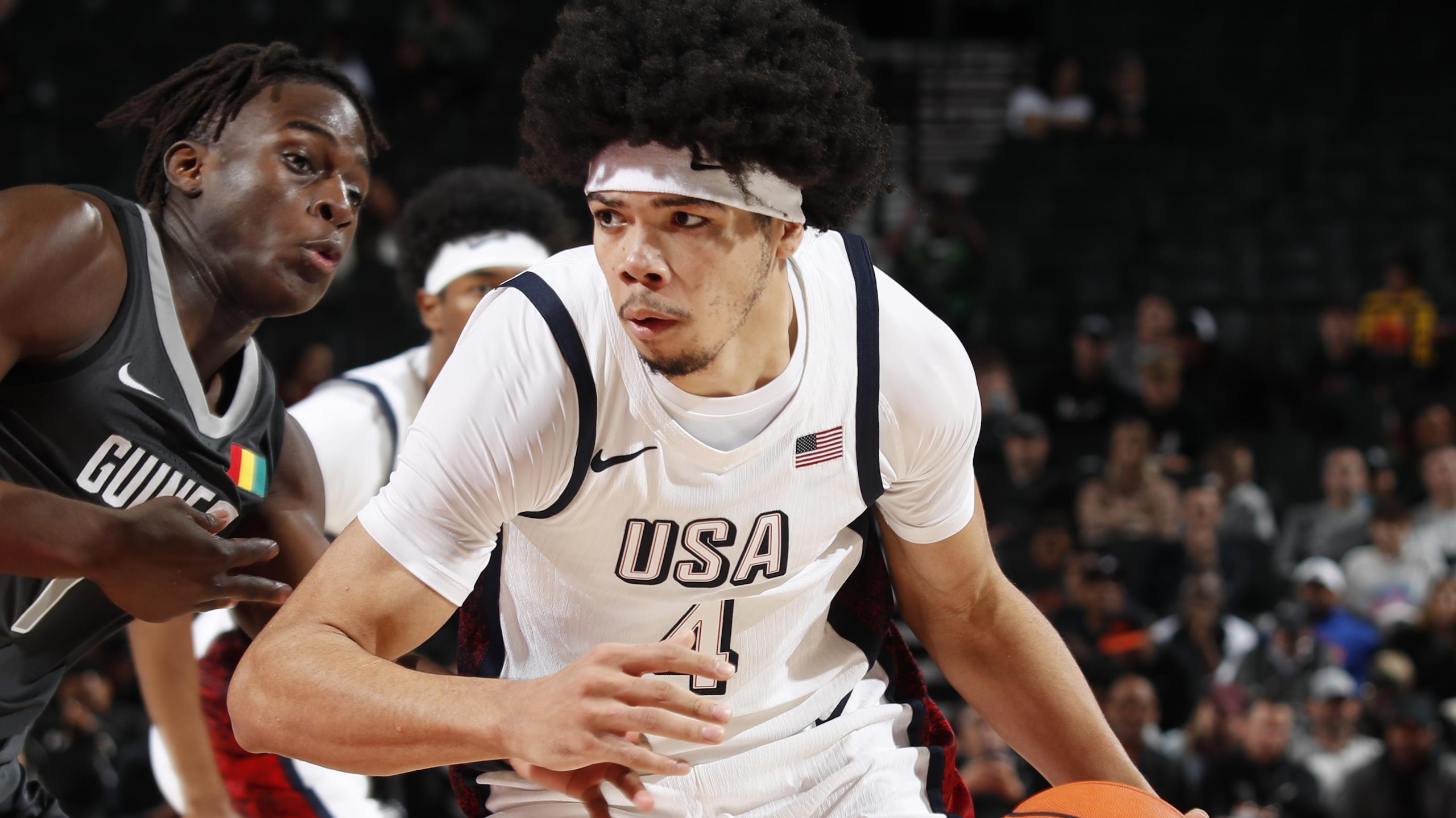
- Tyran Stokes (Kansas)
Scouts have been penciling Stokes atop the 2027 draft board for years. While it's difficult to give him a specific position, he profiles as a 6'8", 230-pound forward who'll take on ball-handler and creation duties. His three-level scoring and playmaking flashes are wing-like; only he possesses the frame and strength of a 4.
He possesses mismatch tools and skills. Convincing lottery teams that he's the surefire top prospect will mean erasing concerns over his decision-making and scoring efficiency.
2. Stefan Joksimovic (Baskonia)
Joksimovic has crept into the top-five discussion after MVP showings at Eurocamp and the U18 European Championships. He has the positional size, creativity, shotmaking and some vertical pop at the rim. He just isn't a high-level facilitator, and lingering questions remain about his defensive outlook in the NBA.
3. Ivan Kharchenkov (Arizona)
Though not an isolation scorer, Kharchenkov should see more on-ball reps given how well he's able to drive, make touch shots and make passing reads. He also brings tone-changing competitiveness at both ends of the floor. Scouts should picture an easy fit at the next level, but Kharchenkov has a real chance to rise up boards if he improves his creation and pull-up game.
4. Amari Allen (Alabama)
Scouts started to gradually pick up on Allen's physical tools, shotmaking and secondary playmaking flashes (3.1 assists), which always create coveted versatility. The microscope on his ball-handling development and shooting consistency will intensify as his usage spikes for Alabama this year.
5. Stefan Vaaks (Illinois)
Vaaks, 6'7", was the only player last year above 6'5" with 90 made threes and an assist percentage of 18.0. He's a dangerous shooter off the catch and dribble, but he also logged 171 pick-and-roll ball-handling possessions at Providence. The athletic and defensive questions are real, but Vaaks is still worth monitoring as a big wing who can initiate offense and launch from everywhere around the perimeter.
Frontcourt Off-ball Wings
5 of 9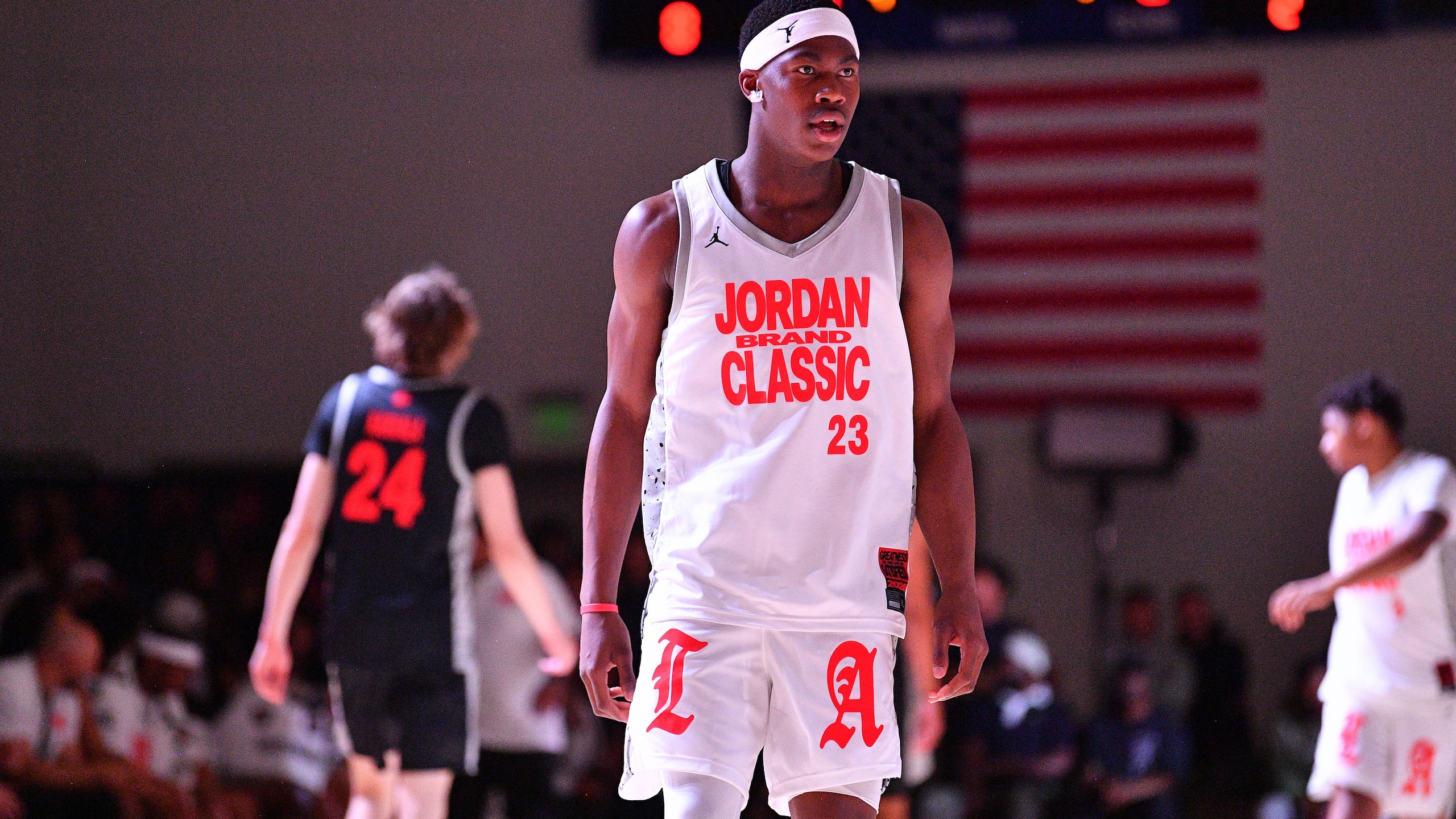
- JJ Andrews (Arkansas)
Andrews packs physicality at 6'6", 225 pounds, with budding perimeter scoring skills. He's a power wing who could potentially scale up to the 4 in certain matchups. Showing more growth with his three-point range and pull-up game at Arkansas should guarantee NBA interest during his first season.
2. Bruce Branch III (BYU)
Branch will look the part with solid NBA wing size and the ability to score from three levels with drives and self-created jumpers. While limited playmakers have less margin for error, Branch still shows the advanced footwork and shotmaking synonymous with high-level scoring prospects.
3. Colben Landrew (Connecticut)
Landrew is listed at 236 pounds and clearly possesses next-level footwork, finishing craft and shotmaking skill. The eye test suggests a surefire pro wing prospect. He could beat out Jayden Ross for minutes if he's consistent enough with his jumper and defensive reads.
4. Davis Fogle (Gonzaga)
Fogle's size, skill set and advanced stats suggest he is poised to draw NBA attention in a bigger role with strong supporting talent. He was a productive shotmaker from three levels with athletic pop around the basket, strong defensive playmaking rates, an efficient assist-to-turnover ratio and promising glimpses of secondary creation in ball-screen situations.
5. Baba Oladotun (Maryland)
Oladotun's 6'10" size and smooth perimeter scoring and shooting should pop instantly at Maryland. Scouts will start to take him seriously if he's able to show he can score efficiently in more ways inside the arc, where there may be some concerns about his thin frame and explosion.
Combo forwards
6 of 9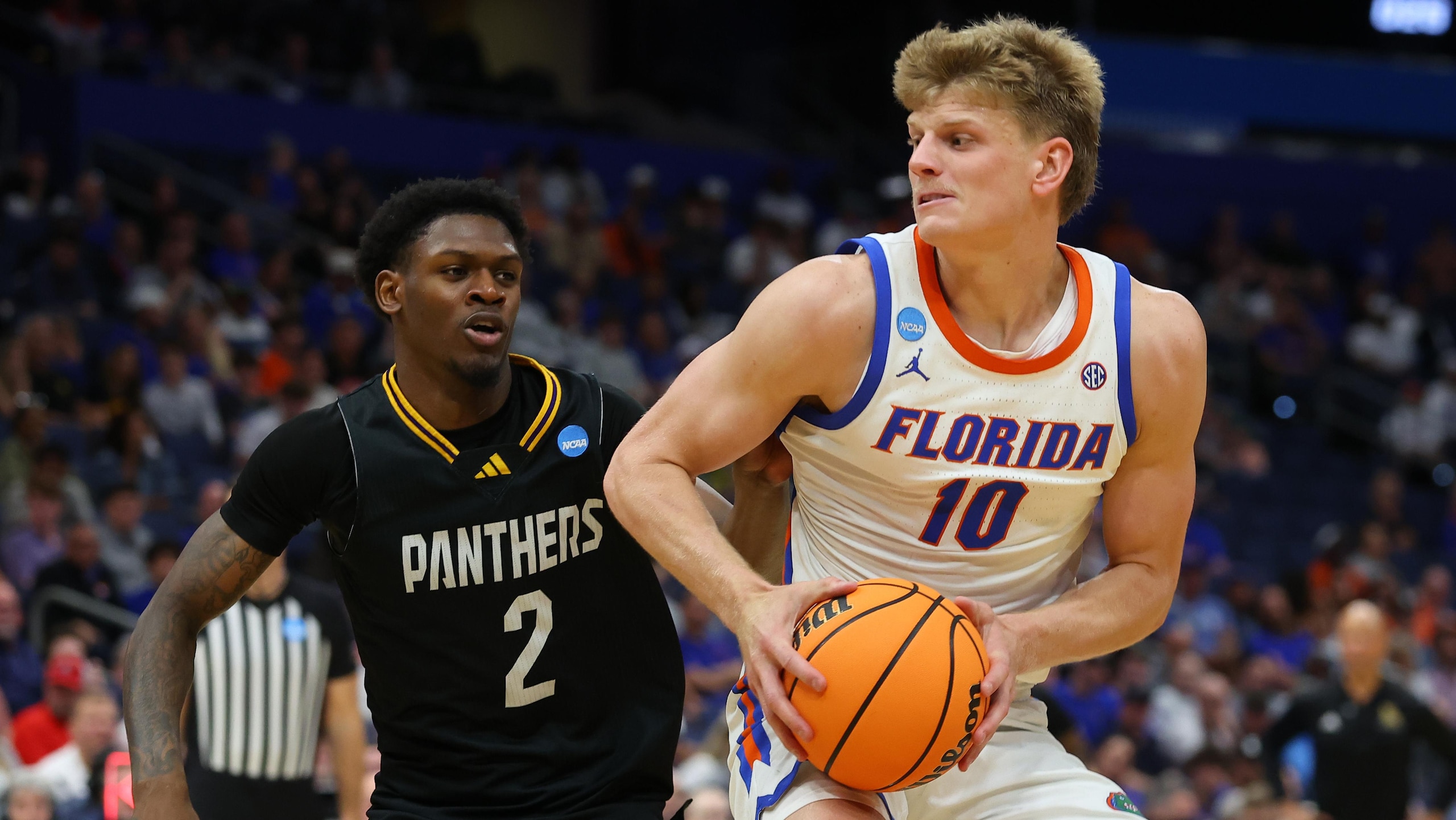
- Anthony Thompson (Ohio State)
Thompson should pop instantly with clean three-point shooting at 6'9", 215 pounds. He's been consistent from deep during his prime high school years. He complements the catch-and-shoot stroke with transition finishing and post scoring. How much he's able to show in between will determine how high he climbs up the boards.
2. Hugo Yimga-Moukouri (Nanterre 92)
Yimga-Moukouri enters his draft-eligible season with Nanterre 92, where he should see an expanded role after averaging roughly nine points in limited minutes as a 17-year-old and then leading France at the 2026 U18 EuroBasket with 17.3 points and 5.6 rebounds per game. Physically, the 6'8" forward already looks the part, with improved spot-up shooting. His next step is developing more creation skills and feel off the dribble—particularly his handle, passing reads and decision-making—which could determine whether he projects primarily as a complementary two-way forward or offers more offensive upside.
3. Thomas Haugh (Florida)
Passing on the past two drafts could diminish the allure around Haugh's pro potential, considering he'll turn 24 before the 2027-28 NBA season. His clear NBA fit, plus the likelihood he's the top player for a surefire National Championship contender, should keep plenty of interest alive. Even at his age, there will be teams willing to use a top-20 pick on a 6'9" combo forward who shoots threes, explodes above the rim and brings connective skill/IQ.
4. Caleb Gaskins (Miami)
At 6'8", 219 pounds, Gaskins looks like a 4 physically, with a promising stroke for pick-and-pop threes and elbow jumpers. He seems to be gradually evolving into a big-wing type who can also attack ball screens and closeouts.
5. Lucas Morillo (Illinois)
Morillo will generate conversation around his versatility, being a 6'7" wing who operates as a pick-and-roll ball-handler and connective piece. Whether he's able to sell teams on his shooting potential will likely determine whether he's viewed as a real NBA prospect.
Power forwards
7 of 9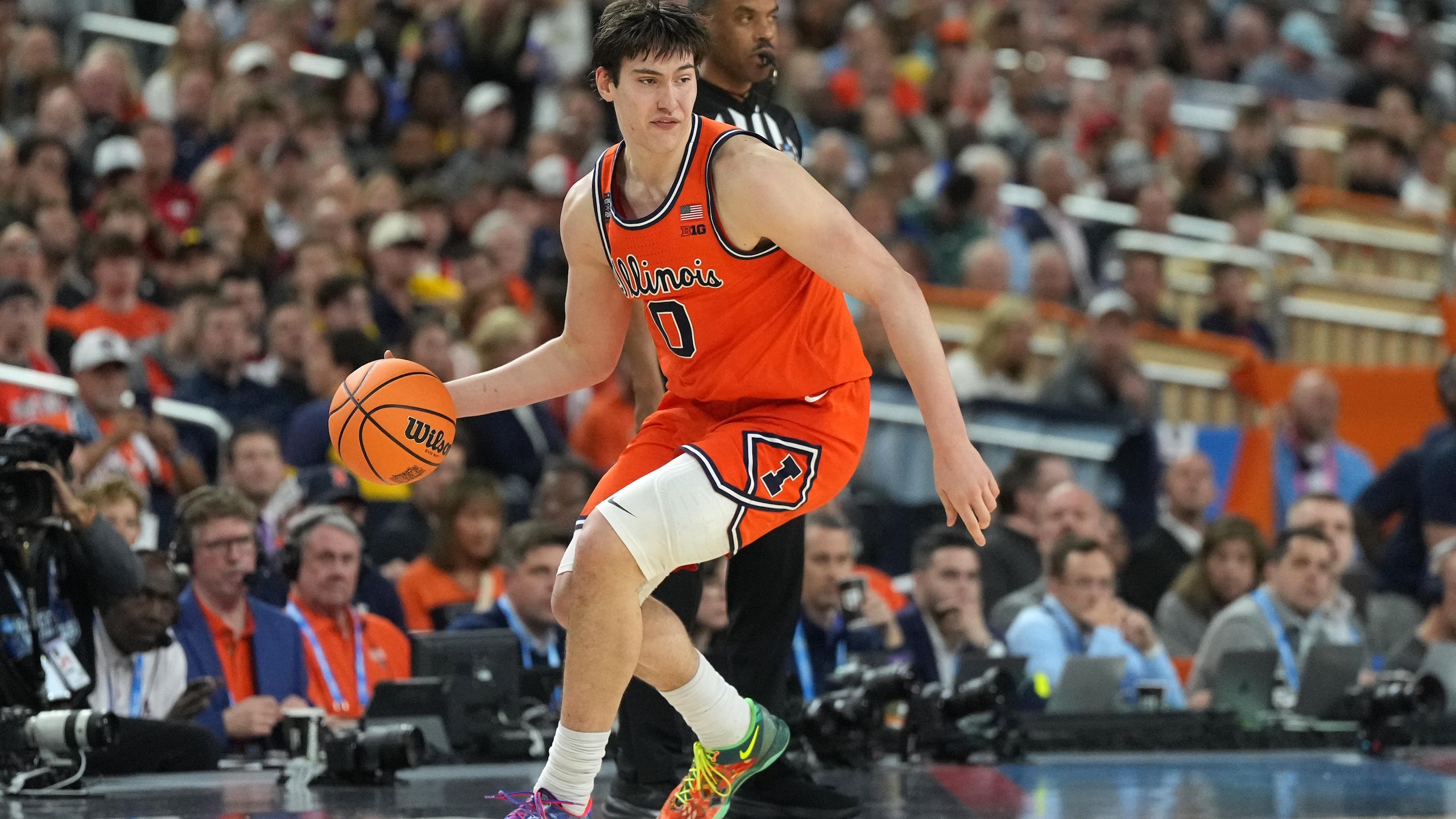
1. Cameron Houindo (Cedevita Olimpija)
Houindo's 6'10" size, athleticism, instincts around the basket and occasional perimeter flashes have earned him a spot on long-term watch lists for years. Last year's MVP showings at ANGT and Basketball Without Borders raised scouts' awareness and the bar for next season, when he'll likely play a bigger role for Cedevita Olimpija's senior team.
2. David Mirkovic (Illinois)
Foot surgery has cost Mirkovic important offseason prep time, which clouds his outlook. He's on NBA radars after hitting 57 threes and registering a 16.2 assist percentage and 20.2 defensive rebounding percentage. Those numbers highlight attractive shooting range, handling/passing and instincts at the rim for a 6'9" forward. His defensive outlook has raised concerns. It's now worth questioning his readiness for the season.
3. Amani Hansberry (Virginia Tech)
Hansberry suddenly checks intriguing boxes after shooting 35.4 percent from three, averaging 2.4 assists and registering strong defensive playmaking rates at Virginia Tech. He has the tools and rebounding motor of an NBA 4, plus a promising catch-and-shoot stroke and a strong passing IQ.
4. JT Toppin (Texas Tech)
A torn ACL threw a wrench into Toppin's 2026 draft stock. NBA teams have always wanted to see a more reliable three-point shot, but his outstanding paint production suggests that his interior scoring instincts, short-range touch and rebounding can translate.
5. Alvaro Folgueiras (Louisville)
Folgueiras's shooting, passing and finishing could receive more attention under the spotlight at Louisville. A 6'9" forward who shot 71.4 percent at the rim at Iowa, has 101 threes in 104 career games and posted a 20.0 percentage in consecutive years, Folgueiras could rise above the radar on a high-profile team this season.
Interchangeable Bigs
8 of 9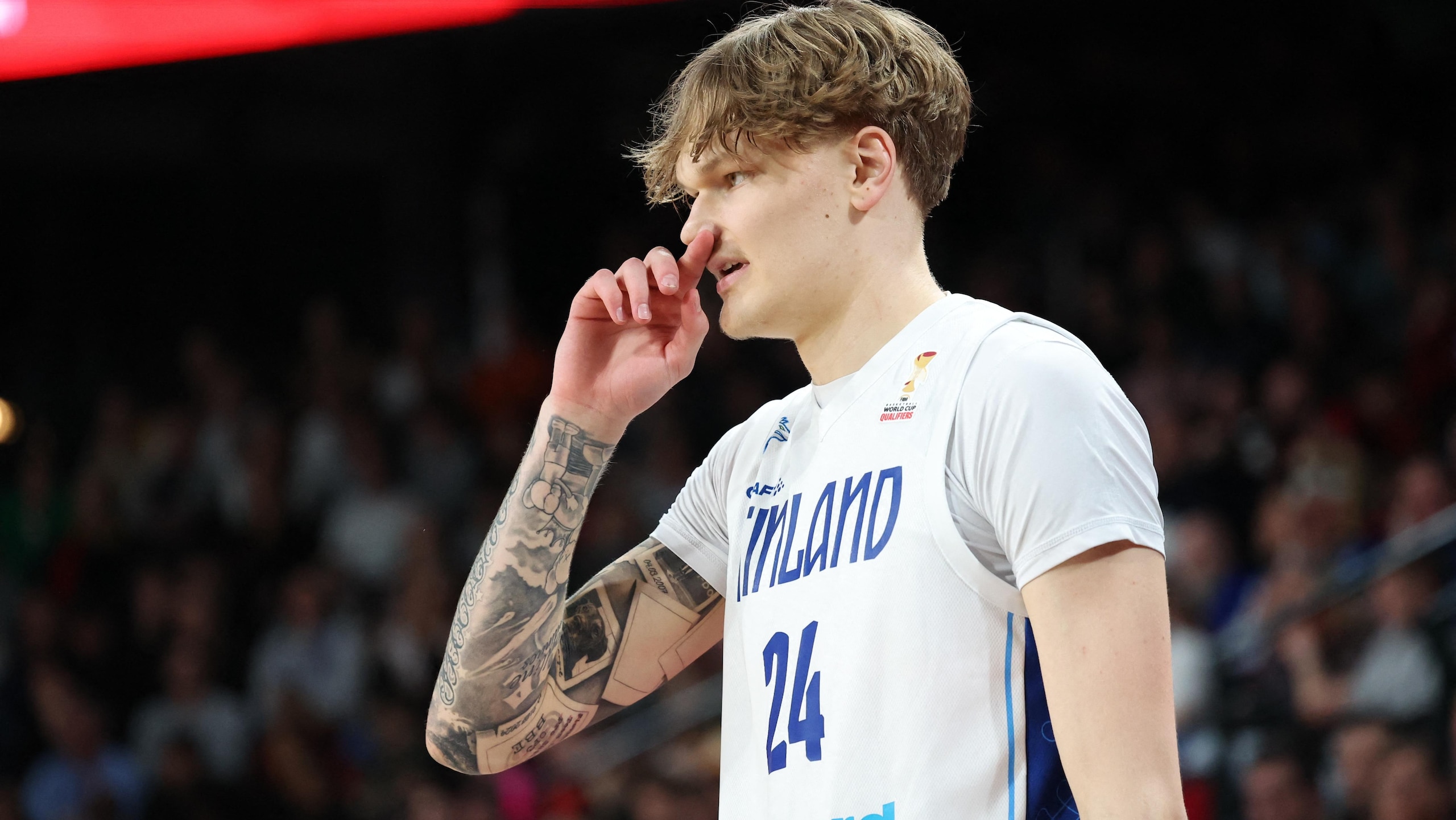
- Miikka Muurinen (Arkansas)
Muurinen has stood out for years with his explosive finishes and perimeter shotmaking for a 7-footer. His talent is obvious. His skill set makes him a surefire fit and valued archetype. Erasing concerns about his decision-making and maturity will be the keys to his draft stock.
2. Cameron Williams (Duke)
Williams' size, movement and shooting flashes are the draws. He'll operate this year as a play-finisher who covers ground defensively and occasionally makes shots from outside the paint. He just may be too raw to play a major offensive role this season for a rotation that has Patrick Ngongba II and potential No. 1 overall 2028 pick Joakim Boumtje Boumtje.
3. Nolan Winter (Wisconsin)
Winter plays the 5 at 7'0", but his shooting and fluidity in attacking closeouts could be useful at the 4 for a big who isn't a huge plus in rim protection. Winter is well-rounded and polished offensively as a post scorer and pick-and-roll/pop big who rebounds and finishes extremely well.
4. Alex Condon (Florida)
Condon should be able to make his way back into the first-round conversation with signs of improved shooting. He's still currently an attractive prospect at 6'11" with play-finishing bounce and a 20.0 assist percentage, but a more proven three-point shot will change the level of interest in Condon.
5. Massamba Diop (Gonzaga)
Diop is still more of a 5-man finisher and shot-blocker at 7'1", but he clearly shows confidence around the perimeter, both taking threes and putting the ball down. He'll generate real NBA interest at Gonzaga if he looks more polished this year away from the basket.
True Centers
9 of 9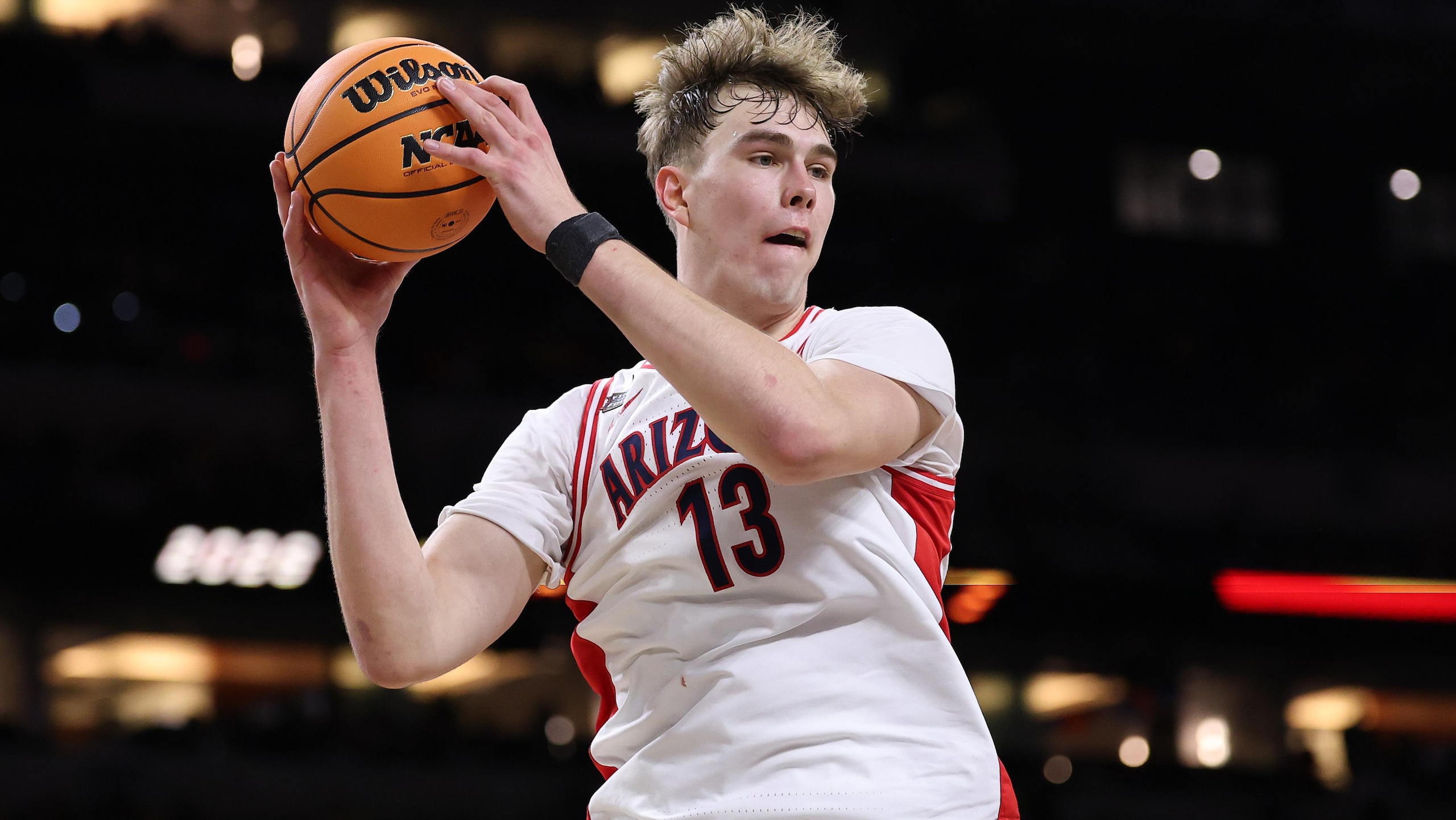
- Motiejus Krivas (Arizona)
NBA teams will ignore Krivas' counting stats and instead focus on analytics, tape and measurements that point to an NBA defensive anchor. At 7'2", 260 pounds, he's a massive paint presence in rim protection, as well as a useful low-post scorer, offensive rebounder and roll man with floater touch.
2. Patrick Ngongba II (Duke)
Durability will be a major talking point with Ngongba, who missed Duke games with foot soreness and sat out his entire senior year of high school. When healthy, he's been an effective rim protector, play-finisher and post player with some unique passing IQ and flashes of shooting potential. NBA teams tend to show love for centers who are smart/quick processors.
3. Luigi Suigo (Villanova)
It felt like Suigo had a chance to go first round last year, especially after he measured nearly 7'3" barefoot at the NBA Combine. He's a massive presence around the basket, with fluid finishing and overwhelming tools for offensive rebounding and shot-blocking. After hitting 24 threes, building on those flashes of shooting touch at Villanova could really help raise the excitement around his NBA outlook.
4. Najai Hines (Connecticut)
On a per-minute basis, no other player combined for better shot-blocking and offensive rebounding rates than Hines. In a bigger role and under a brighter spotlight at Connecticut, his impact this year should be magnified. Despite lacking any real creation or scoring skills beyond finishing and post-ups, his paint presence and defense look strong enough for scouts to look past the limited offensive versatility.
5. Malachi Moreno (Kentucky)
Moreno was close to entering last year's draft, but returning to a role with more touches and offensive responsibility made sense. NBA teams admire his instincts, which show in his passes and defensive reads. He'll enter the 2027 first-round discussion as a bigger post threat and a dangerous play-finisher.

.jpg?w=2560 "KOC Contacted OBJ After Release ☎️")