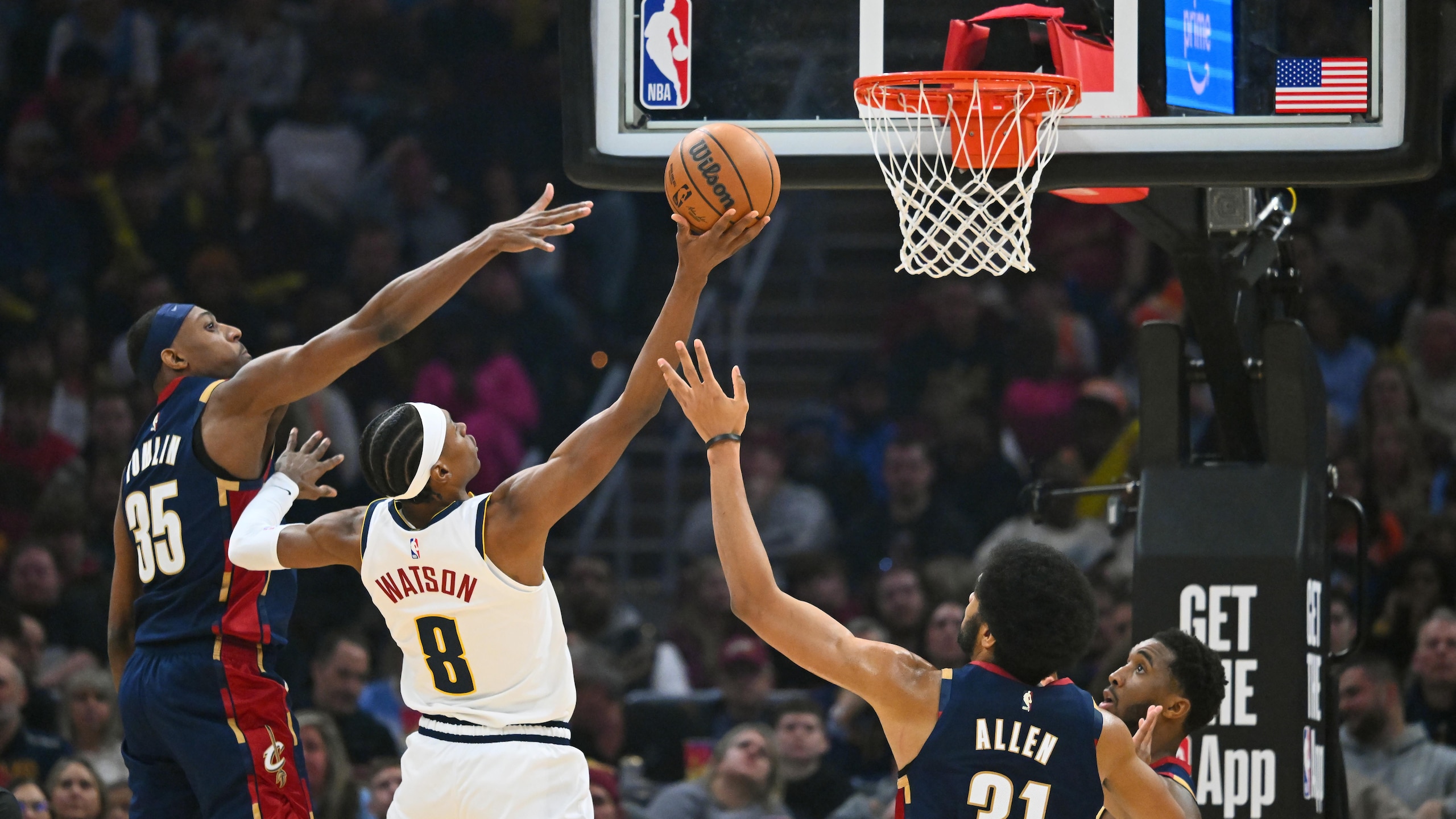

The Cleveland Cavaliers were one of the spurned suitors, hoping LeBron James would return home for a third stint. Once James chose the Philadelphia 76ers, it was assumed free-agent guard James Harden would re-sign with the Cavs.
Instead, Harden remains unsigned, a situation believed to give Cleveland flexibility to add talent elsewhere on the roster. He could take less in the first year of a three-year contract rather than sign a larger, shorter two-year deal. The Cavaliers then agreed to send Dennis Schröder to the Charlotte Hornets for Tre Mann.
Per Marc Stein, Cleveland is considered "a team to watch" in the Peyton Watson sweepstakes, with Max Strus and Schröder among the players who could be included. The challenge for the Cavs in executing a sign-and-trade for the Denver Nuggets' restricted free-agent forward is staying below the $221.7 million first-apron hard cap while accounting for Watson, Harden and 14 standard contracts.
Assuming the Hornets trade goes through as a standalone transaction—though that could also evolve into a multi-team swap—Cleveland and Denver would need help from a team like the Memphis Grizzlies to bring Watson to the land of wine and gold.
Full Trade Details
1 of 4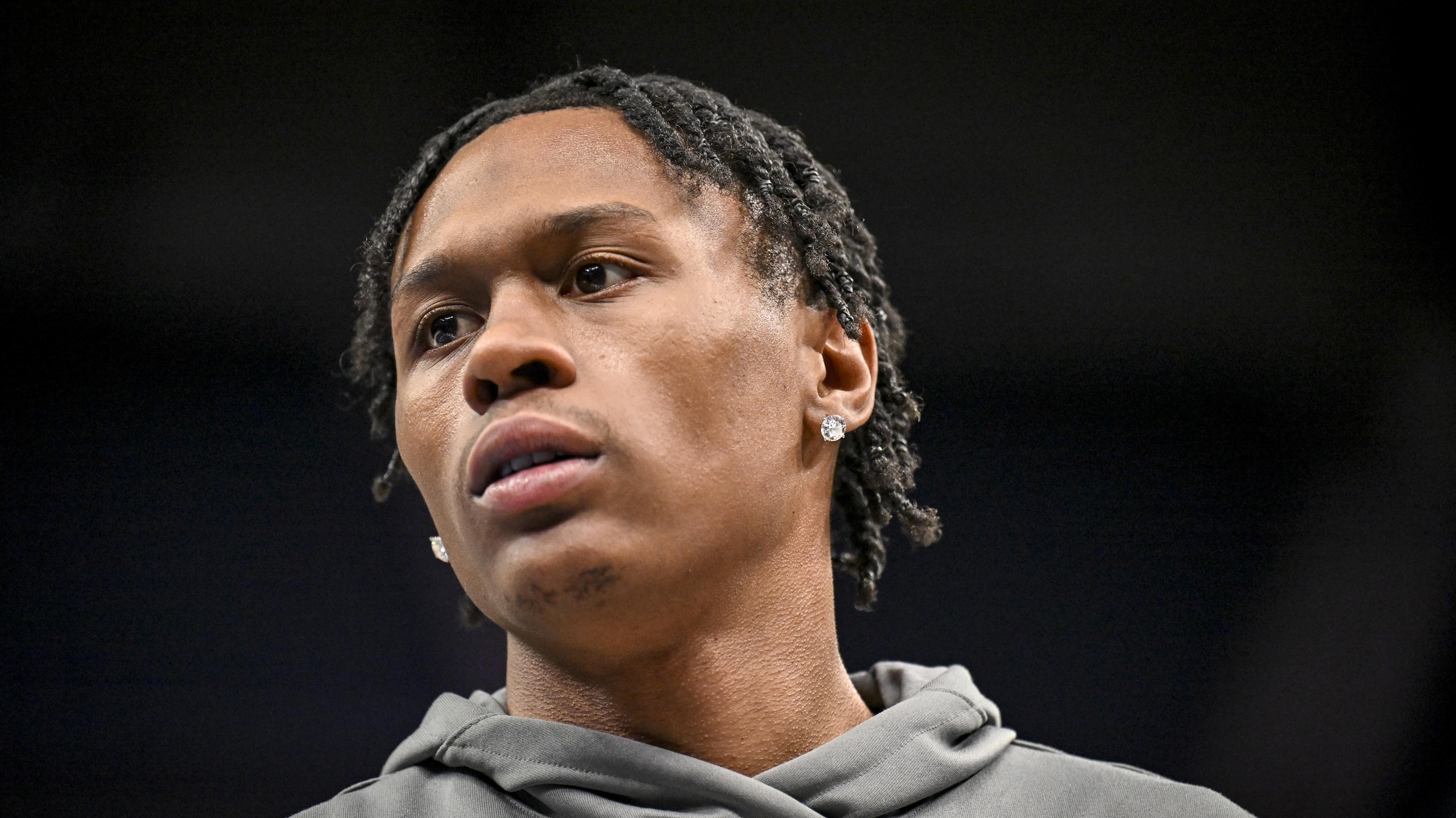
Cavaliers receive:
- Peyton Watson (from Nuggets)
Nuggets receive:
- GG Jackson (from Grizzlies)
- 2030 protected first-round pick (from Cavaliers)
- $11.6 million trade exception (Peyton Watson)
- $5.1 million trade exception (Zeke Nnaji)
Grizzlies receive:
- Max Strus (from Cavaliers)
- Zeke Nnaji (from Nuggets)
- 2028 Minnesota Timberwolves second-rounder (from Nuggets)
- 2031 Sacramento Kings second-rounder (from Nuggets)
- 2032 Sacramento Kings second-rounder (from Cavaliers)
- $3.5 million (from Cavaliers)
- $3.5 million (from Nuggets)
- $2.4 million trade exception (GG Jackson II)
Why the Cleveland Cavaliers Do It
2 of 4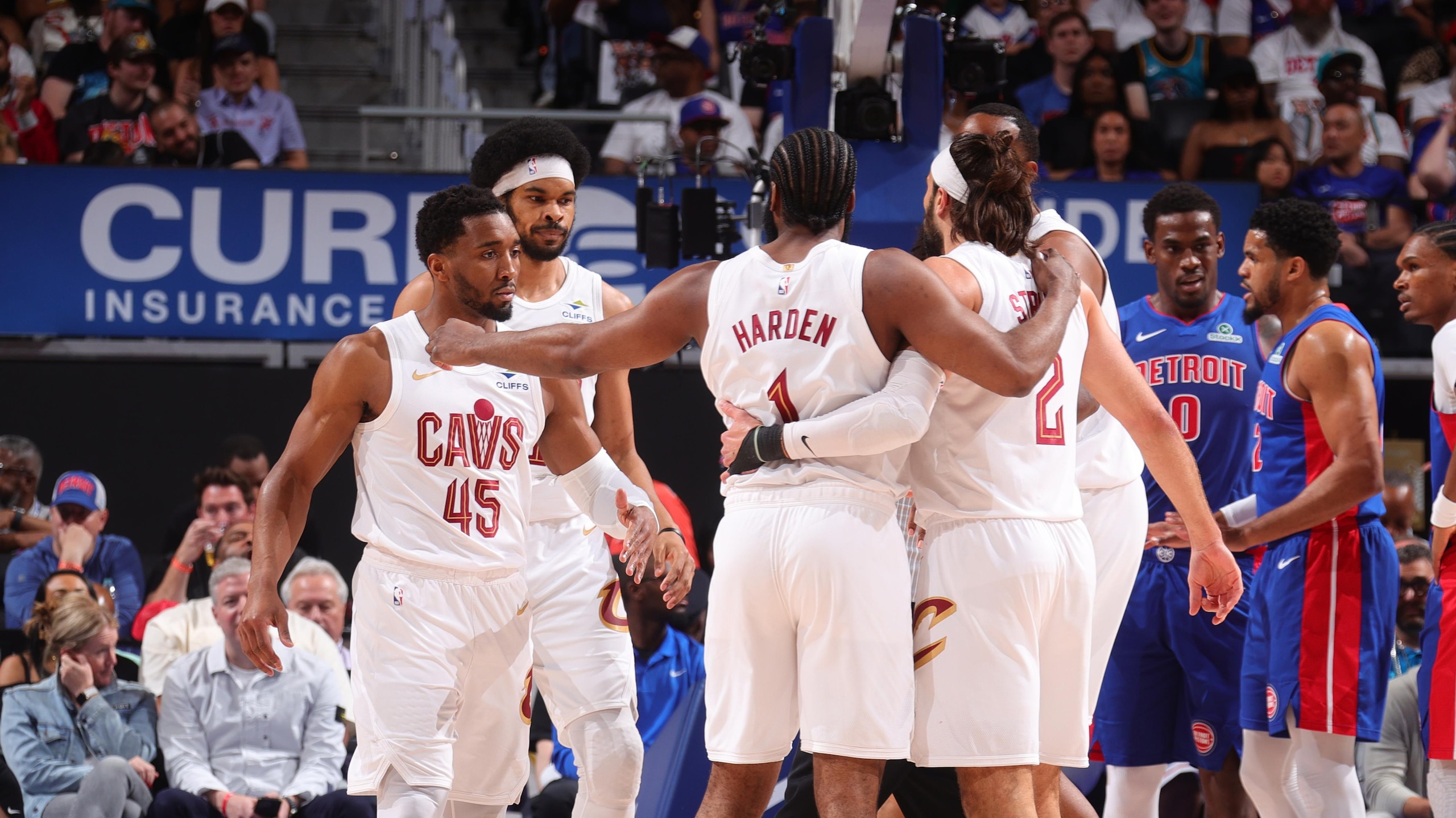
The Cavaliers covet a big wing, and Watson at 6'8" is a primary target. Almost 24, the UCLA product shot a career-best 41.1 percent from three-point range last season on 3.6 attempts per game. Averaging 14.6 points per game, he'd fill the slot recently vacated by De'Andre Hunter, who was traded ahead of the February deadline to the Sacramento Kings.
Cleveland also saw vital defender Dean Wade leave for Philadelphia and is parting with Strus in the deal, setting up the starting lineup of Donovan Mitchell, Evan Mobley, Jarrett Allen, Harden, and Watson. Depth would require strong support from Sam Merrill, Jaylon Tyson, Mario Hezonja, Nae'Qwan Tomlin, Thomas Bryant, Craig Porter Jr., and Mann, among others.
As for budget, the Cavs have almost $47 million to spend on Watson and Harden for 2026-27. If that's $23.3 million for Watson on a four-year, $100 million contract, Harden could sign at about $22.5 million for $70.9 million over three years. Both angle for player options before their final seasons, but that's for the franchise to negotiate.
With 14 players under contract, plus three two-ways, the Cavaliers can sign a minimum free agent, possibly after a contract buyout, in March.
Cleveland would fight to protect its 2030 first, with something like top-5 protection; otherwise, unprotected in 2031. Watson is acquired using the expanded traded player exception generated by Strus, which is also a first-apron hard cap trigger.
Why the Denver Nuggets Do It
3 of 4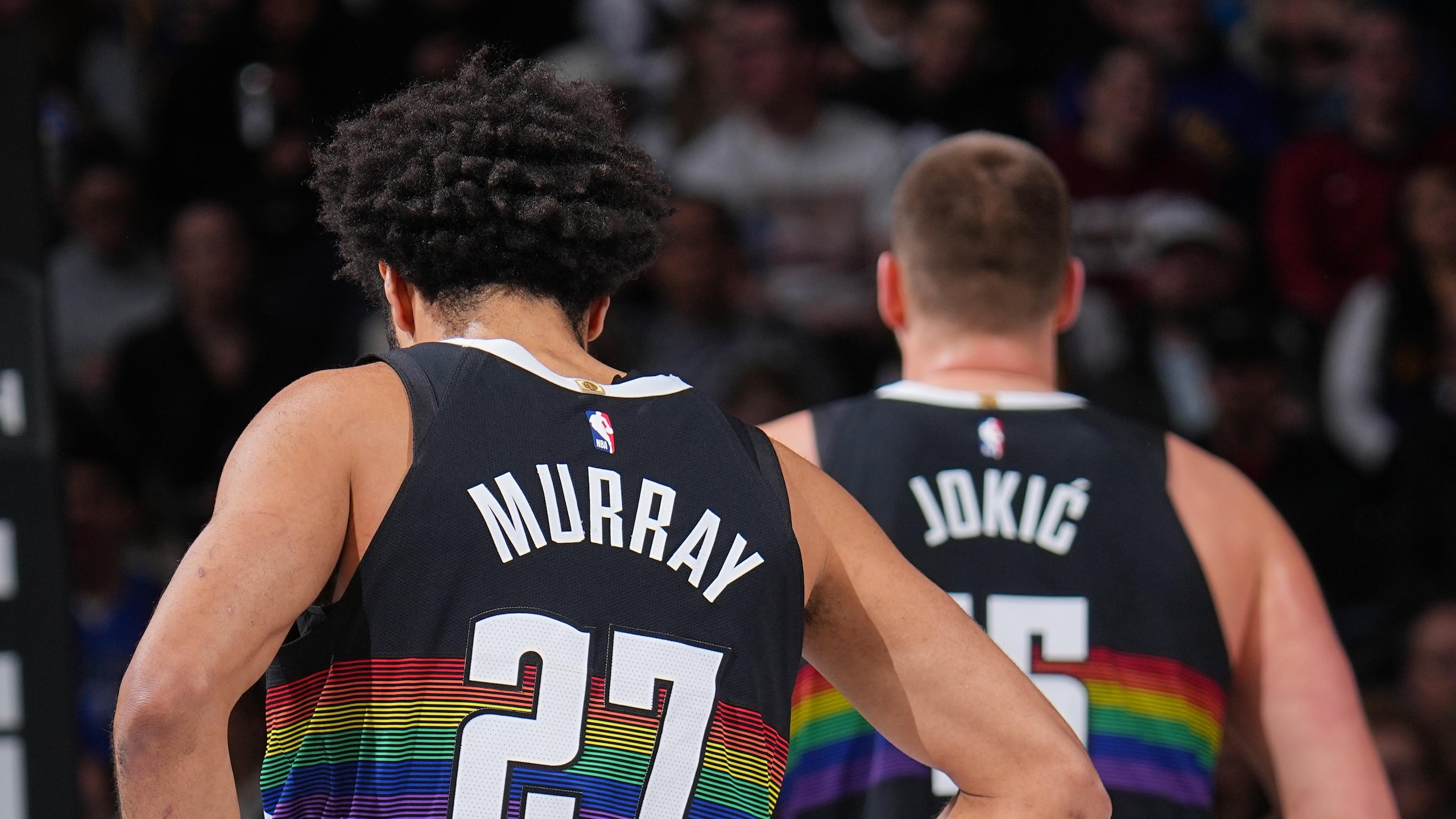
The Nuggets project to have the highest payroll in the league this season, before considering the $25 million average Watson is believed to be seeking in a new contract.
Many sources around the league anticipated Denver would look to part ways with Cam Johnson, Christian Braun, or even Aaron Gordon to reduce payroll and make room to retain Watson. Instead, the Nuggets weren't seen as aggressively pursuing that path, even as other franchises had greater financial flexibility earlier in the summer.
Watson may have priced himself out of Denver's range. The team would match an offer sheet in the $15 million non-taxpayer mid-level exception range, but even that would drive the team's tax burden to approximately $175 million. Watson, at the numbers the Cavaliers are giving in this scenario, would push that penalty to over $241 million, driving Denver's decision to go in a different direction.
Instead, the Nuggets get a still-promising 21-year-old forward in Jackson from the Grizzlies. The team has room for one more player on a minimum deal, perhaps bringing back Bruce Brown Jr. With Nnaji's exit, the team successfully drops below the second apron with about $54 million in repeater taxes. That's an inevitable burden, but a reasonable one for a franchise maintaining championship aspirations around Nikola Jokić, one of the league's premier players.
Denver also clears Nnaji from next year's books, assuming he opts into his $7.5 million final season. Parting with Watson may be bittersweet, but the Nuggets also yield a first-round pick from the Cavaliers. Jackson is acquired in exchange for Nnaji; the Watson trade exception is for half of his starting salary.
The two trade exceptions aren't likely to factor in this season, as the team officially locks in a second-apron hard cap at $221.7 million by sending cash to the Grizzlies.
Why the Memphis Grizzlies Do It
4 of 4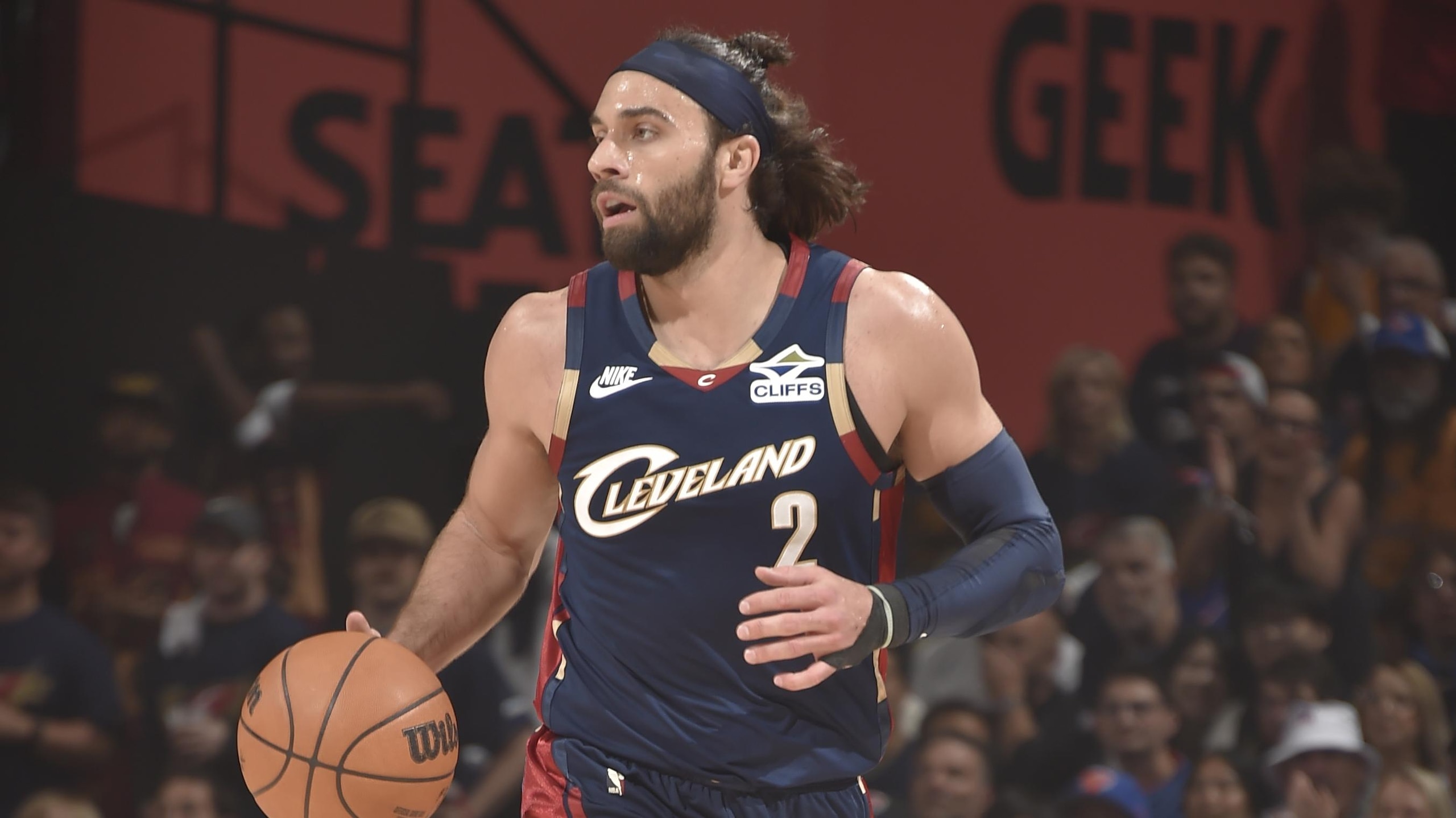
In addition to getting "a pretty man" (per Charles Barkley), the Grizzlies add a capable all-around guard/forward in Strus. For a rebuilding team, the 30-year-old represents a valuable veteran leader to put around rookie No. 3 pick Cameron Boozer.
With the NBA's new lottery system, teams have an incentive to avoid the bottom of the standings. In the competitive Western Conference, Memphis needs to field a reasonably viable squad.
Along with other young players like Cedric Coward, Jaylen Wells, Zach Edey, Olivier-Maxence Prosper, and Karim Lopez, the Grizzlies add Strus to recently acquired vets like Jerami Grant, Isaiah Stewart, and Ty Jerome. The squad isn't likely to push for a playoff berth, but should be able to avoid bottoming out.
Beyond losing Jackson, who is likely to be buried in the rotation given the roster glut at his position, Memphis gains Strus on an expiring contract and three seconds. The team also takes on Nnaji, 25, with one year left on his deal via player option. Whether he's a part of the team's future or expendable is up to the franchise, but the Cavaliers and Nuggets subsidize almost half of his two-year deal, sending $3.5 million apiece to the Grizzlies.
Both Strus and Nnaji are absorbed via the preexisting Jaren Jackson Jr. trade exception, leaving a $4.7 million remainder. Memphis already has a first-apron hard cap but is nowhere near the $200.4 million luxury tax line.
The larger issue for the franchise is roster space. Before the trade, the team waives D'Angelo Russell, Kris Murray, and AJ Johnson—each acquired in larger deals this offseason and expendable to the Grizzlies. One more trade or cut would be needed before opening night, likely Taylor Hendricks or Nnaji, even with the latter's additional year on the books.
It's not an earth-shattering deal for the Grizzlies, helping the Cavaliers round out their roster, the Nuggets under the second apron, and resolving Watson's restricted free agency—but Nnaji's contract is light, the second-rounders are valuable, and Strus is a solid get for a team that can't afford to be dreadful.
Or Memphis can choose to pivot and flip his expiring contract ahead of the February trade deadline, as several playoff-caliber teams would view him favorably.
Email Eric Pincus at eric.pincus@gmail.com and follow him on X @EricPincus and Bluesky.
.jpg?w=2560 "Cardinals LB's Quote Resurfaces 😏")
.jpg?w=2560 "Packers Beat Cowboys on SNF 🧀")
.jpg?w=2560 "Skattebo Has 0 Touch Game 😬")
.jpg?w=2560 "Bills Safety Ejected for Spitting")
.jpg?w=2560 "Hunter's Wife Calls Out Sharpe")
.jpg?w=2560 "Chargers Fall to 0-6 📉")