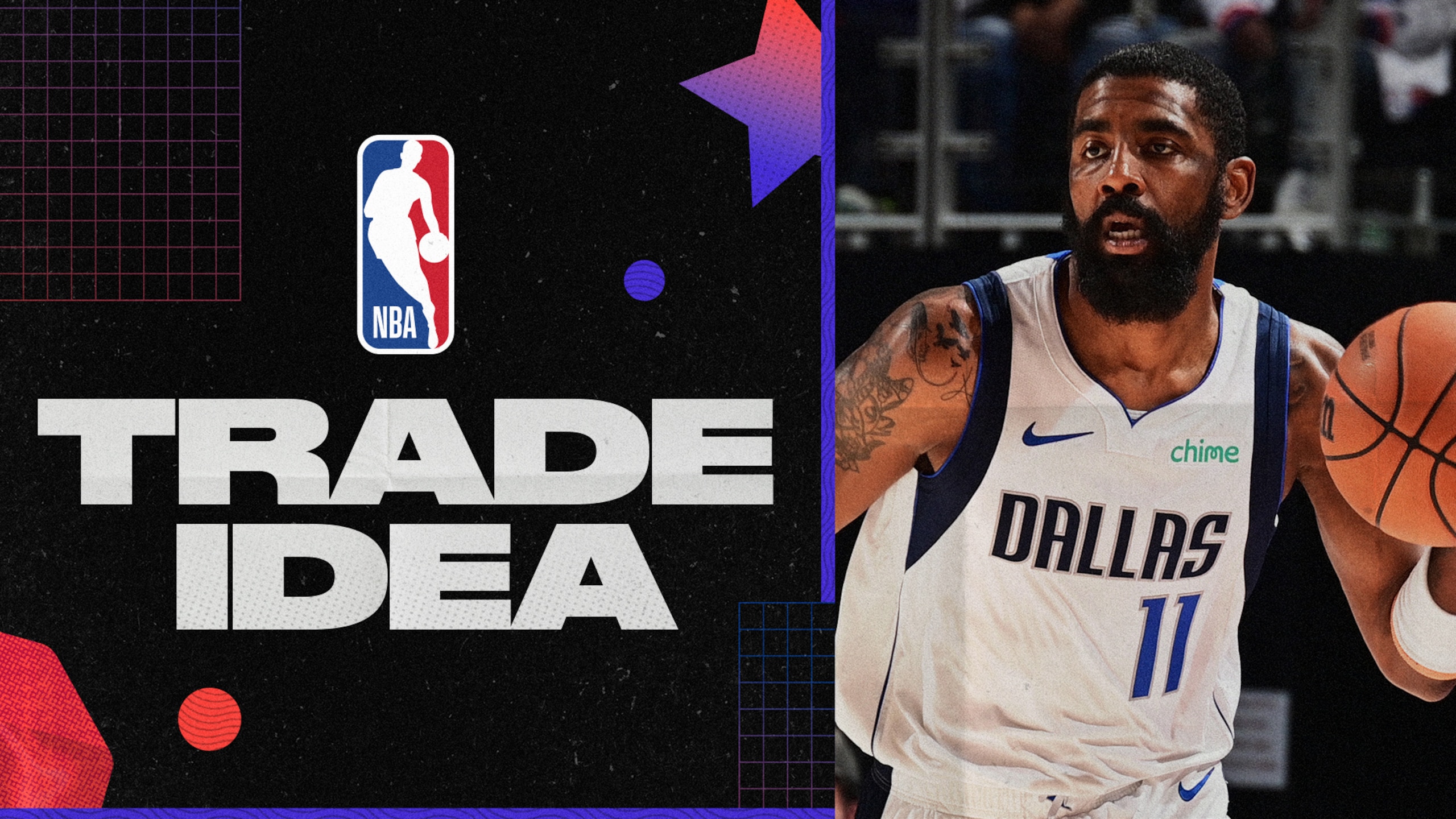


Assuming the Toronto Raptors' trade to bring Kawhi Leonard back north of the border goes through at some point—which still seems the safest assumption—they should feel they have a decent shot at competing in the NBA's improved Eastern Conference.
Something tells us the overall organizational aim sets the bar higher than having this decent shot at noise-making.
If that is the objective, then it might be time for Toronto to get greedy. Because in a conference where a Giannis Antetokounmpo addition may not guarantee top-10 status, it might take more than a Leonard-Scottie Barnes foundation to take the throne.
Drop an All-Star guard onto this roster, and maybe everything falls magically into place. Add said star at a relatively discounted price, and Toronto might trip over itself to accept the terms, right?
Well, as dream-like as this all sounds, it just might be doable if the Dallas Mavericks are less resistant to one major change than they claim.
The Trade
1 of 3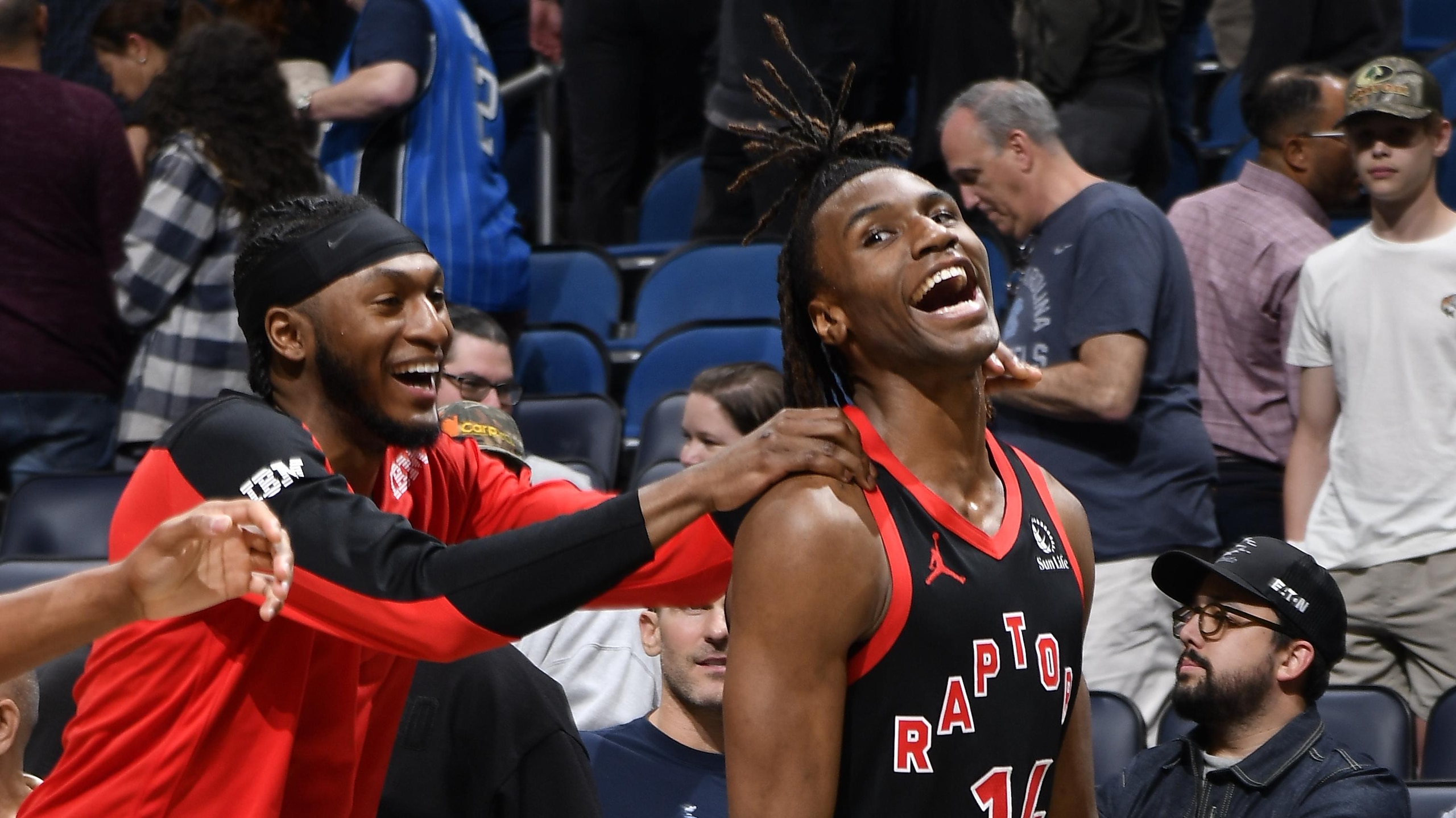
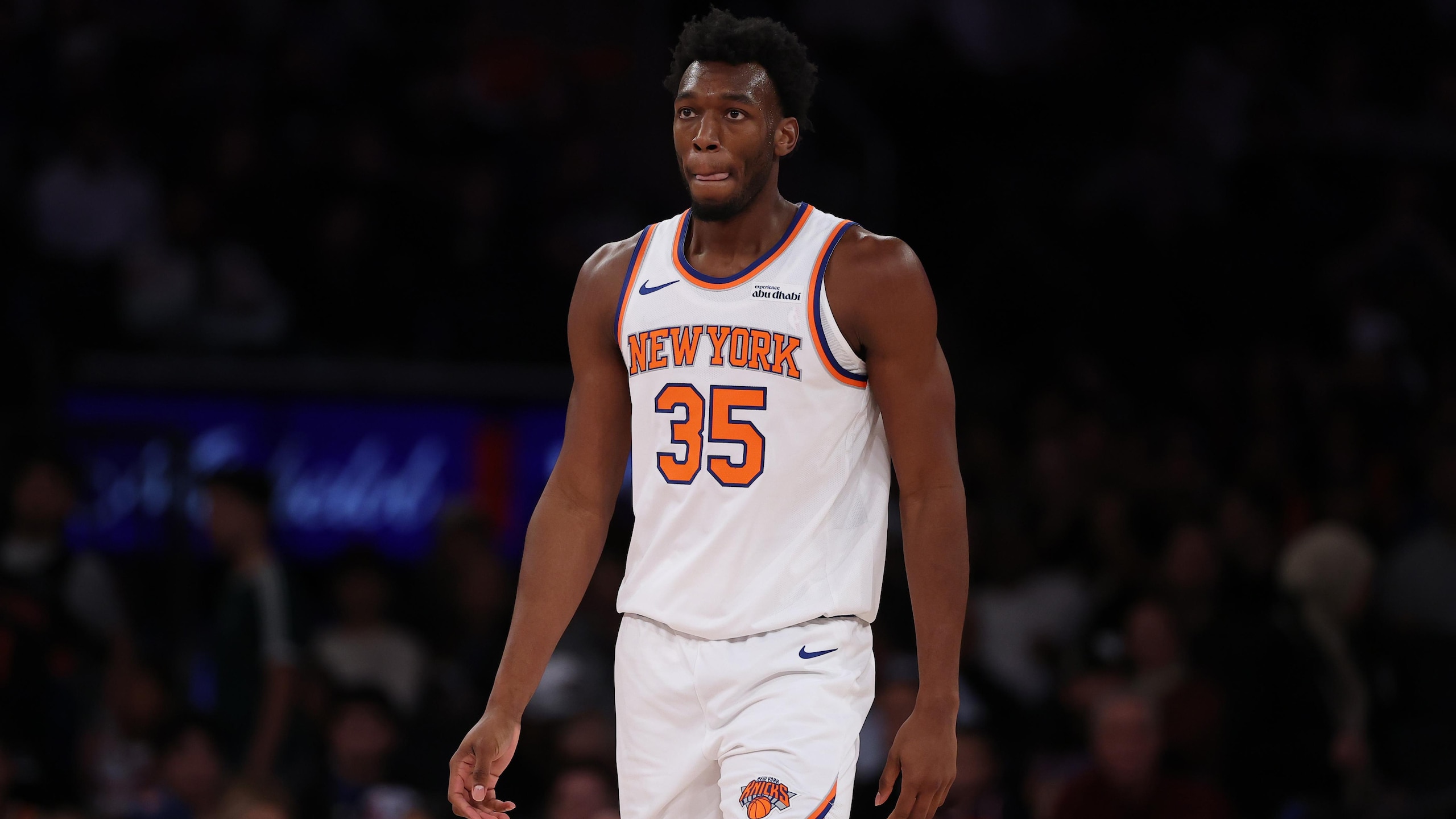
Toronto Raptors receive: Kyrie Irving
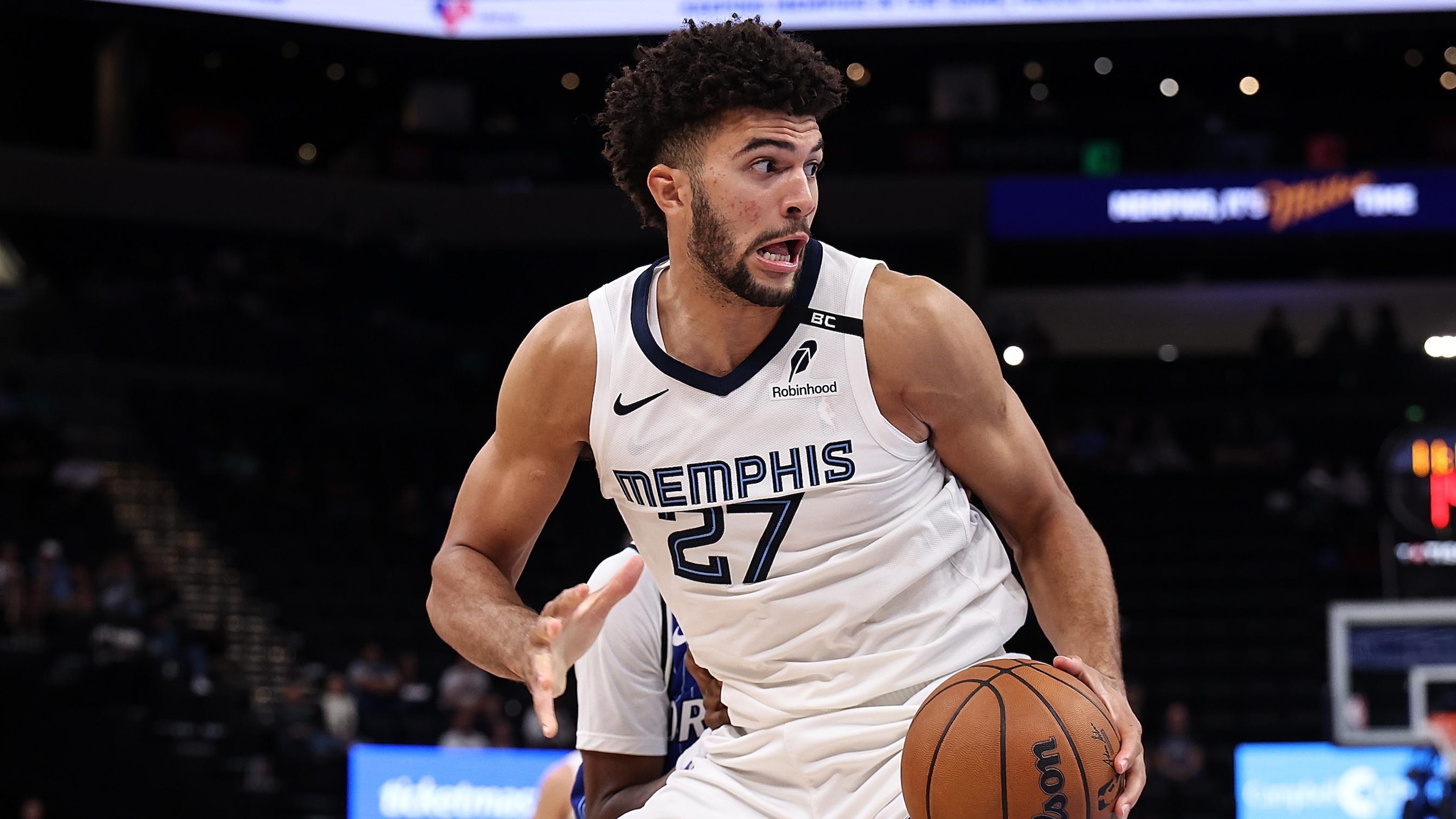
Dallas Mavericks receive: Immanuel Quickley, Ja'Kobe Walter and a 2028 first-round pick (top-five protected)
Why the Toronto Raptors Do It
2 of 3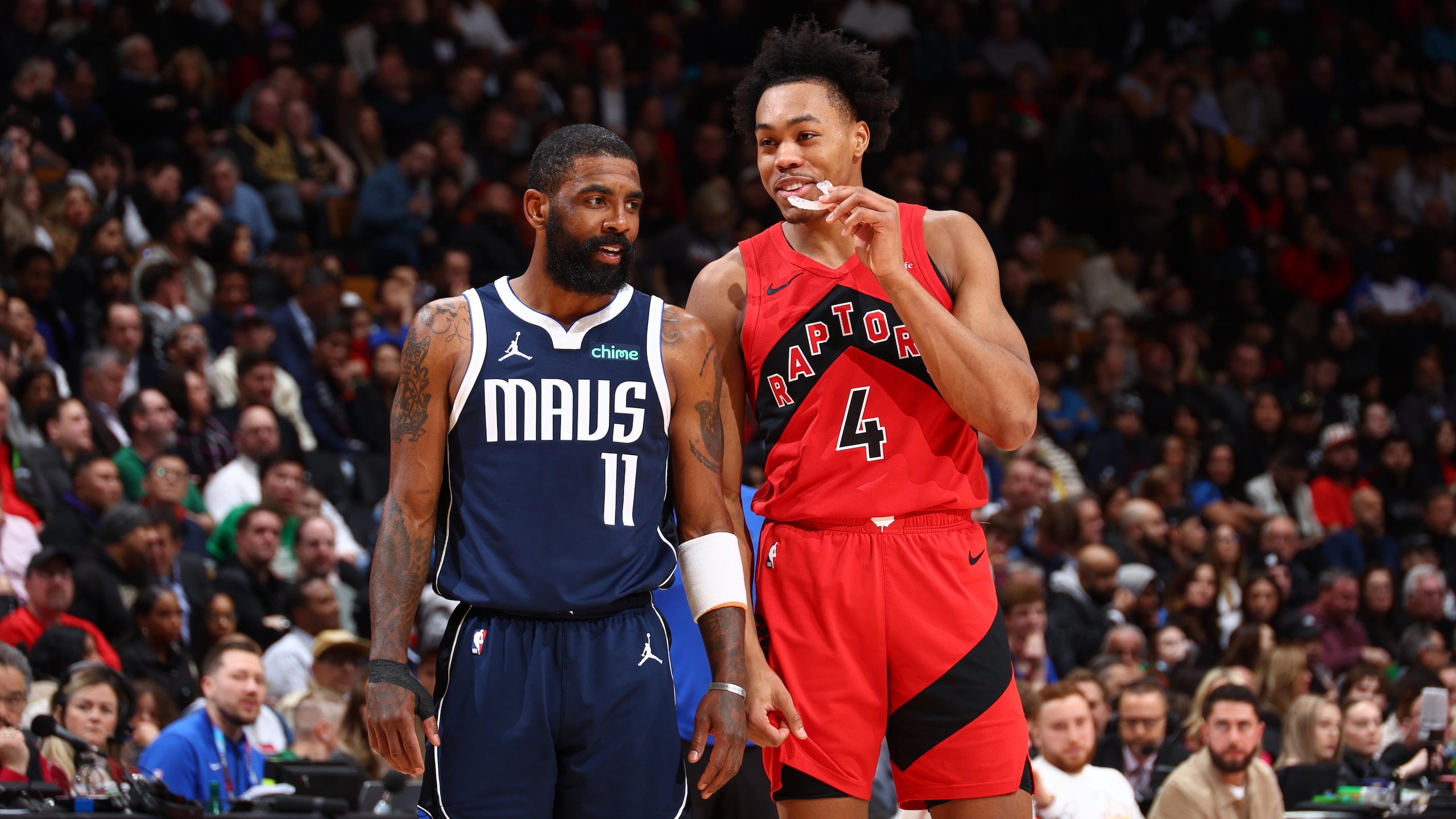
Toronto already boasts a championship-caliber defense, which ranked fifth overall in efficiency last season. If the agreed-upon deal for Leonard ever gets done, it'll have one of the Association's top forward tandems, too.
Does it have enough offensive juice to capture the suddenly stacked Eastern Conference, though? Color us skeptical. The Raptors were a forgettable 15th in offensive efficiency, and that was arguably impressive given their lack of big-time bucket-getters, capable creators and high-level shooters.
They had next to nothing in terms of something-out-of-nothing creativity, ranking 25th in efficiency on isolations. Their pick-and-roll ball-handlers didn't fare much better (23rd). Having Leonard around should help with both, but he isn't a one-stop solution.
Maybe Irving isn't either, as a 34-year-old working his way back from a torn ACL. But remember, Toronto would have both upgrades working in concert. Let Barnes pick and choose his spots as an overqualified third option, and the Raptors might start overwhelming opponents with offense—while retaining all the key components of their already disruptive defense.
If Toronto needs a sales pitch to pounce, that's the one: Adding an impact player without paying anything close to an impact-player price. Now, that's because availability risks would be part of Irving's carry-on baggage, but his healthy version is such an obvious and substantial need-filler that this might be bordering on no-brainer territory.
Given Irving's legendary handle and uber-imaginative isolation game, he could be forgiven if he were a ball-pounding black hole. But he's not. He is a willing and able passer, plus a lights-out off-ball scoring option. He's consistently helpful, as shown by his positive net differential over nine years (plus-4.9 points per 100 possessions over that stretch).
A healthy Irving would be an immediate and immense upgrade and perhaps the addition that could seal Toronto's spot among the East's elite. That's just too rich a prize to pass up at this price.
Why the Dallas Mavericks Do It
3 of 3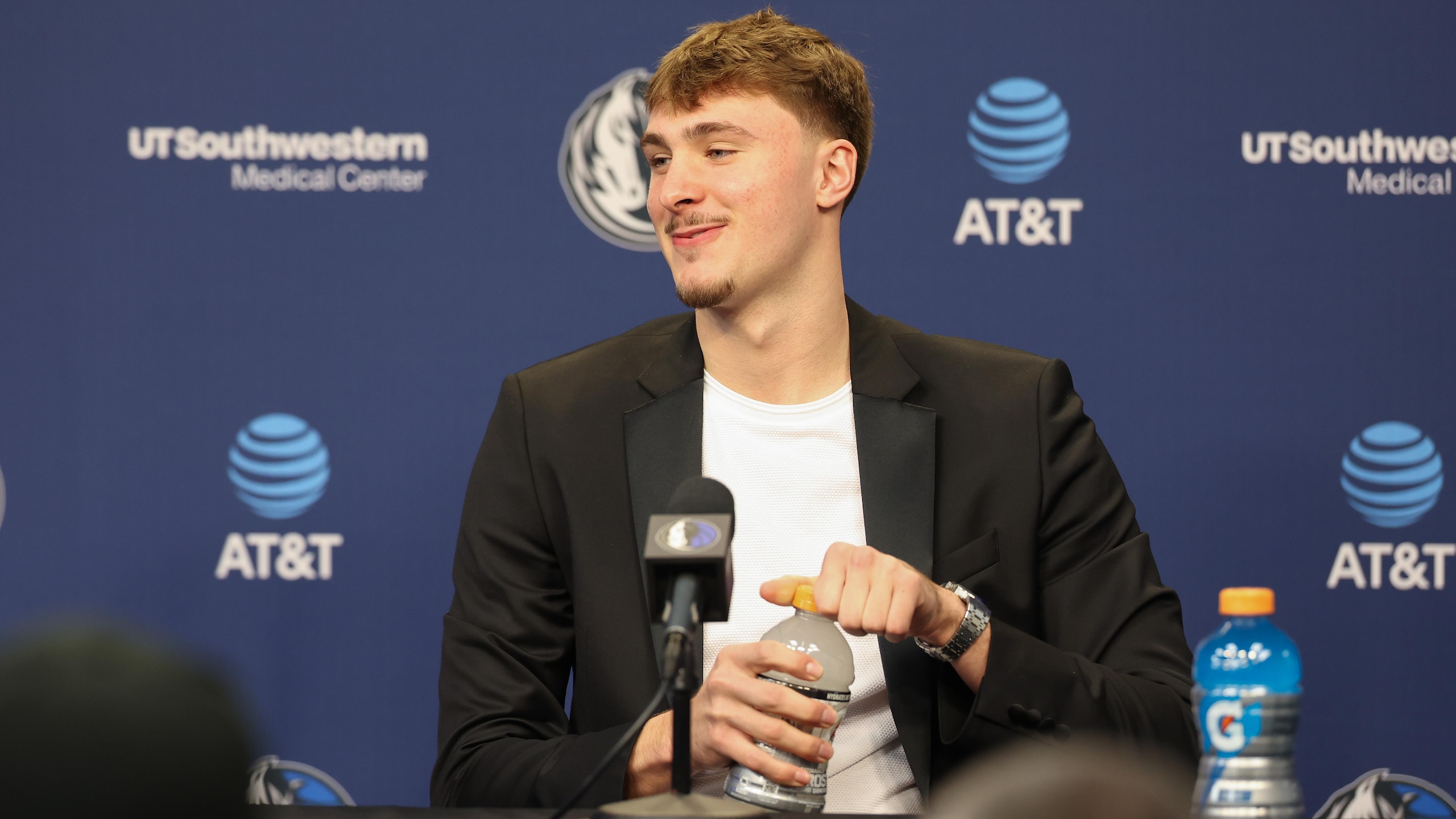
Like every decision Dallas will make for the foreseeable future, this is all about Cooper Flagg.
The Mavericks might be stiff-arming Irving suitors so far, but that could have more to do with the kind of offers they're receiving than anything. If Dallas wants to give its 19-year-old centerpiece the best shot at success, that process almost certainly involves turning his 34-year-old co-star into a long-term asset.
Now, the Mavericks may not be getting a ton here, but the 21-year-old Ja'Kobe Walter could be a long-term keeper. And who knows what a lightly protected 2028 first might become under the new lottery system? Those are, at worst, a couple of intriguing darts to throw.
Immanuel Quickley, meanwhile, might offer similar on-court benefits to what the Mavericks think Irving will provide Flagg. Quickley isn't the same caliber ball-handler or scorer, but he does offer similar on-and-off-ball versatility, efficient shooting (career 37.5 percent from three) and sound decision-making (5.9 assists against 1.5 turnovers last season).
Quickley's biggest flaw isn't tied to his talent, it's his overbloated pay rate ($32.5 million each of the next three seasons). Still, that gets easier to digest amid the annual increases to the salary cap. Plus, if any team can afford to overpay players, it's probably one following the lead of a teenager with three years left on their rookie deal.
Could the Mavericks maybe squeeze out a richer return if Irving returns to action and looks every bit like his old All-Star form? It's possible. But what if he starts showing his age? Or he looks like a lost step? If his $42.4 million player option suddenly seems burdensome, there's a chance his trade value is irreparably damaged.
There is risk in making this move, just like there is risk with any trade. There is also risk in not trading away Irving and seeing his stock fall further. This might be the right point, then, for the Mavs to fully split from their past and more clearly align this roster around the reigning Rookie of the Year.
.png?w=2560 "B/R CFB Top 25 After Week 7 🔢")

.jpg?w=2560 "AEW WrestleDream Live Grades 🔠")
.jpg?w=2560 "Ex-NFLer BLASTS Fitzpatrick🤬")
.jpg?w=2560 "Myles Garrett Got Warning 👀")