
B/R's Team of the 2026 World Cup
The 2026 World Cup is officially done.
As we pick through the pieces of a fascinating tournament, our B/R Football staff got together to choose a best XI.
We've opted for a 4-2-3-1 formation and chose a manager. The team selected features the best of the best, including arguably the greatest player of all the team.
Read on and judge our selections for yourself.
Goalkeeper: Vozinha, Cabo Verde
1 of 12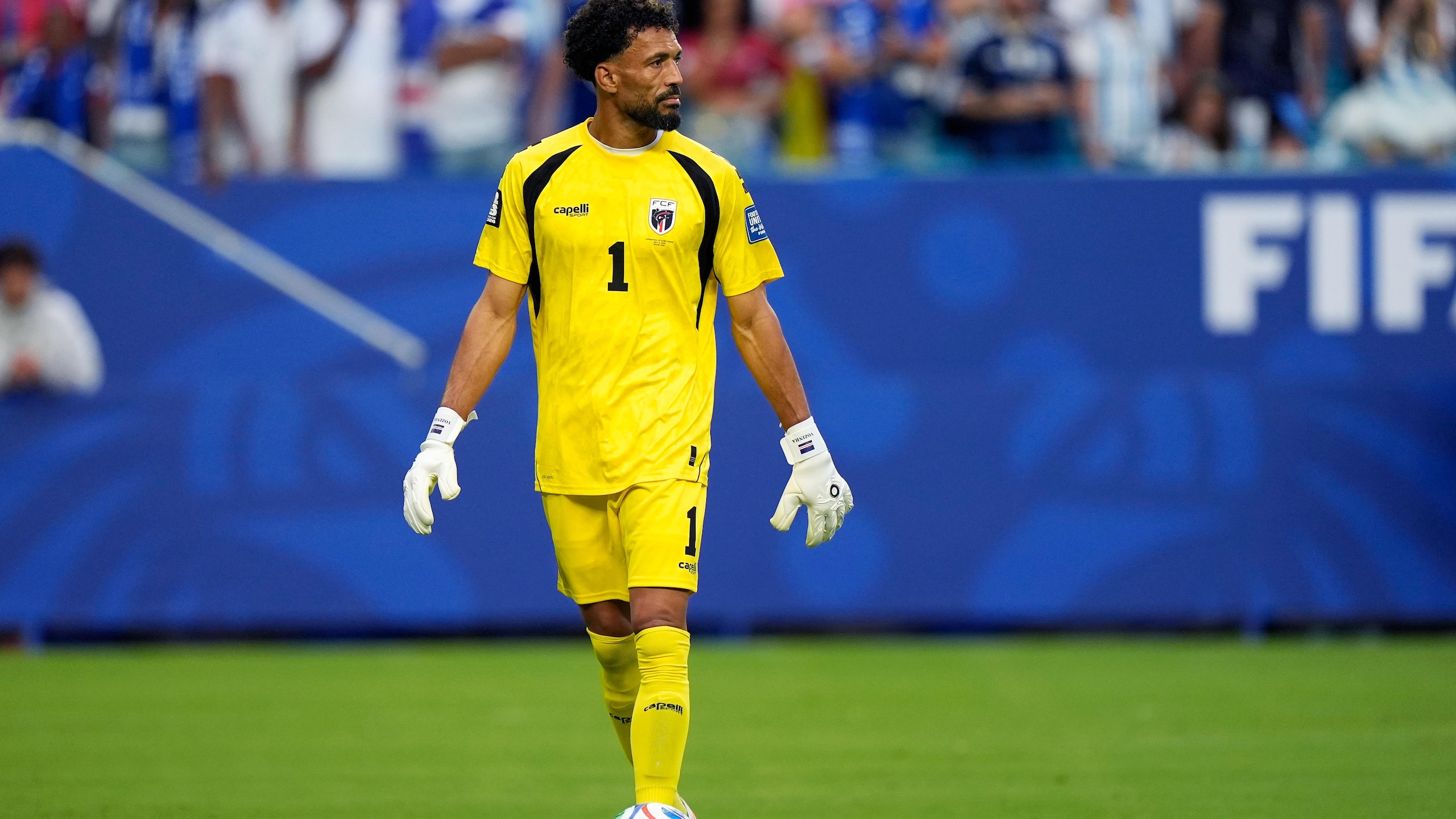
Much has been made of Vozinha rising from approximately 40,000 followers to becoming the most-followed goalkeeper in the world on Instagram. That's the power of the World Cup, where underdogs are given a platform to show what they can do in front of millions who'd never heard of them before.
While that's great for the Cabo Verde goalkeeper's social standing, let's not overlook exactly why it happened. Vozinha stopped winners Spain from scoring in his nation's opening game, making seven saves in an incredible 0-0 that really ignited the tournament.
He then went on to help secure 2-2 and 0-0 draws with Uruguay and Saudi Arabia, respectively. Cabo Verde's spirit pushed them to a narrow 3-2 defeat to finalists Argentina in the Round of 32, which acted as a brilliant curtain call on a team and player who did their country proud.
Even Lionel Messi himself was moved to give Vozinha praise for the outstanding tournament he had. It was well-deserved, with the 40-year-old making highlight-reel save after save.
There will be some questions about why we didn't choose Spain's Unai Simón, especially after a record-setting World Cup and winning the Golden Glove. The reality is that Vozinha has a worse XI in front of him, faced 22 shots compared to Simón's 9, and even kept a clean sheet against Simón's Spanish teammates when they went head-to-head.
Goalkeeping stats don't always tell the full story of a keeper's prowess, and the Spanish back four and midfield stifle the opposition to the point that shots faced are few, far between, and often more speculative than dangerous. Simón, despite his nearly flawless defensive record in the tournament, wasn't perfect and occasionally struggled with crosses.
Still, it requires a truly magical goalkeeping performance to earn the nod over what Simón did, but that's exactly what Vozinha delivered.
As for the Spanish defenders, we'll get to them in a moment ...
- Nick Akerman
Right Back: Pedro Porro, Spain
2 of 12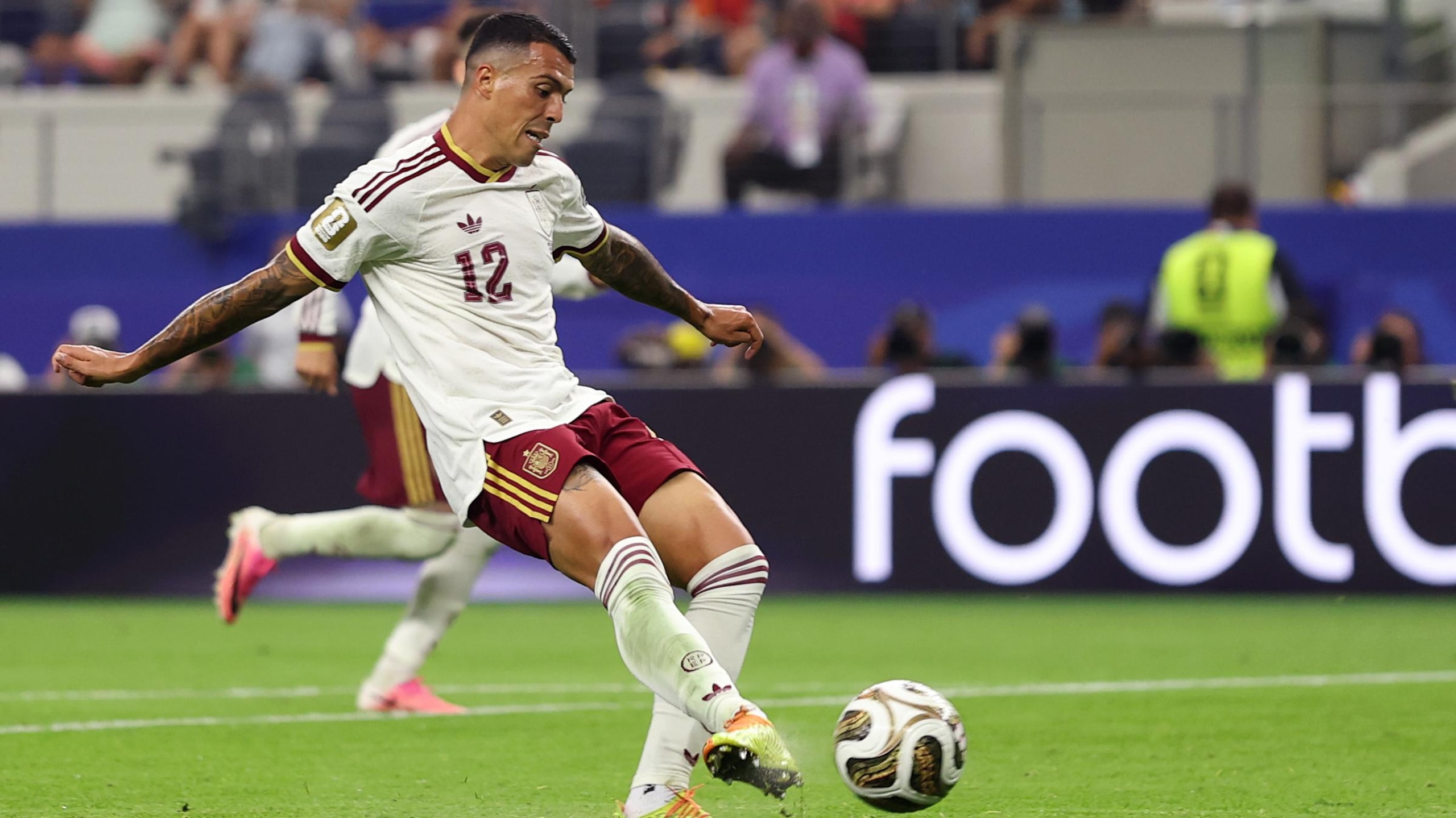
Achraf Hakimi made a strong case for this spot in scoring three goals as part of Morocco's run to the quarter-finals, but Pedro Porro earned the nod after saving his best performances for the tournament's latter stages.
Porro has elevated his reputation after not even being assured of a starting place for Spain entering the tournament. Atletico Madrid's Marcos Llorente started the opening game against Cape Verde and the final group-stage match against Uruguay.
When the knockout rounds arrived, though, it was Porro who started each game. He scored in the round of 32 against Austria, kept Joao Felix and Rafael Leao quiet across 90 minutes against Portugal, and scored the second goal in the stunning victory over France before another superb performance vs. Argentina in the final.
The competition for Porro's spot perhaps came down to concerns over his defending in comparison to the more physically imposing Llorente. But in difficult matchups with Jeremy Doku in the quarter-finals and the combination of Bradley Barcola and Kylian Mbappe for France, Porro gave as good as he got.
The 26-year-old has played as much of a part in Spain's impressive defensive record as anyone else.
- Calum Rogers
Center Back: Pau Cubarsi, Spain
3 of 12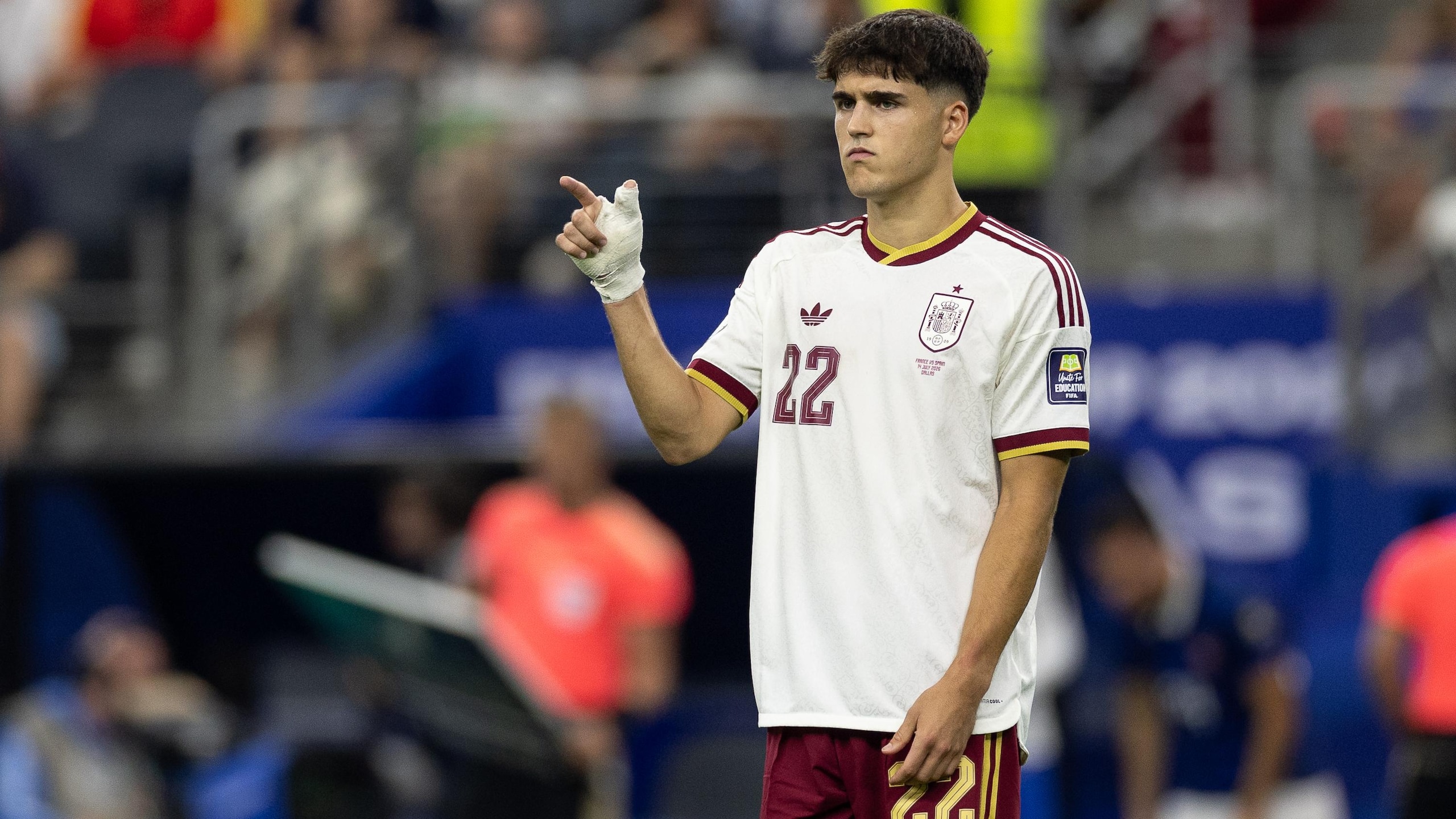
Pau Cubarsi formed a dominant defensive partnership with Aymeric Laporte. Spain conceded just one goal across the entire tournament, setting a new record while also playing at least one extra game more than all other previous winners.
And while Spain's ability to keep possession and do so in the opponents' half does ensure that its defence doesn't have to perform heroics in every game, that they are also able to defend aggressively and still restrict teams to minimal chances speaks to both the quality and bravery of the defenders.
There was no greater example of this than against France, whose attack and previously run roughshod over opponents with a devastating mix of pace and technical class. Cubarsi and his teammates restricted them to just 0.27 expected goals, according to FotMob, by far their lowest mark of the tournament.
While age isn't a factor in selection for this team, Cubarsi's ability to operate within this structure at just 19 years old is impressive. The judgement he shows in when to be aggressive typically comes with experience, but he has made himself a lynchpin of a Spanish team that is now the dominant force in international football.
- Calum Rogers

Center Back: Aymeric Laporte, Spain
4 of 12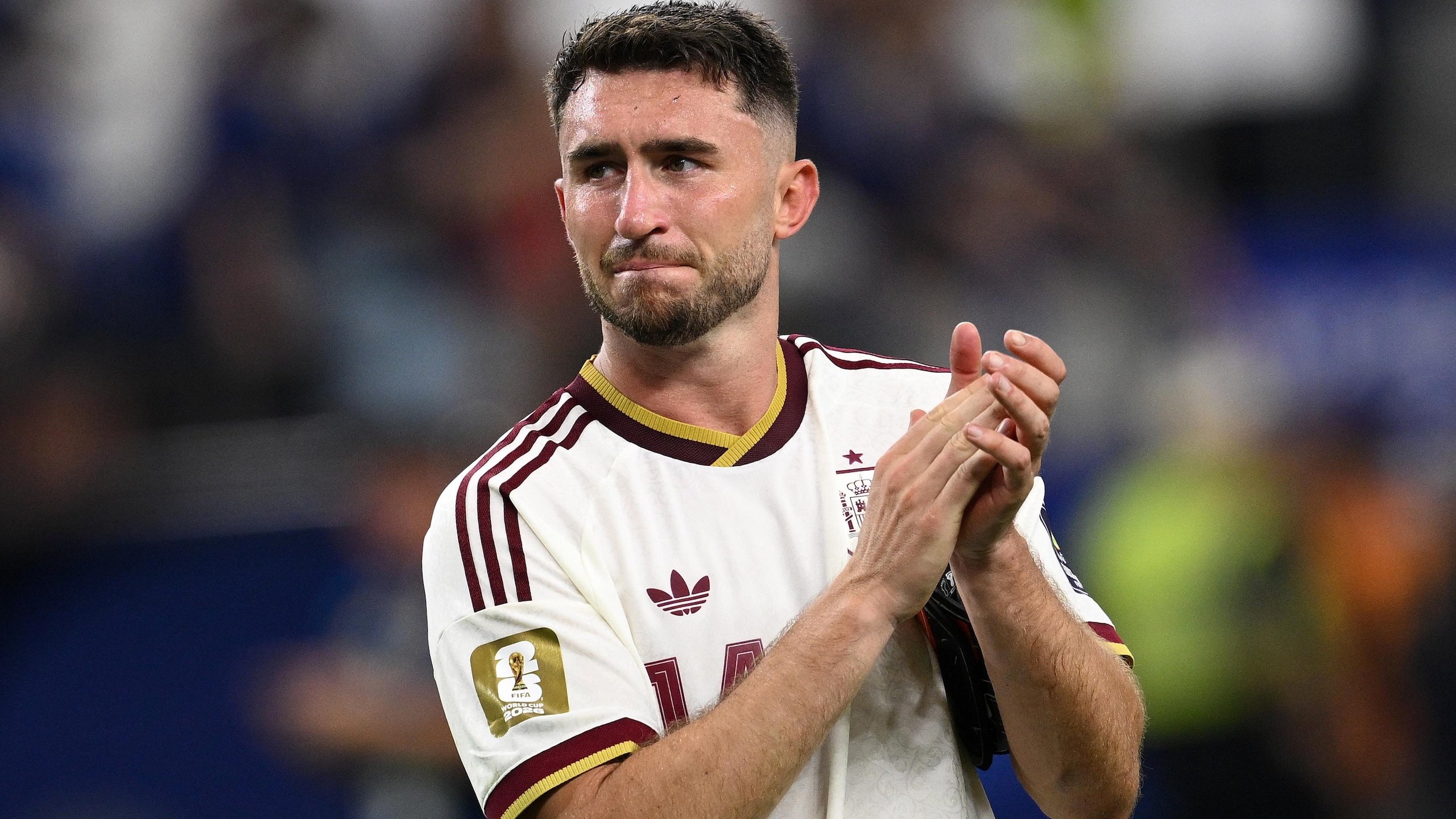
When Aymeric Laporte swapped Manchester City for the Saudi Pro League in 2023, it appeared his time at the top level of professional football was over.
However, he then started all but one game as Spain romped to the Euro 2024 title, showing that he still had some gas left in the tank.
A return to Athletic Club Bilbao in 2025 at least put him back on the European club football radar, but an injury-hit season in a side that finished a disappointing 12th in La Liga put his chances of a starting spot at the World Cup in peril.
However, in a great demonstration of his class and resilience, he's been immense for his nation at the 2026 World Cup, playing every minute at the heart of the defense as Spain have conceded just once. It's obvious why Luis de la Fuente trusts the 32-year-old so much.
Laporte's veteran leadership has made him the perfect partner for 19-year-old Pau Cubarsi, ensuring the Barcelona starlet has not been overawed on the big stage and providing an experienced backstop to allow the youngster to do the more energetic dirty work.
While Laporte hasn't stood out in any particular metric, he was solid in all his defensive duties and led by example in a back line that proved the stingiest at the tournament.
- Leo Collis
Left Back: Marc Cucurella, Spain
5 of 12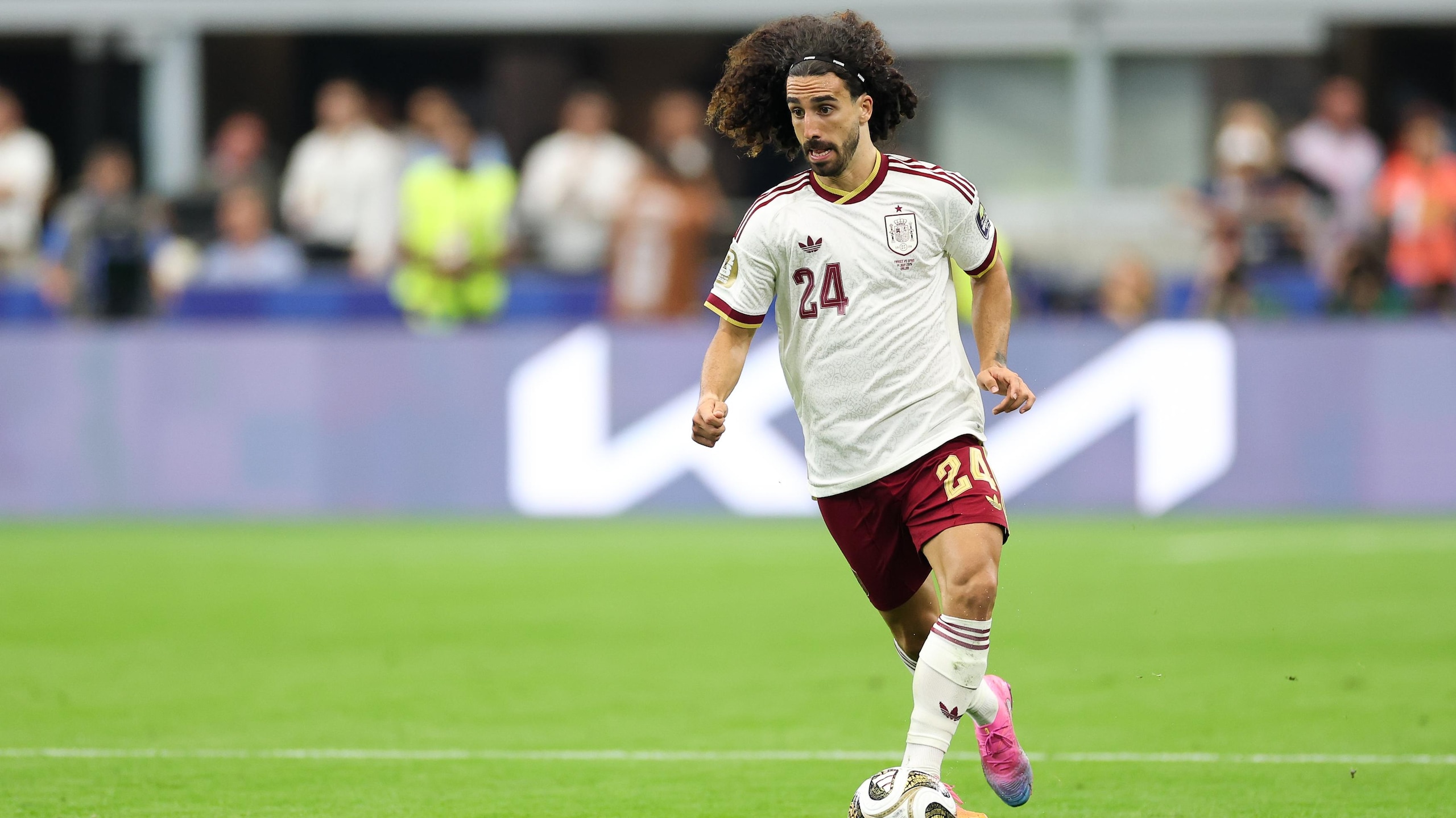
It has been quite the summer for Spain's Marc Cucurella.
On June 15, the 27-year-old signed for Real Madrid in a reported $70 million deal and also played in the first World Cup game of his career.
Then, just under a week later against Saudi Arabia, he registered his first World Cup assist.
On July 2, in his first-ever knockout game in the competition, he made two assists in La Furia Roja's 3-0 victory over Austria.
Of course, then came the World Cup final, where Cucurella was a constant threat on the left while diligently carrying out his defensive duties. After securing the World Cup title, to pair with the European Championship he won two years ago, the 27-year-old has suggested he might retire from international football.
Across eight games in North America, the left-back played every single minute and was part of a defense that conceded only once.
It's tough to boost your value and reputation when you're nearer to 30 years old than 20, but Cucurella's performances have been so good at the tournament that the $70 million Los Blancos shelled out looks like a bargain. Getting the deal sealed before a ball was kicked was a stroke of genius.
- Leo Collis
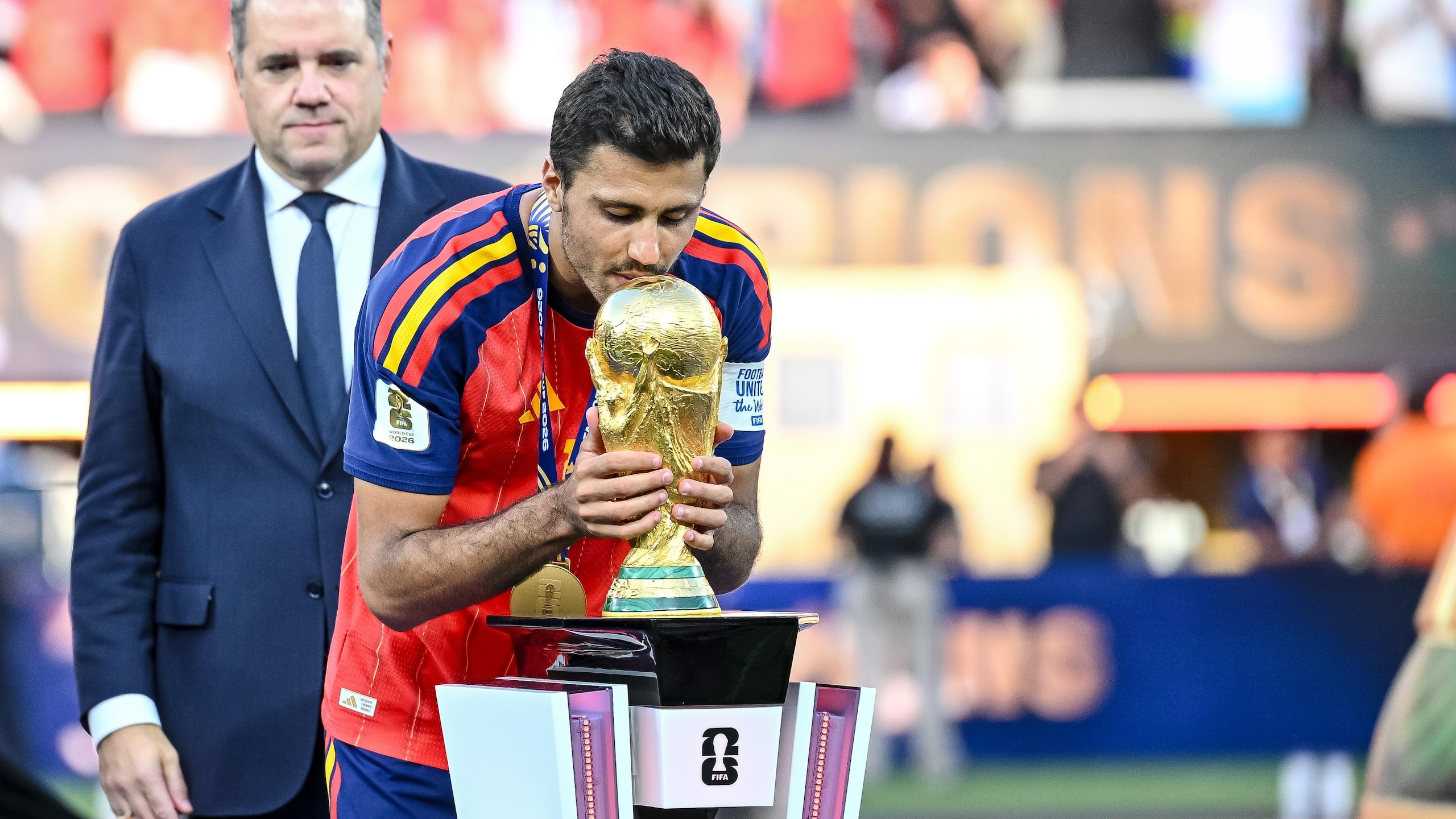
Central Midfield: Rodri, Spain
6 of 12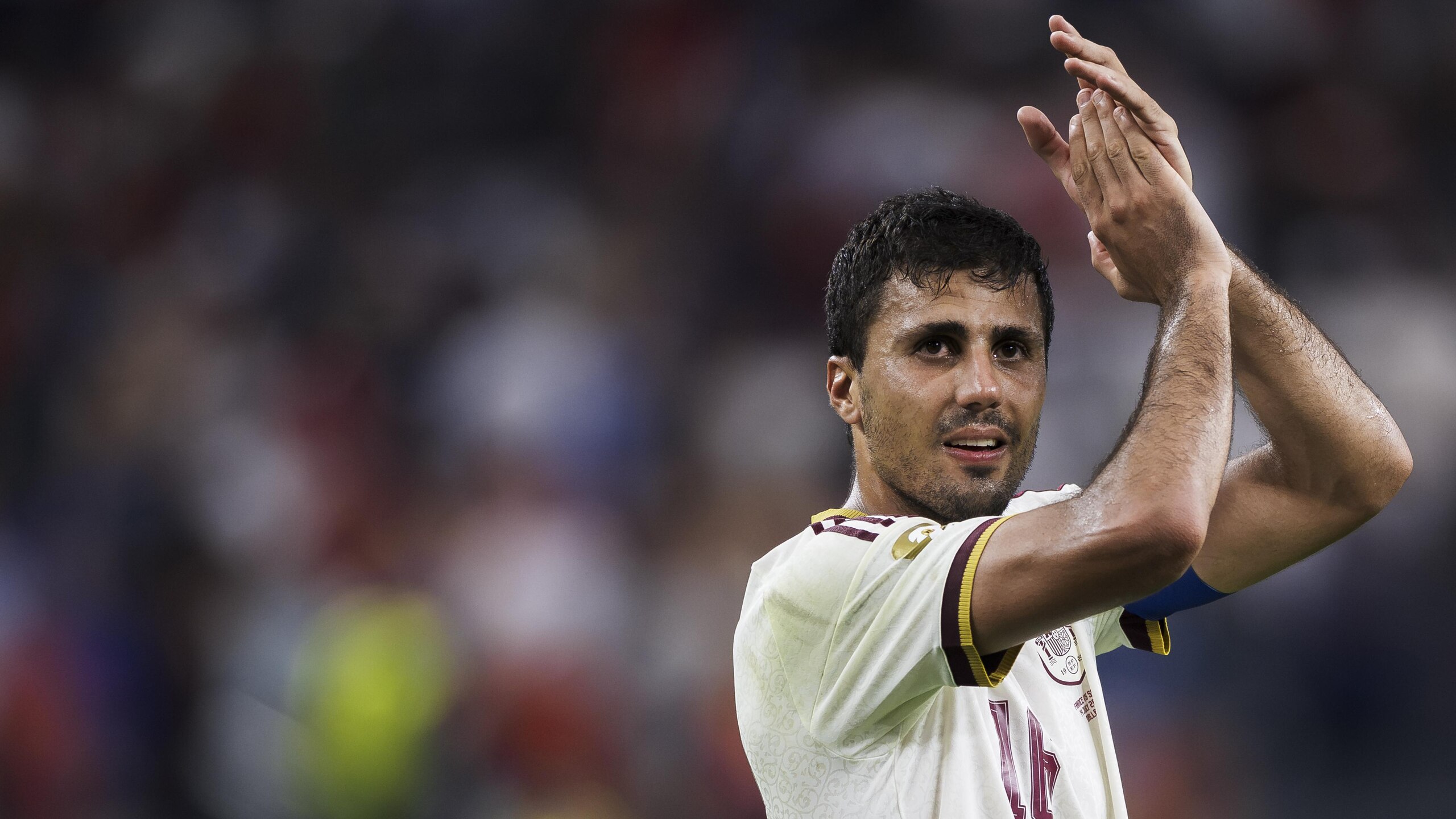
Rodri came into this tournament facing some lingering questions over his recovery from the anterior cruciate ligament injury he suffered almost two years ago, but he leaves with his reputation as the game's best deep-lying midfielder well and truly restored.
Perhaps things have moved at a slower pace than in the rough-and-tumble Premier League, or Spain's seemingly robotic ability to keep the ball has meant there's less pressure on him to cover space following turnovers. Whatever the explanation, Rodri has been a dominant player once again.
During the chaos of the final, he stood out by continually doing the basics well. Everything looked too easy for him as he circulated possession and broke up counter-attacks before they ever got going with superior anticipation and timing.
Without Rodri's calming influence in midfield, who knows how the rest of the Spanish team would've dealt with Argentina's antagonistic approach. His performance in the final was the perfect way to end a brilliant campaign, and he deservedly took home the Golden Ball as the tournament's best player.
- Calum Rogers
Central Midfield: Jude Bellingham, England
7 of 12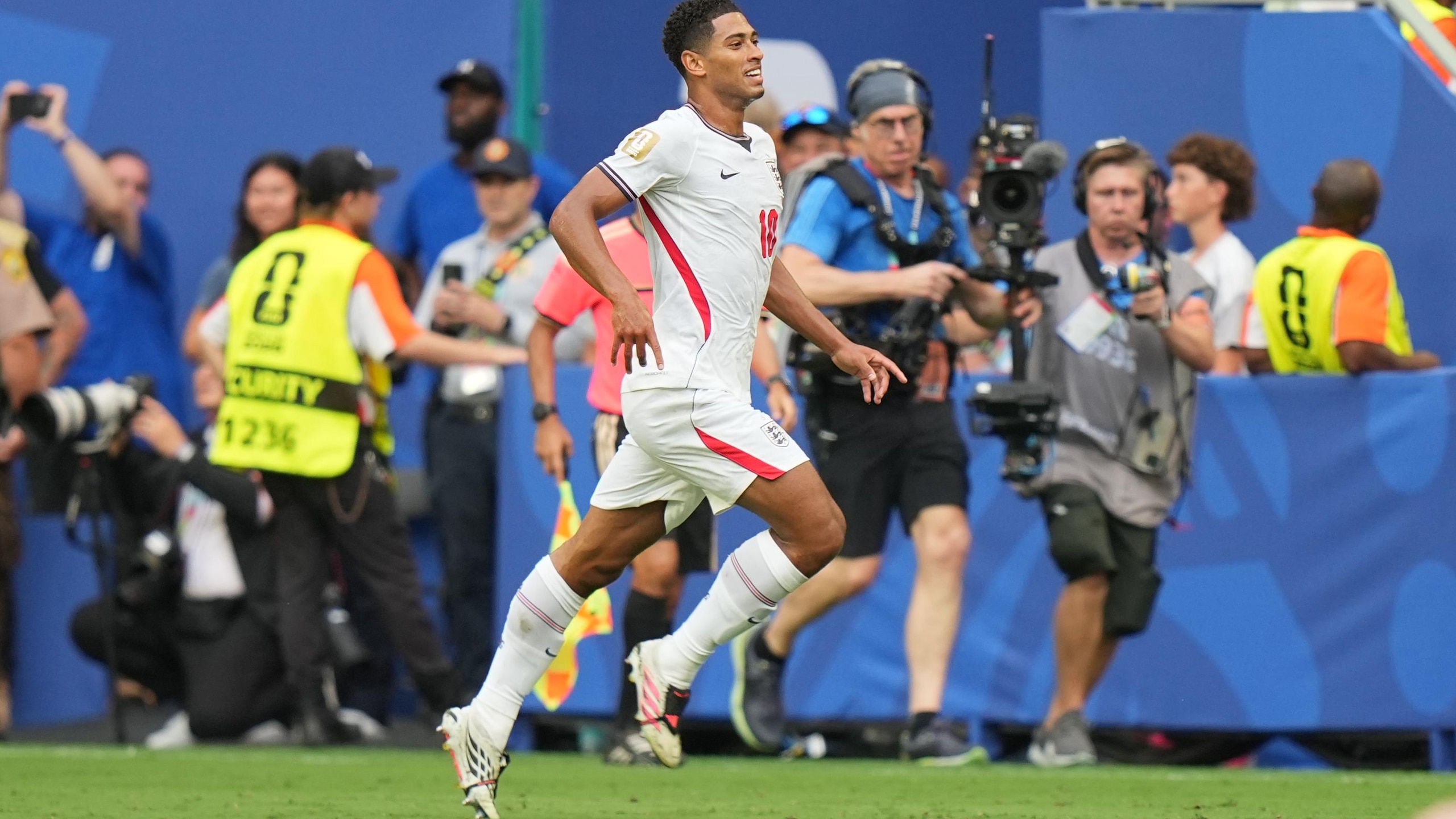
England has never produced a midfielder with the range of talents that Jude Bellingham possesses. Nor has the country produced a man who has scored so many goals at a single edition of the World Cup.
Often disrespected if he has a bad game, he is the Three Lions' best all-round player and the reason they got to the semifinal.
Paul Gascoigne's dribbling. Frank Lampard's decisiveness in front of goal. Steven Gerrard's warrior spirit. Bellingham has it all. After seven goals and an assist at this tournament, not to mention a bicycle kick at the last Euros, there's no denying he shows up when needed.
Bellingham's running into the box and anticipation allows him to do incredible things. As we saw against Norway, he is capable of dribbling beyond multiple opponents, scoring, and then getting himself into the right position to make a huge clearance at the other end. He's a box-to-box midfielder dialed up to 11.
His goal off the bench in the third-place match against France made one thing very clear: He is the man England must build around for the future.
And he could even be the furthest player forward if the Three Lions' striker pipeline to replace Harry Kane continues to look as bad as it currently does.
- Nick Akerman
Right Wing: Michael Olise, France
8 of 12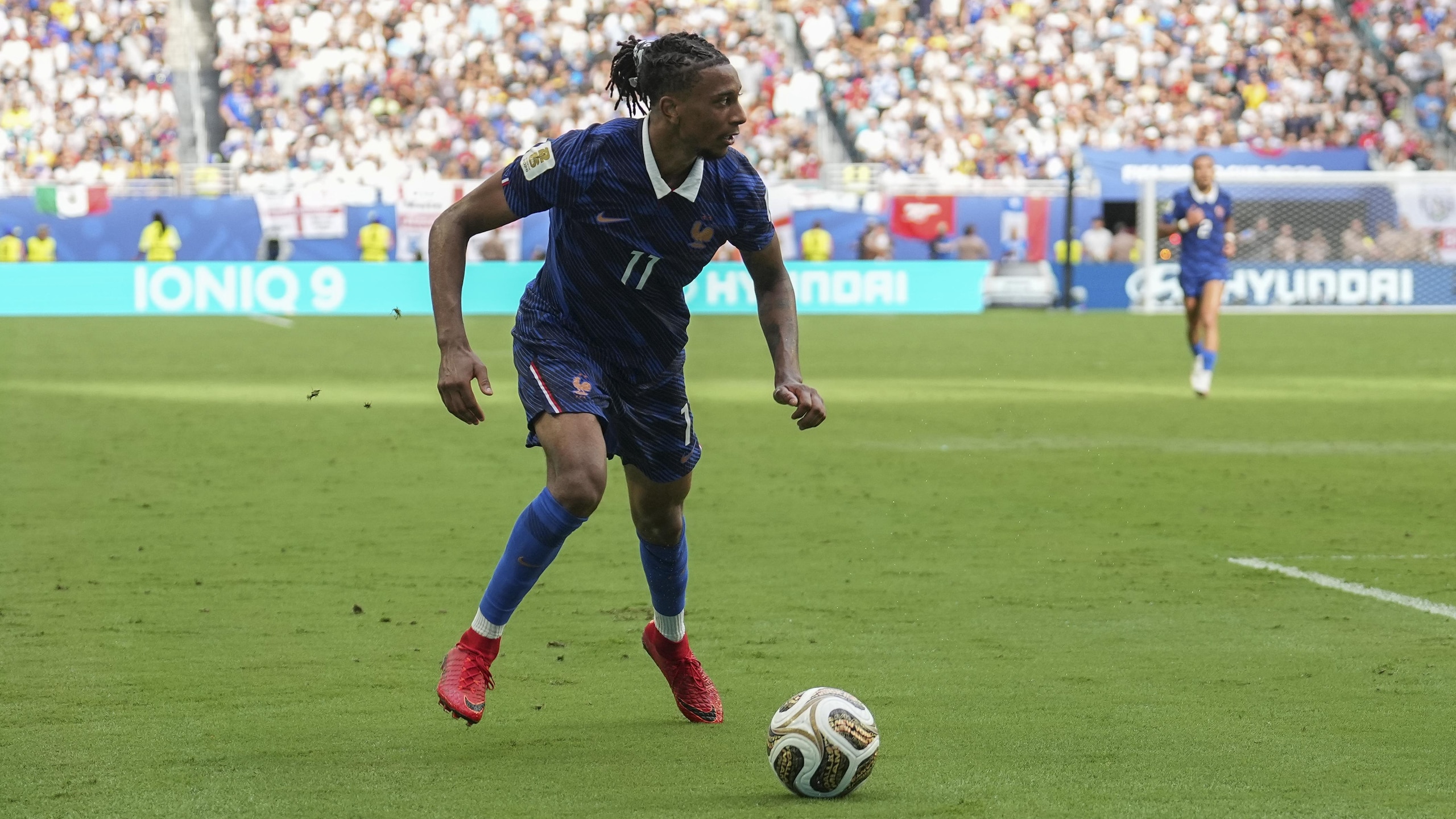
Michael Olisé's World Cup debut was a showcase of his extraordinary abilities.
The Bayern Munich winger notched a competition-high seven assists across his eight games with France, breaking the record set by none other than Pelé in 1970 for the most assists in a single tournament.
While he went off the boil in the semifinal against Spain, the same can be said for the rest of the France team. However, for the rest of the competition, he was immense, constantly finding passes few could only dream of and putting his teammates in optimal positions for scoring opportunities.
When given the ball in the final third, he instinctively knew whether to speed up or slow down the play, either keeping counterattacks flowing or allowing his co-conspirators to catch up. His telepathy with Kylian Mbappé was a hallmark of France's play, with the Olisé sending five of his seven assists to the Real Madrid star.
In the background of his remarkable tournament have been rumors of Olisé joining his partner in crime in the Spanish capital. On the back of their showing in North America, it's clear such a move could truly unlock the next great Los Blancos era.
- Leo Collis
Attacking Midfield: Lionel Messi, Argentina
9 of 12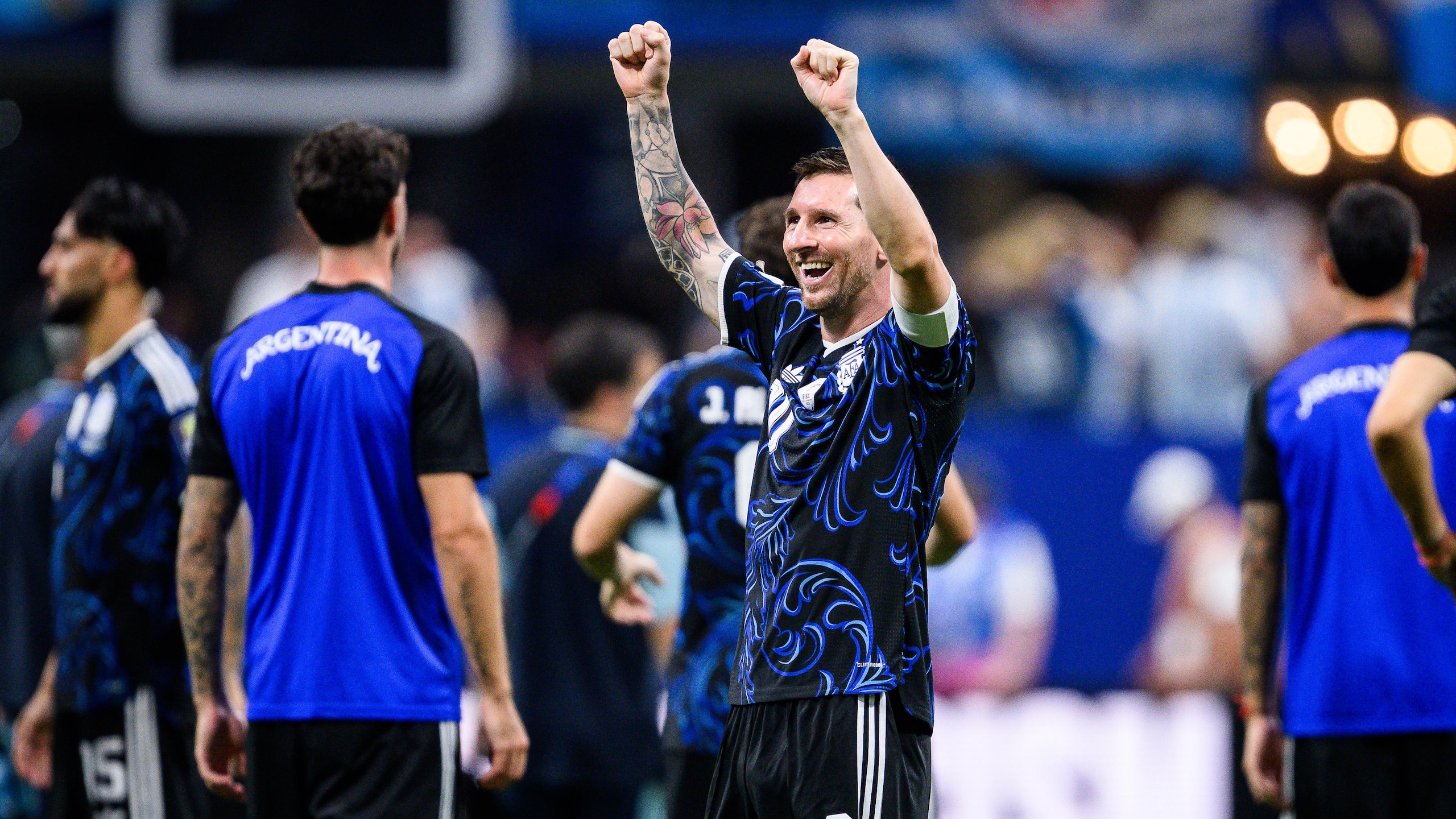
It was hard to know quite how much to expect of Lionel Messi before the tournament—sure, he had recorded 19 goal involvements in 14 MLS games with Inter Miami, but how would the 39-year-old respond to a sharp increase in the quality and physicality of his opponents?
The answer, emphatically, is that Messi is still the gold standard of playmakers. This Argentina team was still built around him after helping him to World Cup glory four years ago, when he recorded seven goals and three assists, and it would've been reasonable to expect a drop-off. Messi, though, beat those totals this time around with eight goals and four assists (with one extra game), and saved his best for when his team absolutely needed him.
His assist for Lautaro Martinez's late winner against England in the semi-finals, chopping onto his weaker right foot and delivering a perfect cross for the substitute to head home, would be a fitting highlight for most careers. For Messi, it may not even make the top 20.
Defeat in the final will be a disappointment, but Argentina looked like significant underdogs entering the game, and things played out that way too. Messi, though, showed throughout the tournament that while his team may no longer be as strong as it was four years ago, he is still able to mix it with the absolute best.
- Calum Rogers
Left Wing: Kylian Mbappe, France
10 of 12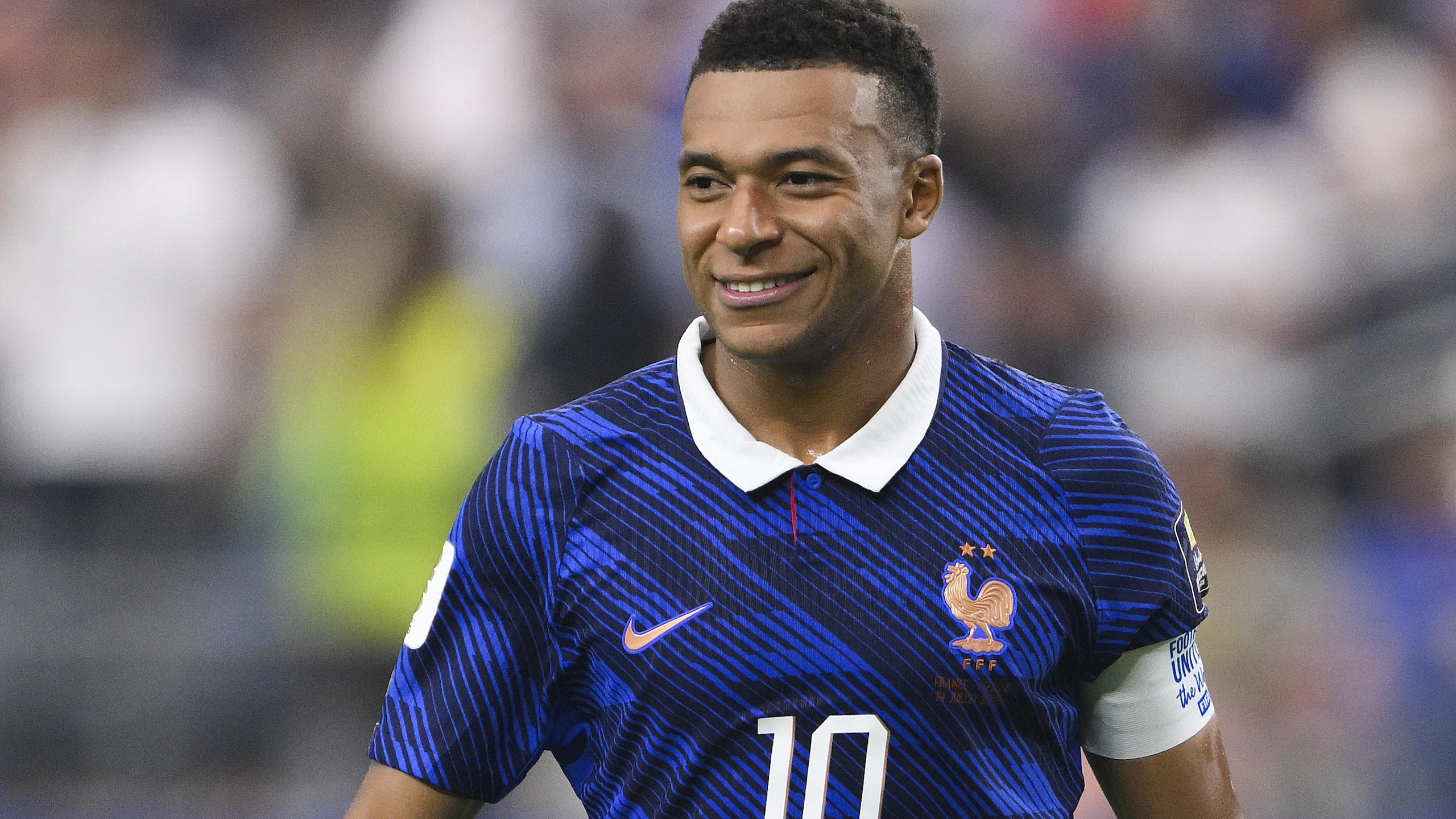
France's World Cup ended in huge disappointment. Kylian Mbappe should still be proud of his efforts; 10 goals in eight games to put him as the tournament's Golden Boot winner above Lionel Messi.
He also notched four assists alongside Ousmane Dembele, Michael Olise and either Desire Doue or Bradley Barcola. That attacking talent all looked a step behind their captain as the tournament wore on.
Mbappe had other issues to contend with after racist abuse from Paraguayan senator Celeste Amarilla. His response should be applauded. To then score a brilliant opener in the quarterfinal win over Morocco says it all about an individual who, like Real Madrid teammate Bellingham, is prone to getting harshly judged if a match doesn't go his way.
Another excellent tournament for Mbappe, who is now the World Cup's all-time leading goalscorer, despite playing three tournaments fewer than Messi.
- Nick Akerman
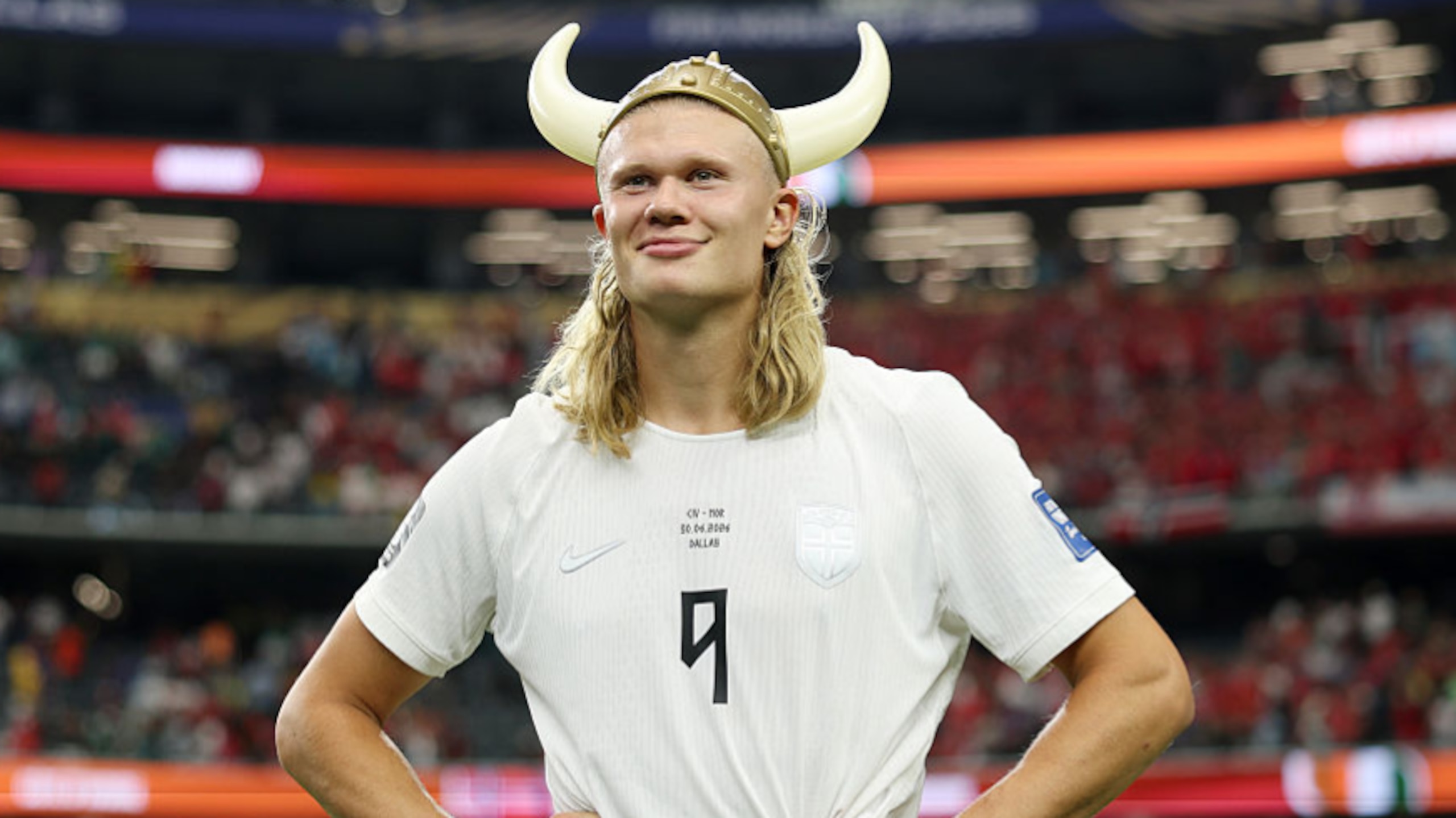
Forward: Erling Haaland, Norway
11 of 12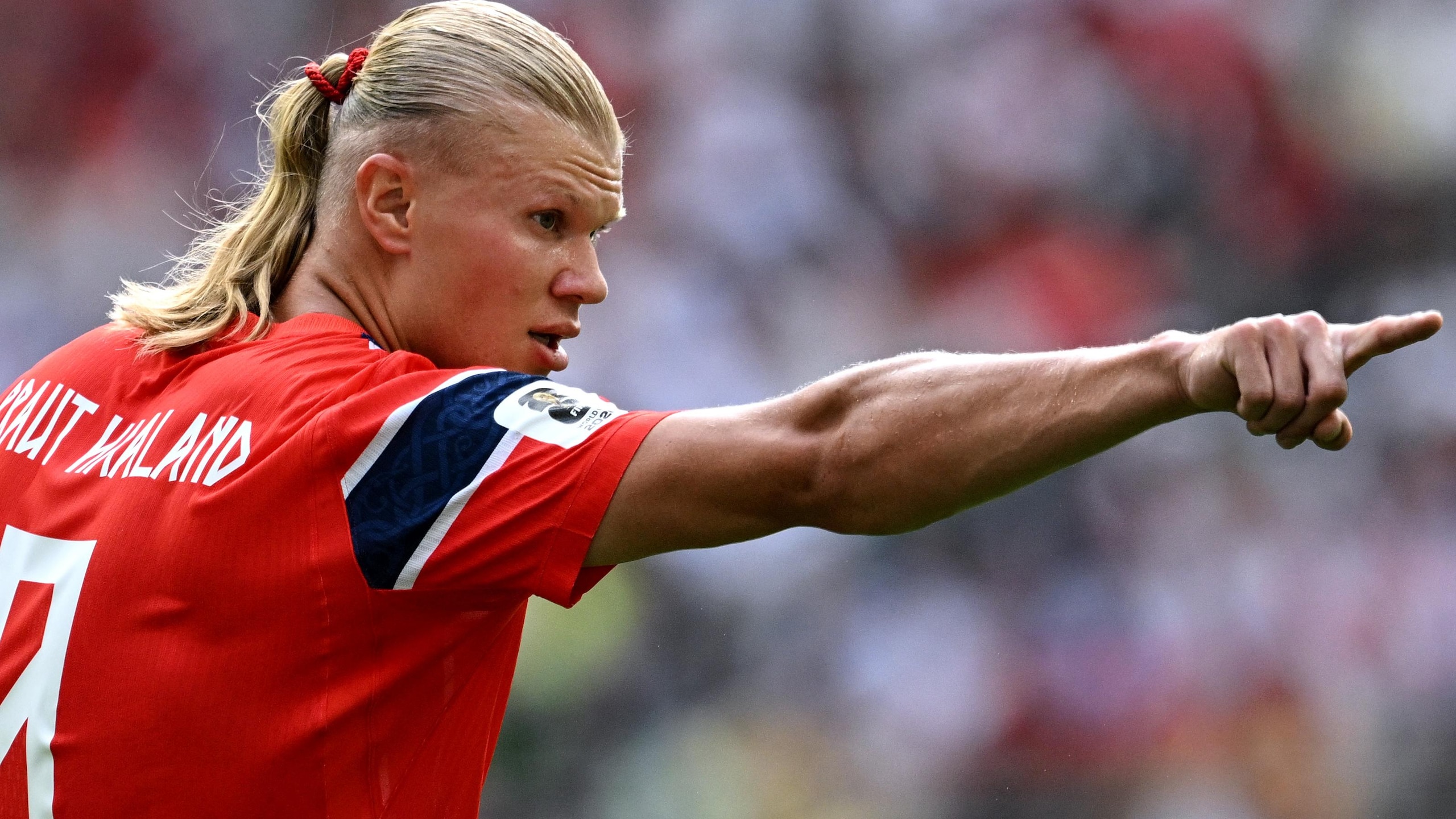
Norway's first World Cup appearance since 1998 posed the question: Can Erling Haaland's insane goalscoring prowess translate to the biggest tournament on Earth?
It took just 29 minutes for an emphatic answer.
Haaland scored both goals in Norway's 4-1 opening win over Iraq. He never looked back—grabbing braces against Senegal and Brazil, either side of an 86th-minute winner against Cote d'Ivoire.
The standout moment undoubtedly came as Haaland toyed with Gabriel and the Brazil defence, first escaping his marker to power home a header, and then finding space on the edge of the box to lace his second beyond a helpless Alisson.
Haaland was off color in the quarterfinal loss to England, but by then, seven goals and a historic run for his country meant an excellent tournament was safely in the bag.
- Nick Akerman
Manager: Luis de la Fuente, Spain
12 of 12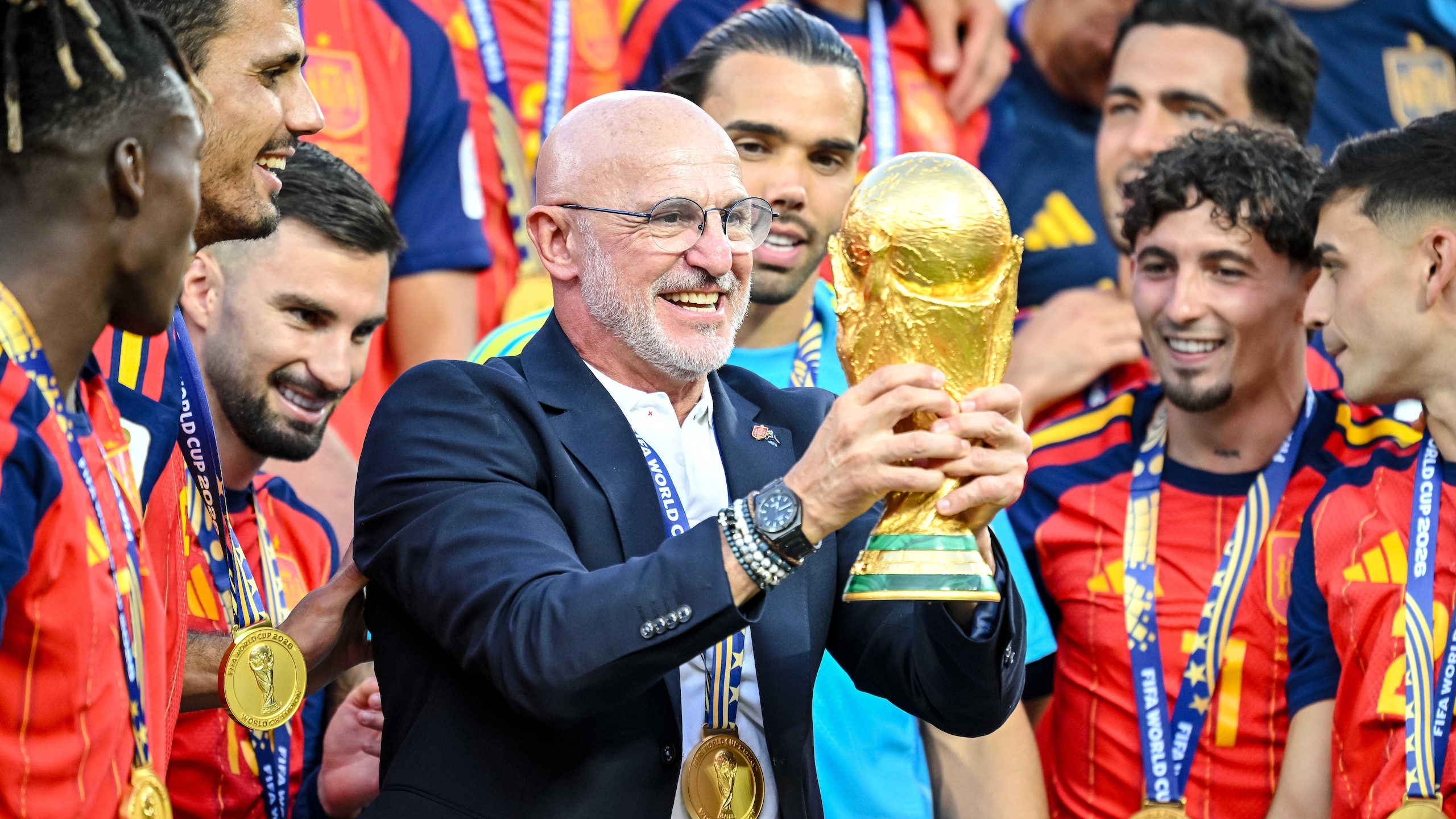
A manager so good that Marc Cucurella is planning to get a tattoo of him.
To be fair, for the man who helped deliver a European Championship followed by a World Cup title, that's the least these players could do to demonstrate their gratitude.
Perhaps the best thing about Luis de la Fuente's managerial style is his understanding of not getting overawed by star players. He consistently valued the collective over individual ability, which allowed Spain to dominate possession and dictate play in every match at the tournament.
While restricting Argentina to only two shots in the final was impressive, it was helped by a team that seemed more content to drag players to the ground than play the ball into the box.
Rather, his setup for the France game is what illuminates his tactical nous. Spain marginally shaded the possession battle at 51 percent, so it's not like they dominated Les Bleus by keeping the ball.
However, instructions to the players to remain patient, allow the game to evolve around them, and have faith that incisiveness and cool heads would prevail over wayward strikes or wave after wave of attacking pressure proved prescient. It kept France's devastating attack in check. A stout backline ensured that a couple of moments of quality would be more than enough for victory.
Now, the challenge is to surpass Vicente del Bosque's achievements in the 2010s and seal a third consecutive international title for La Furia Roja (Luis Aragones led Spain to the Euro 2008 trophy). With the squad having an average age just under 27, according to the BBC, that sets De la Fuente up well for glory at the 2028 European Championships in the UK and Ireland before a World Cup that will partly be held on home soil.
- Leo Collis
.png?w=2560)
.png?w=2560)
.jpg?w=2560 "Cardinals Finalizing MHJ Trade")
.jpg?w=2560 "Grading Wild MITB PLE 😮💨")
.jpg?w=2560 "DK Shades Sauce Gardner 👀")
.jpg?w=2560 "Report: Cowboys Open to More Trades")