
Unwritten Rules of WWE Every Fan Just Accepts
Pro wrestling is as wonderful as it is wacky, and not only are fans aware of that, they embrace it.
The art of wrestling is truly like nothing else out there, serving an a unique combination of exceptional athleticism and larger-than-life theatrics. Upon getting invested in the stars and the stories, it's difficult to turn off the obsession.
Its ability to run weekly while also staying somewhat fresh and intriguing is a feat in itself, but that doesn't make so many aspects of WWE any less illogical.
The only way to enjoy wrestling at its fullest is to suspend disbelief. At its core, kayfabe is all about buying into what the wrestlers are selling, regardless of how ridiculous it can get.
However, the sheer stupidity of pro wrestling is also what makes it so fun to follow. It's the epitome of turning off your brain and not questioning what you're watching, provided you're actually entertained by it.
There is no official handbook that the company canonically operates by within its universe, but these are merely a few of the many unwritten rules WWE fans just accept.
Quick Hits
1 of 12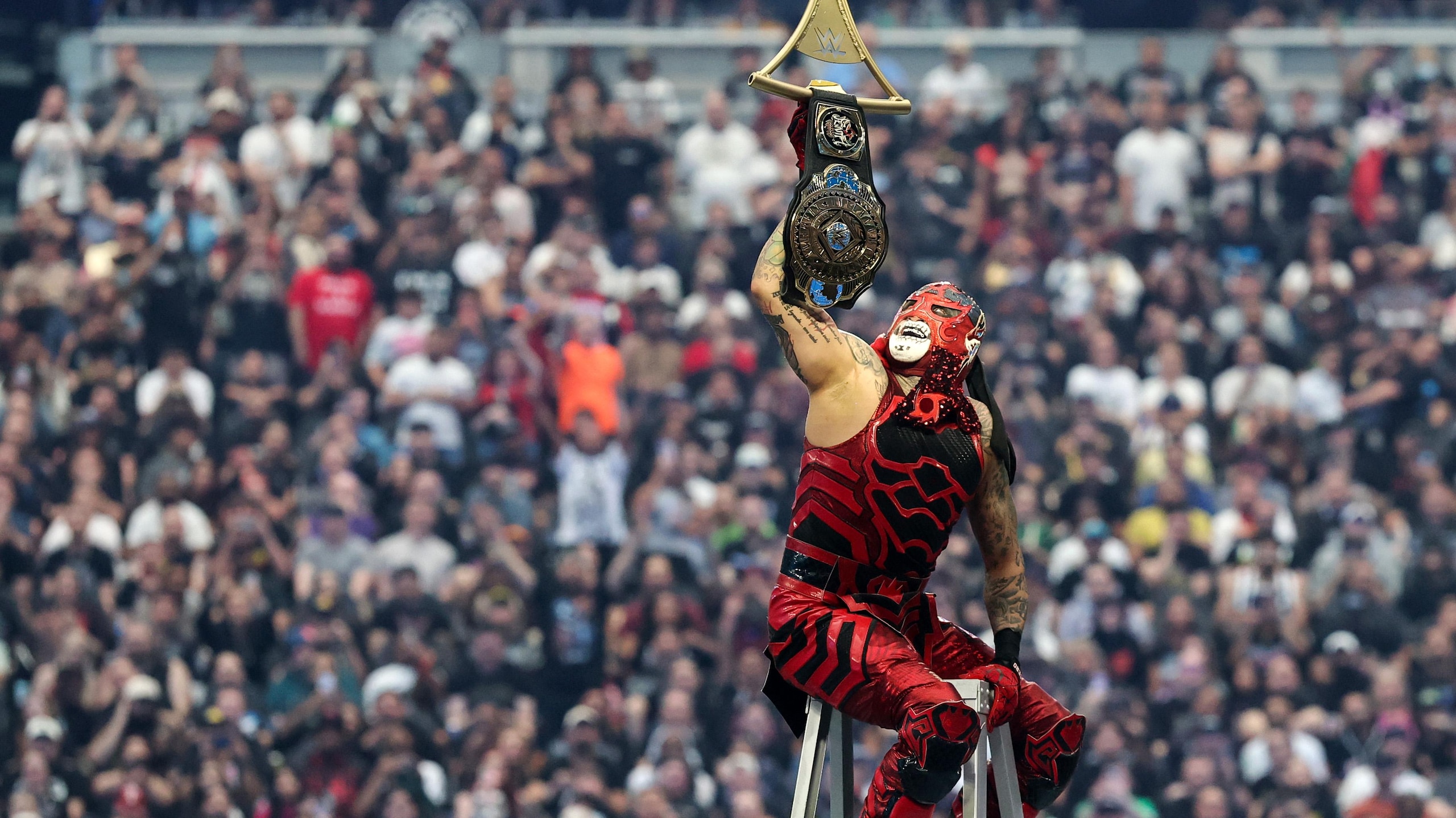
Climbing Ladders and Making Hot Tags at Slowest Possible Speed
Pro wrestling is all about maximizing the drama, and WWE apparently feels that can only be achieved by slowing everything down, almost to the point where it insults the intelligence of the audience.
This specifically applies to when WWE stars are either climbing ladders to retrieve a championship or contract, and when they're on the verge of making a hot tag to their partner in a tag team match. Realistically, it would never take that long to do either task, and dragging out the drama can be a tad tedious at times.
Not Fully Chasing Opponents to the Stage or Through the Crowd
Ever notice how most wrestlers don't chase their opponent or rival out of the ring or into the crowd, and how they instead stop suddenly as if there's an invisible force field stopping them from going any farther?
Of course you have, you'd just rather not question it because you'd lose track of how many times it happens if you were to keep count. There really is no reason for it, other than to create a need for fans to want to see a babyface get their hands on the heel or vice versa.
Other Days of the Week Do Not Exist
Raw is on Mondays. SmackDown is on Fridays. Other days of the week do not exist within the world of WWE, at least as far as we're led to believe.
Otherwise, why wouldn't wrestlers settle their issues on days where they aren't on the road? Can't they call each other to hash out their issues or for authority figures to get matches made (as opposed to waiting until showtime to announce the lineup)?
WWE very much acts as a television show in that way, but it's the exact opposite of sports where stuff is happening at all times, no matter whether it's game day or not.
More Quick Hits
2 of 12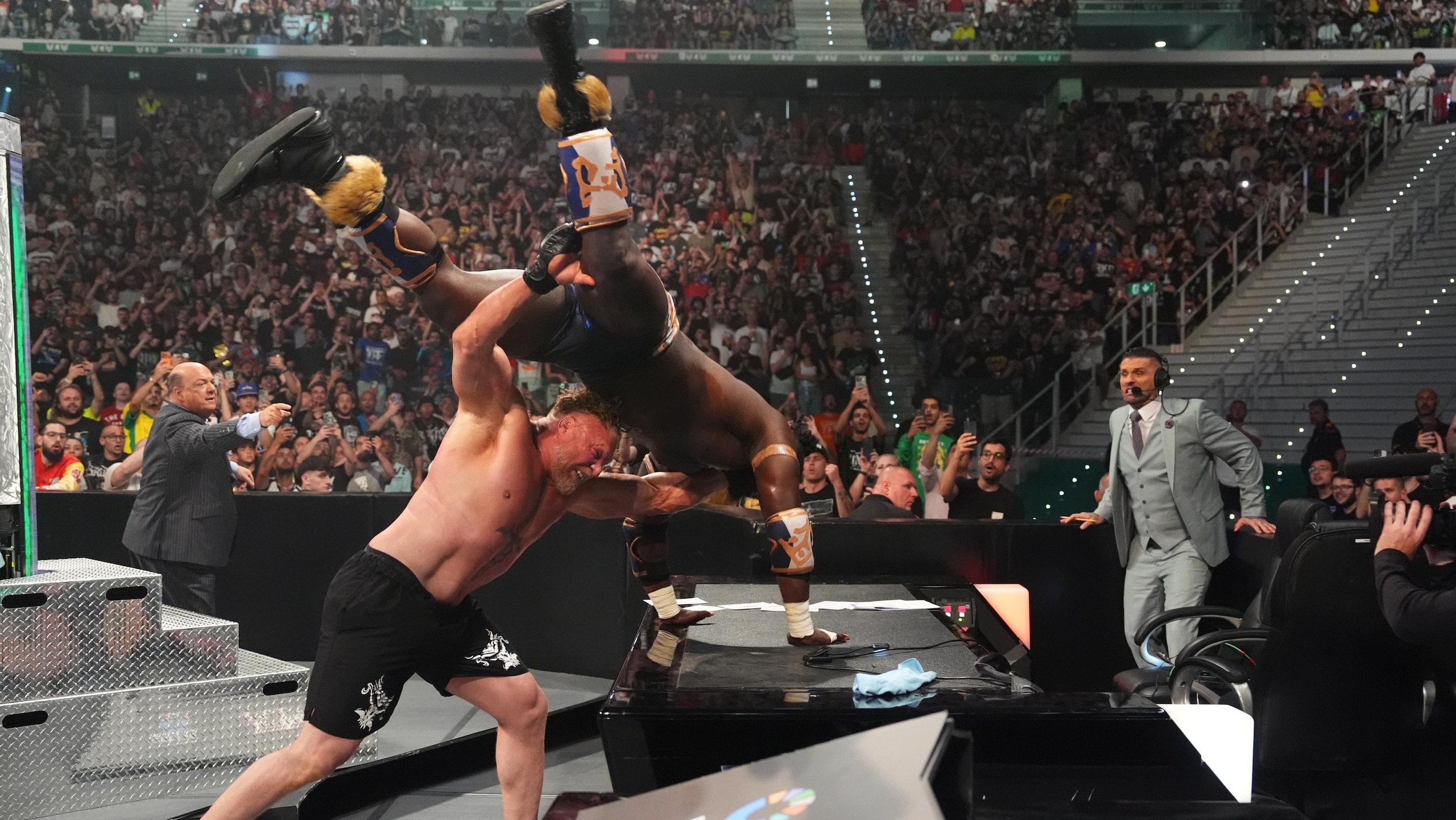
Spanish Announce Table Is the First to Go
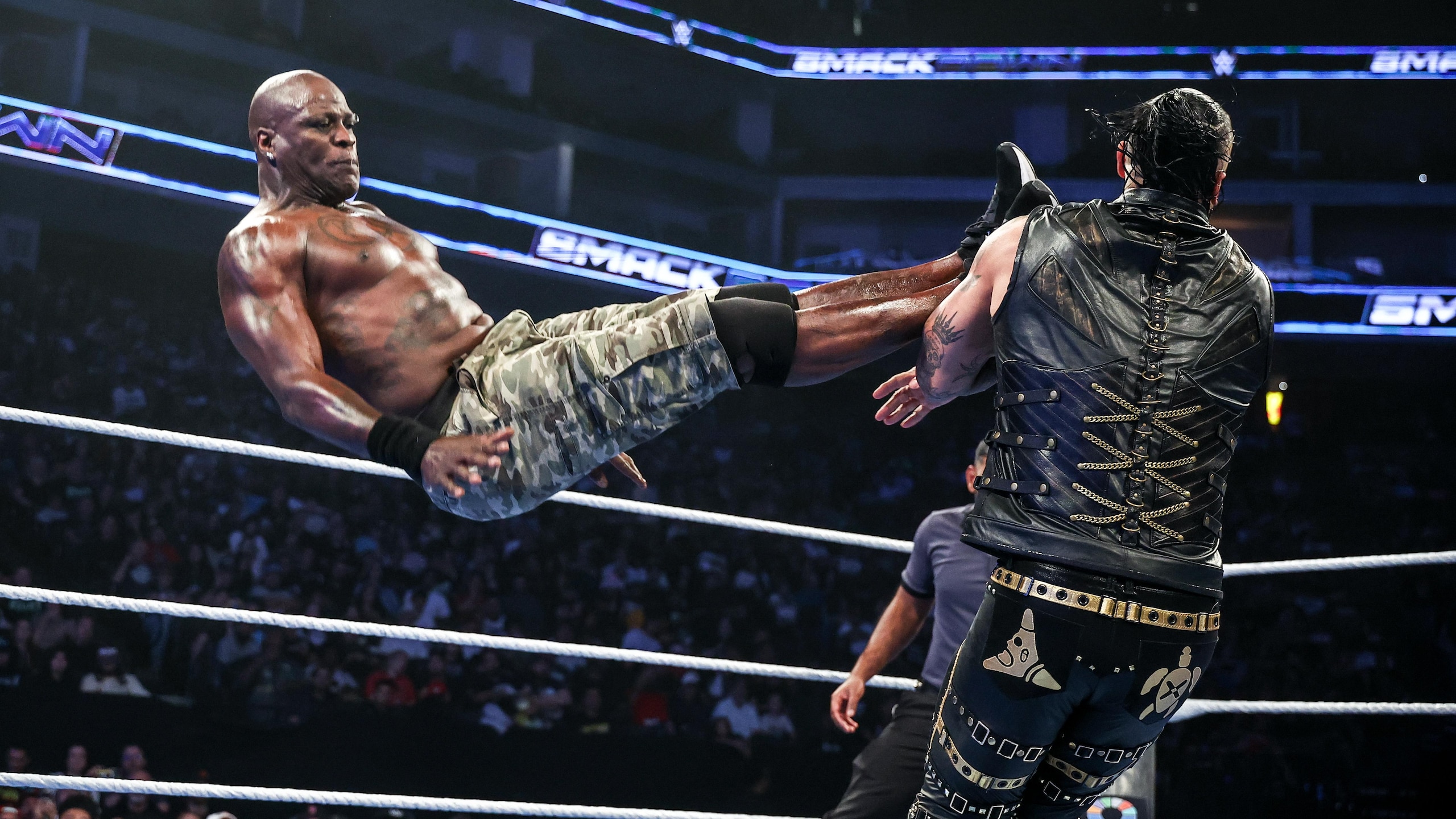
This has been a WWE tradition for as long as anyone can remember. Whenever the Superstars take their fight over to the announcers and want to utilize the tables, the Spanish announce table is always the first to get destroyed.
Presumably, WWE's English commentators can't dare be inconvenienced by having their table targeted instead. For as rough as the Spanish commentators have had it for decades, this has thankfully become less of a trope in recent years it seems.
Ring Aprons and Championship Belts Are the Hardest Metal in Wrestling
It's a running joke among WWE fans that the ring apron is the hardest part of the ring, and that's because the commentators have told us that ad nauseam for years. Not only is that technically not true (metal ring post exists, you know), it also doesn't pack the punch they think it does.
Championship belts are equally devastating, or at least that's what WWE would want you to believe. One belt shot is enough to knock anyone out for a three count, even though wrestlers have sustained much harder hits and have kicked out as if it was nothing.
Wearing Jeans for an Unsanctioned Match or Street Fight
Everyone knows that Unsanctioned matches, No Holds Barred matches, Falls Count Anywhere matches and Street Fights are essentially the same thing, but only in Street Fights can wrestlers wear their actual street clothes. No, it doesn't make the slightest bit of difference, and it should be normalized in other gimmick matches as well, but hey, it looks cool.
Champions Can Go Months Without Defending Their Titles
It was once an occasionally invoked on-screen rule in WWE that champions had to defend their titles at least once every 30 days or be forced to relinquish it.
Based on some recent reigns (looking at you, Liv Morgan), that rule obviously hasn't been enforced in WWE in many years.
Granted, UFC champs can go months without having a fight, but the WWE schedule is drastically different, and there are way more opportunities for them to compete and put their belts on the line.
Failing to do so is simply poor booking, but certain fandoms will excuse it if their favorite wrestler happens to be holding the belt.
Losing in Your Hometown
3 of 12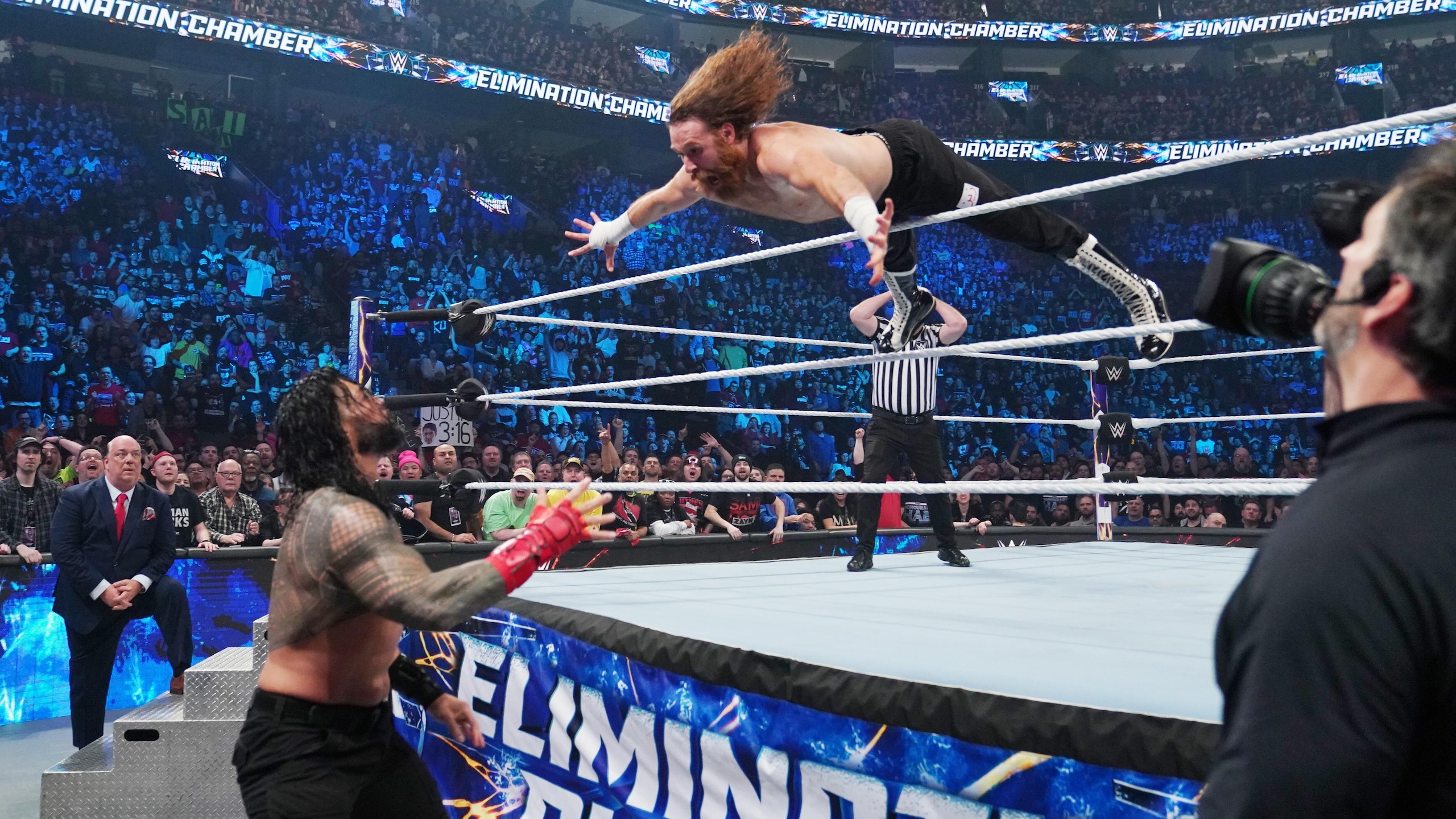
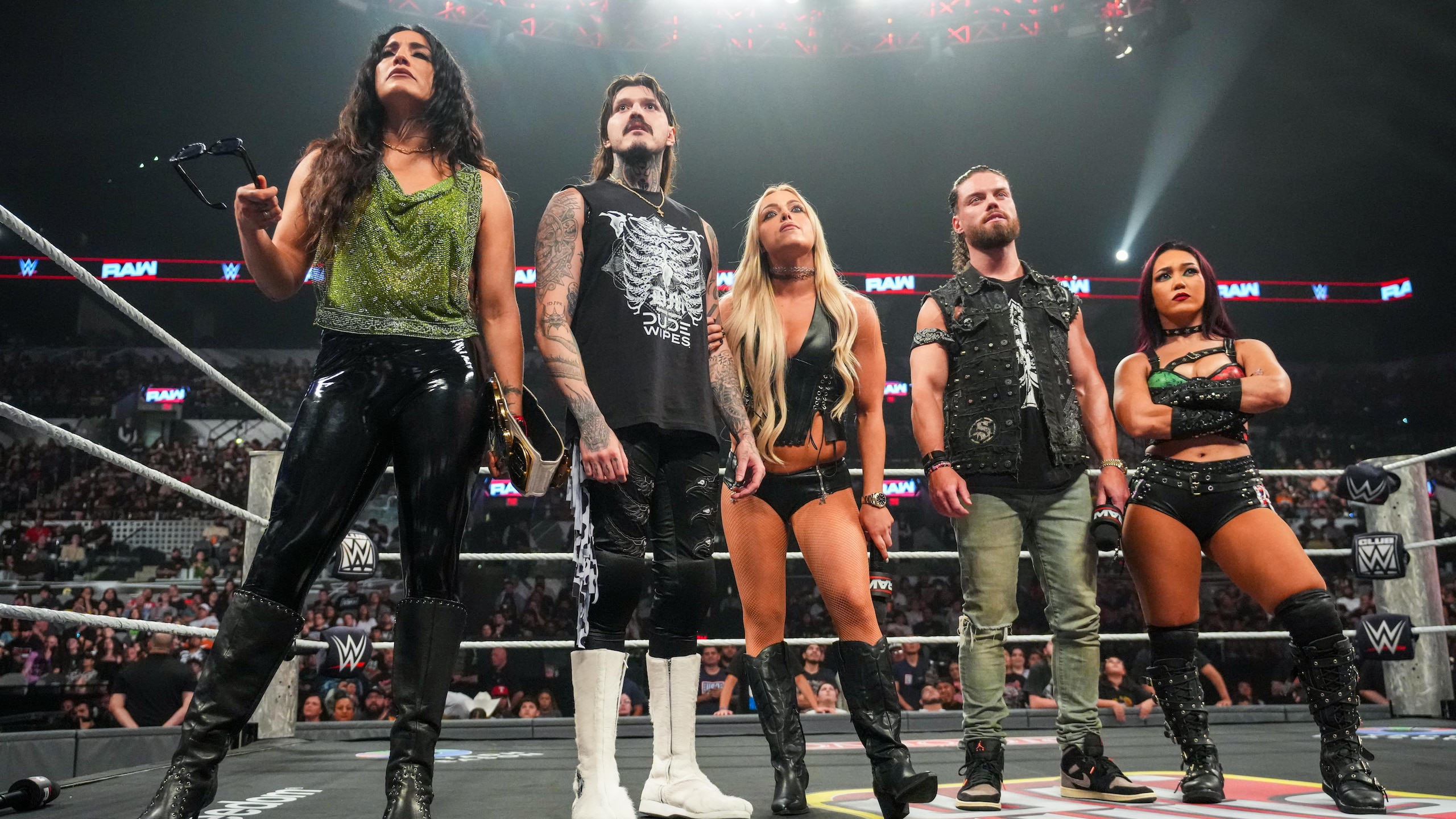
Vince McMahon was all about putting heat on the heels while he was at helm of the company's creative direction, and most of the time that involved having any beloved babyfaces lose when they were in their hometown.
The hometown hero coming out on top against all odds was apparently too predictable and too sappy for the WWE owner, so booking them to lose when it mattered most was instead his go-to move. Sometimes they'd win at the subsequent event, but it didn't mean nearly as much.
Thankfully, Triple H has done a better job of that since replacing McMahon as the head honcho, though there have been a few occasions when certain Superstars have fallen short while in their hometown or near their home country.
Drew McIntyre and Sami Zayn are perhaps the most memorable examples when they unsuccessfully challenged Roman Reigns for the Undisputed WWE Universal Championship in front of partisan home‑region crowds in the UK and in Canada, respectively.
You won't find too many movies where the bad guy beats the good guy and never gets their comeuppance. Only in WWE would something so silly happen over and over again, with fans accepting it as reality.
.jpg?w=2560)
Contract Signings Always End in Physicality
4 of 12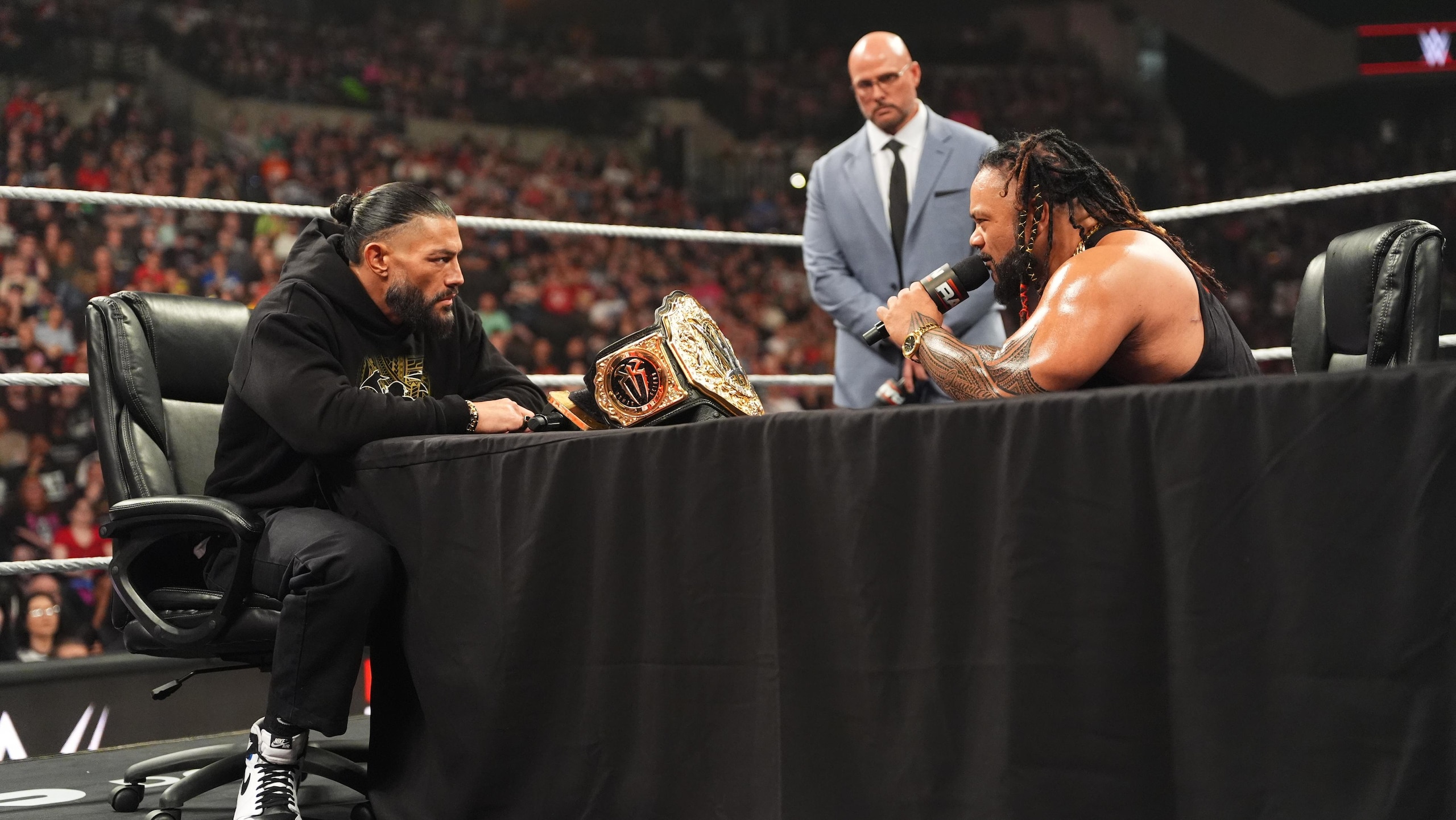
Pro wrestling contract signings do not make sense in general. You won't find many fans clamoring to see them, either.
Contract signings have been done to death since their inception as a common WWE trope. They only exist to fill television time and to further feuds, albeit ineffectively.
You'll notice that contract signings are typically held in WWE after the match has already been made official, announced with a graphic and marketed. The contract signings themselves accomplish nothing, both in and out of kayfabe.
Worse yet, contract signings are very talk-heavy and as a result end in physicality. There haven't been too many instances (if ever) of a match being called off because of the contract signing culminating in chaos, either.
WWE and pretty much every other wrestling promotion rely on the contract signings far too often. It's basically their version of the traditional weigh-in, often seen in MMA and boxing. In wrestling, someone will almost always go through the table during a contract signing, so if nothing else, there's that.
The Presence of Weapons Under the Ring
5 of 12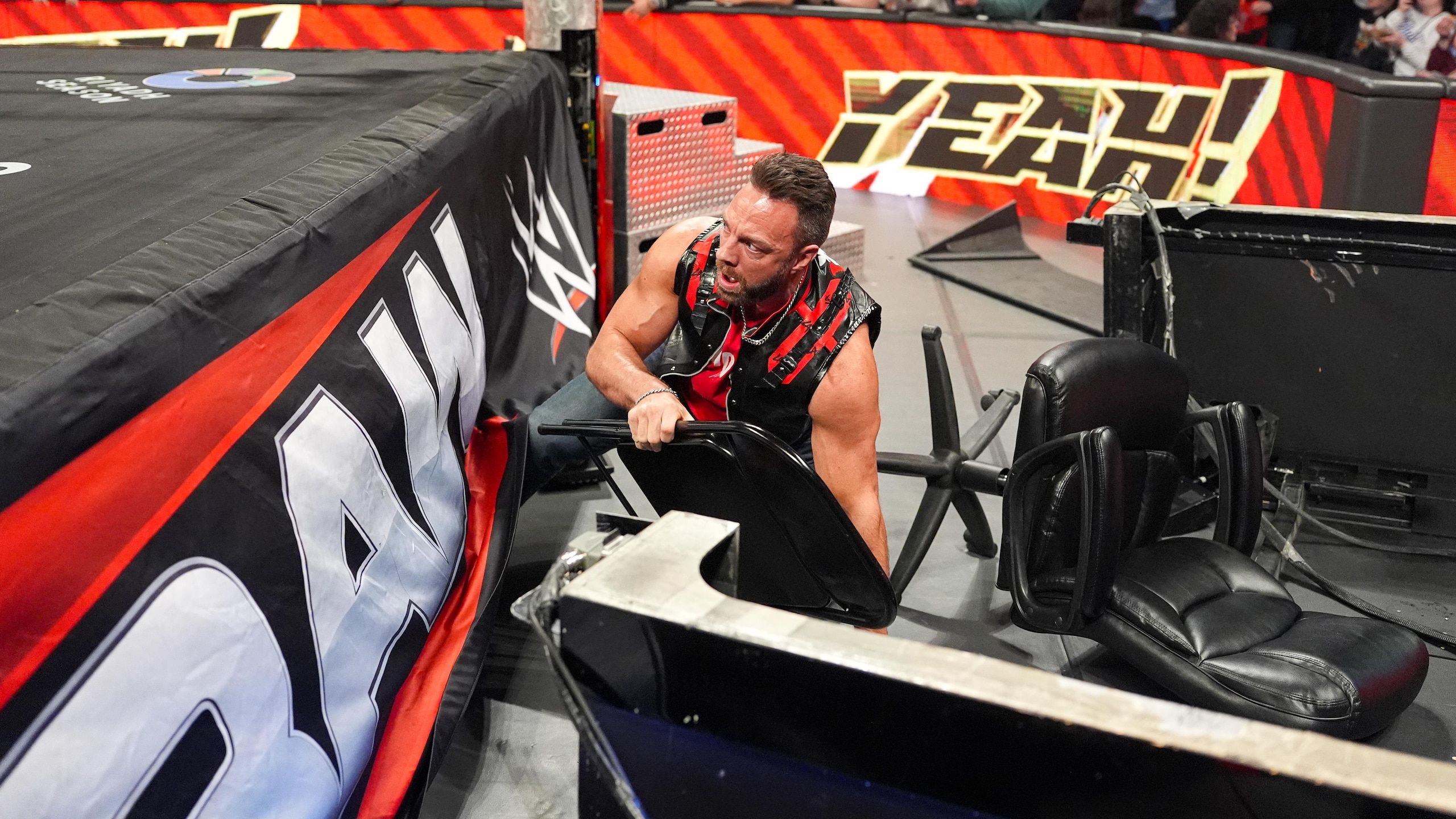
Underneath the ring is consistently the first place WWE stars will look for weapons, whether it be during a match with no disqualifications or just to batter their opponent afterward.
It's so embedded in the culture of the company that it's even been incorporated into the WWE video games as well. Rarely, though, do fans ask why weapons are underneath the ring in the first place.
Canonically speaking, the only items that should be found under a ring are things that are used to set up the ring: wrenches, screwdrivers, extra equipment, etc. A case can be made for why a ladder might be underneath and possibly a steel chair, but what purpose do kendo sticks and thumbtacks serve other than for wrestlers to use them on each other?
Hardcore matches would be a lot less fun without the weapons we've come to expect in them, but authority figures in WWE aren't happy with all of the extreme violence in matches, then they should take issue with whoever decided those items were appropriate to put under the ring to begin with.
Referees Are Routinely Weak and Oblivious
6 of 12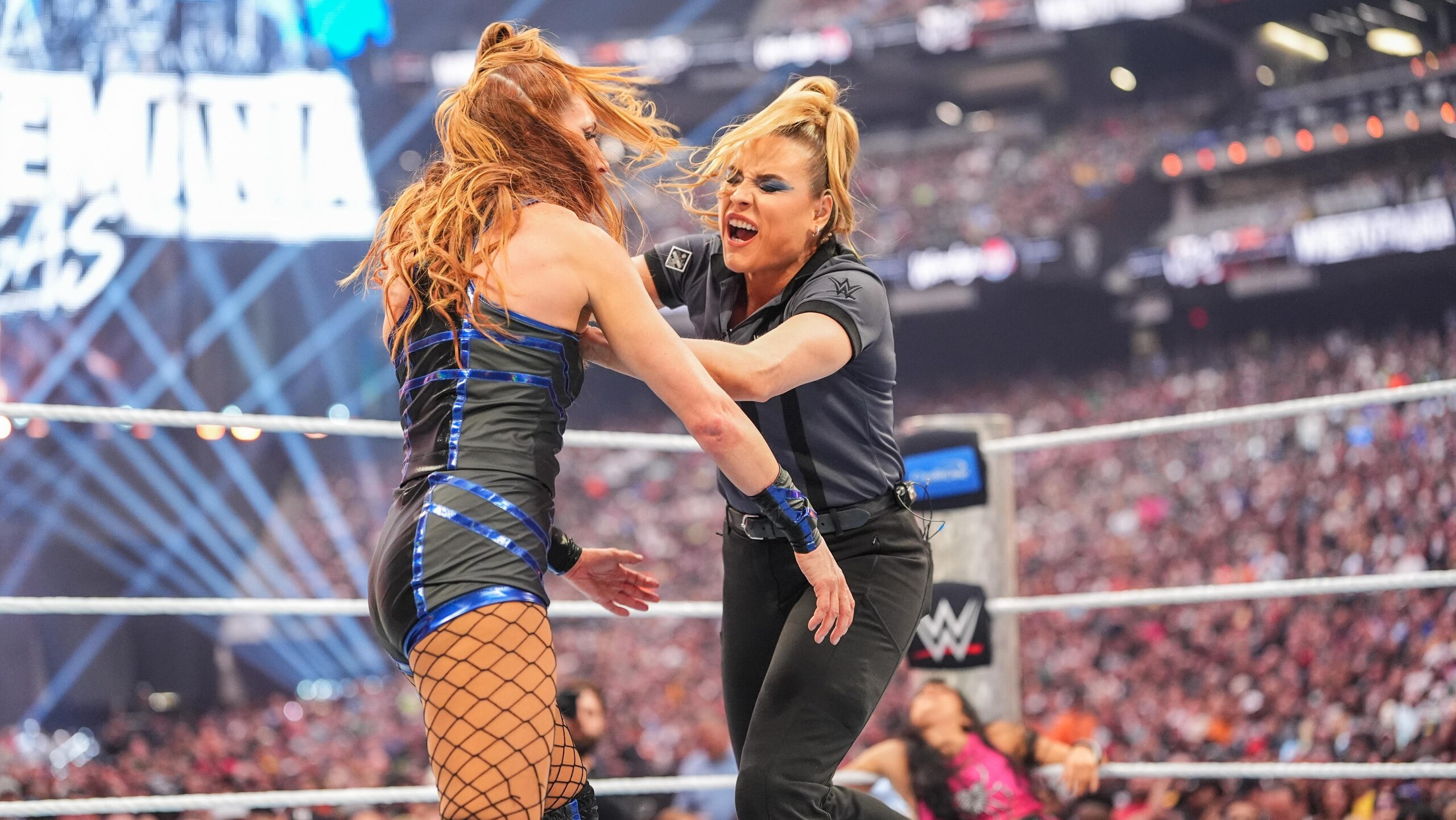
Referees never get their just due for being in harm's way during matches, but through no fault of their own, they're also portrayed as being inept at their job.
There comes a point in almost every match when the referee factors into the finish somehow, usually to either inadvertently help a heel win by not catching them cheat or by preventing outside interference so the odds are evened for the babyface.
Referees aren't weak, but they're made to look that way when they eat an errant shot in a match and proceed to look up at the lights for the next several minutes, allowing virtually anything to happen and not bothering to view a replay afterward.
Special guest referees aren't immune to this, either. Even when wrestlers fill in as the official, they too will get laid out for a lot longer than they would if they were wrestling.
In other words, wearing a referee's shirt for some reason makes you oblivious and prone to punishment, more than the wrestlers themselves.
Post-Royal Rumble Win WrestleMania Sign Point
7 of 12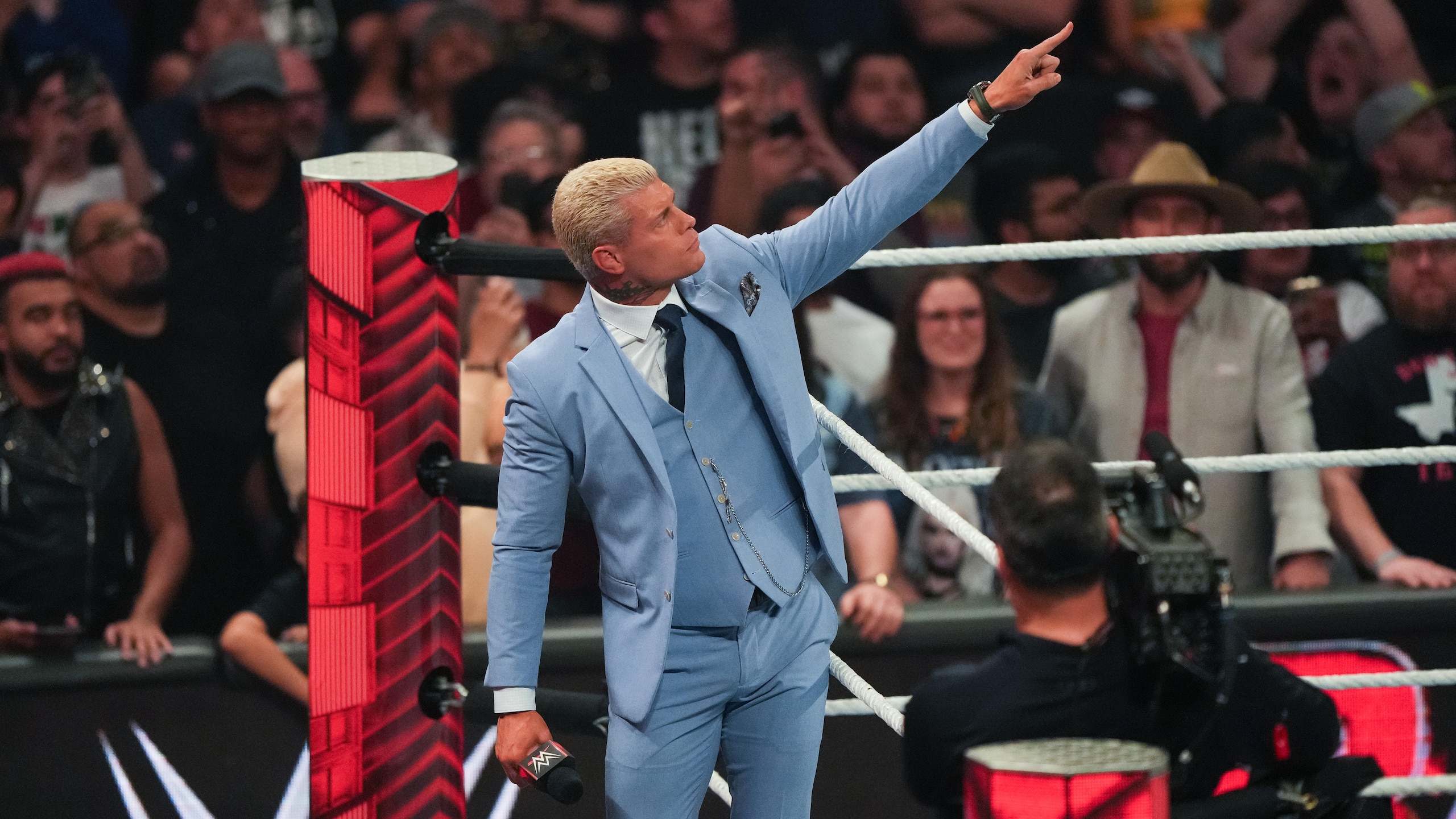
Most wrestlers dream of one day winning the Royal Rumble, not only because of his illustrious history but also because it guarantees the winner a potential main event match for a world championship at WrestleMania.
It's a cool accomplishment, but winners are instantly uncool the second they stand up on the turnbuckle and point at the WrestleMania sign. Sure, pyro is going off around them in the arena and it's supposed to make them look like a big deal, but the point is so unbelievably forced and unnatural.
It's almost like winning the Super Bowl and saying in the post-game interview that you're headed to Disney World, except you say nothing and come off as awkward for doing something no normal human being would want to do in that situation.
You think it would've been phased out by now, but officials must feel that no WrestleMania video package is complete without the Royal Rumble winners pointing to the sign, so the time-honored tradition will unfortunately live on.
Always Making a Run-In to Entrance Music
8 of 12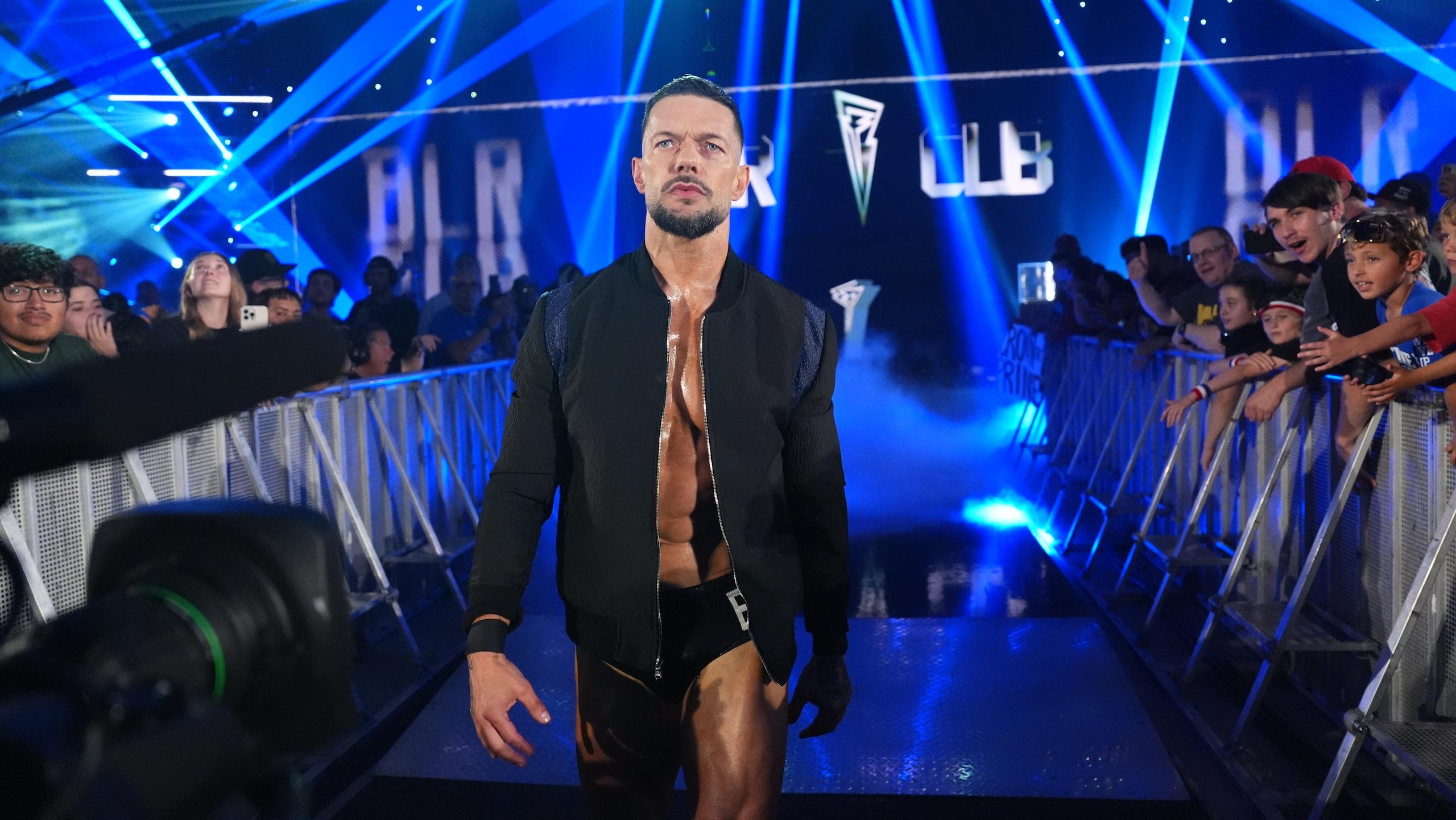
Walkout music plays a pivotal role in wrestling. The success of a song can make or break a wrestler's career, and the fashion in which it's used for entrances is imperative as well.
Hitting a wrestler's walkout song before and after their match (depending on the outcome) is logical, but not so much when they're doing a run-in either during a match or making the save for someone afterward.
Yes, the music is designed to tell the audience who's coming out and generate a reaction, but fans shouldn't be conditioned to expect it all the time. Realistically, a wrestler shouldn't wait until their music plays in order to come out, especially if they've been waiting backstage the entire time.
Even after the entrance music plays, wrestlers in the ring will freeze up and stop what they're doing until their adversary is out there with them. The music isn't stopping them from continuing an attack, but they'll proceed to stand there until they get bested despite having the numbers advantage.
Every Alliance Must End in Betrayal
9 of 12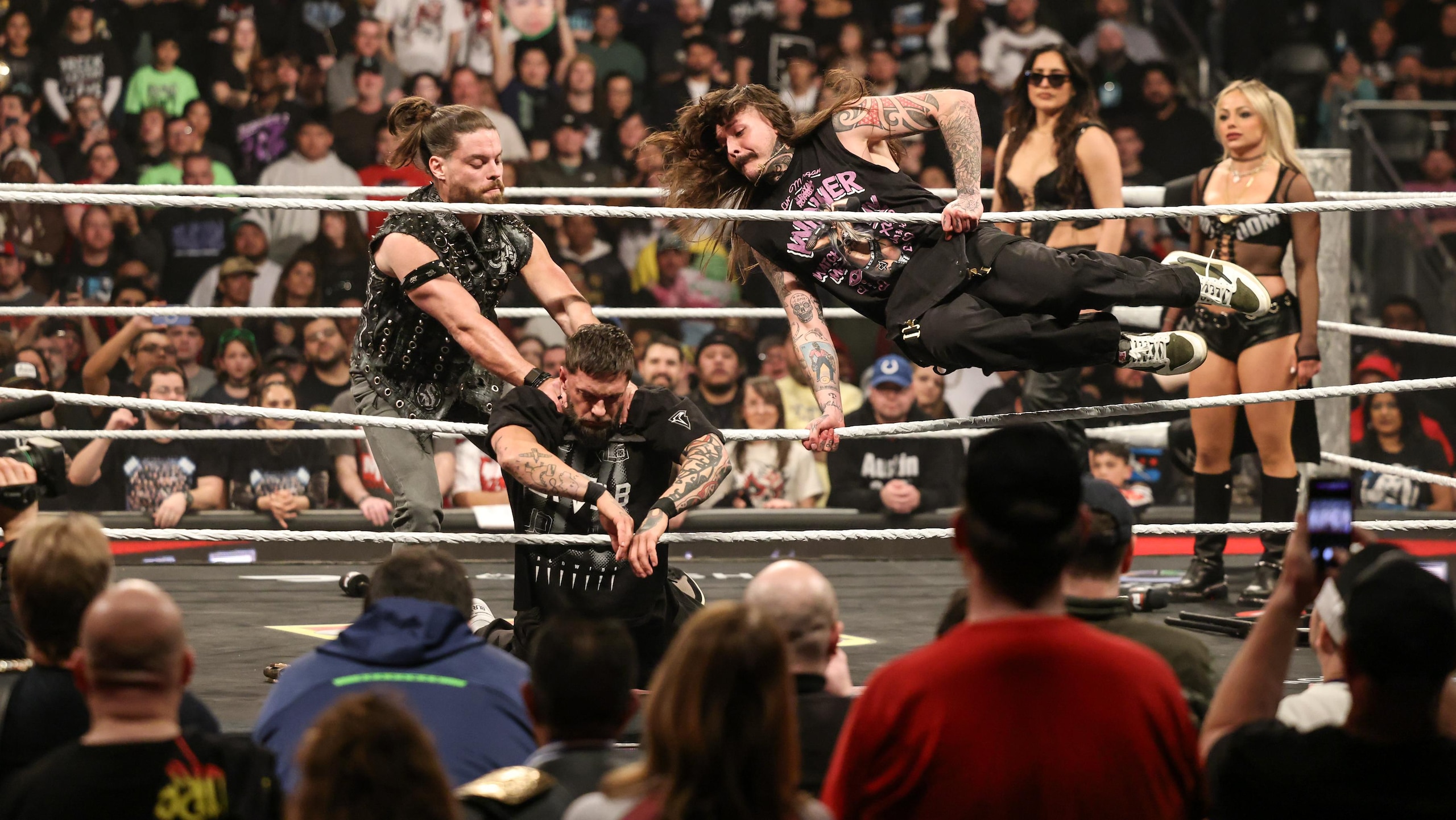
There is no such thing as true friends in the wrestling business. Every alliance will end eventually, usually in the most dramatic way possible.
Betrayals are standard storytelling, but WWE has relied on them so heavily for decades that they've become trite and predictable, to the point where it's practically comical that wrestlers still trust each other without thinking it's a possibility.
It's well-established WWE couldn't care less about tag team wrestling, so there's no such thing as a team sticking together forever. Although that could have been said for tandems such as The Usos and The New Day, they inevitably severed ties.
Betrayals are too tempting for WWE to pass up. Characters can't complete their arc without going heel, and the easiest route to getting heat is turning on the person fans have grown to love to see them paired with.
All signs point to R-Truth being next to get betrayed if Damian Priest's recent actions have been any indication.
Blaming the Fans Upon Turning Heel
10 of 12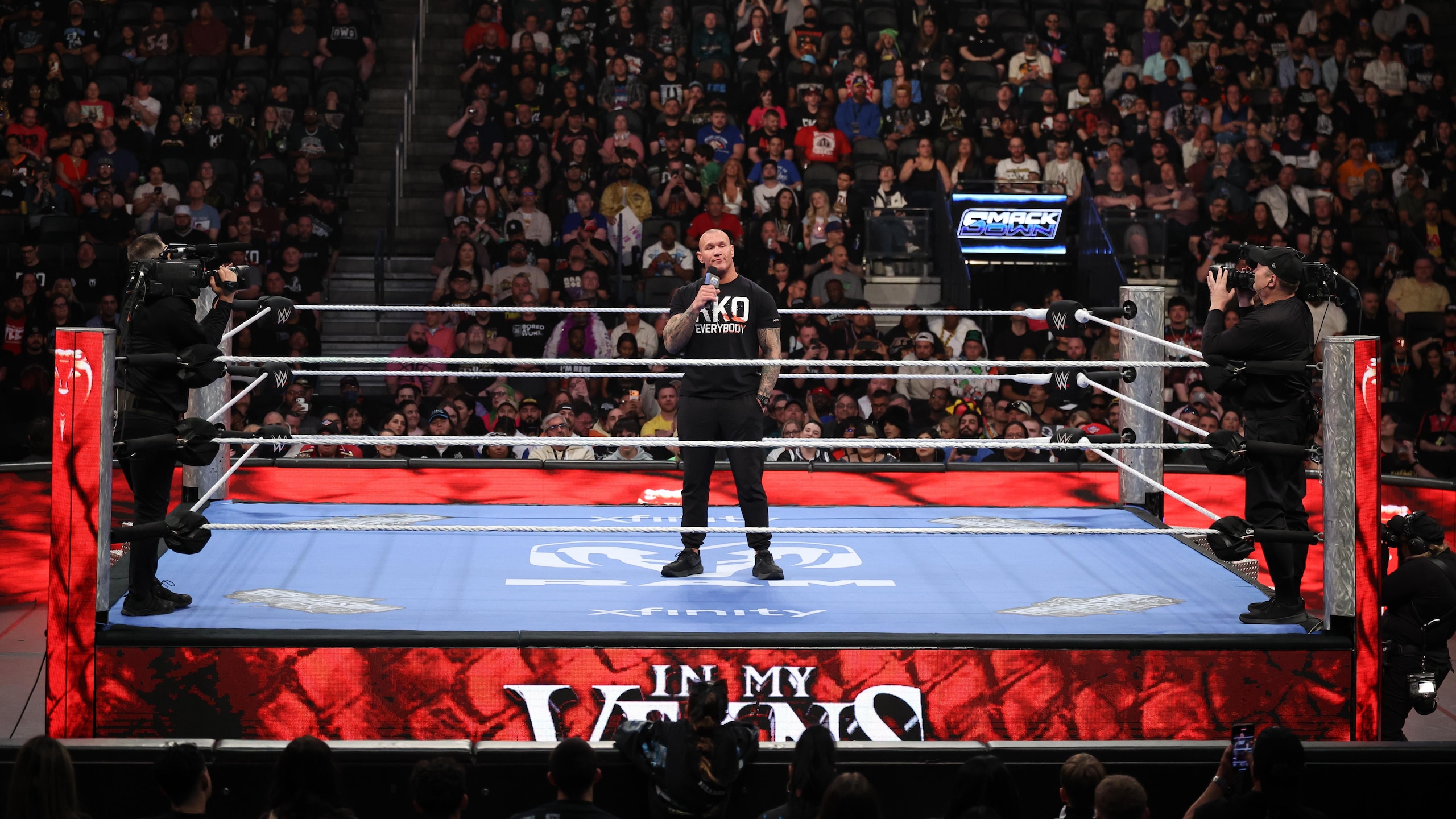
The best heel turns are the ones that are rooted in reasoning. Wrestling is at its most engaging when it's logical, but as has been documented throughout this list, WWE isn't afraid to throw logic out the window if it means following the same old formula.
For heel turns, that means blaming the audience they once embraced, despite likely not having an issue with getting cheered by them the week prior. Immediately upon turning heel, regardless of how it happens, they reject the crowd's support and blame them for why they went rogue.
It makes sense for someone like Sami Zayn, who fans turned on over time and for no particular reason, but not John Cena, who was adored by fans prior to his heel turn in 2025. He then cut the dreaded "you people" promo shortly thereafter where he blamed the crowd for pushing him over the edge.
It's lazy writing and the wrong way to go about evolving a stagnant character organically. It does more damage long-term and causes fans to care even less than if they had just stayed babyface.
Rivals Must Be Able to Coexist
11 of 12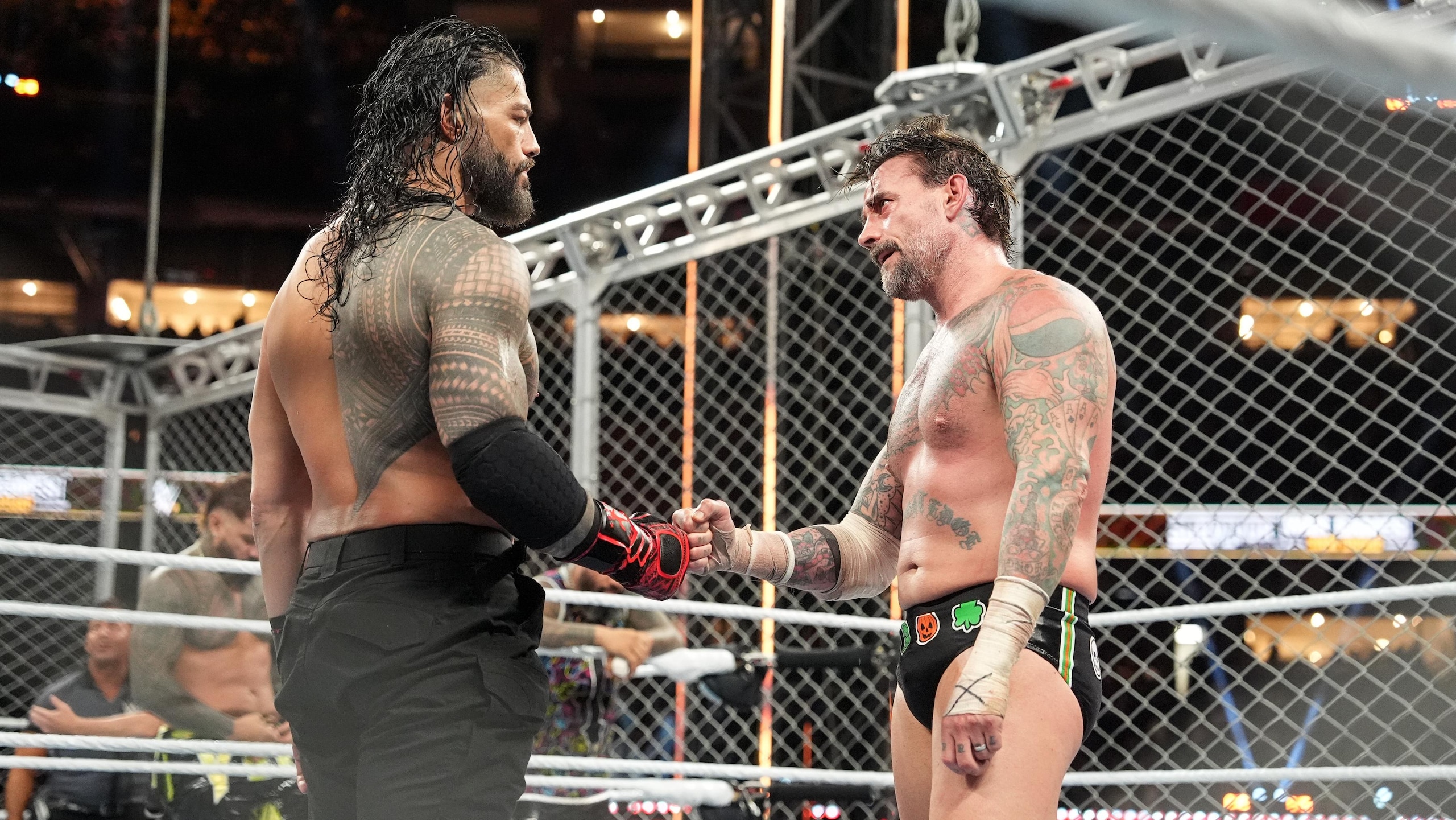
The age-old tale of "Can they coexist?!" is WWE's favorite go-to story trope, and rarely do fans actually find it intriguing.
It normally pits two Superstars who are in the middle of feuding in a team together. They gain nothing from being paired up and attempting to put their differences aside, but as noted, it's a way for WWE to drag out a story for one week leading into a premium live event.
The story is also used for tag team partners who are on the brink of collapse and need to prove they can still coexist. More often than not, they fail and attack each other afterward. The endgame can always be seen coming from a mile away.
There is no real reason for foes to be able to prove they can coexist, because why would they need to? Fans are tired of seeing the same story play out time and time again, but it somehow wouldn't be wrestling without it.
Attacking Authority Figures Rarely Has Consequences
12 of 12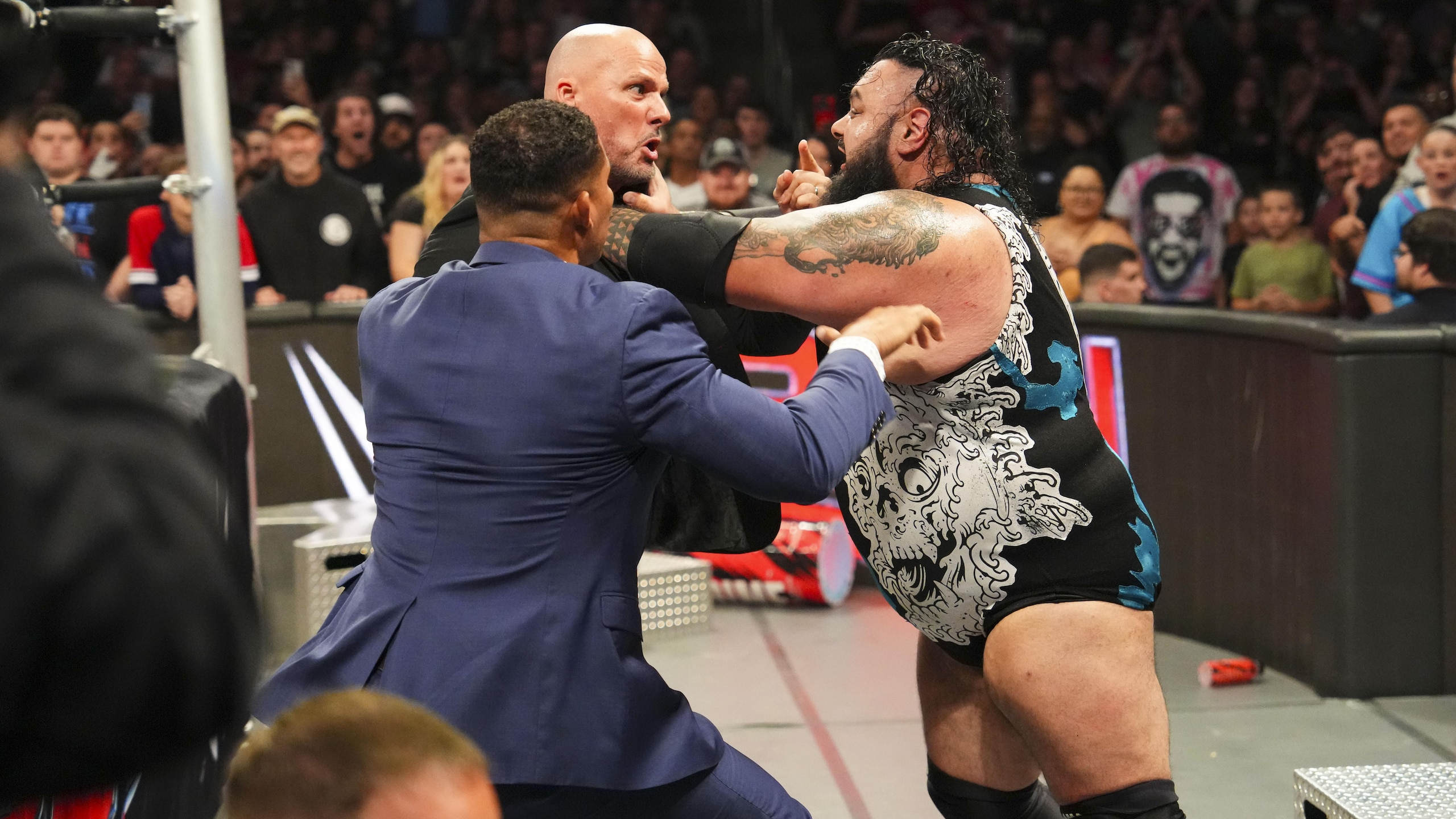
Arrests aren't all that uncommon in wrestling (in the confines of kayfabe, that is, but real-life arrests are incredibly common as well), though it tends to be for something small rather than for things that would legitimately get one arrested in reality.
Heel wrestlers and heel authority figures will have their babyface adversary arrested, only for them to be freed by the following week or even later that same night. More egregiously, babyfaces and heels will wreak total havoc on a show and seemingly not suffer any sort of consequence.
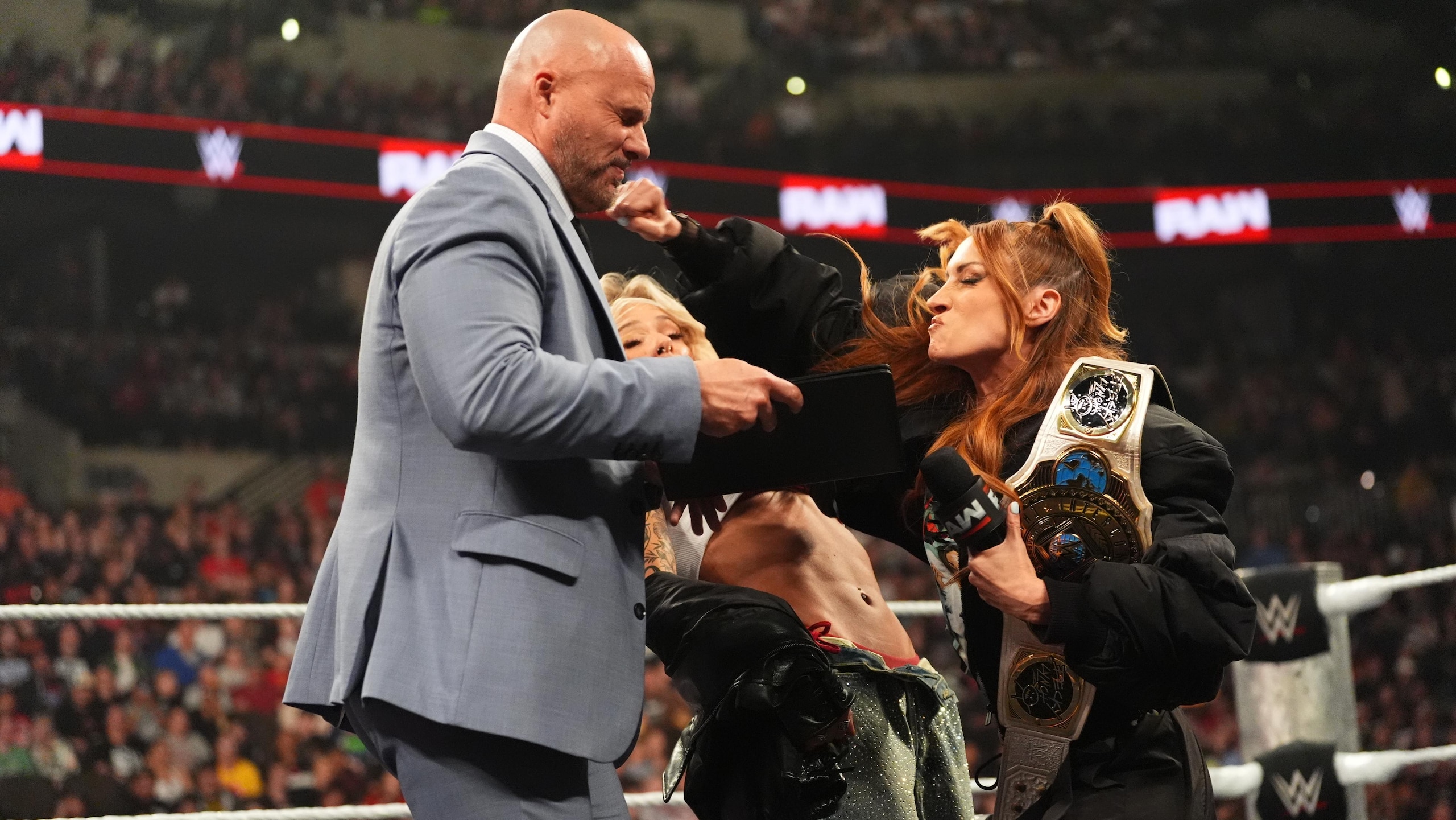
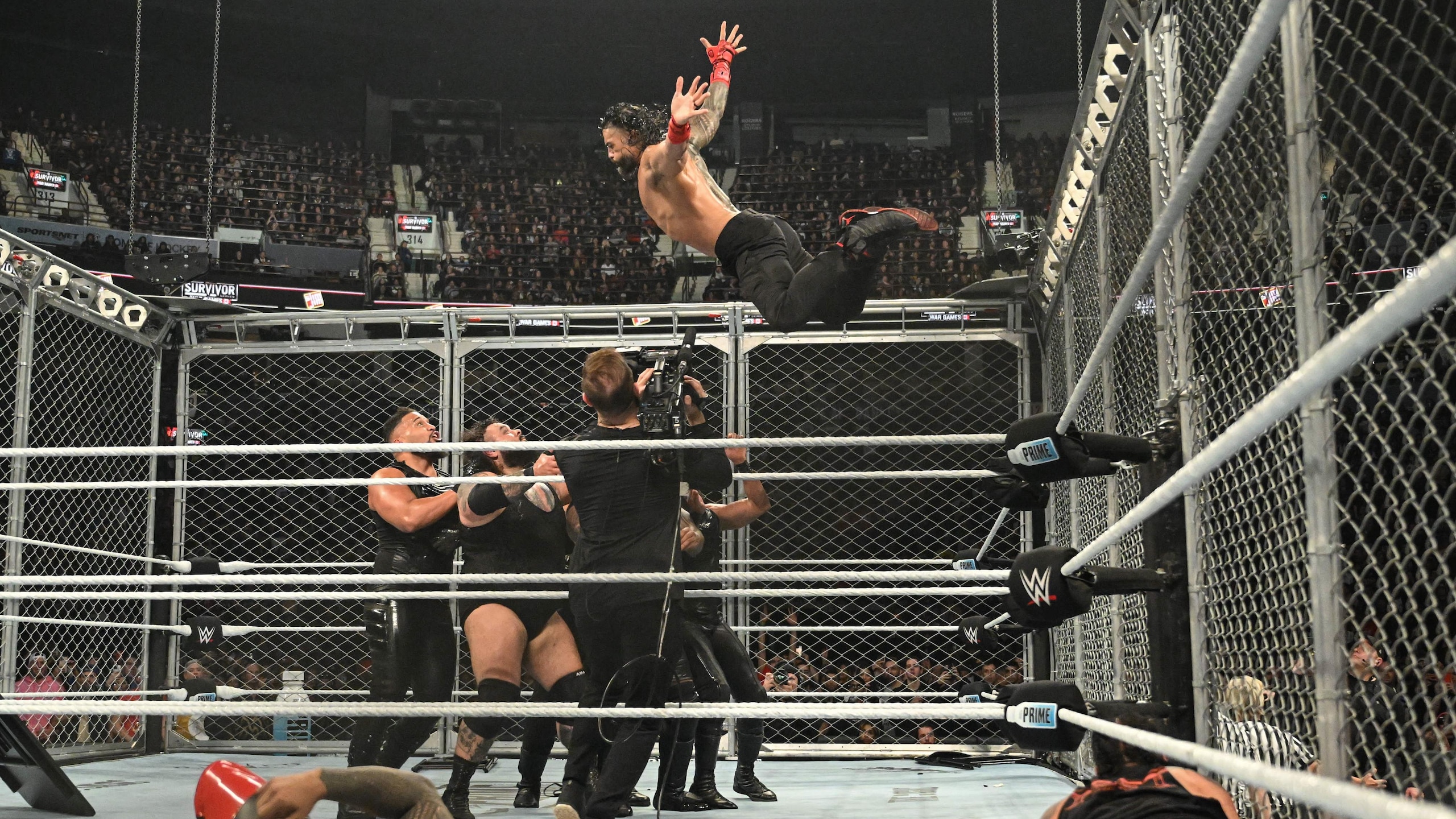
That was evident as recently as Raw this past Monday when The Bloodline laid waste to comedian Eric Andre in the middle of the ring. Backstage personnel ran to the celebrity's aid, but otherwise, The Bloodline went about their business as usual for the remainder of the show and weren't reprimanded by Raw general manager Adam Pearce whatsoever.
Wrestlers outright attack authority figures and, at most, will get put in a match as punishment. No average person can lay a beating on their boss and remain employed, but the lack of logic in the unwritten rules of WWE is what makes it the ultimate escape from reality.
Graham Mirmina, aka Graham "GSM" Matthews, has specialized in sports and entertainment writing since 2010. Visit his website, WrestleRant, and subscribe to his YouTube channel for more wrestling-related content.
.jpg?w=2560 "🚨 Davante Out 6-10 Weeks")
.jpg?w=2560 "Tank Dell Playing Sunday 💯")