

Looking back at the biggest draft busts of all time is not about pointing and laughing at failure. It's about lamenting lost potential—and recognizing a necessary evil that gives us something cold and hard to measure greatness against.
Because for as many legends who reached their peak outcomes, twice as many spectacular failures exist. That's who we're here to remember and appreciate: the expected MLB, NBA, NFL and NHL greats who weren't.
To make sense of all the shattered dreams, a cross-sport panel of B/R editors voted with the central aim of deciding who fell furthest from predraft expectations. To do so, they relied on a mix of draft position, career statistics, predraft perception and a dash of accumulated memory.
Subjective? Sure. That's the nature of the hype beast we call #draft SZN.
Scroll on to see the results and let us know your thoughts in the app comments.
Player summaries by Andy Bailey (NBA), Gary Davenport (NFL), Joel Reuter (MLB) and Lyle Richardson (NHL).
Breakdown by Team
1 of 100
Fifty-seven different franchises appear on our list at least once, but good fortune has side-stepped some organizations more than others.
Here's a quick franchise misery index before we get to the individual names.
 Biggest Draft Busts · By Franchise
The Bust Factories
99. Jeff Okudah
2 of 100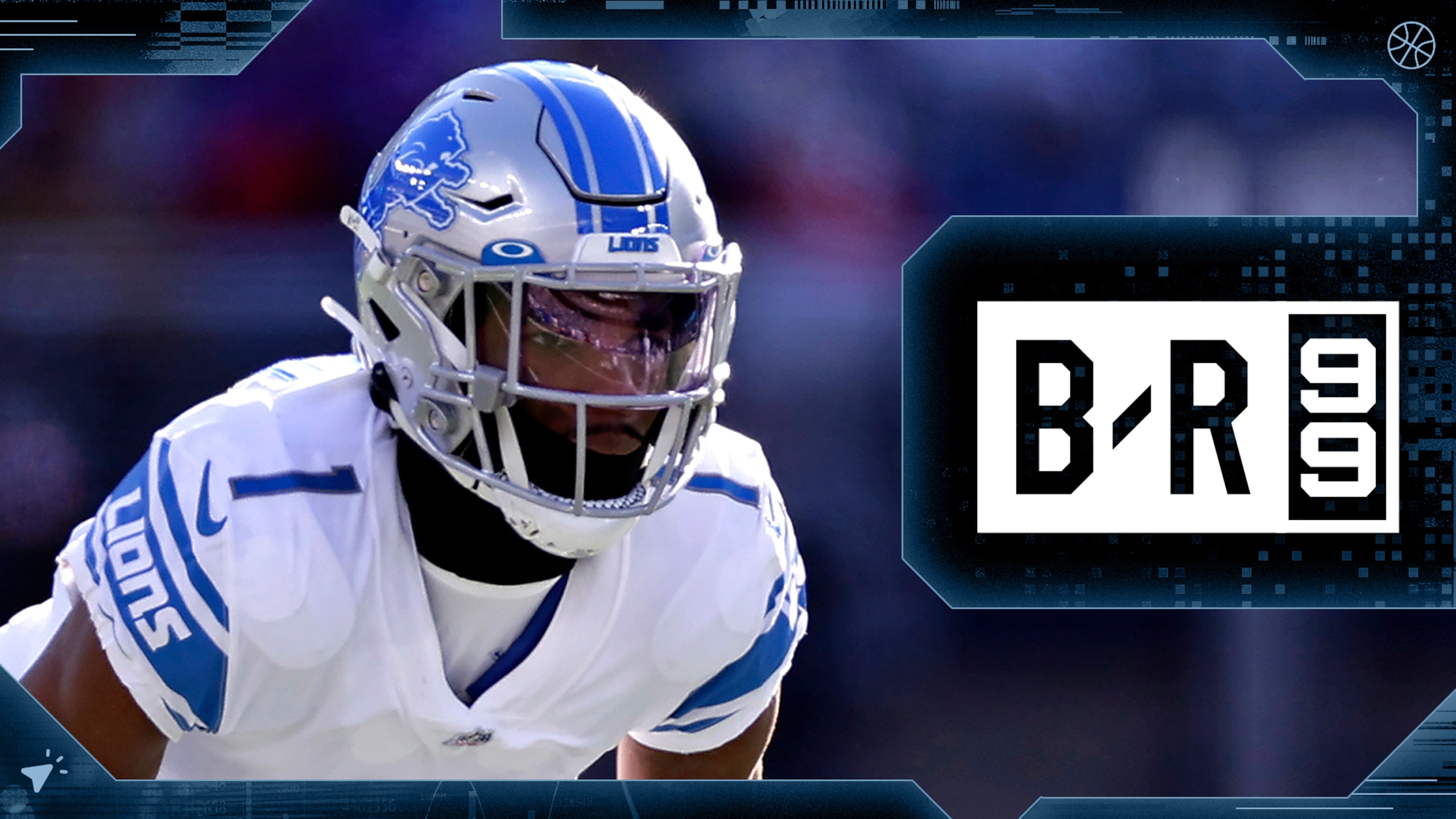
Selection: No. 3 | 2020 NFL Draft | Detroit Lions
Position: CB
Career Stats: 50 G (2020-25) | Int: 2 | PD: 14 | Solo: 157 | TFL: 7 | FF: 1 | AV: 11
When the Detroit Lions drafted Jeff Okudah third overall in 2020, the team thought it was getting a true "shutdown" cornerback—a unanimous All-American and Thorpe Award finalist.
What they got was an injury-prone player who was average in coverage at best. Okudah landed on injured reserve as a rookie with a core muscle injury. The following season he ruptured his Achilles tendon in the season opener. He returned to action in 2022, but by the end of his third season he was benched, and in April of 2023 he was traded to Atlanta for a Day 3 pick.
Okudah was still in the NFL in 2025, but he played less than 100 snaps for the Vikings (his fourth team). For his career, he has all of two interceptions and an ugly passer rating against of 107.9.
High Vote: 65
98. Tyrus Thomas
3 of 100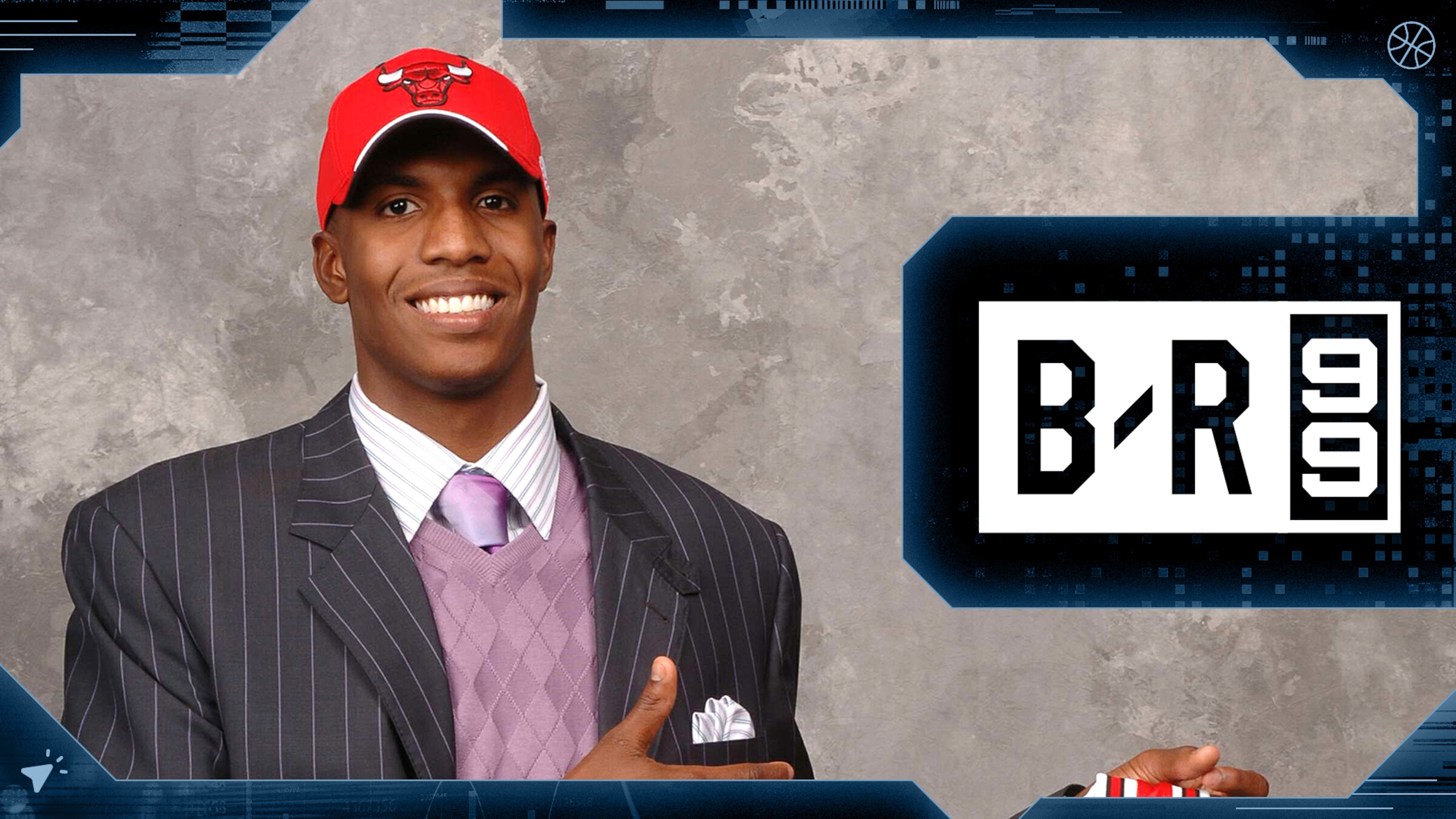
Selection: No. 4 | 2006 NBA Draft | Portland Trail Blazers
Position: PF/C
Career Stats: 402 G (2006-15) | PPG: 7.7 | RPG: 4.8 | APG: 0.9 | BLK: 1.3 | FG%: 43.8 | 3P%: 23.5 | WS: 13.0
At LSU, Tyrus Thomas was a dynamic athlete who finished plenty of his opportunities above the rim and averaged a conference-leading 3.1 blocks per game.
Given what he showed there, it was fair to expect him to at least be a difference-maker on the defensive end. But the Chicago Bulls likely saw even more, which is why they traded LaMarcus Aldridge on draft night for him.
Aldridge went on to score more points in the NBA than all but 47 players ever have, while Thomas spent most of a relatively short career as a low-impact reserve.
High Vote: 31



97. Cade McNown
4 of 100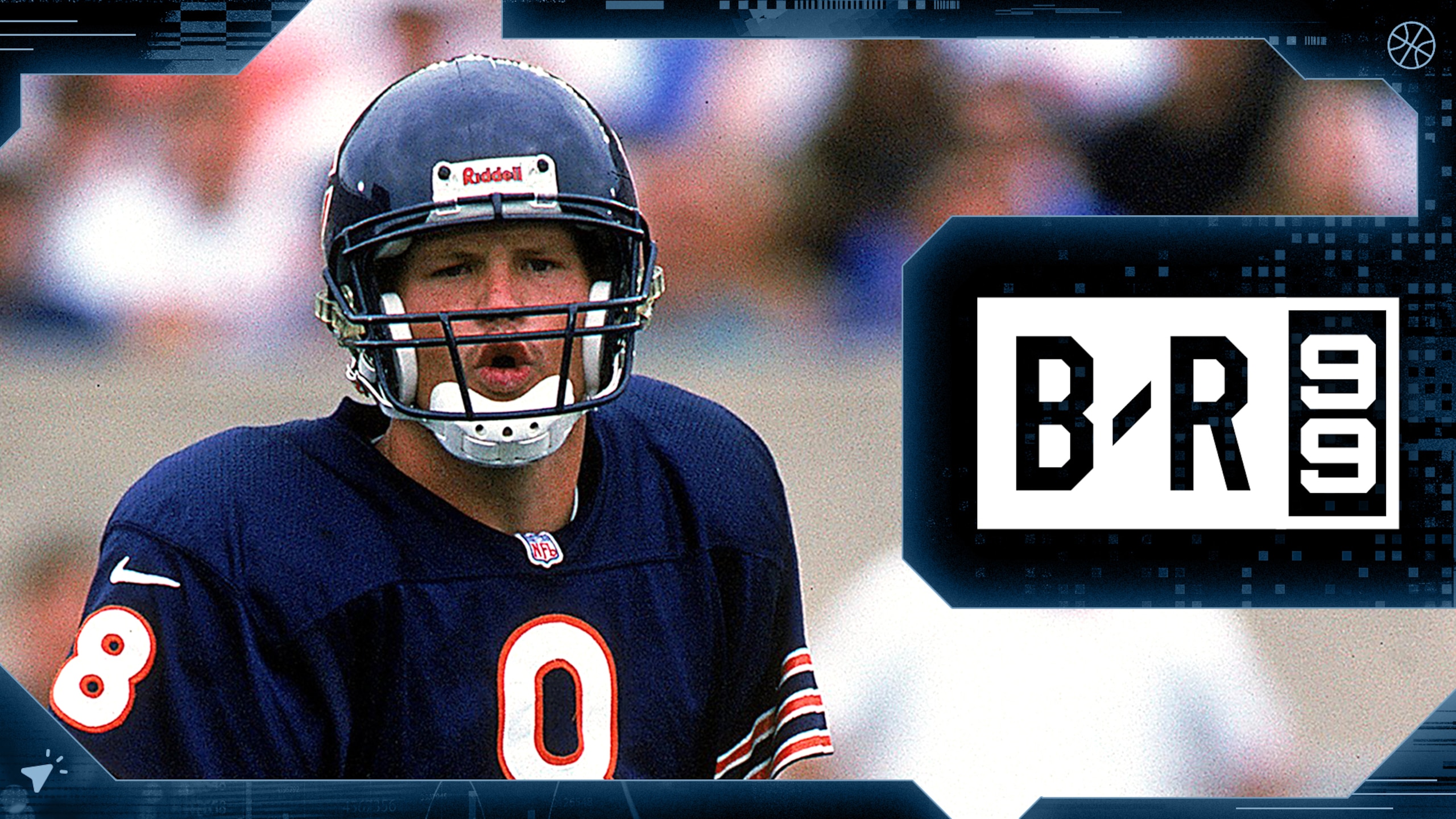
Selection: No. 12 | 1999 NFL Draft | Chicago Bears
Position: QB
Career Stats: 25 G (1999-2000) | QBrec: 3-12-0 | Cmp%: 54.6 | Yds: 3,111 | Y/A: 6.0 | TD: 16 | Int: 19 | AV: 8
It's no secret that the Chicago Bears have taken quite a few swings at acquiring a franchise quarterback.
Cade McNown was not one of the better ones.
Drafted 12th overall out of UCLA in 1999, McNown faced arm-strength concerns entering the NFL. His six starts as a rookie were not especially impressive—a 54 percent completion percentage, eight touchdowns and 10 interceptions.
Things got that much worse in 2000. McNown's level of play declined, and when booing fans called for Jim Miller to take over under center, McNown told them to stay home. When Shane Matthews took the starting job from McNown, it was revealed that McNown's own teammates called for him to be benched.
After two seasons and 15 starts, McNown was shown the door.
He never played again.
High Vote: 46
96. Michael Beasley
5 of 100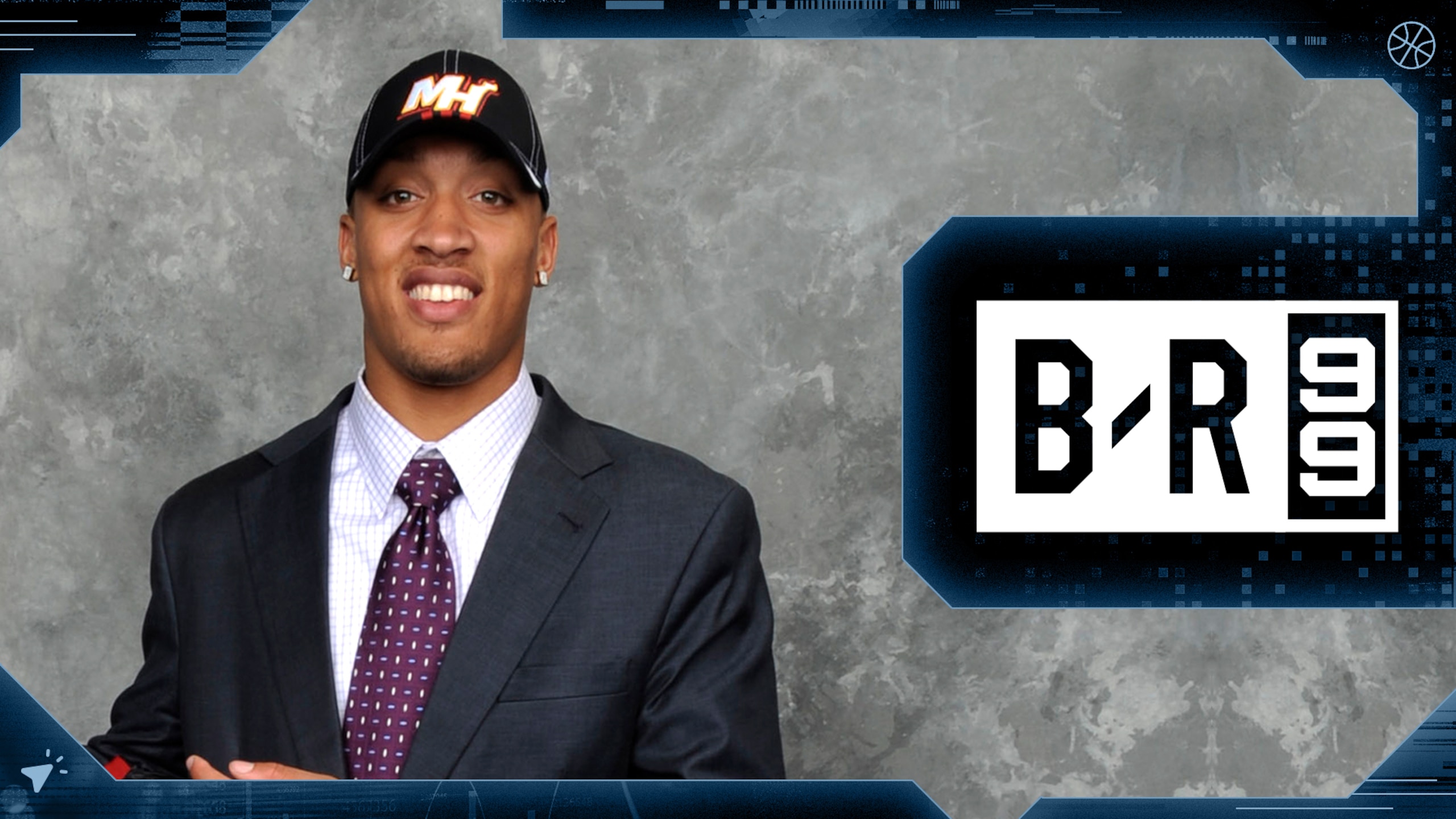
Selection: No. 2 | 2008 NBA Draft | Miami Heat
Position: SF/PF
Career Stats: 609 G (2008-19) | PPG: 12.4 | RPG: 4.7 | APG: 1.3 | BLK: 0.5 | FG%: 46.5 | 3P%: 34.9 | WS: 15.6
When the Chicago Bulls took Derrick Rose with the first overall pick in the 2008 draft, there was a relatively large contingent of Michael Beasley believers who were convinced Chicago had made the wrong call.
At Kansas State, Beasley was one of the most productive and athletic college players of all time. He averaged 26.2 points and 12.4 rebounds, while shooting 37.9 percent from three.
And while he showed flashes of scoring upside in the NBA (like 2010-11, when he averaged 19.2 points), Beasley never did enough of the less glamorous stuff to make a positive difference on many of his teams.
High Vote: 23
95. Robert Traylor
6 of 100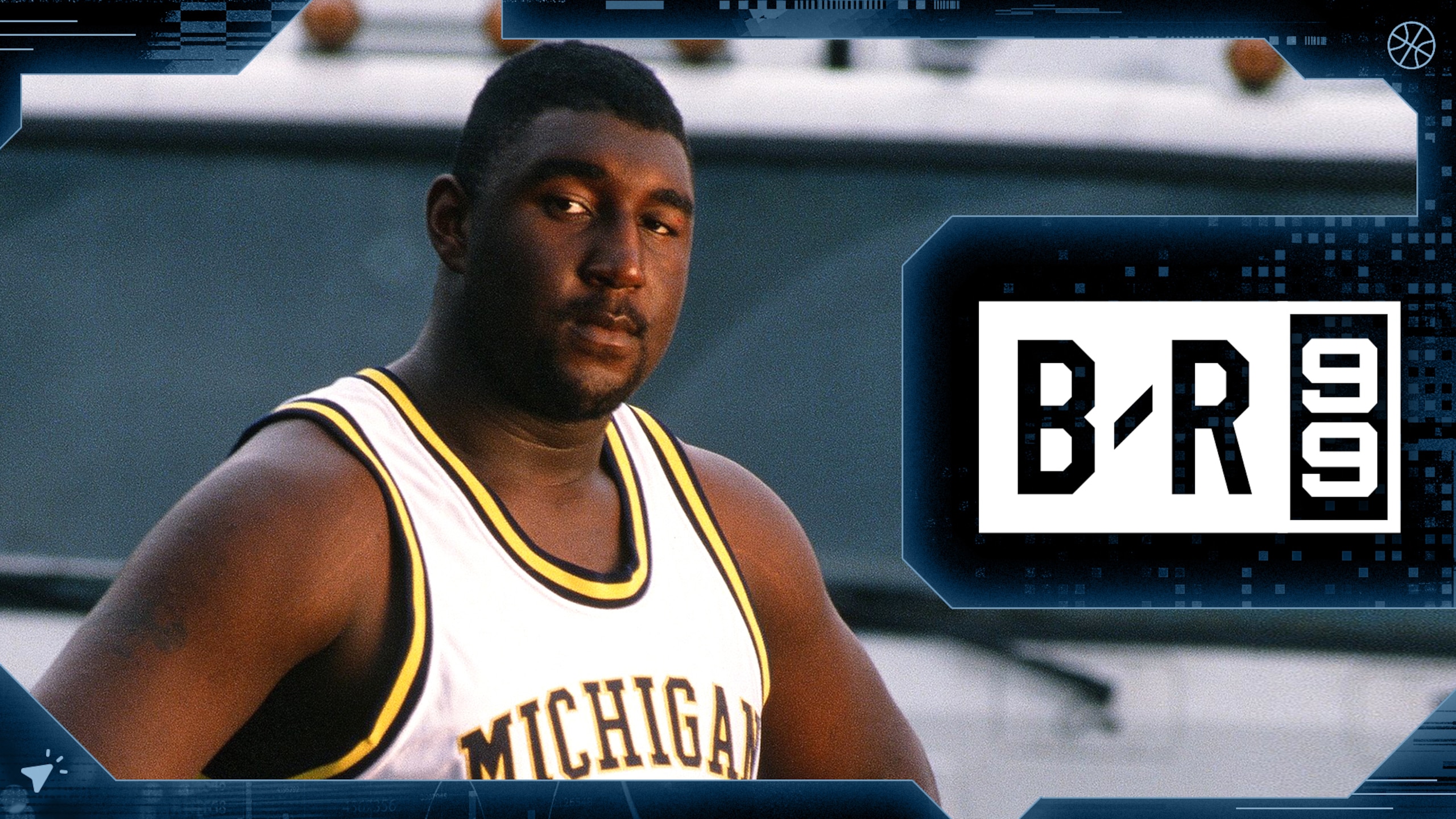
Selection: No. 6 | 1998 NBA Draft | Dallas Mavericks
Position: PF/C
Career Stats: 438 G (1998-2005) | PPG: 4.8 | RPG: 3.7 | APG: 0.7 | BLK: 0.7 | FG%: 47.4 | 3P%: 16.7 | WS: 13.3
Robert Traylor's frame was a novelty among basketball players. There's no doubt that had something to do with the attention he garnered at Michigan in the mid-'90s. But he also became a pretty dominant force by his third season there, when he averaged 16.2 points, 10.1 rebounds, 2.6 assists, 1.4 blocks and 1.3 steals.
The production was enough to drive him all the way up to the sixth overall pick, where he was originally drafted by the Dallas Mavericks.
But that alone isn't why Traylor made this list. The fact that he was immediately flipped for Dirk Nowitzki is what's notable here. Dirk is one of the 20-25 greatest players of all time. Traylor only made it seven seasons and averaged 4.8 points for his career.
High Vote: 21
94. Jan Vesely
7 of 100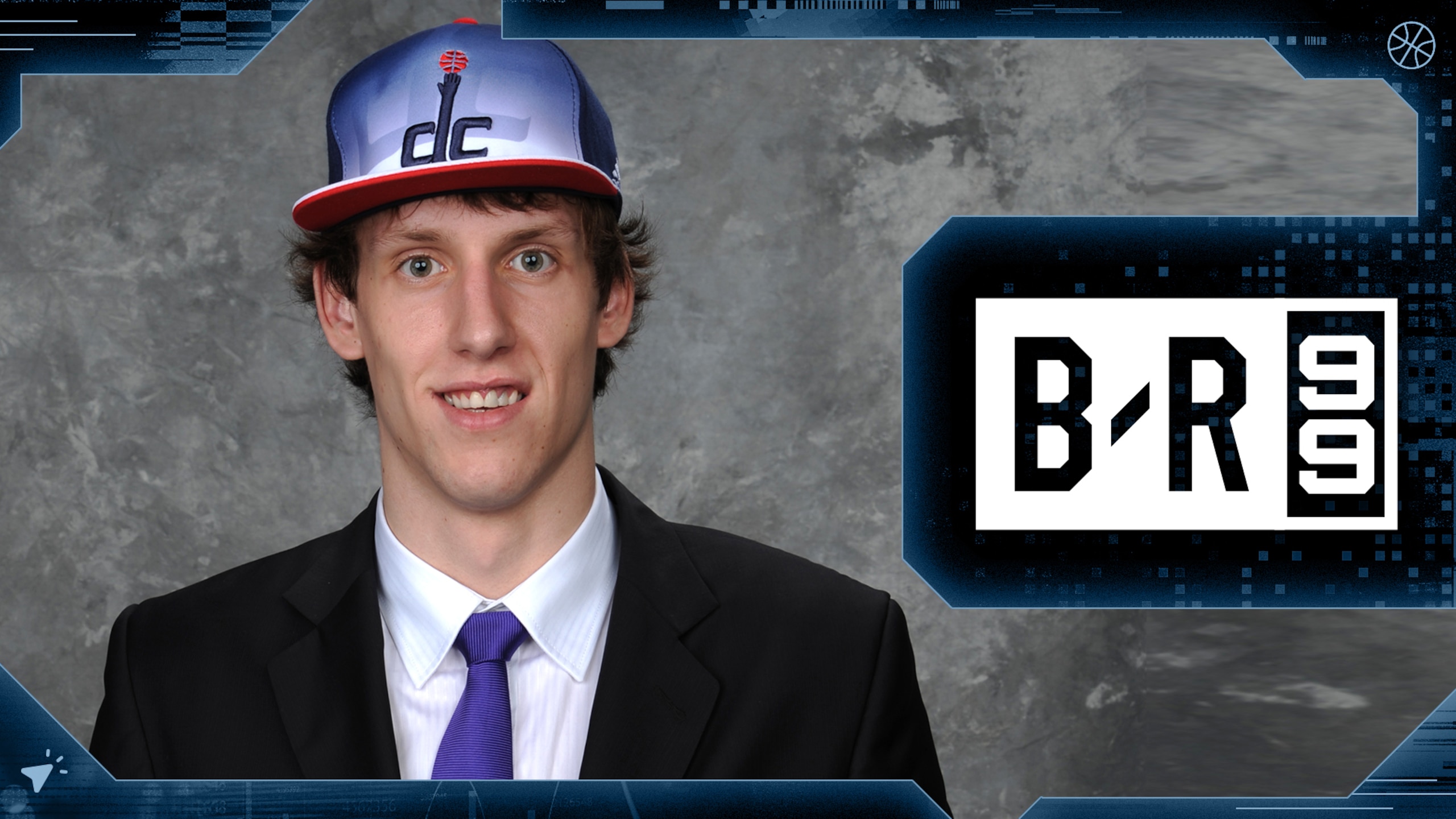
Selection: No. 6 | 2011 NBA Draft | Washington Wizards
Position: PF
Career Stats: 162 G (2011-14) | PPG: 3.6 | RPG: 3.5 | APG: 0.6 | BLK: 0.5 | FG%: 52.1 | 3P%: 0.0 | WS: 4.0
Jan Vesely wasn't quite in the same mold as the dozens of other European big men who came to the NBA in the 2000s and early 2010s.
Rather than being a finesse, sharpshooting 4 or 5, Vesely's hype had more to do with his explosiveness, energy and defensive upside.
But Vesely never developed nearly enough skill to earn big minutes in the league, and he went back to Europe after just three NBA seasons.
High Vote: 7
93. Greg Joly
8 of 100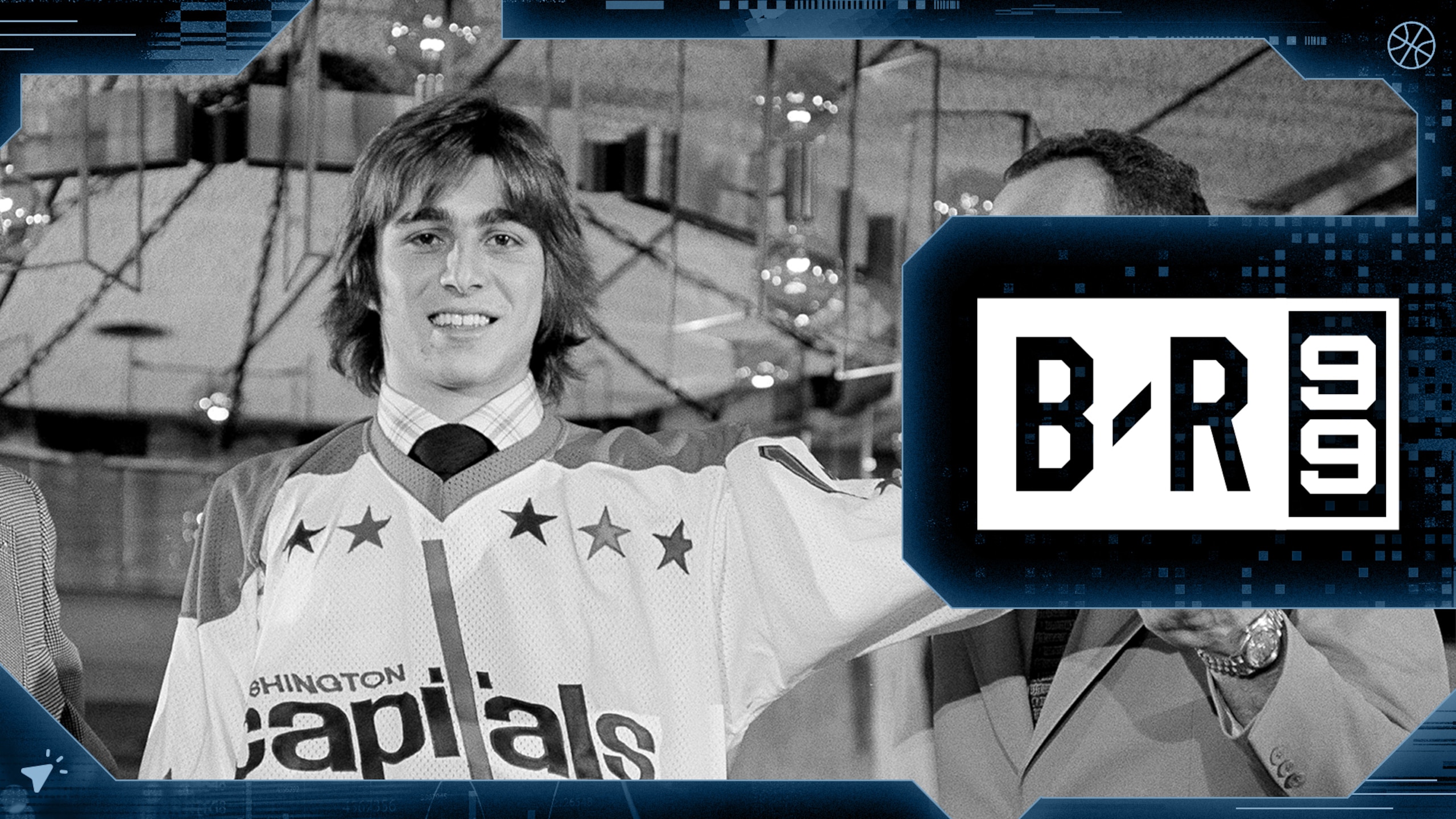
Selection: No. 1 | 1974 NHL Draft | Washington Capitals
Position: D
Career Stats: 365 GP (1974-83) | G: 21 | A: 76 | PTS: 97 | +/-: -165 | SOG: 464 | PT Shares: 13.0
Chosen as the first player to join the Washington Capitals in their inaugural season, Joly was coming off a 92-point season in 1973-74 with the WHL's Regina Pats. He helped them reach the 1974 Memorial Cup and was tournament MVP.
Frequent injuries prevented Joly from reaching his full potential. Traded to the Detroit Red Wings in 1976, he played his final NHL game in 1982. Joly spent the remaining four years of his pro career with the Red Wings' AHL affiliate.
High Vote: 60
92. Vince Young
9 of 100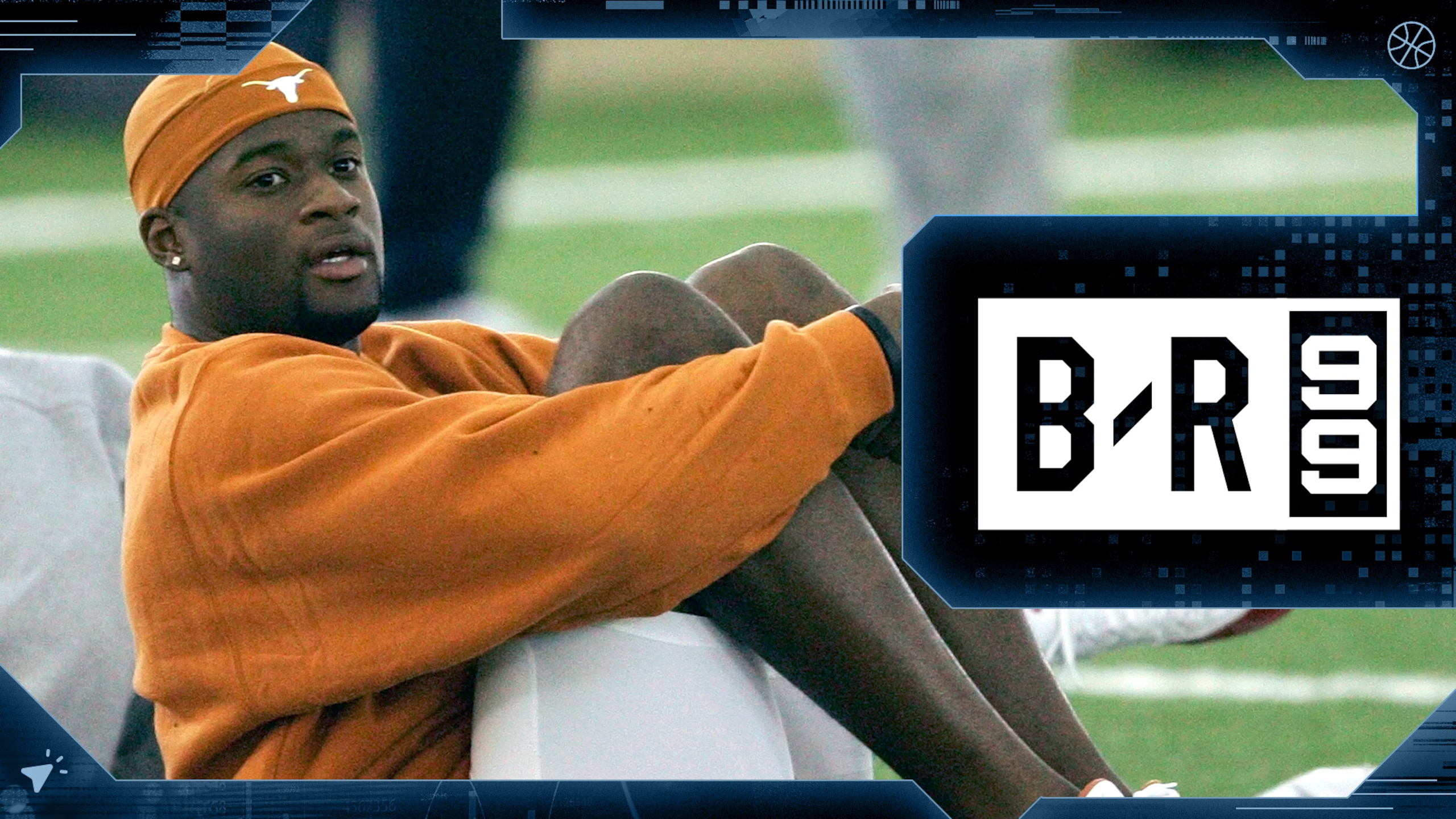
Selection: No. 3 | 2006 NFL Draft | Tennessee Titans
Position: QB
Career Stats: 60 G (2006-11) | QBrec: 31-19-0 | Cmp%: 57.9 | Yds: 8,964 | Y/A: 6.9 | TD: 46 | Int: 51 | AV: 36
When Vince Young was drafted third overall by the Tennessee Titans, he was coming off a ridiculous national title-winning performance in the Rose Bowl where he accounted for 467 yards of offense. Young was the 2006 Offensive Rookie of the Year and led the Titans to the playoffs in 2007.
But Young also threw 30 interceptions over those first two NFL seasons, and after getting injured in 2008, he lost the starting job in Nashville to Kerry Collins. Young regained that role in 2009 and went 8-2 as starter, but after injuring his thumb in 2010, an altercation with Jeff Fisher in the locker room led to owner Bud Adams issuing a press release that Young was no longer a member of the Titans.
Young joined the Eagles the next year (making his infamous "Dream Team" comment) making three starts.
They were the last three starts of his career.
High Vote: 30
91. Danny Goodwin
10 of 100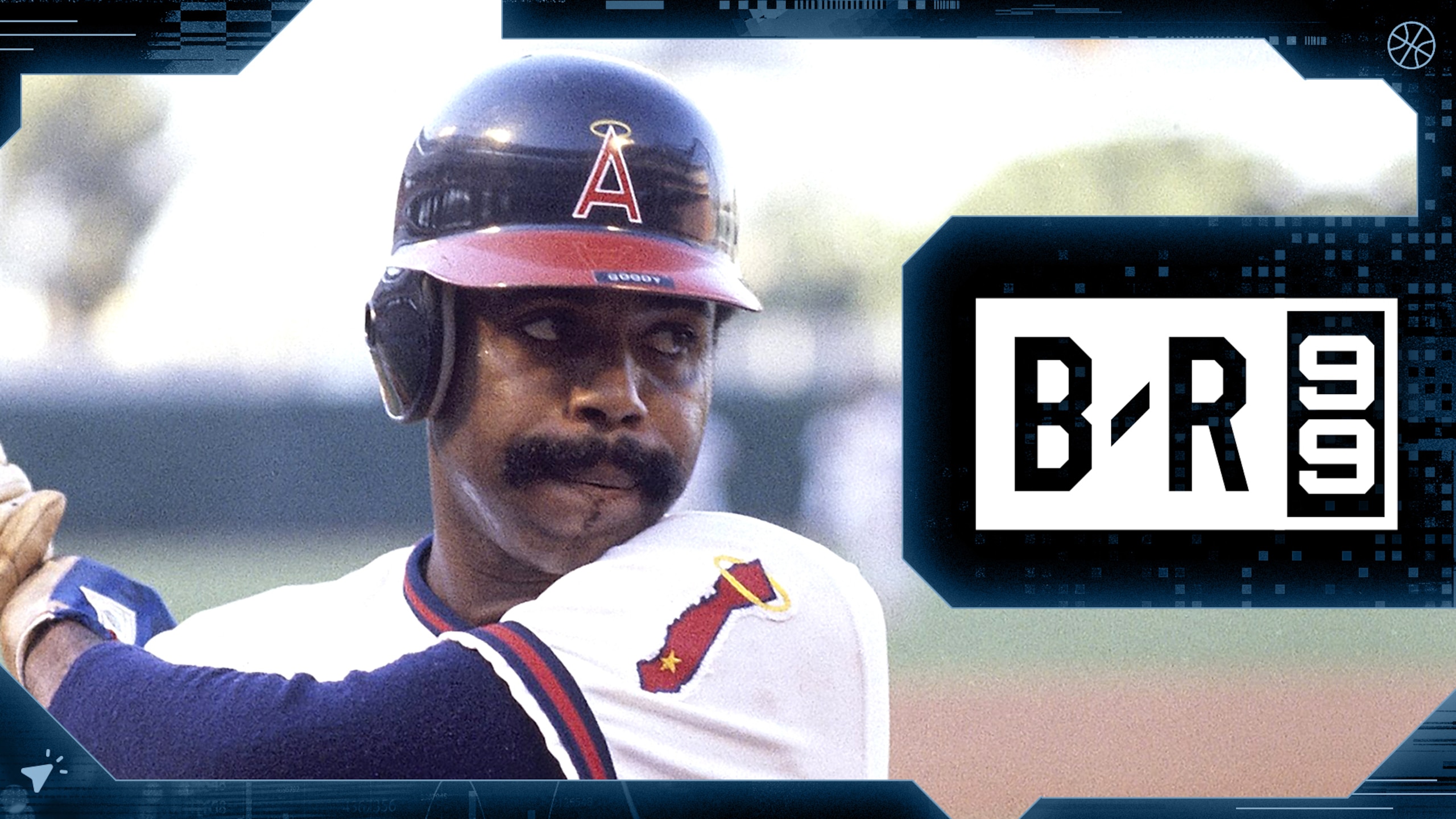
Selection: No. 1 | 1975 MLB Draft | California Angels
Position: DH
Career Stats: 252 G (1975-82) | HR: 13 | RBI: 81 | SB: 3 | BA: .236 | OBP: .301 | SLG: .373 | OPS: .674 | WAR: -1.7
Goodwin was the No. 1 overall pick in the 1971 draft out of high school, but a low bonus offer from the White Sox and the desire to get a college degree led to him honoring his commitment to Southern University. Four years later, the then-catcher was the first name called in the 1975 draft, this time by the Angels.
He was sent to Double-A for his pro debut and was in the big leagues later that year, but his poor defense behind the plate limited him to DH duties, and he simply never hit enough for the role.
Over seven years in the majors, he never logged more than 172 plate appearances in a season, and he finished with a .236/.301/.373 line and minus-1.7 WAR in 252 games.
High Vote: 46
90. Griffin Reinhart
11 of 100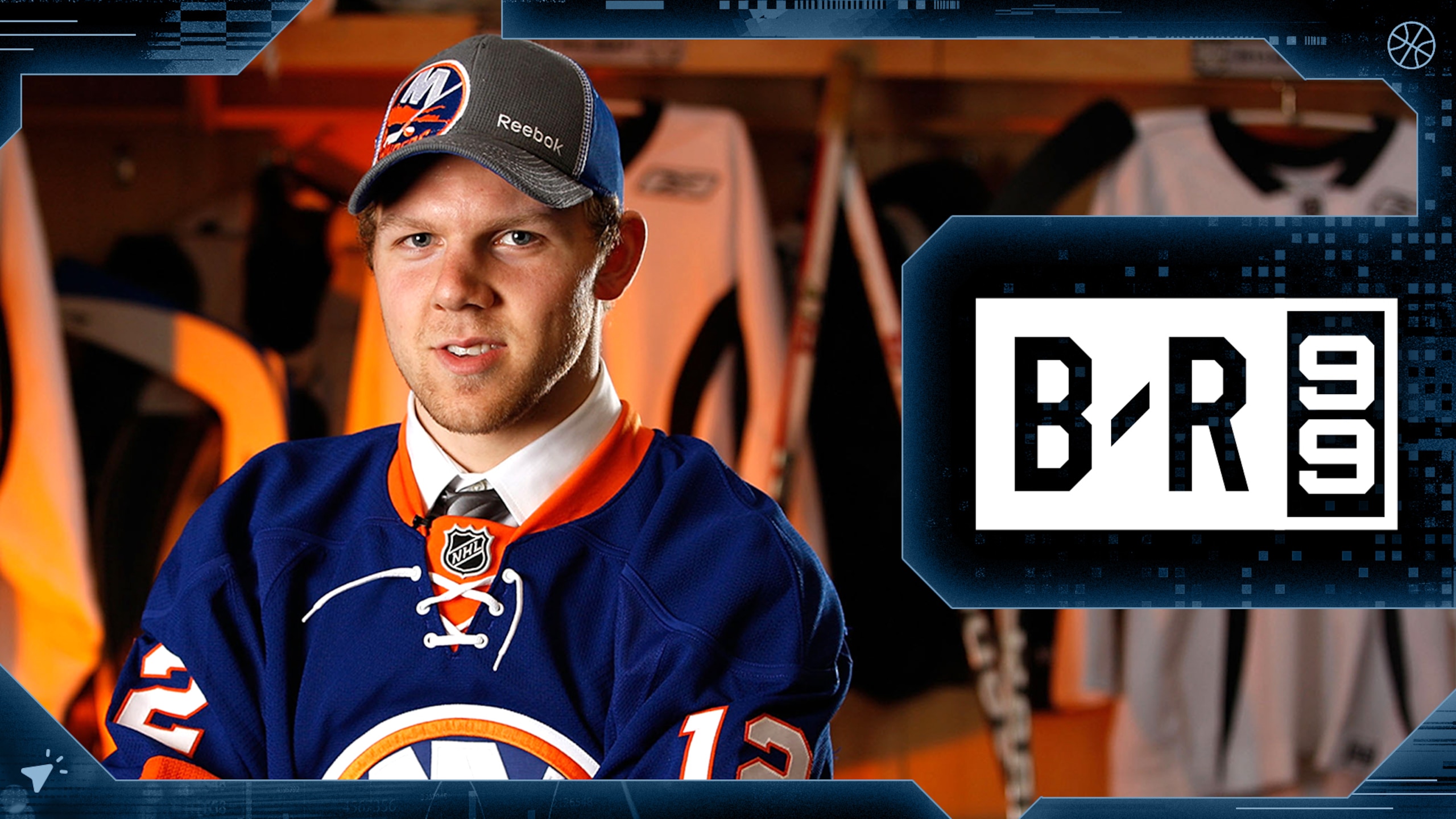
Selection: No. 4 | 2012 NHL Draft | New York Islanders
Position: D
Career Stats: 37 GP (2014-16) | G: 0 | A: 2 | PTS: 2 | +/-: -5 | SOG: 28 | PT Shares: 0.4
Reinhart is the son of former NHL forward Paul Reinhart and the older brother of Florida Panthers star Sam Reinhart. Despite being a high draft pick by the Islanders, his NHL career would be much shorter and less successful.
The 6'3", 216-pound Reinhart was a big defenseman whose size made him a solid player with the WHL's Edmonton Oil Kings. However, his lack of speed and inability to adjust to the big-league pace were his undoing. He spent five seasons in the AHL and Europe following his brief NHL tenure before retiring in 2022.
High Vote: 53
89. Troy Williamson
12 of 100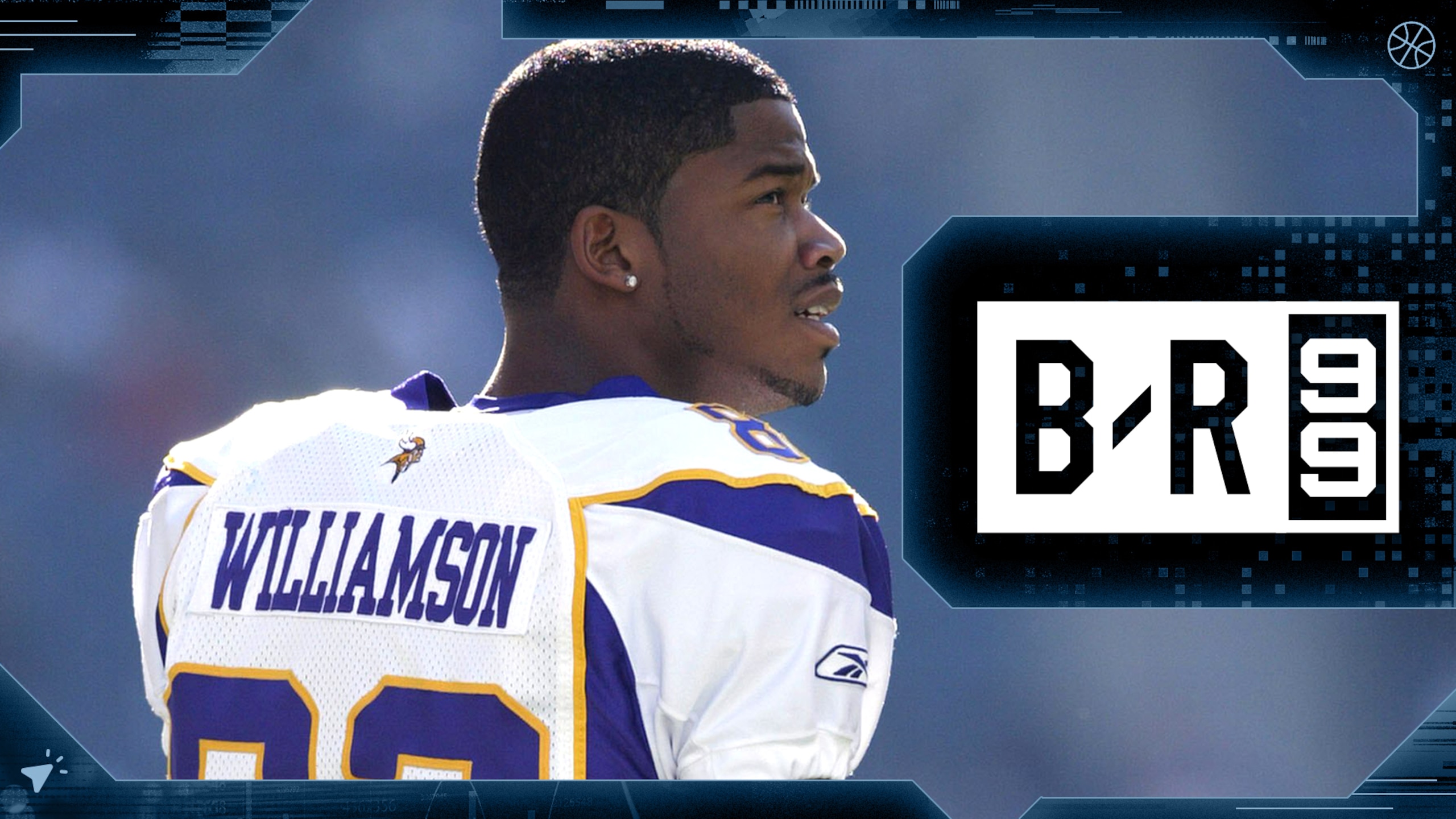
Selection: No. 7 | 2005 NFL Draft | Minnesota Vikings
Position: WR
Career Stats: 49 G (2005-09) | Rec: 87 | Yds: 1,131 | Y/R: 13.0 | TD: 4 | AV: 8
Remember Troy Williamson?
Yeah. The Minnesota Vikings wish they didn't, too.
In 2005, the Vikings needed a deep threat after trading Randy Moss, so the team used the pick obtained in the trade to select Williamson, a speedster from South Carolina.
As a rookie, Williamson had over five times as many drops (11) as he did touchdowns (2)—an issue that was famously blamed on "depth perception." Williamson himself later admitted that his lack of early success and the criticism that came with it rattled him, and after three years, 79 receptions and three touchdowns, Williamson was traded to Jacksonville for a sixth-round pick.
High Vote: 49
88. Matt Anderson
13 of 100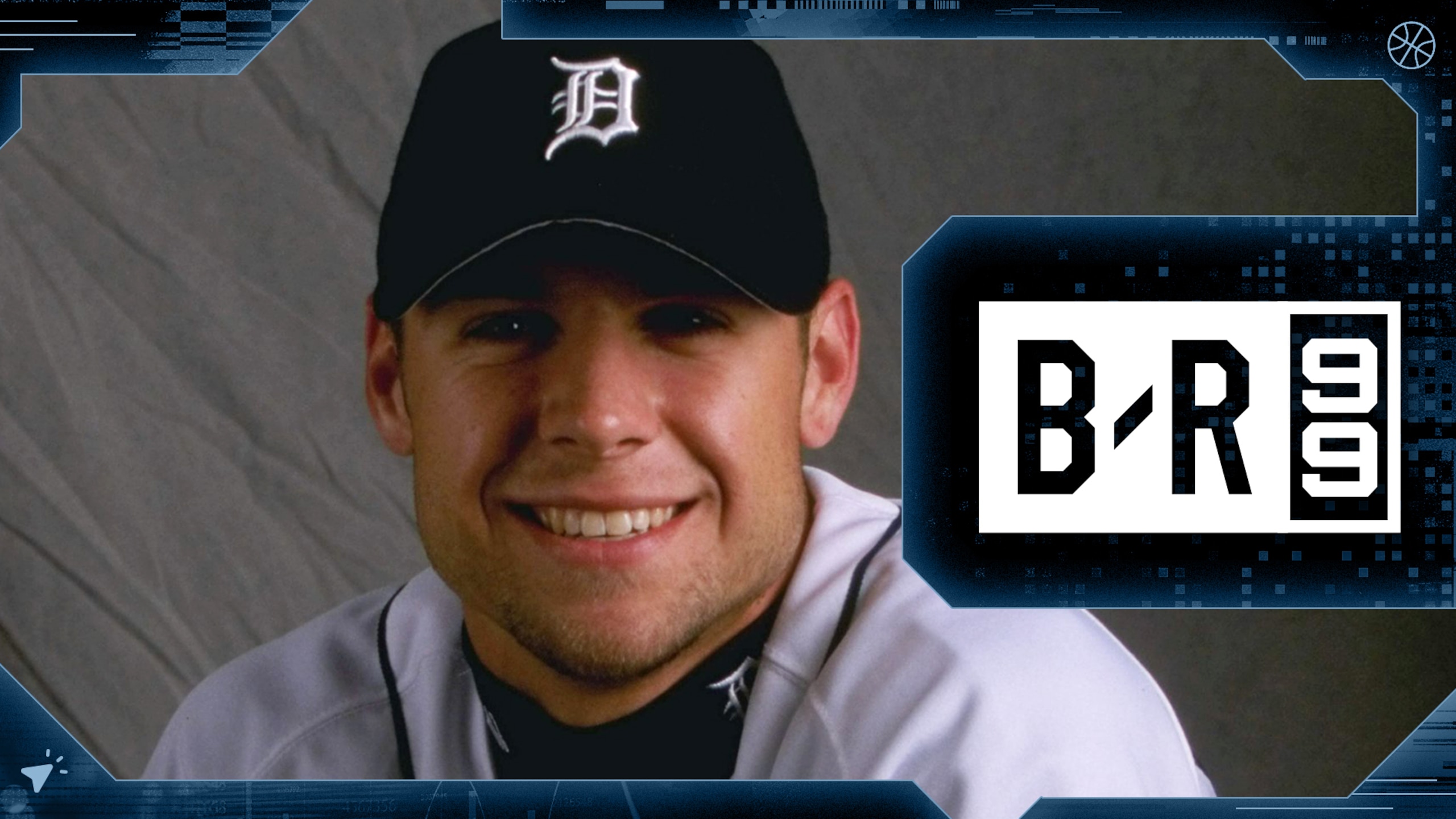
Selection: No. 1 | 1997 MLB Draft | Detroit Tigers
Position: P
Career Stats: 257 G (1998-2005) | W-L: 15-7 | ERA: 5.19 | IP: 256.2 | WHIP: 1.582 | SO/9: 7.9 | BB/9: 5.5 | WAR: -0.6
"Anderson is a closer all the way … He has a funky arm action and does everything with maximum effort, a recipe for arm trouble," reads his predraft profile from Baseball America.
That certainly does not read like a player who should be going No. 1 overall, but the Tigers loved his 100 mph fastball and didn't want to deal with J.D. Drew's bonus demands. He flew through the minors and debuted in 1998, and he peaked with a 22-save season in 2001, but he finished with a lackluster 5.19 ERA and 26 total saves in 257 career appearances.
High Vote: 37
87. Thomas Robinson
14 of 100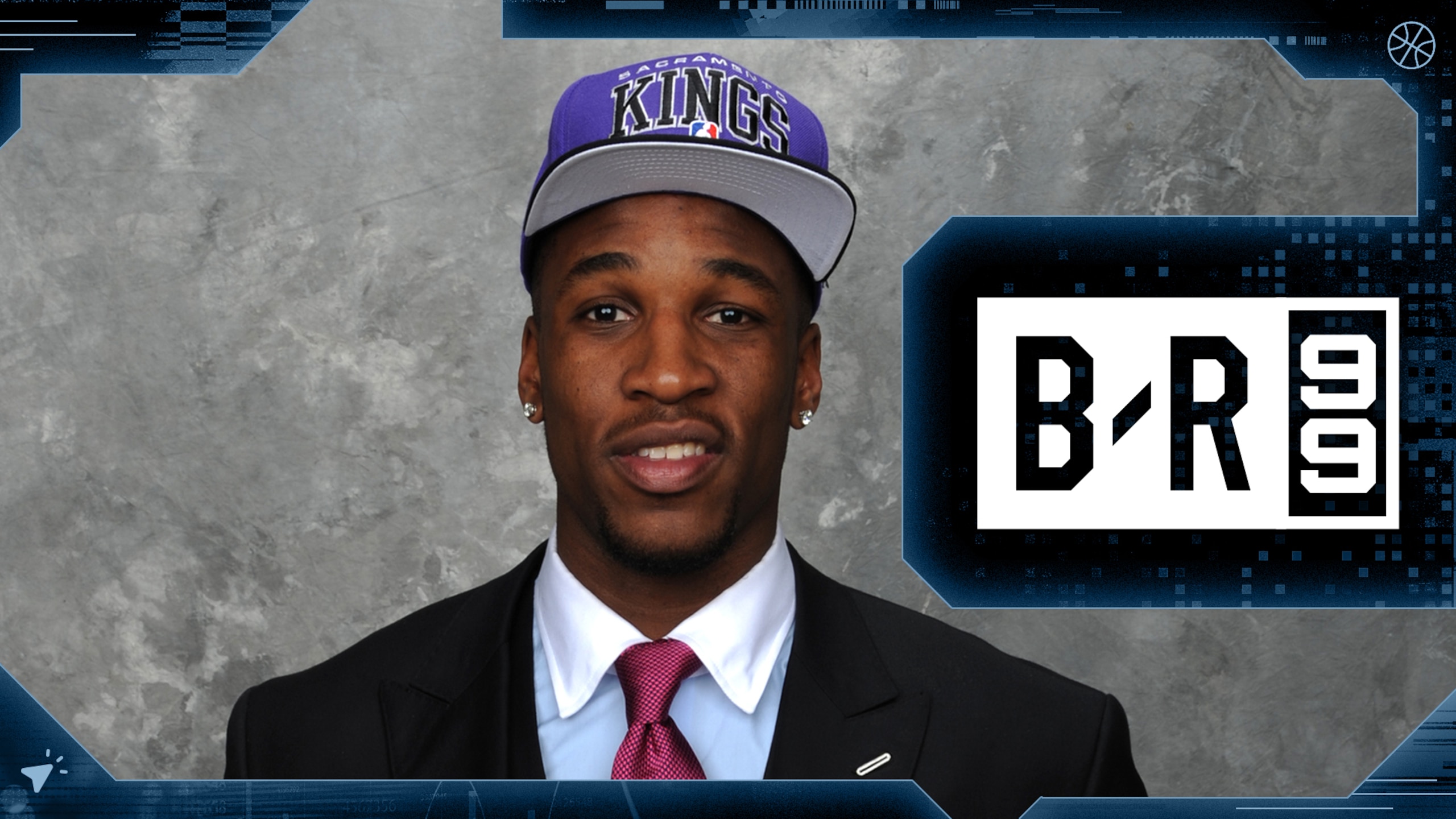
Selection: No. 5 | 2012 NBA Draft | Sacramento Kings
Position: PF
Career Stats: 313 G (2012-17) | PPG: 4.9 | RPG: 4.8 | APG: 0.6 | BLK: 0.4 | FG%: 47.0 | 3P%: 0.0 | WS: 4.6
As a junior at Kansas, Thomas Robinson looked like the second coming of Dwight Howard. He had a 6'10", chiseled frame and bullied opponents in the paint.
But his block rate was very underwhelming in college, and there wasn't much beyond scoring at the rim in his offensive game.
The weaknesses were glaring in the NBA, and Robinson was out of the league after just five seasons.
High Vote: 35
86. Henry Davis
15 of 100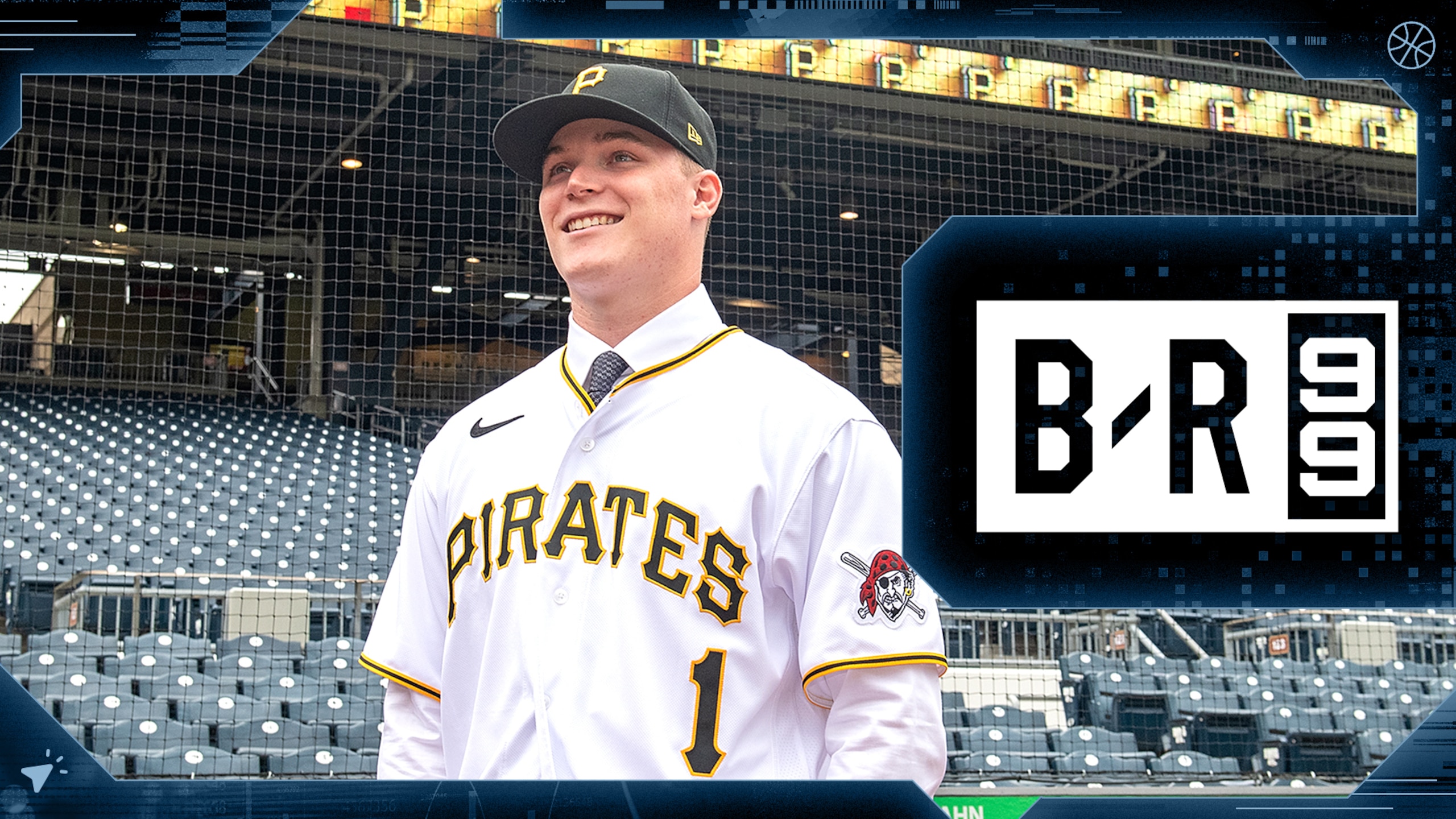
Selection: No. 1 | 2021 MLB Draft | Pittsburgh Pirates
Position: C
Career Stats: 232 G (2023-26) | HR: 20 | RBI: 68 | SB: 6 | BA: .173 | OBP: .257 | SLG: .291 | OPS: .549 | WAR: -1.6
The book is not yet closed on Davis, who has been the primary catcher for a contending Pirates team this season, but with a .138/.242/.285 line through 150 plate appearances and minus-0.1 WAR, he is showing no signs of suddenly living up to expectations.
Four players received a bigger signing bonus in 2021, and it was no secret Davis was a reach in an effort to stretch Pittsburgh's bonus pool. They used the savings to give Bubba Chandler an above-slot $3 million bonus in the third round, so it sort of worked, and the lack of star-caliber talent to emerge from the 2021 draft class has helped cushion the blow.
High Vote: 39
85. Mike Williams
16 of 100.jpg?w=2560)
Selection: No. 10 | 2005 NFL Draft | Detroit Lions
Position: WR
Career Stats: 56 G (2005-11) | Rec: 127 | Yds: 1,526 | Y/R: 12.0 | TD: 5 | AV: 13
In 2007, the Lions drafted one of the best wide receivers the NFL has ever seen in Calvin Johnson.
In the years preceding that pick, the Lions flailed away attempting to find a No. 1 wideout like a blindfolded kid trying to hit a piñata with a stick.
In 2005, Detroit was in the midst of Matt Millen's tenure as general manager, and the selection of wide receiver Mike Williams was emblematic of that span—and not in a good way.
Despite missing all of 2004 after trying to declare for that year's draft, the Lions made Williams the 10th overall pick in 2005. Williams caught 29 passes as a rookie for 350 yards and a single touchdown—and that was as good as it got in Motown.
By 2007, he was out of Detroit. And Megatron arrived.
High Vote: 50
84. Shawn Abner
17 of 100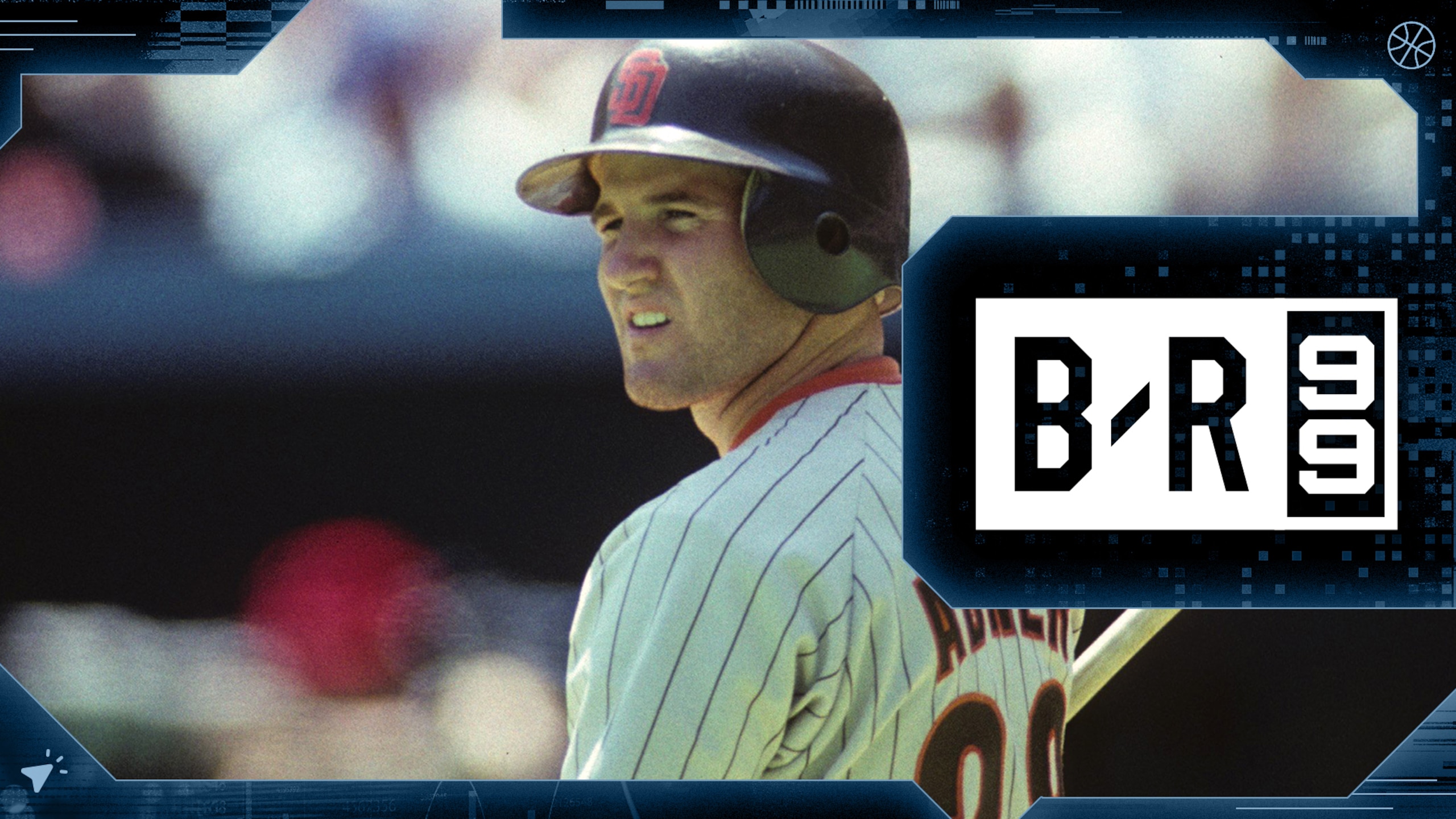
Selection: No. 1 | 1984 MLB Draft | New York Mets
Position: OF
Career Stats: 392 G (1987-92) | HR: 11 | RBI: 71 | SB: 6 | BA: .227 | OBP: .269 | SLG: .323 | OPS: .591 | WAR: -1.3
The Mets gave Abner a then-record $150,500 signing bonus in 1984, betting on his impressive raw athleticism translating into MLB stardom. After a solid start to his pro career, he was traded to the Padres in an eight-player blockbuster deal that brought Kevin McReynolds to the Mets.
Viewed as the center fielder of the future, he floundered in the majors, hitting .227/.269/.323 with 11 home runs in 902 plate appearances, and he finished with minus-1.3 WAR in 392 games. He suffered a knee injury playing basketball prior to a Triple-A game in 1993, and a forgettable career came to a close a year later.
High Vote: 29
83. Matt Leinart
18 of 100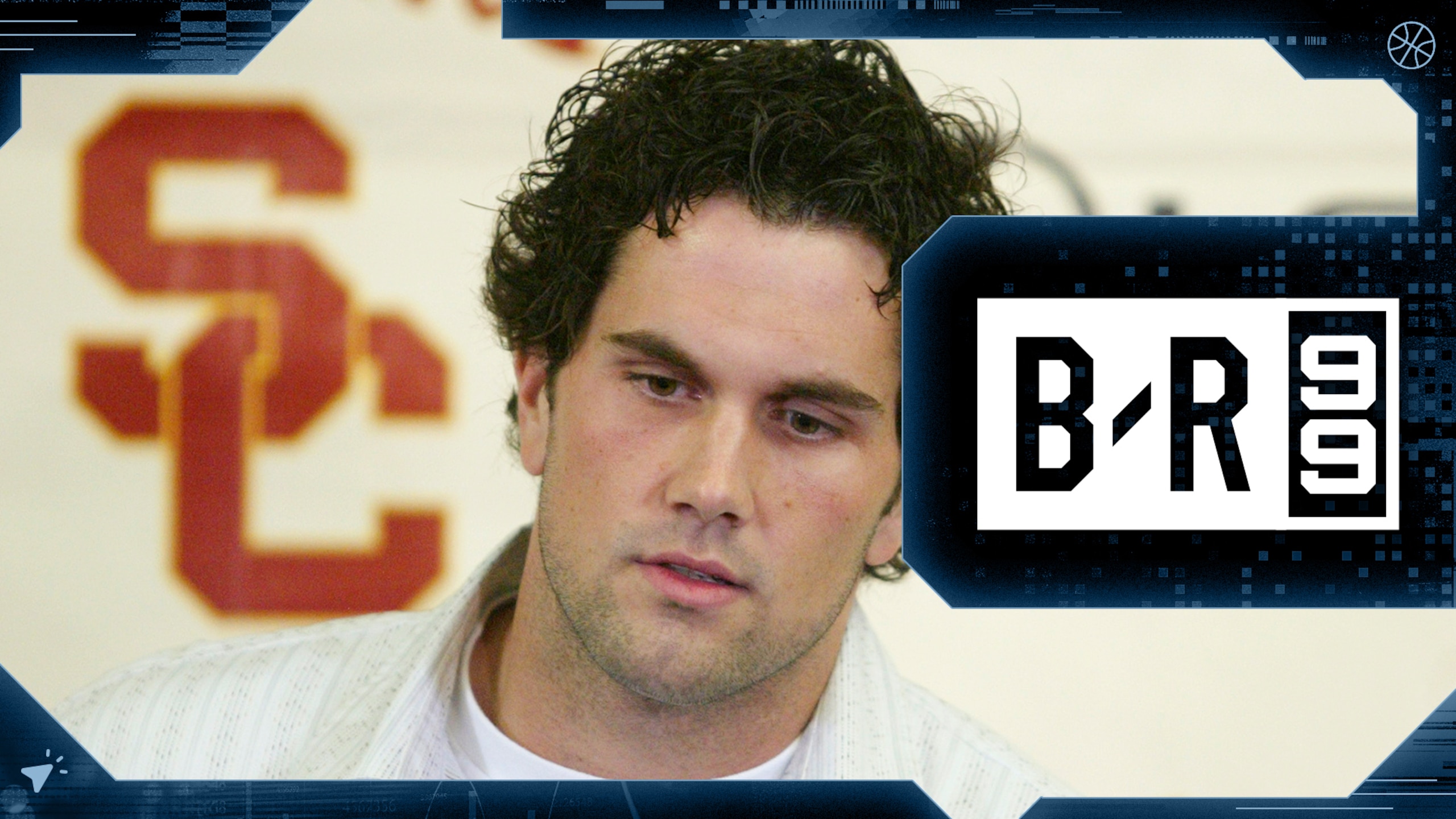
Selection: No. 10 | 2006 NFL Draft | Arizona Cardinals
Position: QB
Career Stats: 33 G (2006-12) | QBrec: 8-10-0 | Cmp%: 57.1 | Yds: 4,065 | Y/A: 6.3 | TD: 15 | Int: 21 | AV: 12
When USC asked Matt Leinart to unretire his No. 11 jersey, he politely told them to pound sand. He's a Heisman Trophy winner. A national champion. One of the best quarterbacks in Trojans history.
There will be no such issues with the Arizona Cardinals.
Leinart fell to 10th overall in the 2006 NFL draft over concerns about his arm strength before the Redbirds took him. But those arm concerns were absolutely justified—after 11 starts in 2006, Leinart made just five the following season before the Cardinals turned the offense over to Kurt Warner.
Over what amounted to one season starting over four years in the desert, Leinart threw six more interceptions than touchdowns and barely posted a passer rating over 70.
High Vote: 68
82. Alexandre Volchkov
19 of 100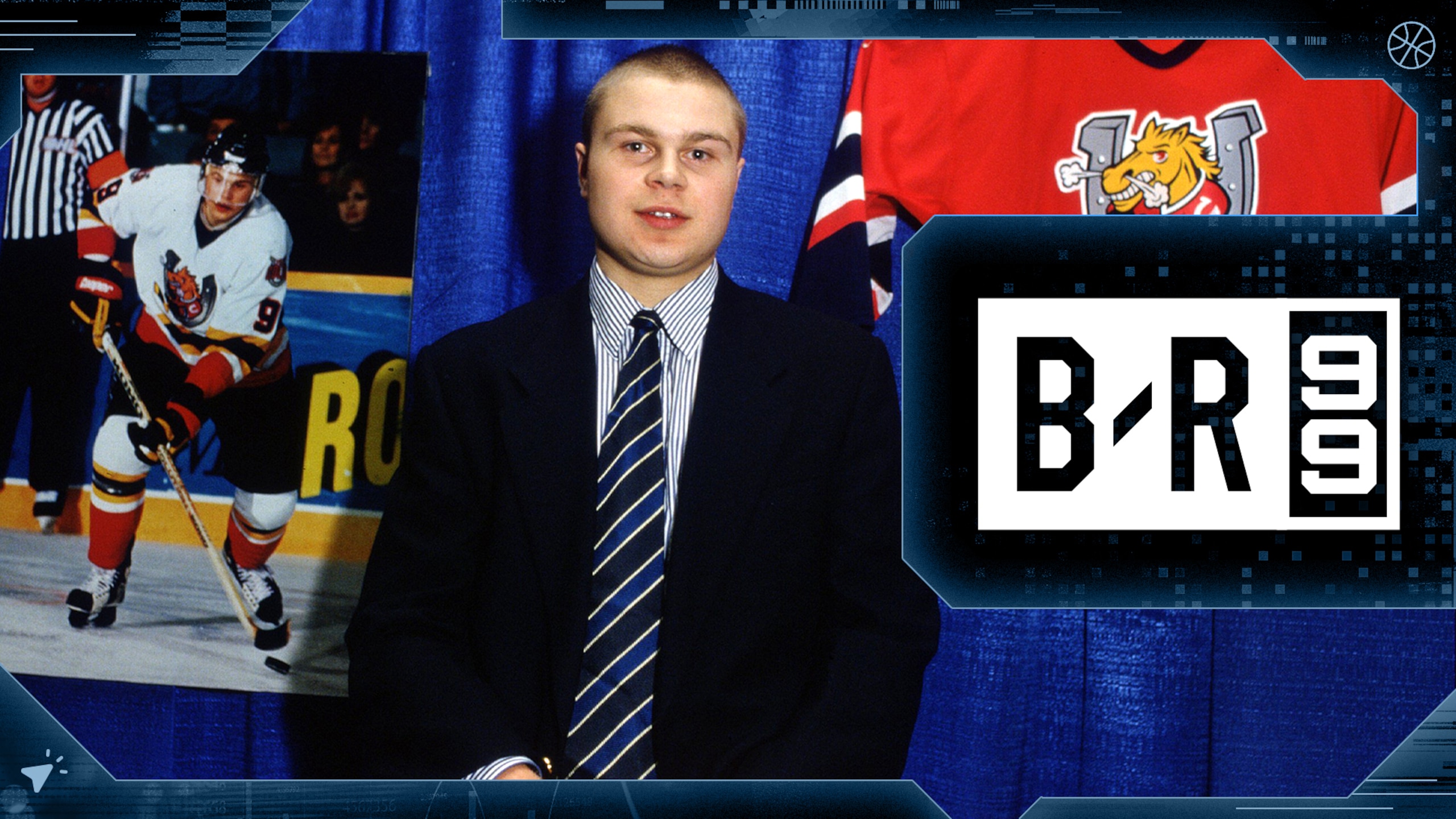
Selection: No. 4 | 1996 NHL Draft | Washington Capitals
Position: RW/C
Career Stats: 3 GP (1999-2000) | G: 0 | A: 0 | PTS: 0 | +/-: -2 | SOG: 1 | PT Shares: -0.1
A skillful right wing with the OHL's Barrie Colts, Volchkov looked like a potential top-six forward when the Capitals drafted him. He subsequently spent three seasons with their AHL affiliate and part of one season in the IHL, but never regained the promising form of his junior days.
Following his brief stint with the Capitals, Volchkov returned to Russia in 2000. He played for various teams there and in Belarus and Kazakhstan until retiring in 2011.
High Vote: 31
81. Joe Barry Carroll
20 of 100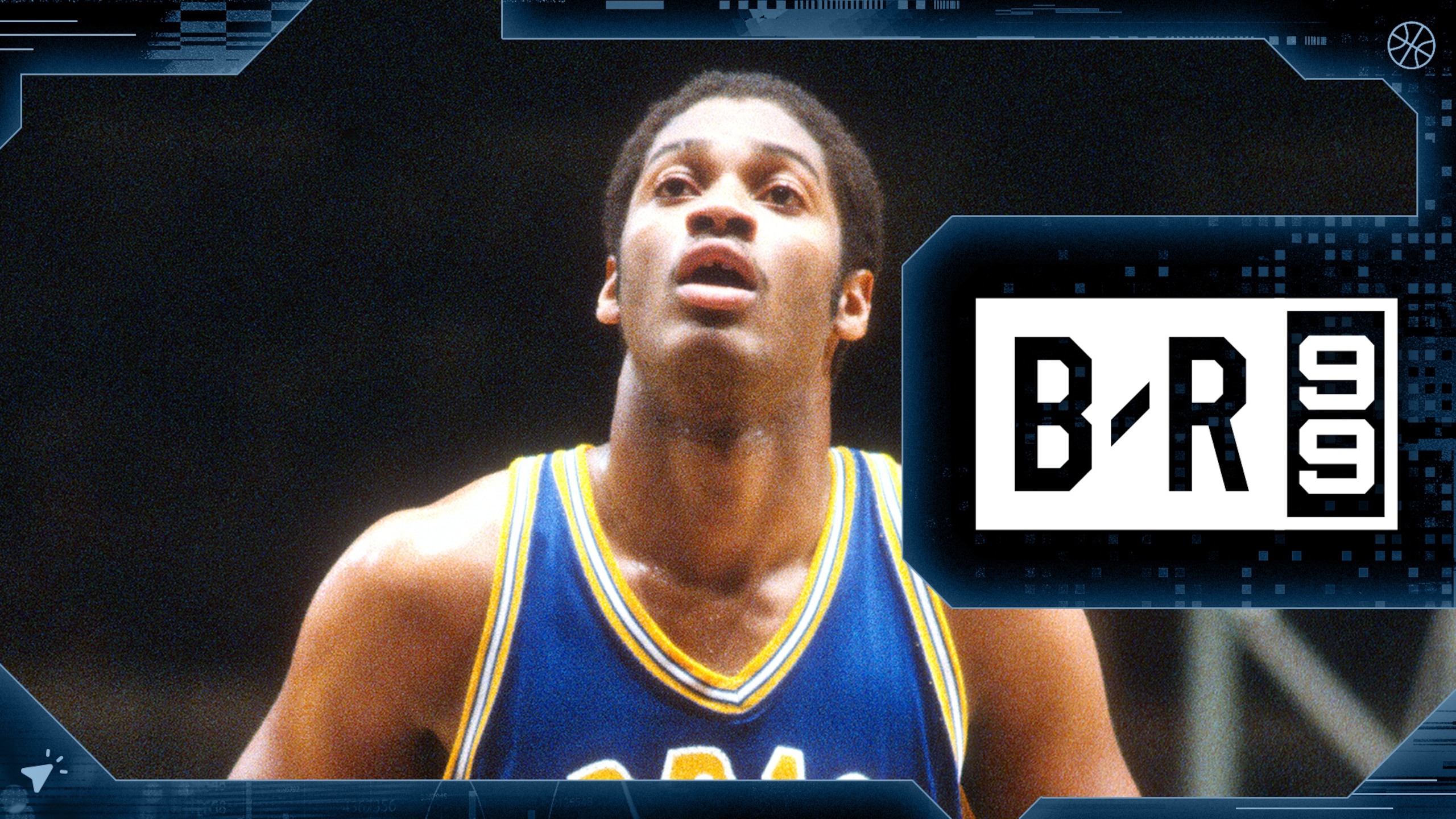
Selection: No. 1 | 1980 NBA Draft | Golden State Warriors
Position: C
Career Stats: 705 G (1980-91) | PPG: 17.7 | RPG: 7.7 | APG: 1.8 | BLK: 1.6 | FG%: 47.4 | 3P%: 0.0 | WS: 35.6
Joe Barry Carroll certainly didn't have a bad NBA career. He just didn't have the kind you hope for from a first overall pick.
Carroll averaged 17.7 points and 7.7 rebounds and made one All-Star team.
But he never tasted anything resembling serious playoff success, and some of the players drafted after him included Kevin McHale and Kiki Vandeweghe.
It also doesn't help his legacy that the Warriors dealt Robert Parish and the pick that would turn into McHale for the right to draft "Joe Barely Cares."
High Vote: 5
80. Pervis Ellison
21 of 100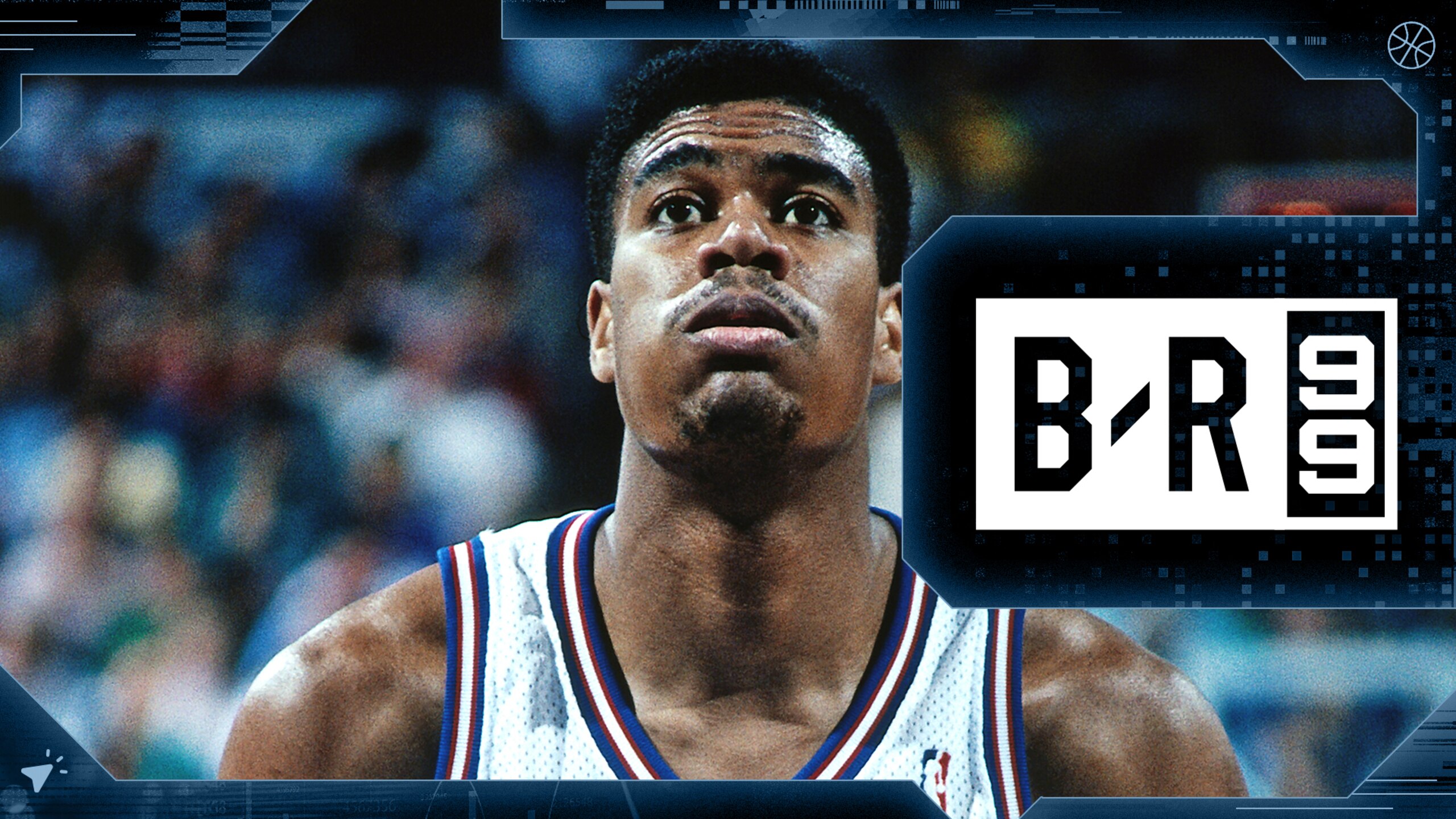
Selection: No. 1 | 1989 NBA Draft | Sacramento Kings
Position: PF/C
Career Stats: 474 G (1989-2001) | PPG: 9.5 | RPG: 6.7 | APG: 1.5 | BLK: 1.6 | FG%: 51.0 | 3P%: 5.0 | WS: 21.8
When Pervis Ellison averaged 9.7 points over his first two seasons after being drafted first overall, there were probably plenty of nervous fans in Sacramento and Washington (where he played those first two years).
But in 1991-92, he averaged 20.0 points, 11.2 rebounds and 2.9 assists. The next season, he put up 17.4 points. It looked like stardom might be attainable.
Unfortunately, injuries derailed much of the rest of his career, and he never got close to that level again. From 1993-94 through 2000-01, Ellison averaged 5.1 points and 4.9 rebounds.
High Vote: 48
79. Scott Scissons
22 of 100
Selection: No. 6 | 1990 NHL Draft | New York Islanders
Position: C
Career Stats: 2 GP (1990-94) | G: 0 | A: 0 | PTS: 0 | +/-: 0 | SOG: 1 | PT Shares: 0.0
The 1990 NHL Draft saw hockey greats such as Jaromir Jagr, Martin Brodeur and Keith Tkachuk chosen in the first round. Scissons was a big two-way center coming off three strong seasons with the WHL's Saskatoon Blades when the Islanders selected him.
Scissons might've made an impact as an NHL player if not for a series of injuries (including disc surgeries) that began during his tenure with the Blades and carried over into his professional career. He spent two seasons in the IHL before retiring at age 22.
High Vote: 45
78. Yi Jianlian
23 of 100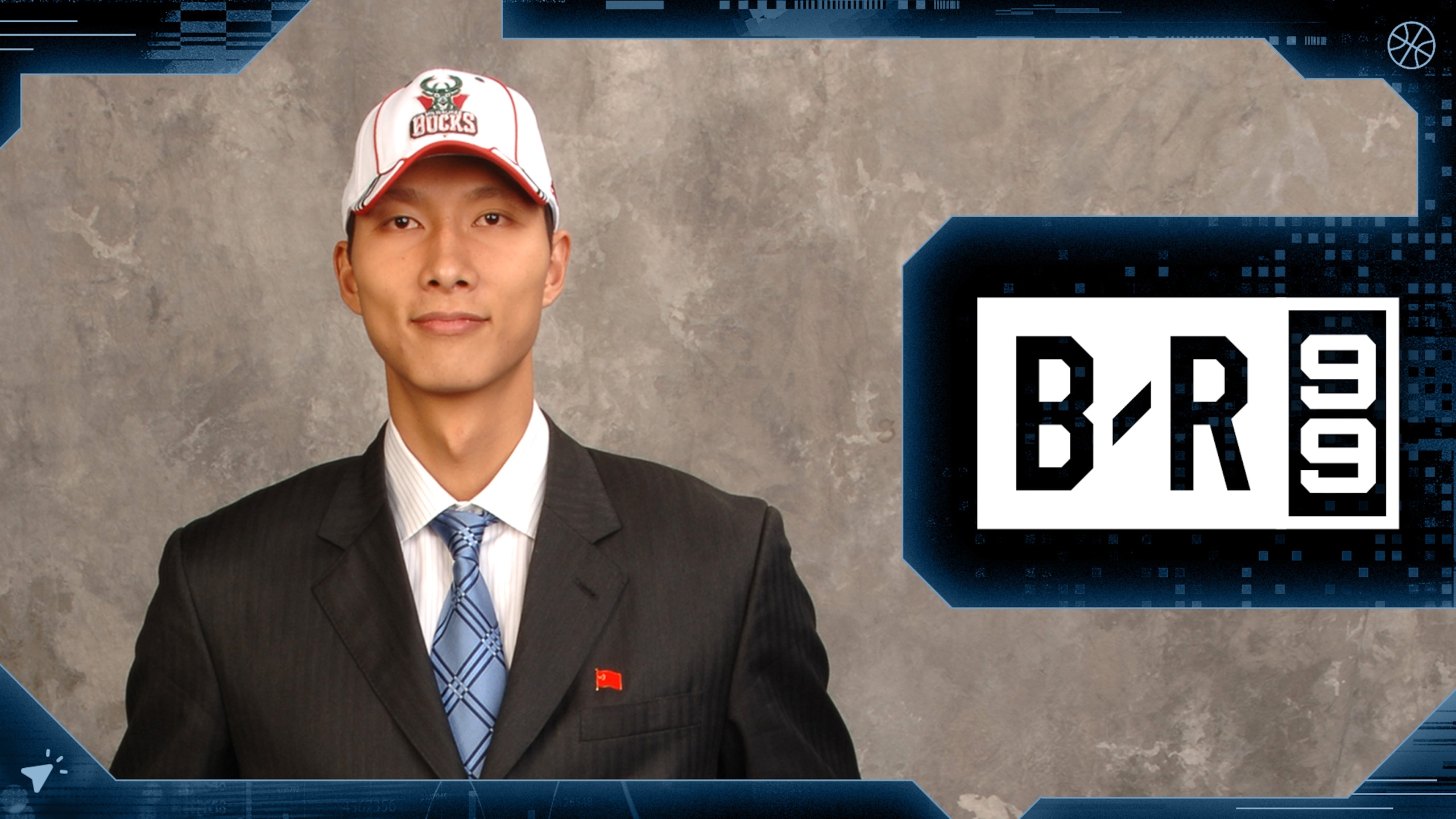
Selection: No. 6 | 2007 NBA Draft | Milwaukee Bucks
Position: PF
Career Stats: 272 G (2007-12) | PPG: 7.9 | RPG: 4.9 | APG: 0.7 | BLK: 0.7 | FG%: 40.4 | 3P%: 33.3 | WS: 3.1
Yi Jianlian offered the potential of some Dirk Nowitzki-like or stretch 5 talent long before shooting at every position was as common as it is today.
But what Jianlian actually delivered, outside of a solid 2009-10 campaign, was clumsy offense, below-average shooting and not nearly enough "big man stuff" from a 7-footer.
High Vote: 43
77. Greg Reynolds
24 of 100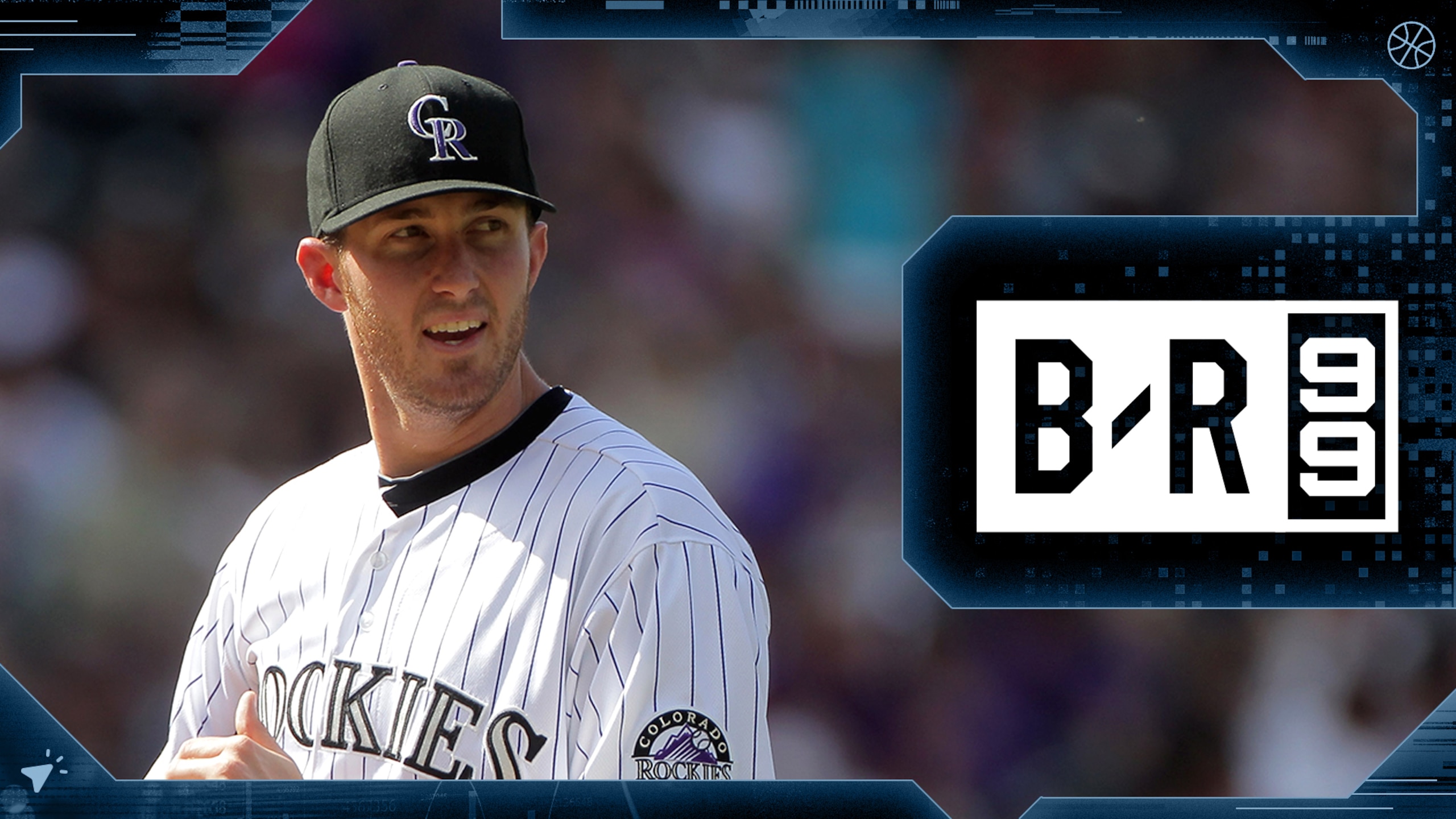
Selection: No. 2 | 2006 MLB Draft | Colorado Rockies
Position: P
Career Stats: 33 G (2008-13) | W-L: 6-11 | ERA: 7.01 | IP: 123.1 | WHIP: 1.646 | SO/9: 3.9 | BB/9: 3.1 | WAR: -1.5
With a 7.01 ERA over 123.1 innings in the majors, Reynolds is an obvious bust, but it's the players who the Rockies passed on in the 2006 draft to take him No. 2 overall that earns him a seat at the table in this all-time bust conversation.
Evan Longoria (No. 3), Clayton Kershaw (No. 7), Tim Lincecum (No. 10) and Max Scherzer (No. 11) were also early picks in one of the deepest first rounds in recent draft history, but the Rockies opted for the big 6'7" right-hander with the power sinker out of Stanford. He was simply never the same after a 2007 shoulder injury.
High Vote: 46
76. Tom Cousineau
25 of 100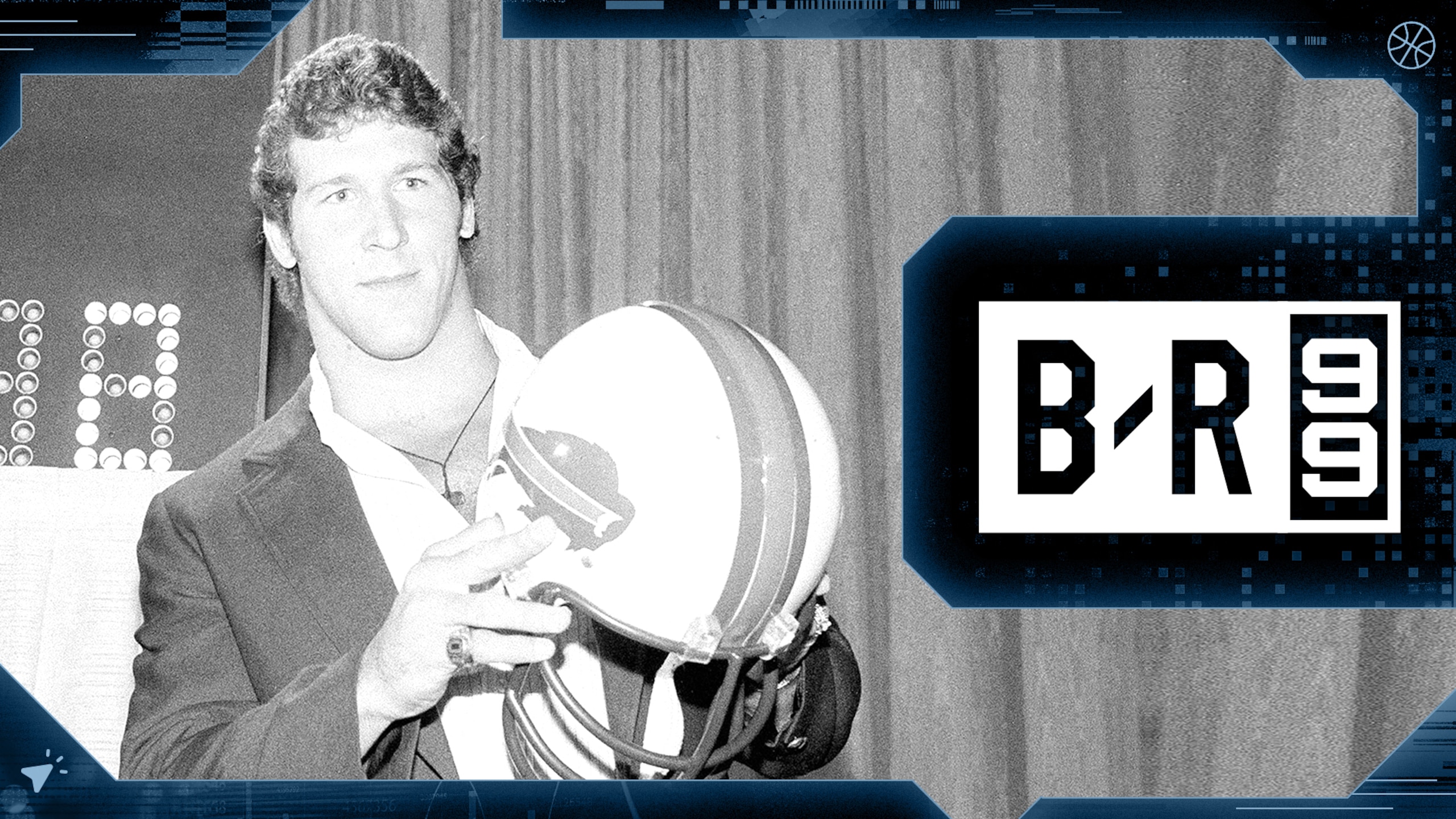
Selection: No. 1 | 1979 NFL Draft | Buffalo Bills
Position: LB
Career Stats: 66 G (1982-87) | Sk: 6.5 | Int: 10 | FF: 4 | AV: 41
Tom Cousineau pulled off a feat that not many NFL players have—he was somehow a bust for two different NFL teams.
After a standout career at Ohio State, Cousineau was the first overall pick of the Buffalo Bills in 1979. But Cousineau spurned the Bills for the CFL after the Montreal Alouettes offered him a contract twice the size of Buffalo's.
Cousineau had success in the CFL, but by 1982 he wanted to play in the NFL. The Bills still held his rights, so the Cleveland Browns traded three picks (including a first-rounder in 1983) to Buffalo.
Cousineau was a solid player in Cleveland, earning second-team All-Pro honors in 1984. But he wasn't close to worth that first-rounder in '83.
The Bills used that pick on Jim Kelly.
High Vote: 13
75. Al Chambers
26 of 100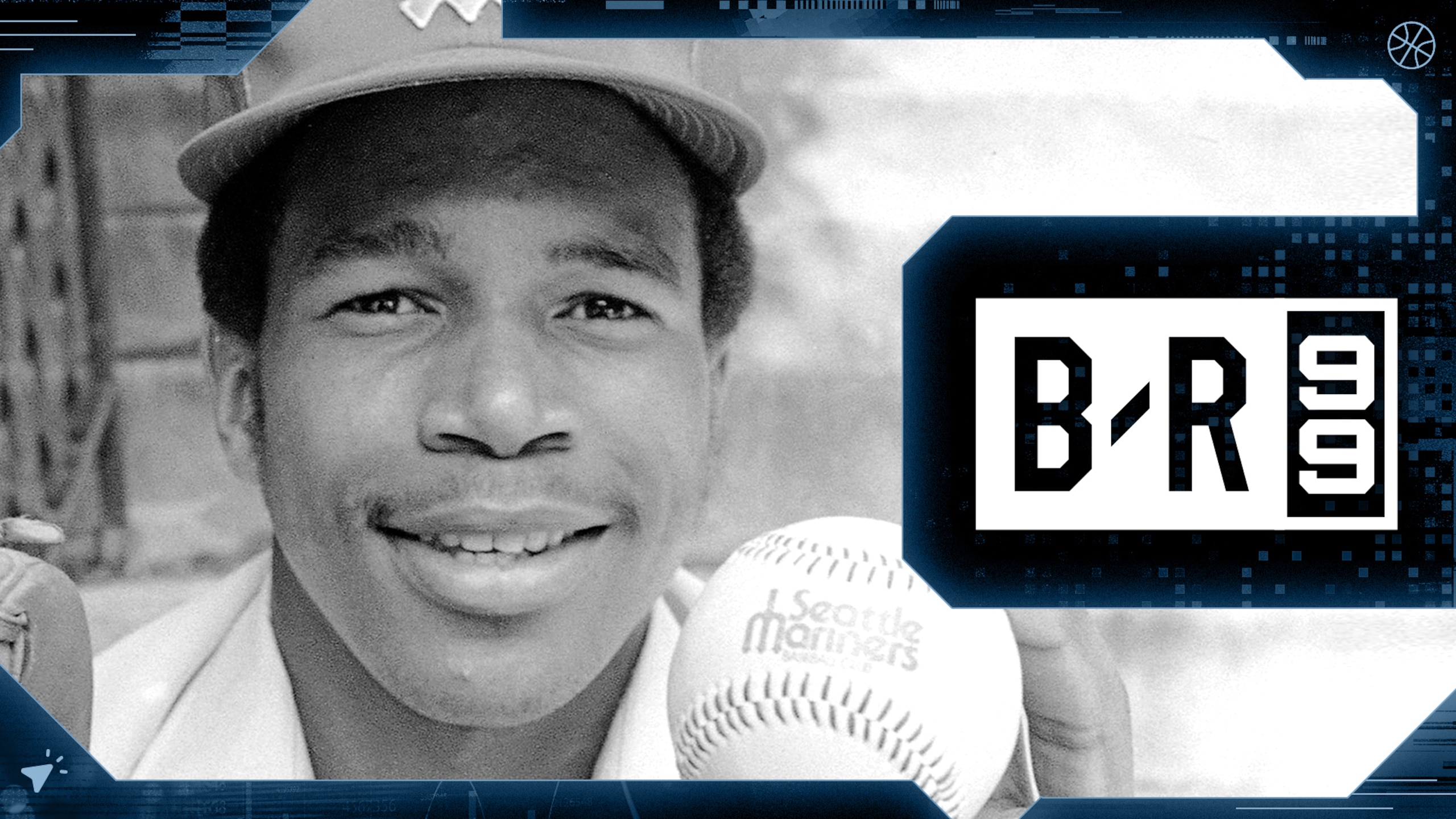
Selection: No. 1 | 1979 MLB Draft | Seattle Mariners
Position: OF/DH
Career Stats: 57 G (1983-85) | HR: 2 | RBI: 11 | SB: 2 | BA: .208 | OBP: .326 | SLG: .292 | OPS: .618 | WAR: -0.5
With a 6'4", 215-pound frame and a smooth, powerful left-handed swing, Chambers drew frequent Dave Parker comparisons. He backed them up early in his pro career, including a 1981 season at the Double-A level where he posted an .865 OPS with 20 doubles, 20 home runs and 77 RBI in 134 games.
He batted .288/.388/.466 over 838 games in the minors, but hit just .208 with a 72 OPS+ and minus-0.5 WAR in 57 games in the majors as the prototypical Quad-A slugger. To their credit, the Mariners did better when they picked No. 1 overall again in 1981 (Mike Moore) and 1987 (Ken Griffey Jr.).
High Vote: 18
74. John Ross
27 of 100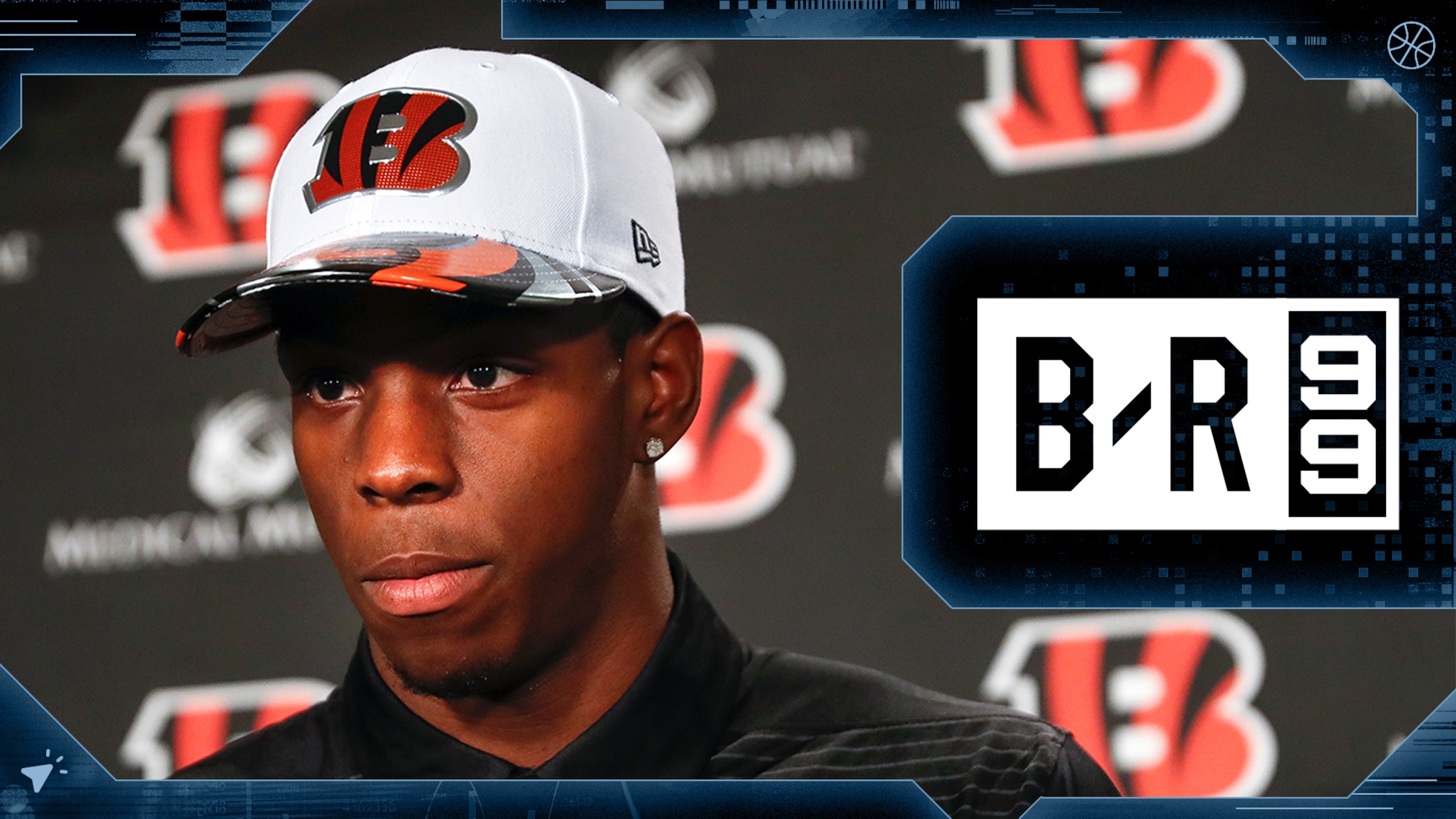
Selection: No. 9 | 2017 NFL Draft | Cincinnati Bengals
Position: WR
Career Stats: 38 G (2017-24) | Rec: 63 | Yds: 963 | Y/R: 15.3 | TD: 11 | AV: 7
It took John Ross all of one day to get famous.
At the 2017 NFL Scouting Combine, Ross broke Chris Johnson's 40-yard dash record, peeling off a 4.21-second time despite a torn labrum in his shoulder. Not only did Ross cement his stock as a first-round pick, but the Cincinnati Bengals were also so enamored with that speed that they selected the 5'11", 190-pounder ninth overall.
However, Ross was a complete nonfactor as a rookie, battling multiple injuries and just not seeing the field even when he was healthy.
Things didn't get any better after that—as a Bengal, Ross caught 51 passes for 733 yards and 10 scores. For one season, that wouldn't be too bad.
For four, it was less than ideal.
High Vote: 33
73. Paul Wilson
28 of 100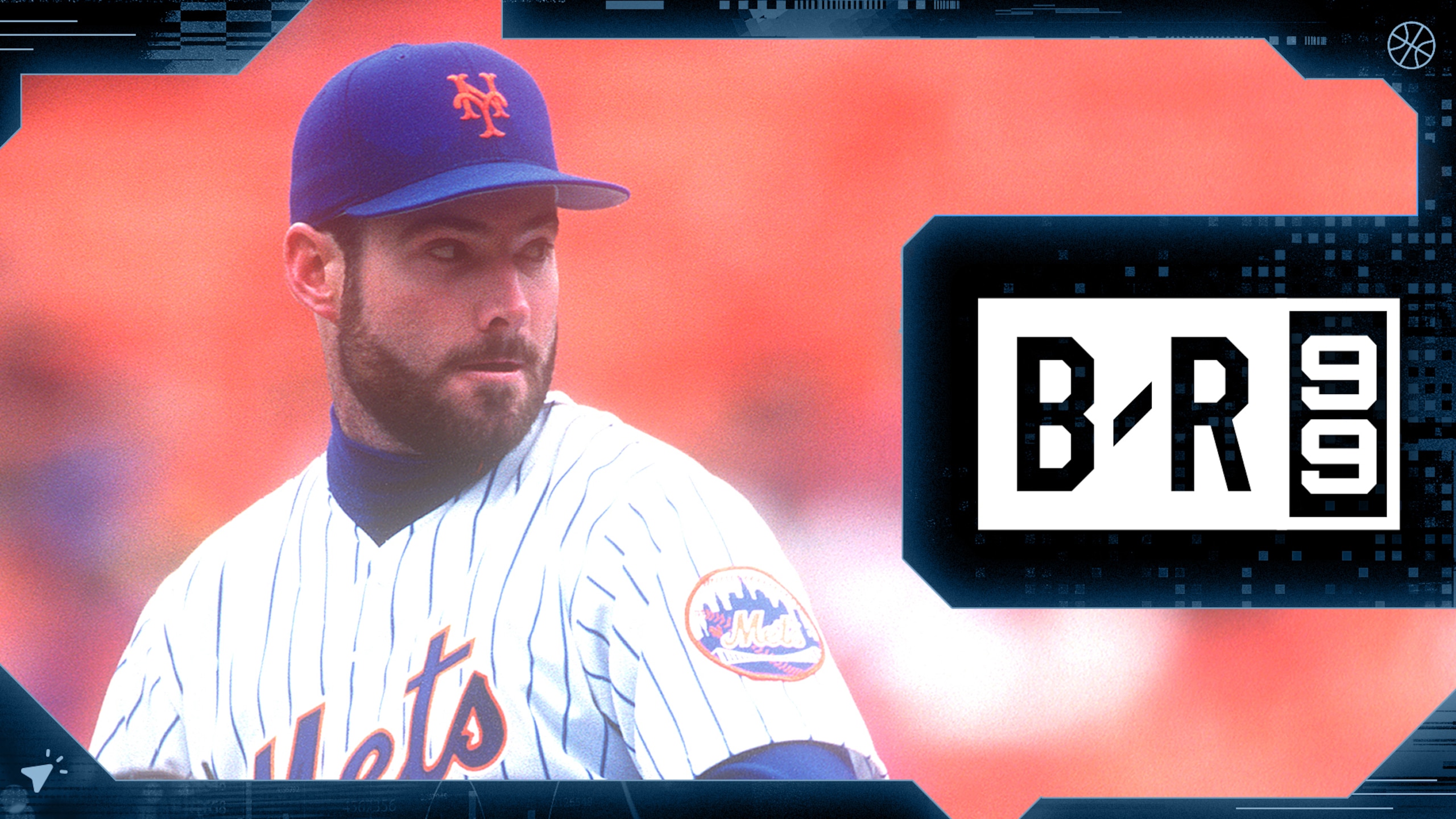
Selection: No. 1 | 1994 MLB Draft | New York Mets
Position: P
Career Stats: 170 G (1996-2005) | W-L: 40-58 | ERA: 4.86 | IP: 941.2 | WHIP: 1.450 | SO/9: 5.9 | BB/9: 3.2 | WAR: 2.0
Wilson was part of a hype trio of pitching prospects dubbed "Generation K" alongside Jason Isringhausen and Bill Pulsipher, and he was expected to be the best of the bunch after a dominant collegiate career at Florida State.
He tossed 186.2 innings in his first full pro season and was rushed to the majors the following year, posting a 5.38 ERA over 26 starts in what would be his only big league action for the Mets. He didn't pitch in the majors again until 2000 as a member of the Rays after a series of arm issues, and he finished with a 4.86 ERA in 941.2 career innings.
High Vote: 40
72. Robert Gallery
29 of 100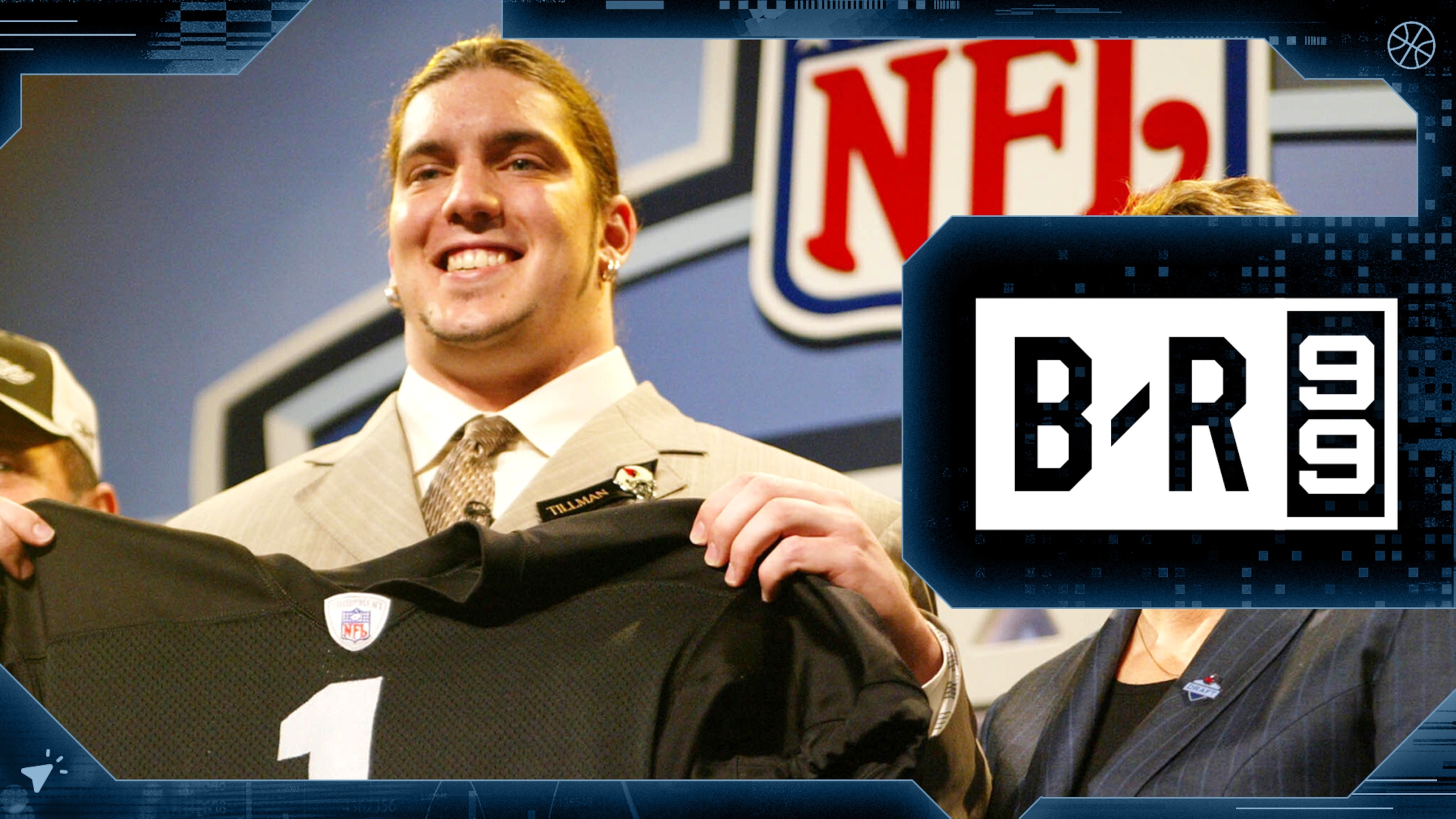
Selection: No. 2 | 2004 NFL Draft | Oakland Raiders
Position: OL
Career Stats: 104 G (2004-11) | GS: 103 | AV: 44
You're going to notice that some NFL teams get a lot of representation on this list no one wants to be on. And the Oakland Raiders are right at the top.
Robert Gallery was supposed to be a can't-miss offensive lineman after an outstanding collegiate career—he was widely regarded as the best prospect on the O-line in years.
But while Gallery was OK as a right tackle, he was atrocious for the Raiders at left tackle, allowing 10.5 sacks in 13 games in 2006. Things got better once Gallery was moved inside to guard and he lasted eight years in the NFL, but the guy who was supposed to be an all-timer was never better than average.
High Vote: 44
71. Solomon Thomas
30 of 100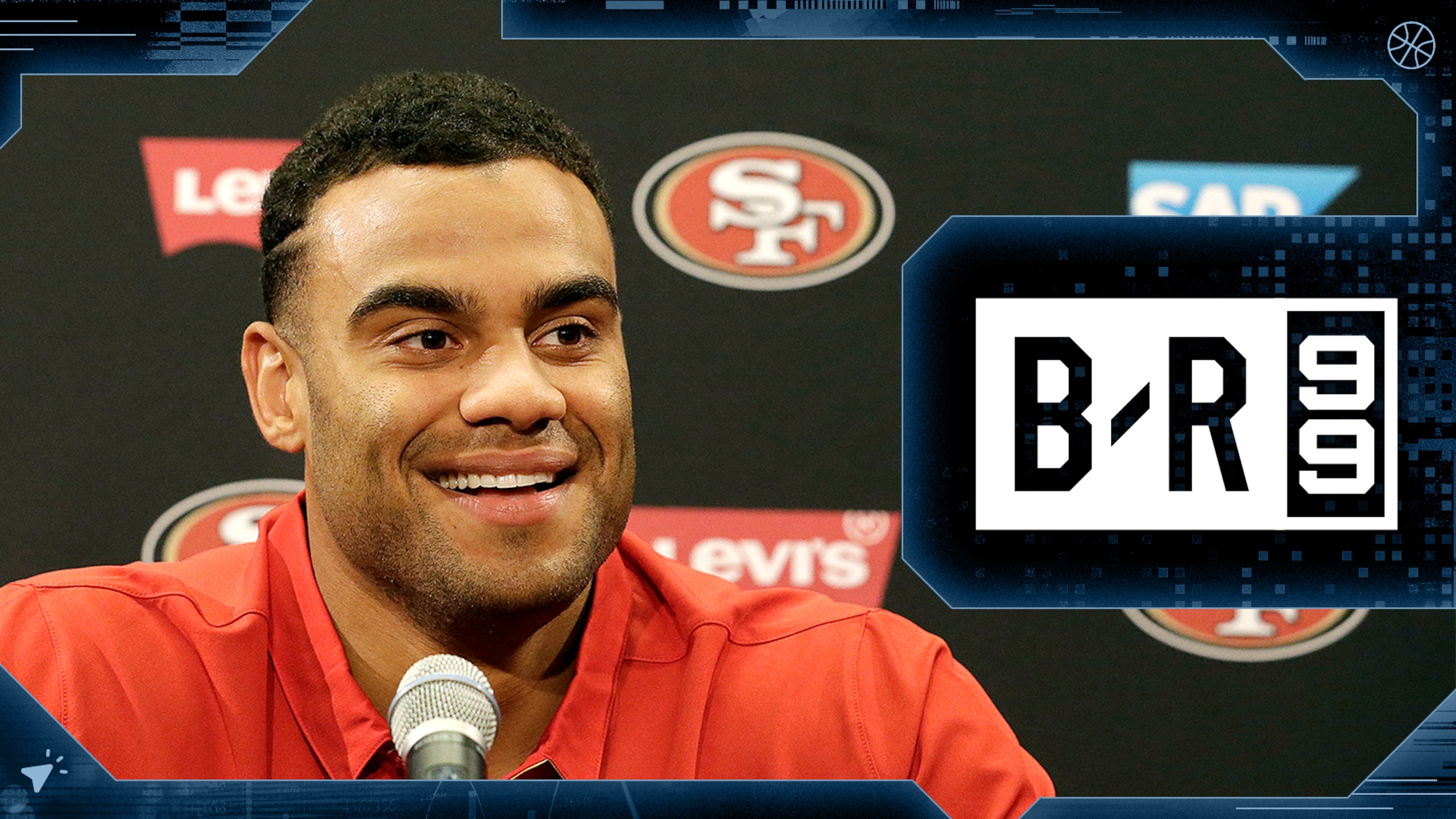
Selection: No. 3 | 2017 NFL Draft | San Francisco 49ers
Position: EDGE
Career Stats: 131 G (2017-25) | Sk: 18.5 | Solo: 143 | TFL: 36 | QBHits: 53 | FF: 3 | AV: 24
Thomas is another draft bust who managed to at least carve out a lengthy career in the NFL—he made two starts last year for the Dallas Cowboys in his ninth NFL season.
But when San Francisco made Thomas the third overall pick in 2017, he was supposed to be a game-wrecker—the third straight first-round defensive lineman taken by the 49ers and the first-ever pick of general manager John Lynch.
But in four seasons in the Bay Area, Thomas had just six sacks, and after his 2020 season ended two games in with an ACL tear, that was it for him with the Niners. Since then, he has played for three more teams, and he has 4.5 fewer sacks for his career than Myles Garrett had in 2025.
High Vote: 36
70. Josh Jackson
31 of 100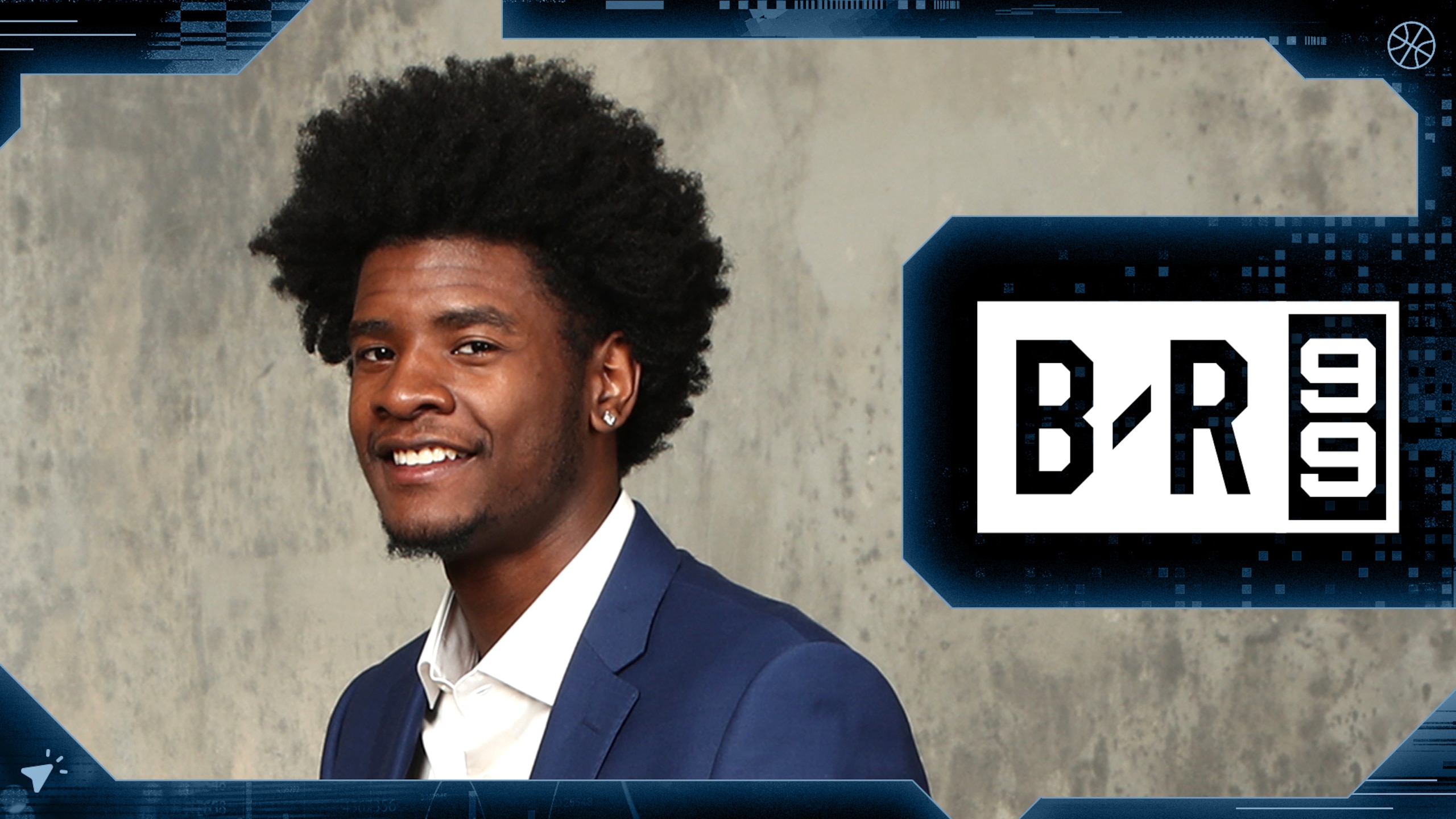
Selection: No. 4 | 2017 NBA Draft | Phoenix Suns
Position: SG/SF
Career Stats: 291 G (2017-22) | PPG: 11.3 | RPG: 4.0 | APG: 1.8 | STL: 0.9 | FG%: 41.6 | 3P%: 29.2 | WS: -1.7
The 2017 draft produced several All-Stars, including Jayson Tatum, De'Aaron Fox, Lauri Markkanen, Donovan Mitchell and Bam Adebayo.
Josh Jackson was one of the buzziest athletes of the bunch, and he shot 37.8 percent from three in college.
That was enough to convince the Phoenix Suns to use the fourth overall pick on him, but his skill never caught up with his athleticism, and he only lasted five seasons.
High Vote: 52
69. Delmon Young
32 of 100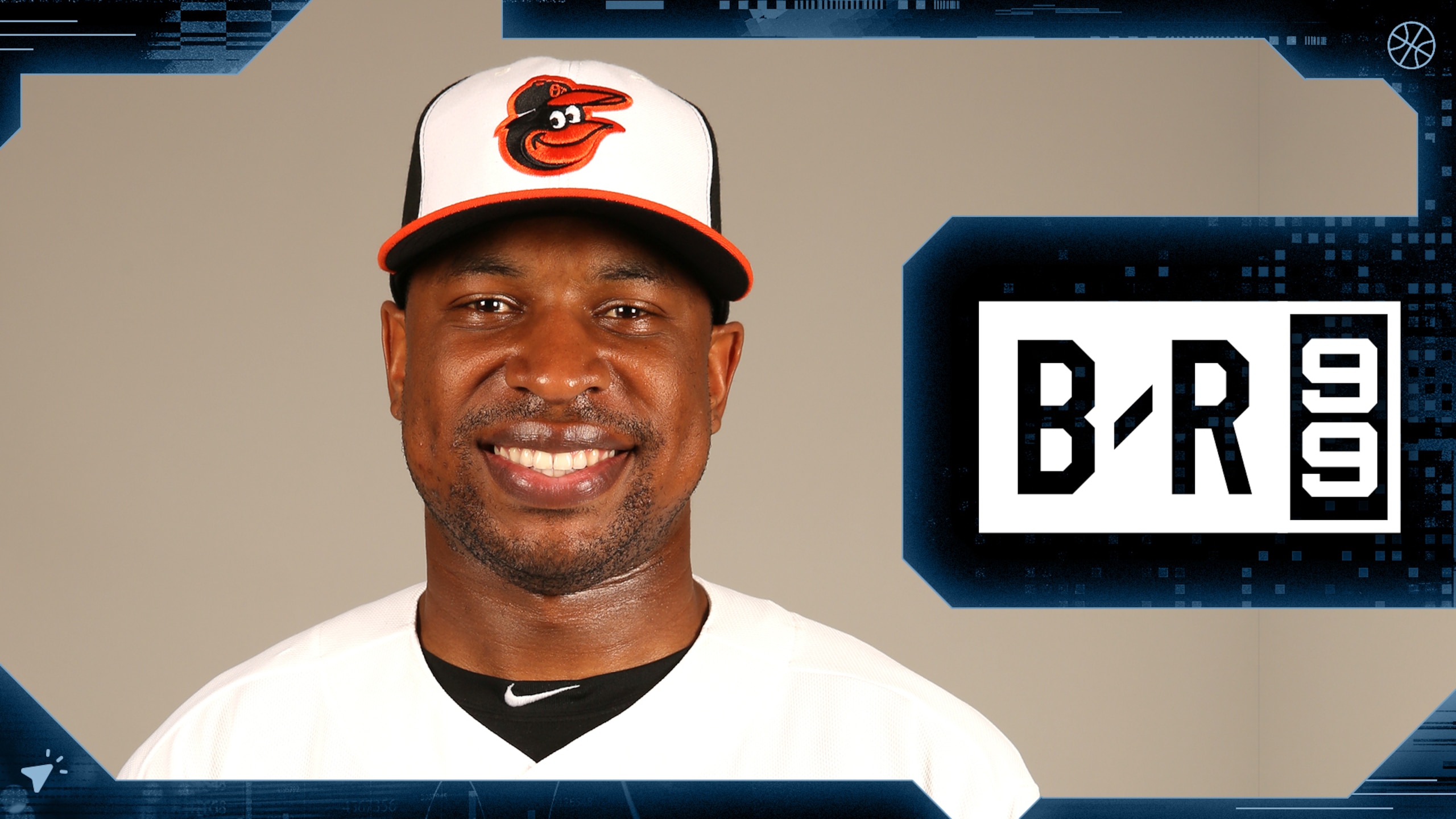
Selection: No. 1 | 2003 MLB Draft | Tampa Bay Devil Rays
Position: OF
Career Stats: 1,188 G (2006-15) | HR: 109 | RBI: 566 | SB: 36 | BA: .283 | OBP: .316 | SLG: .421 | OPS: .737 | WAR: 3.2
With 109 home runs over 10 MLB seasons, Young does not read like a traditional bust, but few prospects in the last 25 years carried loftier expectations. He hit .315/.354/.527 with 26 home runs and 32 steals in 136 games between Double-A and Triple-A as a 19-year-old in 2005, and he was baseball's No. 1 prospect the following year before debuting in August.
He had a 112-RBI season in 2010 and won ALCS MVP honors in 2012, but his lack of plate discipline and terrible defense severely undercut his overall value, and he tallied just 3.2 career WAR in 1,188 games.
High Vote: 11
68. Aaron Curry
33 of 100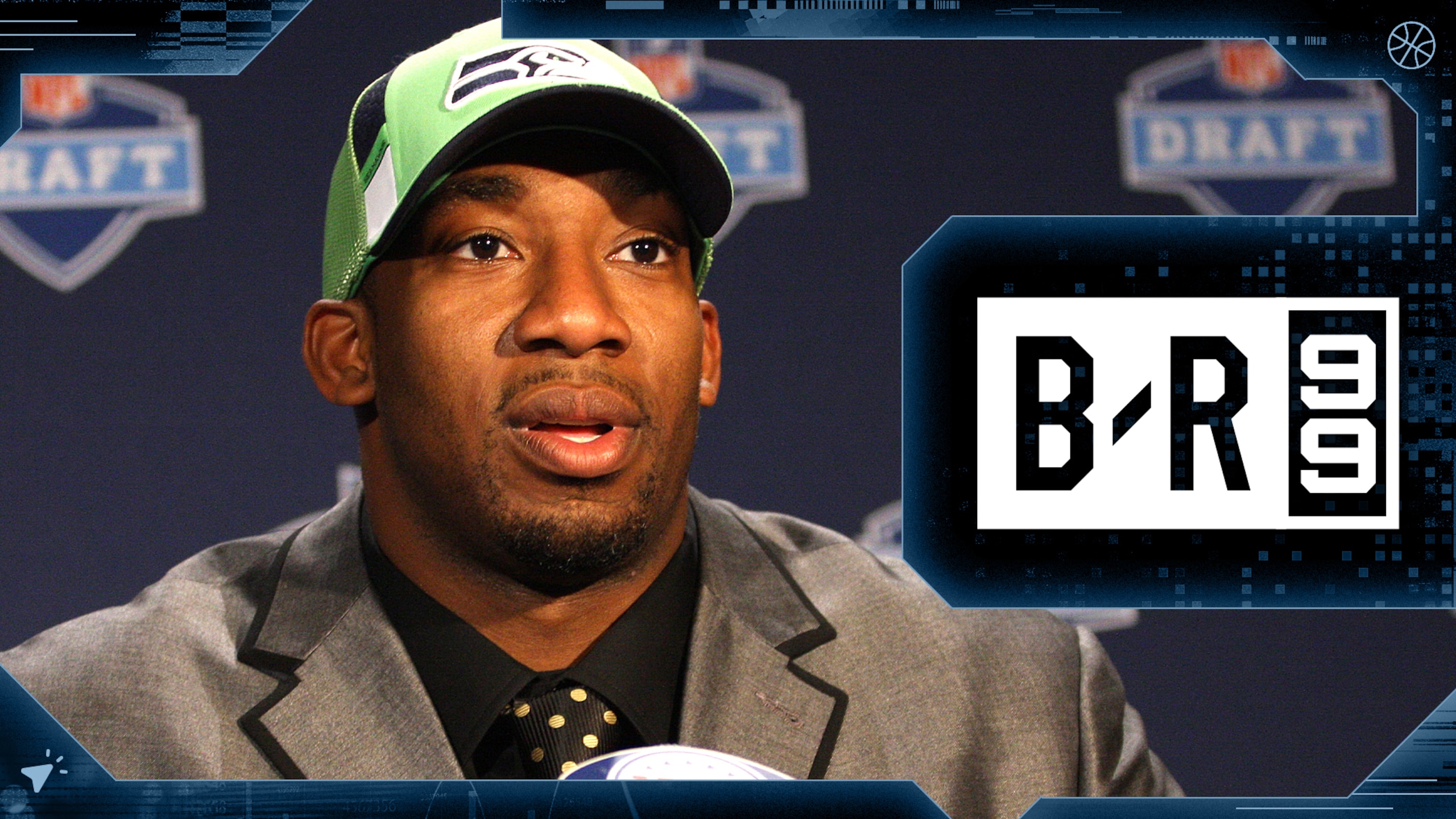
Selection: No. 4 | 2009 NFL Draft | Seattle Seahawks
Position: LB
Career Stats: 48 G (2009-12) | Sk: 5.5 | Solo: 163 | TFL: 18 | QBHits: 19 | FF: 4 | AV: 17
When Aaron Curry was drafted fourth overall in 2009 by the Seahawks, it was the earliest that an off-ball linebacker had been drafted in almost a decade. The $34 million he received in guaranteed money was the most ever given to a rookie non-quarterback at the time.
But for all his athletic gifts, the 6'2", 255-pounder couldn't make a dent on the field. Curry's production and level of play steadily declined while he was in Seattle, and five games into Curry's third season he was traded to the Raiders for a bag of Fritos and a High Noon. After 13 games and 47 tackles with Oakland, Curry was released and his NFL career was over.
High Vote: 15
67. David Carr
34 of 100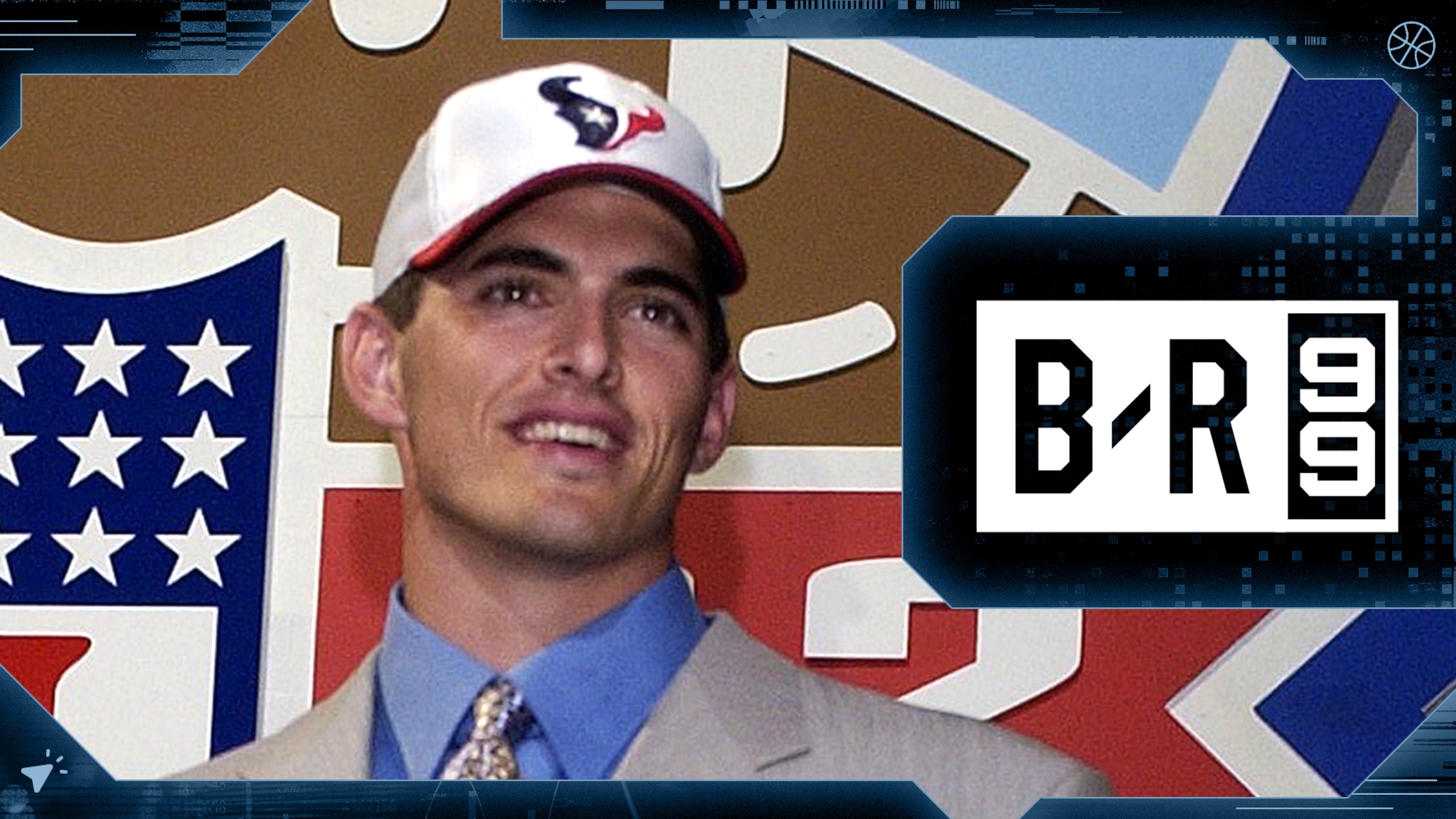
Selection: No. 1 | 2002 NFL Draft | Houston Texans
Position: QB
Career Stats: 94 G (2002-12) | QBrec: 23-56-0 | Cmp%: 59.7 | Yds: 14,452 | Y/A: 6.4 | TD: 65 | Int: 71 | AV: 49
That David Carr is a bust is undeniable. The question is whether the first-ever draft pick of the expansion Houston Texans bears any real blame for it.
Carr lit it up at Fresno State in 2001, throwing for 4,308 yards and 42 touchdowns. There was little doubt that the Texans were going to make Carr the cornerstone of their franchise.
But playing for an expansion team meant taking a beating, and Carr did just that as a rookie—he was sacked 72 times, a record that still stands today.
By his second season it was clear that Carr's confidence in the pocket was gone, and after a disastrous 22-53 record as a starter for the Texans, he would start just four more games the rest of his career.
High Vote: 9
66. David Klingler
35 of 100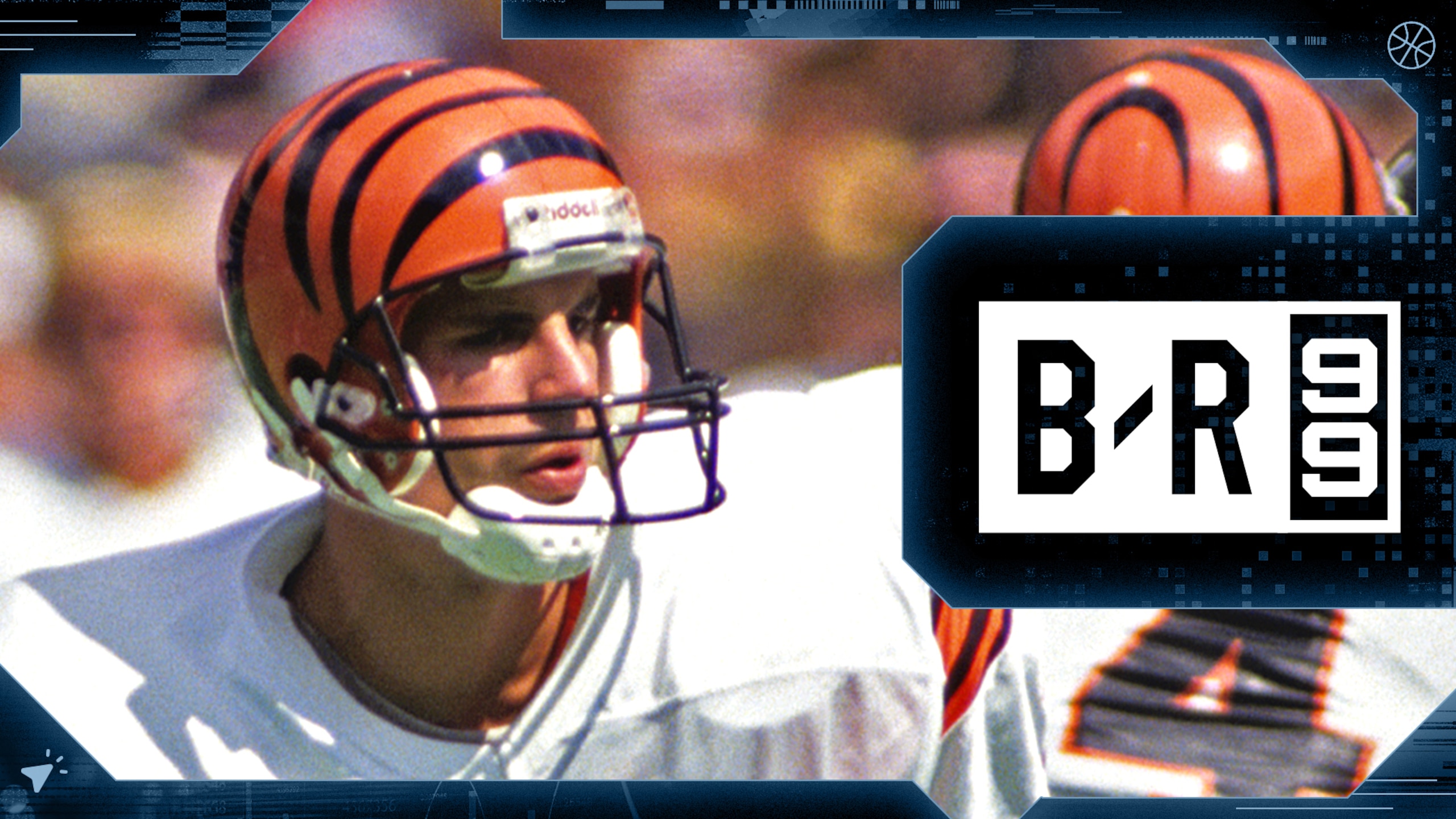
Selection: No. 6 | 1992 NFL Draft | Cincinnati Bengals
Position: QB
Career Stats: 33 G (1992-97) | QBrec: 4-20-0 | Cmp%: 54.2 | Yds: 3,994 | Y/A: 5.6 | TD: 16 | Int: 22 | AV: 11
Based just on his collegiate stats, it makes sense that David Klingler was the sixth overall pick in the 1992 NFL draft—his 5,140 passing yards in 1990 remains one of the 10 most prolific passing seasons in college football history.
But he never sniffed his collegiate success in the pros. Playing on some truly awful Bengals teams, Klingler made 24 starts over four seasons in Cincinnati, winning all of four times. He barely averaged 125 passing yards a game with the Bengals.
A shoulder injury after Klingler's third season sapped most of his arm strength—he would play three more seasons in the NFL—and attempted 46 passes total.
High Vote: 41
65. Doug Wickenheiser
36 of 100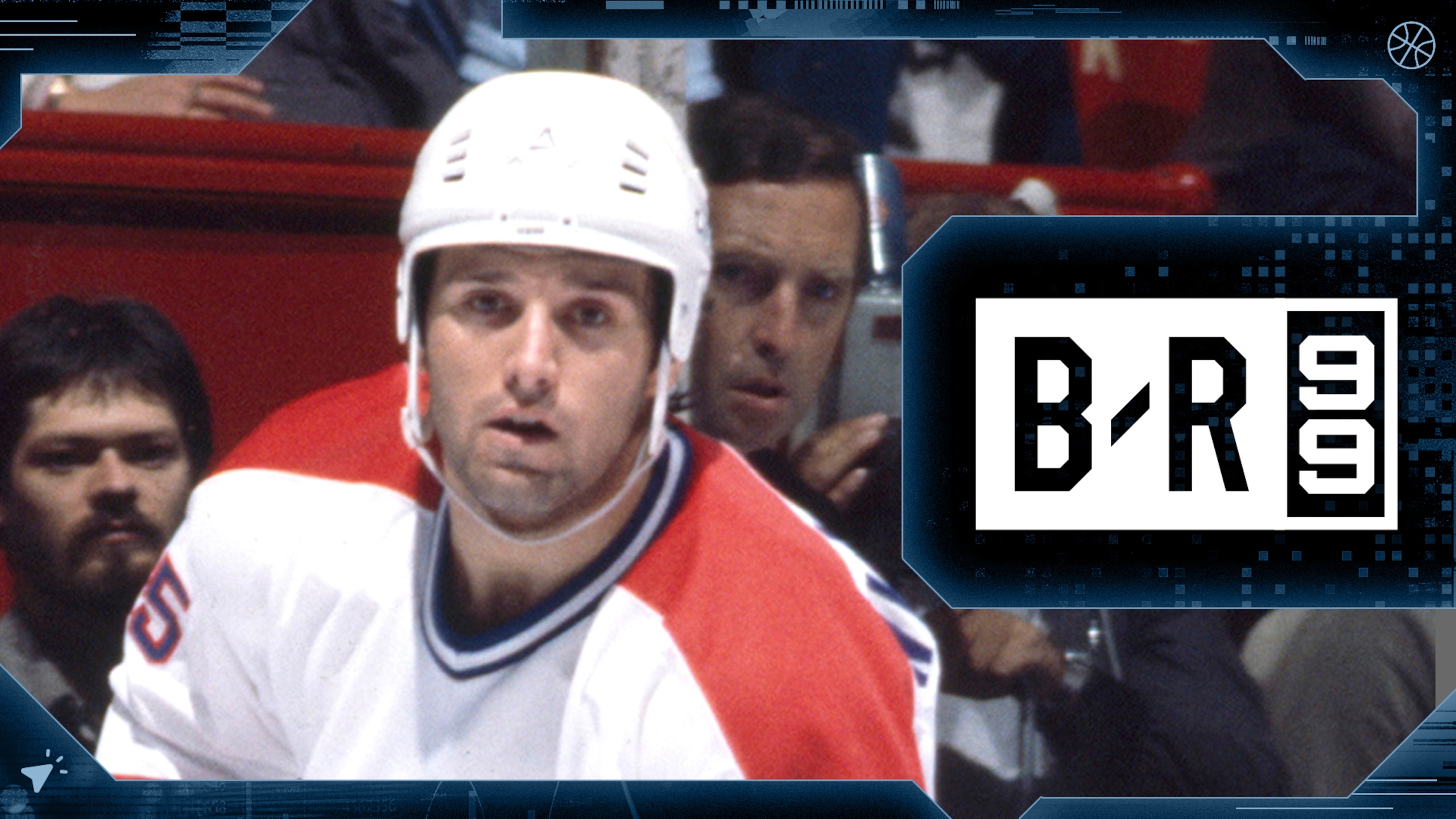
Selection: No. 1 | 1980 NHL Draft | Montreal Canadiens
Position: C
Career Stats: 556 GP (1980-90) | G: 111 | A: 165 | PTS: 276 | +/-: 36 | SOG: 992 | PT Shares: 13.9
The Montréal Canadiens chose Doug Wickenheiser because they felt they needed a big center. The 6'1", 196-pounder was coming off a 170-point season with the WHL's Regina Pats. The Canadiens selected him over future Hall of Fame winger Denis Savard, who was chosen third overall by the Chicago Blackhawks.
Savard's success in Chicago and the intense pressure of playing for the storied Canadiens took their toll as Wickenheiser struggled to meet expectations. In 1983-84, they traded him to the St. Louis Blues. He played with three other clubs as a role-playing center before his NHL career ended in 1990.
High Vote: 39
64. Dragan Bender
37 of 100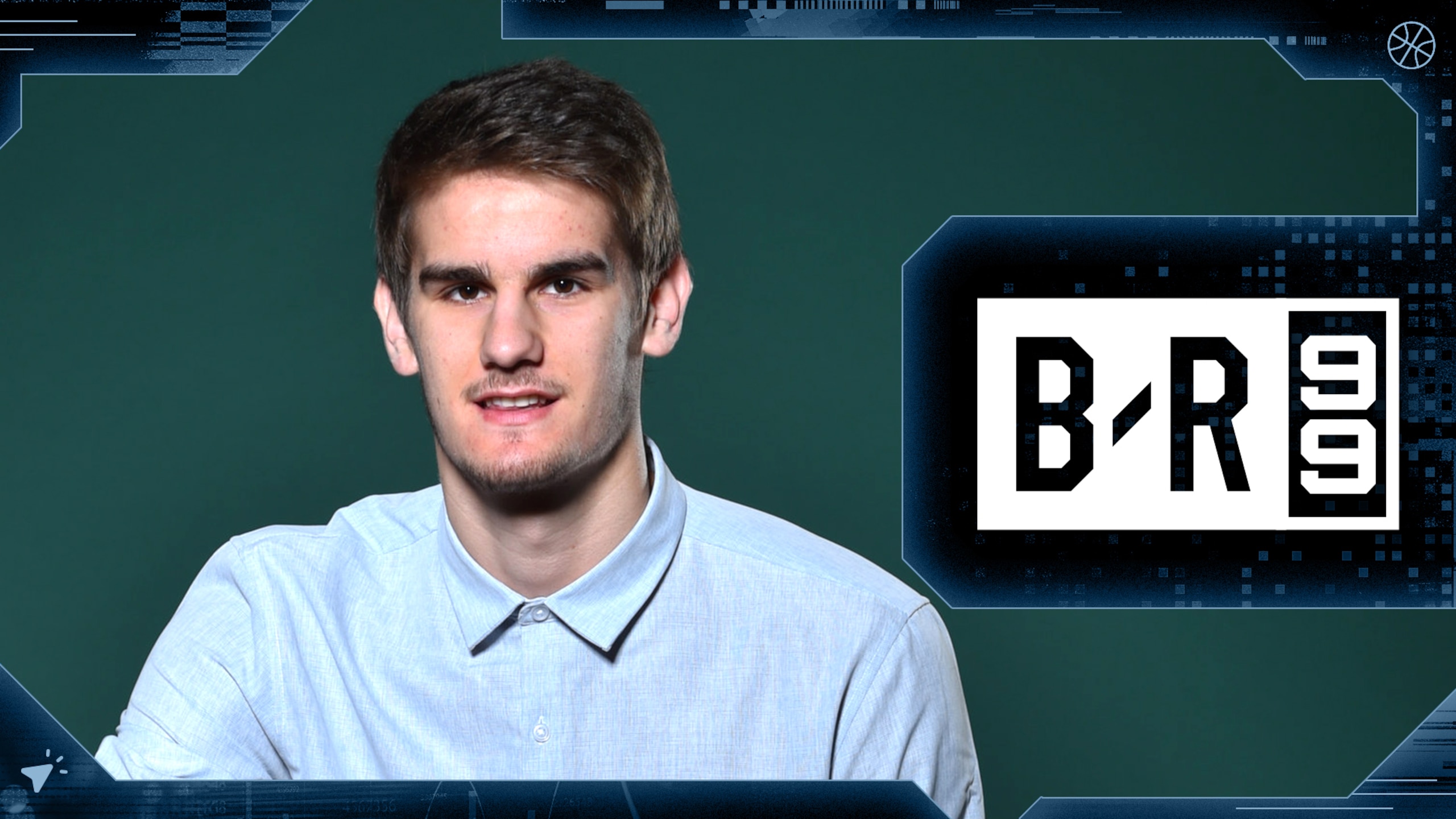
Selection: No. 4 | 2016 NBA Draft | Phoenix Suns
Position: PF/C
Career Stats: 187 G (2016-20) | PPG: 5.4 | RPG: 3.9 | APG: 1.3 | BLK: 0.6 | FG%: 39.9 | 3P%: 32.3 | WS: 0.5
I'm convinced that on some level, Phoenix Suns executives took Dragan Bender with the fourth overall pick, at least in part because his name is Dragan.
Once we got past that novelty, it quickly became clear that Bender wasn't going to develop the skill necessary to keep him in the league. Being seven feet tall can go a long way toward getting a player there, but it takes a lot more to stick.
High Vote: 41
63. Jonny Flynn
38 of 100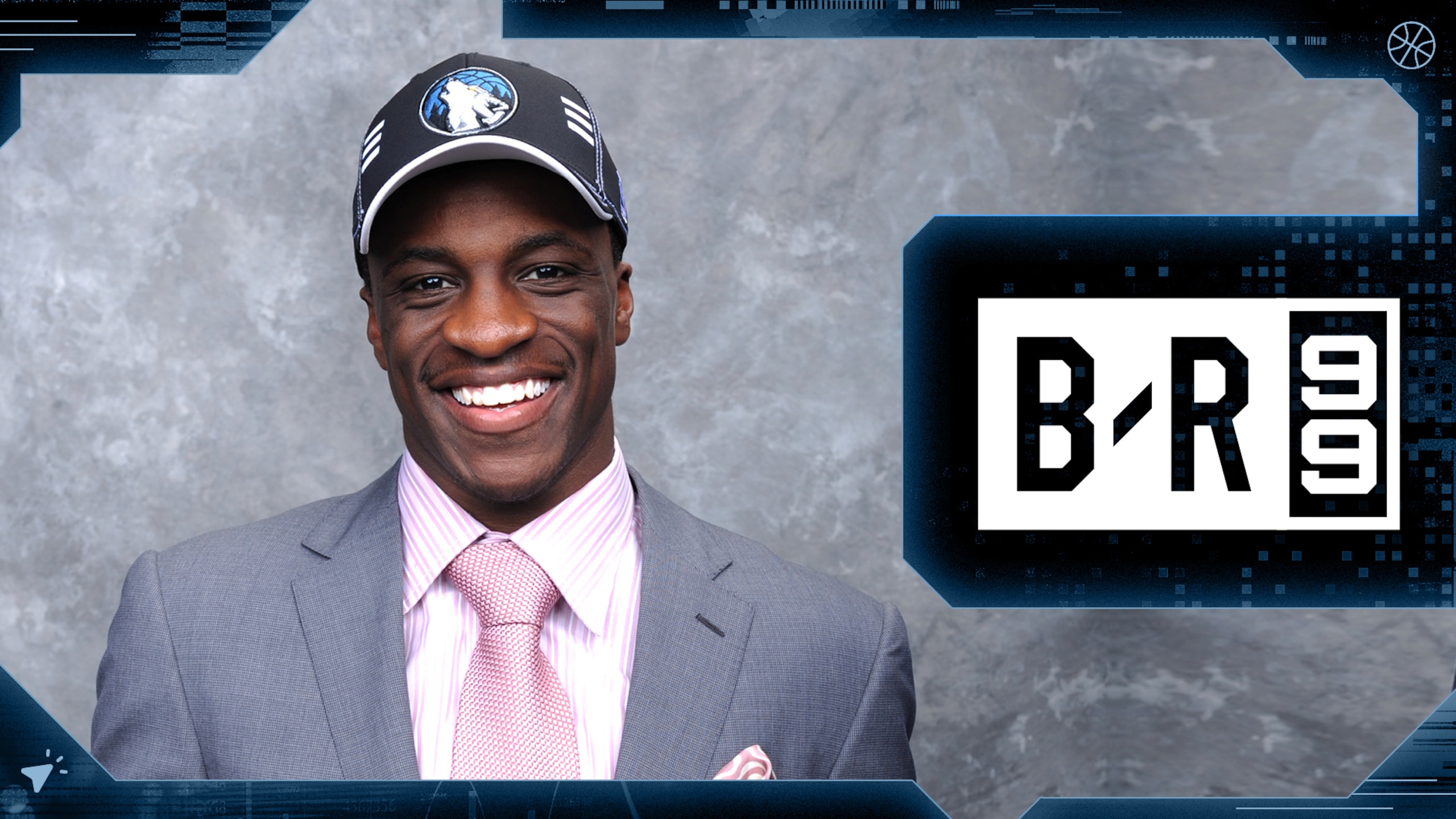
Selection: No. 6 | 2009 NBA Draft | Minnesota Timberwolves
Position: PG
Career Stats: 163 G (2009-12) | PPG: 9.2 | RPG: 1.9 | APG: 3.9 | STL: 0.7 | FG%: 40.0 | 3P%: 33.8 | WS: -1.1
After a big sophomore campaign at Syracuse, it wasn't surprising to see Jonny Flynn drafted in the first round. What was surprising was the fact that he went one pick before Stephen Curry, who'd completely taken the world by storm at Davidson.
Flynn averaged double-figures and finished fifth in Rookie of the Year voting after his first season, but his production plummeted after that, and he was out of the league after three years.
Curry, meanwhile, is the undisputed greatest shooter of all time and is still playing today.
High Vote: 12
62. Clelin Ferrell
39 of 100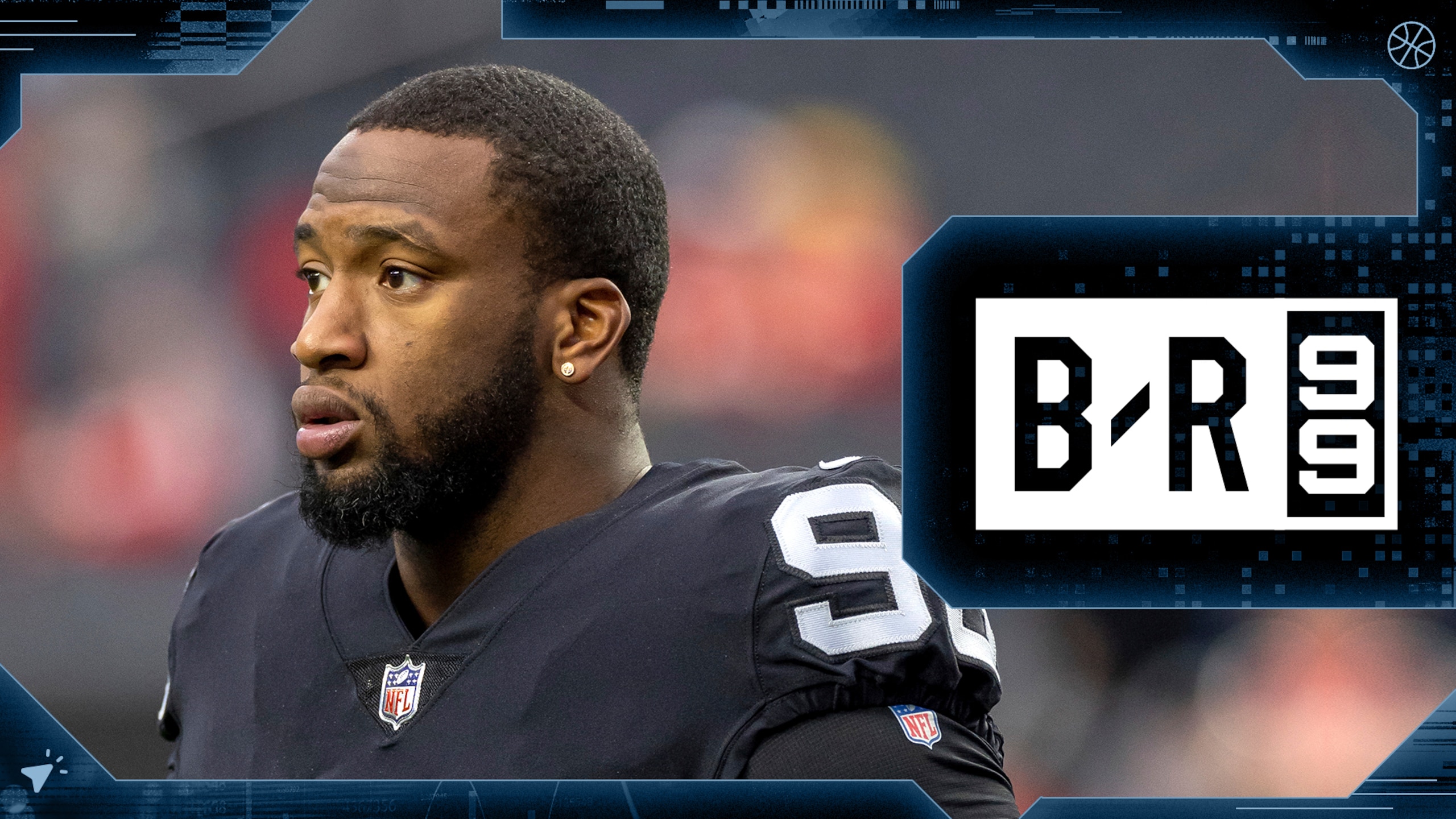
Selection: No. 4 | 2019 NFL Draft | Oakland Raiders
Position: EDGE
Career Stats: 98 G (2019-25) | Sk: 21.0 | Solo: 97 | TFL: 29 | QBHits: 59 | FF: 4 | AV: 26
To his credit, Clelin Ferrell is still kicking around the NFL—he had four sacks last year with the Los Angeles Chargers and San Francisco 49ers. That was the second-most sacks of his career, though, which rather explains his place on this list.
It's also not Ferrell's fault that was overdrafted—considered a fringe first-round prospect by many analysts, the Oakland Raiders were widely derided for selecting Ferrell fourth overall in 2019—ahead of Josh Hines-Allen. Then GM Mike Mayock told reporters, "Everybody else had all the big names up there, but Jon and I went in [Thursday] morning and kind of double-checked everything, and [Ferrell] was our guy."
Ferrell was the Raiders' guy for four seasons and 10 sacks.
Mayock lasted one fewer.
High Vote: 34
61. Lawrence Phillips
40 of 100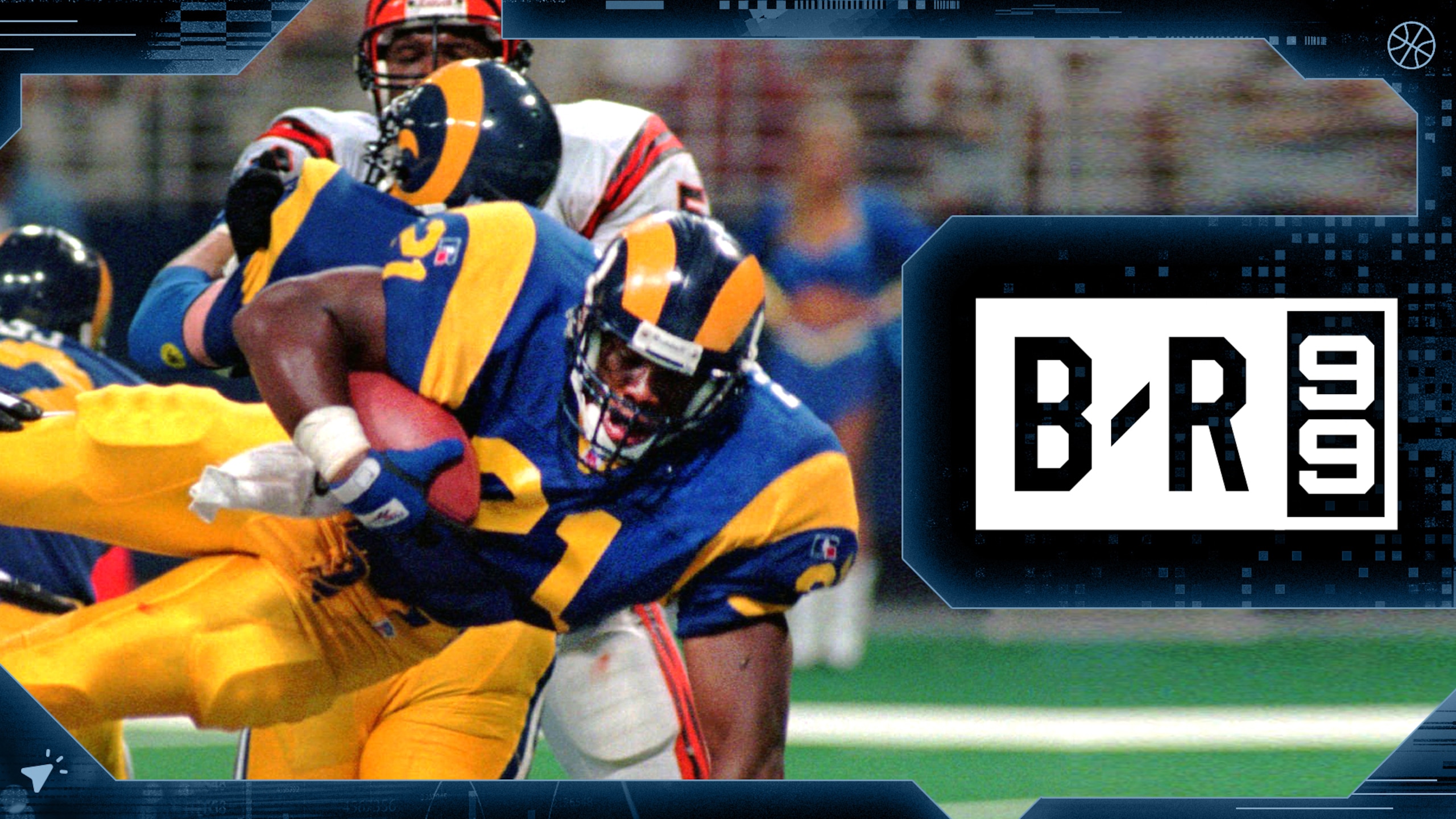
Selection: No. 6 | 1996 NFL Draft | St. Louis Rams
Position: RB
Career Stats: 35 G (1996-99) | Rush: 424 | Rush Yds: 1,453 | Y/A: 3.4 | Rush TD: 14 | Rec: 34 | Rec Yds: 219 | Y/R: 6.4 | Rec TD: 1 | Fmb: 7 | AV: 11
Were it just a matter of football talent, Phillips might have been the No. 1 overall pick in the 1996 draft. But his last year at Nebraska was marred by an arrest. Despite the ensuing character concerns, the Rams drafted Phillips sixth overall.
His off-field actions only got worse in St. Louis—after multiple run-ins with the law, Phillips was released by the Rams before the end of his second season. He played two games with the Miami Dolphins that year before being released after another arrest.
He caught on for eight games with the 49ers in 1999 but was suspended for conduct detrimental to the team would never play another NFL down.
High Vote: 11
60. Todd Marinovich
41 of 100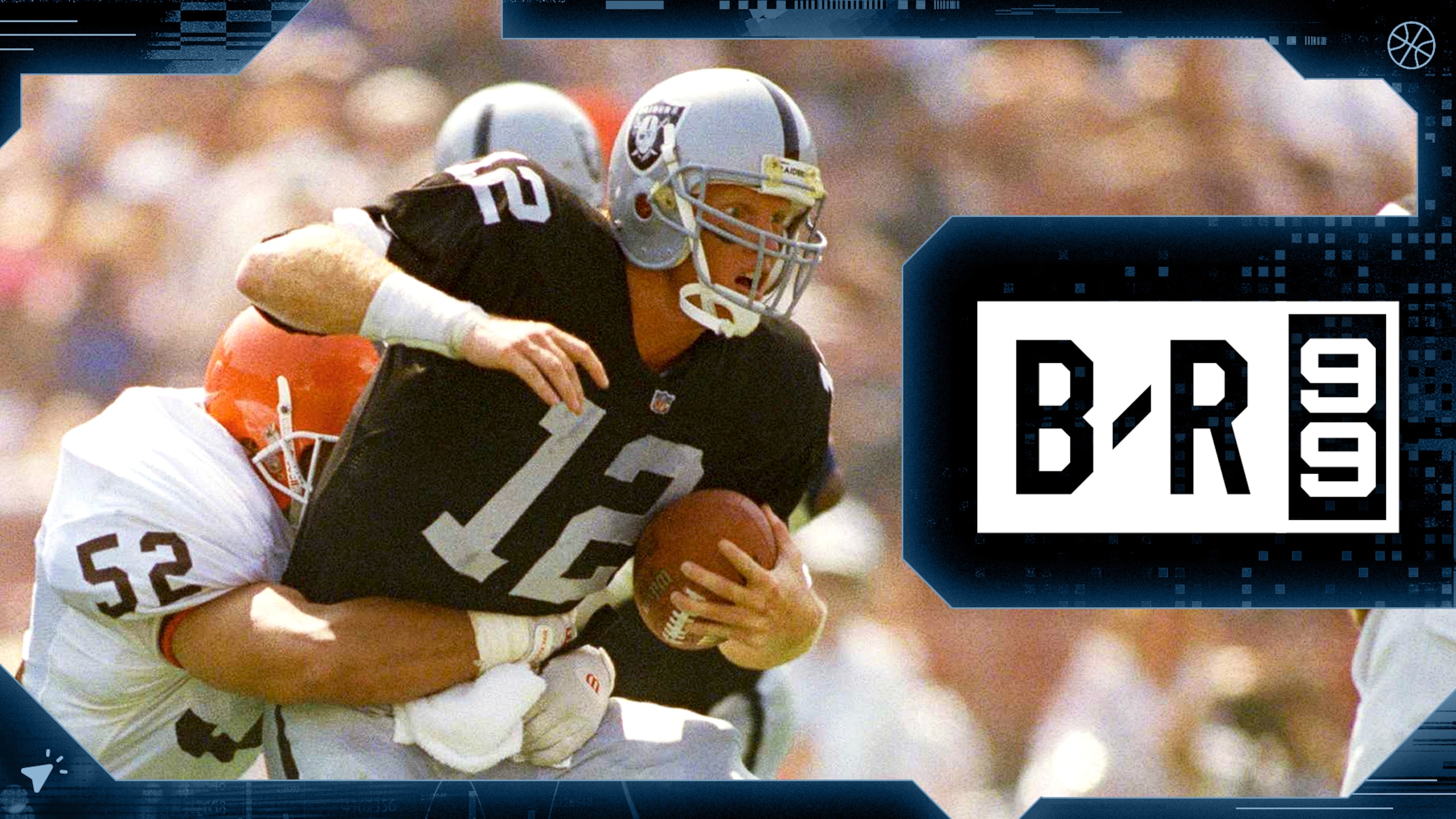
Selection: No. 24 | 1991 NFL Draft | Los Angeles Raiders
Position: QB
Career Stats: 8 G (1991-92) | QBrec: 3-5-0 | Cmp%: 50.7 | Yds: 1,345 | Y/A: 6.6 | TD: 8 | Int: 9 | AV: 3
Marinovich is one of the more bizarre busts in NFL history—the California kid who was trained to do one thing since he was an infant: play quarterback.
But the hype around Marinovich hid a troubled young man. By the time he arrived at USC, he was already participating in substance use, and he was suspended for missing classes and arrested on suspicion of drug possession.
The Raiders drafted Marinovich 24th overall in 1991 anyway (ahead of Brett Favre), but after three failed drug tests triggered a year-long suspension, Marinovich was released in 1993.
Over two years, he started just eight games, and after the Raiders cut him, Marinovich never played another snap in the NFL.
High Vote: 20
59. Dion Jordan
42 of 100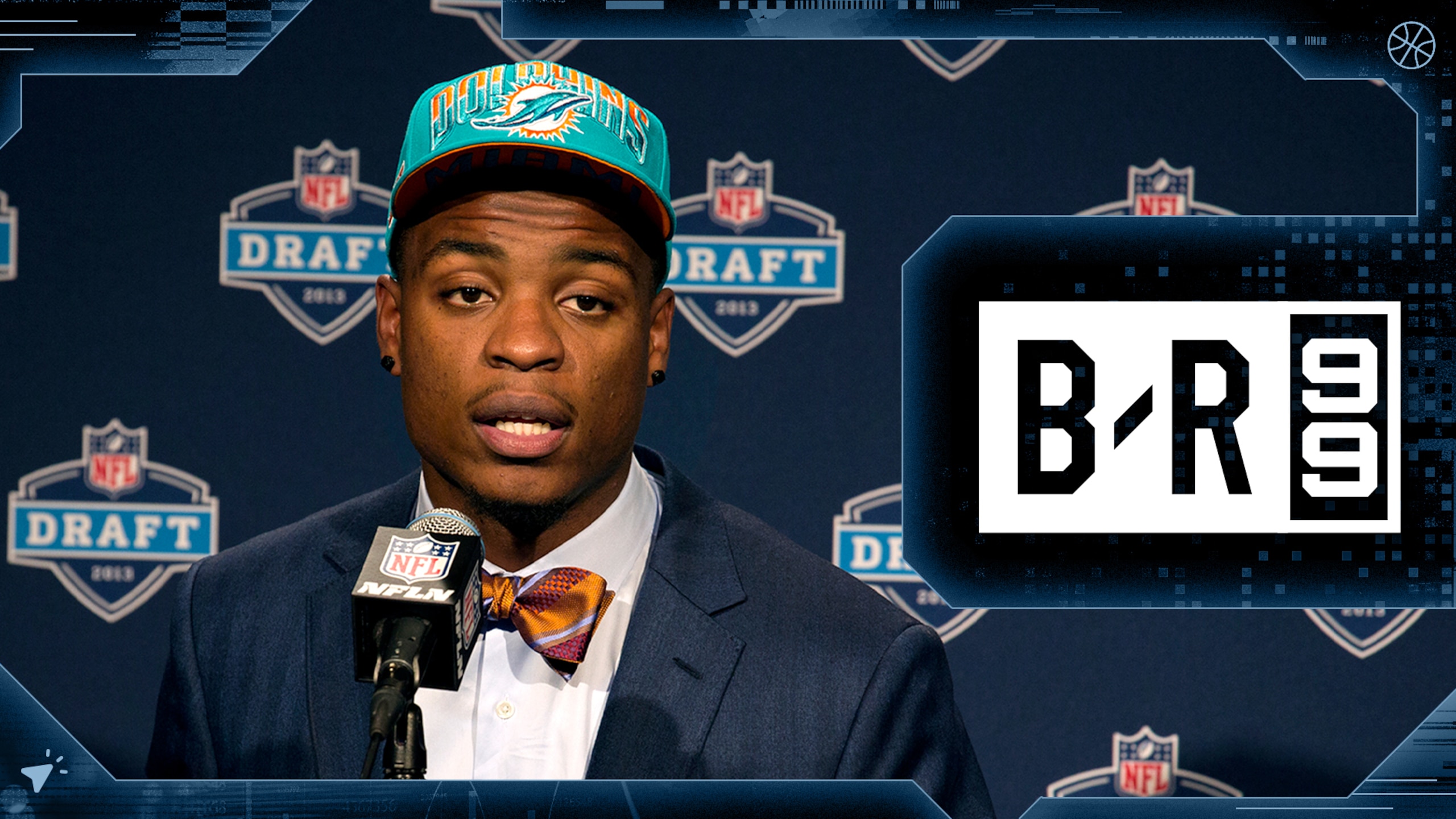
Selection: No. 3 | 2013 NFL Draft | Miami Dolphins
Position: EDGE
Career Stats: 63 G (2013-20) | Sk: 13.5 | Solo: 82 | TFL: 14 | QBHits: 25 | FF: 3 | AV: 10
When the Miami Dolphins dealt the 12th and 42nd selections in the 2013 draft to the Oakland Raiders for the right to move up to third overall and select Oregon edge-rusher Dion Jordan, the team was reportedly "shocked" by its good fortune. One source told NFL.com's Albert Breer that the Dolphins got Jordan "for half price."
Miami overpaid.
After two sacks as a rookie, Jordan drew a pair of PED suspensions in 2014. A third PED suspension got Jordan suspended for the entire 2015 season. He was reinstated the following year but didn't play a down, and the following spring Miami released him.
Jordan's totals in Miami? 46 total tackles and three sacks.
High Vote: 44
58. Bryan Bullington
43 of 100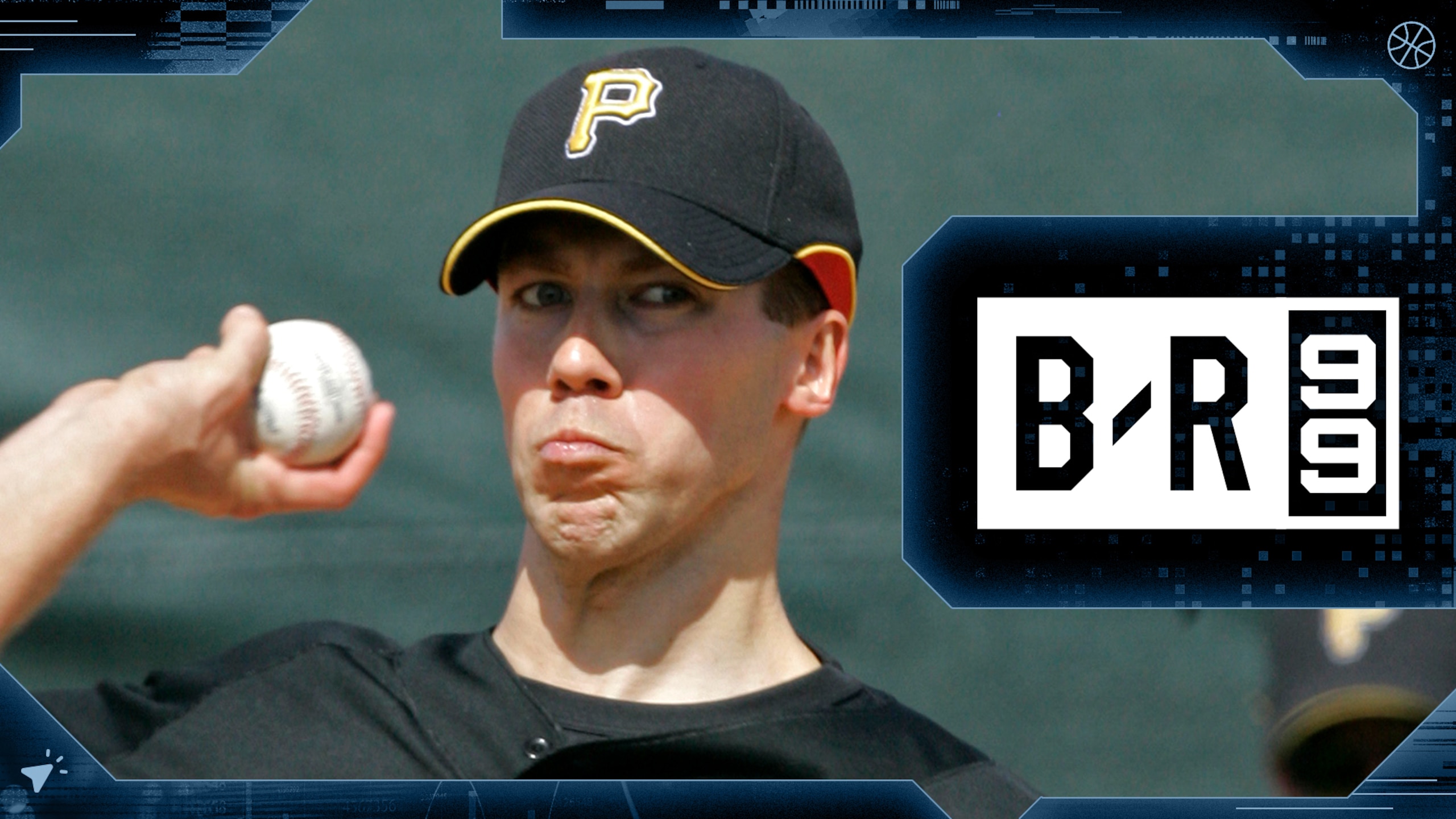
Selection: No. 1 | 2002 MLB Draft | Pittsburgh Pirates
Position: P
Career Stats: 26 G (2005-10) | W-L: 1-9 | ERA: 5.62 | IP: 81.2 | WHIP: 1.580 | SO/9: 6.0 | BB/9: 3.4 | WAR: -0.2
Bullington had a 2.84 ERA and 139 strikeouts in 104.2 innings during his junior season at Ball State while showcasing the polish to move quickly through the minors. The Pirates opted for his floor over the ceiling of guys like Zack Greinke, Cole Hamels, Prince Fielder, B.J. Upton and others.
After a strong start in pro ball, shoulder issues eventually led to diminished stuff, and he pitched just 18.1 innings in a Pirates uniform. While his MLB career never found traction, he did put together a solid run in the Japanese League with a 3.12 ERA in 805 innings over five seasons.
High Vote: 42
57. Jabari Parker
44 of 100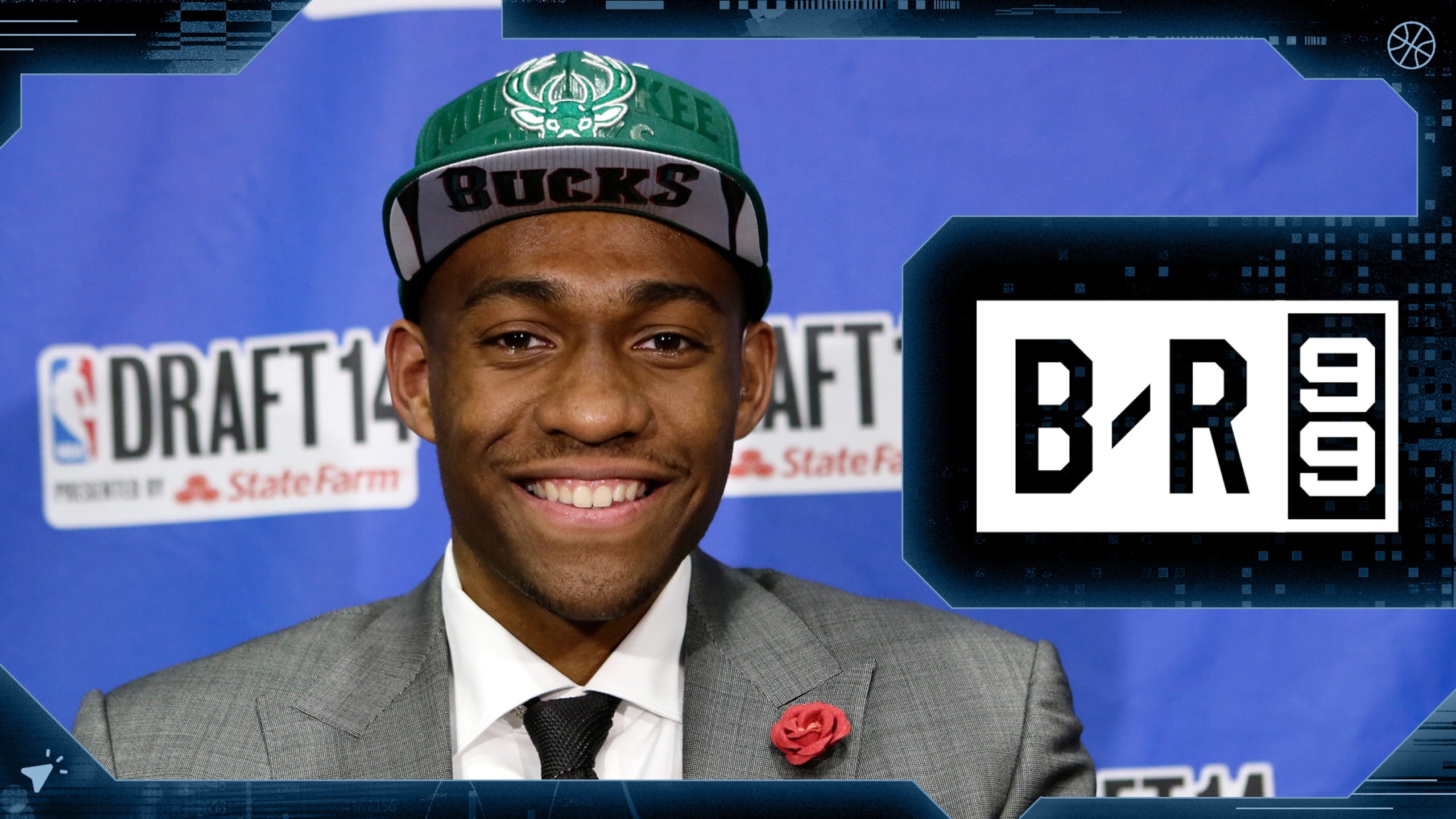
Selection: No. 2 | 2014 NBA Draft | Milwaukee Bucks
Position: PF
Career Stats: 310 G (2014-22) | PPG: 14.1 | RPG: 5.5 | APG: 2.0 | BLK: 0.4 | FG%: 49.4 | 3P%: 32.6 | WS: 13.8
This one was certainly influenced by an early-career torn ACL, but Jabari Parker was described as a potentially transformative player in the lead-up to the much-hyped 2014 draft class, and he certainly never became that.
After the injury, Parker was sapped of much of his burst and averaged 12.5 points and 1.9 assists while shooting 31.8 percent from three and playing for six different teams.
High Vote: 38
56. Aundray Bruce
45 of 100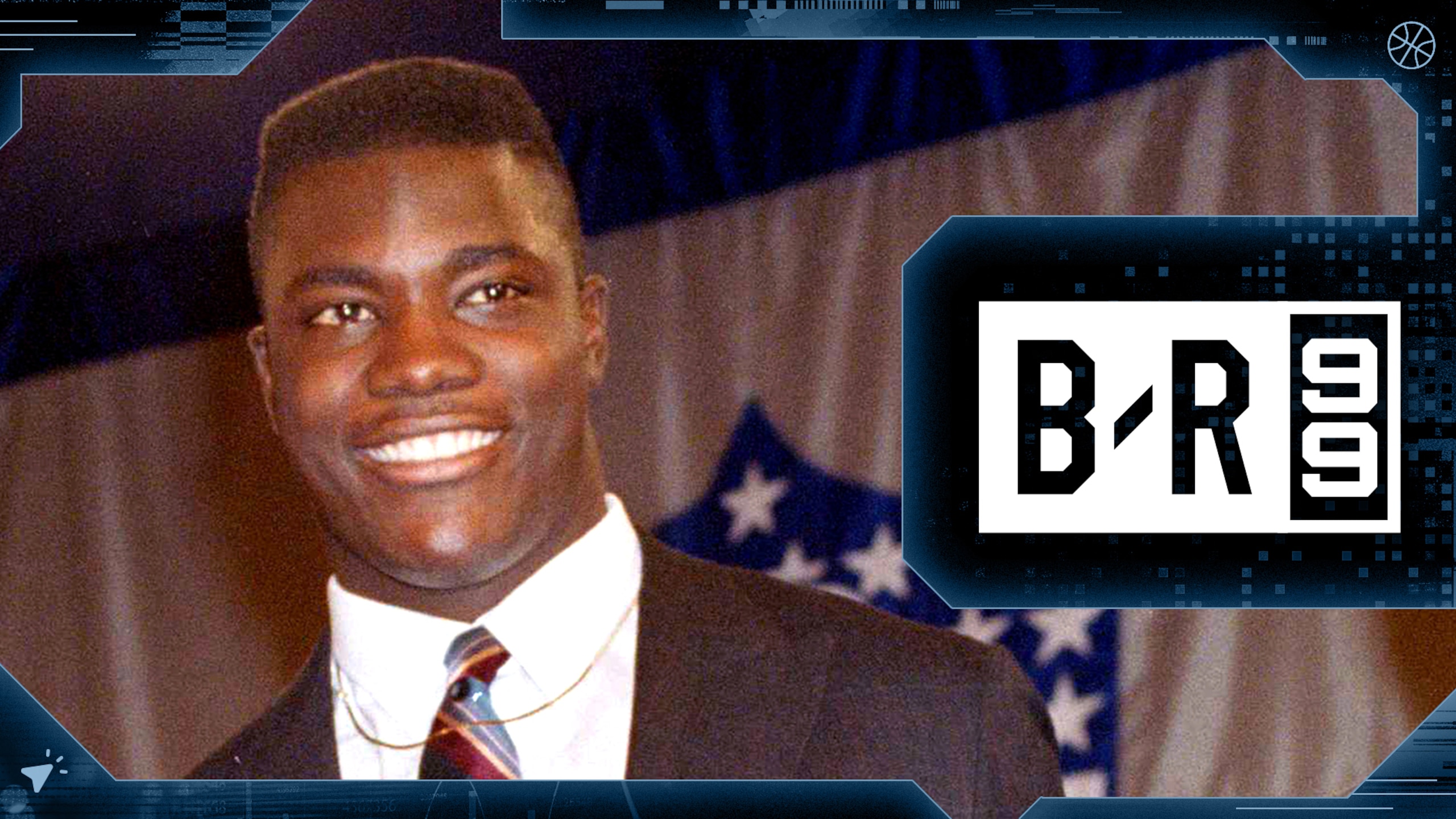
Selection: No. 1 | 1988 NFL Draft | Atlanta Falcons
Position: OLB
Career Stats: 151 G (1988-98) | Sk: 32.0 | Solo: 264 | FF: 11 | AV: 28
Given that Aundray Bruce played 11 seasons in the NFL, it might seem a little unfair to call him a "bust"—right up until you realize that over those 11 seasons, the No. 1 overall pick in the 1988 draft managed all of 32 sacks.
Bruce was hit with a double whammy—the '88 draft class wasn't great defensively, and he was unfairly compared to Lawrence Taylor, who was at the apex of his dominance. Bruce had a couple of OK seasons, but spent most of his career riding the bench with the Raiders.
The Falcons really should have gone offense—Tim Brown, Sterling Sharpe and Michael Irvin all went in the first round of that draft.
High Vote: 25
55. James Wiseman
46 of 100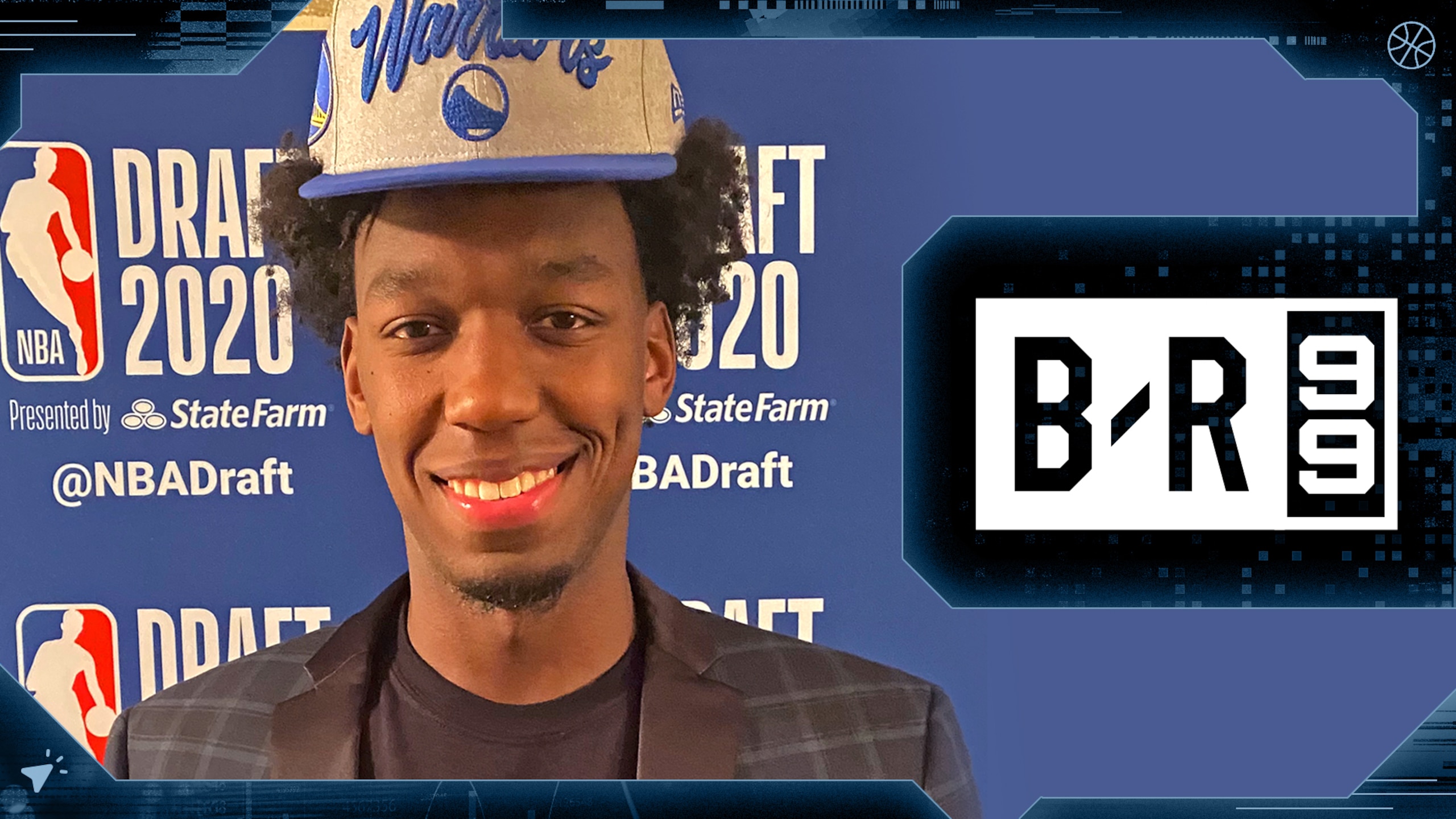
Selection: No. 2 | 2020 NBA Draft | Golden State Warriors
Position: C
Career Stats: 152 G (2020-Current) | PPG: 9.0 | RPG: 5.5 | APG: 0.7 | BLK: 0.7 | FG%: 56.0 | 3P%: 26.2 | WS: 4.3
The Golden State Warriors get a bit of a pass for taking James Wiseman during the COVID lockdowns. Scouting for that draft had to be a nightmare.
But the fact remains that Wiseman has spent most of his career as a fringe NBA player, and the rest of the 2020 draft gave us Tyrese Haliburton, Tyrese Maxey, Desmond Bane and LaMelo Ball.
High Vote: 20
54. Derrick Williams
47 of 100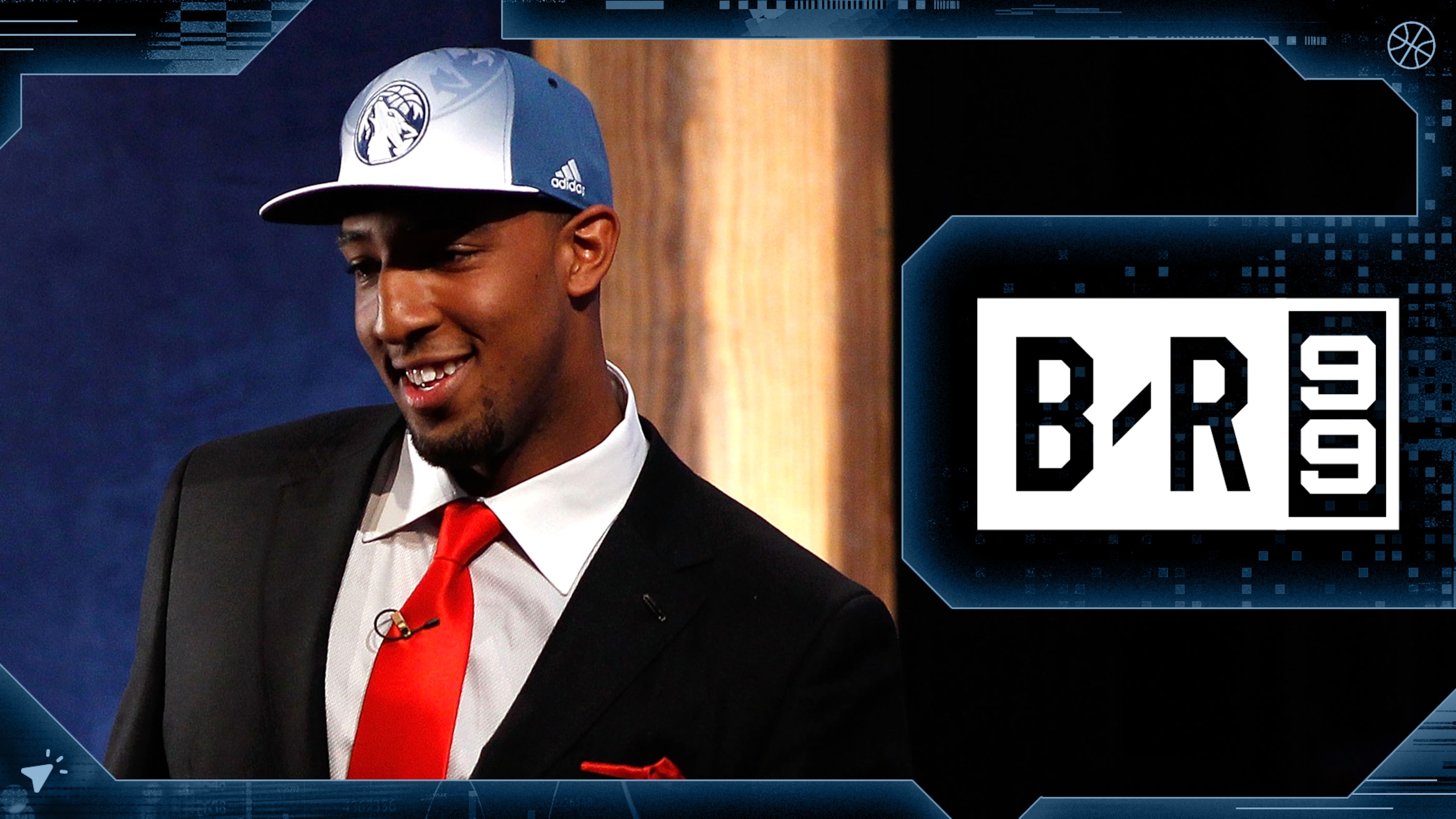
Selection: No. 2 | 2011 NBA Draft | Minnesota Timberwolves
Position: SF/PF
Career Stats: 428 G (2011-18) | PPG: 8.9 | RPG: 4.0 | APG: 0.7 | BLK: 0.3 | FG%: 43.4 | 3P%: 30.0 | WS: 14.1
During his sophomore season at Arizona, Derrick Williams looked like a can't-miss prospect. He had prototypical combo forward size. He could ferociously finish above the rim. And he somehow shot a blistering 56.8 percent from deep.
But as has happened with others, that size made him more of a tweener than anything else. His outside shooting never translated to the NBA. And he didn't do nearly enough in the ancillary categories to keep him on the floor.
He was out of the league by his mid-20s.
High Vote: 27
53. Blair Thomas
48 of 100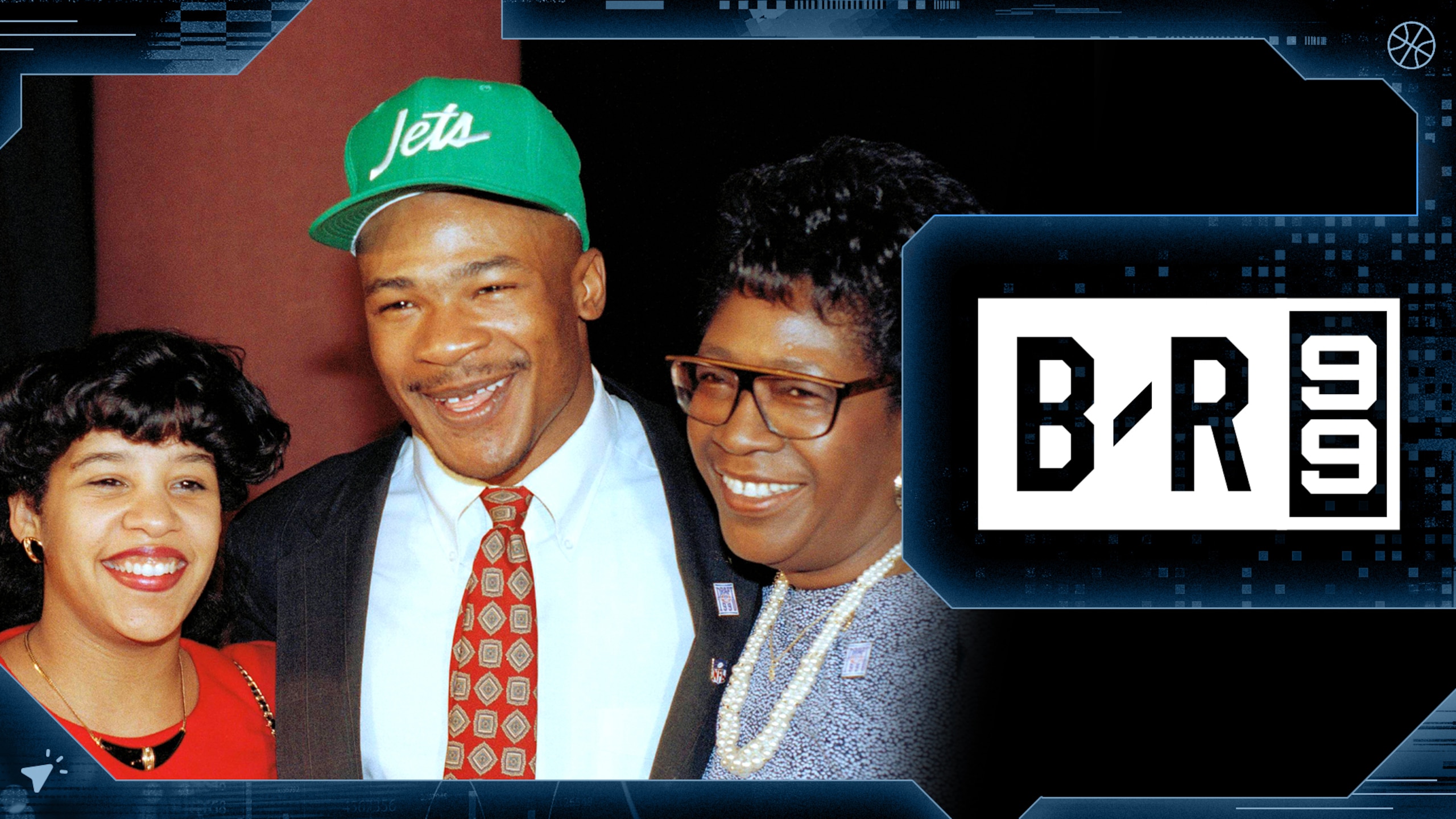
Selection: No. 2 | 1990 NFL Draft | New York Jets
Position: RB
Career Stats: 64 G (1990-95) | Rush: 533 | Rush Yds: 2,236 | Y/A: 4.2 | Rush TD: 7 | Rec: 71 | Rec Yds: 513 | Y/R: 7.2 | Rec TD: 2 | Fmb: 8 | AV: 22
Emmitt Smith may be the NFL's all-time leading rusher, but he wasn't even considered the top back in his class. That was Blair Thomas, who was selected second overall in the 1990 NFL Draft by the New York Jets.
Thomas was the first back in Penn State history to amass 1,300 rushing yards in multiple seasons. He was a can't-miss star. But a critical fumble early in Thomas' second season destroyed his confidence, his role got smaller and smaller with each successive season, and by his last season with the Jets, Thomas had 59 carries.
In six professional seasons, Thomas topped 100 rushing yards twice.
High Vote: 22
52. Nikoloz Tskitishvili
49 of 100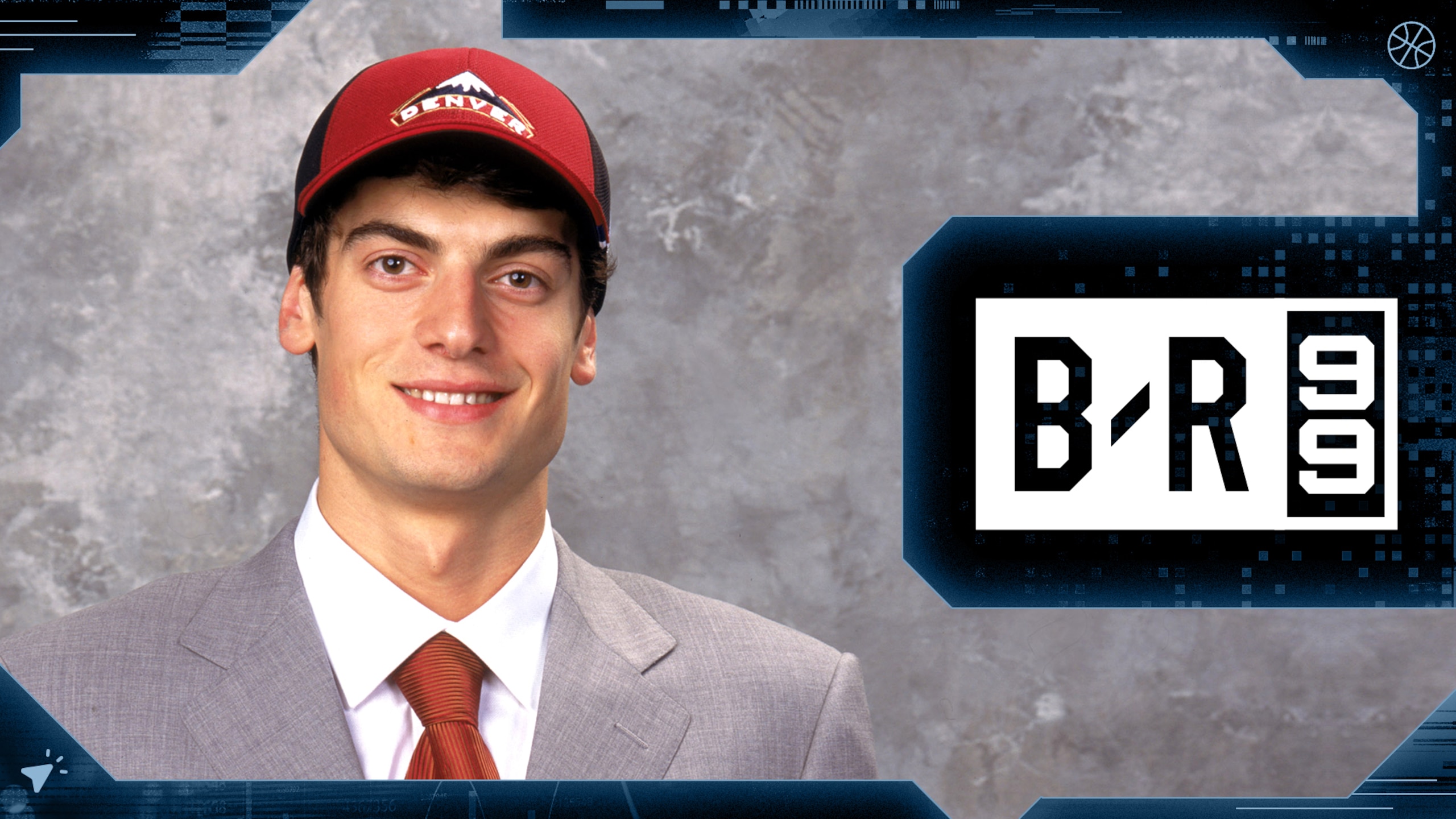
Selection: No. 5 | 2002 NBA Draft | Denver Nuggets
Position: SF/PF
Career Stats: 172 G (2002-06) | PPG: 2.9 | RPG: 1.8 | APG: 0.7 | BLK: 0.3 | FG%: 30.4 | 3P%: 23.5 | WS: -1.6
In the wake of Dirk Nowitzki's breakout, teams all over the NBA were trying to find the next sweet-shooting European big man. And unfortunately, Nikoloz Tskitishvili may have become the mascot for that group of draft misses.
In 2002, the Denver Nuggets used the fifth overall pick on Tskitishvili. They traded him in his third season. And by his fourth, Tskitishvili only appeared in 17 games and averaged 2.1 points. He was out of the league at 22 years old.
High Vote: 32
51. Joey Harrington
50 of 100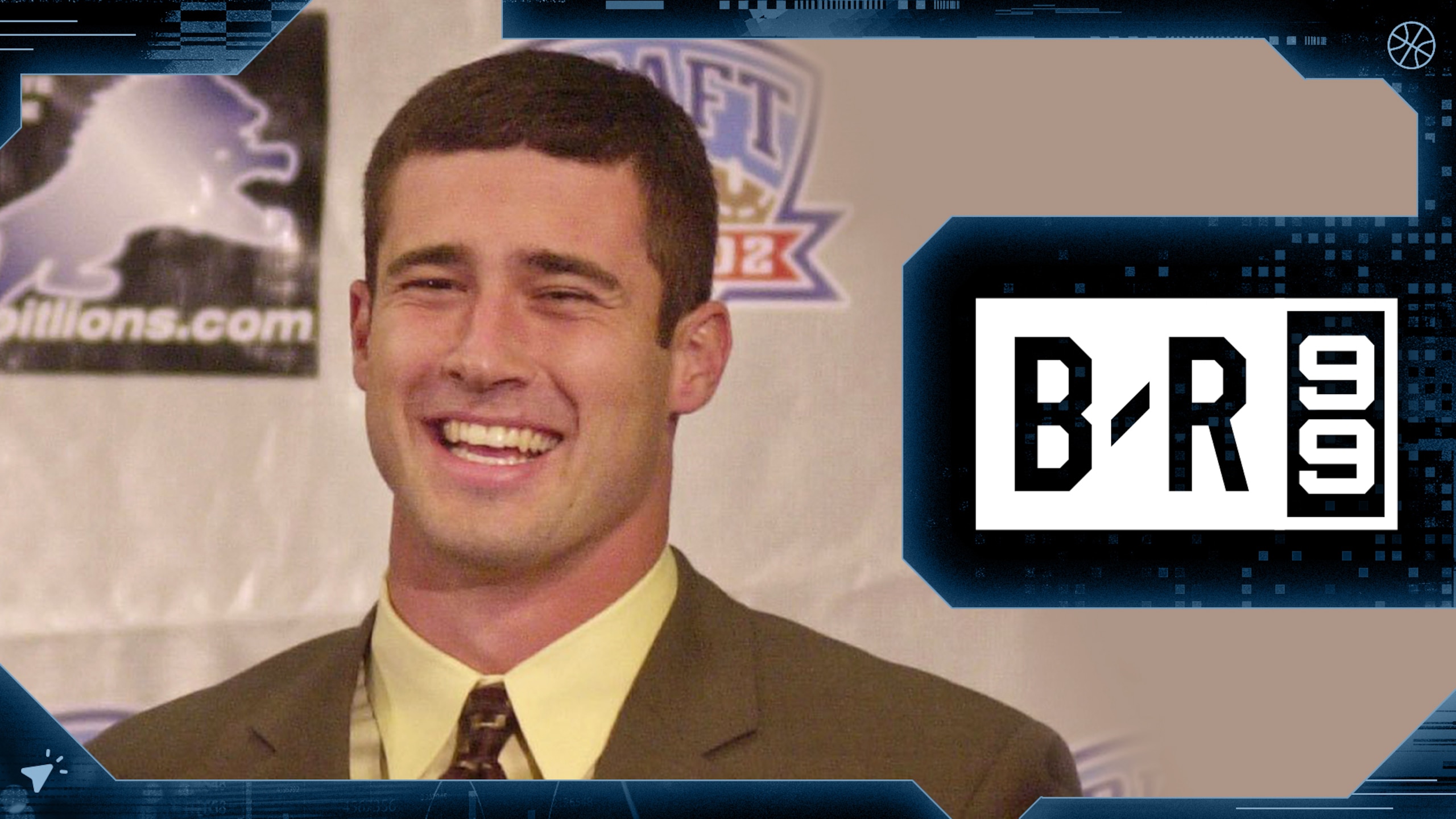
Selection: No. 3 | 2002 NFL Draft | Detroit Lions
Position: QB
Career Stats: 81 G (2002-07) | QBrec: 26-50-0 | Cmp%: 56.1 | Yds: 14,693 | Y/A: 5.8 | TD: 79 | Int: 85 | AV: 34
At the University of Oregon, Joey Harrington earned the nickname "Captain Comeback" for his ability to lead the Ducks to come-from-behind wins.
In the NFL, Harrington went from a captain to a prince—the prince of picks.
The third overall pick of the Detroit Lions in 2002, Harrington was starting for the Lions by the third week of his first season. In 12 games as a rookie, Harrington threw 12 picks. The next season, Harrington led the league with 22 interceptions. In four seasons with the Lions, Harrington never completed less than a dozen passes to the other team, and in six years in the league he averaged over 14 interceptions a season.
High Vote: 38
50. Brian Lawton
51 of 100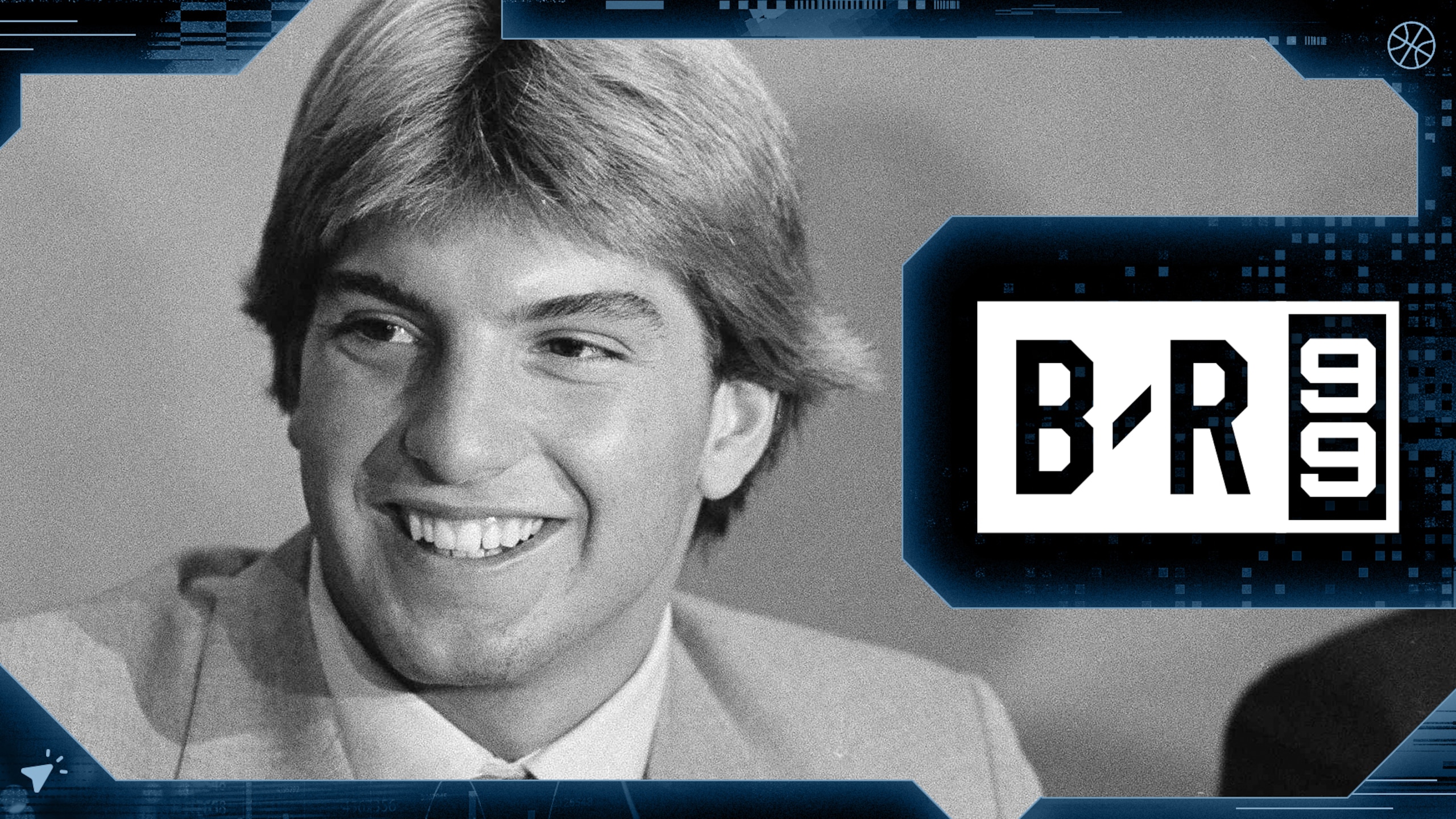
Selection: No. 1 | 1983 NHL Draft | Minnesota North Stars
Position: LW
Career Stats: 483 GP (1983-93) | G: 112 | A: 154 | PTS: 266 | +/-: -44 | SOG: 832 | PT Shares: 14.5
The first American to be taken first overall in the NHL Draft, Lawton was a promising high-school winger when the Minnesota North Stars selected him. He was picked over future Hall of Famers Steve Yzerman, Pat LaFontaine, Tom Barrasso and Cam Neely.
Lawton put up decent stats during his nine-season NHL career. However, it wasn't the output expected of him, as he struggled under the pressure of being such a unique top draft pick. After five seasons in Minnesota, he spent the next four seasons with five clubs before his NHL career ended in 1992-93.
High Vote: 34
49. Brady Aiken
52 of 100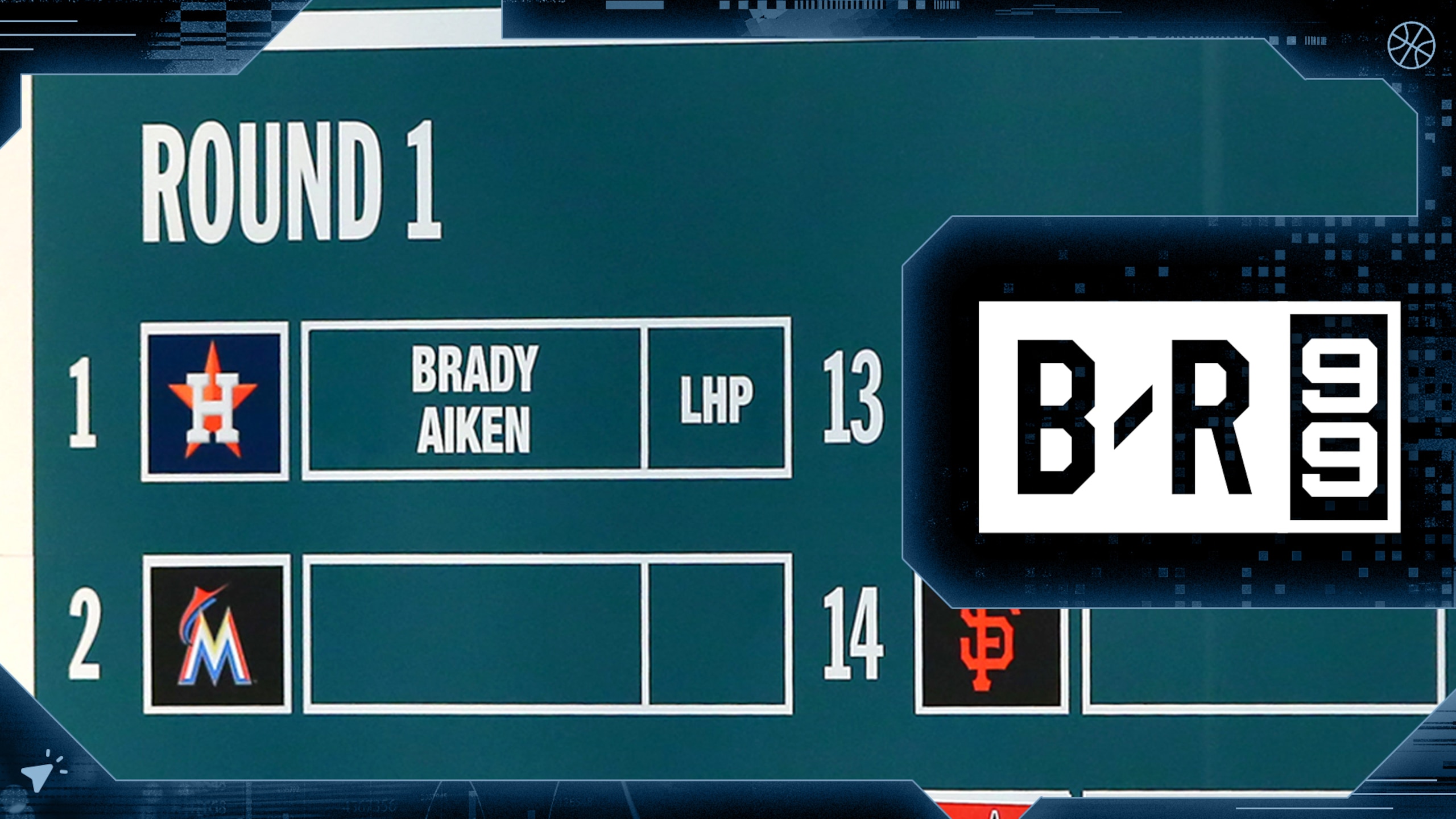
Selection: No. 1 | 2014 MLB Draft | Houston Astros
Position: P
MiLB Stats: 43 G (2016-19) | W-L: 7-18 | ERA: 5.18 | IP: 179.0 | WHIP: 1.760 | SO/9: 7.4 | BB/9: 6.4
The Astros offered Aiken a $6.5 million signing bonus as the top pick in the 2014 draft, but reduced that to $5 million after his post-draft physical revealed inflammation in his throwing elbow.
The two sides were unable to come to terms, and he went unsigned. He enrolled in IMG Academy's post-graduate baseball program for the 2015 season, but left his first start after 13 pitches with elbow soreness and shortly after he underwent Tommy John surgery.
The Guardians rolled the dice at No. 17 overall in the 2015 draft, but his velocity and command never fully returned, and his development stalled before it started. He walked 101 batters in 132 innings in 2017, and two years later his pro career was over without ever advancing above the Single-A level.
High Vote: 43
48. Rick Mirer
53 of 100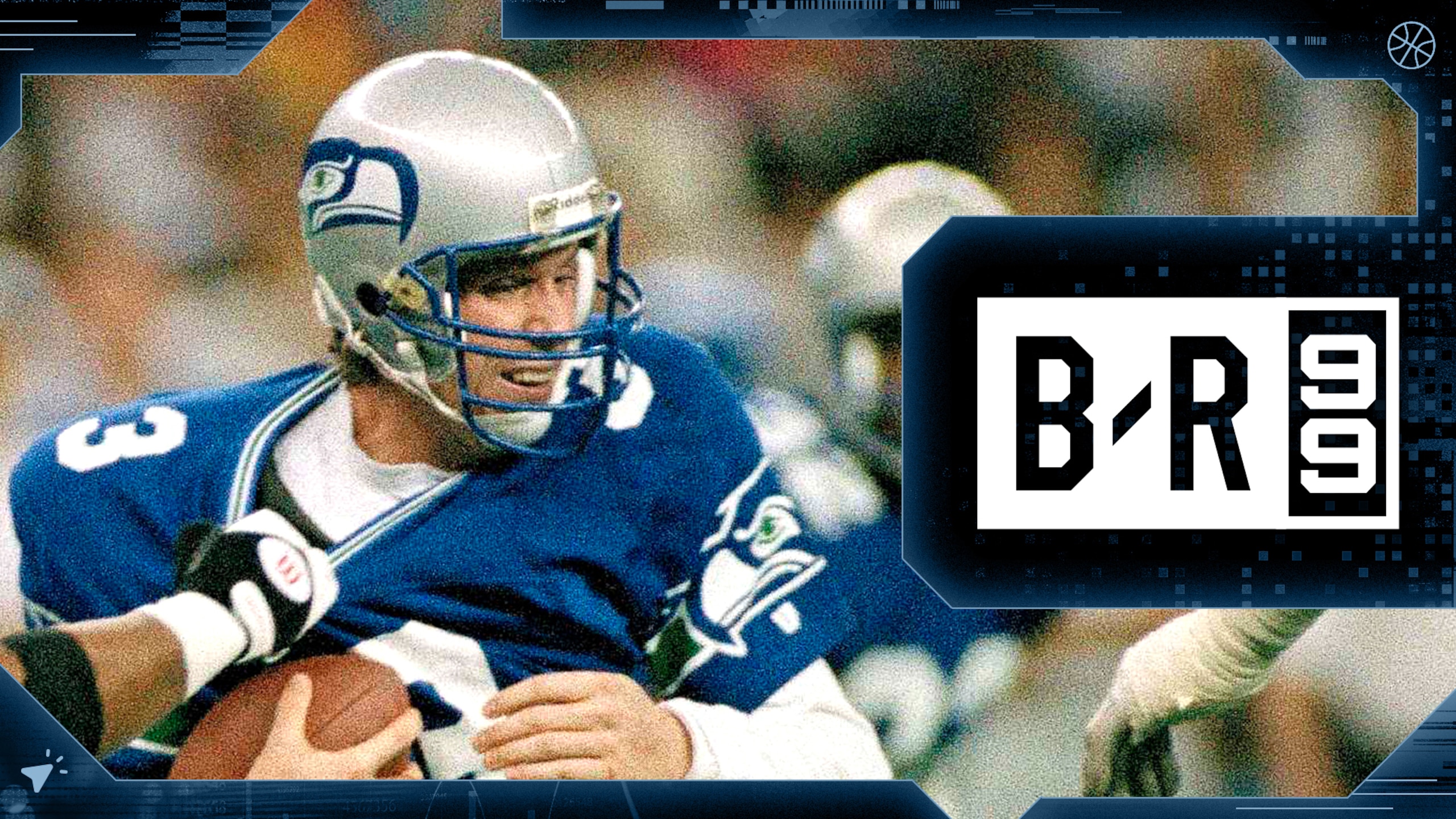
Selection: No. 2 | 1993 NFL Draft | Seattle Seahawks
Position: QB
Career Stats: 80 G (1993-2003) | QBrec: 24-44-0 | Cmp%: 53.3 | Yds: 11,969 | Y/A: 5.9 | TD: 50 | Int: 76 | AV: 36
Back in 1993, Rick Mirer was being touted as the next Joe Montana after a standout career at Notre Dame. The Seattle Seahawks made Mirer the second overall pick in 1993, and he was just the third quarterback since 1970 to start all 16 games as a rookie. Mirer set NFL rookie records for attempts, completions and yards and was second in Offensive Rookie of the Year voting.
However, Mirer threw just 12 touchdown passes against 17 interceptions that season, and that rookie year would be Mirer's best. By 1997, Mirer was traded to Chicago, the beginning of a journey that would see him play for six teams and make just 17 starts before his career ended holding a clipboard in Detroit in 2004.
High Vote: 28
47. Greg Robinson
54 of 100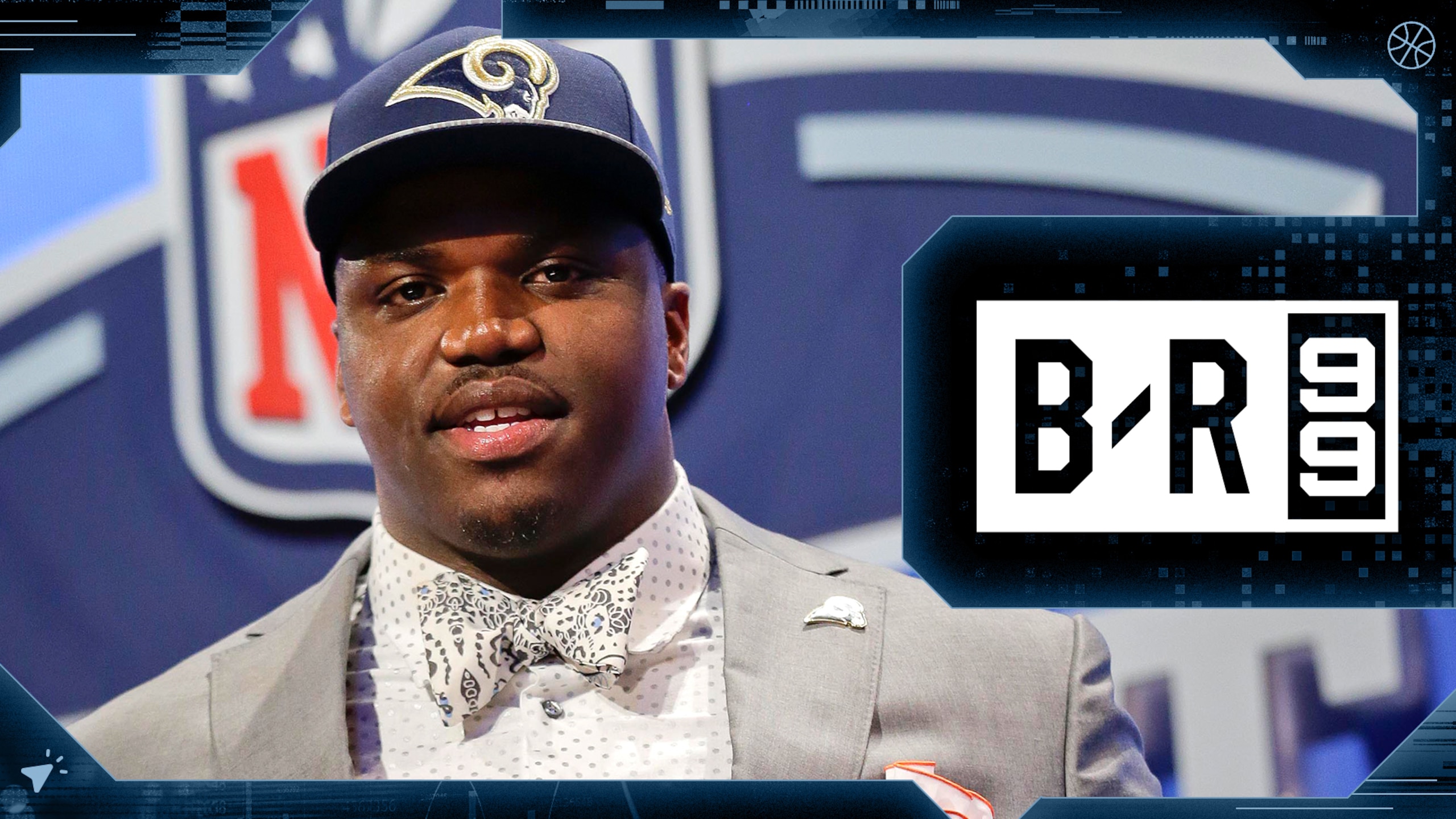
Selection: No. 2 | 2014 NFL Draft | St. Louis Rams
Position: OL
Career Stats: 83 G (2014-19) | GS: 70 | AV: 27
When the Rams drafted Robinson second overall in 2014, he was supposed to be the next Orlando Pace. The Auburn standout was the ideal mixture of power and athleticism wrapped up in a 6'5", 330-pound frame. He was a can't-miss prospect.
There was just one small problem—Robinson couldn't play left tackle at the NFL level. His footwork and technique were terrible. He was an absolute turnstile in pass protection and showed up to camp in 2016 overweight. By the second half of that season, he was a healthy scratch. By 2017, Robinson was traded to Detroit for a bag of Funyuns, and he spent 2018 and '19 in Cleveland.
Robinson was out of the league altogether by 2020 following a marijuana-related arrest.
High Vote: 31
46. Todd Van Poppel
55 of 100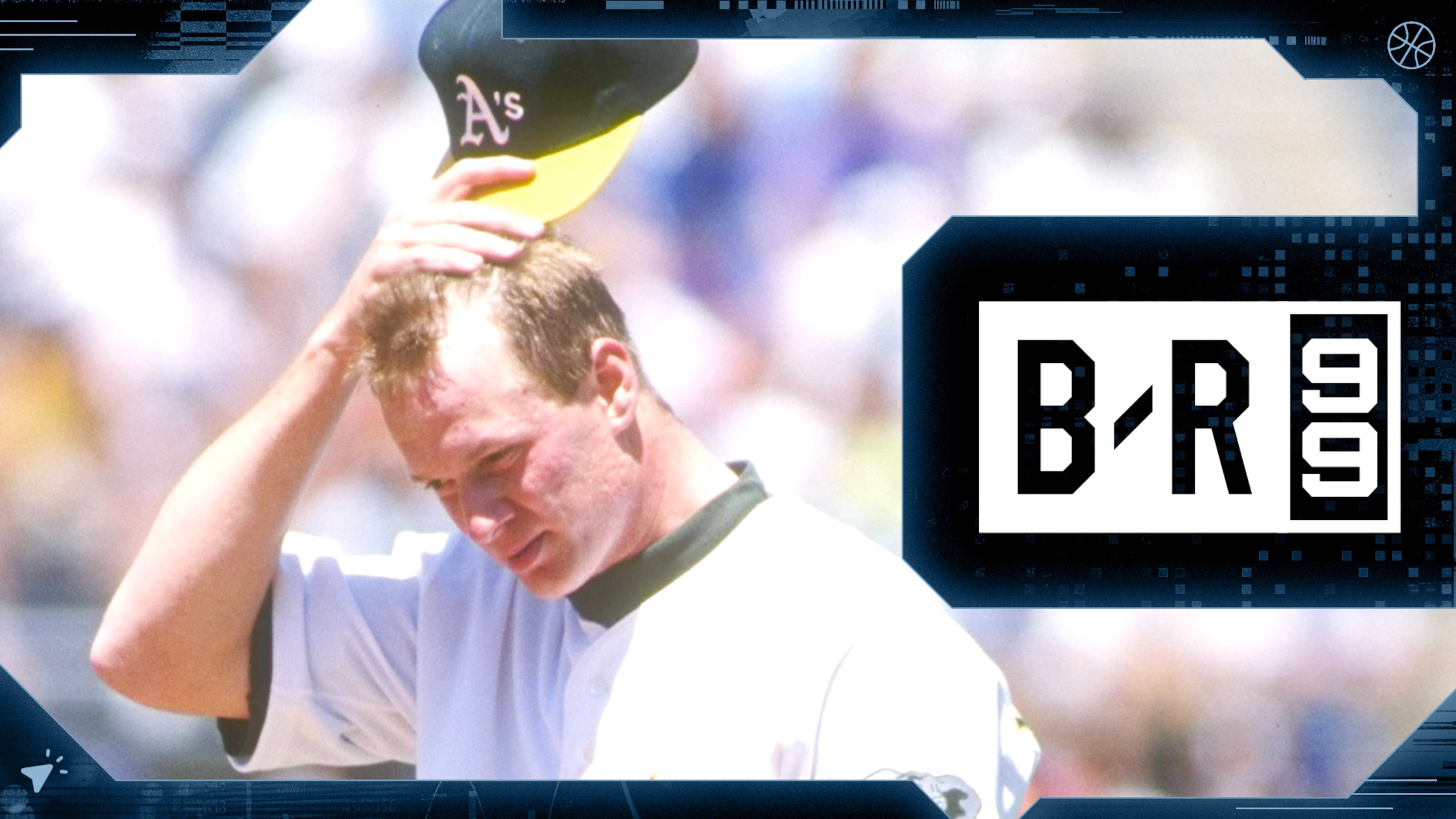
Selection: No. 14 | 1990 MLB Draft | Oakland Athletics
Position: P
Career Stats: 359 G (1991-2004) | W-L: 40-52 | ERA: 5.58 | IP: 907.0 | WHIP: 1.549 | SO/9: 7.1 | BB/9: 4.6 | WAR: -0.3
Van Poppel was the top prospect in the 1990 draft and one of the most hyped high school pitchers ever, but he explicitly told the Braves he would not sign with them at No. 1 overall while scaring several other teams off with his bonus demands. The Athletics signed him to an unprecedented three-year, $1.2 million MLB contract with a $500,000 signing bonus.
He began the 1991 season as the No. 1 prospect in baseball and made his MLB debut that September, but shoulder issues sidelined him the following season and became a frequent problem. He played 11 seasons in the majors and logged 907 innings, but his 5.58 ERA and minus-0.4 WAR tell a story of unrealized potential.
High Vote: 9
45. Courtney Brown
56 of 100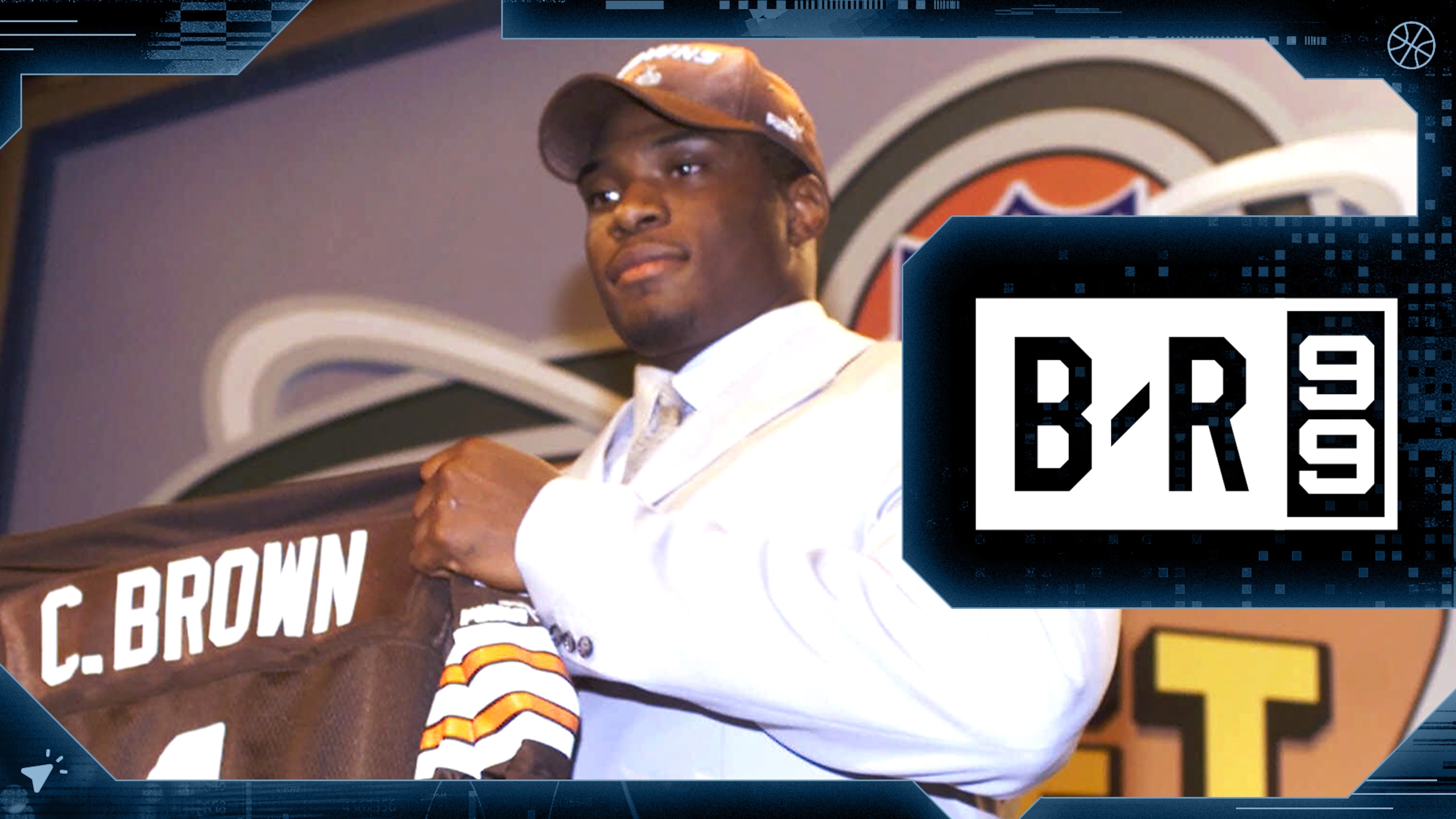
Selection: No. 1 | 2000 NFL Draft | Cleveland Browns
Position: EDGE
Career Stats: 61 G (2000-05) | Sk: 19.0 | Solo: 156 | TFL: 36 | FF: 7 | AV: 30
The Cleveland Browns make a disappointing number of appearances on this list. But if there's one thing the Browns have excelled at since re-joining the NFL in 1999, it's disappointment.
After a dominant collegiate career in which Brown piled up 33 sacks and 70 tackles for loss at Penn State, Brown was the first overall pick of the Browns in 2000. His rookie year was decent—69 tackles, 16 tackles for loss and 4.5 sacks. But in 2001 Brown played in just five games, and injuries became a theme for him. Brown played in 47 games over five seasons in Cleveland before the Browns threw in the towel after the 2004 campaign.
High Vote: 34
44. Tim Beckham
57 of 100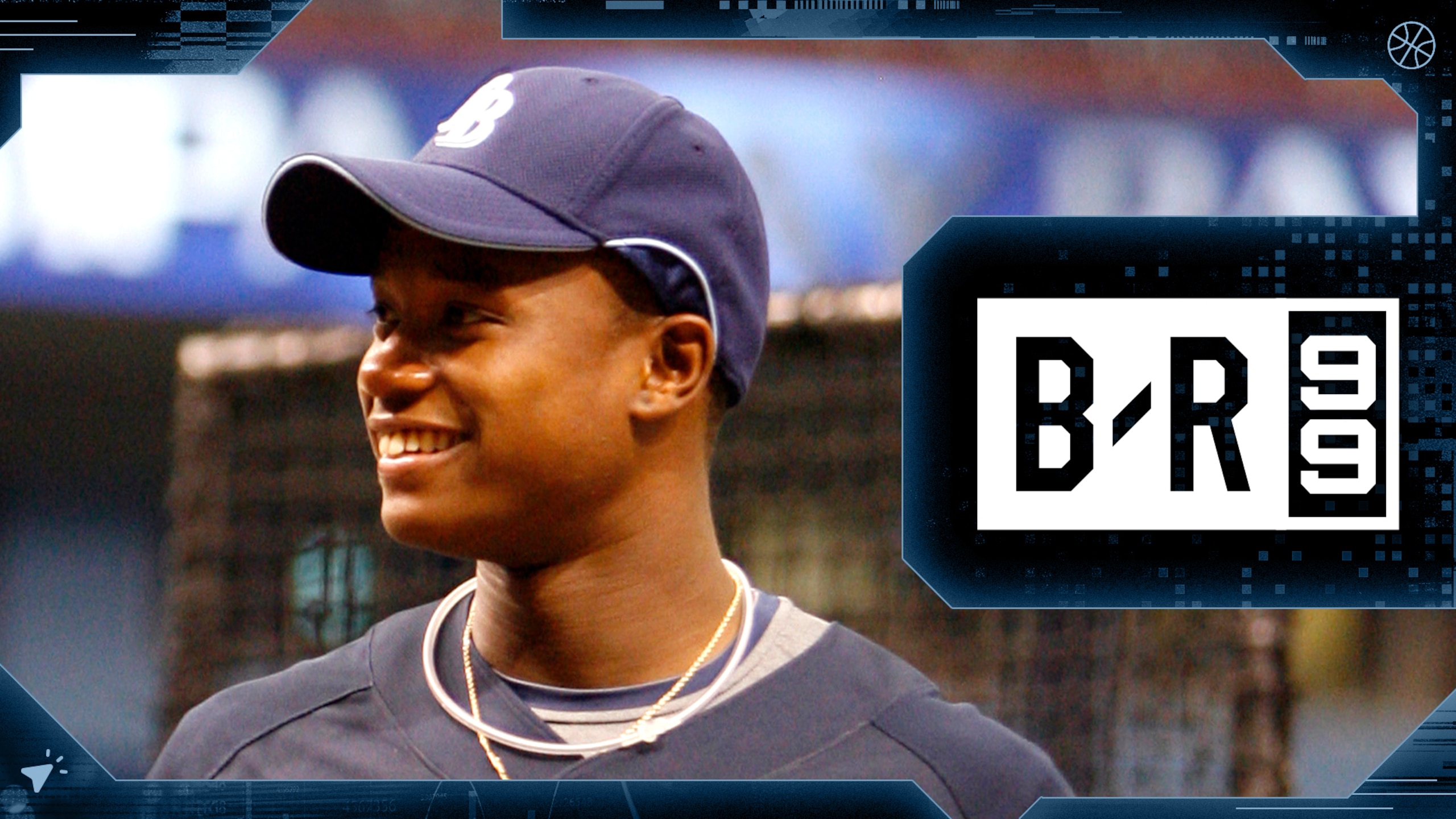
Selection: No. 1 | 2008 MLB Draft | Tampa Bay Rays
Position: SS/2B/3B
Career Stats: 484 G (2013-22) | HR: 63 | RBI: 199 | SB: 13 | BA: .246 | OBP: .299 | SLG: .426 | OPS: .724 | WAR: 3.9
After hitting on Evan Longoria (No. 3 in 2006) and David Price (No. 1 in 2007), the Rays had an opportunity to add another foundational piece with the top pick in a 2008 draft class that saw Buster Posey go No. 5 overall.
They opted for Beckham, who was the consensus top high school player in the class, but a 50-game suspension and a torn ACL delayed his arrival in the majors. He carved out a seven-year career in the majors, peaking with a 110 OPS+ and 22 home runs in 2017, but he finished with just 3.9 WAR in 484 games.
High Vote: 17
43. Stromile Swift
58 of 100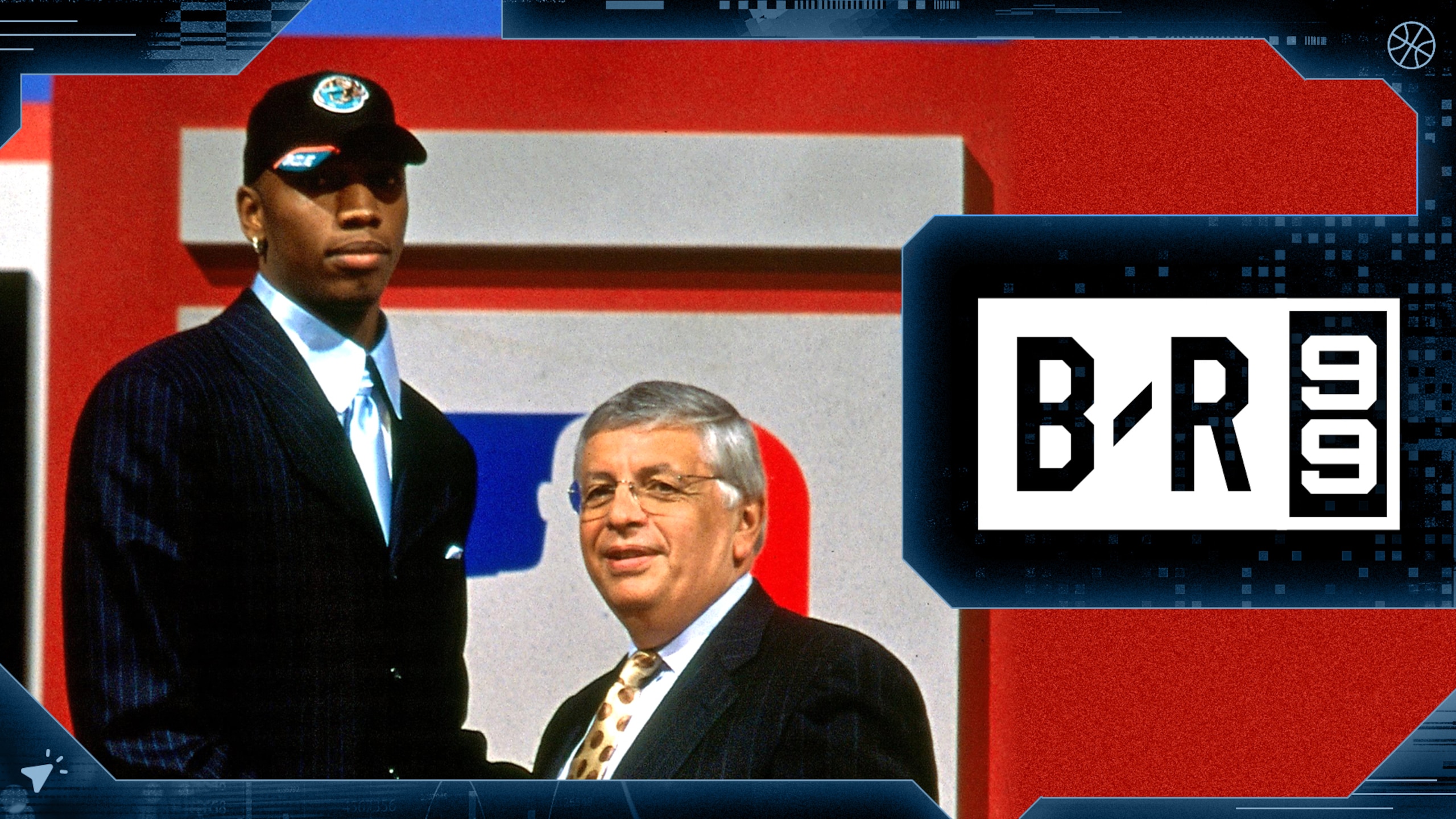
Selection: No. 2 | 2000 NBA Draft | Vancouver Grizzlies
Position: PF/C
Career Stats: 547 G (2000-09) | PPG: 8.4 | RPG: 4.6 | APG: 0.5 | BLK: 1.2 | FG%: 47.3 | 3P%: 7.4 | WS: 21.3
In college, Stromile Swift looked like a potential star. As a sophomore, he was a Second Team All-American, averaged 16.2 points and led his conference in field-goal percentage (at 60.8) and blocks per game (at 2.8).
But in the NBA, he never really developed the requisite skill he needed to survive. He could dominate amateur competition with his athleticism, but the league was loaded with players at or near his level in that category.
The physical traits no longer set him apart, and he was never much more than a high-energy reserve.
High Vote: 19
42. Josh Rosen
59 of 100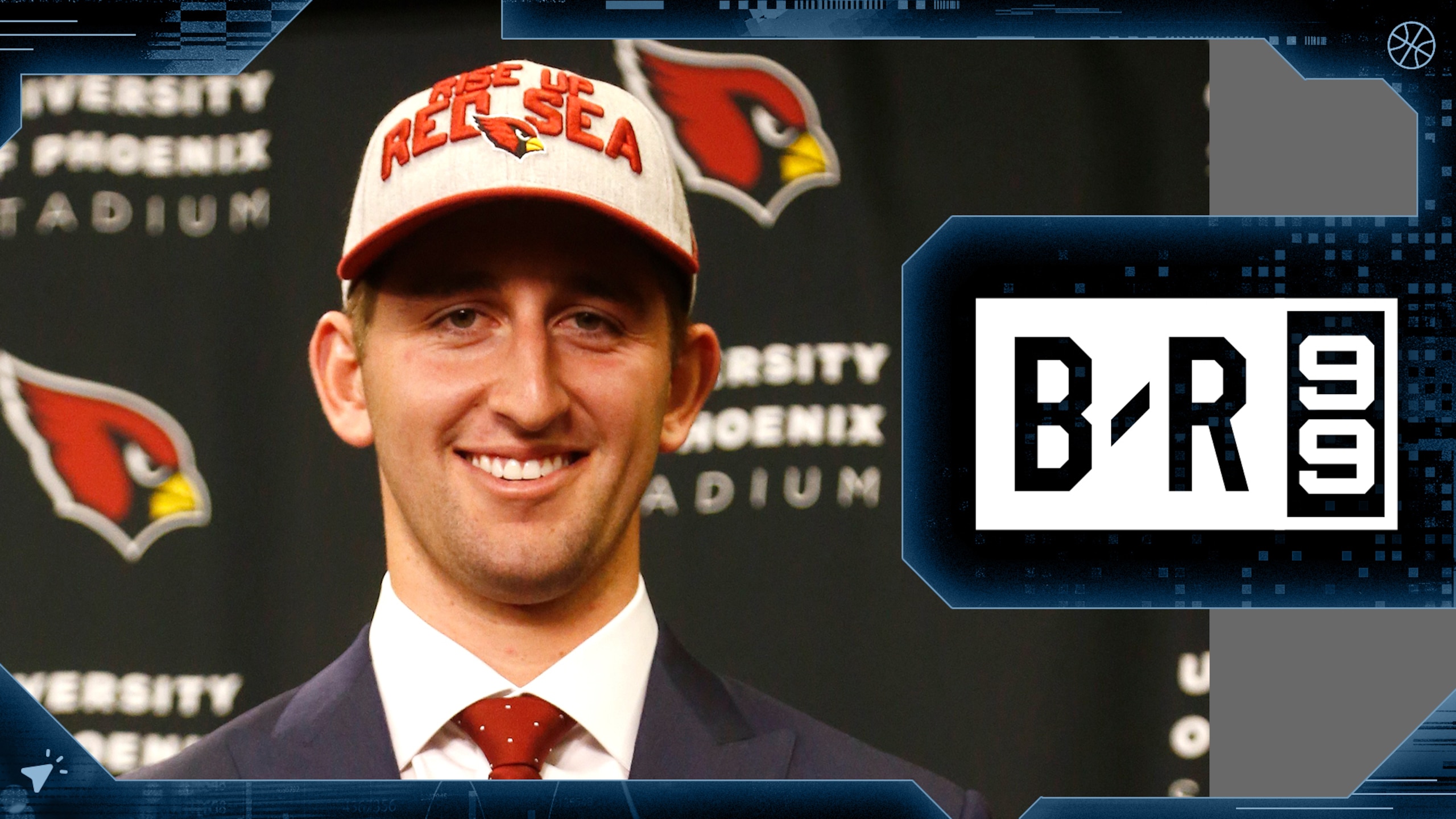
Selection: No. 10 | 2018 NFL Draft | Arizona Cardinals
Position: QB
Career Stats: 24 G (2018-21) | QBrec: 3-13-0 | Cmp%: 54.0 | Yds: 2,864 | Y/A: 5.6 | TD: 12 | Int: 21 | AV: 3
The 2018 draft was considered one of the best quarterback drafts in recent memory. Four signal-callers were selected in the top 10—Baker Mayfield, Sam Darnold, Josh Allen and Josh Rosen.
Darnold just won a Super Bowl. Allen is regarded as one of the league's best quarterbacks. Mayfield has had a solid NFL career. And Rosen was…yeah.
It didn't help that Rosen's 13 starts as a rookie came for a dreadful Arizona Cardinals team. But Rosen barely completed 55 percent of his passes and averaged fewer than 165 passing yards a game. When the Redbirds drafted Kyler Murray first overall in 2019, that was the end of Rosen's career in the desert, and he would make just three more professional starts before his career ended for good in 2021.
High Vote: 24
41. David Clyde
60 of 100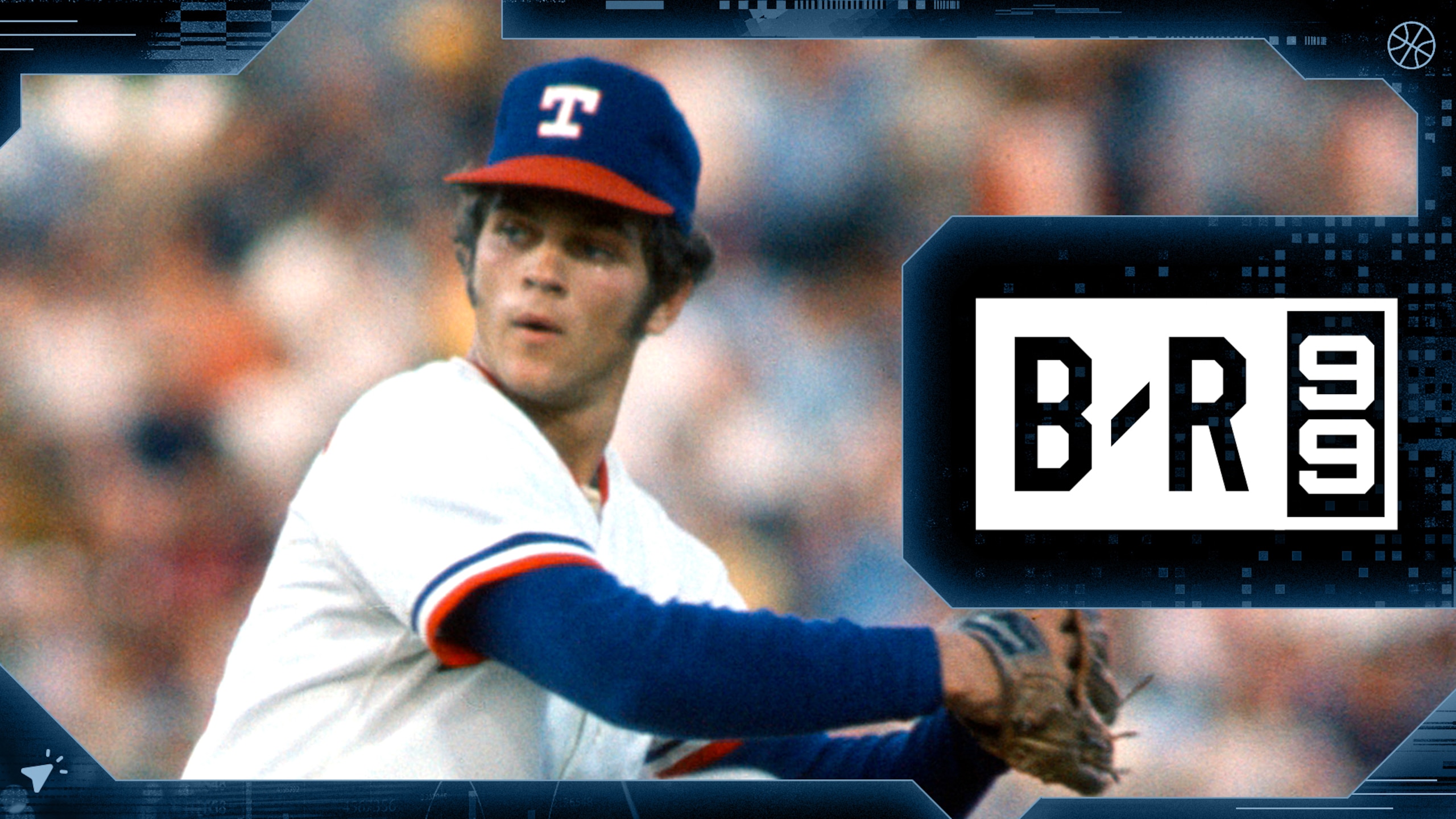
Selection: No. 1 | 1973 MLB Draft | Texas Rangers
Position: P
Career Stats: 84 G (1973-79) | W-L: 18-33 | ERA: 4.63 | IP: 416.1 | WHIP: 1.530 | SO/9: 4.9 | BB/9: 3.9 | WAR: 0.6
Clyde was hyped as the next Sandy Koufax coming out of a Houston-area high school, but he ended up becoming the first real poster child for not rushing young arms to the big leagues.
His contract stipulated that he would make his first two professional starts for the Rangers in their home ballpark before he was sent to the minors, but after he debuted in front of 35,000 fans in the first sellout in Arlington Stadium history, those plans were scrapped. He ended up starting 18 games as an 18-year-old rookie. Shoulder injuries derailed his development, and he pitched his final MLB game at the age of 24.
High Vote: 30
40. Justin Blackmon
61 of 100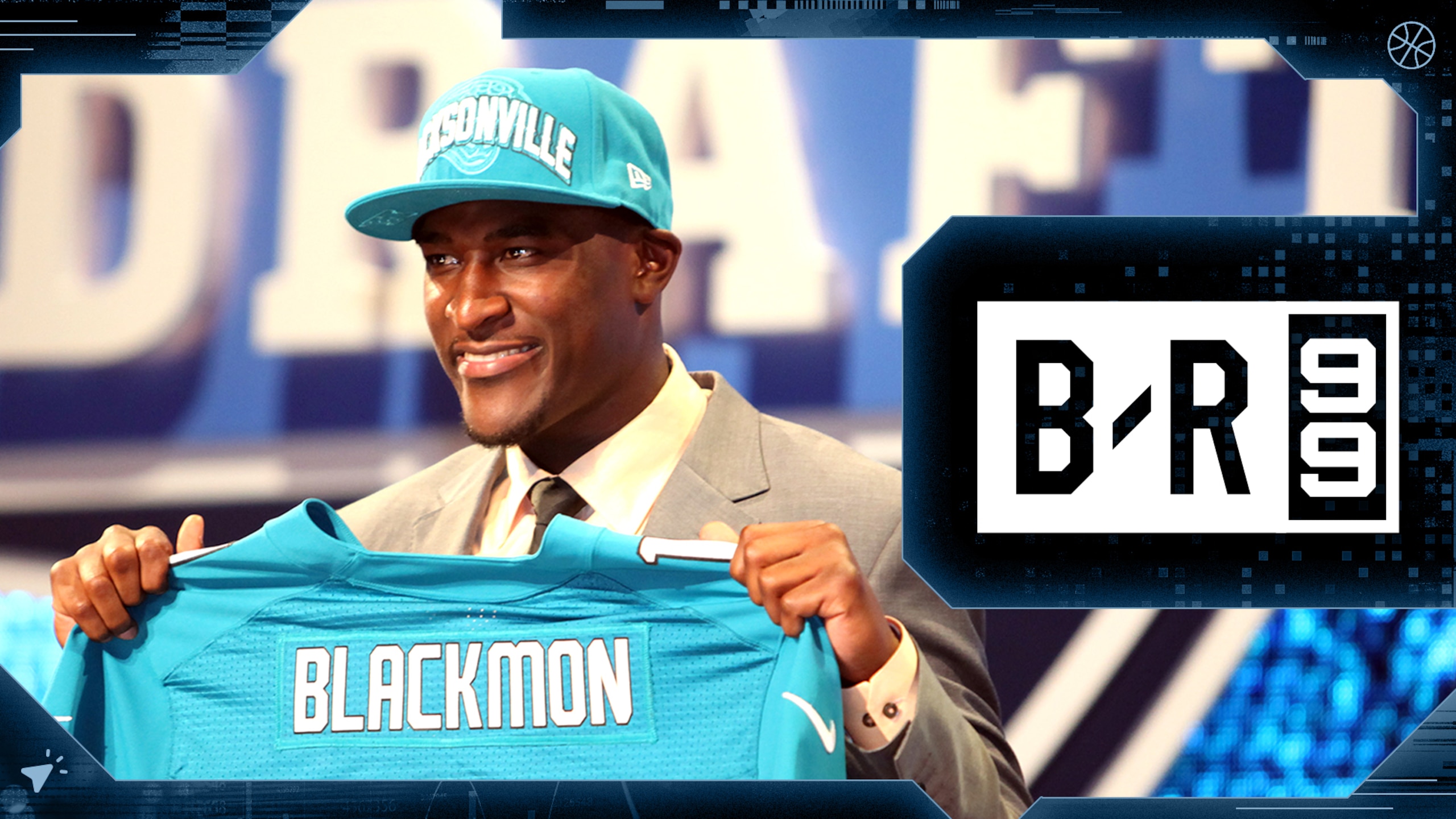
Selection: No. 5 | 2012 NFL Draft | Jacksonville Jaguars
Position: WR
Career Stats: 20 G (2012-13) | Rec: 93 | Yds: 1,280 | Y/R: 13.8 | TD: 6 | AV: 9
Blackmon is one of just two wide receivers ever to win the Biletnikoff Award twice—in his final collegiate game, he caught eight passes for 186 yards and three touchdowns. When he was drafted fifth overall by the Jaguars in 2012, it was the earliest an Oklahoma State player was selected since Barry Sanders.
Blackmon showed flashes as a rookie, but a string of arrests and NFL suspensions prevented his career from ever taking off.
He took his last snap just two seasons after being drafted.
High Vote: 27
39. Matt Bush
62 of 100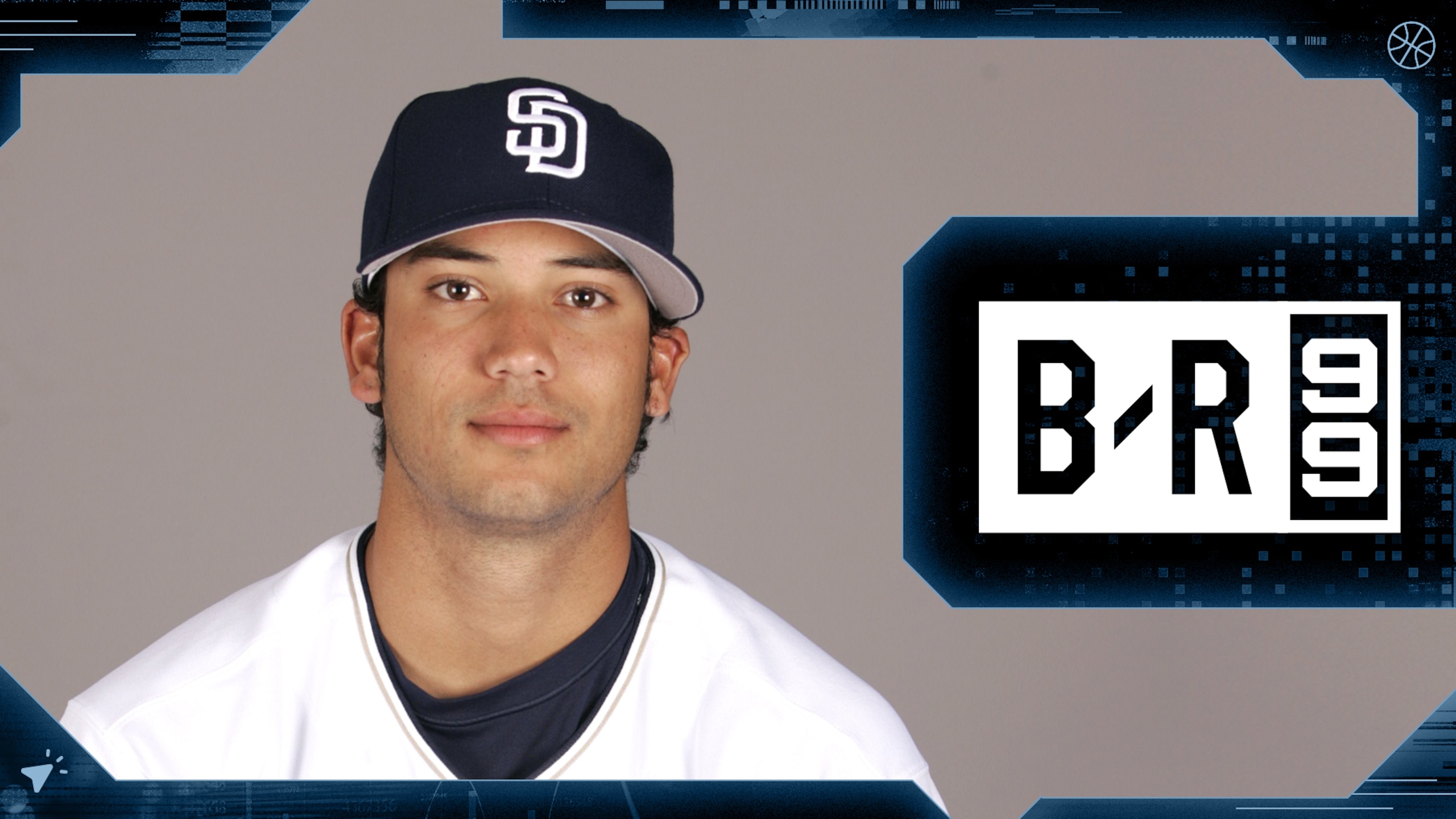
Selection: No. 1 | 2004 MLB Draft | San Diego Padres
Position: Drafted as SS, Converted to P
Career Stats: 217 G (2016-23) | W-L: 12-11 | ERA: 3.75 | IP: 211.0 | WHIP: 1.204 | SO/9: 9.7 | BB/9: 3.1 | WAR: 1.8
The Padres didn't want to meet the bonus demands of Scott Boras clients Jered Weaver and Stephen Drew, but still could have gone with Justin Verlander at the top of the 2004 draft. Instead, they opted for local prep shortstop Matt Bush.
Suspended before his pro career ever began, Bush dealt with multiple off-field issues. His actions led him to being sentenced to prison time.
He made a comeback as a pitcher after he was released, logging a 3.75 ERA in 217 appearances with the Rangers and Brewers.
High Vote: 23
38. Patrik Stefan
63 of 100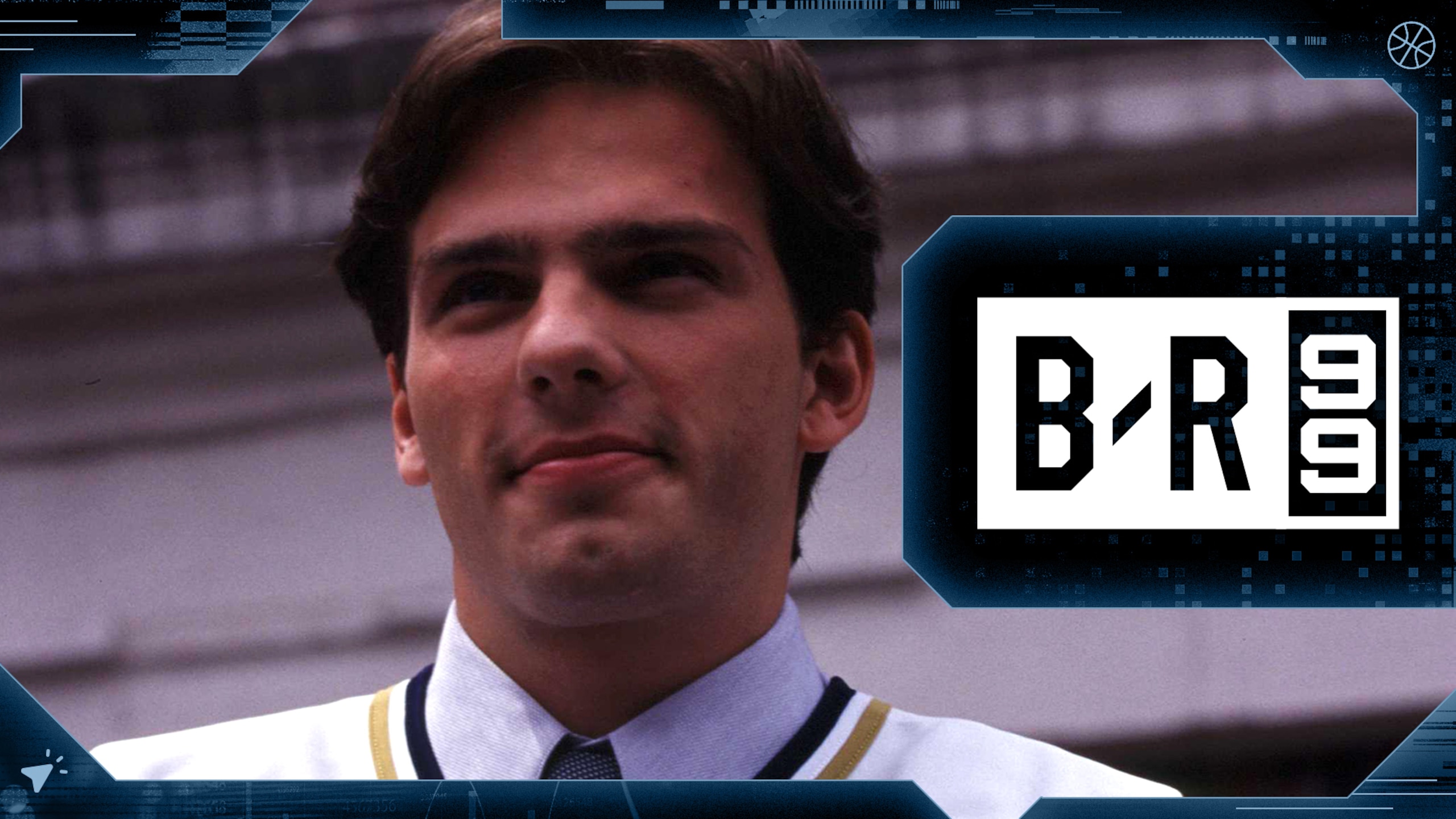
Selection: No. 1 | 1999 NHL Draft | Atlanta Thrashers
Position: C
Career Stats: 455 GP (1999-2007) | G: 64 | A: 124 | PTS: 188 | +/-: -36 | SOG: 605 | PT Shares: 13.7
The then-expansion Atlanta Thrashers acquired the first overall pick in the 1999 draft in a multiteam trade with Vancouver and Tampa Bay. They chose Stefan, a young Czech center whose two solid seasons in the IHL with the Long Island Ice Dogs made him NHL Central Scouting's top North American prospect.
Stefan struggled with the intense pressure of being the first-overall pick during his six seasons in Atlanta. Injuries also hampered his performance, and after one season with the Dallas Stars in 2006-07, he spent a year playing for Bern SC in Switzerland before hanging up his skates in 2008.
High Vote: 27
37. Vernon Gholston
64 of 100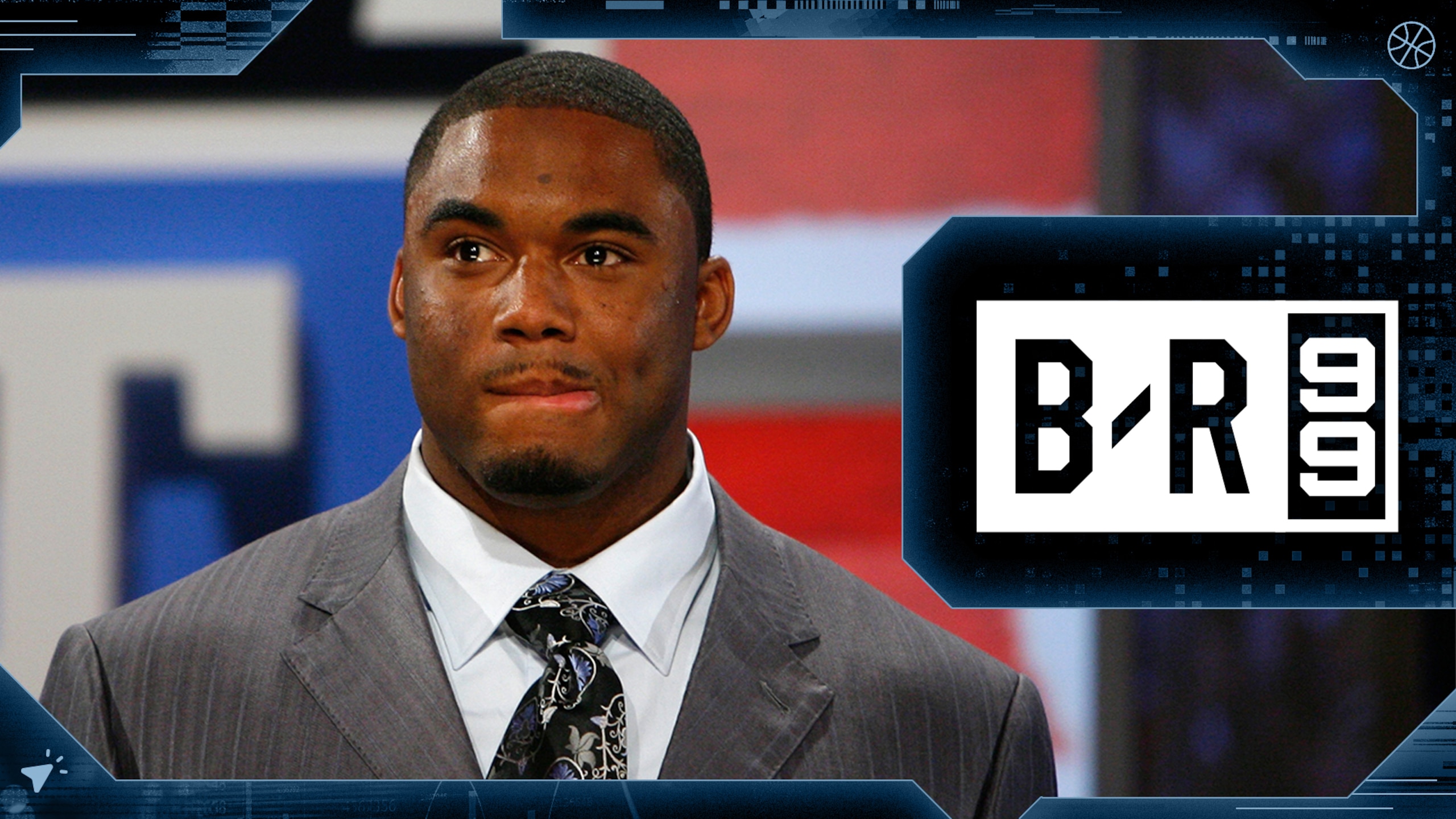
Selection: No. 6 | 2008 NFL Draft | New York Jets
Position: EDGE
Career Stats: 45 G (2008-10) | Sk: 0.0 | Solo: 24 | TFL: 3 | QBHits: 1 | FF: 0 | AV: 6
Gholston was a force for Ohio State in 2007, breaking the school record for sacks with 14 in 13 games on the way to being named an All-American. That fantastic season and an impressive Combine got Gholston drafted sixth overall in 2008 by the New York Jets.
Those 14 sacks turned out to be 14 more than he recorded in the NFL.
The 6'4", 258-pounder never developed any real pass-rush moves. His effort level was inconsistent at best. The Jets tried him as both an outside linebacker and defensive end, and the result was the same—nothing.
After three seasons and five starts, the Jets cut bait—and Gholston's professional career was over.
High Vote: 12
36. Andrea Bargnani
65 of 100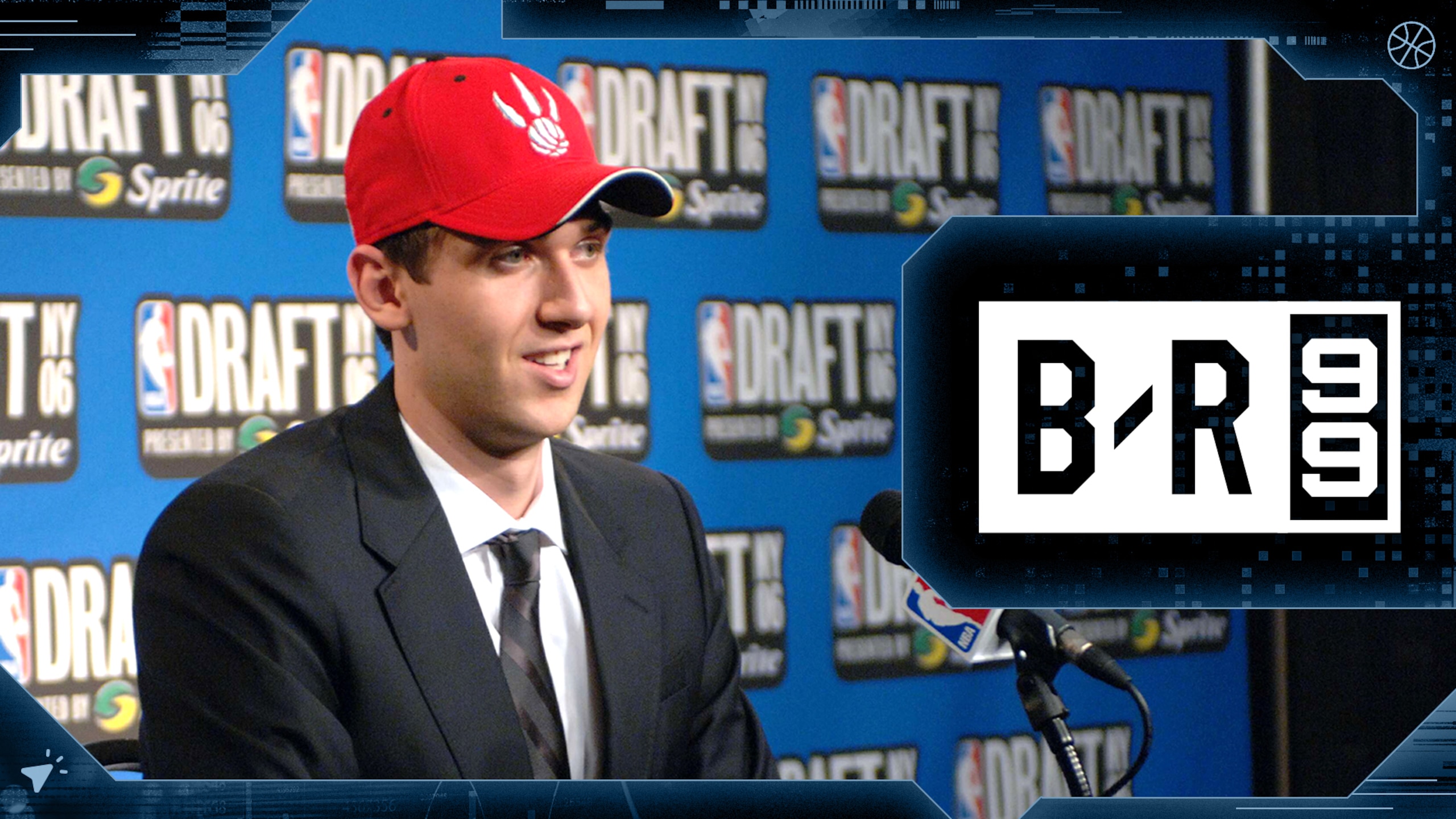
Selection: No. 1 | 2006 NBA Draft | Toronto Raptors
Position: PF/C
Career Stats: 550 G (2006-16) | PPG: 14.3 | RPG: 4.6 | APG: 1.2 | BLK: 0.9 | FG%: 43.9 | 3P%: 35.4 | WS: 18.9
Maybe it's how recently he left the league or the fact that he's been the butt of so many jokes, but Andrea Bargnani slipping outside the top 30 of this list feels a bit surprising.
He was the first overall pick in 2006 and didn't earn a single individual honor beyond an All-Rookie nod in 2006-07.
But if you can get past the expectations, the jokes and the lowlights, you realize Bargnani wasn't that bad. Having nine different NBA seasons with a double-digit scoring average isn't something a lot of people can claim.
High Vote: 10
35. Steve Chilcott
66 of 100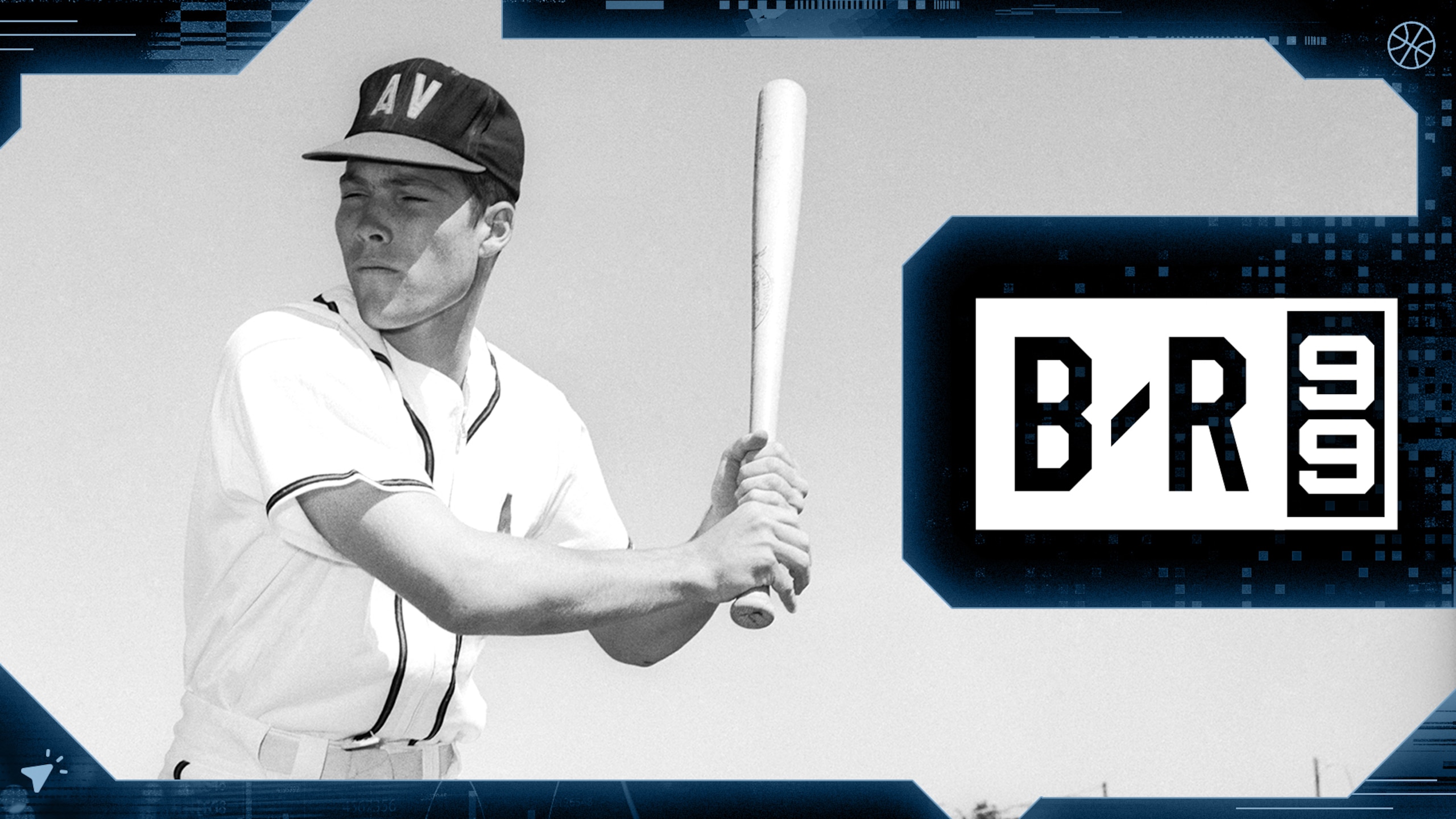
Selection: No. 1 | 1966 MLB Draft | New York Mets
Position: C/OF/1B
MiLB Stats: 337 G (1966-72) | HR: 34 | RBI: 164 | SB: 7 | BA: .248 | OBP: .352 | SLG: .422 | OPS: .774
The Mets passed on Arizona State outfielder Reggie Jackson with the top pick in the 1966 draft in favor of California prep catcher Steve Chilcott, with "Mr. October" going to the Athletics with the No. 2 overall selection.
Chilcott hit .290/.365/.467 with six home runs and 45 RBI in 79 games at Single-A to begin the 1967 season before suffering a dislocated shoulder, and he was plagued by injuries for the remainder of his career. He hung up his spikes after the 1972 season and stands as one of only three retired No. 1 overall picks to have never reached the big leagues.
High Vote: 16
34. Trent Richardson
67 of 100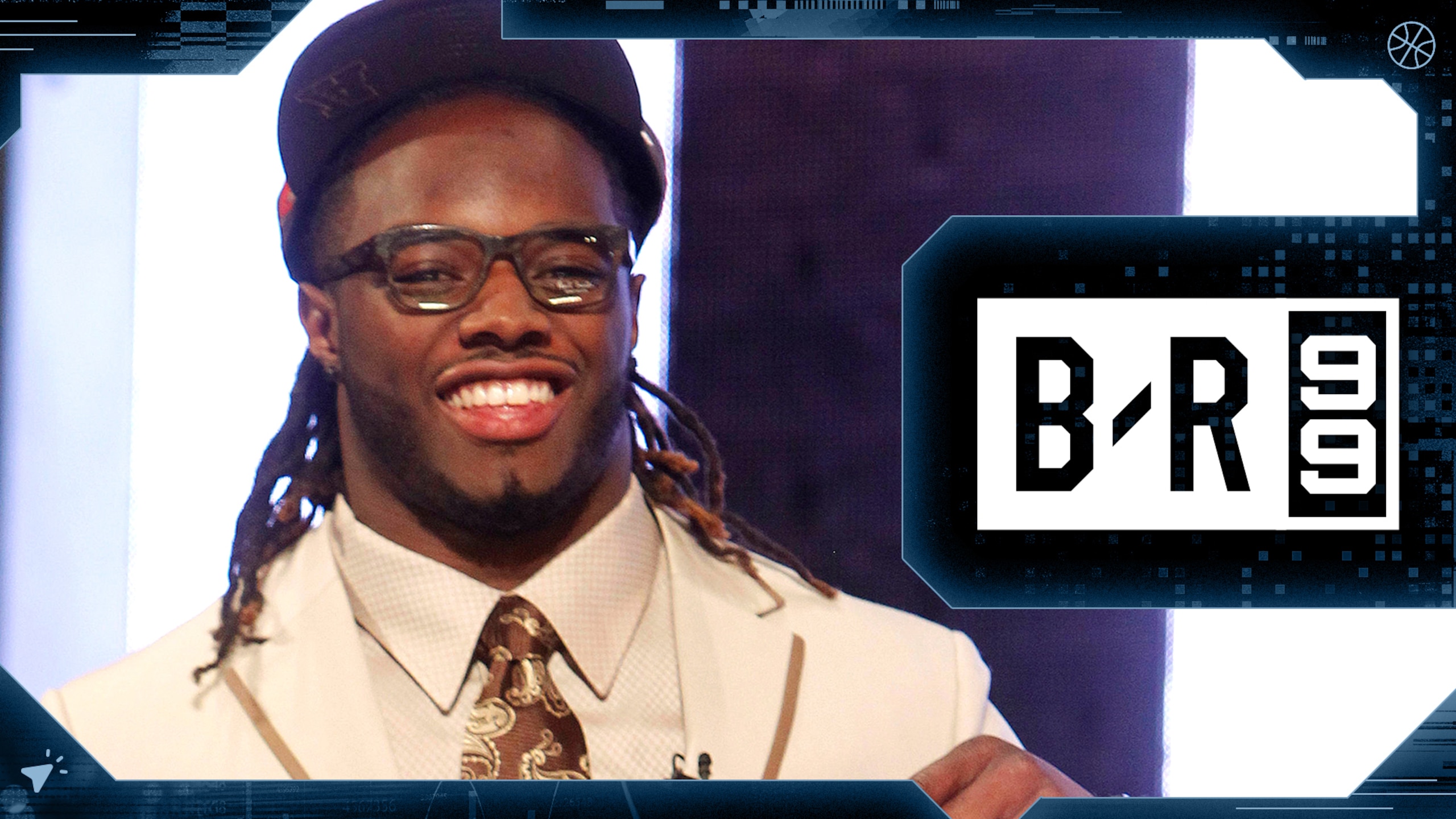
Selection: No. 3 | 2012 NFL Draft | Cleveland Browns
Position: RB
Career Stats: 46 G (2012-14) | Rush: 614 | Rush Yds: 2,032 | Y/A: 3.3 | Rush TD: 17 | Rec: 113 | Rec Yds: 912 | Y/R: 8.1 | Rec TD: 2 | Fmb: 7 | AV: 18
Richardson was a force at Alabama, leading the SEC in rushing and rushing touchdowns while surpassing 2,000 total yards in 2011. The Browns drafted him third overall in 2012, convinced they were getting a dominant running back.
Richardson had over 1,300 total yards as a rookie, but it became clear early that Richardson was less superstar and more plodder with terrible vision. Two games and 105 rushing yards into his second season, Cleveland had seen enough—they traded Richardson to the Indianapolis Colts for a first-rounder in 2014.
That pick turned out to be Johnny Manziel—because in Cleveland, if you get out from under a mistake, the next step is to make an even bigger one.
High Vote: 8
33. Mitchell Trubisky
68 of 100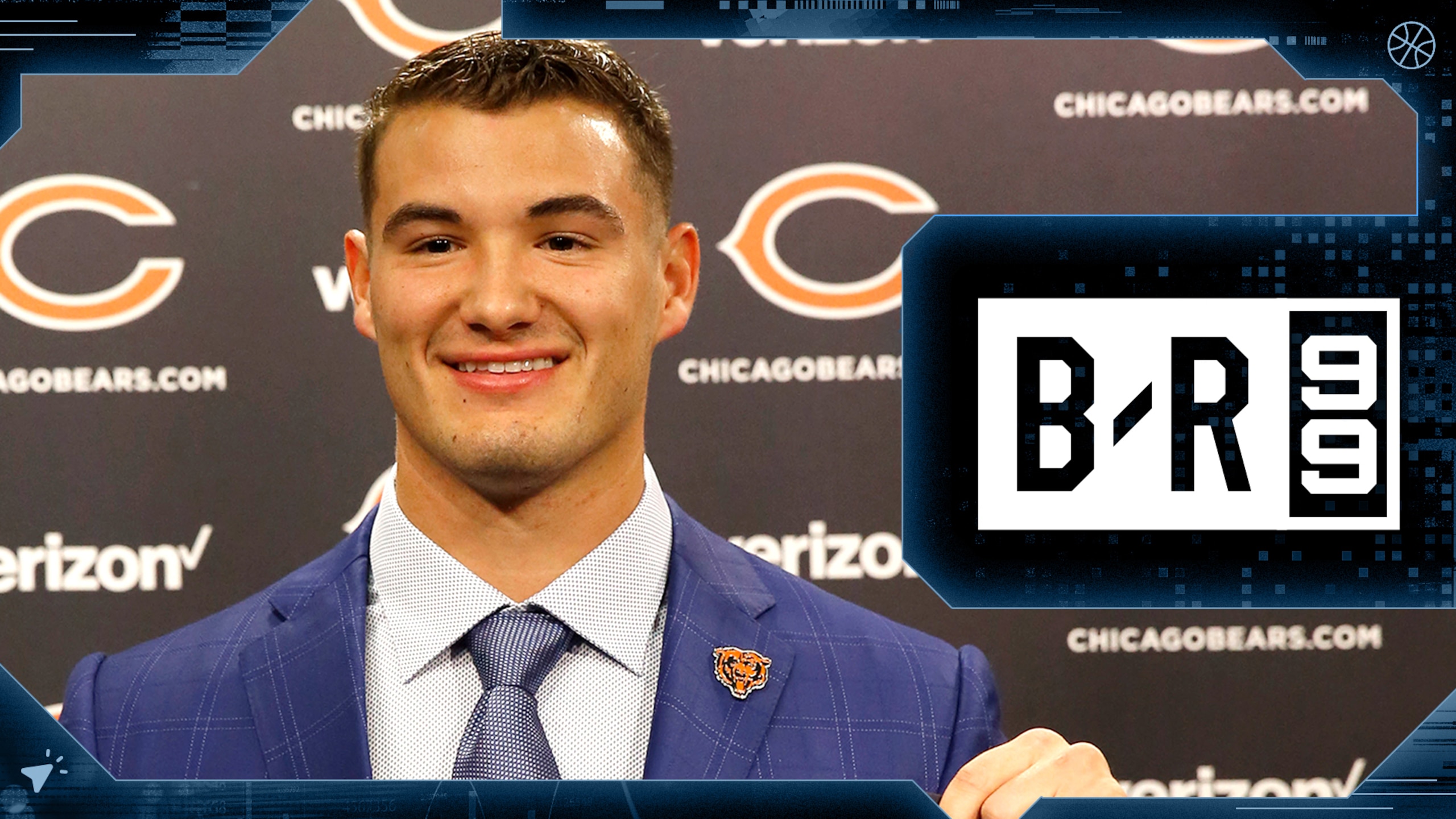
Selection: No. 2 | 2017 NFL Draft | Chicago Bears
Position: QB
Career Stats: 82 G (2017-25) | QBrec: 31-26-0 | Cmp%: 64.4 | Yds: 13,028 | Y/A: 6.7 | TD: 78 | Int: 48 | AV: 44
Trubisky certainly wasn't the worst quarterback drafted on this list—in his second season in Chicago, the second overall pick in 2017 topped 3,200 passing yards, threw twice as many touchdowns as interceptions, led the Bears to the playoffs and made the Pro Bowl. Over 50 starts for the Bears, Trubisky was 29-21.
But after four seasons with the Bears, Trubisky wasn't re-signed, and he has just seven NFL starts since then. He was also drafted ahead of Deshaun Watson and some kid from Texas Tech named Patrick Mahomes.
And when you compare Trubisky's career to Mahomes', Trubisky becomes a massive bust.
High Vote: 16
32. Rick DiPietro
69 of 100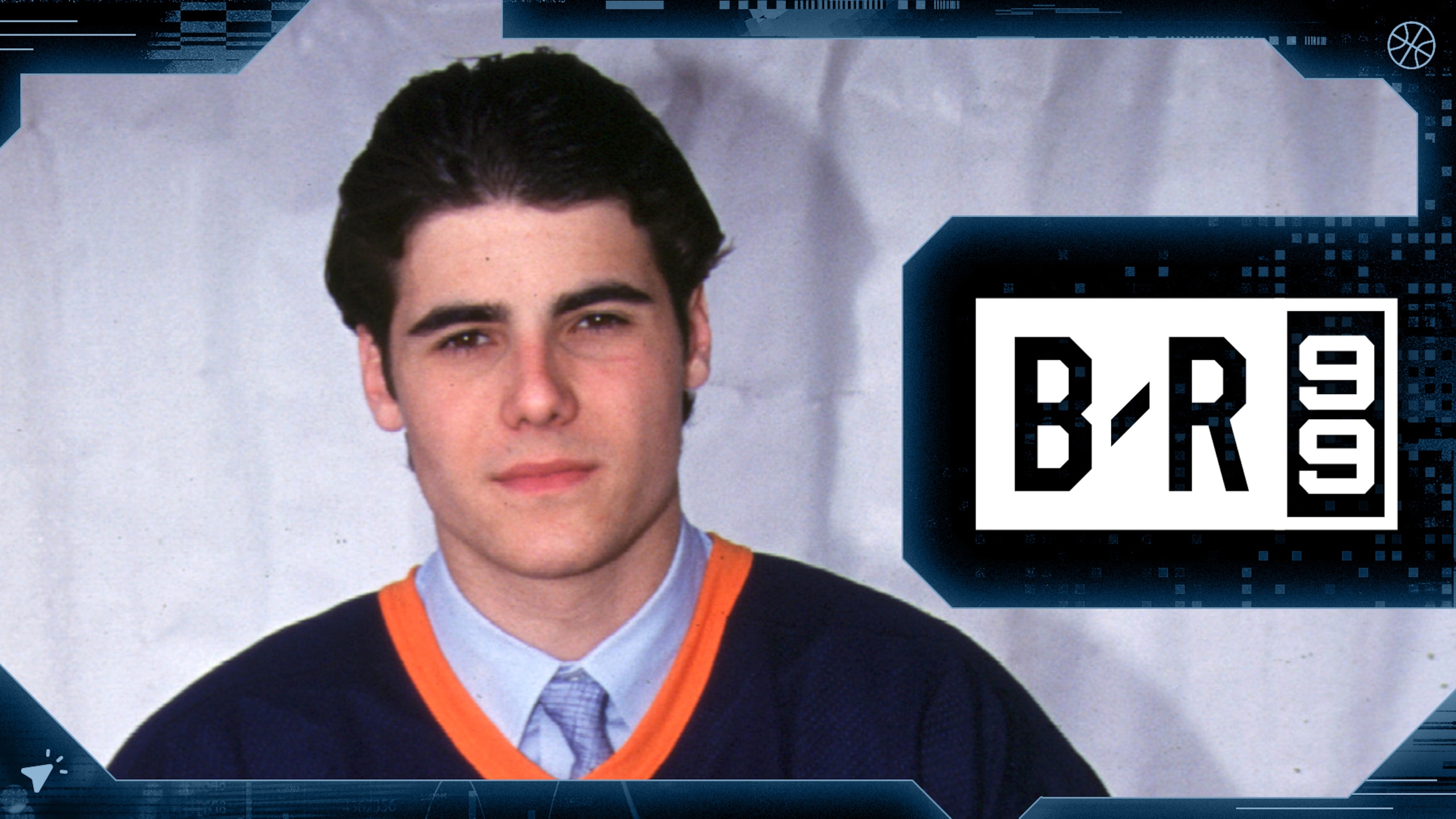
Selection: No. 1 | 2000 NHL Draft | New York Islanders
Position: G
Career Stats: 318 GP (2000-13) | W-L-T: 130-136-36 | GAA: 2.87 | SV%: .902 | SHO: 16 | PT Shares: 49.3
The New York Islanders already had a promising goaltender named Roberto Luongo when bombastic general manager Mike Milbury chose DiPietro in the 2000 draft. Milbury was so certain he had his goalie of the future that he traded Luongo to the Florida Panthers.
DiPietro showed potential as a starter, so much so that the Islanders signed him to a 15-year, $67.4 million contract in 2006. However, mounting injuries left him frequently sidelined, and he was bought out in 2013. As for Luongo, he went on to a Hall of Fame career with the Panthers and Vancouver Canucks.
High Vote: 17
31. Jahlil Okafor
70 of 100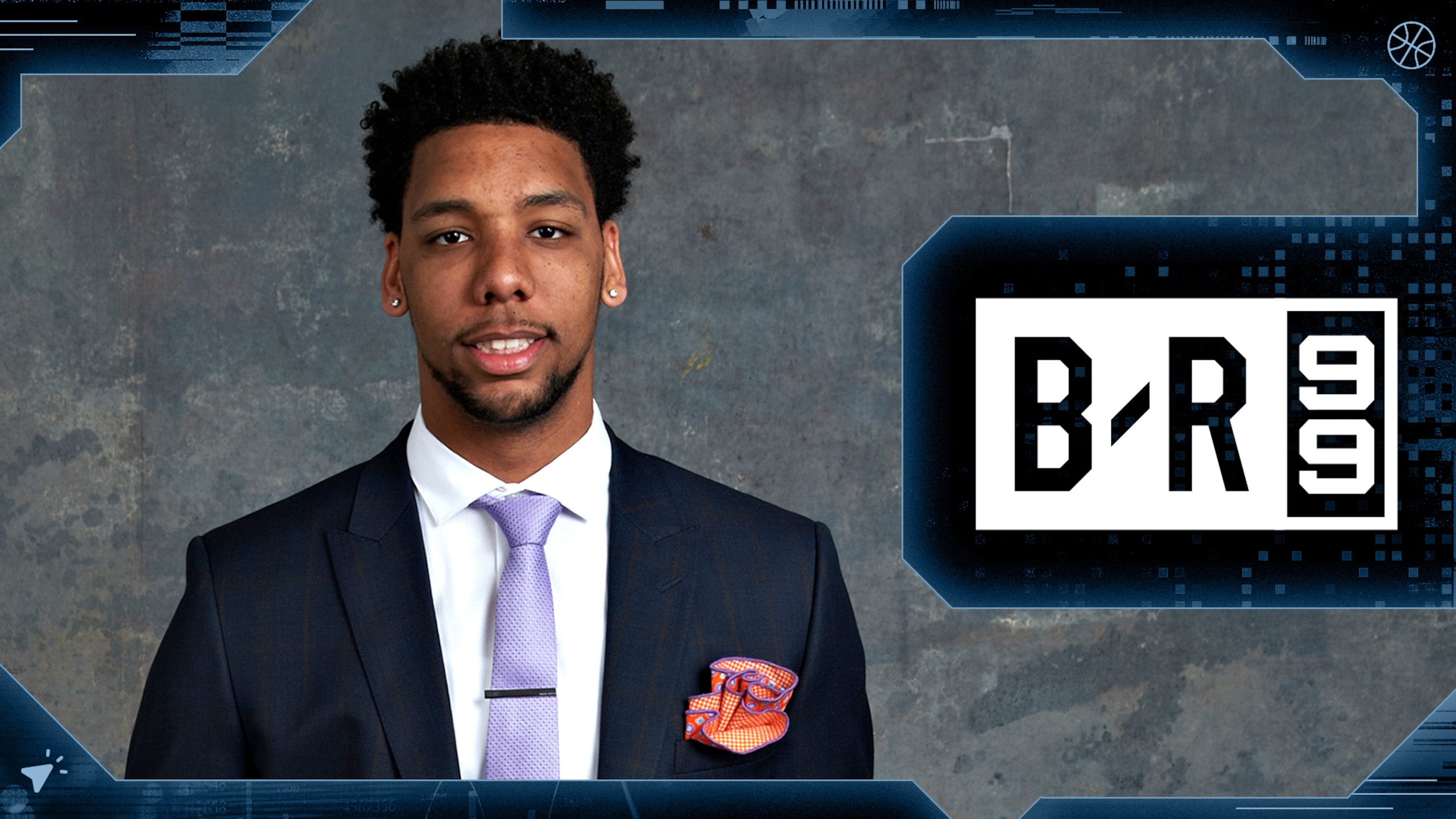
Selection: No. 3 | 2015 NBA Draft | Philadelphia 76ers
Position: C
Career Stats: 248 G (2015-25) | PPG: 10.3 | RPG: 4.7 | APG: 0.9 | BLK: 0.8 | FG%: 54.2 | 3P%: 22.2 | WS: 7.2
Had Jahlil Okafor come along 20 years earlier, he almost certainly would've had a better chance in the NBA.
But in 2015, the NBA was near the peak of its small-ball era. The Golden State Warriors had just won their first championship with the so-called "death lineup" that featured Draymond Green at the 5.
Teams all over the NBA were getting smaller, nimbler and far more difficult for a plodding post player like Okafor to keep up with. By his age-25 season, "Jah" was pretty much done.
High Vote: 25
30. Steve Emtman
71 of 100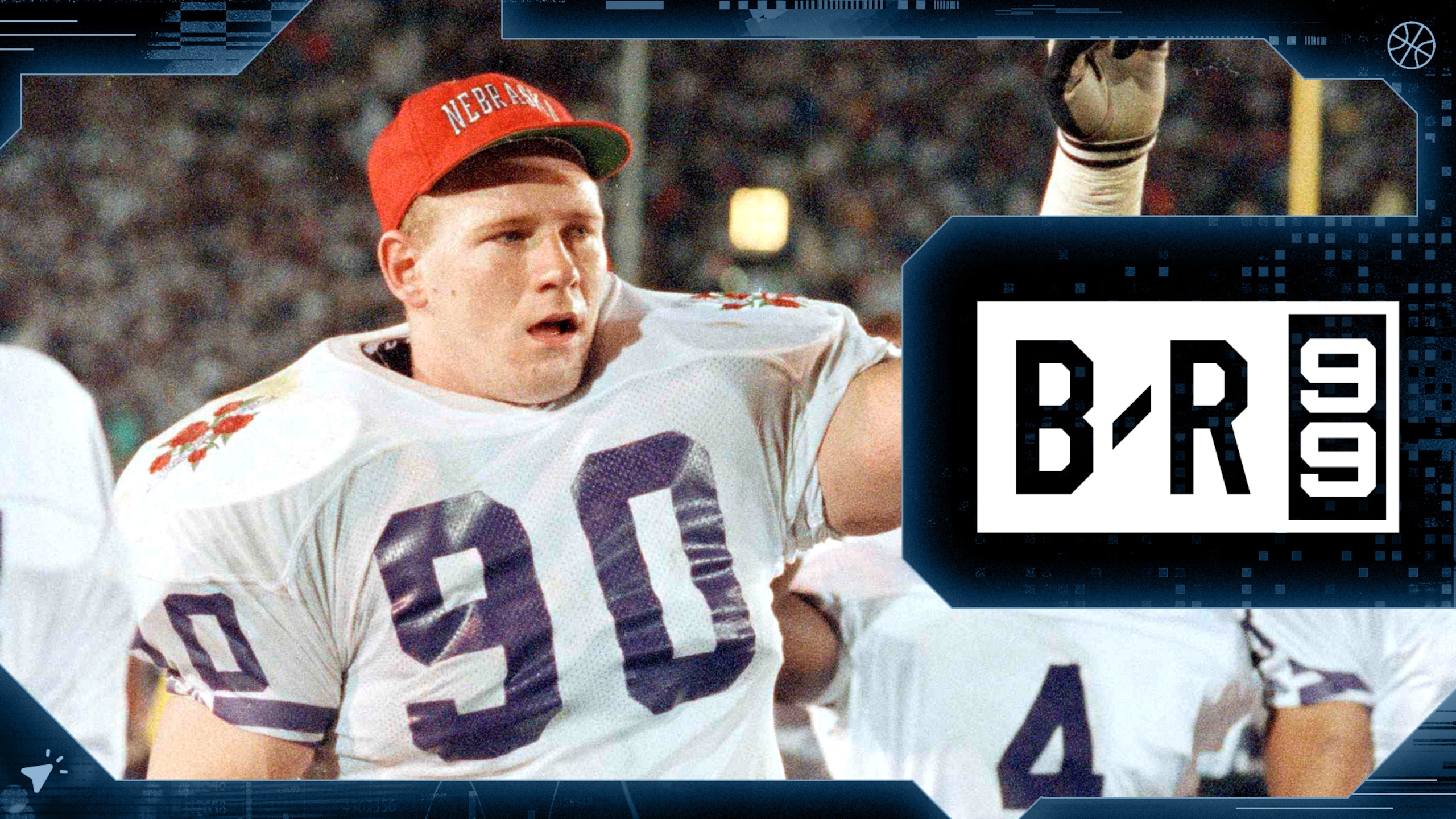
Selection: No. 1 | 1992 NFL Draft | Indianapolis Colts
Position: DL
Career Stats: 50 G (1992-97) | Sk: 8.0 | Solo: 121 | FF: 4 | AV: 14
When the Colts drafted Emtman first overall in 1992, the team thought it was getting a game-wrecking force on the defensive line—the 6'4" 290-pounder won the Outland Trophy and Lombardi Award in 1991 while helping lead Washington to a national championship.
What the Colts got was a player who just couldn't stay on the field. Emtman tore his ACL just after halfway through his rookie season. Ruptured his patellar tendon in 1993. And herniated a disc in his neck in 1994. Over his three years in Indy, Emtman played in just 18 games and had five sacks.
High Vote: 20
29. Chris Washburn
72 of 100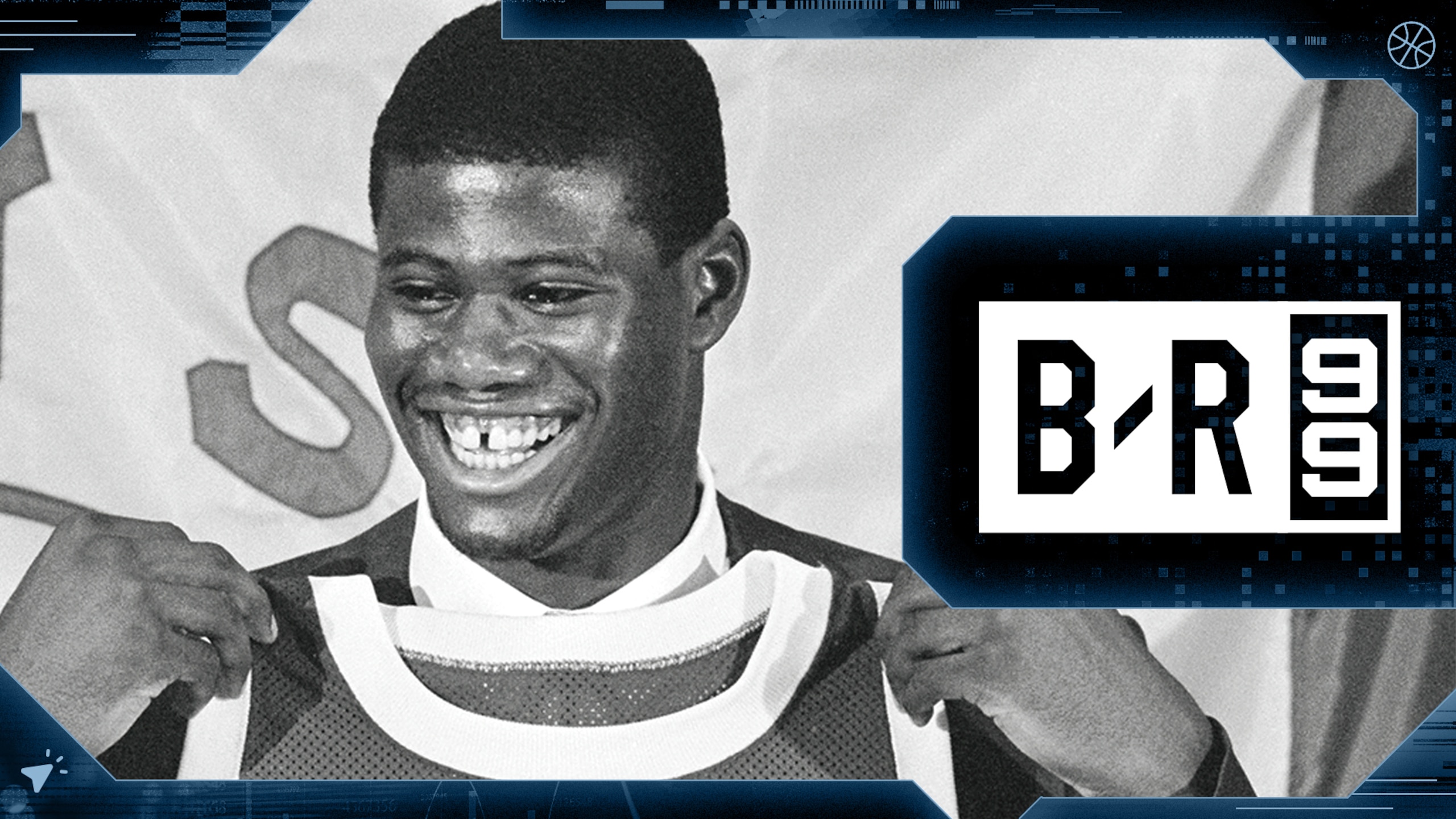
Selection: No. 3 | 1986 NBA Draft | Golden State Warriors
Position: C
Career Stats: 72 G (1986-88) | PPG: 3.1 | RPG: 2.4 | APG: 0.3 | BLK: 0.2 | FG%: 41.2 | 3P%: 0.0 | WS: -0.6
Chris Washburn put up some solid numbers as a sophomore at NC State in 1985-86, and his 17.6 points drove him all the way up to the third overall pick in the following draft.
But after just two seasons in which he suffered from substance use, he was banned from the league for life.
A career that started with immense promise ended as a symbol of one of the NBA's darkest times.
High Vote: 10
28. Marvin Bagley III
73 of 100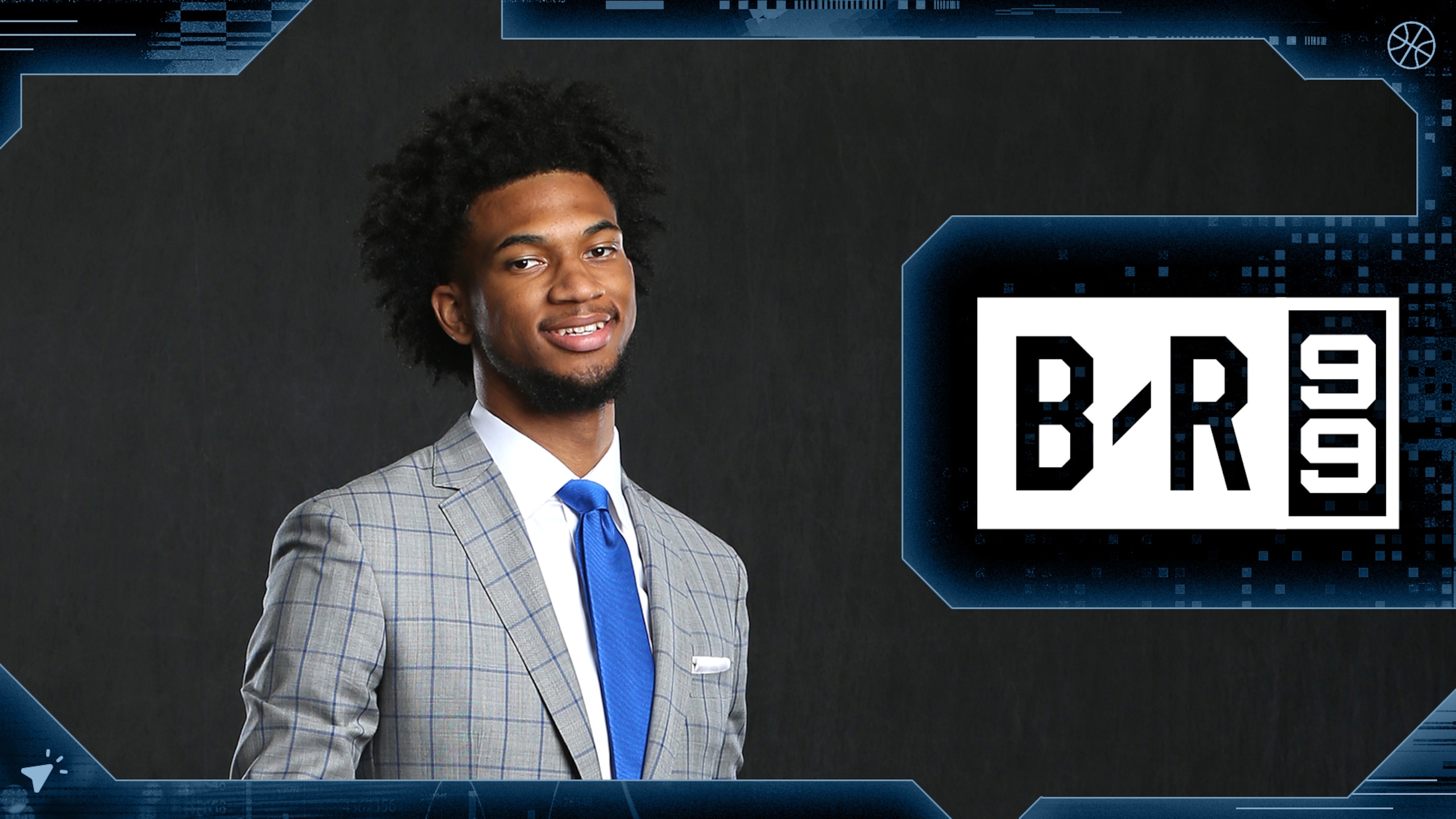
Selection: No. 2 | 2018 NBA Draft | Sacramento Kings
Position: PF/C
Career Stats: 349 G (2018-Current) | PPG: 11.8 | RPG: 6.5 | APG: 1.0 | BLK: 0.5 | FG%: 53.1 | 3P%: 30.8 | WS: 16.3
In recent years, Marvin Bagley III has actually developed into a useful source of energy off the bench, but that's certainly not what the Sacramento Kings expected him to be when they took him second overall.
And it's far from what he would've had to be to avoid a lifetime of comparisons to the player taken one pick later: Luka Dončić.
Despite Luka's status as the most accomplished prospect in NBA history and being from the same region of the world as Kings executive Vlade Divac, Sacramento passed one of the greatest offensive engines the league has ever seen.
High Vote: 16
27. Brian Bosworth
74 of 100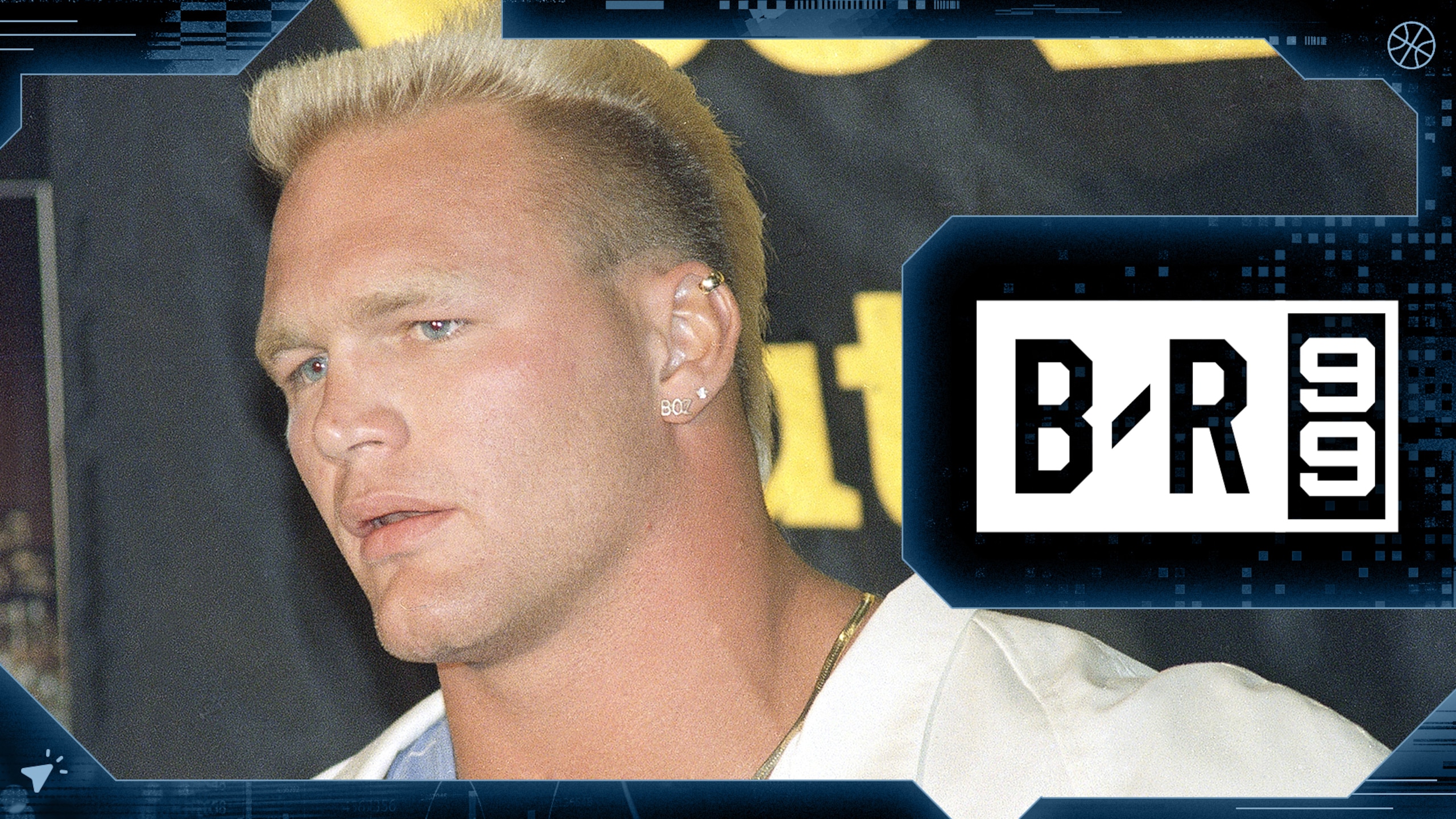
Selection: No. 1 | 1987 NFL Supplemental Draft | Seattle Seahawks
Position: LB
Career Stats: 24 G (1987-89) | Sk: 4.0 | FF: 3 | AV: 11
There may not be a player in NFL history undone more by his own hype than Brian Bosworth.
"The Boz" was a sensation at Oklahoma—the mohawk-wearing madman with a distaste for authority. After clashing with both the NCAA and Oklahoma and drawing a steroid suspension, Bosworth was kicked off the team.
All those red flags didn't stop the Seattle Seahawks from taking Bosworth in the first round of the 1987 supplemental draft, but they should have. Bosworth held out, and while he actually played well as a rookie, all anyone will ever remember is Bo Jackson running him over on national television.
The next season, Bosworth suffered the second in a series of shoulder injuries that would end his career—he was waived by the Seahawks in July 1990.
At the time, Seattle's team doctor said, "Brian was a 25-year-old with the shoulders of a 60-year-old."
High Vote: 12
26. Johnny Manziel
75 of 100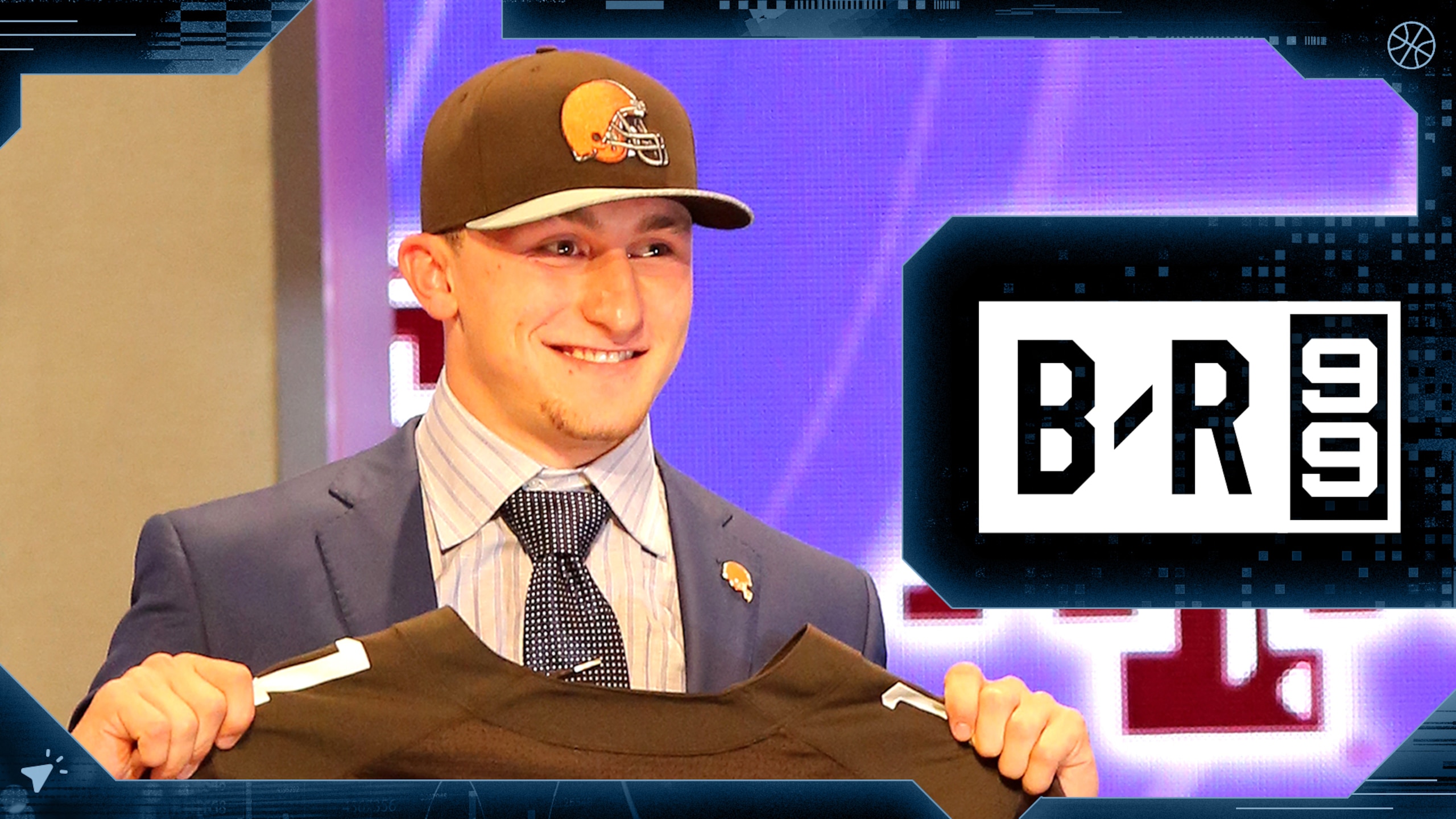
Selection: No. 22 | 2014 NFL Draft | Cleveland Browns
Position: QB
Career Stats: 14 G (2014-15) | QBrec: 2-6-0 | Cmp%: 57.0 | Yds: 1,675 | Y/A: 6.5 | TD: 7 | Int: 7 | AV: 4
Ah, the saga of "Johnny Football."
At Texas A&M in 2013, Manziel was a phenomenon—the brash young quarterback who made magic on the field and had fun off it. The Heisman Trophy winner's draft stock was hurt by a lack of size and his off-field trouble, but the Browns still drafted Manziel 22nd overall.
In the NFL, he was an undersized, inaccurate passer who liked partying and "hero ball" far more than practicing. After playing sparingly as a rookie, Manziel made six starts in 2015 but was benched multiple times for team rules violations.
The Browns released Manziel when the 2016 league year started, and he never played another snap in the NFL.
High Vote: 18
25. Art Schlichter
76 of 100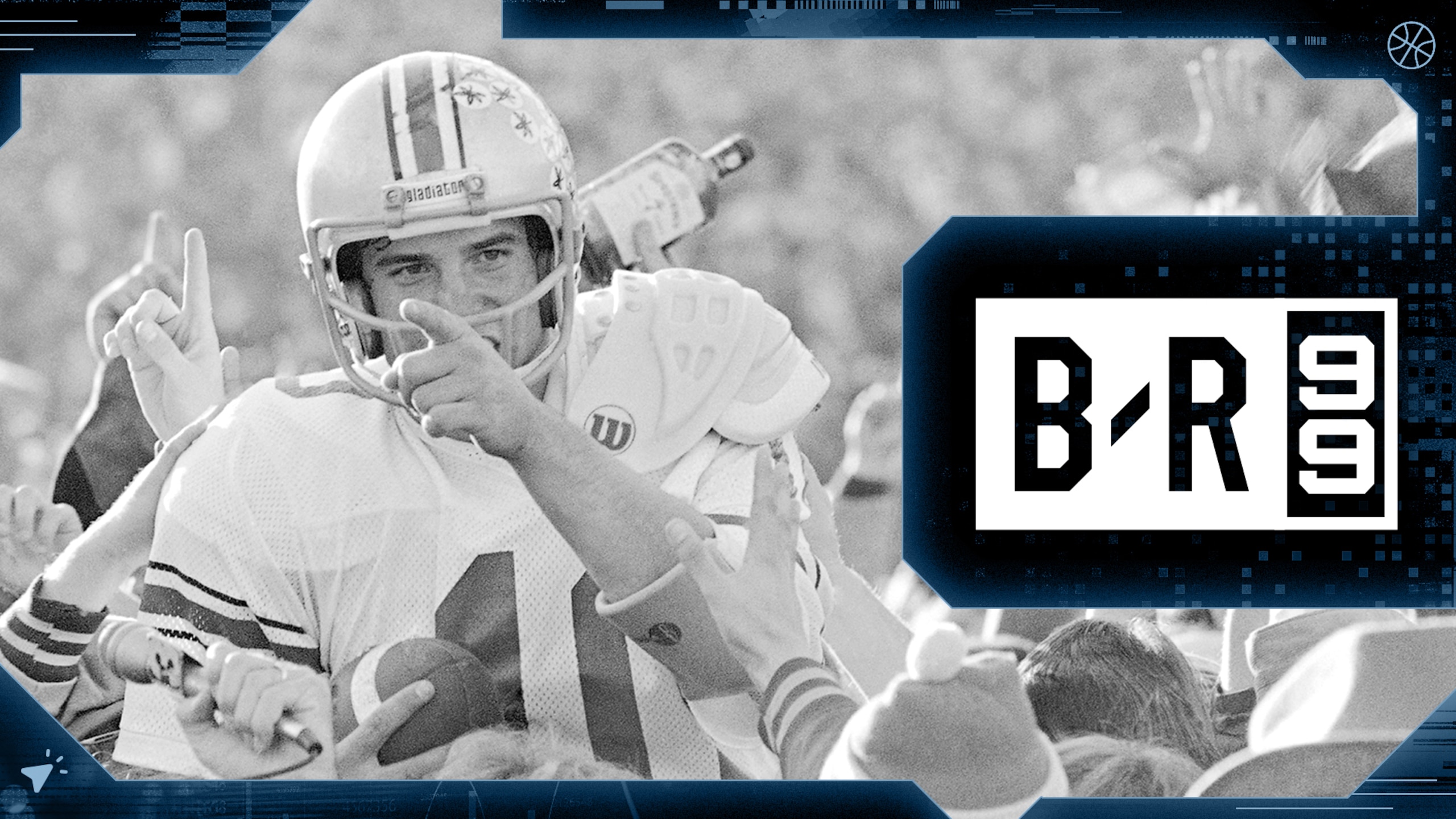
Selection: No. 4 | 1982 NFL Draft | Baltimore Colts
Position: QB
Career Stats: 13 G (1982-85) | QBrec: 0-6-0 | Cmp%: 45.0 | Yds: 1,006 | Y/A: 5.0 | TD: 3 | Int: 11 | AV: 4
Back in 1982, the Baltimore Colts traded up to draft Art Schlichter fourth overall. He was a talented 6'3" passer from Ohio State who appeared to have all the tools to succeed in the NFL.
But he was also gambling on sports before he even got to the NFL.
As a rookie, an out-of-shape Schlichter lost the starting job to the immortal Mike Pagel. By 1983, he was suspended indefinitely by the NFL after it was revealed he bet on sports. He was reinstated in 1984 only to be released in 1985. He never played another down.
High Vote: 5
24. Mark Appel
77 of 100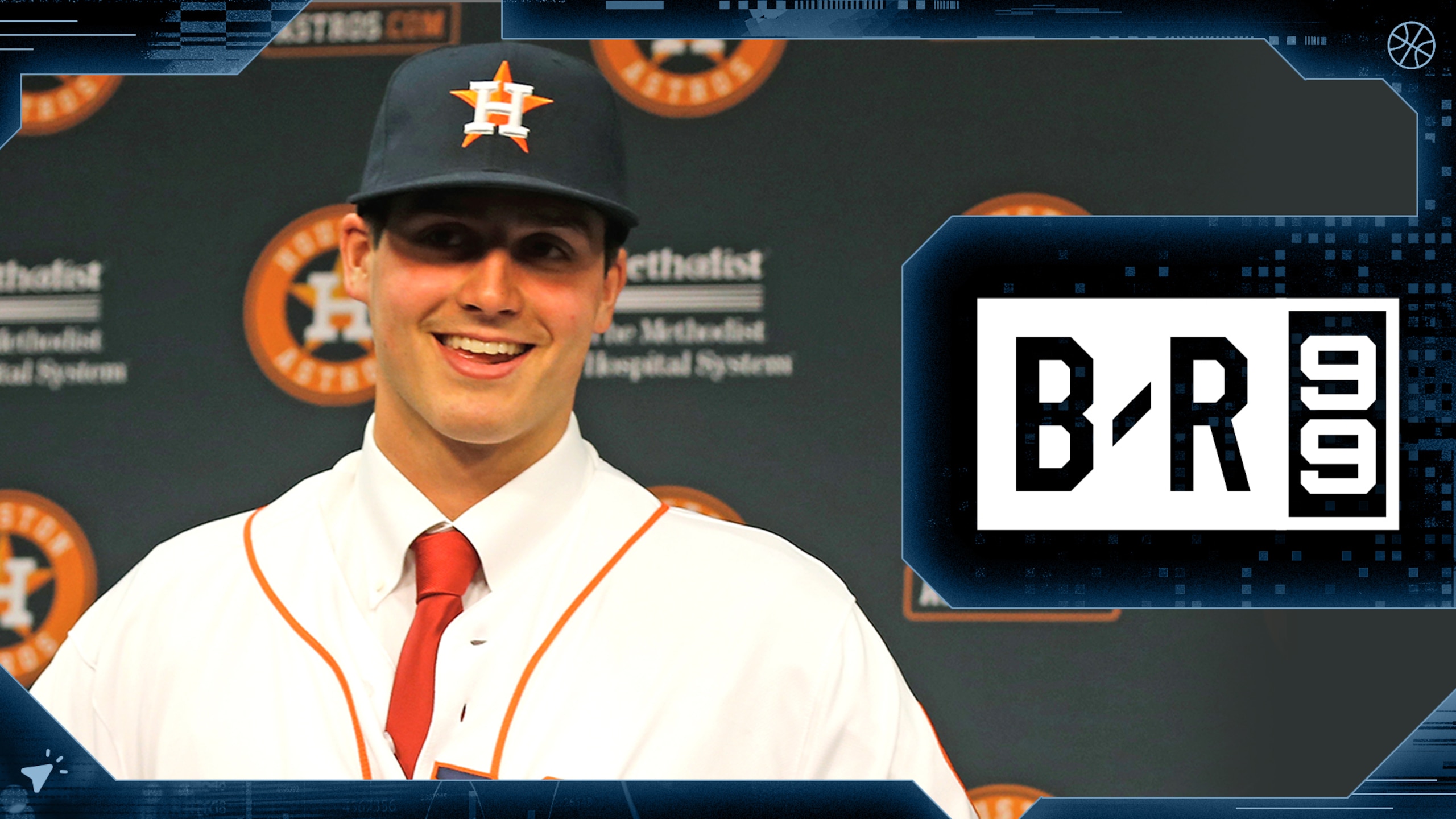
Selection: No. 1 | 2013 MLB Draft | Houston Astros
Position: P
Career Stats: 6 G (2022) | W-L: 0-0 | ERA: 1.74 | IP: 10.1 | WHIP: 1.161 | SO/9: 4.4 | BB/9: 2.6 | WAR: 0.3
After rebuffing the Pirates as the No. 8 overall pick in the 2012 draft, Appel returned to Stanford and went 10-4 with a 2.12 ERA and 130 strikeouts in 106.1 innings to cement his status as the top prospect in the 2013 class.
He battled injuries and struggled to live up to his top prospect status before stepping away from baseball following a 2017 season where he had a 5.27 ERA and a 60-to-53 strikeout-to-walk ratio in 82 innings at Triple-A. He made a comeback three years later and finally made his MLB debut on June 29, 2022, logging a 1.74 ERA in six relief appearances. Elbow inflammation cut that brief renaissance short, and he called it quits for good the following year.
High Vote: 14
23. Adam Morrison
78 of 100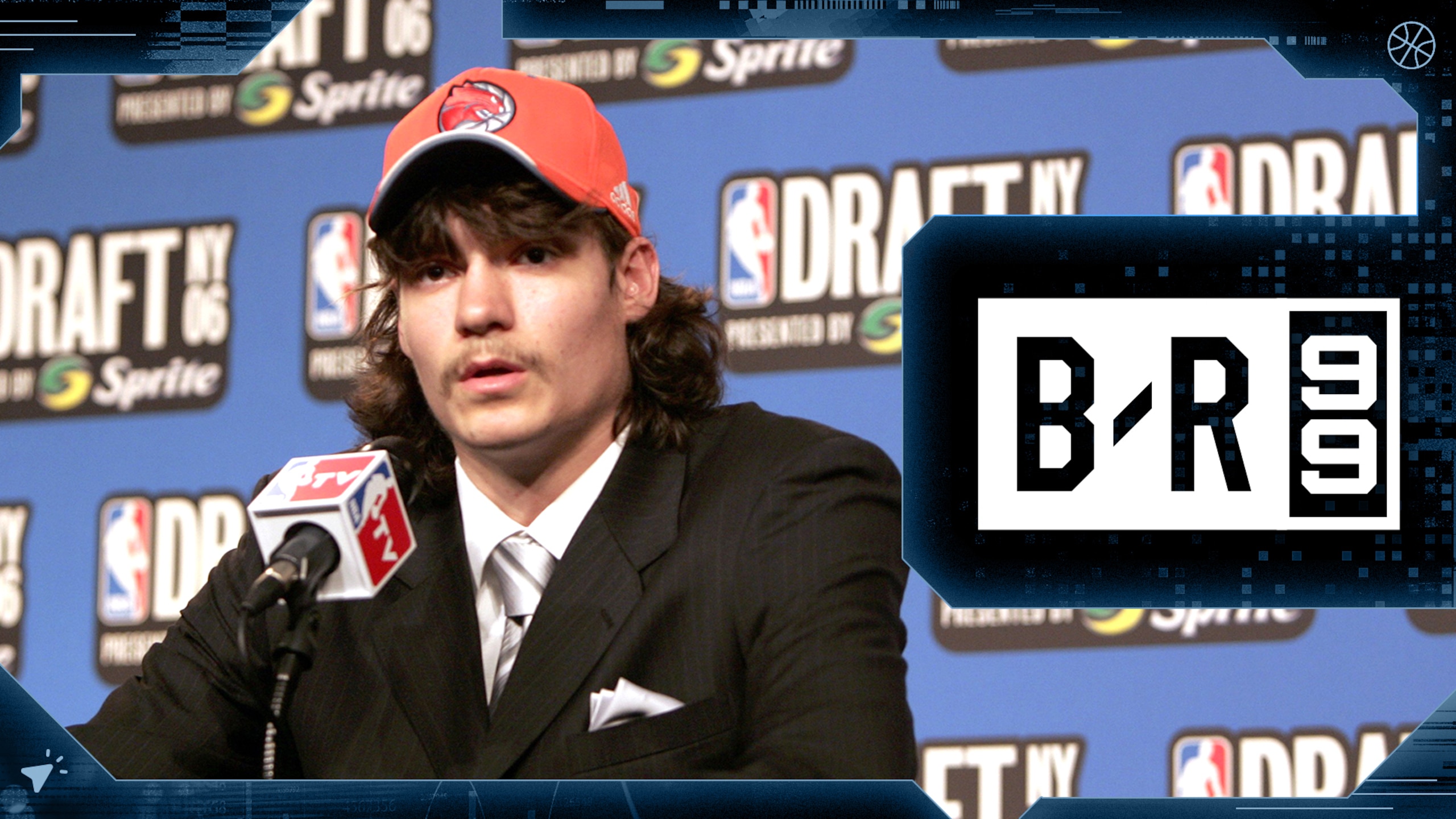
Selection: No. 3 | 2006 NBA Draft | Charlotte Bobcats
Position: SF/PF
Career Stats: 161 G (2006-10) | PPG: 7.5 | RPG: 2.1 | APG: 1.4 | STL: 0.2 | FG%: 37.3 | 3P%: 33.1 | WS: -1.4
During Gonzaga's 2005-06 campaign, Adam Morrison came about as close as a college player could to owning the basketball world. He was the best player in the NCAA, averaging 28.1 points and shot 42.8 percent from three.
His electric scoring ability—in a 6'8" frame and with his thick mop of dark hair bouncing through every possession—made him appointment viewing and obviously sold the Charlotte Bobcats on his NBA potential.
But athleticism was a concern for Morrison before he even entered the league, and a torn ACL early in his career completely derailed him.
High Vote: 14
22. Ki-Jana Carter
79 of 100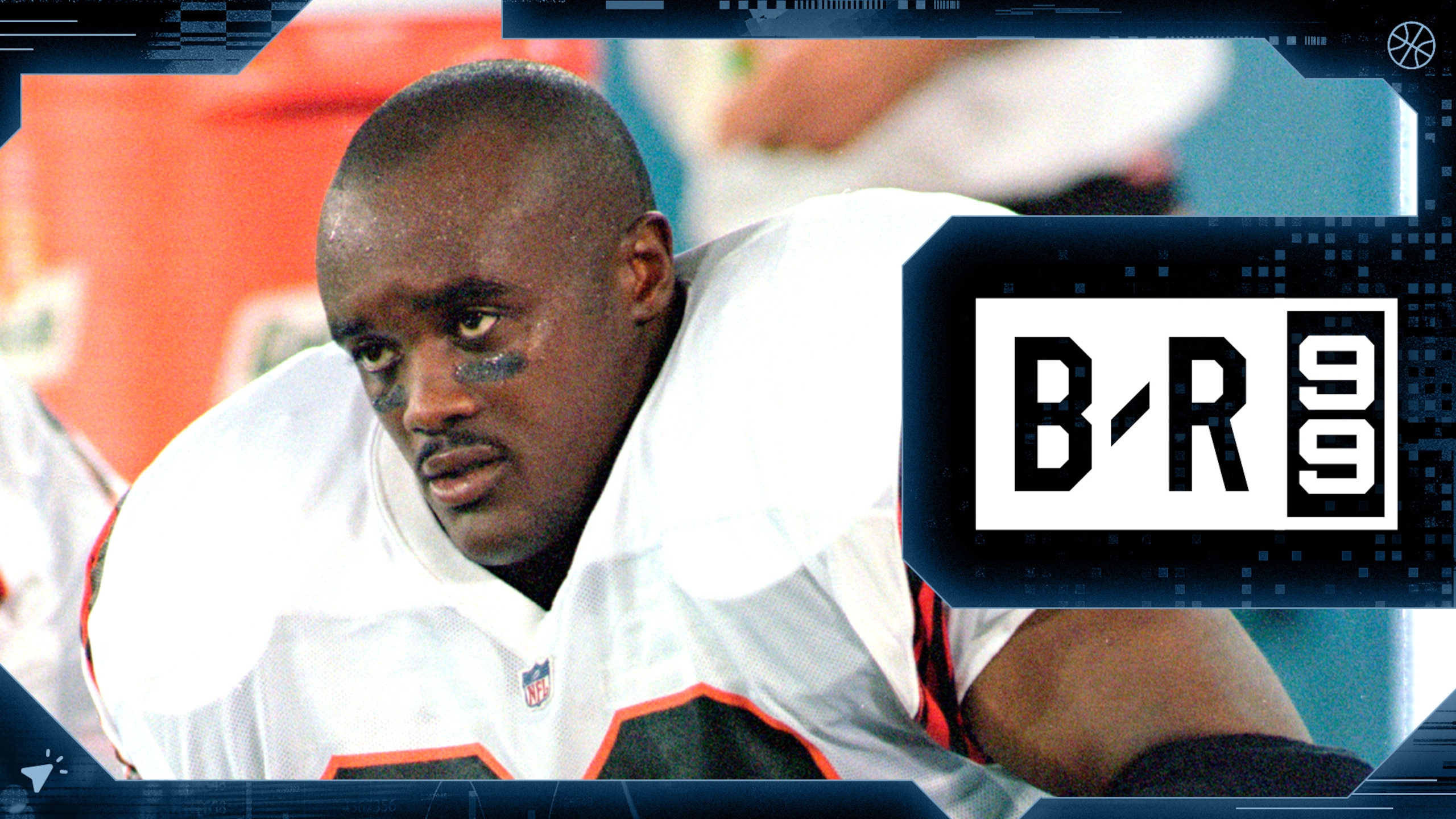
Selection: No. 1 | 1995 NFL Draft | Cincinnati Bengals
Position: RB
Career Stats: 59 G (1996-2004) | Rush: 319 | Rush Yds: 1,144 | Y/A: 3.6 | Rush TD: 20 | Rec: 66 | Rec Yds: 469 | Y/R: 7.1 | Rec TD: 1 | Fmb: 6 | AV: 12
If there's one draft pick that sums up the depths of despair that were the Cincinnati Bengals during the 1990s, it's the franchise's selection of running back Ki-Jana Carter first overall in 1995.
Coming off a 3-13 season, Bengals team president Mike Brown decided that the team was close enough to contention to use the No. 1 pick on a running back. Carter had shined at Penn State the year before, topping 1,500 rushing yards and averaging almost eight yards a carry.
On the third carry of his preseason debut, Carter tore his ACL, effectively ruining his professional career.
High Vote: 5
21. Charles Rogers
80 of 100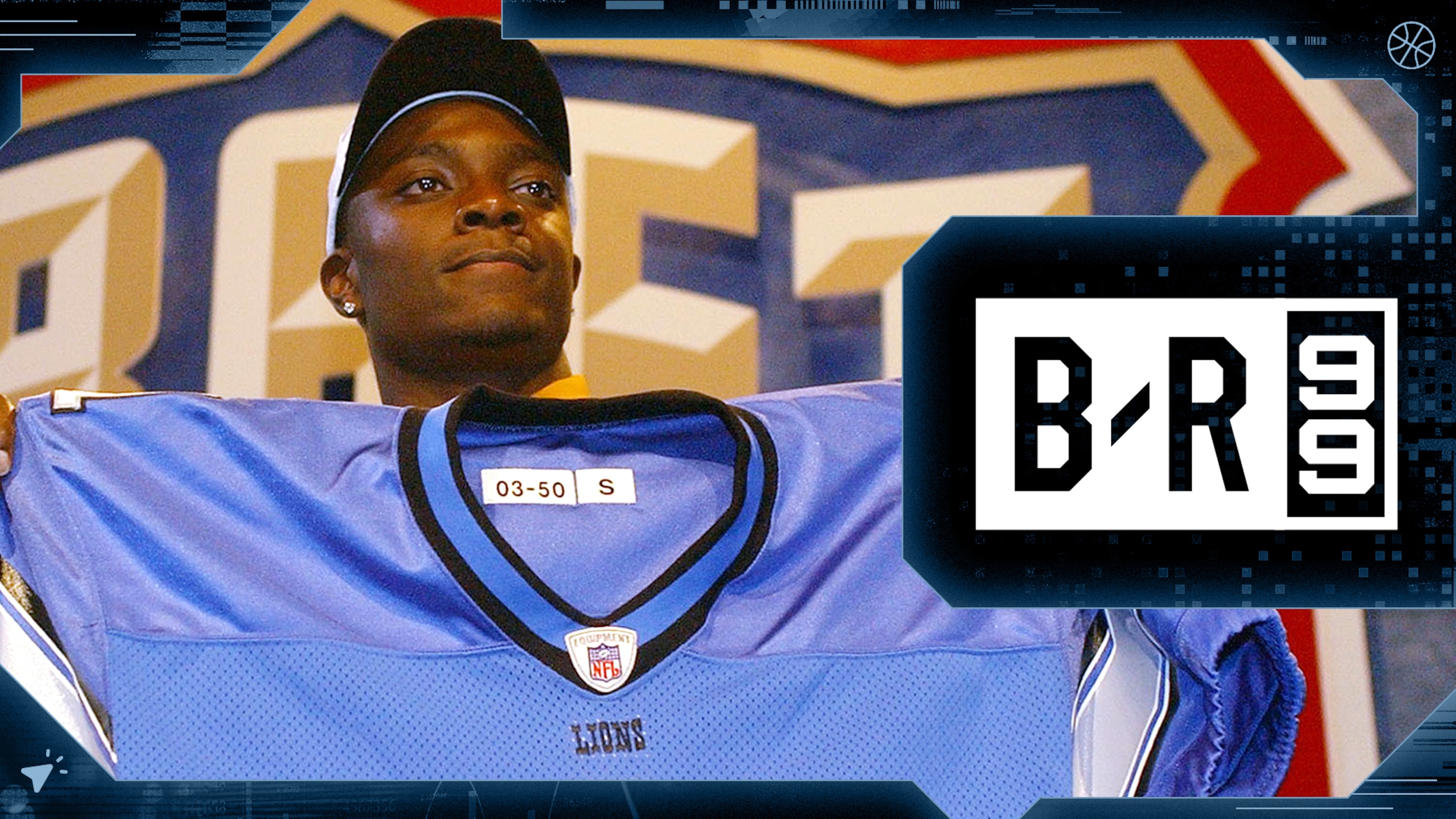
Selection: No. 2 | 2003 NFL Draft | Detroit Lions
Position: WR
Career Stats: 15 G (2003-05) | Rec: 36 | Yds: 440 | Y/R: 12.2 | TD: 4 | AV: 4
The Detroit Lions went through a stretch of nightmarish picks at wide receiver so terrifying that John Carpenter would call it overkill.
Charles Rogers was the first movie in that series.
Mind you, it seemed like a good idea at the time—he was an All-American and the Biletnikoff Award winner at Michigan State in 2002. But Rogers' first two seasons were both ended by broken collarbones, and he was suspended by the NFL in 2005 for violating the NFL's substance abuse policy. It was his last season in the NFL.
The Houston Texans selected Andre Johnson one pick later.
High Vote: 24
20. Zach Wilson
81 of 100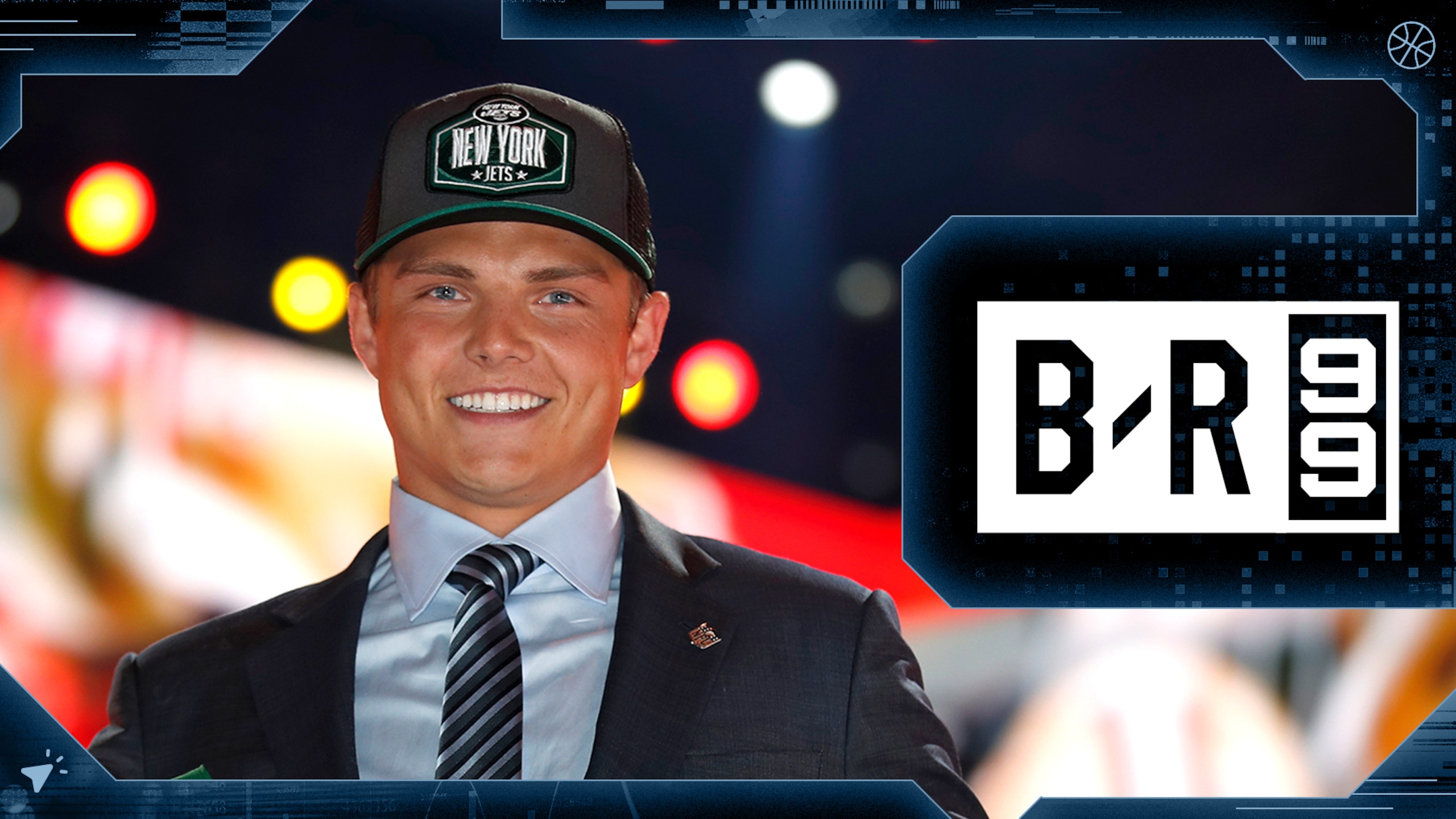
Selection: No. 2 | 2021 NFL Draft | New York Jets
Position: QB
Career Stats: 38 G (2021-25) | QBrec: 12-21-0 | Cmp%: 57.0 | Yds: 6,325 | Y/A: 6.3 | TD: 23 | Int: 25 | AV: 14
The New York Jets have had about as much success drafting quarterbacks in the last 25 years as this writer has winning Powerball.
Zach Wilson is just one more ticket that didn't hit.
Granted, the 2021 quarterback class consisted of Trevor Lawrence and a trio of passers who were disappointments—two of whom are on this list. But that doesn't make the second overall pick that year less of a disaster.
In his first season, Wilson was the least accurate passer per PFF since the site started charting data in 1995. In his second, he lost the locker room.
By Wilson's third year, the Jets were trading for Aaron Rodgers.
High Vote: 9 | Low Vote: 85
19. Tim Couch
82 of 100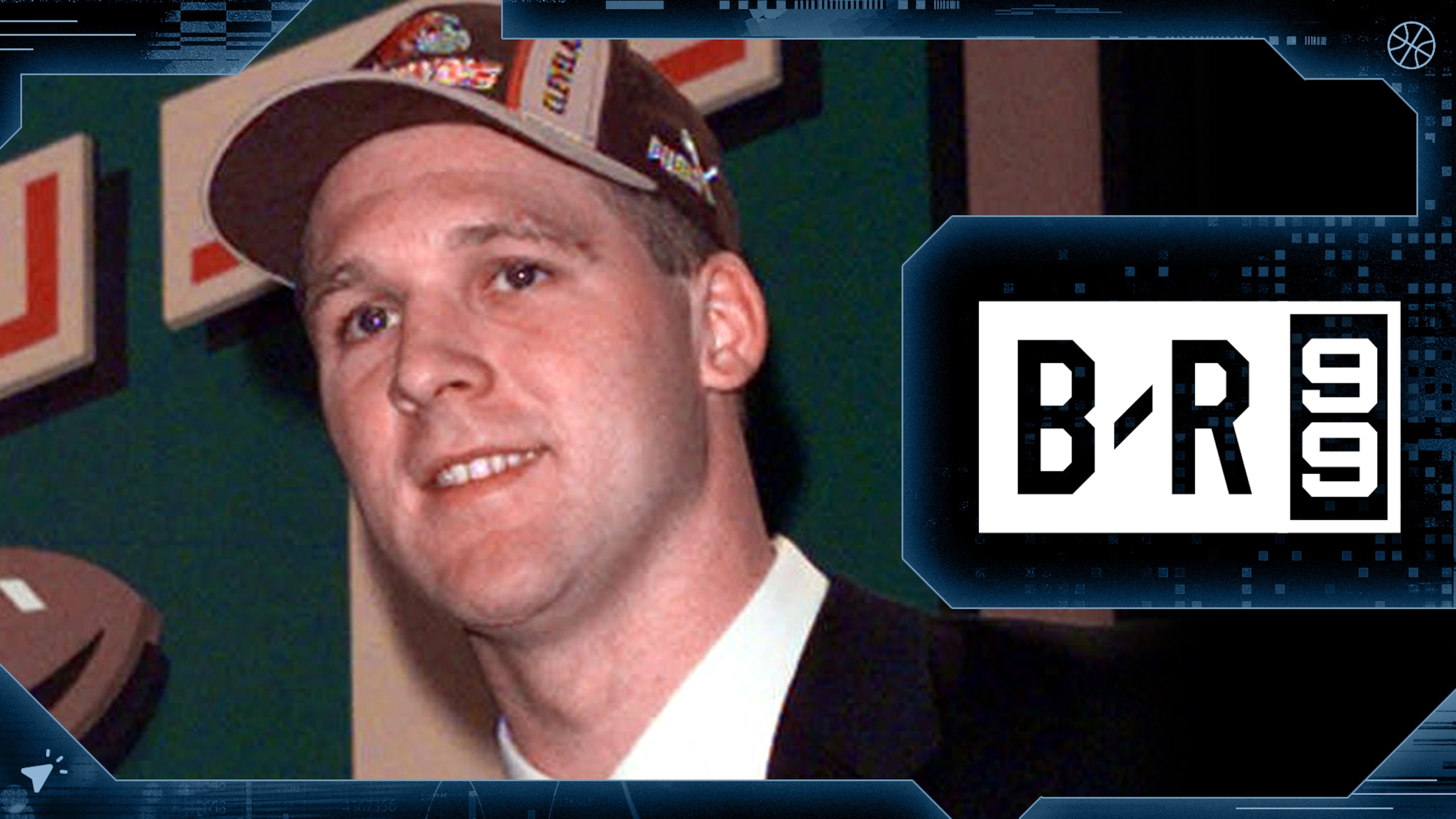
Selection: No. 1 | 1999 NFL Draft | Cleveland Browns
Position: QB
Career Stats: 62 G (1999-2003) | QBrec: 22-37-0 | Cmp%: 59.8 | Yds: 11,131 | Y/A: 6.5 | TD: 64 | Int: 67 | AV: 33
In fairness to Tim Couch, the poor guy never had a chance.
Yes, Couch was drafted ahead of Donovan McNabb when the Cleveland Browns re-entered the NFL in 1999. But the McNabb pick drew far more criticism in the moment than the Couch pick.
The real problem was that "expansion team" part.
The 1999 Browns were one of the worst single-season teams of the Super Bowl era. Couch was thrown to the wolves behind a nonexistent offensive line, got sacked 56 times and his confidence was shot.
Couch started 59 games in five seasons and that was that.
High Vote: 6 | Low Vote: 40
18. Heath Shuler
83 of 100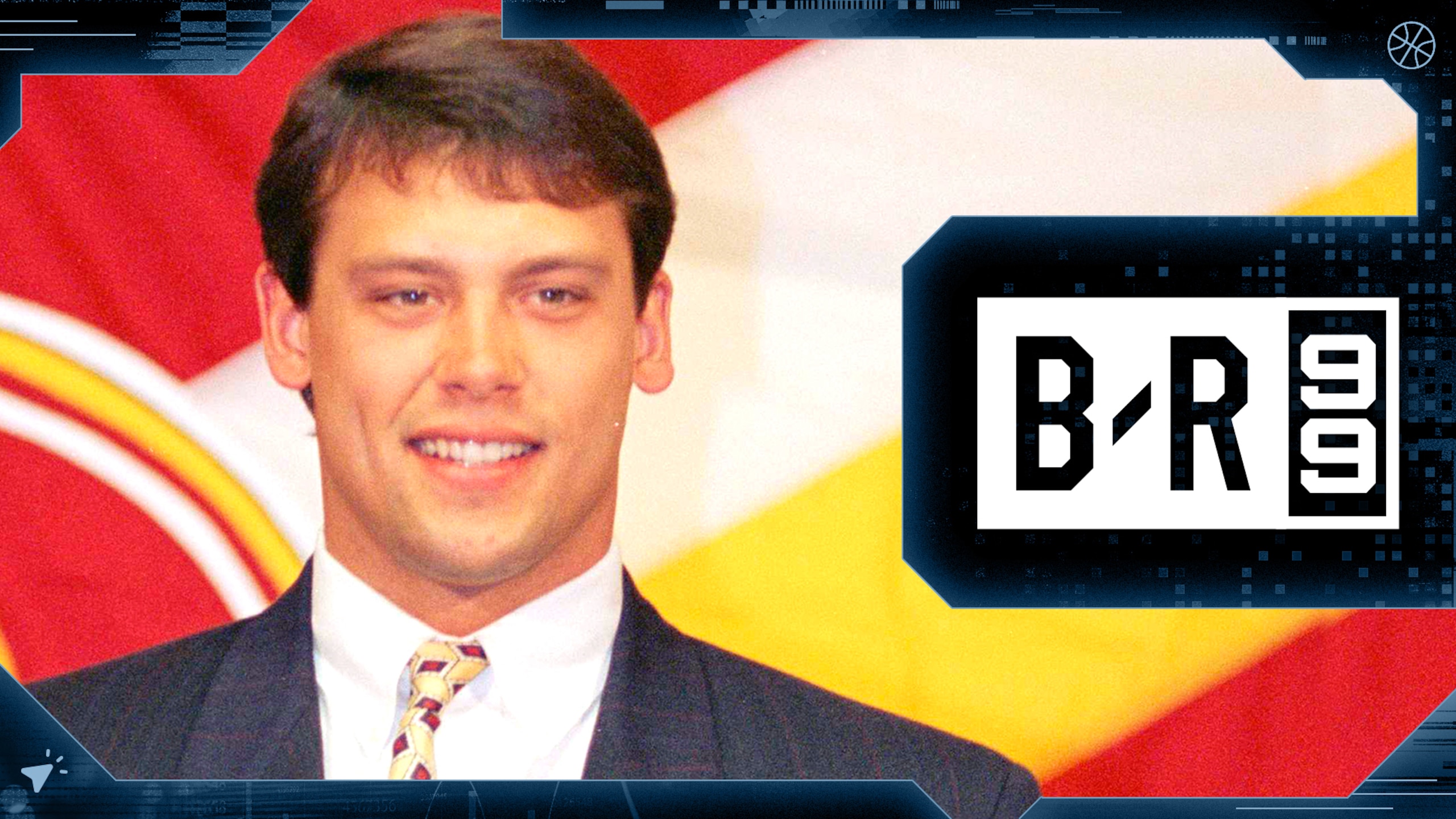
Selection: No. 3 | 1994 NFL Draft | Washington
Position: QB
Career Stats: 29 G (1994-97) | QBrec: 8-14-0 | Cmp%: 49.2 | Yds: 3,691 | Y/A: 6.2 | TD: 15 | Int: 33 | AV: 6
When Heath Shuler arrived in Washington, he was supposed to be the savior of a franchise that had fallen on hard times—the SEC Player of the Year with the prototypical size and arm talent to shine in the NFL.
That Shuler's first training camp opened with a holdout was a harbinger.
Simply put, the third overall pick in 1994 was not an NFL-caliber quarterback. Over four professional seasons, Shuler failed to complete half his passes over 22 starts, threw over twice as many interceptions as touchdowns and posted a passer rating of 54.3.
Other than that, he was fine.
High Vote: 14 | Low Vote: 44
17. LaRue Martin
84 of 100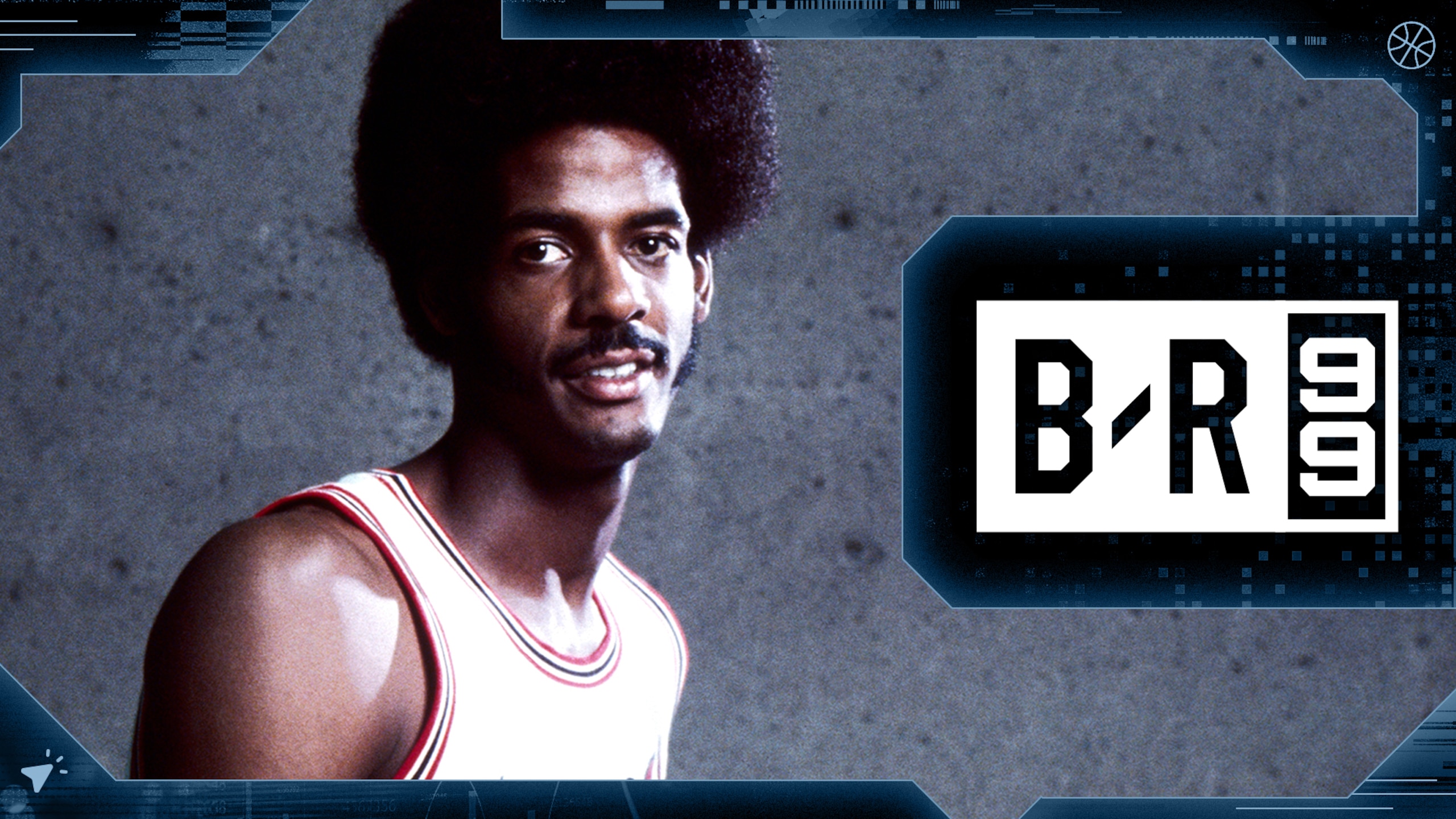
Selection: No. 1 | 1972 NBA Draft | Portland Trail Blazers
Position: C
Career Stats: 271 G (1972-76) | PPG: 5.3 | RPG: 4.6 | APG: 0.7 | BLK: 0.5 | FG%: 41.6 | WS: 1.9
Given career college averages of 18.2 points and 15.9 rebounds for Loyola (Ill.), you might think LaRue Martin going first overall in 1972 wasn't all that surprising, but it even threw people within the Portland Trail Blazers organization.
And considering the fact that Bob McAdoo (the expected first pick), Julius Erving and Paul Westphal were all taken after him, Martin finishing his career with the averages above looks especially bad.
High Vote: 2 | Low Vote: 62
16. Hasheem Thabeet
85 of 100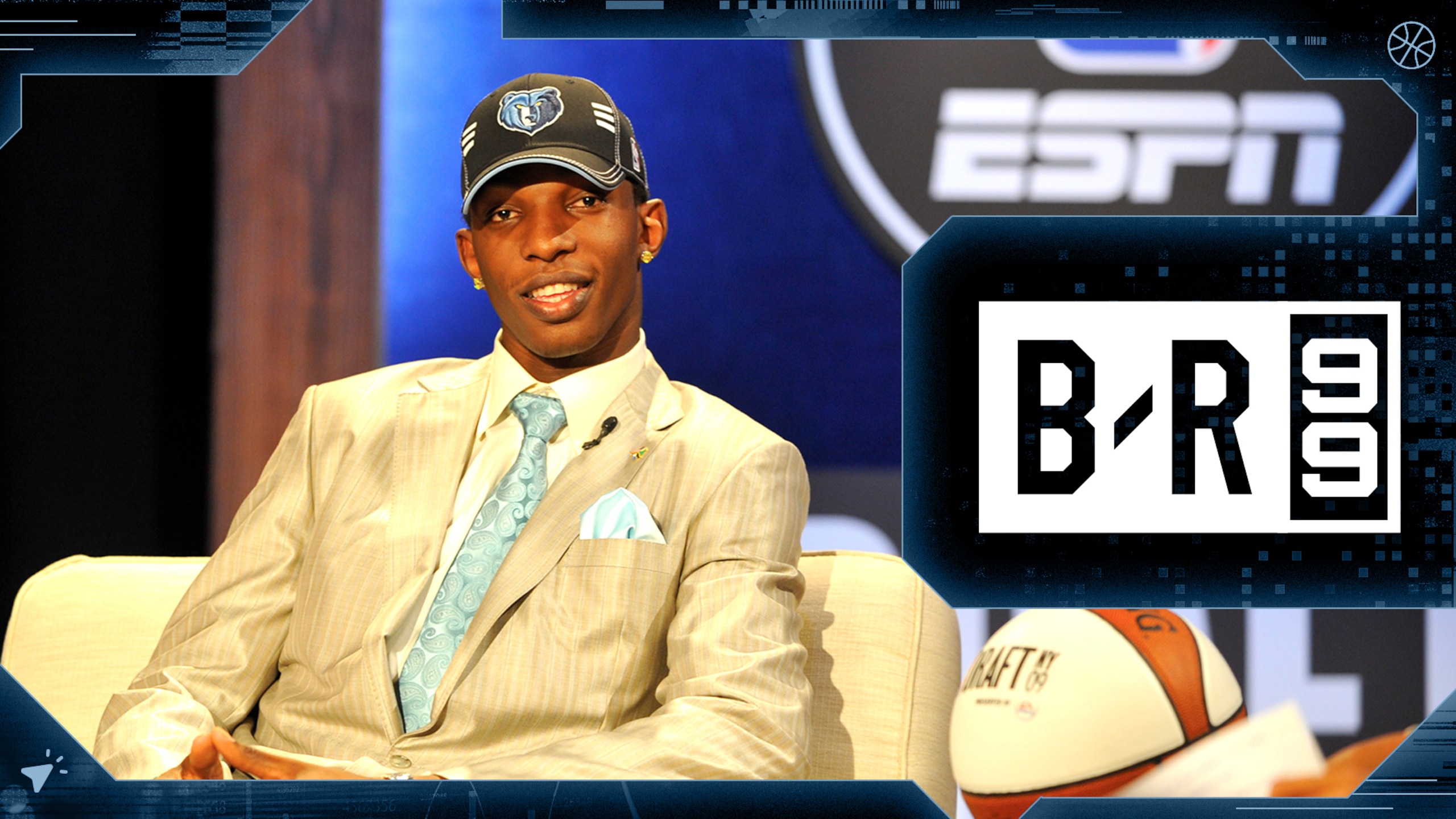
Selection: No. 2 | 2009 NBA Draft | Memphis Grizzlies
Position: C
Career Stats: 224 G (2009-14) | PPG: 2.2 | RPG: 2.7 | APG: 0.1 | BLK: 0.8 | FG%: 56.7 | 3P%: - | WS: 4.8
When Hasheem Thabeet was taken second overall in 2009, James Harden, Stephen Curry, Jrue Holiday and DeMar DeRozan were all on the board.
Some of them went on to have Hall of Fame careers, but the 7'3" Thabeet barely ever cracked a rotation.
With his sheer size, the Memphis Grizzlies surely expected Thabeet to be a dominant rim protector, but he was never close to mobile enough for NBA attackers. And on offense, he never developed much beyond the ability to dunk when spoon-fed an opportunity.
High Vote: 4 | Low Vote: 67
15. Nail Yakupov
86 of 100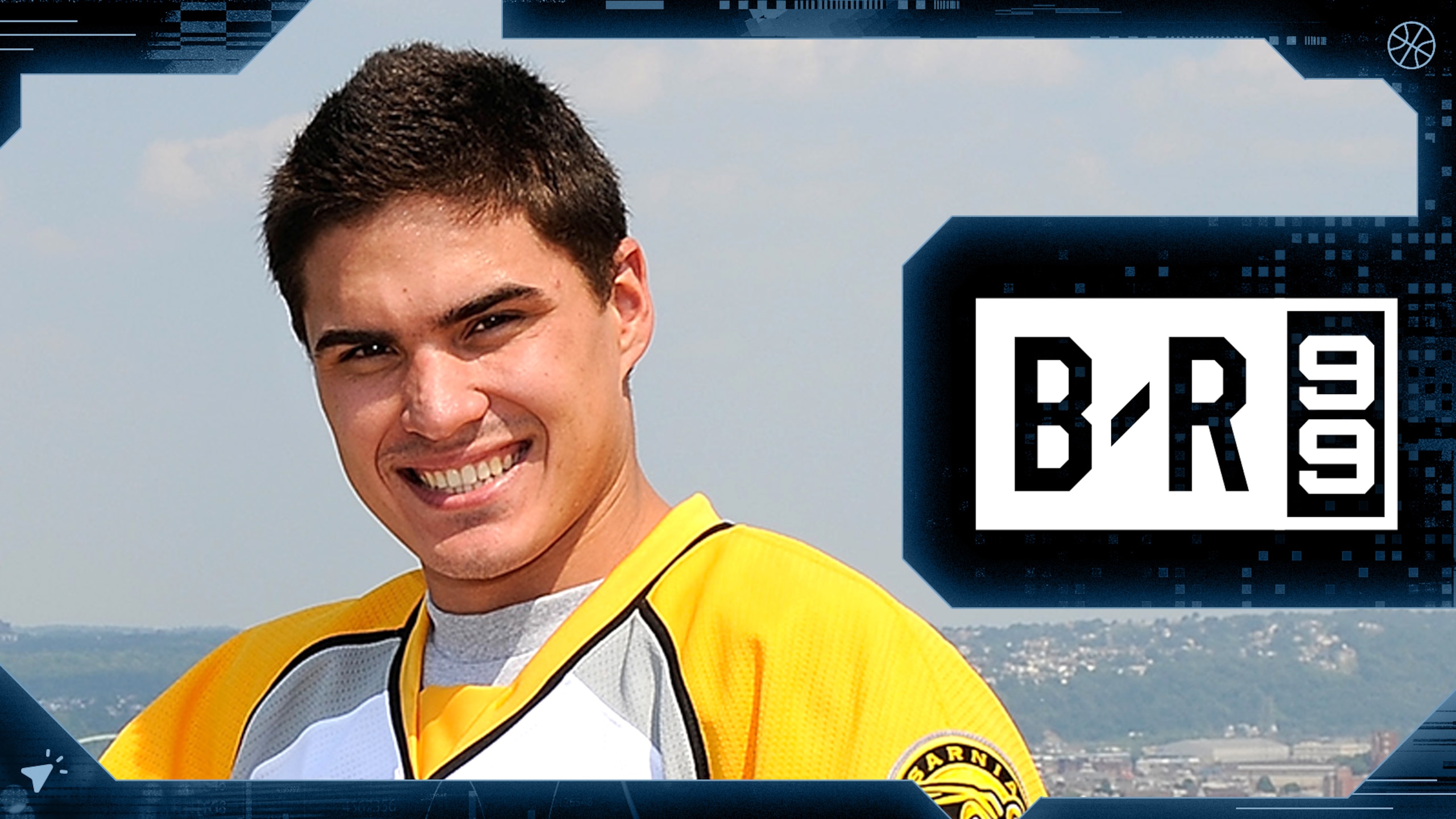
Selection: No. 1 | 2012 NHL Draft | Edmonton Oilers
Position: RW
Career Stats: 350 GP (2012-18) | G: 62 | A: 74 | PTS: 136 | +/-: -89 | SOG: 650 | PT Shares: 10.7
An offensively gifted Russian winger, Yakupov was the third straight player chosen first overall by the Edmonton Oilers following Taylor Hall (2010) and Ryan Nugent-Hopkins (2011). His two seasons with the OHL's Sarnia Sting made him the top North American prospect by NHL Central Scouting.
Yakupov led all rookies with 17 goals and 31 points during the lockout-shortened 2012-13 season. However, the Oilers' ongoing difficulties, a revolving door of coaches and Yakupov's unwillingness to improve his overall game ended his NHL career by 2018. He's spent the last eight years playing in Russia.
High Vote: 11 | Low Vote: 51
14. Markelle Fultz
87 of 100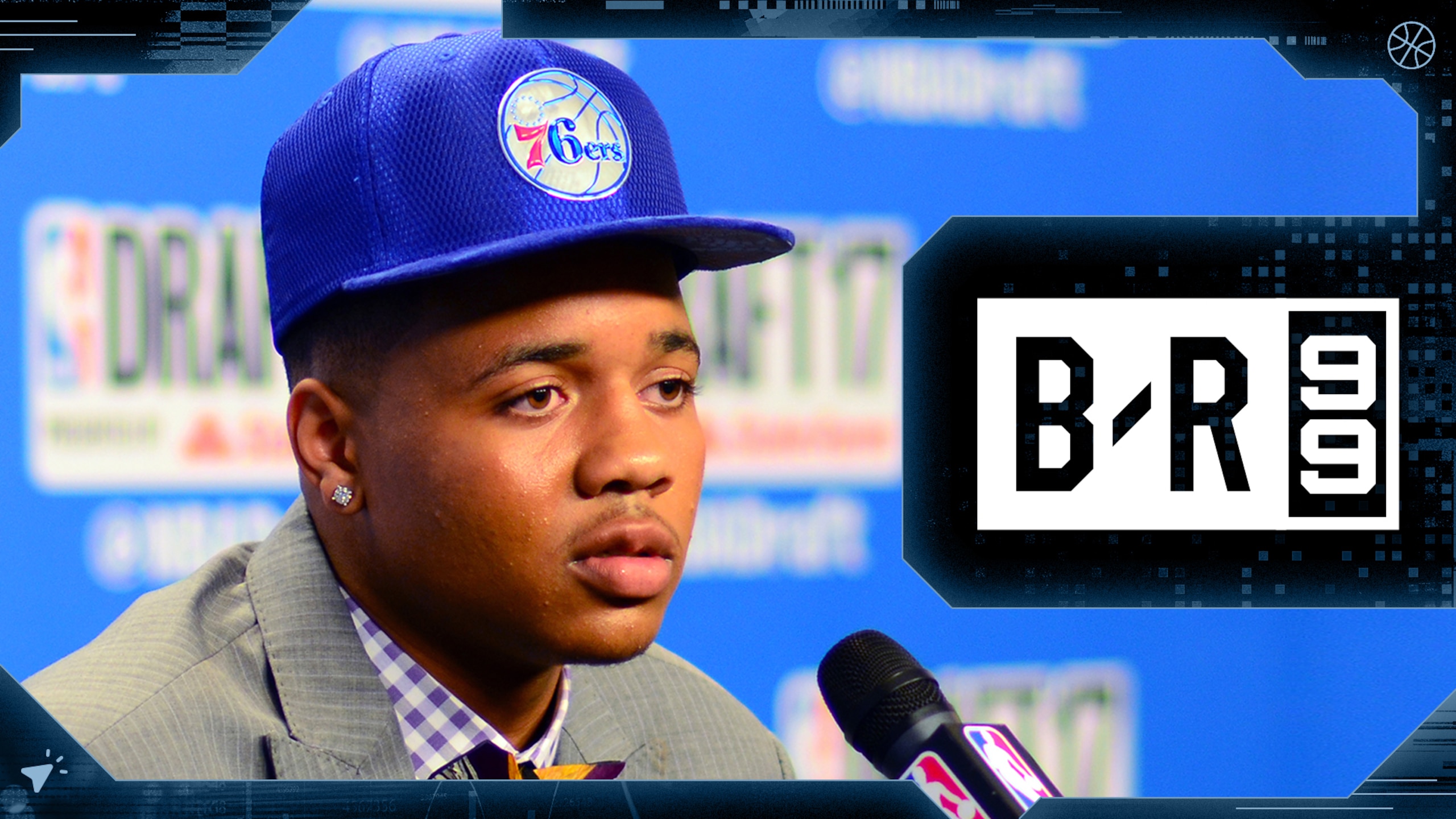
Selection: No. 1 | 2017 NBA Draft | Philadelphia 76ers
Position: PG/SG
Career Stats: 260 G (2017-Current) | PPG: 10.2 | RPG: 3.1 | APG: 4.3 | STL: 1.1 | FG%: 46.9 | 3P%: 28.0 | WS: 8.3
Markelle Fultz is one of the biggest mysteries of this entire exercise.
In college, his numbers screamed future superstar. As a freshman, he averaged 23.2 points, 5.9 assists, 5.7 rebounds, 1.6 steals and 1.2 blocks. He shot 41.3 percent from deep. He seemed like a near-no-brainer (at least to most not named Danny Ainge).
But things got weird almost immediately after he was taken first overall by the Philadelphia 76ers in 2017 (a class that wound up being loaded with All-Stars and difference-makers).
There was a mysterious shoulder injury. There was an overhaul of his jump shot. There wasn't near enough information about either issue. And there were only 33 games played in a 76ers jersey.
Fultz is still a fringe NBA player. He managed to make five appearances for the Toronto Raptors this past season. And he's averaged double figures for his career. But the numbers above are nowhere near what was expected of Fultz coming out of college.
High Vote: 6 | Low Vote: 46
13. Alexandre Daigle
88 of 100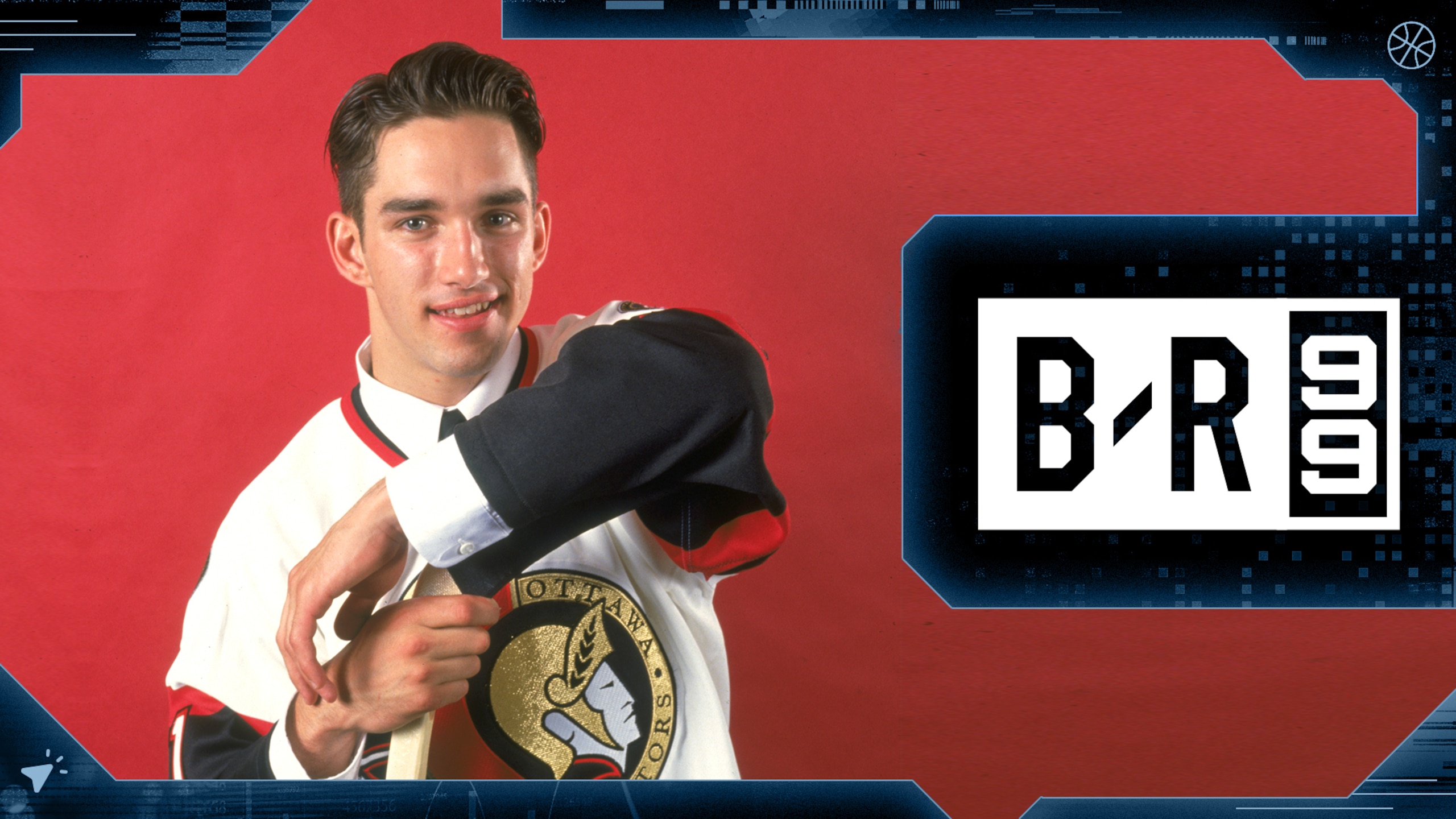
Selection: No. 1 | 1993 NHL Draft | Ottawa Senators
Position: C/RW
Career Stats: 616 GP (1993-2006) | G: 129 | A: 198 | PTS: 327 | +/-: -176 | SOG: 1,085 | PT Shares: 25.8
A high-scoring center in junior hockey, Daigle was expected to become a generational talent for the fledgling Ottawa Senators. However, he failed to live up to the hype, later saying he fell out of love with hockey before his Junior A debut with the Victoriaville Tigres.
As the pressure mounted, Daigle's mental health suffered, but there was no player assistance program back then. The Senators traded him to the Philadelphia Flyers midway through the 1997-98 season, and by 2005-06, his NHL career was over. After four seasons in Europe, he hung up his skates for good in 2010.
High Vote: 12 | Low Vote: 56
12. Michael Olowokandi
89 of 100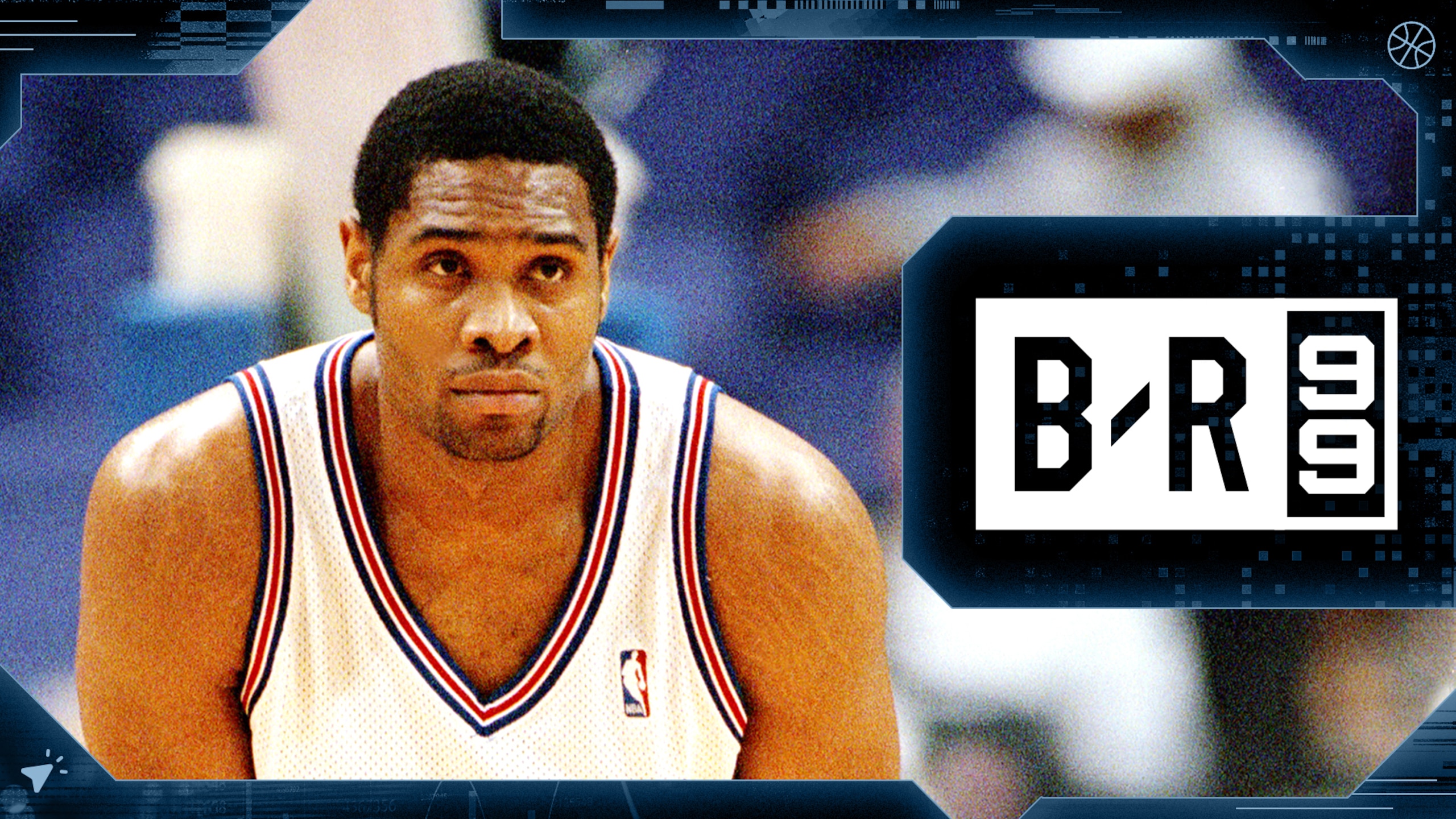
Selection: No. 1 | 1998 NBA Draft | Los Angeles Clippers
Position: C
Career Stats: 500 G (1998-2007) | PPG: 8.3 | RPG: 6.8 | APG: 0.7 | BLK: 1.4 | FG%: 43.5 | 3P%: - | WS: 2.5
Michael Olowokandi has a staggering minus-23.0 career wins over replacement player, giving him the dubious distinction of being dead last in NBA history in that category.
Regardless of where he was drafted, that'd be noteworthy.
But a first overall pick (which is what Olowokandi was in 1998) crawling that far below zero is almost unfathomable.
Despite standing seven feet tall, Olowokandi took over half of his shots from more than three feet away from the basket. And he did not have the touch to justify that shot selection. He finished his career with an abysmal 43.5 field-goal percentage and didn't offer near enough in other categories to make up for his struggles as a scorer.
High Vote: 4 | Low Vote: 41
11. Akili Smith
90 of 100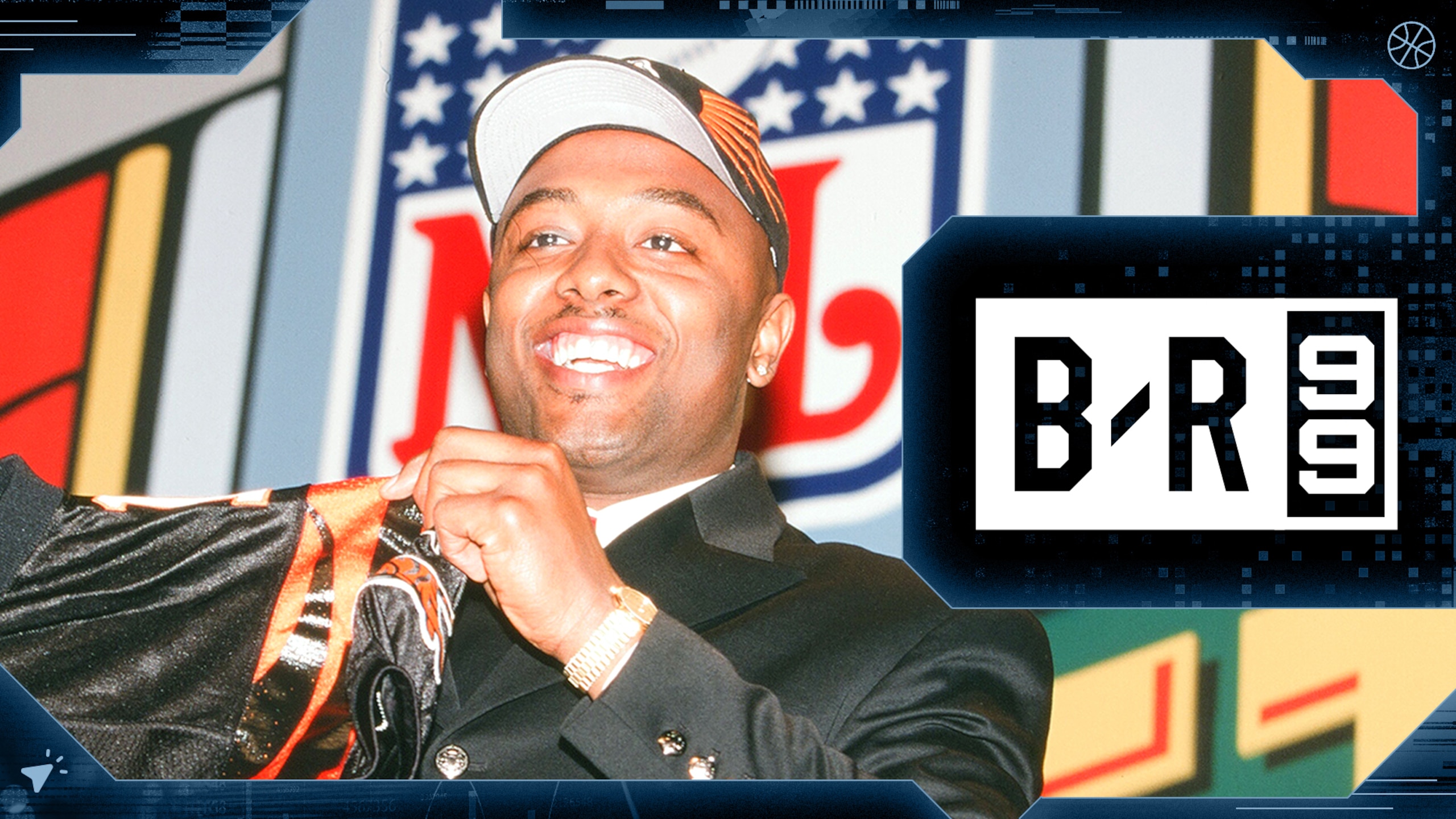
Selection: No. 3 | 1999 NFL Draft | Cincinnati Bengals
Position: QB
Career Stats: 22 G (1999-2002) | QBrec: 3-14-0 | Cmp%: 46.6 | Yds: 2,212 | Y/A: 4.8 | TD: 5 | Int: 13 | AV: 2
The annals of NFL draft history are littered with bad teams reaching in the first round for even worse quarterbacks. Desperation makes general managers do crazy things. And drafting Akili Smith third overall in 1999 was most assuredly a reach by the Cincinnati Bengals.
Smith admittedly had one good year as the starter at Oregon State, but while he was athletic he was also relatively unproven and prone to inaccuracy.
That inaccuracy was a theme over Smith's four years in the NFL—he completed 46.6 percent of his passes with five touchdowns and 13 interceptions.
The worst part? The New Orleans Saints offered a bonanza of picks to the Bengals for that selection—this was the year Mike Ditka traded an entire draft class (plus) for Ricky Williams.
Talk about rubbing salt on the wound.
High Vote: 6 | Low Vote: 30
10. Trey Lance
91 of 100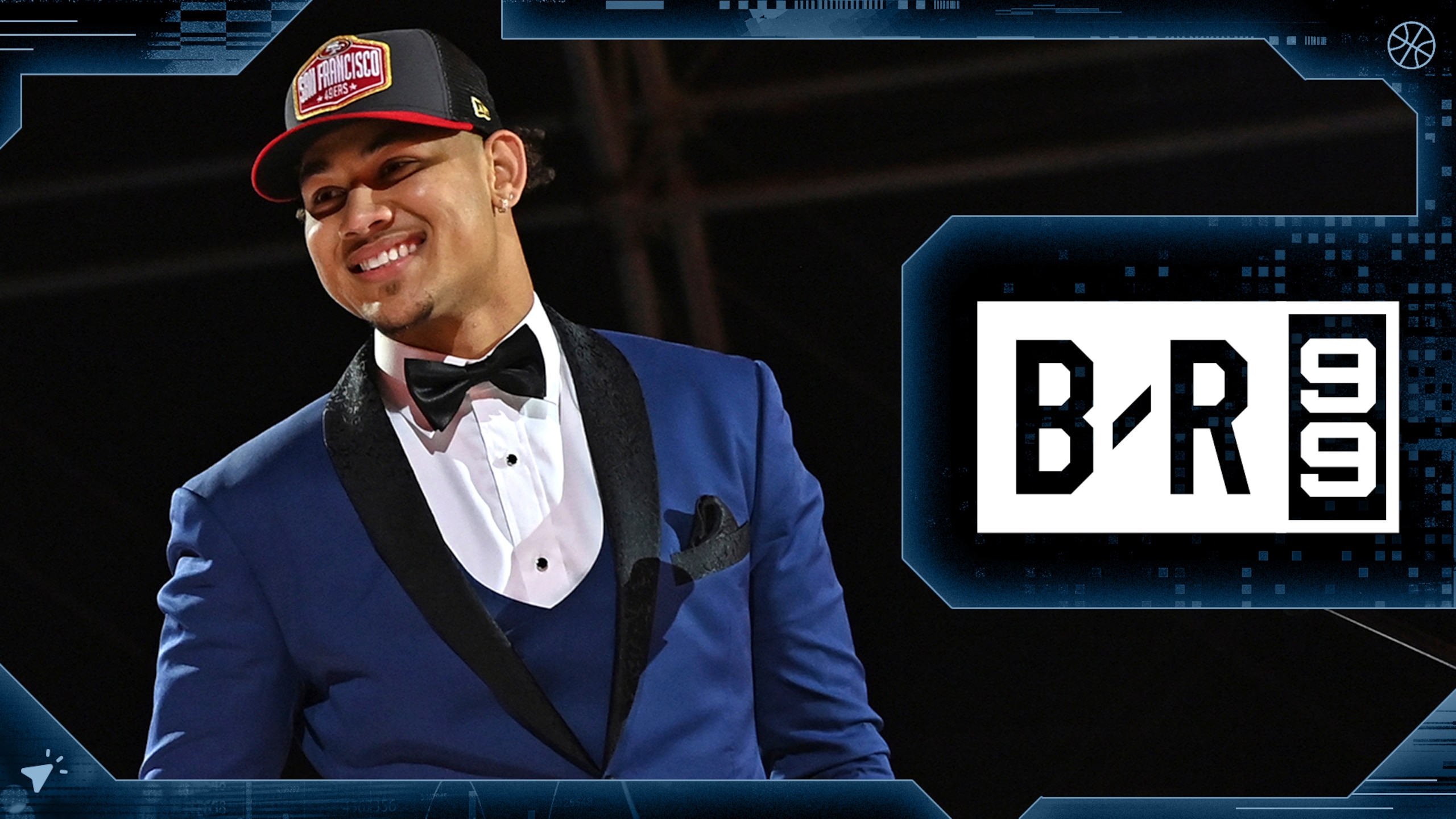
Selection: No. 3 | 2021 NFL Draft | San Francisco 49ers
Position: QB
Career Stats: 16 G (2021-25) | QBrec: 2-4-0 | Cmp%: 54.0 | Yds: 1,289 | Y/A: 6.4 | TD: 5 | Int: 5 | AV: 6
The Kyle Shanahan/John Lynch braintrust in San Francisco has made far more good moves than bad over their tenure—with the glaring exception of the Trey Lance pick in 2021.
Lance was an intriguing prospect that year—the small-school star with the big arm and mobility who had played sparingly at the collegiate level—for an FCS school. But the 49ers obviously saw something they liked a lot—the Niners mortgaged their future to trade up, sending three first-rounders and a third-rounder to Miami and taking Lance third overall.
It was the steepest of prices for a bad quarterback who couldn't stay on the field.
Granted, Lance is still in the league—he even made a start for the Chargers in 2025. But that start was Lance's sixth over a five-year career on three teams.
Lance has five touchdown passes over his career and hasn't thrown for 300 yards in a season since his rookie year.
High Vote: 4 | Low Vote: 33
9. Brien Taylor
92 of 100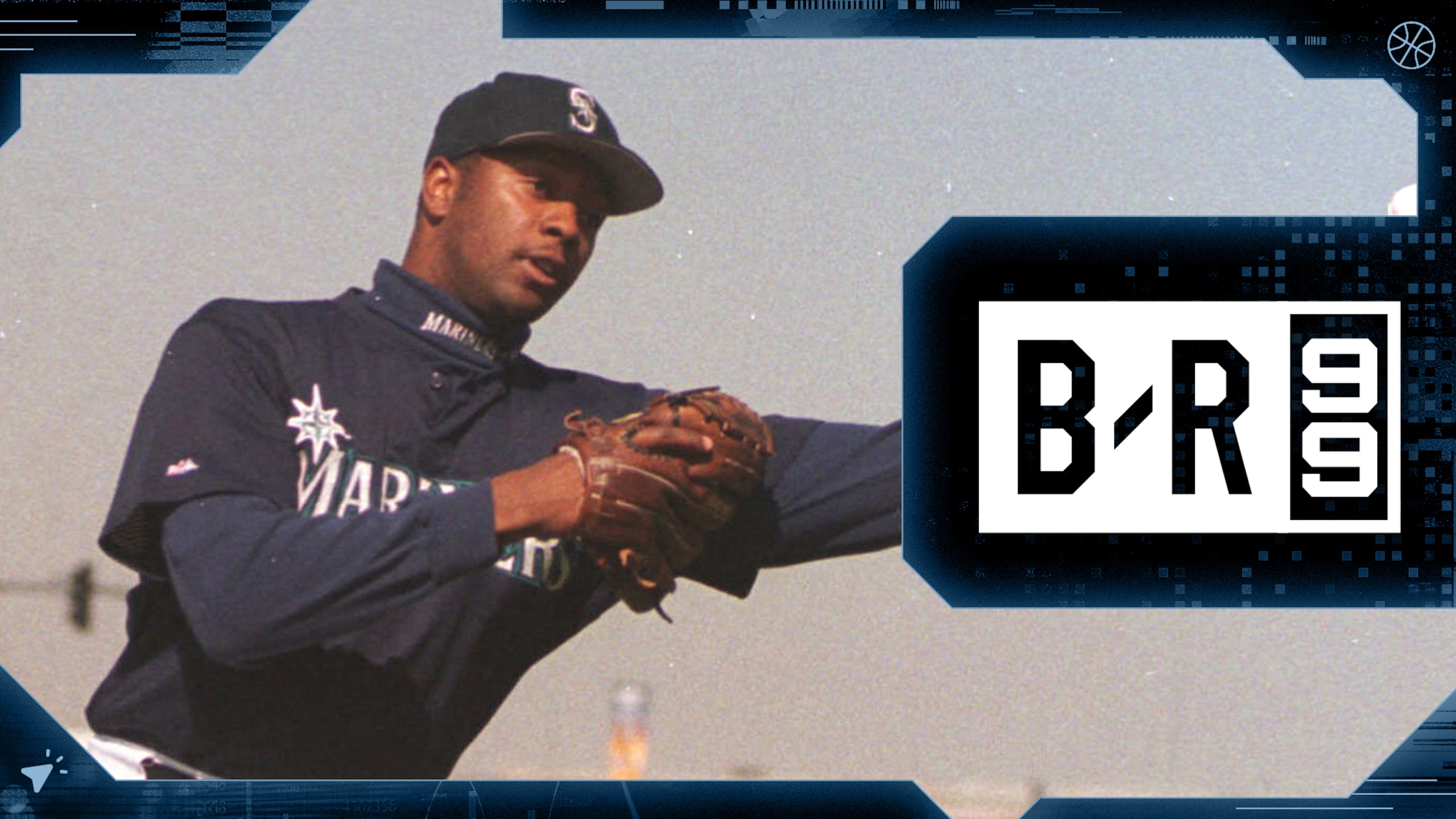
Selection: No. 1 | 1991 MLB Draft | New York Yankees
Position: P
MiLB Stats: 100 G (1992-2000) | W-L: 22-30 | ERA: 5.12 | IP: 435.2 | WHIP: 1.634 | SO/9: 8.8 | BB/9: 7.3
With effortless mechanics, an upper-90s fastball and a hammer curveball, Taylor was one of the best high school pitching prospects of all time when the Yankees gave him a record-setting $1.55 million bonus atop the 1991 draft class. He opened 1992 as the No. 1 prospect in baseball and further fanned the hype flames with a 2.57 ERA and 187 strikeouts in 161.1 innings in his pro debut.
A solid season at Double-A the following year put him on the doorstep of the majors, but that offseason he suffered a major shoulder injury defending his brother following an altercation at a bar.
He missed the entire 1994 season and was never the same once he returned to the mound, never pitching above the Single-A level again before his career came to a close in 2000.
High Vote: 6 | Low Vote: 48
8. Kwame Brown
93 of 100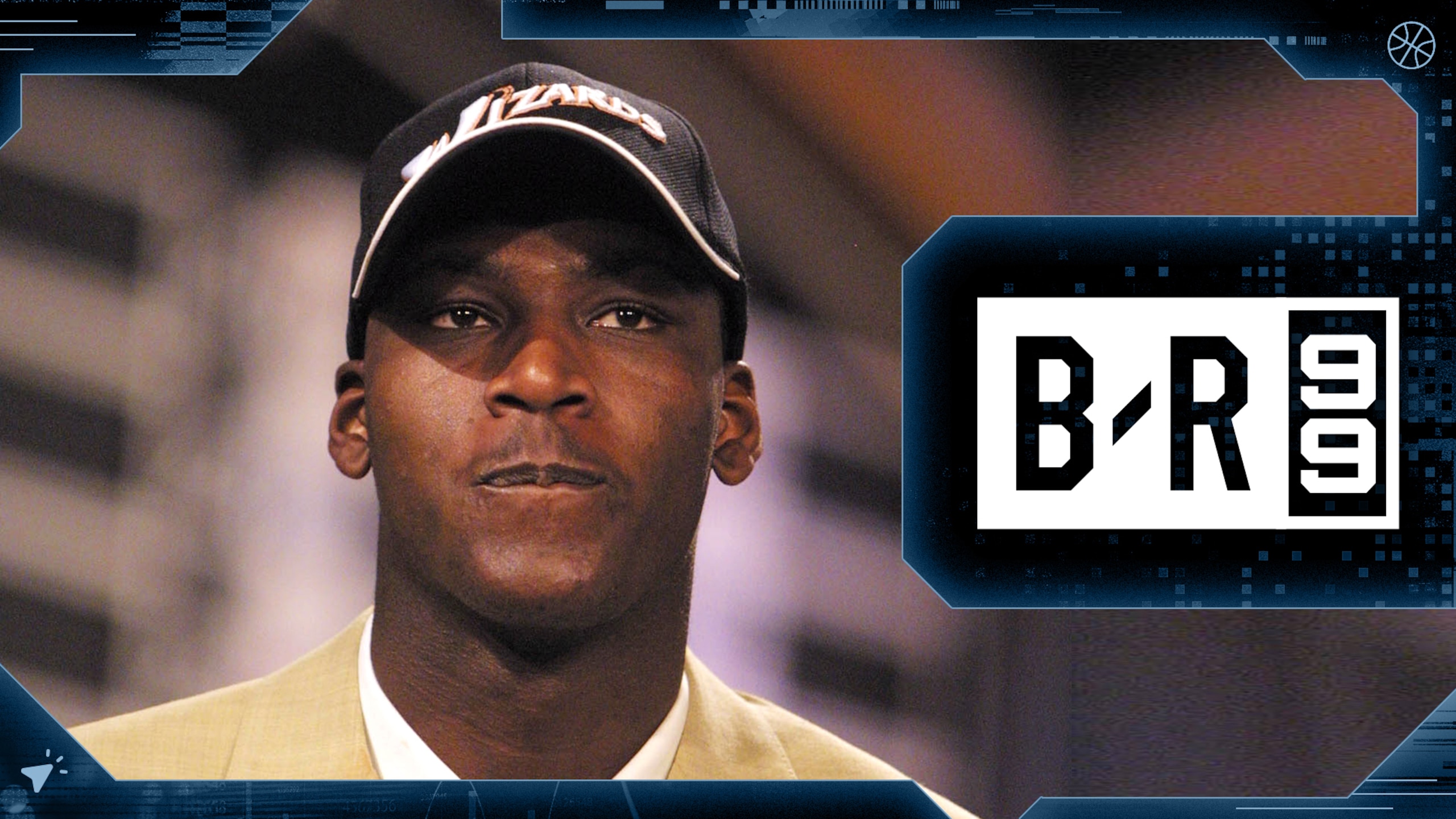
Selection: No. 1 | 2001 NBA Draft | Washington Wizards
Position: PF/C
Career Stats: 607 G (2001-13) | PPG: 6.6 | RPG: 5.5 | APG: 0.9 | BLK: 0.6 | FG%: 49.2 | 3P%: 11.1 | WS: 20.8
In 2001, we may have been near the height of the prep-to-pro era of the NBA draft, a time when it was significantly tougher to forecast how draft picks might fare in the NBA.
This particular top four featured three Americans who came straight from high school and Pau Gasol. None of them played in what was, at the time, basketball's most prominent farm system (the NCAA).
Things turned out well for Gasol and Tyson Chandler, but Eddy Curry and the top overall pick, Kwame Brown, struggled (to put it mildly).
Brown did start 281 career games, but a sub-50 career field-goal percentage and barely one block per 75 possessions obviously wasn't what the Washington Wizards were expecting of the center when they took him at No. 1.
High Vote: 4 | Low Vote: 23
7. Tony Mandarich
94 of 100
Selection: No. 2 | 1989 NFL Draft | Green Bay Packers
Position: OL
Career Stats: 86 G (1989-91, 1996-98) | GS: 63 | AV: 31
Tony Mandarich's NFL career can best be wrapped up by this comment he made ahead of being drafted second overall by the Green Bay Packers in 1989.
"I'm quicker than (Mark) Gastineau," Mandarich said. "I wouldn't be compared to Howie Long or Gastineau. They'd be compared to me. I don't like to be compared to people. If anybody, maybe [Anthony] Muñoz. In the future, they'll be comparing him to me."
"The Incredible Bulk" was the definition of a bust—after starring at Michigan State, Mandarich was supposed to be a can't-miss lineman. Instead, he was one issue after another off the field and putrid on it, lasting just three seasons in Green Bay before a "comeback" of sorts in his 30s in Indianapolis.
As if that's not bad enough, the Packers took Mandarich ahead of a few players you may have heard of—Barry Sanders, Deion Sanders and Derrick Thomas.
High Vote: 5 | Low Vote: 21
6. Sam Bowie
95 of 100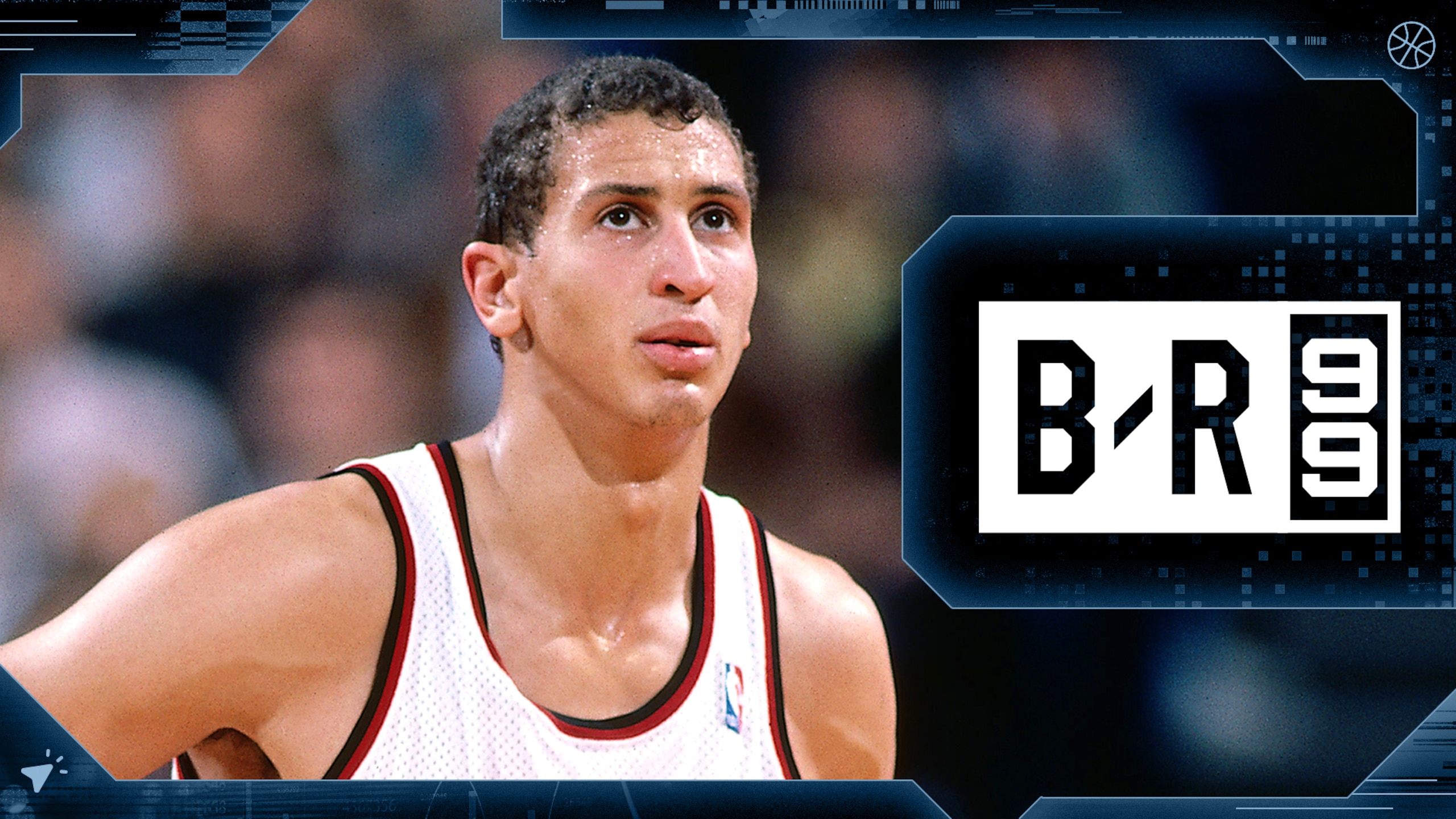
Selection: No. 2 | 1984 NBA Draft | Portland Trail Blazers
Position: C
Career Stats: 511 G (1984-95) | PPG: 10.9 | RPG: 7.5 | APG: 2.1 | BLK: 1.8 | FG%: 45.2 | 3P%: 30.2 | WS: 26.9
Sam Bowie was huge (an intoxicating trait for much of the NBA's history) and had a handful of productive seasons early in his career.
Over his first eight years, he averaged 12.7 points, 8.4 rebounds, 2.3 assists and 2.0 blocks. He didn't make any All-Star teams, but that's respectable production.
Or at least it is until you put his spot in the 1984 draft in context. Bowie was taken second overall, one pick ahead of the greatest player in NBA history, Michael Jordan. And, as if that wasn't bad enough, that class also featured John Stockton and Charles Barkley.
If you were building a starting five from each of the league's draft classes, it'd be tough to top 1984's (Stockton, perhaps Alvin Robertson, Jordan, Barkley and Hakeem Olajuwon, the first overall pick). And it very clearly would not include the man picked second.
High Vote: 2 | Low Vote: 15
5. Greg Oden
96 of 100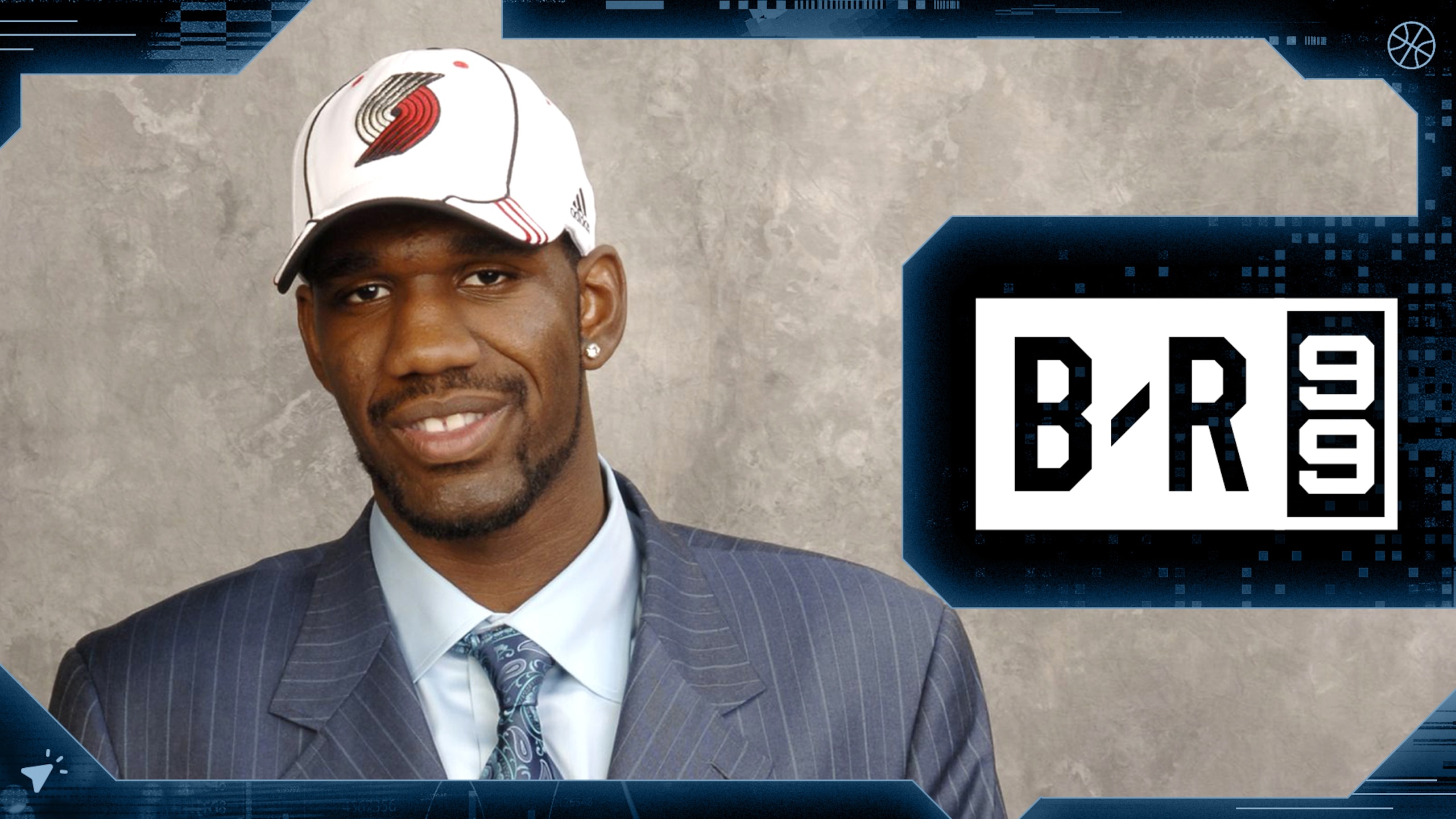
Selection: No. 1 | 2007 NBA Draft | Portland Trail Blazers
Position: C
Career Stats: 105 G (2008-14) | PPG: 8.0 | RPG: 6.2 | APG: 0.5 | BLK: 1.2 | FG%: 57.4 | 3P%: - | WS: 7.3
There's always a bit of internal tension when analyzing someone who went through as many injuries as Greg Oden did. Is he a bust? Or is he one of the unluckiest players in NBA history?
Wherever you land on those questions, the facts don't change. Oden was taken first overall and one pick before all-timer Kevin Durant, in a draft that also included Al Horford, Mike Conley, Marc Gasol and Joakim Noah.
He was the top pick, but he only appeared in 105 games and finished outside the top 20 of the class in career wins over replacement player.
Beyond that, when Oden was available, he simply wasn't very good, particularly on offense. His lumbering game (perhaps influenced by the injuries) never translated to the NBA, and he was out of the league by his mid-20s.
High Vote: 4 | Low Vote: 21
4. Darko Miličić
97 of 100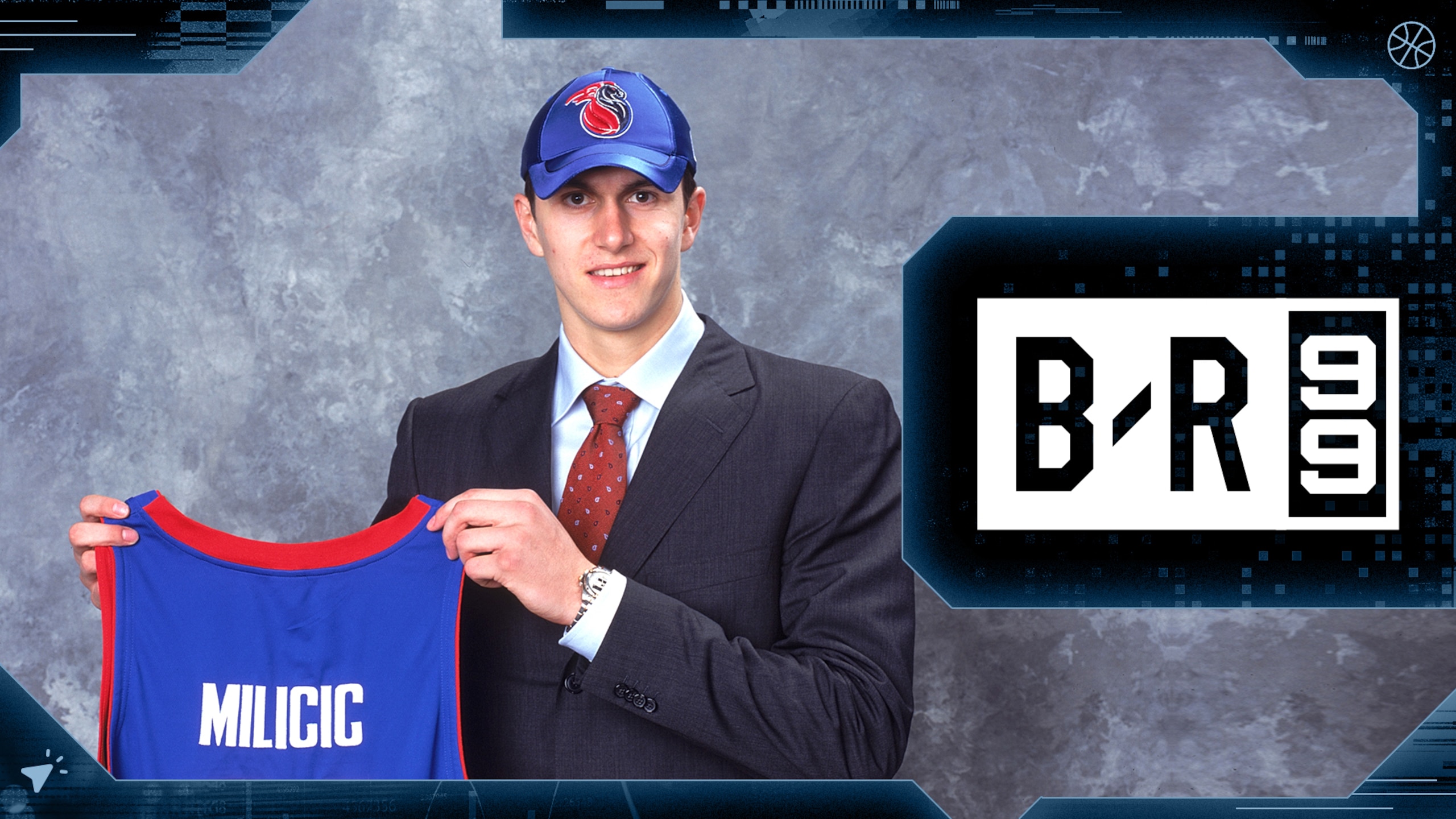
Selection: No. 2 | 2003 NBA Draft | Detroit Pistons
Position: PF/C
Career Stats: 468 G (2003-13) | PPG: 6.0 | RPG: 4.2 | APG: 0.9 | BLK: 1.3 | FG%: 46.0 | 3P%: 0.0 | WS: 7.1
A big part of the Darko Miličić mythology is who was taken around him.
He was the No. 2 pick in LeBron James' draft. And Carmelo Anthony, Chris Bosh and Dwyane Wade were the three players taken immediately after him. Four of the top five are either in or will be in the Hall of Fame as individuals. Miličić was reduced to the class' punchline.
He did walk into a championship with the 2003-04 Detroit Pistons, but he played a total of 14 playoff minutes during that run. And none of what was supposed to make him special developed after that.
The Serbian big man didn't have the deft shooting touch or passing chops of fellow Balkans Peja Stojaković and Vlade Divac. And he was way too heavy-footed to be an effective defender.
High Vote: 2 | Low Vote: 14
3. Anthony Bennett
98 of 100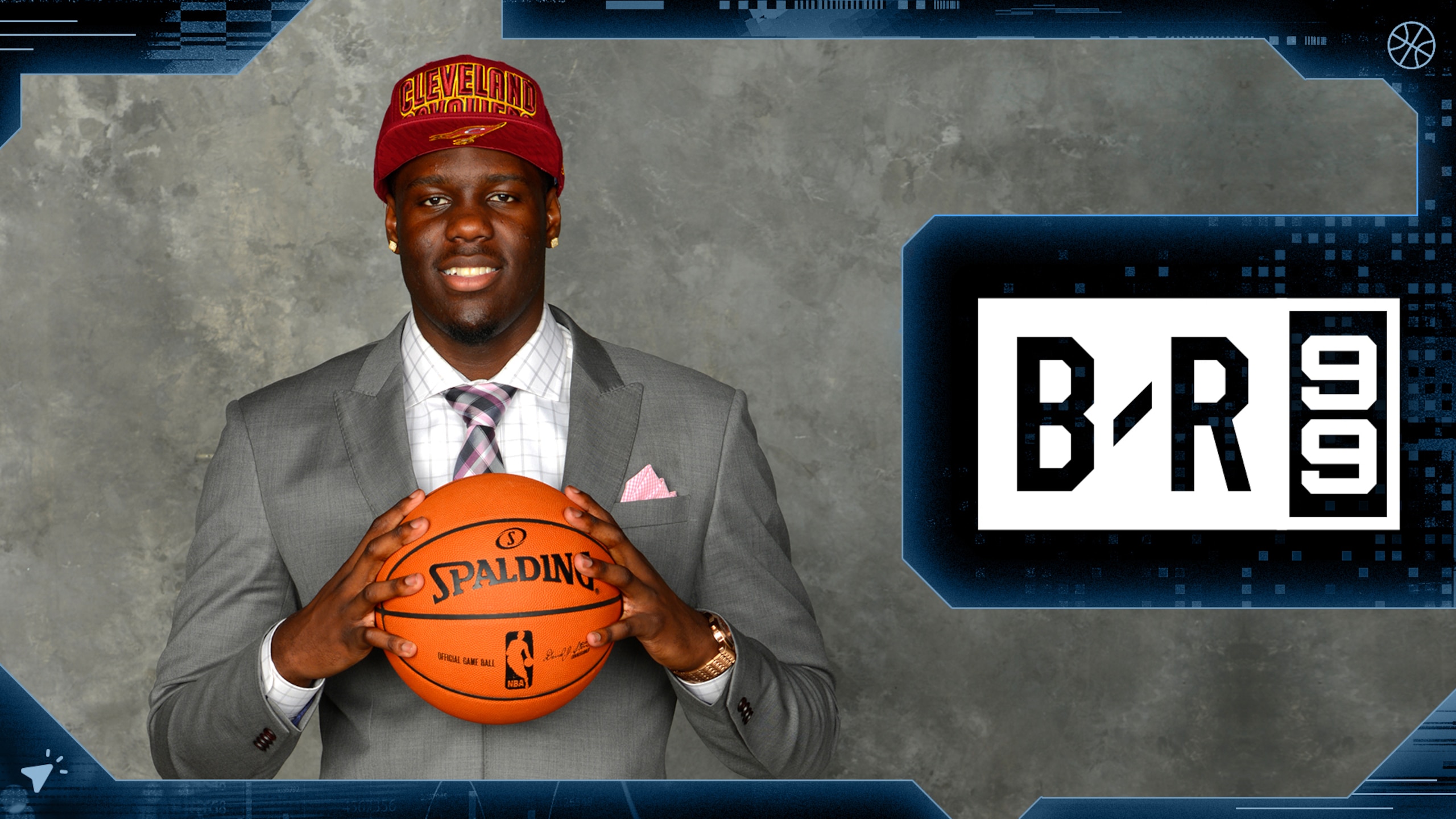
Selection: No. 1 | 2013 NBA Draft | Cleveland Cavaliers
Position: PF
Career Stats: 151 G (2013-17) | PPG: 4.4 | RPG: 3.1 | APG: 0.5 | BLK: 0.2 | FG%: 39.2 | 3P%: 26.1 | WS: 0.5
In recent years, drafting in the NBA has almost felt like a science. And at least at the top of the first round, that's meant fewer surprises.
In 2013, we could sort of expect the unexpected. There was more guesswork. But even in that context, the commissioner announcing Anthony Bennett at No. 1 was genuinely shocking.
He'd had a solid freshman season at mid-major UNLV, but Bennett was too burly to be a 3 and too short to be a 4. His free-throw percentage wound up being a better forecast for his shooting than his three-point shooting.
Bennett's dreadful NBA career may have flown under the radar had he been taken closer to the range where many analysts had him predraft, but he wasn't. Being the first overall pick comes with massive expectations, and Bennett fell well shy of his.
High Vote: 3 | Low Vote: 11
2. Ryan Leaf
99 of 100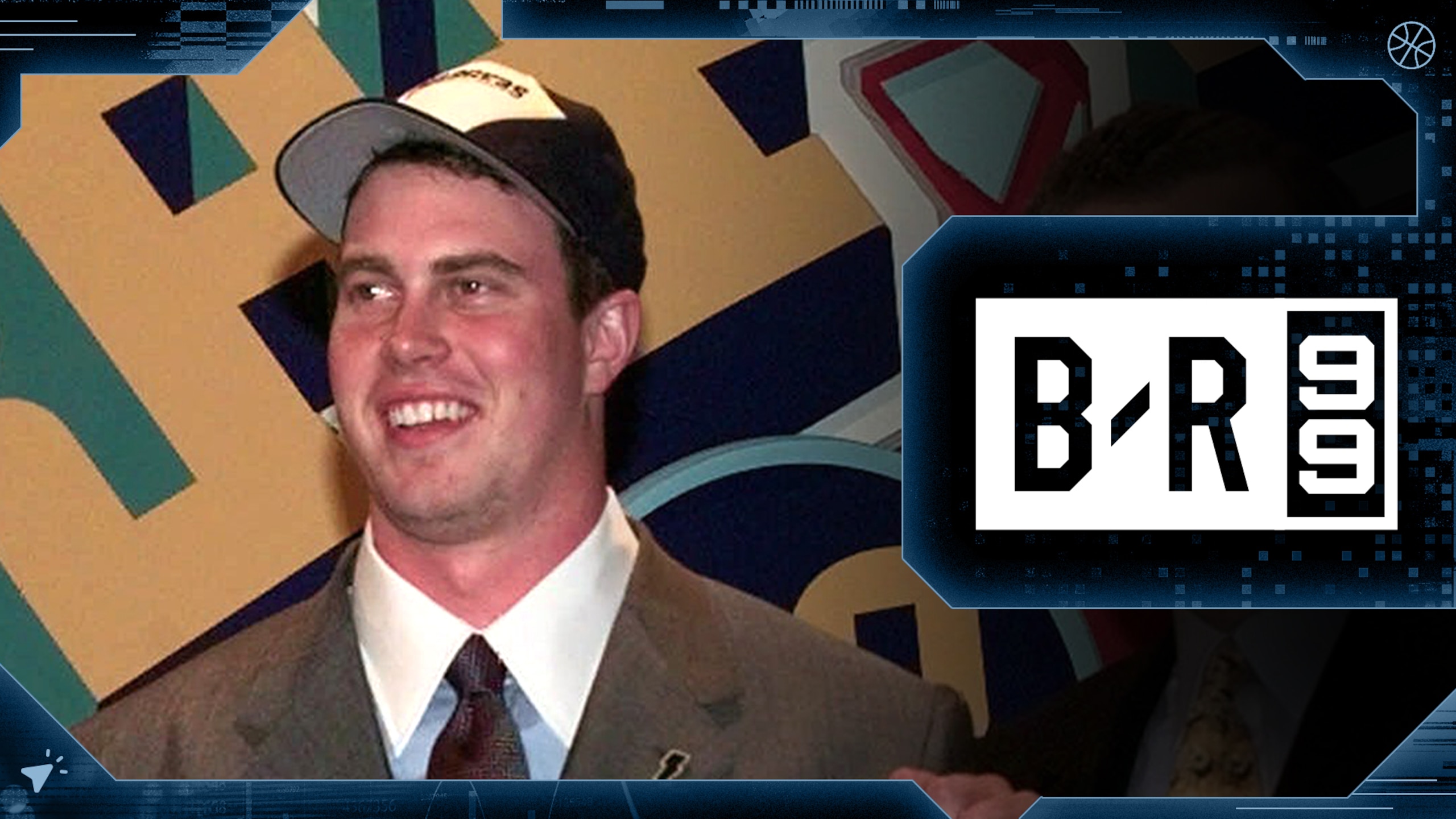
Selection: No. 2 | 1998 NFL Draft | San Diego Chargers
Position: QB
Career Stats: 25 G (1998-2001) | QBrec: 4-17-0 | Cmp%: 48.4 | Yds: 3,666 | Y/A: 5.6 | TD: 14 | Int: 36 | AV: 1
In 1998, two quarterbacks were battling for the right to be selected No. 1 overall. One of them would go on to become one of the greatest signal-callers to ever take a snap. The other would become Ryan Leaf.
To be fair, no one blasted the San Diego Chargers for trading up to draft Leaf after Peyton Manning—some considered Leaf the better prospect. But Leaf's rookie season with the Bolts was a catastrophe—a completion percentage of 45.3, two touchdowns and 15 interceptions.
You read that right.
Leaf then missed the entire 1999 season with a shoulder injury before returning in 2000 and doing his level best to be worse—similarly terrible stats and one victory in nine starts.
That was enough for the Chargers. Leaf would start three games for the Dallas Cowboys in 2001, but after that his NFL career was over.
High Vote: 1 | Low Vote: 4
1. JaMarcus Russell
100 of 100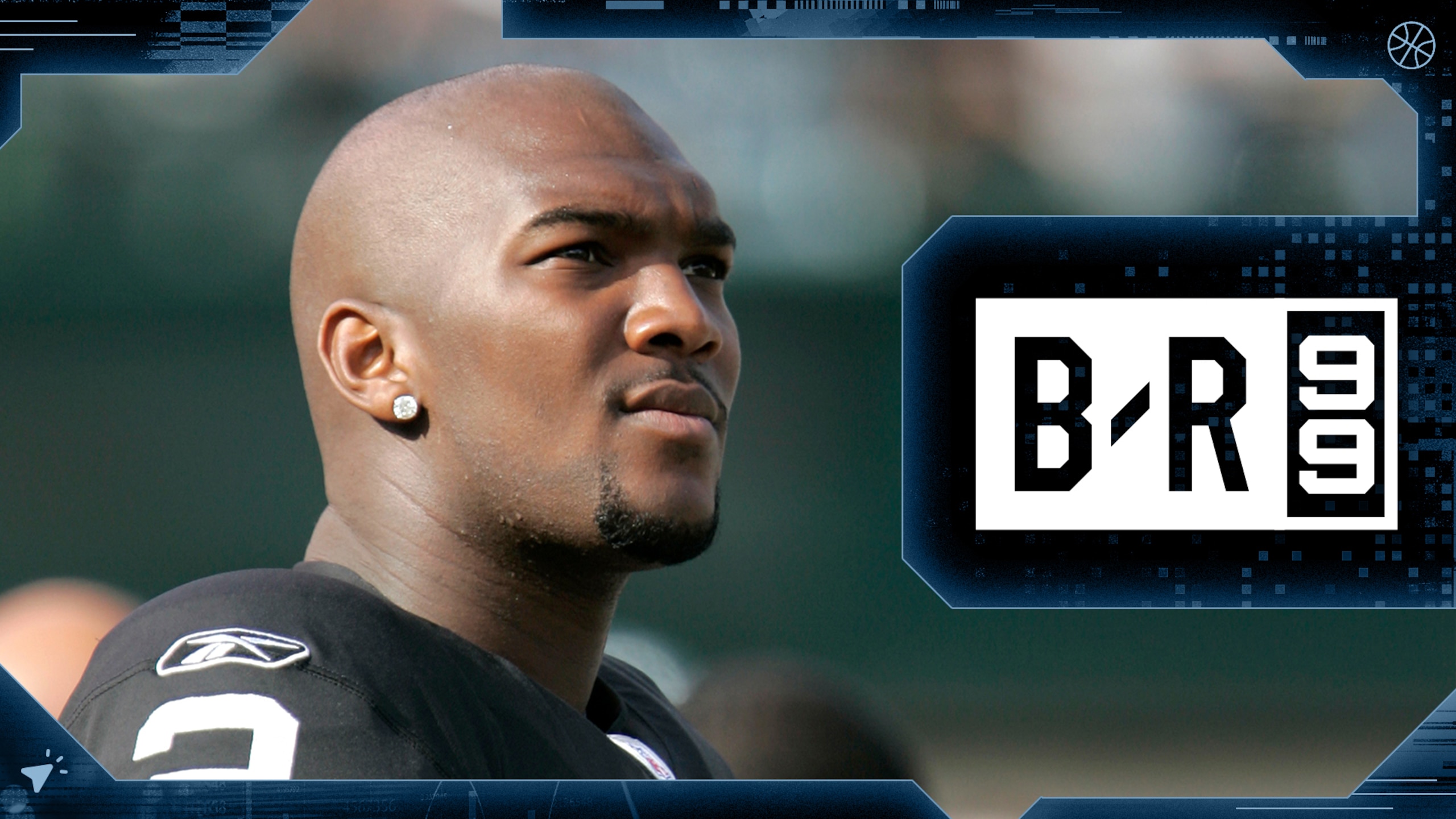
Selection: No. 1 | 2007 NFL Draft | Oakland Raiders
Position: QB
Career Stats: 31 G (2007-09) | QBrec: 7-18 | Cmp%: 52.1 | Yds: 4,083 | Y/A: 6.0 | TD: 18 | Int: 23 | AV: 6
The Raiders' selection of Fernando Mendoza first overall this year was the first time since 2007 the team had the No. 1 pick. The last time the franchise had it, it was the biggest draft bust in all of sports—ever.
It's not like the selection of Russell itself was bad—most expected the 6'6" gunslinger with a big arm to be drafted first overall. But there were warning signs as well, whether it was weight issues, inconsistent accuracy or questions about his commitment to film study.
The Raiders should have heeded those warnings.
Russell was terrible—over three seasons, he completed just over 52 percent of his passes with 18 touchdowns and 23 interceptions and a passer rating of just over 65. He won seven games and reportedly showed up for minicamp in 2010 weighing 300 pounds.
He was released that May and never played again.
High Vote: 1 | Low Vote: 2

.jpg?w=2560 "Chiefs Giants Football")
.jpg?w=2560 "5 Teams Eyeing Jonathan Taylor")
.jpg?w=2560 "Jonathan Taylor Landing Spots 📍")


