
2026 NHL Mock Draft: Ranking the Top 8 Defensemen in this Year's Class
The subplot for the 2026 NHL draft is the glut of defensemen. Expect the top 10 (and maybe a bit after) to be dominated by blueliners.
What's more, there is virtually no consensus. Four different defensemen get billing as the top defender in this draft class, while others may rank those same players fourth or fifth on their list of defensemen.
Also adding to the confusion is that many of these defensemen have very different makeups and project as very different types of players at the NHL level. It's not only about how one evaluates the players right now in May 2026, but what those players may look like in five years and how they might fit into different roles or systems. A player whose makeup makes a lot of sense for one team may not be a fit for the tactical styles of another.
There are eight defensemen in this draft class who could realistically go in the top half of the first round. This is our best attempt at ranking them.
Updated 2026 NHL Mock Draft
1 of 9
1. Toronto Maple Leafs: Gavin McKenna, LW, Penn State (NCAA)
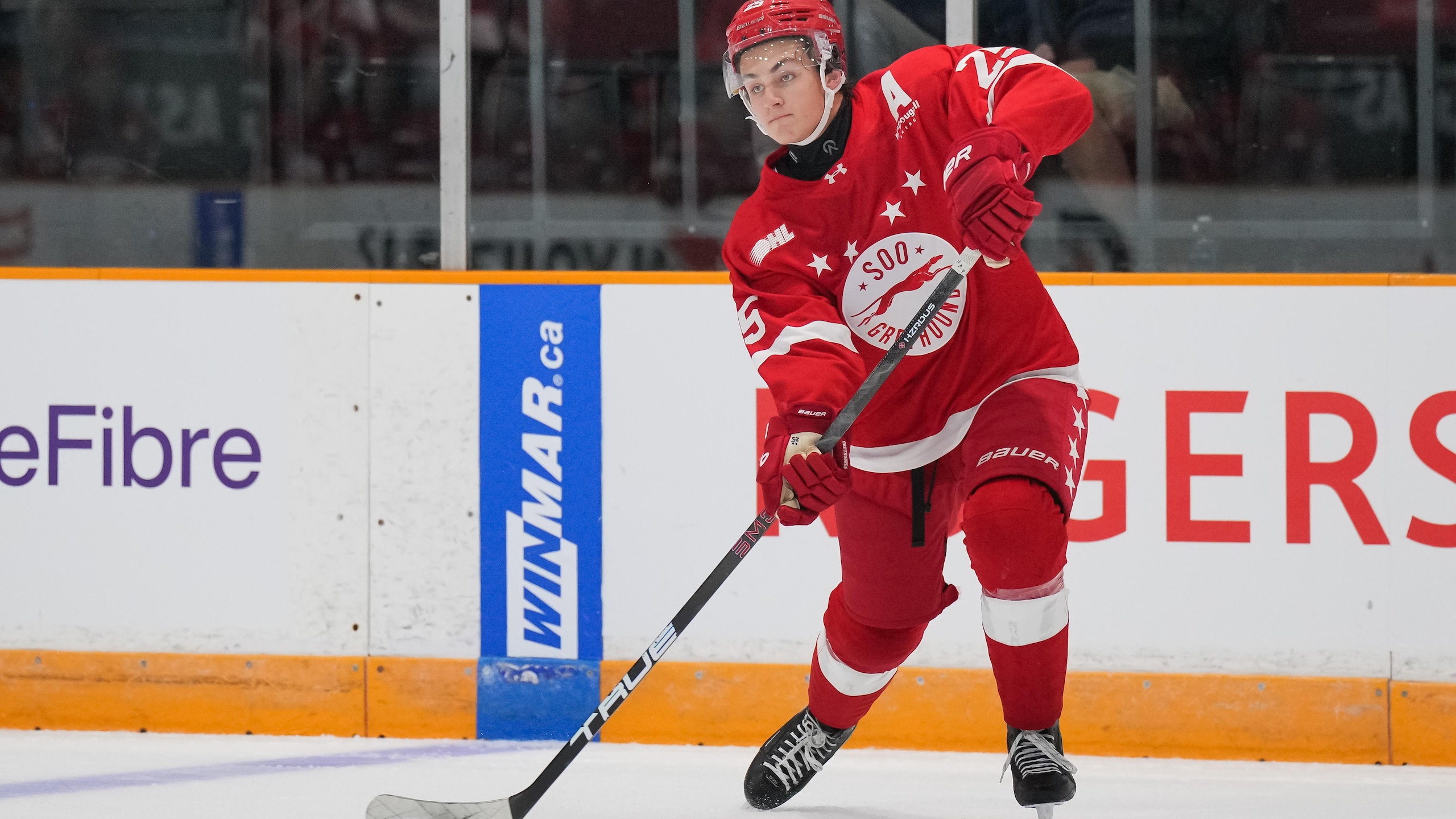
2. San Jose Sharks: Chase Reid, D, Sault Ste. Marie Greyhounds
3. Vancouver Canucks: Ivar Stenberg, LW/RW, Frölunda HC (SHL)
4. Chicago Blackhawks: Caleb Malhotra, C, Brantford Bulldogs (OHL)
5. New York Rangers: Carson Carels, D, Prince George Cougars (WHL)
6. Calgary Flames: Keaton Verhoeff, D, University of North Dakota (NCAA)
7. Seattle Kraken: Viggo Bjorck, C/RW, Djurgårdens IF
8. Winnipeg Jets: Alberts Šmits, D, Jukurit (Liiga)
9. Florida Panthers: Tynan Lawrence, C, Boston University (NCAA)
10. Nashville Predators: Daxon Rudolph, D, Prince Albert Raiders (WHL)
11. St. Louis Blues: Ethan Belchetz, LW, Windsor Spitfires (OHL)
12. New Jersey Devils: Oscar Hemming, F, Boston College (NCAA)
13. New York Islanders: Adam Novotny, LW/RW, Peterborough Petes (OHL)
14. Columbus Blue Jackets: Ryan Lin, D, Vancouver Giants (WHL)
15. St. Louis Blues (via DET): Oliver Suvanto, C, Tappara (Liiga)
16. Washington Capitals: Nikita Klepov, LW, Saginaw Spirit
17. Los Angeles Kings: Elton Hermansson, RW/LW, MoDo Hockey (Hockey Allsvenskan)
18. Washington Capitals (via ANA): Malte Gustafsson, D, HV71 (SHL)
19. Utah Mammoth: Ilia Morozov, F, Miami University (NCAA)
20. San Jose Sharks (via EDM): Egor Shilov, C, Victoriaville Tigres (QMJHL)
21. Philadelphia Flyers: Juho Piiparinen, D, Tappara (Liiga)
22. Pittsburgh Penguins: Xavier Villeneuve, D, Blainville-Boisbriand Armada (QMJHL)
23. Boston Bruins: JP Hurlbert, C, Kamloops Blazers (WHL)
24. Vancouver Canucks (via MIN): Marcus Nordmark, RW, Djurgardens IF U20 (U20 Nationell)
25. Montreal Canadiens: Wyatt Cullen, LW, USNTDP
26. Seattle Kraken (via TBL): Liam Ruck, RW, Medicine Hat Tigers (WHL)
27. New York Rangers (via DAL): Mathis Preston, RW, Vancouver Giants (WHL)
28. Calgary Flames (via VGK): Maddox Dagenais, C, Quebec Remparts (QMJHL)
29. Buffalo Sabres: Jack Hextall, C, Youngstown Phantoms (USHL)
30. Carolina Hurricanes: Jaxon Cover, LW, London Knights (OHL)
31. St. Louis Blues (via COL): Adam Valentini, LW, University of Michigan (NCAA)
32. Ottawa Senators: Ryan Roobroeck, C, Niagara IceDogs (OHL)
8. Malte Gustafsson, HV71 (SHL)
2 of 9Gustafsson made a strong impression at the Hlinka Gretzky tournament back in August. The Swedish lefty is 6'4" and highly mobile. That's a very good starting point for a defenseman. I had him earmarked as a likely riser who would work his way into first-round discussions and he is very much there now.
Gustafsson, with that reach and speed, can eat up a lot of ice. He kills a lot of plays in the neutral zone and is often first to 50/50 pucks. Particularly on dump-ins. He's not a major offensive creator, but Gustafsson is poised enough to make a good first pass out of the zone or carry out with his feet. I also like his physicality. It's not gaudy but efficient. He won't be bullied around the crease. He pushes players off the puck around the walls.
What holds him back is a lack of true offensive capability. He has some shiftiness carrying the puck, and he can shoot the puck off the rush, but he's not much of a creator in-zone, nor is he going to dictate the tempo through the neutral zone. His production in Swedish juniors this season is not a strong point, but I'm still betting on his size and speed.
He's a later birthday (June 2008), and he has already held his own in limited minutes for HV71 in the Swedish Hockey League. I like him as a shutdown defenseman with some transitional abilities, in the style of a Brady Skjei, though more likely in a second-pairing role. I think he's a perfectly reasonable pick in the middle of the first round.
7. Xavier Villeneuve, Blainville-Boisbriand Armada (QMJHL)
3 of 9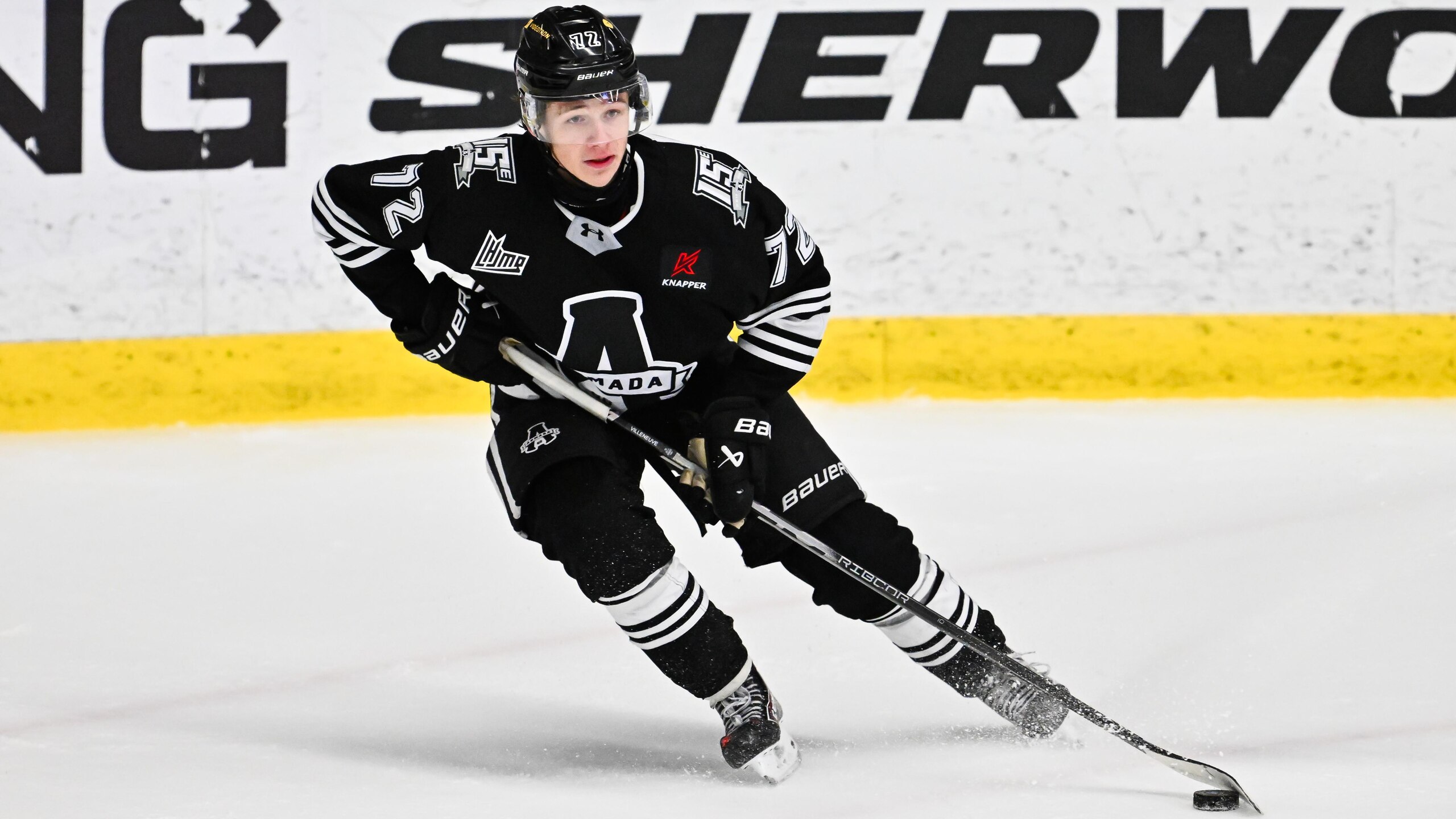
Villeneuve is one of the more interesting players in this draft class. He's light on his feet but also bursts out of a standstill to be first to 50/50 pucks or jet past a forechecker. He plays as a rover, often looking like a fourth forward or even acting like the first or second forechecker if he thinks the timing is right.
He is also very creative. In step with his agility, Villeneuve weaves in body contortions — head fakes, shoulder feints, etc. — to discombobulate defenses and create misdirection. Villeneuve does a very good job of making east-west passes in a way that defenses and goaltenders are late to rotate across to handle.
The elephant in the room is that Villeneuve is generously listed at 5'11" and 157 pounds. He needs to add a lot of weight (and ideally an inch to his height) without losing his airy mobility. I actually feel okay about his defensive instincts; good angling at times, defending the rush. He has his sketchy moments in picking up his checks, but I didn't see anything truly egregious too often.
If it all connects for Villeneuve, he's a rare top-pairing offensive defenseman. Lane Hutson's Norris-caliber impact is unrealistic, but we're talking about that style of player. There are a number of reasons to be skeptical that he can reach his ceiling — among them are that he was about two weeks away from being eligible for the 2025 NHL Draft and his production plateaued this season. And if he doesn't hit, then it's hard to see a B-game for him. He doesn't have the makeup to be a middle-of-the-lineup minute-eater.
There's a lot of risk baked in, but many people have Villeneuve ranked outside the top-20, or even in the first round. For me, it's difficult to add difference makers, and Villeneuve has a chance. I'd bet on the upside outside the top 10. Especially if I had a lot of draft capital or a strong prospect pool to fall back on.
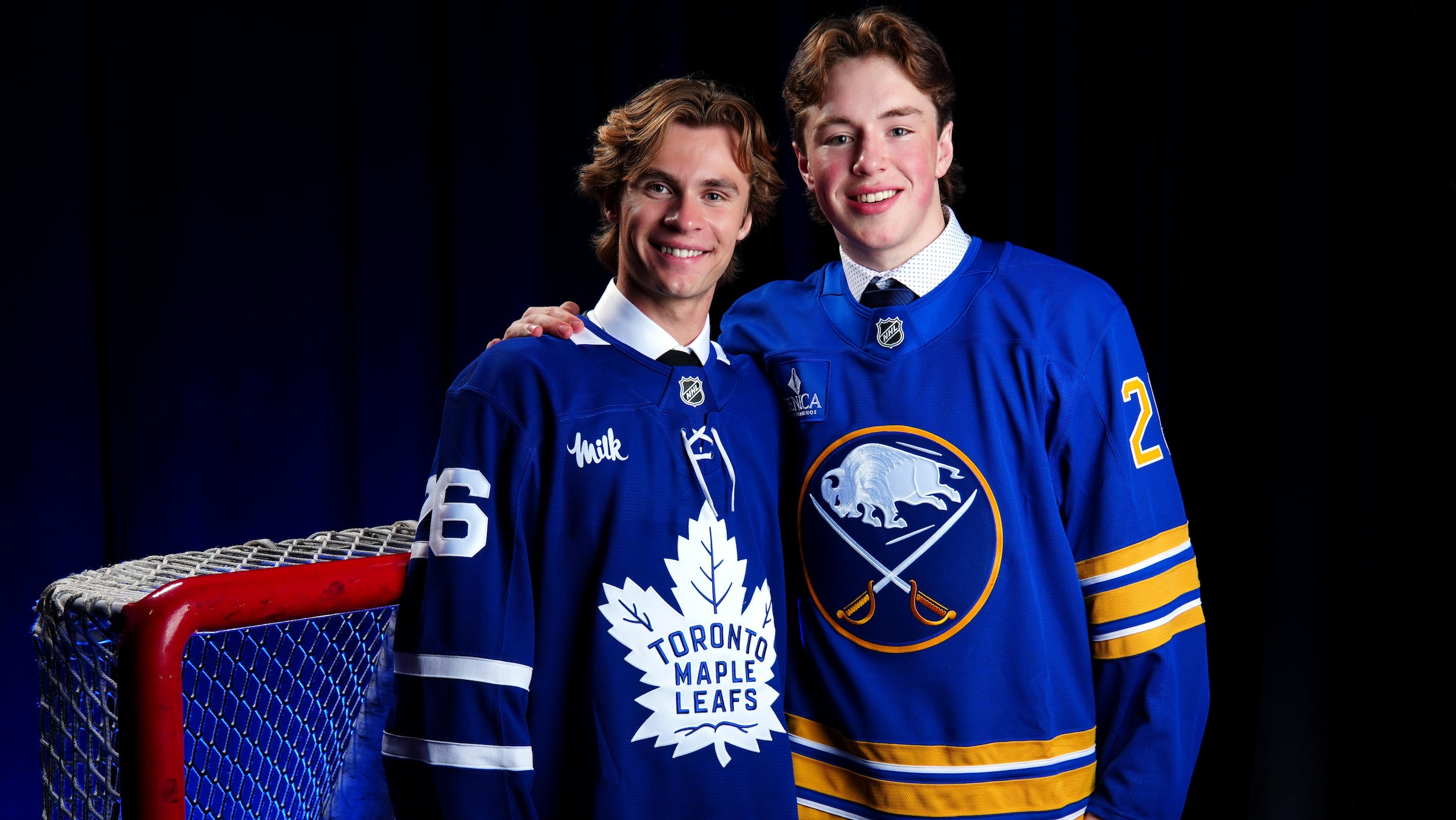
6. Albert Šmits, Jukurit (Liiga)
4 of 9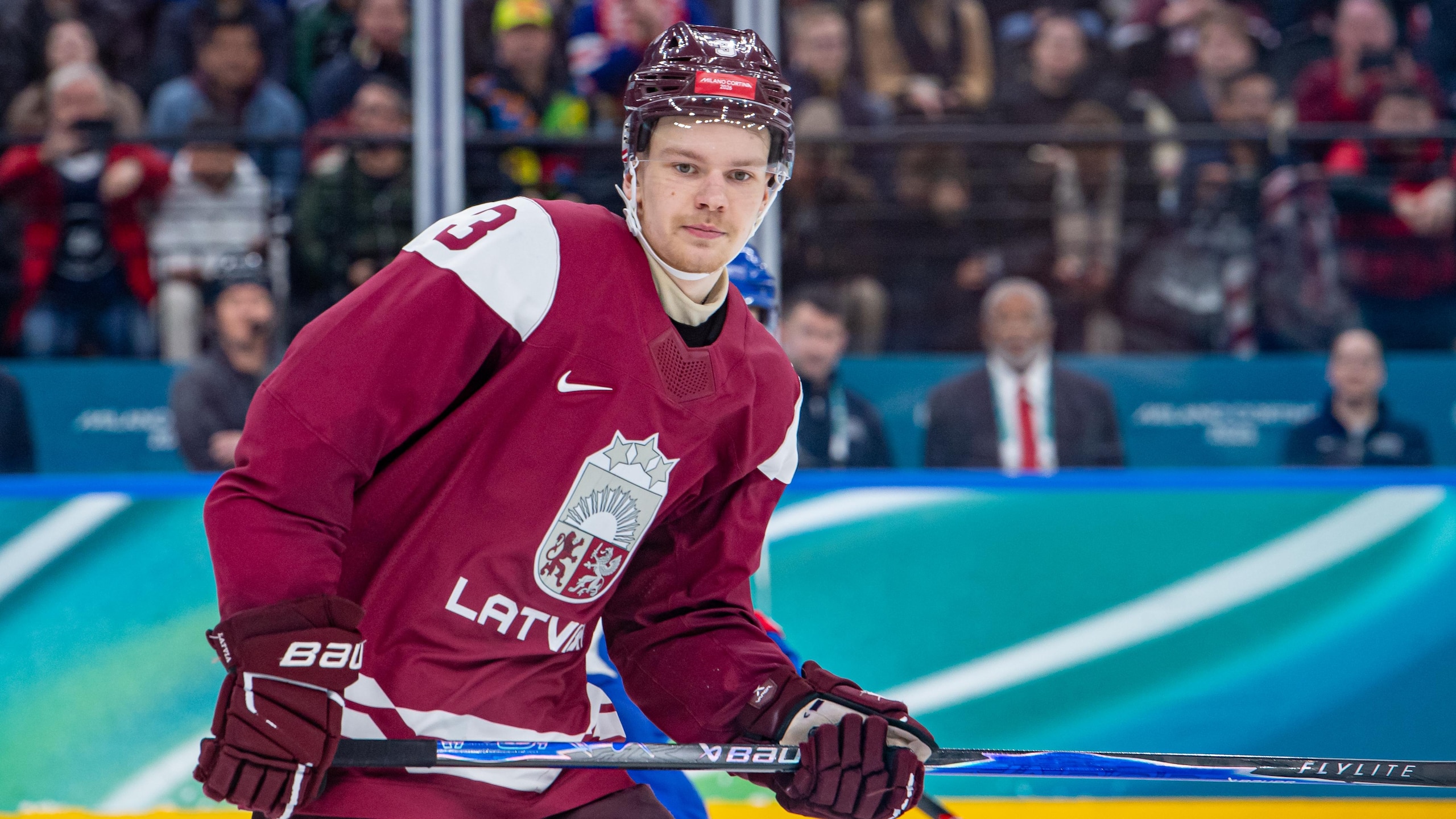
Šmits certainly gives a strong first impression. He's a 6'3" left-handed defenseman with really good north-south speed and four-way mobility.
He stands out right away, even against adult professionals, against whom he played in both Finland and Germany this season. He's also unabashedly physical and hardly looked intimidated by his competition, which often consisted of former NHL players or Europe's best.
That's a good starting point for a top-10 draft pick. I have too many questions about the rest of his game to put him higher than the others on this list. While he showed some offensive creativity in Finnish juniors, his offense looked pretty vanilla at higher levels. He can join the rush with his speed or move low to present as an option in the O-zone, but he's not going to dictate play.
I also worry about his decision-making. He is an uber-aggressive defenseman, but can he tame that for the NHL, where systems are crucial and top players will bait him into bad decisions? He is also careless with the puck too often for my liking. Bad turnovers in the defensive zone. Sometimes they are due to being pressured, but sometimes he just didn't look before sending the puck into an area of the ice.
A question I am consistently asking myself about physically advantageous prospects: Is he exceptional, or is he just early? There's a history of players who played mature games at this age/level only to plateau: Charlie Stramel, David Reinbacher, and David Jiříček, among them. Šmits has a December birthday, which makes him on the older side of this draft class.
It is possible that Šmits turns into a game-breaking defenseman, but I err more towards believing he becomes a second-pairing minute-eater.
5. Daxon Rudolph, Prince Albert Raiders (WHL)
5 of 9Rudolph is this draft's best bet as a pure offensive defenseman.
He scored 28 goals and added 50 assists in 68 WHL games, and his playoff production was equally extravagant. He's an excellent stickhandler and combines that with strong puck poise. He creates lanes to attack, and his shot is nasty. He creates lots of zone entries carrying the puck, and he can shoot off the rush. I also like his movement in the offensive zone off the puck to take advantage of defenders' blind spots and get open down low.
The defensive game is a work in progress, and that knocks his stock down. He's too passive in defending one-on-one or rotating his coverage, disrupting players carrying into the slot. He is also surprisingly inconsistent in making decisions with the puck in the defensive zone.
To his credit, Rudolph increased his physicality as the season went on, and by the end of the WHL playoffs, I saw him really engaged and pushing opposing forwards around. He's also 6'3", so he has some defensive potential. Maybe not as a true lockdown guy, but certainly a respectable off-puck player who won't negate his high-end offensive capabilities.
This draft is loaded with 200-foot defensemen and Rudolph is too much of a question mark to rank any higher. He nonetheless looks like a true NHL PP quarterback.
4. Ryan Lin, Vancouver Giants (WHL)
6 of 9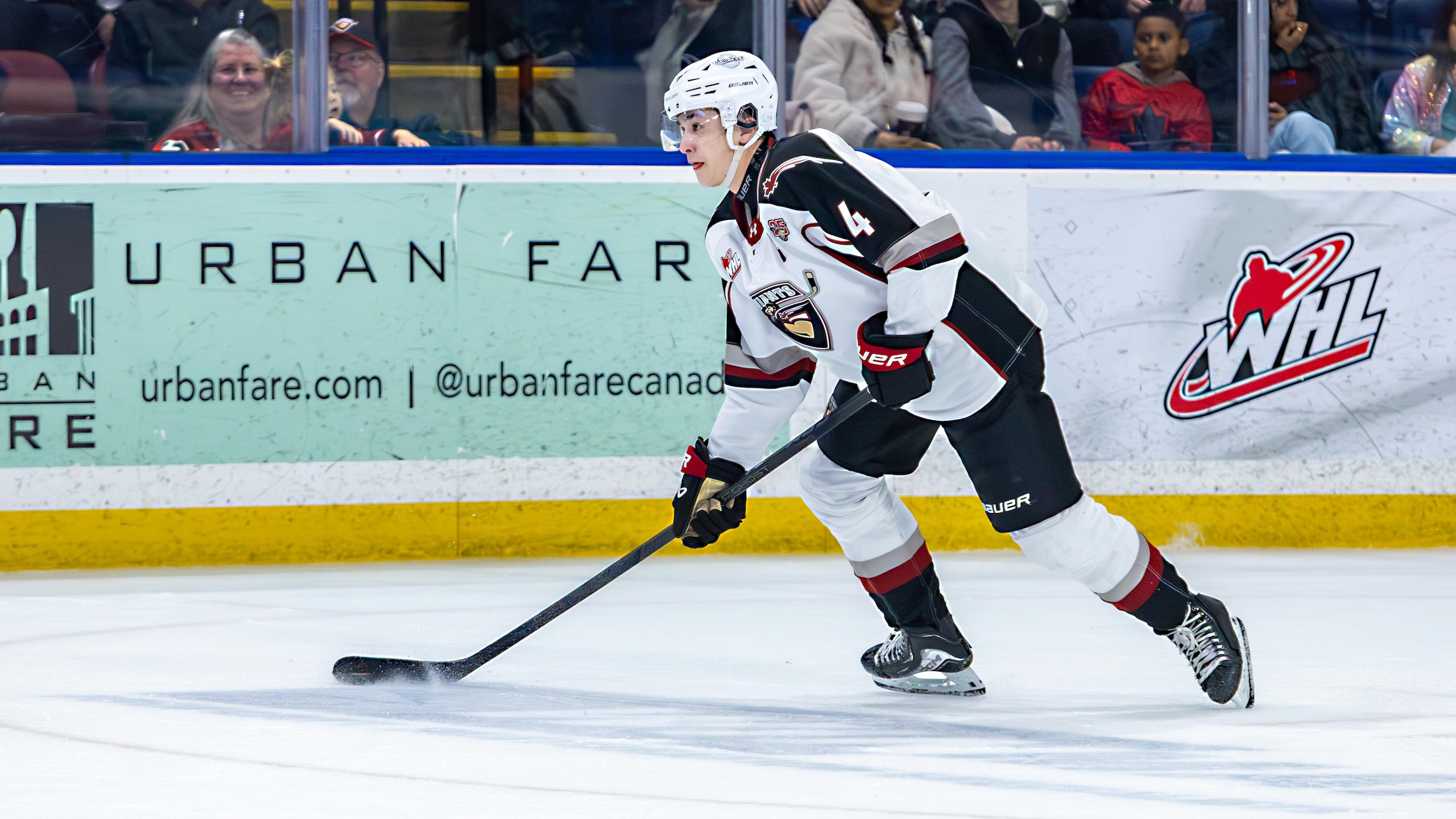
I don't think many people have Lin ranked as the fourth-best defenseman in the draft, but I think it's an intuitive place to rank him. Let's start with the numbers.
He had 57 points in 53 games, 14 of which were goals. That production puts him in the range of some serious offensive defensemen in the NHL (Ivan Provorov, Morgan Rielly, Bowen Byram, among them) despite the fact that, and this needs to be emphasized, Lin had little help this season. Lin finished 17 points ahead of the next-highest scorer, a center who played 14 more games.
Lin is pure hockey smarts. I love the way he operates at the point, moving laterally to create a lane for himself. He's an intelligent shooter, hiding his release through masses of bodies and floating pucks where they'll get past layers of traffic or be conducive to tip-ins. He's a clever passer in small spaces but also hits his teammates on the tape when stretching the ice or finding an escape on the weak side.
His skating is not great, especially considering his 5'11" size, but he makes up for that with anticipation and fundamentals. Lin takes great routes to the puck when defending against a transition or collecting a dump-in.
The physical inequities hurt his stock, but I think those problems are overstated. In fact, I like that Lin has already had to adapt to playing against bigger or faster players. Those problem-solving abilities should carry over to the pro level. He's also going to play for David Carle at the University of Denver, a dream development spot for a cerebral defenseman.
3. Chase Reid, Sault Ste. Marie Greyhounds (OHL)
7 of 9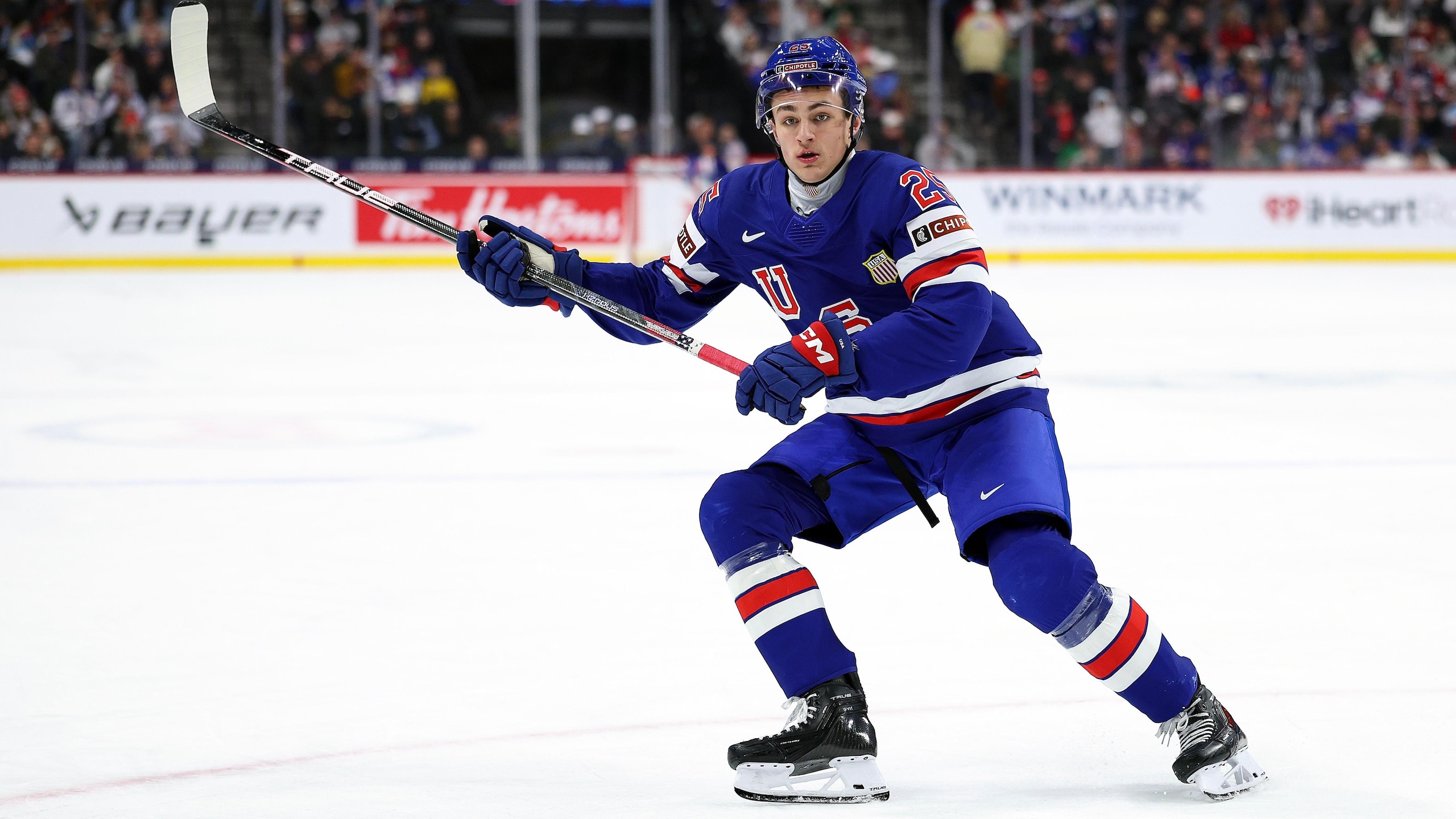
Many argue that Reid is the top defenseman in this draft and may go as high as second overall.
To be fair, I see the case for it. His skating is exceptional. His highlight-reel moments are as good as any defenseman's. He carves up neutral zone forechecks and can be a one-man zone entry. He had 18 goals and 30 assists. Reid is 6'2" and shows some bite defensively. If everything connects with him, we're talking about a rare caliber of player.
I'm more skeptical than others that he'll get there. While he's fun to watch, sometimes he spends a lot of time skating with the puck only to turn the play into nothing. He has a great wrist shot, but I otherwise don't see him as effective on the puck from stationary positions. He has some good moments defensively, but at times, he overcommits to try to strip pucks rather than play to take away the other player's lanes of opportunity. Angling and timing defending the rush can be awkward.
One scout with whom I spoke insisted that it matters that Reid is a 2007 birthday (compared to Verhoeff and Carels, who are 2008). It's not just that Reid is older, but that he effectively is a season ahead of those two in terms of development. Reid has the highest upside of any defenseman in the draft, but the obstacles towards hitting that peak are enough to drop him to third on my list of available defensemen.
2. Carson Carels, Prince George Cougars (WHL)
8 of 9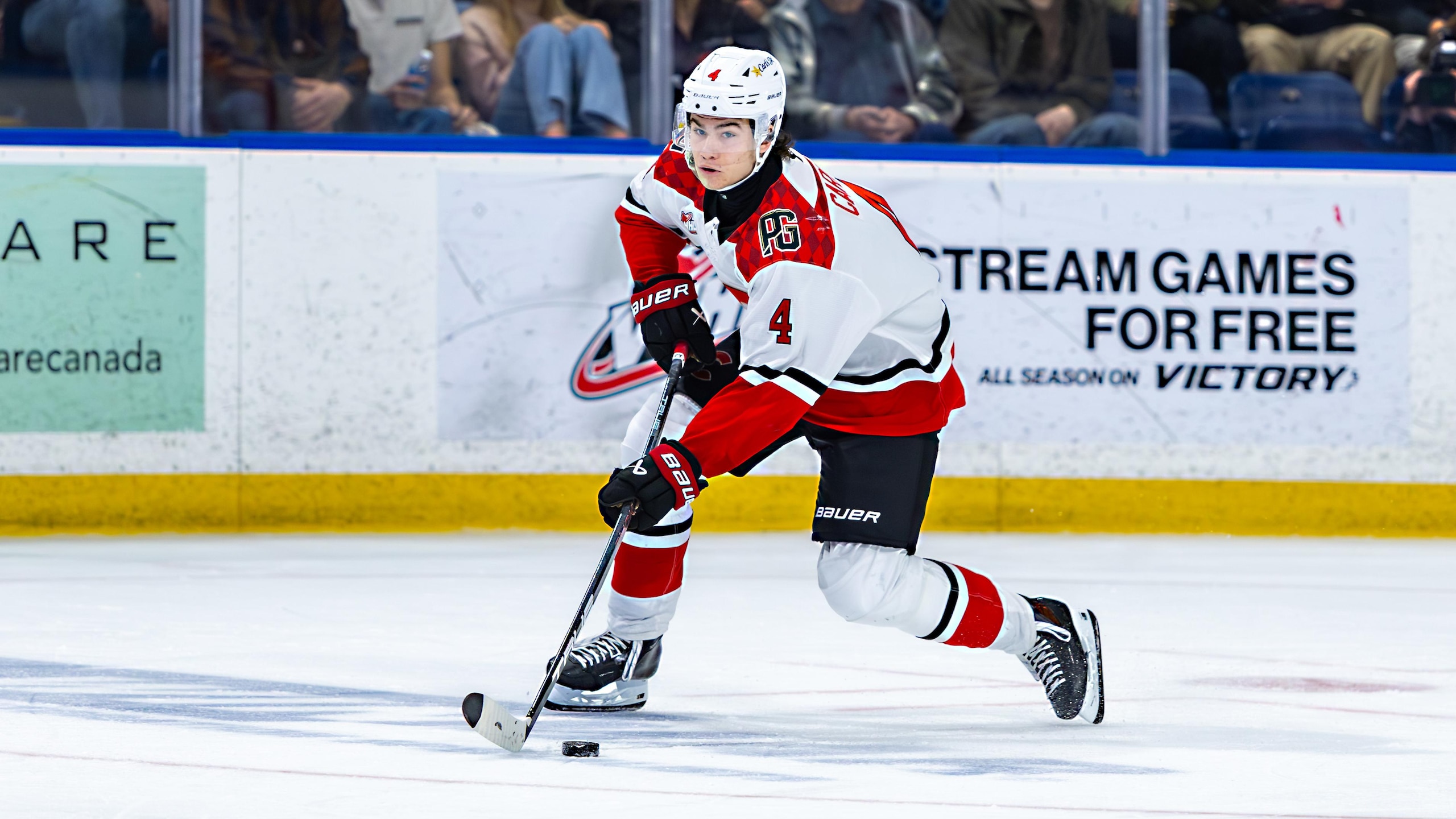
The margins between Verhoeff and Carels as prospects are thin, and Carels does have some traits that support placing him above Verhoeff. He is a better skater at the moment. The footwork is pretty nice, and he has some acceleration to separate from a forechecker or beat a defender wide when carrying the puck up the ice.
He also has more instinctual aggressiveness than Verhoeff. He's a very physical player. He loads in a low stance to throw heavy hits. He blocks shots.
And it's hard to ignore the numbers. Twenty goals and 53 assists in 58 WHL games. That adds up to the highest points-per-game by a draft-eligible WHL defenseman (1.26) since Scott Niedermayer in 1991 (1.44).
He's going to be a really good defenseman in the NHL. I am less certain that he'll be a great one. The numbers don't really match the video, and he doesn't show true point-guard abilities at the blue line.
I also worry about how his aggressiveness will translate at the NHL level. Better players will anticipate and sidestep his frequent attempts to go for big hits or aggressive pinches. I'm just not convinced that he thinks the game as well as Verhoeff, but that's not meant to imply he's a dumb player by any means. If Carels becomes a No. 2 defenseman, that's still a major building block who would justify a selection in the 4-6 range.
1. Keaton Verhoeff, University of North Dakota (NCAA)
9 of 9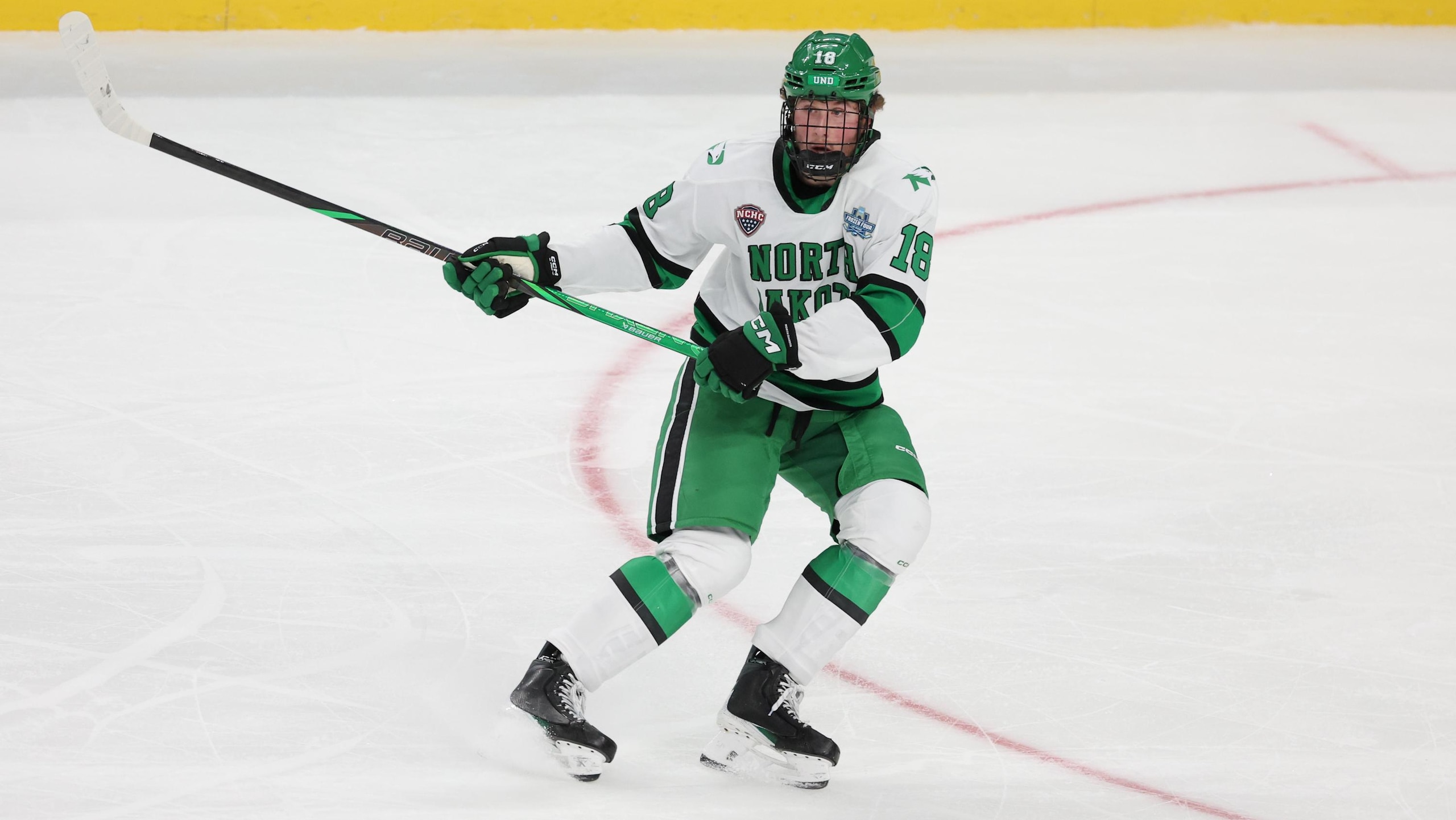
I think there has been an overcorrection from the unfair expectations early in the season that Verhoeff might challenge for first overall. His season at North Dakota was lukewarm — six goals and 14 assists in 36 games — but that puts him about on par with Owen Power and Noah Hanifin despite being much younger than they were as NCAA freshmen. The glass-half-full perspective is that his baseline is already that of a very good NHL defenseman, and he may still have a lot more to give.
In Verhoeff, I see a defenseman that a team can potentially build around. Not a superstar, but prime Aaron Ekblad-like. He is 6'4" and already uses his size and reach extremely well. His shot is an absolute rocket, and he does well to put himself in scoring positions. He's a really smart defenseman and looked extremely comfortable commanding the point even at the NCAA level.
Skating is problematic, but at full stride, he keeps up. It's about cleaning up his pivots and small-area footwork. Based on everything I've heard, he's amenable to learning and works hard to improve his game.
I debated this one for a while but one fact has stuck with me: Carson Carels and Chase Reid had incredible seasons as goal-scoring defensemen and yet their goal totals (20 and 18 respectively) STILL fell below Verhoeff's 21 goals in the WHL last season. Had he stayed in the WHL instead of challenging himself at the college level, we may not be debating this slot.
.jpg?w=2560 "Cam Ward Says He's Not A Loser")
.jpg?w=2560 "Chargers Fall to 0-5 🤢")
.jpg?w=2560 "Viral Dan Campbell Presser 💙")