.jpg?w=2560)


In a shocking development, all 30 NBA teams did everything exactly right this season.
Just kidding, there were screw-ups galore! And we're here to point them out from the comfort of the sidelines.
Gaffes ran the gamut, from draft-day blunders to misguided signings to baffling trades. In some cases, timing was the issue. Far too many teams waited too long to pull the ripcord on the season, while others misjudged their position in the league from the jump.
From contenders to tankers, every team slipped up this year. Let's run down the list of regrets.
Atlanta Hawks: Postponing the Trae Young Trade
1 of 30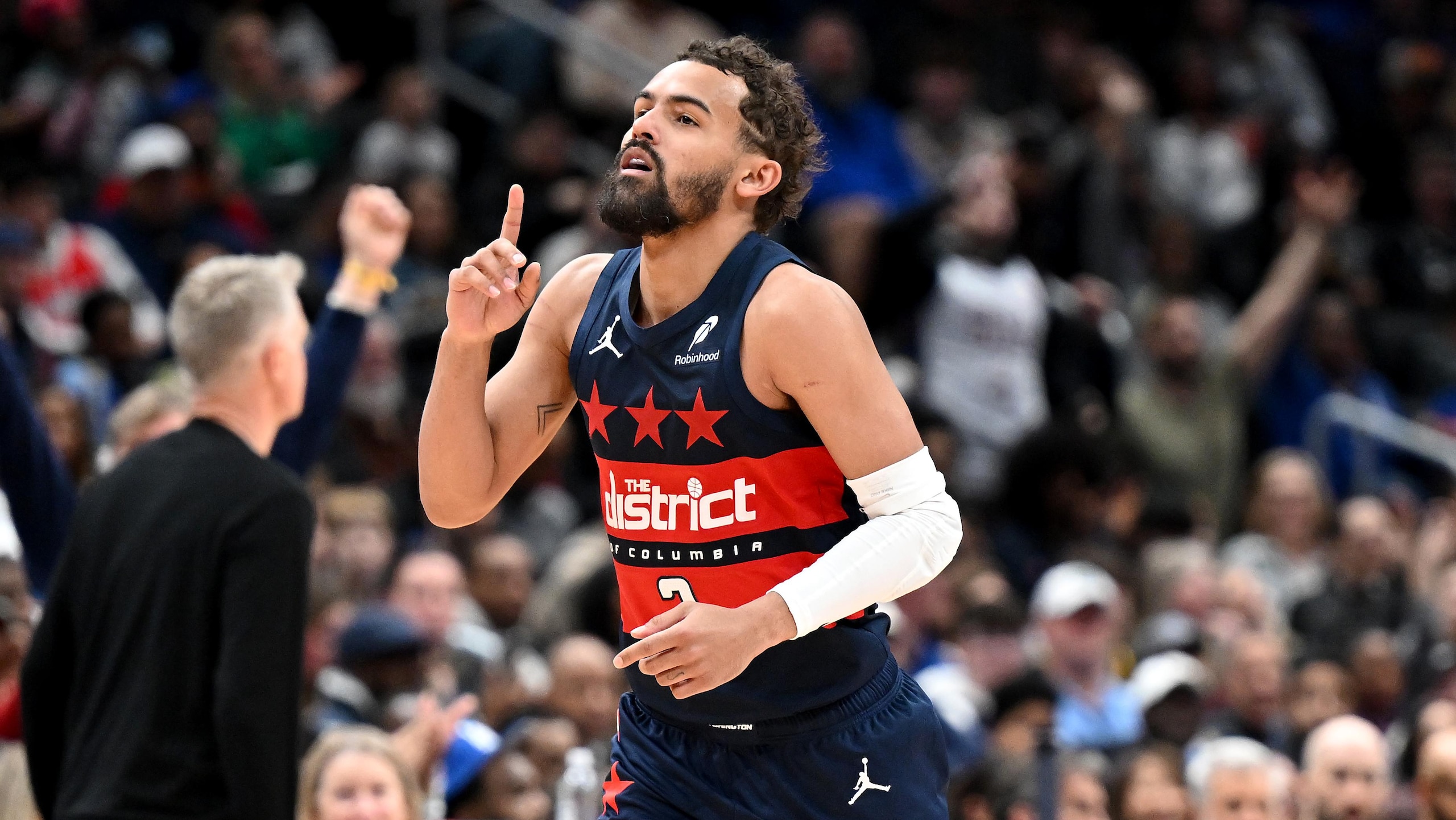
All's well that ends well, as the Atlanta Hawks were better off without Trae Young. But it's hard to argue they would have netted a worse return if they'd pulled the trigger on a trade before the season started.
All Atlanta got from the Washington Wizards for the four-time All-Star and former franchise cornerstone was a pair of vets in CJ McCollum and Corey Kispert.
McCollum slotted into what became one of the league's top lineups in Atlanta, but he comes off the books after this season. Kispert didn't even secure a regular rotation role. For Young, the Hawks got no draft picks, no young talent and no real long-term benefit beyond a fresh start.
Had Atlanta moved more proactively, it could have collected a much larger haul.
Boston Celtics: Second-Round Miss
2 of 30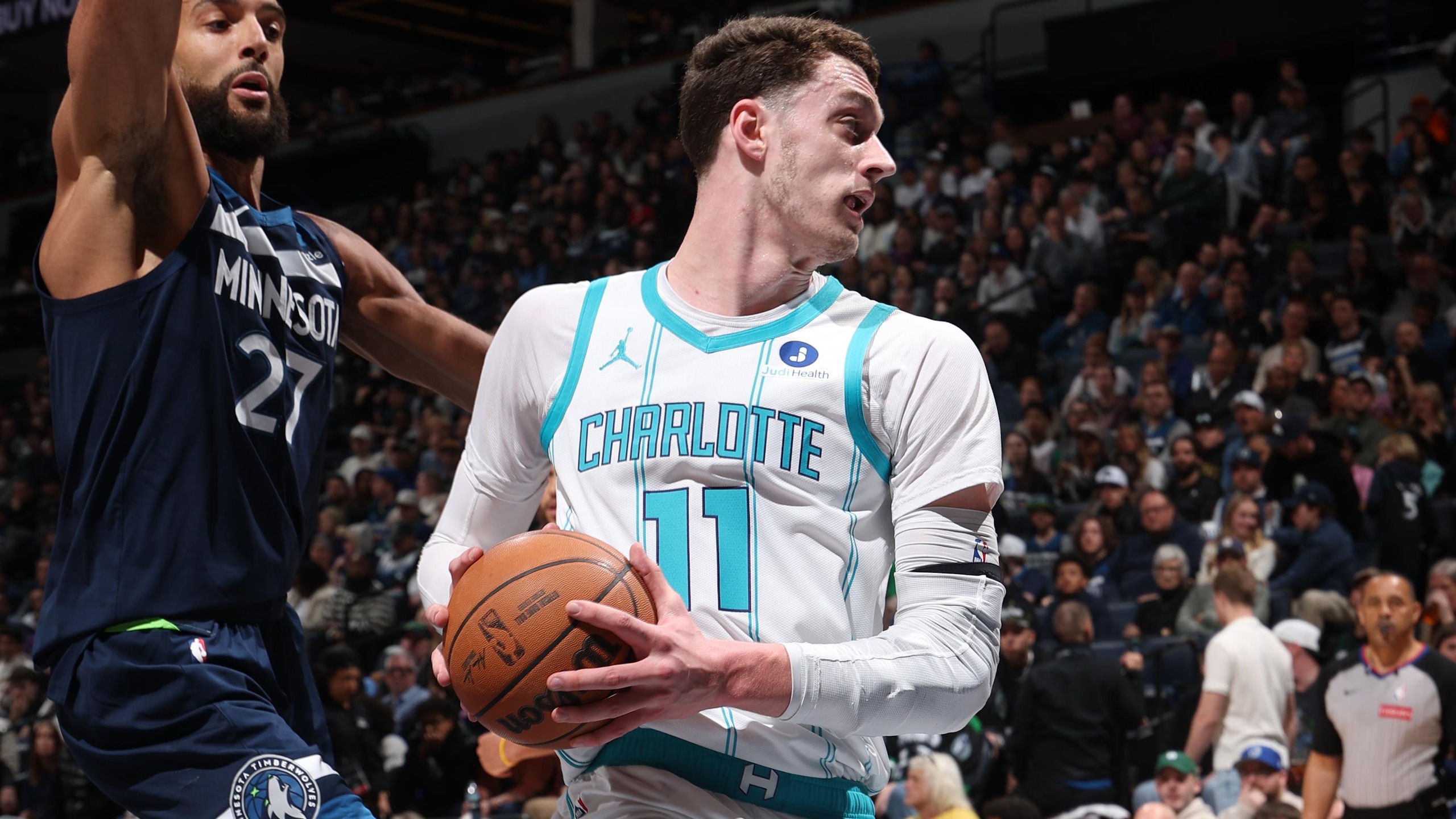
There's not a lot of room for notes on the Boston Celtics' 2025-26 performance. Brad Stevens probably deserves to win Executive of the Year for dumping metric tons of salary while somehow finding enough role players to build a contending roster.
The closest we can come to finding a regret involves Boston's second-round pick from the most recent draft, and even that has to be viewed alongside the rousing success of the Hugo Gonzalez pick at No. 28.
Boston took (and traded) Noah Penda with the 32nd pick, passing on Sion James and Ryan Kalkbrenner, who went 33rd and 34th to the Charlotte Hornets. Kalkbrenner, in particular, would have been a major boost to the otherwise thin center spot. He blocked 2.5 shots per 36 minutes while making a ridiculous three-quarters of his shots from the field.
Brooklyn Nets: Not Mixing It Up
3 of 30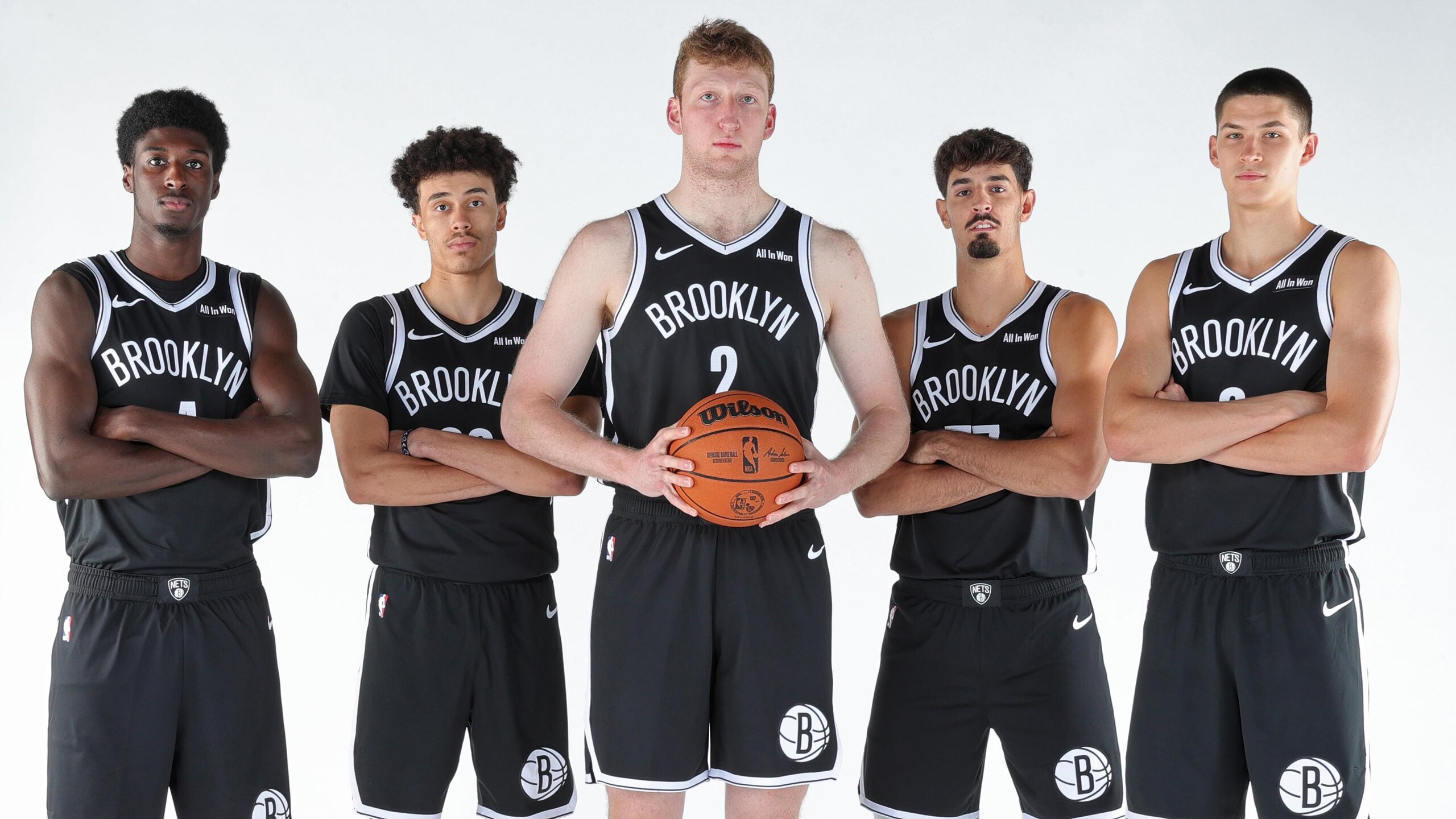
The Brooklyn Nets had five first-round picks in the 2025 draft, yet used all of them and didn't emerge with anything close to a potential cornerstone.
That's not a shocking result in a draft class that ran out of that player type long before Brooklyn's first pick at No. 8, but the poor results suggest a more varied approach would have been better.
The Nets could have packaged a couple of their picks to move up. They could have pivoted away from playmakers after taking their third theoretical point guard, Ben Saraf, at No. 26 after grabbing Egor Demin and Nolan Traoré at eighth and 19th. They could have capitalized on Memphis' clear desire to move up to No. 11 for Cedric Coward. They could have just taken Coward themselves!
Hindsight is 20/20, but the Nets clearly could have come away from the 2025 draft with a better haul.
Charlotte Hornets: Not Buying More Aggressively at the Deadline
4 of 30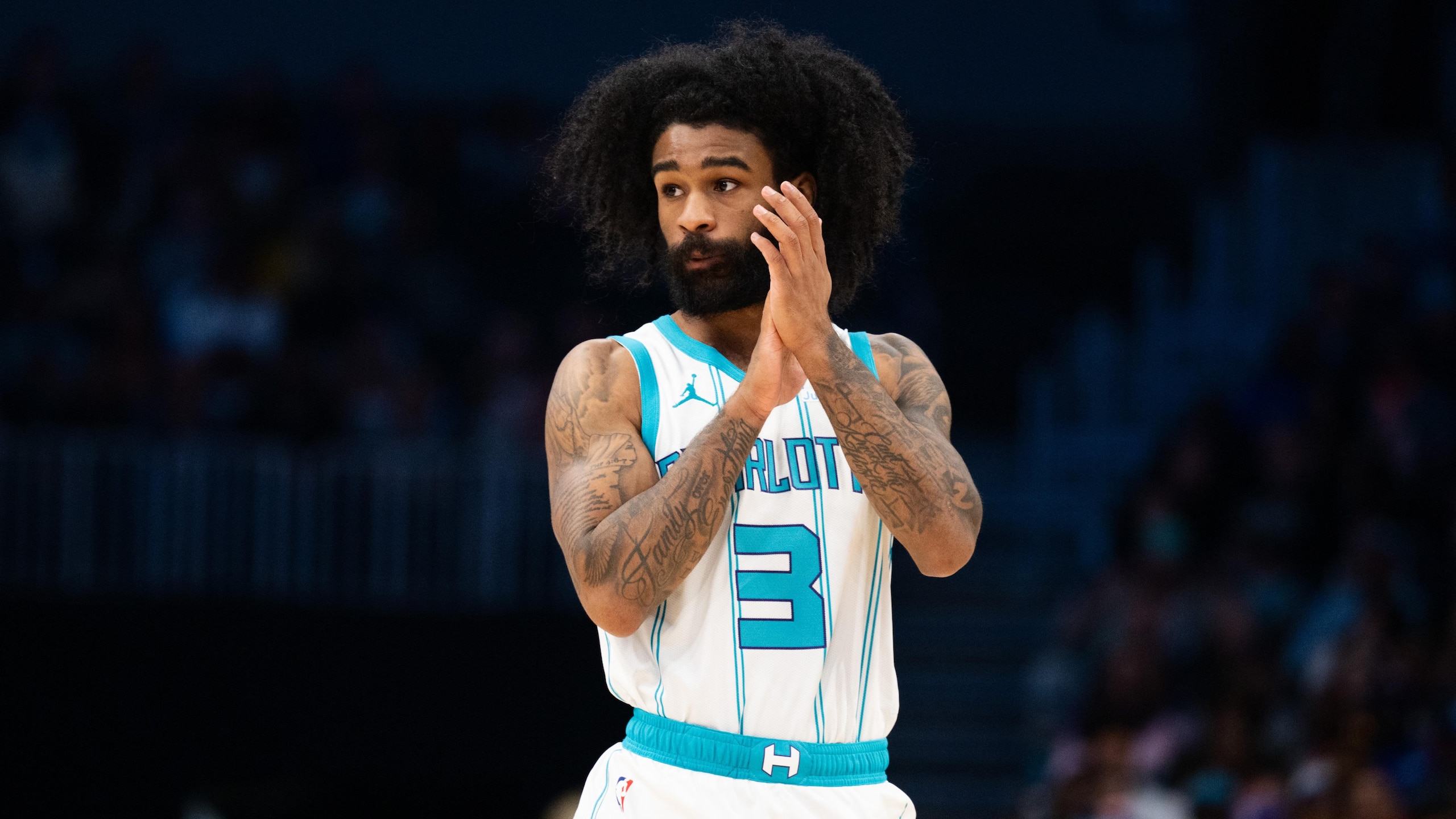
Coby White worked out just fine as a backup point guard and occasional closer, but he shouldn't have been the Hornets' only major deadline acquisition.
This team had the fifth-best net rating, ranking third on offense and fifth on defense, from Nov. 25 to the end of the year. That's a contender's profile, even if it's hard to look at such a young roster and proclaim it ready to compete at the highest level.
Cautious, marginal moves were a big part of getting the Hornets to this point, so management's relatively conservative behavior is tough to question. But just imagine what the Hornets could do in the postseason if they'd upgraded Miles Bridges' spot in the starting lineup, or if they'd added a floor-spacing center.
The future is bright in Charlotte, but more aggression at the deadline could have made the present a lot more interesting.
Chicago Bulls: Waiting So Long to Change Leadership
5 of 30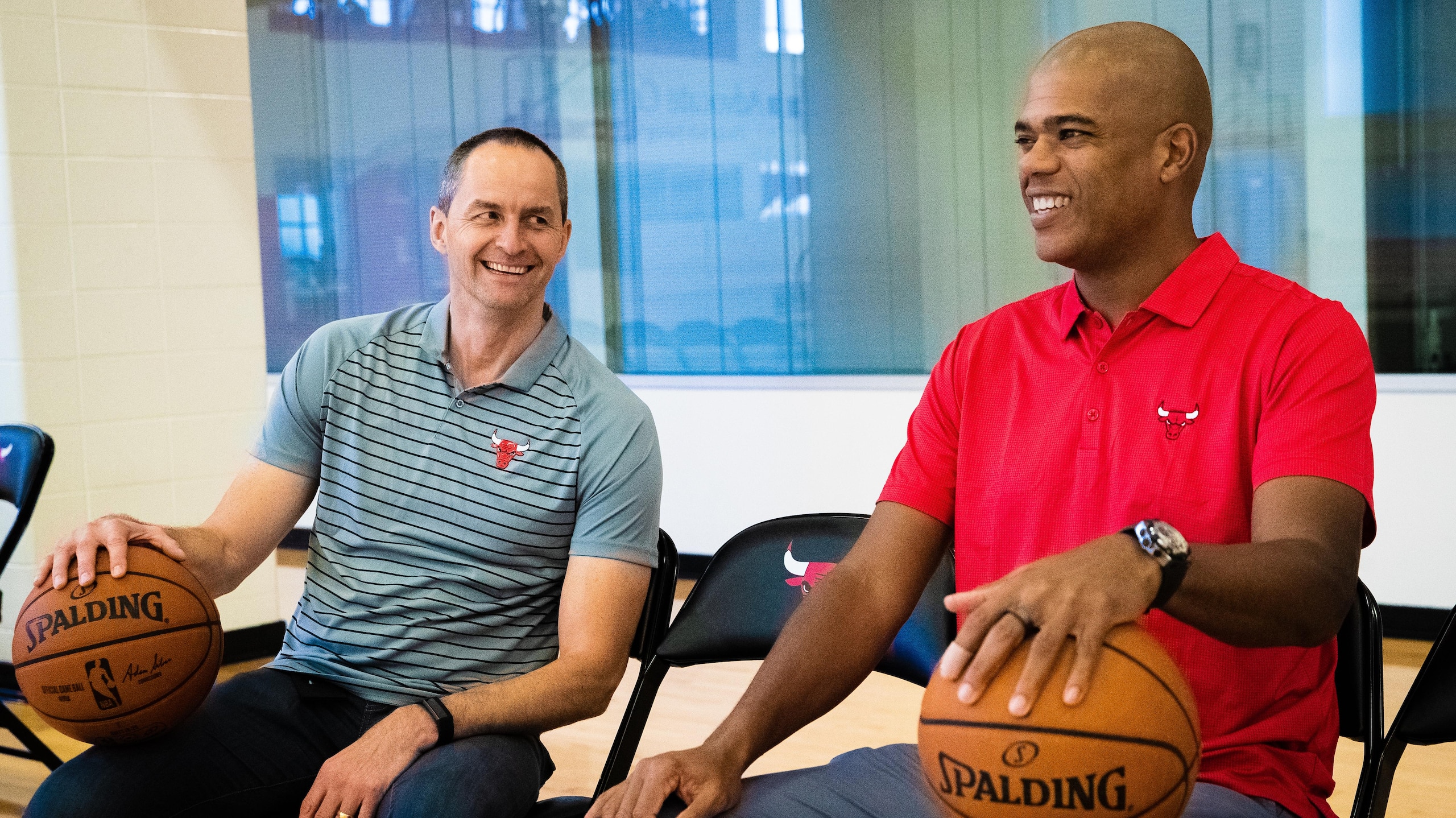
Better late than never, but the Chicago Bulls did themselves no favors by waiting until there was only a week left in the season to move on from executive vice president Arturas Karnisovas and general manager Marc Eversley.
If we're excluding ownership, where the buck ultimately stops and where true blame resides, those two were chiefly responsible for the last six seasons of mediocrity. Chicago's ill-advised signings and refusal to tear down an obviously unremarkable roster made it the prime example of just how fruitless life in the NBA's dreaded middle could be.
There were worse teams than the Bulls during Karnisovas and Eversley's tenure, but few were as hopeless.
Leadership change was the right decision, but the Bulls will regret waiting so long to make it.
Cleveland Cavaliers: The James Harden Trade
6 of 30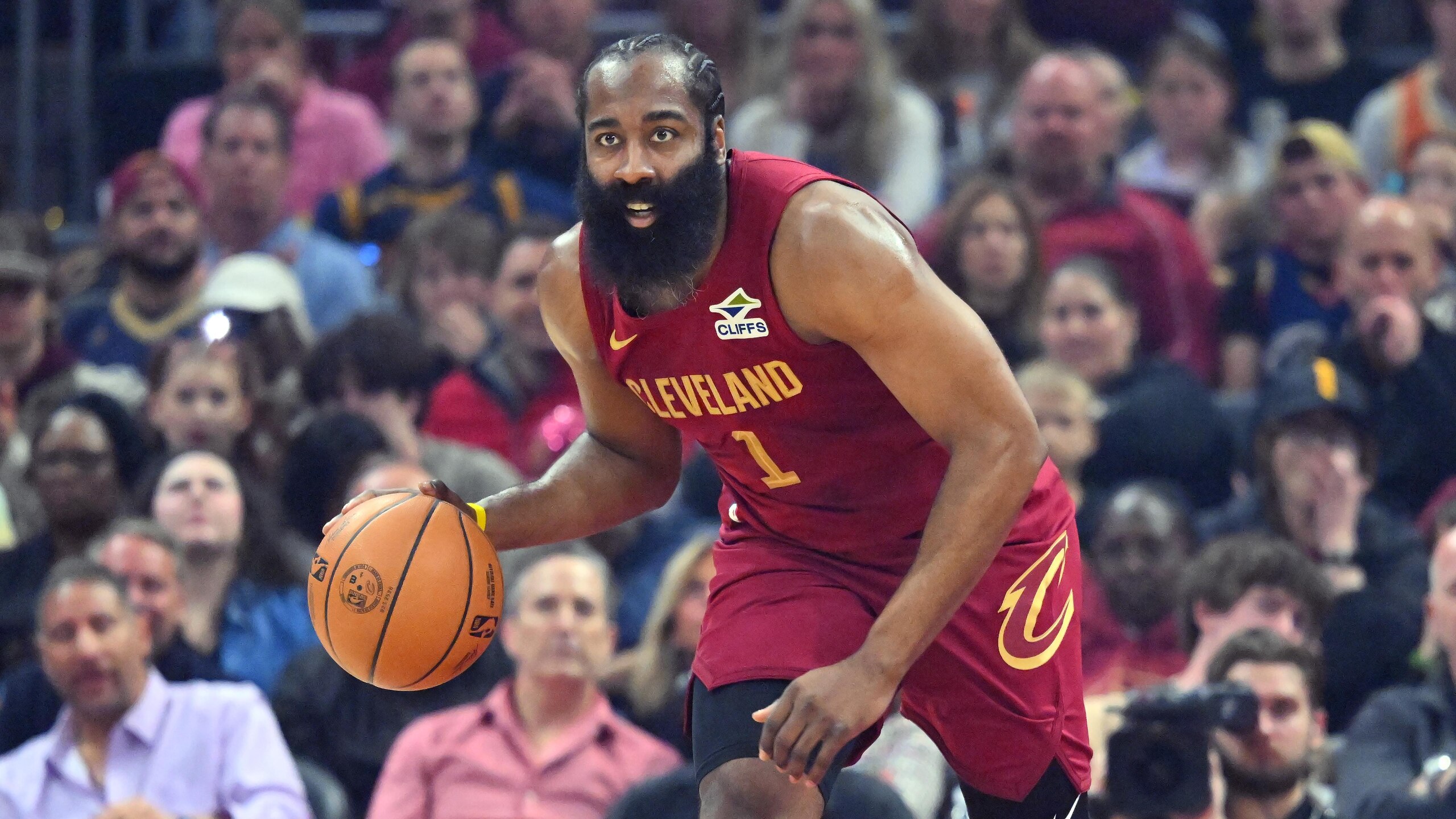
The postseason could make this assertion look silly, but James Harden's playoff resumé doesn't inspire confidence that he'll be the short-term upgrade the Cleveland Cavaliers think he is.
The logic behind one of this season's most eye-opening deals: Cleveland felt Harden was a more reliable "win-now" piece than Darius Garland, whose repeated injury issues put his near-term effectiveness in doubt. The overwhelming majority of the evidence said that relying on Harden to produce real playoff success was absurd, but if the Cavs thought Garland might not be available to play at all, well...you could squint and see some sense in the whole thing.
Garland averaged 19.9 points and 6.4 assists on 60.2 percent true shooting in his post-deadline stint with the Clippers, numbers that fell short of Harden's with the Cavs, but close enough to make Cleveland's logic fall apart.
As Cleveland, you do this deal only if Harden assures you're in the contender class. His history indicates he'll disappoint when it matters most, and that he'll engineer a messy exit the minute he doesn't get what he wants financially.
Dallas Mavericks: Keeping Nico Harrison and Anthony Davis Too Long
7 of 30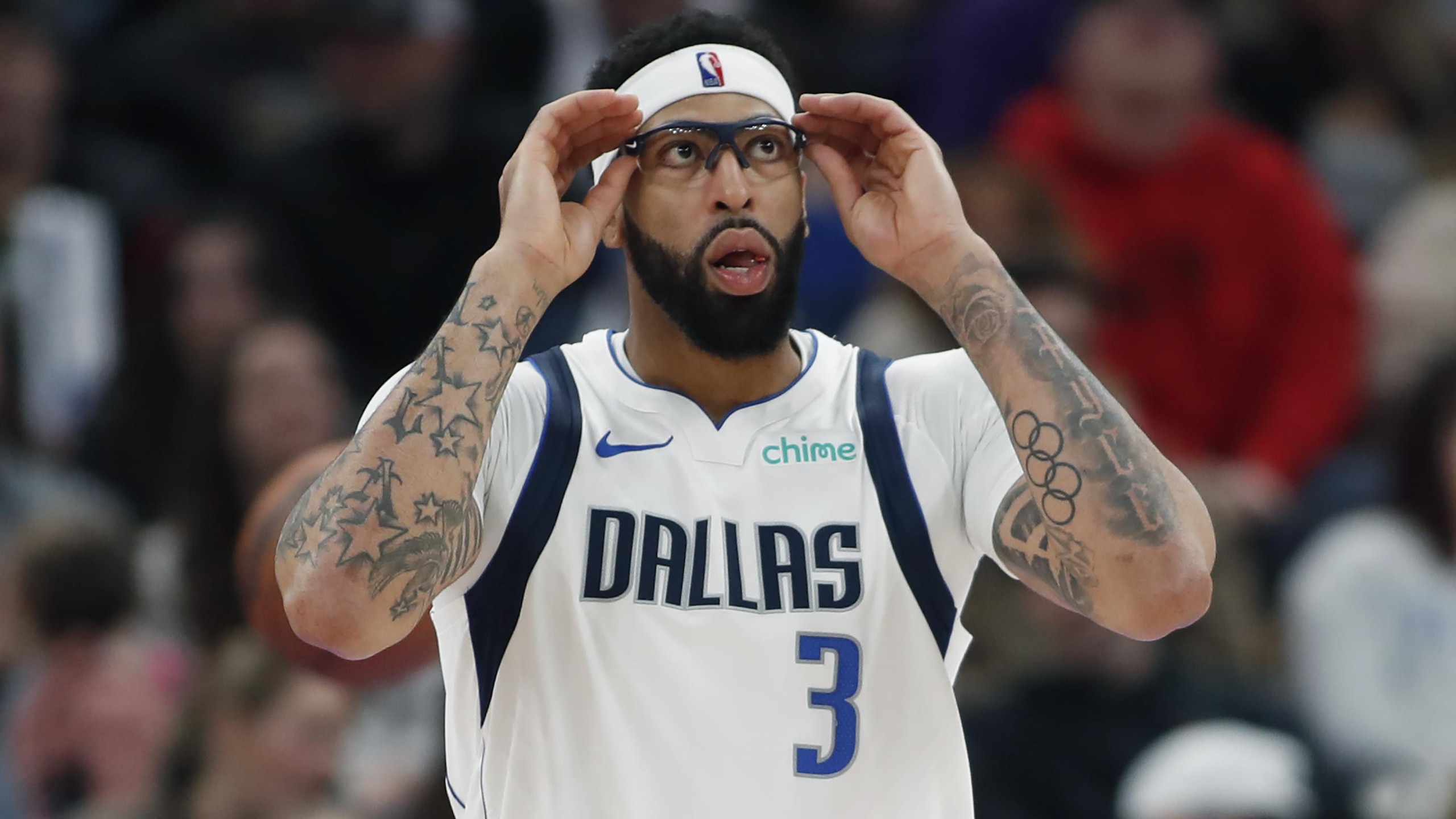
To hear JJ Redick tell it, the Dallas Mavericks' biggest shortcoming is their understanding of anatomy as it relates to MRI scans, but there are much bigger issues to address than that.
The largest of those is probably the team's failure to move on from Nico Harrison and, by extension, Anthony Davis much sooner. Harrison "masterminded" the Luka Dončić debacle last year and wasn't capable of executing a Davis deal over the summer that would have amounted to an admission of a mistake. Dallas should have cut ties with Harrison the moment last year ended, which would have allowed a new executive to move Davis either over the summer or well before this year's deadline.
By waiting to ditch Harrison, the Mavs paused the clock on a Davis trade long enough to allow him to get hurt (again) and ultimately tank his value. All Dallas got for AD was bad money, the No. 30 pick in this year's draft, an outside shot at another late first-rounder from the Warriors in 2030 and some seconds.
Imagine what the return could have been if Davis had been on the market last summer.
Denver Nuggets: Extending Christian Braun Over Peyton Watson
8 of 30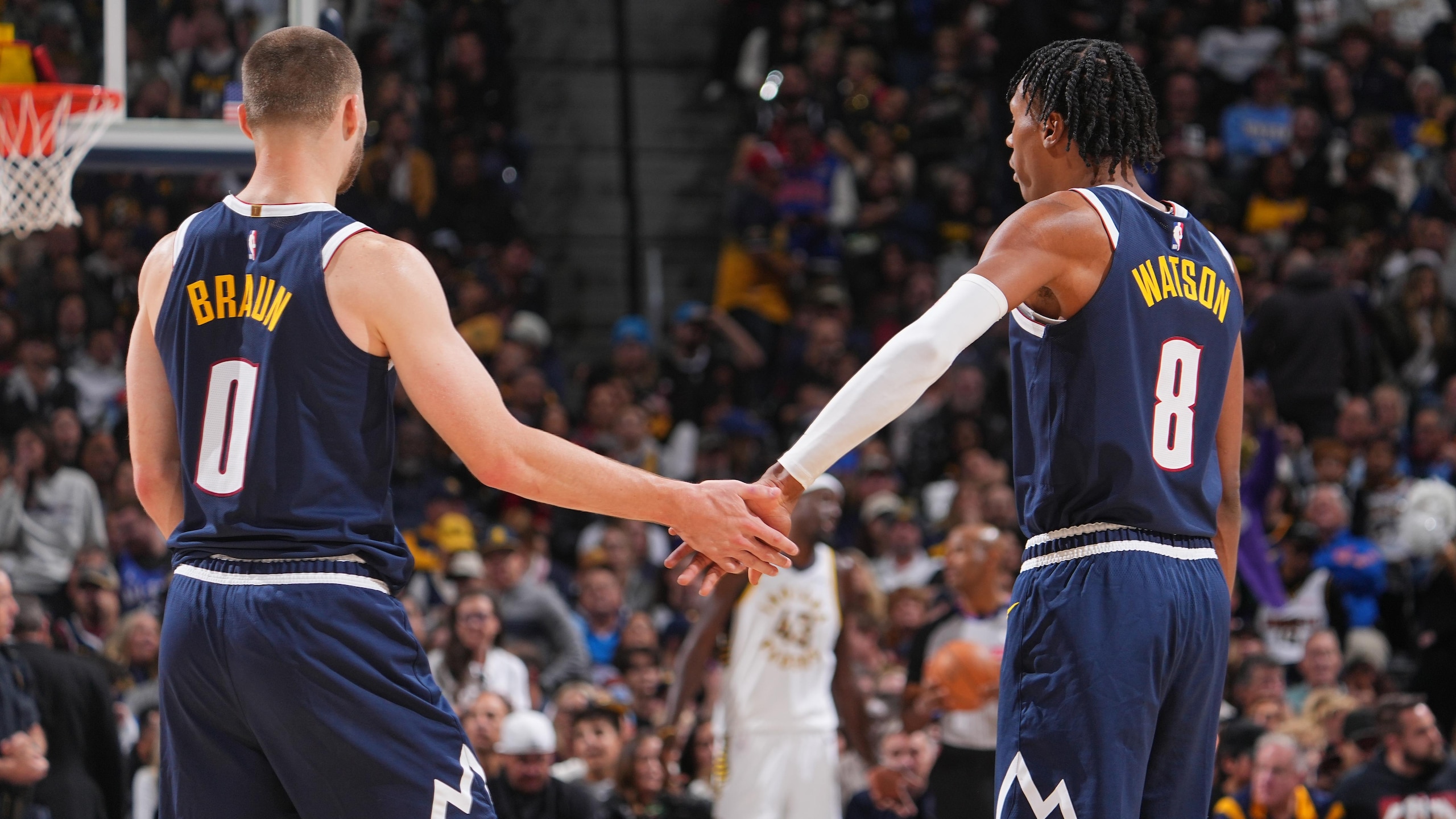
The Denver Nuggets will pay Christian Braun an average of $25 million per season through 2030-31. As a percentage of the cap going forward, those numbers aren't as cumbersome as they seem. But Denver's decision to extend Braun could cost them much more than money.
Peyton Watson broke out this year, adding new self-sufficient scoring dimensions and 41.1 percent three-point shooting to his already stellar defense and athleticism. He'll be among the most coveted restricted free agents on the market this summer. The commitment to Braun means there's a real chance Watson becomes too costly for Denver to retain.
Braun shot just 30.1 percent on a diet of mainly wide-open threes this year. He is an absolute lock to get the "we dare you to beat us" treatment from every playoff defense. He's worse than Watson now, and will almost certainly be less productive going forward—particularly as a postseason player.
Denver committed to the wrong homegrown product.
Detroit Pistons: Jalen Duren's Contract Status
9 of 30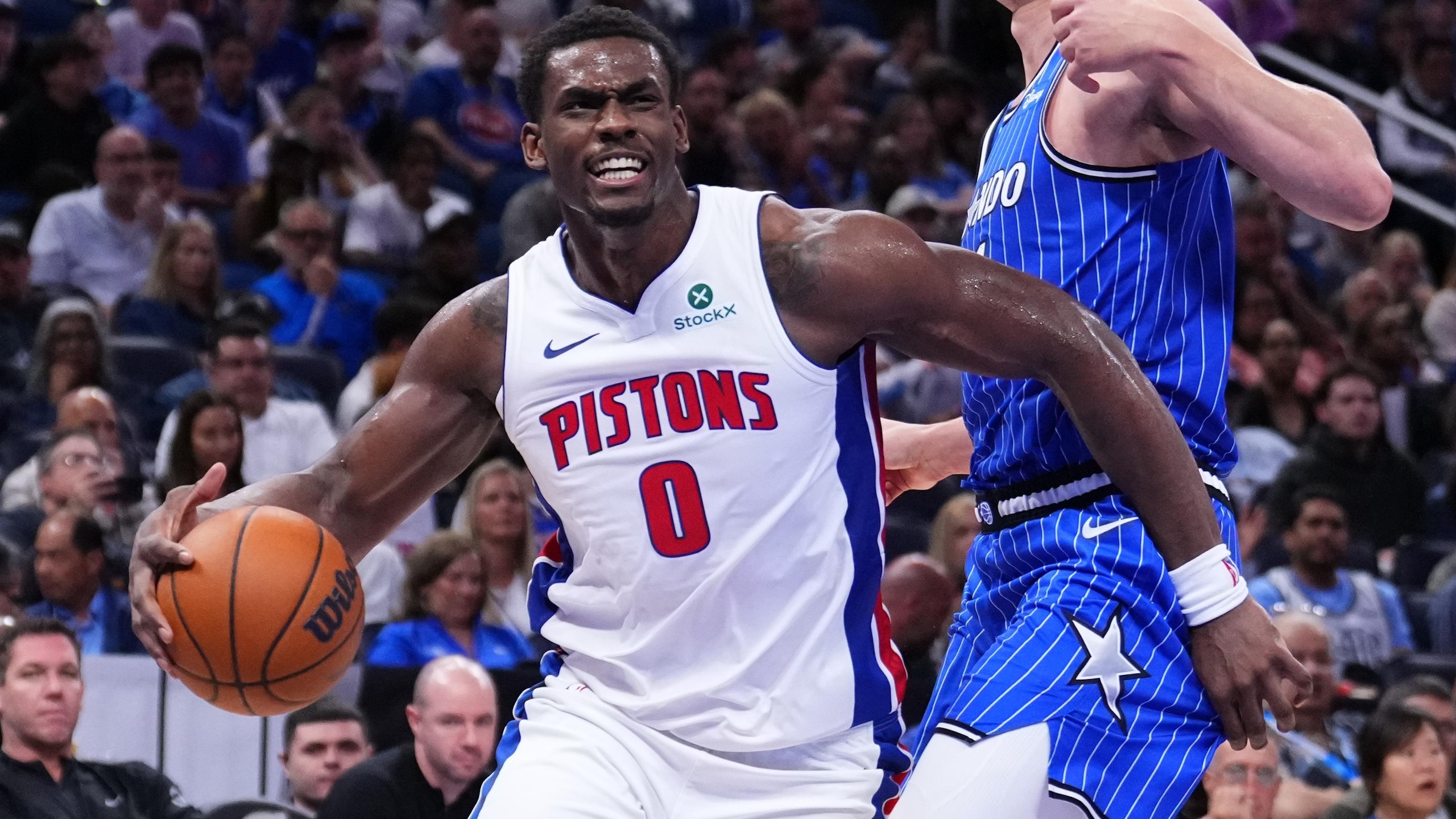
There's not much to regret if you've spent almost the entire season atop the East, but the Detroit Pistons have a pair of potential options.
The first, Detroit's failure to add a premium scorer or playmaker at the deadline, seems less pressing in the wake of its solid play without Cade Cunningham. Daniss Jenkins stepped up as a starter and helped the Pistons close the season strongly while Cunningham recovered from a collapsed lung. It still would have been nice to see Michael Porter Jr. bombing away as a replacement for Tobias Harris, but the results have been fine with the status quo.
That leaves Jalen Duren's quickly tabled extension talks. The breakout center made the All-Star team this season while adding real scoring chops to a profile that already included excellent rebounding and physicality. He wanted $30 million per year in negotiations, a figure Detroit couldn't stomach. Now, he heads into restricted free agency expecting to get a whole lot more than that.
Golden State Warriors: Failing to Sell Higher on Jonathan Kuminga
10 of 30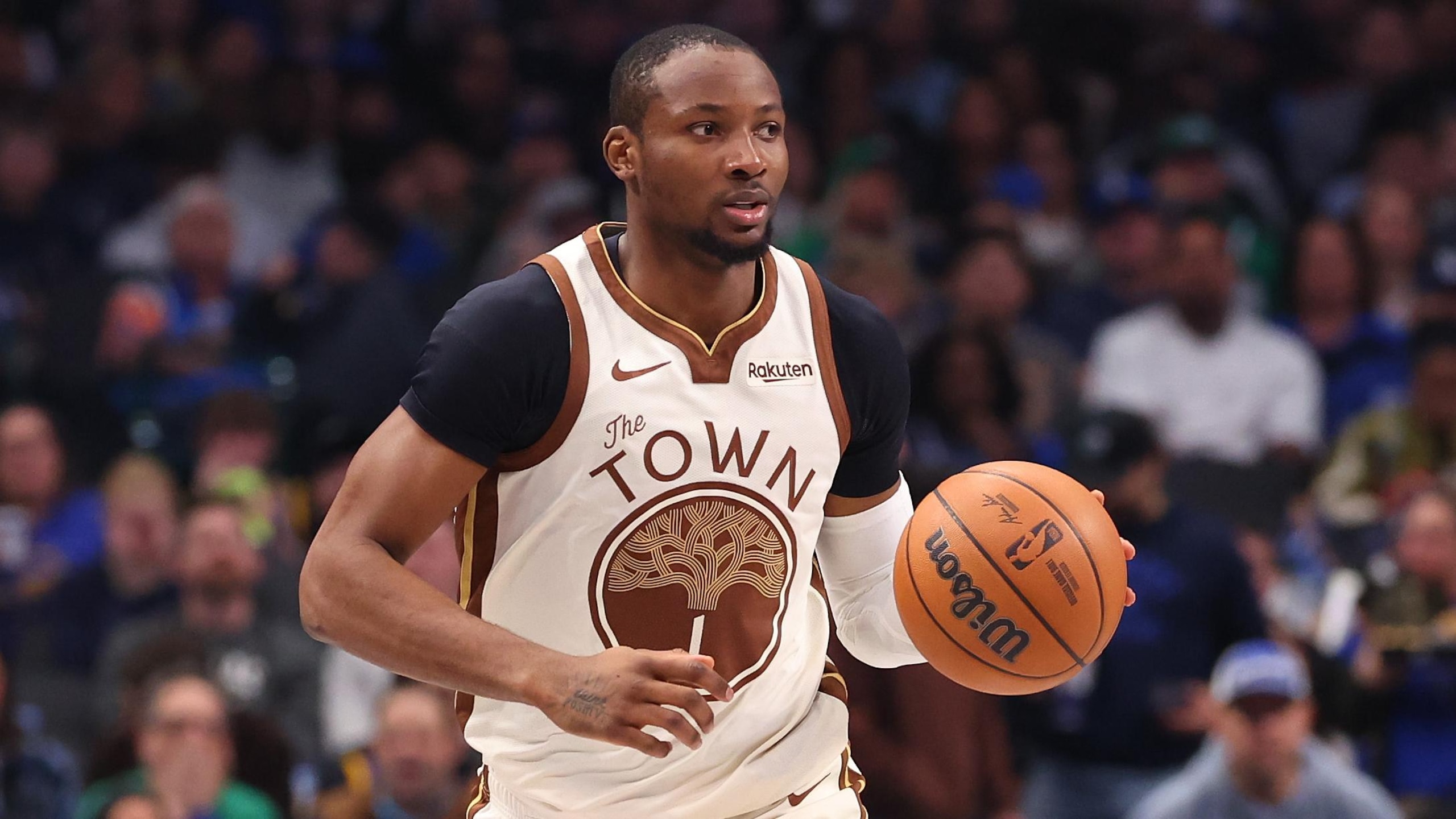
It's hard to track the decline precisely, but Jonathan Kuminga's trade value trended downward right up until the moment the Golden State Warriors settled on a deal with the Hawks.
Over the years, Golden State turned down legitimate offers for the athletic forward and refused to include him in deals for big names. In the end, Kuminga went to Atlanta with Buddy Hield for Kristaps Porzingis, whose $30 million expiring salary meant he didn't even qualify as a "preserve the asset" return.
The Warriors secured no picks, young talent or meaningful win-now help for this season, as Porzingis' health kept him out of a majority of games with his new team. If you flash back a year or so, that kind of return for Kuminga would have seemed impossible. Because the Dubs waited so long, it was the best they could do.
Houston Rockets: Not Adding Playmakers
11 of 30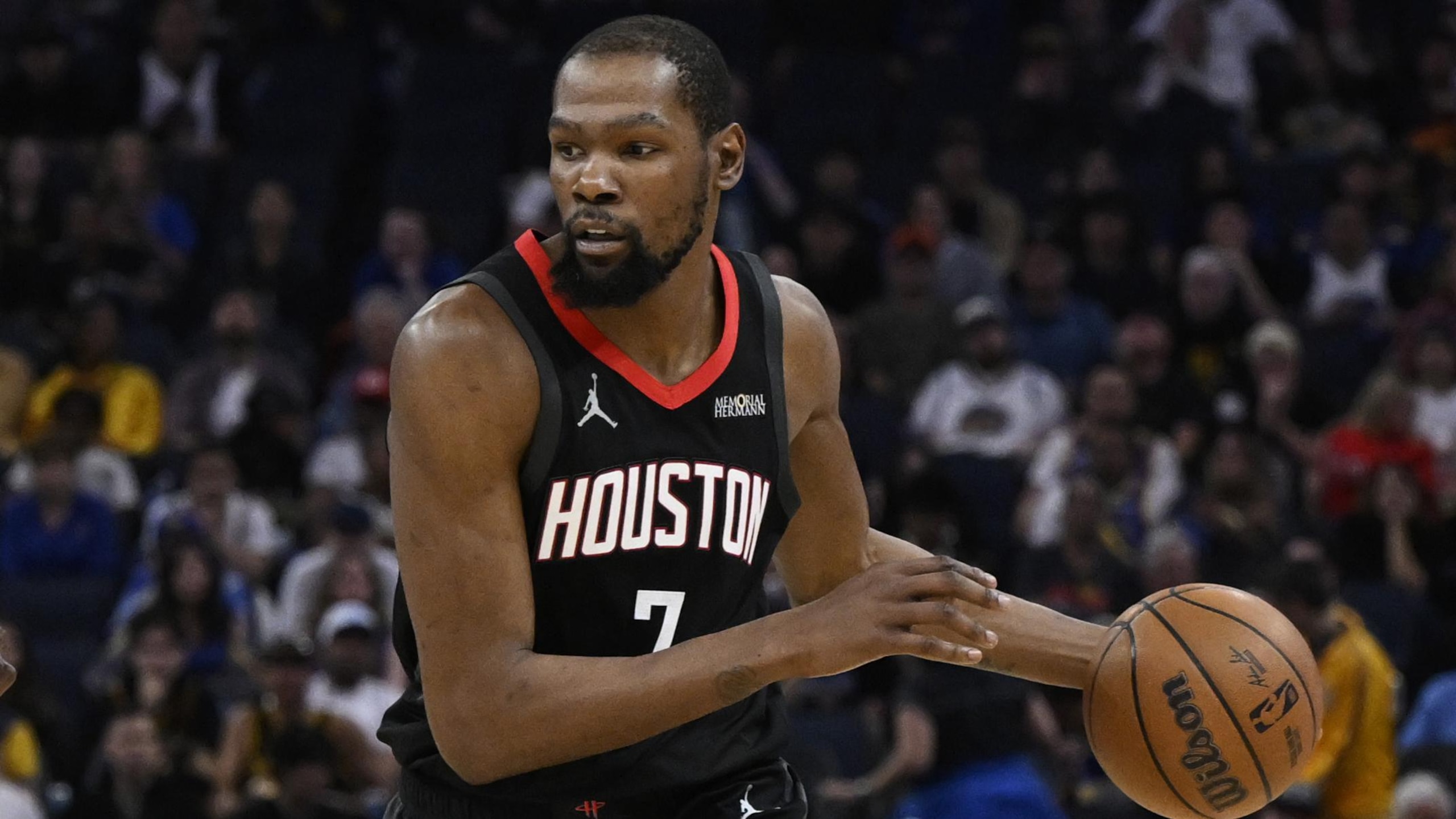
Fred VanVleet's injury took the Houston Rockets by surprise, robbing them of a key player at a critical position just weeks before the season started. Houston deserves no criticism for starting the season without more playmaking help, but it does have to absorb some heat for not addressing the issue afterward.
One of the defining features of this season's Rockets was its failure to score consistently in close-and-late situations. A glaring lack of players who could create shots for themselves and others, compounded by the team's generally poor three-point shooting, produced an extended reel of fourth-quarter collapses.
If Kevin Durant couldn't get a decent look on his own, the Rockets didn't have alternatives. When defenses predictably swarmed KD, it left second-year guard Reed Sheppard and rugged, foul-grifting center Alperen Sengün as wildly underqualified backup plans.
Houston's failure to add setup men and shooters at the deadline will very likely lead to its postseason dismissal.
Indiana Pacers: Putting So Much At Risk for Ivica Zubac
12 of 30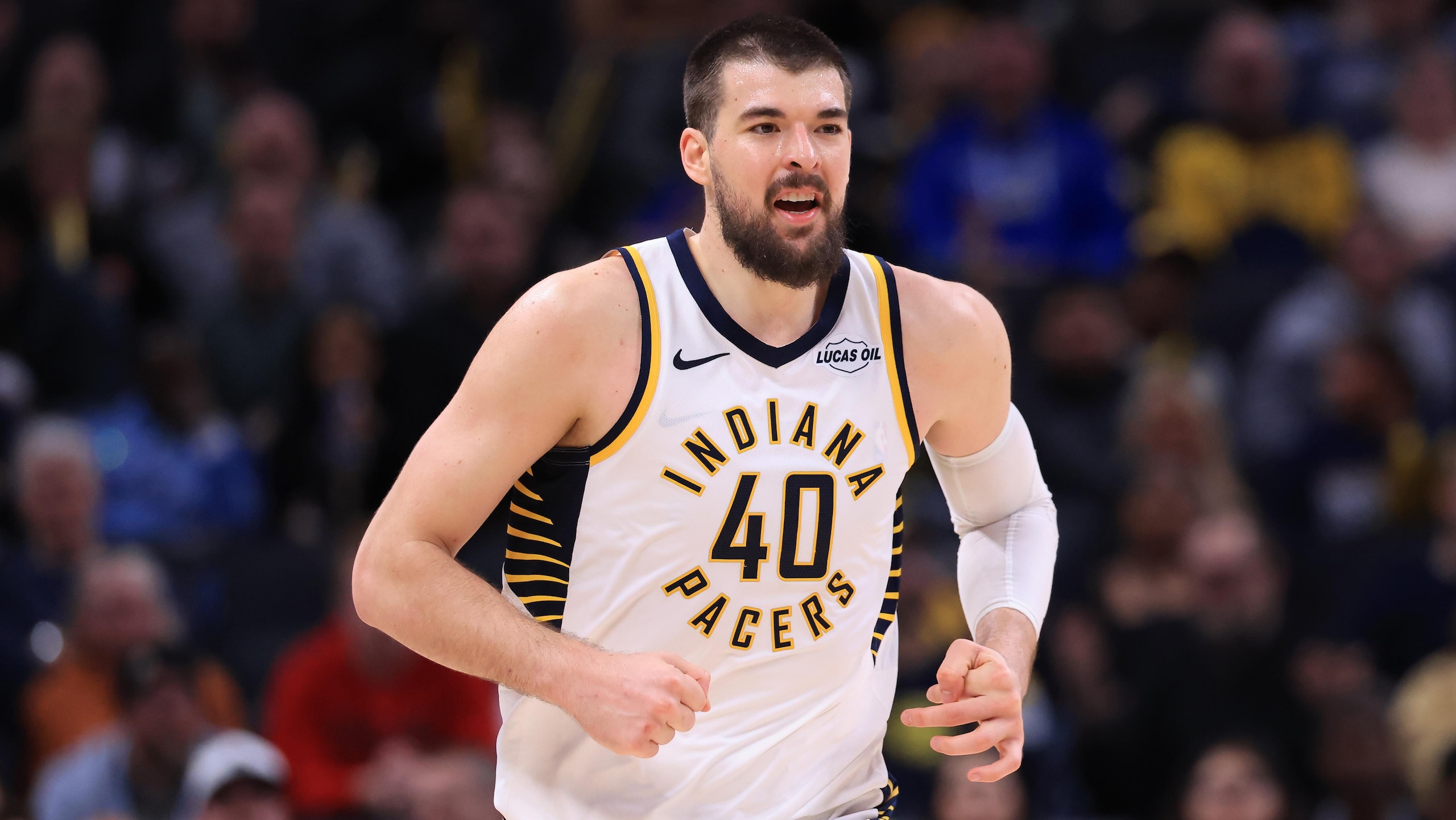
The Indiana Pacers needed a center for next year, when they intend to reclaim their status as Eastern Conference contenders. They got one at the deadline in Ivica Zubac, but the potential cost is concerning.
We don't yet know the full price the Pacers will pay, although it's certain that if they land one of the top four picks in this year's draft, they'll at least keep that selection. If the pick doesn't convey, Indiana will owe an unprotected 2031 first-rounder to the LA Clippers, which is a potentially juicy asset. If it lands between No. 5 and No. 9, the pick will go to the Clippers and future obligations will be extinguished.
It's not quite right to say the Pacers avoided a worst-case scenario because nobody can know the value of that 2031 first-rounder. And zooming out, it's not at all clear that Zubac is worth a future first of any kind.
Heading into his age-29 season, Zubac totes career averages of 10.5 points and 8.3 rebounds. He was excellent defensively in 2024-25, but the All-Defense nod he earned that year is the only full-season award/honor of his career.
LA Clippers: That Terrible Start
13 of 30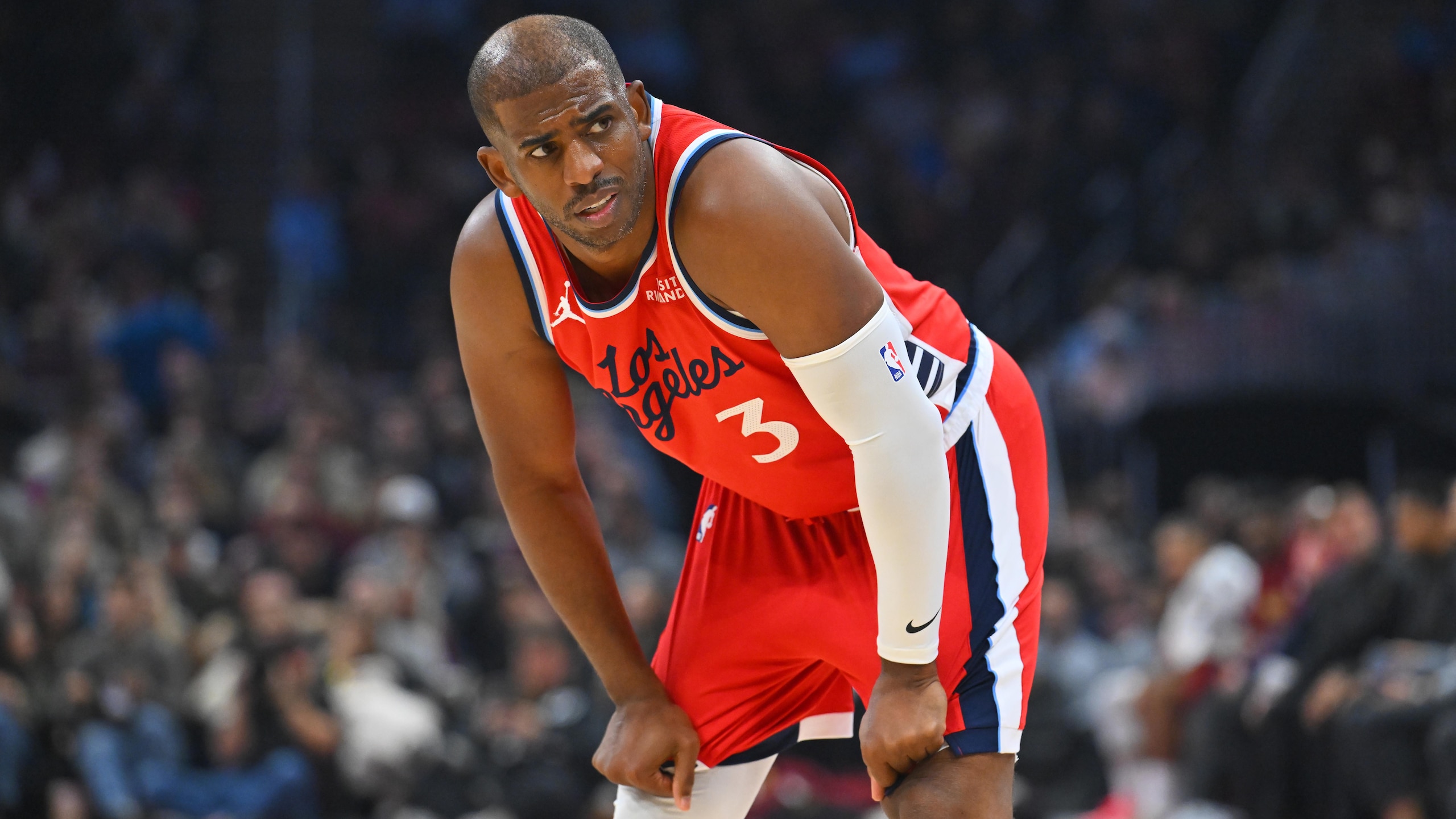
The LA Clippers made history by becoming the first team to fall 15 games below .500 before making it all the way back to break-even territory. If their offseason moves hadn't contributed to that brutal start, they wouldn't have had to climb out of such a deep hole.
Chris Paul's farewell tour turned into the NBA version of "Well...bye!"
Bradley Beal averaged 20.1 minutes and 8.3 points in six starts before season-ending hip surgery.
Kawhi Leonard's November injury had a lot to do with LA's slow start, but so did the bad vibes emanating from Paul and, to a lesser extent, Beal, who might have had an inflated view of his role.
The damage isn't all that bad, as the Clips reeled in good young players (Darius Garland) and assets (a 2026 first-rounder if it falls between five and nine or a 2031 unprotected pick from the Pacers). But who knows what might have been possible if not for those awful first two months?
Los Angeles Lakers: Not Trading LeBron James
14 of 30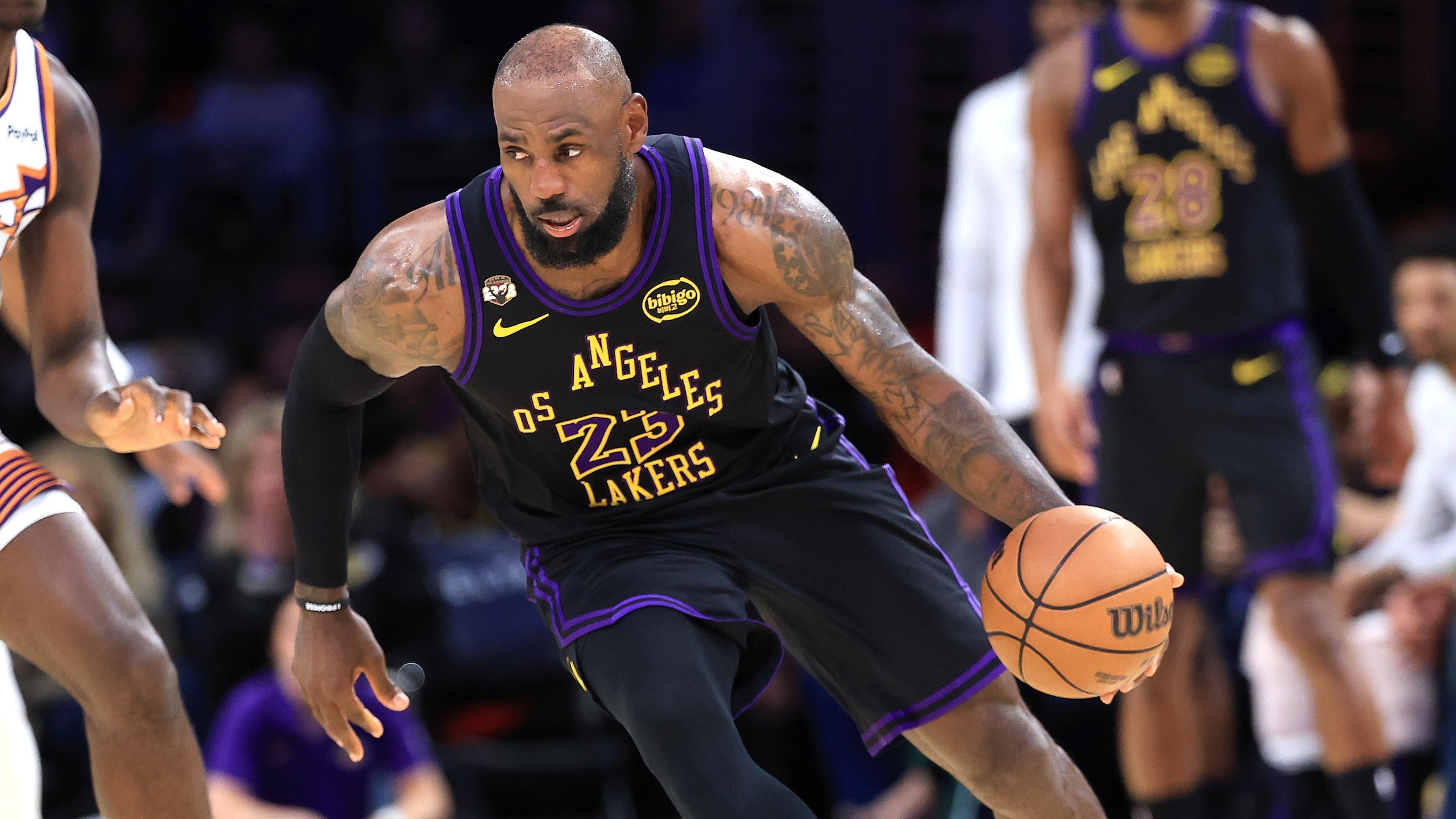
This one brushes up against hot-take territory. It has to because the Los Angeles Lakers' behavior this season was otherwise so rational and measured that we have to reach a little.
This was clearly a gap year for Los Angeles, something the team signaled when it didn't reach an extension agreement with LeBron James and later solidified by not trading any future assets at the deadline. Knowing the plan all along was to use cap space and a larger trove of picks to upgrade the roster around Luka Dončić this offseason, what was the point of keeping James around?
Now, he can walk away in unrestricted free agency. Though it's hard to know what James might have gotten the Lakers in a trade, "more than nothing" seems reasonable.
Just to cite one example, the Warriors were desperate for help all year and put four first-rounders on the table for Giannis. Surely the Lakers could have coaxed one of those picks out of the Dubs for James.
Memphis Grizzlies: Not Trading Ja Morant
15 of 30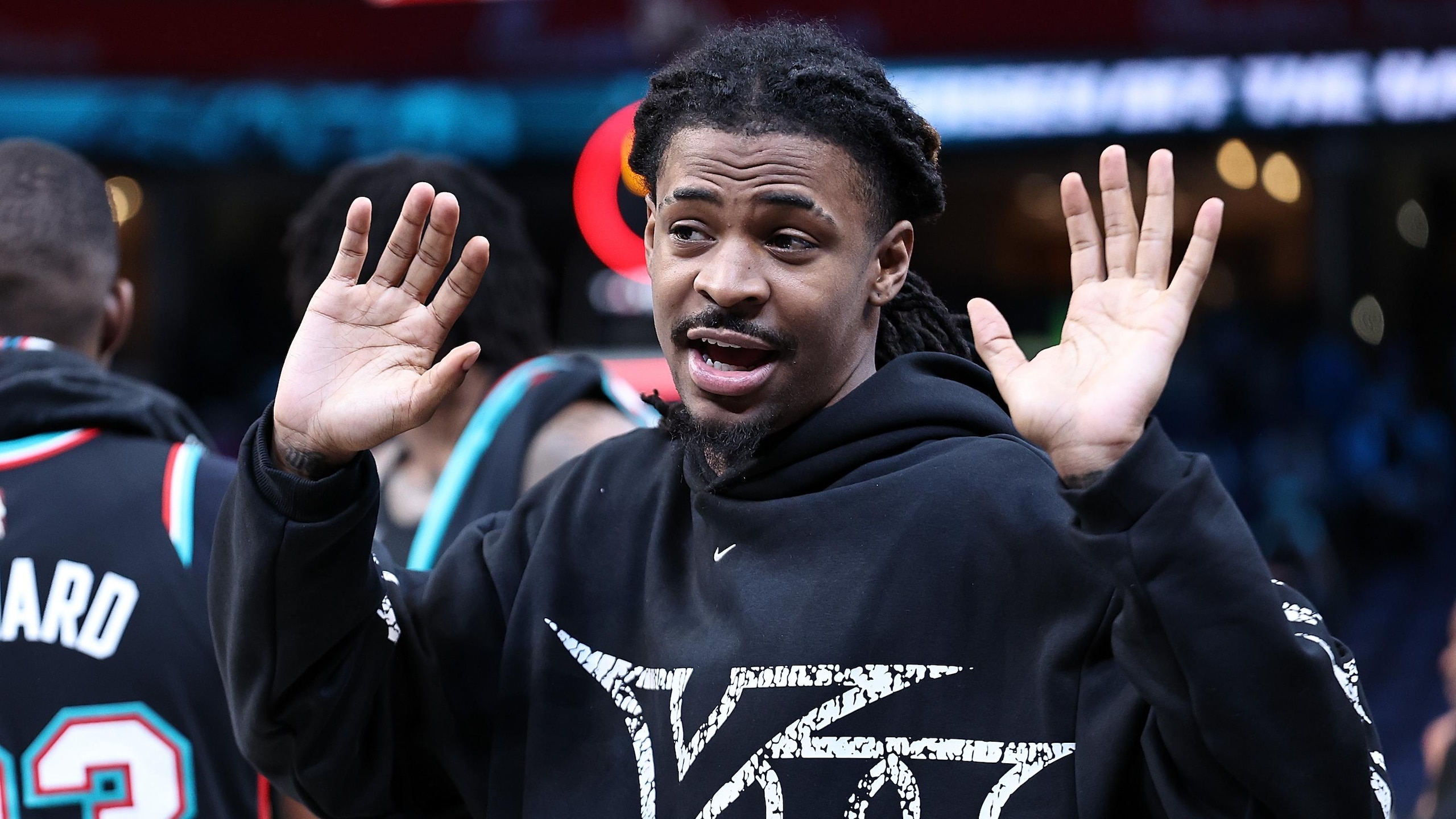
The Memphis Grizzlies lowered their asking price for Ja Morant after they moved Jaren Jackson Jr. to the Utah Jazz, but no deal materialized. That's a disappointment on several levels, not least Memphis' inability to fully turn the page as long as Morant is still around.
He's the reason the Jackson trade (and to a lesser extent, the Desmond Bane trade) happened. If Morant could have continued on the All-Star track he established in 2022 and 2023, Memphis' leadership wouldn't have decided the core was unworthy of contention. This era of Grizzlies basketball ended because Morant wasn't mature, productive or available enough to sustain it. And yet he's the only key figure who remains.
The Grizzlies will surely try to move him again, but barring a miraculous return to form and a whole lot of personal growth, Morant isn't going to fetch a higher return than was available at the previous trade deadline.
Miami Heat: Not Blowing It Up
16 of 30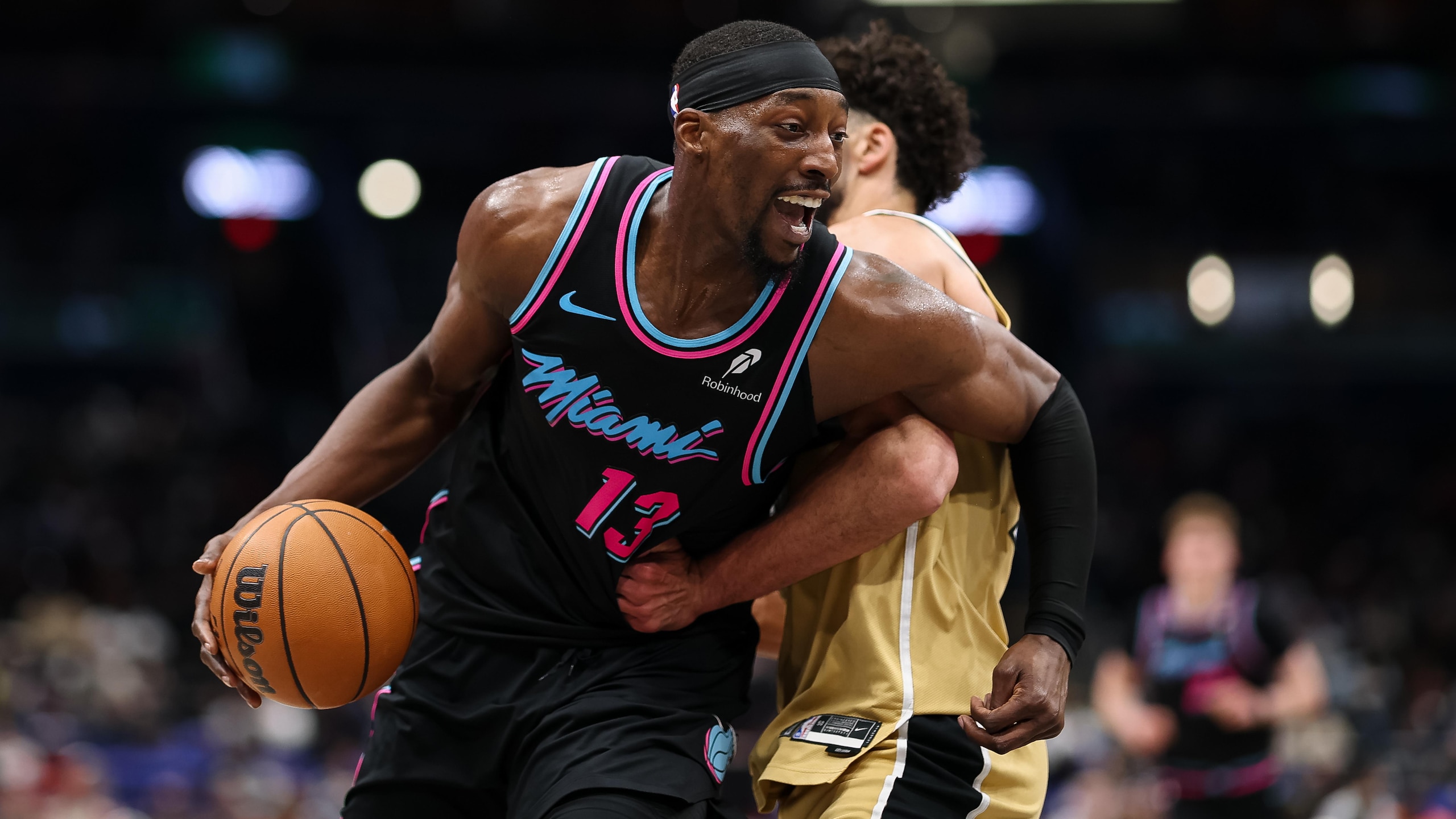
Heroic efforts by Jimmy Butler got the Miami Heat to the 2023 NBA Finals, obscuring the fact that they finished the regular season as a Play-In team. This season's No. 10 position in the East makes it four straight years in which Miami has only technically qualified as a postseason participant.
The Heat's reputation as a functional franchise and their tendency to make improbable playoff runs are well known. But if the team's identity were hidden and all you knew was that it made four straight Play-Ins, you'd criticize it for hanging around the middle for far too long.
Miami isn't Chicago, but the two have a lot more in common than you might think.
This is all to say the Heat, who seem set on using 2027 cap space for a talent infusion, deserve far more criticism for continuing to run on the mediocrity treadmill than they've received. The cold, calculated move this season would have been to blow it up and start over.
Milwaukee Bucks: Not Trading Giannis Sooner
17 of 30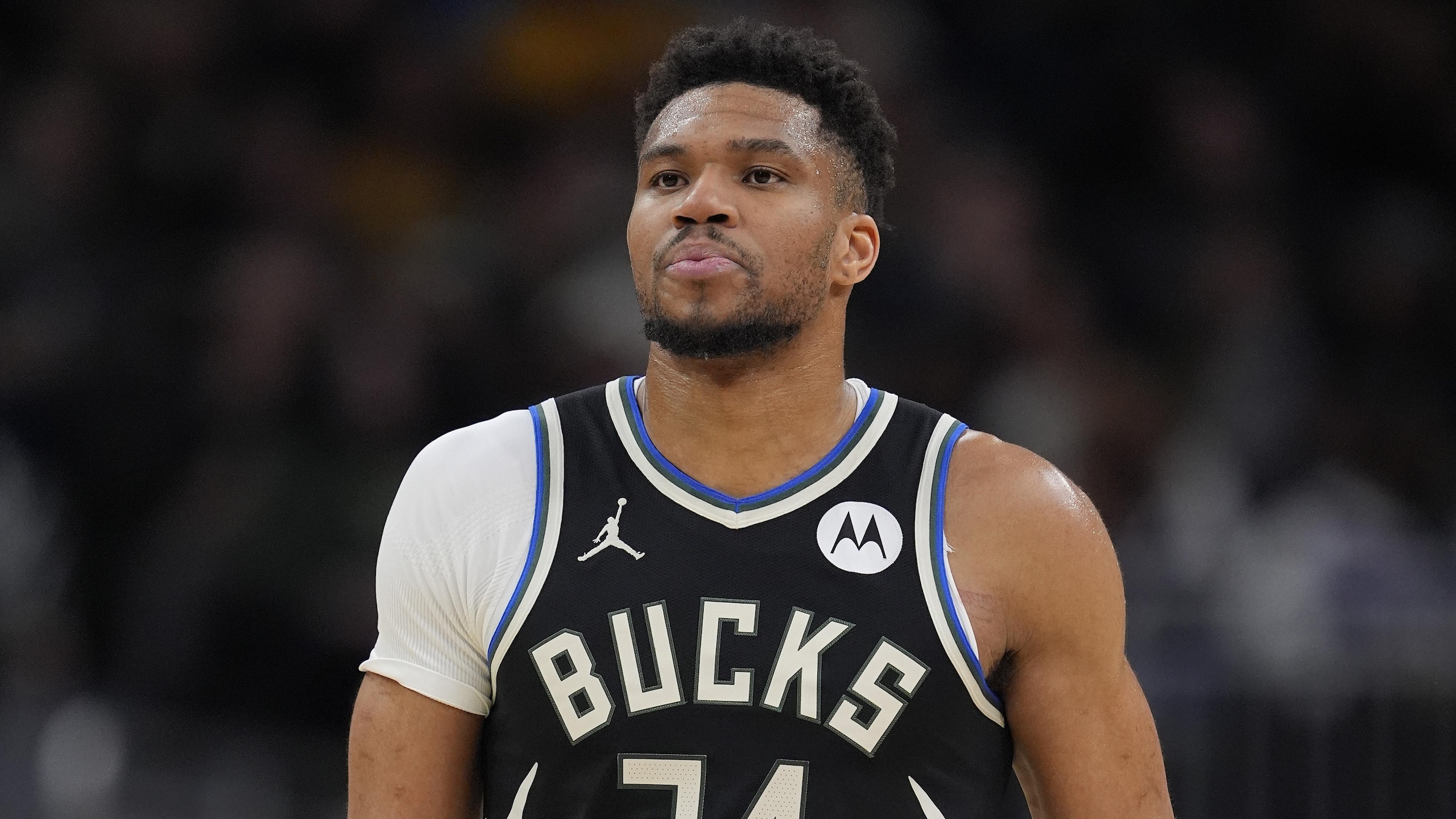
The moment Damian Lillard tore his Achilles, it was over.
That watershed injury happened just over a year ago, but the Milwaukee Bucks soldiered on, piling up future-mortgaging mistakes because they refused to face reality: Giannis Antetokounmpo's time with the team needed to end.
Now, with relations between the team and its two-time MVP hitting a nadir, the Bucks will finally have to execute the deal they should have pulled off last summer. Or earlier in the 2025-26 season. Or at the most recent trade deadline.
It's not totally impossible that the return package for Giannis will be better now than it would have been at the deadline, but it's also far from a guarantee. Antetokounmpo missed over half the season, is on the wrong side of his aging curve and has quietly been one of the league's trickiest stars to build around.
The Bucks postponed the inevitable all year. Their penalties will include a damaged relationship with the best player in franchise history, a potentially underwhelming trade return and little hope of relevance for the rest of the decade.
Minnesota Timberwolves: Naz Over NAW
18 of 30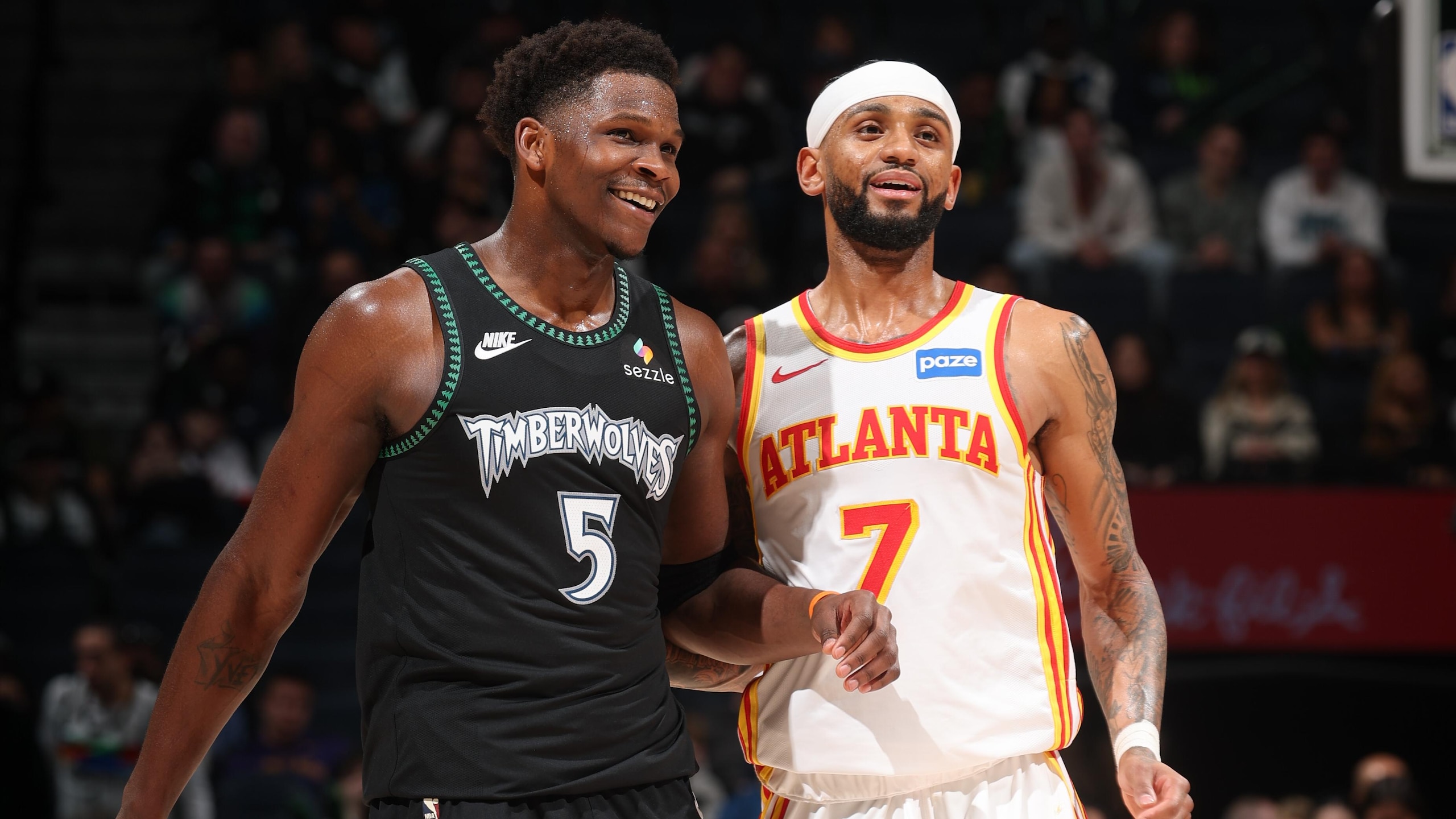
The Minnesota Timberwolves knew they could only pay two of Julius Randle, Naz Reid and Nickeil Alexander-Walker last summer. In the wake of NAW's breakout season with the Hawks, it's clear Minnesota made the wrong choice.
The Athletic's Jon Krawczynski reported that the Wolves' decision to let Alexander-Walker go stemmed from a belief in their guard depth, headlined by Terrence Shannon Jr., Jaylen Clark and Rob Dillingham. It was immediately clear that those reserves weren't ready to take on larger roles, and that Alexander-Walker, even if he'd only replicated his work from 2024-25, would have been a critical piece of the puzzle.
Because NAW exploded with Atlanta, becoming a two-way star with a borderline All-Star case, the choice to instead retain Reid on a five-year, $125 million deal and Randle on a three-year, $100 million extension looks like an enormous misstep.
New Orleans Pelicans: Trading Their 2026 First-Round Pick
19 of 30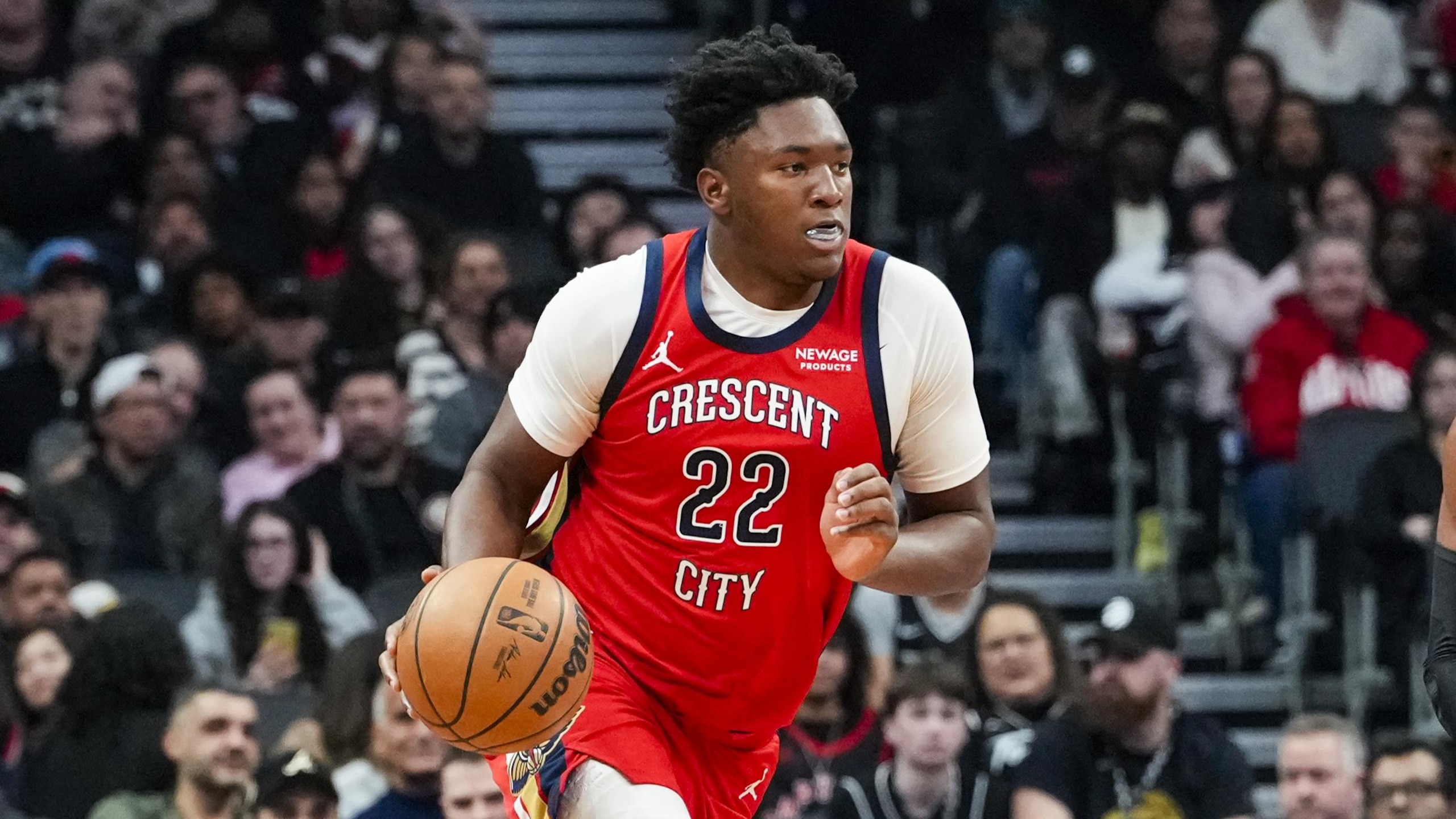
Things may not work out as badly as many foresaw when the New Orleans Pelicans sent their 2026 unprotected first-rounder to the Atlanta Hawks for the selection that became Derik Queen, but you still can't make a list of the five worst transactions of the last half-decade without including this one.
Queen's inability to defend or space the floor as a shooter makes him a dubious starter in the long term, nowhere close to the level of a player who'd justify giving up what might become the top pick in the draft.
Neither the Pelicans nor the Bucks (Atlanta gets the more favorable of the two) are likely to land atop the lottery. Odds are, the Hawks will get no better than a nine percent chance at No. 1. Still, for a Pelicans team that doesn't have a clear cornerstone and saw nothing from the coveted Queen to suggest he's a future star, this nearly year-old deal remains a disastrous mistake.
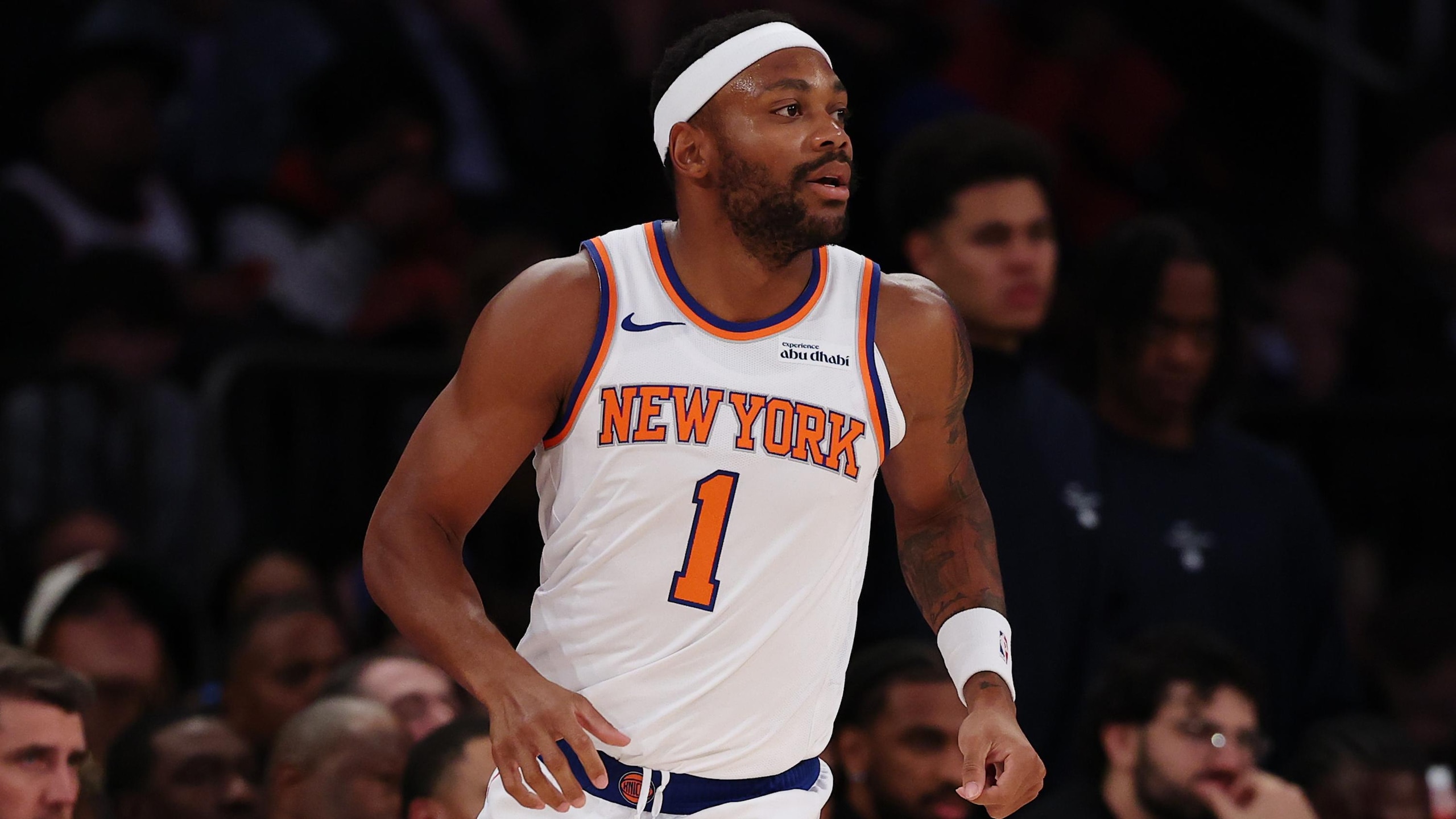
New York Knicks: Signing Guerschon Yabusele
20 of 30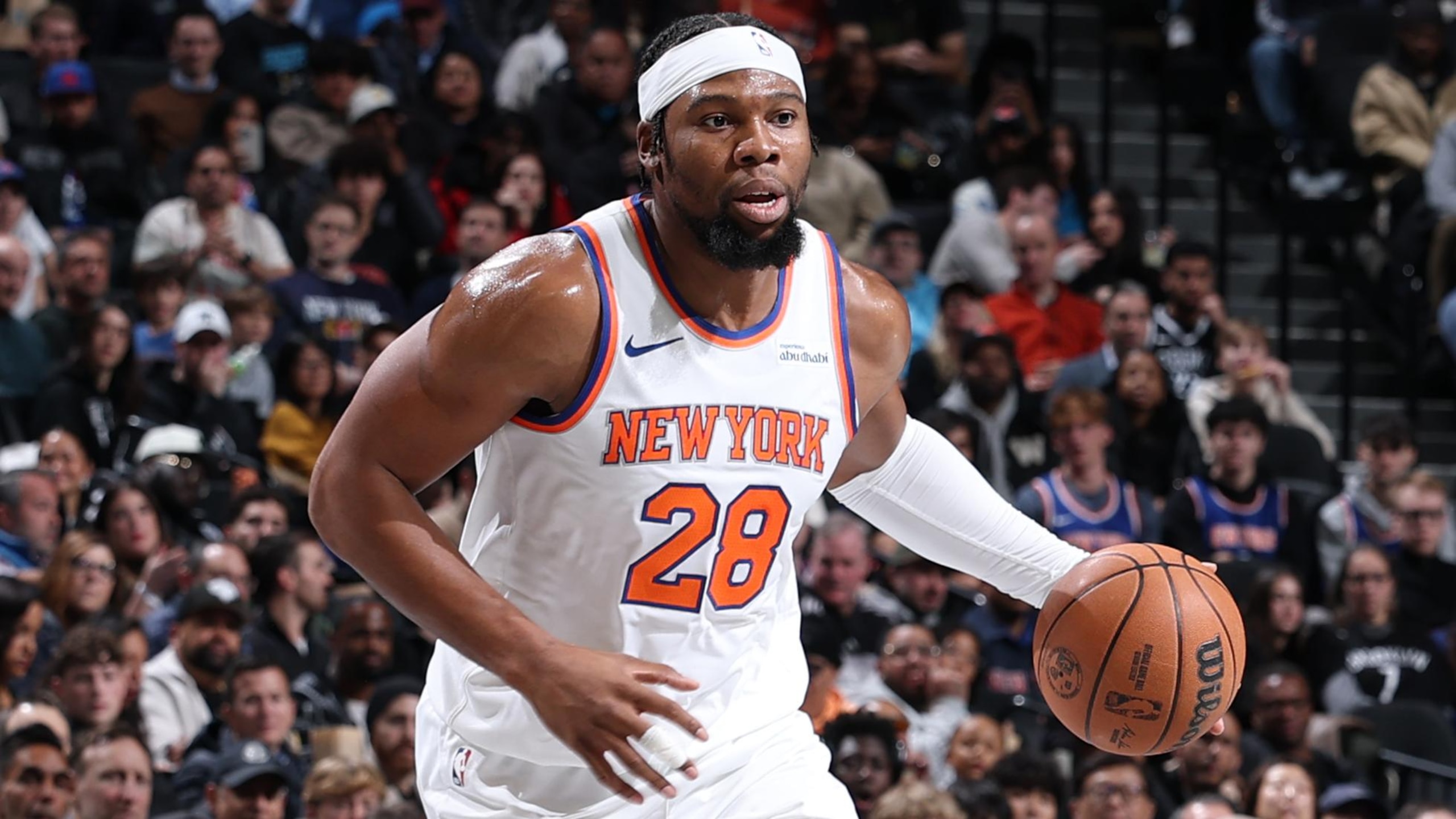
It seemed like a good deal at the time, but the New York Knicks' decision to sign Guerschon Yabusele for two years and $12 million didn't exactly pay off in the end.
The burly forward was supposed to provide shooting as a part of the frontcourt rotation, but never found his offensive stride and ultimately averaged just 8.9 minutes per game. The Knicks burned two second-round picks to send him to the Chicago Bulls in February, which became the space they generated in the bargain to acquire Jose Alvarado.
If Alvarado winds up playing a role in the postseason, much will be forgiven. But it's not clear that the spark-plug guard will even feature in the rotation if New York is fully healthy.
Oklahoma City Thunder: Bad Offensive Rebounding?
21 of 30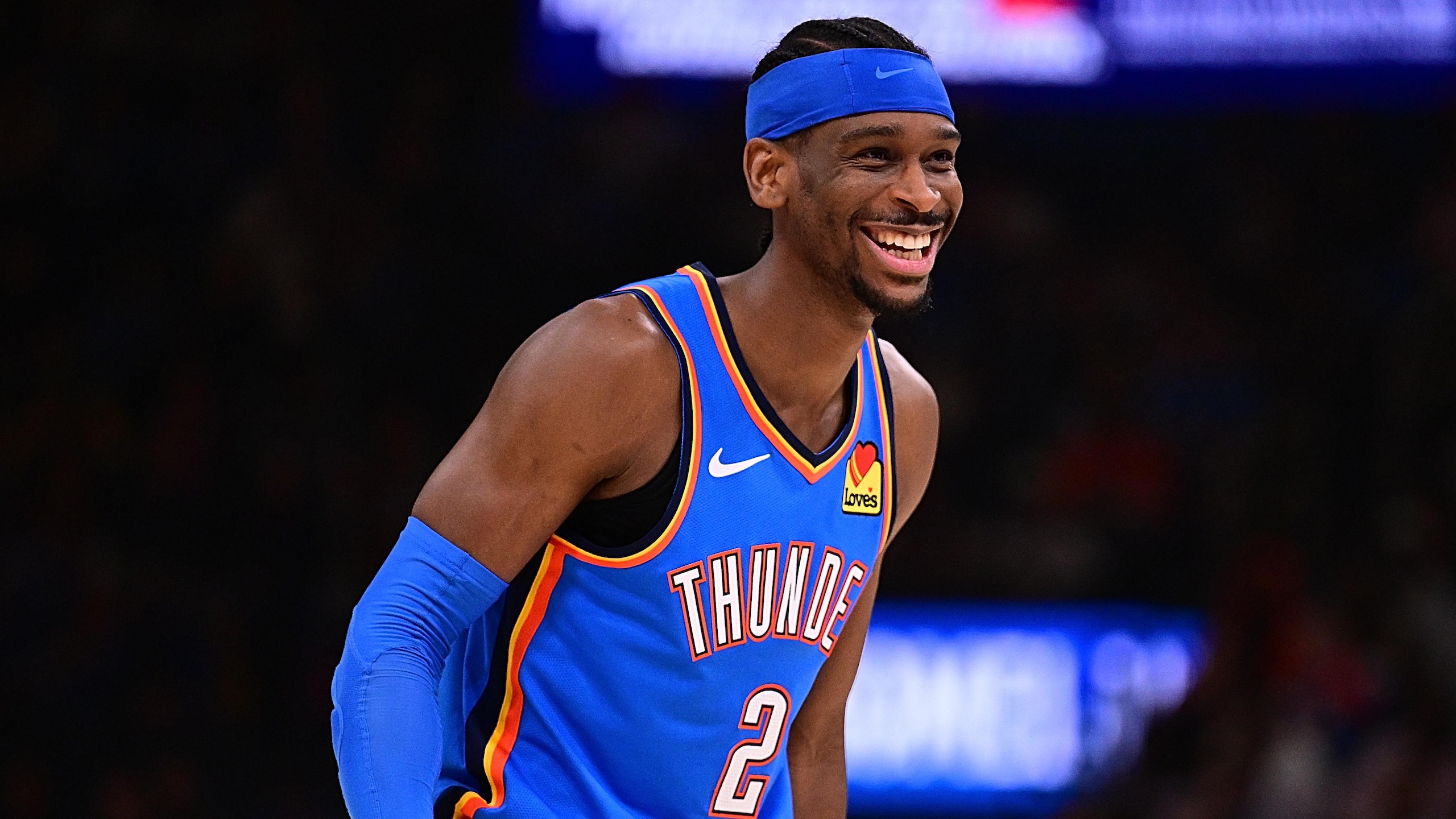
Nobody won more games or looked more dominant at their apex this season than the Oklahoma City Thunder, who defended their title at less than full strength for months at a time.
Exceptionally managed, professional, deep, talented, led by a likely two-time MVP—this outfit is wired tight and should be the clear favorite to win the whole thing again.
That's all to say, regrets are very hard to come by.
Let's go with a niche concern in the team's failure to emphasize offensive rebounding, a tactical choice but also a symptom of lineups that are often a little small up front. Maybe OKC should have added another big. Maybe it should have strategized to better its No. 28 ranking in offensive rebound rate by crashing the glass more aggressively.
After all, postseason contests are often decided by who wins the possession game. Offensive boards are a big help in that department.
Can you tell we're reaching on this one? Good. Oklahoma City is too good to have any real regrets. This is the best we could do.
Orlando Magic: Not Changing Coaches Sooner
22 of 30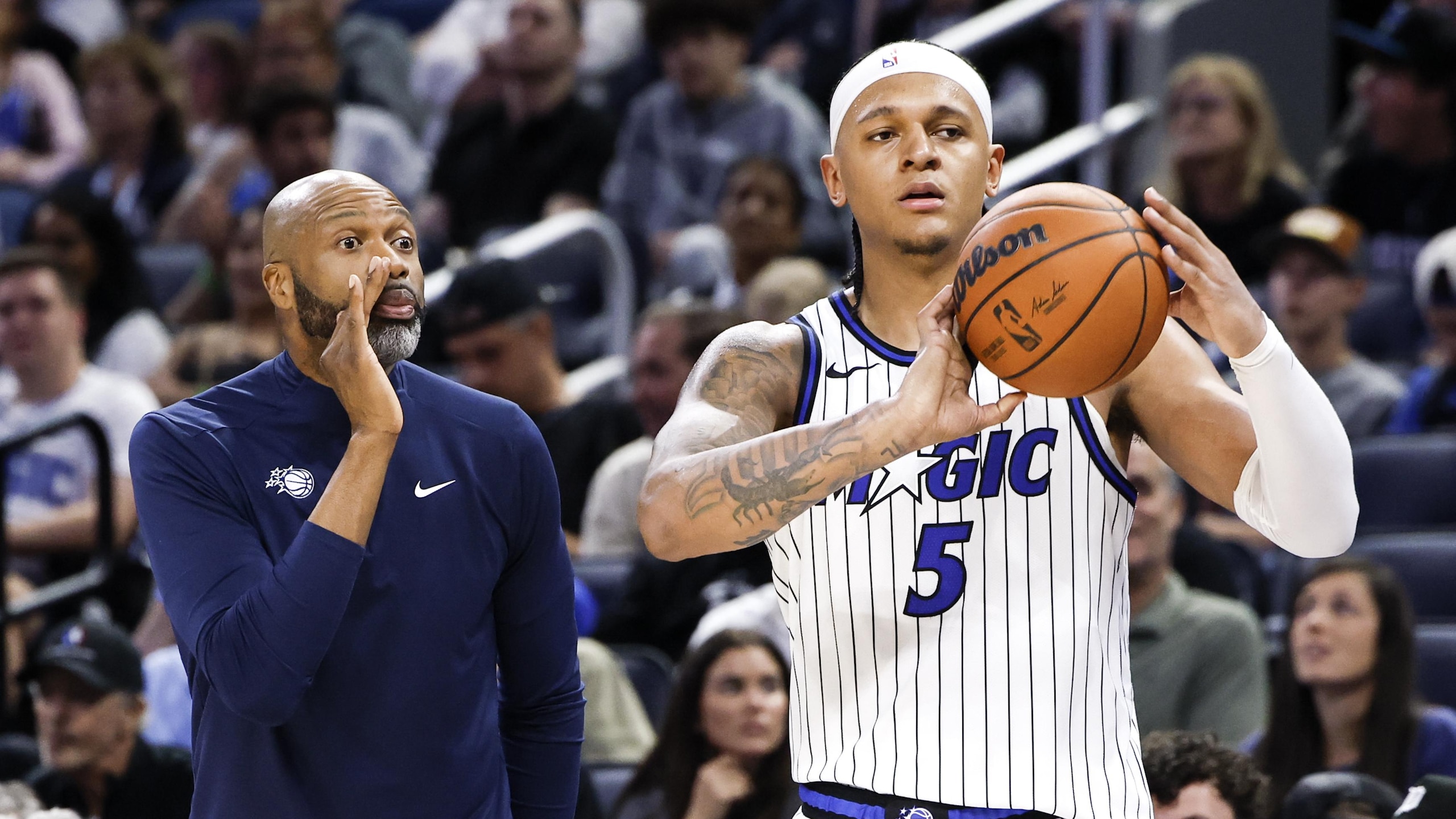
Prior to this season, it was reasonable to think Orlando Magic head coach Jamahl Mosley deserved another shot. It was possible that Orlando's perennially terrible offense was the result of personnel issues and not the head coach's shortcomings as a tactician.
Now, in the wake of another year of below-average offensive production, the Magic seem highly likely to move on from Mosley. Sure, 19th is better than last year's 26th in scoring efficiency. But it's nowhere near good enough—especially with the defense slipping and speculation about players quitting on Mosley.
Excuses persist. Franz Wagner missed a huge chunk of the season. Desmond Bane couldn't make a shot until December. Paolo Banchero's development stalled. Jalen Suggs again lost significant time to injury. Maybe those guys are actually as responsible for underperforming as Mosley, but you can't fire a roster.
Another year of bad offense, with Mosley as the constant, makes it clear that Orlando wasted what some saw as a breakout campaign.
Philadelphia 76ers: The Jared McCain Trade
23 of 30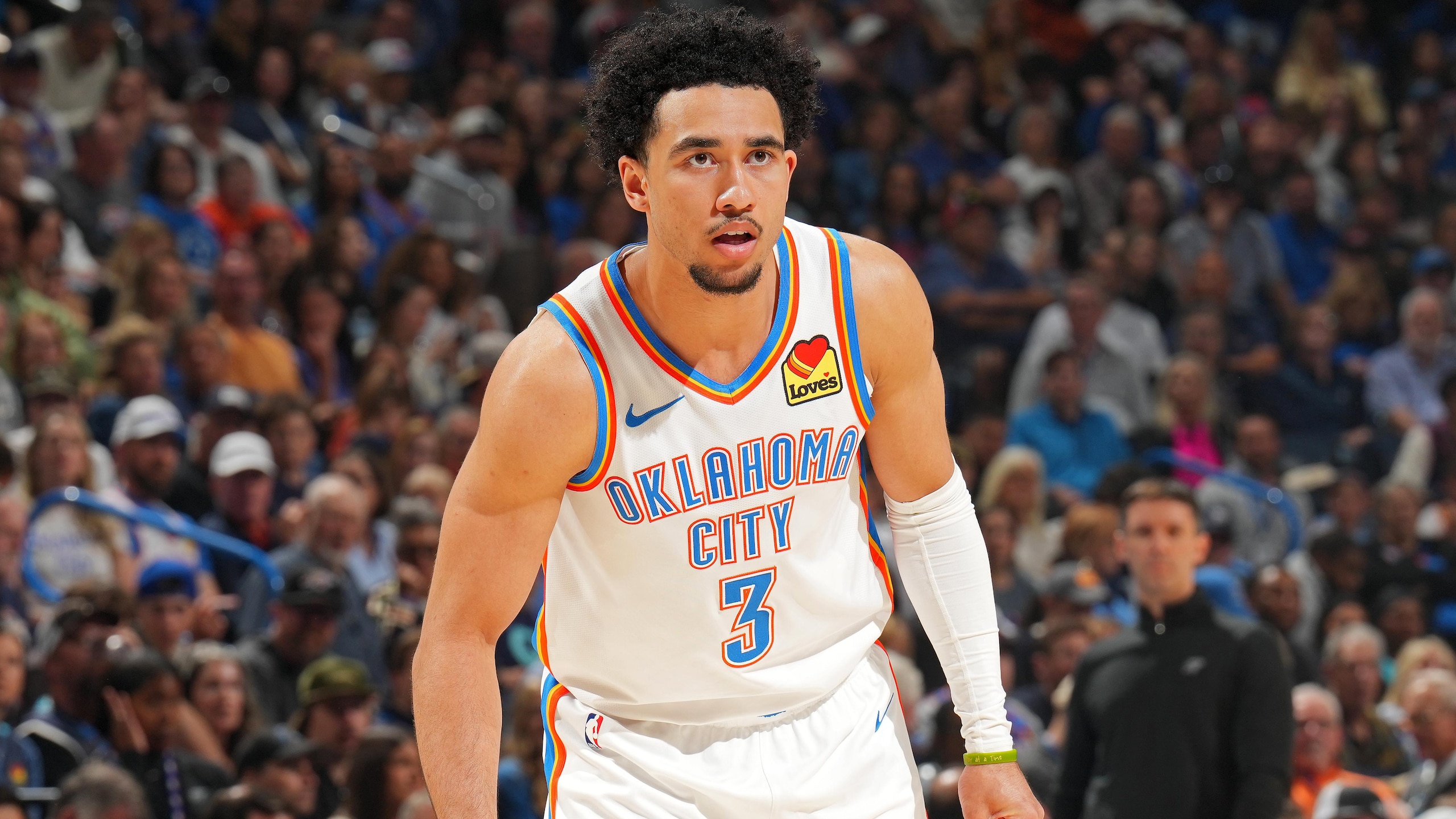
We don't yet know what the 2026 first-rounder the Philadelphia 76ers got from the Thunder might become. It's still hard to view the Jared McCain trade as anything but a mistake.
There are defenses for the McCain deal. In combination with waiving Eric Gordon, it allowed the Sixers to duck the tax and sign Dominick Barlow to a new deal. McCain was also one of just four players traded at the deadline who returned a first-rounder, joining Anthony Davis, Jaren Jackson Jr. and Ivica Zubac.
Still, McCain, who thrived as a reserve scorer upon joining Oklahoma City, would have helped. Philly signed Cam Payne away from KK Partizan in Serbia to play real minutes when injuries hit its backcourt. President of Basketball Operations Daryl Morey didn't help matters by telling reporters the Sixers sold high on McCain, which many perceived as an unnecessary shot at the second-year guard—one he quickly disproved with his play for the Thunder.
Phoenix Suns: Devin Booker's Extension
24 of 30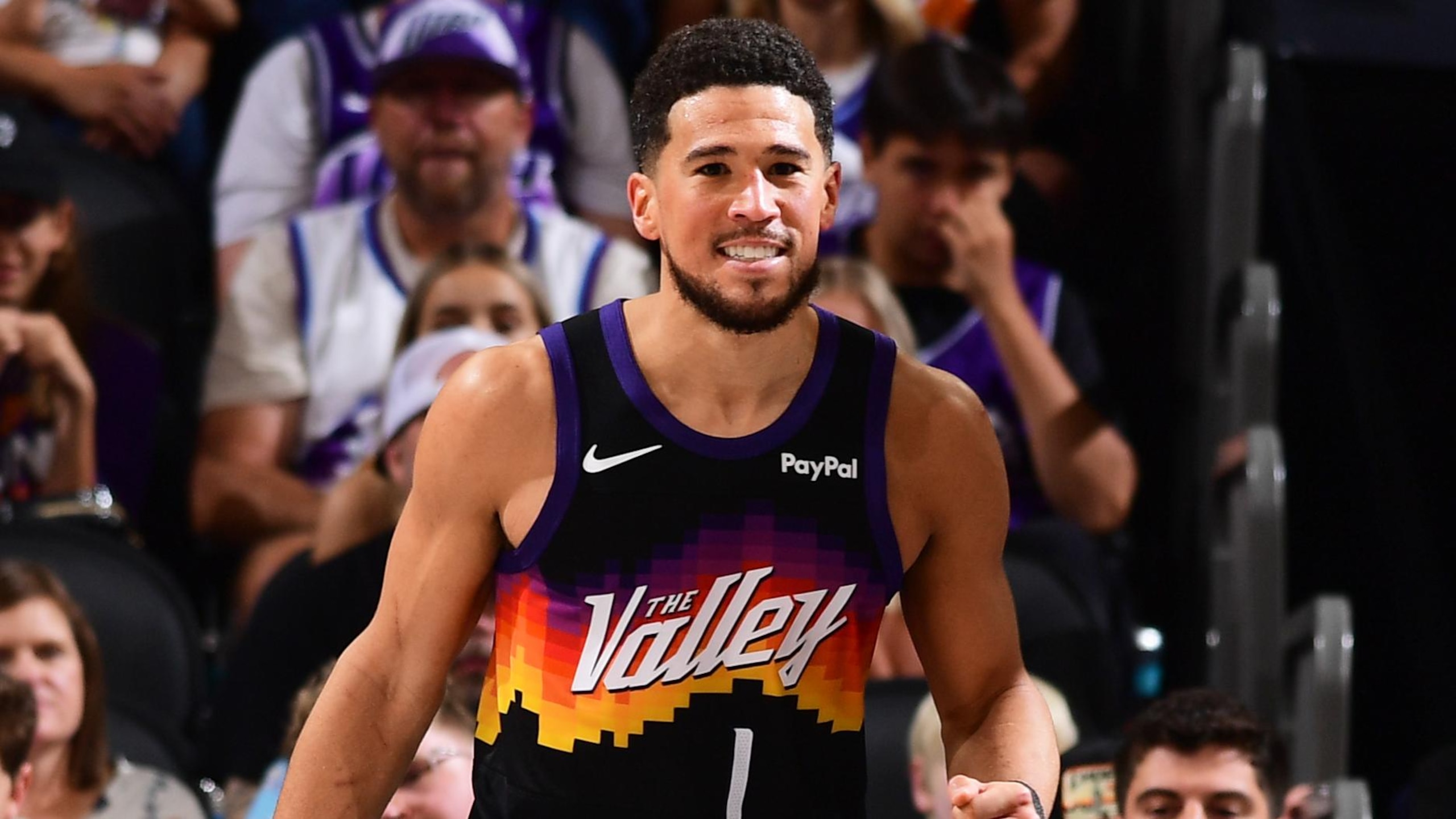
Devin Booker wasn't going anywhere until at least 2028, but the Phoenix Suns acted as if he was an immediate flight risk when they handed him a two-year, $145 million extension that runs through 2030.
Maybe Phoenix figured it had to make a grand gesture to its best player after all he had to endure during the brief and unsuccessful Kevin Durant-Bradley Beal era. Regardless of the motivation, this was still way too much money to invest so far in advance.
Virtually everything about Phoenix's 2025-26 rates as a pleasant surprise, but the 29-year-old Booker wasn't even an All-Star and will be paid like an MVP candidate for the rest of the decade.
Portland Trail Blazers: Trading the No. 11 Pick
25 of 30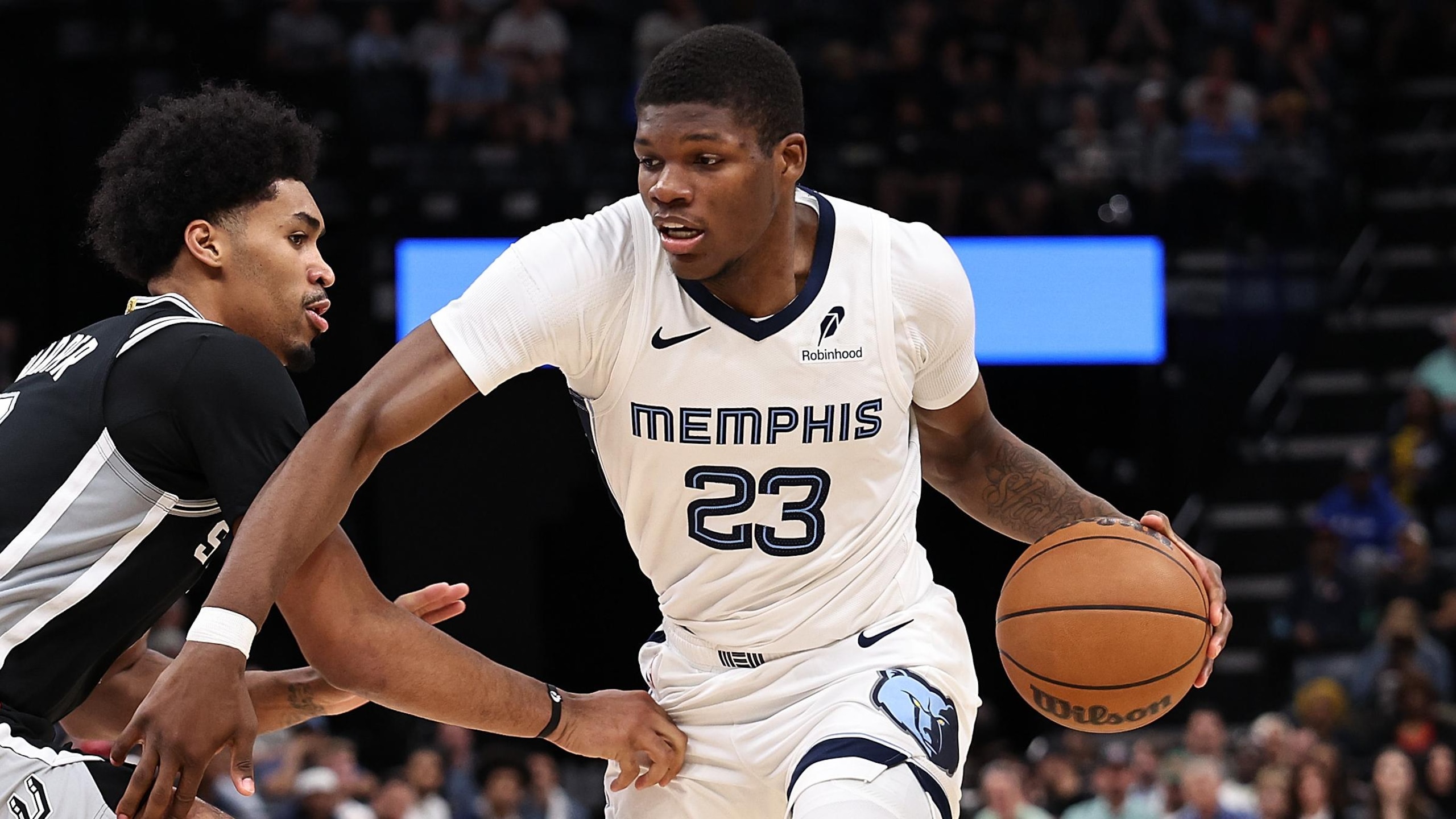
The Portland Trail Blazers won their draft-night deal in 2024 so handily that you can understand their willingness to swing another one in 2025. Unfortunately, that more recent trade, which sent out the No. 11 pick in exchange for the Grizzlies' No. 16 selection, a 2028 first-rounder via the Magic and a couple of seconds, looks nowhere close to as good as the prior year's swap that brought Deni Avdija over from the Washington Wizards.
Memphis took Cedric Coward at No. 11, and the rookie wing is a fixture on most All-Rookie ballots. He has the size and two-way potential to profile as a quality two-way starter, and that's on the low end.
Meanwhile, the Blazers wound up with Yang Hansen, who spent half the season in the G League. That 2028 Orlando pick could flip this regret on its head, but that's a speculative piece of a deal that, for now, seems like a pretty big mistake.
Sacramento Kings: The Entire Dennis Schroder Transaction Timeline
26 of 30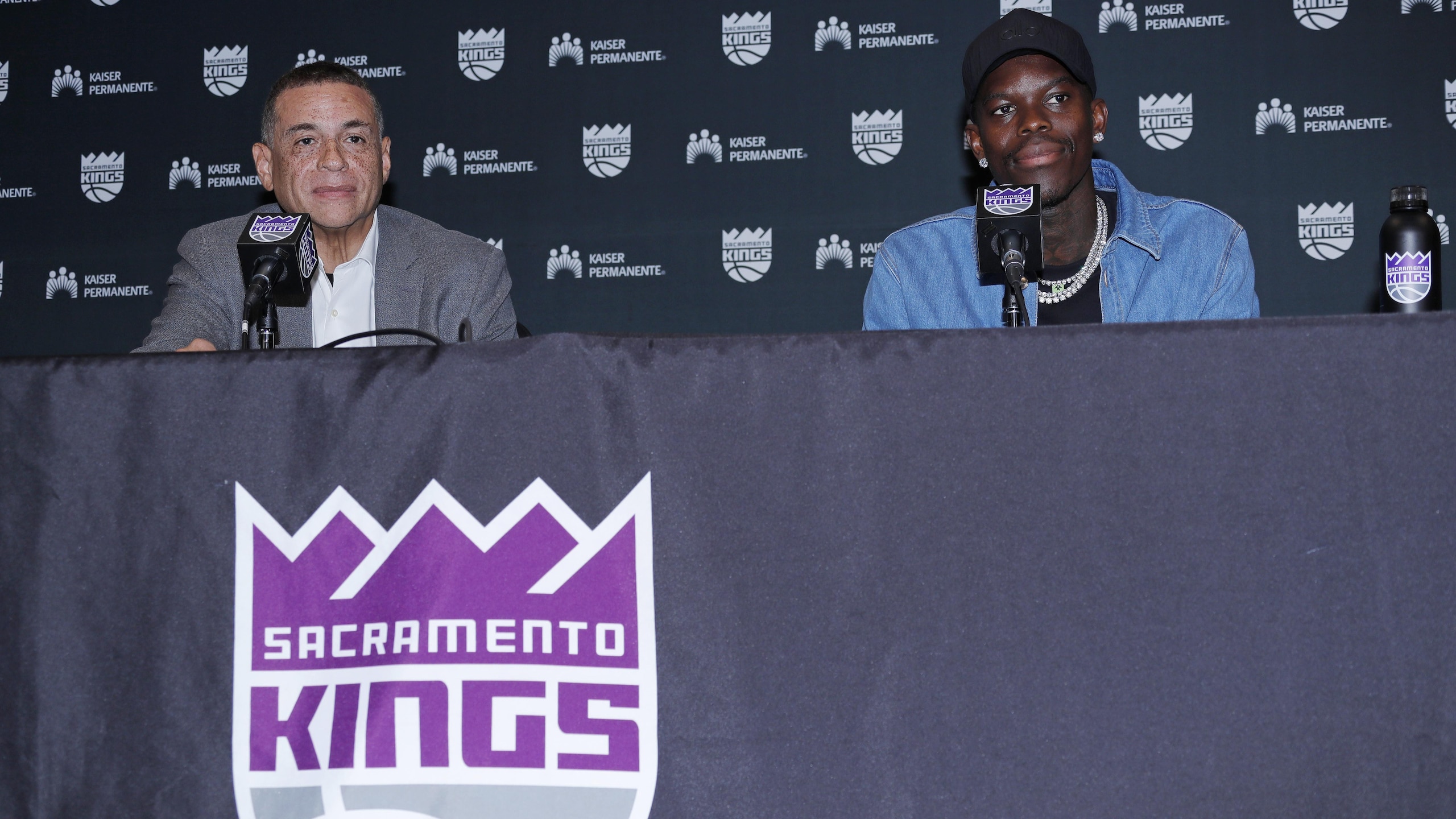
In order to sign Dennis Schroder in the first place, the Sacramento Kings had to trim some cash. So, having determined the journeyman point guard was worth the trouble, they sent capable backup Jonas Valanciunas to Denver for Dario Sarić.
Sarić was effectively unplayable. The Kings ultimately sent him to the Bulls in a three-team deal that also involved Schroder going to the Cavs, along with Keon Ellis, for De'Andre Hunter.
Ellis was a solid two-way threat on a cheap deal for the Kings, a player whose minimal role constantly vexed Sacramento fans. He was arguably a better player than Hunter in a vacuum, but was clearly a superior value given the latter's $24.9 million salary in 2026-27.
If you want to trace this all the way back to the source, you end up at the ownership level. Vivek Ranadive presides over the most aimless operation in the league. He hired retread executive Scott Perry, who masterminded this mess. Everything—from the roster management to the team piling up a third of its wins after March 8, killing the tank—is on Ranadive.
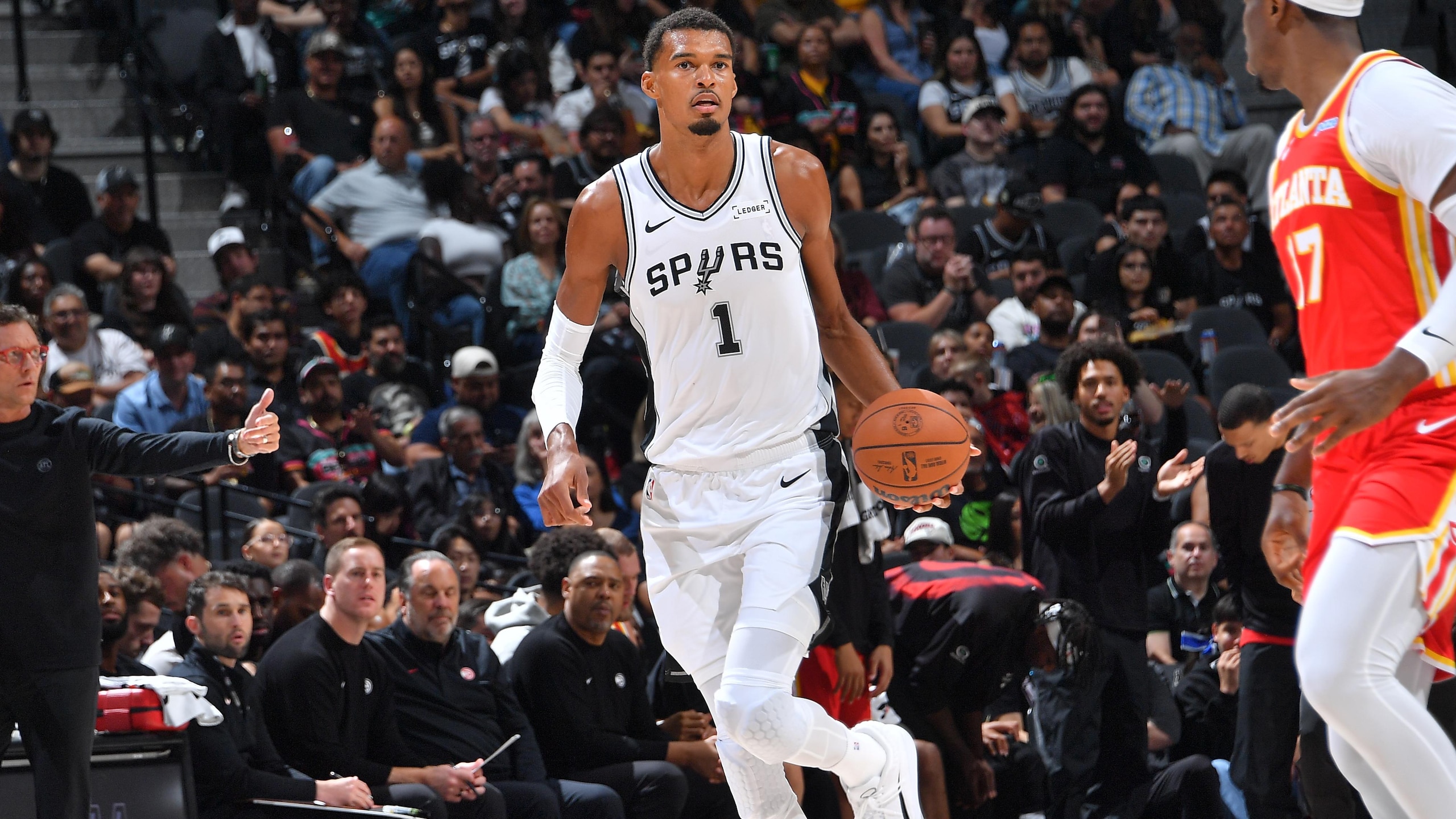
San Antonio Spurs: De'Aaron Fox's Extension
27 of 30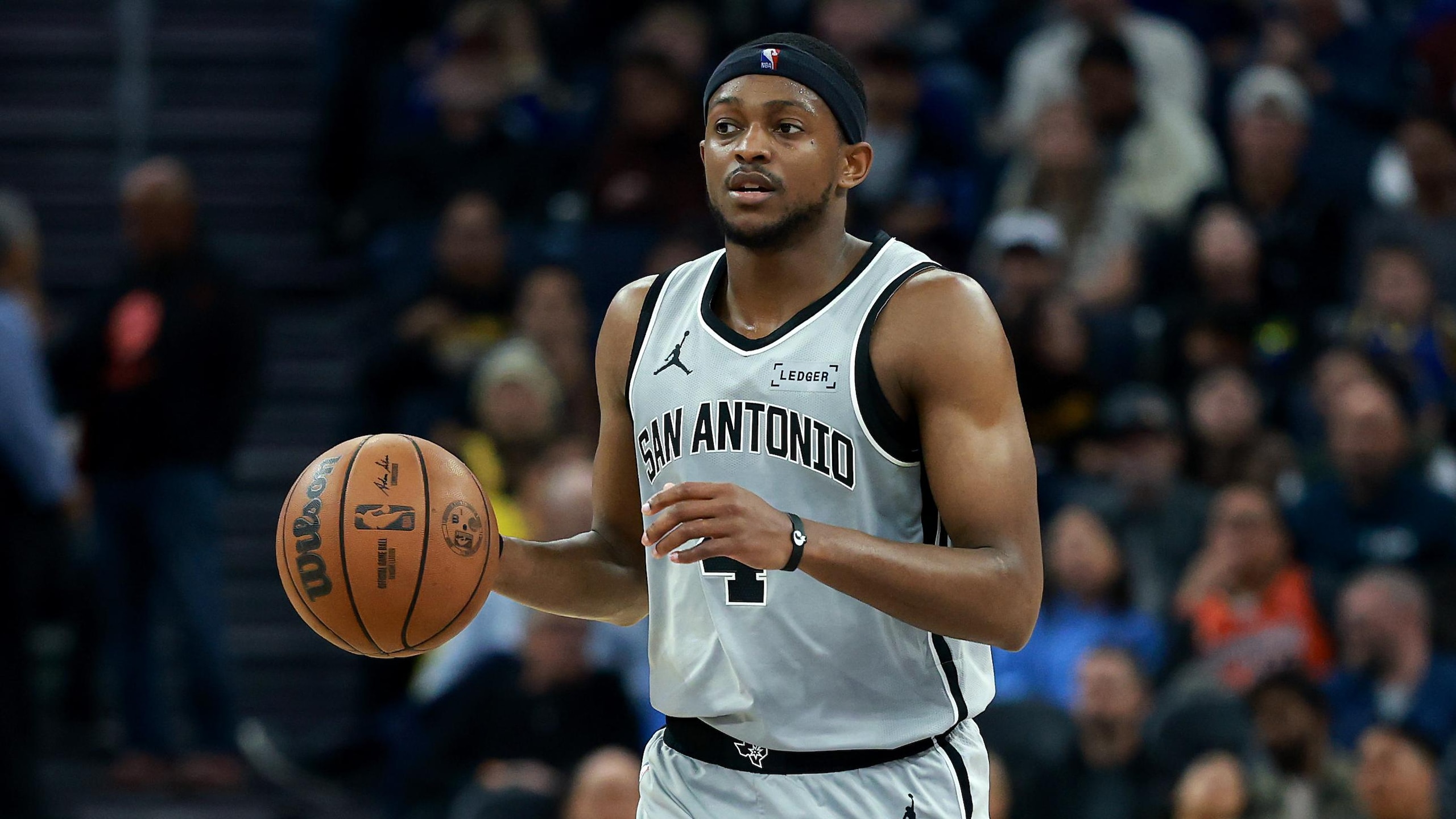
Maybe it was a done deal, agreed upon as part of the trade that got De'Aaron Fox to San Antonio at the 2025 trade deadline.
But the Spurs dramatically overpaid when they gave Fox a four-year, $229 million max extension in August, locking down a player who is clearly third on their long-term guard depth chart behind Stephon Castle and Dylan Harper. Forget the big picture; Castle and Harper showed so much promise this season that it wouldn't be a shock if Fox was the team's third-most productive guard as soon as next year.
Even if it's true that all three can play together, and even if Fox remains a highly effective starter, San Antonio devoted major resources to someone who ultimately won't produce like a superstar and is likely to feel duplicative very soon.
If they got a do-over, there's no way the Spurs would max out Fox.
Toronto Raptors: Jakob Poeltl's Extension
28 of 30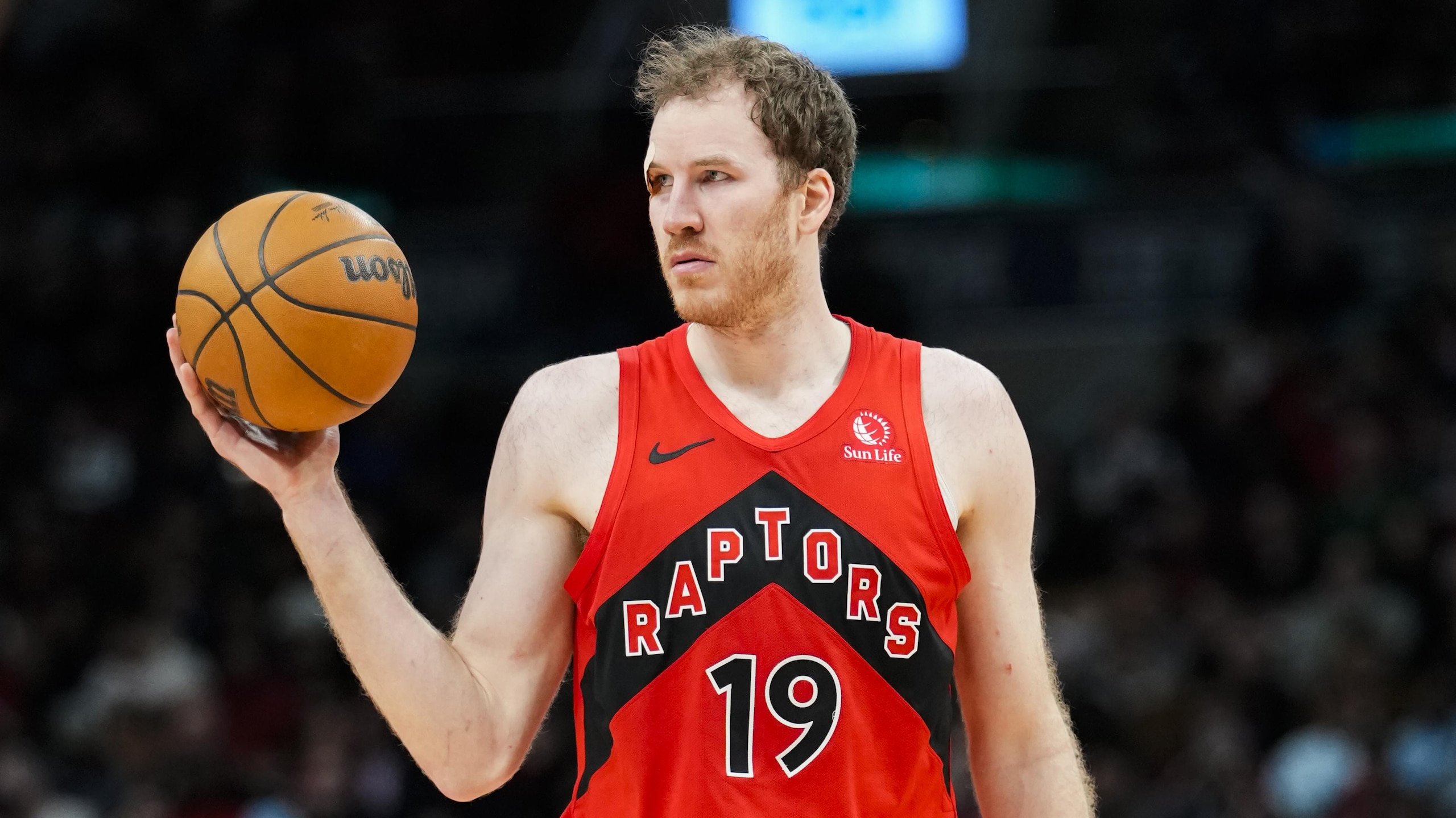
Last July, the Toronto Raptors handed veteran center Jakob Poeltl a four-year, $104 million contract extension that pays him through the 2029-30 season. The deal saw Poeltl pick up his 2026-27 player option while adding three years to his deal.
Just...why?
Poeltl is a mid-tier starter at best. His specific lack of stretch or defensive versatility makes him something less than that on this Raptors team. Case in point: Poeltl was part of only one of Toronto's six best high-usage lineups this season, and both of his backups—Sandro Mamukelashvili and rookie Collin Murray-Boyles—show up in lineups with superior net ratings.
Even if you believe Poeltl to be Toronto's best center, there was never any sense in proactively adding multiple years at a starter's salary when he was already on the books through next season.
Utah Jazz: Getting Caught
29 of 30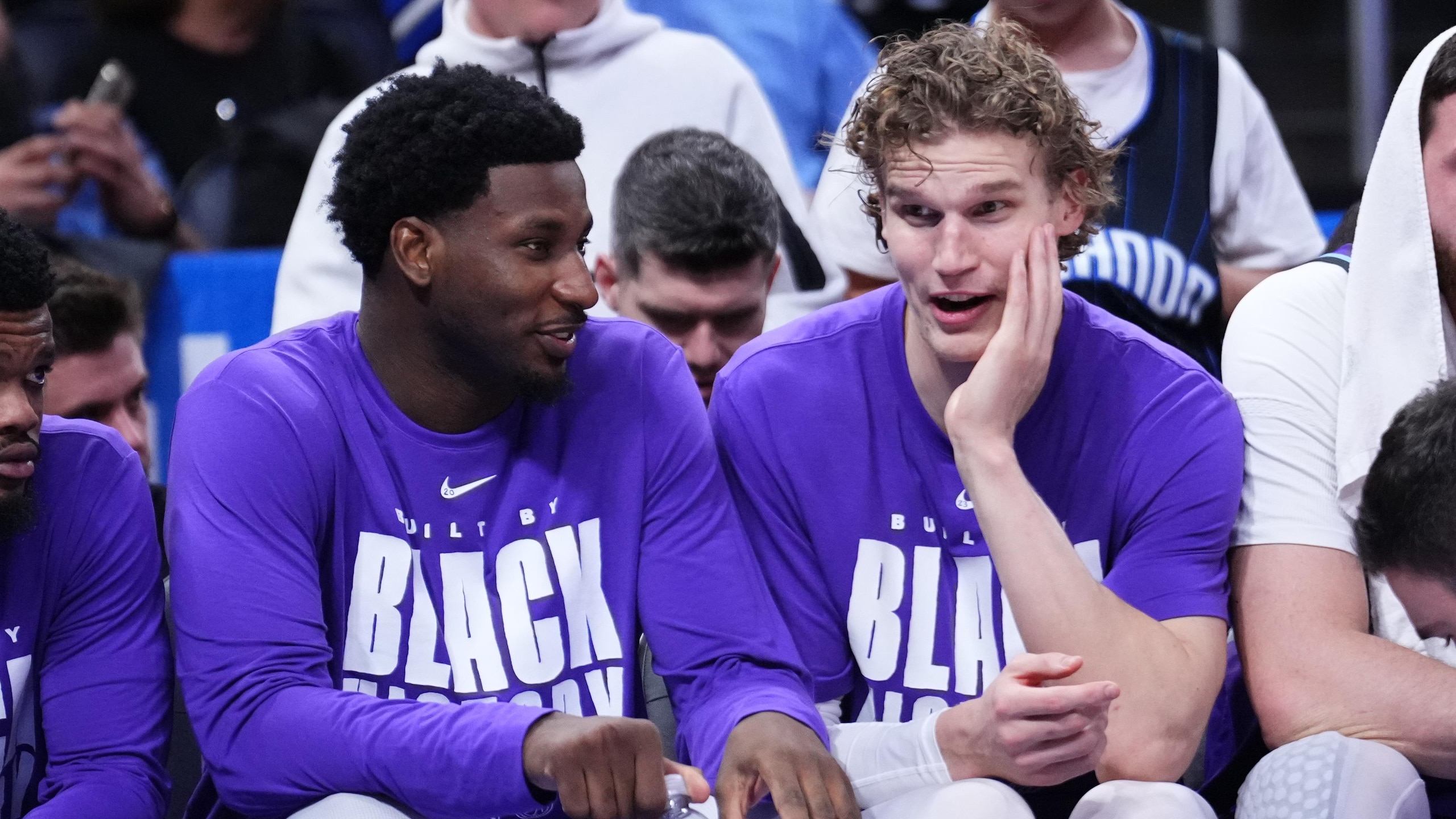
Despite assurances from management that there would be no losing-on-purpose shenanigans this year, the Utah Jazz were singled out by the NBA for trying to fail a little too brazenly.
The $500,000 fine Utah incurred for resting healthy, high-end players in a handful of fourth quarters felt unfair in light of other teams' behavior around the league.
A half-million dollars may not matter much to billionaire owner Ryan Smith, but the seeming injustice of the fine sure did. Utah finished with a win total in the 20s by design and secured Jaren Jackson Jr. for a run next year that will actually be competitive, so it probably has no real regrets to speak of.
Other than not being creative enough to drop games without getting caught.
Washington Wizards: Trading for Expensive Veterans
30 of 30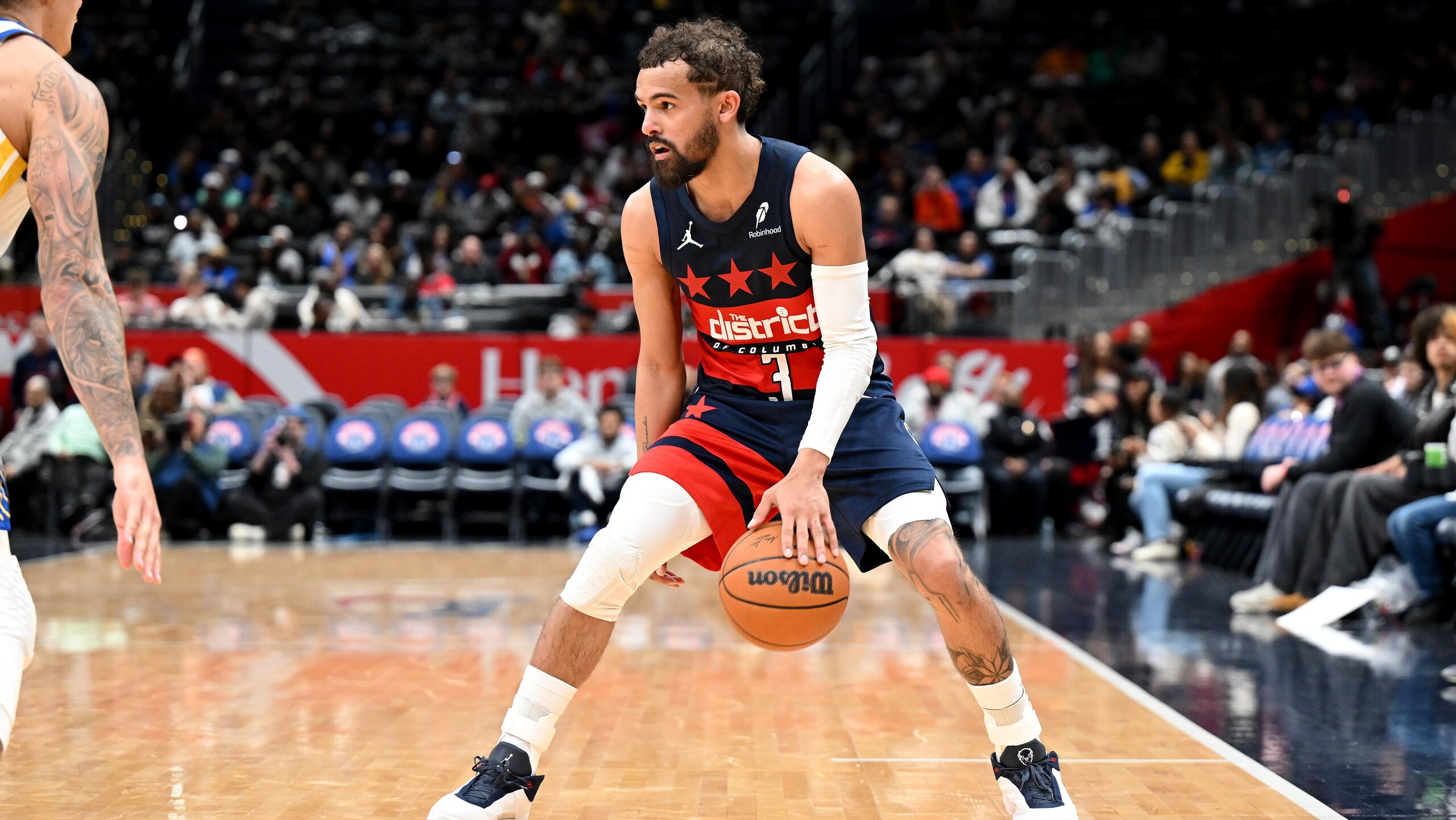
Let's be clear that the trades for Trae Young and Anthony Davis have their merits. Charitably, those were creative moves that came at relatively low cost. You have to respect the opportunistic behavior of the Washington Wizards in acquiring a pair of damaged goods stars while running up the league's worst record.
The potential for regret is still enormous.
Young is going to get a large extension that could make him much harder to flip for value. And if the plan is to keep him, well...does that mean Washington hopes to reach the level the Hawks managed during most of Young's recent tenure? That's pretty unambitious.
Davis' health history and massive contract could also make him very hard to deal for more than he cost to acquire. Career rehab is possible, but it's hard to argue it's likely.
In the end, Washington paid little to acquire both but took on a massive risk in the bargain. Zoom out, and the Wizards' deadline deals could be construed as an effort to get the team back to the league's dreaded middle. That should scare everyone with a stake in the team.
Stats courtesy of NBA.com, Basketball Reference and Cleaning the Glass. Salary info via Spotrac.
Grant Hughes covers the NBA for Bleacher Report. Follow him on Bluesky and subscribe to the Hardwood Knocks podcast, where he appears with Bleacher Report's Dan Favale.

.jpg?w=2560 "Report: Eagles to Sign Cowboys QB")

.jpg?w=2560 "Aiyuk Slammed by Ex-Teammates 😬")
.jpg?w=2560 "Josh Jacobs Can Play in Week 7")
.jpg?w=2560 "Ranking Tarik Skubal's Top Landing Spots 🛬")