

Getting paid above-market rates in NBA free agency is harder than ever. Contracts are shorter, the pool of impact players is smaller, and in the era of aprons, teams are hyper-cognizant of how they build out their cap sheet.
Every year, without fail, certain players land strikingly high windfalls anyway. This summer isn't going to be any different.
Overpays are very much in the eye of the beholder. For our purposes, we are going to define them as any multiyear deal that compensates a player on a scale that belies their current value or outpaces what they'll do by the end of it.
Which names are in line to ink said pacts this summer? And why? Let's find out.
Harrison Barnes, San Antonio Spurs
1 of 7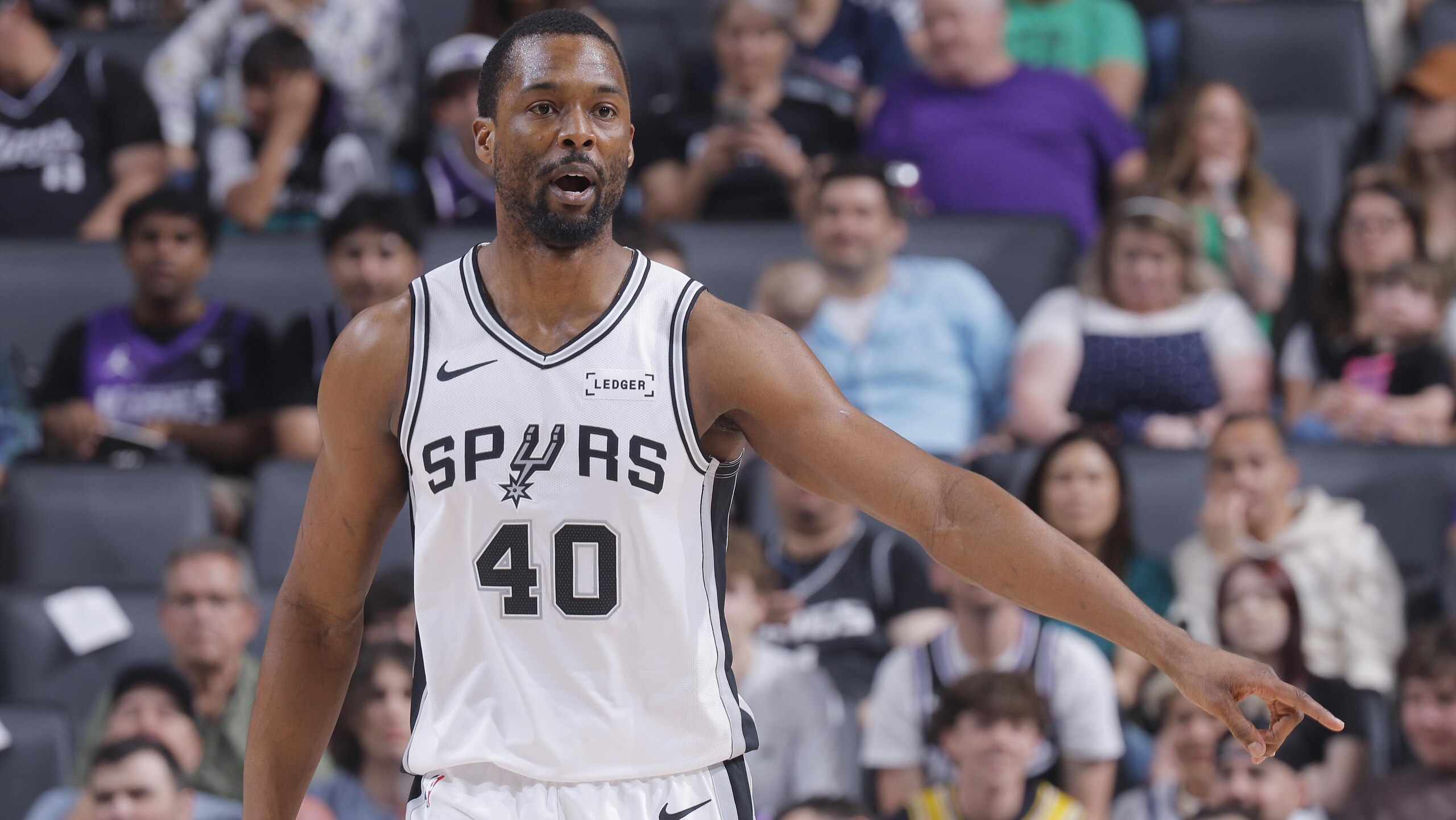
Harrison Barnes has real motion when it comes to securing the bag during or in advance of free agency. That flair for financial success will continue this summer.
It has little to do with Barnes' play. Though he's been solid for the San Antonio Spurs, he has seen his starting spot and role within the larger rotation shrink to eighth- or ninth-man status. That isn't someone to whom you pay $19 million or more, or even the mid-level exception.
The Spurs should do it anyway.
They do not currently have a ton of expendable salary in the event they want to make a splash on the trade market. Blame Keldon Johnson and Devin Vassell. The idea of moving either one is no longer as palatable as it might've been one year ago.
Rolling over Barnes' salary slot or moving him as part of a sign-and-trade expands the Spurs' optionality next season or over the summer. It doesn't mean they have to go big-name hunting; just that it's a card they could play.
Prioritizing the salary-matching flexibility will be more prohibitive as time goes on and the rest of the core gets more expensive. For now, San Antonio projects to have almost $50 million in tax space next season—more than enough breathing room to make Barnes a human trade exception.
Mohamed Diawara, New York Knicks
2 of 7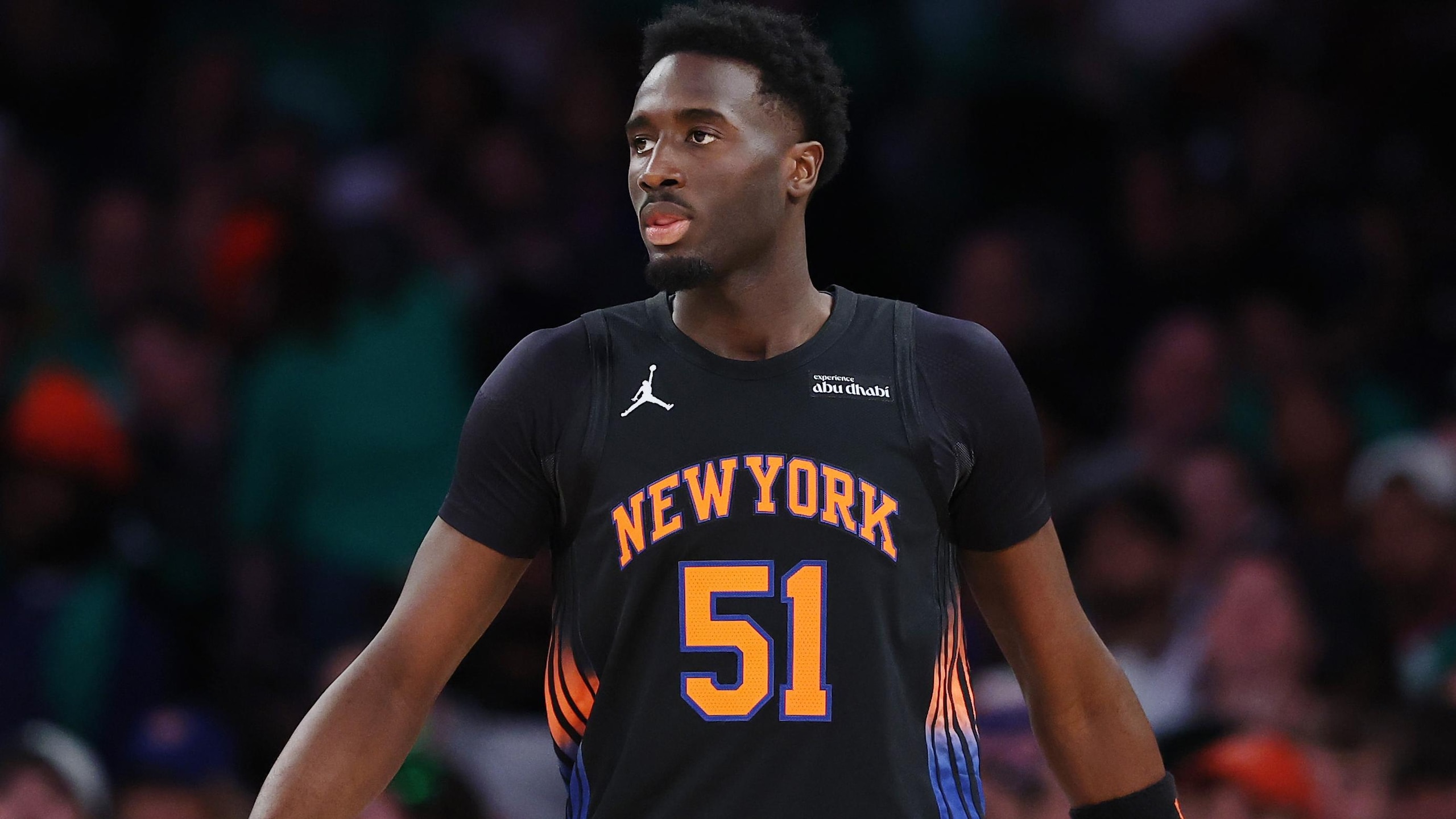
Paying Mohamed Diawara won't be a problem for the New York Knicks thanks to the Gilbert Arenas Rule. Other teams cannot offer him more than a starting salary worth the bigger mid-level exception ($15 million).
And despite turning heads with better three-point volume and efficiency and defense than expected, the 20-year-old isn't tracking toward that level of interest.
Except needling in on the Knicks' plans for their young combo wing may not take that much money. They only project to have $16.5 million in space beneath the second apron. That's without new deals for Mitchell Robinson and Landry Shamet (Early Bird) and doesn't factor in their first-round pick.
Wiggle room will be even harder to come by if Jose Alvarado declines his player option and costs more than $4.5 million to retain.
Offering Diawara mini-mid-level money ($6.1 million) or slightly more could be enough to get New York's front office thinking. Entering the second apron isn't taboo, but it'll be much tougher to improve the team on the margins, let alone make a run at Giannis Antetokounmpo.
We're still talking about relatively small numbers either way. A short-term mini-windfall won't break any team and has the added bonus of weakening the Knicks' rotation. But while Diawara is a tantalizing prospect, offering him noticeably more than the minimum looms as a gamble and would be more about ensuring you poach him than compensating him relative to his current value.
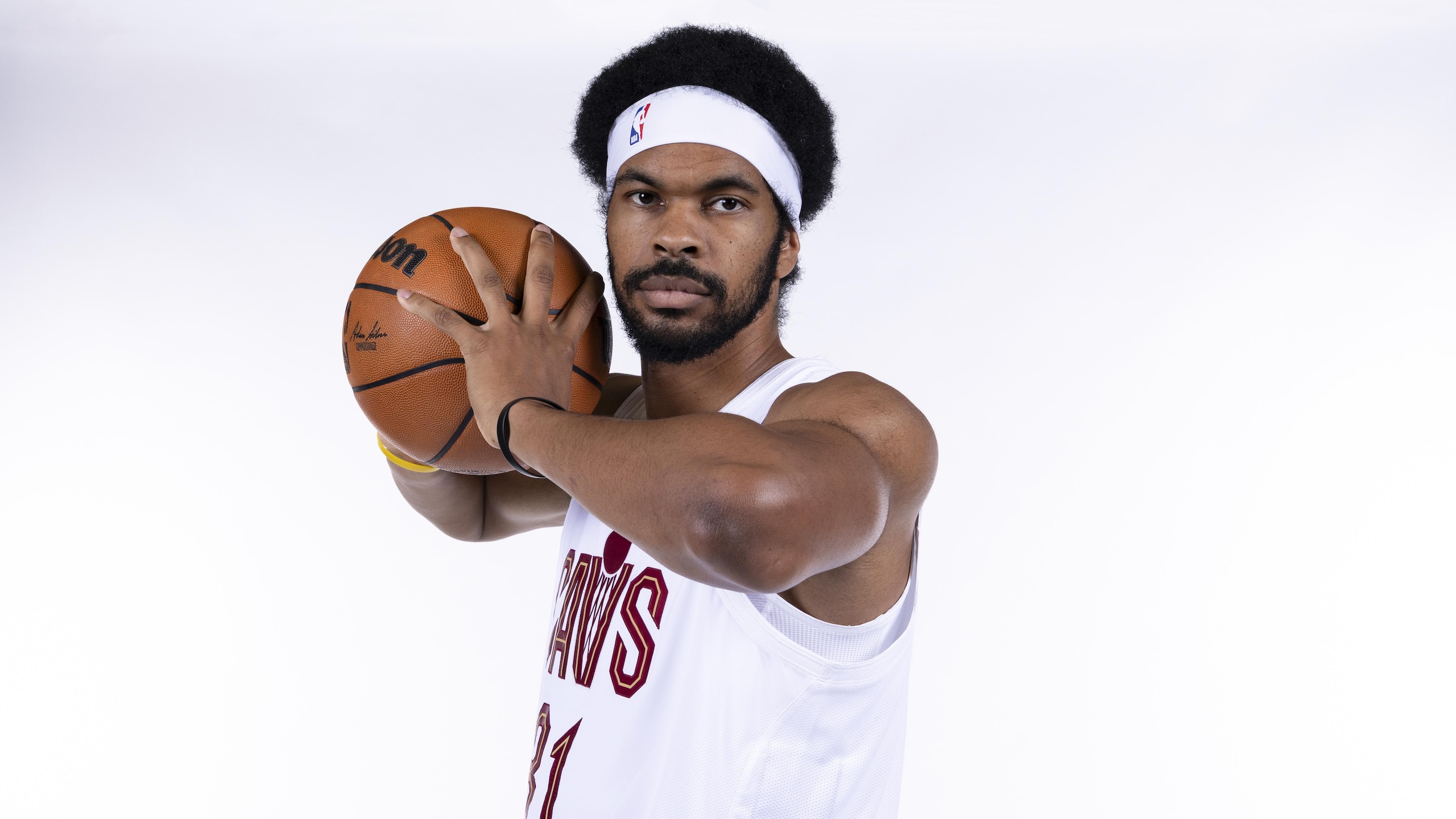
Jalen Duren, Detroit Pistons (Restricted)
3 of 7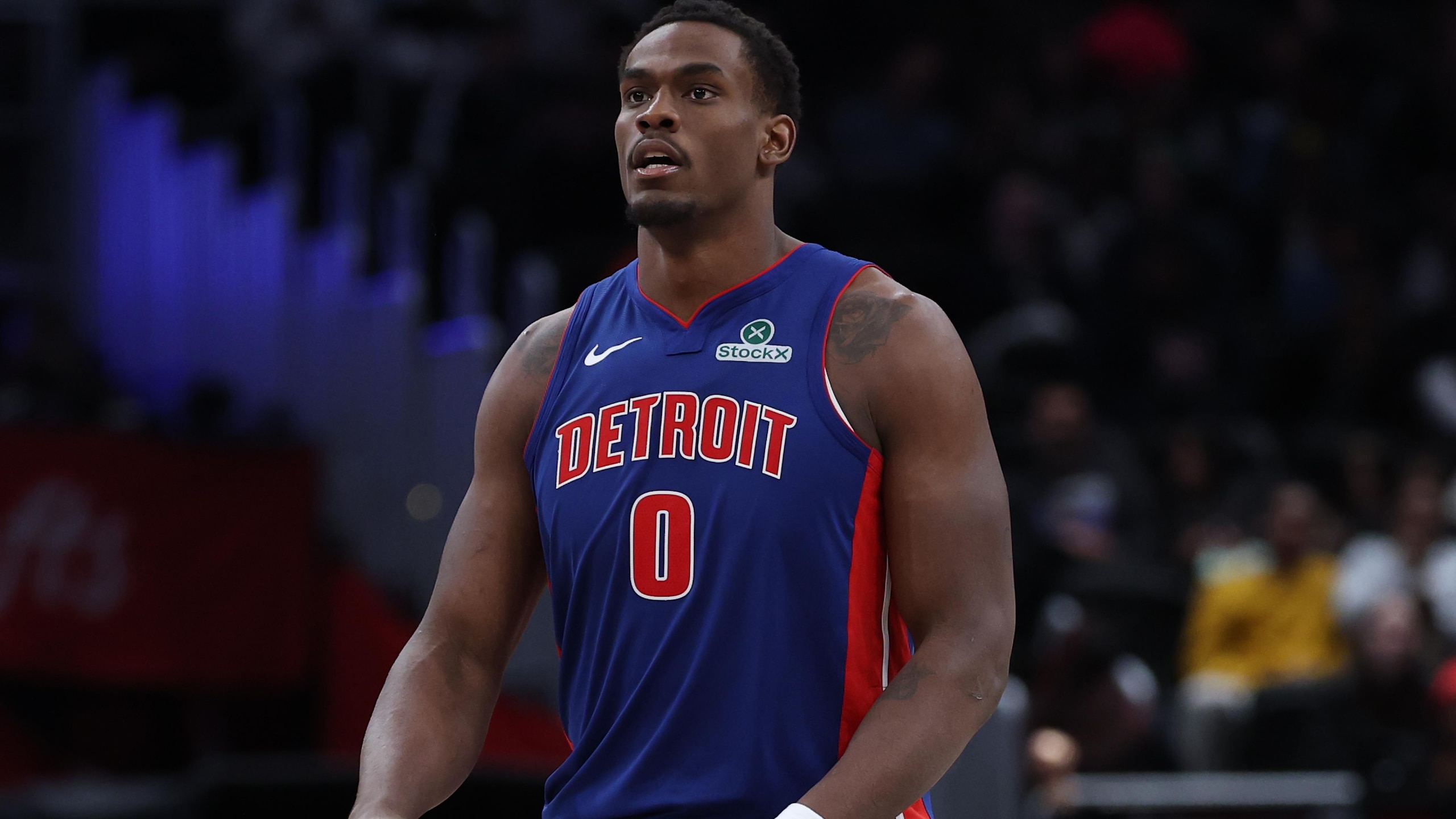
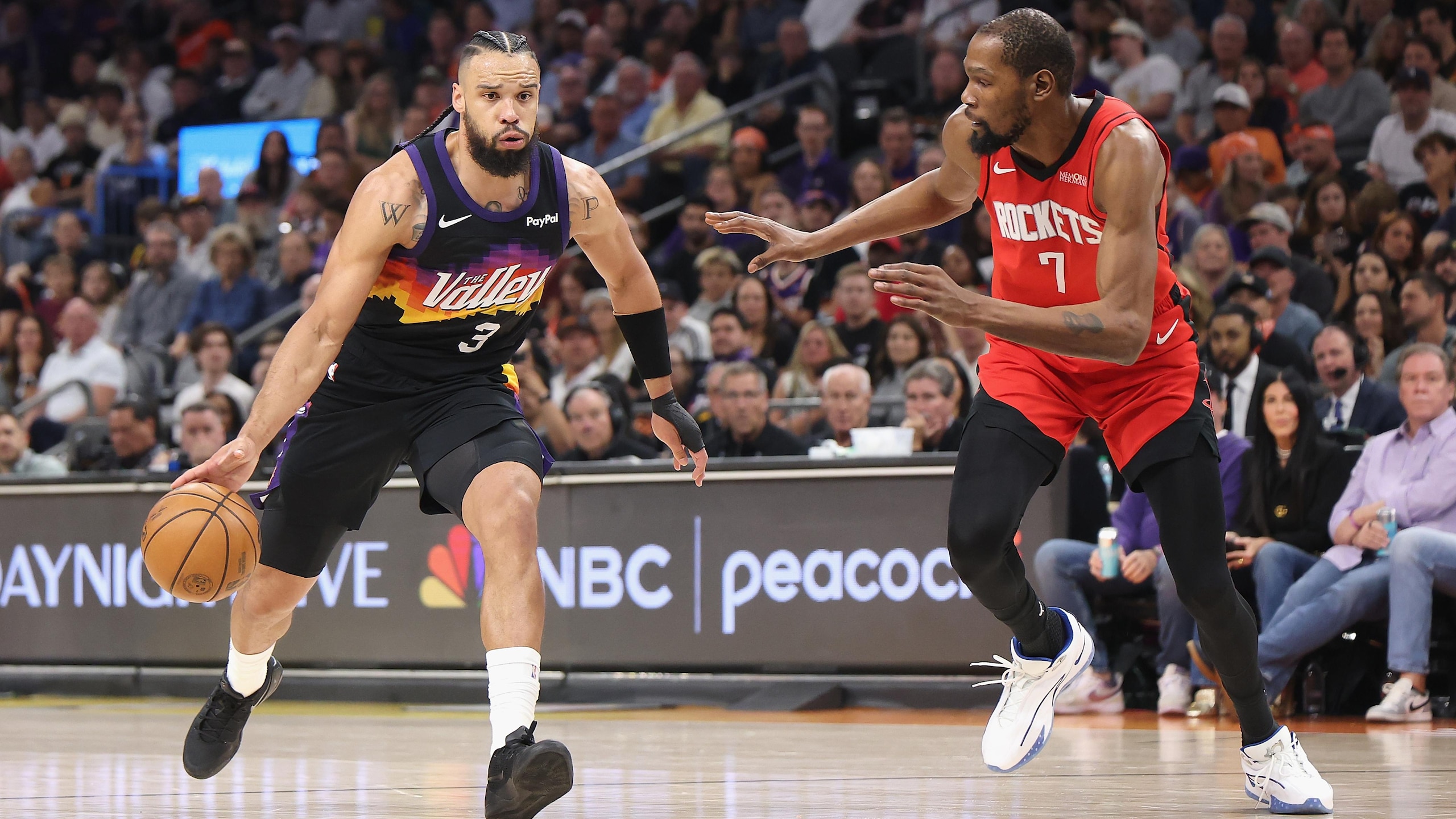
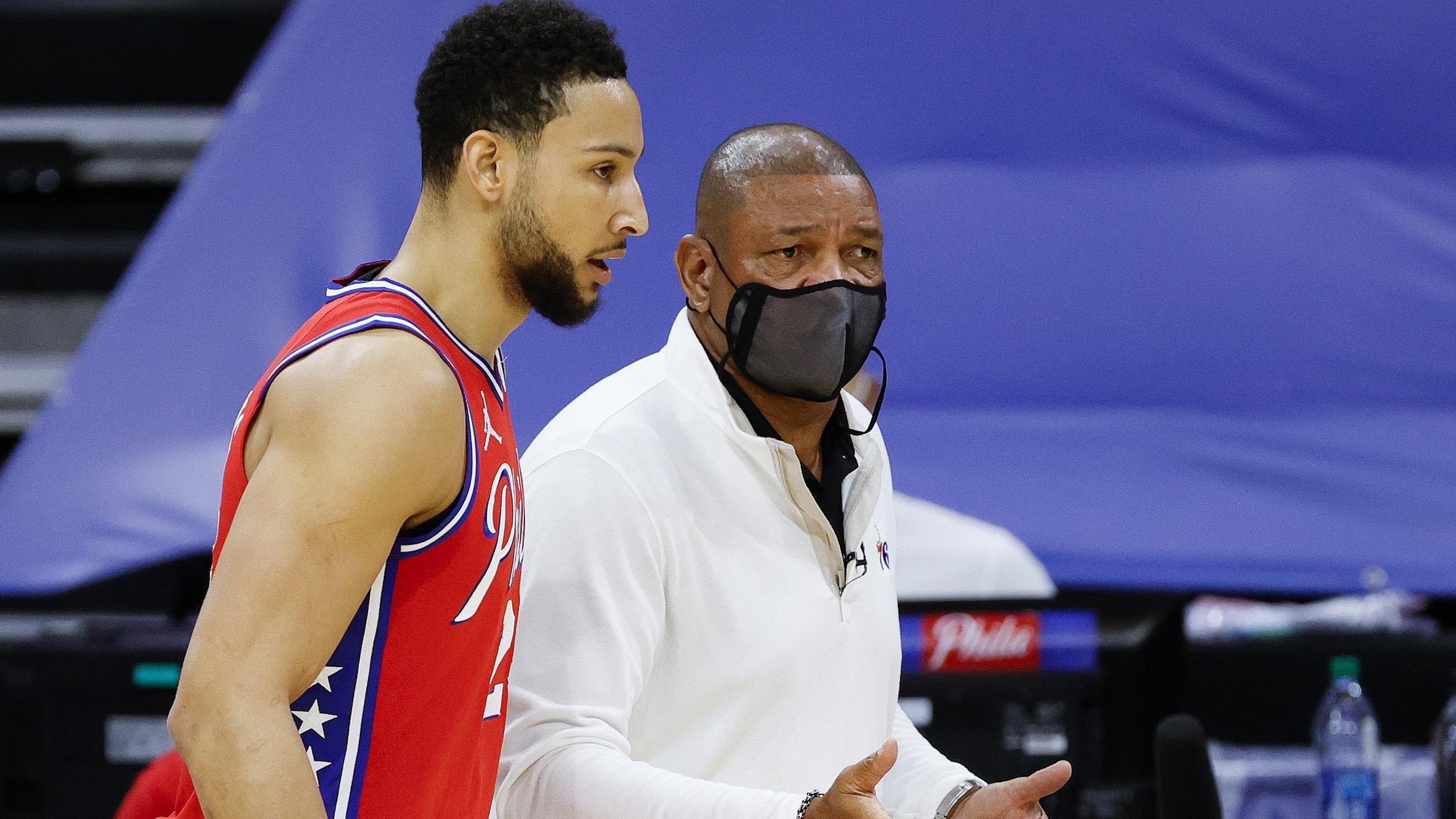
Restricted free agency is generally a terrible racket for players. A perfect storm of circumstances will make Jalen Duren an exception.
Turning in a career year, replete with an All-Star appearance, arms him with plenty of negotiating power. That leverage increases tenfold if he makes All-NBA and qualifies for the 30 percent max.
Given the sheer number of candidates biting the games-played dust, including Duren's own teammate in Cade Cunningham, a third-team selection ranges from "more likely than ever" to "inevitable."
Granted, just because he makes an All-NBA squad doesn't mean the Detroit Pistons have to offer him a five-year deal worth a projected $287.1 million. On the contrary, they almost assuredly will not. But the eligibility sets the stage for Duren and his camp to ask for it, then "settle" for the 25 percent max of four years, $184.8 million or five years, $239.3 million.
As valuable as the 22-year-old is to Detroit's offensive infrastructure, even going to the lower max would be an overpay. He has more ball skills and better vision than many other players his size, but so much of his utility remains rooted in playing beside Cade Cunningham. And though he participates in a defense no offense wants to face, he's not necessarily the third or fourth reason why.
None of which will prevent him from getting paid. Two of the three squads expected to wield serious cap space, the Chicago Bulls and Los Angeles Lakers, have holes to plug up front. Between that and a potential All-NBA cameo, Duren is well-positioned to enter next season as a max player.
.jpg?w=2560)
Tari Eason, Houston Rockets (Restricted)
4 of 7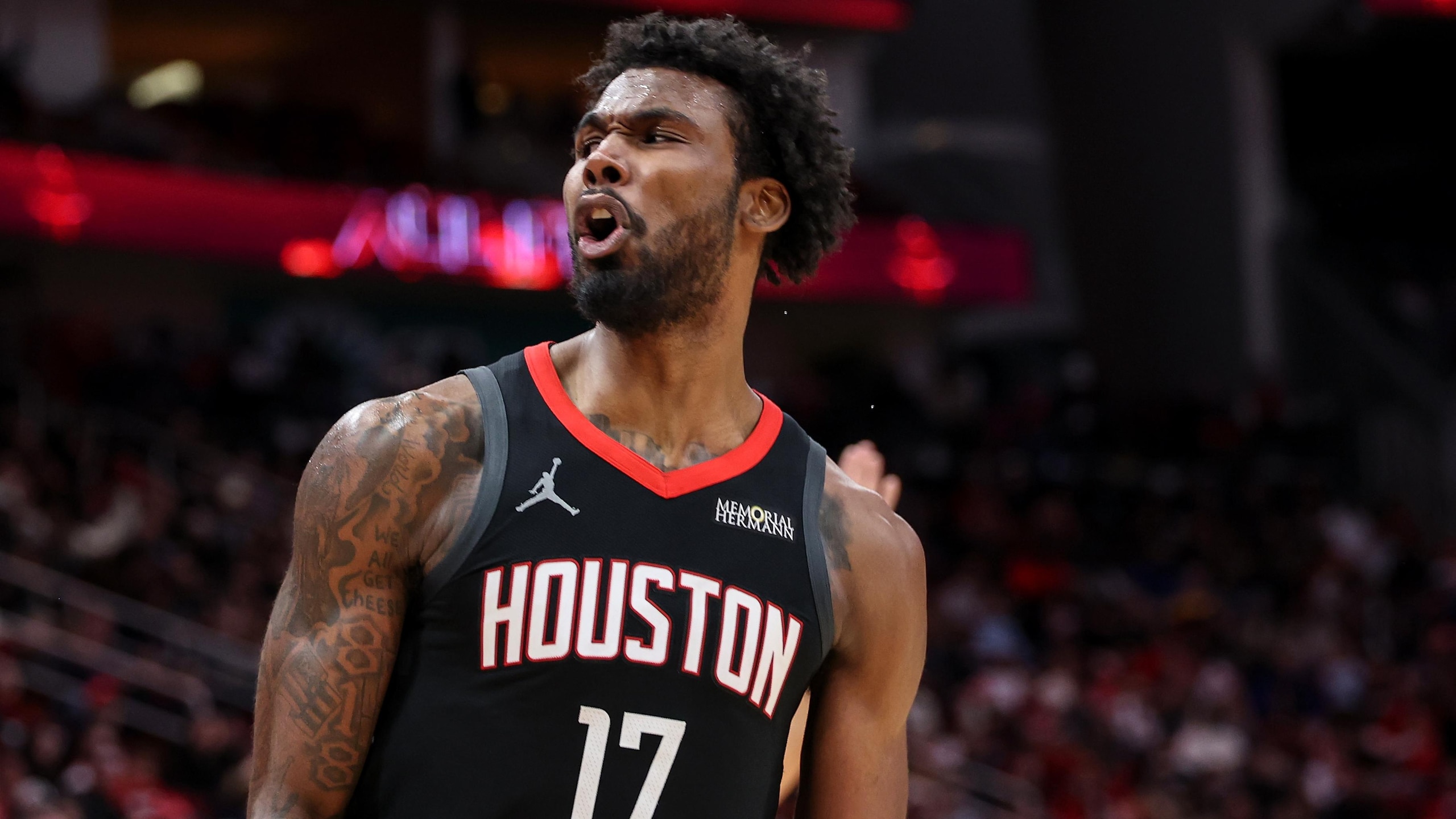
Every team wants a Tari Eason: a monarch of maniacism at the defensive end, both on and off the ball, with a good enough stroke from distance to slot right into any offense. The market for his services should reflect accordingly.
Especially when, after considering various player and team options, the 24-year-old could register as the best wing on the open market, bar none.
Tendering offer sheets to restricted free agents may not be en vogue overall, but teams will make exceptions for a plug-and-play wing young enough to fit just about any timeline.
All three of the cap-space squads—Bulls, Lakers, Brooklyn Nets—should have their eye on him. More suitors will emerge from the woodwork by chiseling out cap space or pursuing sign-and-trade scenarios. (Looking at you, Charlotte.)
The Houston Rockets will have a decision to make as other teams register interest: pay an above-market rate to keep Eason and likely blow right past the luxury-tax line or facilitate his exit.
Either way, the combo wing has a real chance to parlay his role-player status into a contract worth more than $20 million per year.
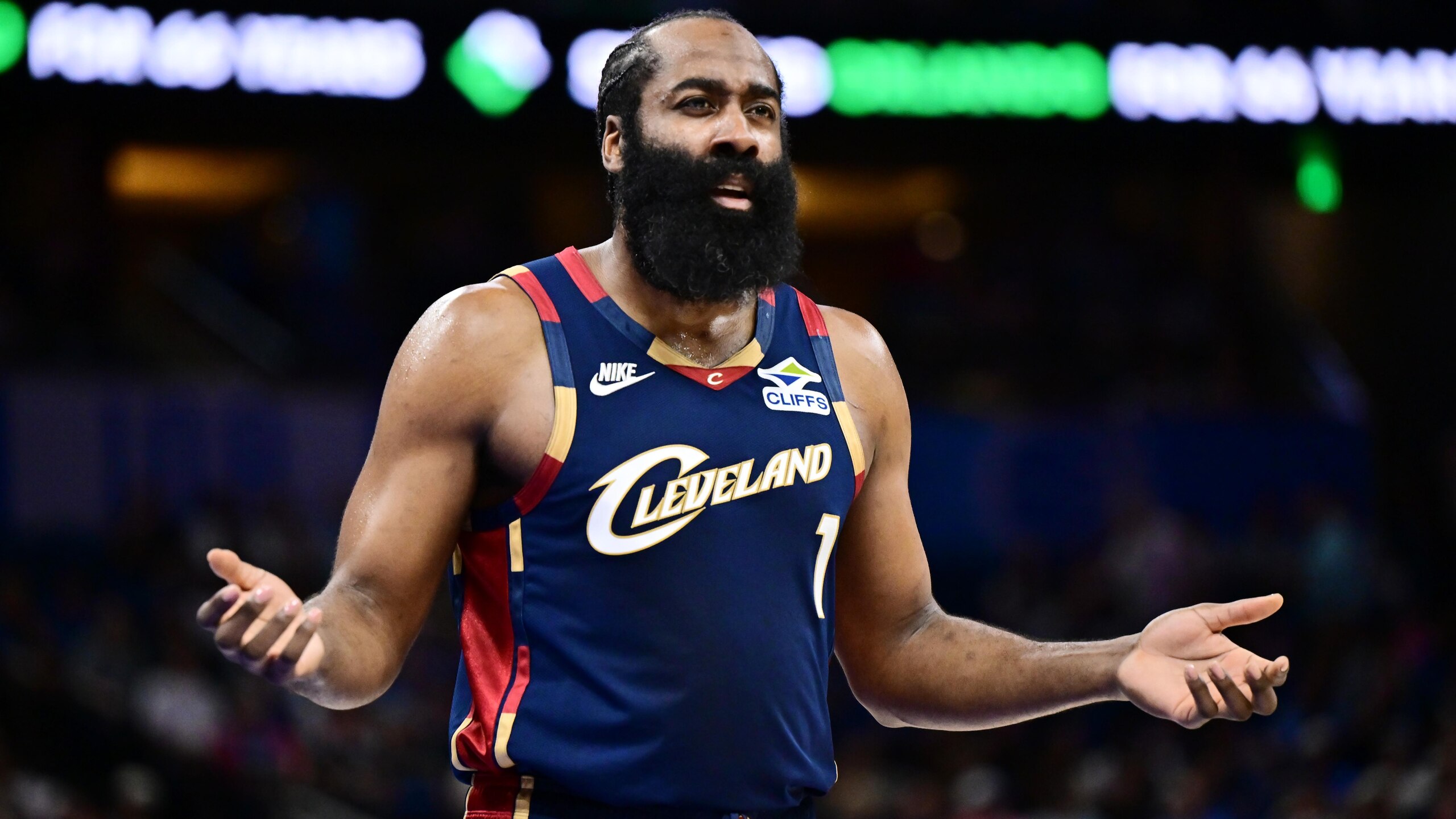
James Harden, Cleveland Cavaliers (Player Option)
5 of 7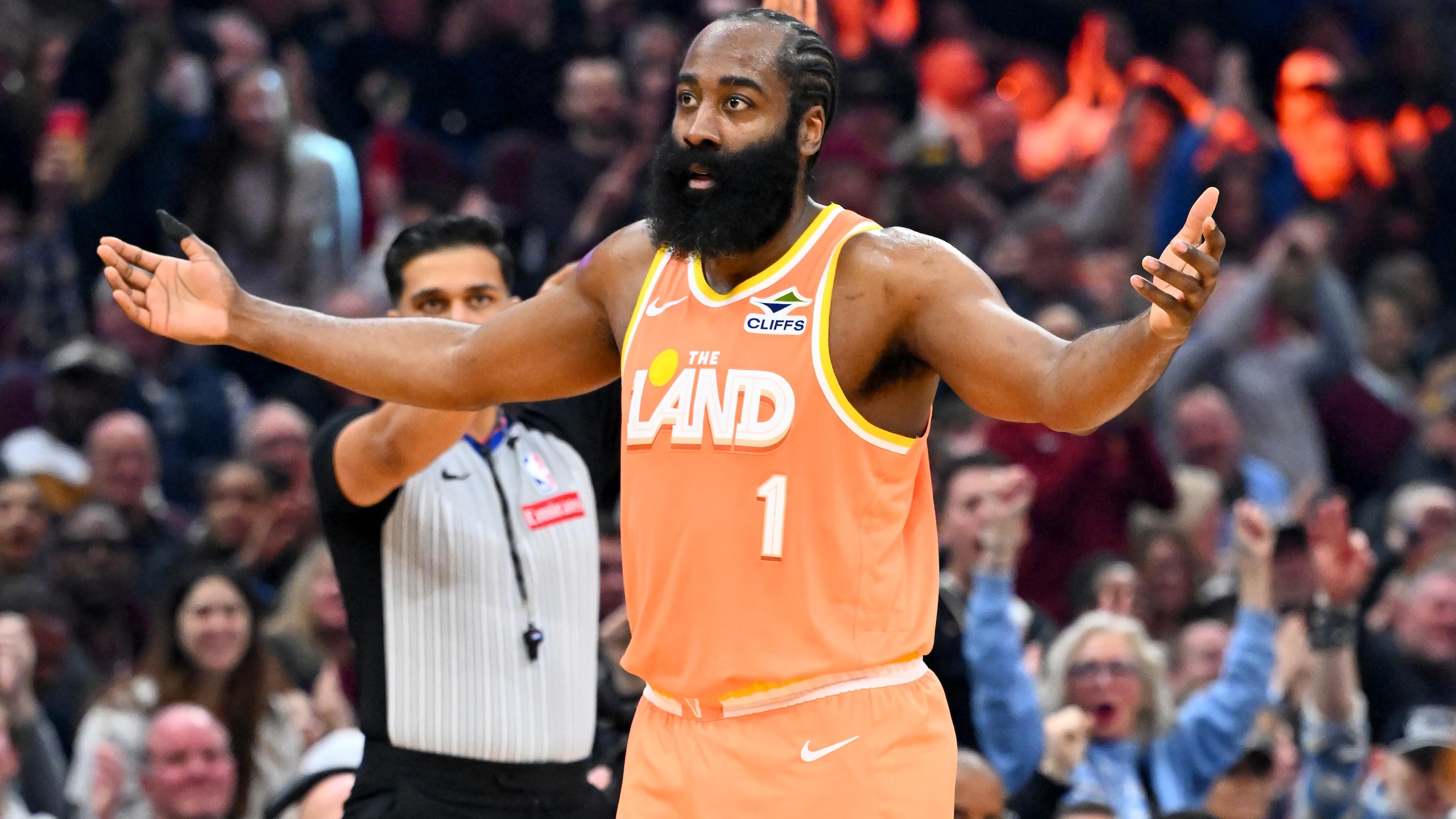
The Cleveland Cavaliers have gobs of leverage over James Harden when looking at the spending-power landscape. If he declines his player option, there isn't a single team that profiles as an obvious suitor to give him max money, whether outright or via sign-and-trade.
This might lend itself to a team-friendlier outcome. Going into his age-37 season, Harden may not expect to make as much as the Cavs' non-Bird rights on him allow.
Then again, Cleveland shipped out an All-Star 10 years younger just to land The Beard. Unless it's planning more of a wholesale reset, Harden has his own form of leverage. His history in Houston, and then Brooklyn, and then Philadelphia, and then also Los Angeles, suggests he won't be afraid to use it.
A two-year non-Bird contract tops out at $97 million. Expect Harden to get every cent, perhaps with a player option on Year 2. And while there's no denying the value of both his ability and availability, paying close to 30 percent of the salary cap for someone entering his twilight probably doesn't even hit neutral value in the best-case scenario.
Kristaps Porziņģis, Golden State Warriors
6 of 7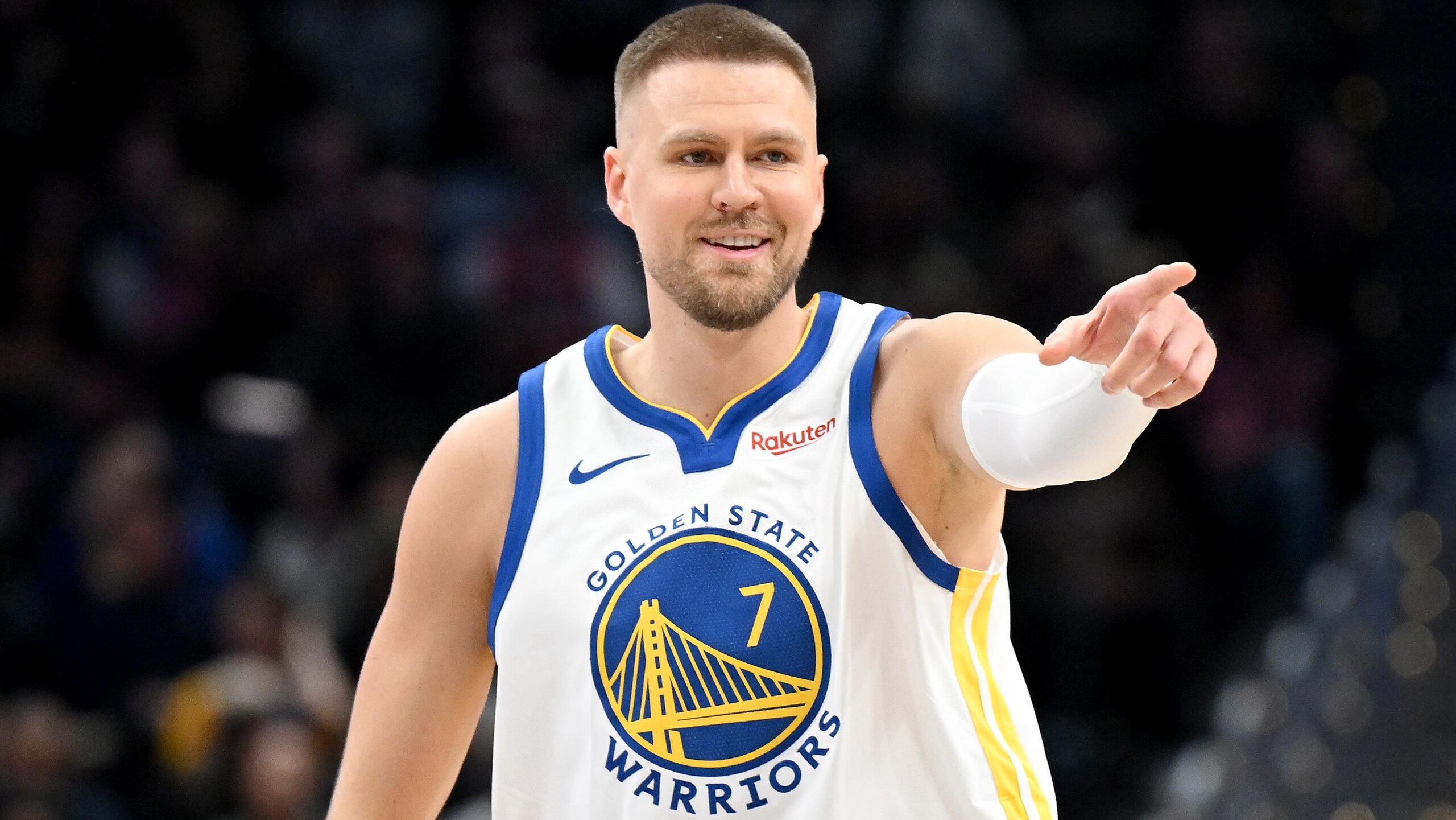
Kristaps Porziņģis as a concept is worth his own Brink's truck. Ginormous centers who protect the rim, stretch the floor and can get their shots off over anyone in the mid-post area are pretty valuable, it turns out.
In practice, Porziņģis is an unpredictable investment.
Illness and injury have severely limited his availability the past two seasons. Managing both probably isn't getting easier as he heads into his age-31 season.
Fortunately for him, the Golden State Warriors need to replace the Jonathan Kuminga team-option slot. Other than Draymond Green's $27.7 million expiring salary (player option), they don't have anyone between the ranges of Moses Moody ($12.5 million) and Jimmy Butler ($56.8 million), both of whom won't be available for good chunks (or all of) next season as they recover from major injuries.
Golden State must continue to function as if it's prepared to take big swings on the trade market until Stephen Curry's wheels fall off. Signing Porziņģis to an inflated two-year deal similar to his current $30 million price point, preferably with a team option on the final season, might be the best way for the front office to maximize its options.
Dean Wade, Cleveland Cavaliers
7 of 7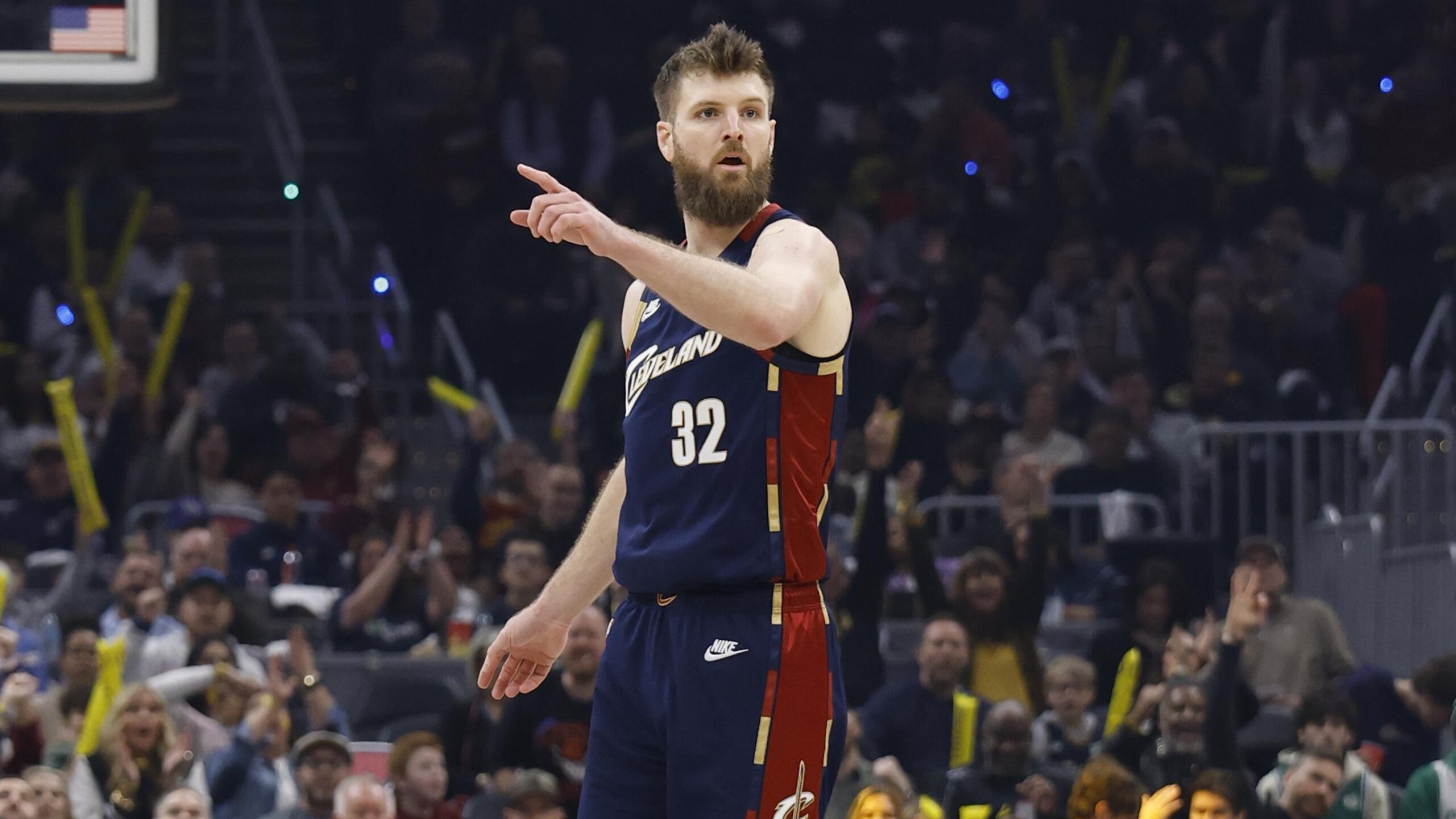
Dean Wade's next contract will, to some extent, be the byproduct of sharks smelling blood in the water.
Cleveland is currently slated as a second-apron team next year, making it uniquely vulnerable to outside forces ripping away role players such as Wade or Keon Ellis.
Wade's scalability will make him desirable across the league. His three-point stroke is good enough to keep defenses honest, and he's the Cavs' most versatile stopper after Evan Mobley.
Among everyone who has guarded 2s, 3s and 4s for at least 20 percent of their possessions apiece, Dillon Brooks, Bilal Coulibaly, Keegan Murray and Andrew Wiggins are the only players who have shouldered more difficult individual matchups, according to BBall Index.
A could-be barren wing market further drives up Wade's price tag. Depending on what happens with Wiggins (player option), Lu Dort (team option), Tari Eason (restricted) and where you land on Peyton Watson (restricted), Cleveland's combo forward could be one of the few impact names truly available.
Yet, Wade has never quite done enough to be someone you'd give the non-taxpayer mid-level to without thinking twice. He is a bargain now at $6.6 million. The standard changes if and when he winds up more than doubling his salary.
Dan Favale is a National NBA Writer for Bleacher Report. Follow him on Bluesky (@danfavale), and subscribe to the Hardwood Knocks podcast, co-hosted by Bleacher Report's Grant Hughes.
.jpg?w=2560 "Travis Hunter Makes Rare History")
.jpg?w=2560 "Jameis Benched by Giants")
.jpg?w=2560 "Skattebo Has 0 Touch Game 😬")
.jpg?w=2560 "NFL Addresses Paris Concerns")
.jpg?w=2560 "McCarthy Injured During Game")
.jpg?w=2560 "Titans Win 1st Game 🙌")

.jpg?w=2560 "Updates from EVERY NFL Game 🏈")