
Biggest X-Factors Deciding the 2026 NBA Playoff Race
A handful of the NBA's postseason seeds are essentially etched in stone. The rest are, for the most part, embroiled in chaos.
Best-case outcomes amid that bedlam invariably boil down to the efforts of the usual A-listers. Like always, though, the Association's final play-in and postseason bracket will also be shaped by a bunch of non-stars and wild-card names and scenarios.
Identifying these pivot points isn't particularly difficult. Worthwhile options abound.
Narrowing them down to the small gaggle of swing players with the biggest opportunities to mold, if upend, the playoff landscape is the problem. Even after excluding teams with sealed fates (Oklahoma City, San Antonio), relatively straightforward arcs (New York) and found-money operations (Charlotte, Phoenix, Portland), tough cuts have to be made.
It's self-loathing work, but somebody's got to do it. Might as well be us, right here, right now.
Injured Stars are Their X-factor
1 of 9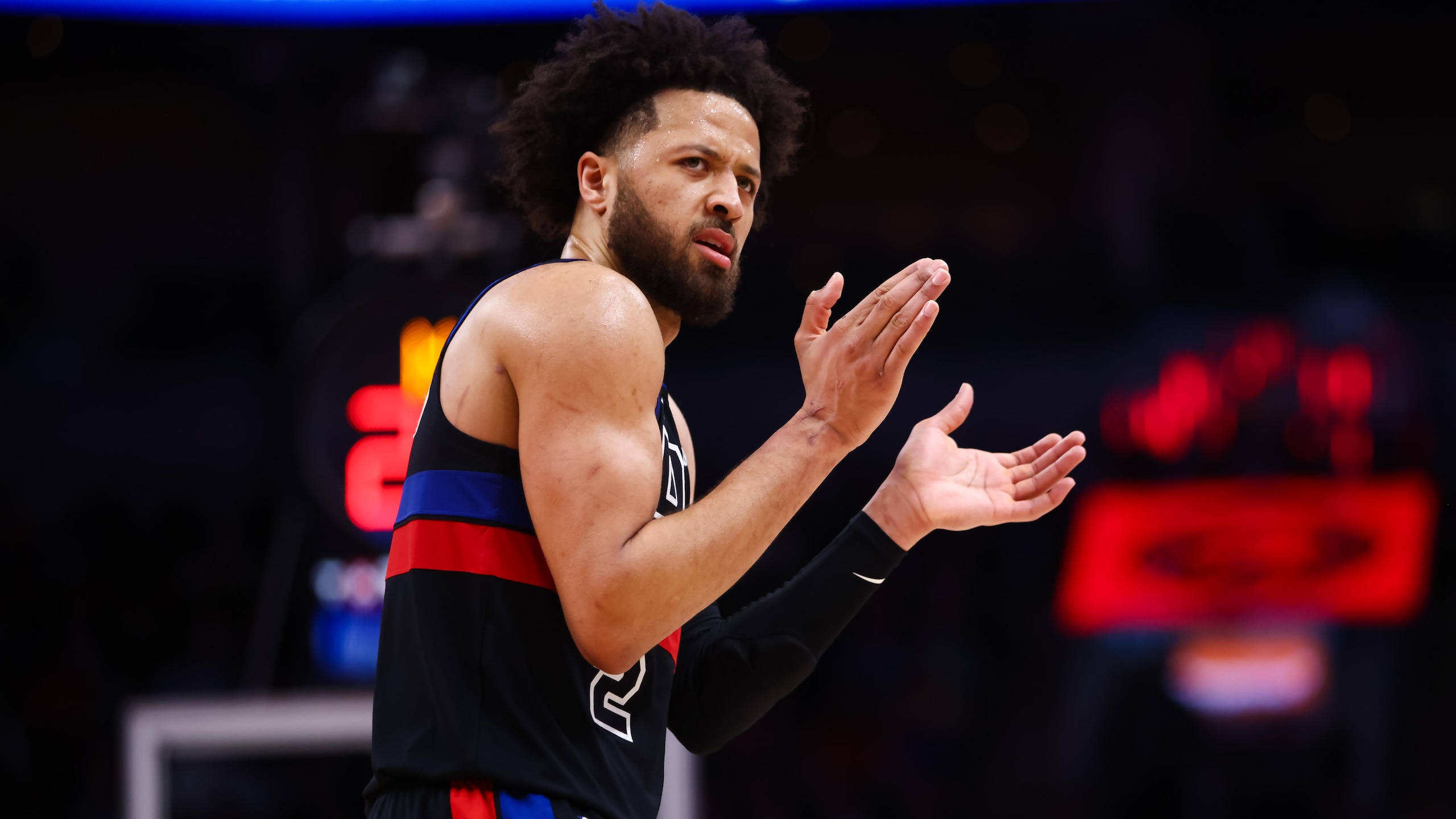
Detroit Pistons: Cade Cunningham
Kudos to the Pistons for grinding out some victories in the immediate aftermath of Cunningham's collapsed-lung diagnosis. Even with a plush cushion between them and the rest of the East, holding onto first place without him initially felt far-fetched.
Frankly, it still does. The half-court offense is too dependent on Cunningham making things happen as both the primary scorer and facilitator. Until he gets back, Detroit is beholden to Daniss Jenkins, Jalen Duren, Caris LeVert, extra Tobias Harris touches and Ausar Thompson ratcheting up turnover-to-transition chaos and his playmaking versus set defenses.
Honorable Mention: Ausar Thompson
Golden State Warriors
The Western Conference's play-in pool is set. Not one of the Warriors, Phoenix Suns, Los Angeles Clippers, or Portland Trail Blazers is snaring a top-six spot or sliding lower than 10th. They are all instead competing for a crack at the seven-versus-eight game and the chance to avoid a first-round date with the Oklahoma City Thunder that comes with it.
Golden State's odds of doing that plunge from slim to nil if Curry (left adductor) isn't available. The same goes for Al Horford (calf strain) and Kristaps Porziņģis (back/illness). Mostly, though, it's about Curry.
Honorable Mention: Brandin Podziemski
Orlando Magic: Franz Wagner
Wagner has appeared in just four games since early December while dealing with a left ankle injury, and the Magic have yet to provide a timetable for his return. With Jayson Tatum and Darius Garland already back on the floor, his re-entry into Orlando's rotation could be the single biggest in-house bump of the postseason.
Factoring in other injuries across the roster, the Magic's core five lineup of Wagner, Jalen Suggs, Desmond Bane, Paolo Banchero and Wendell Carter Jr. has played in just 13 games. A 126-minute sample isn't enough to declare anything, but the available returns are promising enough to suggest it's a killer arrangement that could save Orlando from finishing inside play-in territory.
Honorable Mention: Tristan Da Silva
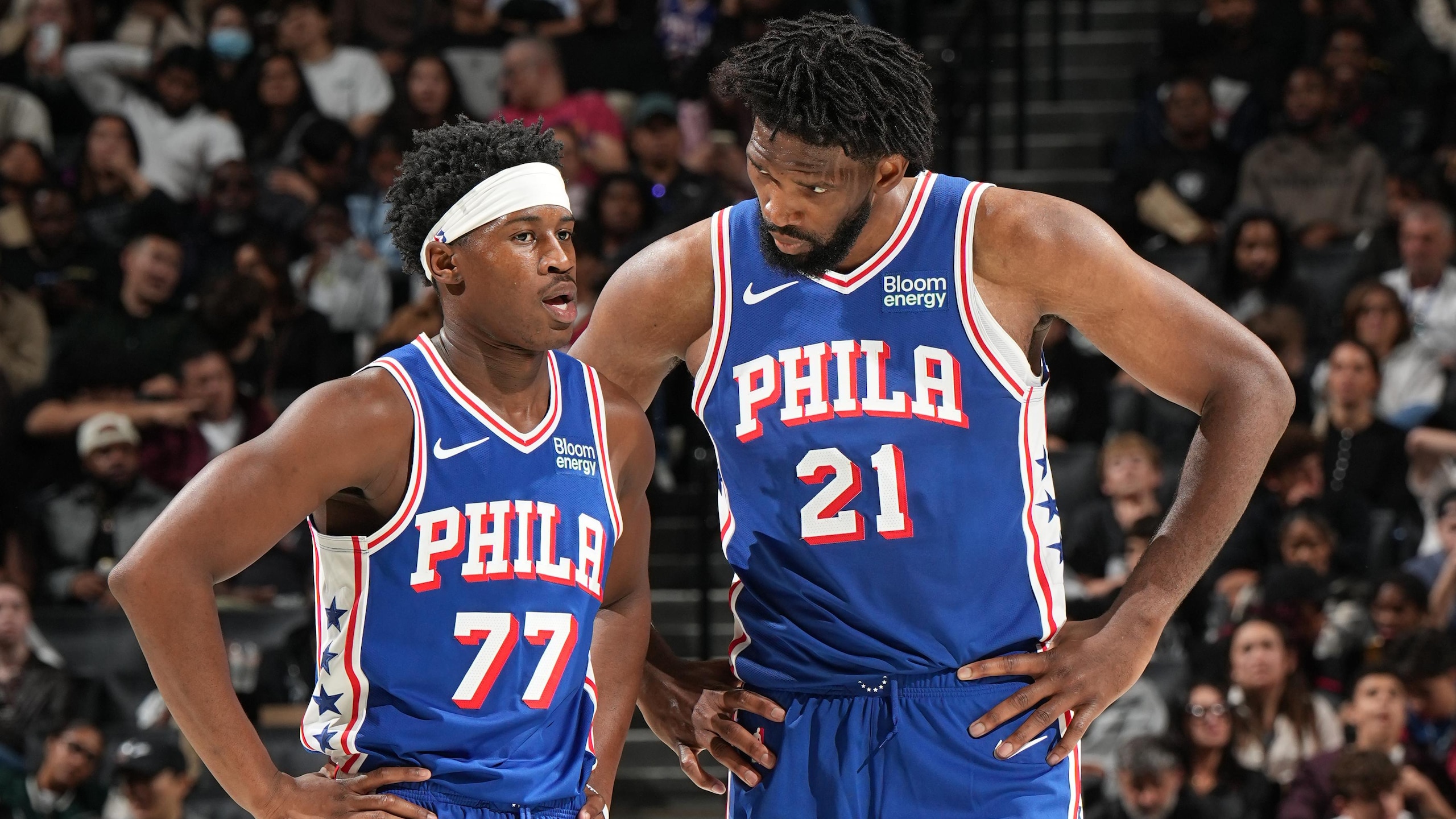
Philadelphia 76ers: Tyrese Maxey and Joel Embiid
The Sixers' ability to lock down a top-six seed in the East and avoid the play-in comes down to whether they have both Maxey and Embiid available with time remaining on the schedule.
Single-star lineups won't suffice. Philly is minus-two points per 100 possessions when only one of Maxey (right pinkie), Embiid (oblique) and Paul George (suspension) is on the court. That mark doesn't get any better when adding at least one of VJ Edgecombe and Quentin Grimes into the equation.
Honorable Mention: Justin Edwards
Returning Stars are Their X-factor
2 of 9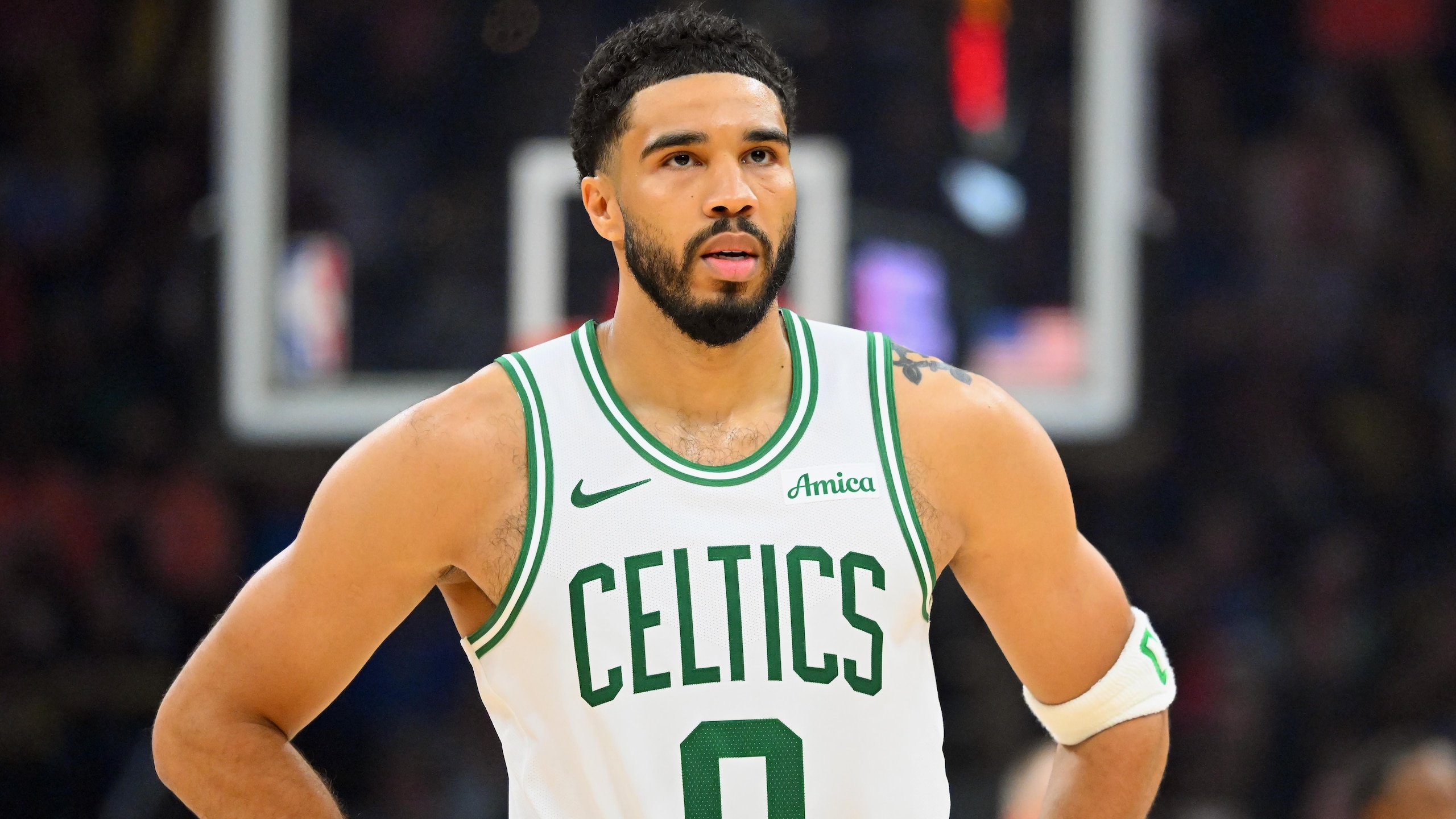
Boston Celtics: Jayson Tatum
Tatum looks pretty darn good for someone with fewer than 10 games into his return from a ruptured right Achilles. He is not turning corners or getting into his pull-up threes as quickly, but appears comfortable getting to his spots both on- and off-ball overall.
If his efficiency from the floor and ability to draw shooting fouls march closer to previous heights, the Celtics won't just fend off the New York Knicks for the East's No. 2 seed. They'll have a chance to catch the Pistons for first place.
Honorable Mention: Baylor Scheierman
Los Angeles Clippers: Darius Garland
Peak Darius Garland isn't that much of a drop-off from James Harden. He will never generate as many free throws and doesn't have the size or vision to fully replicate The Beard's live-dribble playmaking, but the seamlessness with which he can toggle between running the offense, knocking down self-created jumpers, and playing off the ball opens roughly the same number of possibilities.
Though it remains to be seen whether L.A. will get that Garland, his 41-point, 11-assist performance against the Dallas Mavericks on Mar. 21 unfolded like a statement detonation. Combine that with his astronomical clip from deep since the trade, including a 48.9 percent hit rate on off-the-bounce treys, and he could be the catalyst who helps the Clippers avoid Oklahoma City in the first round.
Honorable Mention: Kris Dunn
Atlanta Hawks
3 of 9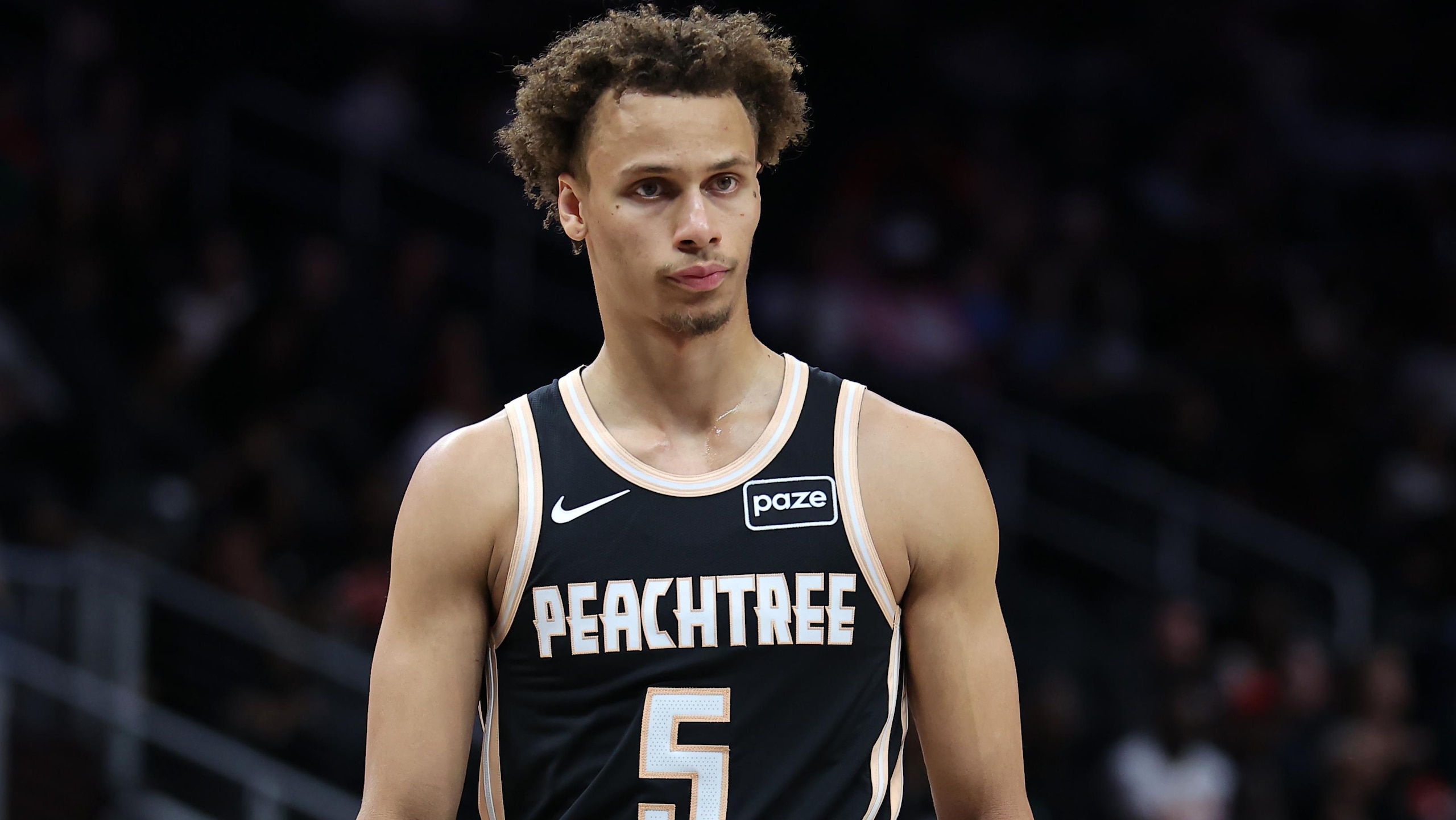
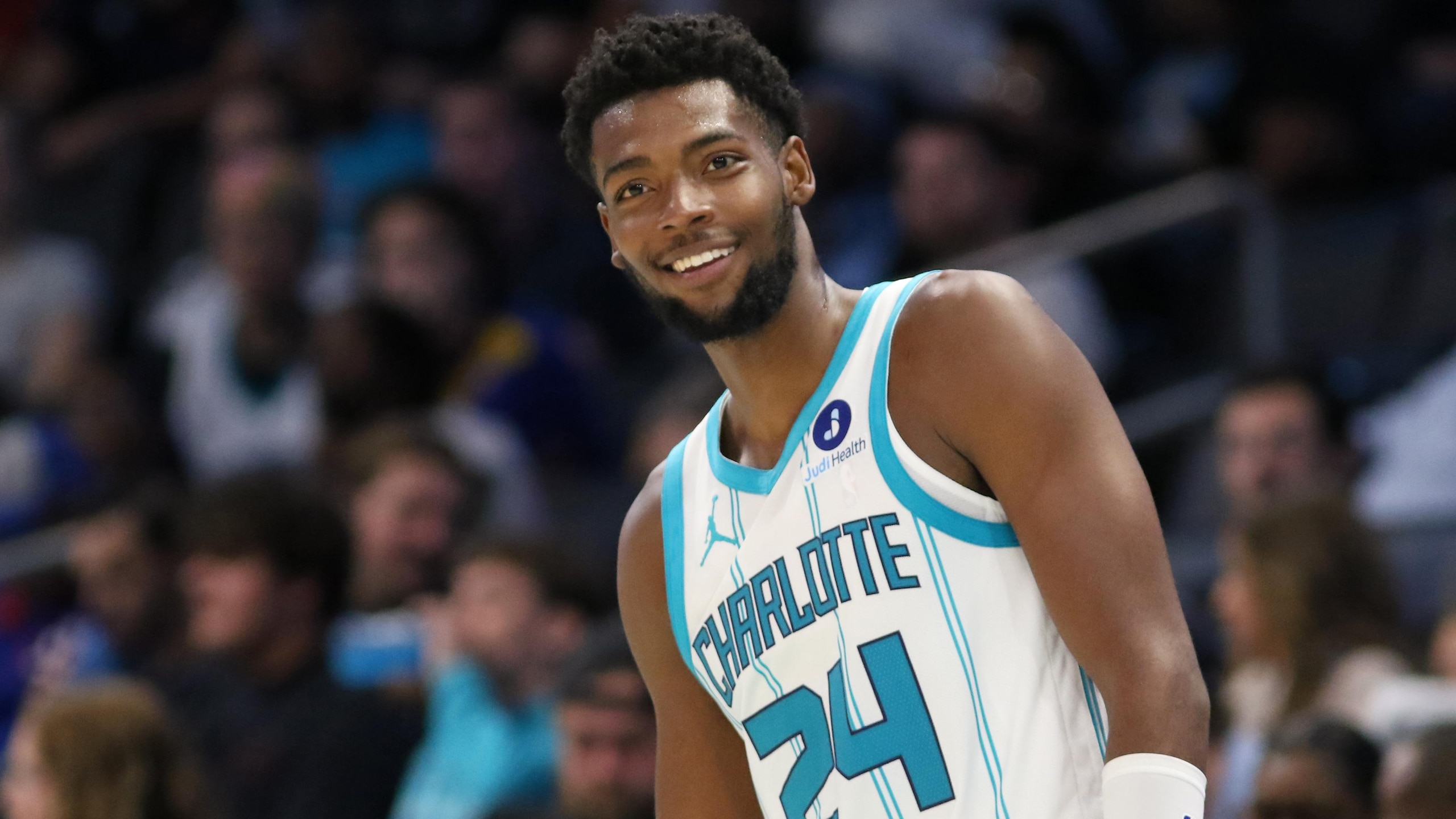
Setting The Stakes: The Atlanta Hawks have a chance to avoid the play-in as the East's six- or seven-seed.
Atlanta has been scorching hot for over a month, during which time it's posted a top-two offense and top-six defense. Dyson Daniels is helping prop up both of those marks.
Cupcake schedule in mind, the Hawks aren't doing anything out of the ordinary. That goes for Daniels, too. He's back to forcing more turnovers than we can count. Atlanta is finding more ways to activate him outside of transition on the offensive end. The latter is a huge deal.
As David Lee of the DLee4Three Substack has noted, the Hawks' creative use of Daniels as a screener is opening up more opportunities for the reigning Most Improved Player and those around him. He still isn't going to make defenses pay with conventional jumpers, but his efficiency since the All-Star break in the restricted area (76.5 percent) and on non-RA paint shots (52.1 percent) has exploded.
Granted, the Hawks' half-court attack through this heater has topped out around league average. But the overall offense is nearly 23 points better per 100 possessions in Daniels' minutes.
Between Atlanta's overarching innovation and the extra breathing room CJ McCollum's gravity has provided, the 23-year-old is operating at the peak of his powers. And if this holds, it's hard to imagine the Hawks not sewing up a top-six seed.

Cleveland Cavaliers: Dean Wade and Jaylon Tyson
4 of 9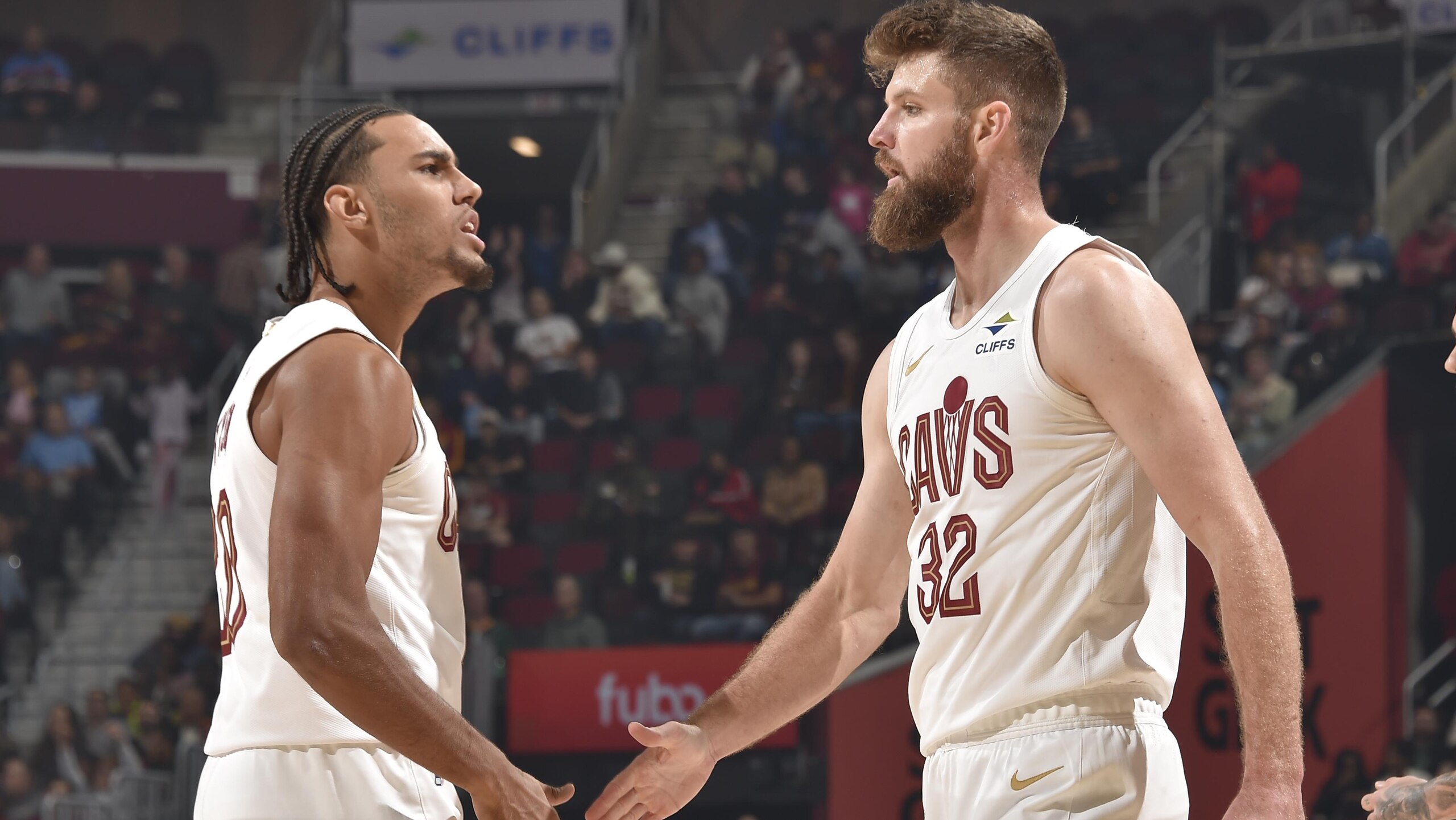
Setting The Stakes: Chasing the third-place Knicks, but mostly attempting to hold onto their top-four spot.
Wing defense remains the Cleveland Cavaliers' hairiest wart even after picking up Keon Ellis at the trade deadline. They don't have a properly sized lockdown body to insulate the Donovan Mitchell-James Harden backcourt.
Minutes with both Jarrett and Evan Mobley can paper over everything, regardless of who nabs the fifth-wheel spot. Injuries have so far kneecapped that sample size, and even if they didn't, the Cavs still need to plan around the stretches in which they roll out one big.
Dean Wade and Jaylon Tyson are their best potential solutions. Max Strus is stronger than you think, and Sam Merrill fights, but they don't offer the same matchup malleability.
Cleveland's defensive returns with at least one of Tyson and Wade on the court when Mobley's in the middle are so-so. The results improve when both are included, but the sample is a moderate 308 possessions, the vast majority of which don't include James Harden (or Darius Garland before him) playing beside Mitchell.
Few teams are facing more pressure to close the season on a high note than the league's lone second-apron team. The Cavs' chances of making their intended amount of noise are inexorably tied to fielding enough dominant two-way lineups that have both Mitchell and Harden on the court. Aside from Mobley, none of their players are more critical to that mission than at least one, if not both, of Wade and Tyson.
Denver Nuggets: Aaron Gordon
5 of 9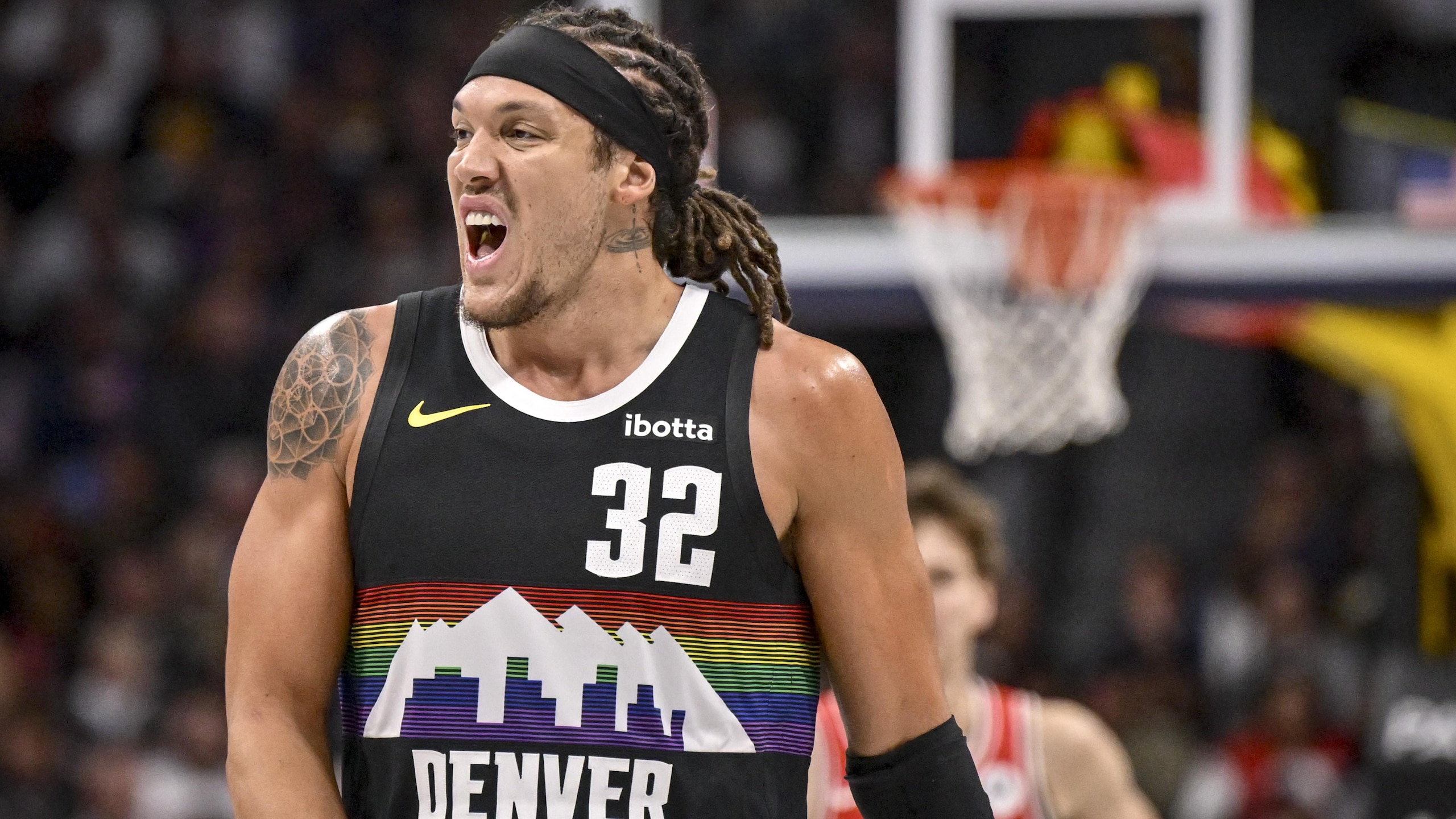
Setting The Stakes: The Denver Nuggets are guaranteed a top-six spot, but can they regain a home-court-advantage seed?
Another year, another season in which Aaron Gordon is among the league's most irreplaceable glue guys.
Denver's defense continues to make almost everyone queasy this side of Nikola Jokić's return from a left knee injury. The team is 23rd in points allowed per 100 half-court plays during this stretch and is now bottom-10 in overall points surrendered per possession for the season.
Gordon is the extra-strength Pepto-Bismol for this nausea. The Nuggets' defensive rating improves by 8.2 points when he plays—a top-seven mark among everyone who has logged as many minutes as him. His bandwidth to handle both big-man and wing responsibilities remains intact and powerful enough to insulate the team's most important lineups.
Exhibit A:
Throw in his interior chemistry with Jokić and a 40-plus-percent clip from distance that has to confuse the hell out of Orlando Magic fans, and Gordon's influence over the Nuggets' fate knows few bounds. So long as he's healthy, they'll be a top-four seed—and a viable title threat.
Houston Rockets: Reed Sheppard
6 of 9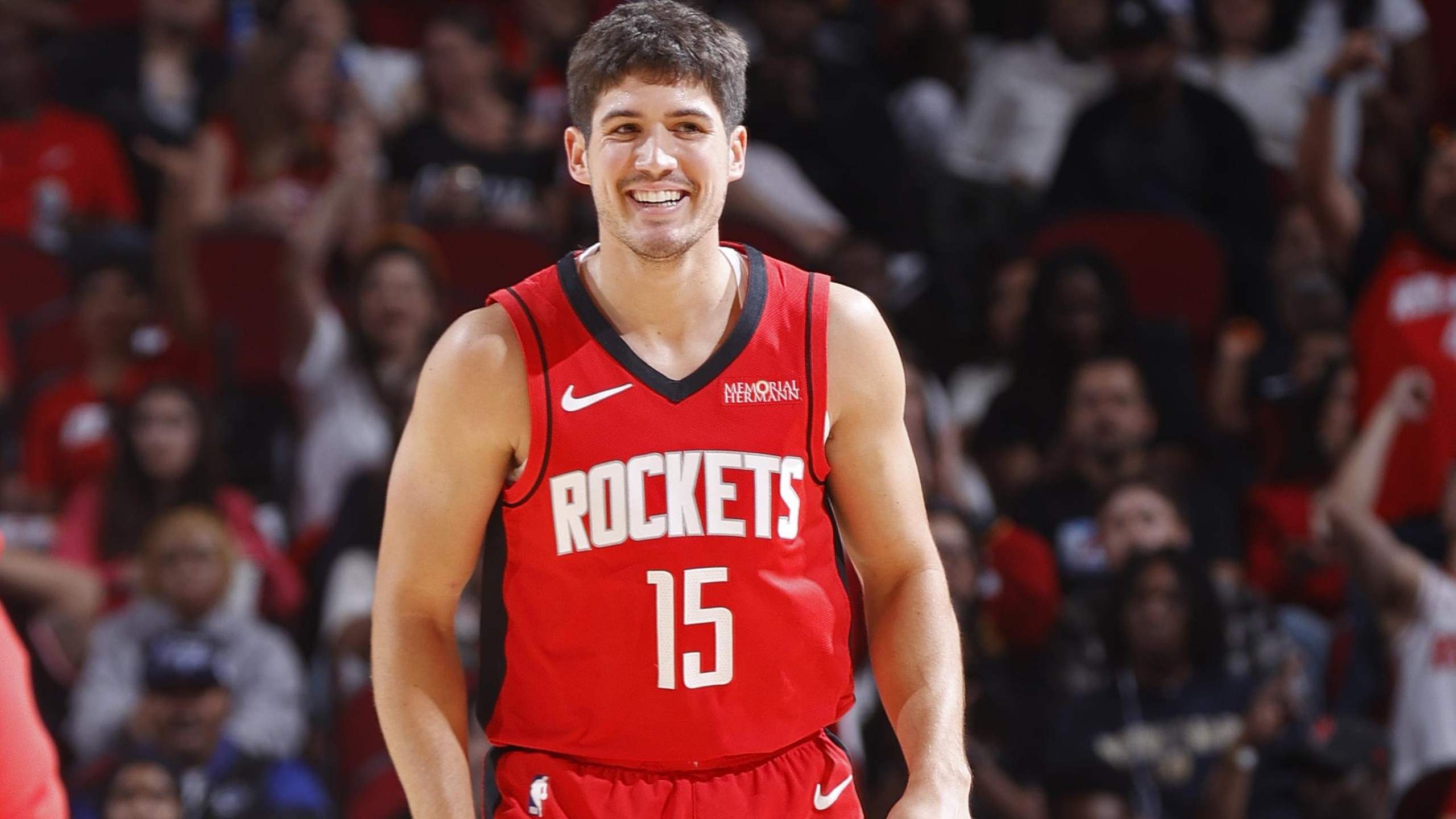
Setting The Stakes: What good is holding onto a top-four seed if your offense is a paper tiger?
The Houston Rockets' offense too often devolves into an unwatchable clump. It is slow, predictable, and at times, almost entirely devoid of functional spacing.
Losing Steven Adams to season-ending ankle surgery was a blow to their possession-battle victories. They are 24th in half-court offense since he went down. The thing is, there's no way Big Kiwi should be that important to your scoring opportunities in the year 2026. And even with him, the Rockets' attack showed signs of cracking if it couldn't clean up its own misses. Houston is now 20th in first-chance points scored per possession.
Too much is on Kevin Durant's shoulders. Given the finite range of Amen Thompson and Alperen Şengün, not to mention Fred VanVleet's continued absence, Reed Sheppard is the player best suited to lighten the load by putting defenses in rotation, making shots, and just generally opening up the floor.
Whether the sophomore is ready to co-author an offense remains debatable. The outside volume and efficiency are there, and he's second on the team in possession time since the All-Star break.
Still, the Rockets keep having him defer to Durant or Şengün, often without running much of anything to get them the ball—stipulations that are most glaring in the clutch. It raises the question(s): How much responsibility is Houston willing to shift onto Sheppard's shoulders? Because if he can't add the dynamism this offense needs, who will?
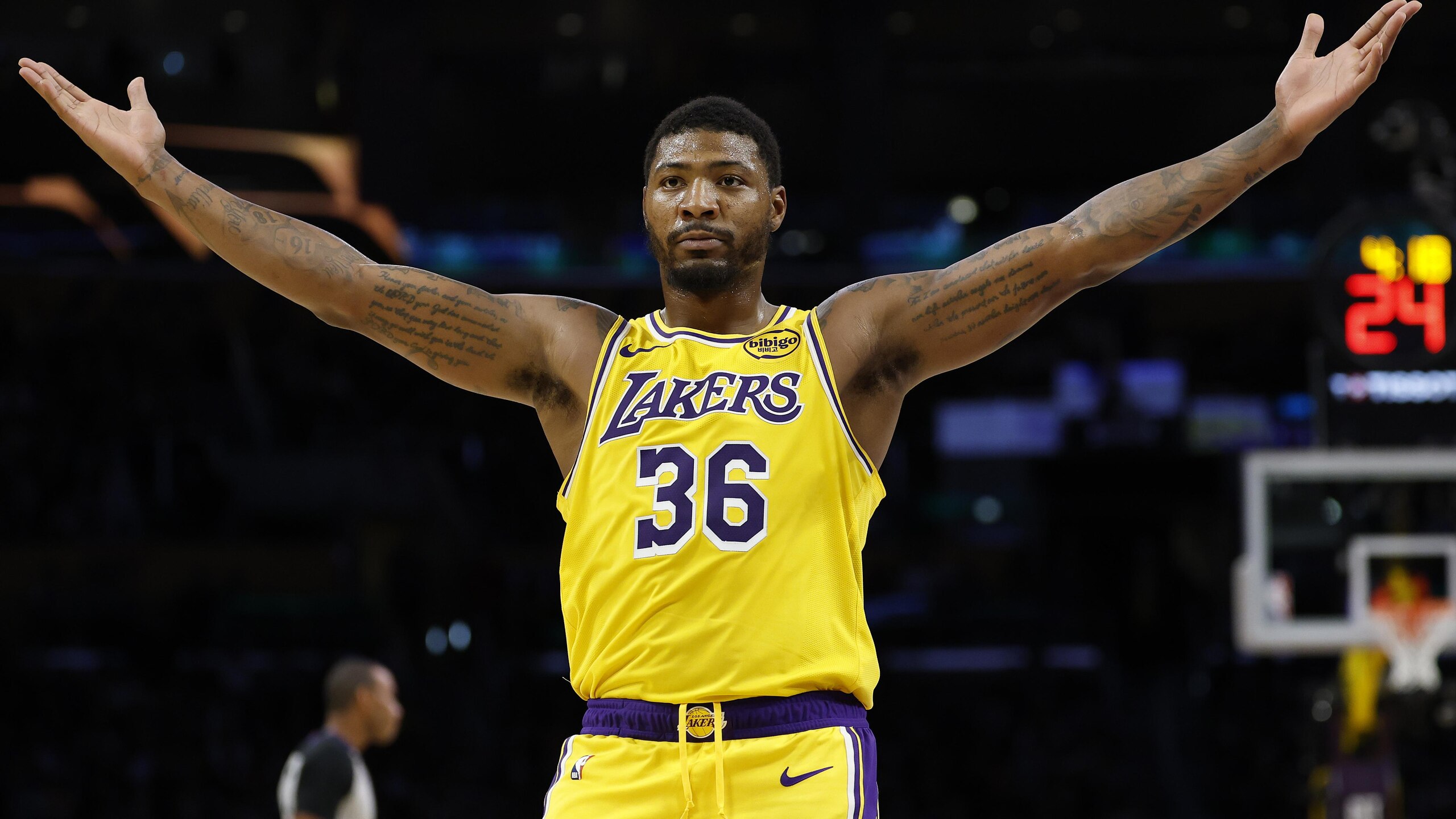
Los Angeles Lakers: Marcus Smart
7 of 9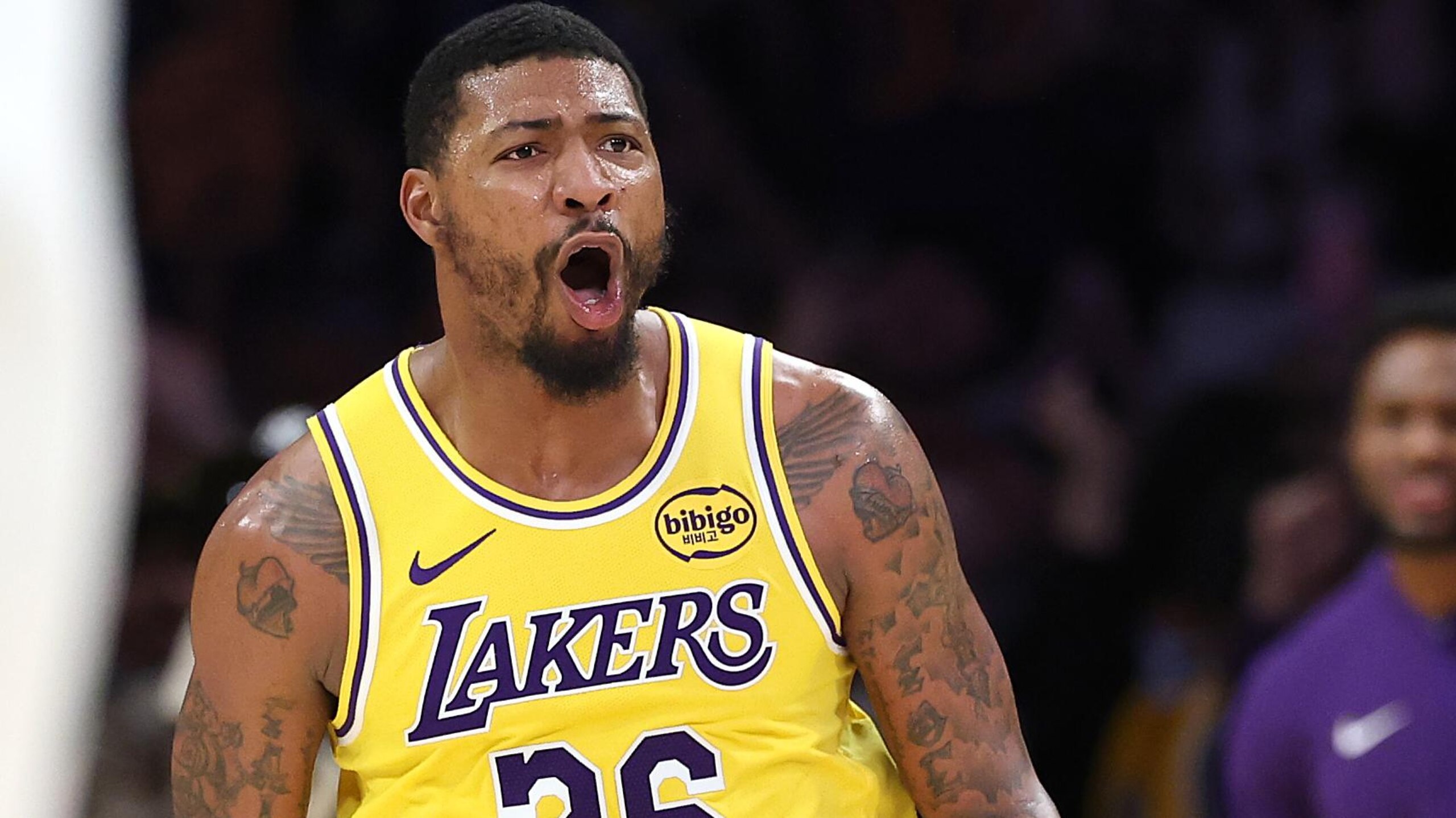
Setting The Stakes: Finishing third in the West would leave a whole lot of people questioning everything they thought that they knew about this team.
The Los Angeles Lakers have arguably been the Association's best squad since the end of February, largely on the back of a star-driven model. Luka Dončić is at the wheel, with Austin Reaves and LeBron James riding shotgun. (This transportation vehicle has a bench seat.)
After a rough start to the season, though, Marcus Smart is emerging as the Lakers' most impactful non-star.
It helps that his threes are falling at a higher clip, but he's also getting off the ball quicker and lowering his turnover rate. Meanwhile, the defense he's playing should be classified as either inspiring, a renaissance, or both. He continues to take on the toughest assignments while covering a wide variety of player archetypes, and L.A.'s top-seven defense since Feb. 28 is even stingier with him on the floor.
People bemoaned the Lakers' dearth of two-way players at the start of the season. They lamented it all over again when the front office opted for Luke Kennard and diddly-squat else at the trade deadline. Jake LaRavia emerged as their default recipient of the "Best Two-Way Player on the Roster" crown as a result.
Smart has officially flipped that script—and potentially perception of L.A. right along with it.
Minnesota Timberwolves: Ayo Dosunmu
8 of 9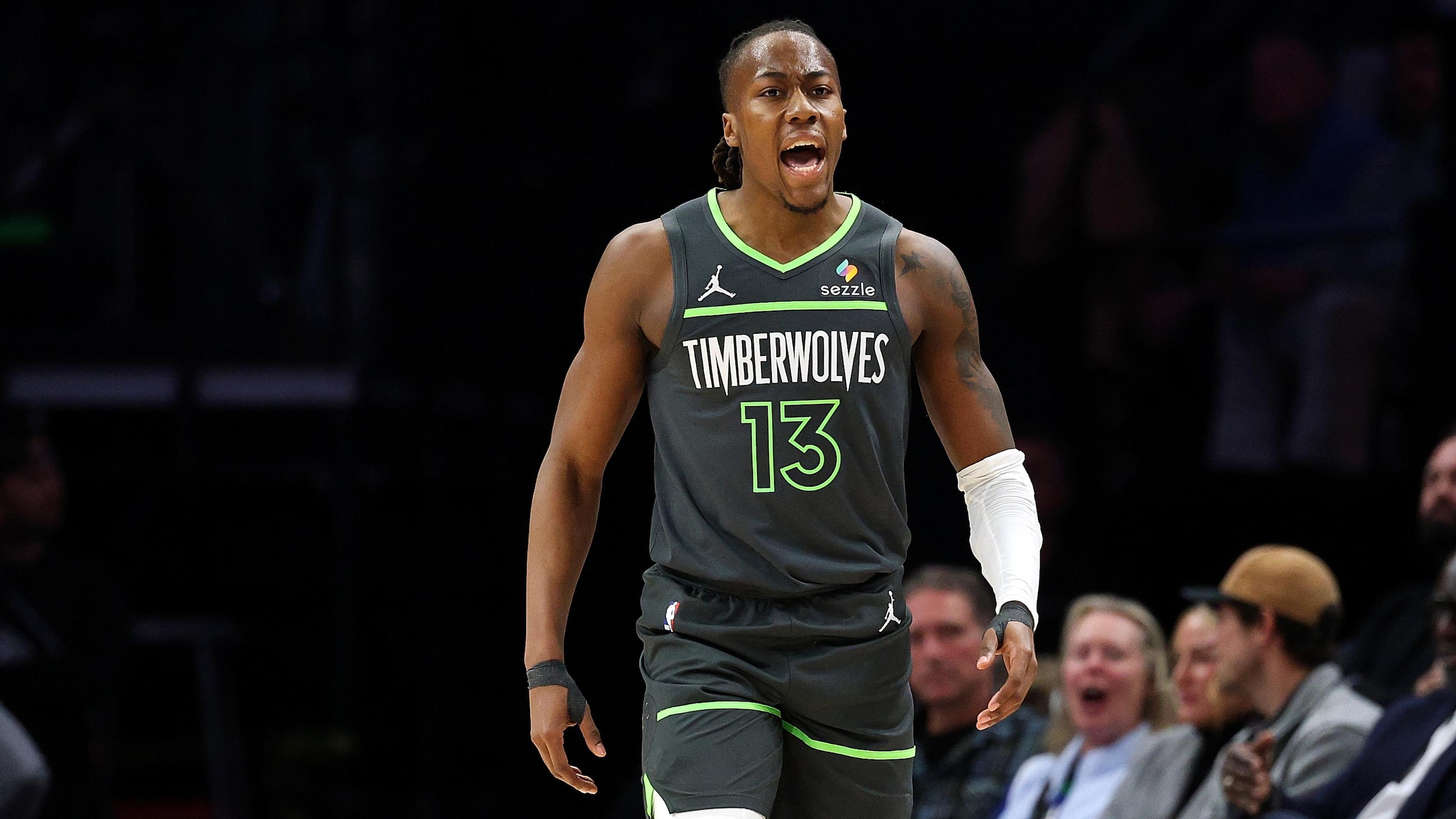
Setting The Stakes: The Minnesota Timberwolves are trying to climb the ranks despite an Anthony Edwards injury and their usual avalanche of inconsistency.
We may look back at Ayo Dosunmu joining the Timberwolves as one of the trade deadline's most impactful moves. Portrayed as a store-brand proxy for the x-factor Minnesota lost in free agency (Nickeil Alexander-Walker), the 26-year-old is having a profound influence on how the team carries itself.
Dosunmu's impact goes well beyond the outside shot-making and rim pressure he provides—both of which are, so far, about as advertised. He gives the Wolves a pulse, instilling a sense of urgency and collaboration all at once.
Nobody on the roster does a better job of pushing the pace after opponents miss a shot. Like Dane Moore and Brit Robson highlighted on The Dane Moore NBA Podcast, he also coaxes out a different version of Julius Randle. The 31-year-old doesn't just see his efficiency spike alongside Dosunmu. He's spending more time away from the ball and then making quicker decisions when he does have it.
Edwards' right knee injury originally loomed as an existential crisis. It wouldn't necessarily nudge Minnesota out of the top six, but it could. At the very least, the Wolves wouldn't be able to crawl up the standings.
In the games they've played without him, though, Dosunmu has led the way as a stabilizing force—starter, primary playmaker, complementary scorer, active defender, the whole shebang. The Wolves have a winning record to show for it, along with an opportunity to gain ground at a time when they're supposed to be ceding it.
Toronto Raptors: Jakob Poeltl
9 of 9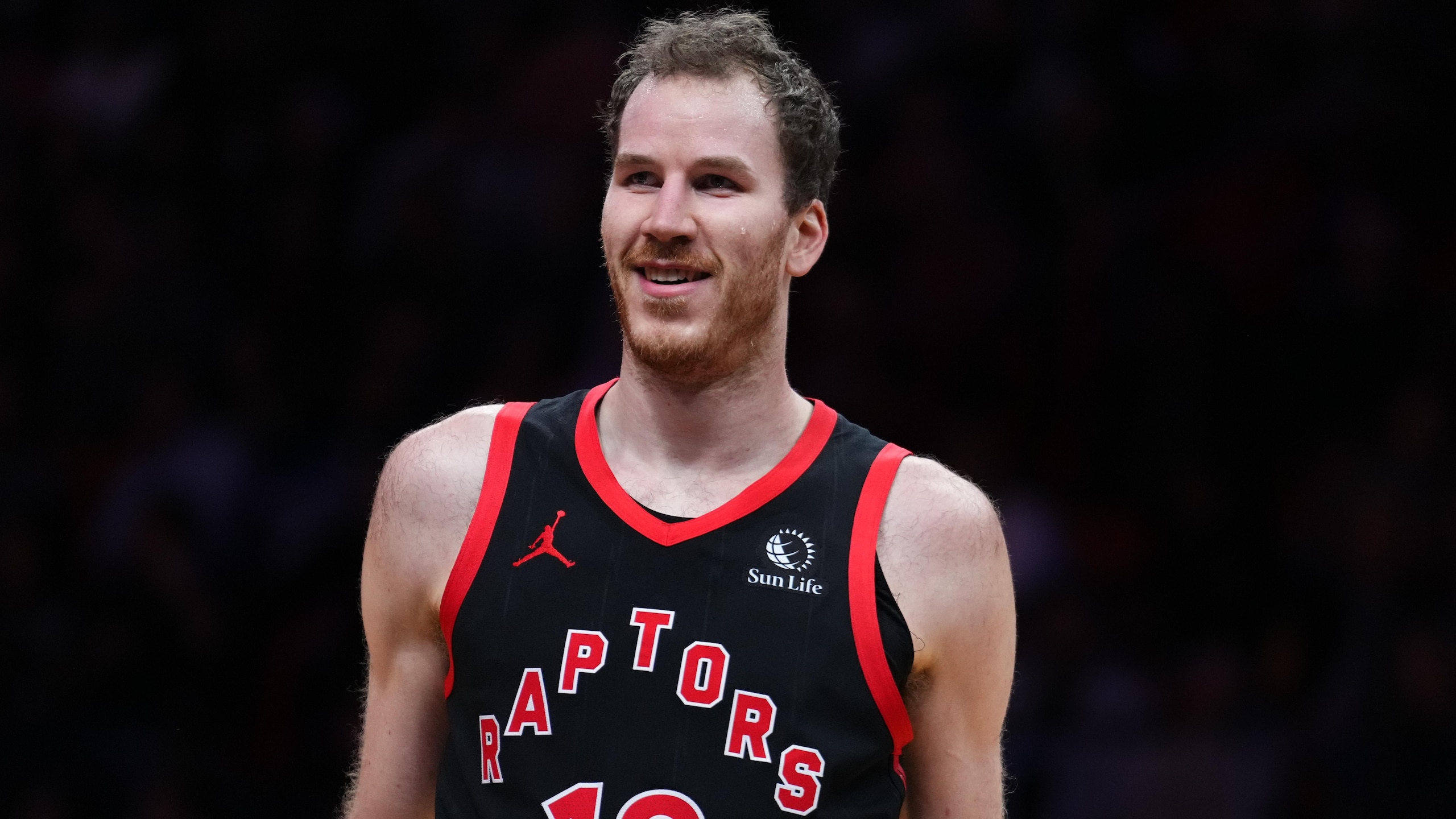
Setting The Stakes: Can the Toronto Raptors maintain control of fifth place or at least avoid the play-in?
Jakob Poeltl is frequently viewed through the lens of everything he's not—so, a floor-spacer. And those limitations matter to a Raptors squad light on outside threats. Poelt's fit with Scottie Barnes, in particular, is thorny.
Yet, there's so much he does to elevate Toronto, much of which goes unnoticed. His excellent hands around the basket give ball-handlers an outlet as they maneuver through traffic. And though he doesn't space the floor in conventional terms, he carves out breathing room for others with his connection on screens.
Among the 270 players who have tallied as much court time as Poeltl, he ranks seventh in screen assists per 36 minutes. The Raptors efficiency at every scoring level also increases when he's on the floor, with Immanuel Quickley and Brandon Ingram experiencing some of the largest bumps in their effective field-goal percentages.
Poeltl isn't perfect. But Toronto isn't, either. In the end, that's what makes him such a quality fit and a pivotal piece.
Unlike rim-running or three-point specialists, he can find ways to improve and shape an offense that has neither an A-plus playmaker nor pristine spacing. Even with Sandro Mamukelashvili and (a healthy) Collin Murray-Boyles, the Raptors will need every iota of offensive variety and competence they can get their hands on. The flavor Poeltl adds will go a long way toward determining where they land in the Eastern Conference pecking order.
Dan Favale is a National NBA Writer for Bleacher Report. Follow him on Bluesky (@danfavale), and subscribe to the Hardwood Knocks podcast, co-hosted by Bleacher Report's Grant Hughes.

.jpg?w=2560 "AD Trolls Bears WR on IG 😂")
.jpg?w=2560 "Viral Dan Campbell Presser 💙")
.jpg?w=2560 "Report: Steelers WR to Miss 'Weeks'")
.jpg?w=2560 "Cam Ward Says He's Not A Loser")
.jpg?w=2560 "Buzz: MHJ Hired Agents for Trade")
.jpg?w=2560 "Chargers Fall to 0-5 🤢")
