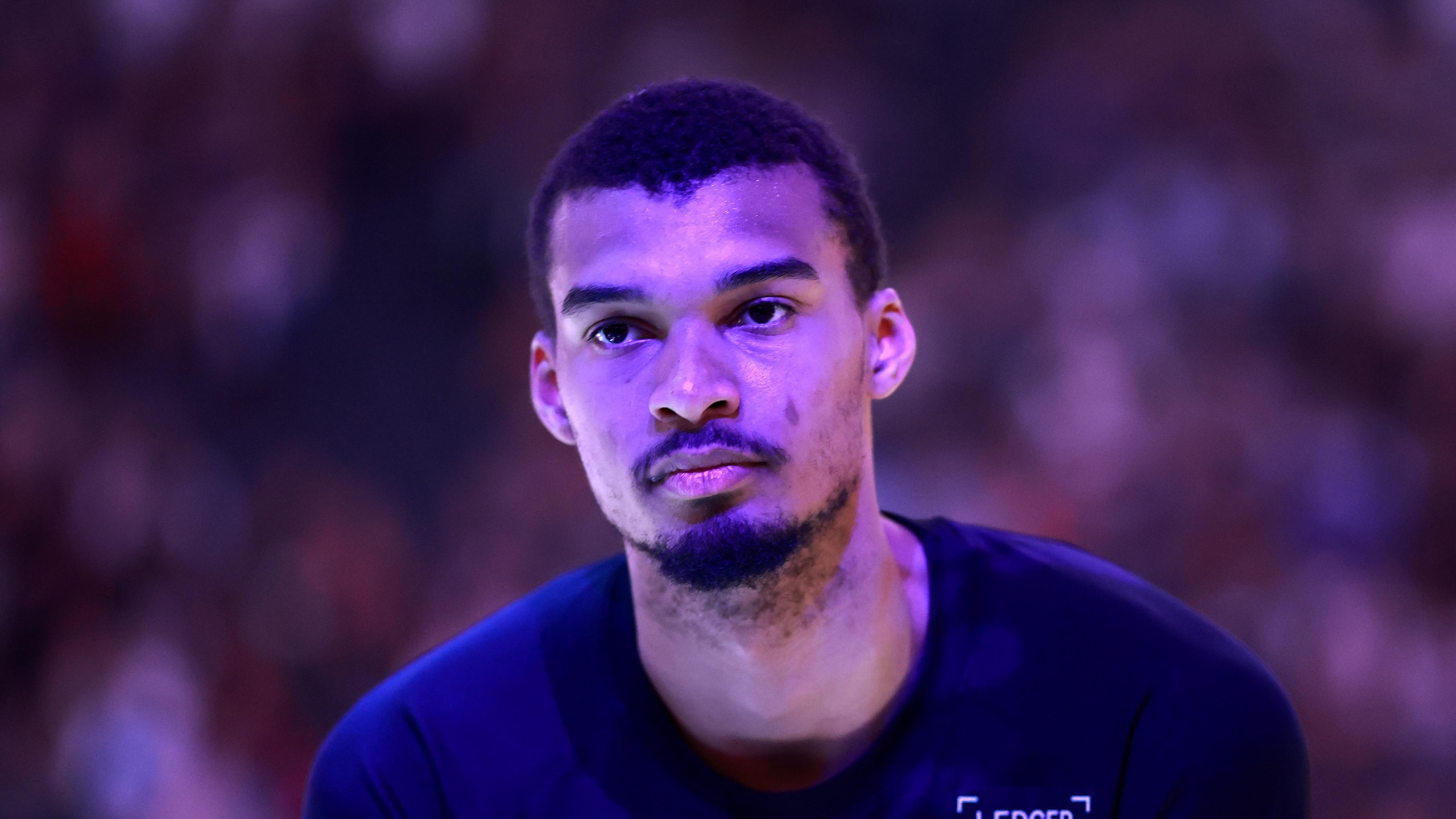

July 2026 will start the summer of Wembanyama, when one of the NBA's brightest young stars is likely to sign a giant rookie-scale extension that could reach nearly $300 million over five seasons.
Victory Wembanyama and his fellow first-round picks from the 2023 NBA draft class are eligible to extend from July 6 to the day before the start of the 2026-27 regular season. Some will agree to massive deals at the first possible moment, while others may take until the final moment before signing extensions. Those who don't reach agreements will become restricted free agents in the summer of 2027.
Which players will get paid and how much? Based on performance, circumstance, and recent history, we've made our best guesses for 2026 rookie-scale extensions.
Negotiating Guidelines
1 of 26
Agents and teams typically use the last few years of rookie-scale extensions to argue their case. They may not agree on the "comps," but that's the negotiation. The length of the contract is an important variable, with a maximum of five additional seasons. Many compromise at four, but some end up even shorter.
In the 2025 offseason, rookie-scale extensions fell into the following tiers:
These are the ranges to consider when looking at the list of potential rookie-scale extensions this offseason. Additionally, several players were unable to reach extensions in 2024, leading to restricted free agency in 2025. These outcomes could help shape the extension market:
Giddey and Aldama were able to get close to their goals, but Thomas and Grimes represent the danger in not finding a workable extension number before the deadline.
No. 29 Pick: Julian Strawther, Denver Nuggets
2 of 26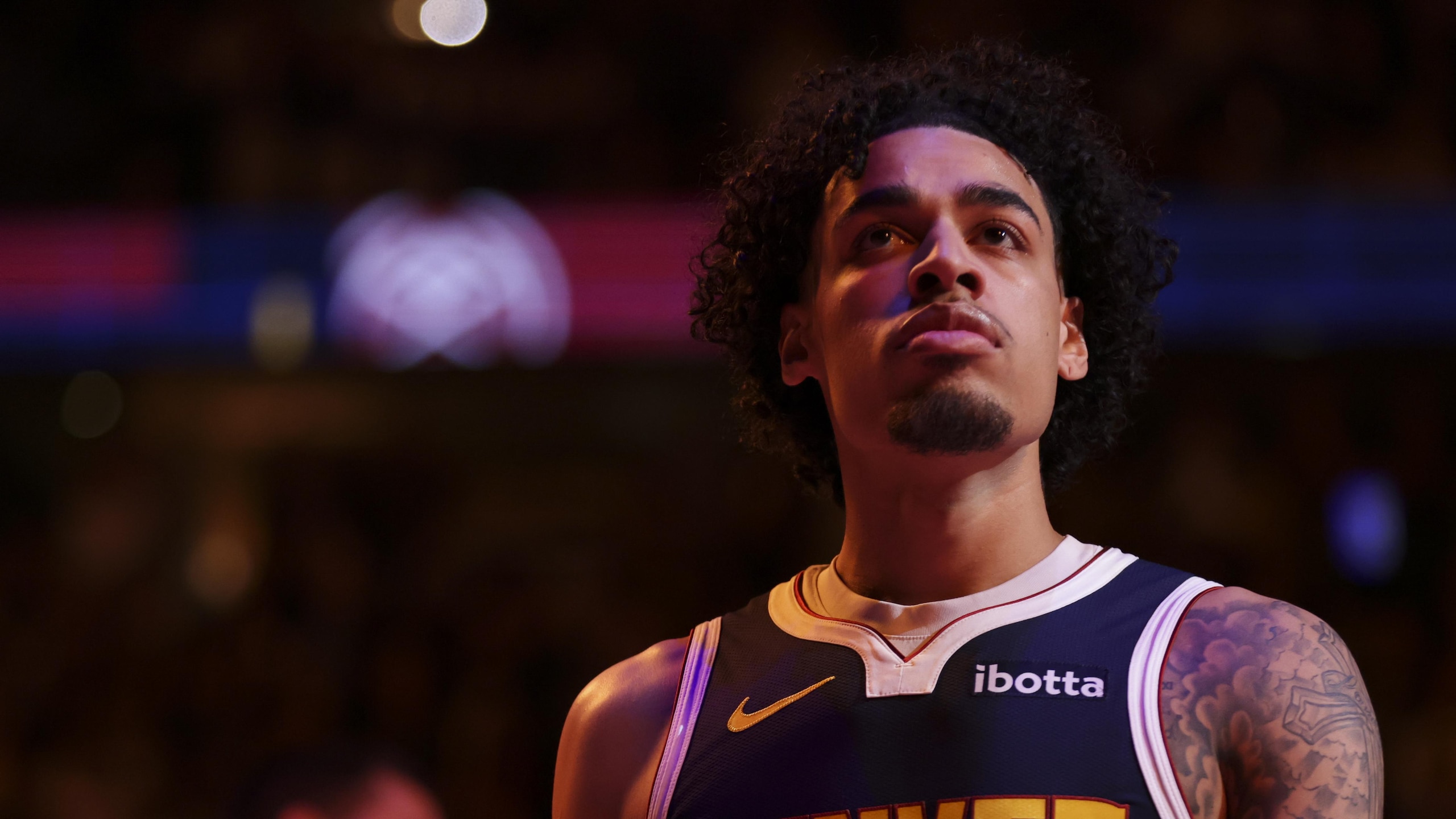
In trying to win another title with Nikola Jokić, Denver's payroll has limited the team's ability to add free agents. Minding luxury taxes and aprons contributed to the decision to trade Michael Porter Jr. for Cam Johnson. Jokić is due an extension, which would presumably start with the 2027-28 season. The franchise has Jamal Murray, Aaron Gordon and Christian Braun signed to high-dollar contracts.
Last summer, the team chose to pay Braun but to wait on Peyton Watson. Both have faced injury issues this year, but Watson significantly increased his price with a career year. Now the Nuggets face a similar decision with Strawther. If Watson departs as a restricted free agent—a decision entirely up to Denver—Strawther on a team-friendly deal could make more sense.
Ultimately, there may be too many variables to predict this early. For now, pencil in Strawther as a restricted free agent in 2027.
Current averages (47 games, 12 starts): 14.7 minutes, 6.7 points, 35.0 percent from three
Closest comp: Payton Pritchard (four years, $30 million)
Expectation: No deal
Note: Comps are not based on player type but on contract range. Pritchard was extended after averaging 5.6 points and 1.3 assists per game, shooting 36.4 percent from three.
No. 28: Brice Sensabaugh, Utah Jazz
3 of 26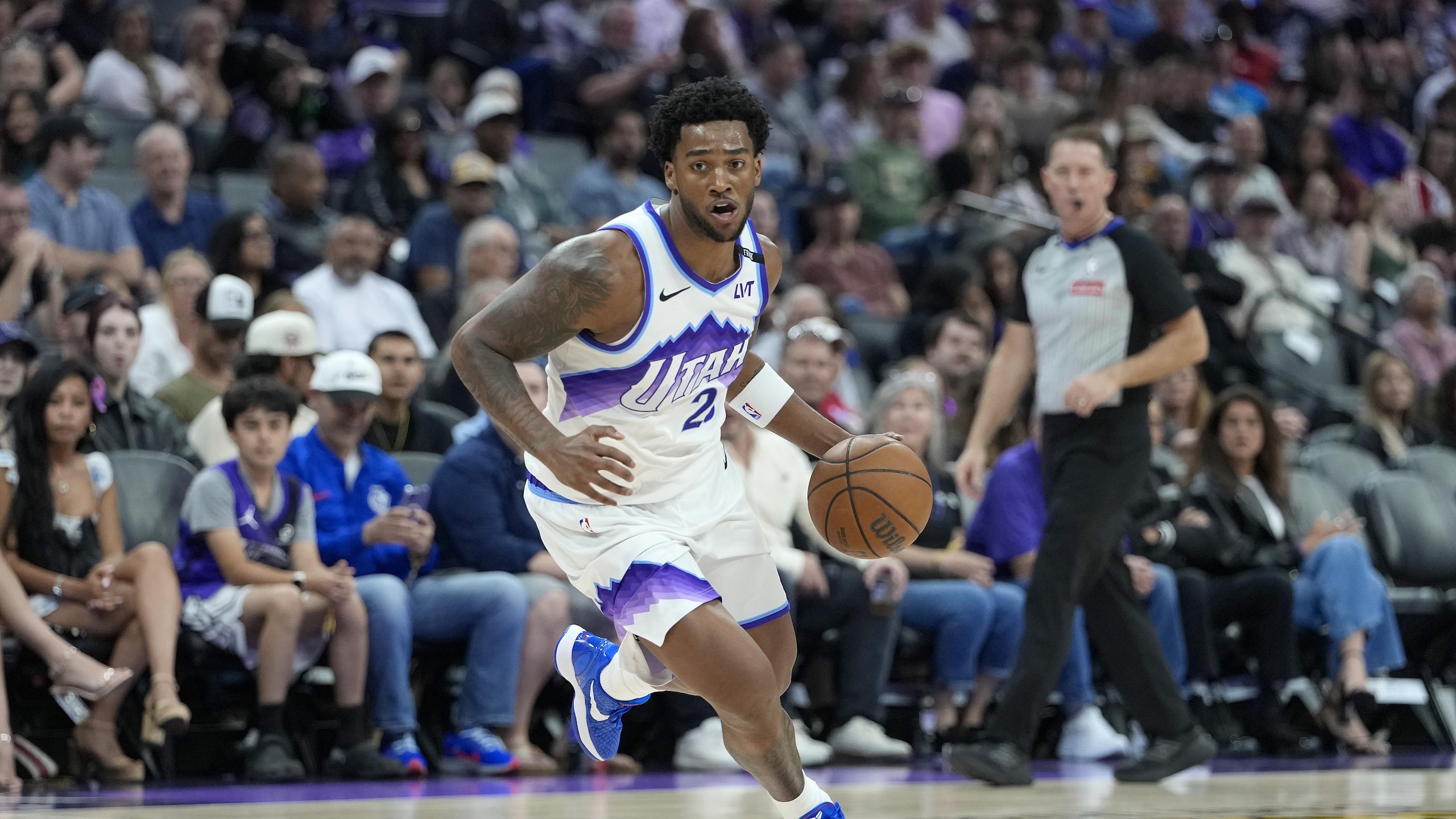
The Jazz drafted Sensabaugh, knowing he would miss time (knee). He was able to play in 32 as a rookie and a more substantial 71 in his second year. While he averaged 10.9 points a game last year, he was more efficient from deep (42.2 percent on 5.2 attempts). This season, Sensabaugh is up to 13.9 points per game, but at 35.6 percent from the field.
In January, he exploded for 43 points against the Chicago Bulls, showcasing his scoring potential. The Jazz are still exploring their options regarding Keyonte George, Jaren Jackson Jr., and Lauri Markkanen. Sensabaugh may be part of that future, but Utah may not want to over-invest at this early stage.
Current averages (66 games, 15 starts): 22.8 minutes, 14.1 points, 35.1 percent from three
Closest comp: Nikola Jović ($62.4 million over four)
Expectation: No deal (though a compromise isn't out of the question)
Note: Jović was extended after averaging 10.7 points (shooting 37.1 percent from three) and 3.9 rebounds, making 10 starts in 46 games.
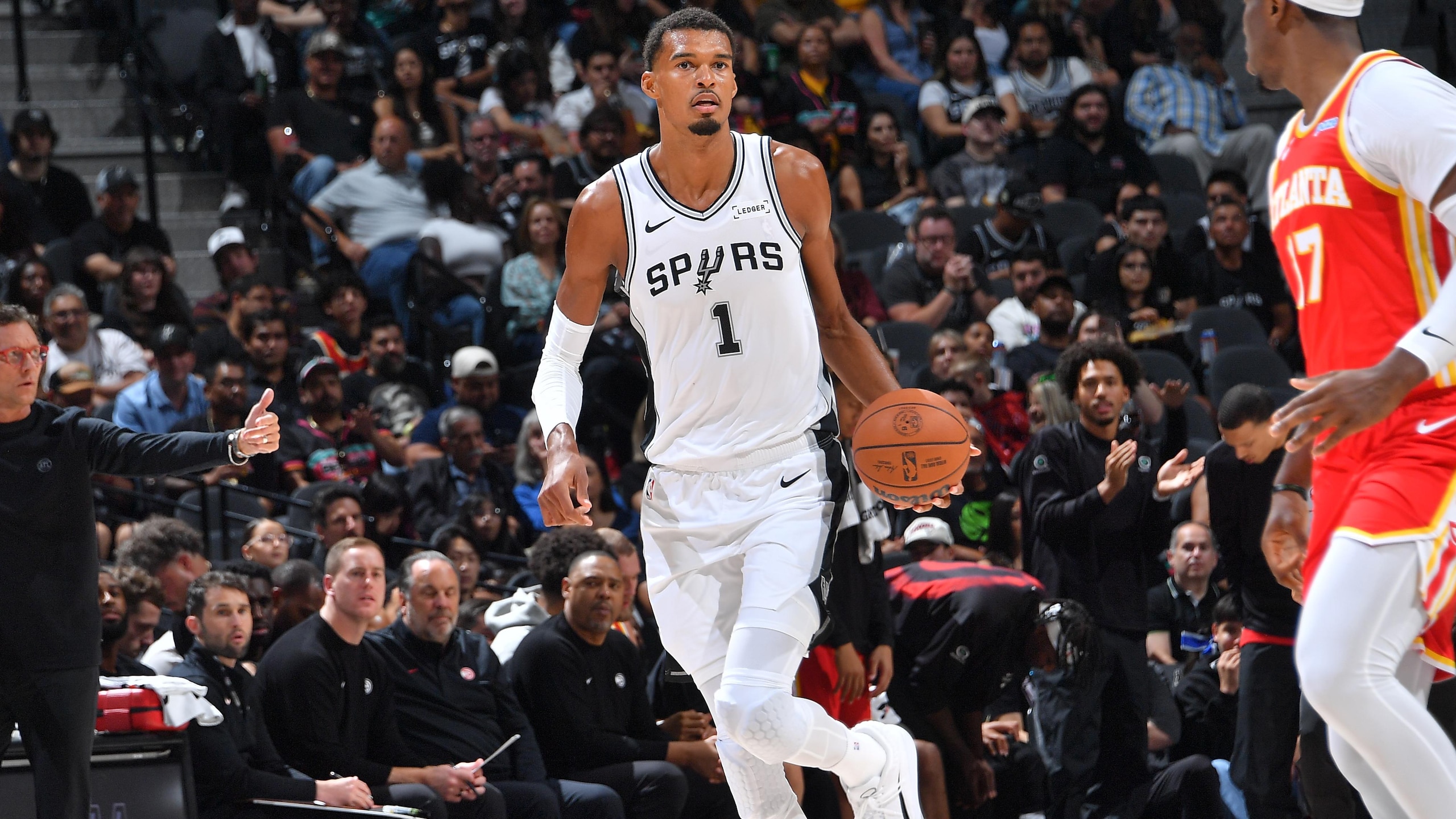
No. 26: Ben Sheppard, Indiana Pacers
4 of 26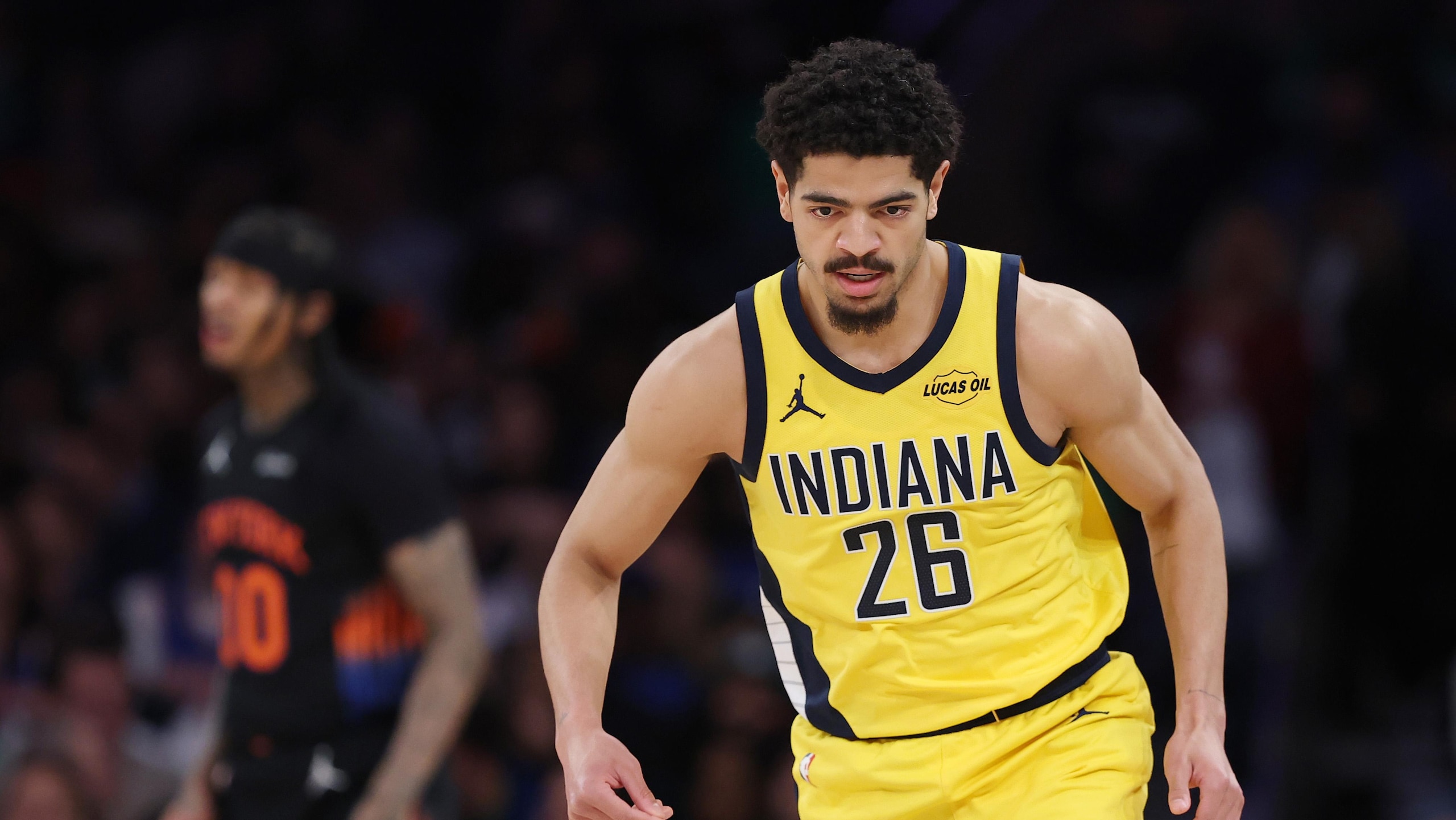
Sheppard is a low-drama, quality teammate. He's not a prolific scorer, but he'll fill bench minutes with strong defense and attention to the game plan. He's shooting a career-best 35.8 percent from three, which is probably his swing skill for a longer career.
The Pacers tend to sign talent they like to favorable deals. Still, Sheppard may be eager to lock in real money rather than explore restricted free agency (which is rarely favorable to the player).
Current averages (60 games, 19 starts): 21.4 minutes, 7.0 points, 35.8 percent from three
Closest comp: Pritchard (four years, $30 million)
Expectation: Four years, $36 million (partially-guaranteed salary in final year)
No. 25: Marcus Sasser, Detroit Pistons
5 of 26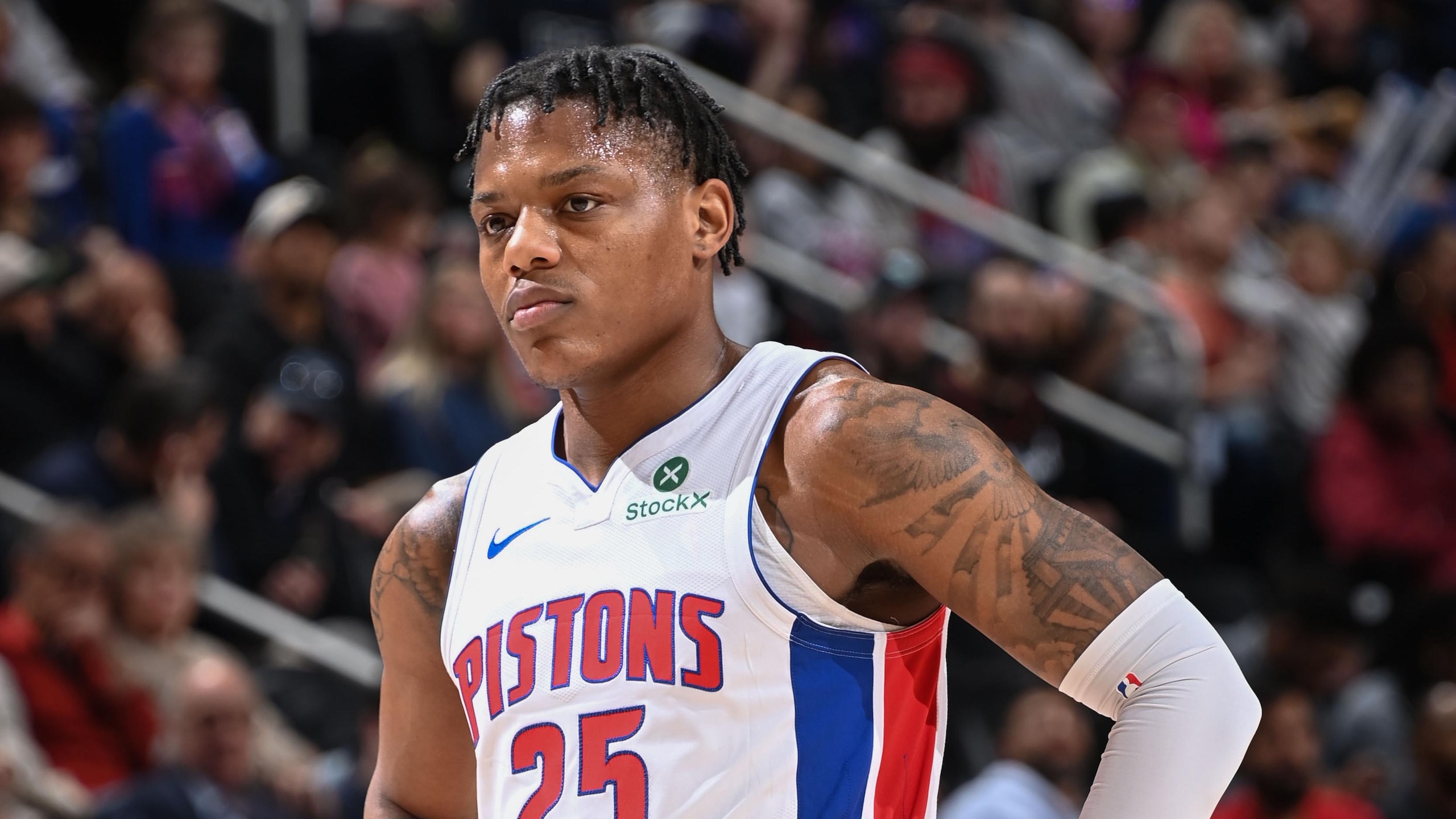
Sasser joined the Pistons in the role of backup defender at the point, but he's been overtaken by Daniss Jenkins in the rotation. While Sasser is shooting well, he only takes 1.2 attempts from deep per game. He's a good teammate, but not as reliable an offensive option on one of the best teams in the Eastern Conference.
Detroit might want to keep him at a lower number, in the range of one of the smaller spending exceptions (roughly $6 million), but next year's bi-annual ($5.5 million) or taxpayer ($6.1 million) exceptions. It may make more sense for both sides to wait.
Current averages (28 games, five starts): 12,6 minutes, 5.5 points, 2.1 assists, 41.0 percent from three
Closest comp: Pritchard (four years, $30 million)
Expectation: No deal
No. 23: Kris Murray, Portland Trail Blazers
6 of 26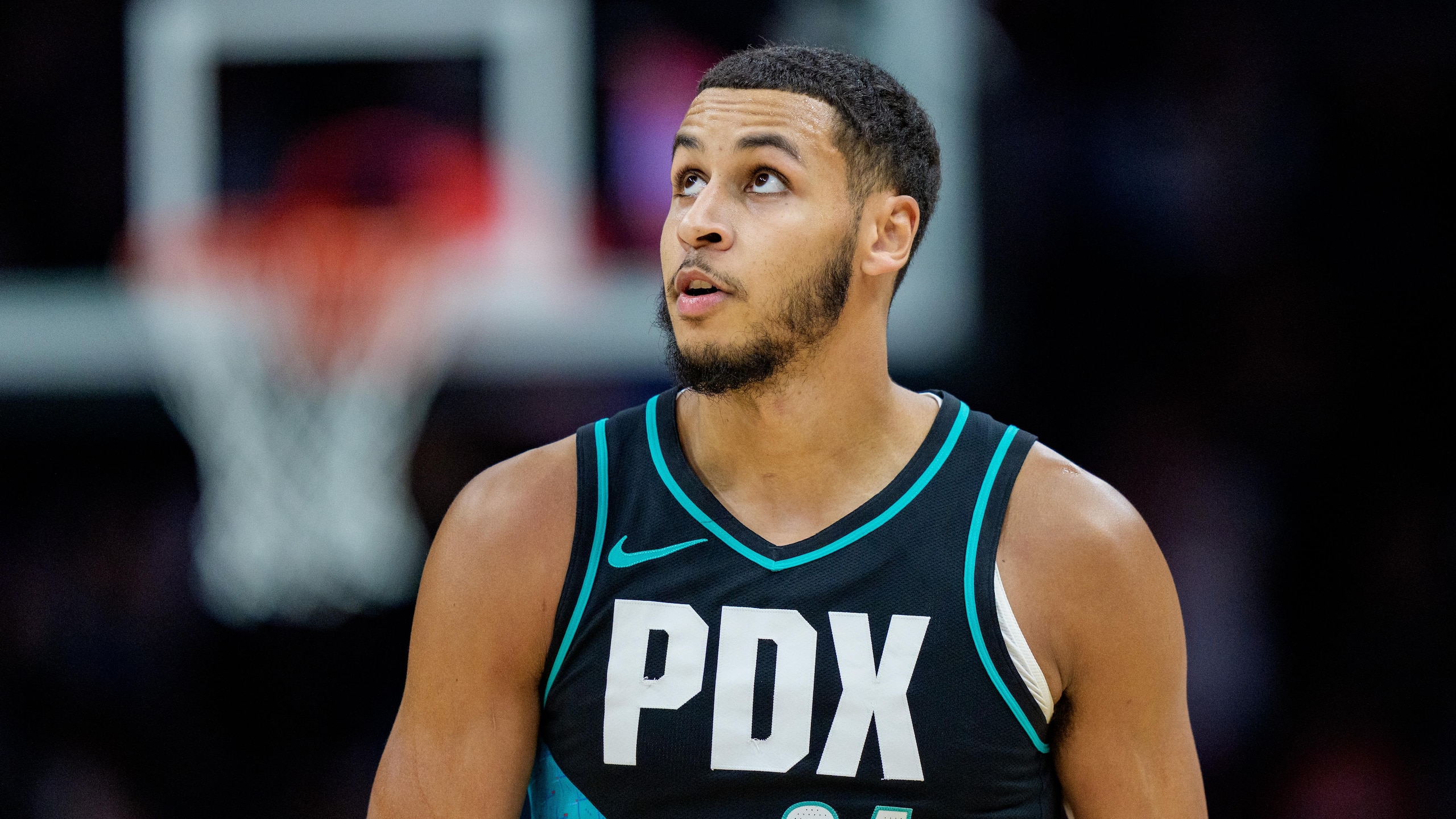
After dipping in his sophomore season, Murray's role has increased. Still, he's struggled to be as productive as his older brother (twin Keegan Murray of the Sacramento Kings, born slightly, slightly earlier).
The Blazers are a play-in team, hoping to push for a proper postseason berth. Both Shaedon Sharpe ($20 million) and Toumani Camara ($18.1 million) start their extensions this July. At this early stage, it seems a stretch to assume Portland is ready to commit long-term to Murray.
Current averages (48 games, 15 starts): 23.6 minutes, 5.9 points, 3.7 rebounds, 27.4 percent from three
Closest comp: Pritchard (four years, $30 million)
Expectation: No deal
No. 21: Noah Clowney, Brooklyn Nets
7 of 26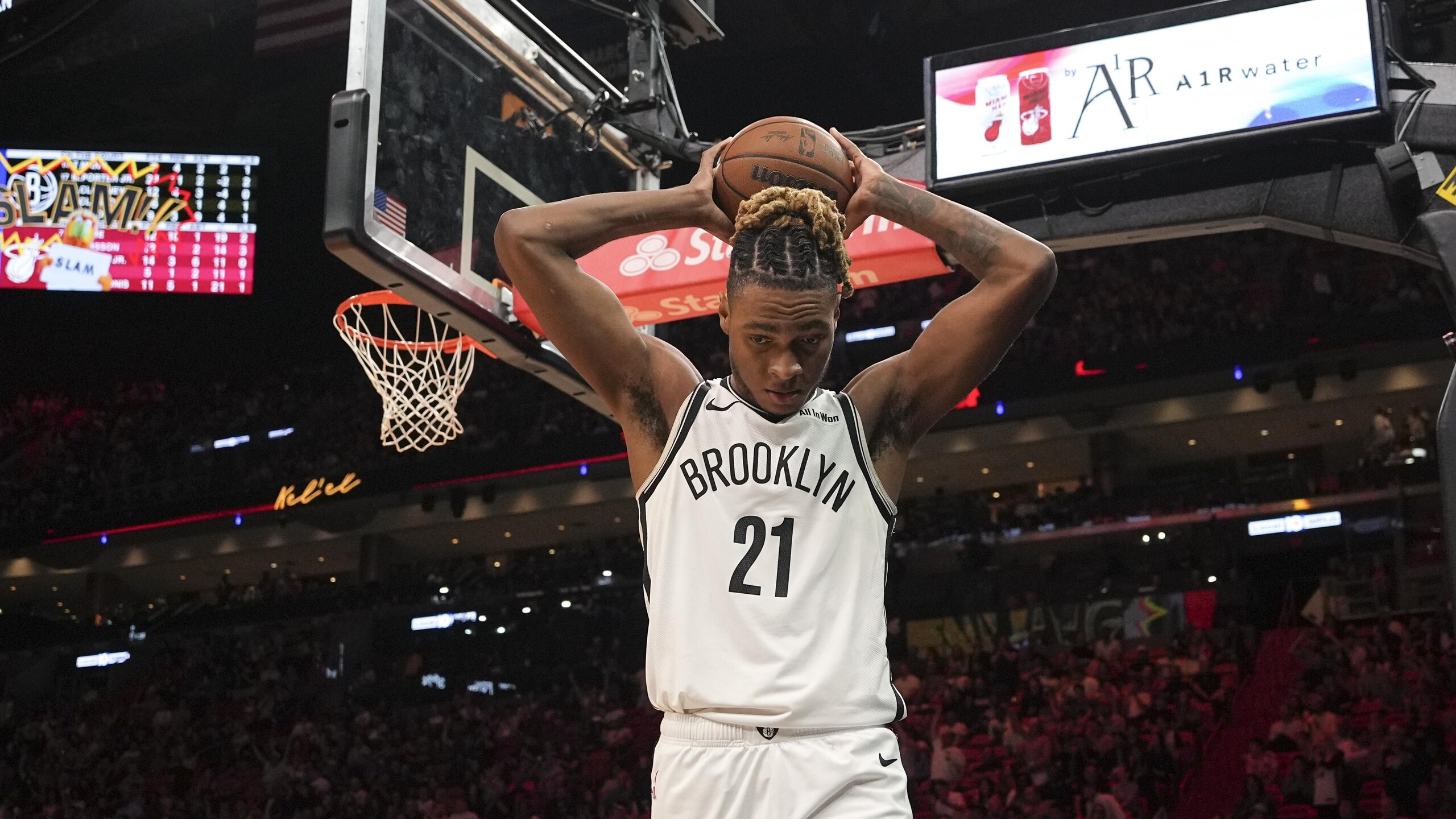
The Nets are not a good basketball team this year, but that's given Clowney a significant opportunity to play. He's started most of the season, scoring a career-best 12.5 points per game. The team is asking him to stretch the floor as a 6'10" forward/center, and Clowney is taking a relatively high volume of three-point attempts (6.0). He'll need to improve above 33.3 percent by a few points for that to be sustainable.
Next season, Brooklyn doesn't have its own draft pick, so changes could be coming this summer to make the team more ready to win. It's unclear at this early stage where Clowney fits into that calculus.
Current averages (62 games, 56 starts): 27.3 minutes, 12.5 points, 4.1 rebounds, 33.3 percent from three
Closest comp: Jović ($62.4 million over four)
Expectation: No deal
No. 20: Cam Whitmore, Washington Wizards
8 of 26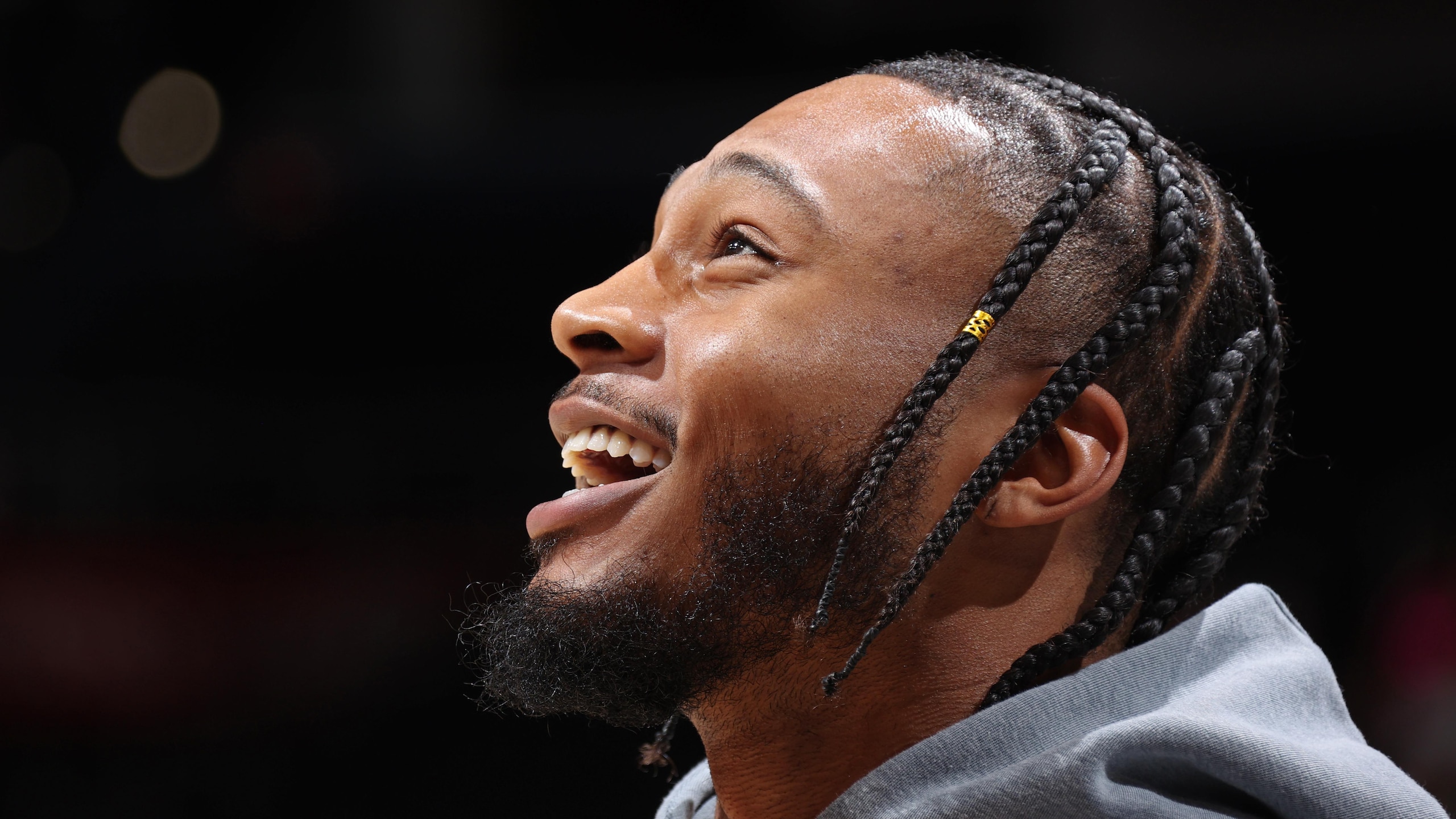
Whitmore fell in the draft with red-flag injury concerns. He came on strong with the Houston Rockets as a rookie, averaging 12.3 points a game, but the team gradually shifted focus to veterans like Fred VanVleet, Dillon Brooks (since traded to the Phoenix Suns) and Kevin Durant. Whitmore was sent to the Wizards, but a shoulder injury shut him down after 21 games.
Washington has spent the last few years rebuilding, giving young players developmental minutes without a primary focus on winning. That direction should shift next year after the in-season acquisitions of Trae Young and Anthony Davis. How does Whitmore fit into that? Are the Wizards willing to pay him coming off an injury?
The safe bet is that Whitmore goes to restricted free agency.
Current averages (21 games, zero starts): 16.9 minutes, 9.2 points, 2.8 rebounds, 28.6 percent from three
Closest comp: Jović ($62.4 million over four)
Expectation: No deal
No. 19: Brandin Podziemski
9 of 26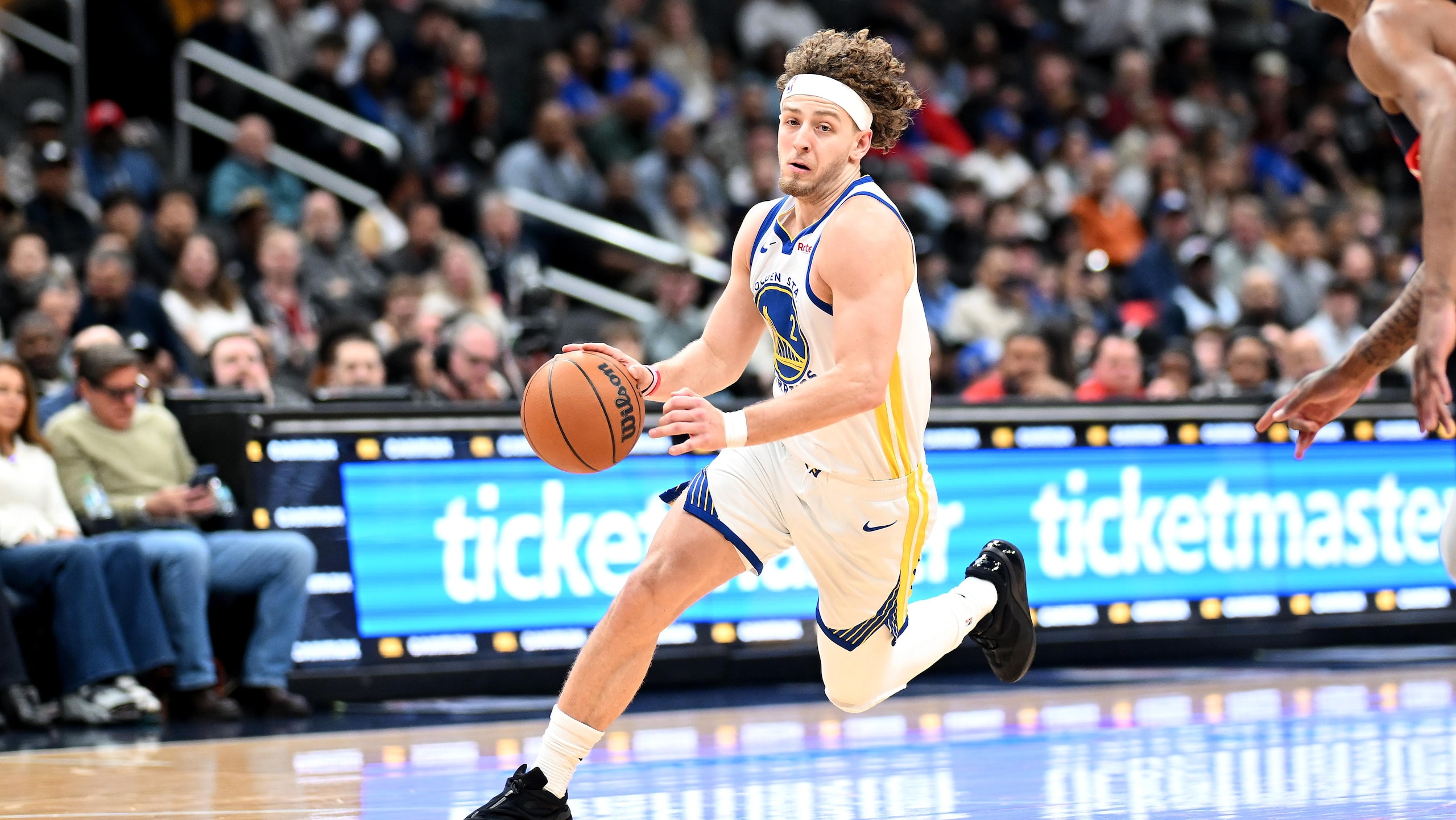
Injuries have derailed the Warriors this year, notably with Jimmy Butler (knee) out for the year, Steph Curry (knee) missing significant time, and Kristaps Porziņģis (back, health) struggling to stay in the lineup consistently. That's given Podziemski more time, but also less of a balanced squad to play alongside.
He's at a career-high in points and has proven to be a consistent contributor through three seasons. Podziemski should probably be in the Warriors' plans, but everything is in flux, with Butler's recovery expected to extend well into 2026-27. That also includes Draymond Green's player option and the reality that next season is the final year of Curry's contract.
The Warriors refused to give Jonathan Kuminga a long-term deal. Podziemski could face a similar issue. Many of the roster decisions will come around the draft and early July, so Podziemski may be more likely to get an extension later in the summer. Still, it could wait until 2027, when he'd be a restricted free agent. Podziemski is a little more productive than teammate Moses Moody, who was extended in the $37.5-$39 million range over three years.
Current averages (72 games, 33 starts): 28.3 minutes, 12.9 points, 5.2 rebounds, 3.8 assists, 36.1 percent from three
Closest comp: Corey Kispert ($54.1 million over four, team option)
Expectation: $72 million over four, team option
Note: Kispert averaged 13.4 points (38.3 percent shooting) in 25.8 minutes per game for the Washington Wizards (22 starts).
No. 18 Jaime Jaquez Jr., Miami Heat
10 of 26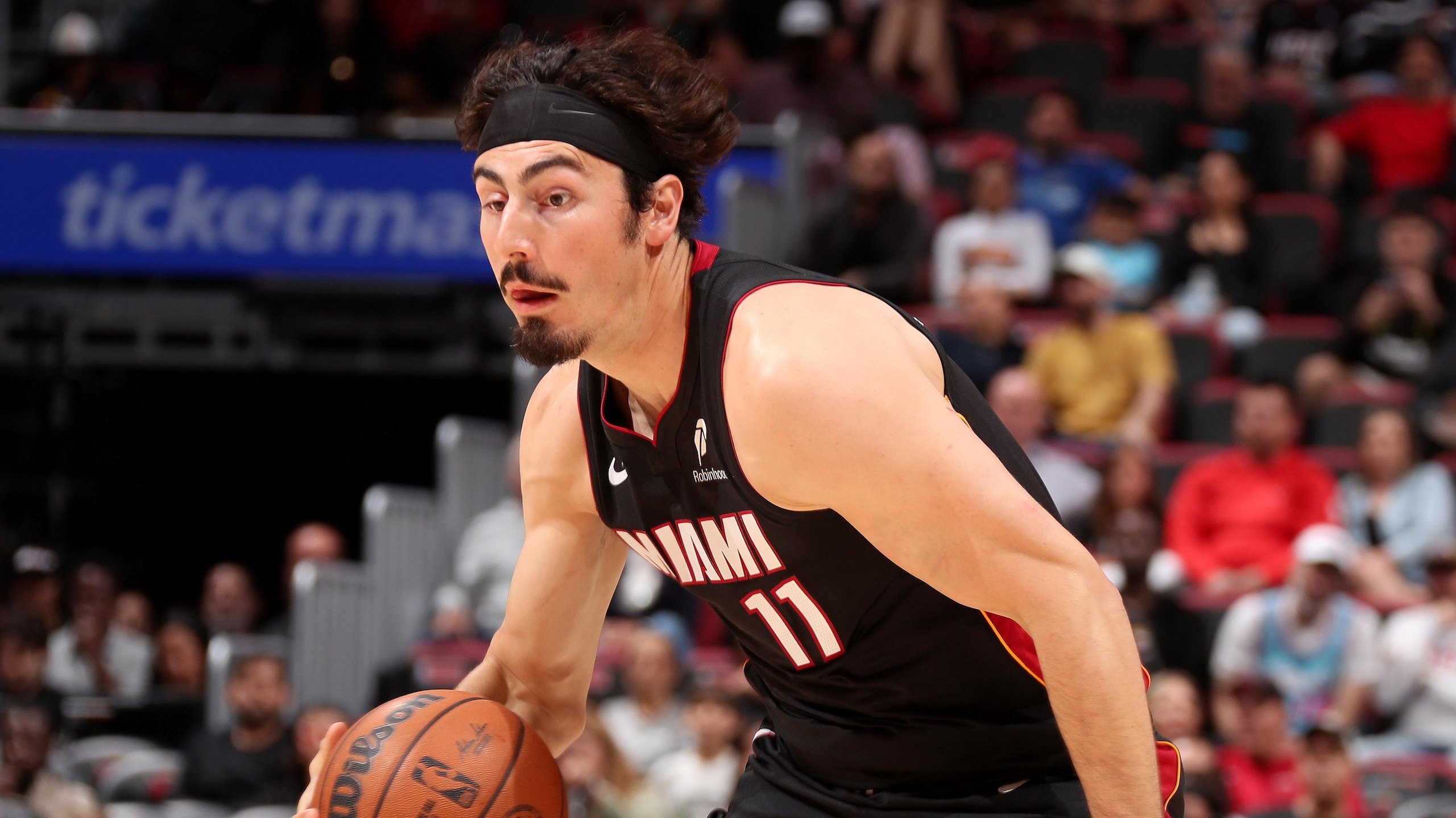
While Jaquez doesn't start for the Heat, he's fifth in overall minutes as one of the top sixth men in the league. His greatest weakness is his outside shot (28.1 percent from three is rough), but he can score and is second on the team in assists behind Davion Mitchell (who starts but plays 28.4 minutes per game, slightly less than Jaquez).
Miami is a middling team that essentially needs to get through the play-in every year. Still, one of those seasons they went all the way to the NBA Finals. The front office needs to decide whether the roster is good enough to reinvest with Norman Powell, a free agent; Andrew Wiggins, nearing the end of his deal (player option before July); and Jaquez, up for an extension.
Given that the team gave Jović a healthy deal, and Jaquez is more of a rotation mainstay, he should be able to find a suitable extension this summer.
Current averages (65 games, one start): 28.4 minutes, 14.9 points, 5.1 rebounds, 4.8 assists, 28.8 percent from three
Closest comp: Dyson Daniels' $100 million over four
Expectation: $90 million over four
Note: Daniels was paid as a full-time starter, averaging 14.1 points with a league-best 3.0 steals per game.
No. 16: Keyonte George, Utah Jazz
11 of 26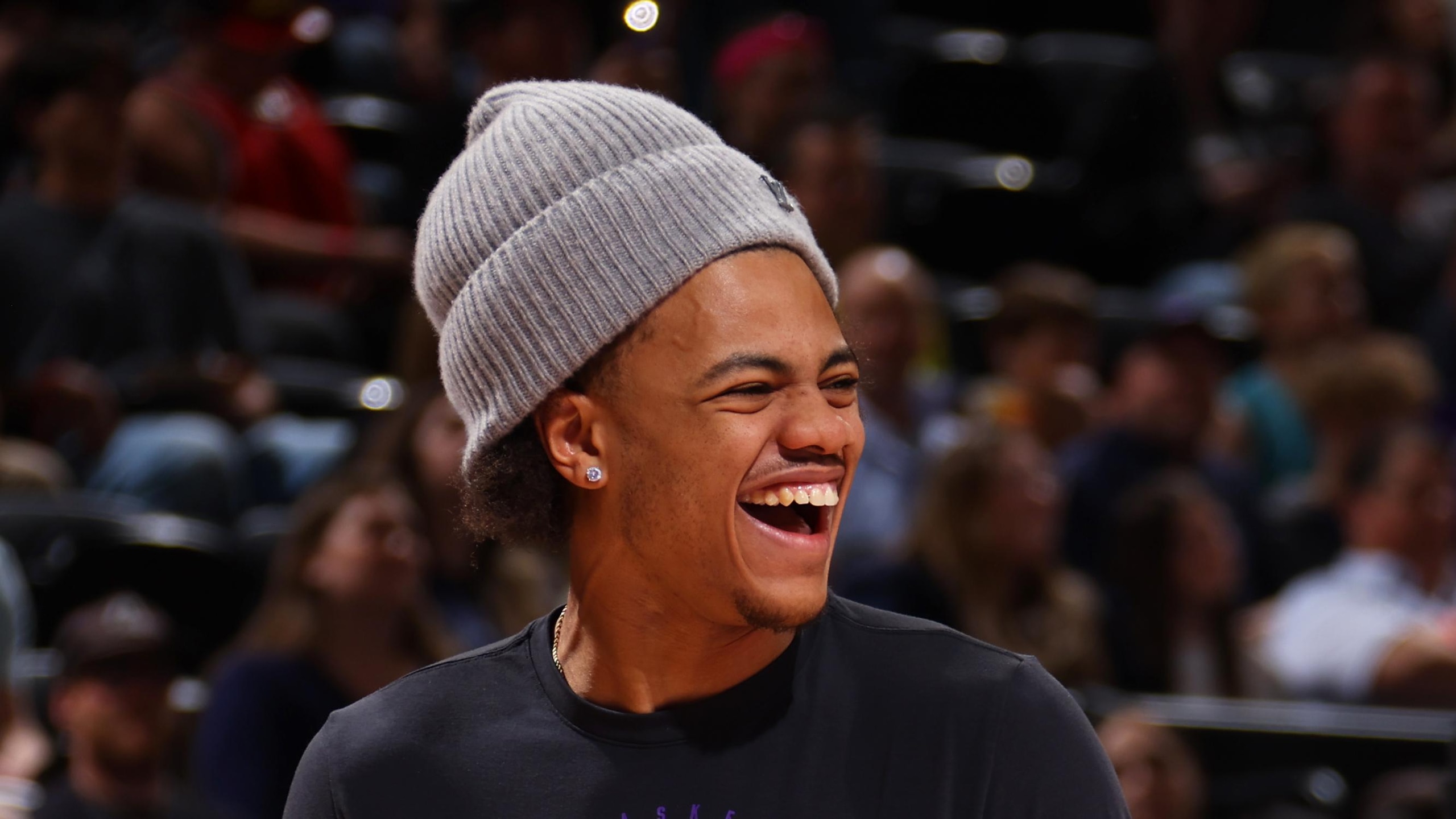
George would go much higher in a redraft, as one of the best young guards in his class. His third-year production puts him near All-Star caliber, though Utah's meager record keeps him slightly under the radar.
With Jaren Jackson Jr. and Lauri Markkanen, the team's payroll is starting to climb, but George's potential extension wouldn't start until the 2027-28 season. There's a deal here to be had.
Current averages (54 games, 54 starts): 33.1 minutes, 23.6 points, 6.1 assists, 37.1 percent from three
Closest comp: Jalen Williams ($240.7-$288.8 million)
Expectation: $182.5 million over five
Note: Williams helped lead the Oklahoma City Thunder to a title, averaging 21.6 points and 5.1 assists per game.
No. 14: Jordan Hawkins, New Orleans Pelicans
12 of 26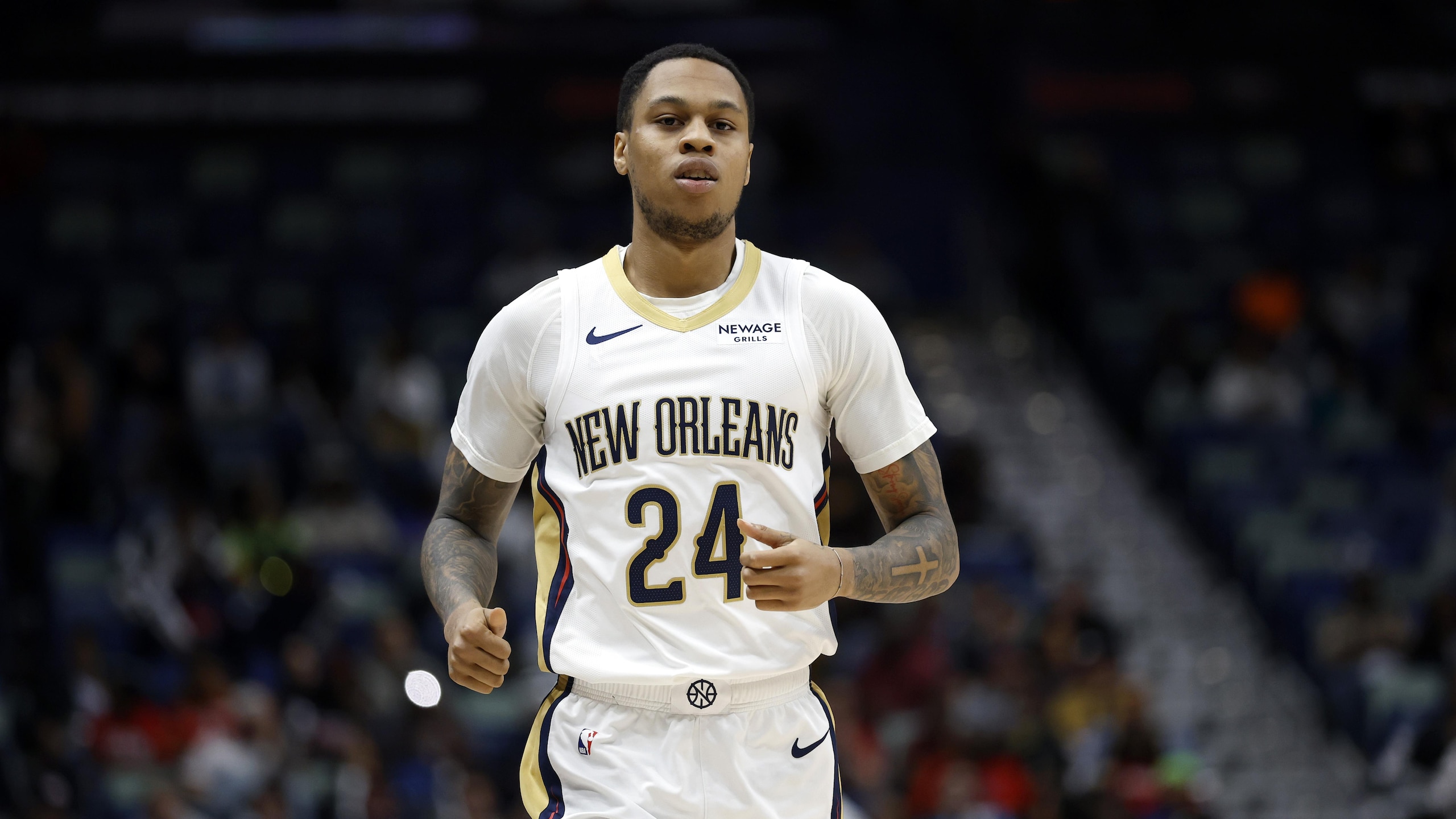
Hawkins was drafted as a shooter, but his three-point percentage has dropped each year from 36.6 percent to the current 30.1 percent. In 2024-25, Hawkins played a larger role, averaging 23.6 minutes per game while scoring in double figures (10.8).
Unfortunately, the Pelicans seem to be going in a different direction.
Current averages (43 games, zero starts): 12.0 minutes, 3.8 points, 30.1 percent from three
Closest comp: Pritchard (four years, $30 million)
Expectation: No deal
No. 13: Gradey Dick, Toronto Raptors
13 of 26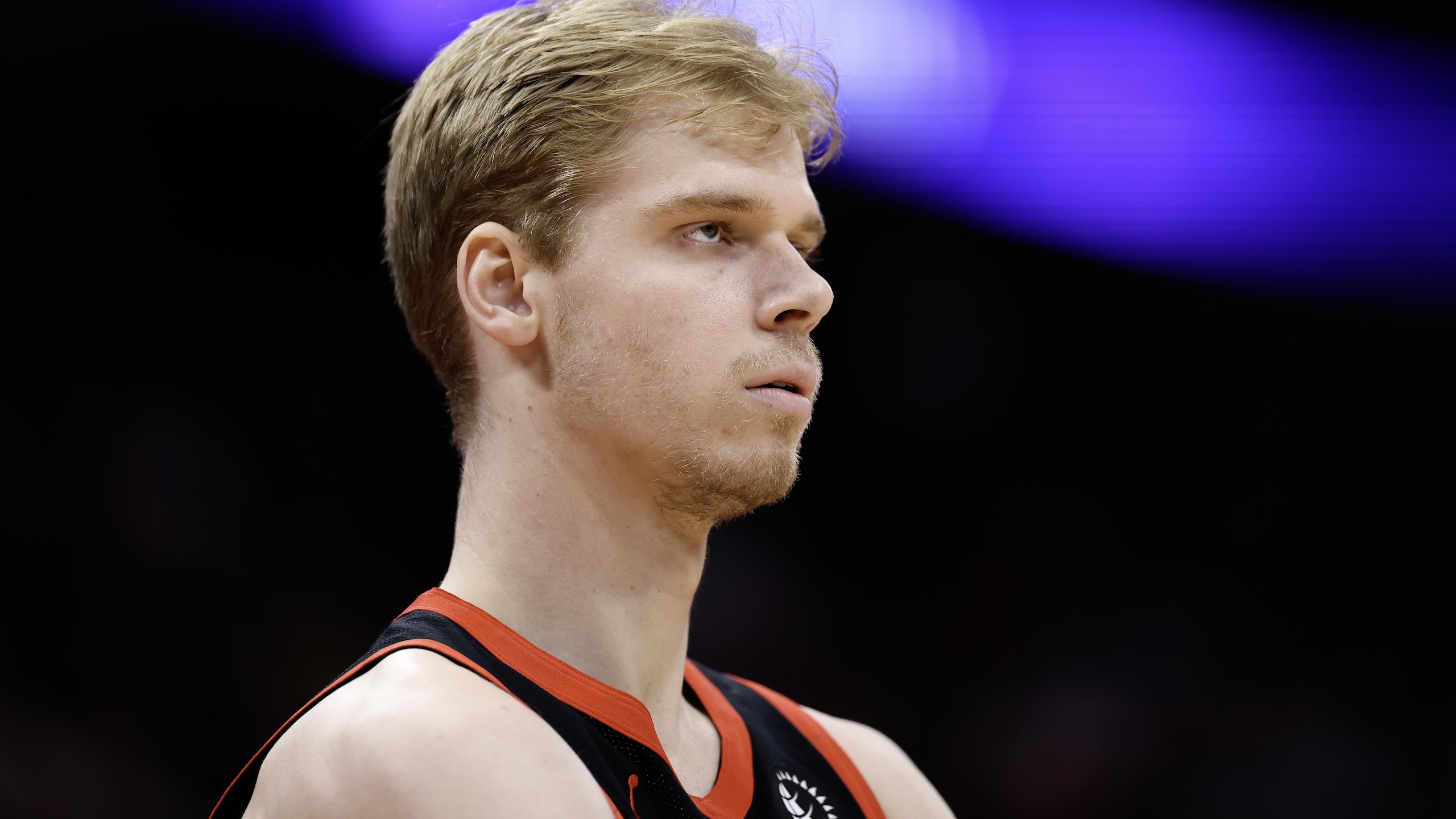
In his third season, Dick has seen his role on the Raptors diminish. After starting 54 games last year at an average of 29.4 minutes, Dick has come off the bench almost all of 2025-26 at just 15 minutes per context. As a result, his shot attempts and efficiency have dropped significantly.
This trend may be closer to Ochai Agbaji's, who wasn't extended and was later traded to the Brooklyn Nets. Dick may need a new home to find an opportunity.
Current averages (66 games, one start): 15.2 minutes, 6.4 points, 30.2 percent from three
Closest comp: Pritchard (four years, $30 million)
Expectation: No deal
No. 12: Dereck Lively II, Dallas Mavericks
14 of 26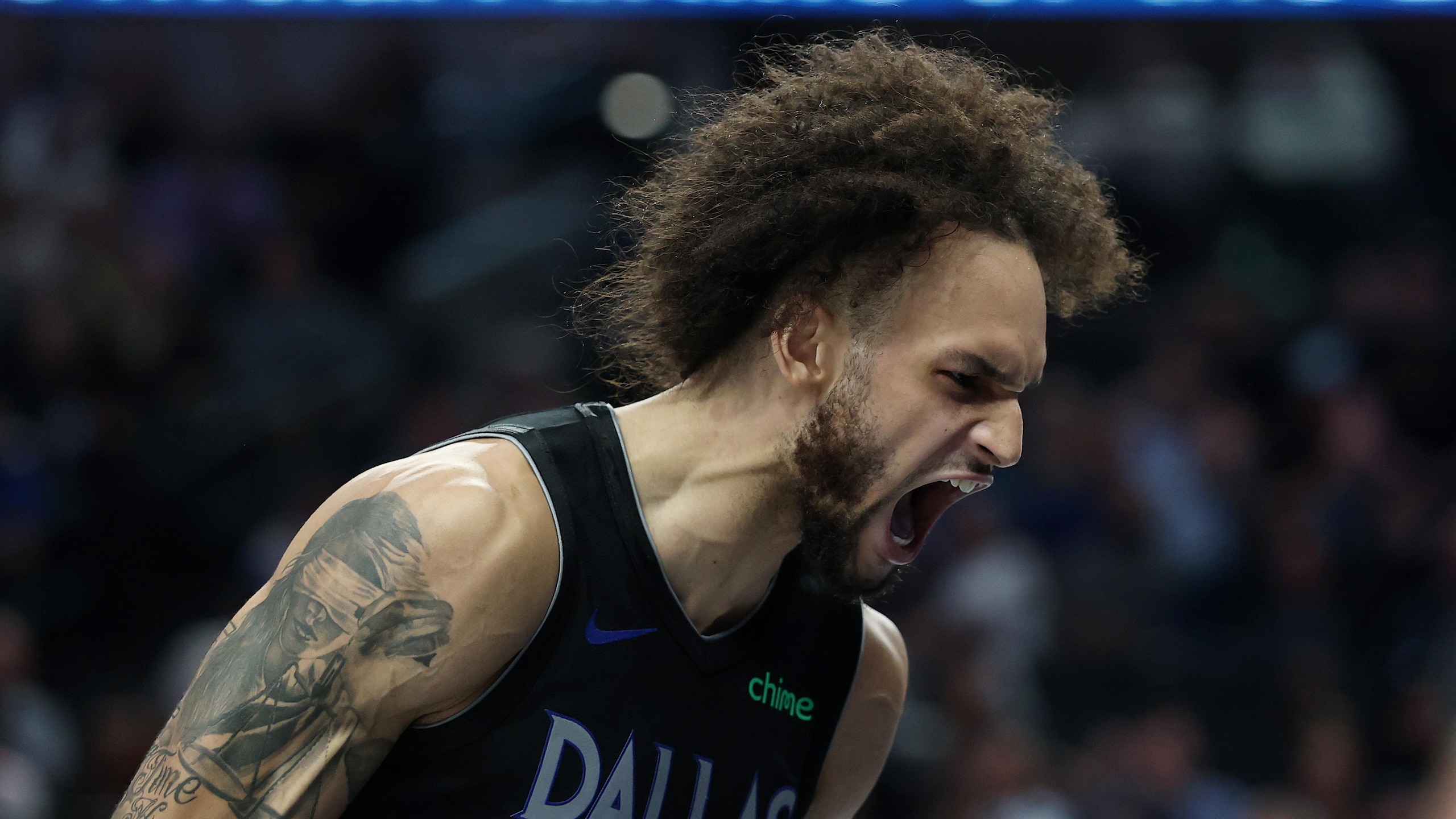
Lively is a difficult player to project due to durability concerns. He played 55 games as a rookie, helping Luka Dončić and the Mavericks advance to the NBA Finals. Since then, he's played in just 43 games over the following two seasons. Foot injuries can derail seven-footers, but hopefully Lively will be able to resume his career at a consistent high level.
Meanwhile, Dallas may need to make that gamble based on what they see over the offseason, since the deadline is before the start of the regular season. The alternative, which may be the answer, is to wait until he's a restricted free agent in 2027. The Utah Jazz are walking a similar potential path with Walker Kessler, who also missed the season. The Jazz previously chose to wait on the extension.
Current averages (seven games, four starts): 16.4 minutes, 4.3 points, 5.3 rebounds, 1.6 blocks
Closest comp: Walker Kessler, restricted free agent in July 2026
Expectation: No deal
No. 11: Jett Howard, Orlando Magic
15 of 26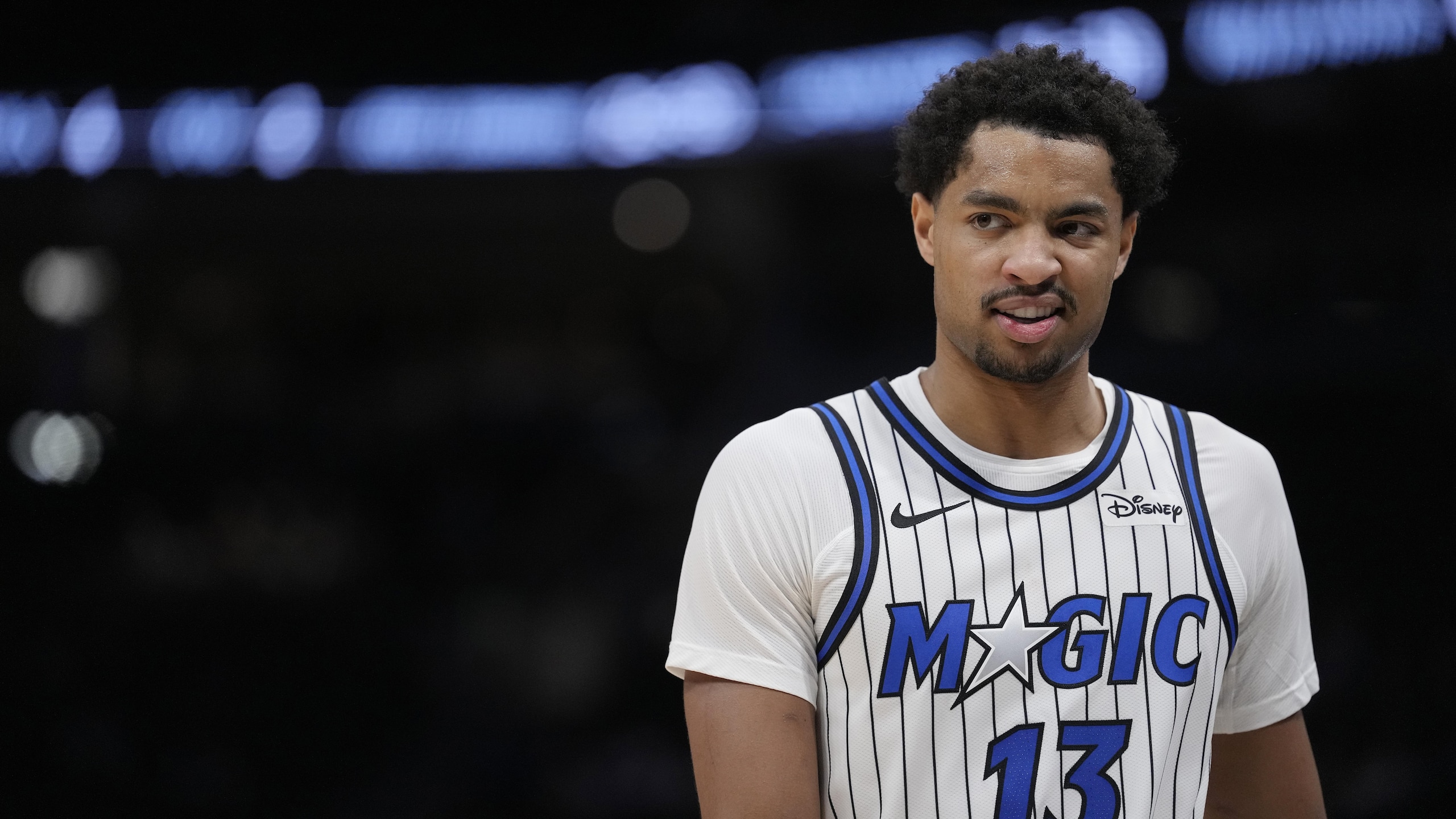
Howard has seen a slight uptick in minutes this year, in part due to so many injuries in Orlando's rotation. More importantly, he's increased his efficiency from the field, three-point arc, and free-throw line.
Still, Howard's 12.6 minutes and 5.3 points a game probably aren't enough for the Magic to offer him a substantial contract, especially with heavy obligations to Franz Wagner, Paolo Banchero, Desmond Bane, and Jalen Suggs. The team also needs to decide on Anthony Black, who has significantly improved in his third season.
Current averages (49 games, zero starts): 12.7 minutes, 5.4 points, 36.4 percent from three
Closest comp: Pritchard (four years, $30 million)
Expectation: No deal
No. 10: Cason Wallace, Oklahoma City Thunder
16 of 26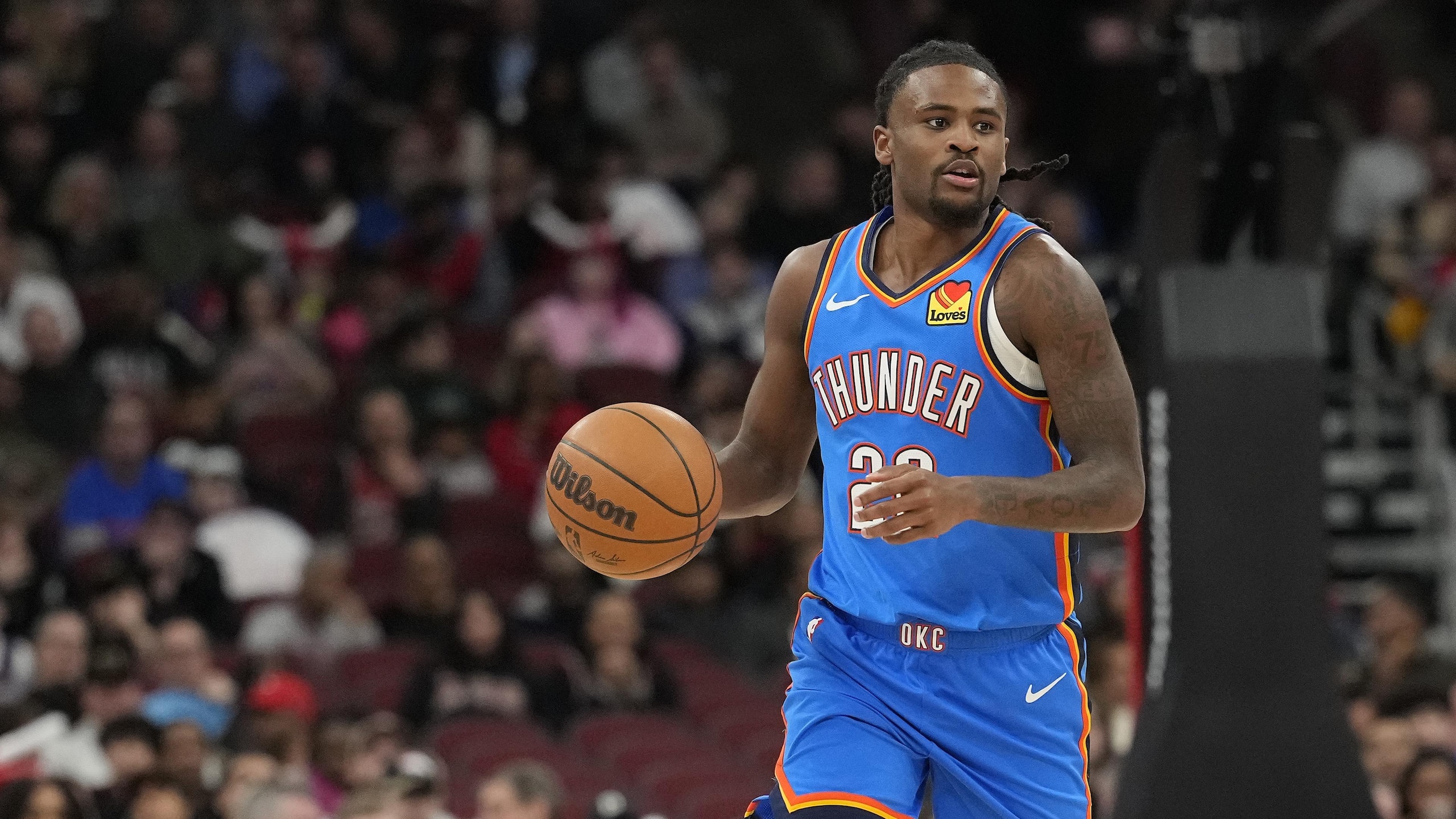
Wallace is a difficult case to judge: an integral part of the championship Thunder but not one of the primary stars. The franchise is fully invested in Shai Gilgeous-Alexander, Jalen Williams, and Chet Holmgren. How much is available for everyone else is an interesting question.
The team has options on vital role players Isaiah Hartenstein and Lu Dort. The Thunder could choose to let them finish their contracts, opt them out, and try to re-sign them long-term, or let them go in favor of younger players. The franchise still has significant draft capital to replenish the talent, along with the substantial existing depth.
All this comes into play when Wallace is negotiating for a new deal. He's presumably looking for at least $20 million starting salary as his floor. The Thunder can wait or find a workable figure for both parties.
Current averages (69 games, 56 starts): 27.0 minutes, 8.5 points, 2.7 assists, 2.0 steals, 33.9 percent from three
Closest comp: Daniels' $100 million over four
Expectation: A five-year, $100 million deal with a team option on the final season
No. 9: Taylor Hendricks, Memphis Grizzlies
17 of 26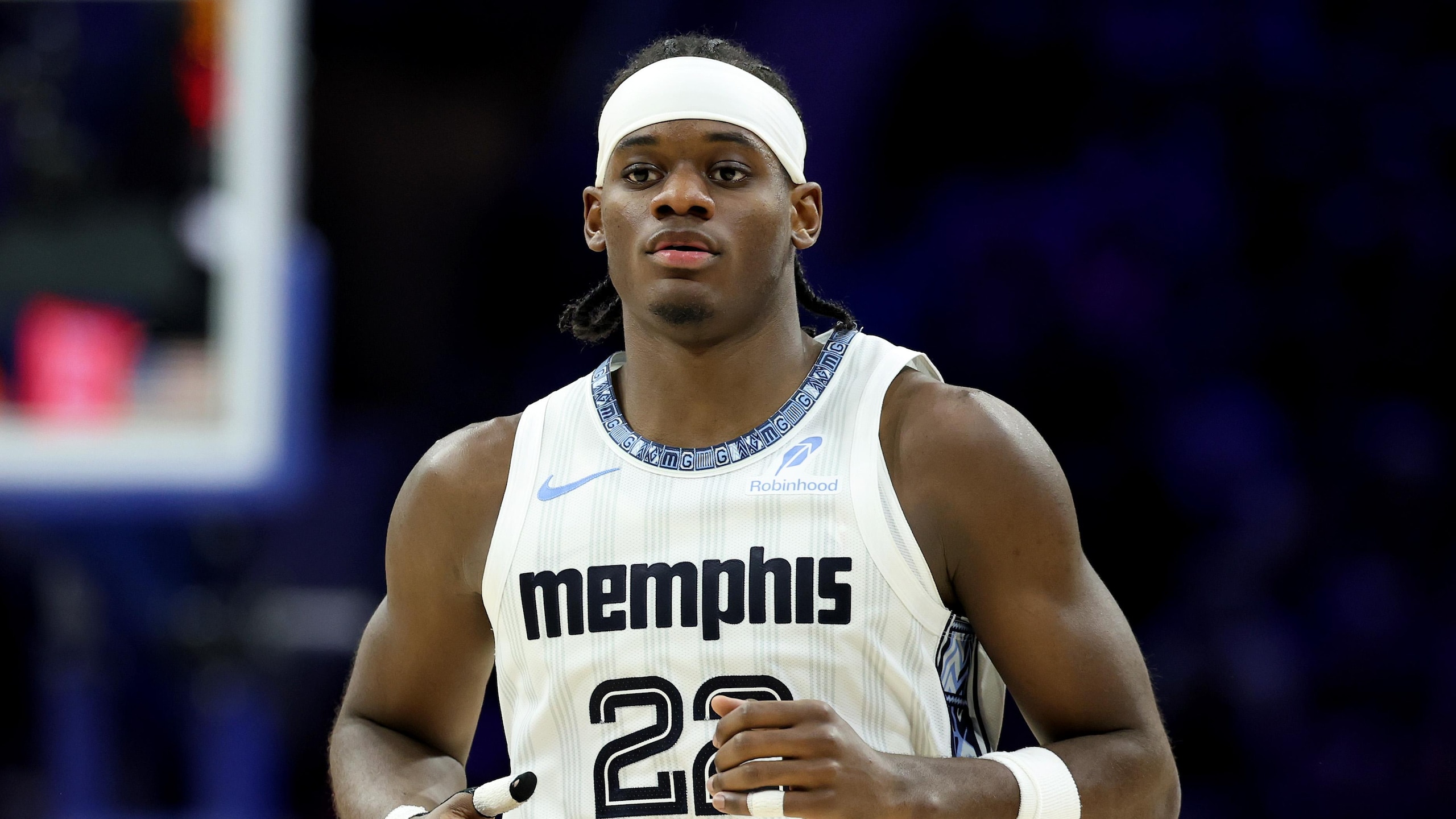
Hendricks suffered a brutal injury early into his sophomore campaign with the Utah Jazz, breaking his fibula and dislocating his ankle. After working his way back, Hendricks was traded from the Jazz to the Grizzlies, where he's had more opportunities to play (24.4 minutes per game, scoring 11.5 points).
Memphis sent its best player (Jaren Jackson Jr.) to Utah, pivoting into an uncertain future. How does Hendricks fit into that puzzle? Are the Grizzlies ready to invest in him?
These questions may be answered in July, though the team probably chooses to wait. If Hendricks is open to what he may perceive as an under-market deal, the Grizzlies might be more willing to deal.
Current averages (53 games, 11 starts): 18.5 minutes, 7.4 points, 3.6 rebounds, 35.0 percent from three
Closest comp: Nnaji's $32 million over four seasons
Expectation: No deal
Note: Nnaji averaged 5.2 points and 2.6 rebounds in his third year with the Denver Nuggets.
No. 8: Jarace Walker, Indiana Pacers
18 of 26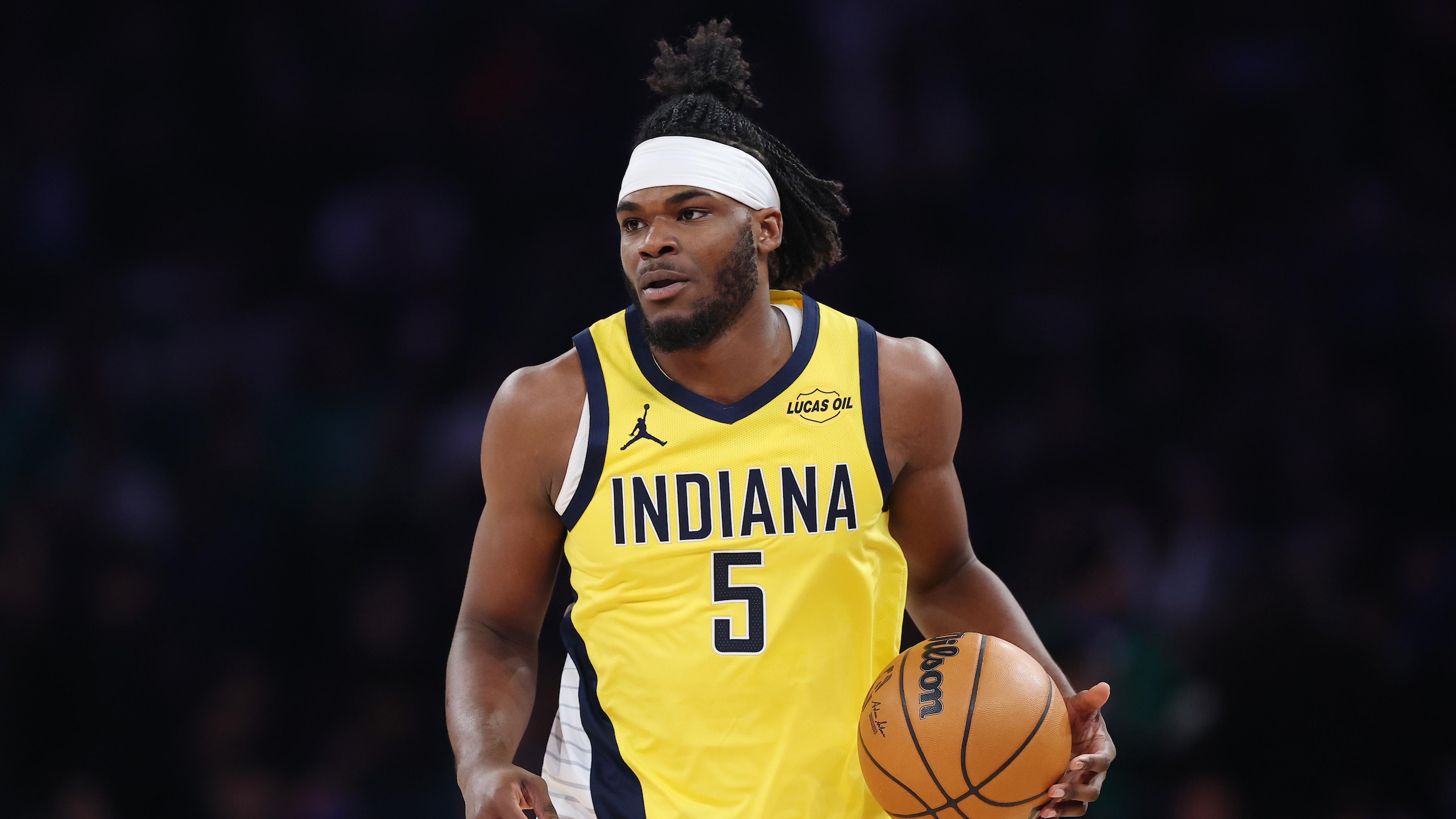
The Pacers are effectively taking the year off, with star point guard Tyrese Haliburton out for the season (Achilles). Along with other injuries, the team has been dismal, but that's allowed Walker to play a larger role.
His minutes have climbed from 15.8 in his sophomore year to the current 25.7. With additional time, Walker has contributed more across the board (points, rebounds, blocks, etc.). While his three-point efficiency has dipped from 40.5 percent, he's almost doubled his attempts (from 2.5 to 4.6). Ideally, for the Pacers, Walker can continue to develop in more important games next year when Haliburton returns.
Will the team pay him now? That's a different question. Typically, the Pacers like to get their players on long-term, favorable deals. If Walker is willing to lock in a salary, even at a number lower than his aspirations, he could find a deal. Still, Indiana historically avoids the luxury tax and may choose to wait if Walker's number is too high.
Current averages (71 games, 36 starts): 25.8 minutes, 11.6 points, 5.1 rebounds, 37.1 percent from three
Closest comp: Jović ($62.4 million over four)
Expectation: No deal, but slightly more likely than similar predictions
No. 7: Bilal Coulibaly, Washington Wizards
19 of 26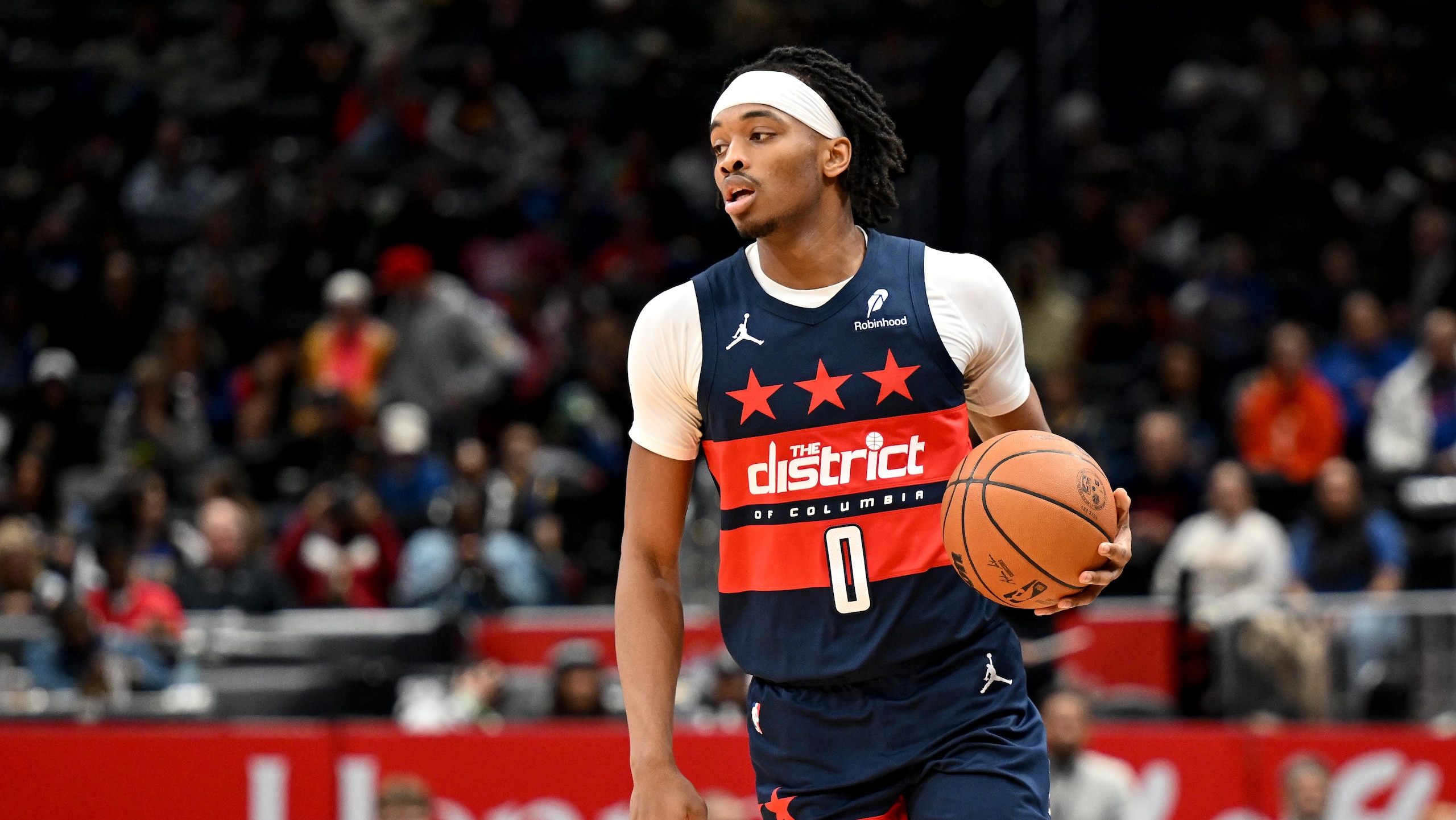
Coulibaly has been a centerpiece of the Wizards' rebuild, but the team has been consistently non-competitive. It's difficult to judge Coulibaly's impact in games that haven't been played consistently to win. The franchise is shifting to "real basketball" after this season, when Trae Young and Anthony Davis should be healthy and active rotation staples.
From there, the front office needs to decide whether to commit long-term to Young and Davis, and which young players should be part of the future, such as Alex Sarr, Kyshawn George, and Coulibaly.
If Coulibaly is willing to take a team-favorable deal, he might reach an extension with the Wizards. More likely, he's a "wait and see" candidate.
Current averages (49 games, 49 starts): 26.8 minutes, 11.3 points, 4.4 rebounds, 31.8 percent from three
Closest comp: Larger role than Jović ($62.4 million over four), but not as productive as Daniels ($100 million over four)
Expectation: No deal
No. 6: Anthony Black, Orlando Magic
20 of 26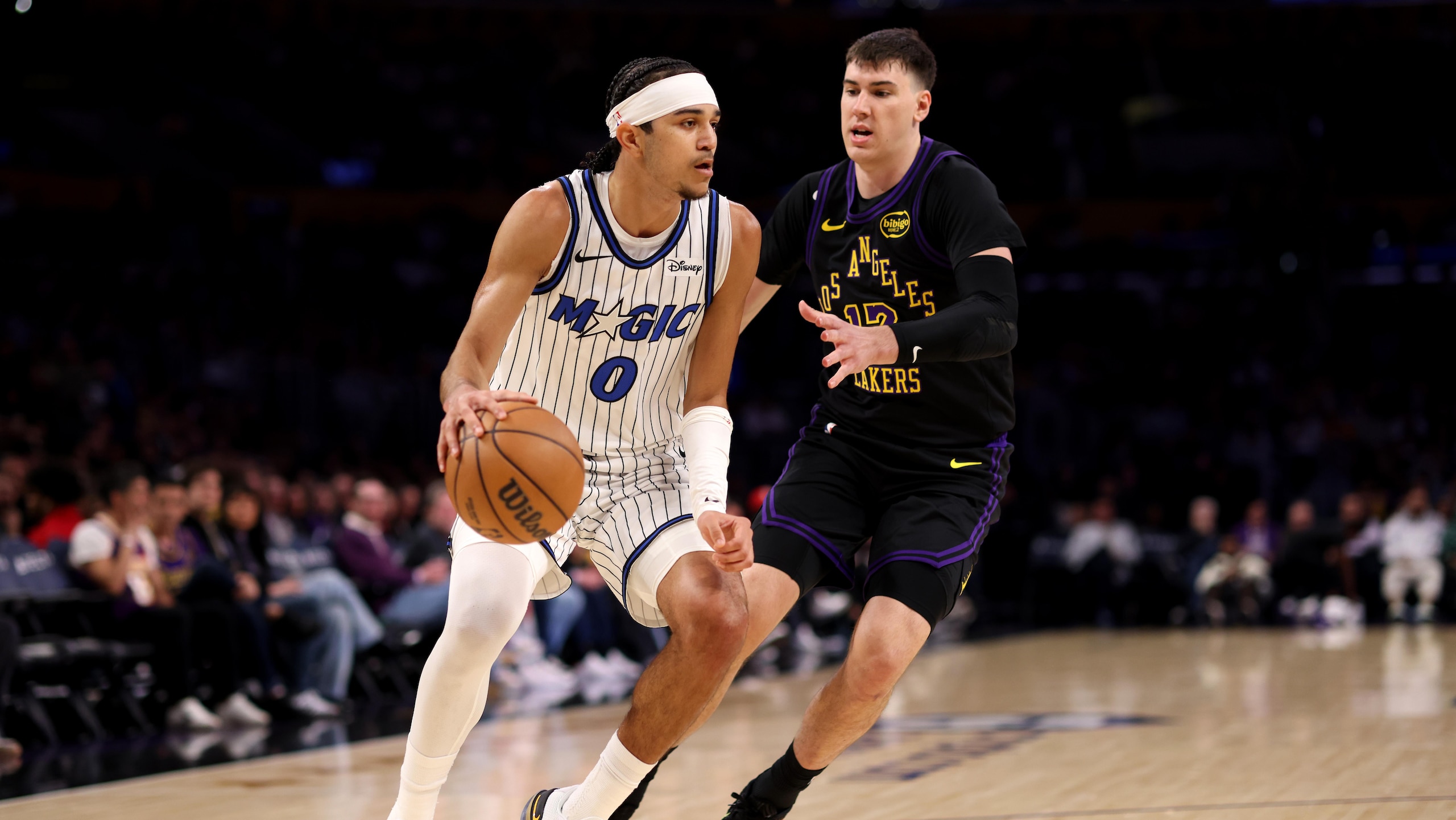
The Magic have a good problem with Black; he's blossoming in his third year on a roster that is already significantly expensive. With multiple injuries, Orlando has primarily turned to Black as the next man up. He's fourth on the team in minutes, outperforming starter Jalen Suggs in most categories (including availability).
Black has good height at 6'7", defends well, but doesn't solve the team's greatest weakness (outside shooting). Still, he's heading for a payday, and the Magic need to find a number in a deal. It won't kick in until 2027-28. By then, the franchise may need to make financial room for Black via trade, if necessary.
Current averages (60 games, 40 starts): 30.7 minutes, 15.3 points, 3.9 assists, 1.4 steals, 33.9 percent from three
Closest comp: Daniels' $100 million over four
Expectation: $105 million over five, final year partially guaranteed
No. 5: Ausar Thompson, Detroit Pistons
21 of 26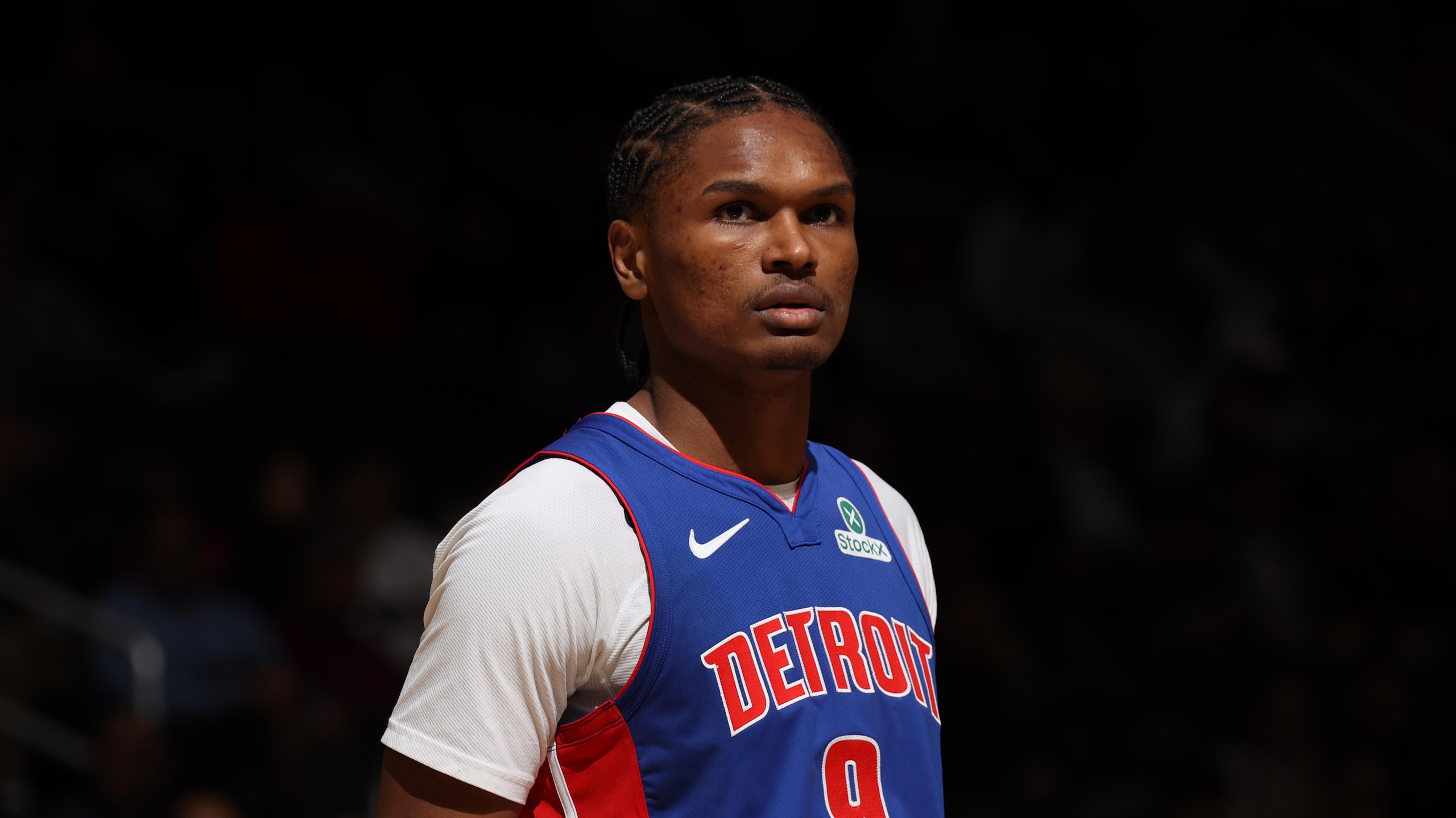
The second of twins taken in back-to-back picks (Amen Thompson was No. 4), Thompson is the fifth starter on the top team in the Eastern Conference. While he doesn't space the floor (26.1 percent from three), he only takes 0.4 per game. Instead, he's highly efficient at the rim, shooting 51.2 percent from the field. Thompson is also a talented defender, leading the team with 1.9 steals per game.
Players who don't fit an archetype can be difficult to price in the market. The Pistons are expected to pay All-Star Jalen Duren a significant contract as a restricted free agent this summer. Fellow All-Star Cade Cunningham will earn $53.8 million in 2027-18, when Thompson's potential extension kicks in. Detroit needs to plan carefully, but should also try to maintain the chemistry of what's been built.
Current averages (62 games, 61 starts): 25.7 minutes, 9.9 points, 5.8 rebounds, 1.9 steals, 26.1 percent from three
Closest comp: Daniels' $100 million over four
Expectation: $79 million over four
No. 4: Amen Thompson
22 of 26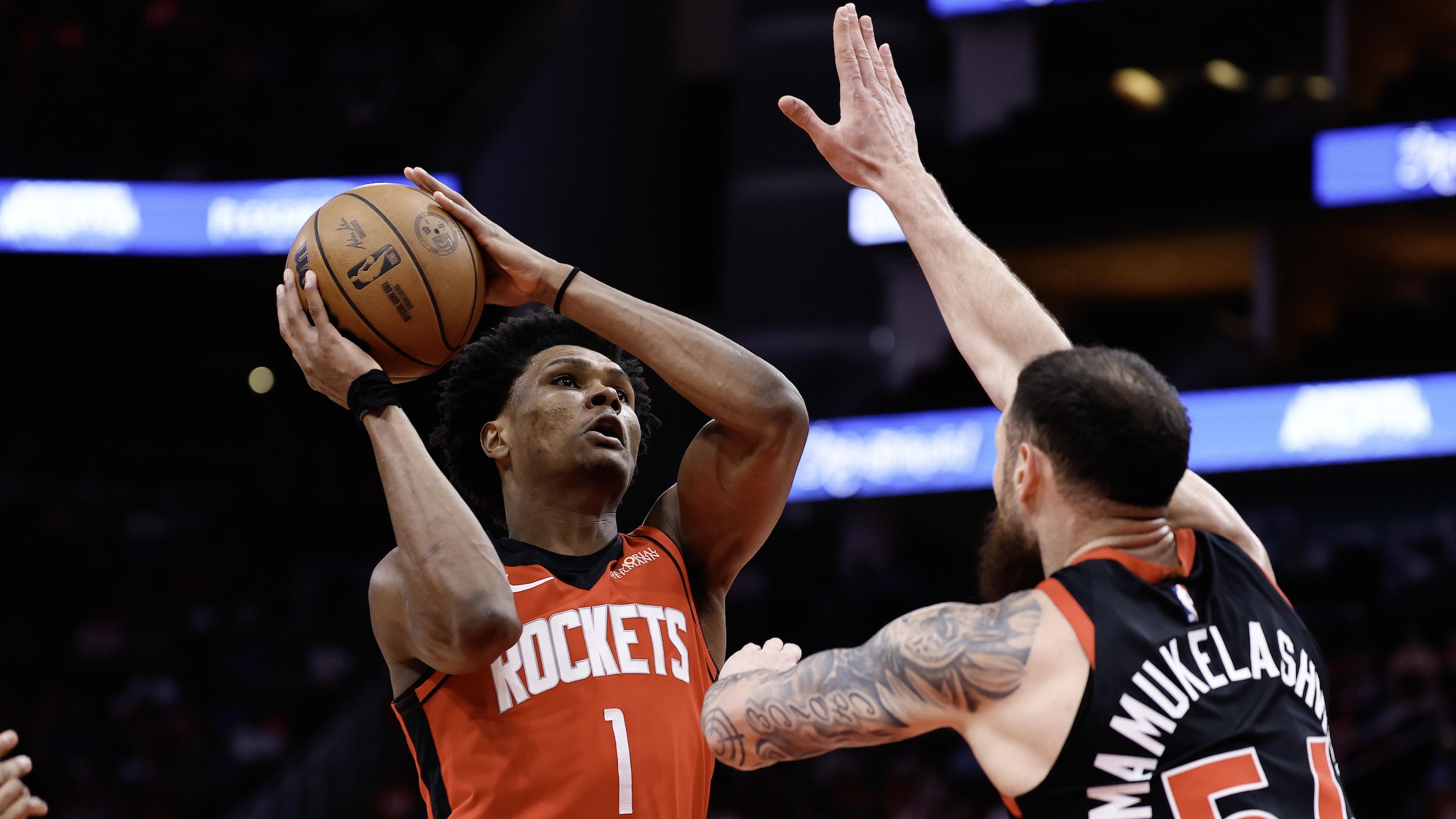
Thompson is such a unique player, dominating games in his own way during an era where three-point shooting is so highly valued. Thompson's 21.9 percent from three-point range is dismal, yet he's a key starter on a playoff team. Thompson isn't a passenger on this ride; he's a driving force for the Rockets as a playmaker, defender, and scorer.
Putting a number on that is the challenge for Houston and Thompson's representation. He's leading the team in minutes, is third in scoring, second in assists, third in rebounds, and tied for first in steals.
Given what teammate Jabari Smith Jr. got last year, Thompson should be able to leverage it for even more.
Current averages (69 games, 69 starts): 37.2 minutes, 18.0 points, 7.8 rebounds, 5.2 assists, 1.5 steals, 22.4 percent from three
Closest comp: Smith's $122 million over five
Expectation: $150 million over five
No. 3: Scoot Henderson, Portland Trail Blazers
23 of 26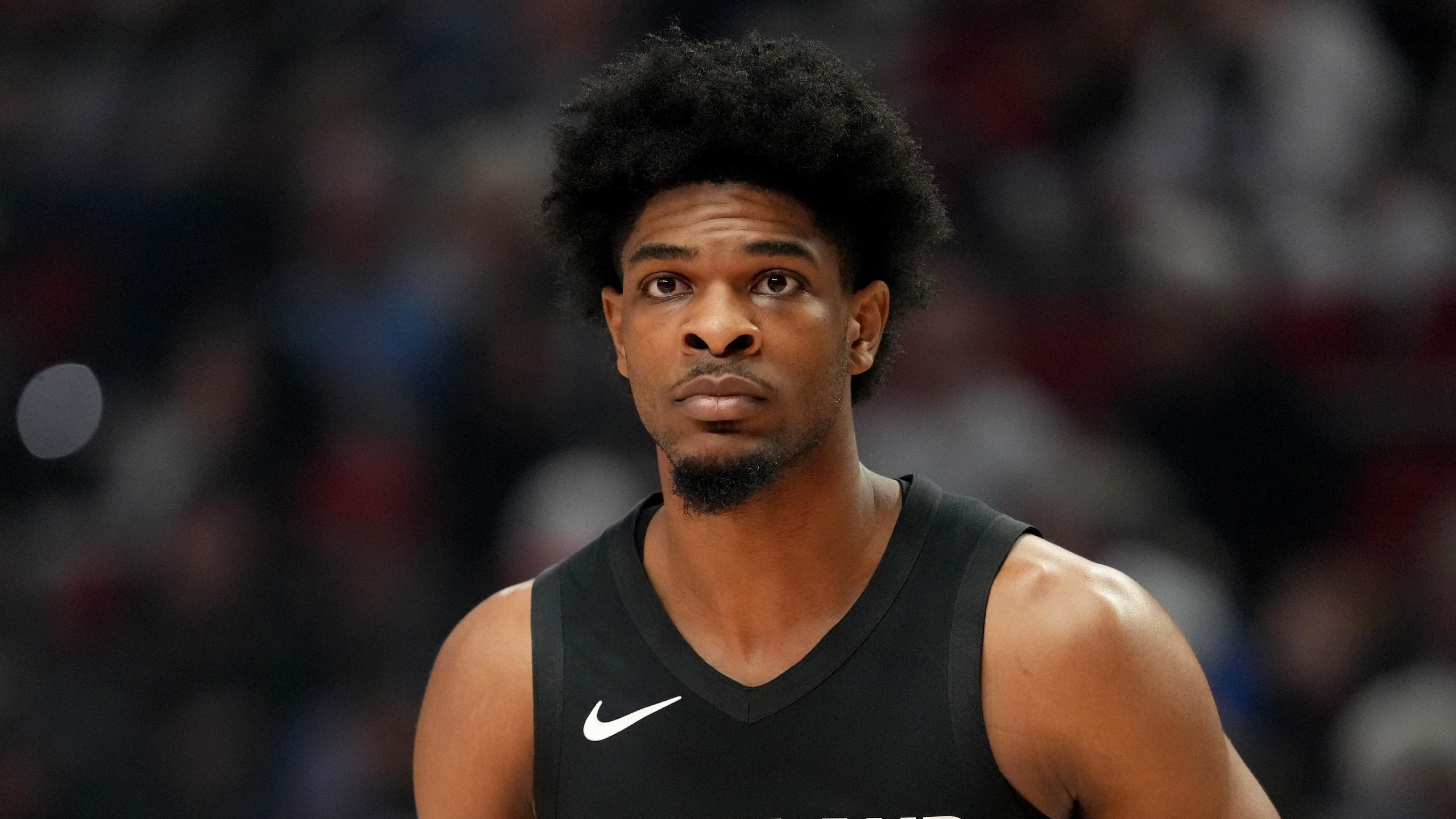
The team had high hopes for Henderson, but he's struggled to stay healthy throughout his three years, stunting his development. While he recovered, the team built an identity without him. He could remain an integral part of the future, but that probably doesn't translate into an offseason extension.
The team also re-signed Damian Lillard, who should be back to form next year after an Achilles injury. Along with Jrue Holiday, there are too many seasoned guards Henderson needs to compete with for time.
Current averages (21 games, three starts): 23.6 minutes, 13.5 points, 3.9 assists, 33.6 percent from three
Closest comp: Incomplete
Expectation: No deal
No. 2: Brandon Miller, Charlotte Hornets
24 of 26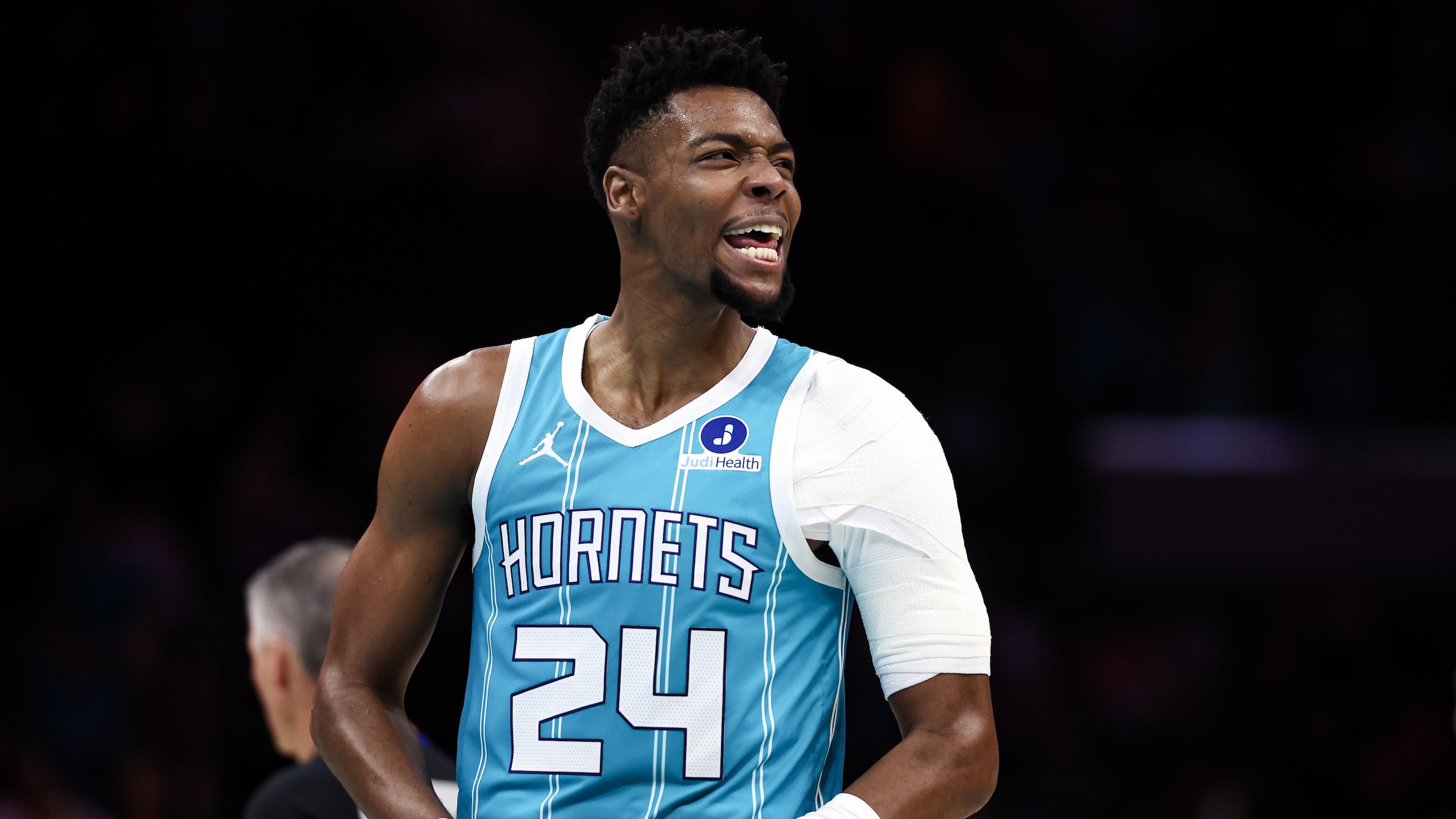
Miller came in third for Rookie of the Year but suffered a wrist injury that cost him most of his second season. A shoulder malady led to a late start in his third, but once he, rookie Kon Knueppel, LaMelo Ball, and the rest of the roster started to come together, the Hornets have been one of the best stories of the 2025-26 season.
At worst, the team will have a play-in berth, but the No. 5-6 seeds (Toronto Raptors and Atlanta Hawks) are within striking distance of a guaranteed playoff spot. Miller has been a significant part of that run and should be able to parlay that into a lucrative extension.
The question is: How high will the Hornets go? Do they go up to the max? Is there a compromise for both sides?
Current averages (54 games, 54 starts): 30.1 minutes, 20.4 points, 5.0 rebounds, 3.5 assists, 38.8 percent from three
Closest comp: Jalen Suggs' $150.5 million over five
Expectation: $175 million over five
No. 1: Victor Wembanyama
25 of 26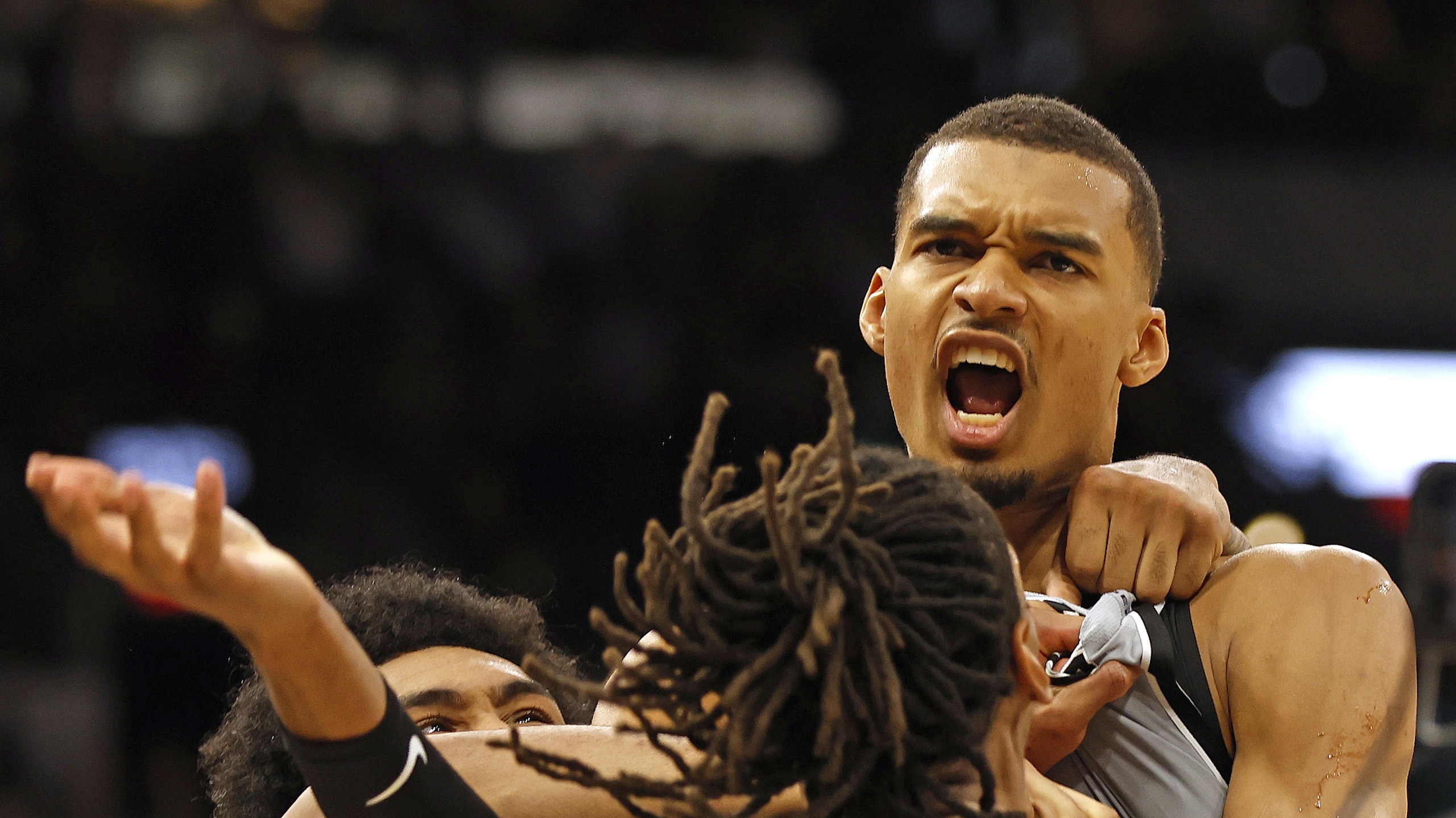
With so much hype leading into the Wembanyama draft, it's entertaining to see the young 7'4" forward-center exceed expectations. He's a dominant two-way force with tremendous competitive drive.
The French All-Star will be one of the primary faces of the league over the next decade. Expect the Spurs to offer him the most they possibly can at the first opportunity. It would be surprising if Wembanyama doesn't have his deal inked on July 6.
Current averages (57 games, 48 starts): 29.2 minutes, 24.3 points, 11.1 rebounds, 3.0 blocks, 35.1 percent from three
Closest comp: Paolo Banchero/Jalen Williams' 30-percent potential max deals
Expectation: Up to $310 million over five seasons ($258 million if he doesn't reach at least All-NBA in 2026-27)
Others
26 of 26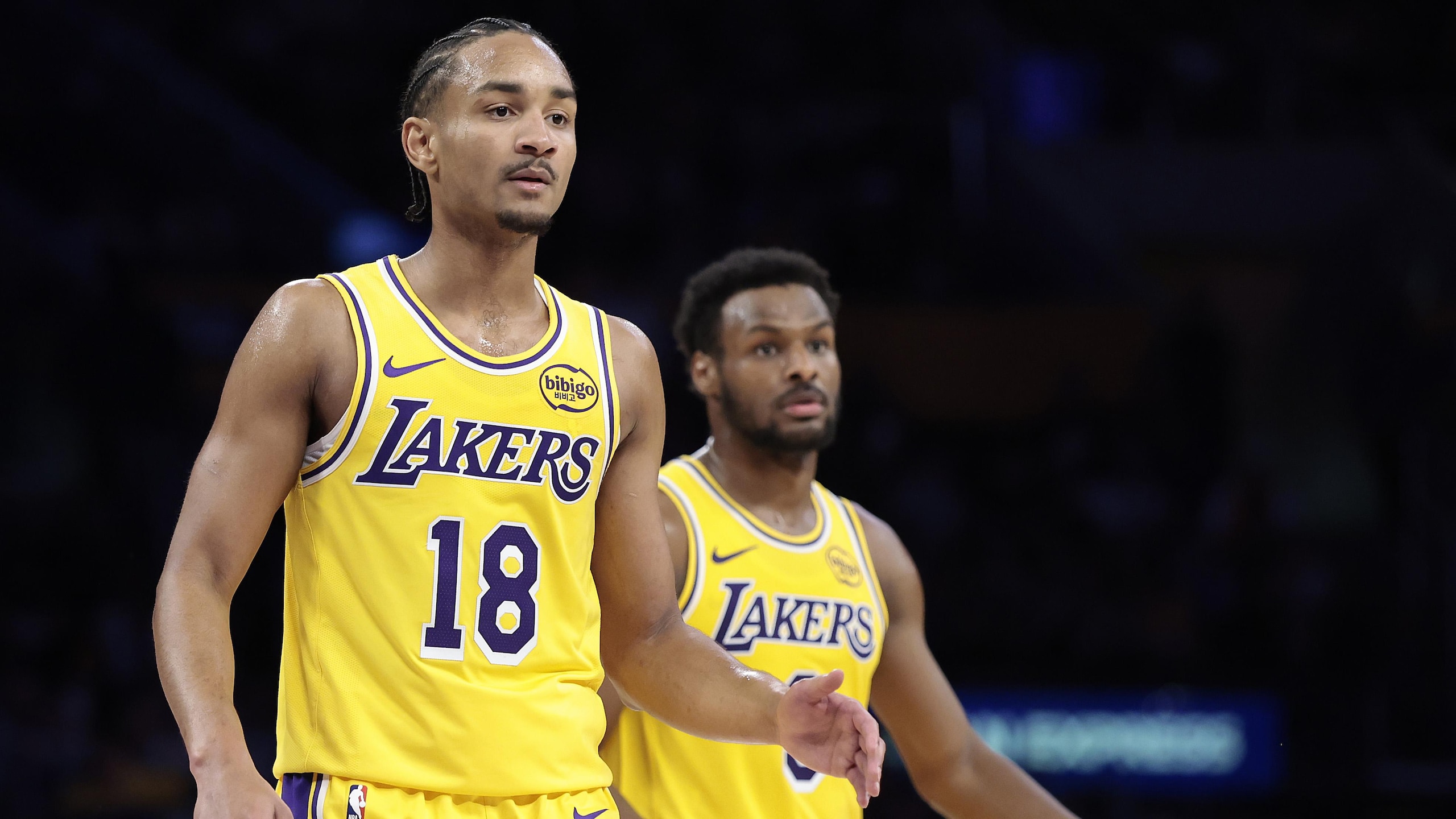
Of the 30 players selected in 2023, some didn't get through the first three years of their rookie-scale contracts. Kobe Brown (No. 30) had his fourth-year option declined by the LA Clippers, who then traded him to the Indiana Pacers with Ivica Zubac. Brown will be an unrestricted free agent in July; the Pacers cannot pay him more than the amount he declined ($4.8 million).
Others were waived outright, signing new deals with new teams like Kobe Bufkin (No. 15), Olivier-Maxence Prosper (No. 24), and Nick Smith Jr. (No. 27). Jalen Hood-Schifino (No. 17) remains available, while Dariq Whitehead (No. 22) is playing in the G League for the Oklahoma City Blue.
Email Eric Pincus at eric.pincus@gmail.com and follow him on X @EricPincus and Bluesky.
.jpg?w=2560 "Aiyuk Slammed by Ex-Teammates 😬")
.jpg?w=2560 "Report: Eagles to Sign Cowboys QB")

.jpg?w=2560 "Caleb Reposts Hype Video 🥶")
.jpg?w=2560 "Grading SmackDown 🔠")
.jpg?w=2560 "Josh Jacobs Can Play in Week 7")