
Nightmare Matchups for Potential No. 1 Seeds in the 2026 Men's NCAA Tournament
When the 2026 men's NCAA tournament bracket is released on Selection Sunday, one of the first takeaways is what's on the horizon for No. 1 seeds.
Yes, it happened last season, but rarely do all of them survive to the Final Four. Upsets tend to knock out a top-seeded team—often multiple, sometimes each one—before that coveted shot at a national championship.
Matchups make all the difference.
In 2026, the trio of Arizona, Duke, and Michigan will presumably be No. 1 seeds, and Connecticut or Florida will likely be the fourth. Throughout the group, there is a potential opponent they would love to avoid in March Madness.
The schools listed aren't destined to beat one of those top-seeded teams. However, these programs could be thorns in the second round and beyond.
Arizona Wildcats
1 of 5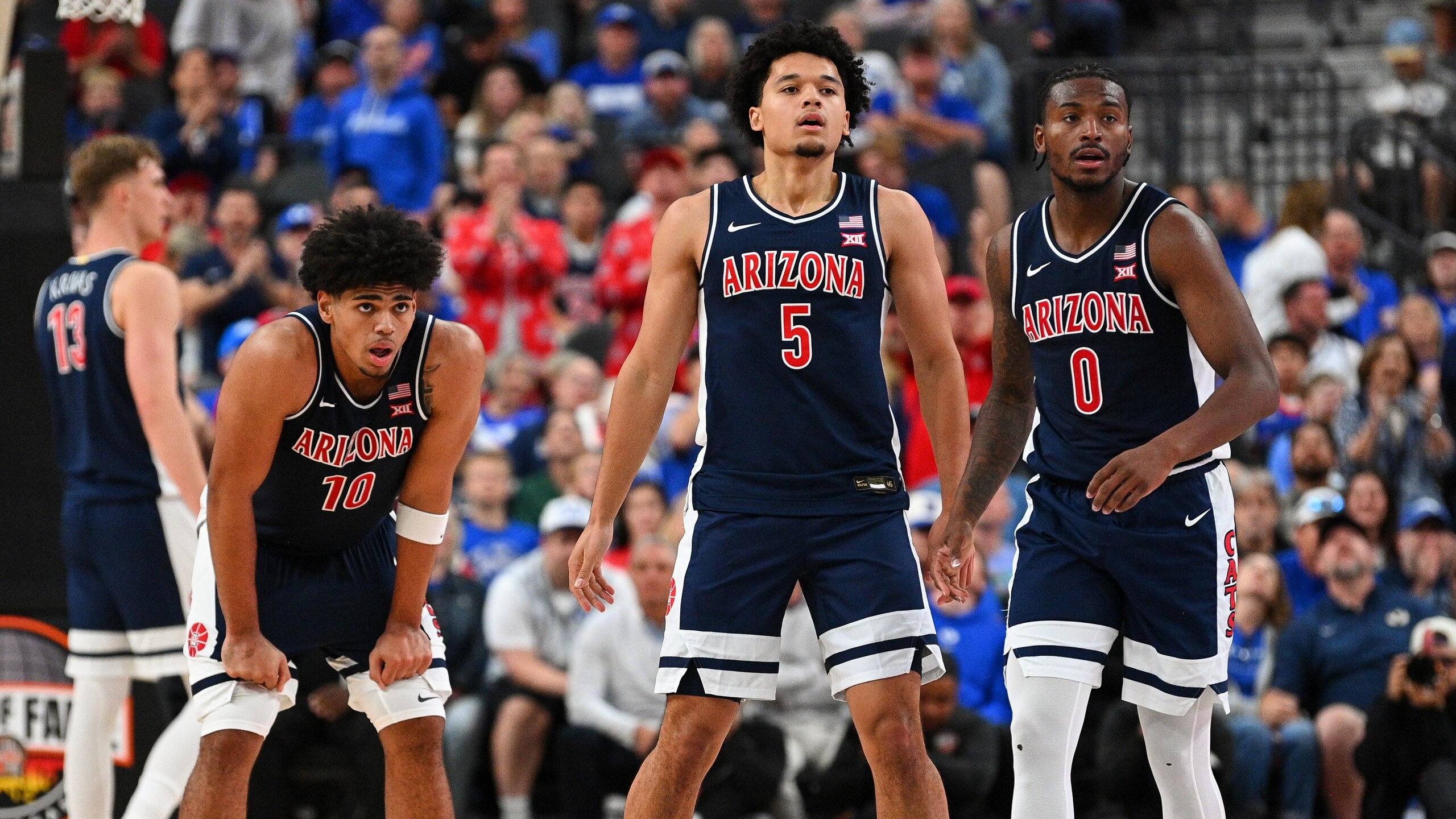
Nightmare opponent: Wisconsin Badgers
The mere mention of that stupid program from the Midwest is enough to send Arizona fans into a mental tailspin.
In back-to-back tournaments about a decade ago, Wisconsin eliminated the Cats during the Elite Eight. Arizona lost 64-63 in overtime in 2014. Then, in the 2015 rematch, Wisconsin earned an 85-78 win. If that's not enough, a top-seeded Arizona squad fell to the eighth-seeded Badgers in 2000, as well.
Oh, what a nightmare this could be.
Look, the Wildcats are an exceptional team. Jaden Bradley, Brayden Burries, and Koa Peat are each capable of carrying the offense, and even Motiejus Krivas and Tobe Awaka have had their moments. This is a serious title contender.
But what happens when the other side simply gets hot?
Wisconsin brings that type of danger, holding top-10 national marks in three-pointers made and attempted per game. Six different Badgers have knocked down three-plus triples in three-plus contests this season.
No matter where Wisconsin is seeded, it'd be a second-weekend game. Arizona would certainly love to escape these bad vibes—and that offense.
Connecticut Huskies
2 of 5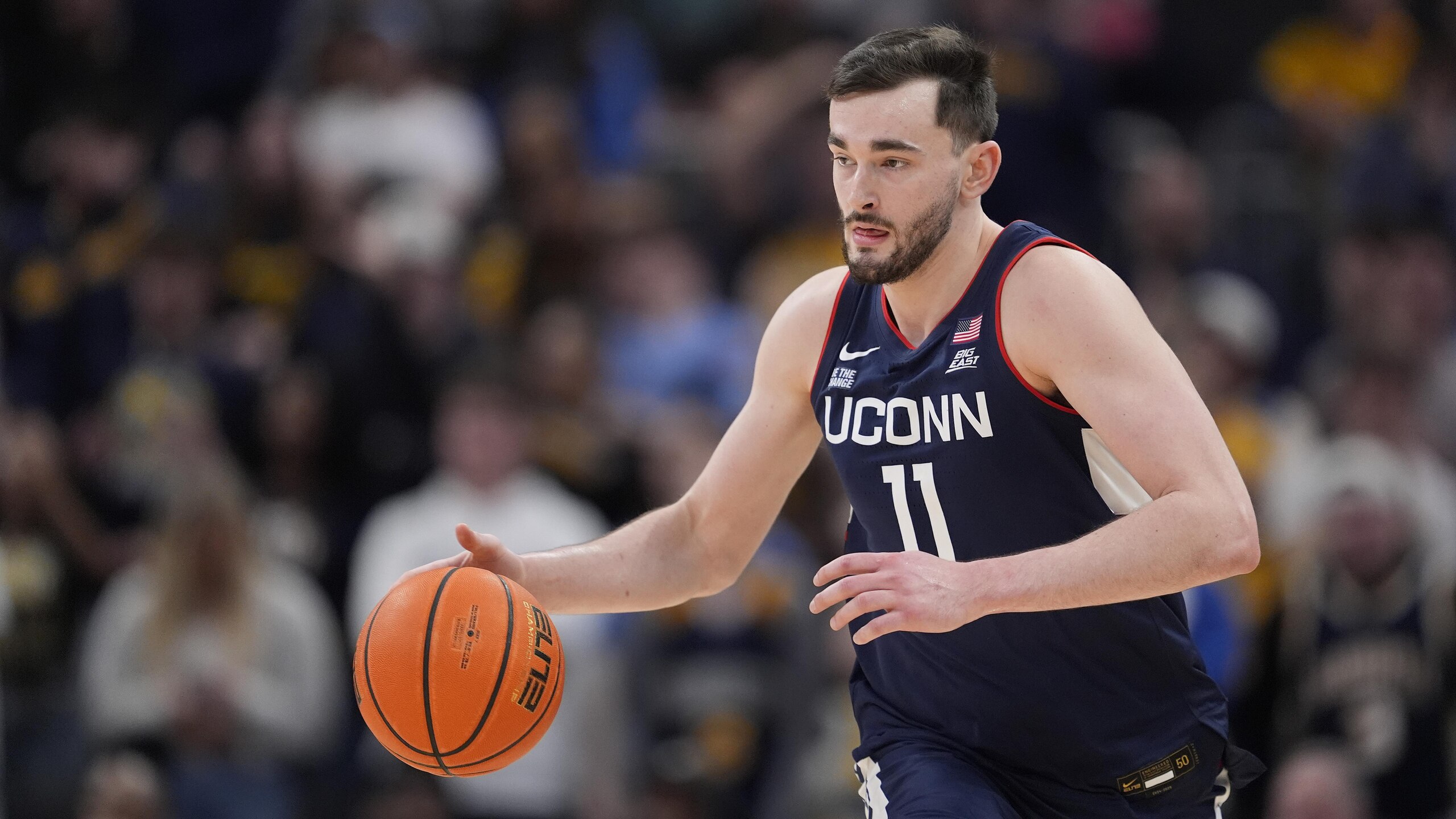
Nightmare opponent: Vanderbilt Commodores
For better or worse, Dan Hurley's team is going to play a physical game. The question is simply how often the referees are calling fouls.
That answer can have a massive impact on the outcome.
So, as March Madness approaches, UConn will be hoping for—and Hurley will be imploring—officials to have a lenient eye.
If that doesn't happen, a program like Vanderbilt is built to capitalize on a friendly whistle. Vandy owns a top-50 free-throw attempt rate nationally and, most importantly, converts them (78.3 percent) at a top-15 clip. All six players who average 20-plus minutes are 72 percent or better at the charity stripe.
Throw in the Commodores' much faster preferred tempo, and Vandy can force UConn into an uncomfortable game.
Duke Blue Devils
3 of 5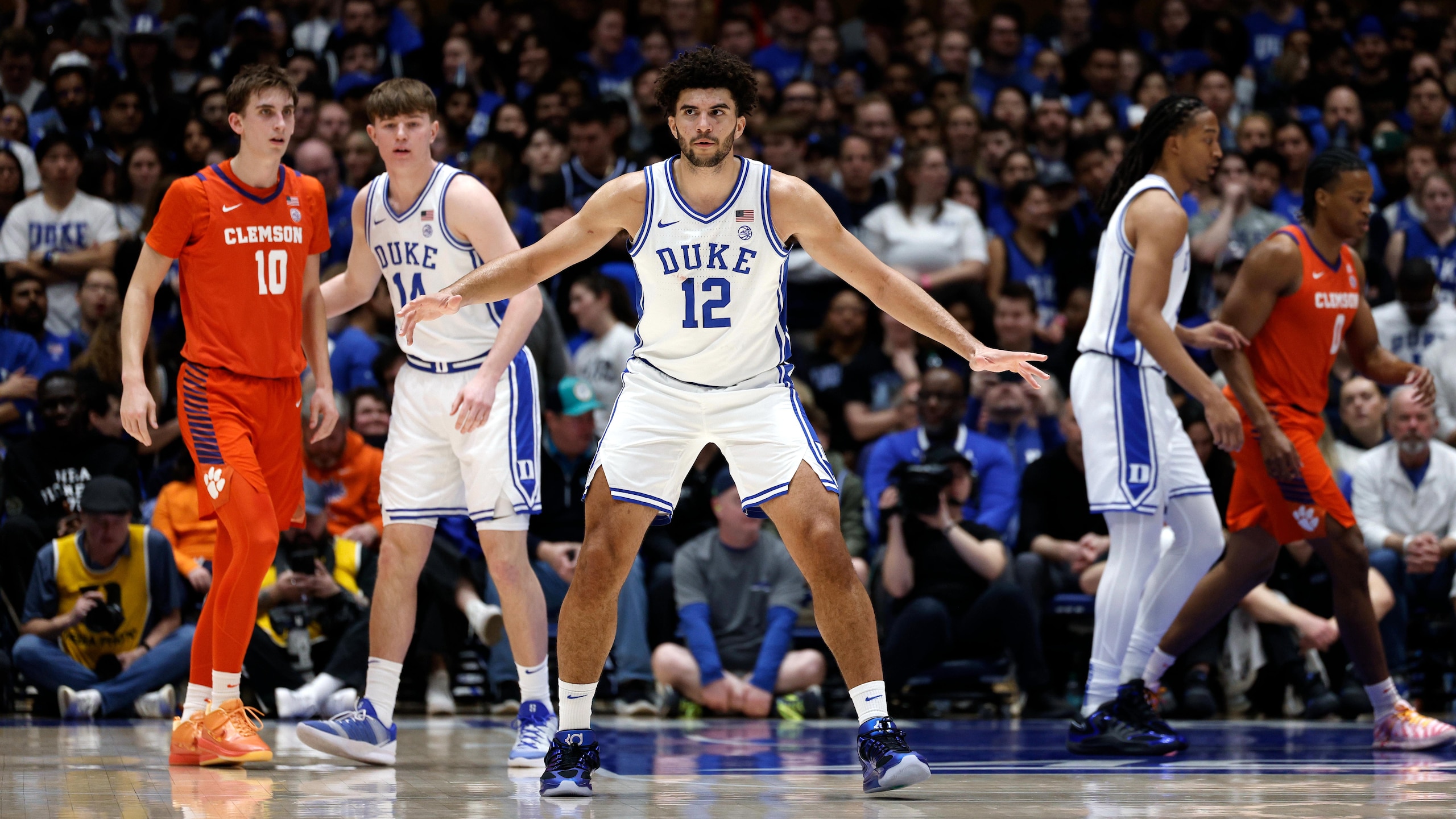
Nightmare opponent: Iowa Hawkeyes
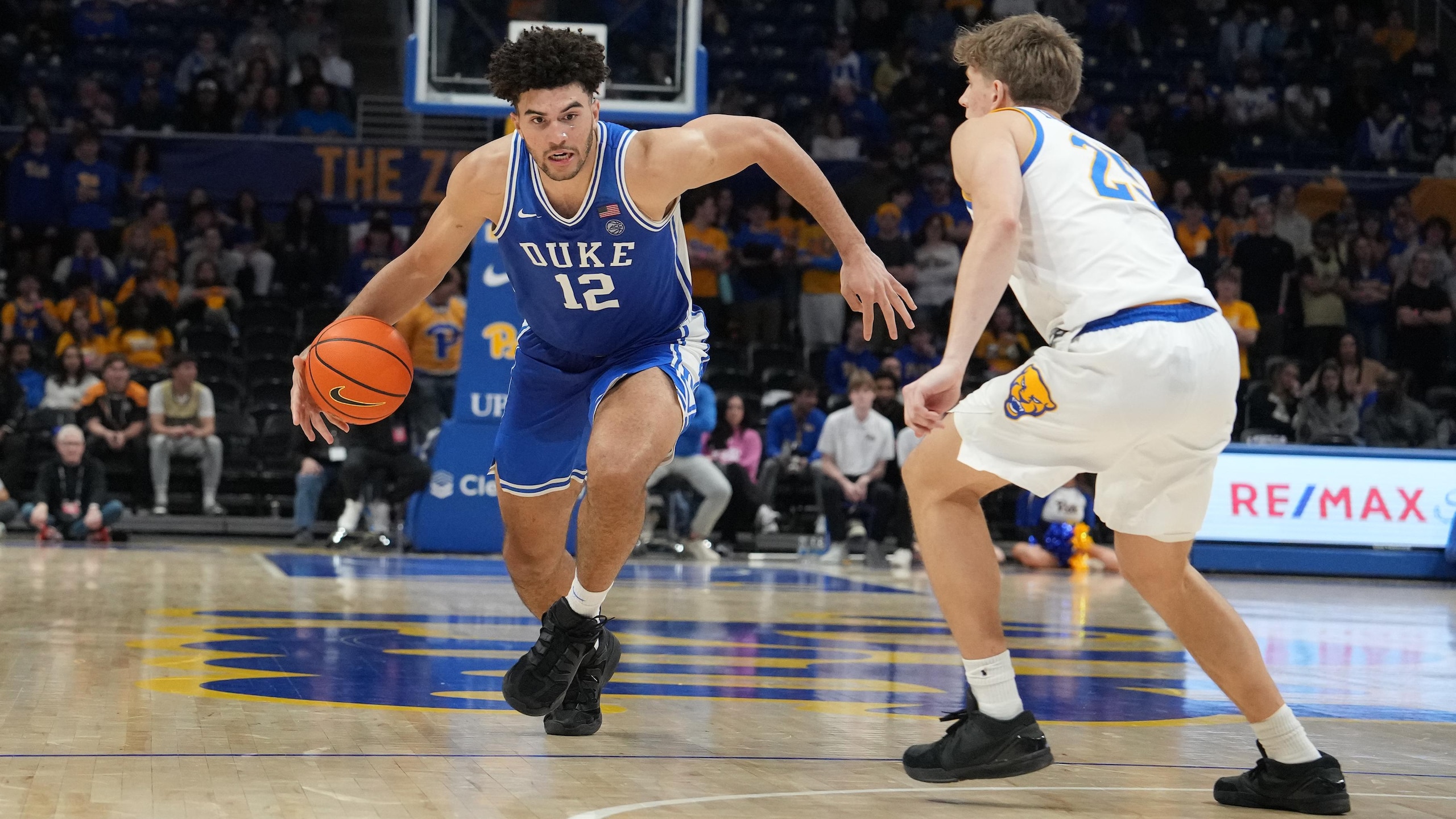
Cameron Boozer is awesome. That's the short version of complimenting the likely National Player of the Year, a future top-three NBA draft pick.
However, the Blue Devils have a simmering issue behind him. Starting guard Caleb Foster is sidelined with a foot fracture, and center Patrick Ngongba II—at minimum—is not playing in the ACC tournament.
The second-round scaries are a real concern if Duke is short-handed.
Although the Blue Devils are content with a slow tempo, a clash against Iowa would be a grinding game. Bennett Stirtz is a singular star in his own right, and the Hawkeyes—despite their offensive limitations—keep hanging around with top competition. They're not immune to bad losses, yet have taken each of Iowa State, Illinois, and Michigan to the wire.
Duke's peak is enticing, but a taxing matchup with Stirtz and a scrappy Iowa team should not be high on the Blue Devils' wish list.

.jpg?w=2560 "Lions Cardinals Football")
.jpg?w=2560 "Packers 49ers Football")
Florida Gators
4 of 5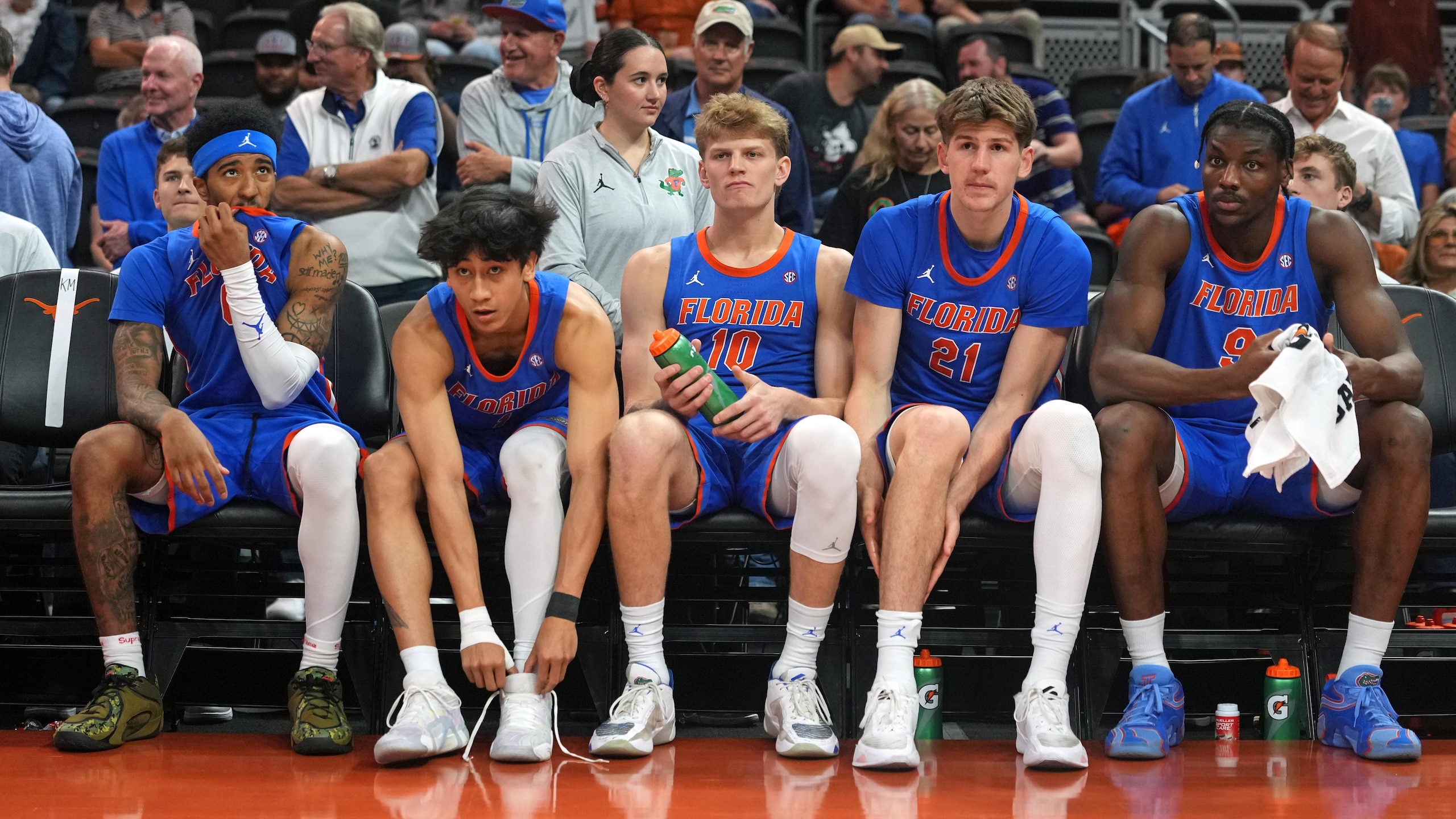
Nightmare opponent: Virginia Cavaliers
After watching the backcourt trio of Walter Clayton Jr., Alijah Martin, and Will Richard propel Florida to a national title last season, the Gators are leaning on the frontcourt this time around.
All-American candidate Thomas Haugh is averaging about 17 points, while Alex Condon is providing nearly 15 per night. Rounding out this revamped trio is Rueben Chiyelu, a double-double machine. They played key supporting roles on that championship team, but have become the leaders of this UF squad.
While the perimeter has talent, its shooting upside is questionable.
Boogie Fland and Xaivian Lee each average 11-plus points—good! They combine to attempt nine threes per game and connect at a rate below 30 percent—bad. Urban Klavzar is the Gators' only reliable perimeter option.
Virginia, meanwhile, has 7'0" Johann Grunloh and 6'11" Ugonna Onyenso, both swatting 2.4 shots per game, and 6'9" Thijs De Ridder. Getting shots at the rim against UVA is hard enough; actually making them is incredibly difficult.
Florida might win a theoretical Sweet 16 meeting anyway, but it would likely require some efficient mid- and long-range shooting.
Michigan Wolverines
5 of 5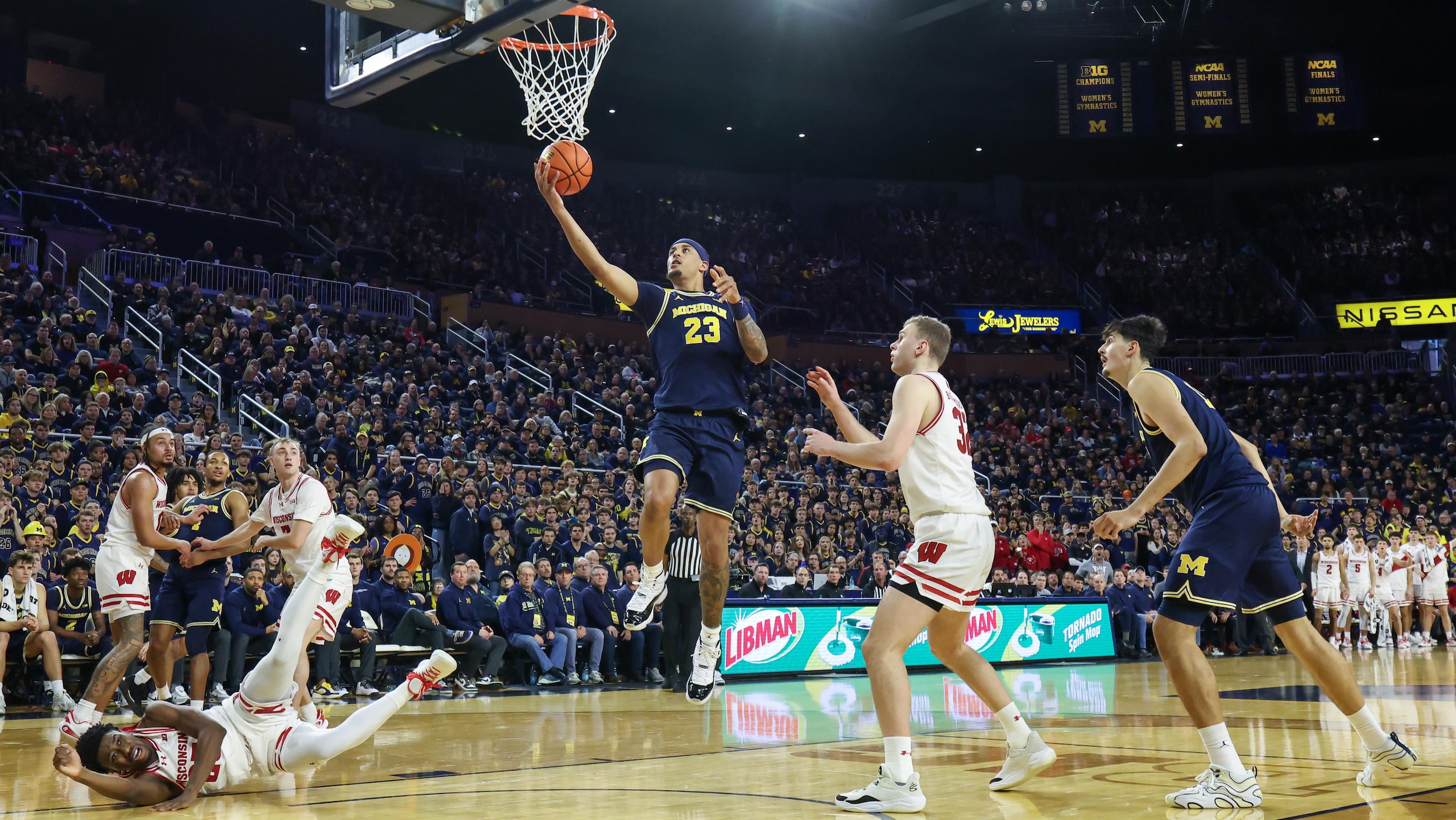
Nightmare opponent: Iowa State Cyclones
Michigan is a behemoth on both ends of the floor. That much is clear.
Among the few concerns is that the Wolverines are down a secondary creator in the backcourt. L.J. Cason is sidelined due to an ACL injury, forcing the Maize and Blue to lean a little more on Elliot Cadeau.
Cadeau is a strong facilitator at 5.5 assists per game, and he's been reasonably consistent all year—partly because of his improved three-point shooting.
Michigan's worst moments tend to coincide with his quieter games, though.
Seeing a feisty defender like Iowa State standout Tamin Lipsey would be rather annoying for the Wolverines. He just earned a place in the Big 12 All-Defensive Team after notching more than two steals per game in the regular season.
Yaxel Lendeborg and Aday Mara can facilitate some offense, but the best version of Michigan needs Cadeau. Slow him down, and ISU could spring an upset.
.jpg?w=2560 "Texans Titans Football")
.jpg?w=2560 "Broncos Chargers Football")
.jpg?w=2560 "Report: Steelers WR to Miss 'Weeks'")