.jpg?w=2560)

Reunite the Splash Brothers in Golden State? Steph, we got you...
"I wish he was still here," Steph Curry told ESPN's Anthony Slater and Tim MacMahon, referring to Klay Thompson of the Dallas Mavericks.
While an eight-team trade is overkill, after the seven-teamer that sent Kevin Durant to the Houston Rockets, why should eight be off the table?
Consider this an excuse to tie in four teams looking to get out of the luxury tax while helping the Golden State Warriors resolve the Jonathan Kuminga saga.
While luxury taxes are nowhere near as sexy as reworking the Warriors, these are arguably the most likely deals to be made before the February 5 trade deadline.
Plugging in the Utah Jazz as the Kuminga suitor, the Dallas Mavericks with Thompson, and the four looking to skirt the tax line (Orlando Magic, Denver Nuggets, Toronto Raptors, and Phoenix Suns), that's seven teams in the deal with one to go.
The final partner in this mess, the Brooklyn Nets, boast cap room and the willingness to take on salary for a fee.
If this eight-team trade idea seems too much, follow it step by step. You'll find that each leg of the journey makes a lot of sense.
Full Trade Scenario
1 of 9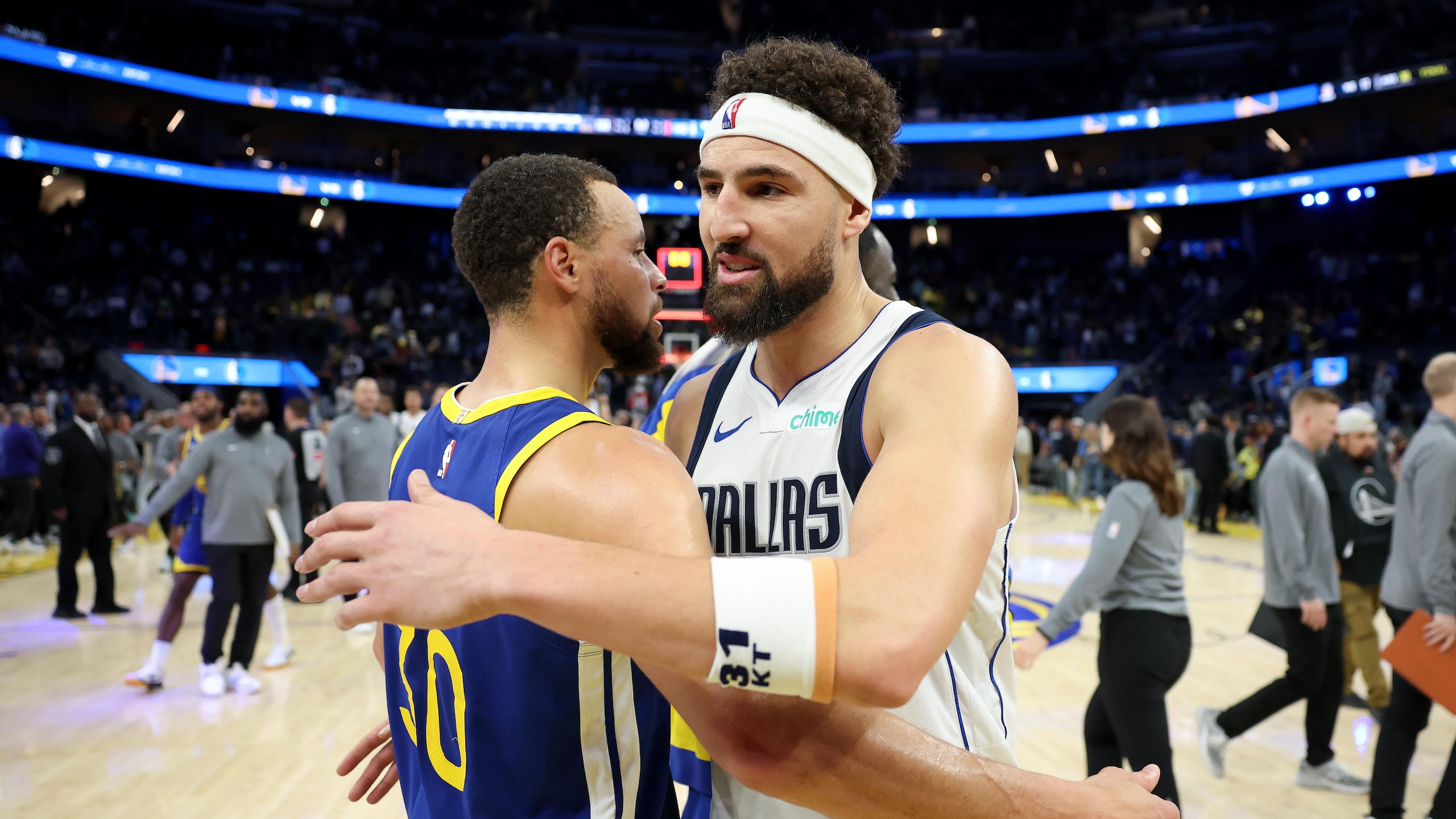
Warriors get:
Jazz get:
Mavericks get:
Magic get:
Nets get:
Nuggets get:
Raptors get:
Suns get:
Notes: The trade would be executed ahead of the February 5 deadline. The Warriors get the second-highest first in 2027 (via Utah) from the Cleveland Cavaliers, Minnesota Timberwolves, Los Angeles Lakers (5-30), and Jazz. The Nets get the lowest 2031 second-rounder via Utah (from the Phoenix Suns, Boston Celtics, Cleveland Cavaliers, or Jazz).
Before the trade, Kuminga and the Warriors amend his contract to lock him into 2026-27, yielding a $4.9 million trade bonus (paid by Golden State), increasing his cap hit for the Jazz by about $2.5 million. Utah uses the expanded trade exception from Anderson and Niang to take in Kuminga. Tyson is absorbed via the PJ Tucker trade exception; Hayes-Davis is on a minimum contract. Kevin Love is waived before the trade for roster space.
Golden State acquires Thompson, Isaac, and Sharpe via aggregating Kuminga, Hield, Horford, and Jackson-Davis, remaining below the second apron with enough room to sign Pat Spencer to a rest-of-season contract. Temple, who was re-signed for one year in Toronto at the minimum, approves the trade to Golden State. Sharpe and the Nets also amend his contract to lock in his 2026-27 season before the trade, preserving his full rights with the Warriors.
The Magic take in Hield for Isaac, generating the trade exception for the difference in salary, and Highsmith via Howard's expanded trade exception.
The Mavericks take in Thomas and Pickett for Thompson, waiving Dante Exum (out for the season with a knee injury) for roster space. Thomas approves the trade from the Nets. Brooklyn uses cap room to take in the five players, waiving Jalen Wilson and Tyrese Martin to open the roster spot (though they could be traded elsewhere before this deal). The Nets are still about $2.3 million under the cap after the deal.
The Nuggets, Raptors, and Suns would need to get their roster back to 14 (or 15); some will play the 10-day contract game to account for incentives that may be earned (notably Cam Johnson in Denver).
Why the Golden State Warriors Do It
2 of 9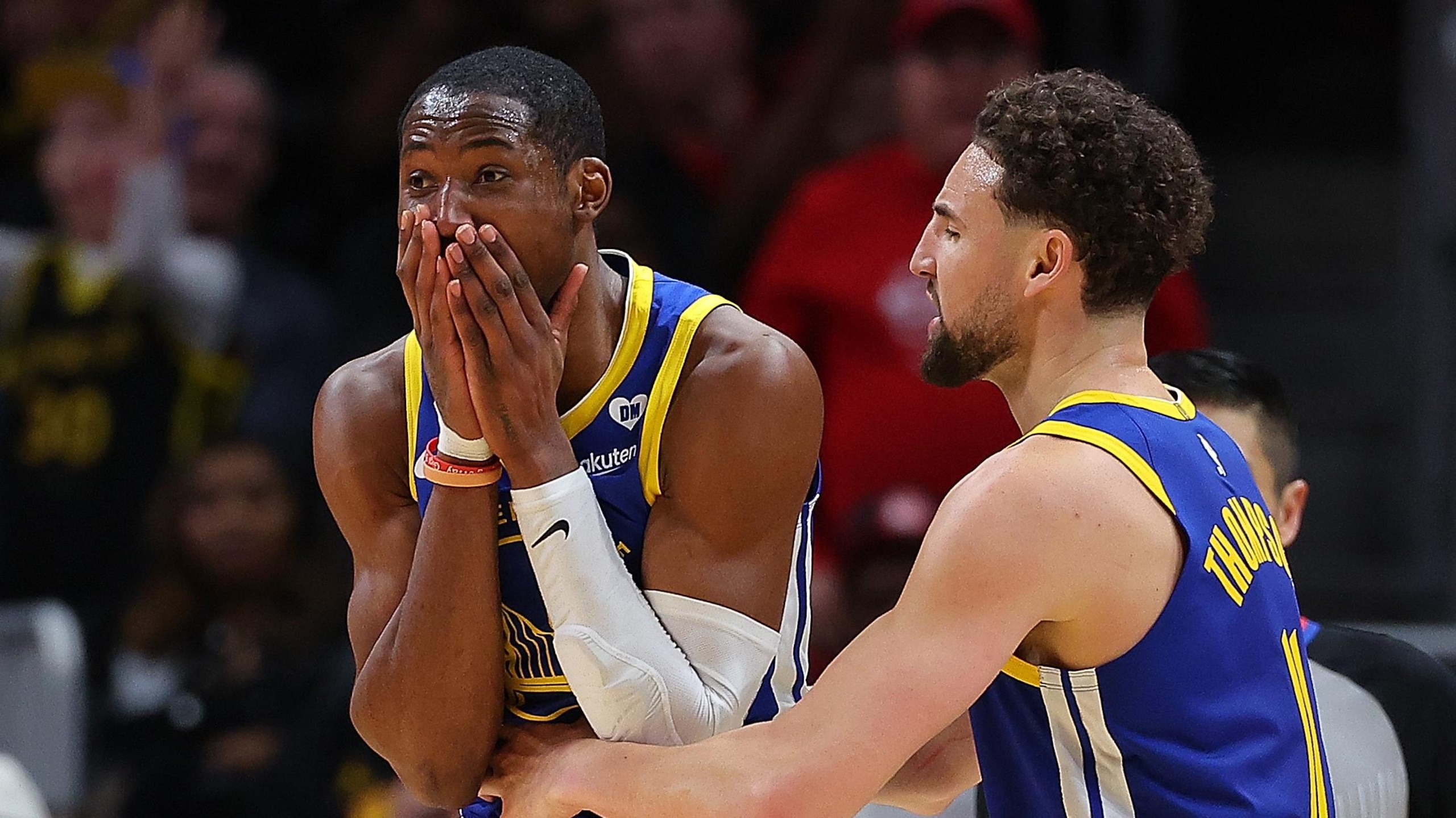
The Warriors are not nearly as strong in the Western Conference as hoped. Injuries have played a role, notably the loss of Steph Curry (quadriceps) for a stretch, but the team needs to improve ahead of the deadline.
The Warriors satisfy Curry's wishes, getting Thompson to replace Hield, who has struggled to hit shots this season. The trio (with Draymond Green) would be on the path to close their historic runs together through the 2026-27 season, provided Green opts into the final year of his contract.
Perhaps more importantly, the team gains necessary closure on the drawn-out Jonathan Kuminga saga, which left him a restricted free agent for most of the summer and currently has the 23-year-old forward out of coach Steve Kerr's rotation.
Dealing Kuminga would yield a future first-round pick and help bolster the frontcourt with Jonathan Isaac and Day'Ron Sharpe. Isaac is a strong defender with a flexible contract; Sharpe is a high-rate rebounder in low minutes (perhaps providing what was lost with Kevon Looney leaving for the New Orleans Pelicans in free agency).
Temple is a well-respected locker room vet who is needed to make the complex multi-team trade work. The Warriors would have one roster spot open for Pat Spencer, staying below the team's second-apron hard cap ($207.8 million).
Should Green opt into the final year of his contract, the Warriors project to be just below next year's second apron ($223.1 million) with nearly the same roster returning.
Why the Utah Jazz Do It
3 of 9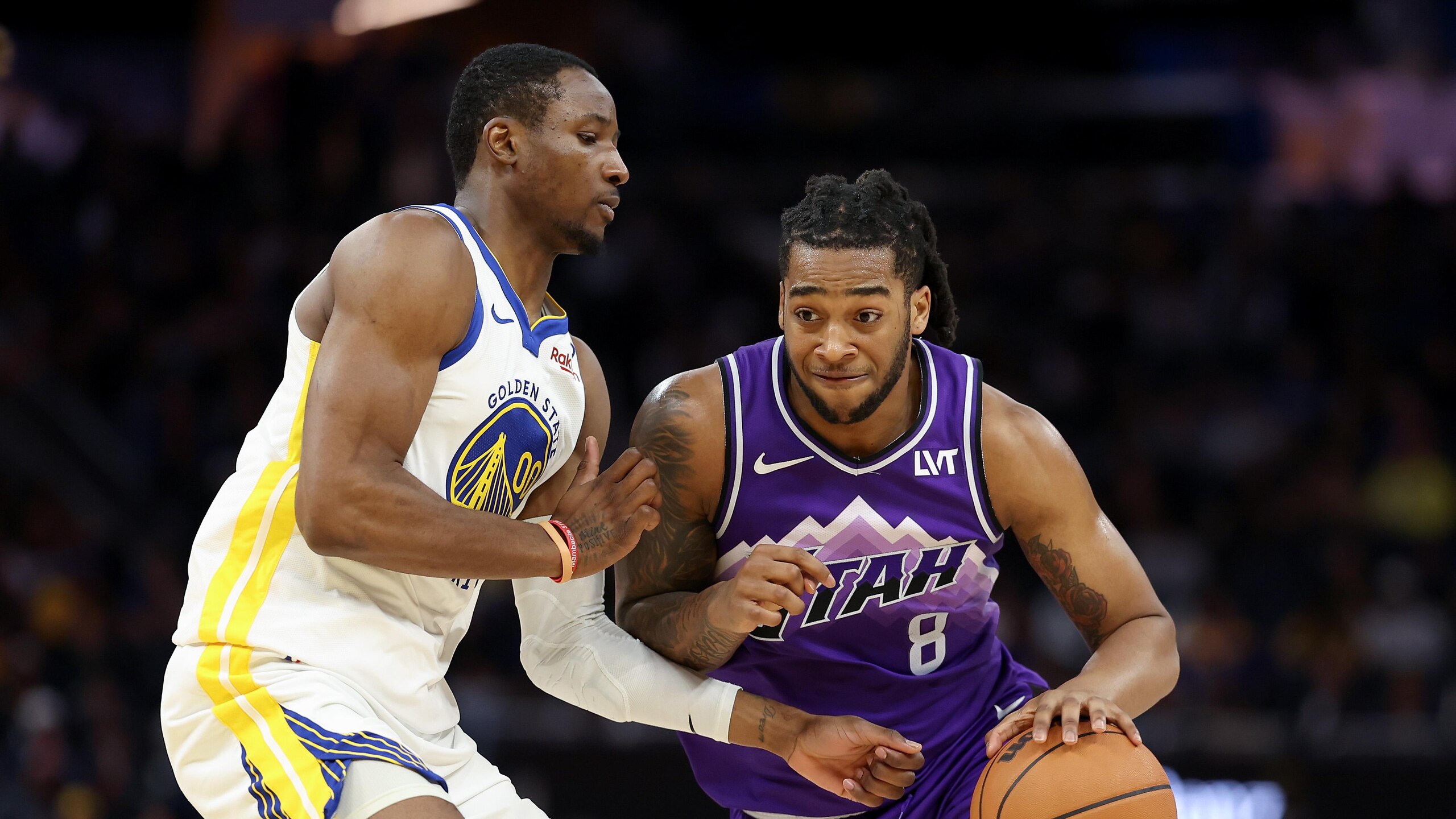
The Utah Jazz are an in-between franchise.
With veteran talent such as Lauri Markkanen and exciting young players like Keyonte George and Ace Bailey, Utah may be too good to bottom out in the lottery but not quite seasoned enough to make a playoff run.
Still, improving the squad to push for a play-in berth by adding the 23-year-old Kuminga is worth giving up one of the team's second-best future firsts in 2027.
While Utah has an eye on cap room in 2026, the market may not have a long list of attainable, viable talent. Kuminga may not fit with what the Warriors are doing, but he'd have the freedom to thrive in Utah. The team would have the power to reach about $20 million in cap room in July, with him on the books.
The Jazz part with veterans in Anderson, Niang and Love (waived before the deal), while getting a look at Tyson and Hayes-Davis.
.jpg?w=2560)
Why the Dallas Mavericks Do It
4 of 9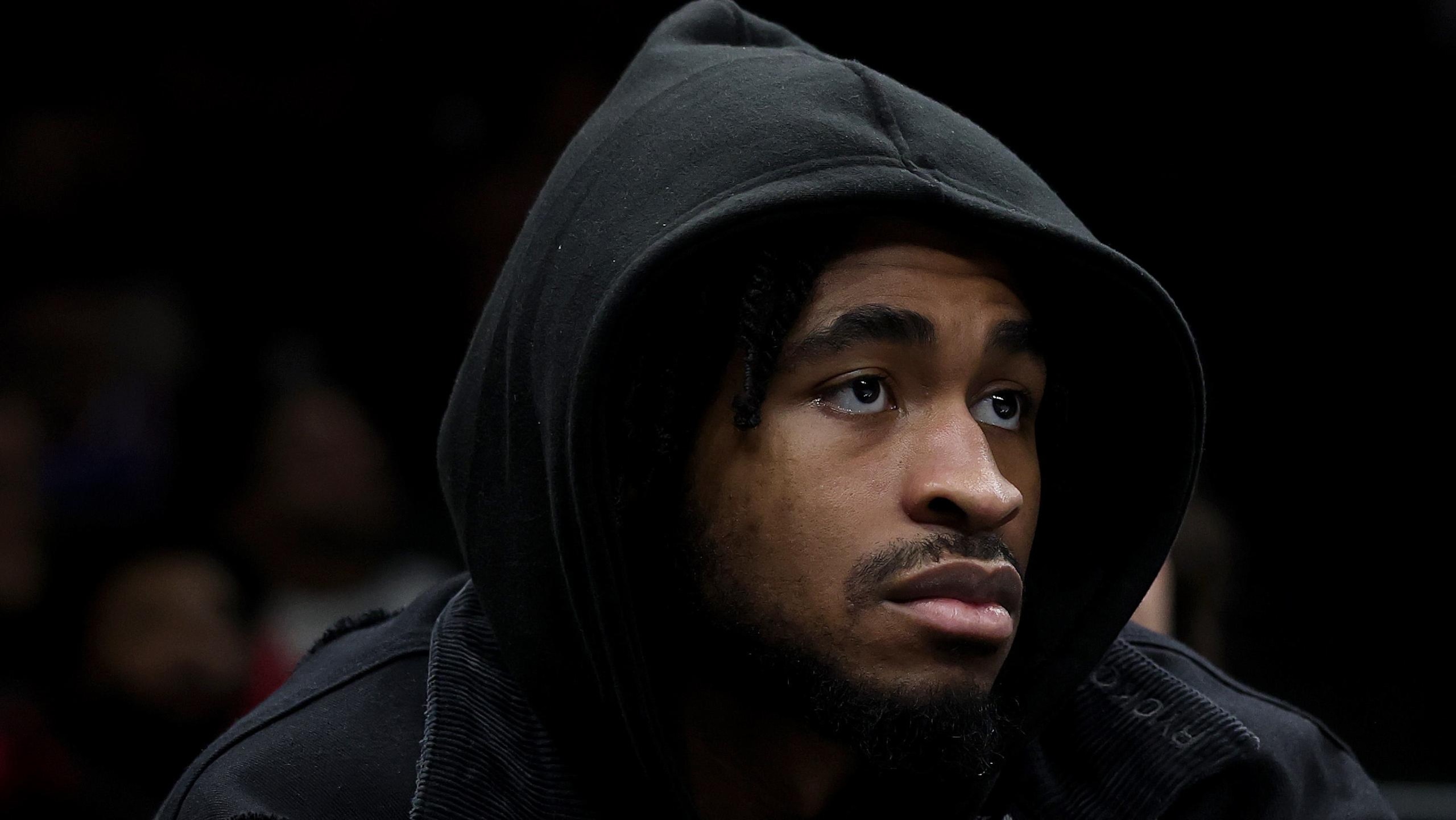
Dallas is trying to climb back into the play-in range, but the season has been disappointing thus far.
Cooper Flagg is a tremendous rookie, but the team is carrying a heavy payroll this year and next for an unproductive product—the franchise projects to be in second-apron territory next year.
Getting Thompson off the books for 2026-27 adds flexibility. While the 35-year-old provides floor spacing, that might be a luxury, given his age, waning defensive mobility, and contract.
Cam Thomas, 24, is a straight bucket-getter. While he isn't known to be a defensive force, Dallas has the interior presence (when healthy) to help protect the basket.
Due to the one-year Bird rule, the Mavericks wouldn't gain Thomas' full rights. That limits what the team can pay him to $7.2 million. Still, the franchise can move contracts around this summer (perhaps sending out Daniel Gafford) to keep him at the non-taxpayer mid-level exception (estimated near $15 million).
Thomas, who is averaging over 21 points a game, is a worthy upside play. Some close to the team anticipate his hamstring issues will clear up once traded.
Regardless, clearing Thompson's contract is a necessary move from an apron perspective.
Why the Orlando Magic Do It
5 of 9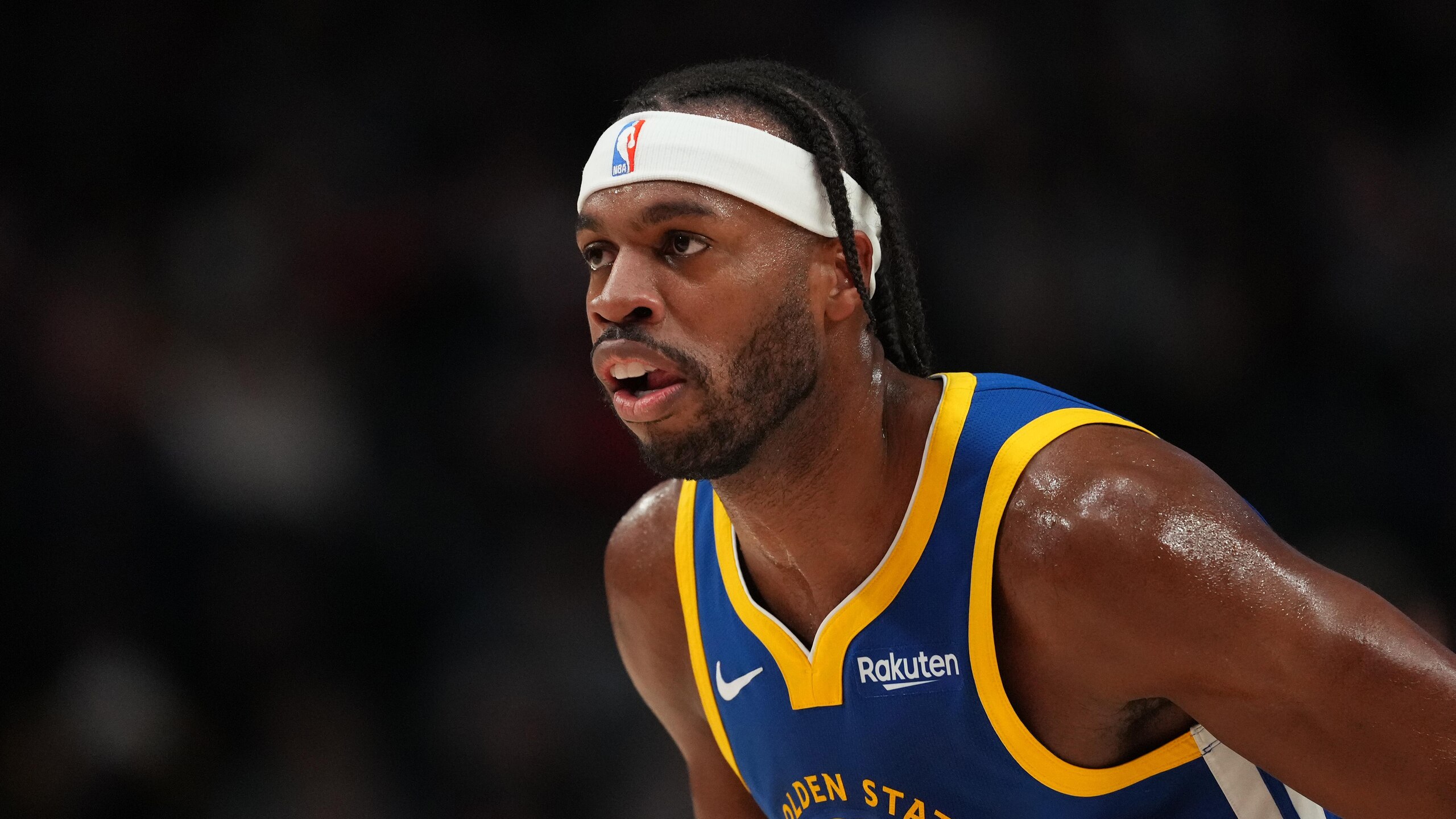
Historically, the Magic don't pay luxury taxes. The team believed investing in Desmond Bane would provide the shooting needed to elevate the franchise in the East. The Magic have been good, but not quite at the level hoped.
Hield's shooting dip in Golden State may have more to do with role and situation than diminishing skill. He'd provide another helpful floor spacer, while Highsmith brings playoff-tested wing defense (along with opportunistic scoring). Highsmith has been sidelined (knee), but he may return before the end of 2025.
Both are on team-friendly contracts, helping the Magic get under the tax. Currently, the 16 franchises under the threshold are projected to get a $14.1 million distribution, strong motivation for the Magic, Nuggets, Raptors, and Suns (all close to the line).
The cost to Orlando is Isaac and Howard, both playing just over 10 minutes a game, getting the franchise below the tax without sending out any draft considerations.
One final catch: If the Magic win the title this season, Bane's $1.2 million incentive would push them back over the tax line. That's a penalty the team would welcome.
Why the Brooklyn Nets Do It
6 of 9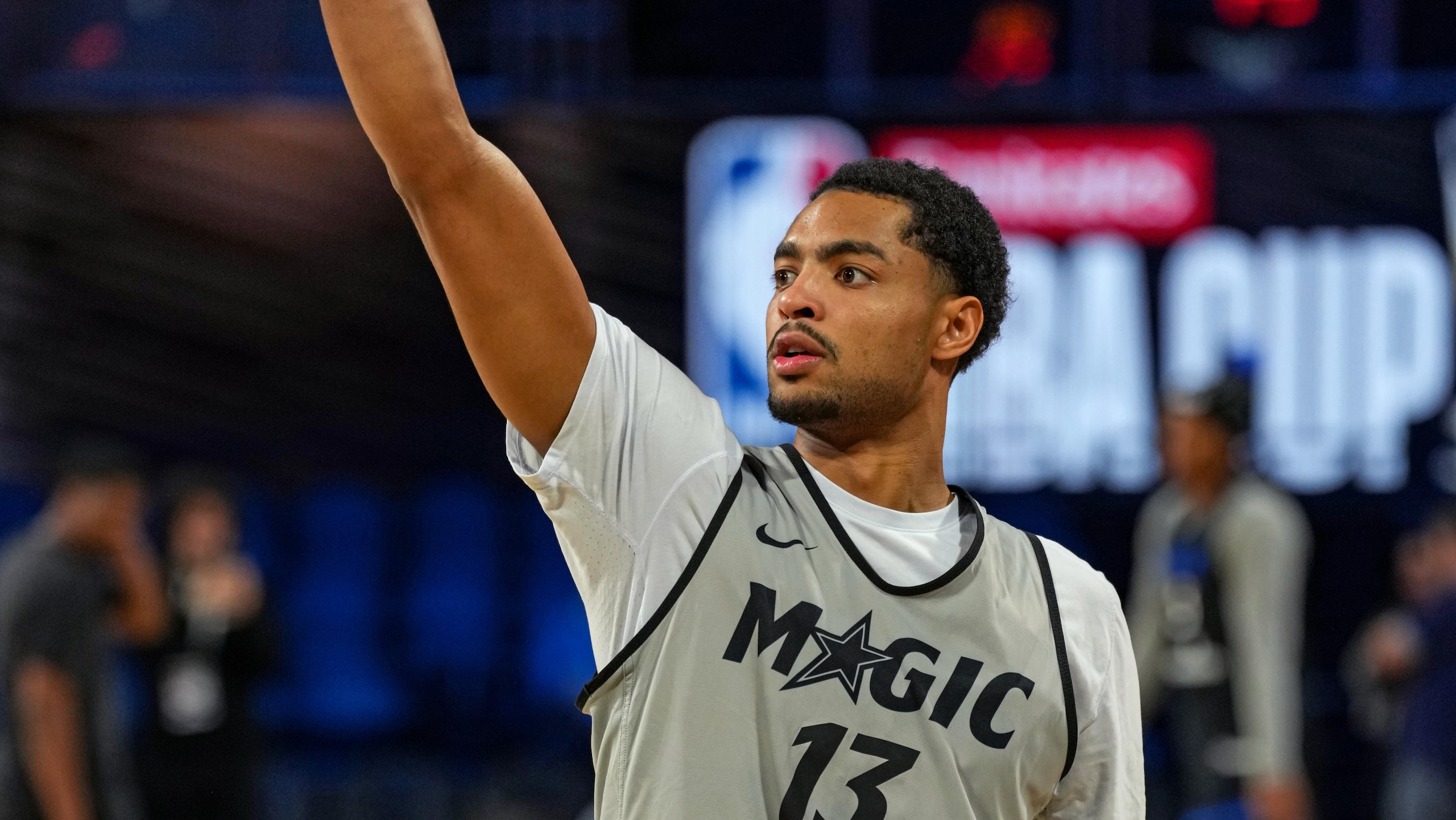
The Nets have been a popular team for theoretical trades, armed with cap room to take on unwanted contracts for young players and draft compensation. By facilitating this monstrous deal, Brooklyn takes in the maximum allowed in cash from the Raptors, Nuggets and Suns.
Additionally, the franchise gets a look at two younger players in Jackson-Davis and Howard (whose father, Juwan Howard, is an assistant coach with the team), plus four second-round picks. Thomas, Sharpe, and Highsmith don't appear to be part of the team's long-term plans. Niang's contract is expiring; Anderson's isn't guaranteed for 2026-27, but Horford may be likely to pick up his $6 million player option.
Why the Denver Nuggets Do It
7 of 9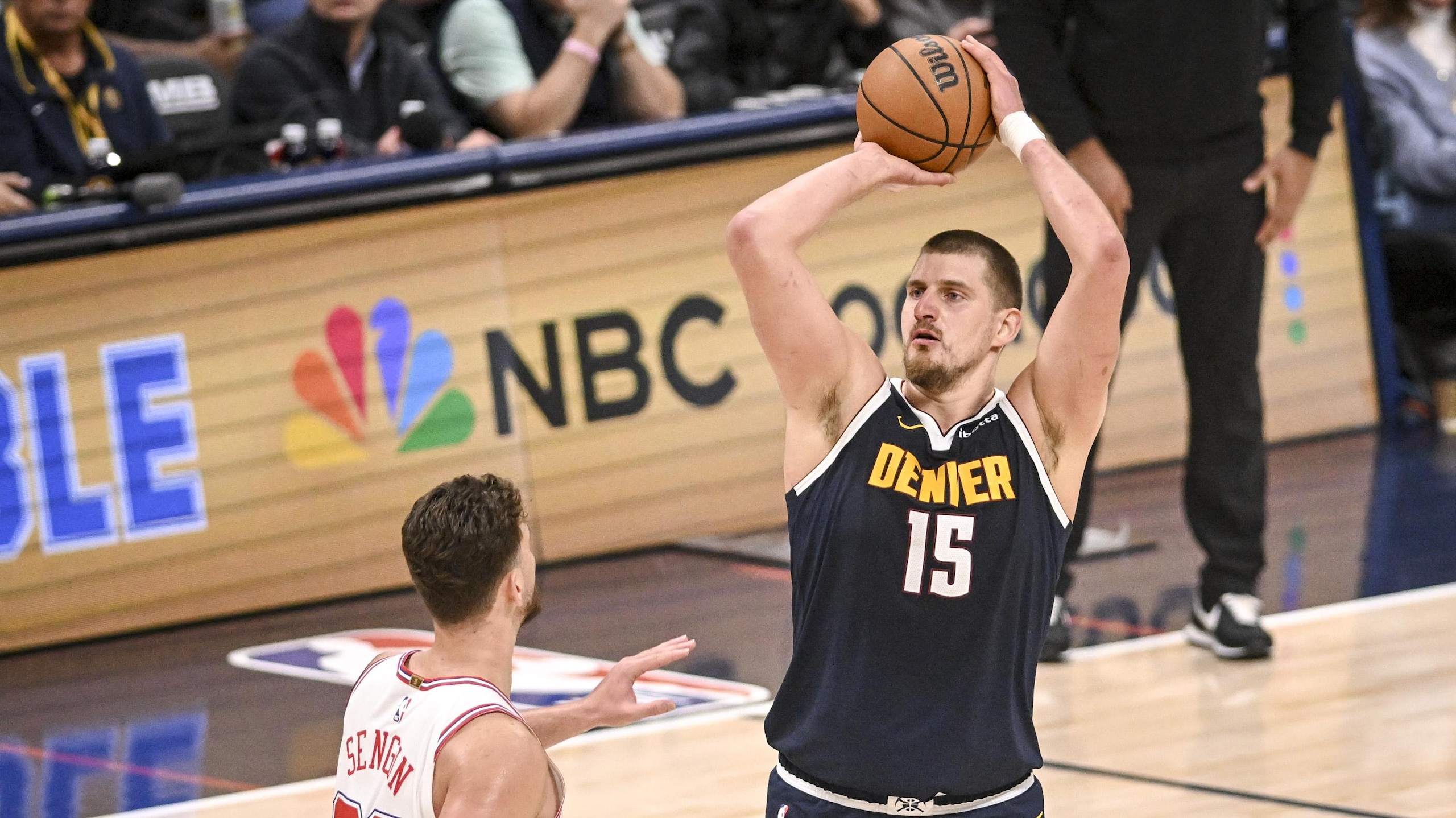
Denver has paid tax in each of the last three seasons. Getting under would help reset the repeater penalty (an additional $2 for each $1 spent over the line). While the team may search for a taker for Zeke Nnaji, the size and length of his contract may be too costly for the asset-starved Nuggets to move.
Complicating matters, Aaron Gordon has a $1.2 million bonus if the team wins the title (one they're happy to pay), and Cam Johnson boasts a laundry list of incentives that could pay him an additional $3.6 million. Based on current projections, the best-case scenario for the forward is that he'll reach an additional $1 million.
Getting out of Pickett and Tyson, who aren't regular rotation players, would allow Denver to get under the tax and back to 14 players through a series of 10-day and rest-of-season contracts (perhaps to veterans capable of plugging in holes in the rotation). Beyond the cost of giving up on a couple of prospects, the Nuggets send $2.7 million to the Nets.
Why the Toronto Raptors Do It
8 of 9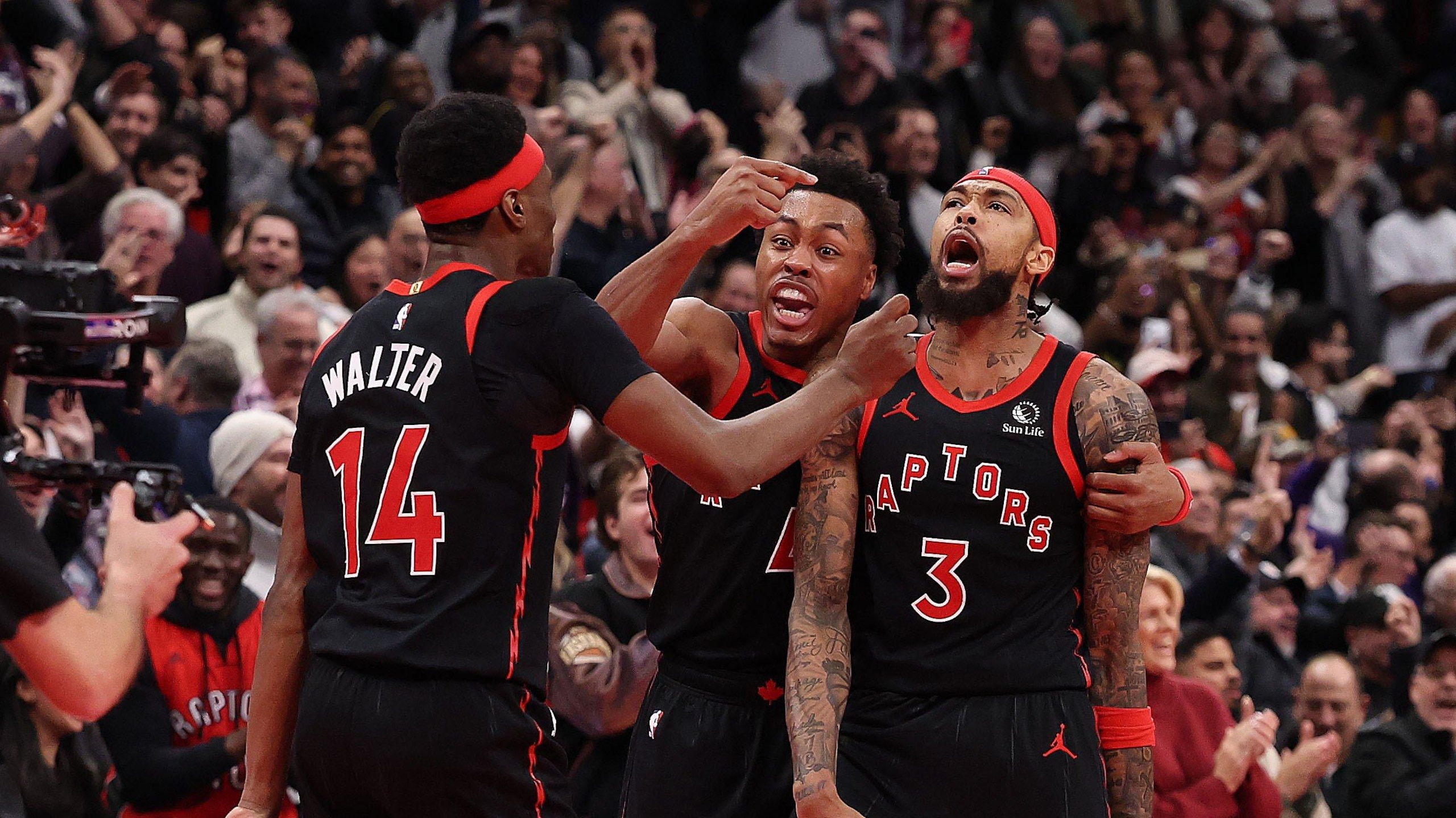
The Raptors have bounced back from a difficult 2024-25 campaign, investing heavily in Brandon Ingram. At about $772,000 over the tax, Toronto may find it difficult to justify losing out on the tax distribution (perhaps in the $11-14 million range) for a high-quality locker room veteran like Temple. Instead, he gets the chance to compete with Curry and the Warriors.
Unlike the Nuggets, who are giving up two young players, the Raptors send the Nets a second-round pick in 2026 via the Lakers. Toronto can sign a couple of veterans to round out the roster within 10 days of the trade without climbing back into the tax (despite various incentives within RJ Barrett, Immanuel Quickley and Jakob Pöltl, that do not project to be reached this season).
Why the Phoenix Suns Do It
9 of 9
Finally, Phoenix nearly moved mountains to get a hold of its finances after three years of significant penalties. Despite lower payroll, the team is significantly better on the court. Still, the Suns didn't get all the way under the line (nearly $274,000 over).
Sending Hayes-Davis to the Jazz and $5 million (split between the Nets and Jazz) to close out this massive eight-team saga. The Suns can add another player or two for the rest of the year, though they need to be mindful that Dillon Brooks will earn $1 million once the squad makes the playoffs. Also, Royce O'Neale will get another $500,000 with an NBA title.
Email Eric Pincus at eric.pincus@gmail.com and follow him on X/Twitter @EricPincus.
.jpg?w=2560 "Travis Hunter Makes Rare History")
.jpg?w=2560 "Jameis Benched by Giants")
.jpg?w=2560 "NFL Addresses Paris Concerns")
.jpg?w=2560 "McCarthy Injured During Game")

.jpg?w=2560 "Updates from EVERY NFL Game 🏈")
.jpg?w=2560 "Titans Win 1st Game 🙌")