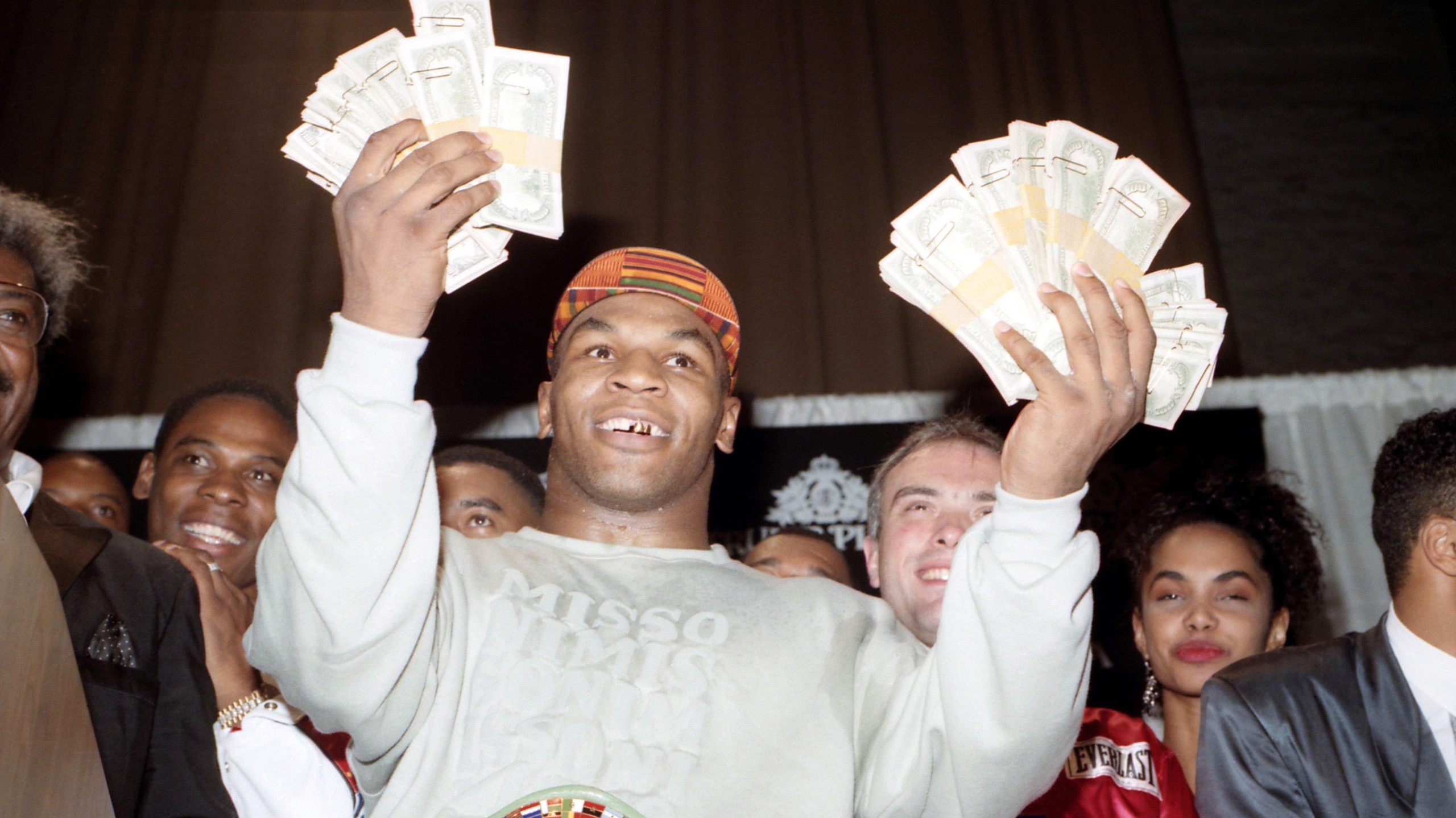


The most menacing fighter of a generation. Among the most recognizable heavyweights in decades, if not ever. One of the sport's unforgettable personalities.
Those are some things that Mike Tyson is.
But here's one thing that he's not: One of the 50 greatest fighters in history.
TOP NEWS

J-Dub Suffers Gruesome Injury
Contenders starting to separate themselves after Week 7

Geno Explains Wilson Exchange
Though images of him bouncing Trevor Berbick like a ball or reducing Michael Spinks to a semi-conscious puddle are burned into the brains of fans of a certain vintage, there's a significant difference between the chaos he created against the rank-and-file of the late-80s/early-90s and the accomplishments of fighters on our definitive all-time list.
It's the difference between titillation and transcendence, Webster's style.
Tyson's train wrecks were surely an excitement or stimulation for the mind or senses, but they don't leap beyond the limits of ordinary experience.
And we're not the only ones who think so.
"While his cultural impact upon the sport is undeniable," Kevin Iole, a member of the International Boxing Hall of Fame's Class of 2026, told Bleacher Report, "he lacks the quality wins over elite opponents that many of those in the top 50 possess."
Still, no fighter in recent memory has an aura so fiercely protected.
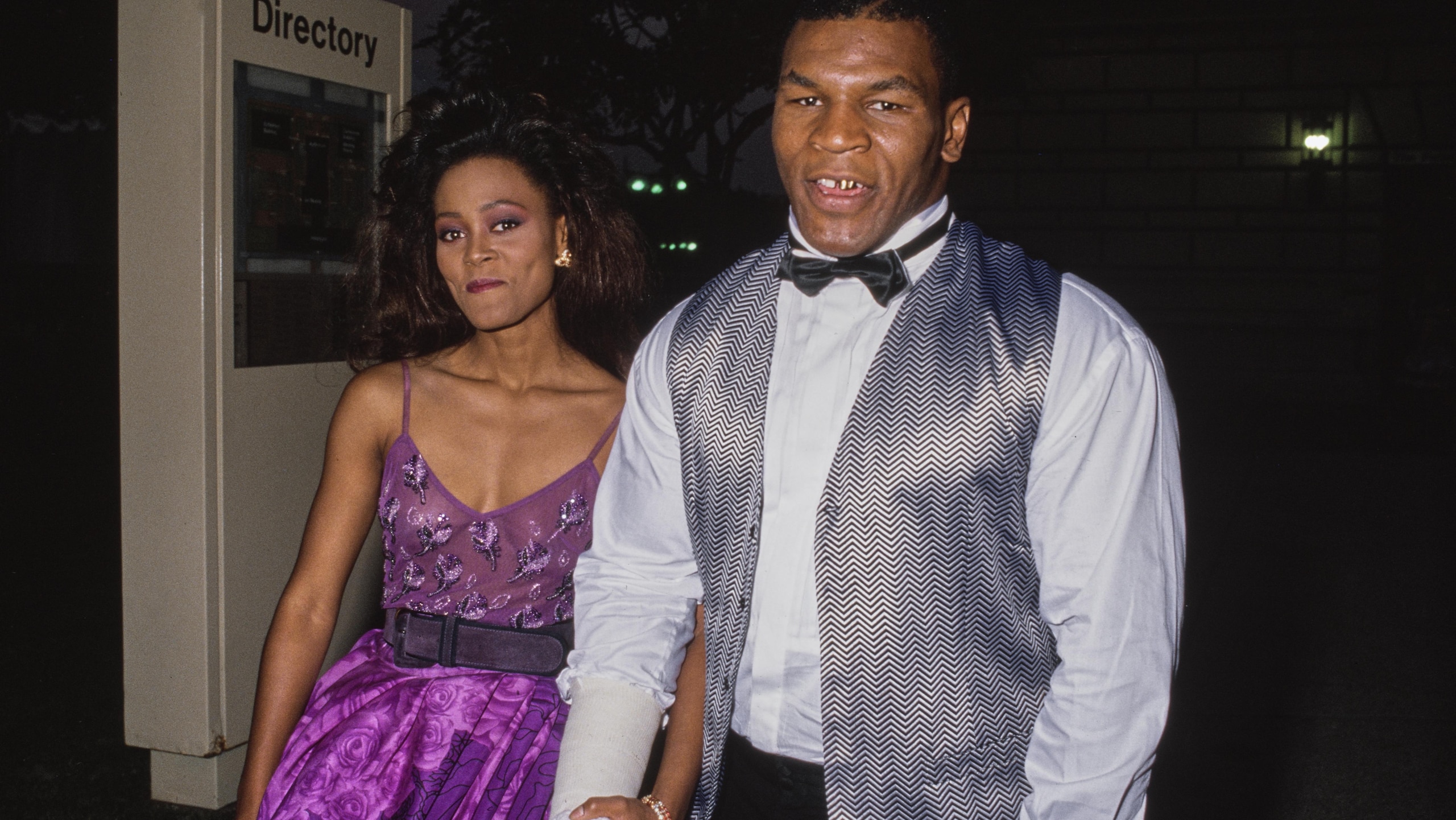
Card-carrying Tyson apologists—including those who write for a living—will go to any length to ensure only specific moments are included in his career retrospective, as if anything after the instant he met Robin Givens must be ignored.
Buster Douglas? Doesn't count.
Evander Holyfield? Never happened.
Lennox Lewis? Forget it.
Danny Williams and Kevin McBride? Don't even bother.
The 1,177 days on which Tyson was an unbeaten champion, though? They're recalled as if he were a bulletproof meld of Joe Frazier, Sonny Liston, and the Tasmanian Devil, marauding through what's presented as the sturdiest crop of contenders in heavyweight history.
However, the reality is far less fearsome, considering he went 12 rounds with the likes of Bonecrusher Smith and Tony Tucker and finished the same flotsam and jetsam—namely Pinklon Thomas, Tyrell Biggs, Tony Tubbs, Frank Bruno and Carl Williams—that also lost title bouts to Berbick, Tim Witherspoon, Lennox Lewis and Larry Holmes.
In other words, he beat the guys everyone else beat, just more viscerally.
And as for his impressive wins in 50/50 fights, well…never mind.
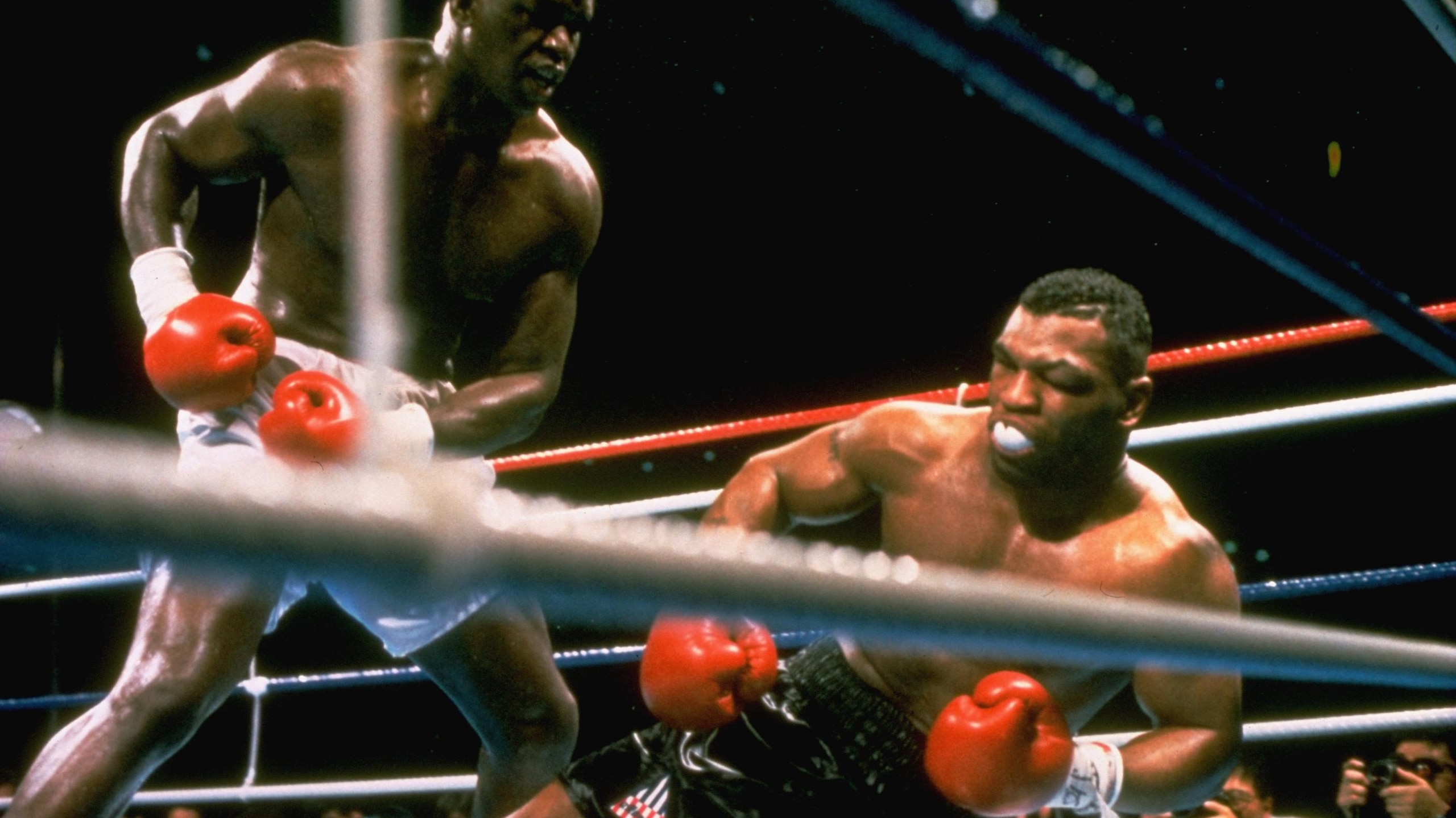
Tyson didn't conquer any foes who were better than marginal threats going in, romping over Spinks as a 4-to-1 favorite and a 38-year-old Holmes as an 8-to-1 choice in what are often labeled as signature wins.
By contrast, he was thrashed bell to bell by sizable underdog Holyfield in their first fight and a legendarily prohibitive 42-to-1 Douglas in Japan.
He never got off the floor to salvage a fight like Holmes or Joe Louis did, and assertions that marital discord and legal issues excuse his in-ring flops seem ridiculous when compared to the genuine adversity faced and handled by Muhammad Ali, George Foreman, or even Holyfield.
The mismatches that launched Tyson's career in 1985 were curated for presentation on the nightly 11 o'clock news, minting a new star and tilling the ground for those who later insisted on ignoring reality—even alongside dubious pre-reign results against the otherwise forgettable James Tillis and Mitch Green.
To a non-mesmerized audience, those are not the markers of an all-time great.
Instead, we'd contend genuine preeminence must be forged and given context by the quality of the rivals.
And with that measure as our list-worthy baseline, one thing resonates clearly: When mayhem translates to mettle, Iron Mike comes up iron-deficient.
.jpg?w=2560 "Rams Raiders Football")

.jpg?w=2560 "Rodgers Iced Out on Plane 💎")


.jpg?w=2560 "🚨 Week 8 AP Top 25 Poll")