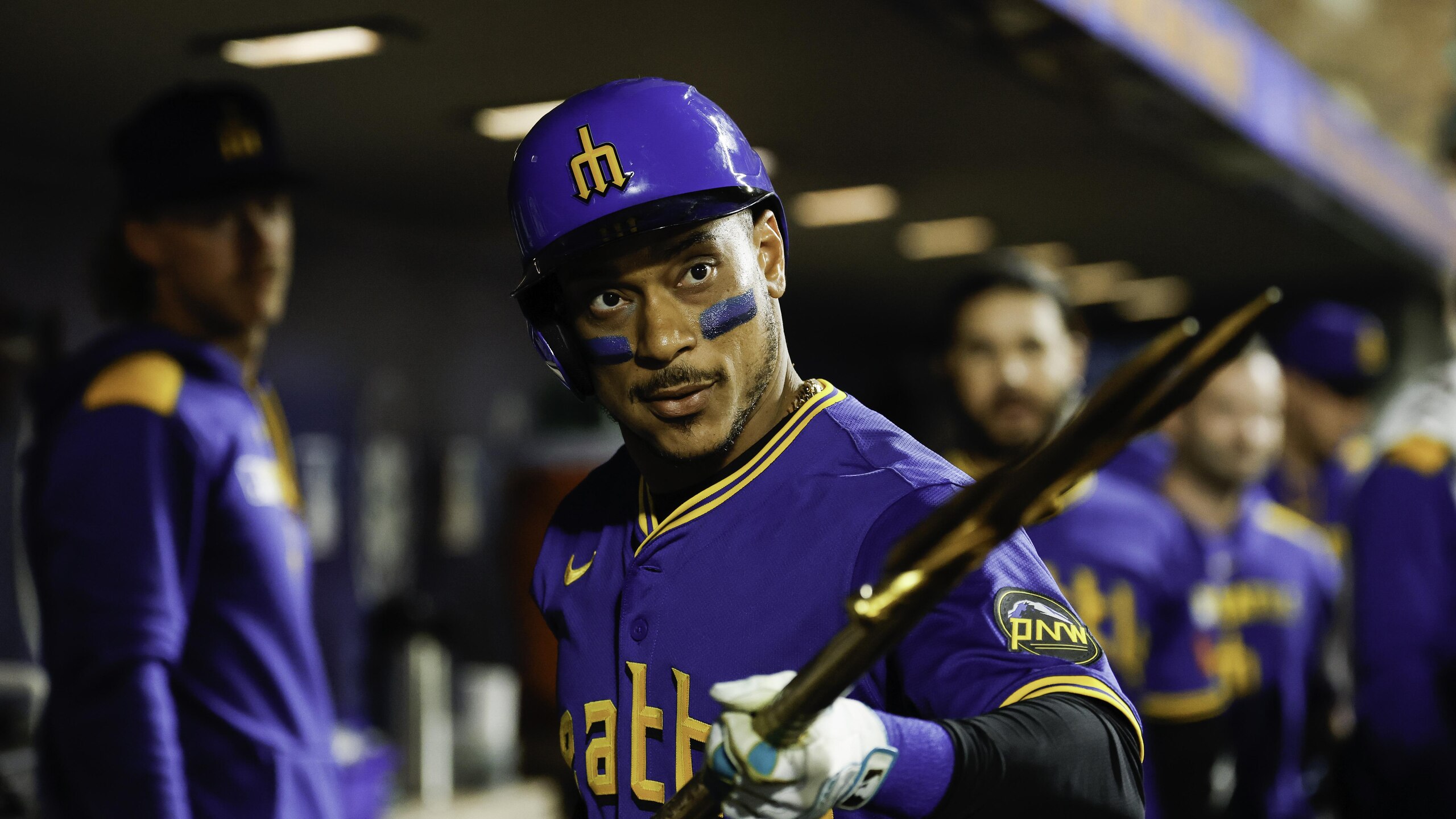


There will be those who suggest that the contracts that Kyle Schwarber (five years, $150 million with Philadelphia Phillies) and Pete Alonso (five years, $155 million with Baltimore Orioles) signed were overpays, though we've perhaps lost the plot in the industry if we're panning big deals going to two of the handful of guys who consistently hit 40 home runs, drive in 100 runs and post an .800-plus OPS every year.
Still, there are some other deals that have been signed so far this offseason that look, at best, questionable.
Here's a look at the six biggest overpays of 2025 MLB free agency to this point.
Brandon Woodruff, Milwaukee Brewers
1 of 6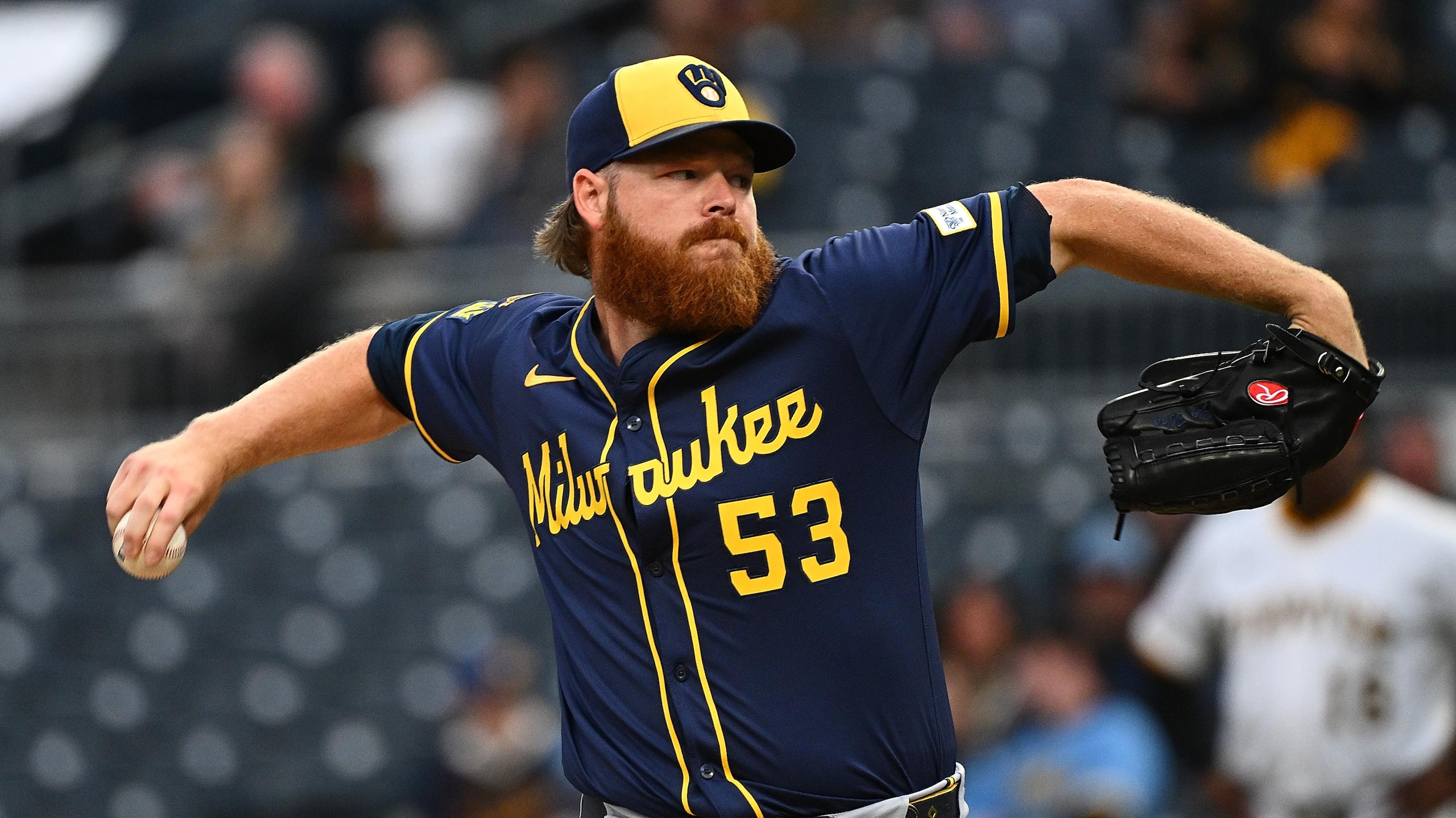
Contract: Accepted one-year, $22.025 million qualifying offer
They say there's no such thing as a bad one-year deal, but when your a franchise like the Brewers that doesn't spend much money, you can't afford to commit more than $22 million to a player that's hardly pitched the last two seasons.
Granted, Woodruff posted a 3.20 ERA in 2025, but that came over just 12 starts as a lat strain knocking him out of the postseason. Mind you, he didn't make his 2025 debut until July 6 as he continued to recover from right shoulder surgery that forced him to miss the entirety of the 2024 campaign. Over the past three seasons, Woodruff has logged 131.2 innings total.
Woodruff was an All-Star in both 2019 and 2021, finishing fifth in NL Cy Young Award in the second of those campaigns. He has a 3.10 ERA across parts of eight seasons, all of which have been spent in Milwaukee. Again, this isn't a discussion of whether Woodruff is worth $22.025 million when healthy.
The problem is, betting on Woodruff's health hasn't been a winning proposition in recent years. Milwaukee likely hoped when they extended the qualifying offer to Woodruff that he would decline it, setting them up to receive draft-pick compensation when he signed elsewhere. Instead, Woodruff accepted the QO, leaving the Brewers with an expensive question mark heading into 2026.
Merrill Kelly, Arizona Diamondbacks
2 of 6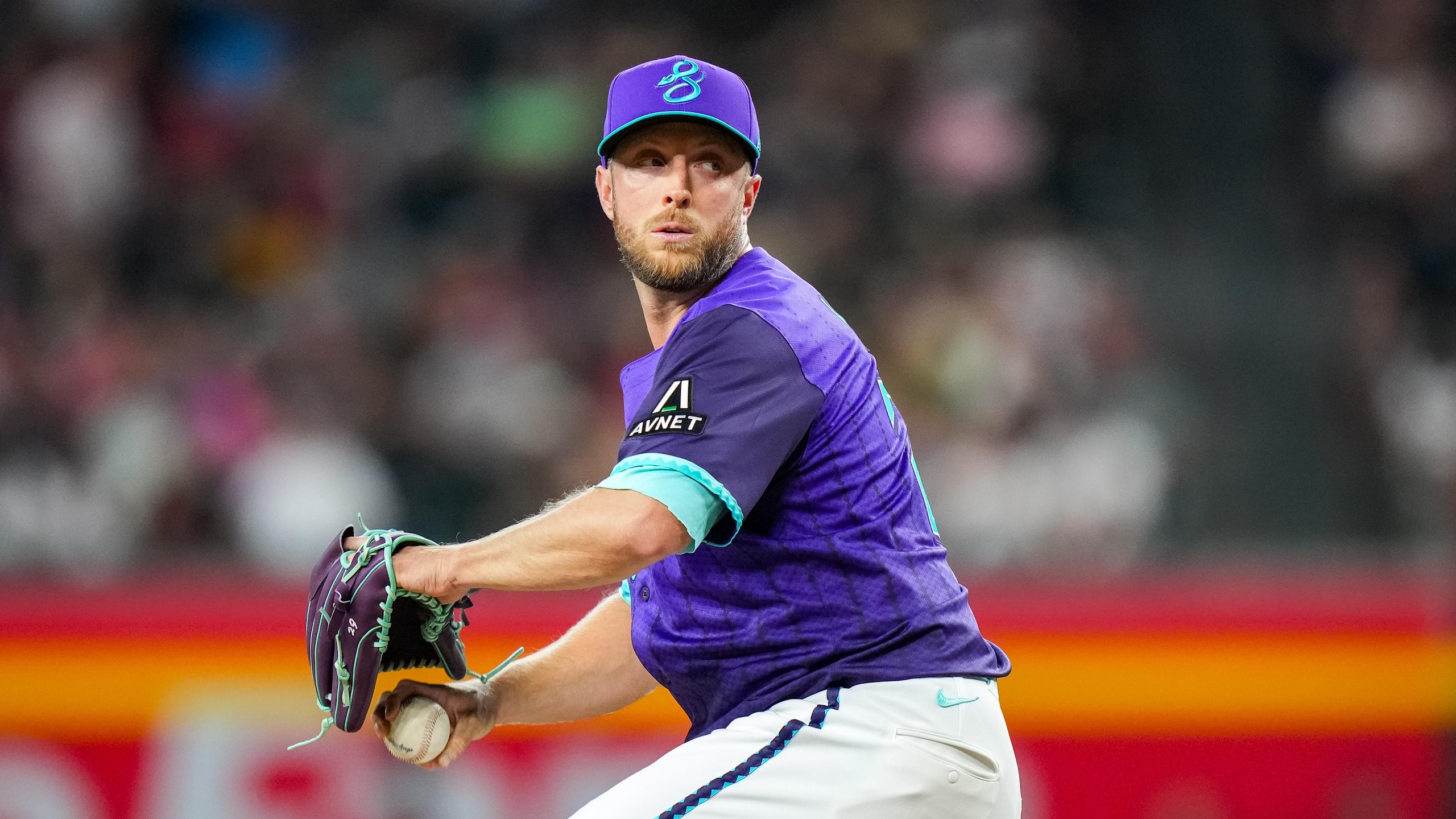
Contract: Two years, $40 million
Let's face it, the Diamondbacks got desperate in their quest for starting pitching.
Corbin Burnes had Tommy John surgery, so if he factors in at all in 2026, it won't be until the second half of the season. Eduardo Rodríguez's four-year, $80 million deal looks like a disaster after he's posted a 5.02 ERA across his first 39 starts for the Snakes. Zac Gallen seems increasingly unlikely to return in free agency.
But while it's clear the Diamondbacks needed to add starting pitching, they've now committed to paying Merrill Kelly—who turned 37 in October—$20 million in each of the next two seasons. It goes without saying that multi-year investments at that age don't typically go well.
To his credit, Kelly posted a 3.22 ERA over 22 starts for Arizona this past season. Between the Diamondbacks and Texas Rangers, he logged 184 total innings, his fifth season of 155 frames or more.
However, Kelly was much less effective following his trade to the Rangers, posting a 4.23 ERA across 10 starts. In 2024, a right shoulder strain limited him to only 13 starts.
Clearly, Kelly and the Diamondbacks are comfortable with each other. Arizona paid a hefty price for comfort and innings, though, one they may regret by this time next year.
Robert Suarez, Atlanta Braves
3 of 6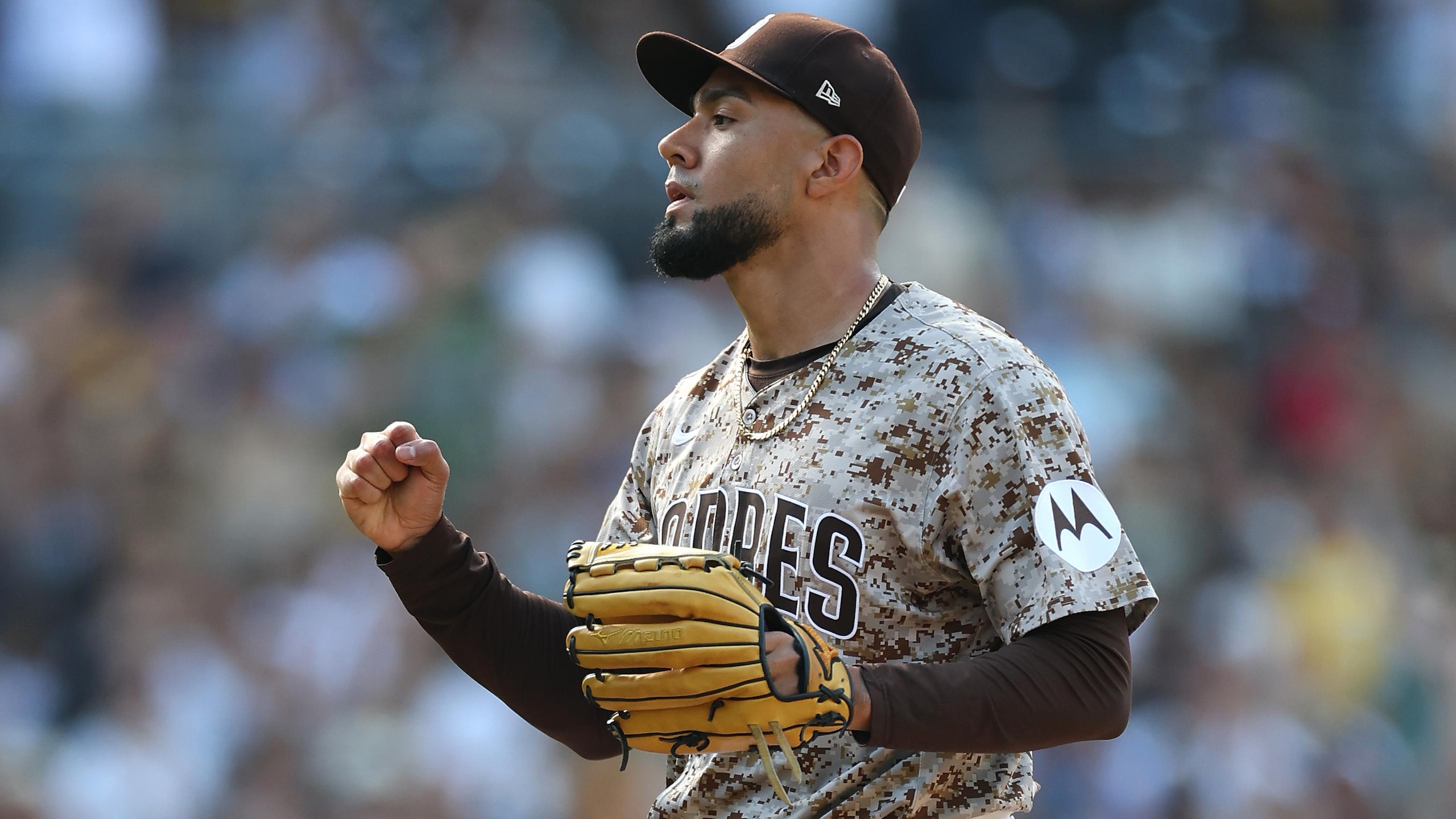
Contract: Three years, $45 million
Remember, this list isn't about dissing the players, but rather expressing reservations over their contracts. Suarez has been an All-Star in each of the last two seasons, and is coming off of a campaign where he led the National League with 40 saves.
Even before it became obvious how limited the Padres are financially this offseason, it still appeared they would let Suarez walk. The high saves total catches your attention, but the Padres—at least for now—employ three relievers coming off of better seasons in Mason Miller, Adrián Morejón and Jason Adam.
What's surprising in Suarez joining the Braves is that he won't even be Atlanta's closer in 2026. That's not to say that your best reliever is always your closer, but when you give a reliever entering his age-35 season a three-year deal, typically you would expect them to be your top leverage arm. Instead, Suarez will set up for Raisel Iglesias, who is back on a one-year, $16 million deal. That could prove to be an excellent one-two punch, but you do worry how 35-year-old Suarez and 36-year-old Iglesias will hold up as the season goes along.
It's true, Suarez was coming off of a better season than Devin Williams. But Williams has a better overall track record, and is four years younger. Williams got a three-year, $51 million deal—which will actually only pay him $12 million in each of the next trio of seasons with the remainder set to be paid in deferrals between 2036 and 2045—with the division-rival New York Mets. That would have seemed to be a better investment for the Braves than the Suarez contract.
Again, this isn't saying Suarez won't help to improve the bullpen of the Braves, who are trying to recovering from a disastrous 76-86 win season in 2025. It's just fair to wonder if other teams were going to guarantee Suarez a third season.
Jorge Polanco: New York Mets
4 of 6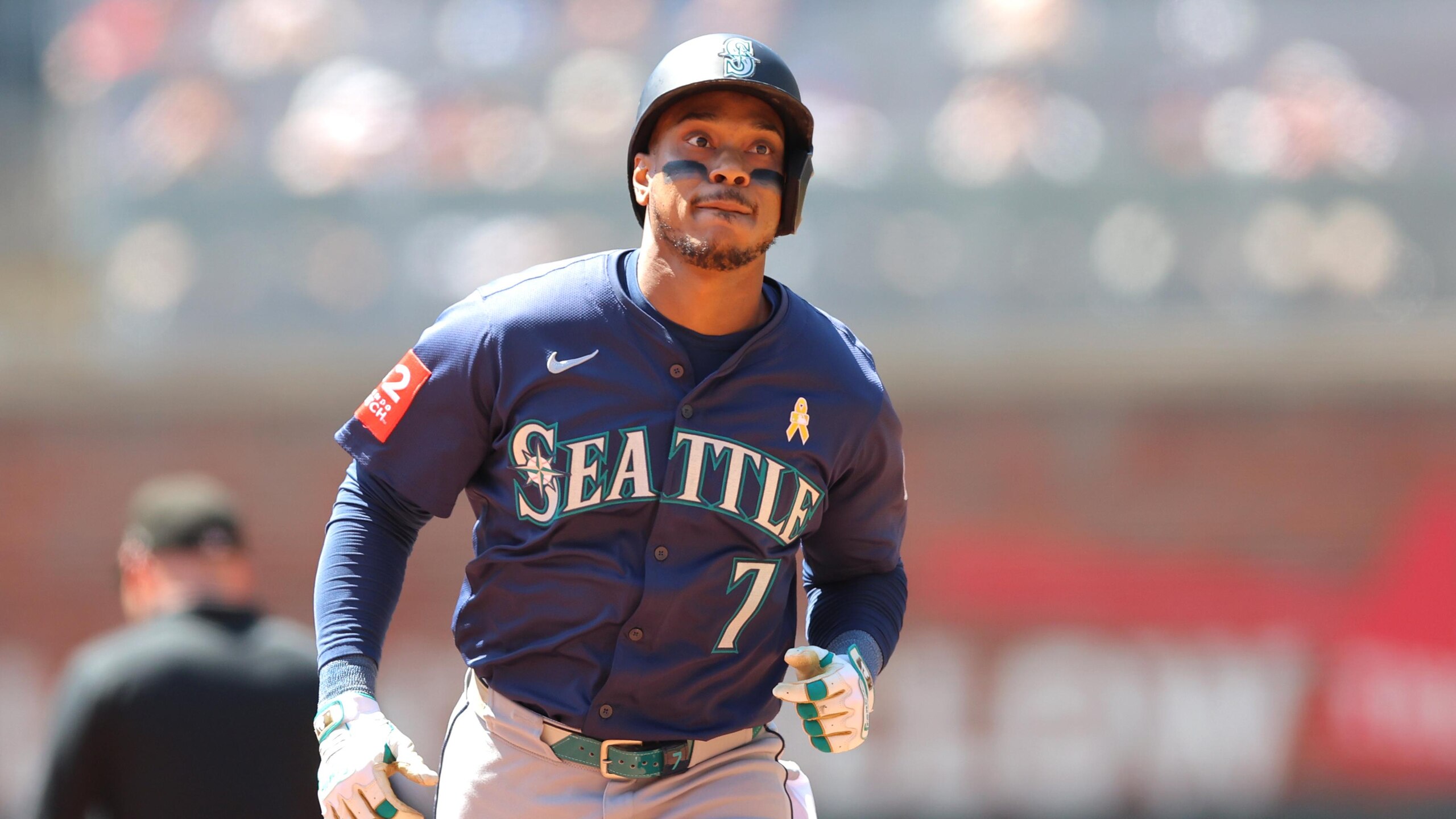
Contract: Two years, $40 million
Jorge Polanco revived his career for the Seattle Mariners in 2025, hitting .265 with 26 home runs, 78 RBIs and an .821 OPS in the regular season.
It's not surprising that based on that Polanco got a nice deal, or even shocking that he got two seasons. But considering Polanco hit .234 with a .724 OPS between 2022 and 2024—never playing in more than 118 games in a season—how rich Polanco's deal turned out to be with the Mets is surprising.
Also, the Mets being the team that posted the winning bid for Polanco was also surprising. Clearly, president of baseball operations David Stearns wanted to change up the clubhouse mix, and isn't particularly fond of paying for power. Still, the idea of paying Polanco—who has pop, but isn't a power hitter—$20 million a year to mostly split time between DH and first base seems like overthinking things.
In Polanco's defense, it's not as though Polanco is a one-season wonder. He was an All-Star for the Minnesota Twins in 2019. Two years later, he homered 33 times and drove in 98 runs. But the combination of injury risk and the fit in New York, this one is still tough to entirely wrap your head around.
Gleyber Torres, Detroit Tigers
5 of 6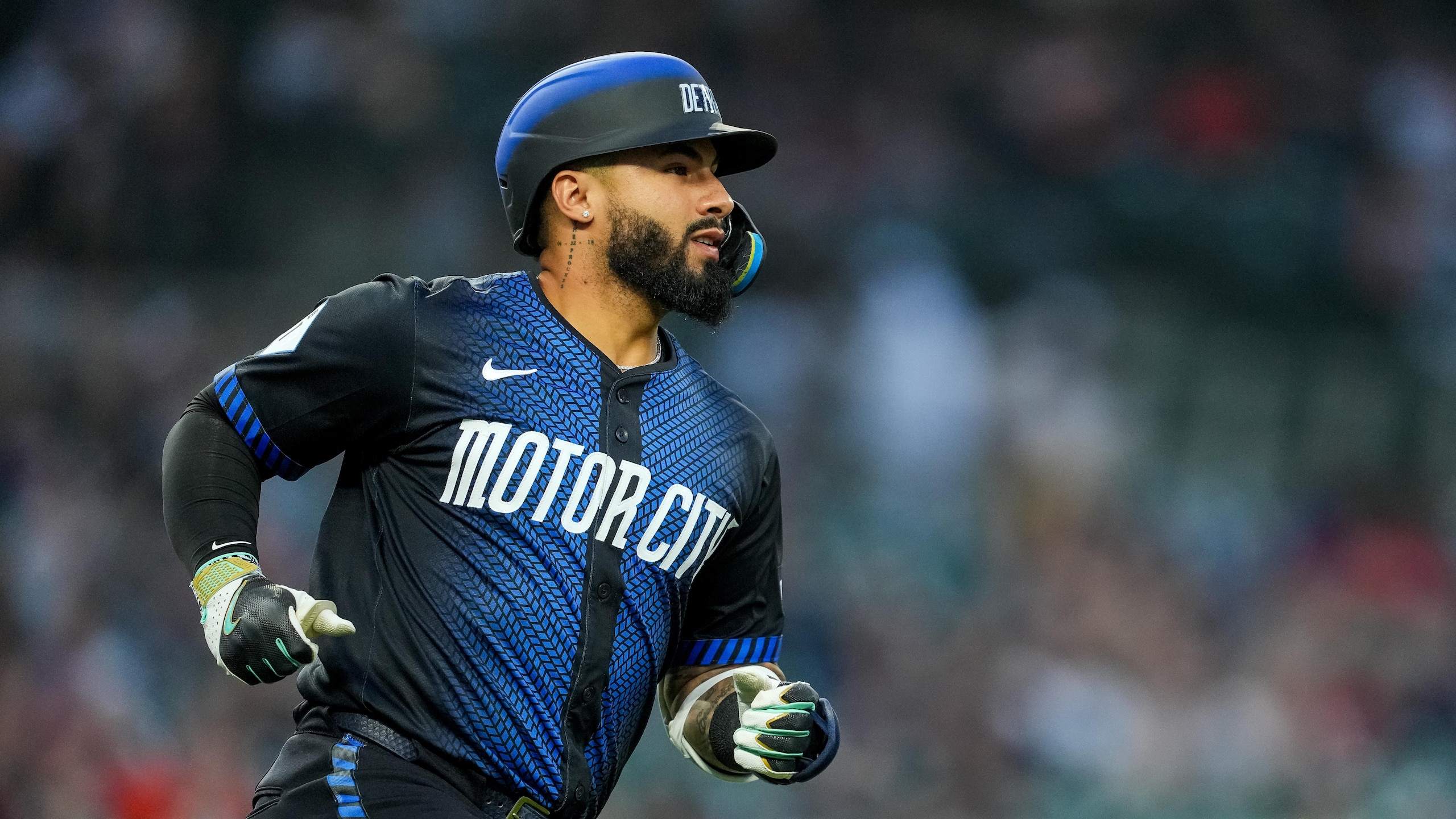
Contract: Accepted one-year, $22.025 million qualifying offer
Assuming they don't trade him this offseason, there's a very real chance that 2026 will be the final campaign Tarik Skubal—the two-time defending AL Cy Young Award winner—spends with the Tigers.
So there's added pressure on president of baseball operations Scott Harris to improve a roster that's reached the postseason in each of the last two seasons. Gleyber Torres accepting the one-year, $22.025 million qualifying offer will make it harder for him to do that.
To his credit, Torres was an All-Star for the third time in his career this past year. However, after an .812 OPS in the first half of the season, Torres regressed to a .659 OPS following the Midsummer Classic.
Torres did play through a sports hernia that he has since had surgery on, and there's no doubt that contributed to his offensive decline in the second half. But even at his healthiest, Torres is a poor defender at second base that's never lived up to the superstar potential he flashed early in his career with the New York Yankees.
Had he just become a free agent, Torres likely would have been looking at a deal pretty similar to the one-year, $15 million deal he signed last winter in Detroit. Instead, he got significantly more than that by accepting the qualifying offer, something the Tigers should have been able to anticipate he would do.
$22.025 million could have gone a long way in trying to lure Alex Bregman or another free-agent upgrade this offseason. Perhaps the Tigers will still make a big investment to improve their lineup. If they don't, though, extending the QO to Torres will loom large.
Ha-Seong Kim, Atlanta Braves
6 of 6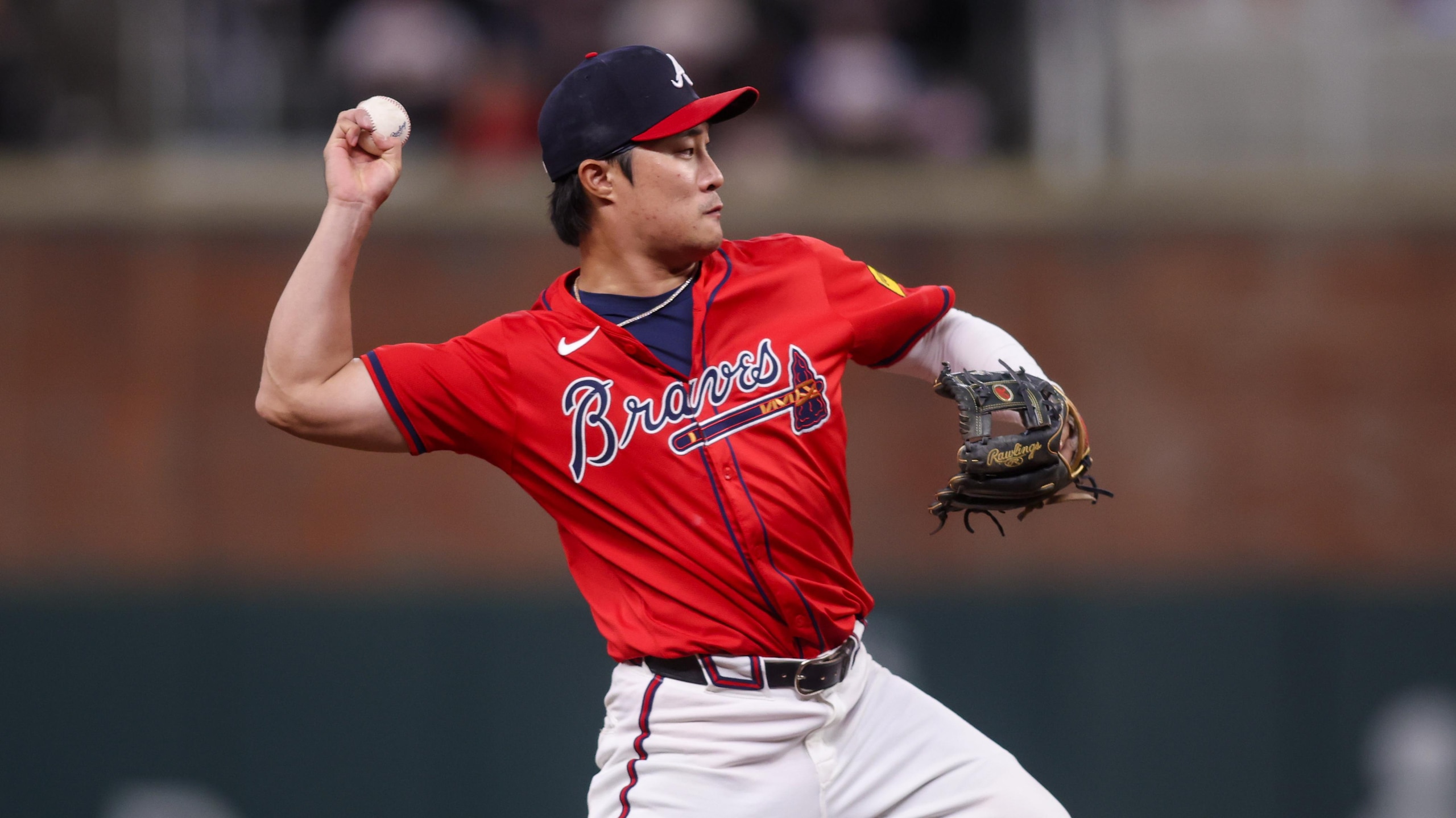
Contract: One year, $20 million
Evidently, Ha-Seong Kim's representation at ISE Baseball knew what they were doing when advising him to opt out of a $16 million salary for 2026 and return to the open market.
To most, it seemed a bit strange to opt out of that much guaranteed money when recovery from right shoulder surgery in October of 2024 kept Kim from making his Tampa Bay Rays debut until the Fourth of July.
After signing a two-year, $29 million deal to join the Rays, Kim played in only 24 games in Tampa before being traded to the Braves. In total, Kim played in 48 games in 2025, hitting .234 with a .649 OPS. So for as versatile as Kim is defensively in the infield, it felt like a mistake to opt out of a guaranteed $16 million salary coming off a lost year.
As it turned out, the move from Kim's camp was genius, as they took advantage of a weak shortstop market and got him a $4 million raise. Whether it was a great deal for the Braves or not remains to be seen.
Though Kim posted minus-three defensive runs saved and minus-three outs above average at shortstop in 2025, it's fair to assume he'll bounce back defensively as he moves further away from shoulder surgery. After all, this is someone with 22 career DRS and eight OAA. Additionally, Kim has excelled at second base and third base when given the opportunity in his career.
Offensively, though, is where questions remain. To this point, his career-year of 2023 that saw him hit .260 with 17 home runs, 75 walks and a .749 OPS seems like an outlier. Across parts of five MLB seasons, Kim has hit .242 with a .701 OPS. He will work walks at the plate, but his 97 career OPS+ is below the 100 mark that's considered an average offensive player.
The Braves likely paid a bit of a premium so that they only had to commit to one year with Kim. But don't fall into the trap of thinking there's no such thing as a bad one-year deal, particularly when Atlanta signed Kim over potentially making a play for Bo Bichette, who has serious defensive questions but is lightyears better at the plate.




.jpg?w=2560 "Raiders Could Start Mendoza")
.jpg?w=2560 "Rodgers Iced Out on Plane 💎")

.jpg?w=2560 "🚨 Week 8 AP Top 25 Poll")

