_0.png?w=2560 "Winners and Losers Quinn Hughes")


There's nothing like a Friday night blockbuster trade that NHL fans will be talking about for years to come.
We were treated to exactly that as the Quinn Hughes saga came to an abrupt -- and pretty shocking -- close.
In the end, the Minnesota Wild won the sweepstakes for the coveted top-two defenseman and top-10 player in the league. The Wild sent a 2026 first-round pick, young center Marco Rossi, touted rookie defenseman Zeev Buium, and forward Liam Ohgren to Vancouver to make it happen.
Hughes' time in Vancouver ending would've been stunning no matter where he ended up, but the Wild swooping in and getting the deal done was the cherry on top of an all-around shocker.
How did talks fall apart with the Devils? Did the Canucks get the most out of Hughes that they possibly could? How will Hughes himself fit in with the Wild?
Here are the winners and losers of the Quinn Hughes saga.
Winner: Quinn Hughes
1 of 6
The Wild had a rougher-than-expected start to the season, but they've been one of the hottest teams in the league for a month and change, and they're back to where we assumed they'd be -- a playoff position in the competitive Central Division.
The rough start showed us that the team could really use some extra help on defense, preferably with a player in his prime, as the youth movement and veterans alike were collectively struggling to make it all work.
Who could fit this situation more perfectly than Quinn Hughes? He not only gets to join a playoff team expected to go far, but also brings his exact puck-moving, connective skill set to an already good team that needs his finishing touch.
He's going from the turmoil surrounding the Canucks for the past few seasons, to a team with a young core on the come-up with playoff expectations. He also gets to move past the speculation about his future and just play his game on a contending team. Plus, he'll have leverage in extension negotiations with the Wild when his contract is up next season.
That's a win.
Losers: Canucks Fans
2 of 6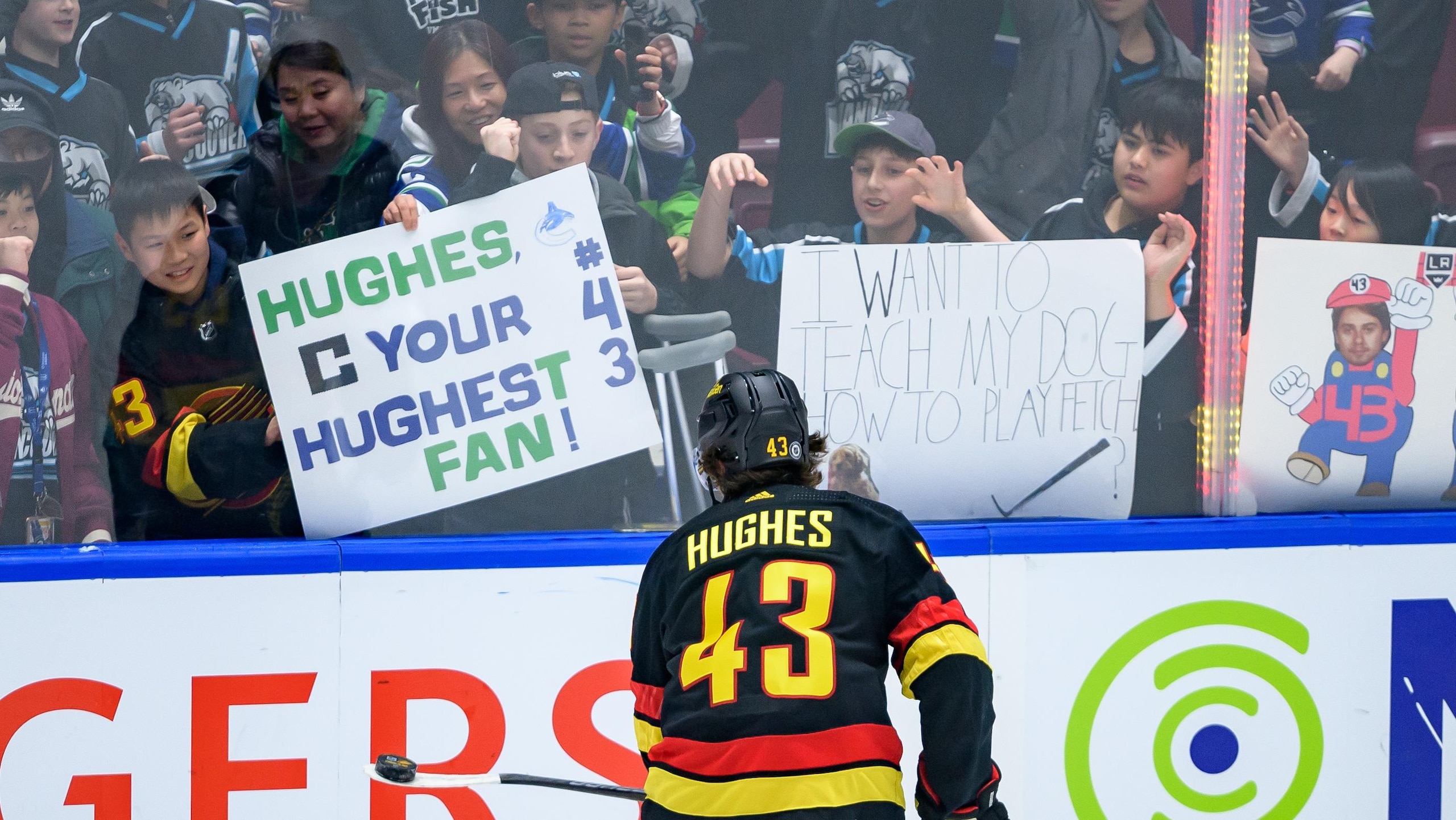
Canucks fans have been training for this type of disappointment for years now, so at least they have had the practice leading up to this moment. But still, the Canucks really did it: They traded their homegrown captain, who just happens to be a top-two defenseman in the league.
Not only does this immediately make the team worse despite the decent return, but it marks the crescendo of the past few years of confusion and misery. There was hope that the J.T. Miller trade would at least turn things around and revive the core; the Hughes trade dissolves the core and solidifies the notion that the Canucks have no choice but to end this era and start over with a significantly different team.
Look, the Hughes trade will eventually spark a new beginning for the Canucks, and we could look back at it as the start of the necessary change that finally made things click in Vancouver. But it's a long road ahead, and right now it feels more like a bitter ending of a disappointing era.
Winners: Canucks Front Office
3 of 6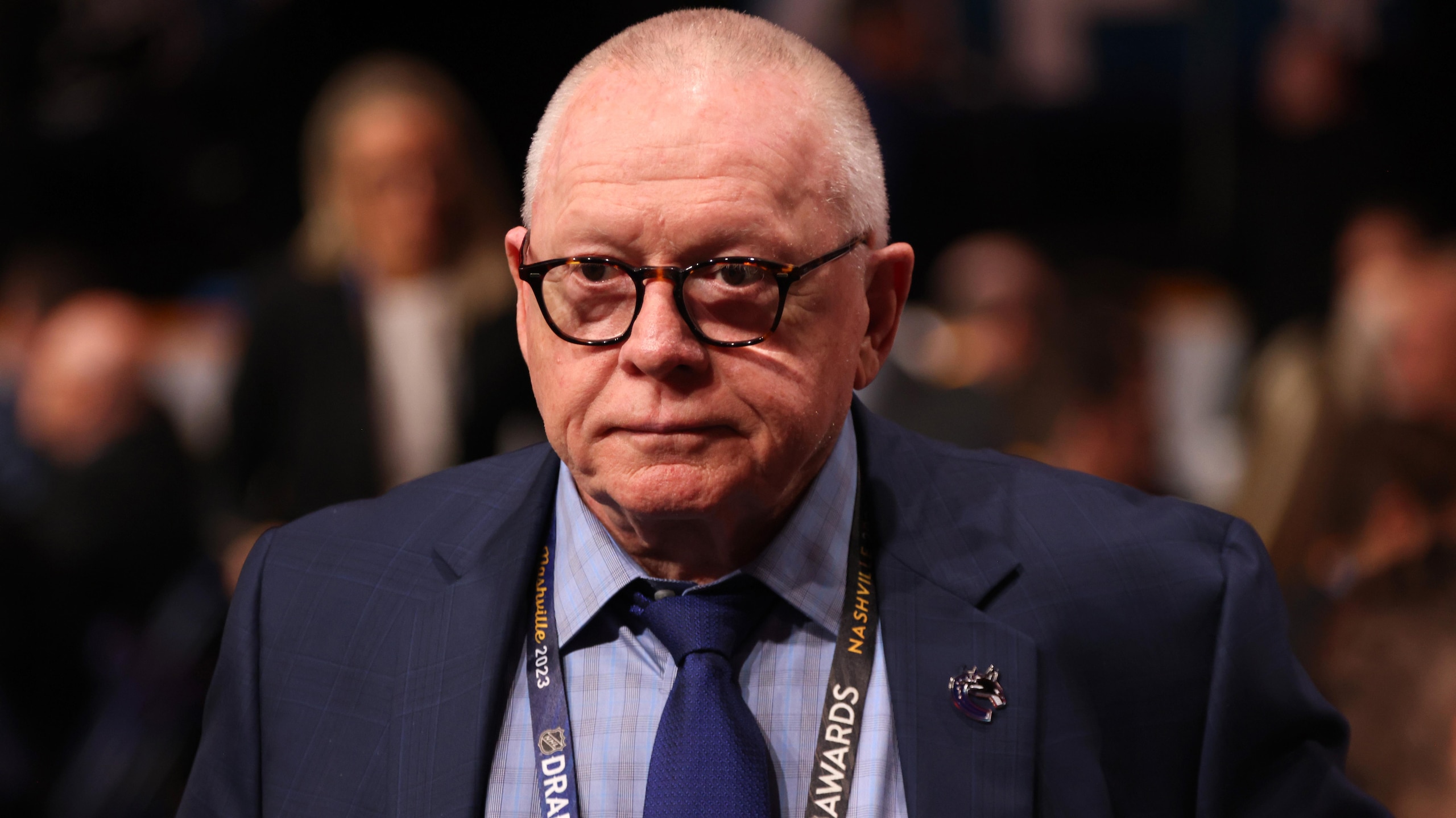
At this point, the Canucks front office needed to salvage everything it possibly could out of a situation that had become a league-wide laughing stock. The Canucks could've done what everyone was thinking and traded Hughes to the Devils, but they actually thought this through, considered what was best for their team, and controlled what they could for an awesome return.
The Devils didn't have an NHL-ready, tradable center, which the Canucks have sorely lacked in terms of depth. Guess who did? The Wild.
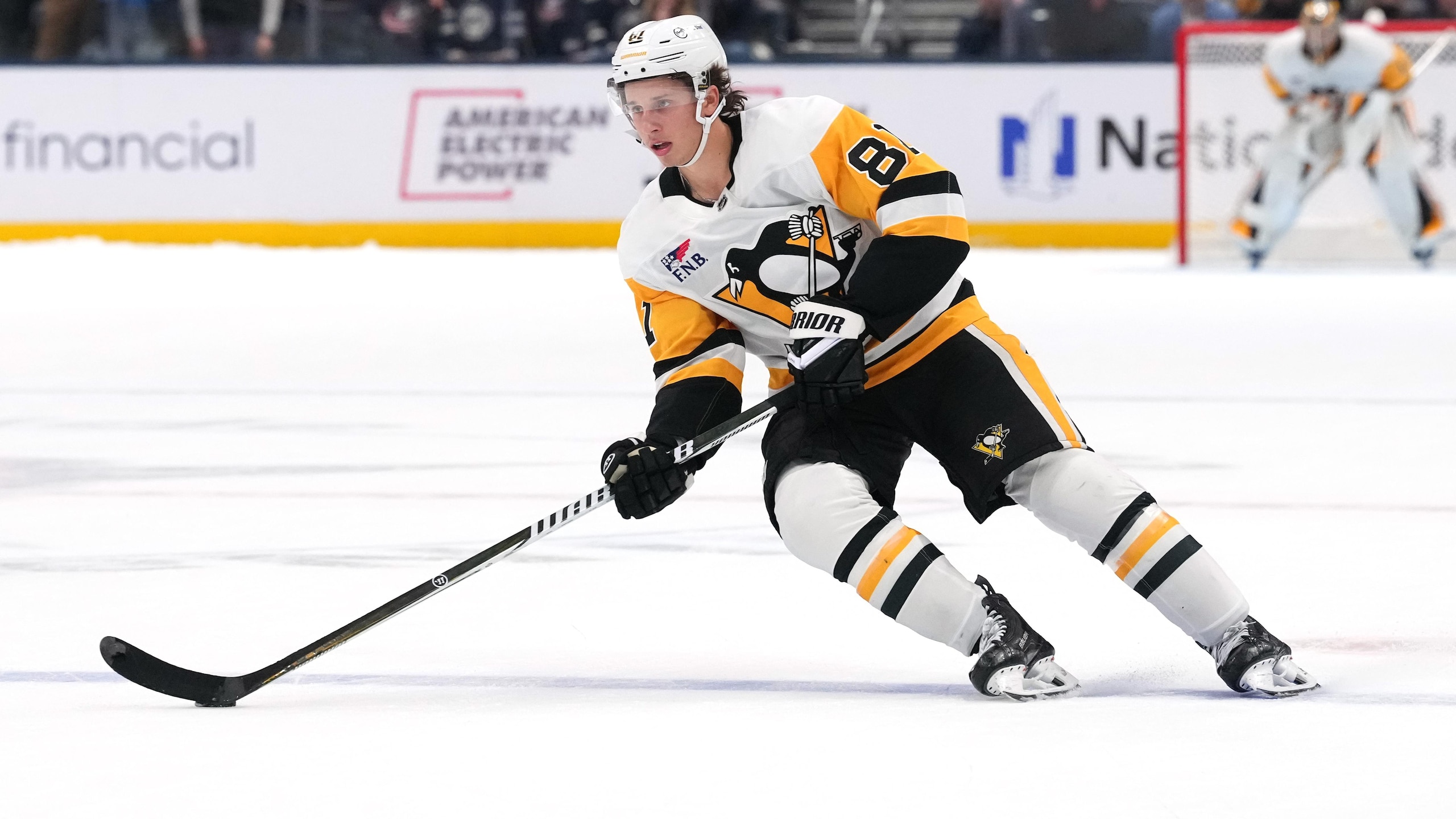
Instead of a draft pick-heavy deal with the Devils, the Canucks got that coveted first-round pick, an enticing, young center looking for a bigger opportunity in Marco Rossi, and highly touted rookie defenseman Zeev Buium.
The Canucks had been in will-they-won't-they limbo since the 2023-24 season, but it became increasingly clear that the answer was "won't." This type of return from the Wild kickstarts a rebuild that was inevitable when Hughes' contract was up.

.jpg?w=2560)
Losers: The Central Division
4 of 6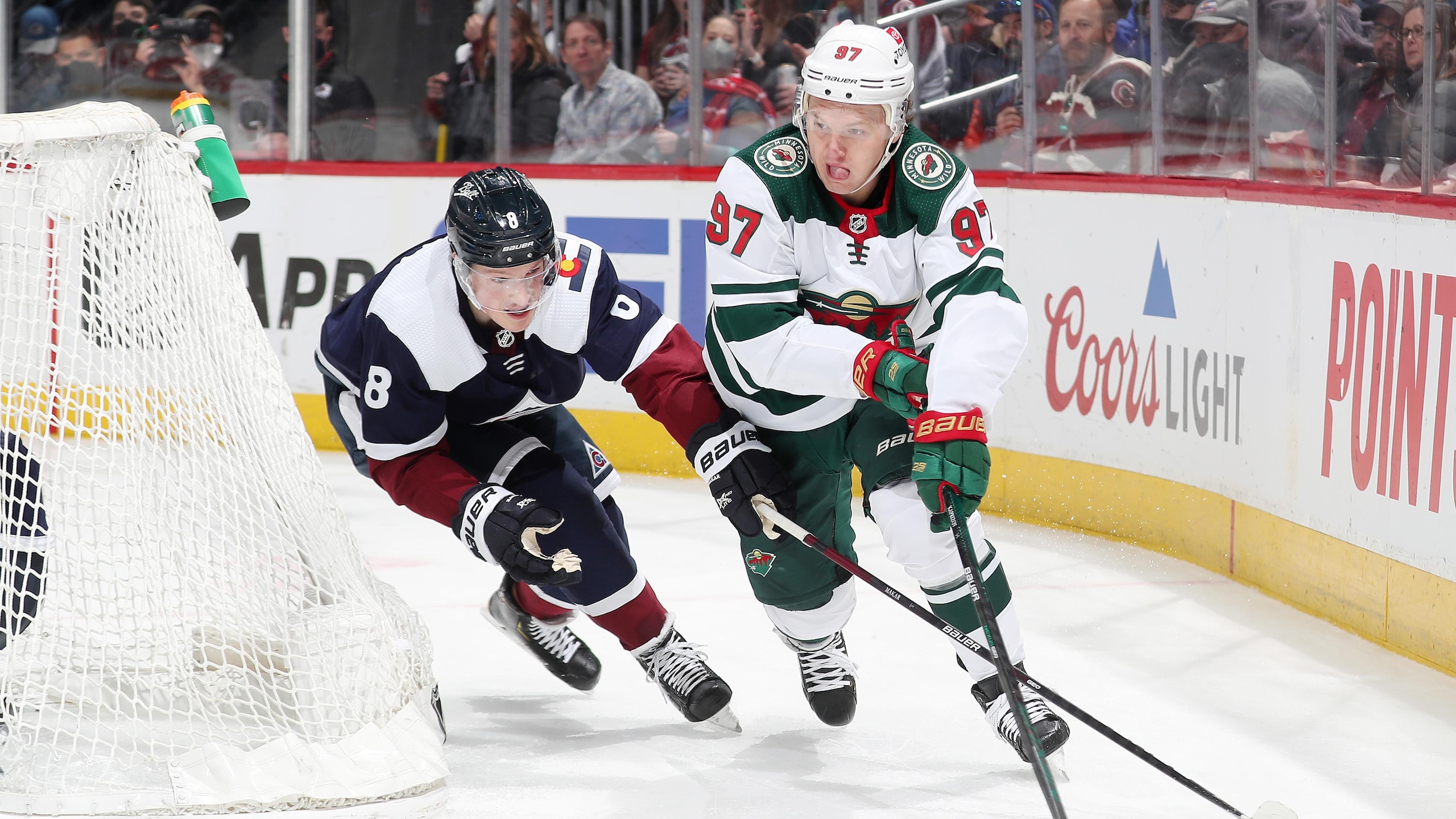
In a world full of confusing Atlantic Divisions, ever-changing Metropolitan Divisions, and downright ugly Pacific Divisions, make no mistake about it: The Central Division is the home of elite hockey for the 2025-26 NHL season.
Imagine sharing a division with the Avalanche, Stars, and the Wild? Now imagine one of the best defensemen in the world has joined the chat. The Central has become an absolute gauntlet, and Guerin and the Wild knew they simply had to acquire top talent if they were to finally make it out of that pesky first round.
You almost feel for the Mammoth and Blackhawks, who are playing pretty decent hockey, but just can't compare to the big three in this behemoth of a division.
The Wild have been on the rise, but they're still eight points back from the Stars and 12 points back from the Avalanche at the top of the division. These three teams will be appointment viewing for the foreseeable future as the Wild have gained one of the best tools they could've possibly gained to add to their momentum.
Winners: Bill Guerin and the Wild
5 of 6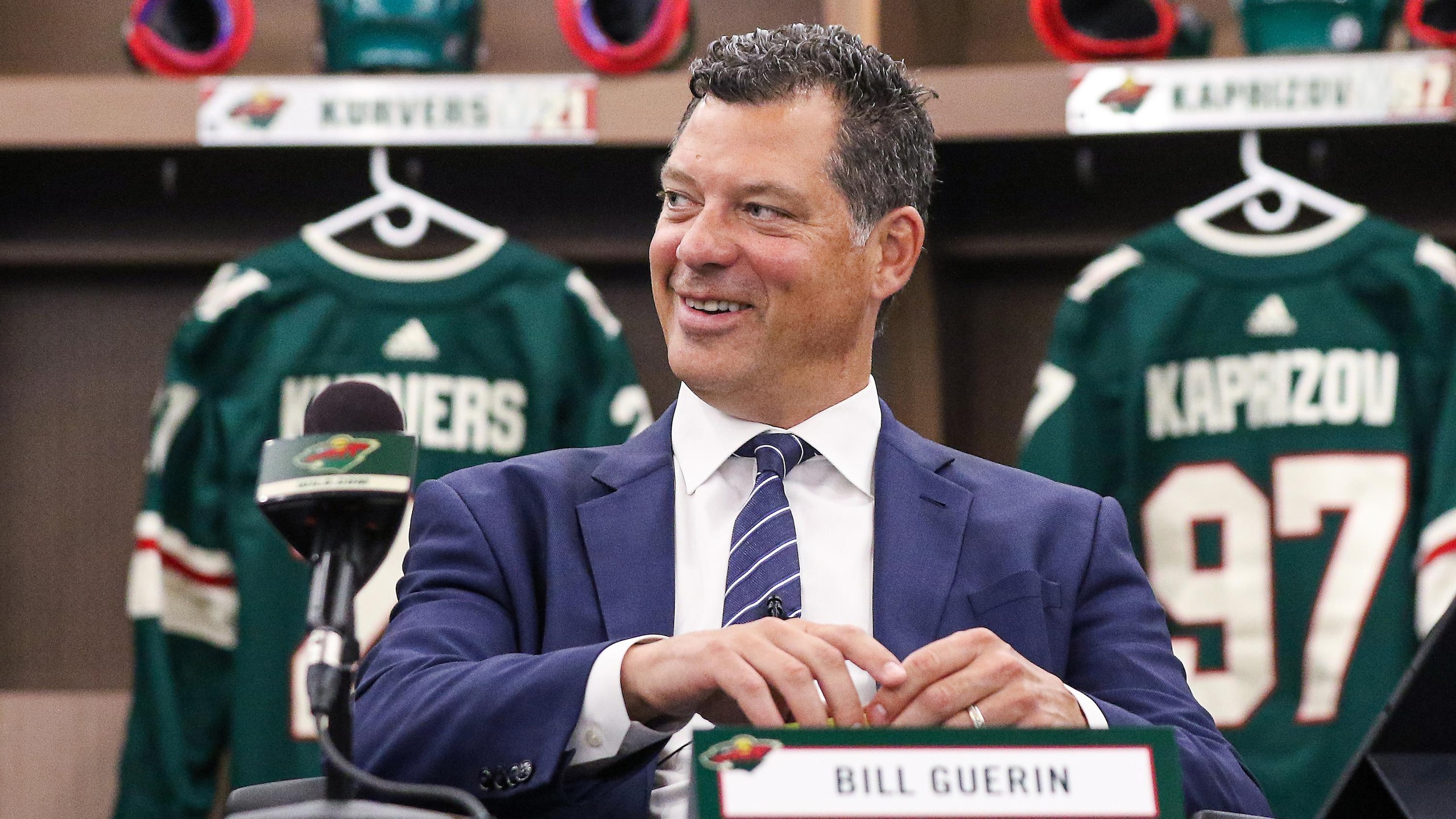
The Wild have lost in the first round of the Stanley Cup playoffs seven times this decade. You got the sense Guerin and the front office were officially sick of this Groundhog Day when they extended Kirill Kaprizov to a record-breaking contract ahead of the season, but still, another productive star in his prime was missing.
The Wild have lacked production from the blue line for years and have needed to modernize things on their own end of the ice for far too long. Hughes is the rare player who can change the complexion of the team's defense and provide the missing link that could finally propel Minnesota past the first round.
The Wild are also in a great cap position to extend Hughes, and Hughes could be motivated by a playoff appearance to stay long-term. Even if things don't pan out this way, the Wild could trade Hughes to his desired destination and get a spectacular haul out of it.
This is, again, a top-two defenseman in the NHL, with the ability to move the puck that has been painfully missing from this almost-complete Wild team. It's hard to imagine a bigger slam dunk than this, especially when Rossi's departure seemed imminent.
Losers: The Devils
6 of 6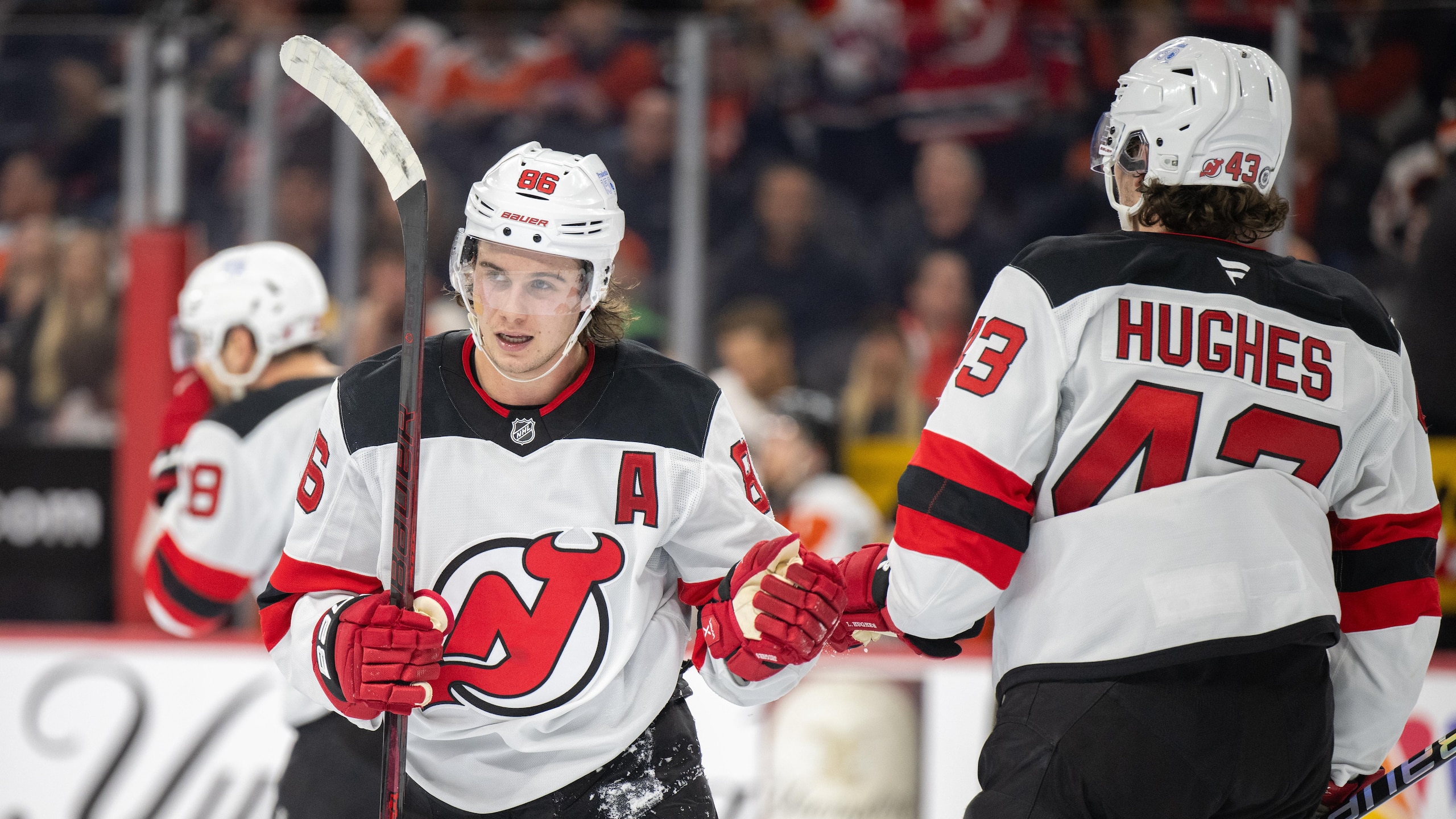
So, we don't get the three Hughes brothers playing on the same team quite yet. The story isn't over yet: Hughes could end up forcing the Wild's hand into a trade to the Devils eventually, but you get the sense he's happy to play on a contender like Minnesota at least for now.
Perhaps we should've seen this coming: This was Vancouver's decision, Hughes' power could only go as far as communicating with Canucks management that he didn't intend to re-sign. Hughes didn't have the ironclad trade-protection clauses in his contract that have given some other players leverage recently. Why wouldn't the Canucks seek out the best fit for a return to start a crucial rebuild?
The Devils had all of their first and second round picks for the next three years in their arsenal, but they didn't have that Rossi-type NHL-ready center.
They've been mightily struggling since Jack's injury, dropping six of their last seven games and currently sitting outside of the playoff picture. At one point, while Jack was healthy, this team was No. 1 in the Metropolitan Division.
The Devils desperately need more production and a North Star beyond Jack, so the team doesn't crumble when he's injured. That could've been Quinn, and at least for now, it isn't.

.jpg?w=2560 "A.J.'s Message to Hurts 🙏")
.jpg?w=2560 "NFLPA Makes Hurts Statement")
.jpg?w=2560 "Rams to Sign New Kicker")