

Why Erik Lamela Still Has a Key Role to Play for Tottenham Hotspur
The immediate return Tottenham Hotspur hoped to get on the £25 million-plus they paid Roma for Erik Lamela in summer 2013 did not occur.
Initially held back behind other more Premier League-ready team-mates, injury problems denied him the opportunity to push on after the halfway point of that first year. When selected in between times his appearances were marked by a timidity amidst the physicality of his new environment. Yet there were also glimmers of the talent that had caught the eye in Serie A.
The Lamela who returned in his second season was tougher, fitter and consequently, more confident. While not yet completely justifying Tottenham's expenditure on him, his work was good enough that the prospect of him playing a key role moving forward feels a real possibility.

Part of the travelling party for Spurs' 2-1 defeat to the Major League Soccer All-Stars this week, the match itself was too soon for Lamela. The Argentinian has been one of the last to return to pre-season following his participation in Argentina's Copa America campaign.
Though he featured only once, the experience may prove to be a confidence-enhancing one for Lamela—a taster for the kind of greater prominence he will only get through delivering for his club. It is similar to how Nacer Chadli returned from his World Cup experience with Belgium last year sharp and motivated.
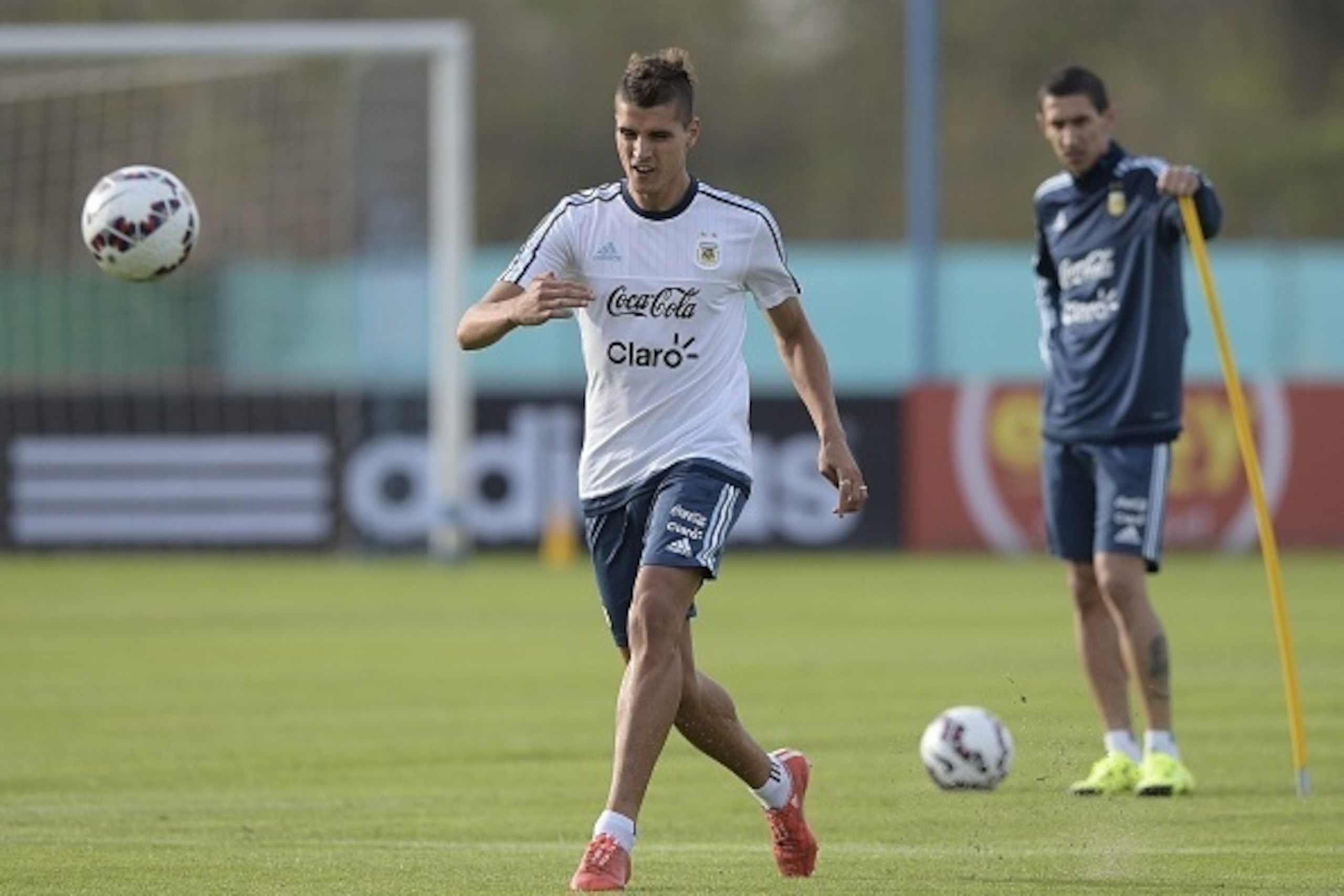
Unlike the array of new signings and youngsters needing every opportunity to catch head coach Mauricio Pochettino's eye, Lamela is a known quantity to his compatriot. Barring a change in plans in regards to the attacking midfielder's future, he will get his chances.
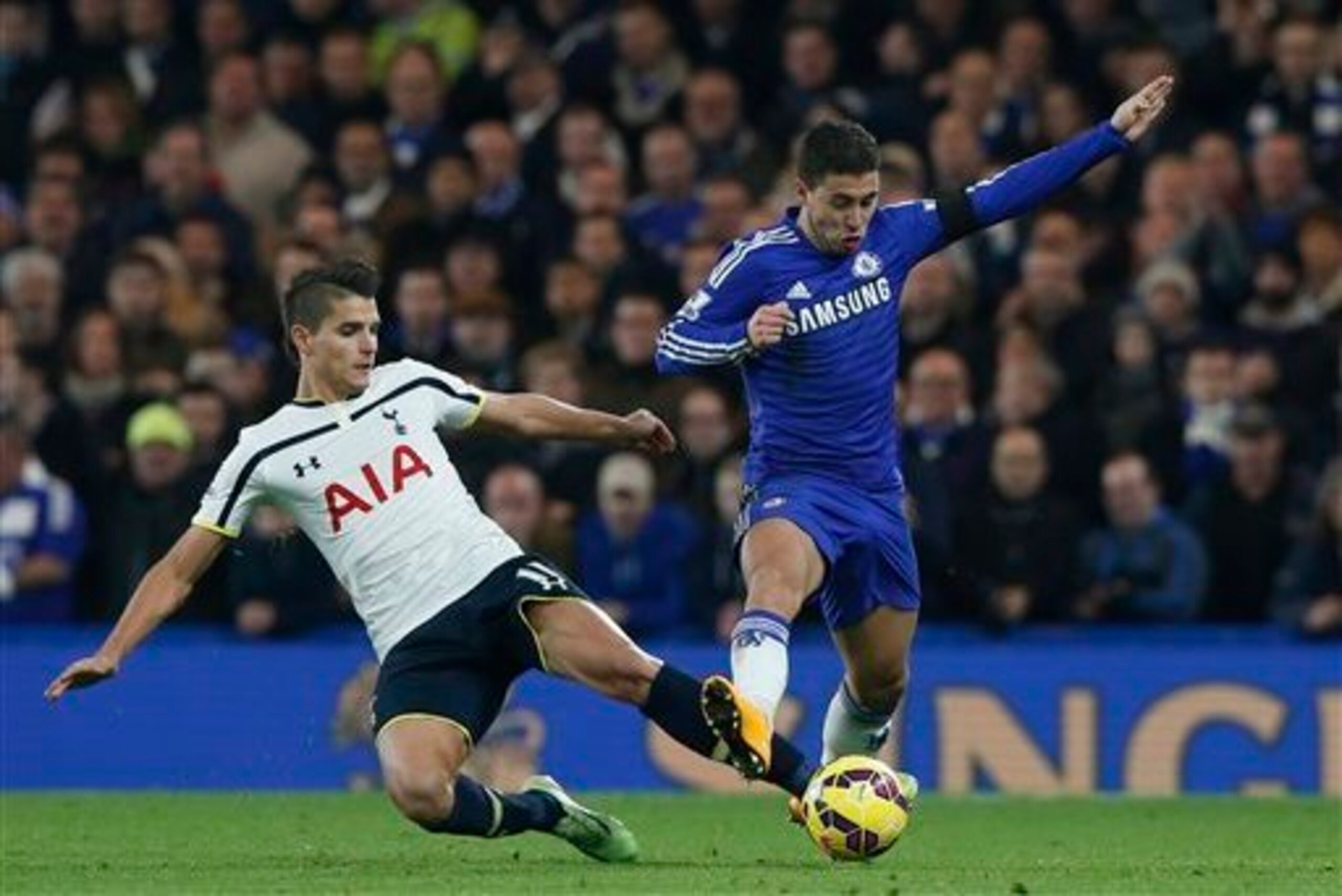
Last season's greater show of toughness was vital in demonstrating Lamela is capable of competing in the English game. In the process, he began proving himself as one of the feistier among Spurs' attacking contingent.
His 2.4 tackles per game in the Premier League—as tallied by WhoScored.com—were comfortably more than Chadli, Christian Eriksen or Andros Townsend managed. He compared well here to central midfield team-mates, too.
Some of these challenges were made chasing back to recover possession after losing the ball holding onto it too long. But even they represented a tenacity that belies Lamela's image as a player more comfortable in the artistic side of the game. Indeed, his winning the ball often led to the momentum-changing, or at least position-improving, runs of which his dribbling makes him so capable.
That willingness to participate in the chasing down of opposition players should continue to endear him to a boss for whom targeted combativeness is such a key element of his game plan. Combined with the confidence accrued from two years in England, channeling that grit into the creative aspects of his game should lead to Lamela asserting himself more regularly in the final third.
A team-best eight assists in all—per ESPN FC—and five goals was a solid return. The quality of those scoring contributions suggests he can be even more influential for Spurs.
The long-range effort after coming in off the right flank against Burnley and the penalty box incursion at Southampton helped his team back into contests that may have drifted away. Then there was the brace in the 5-1 win over Asteras Tripolis, including that goal which is still receiving accolades now.
Lamela offers a kind of daring—both improvised and calculated—that treads a fine line between brilliance and folly. Utilised in a timely fashion, though, he is as dangerous as Chadli, Eriksen or Harry Kane.
That extends to his passing, too.
He can certainly participate in build-up play and intricate moves in and around the box (all again often augmented by his ability to take on his man). But it is his eye for transforming those moves in a moment's notice that stands out. Whether with a direct assist or the pass that leads to one, he has the vision to exploit opponents not suitably prepared.
The difficulties in Lamela's first two seasons with Tottenham have seen him float probably too often to the negative side of mercurial.
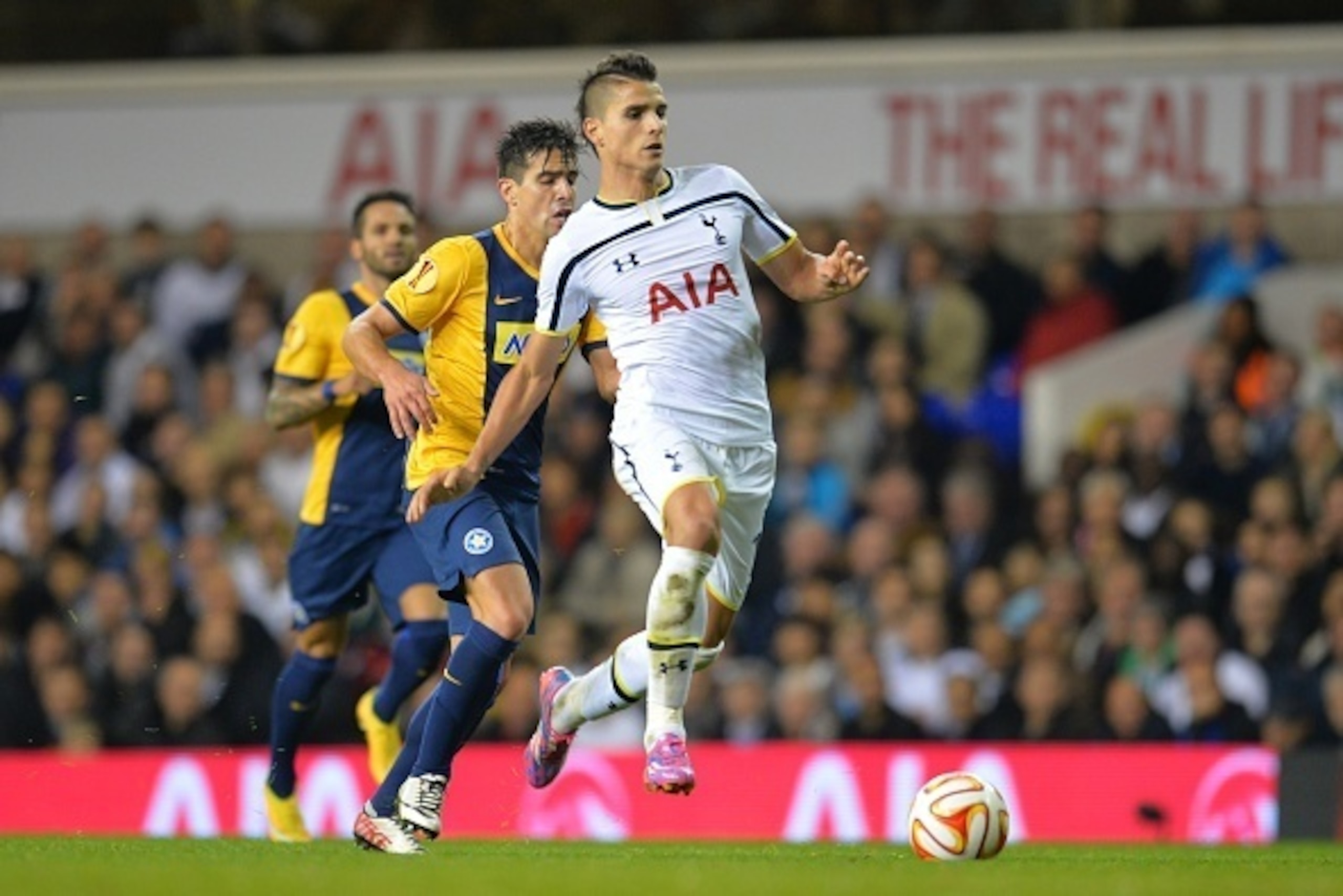
He can still stand to learn a pass with the potential for a return is better than attempting to dribble past one man too many. For all those times he stood up when Spurs needed someone, there were other times when he appeared to run out of ideas (though he was not alone here).
With the aforementioned attacking midfield talent, the returning Alex Pritchard and potentially a new arrival or two, Lamela's place will not be guaranteed without his performances becoming more substantive. Given how being a winger can sometimes feel so peripheral, this is not always easy (with Eriksen the main man in the middle, a more central role may not be forthcoming so long as the Dane is fit and in form).
Yet it is the 23-year-old's differences and his juxtapositions (such as between his stylish and more robust sides) that have been why Pochettino and Spurs have persevered with him.
Being the player he is, there will definitely be quiet, sometimes poor days ahead. But if he can find a way to bring his better side to the fore more frequently, Lamela could yet become the kind of difference-maker who will give Spurs one of the most genuinely varied attacks in the division.
.jpg?w=2560 "49ers Giants Football")
.jpg?w=2560 "WWE Raw Live Grades 🔠")

.jpg?w=2560 "Ertz Returning to Eagles")
.jpg?w=2560 "Dak Addresses 'Dumb' Old Romo Tweet 🤣")
.jpg?w=2560 "Rams troll Giants on social media")