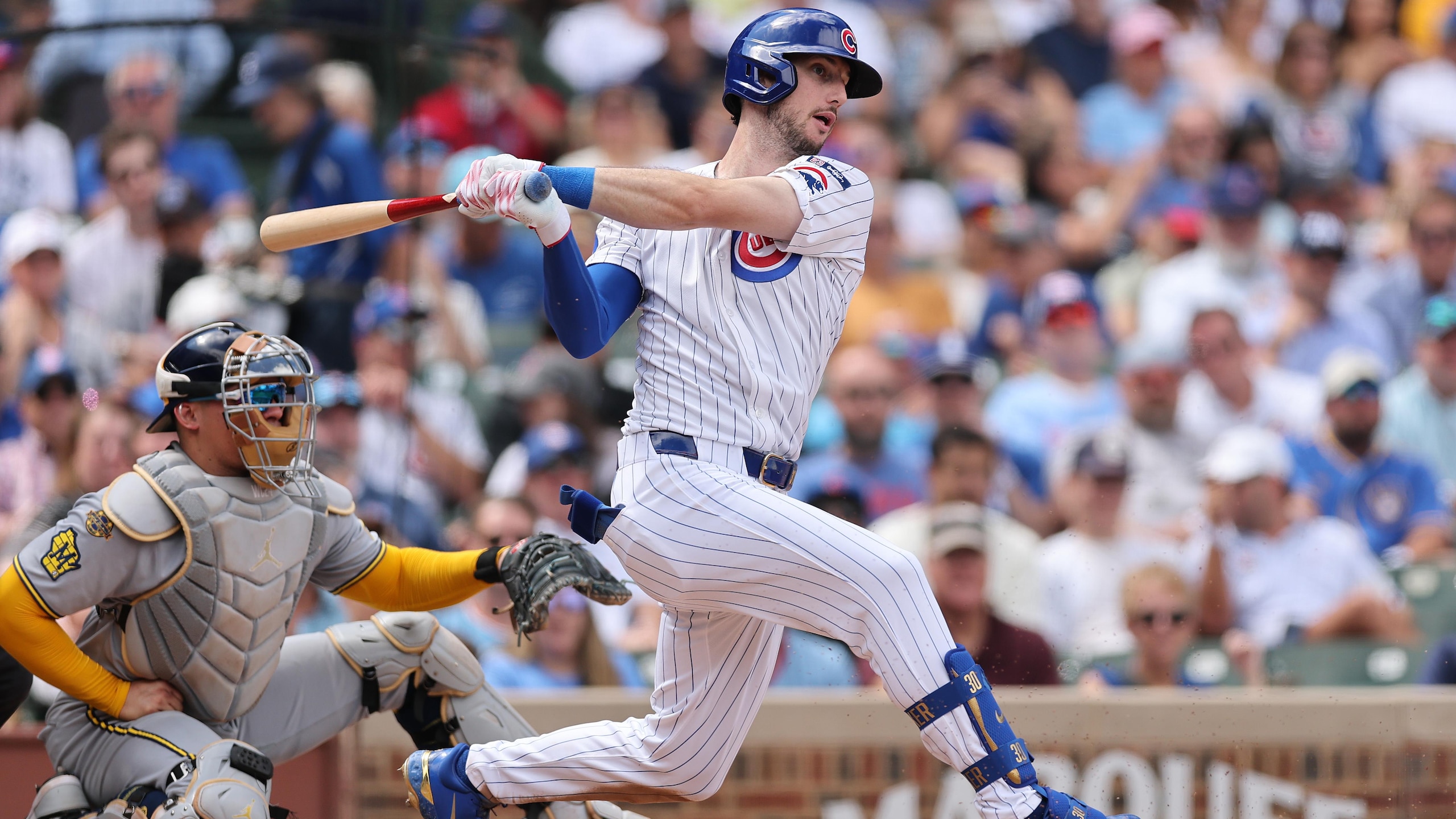


There are close to a dozen free agents in Major League Baseball who are expected to sign nine-figure contracts this winter, including Bo Bichette, Framber Valdez and Kyle Tucker.
How likely is it that the biggest names of free agency re-sign with the teams they played for in 2025?
And what are those teams going to do if they lose those stars?
Going alphabetically by team, we've put together some Plan B proposals for how to remain nimble in the quest to build a World Series roster.
Boston Red Sox (3B Alex Bregman)
1 of 8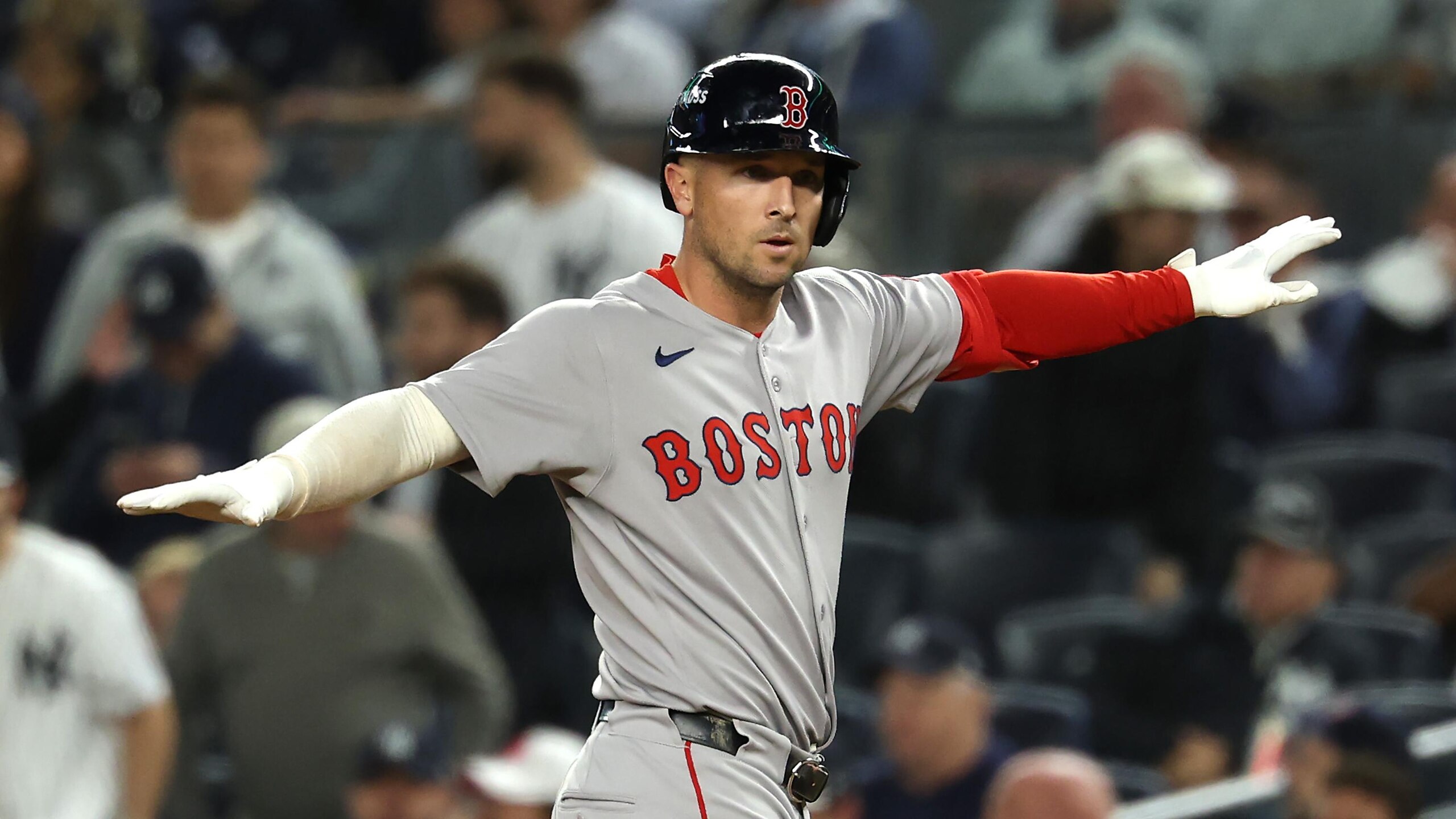
Contract Projections: 4 years, $112M (Spotrac); 6 years, $160M (MLB Trade Rumors); 5 years, $160M (ESPN); 5 years, $135M (Bleacher Report's Tim Kelly)
Chance of a Reunion: Good, If Not Great
The recent acquisition of Sonny Gray changes the Red Sox's payroll calculus to some degree. However, the two teams who opened the offseason as arguably the likeliest to scoop Bregman up from under Boston's nose have also already done some significant spending—Detroit with Gleyber Torres accepting the $22.025M qualifying offer; Toronto with the $210M signing of Dylan Cease. Still seems like Boston is the team to beat here.
Plan B: Sign One of the Sluggers Coming Over from Japan
Whether it's Munetaka Murakami or the less-heralded but also homer-happy Kazuma Okamoto, the Red Sox could adjust to life after Bregman via international waters.
The problem with that plan is that neither Japanese slugger is anything close to a sure thing on the defensive side of the hot corner equation. But considering they also have a need at first base, the Plan B to their Plan B could be moving Murakami/Okamoto across the diamond and hoping for the best with Marcelo Mayer at third.
If they're fine with that option, though, maybe the actual replacement for Bregman's right-handed bat in the lineup is signing Pete Alonso to play first and just embracing the possibility that third base needs to be addressed at the trade deadline.
Chicago Cubs (RF Kyle Tucker)
2 of 8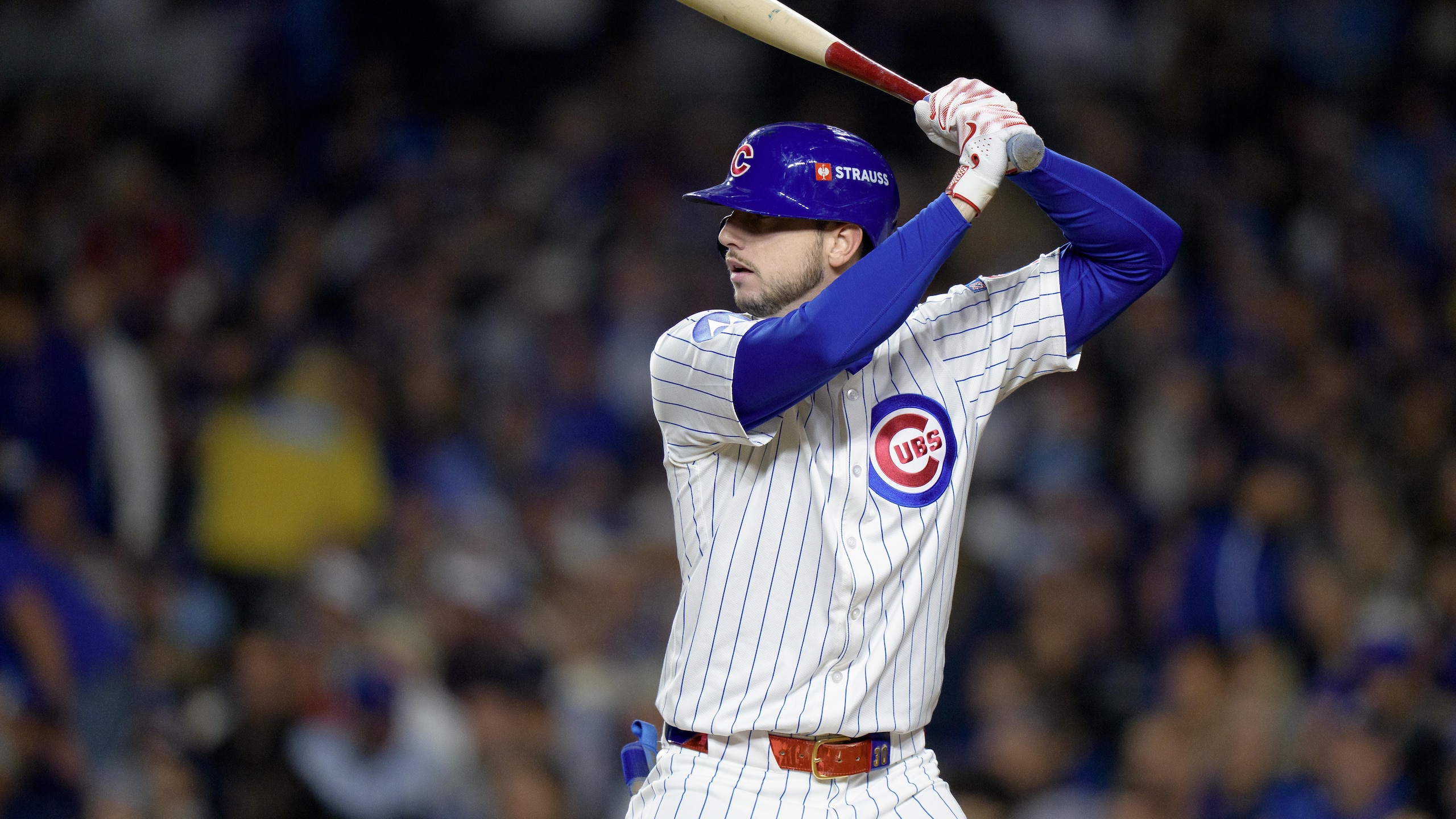
Contract Projections: 10 years, $402M (Spotrac); 11 years, $400M (MLB Trade Rumors); 11 years, $418M (ESPN); 10 years, $360M (B/R)
Likelihood of a Reunion: Unlikely, At Best
We shall see whether it ends up being the Yankees, the Dodgers or the Phillies who find a few hundred million bucks in the couch cushions to give to Kyle Tucker. For a while now, the assumption has been that the Cubs aren't going to put up too much of a fight here.
They certainly could make it happen with their annual revenue stream. And with both Ian Happ and Seiya Suzuki headed for free agency next winter, they may well look back a year from now and really regret letting Tucker walk. But if they're spending big this winter, it's almost certainly on an ace, not on Tucker.
Plan B: Fingers Crossed with the Top Prospects
The Cubs will probably add a veteran outfielder this winter, so they aren't completely hung out to dry if neither Owen Caissie nor Kevin Alcantara is ready for everyday work by the end of spring training.
But it's not likely to be Tucker, and it's probably even less likely to be a reunion with Cody Bellinger. Rather, it's probably going to be a buy-low option like Michael Conforto, Lane Thomas, Jesse Winker or Cedric Mullins—someone who they won't mind relegating to a back-up role or simply releasing if one of those prospects cuts the mustard.
Houston Astros (LHP Framber Valdez)
3 of 8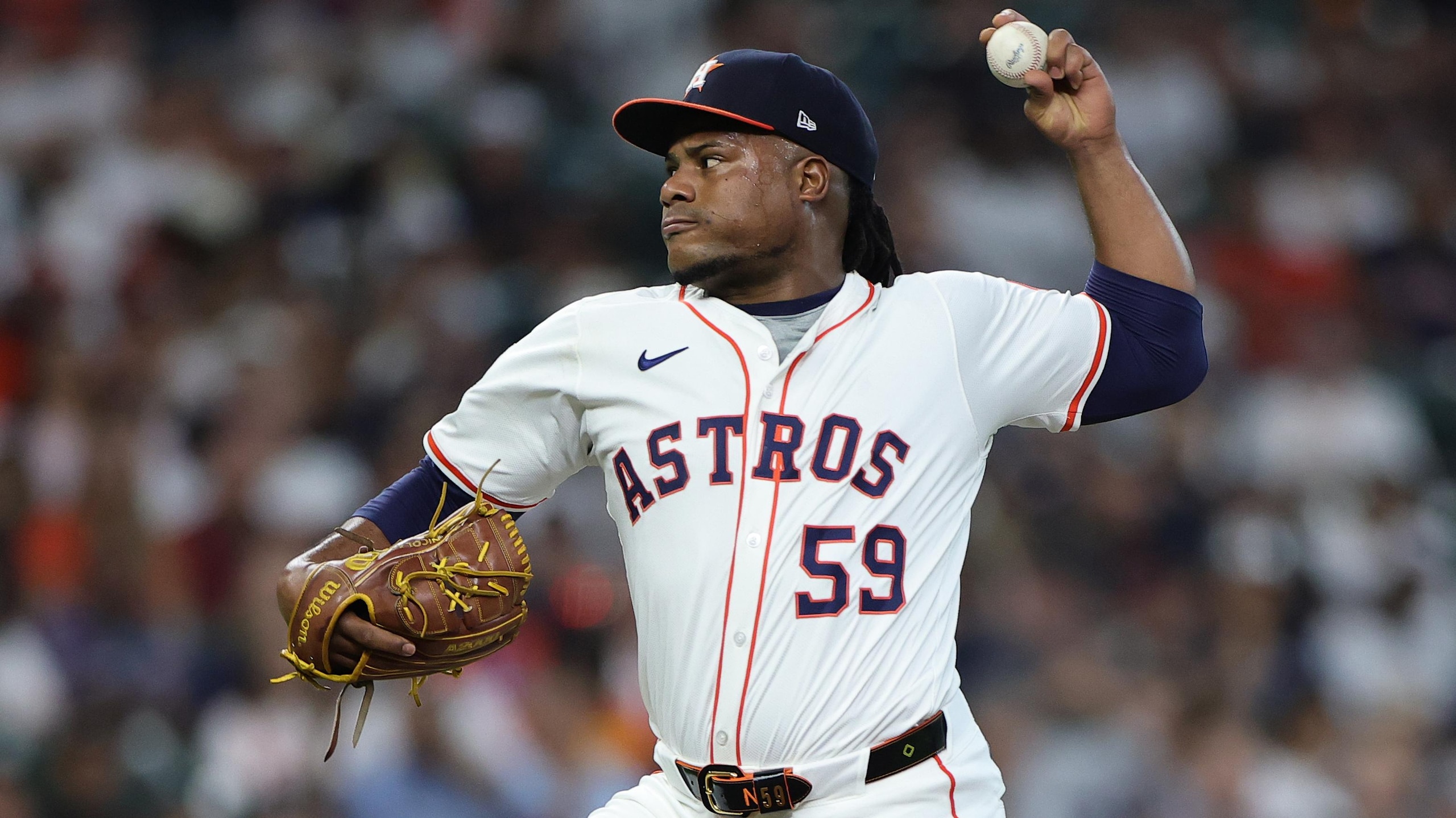
Contract Projections: 6 years, $200M (Spotrac); 5 years, $150M (MLB Trade Rumors); 6 years, $168M (ESPN); 4 years, $114M (B/R)
Chance of a Reunion: Never Say Never, But Not Looking Promising
Even before that whole cross-up controversy in early September, it didn't seem as though the Astros had any plans to re-sign Framber Valdez for somewhere in the vicinity of $200M.
They have shed a decent chunk of payroll thus far this offseason, though, trading away Mauricio Dubón while releasing Ramón Urías, Chas McCormick and Luis Garcia. At this point, they could probably justify making a not-insignificant addition to their starting rotation. But a reunion with Valdez still feels far-fetched.
Plan B: Buy Low on Zac Gallen
From 2020-24, Valdez was worth 14.7 bWAR. Well, during that same half-decade, Zac Gallen was worth 16.9 bWAR in Arizona, and he's nearly two years younger than Valdez. The problem is Gallen had a horrific walk year, to the point where it was plausible he would accept the $22.025M qualifying offer.
He didn't and could be headed for the most uniquely structured contract of this offseason.
Houston could swoop in and snag a co-ace for Hunter Brown with something like a $22.5M offer for 2026 with a club option for another 5/$125M which converts to a 2/$40M player option if declined.

New York Mets (1B Pete Alonso)
4 of 8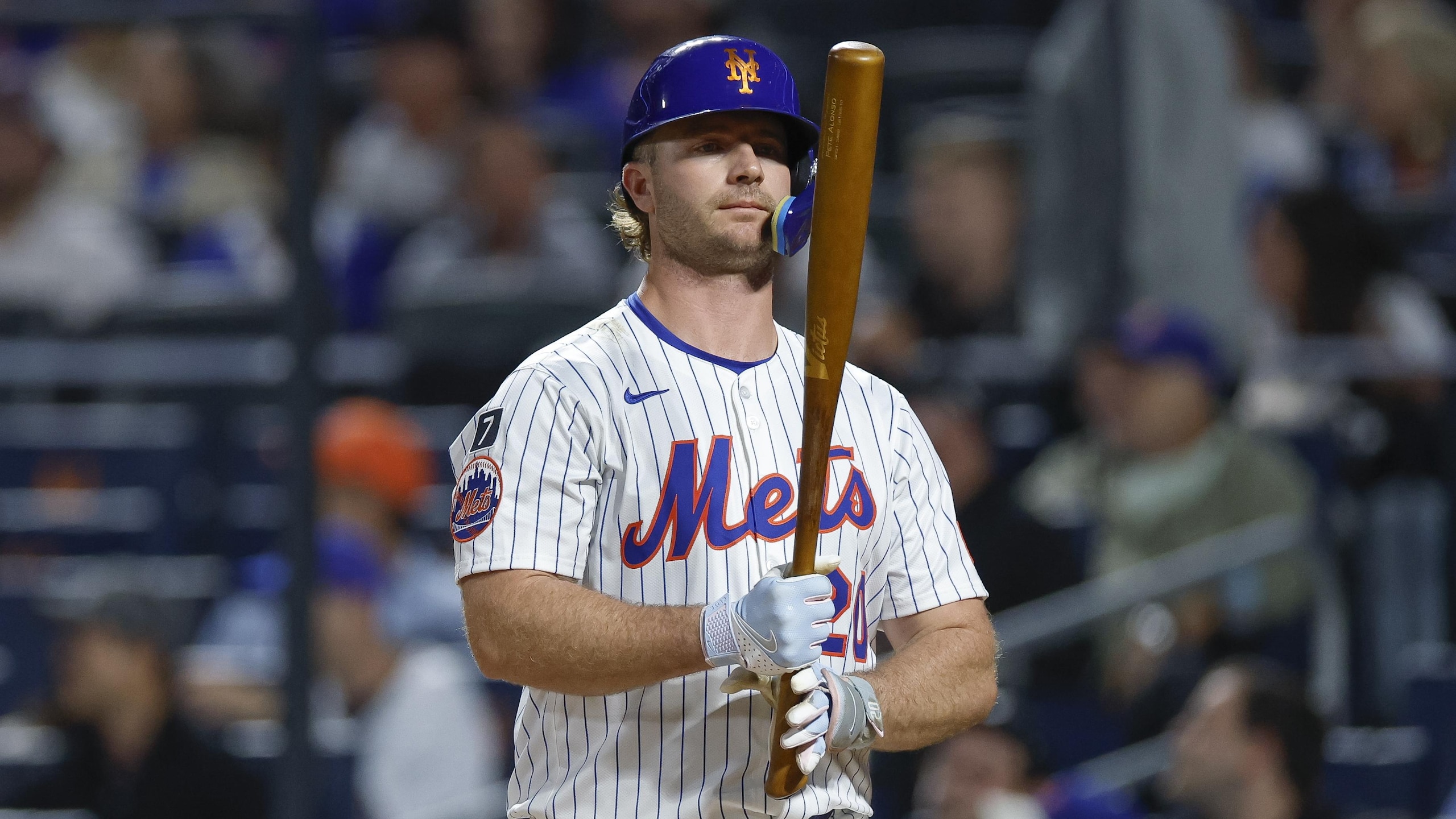
Contract Projections: 4 years, $113M (Spotrac); 4 years, $110M (MLB Trade Rumors); 4 years, $110M (ESPN); 5 years, $145M (B/R)
Chance of a Reunion: Decent, But Much Lower Than Last Winter
There was talk last winter of Pete Alonso signing with Toronto, San Francisco and more, but it never truly felt like he was going to land anywhere other than back with the Mets.
This year seems different.
The Mets are certainly still among his list of suitors, but there are a lot of teams out there right now who typically don't spend much money, who are talking a big game about wanting to spend money and who could desperately use an upgrade at first base. Baltimore, Cincinnati, Miami and Pittsburgh come to mind. Boston is also very much in the market for a Polar Bear, and Philadelphia could catapult into that market if it ends up failing to re-sign Kyle Schwarber.
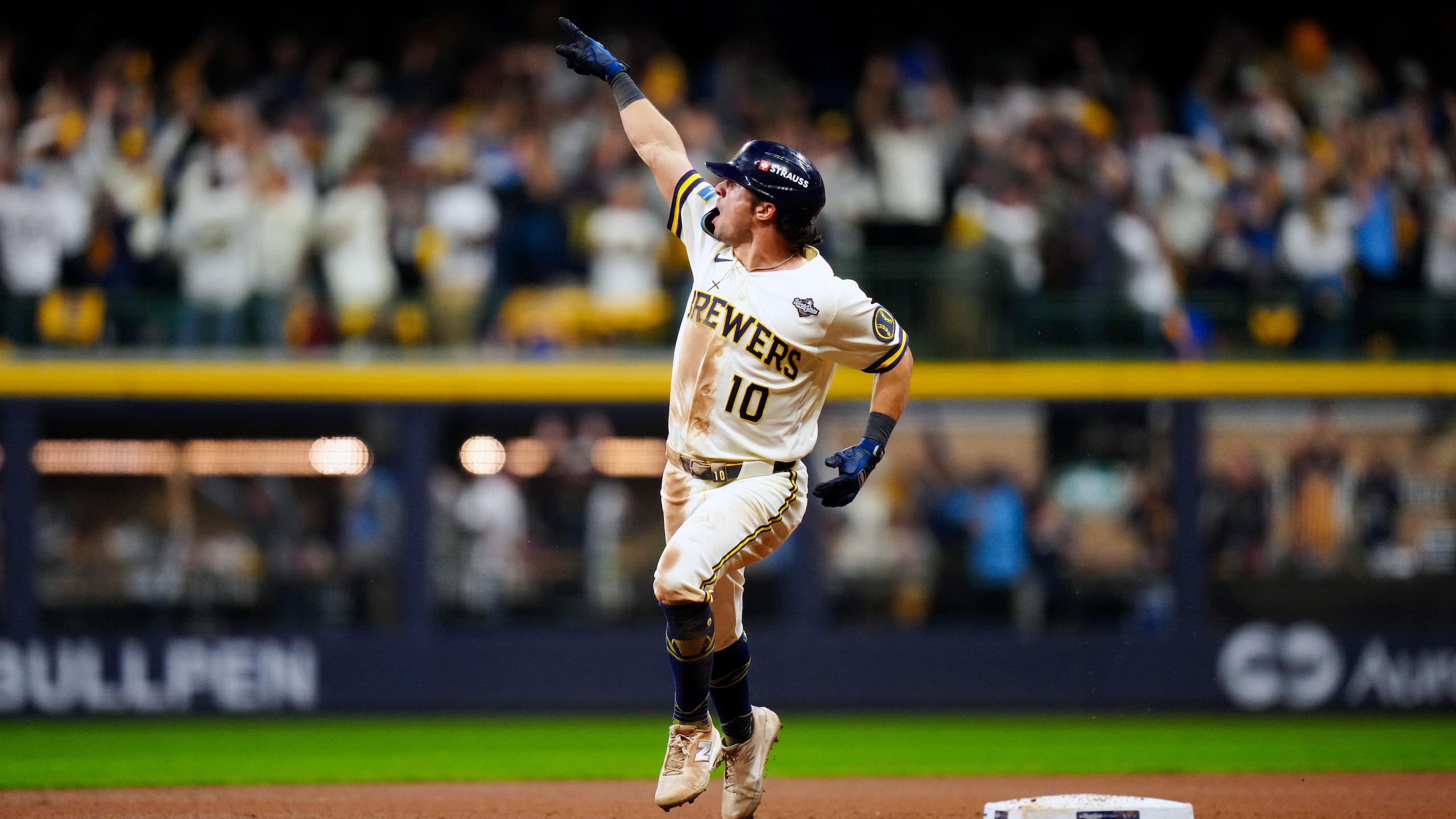
Plan B: Sign Cody Bellinger
After acquiring Marcus Semien from the Rangers, the Mets might be all set in the infield sans Alonso. There's no question it'll be Semien at second and Francisco Lindor at short, and it will presumably be Mark Vientos at first and Brett Baty at third with Luisangel Acuña and Ronny Mauricio around for depth.
The outfield situation (beyond Juan Soto) is a bit of a mess, though, and they need to do something to replace Alonso's bat in the middle of the lineup, even if it isn't necessarily via a first baseman. Bellinger would make a lot of sense, and does have plenty of experience at first base, just in case the Vientos/Baty plan falls flat.
New York Yankees (OF Cody Bellinger)
5 of 8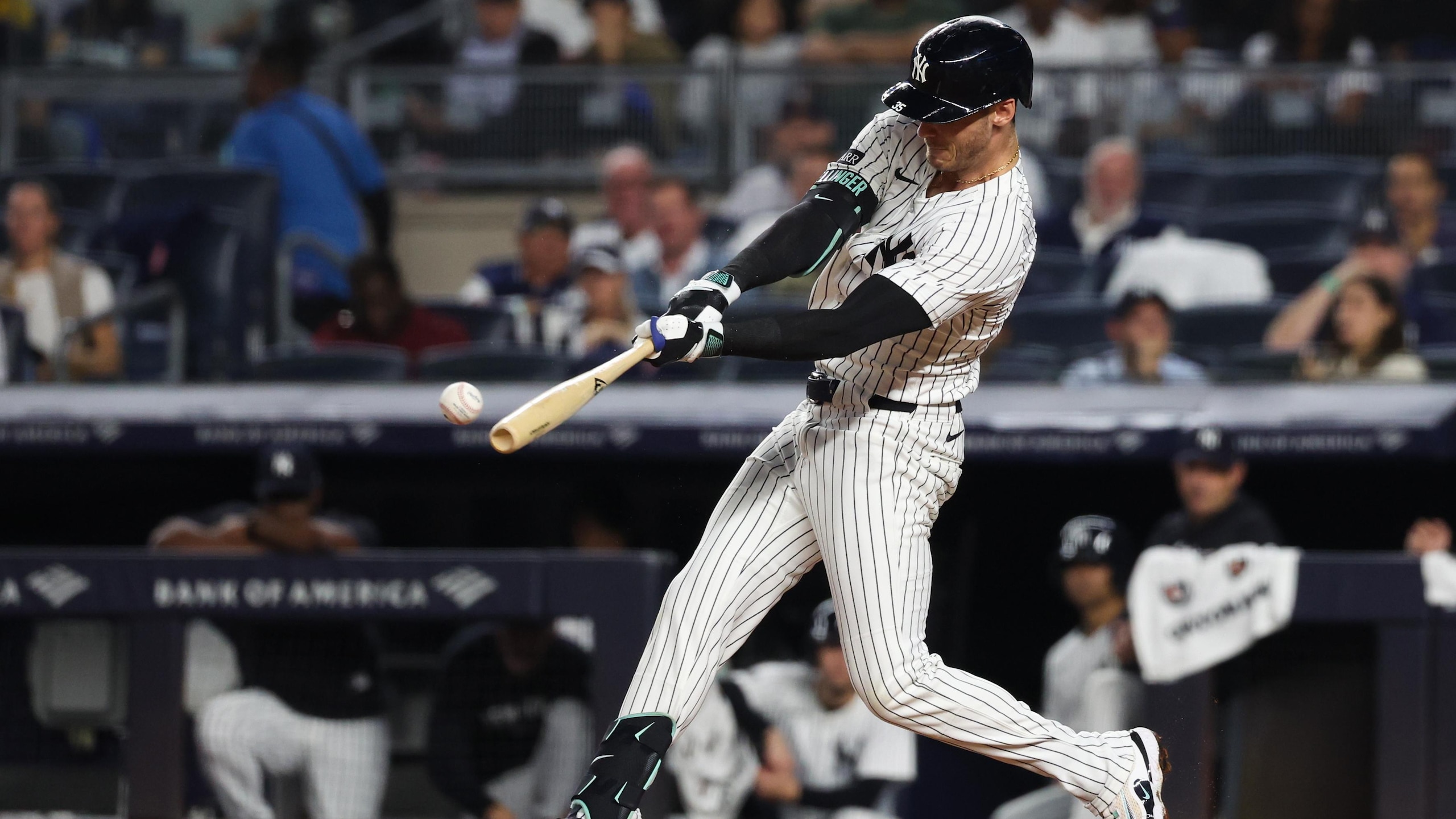
Contract Projections: 6 years, $183M (Spotrac); 5 years, $140M (MLB Trade Rumors); 6 years, $165M (ESPN); 5 years, $135M (B/R)
Chance of a Reunion: Somewhere Around 35 Percent
Bellinger returning to the Yankees certainly isn't a long shot. Rather, when the offseason began, it was what most in the business assumed would happen.
However, the Yankees re-signed Trent Grisham to a one-year deal at more than quadruple the price they paid in 2025. Owner Hal Steinbrenner recently told reporters that it would be 'ideal' if their payroll went down—though, he went on to say that doesn't mean that's what is going to happen. No chance of that happening if they do pony up the dough for Belli.
Plan B: Sign Kyle Tucker or Trade for Steven Kwan
It's a bit silly to say that signing the hottest commodity in free agency is the backup plan for a team, but it might be the case for the Yankees. They arguably need to do something significant in the outfield, and with all due respect to the likes of Harrison Bader and Ryan O'Hearn, Bellinger and Tucker are the only significant options in free agency this winter.
There's also the trade block, though, where Kwan could be a fantastic addition in left field, both as a four-time Gold Glove recipient and as a guy who can get on base at a great clip ahead of Aaron Judge in this lineup. Kwan would also be a two-year commitment, which could be key with Spencer Jones eventually coming.
Philadelphia Phillies Pt. 1 (DH Kyle Schwarber)
6 of 8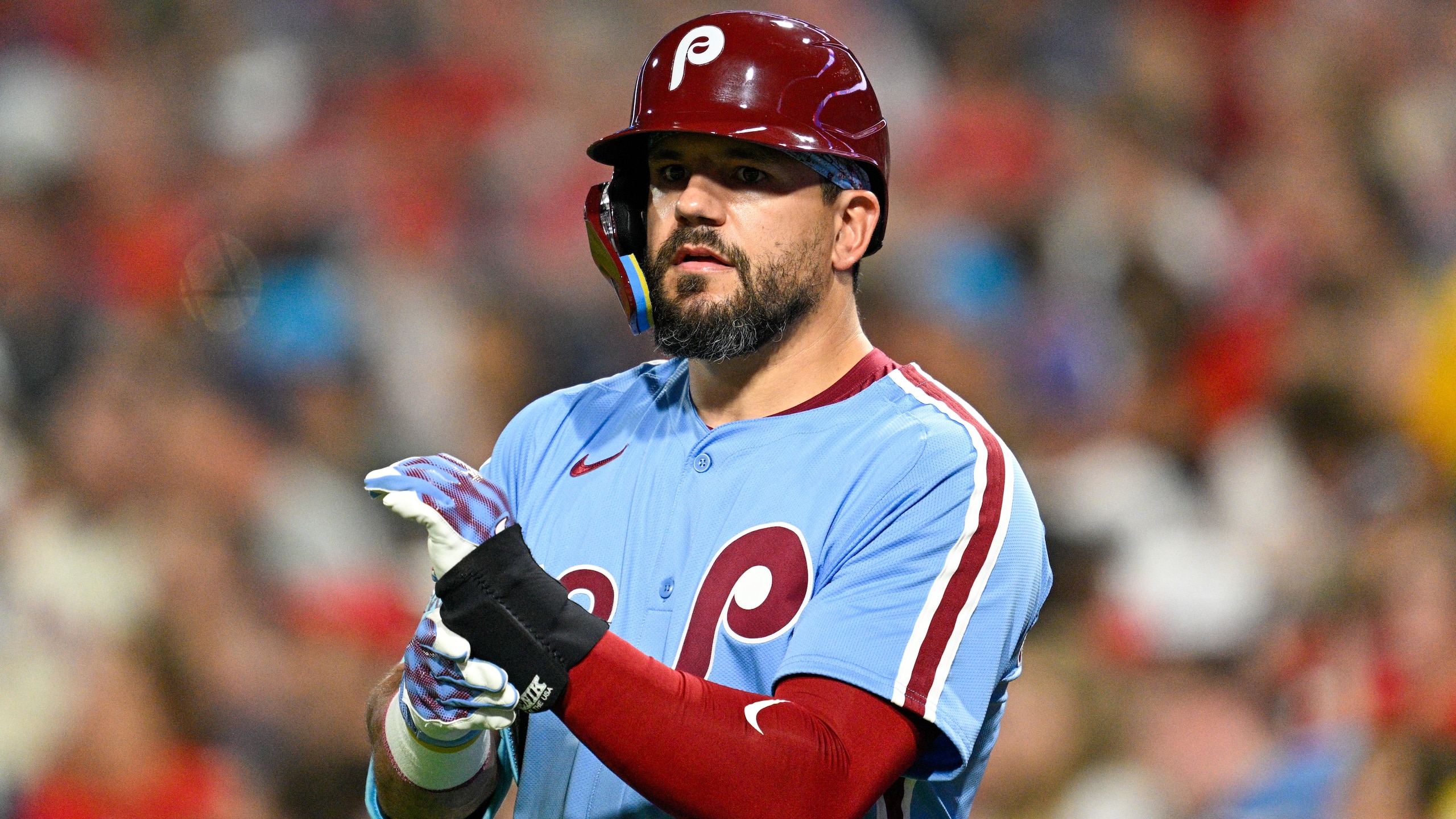
Contract Projections: 4 years, $100M (Spotrac); 5 years, $135M (MLB Trade Rumors); 4 years, $128M (ESPN); 4 years, $135M (B/R)
Chance of a Reunion: Far More Likely Than Not
It's honestly a little surprising that Kyle Schwarber hasn't already re-signed with the Phillies. As the clear-cut creme de la creme among DH-only players available this winter, though, he does have the luxury of just waiting for the market to come to him.
If you're buying the rumors that Schwarber might be relocating to that other team in Pennsylvania, though, you might also be interested in buying some lovely oceanfront property in Nebraska. Philly is definitely still the favorite.
Plan B: Sign Pete Alonso
How do you replace one of the four most frequent sources of home runs in all of baseball over the past four years?
By signing one of the other members of that quartet, of course.
If the Phillies were to sign Alonso, they could move Bryce Harper back to right field and mercifully be done with Nick Castellanos' glove. (If they keep Castellanos in 2026, at all.)
Alternatively, they could sign a younger version of Schwarber in Munetaka Murakami. For his career, Schwarber has homered in 6.3 percent of plate appearances, struck out in 28.4 percent and walked in 14.2 percent. Murakami's rates are 6.2, 25.2 and 16.0, respectively.
Neither of those options is likely to come any cheaper than Schwarber. But if he signs elsewhere and either of those sluggers is still available, that's a plausible pivot.
Philadelphia Phillies Pt. 2 (LHP Ranger Suárez)
7 of 8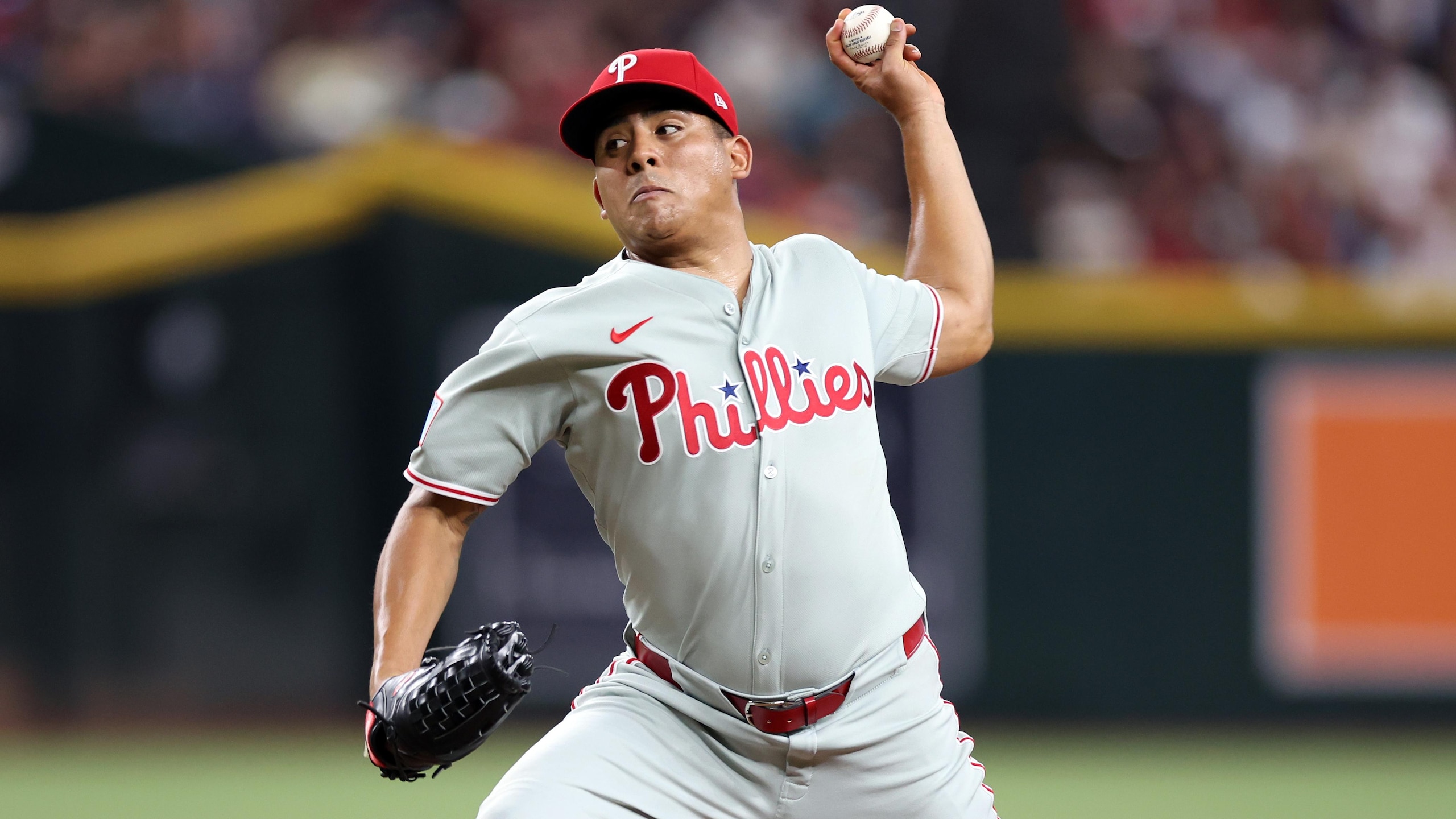
Contract Projections: 6 years, $162M (Spotrac); 5 years, $115M (MLB Trade Rumors); 4 years, $92M (ESPN); 4 years, $110M (B/R)
Chance of a Reunion: Not Presently a Top Priority
You could easily make the case that Ranger Suárez is the most coveted of the players that the Phillies have contributed to this year's free agent market, while also making the case that he is, at best, No. 3 on Philadelphia's "re-signing wish list" behind both Kyle Schwarber and J.T. Realmuto.
And, well, they don't have room in the budget to bring them all back, already with a projected payroll north of $260M without having done anything noteworthy yet this winter.
Plan B: Trade for Freddy Peralta
The reason Suárez is low on their re-signing wish list is that they simply don't need him. They've already got three starters who received Cy Young votes this past season in Zack Wheeler, Cristopher Sánchez and Jesús Luzardo, plus three other more-than-viable rotation pieces in Aaron Nola, Taijuan Walker and top prospect Andrew Painter.
If they're doing anything to backfill Suárez's spot, though, it has to be relatively inexpensive. And though they would need to part with some serious young talent to acquire one year of Freddy Peralta's services, the price is certainly right at $8M.
Most likely, though, they'll just let it ride with their rotation, focusing instead on other needs as they cling to this window of contention.
Toronto Blue Jays (SS Bo Bichette)
8 of 8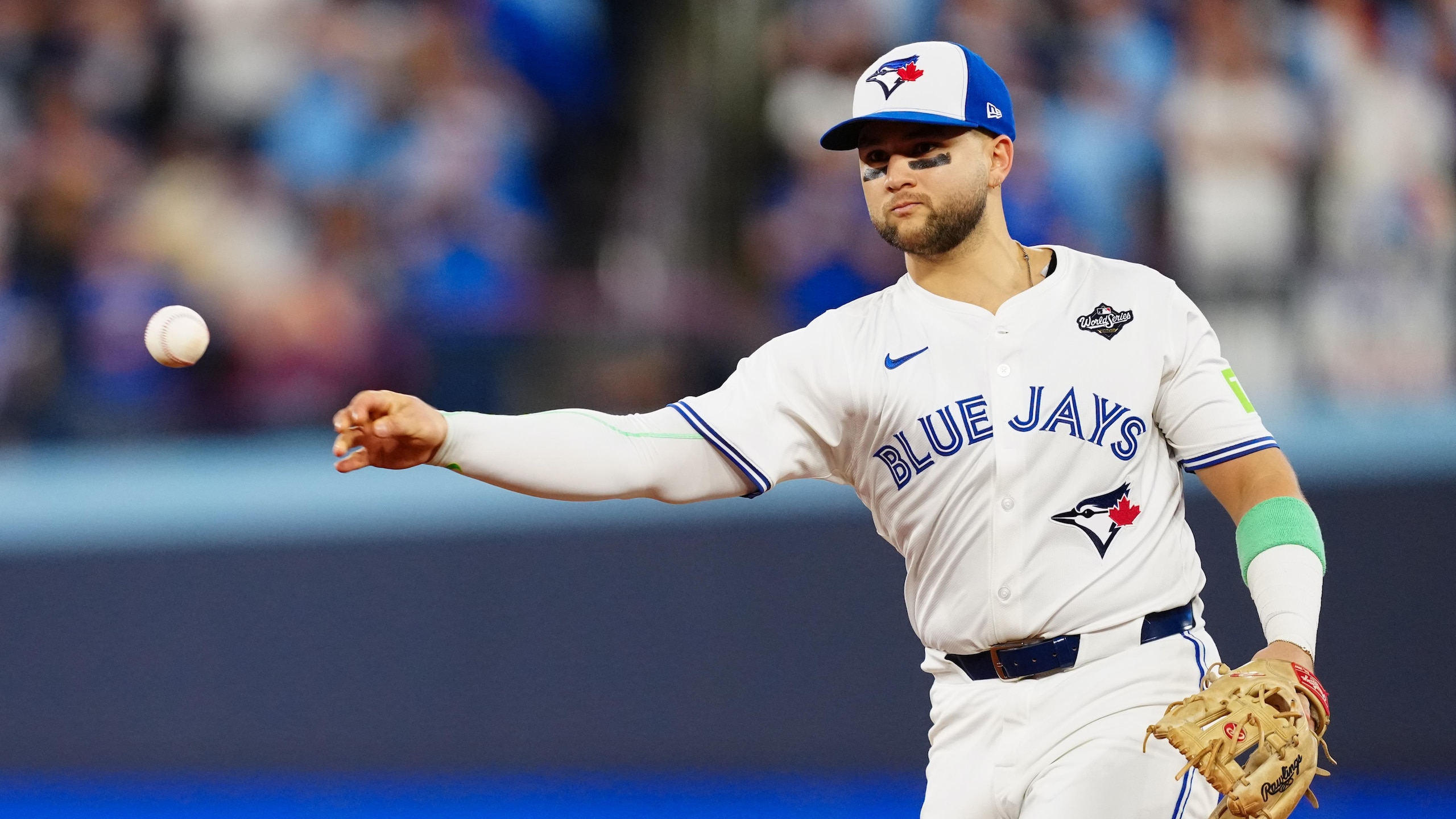
Contract Projections: 8 years, $186M (Spotrac); 8 years, $208M (MLB Trade Rumors); 5 years, $130M (ESPN); 7 years, $210M (B/R)
Chance of a Reunion: Plausible, But Less So Than a Week Ago
The somewhat overwhelming consensus heading into the offseason was that the Blue Jays would find a way to re-sign Bo Bichette, turning him and Vladimir Guerrero Jr. into their own versions of Jeff Bagwell and Craig Biggio, who play alongside each other for basically their entire careers.
After making a $210M investment in Dylan Cease, though, can they afford Bichette?
They already have a projected luxury tax payroll well north of $250M. And though there had been talk of Toronto being the landing spot for Kyle Tucker, it was never a case of them just having $400M lying around, waiting to be spent.
Plan B: Trade for Ketel Marte
Doing nothing is also a perfectly viable option here. Toronto is already set to have an Opening Day infield of Guerrero, Andrés Giménez, Ernie Clement and Addison Barger alongside an outfield of George Springer, Daulton Varsho and Nathan Lukes, plus Anthony Santander at DH. Throw in Davis Schneider, Myles Straw and Joey Loperfido as reserves and the Jays' lineup is already way better off than most.
But if they want to do something and can't quite justify going close to $200M for Bichette, maybe they can trade for the six years and $103.5M remaining on Ketel Marte's contract? The downside, of course, is they would need to part with enough talent to actually pique Arizona's interest, but that's why it's a Plan B.
.jpg?w=2560 "Mahomes Told Teammate to Leave Meeting")
.jpg?w=2560 "🚨 Week 8 AP Top 25 Poll")


.jpg?w=2560 "Baker Gets Glove From Rays 🧤")
.jpg?w=2560 "Updates from EVERY NFL Game 🏈")
