
James Harden and the Best 82-Game Players in NBA History
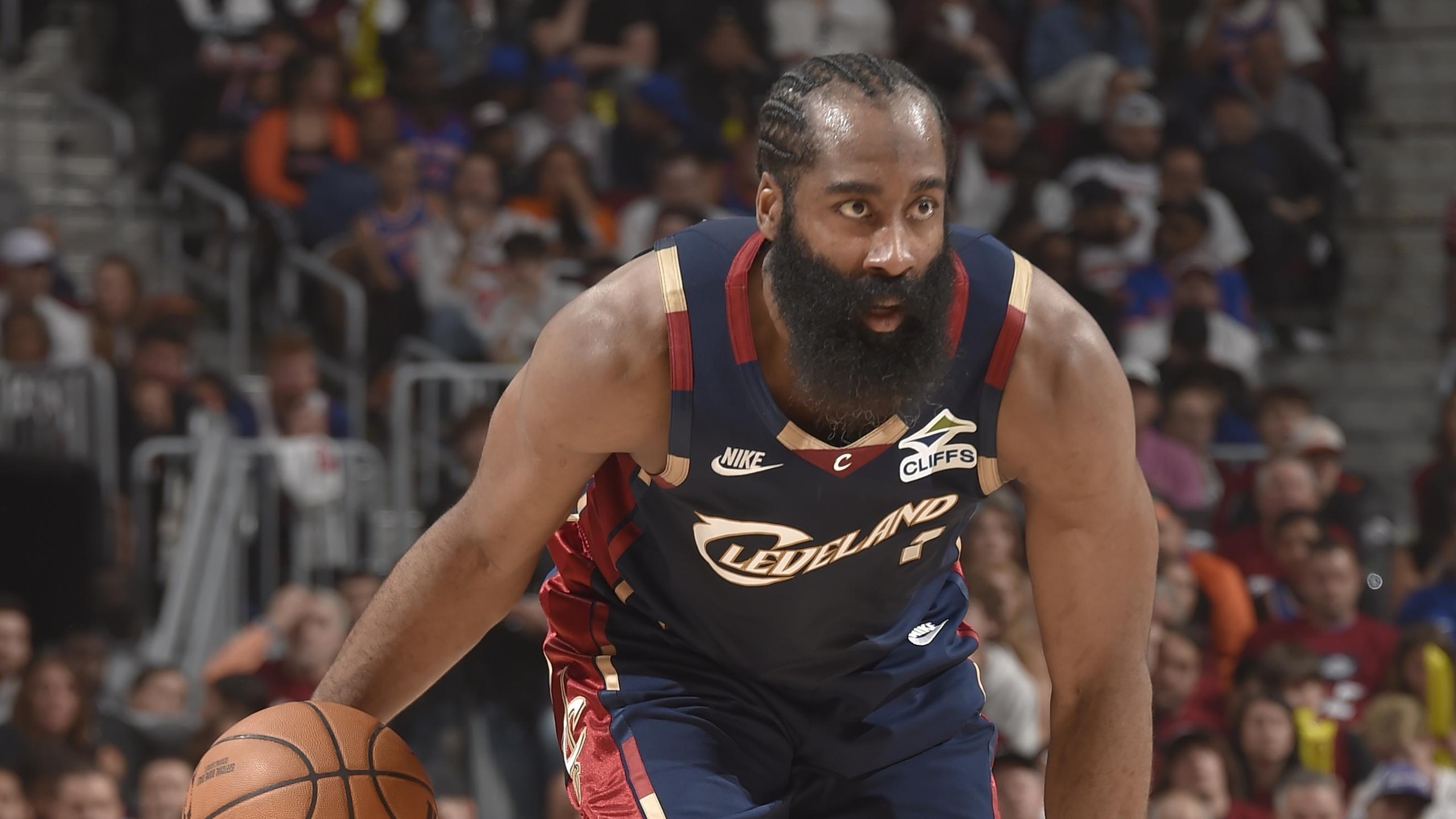
We just witnessed another epic postseason flameout from James Harden.
After averaging 20.5 points and 7.7 assists per game for the Cleveland Cavaliers in the regular season, he dropped to 16.0 points and 3.0 assists per game in the Eastern Conference Finals against the New York Knicks. He shot 38.9 percent from the field and 17.9 percent from deep in the series.
It was another piece of evidence that Harden may be more of an 82-game player than a 16-game player.
Earlier this postseason, four-time champion Draymond Green explained the difference to The Athletic's Nick Friedell. Green said the playoffs require "a certain focus level," a willingness "to meet a certain level of physicality" and an ability to "lock in on the game plan."
Throughout NBA history, plenty of players were incredible in the 82-game regular season, but they couldn't check those three boxes when it came time to win 16 postseason contests.
In the wake of Harden cementing his status as an 82-game player, we set out to find the best players from that category in NBA history.
The Method
1 of 17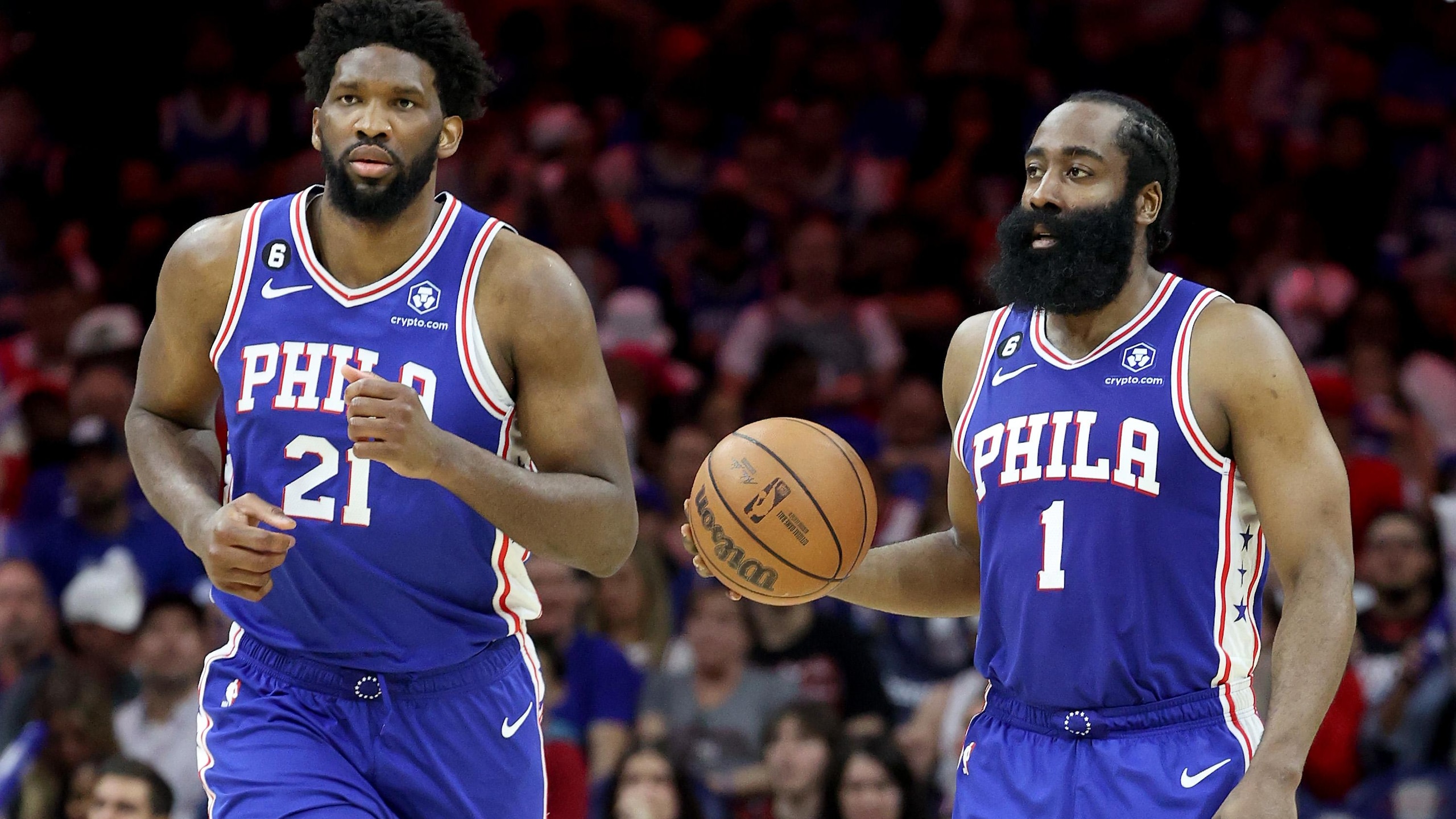
This isn't a list of the biggest playoff droppers in league history. It's more nuanced than that. In a backhanded way, we're sort of complimenting these players.
To determine the best 82-game players in NBA history, we first need to define what an "82-game player" is.
For our purposes here, it's an NBA player who never won a championship and had a career playoff-win-shares-per-48-minutes average that was at least 0.04 lower than his regular-season mark.
The line is sort of arbitrary, but it emerged after examining the NBA's top 200 in career win shares. (We used win shares instead of a more modern catch-all metric like box plus/minus because it covers all of league history, while BPM is only tracked back to 1973-74.)
While plenty of players got titles later in their career when they were no longer the star of a team, that achievement traditionally does more to flip the narrative on a player than any other.
With that definition in mind, we then revisited Bleacher Report's list of the greatest 100 players in NBA history and pulled everyone who qualified (plus a few who were just outside that top 100).
Worth Mentioning
2 of 17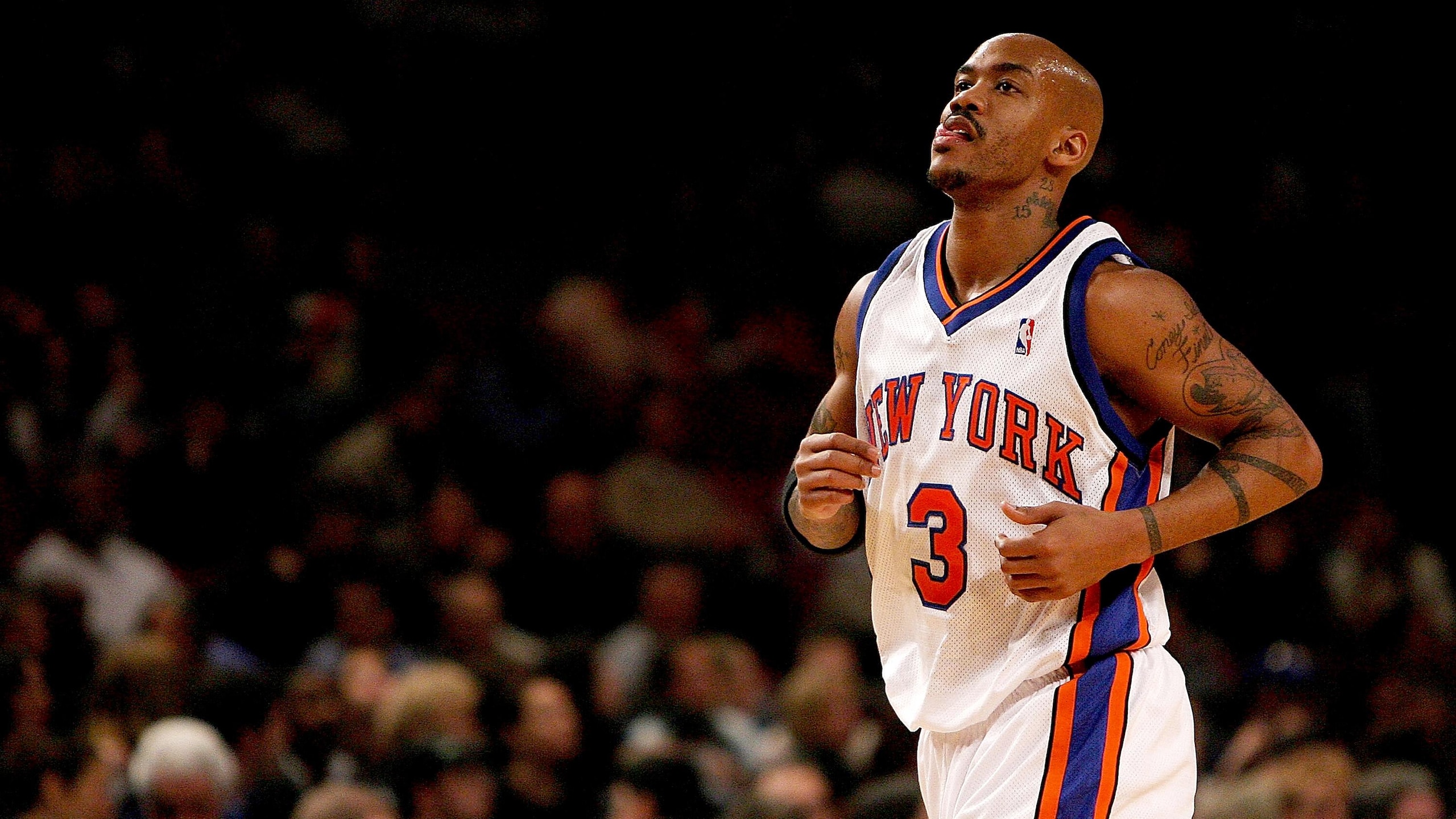
Before we get to the actual 15, a few names and numbers emerged from the preliminary research that simply have to be mentioned.
Stephon Marbury left the league after his age-31 season, but he's still in the top 100 of non-title-winning players in career win shares. Among that group, he had the biggest drop from regular season to postseason win shares per 48 minutes (from 0.117 to minus-0.021).
Andre Drummond, Clifford Robinson and Nikola Vučević all had big drops too, but they were nowhere near B/R's top 100 NBA players.
Some who did make that list but didn't have a big enough statistical slide from the regular season to the postseason to make this one include Russell Westbrook, Carmelo Anthony, Steve Nash, Chris Paul, Charles Barkley, Reggie Miller and Dwight Howard, to name a few.
Finally, Shareef Abdur-Rahim is notable on a couple of fronts. First, his drop-off in win shares per 48 was bigger than Marbury's. And the mere fact that a 12-year vet with career averages of 18.1 points and 7.5 rebounds only played 129 minutes in six playoff games seems almost impossible.
There may be others who fit your own definition of an "82-game player," and you're certainly encouraged to share their names in the comment section. But now that we have all the explanations and caveats out of the way here, it's time to dive into the actual list.
DeMar DeRozan
3 of 17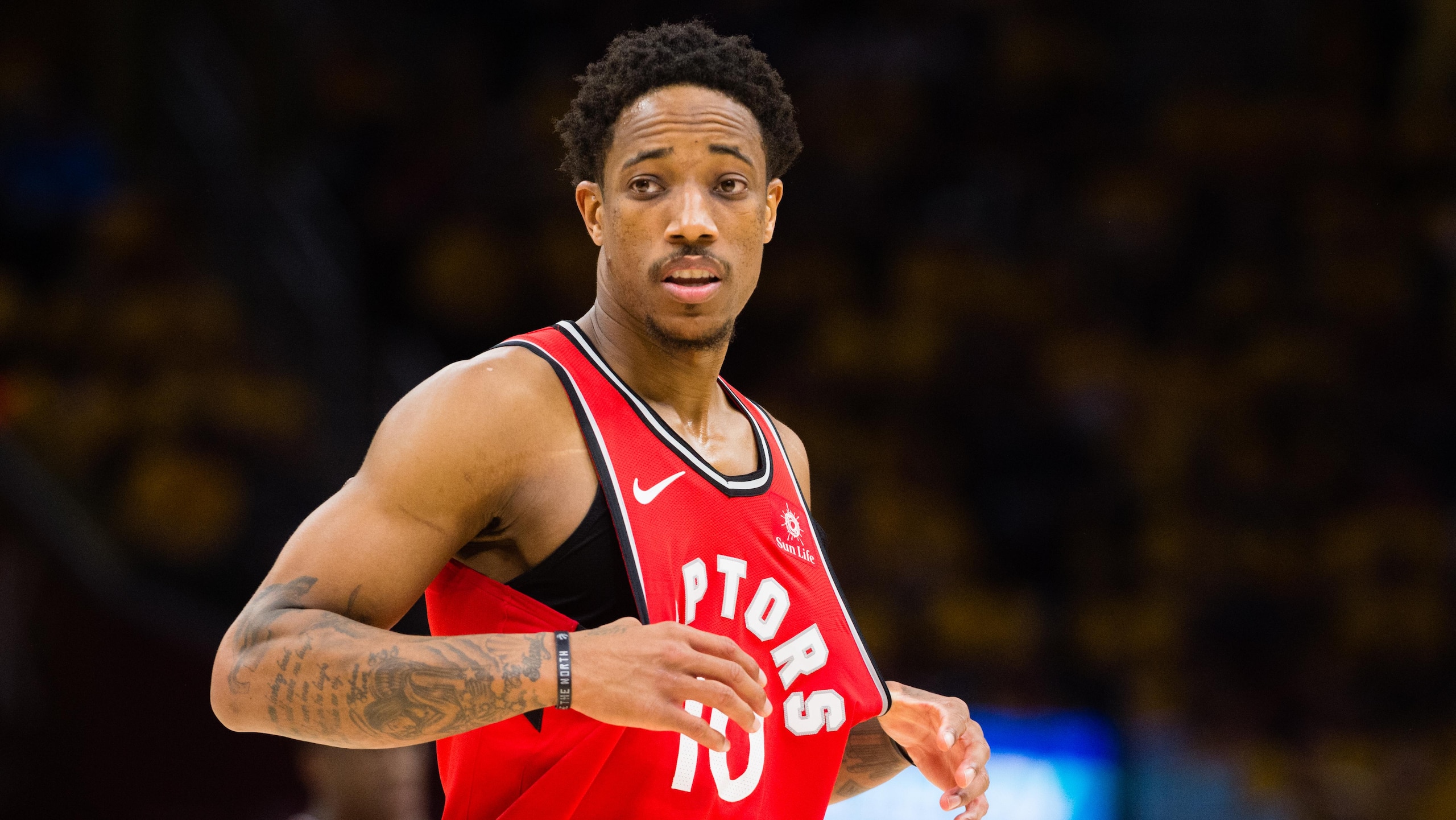
B/R 100: 120
Regular Season: 21.1 points, 4.1 assists, 48.7 eFG%, 0.126 win shares per 48 minutes
Playoffs: 21.8 points, 3.7 assists, 42.8 eFG%, 0.049 win shares per 48 minutes
As you can see, DeMar DeRozan didn't make the Bleacher Report all-time top 100, but he received a handful of voting points from the panel. And his 0.077-point drop in average win shares per 48 minutes between the regular season and the playoffs is the largest of anyone on this list.
Throughout his career, DeRozan was one of the league's more dangerous mid-range scorers. Later in his career, he became an effective creator and distributor.
But in the playoffs, his lack of defense and three-point shooting became significant weaknesses for his teams. Over the course of seven postseason runs, DeRozan's teams were minus-8.4 points per 100 possessions when he was on the floor and plus-2.6 when he wasn't.


Tim Hardaway
4 of 17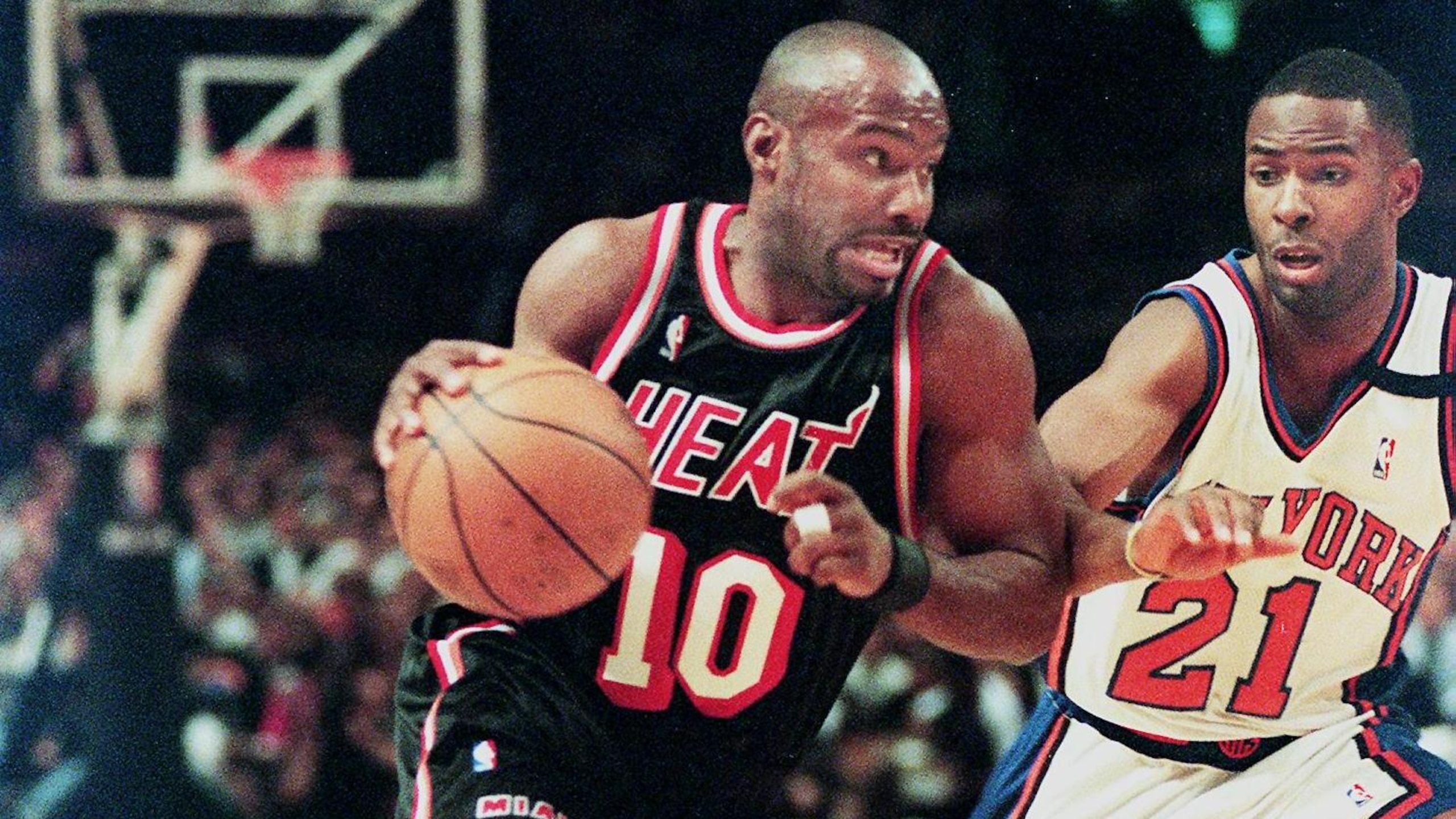
B/R 100: 119
Regular Season: 17.7 points, 8.2 assists, 49.0 eFG%, 0.133 win shares per 48 minutes
Playoffs: 16.8 points, 6.8 assists, 45.9 eFG%, 0.069 win shares per 48 minutes
NBA fans of a certain age likely remember what felt like several strong playoff runs for Tim Hardaway and the Miami Heat, but he only led those teams past the first round twice and past the second round once.
There was a conference finals appearance mixed in there, but like Harden in 2026, Hardaway struggled in that series.
Miami got there in 1997, but the Chicago Bulls beat them in five games, and Hardaway shot just 35.1 percent from the field and 26.2 percent from deep.
Kevin Johnson
5 of 17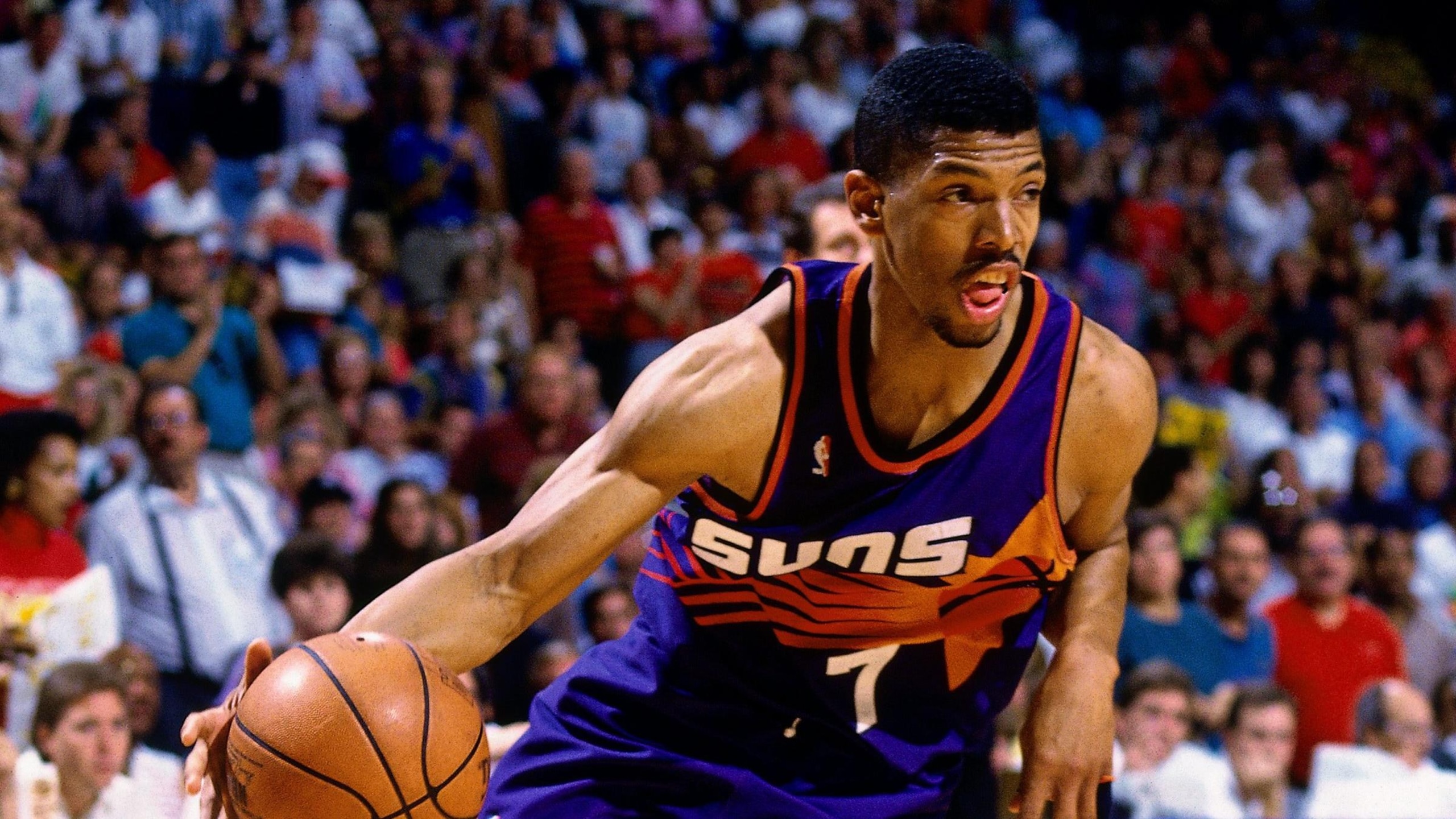
B/R 100: 118
Regular Season: 17.9 points, 9.1 assists, 50.1 eFG%, 0.178 win shares per 48 minutes
Playoffs: 19.3 points, 8.9 assists, 47.6 eFG%, 0.117 win shares per 48 minutes
This is where you start to see some of the limitations of the methodology.
Kevin Johnson was productive in multiple deep playoff runs for the Phoenix Suns, but he also never broke all the way through.
And when the Suns made it all the way to Finals and faced the Bulls in 1993, he averaged 4.3 turnovers per game and shot just 42.1 percent from the field.
Sidney Moncrief
6 of 17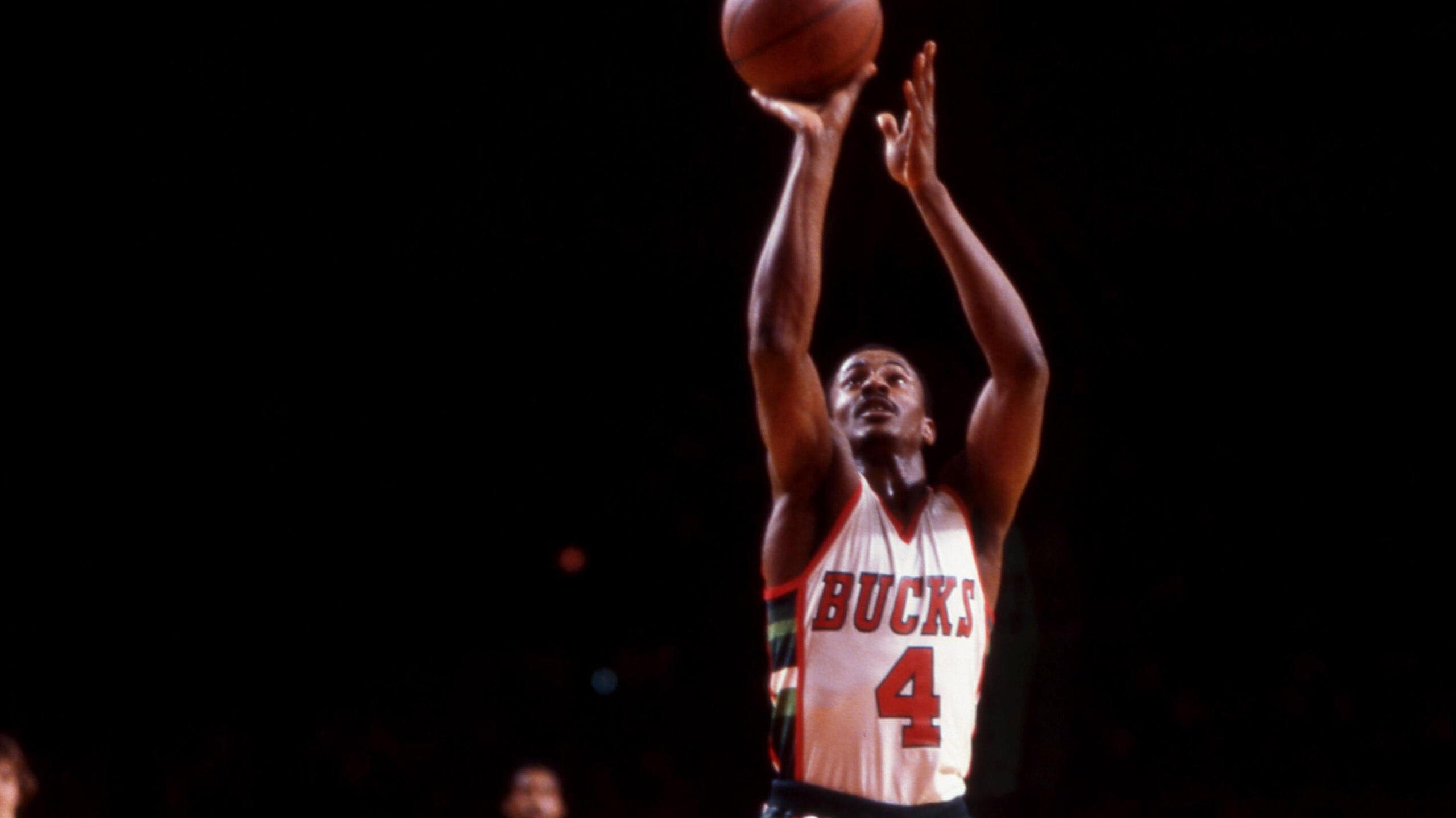
B/R 100: 114
Regular Season: 15.6 points, 3.6 assists, 50.9 eFG%, 0.187 win shares per 48 minutes
Playoffs: 16.0 points, 3.4 assists, 48.4 eFG%, 0.118 win shares per 48 minutes
Sidney Moncrief had multiple decent playoff runs on an individual level, but he could never quite make it out of the Eastern Conference.
And though the two-time Defensive Player of the Year often made more of an impact on that end than he did on the other, his offense went missing at critical points on several occasions.
He had 22 career playoff games with at least 15 minutes and fewer than 10 points.
Yao Ming
7 of 17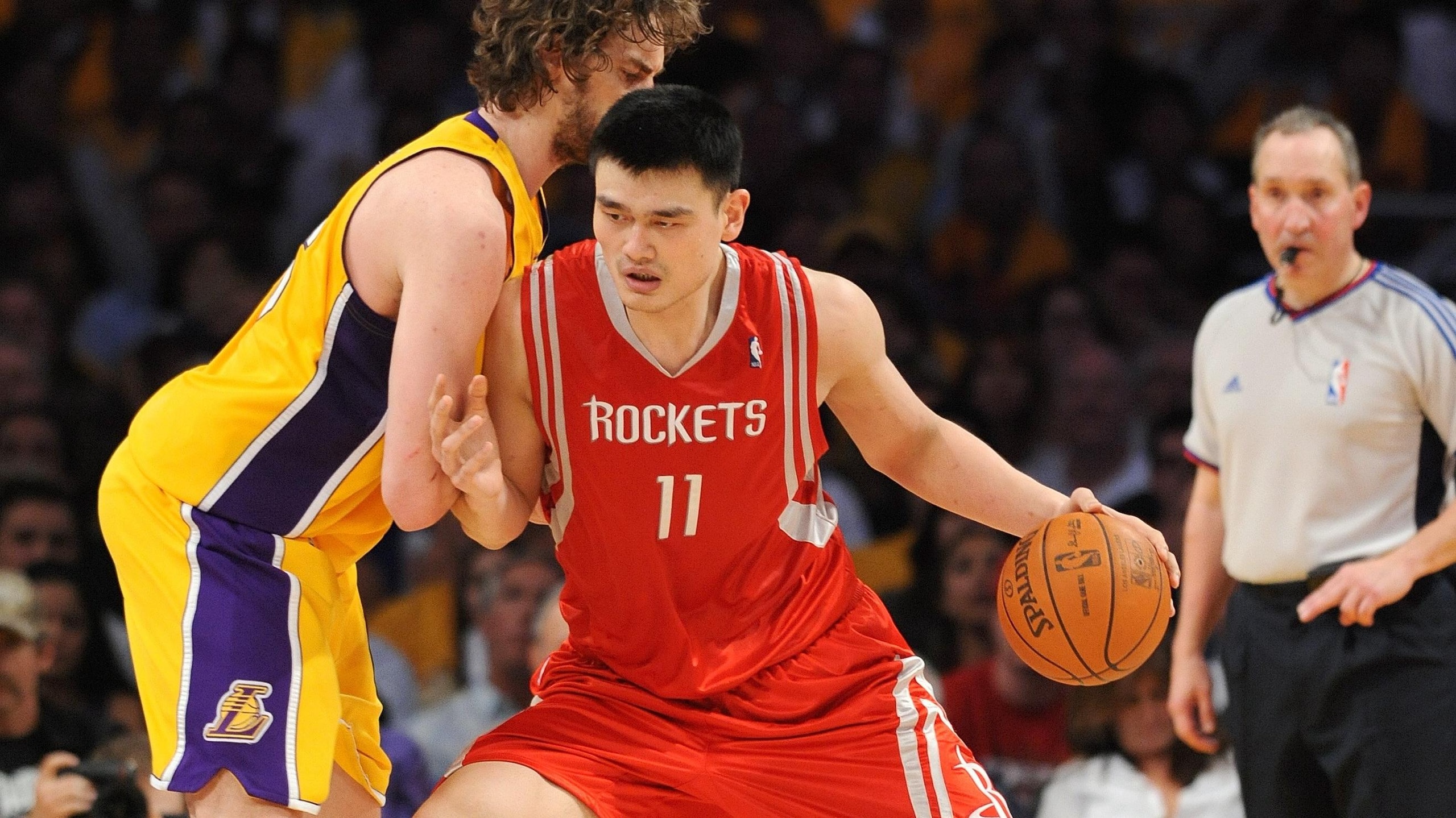
B/R 100: 110
Regular Season: 19.0 points, 9.2 rebounds, 1.9 blocks, 52.5 eFG%, 0.200 win shares per 48 minutes
Playoffs: 19.8 points, 9.3 rebounds, 1.5 blocks, 51.9 eFG%, 0.156 win shares per 48 minutes
Health (or lack thereof) is as big a factor in Yao Ming being here as anything. His body never gave him a chance to seriously contend for a title.
But even during the early years, when he played at least 80 games in three straight campaigns, his Houston Rockets never had significant playoff success.
Yao played in 28 total playoff games in his NBA career. He was eliminated in the first round in three of his four postseason runs, and he was stopped at the second round in the other.
Rudy Gobert
8 of 17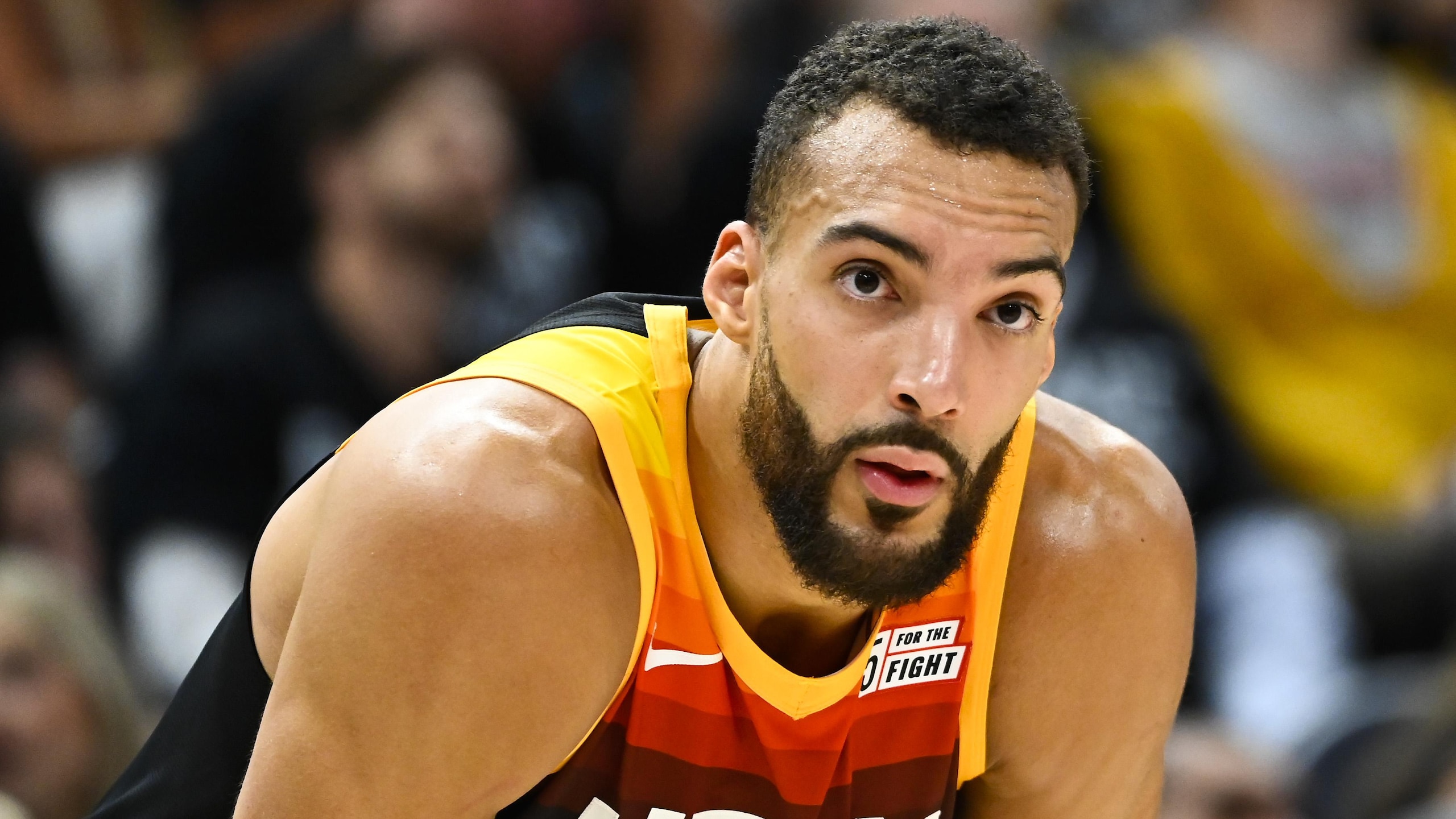
B/R 100: 107
Regular Season: 12.5 points, 11.7 rebounds, 2.0 blocks, 65.8 eFG%, 0.216 win shares per 48 minutes
Playoffs: 11.6 points, 10.4 rebounds, 1.5 blocks, 62.6 eFG%, 0.159 win shares per 48 minutes
For years, having a top-tier regular-season defense has been a near-certainty for teams with Rudy Gobert on the roster.
He's one of the very best rim protectors in league history. And his finishing and roll gravity have made him a more effective offensive player than most give him credit for.
But in the playoffs, opponents have often dared Gobert's teams to cut him loose on offense. He's rarely been able to make them pay.
Chris Mullin
9 of 17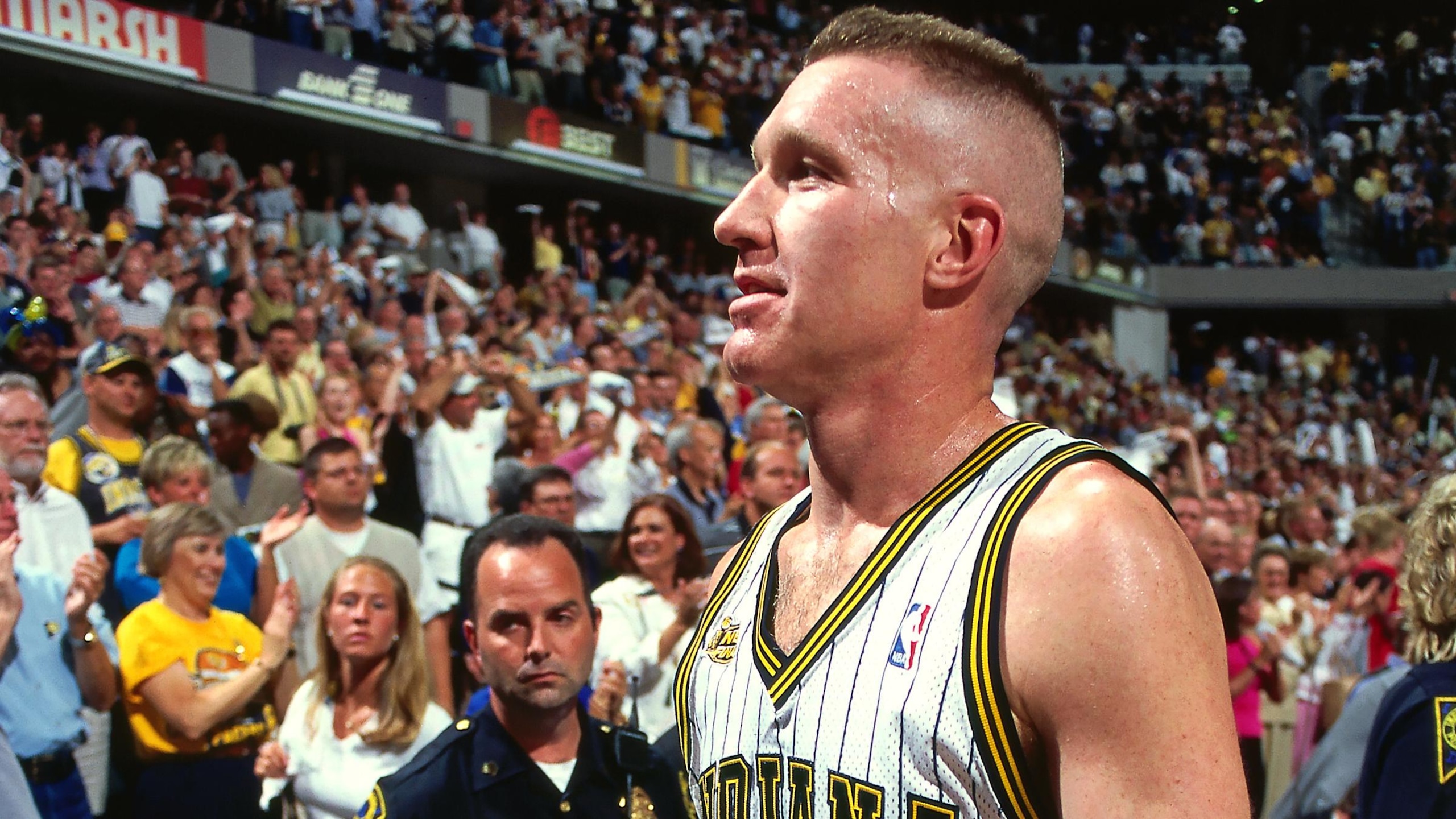
B/R 100: 104
Regular Season: 18.2 points, 3.5 assists, 54.0 eFG%, 0.139 win shares per 48 minutes
Playoffs: 13.8 points, 2.1 assists, 54.0 eFG%, 0.088 win shares per 48 minutes
In fairness to Chris Mullin, his basic numbers were dragged down by some late-career runs with the Indiana Pacers.
He had some monster individual postseasons early in his career, but they didn't take the Golden State Warriors any further than the second round.
In the regular season, Mullin was a multi-time All-Star who had some playmaking chops that made his already dangerous jumper terrifying. In some of his playoff appearances, he was reduced to more of a jump-shooting specialist.
Artis Gilmore
10 of 17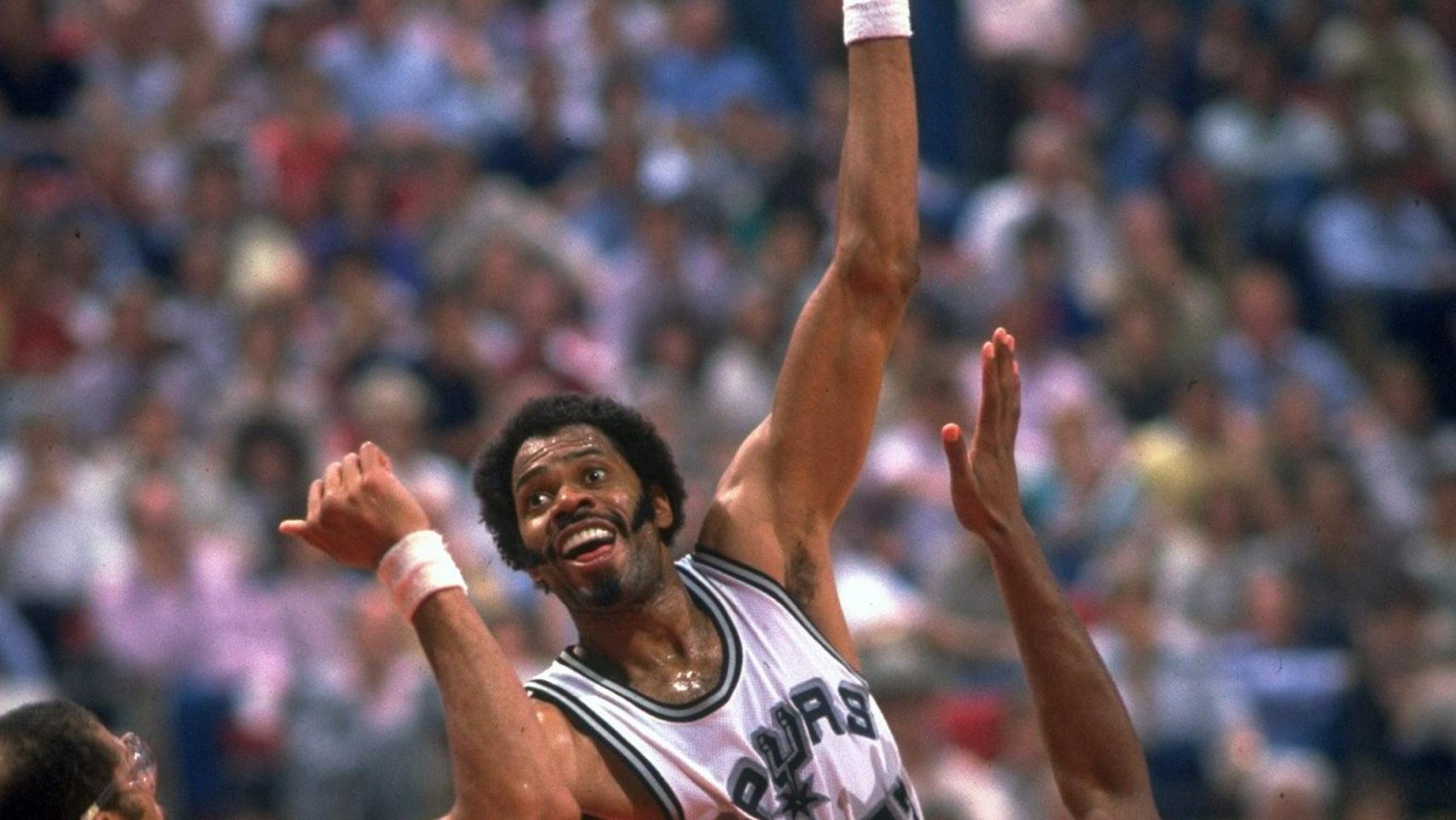
B/R 100: 100
Regular Season: 17.1 points, 10.1 rebounds, 1.9 blocks, 59.9 eFG%, 0.174 win shares per 48 minutes
Playoffs: 11.7 points, 8.0 rebounds, 1.7 blocks, 56.6 eFG%, 0.111 win shares per 48 minutes
Artis Gilmore won an ABA title in 1975, and he didn't come over to the NBA until his age-27 campaign. Those are significant caveats for his appearance on this list.
But as you can see, he was still quite a bit more productive in NBA regular seasons than he was in the playoffs.
Of his six NBA postseason appearances, he only made it past the second round once, when he was almost 40 and only averaged 6.1 minutes for the Boston Celtics.
Chris Webber
11 of 17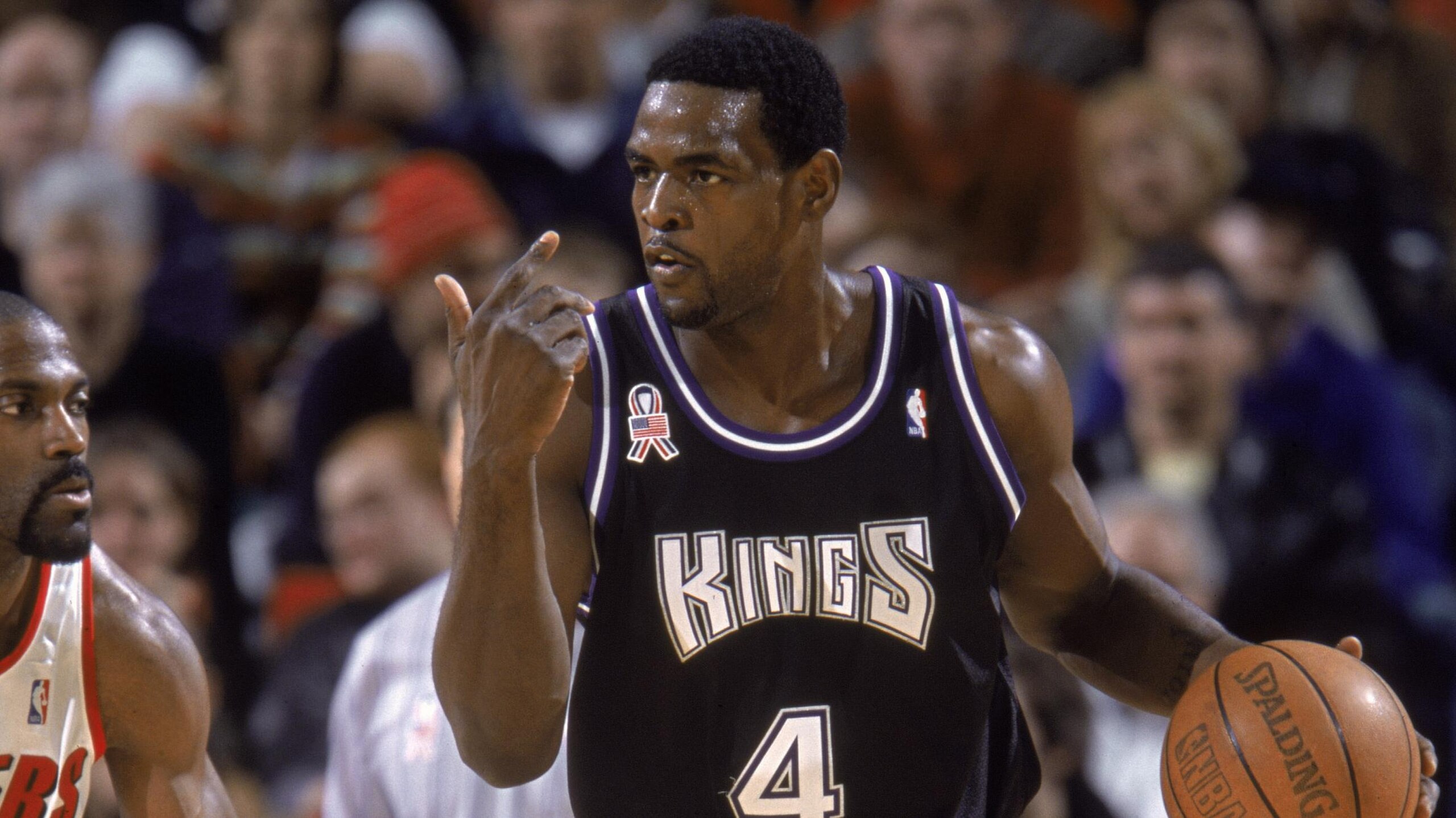
B/R 100: 90
Regular Season: 20.7 points, 9.8 rebounds, 4.2 assists, 1.4 blocks, 1.4 steals, 48.7 eFG%, 0.132 win shares per 48 minutes
Playoffs: 18.7 points, 8.7 rebounds, 3.6 assists, 1.2 blocks, 1.1 steals, 46.9 eFG%, 0.090 win shares per 48 minutes
Chris Webber played in an era in which Tim Duncan, Dirk Nowitzki and Kevin Garnett were all in their primes. Even against that backdrop and competition, he emerged as one of the most versatile big men ever.
But his wide-ranging skill set didn't alway translate to winning in the postseason.
Though the Sacramento Kings were consistent playoff threats and even made a conference finals with Webber, he finished his career with a dead-even 40-40 record in the postseason.
Joel Embiid
12 of 17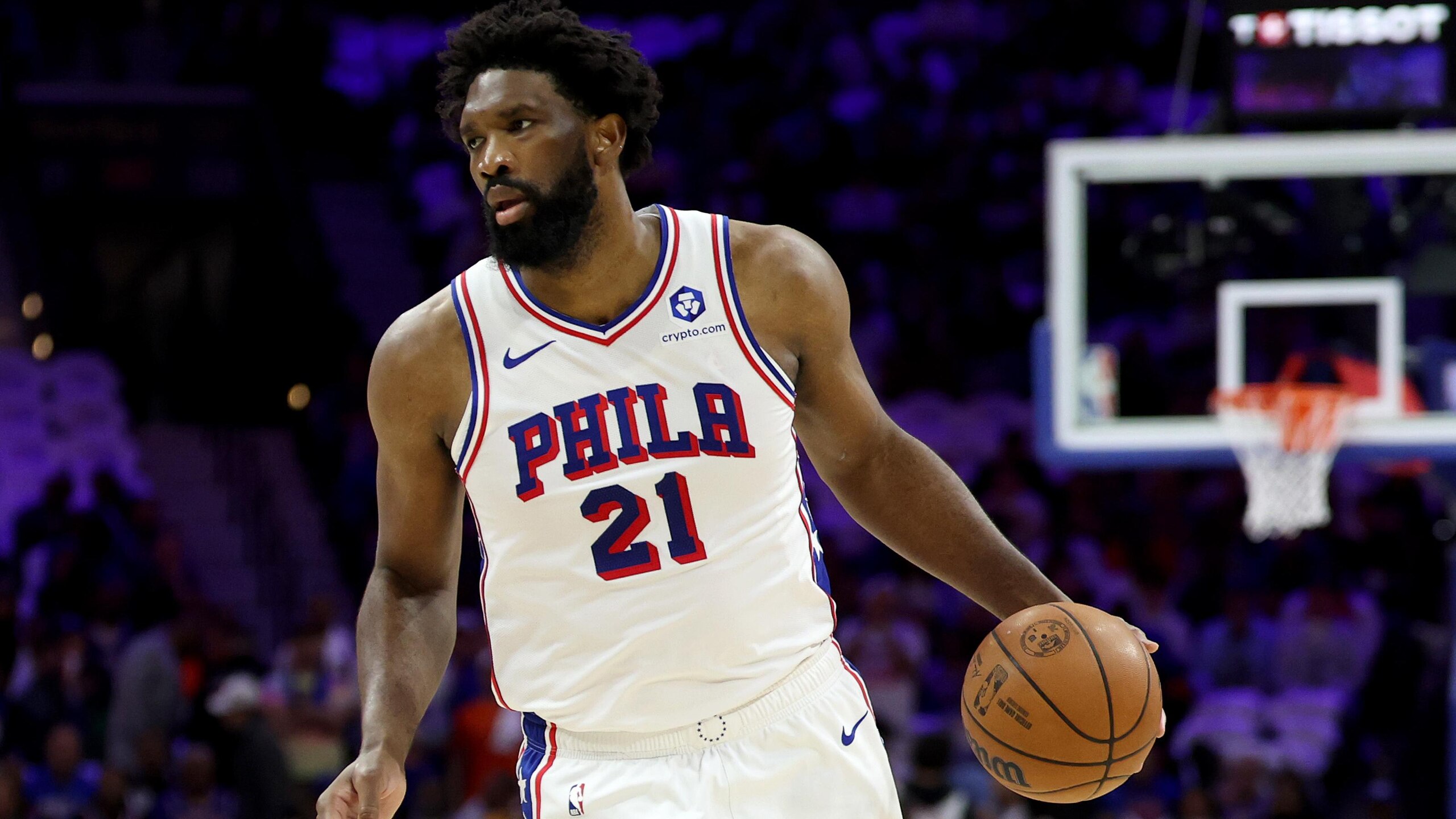
B/R 100: 66
Regular Season: 27.6 points, 10.8 rebounds, 3.7 assists, 1.6 blocks, 53.3 eFG%, 0.212 win shares per 48 minutes
Playoffs: 24.8 points, 10.5 rebounds, 3.3 assists, 1.6 blocks, 49.0 eFG%, 0.138 win shares per 48 minutes
Joel Embiid has the same excuse that Yao has for being here. His body hasn't allowed him to contend in the playoffs to the degree his talent suggests he should.
But durability is a big part of being a 16-game player. Surviving the grind of the regular season and the gauntlet of the playoffs is an achievement in itself.
For most of his postseason runs, all of which have ended before the conference finals, Embiid has been too broken down to play anything like he does during the regular season.
Damian Lillard
13 of 17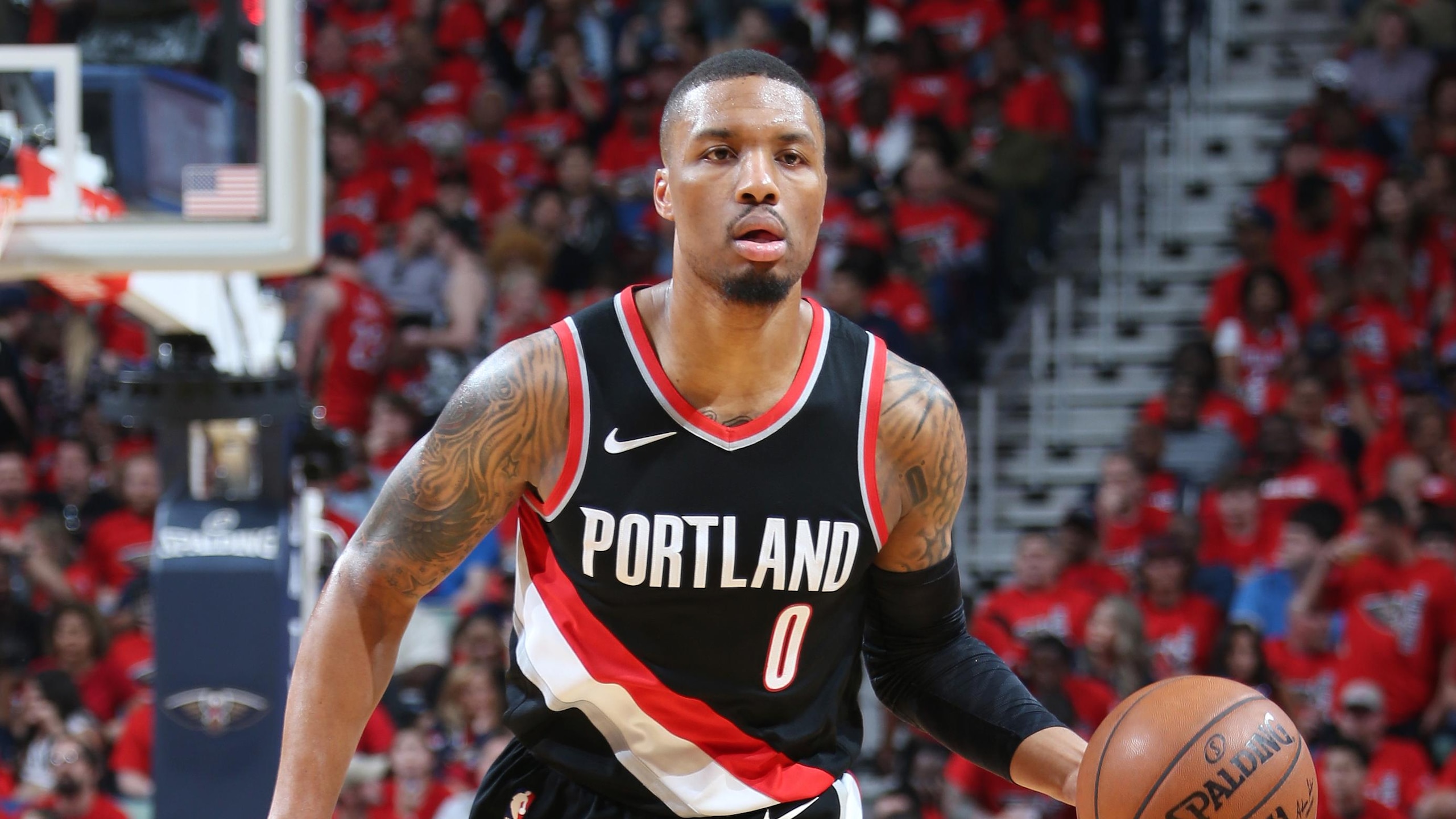
B/R 100: 66
Regular Season: 25.1 points, 6.7 assists, 52.3 eFG%, 0.174 win shares per 48 minutes
Playoffs: 25.2 points, 6.1 assists, 49.2 eFG%, 0.113 win shares per 48 minutes
This one almost feels blasphemous. Damian Lillard has more than earned the "Dame Time" moniker with several big-time moments, some of which happened in the playoffs.
But he's also 24-44 in his postseason career. And in eight of his 10 career playoff runs, his teams have had better net ratings with him off the floor.
It's perhaps unfair to judge the playoff resume of someone whose peak coincided with the Light Years-era Golden State Warriors adding Kevin Durant to Stephen Curry, but there are plenty of '90s players with similar gripes about Michael Jordan, Scottie Pippen and Dennis Rodman.
Dominique Wilkins
14 of 17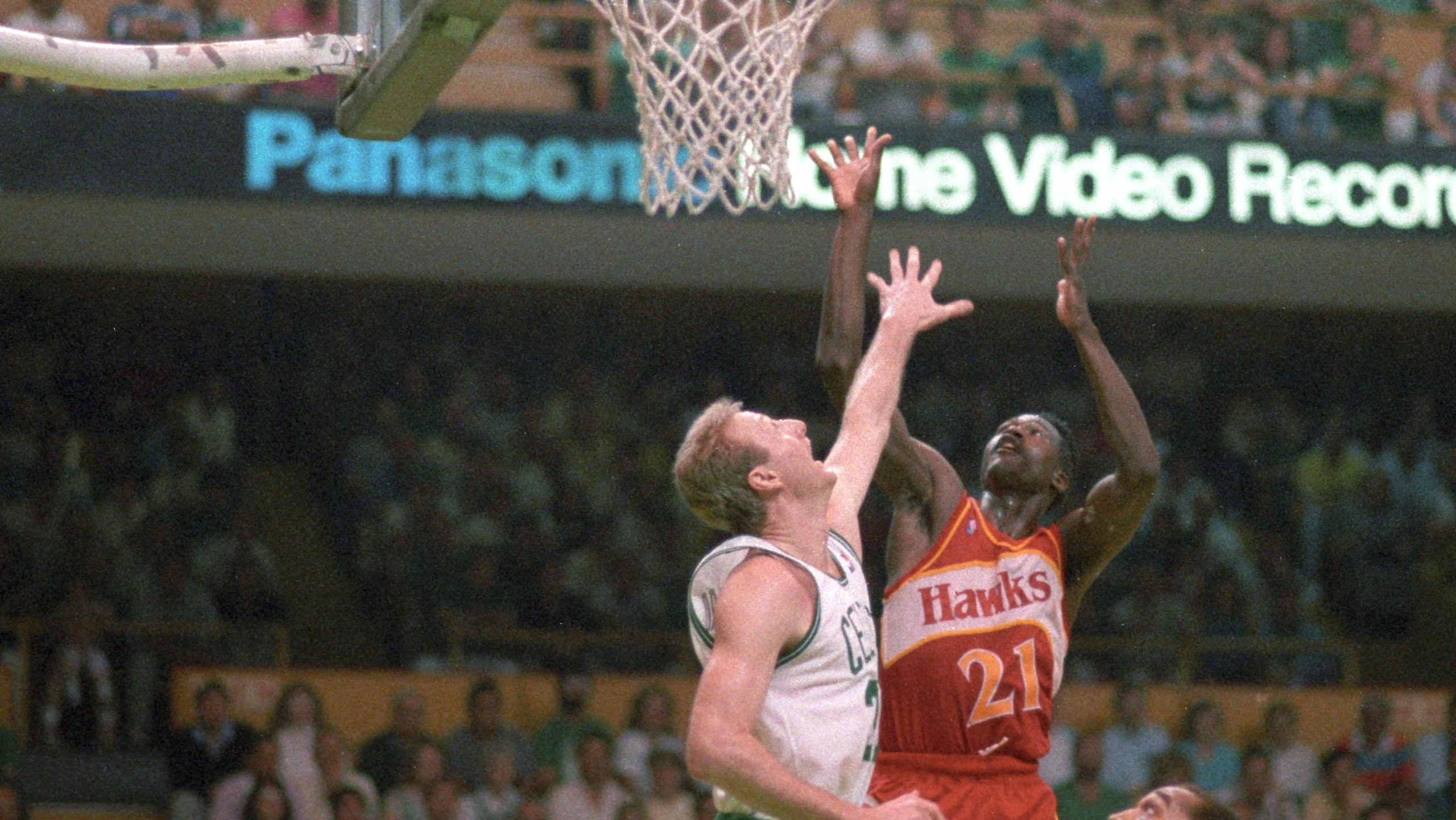
B/R 100: 50
Regular Season: 24.8 points, 6.7 rebounds, 47.8 eFG%, 0.148 win shares per 48 minutes
Playoffs: 25.4 points, 6.7 rebounds, 44.0 eFG%, 0.079 win shares per 48 minutes
Speaking of a superstar who had to deal with a dynasty, Dominique Wilkins played the 1980s Boston Celtics in three different postseason series.
While Wilkins averaged an impressive 25.7 points in 15 playoff games against Boston, he also shot just 42.2 percent from the field in those contests.
By the time his career was over, Wilkins was 22-34 in the playoffs, with only three trips past the first round.
James Harden
15 of 17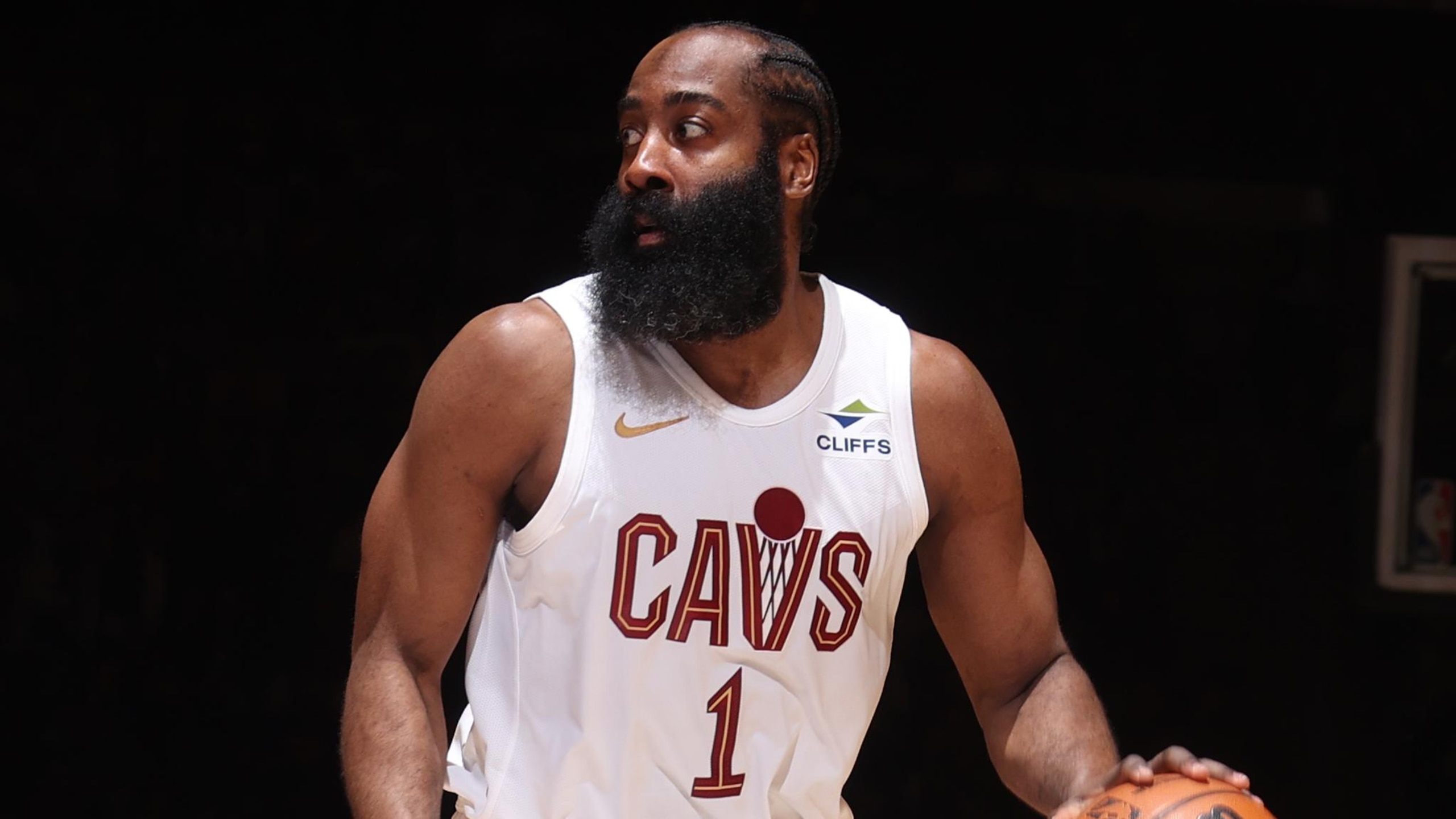
B/R 100: 34
Regular Season: 24.0 points, 7.3 assists, 5.6 rebounds, 1.5 steals, 52.5 eFG%, 0.206 win shares per 48 minutes
Playoffs: 22.2 points, 6.4 assists, 5.4 rebounds, 1.6 steals, 50.2 eFG%, 0.158 win shares per 48 minutes
James Harden won the NBA's Most Valuable Player award in 2017-18. He has six top-five finishes in MVP voting and is 14th all-time in career MVP shares.
He is unquestionably one of the most productive regular-season players in NBA history. But the 2026 postseason was another striking reminder of how catastrophically bad he can be in the playoffs.
In the conference finals, he might as well have had a bullseye on his jersey when the Cavs were on defense.
Throughout the 2026 playoffs, he had seven games with more turnovers than field goals, bringing his career total to 33 such performances. He also has 26 career games with at least 10 attempts and a sub-50 field-goal percentage.
Harden is one of the best 82-game players the NBA has ever seen, but he's running out of time to prove he can be a 16-game player as well.
John Stockton
16 of 17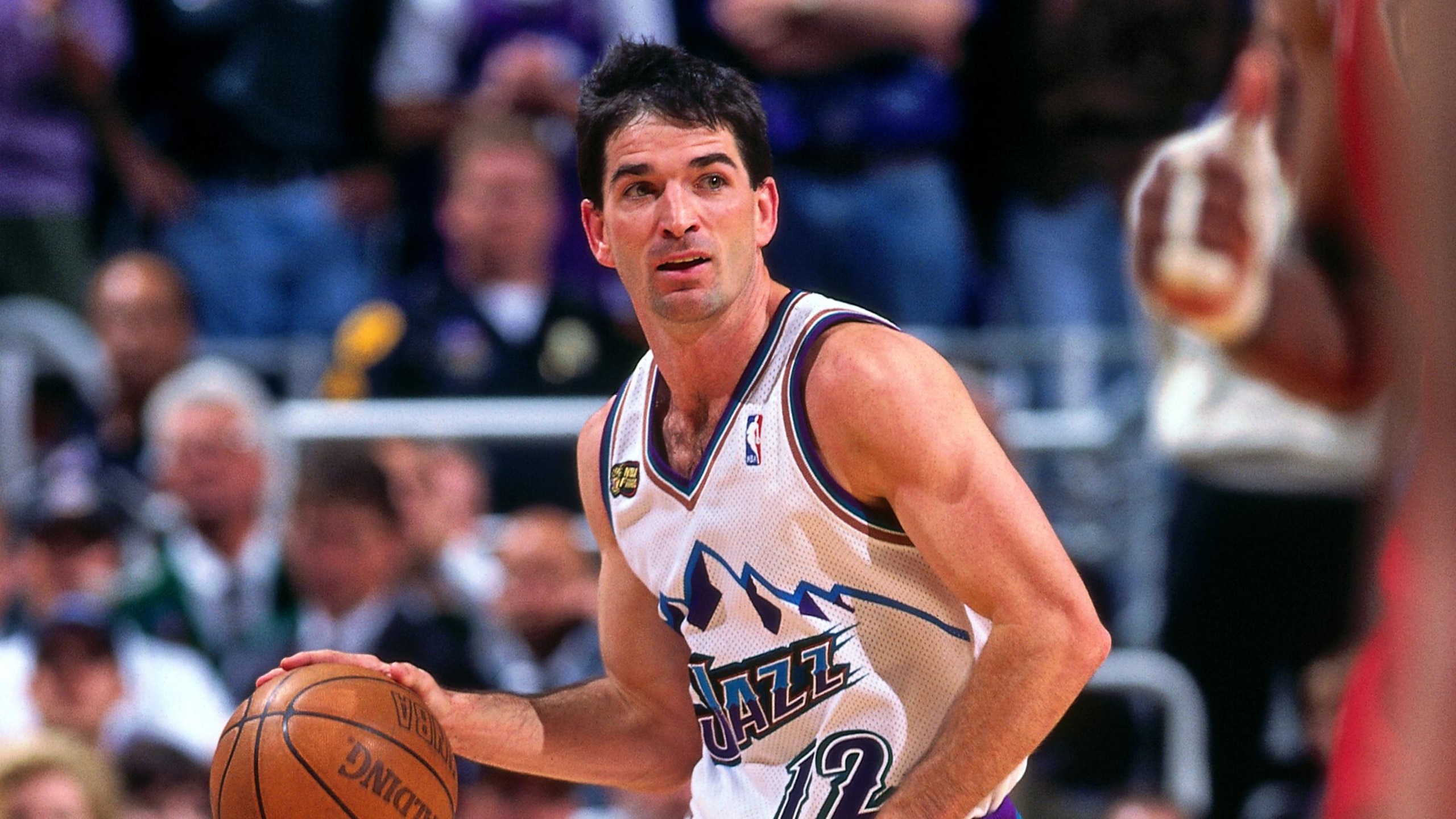
B/R 100: 29
Regular Season: 13.1 points, 10.5 assists, 2.2 steals, 54.6 eFG%, 0.209 win shares per 48 minutes
Playoffs: 13.4 points, 10.1 assists, 1.9 steals, 50.3 eFG%, 0.160 win shares per 48 minutes
Again, this is a list of the best 82-game players, so it should come as little surprise to see some good postseason numbers.
These players, including John Stockton, are some of the very best the NBA has ever seen.
But there was a meaningful dropoff in Stockton's production when he got to the playoffs, particularly in terms of scoring efficiency.
And though plenty of fans likely remember the Utah Jazz's two trips to the NBA Finals in the late 1990s, Stockton finished his career with a career 89-93 playoff record.
Karl Malone
17 of 17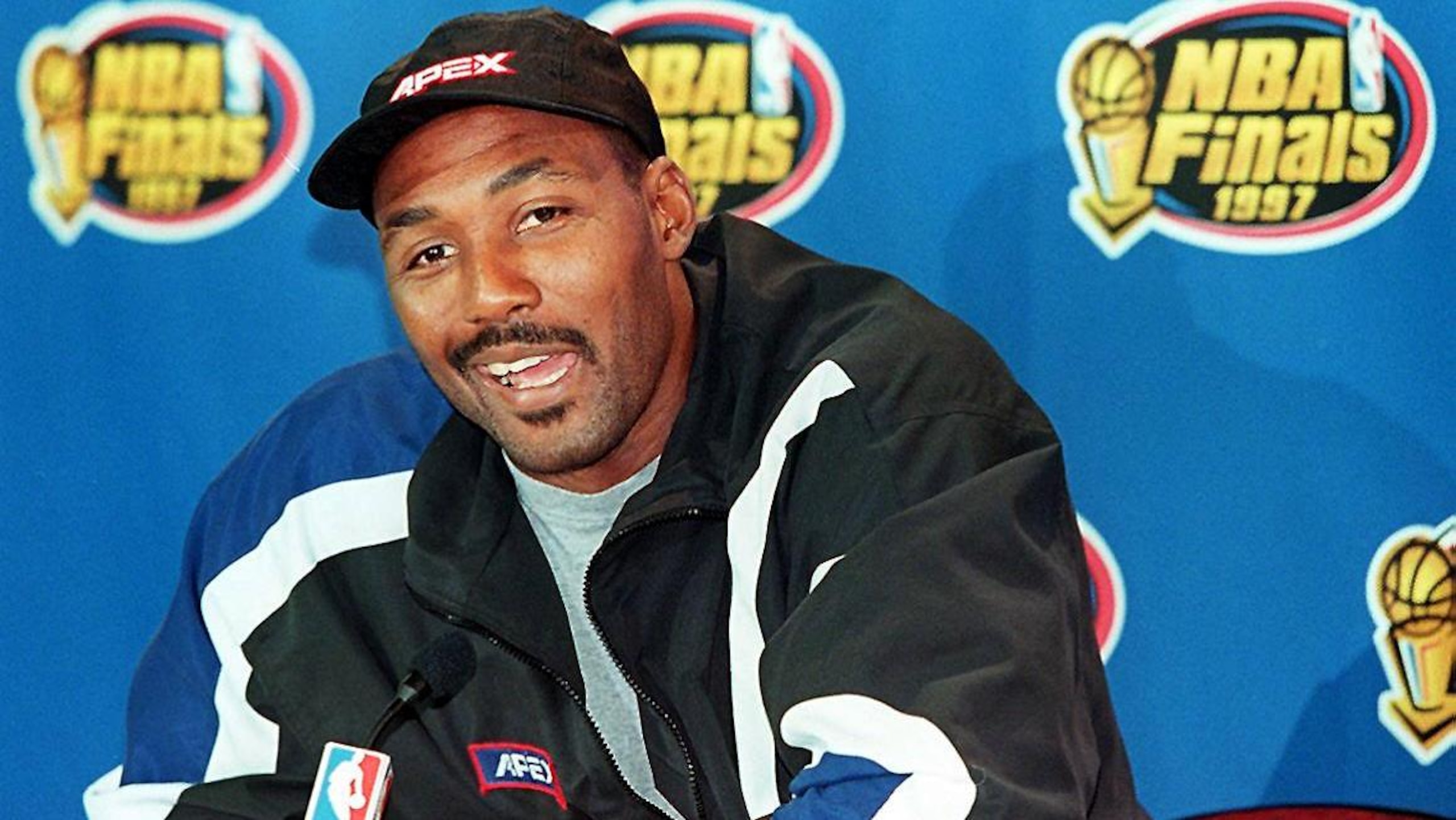
B/R 100: 22
Regular Season: 25.0 points, 10.1 rebounds, 3.6 assists, 1.4 steals, 51.8 eFG%, 0.205 win shares per 48 minutes
Playoffs: 24.7 points, 10.7 rebounds, 3.2 assists, 1.3 steals, 46.3 eFG%, 0.140 win shares per 48 minutes
As they were for so much of their playing careers, Stockton and Karl Malone are right next to each other on this list of the best 82-game players of all time.
And like Stockton, Malone was a metronome of All-Star caliber production throughout his regular-season career.
His playoff numbers look impressive on the surface as well, but that's a meaningful dip in scoring efficiency. He also lost as many playoff series as he won.
Malone famously missed two clutch free throws before Jordan hit a game-winner in Game 1 of the 1997 Finals (which led to the "Mailman doesn't deliver on Sundays" trash talk). And in 16 career NBA Finals games, he averaged 19.6 points.
Malone was one of the best players in NBA history, but it's hard to argue he was a 16-game player.

.jpg?w=2560 "Grading WWE Raw 🔠")

.jpg?w=2560 "Viral Rams Coach Vid 🖕")