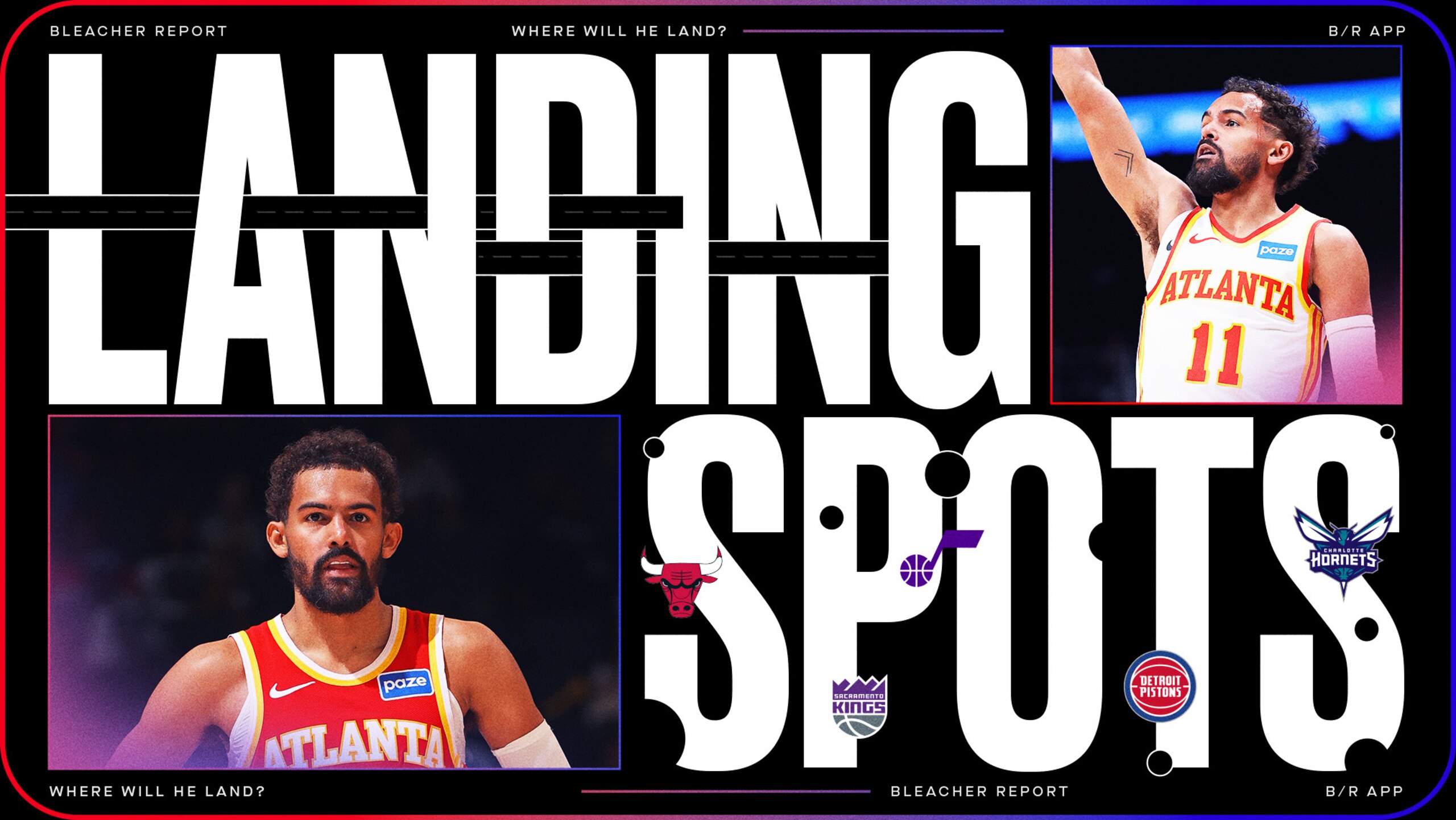

Trae Young Trade Ideas and Landing Spots If Hawks Deal Star Guard This Season

The Atlanta Hawks were unable to reach an extension agreement with four-time All-Star guard Trae Young before the start of the 2025-26 NBA season. The franchise has postseason hopes, but it doesn't appear ready to commit long-term to a future with Young.
While Young, 27, can still be eligible to extend (provided his $49 million option for 2026-27 is voided) or can re-sign as a free agent, could the Hawks look to deal Young once NBA trade season picks up in mid-December? What return could the franchise expect?
While half the NBA could express interest, Young's $46 million salary isn't easy to move, especially for teams with apron restrictions.
The following are five trade ideas for Young, assuming the Hawks decide the relationship has run its course.
Charlotte Hornets
1 of 5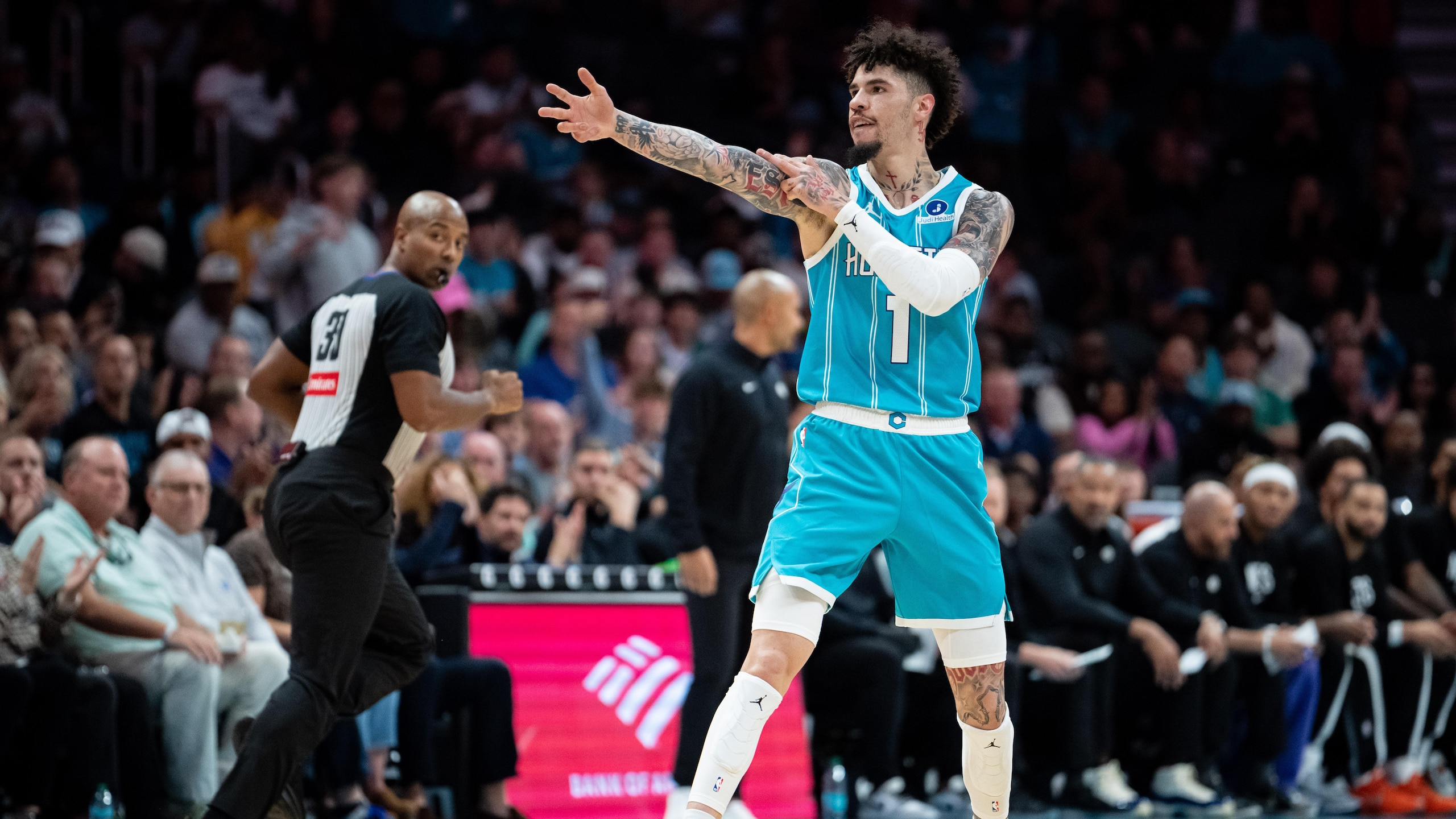
The Hawks get: LaMelo Ball
The Hornets get: Trae Young
This is the most straightforward concept: a one-for-one swap that relocates former All-Star point guards.
In the deal, the Hawks avoid negotiating a new contract with Young, locking in a still-expensive (but much taller) alternative. Ball, 6'7", is due $168.7 million over four years (including 2025-26) but would receive a $2.8 million trade bonus, paid by the Hornets.
In this scenario, the Hawks won't completely change their identity, as Young (6'2") and Ball are both scoring point guards. Young has averaged 25.3 points with 9.8 assists per game. Ball, who would hit Atlanta's cap at $41.5 million next season (less than Young's current price of $46 million), has averaged 21 points and 7.4 assists per contest.
The Hornets have several exciting young prospects to build around Young, like Brandon Miller, Kon Knueppel and Ryan Kalkbrenner. The team can work an extension with Young, or it can wait to re-sign him in free agency if necessary.
Even if Young chose to move on, the Hornets would have tremendous cap flexibility.
Chicago Bulls
2 of 5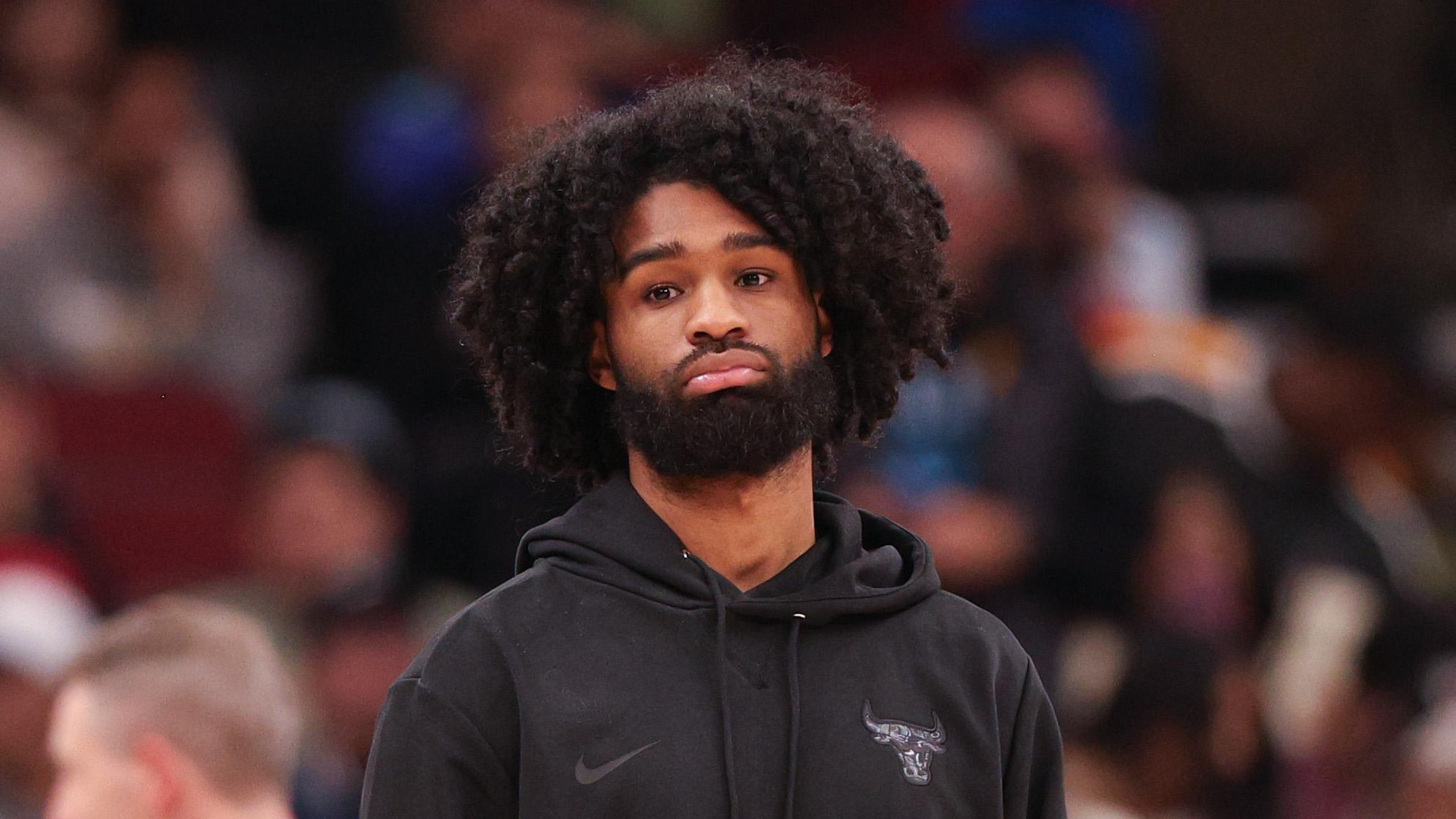
The Hawks get: Coby White, Kevin Huerter, Jevon Carter, first-round pick
The Bulls get: Trae Young, Mouhamed Gueye
The Bulls improved throughout last season, but they still haven't made the playoffs since 2022.
White emerged as a potent scorer a year ago, but he wants more in an extension than Chicago can legally pay (a maximum of $19.4 million). White may be one of the top unrestricted free agents in July; or, the Bulls may take a bigger swing by acquiring Young.
Huerter, Carter and Gueye are filler in the deal. Chicago would need to give up a first-round pick to entice the Hawks, perhaps the one the Portland Trail Blazers owe in 2026 or one of the Bulls' own with protection.
White is more of a scoring guard, averaging 20.4 points and 4.5 assists last season. Atlanta would need to adjust its style of play from the more ball-dominant Young to a more egalitarian offense.
Detroit Pistons
3 of 5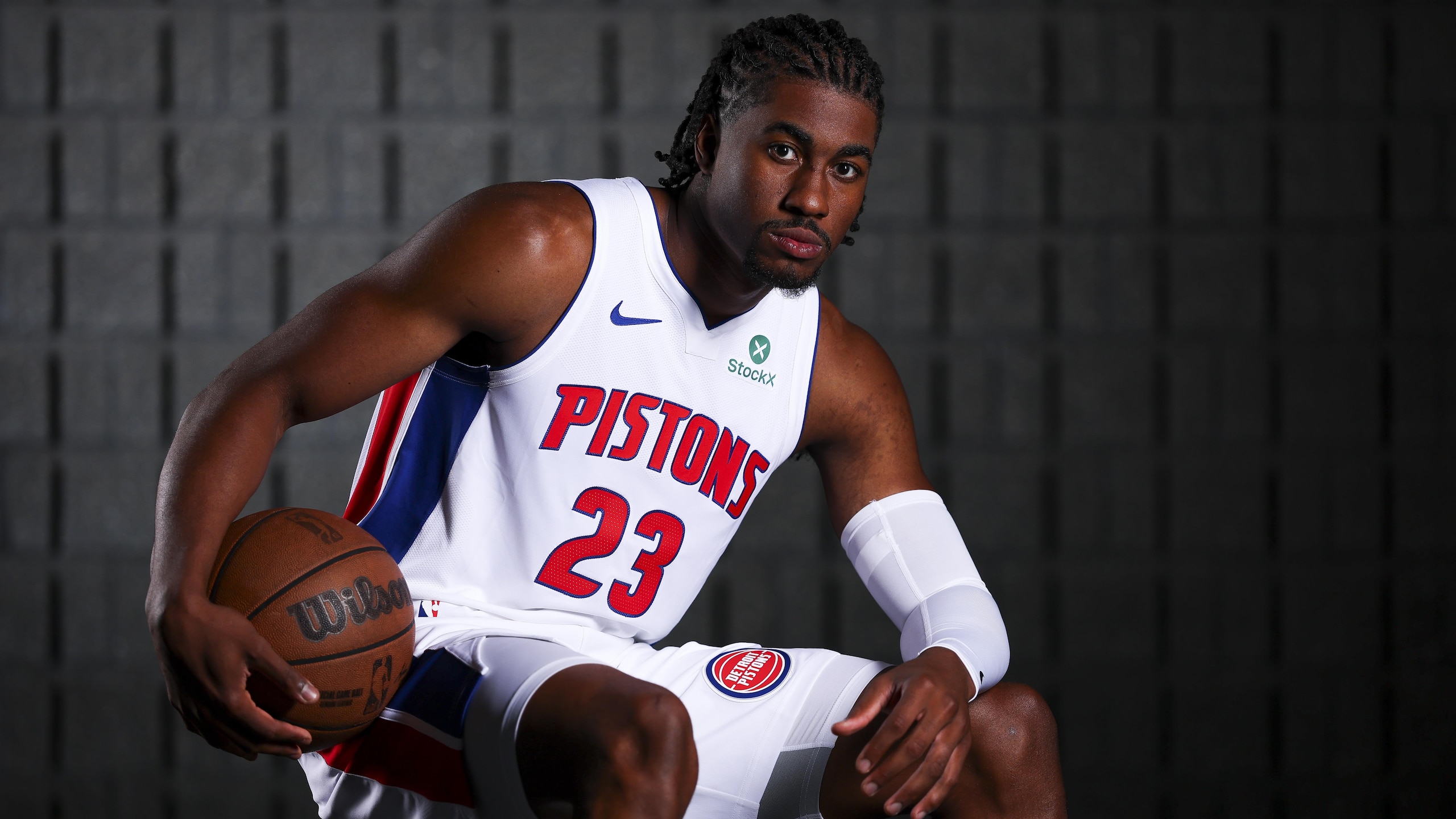
The Hawks get: Jaden Ivey, Tobias Harris, first-round pick
The Pistons get: Trae Young
While Ivey has struggled to stay healthy in recent years, he's a talented young guard in a different salary stratosphere than Young. Detroit was unable to reach a rookie-scale extension before the season; the Hawks would make Ivey a restricted free agent before July.
Teams have significant leverage over restricted players. Pencil in Ivey in the $25 million range, and he's significantly cheaper than Young's $49 million player option.
In Atlanta, Harris would provide veteran depth on an expiring contract, potentially giving the Hawks about $20 million in cap room next summer to build around Jalen Johnson, Dyson Daniels, Zaccharie Risacher, Onyeka Okongwu, Nickeil Alexander-Walker, Asa Newell and Ivey (assuming Kristaps Porziņģis moves on).
Atlanta also has its own first-round pick, as well as the higher selection between the Milwaukee Bucks and New Orleans Hornets in June. Detroit has all of its own selections, presumably sending a 2026 protected first in the deal for Young.
The Pistons would have to believe in the Cade Cunningham/Young pairing, especially in the postseason when defenses find ways to stop a singular offensive creator.
Cunningham's size and potential to play off the ball could work—though Detroit may need to find another deal elsewhere for another forward to replace Harris.
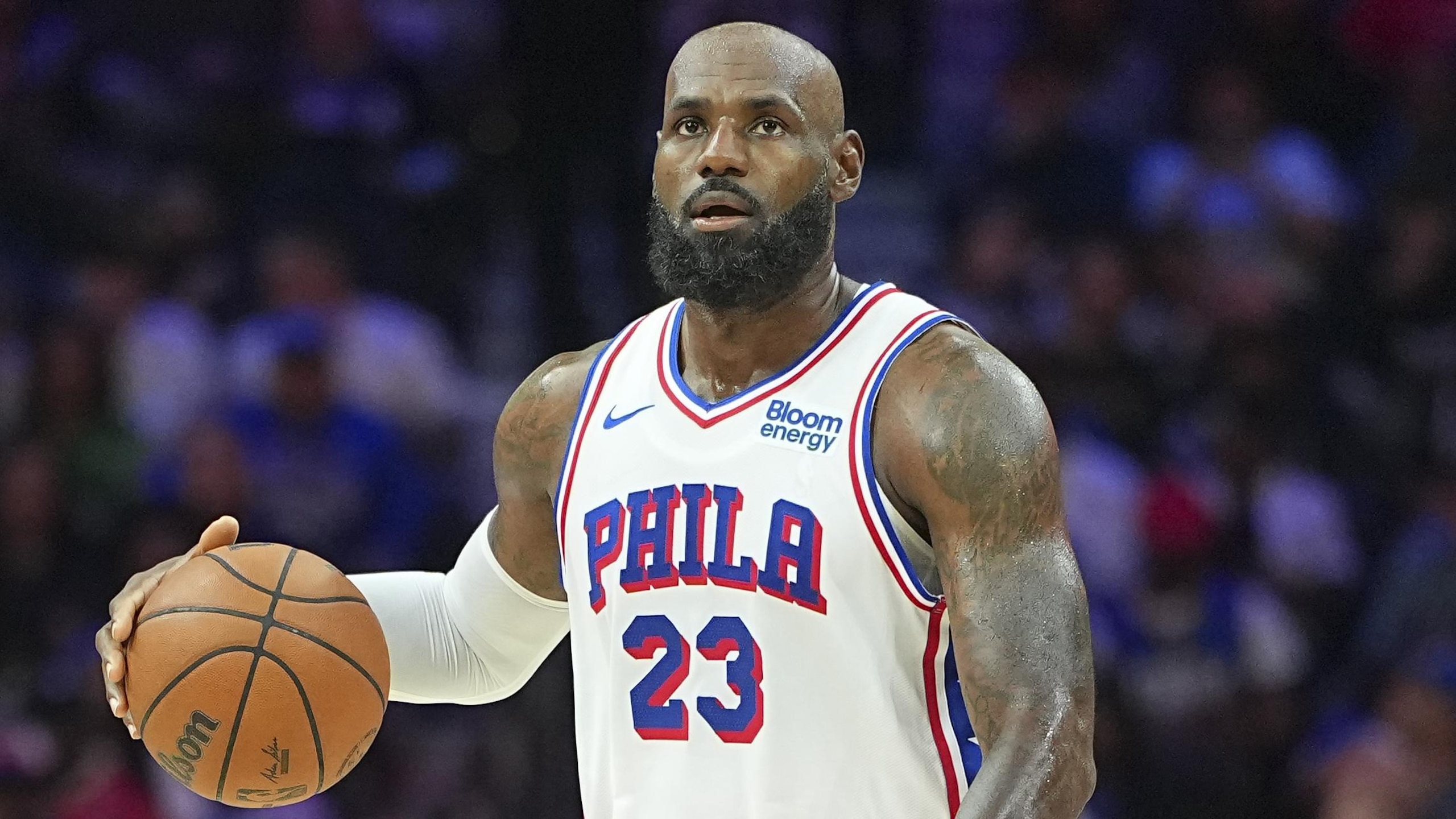
Sacramento Kings
4 of 5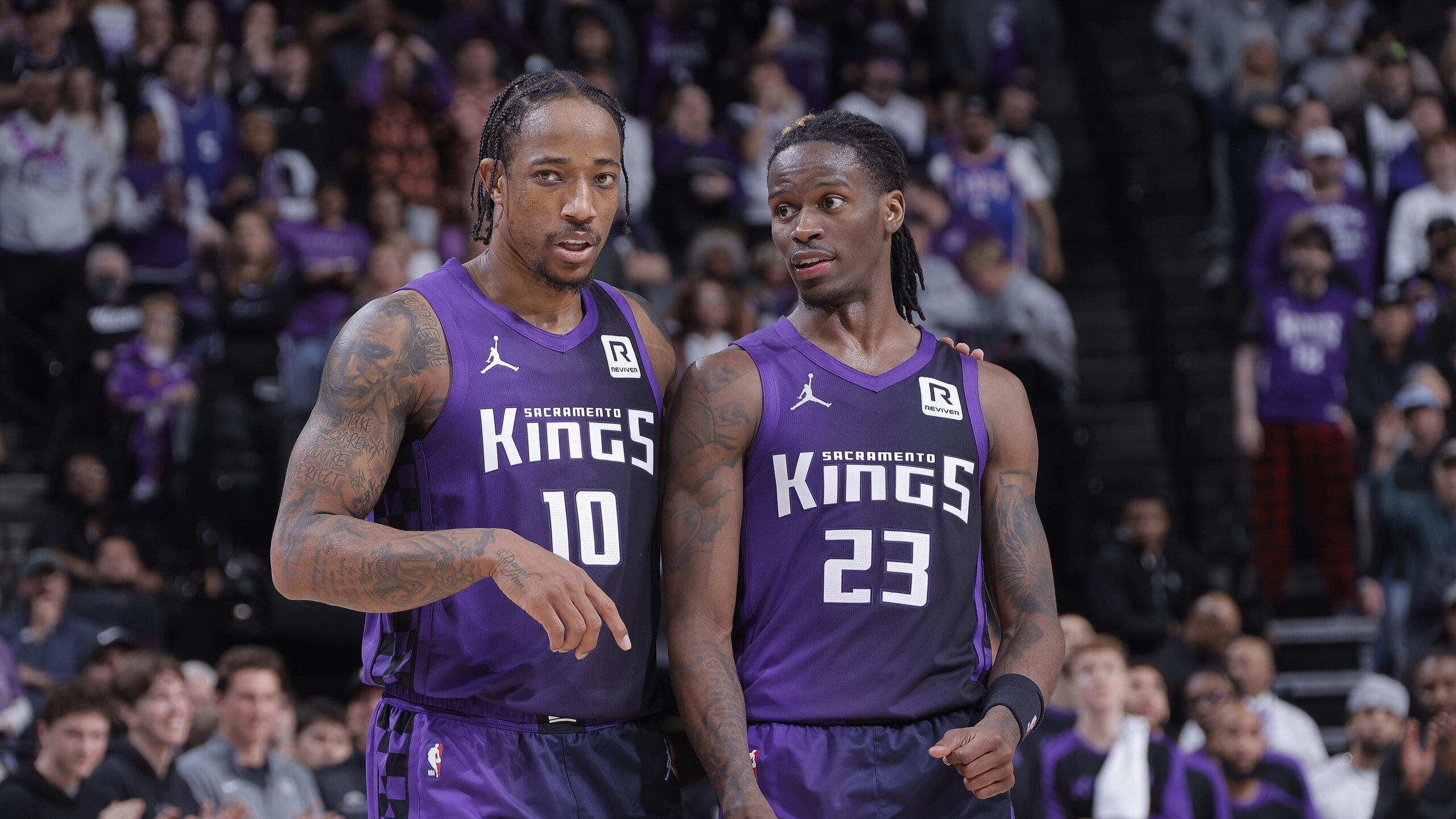
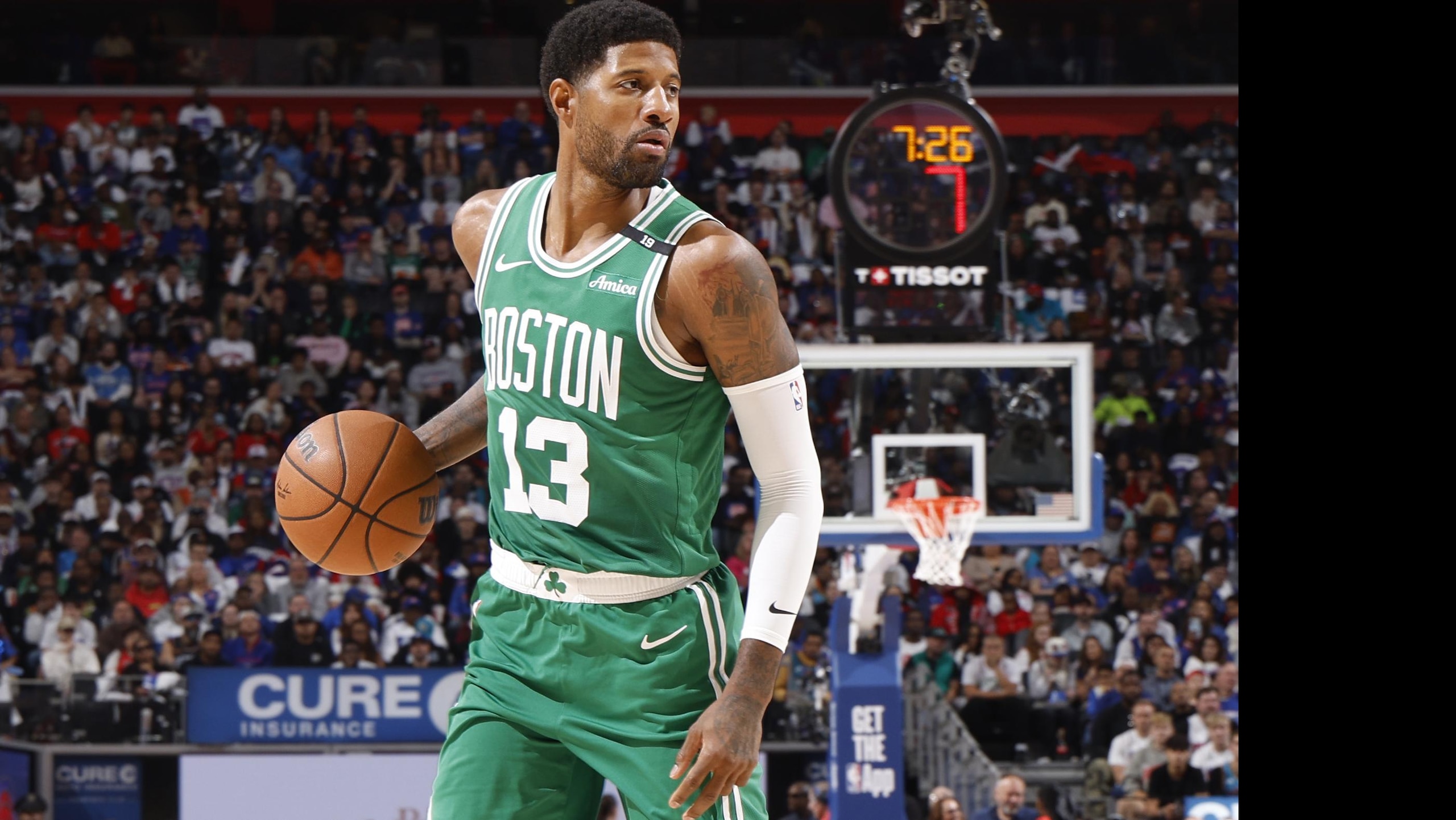
The Hawks get: DeMar DeRozan, Keon Ellis, Devin Carter, Dario Šarić, first-round pick (all from the Kings), second-round pick (from the Brooklyn Nets)
The Kings get: Trae Young, Mouhamed Gueye, Haywood Highsmith (from the Nets)
The Nets get: Dennis Schröder, first-round pick (all from the Kings)
While this concept is messier than the rest, requiring the Nets to use their cap room as a third team to avoid apron issues for the Kings, it's an interesting one for the Kings and Hawks. Sacramento has backslid since making the playoffs in 2023. The franchise acquired Dennis Schröder and Russell Westbrook as stopgap measures after trading De'Aaron Fox to the San Antonio Spurs last year.
The Domantas Sabonis/Young combination with Zach LaVine on the wing may be a defensive nightmare, but Sacramento hasn't valued that side of the ball for some time. Still, the offensive upside of Young, provided he's willing to commit to an extension (or new contract) before July, seems like the kind of stab the Kings would make.
Schröder has shown previously that he doesn't take well to a demotion, and his salary is a problem with the Kings' first-apron hard cap. He returns to the Nets, who don't need him given their recent draft haul of point guards, but Brooklyn gets a first-round pick to take on his multi-year contract. Sacramento does get a solid defender in Highsmith, pushing the team slightly into the luxury tax (which can be avoided with creativity before the end of the regular season).
The Hawks get two young guards. The standout is Ellis, who defends and shoots well (and will be extension-eligible in February). Carter was the No. 13 selection in 2024 and is a relatively inexpensive prospect to develop further. DeRozan, 36, is one of the best scorers of his generation with only $10 million of his $25.7 million guaranteed in 2026-27. Šarić adds experienced veteran depth to the Kings, who have nearly all of their own firsts and a protected 2027 selection from the San Antonio Spurs to send to Atlanta and Brooklyn.
Utah Jazz
5 of 5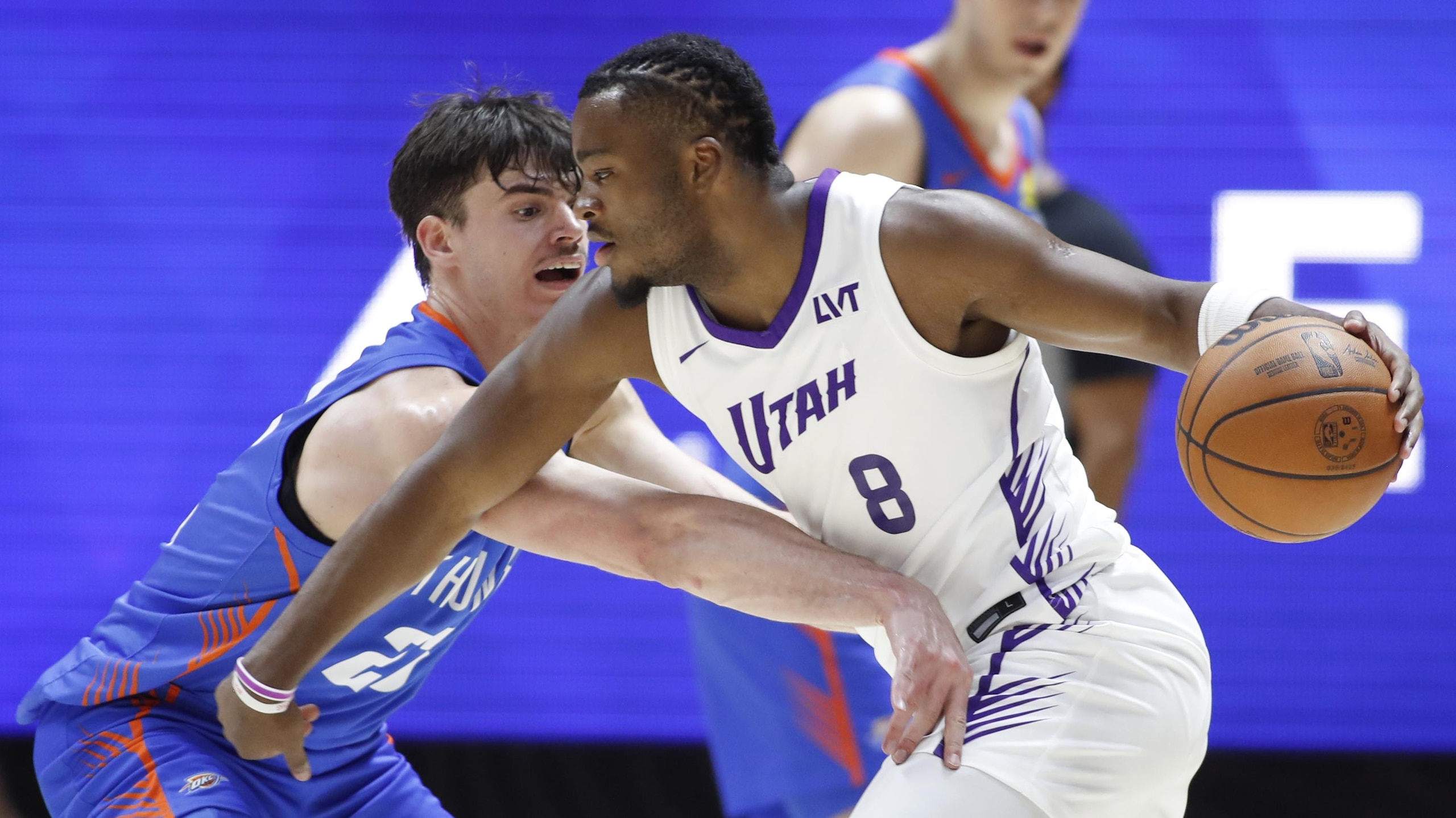
The Hawks get: Isaiah Collier, Jusuf Nurkić, Kyle Anderson, Georges Niang, first-round pick
The Jazz get: Trae Young, Mouhamed Gueye, Keaton Wallace
Assuming the Hawks' aspirations fall flat this season, the Jazz can offer a reasonable alternative before the deadline, assuming Atlanta is ready to move on from Young. The Hawks aren't going to get Keyonte George from Utah, but Collier is a solid prospect to develop at the point.
The larger goal for Atlanta is first-round compensation from the Jazz, perhaps the Los Angeles Lakers' selection in 2027 or one of the extra picks Utah has collected in recent years.
The incoming veterans are superfluous. Niang would make his second stop in Atlanta this season—legal since the Hawks traded him to the Boston Celtics, who then shipped him to the Jazz. While Utah can wait until the offseason to use its cap room to chase Young, the trade isn't cost-prohibitive to lock in the veteran point guard early (assuming he's willing to commit to a long-term stay) to help immediately alongside players like Lauri Markkanen, Walker Kessler and George.
For Atlanta, the trade ensures Young is off the books this summer to give the team $35-40 million in cap space, depending on where its two first-round picks land (and that Porziņģis is let go). The Hawks would embrace the youth movement, but not as a rebuild.
The existing talent, along with smart picks and proper use of cap space, could make the franchise even more competitive than the recent run with Young, which hasn't led to a second-round appearance since 2021.
Email Eric Pincus at eric.pincus@gmail.com and follow him on X @EricPincus and Bluesky.
.jpg?w=2560 "Rams to Sign New Kicker")
.jpg?w=2560 "NFLPA Makes Hurts Statement")