
1 Word To Describe Every NBA Team Entering 2025-26 Season
With the 2025-26 NBA season upon us, it's time to consolidate.
The last three months complicated every team's picture with hirings, firings, draft picks, trades, signings, glow-ups, injuries, alleged cap-circumvention and everything in between. We can't put together a season preview that encompasses all of that. It'd be impossible, and our attention spans can no longer focus on...wait, what was I saying?
We have to think more narrowly.
Let's try setting up the campaign by choosing one word for every team, and building out from there.
Atlanta Hawks: Poison
1 of 30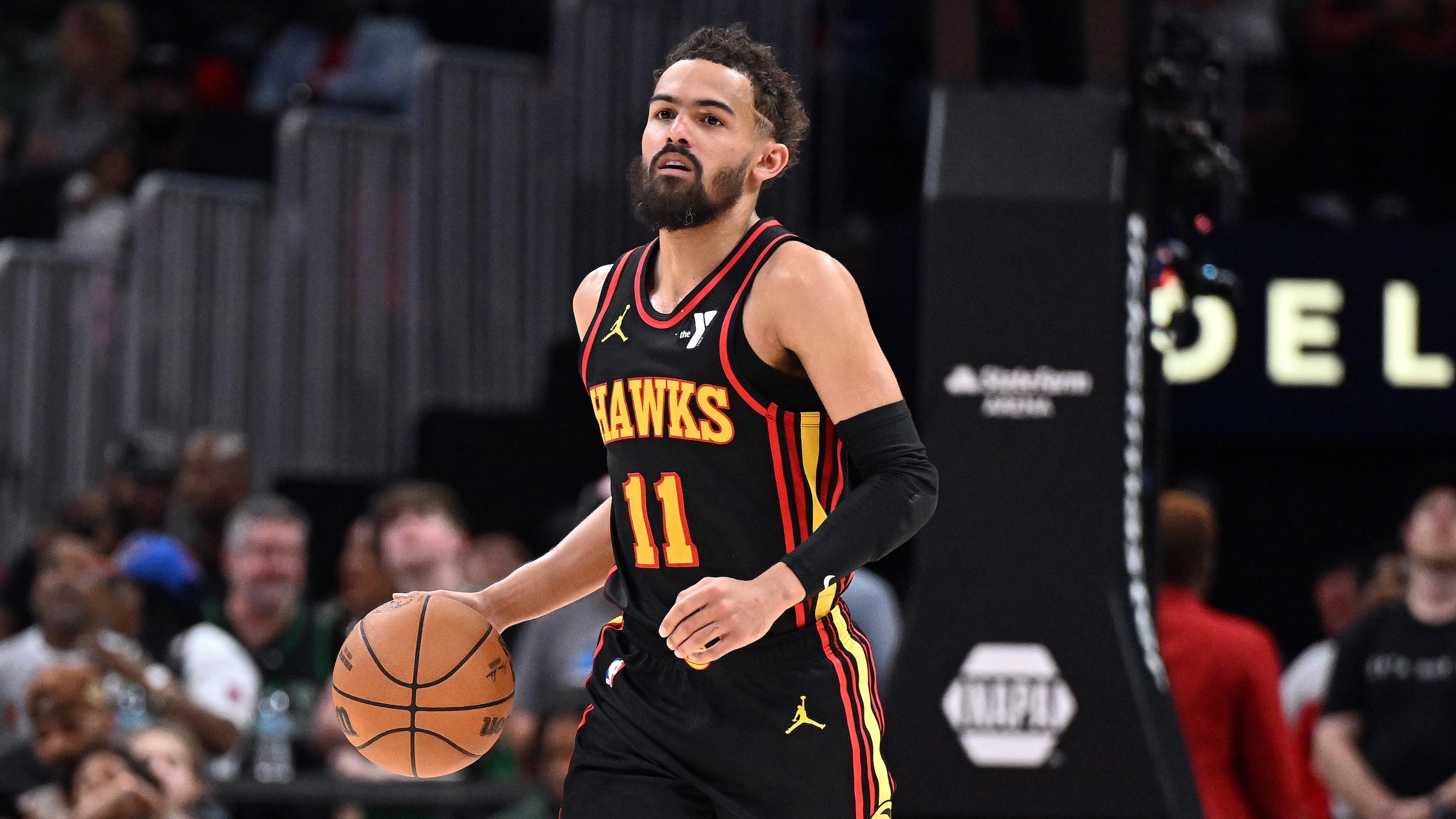
The Atlanta Hawks should be much improved by the additions of Kristaps Porzingis, Nickeil Alexander-Walker and Luke Kennard—perhaps to the point of securing a top-four seed in the East. But that's more of a general idea.
The word "poison", specifically, refers to what Atlanta might represent for the New York Knicks.
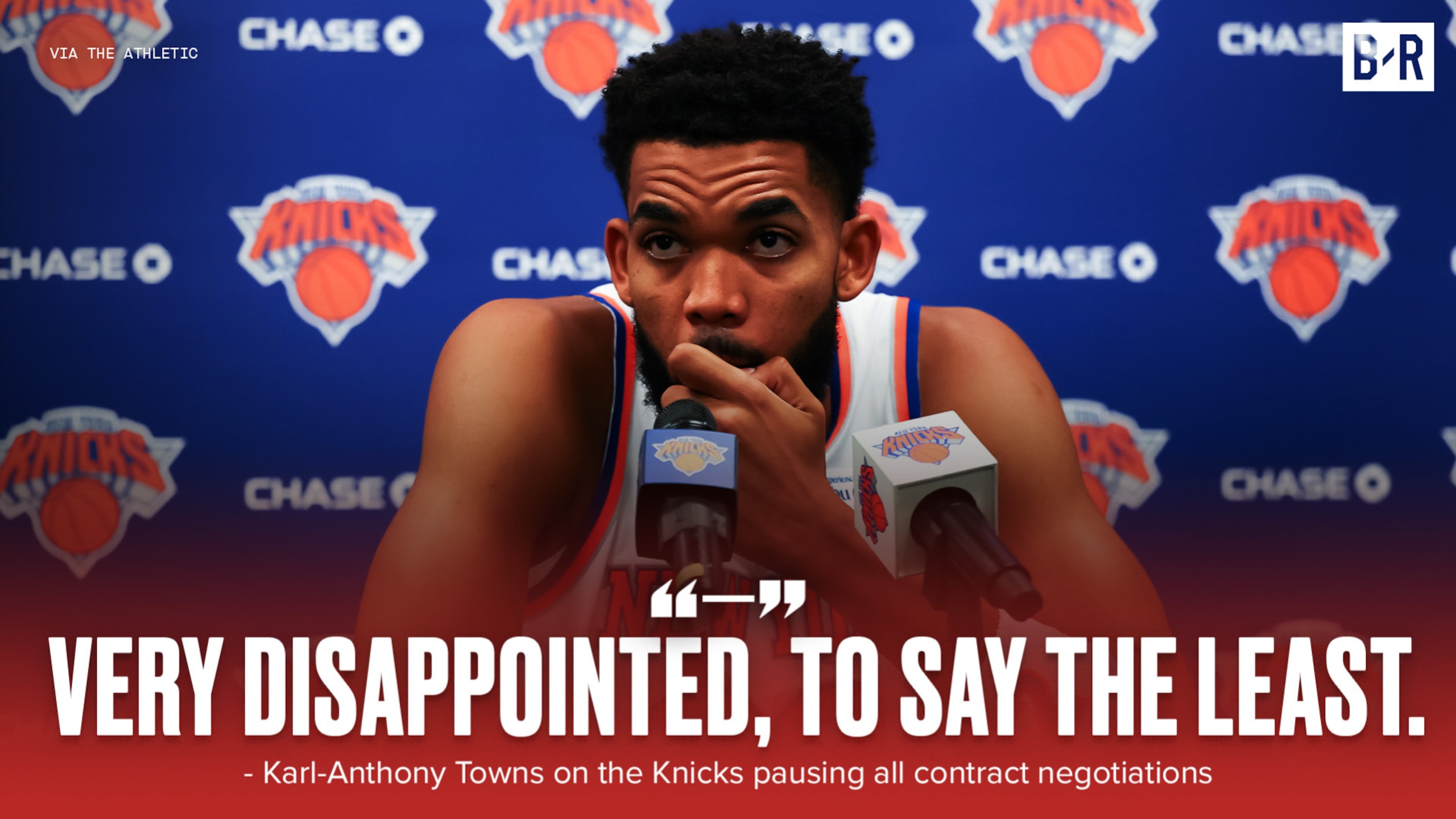
Rest assured, New York has the tools to finish first in the conference and deserves to be considered a title-contender. But with Jalen Brunson and Karl-Anthony Towns sure to play major roles in that process, the Knicks will find themselves vulnerable to repeated pick-and-roll or pick-and-pop attacks.
Nobody ran more PnR sets than Trae Young last season, and he's an absolute technician in those looks. Porzingis' shooting makes him a nightmare to cover for bigs. Those two could upset the Knicks by themselves.
Sure, New York can tweak assignments and work to avoid having its two most exploitable defenders in those actions. But the Hawks could be as ruthlessly predatory as the Knicks will be cautious.
Nothing's certain, but this is an issue to flag—both for Atlanta and New York.
Boston Celtics: Mathematical
2 of 30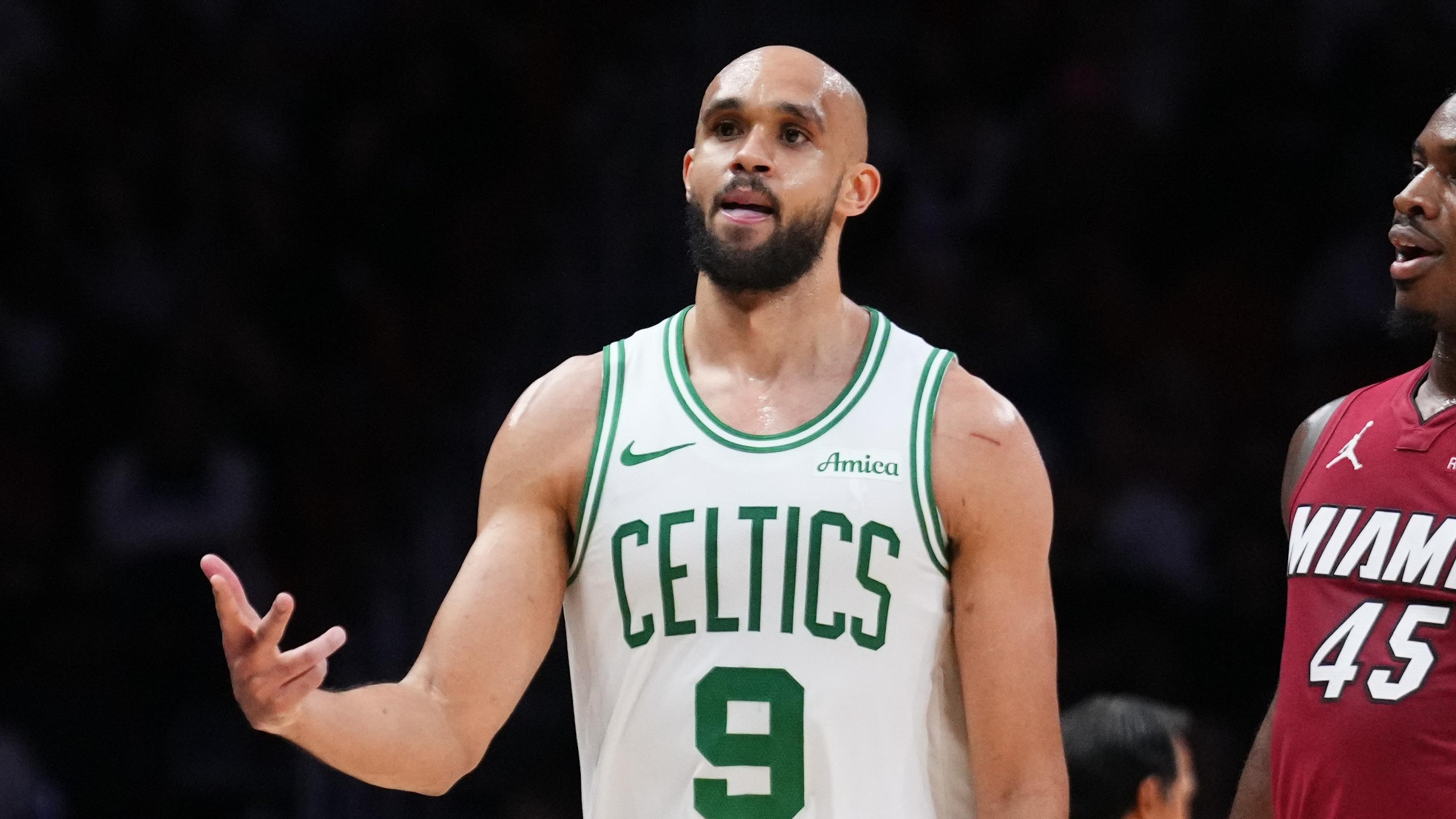
Last year, the Boston Celtics fired off a league-leading 49.6 three-point attempts per 100 possessions, pushing the bounds of "three is more than two" to unexplored territory. In total, the 2024-25 Celtics attempted over 200 more threes than any other team in history.
If the Celtics made it a point to beat opponents mathematically when they had championship-caliber talent, imagine what they'll do now that the roster is diminished by injury and severe cost-cutting measures.
High-volume three-point shooting increases variance. A team at a talent disadvantage can run hot and defeat superior competition that adopts a more conventional shot diet.
The Celtics have nothing to lose with Jayson Tatum sidelined and three other key rotation pieces—Jrue Holiday, Kristaps Porzingis and Al Horford—playing elsewhere this season. So we should expect them to lean even further into one of the league's most extreme offensive styles.
Brooklyn Nets: Vanguard
3 of 30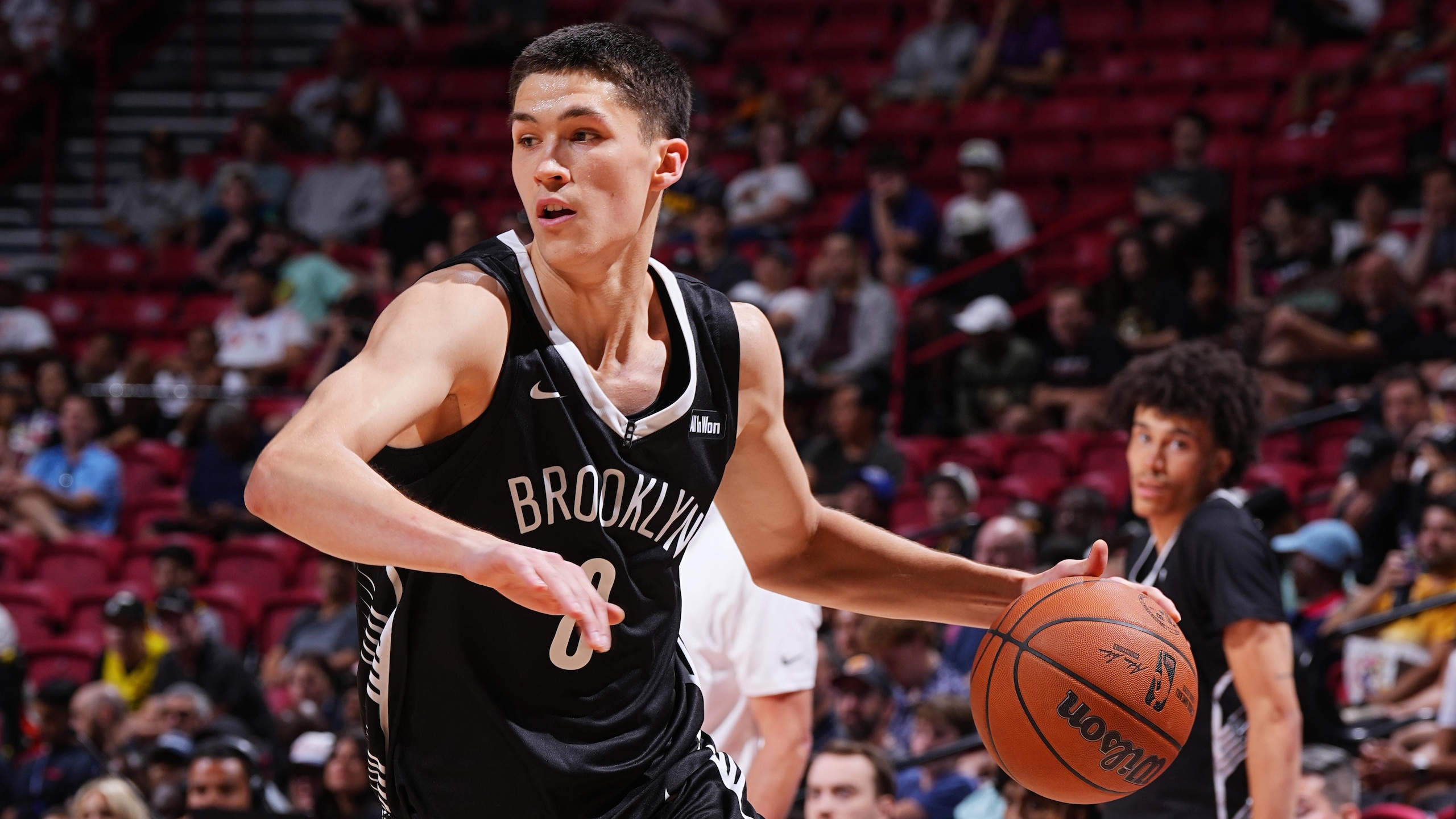
Maybe the Brooklyn Nets are on to something.
They certainly went outside the box in using all five of their first-round picks, and they further departed from norms by choosing four players—Egor Demin, Nolan Traore, Ben Saraf and Danny Wolf—whose best skills might be offensive IQ and passing vision.
The NBA is a copycat league, and there are worse ideas than trying to replicate the 2024-25 Indiana Pacers' quick-thinking, pass-heavy offensive approach. It may also be the case that Brooklyn is filling out the roster with smart facilitators and pass-first thinkers with an eye toward attracting a pricey scoring superstar in free agency at some point.
Whatever their actual motivation, the Nets are going to be a fascinating experiment this season. They're either grasping at tactical straws or on the absolute vanguard of what NBA basketball might look like in the next decade or so.

Charlotte Hornets: Donut
4 of 30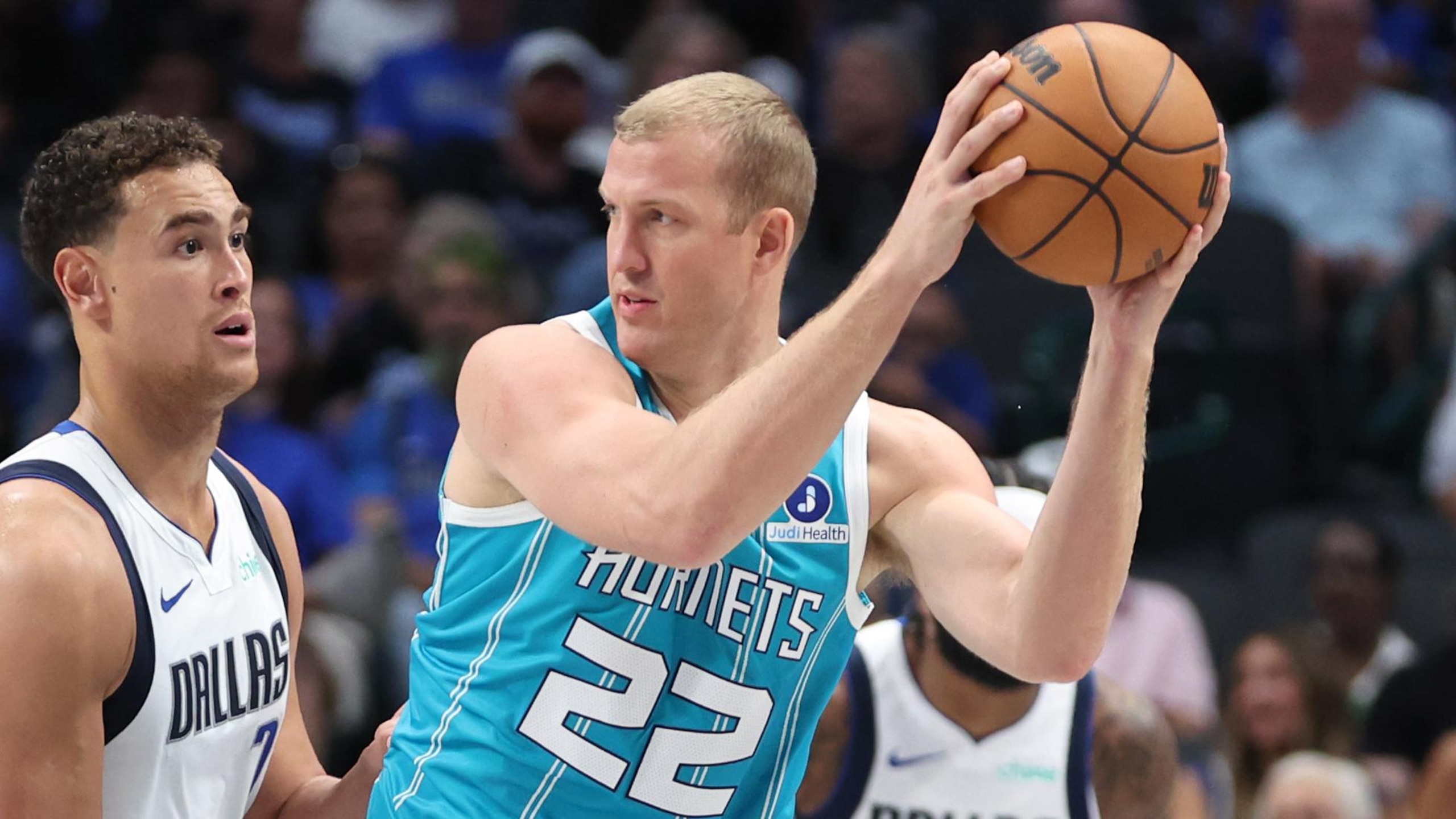
LaMelo Ball is one of the best level-raising offensive forces in the league when he's healthy, and the Charlotte Hornets used the offseason to surround him with more shooting and secondary creation than he's had in years. Between Brandon Miller, Kon Knueppel, Tre Mann, Spencer Dinwiddie and Collin Sexton, the Hornets have a relative glut of capable decision-makers and shooters.
You'll note none of those players can realistically slide up the positional spectrum beyond small forward, and that's a stretch for most of them. Charlotte has moderate depth at the 4 in Miles Bridges, a healthy Grant Williams, resident project Tidjane Salaun and perhaps even rookie Liam McNeeley in undersized looks.
Center is where the Hornets have absolutely nothing.
Mason Plumlee, Moussa Diabate and rookie Ryan Kalkbrenner make up perhaps the worst positional group in the entire league. Until the Hornets figure out what they're doing in the middle, they can't be taken seriously as a Play-In threat.
Chicago Bulls: Middling
5 of 30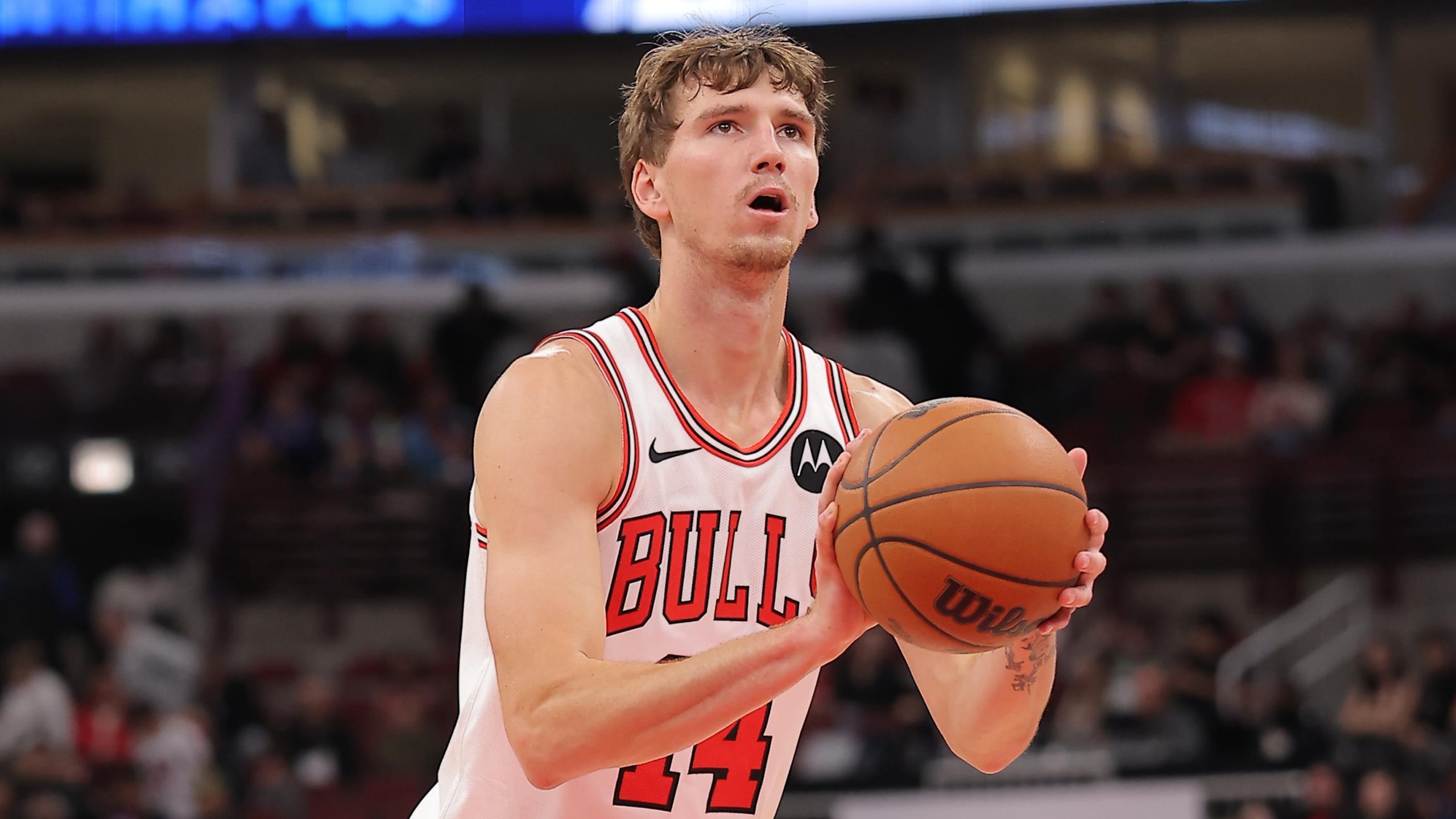
At least you know what you're getting with the Chicago Bulls, a metronomically consistent organization in the least inspiring way possible.
The Bulls won 40 games in 2022-23, 39 in 2023-24 and 39 last season. Those aren't terrible records, and they've even earned Chicago three straight Play-in trips. If you're into reliability, this is the team for you.
Potential upside exists in the form of second-year forward Matas Buzelis, whose hard-charging style and blossoming offensive skill set will at least make the Bulls entertaining when he's on the floor. But for every Buzelis, there's a Nikola Vučević, a veteran center poised for decline after shooting the lights out in a bizarre age-34 renaissance. As Buzelis rises, Vooch shall fall.
Josh Giddey is just solid enough to prevent a tank but not capable of lifting the Bulls to a playoff seed. Coby White and Ayo Dosunmu are solid but unspectacular, though both are trade candidates.
Chicago probably can't win more than 42 games or less than 37. Hooray, consistency.
Cleveland Cavaliers: Unproven
6 of 30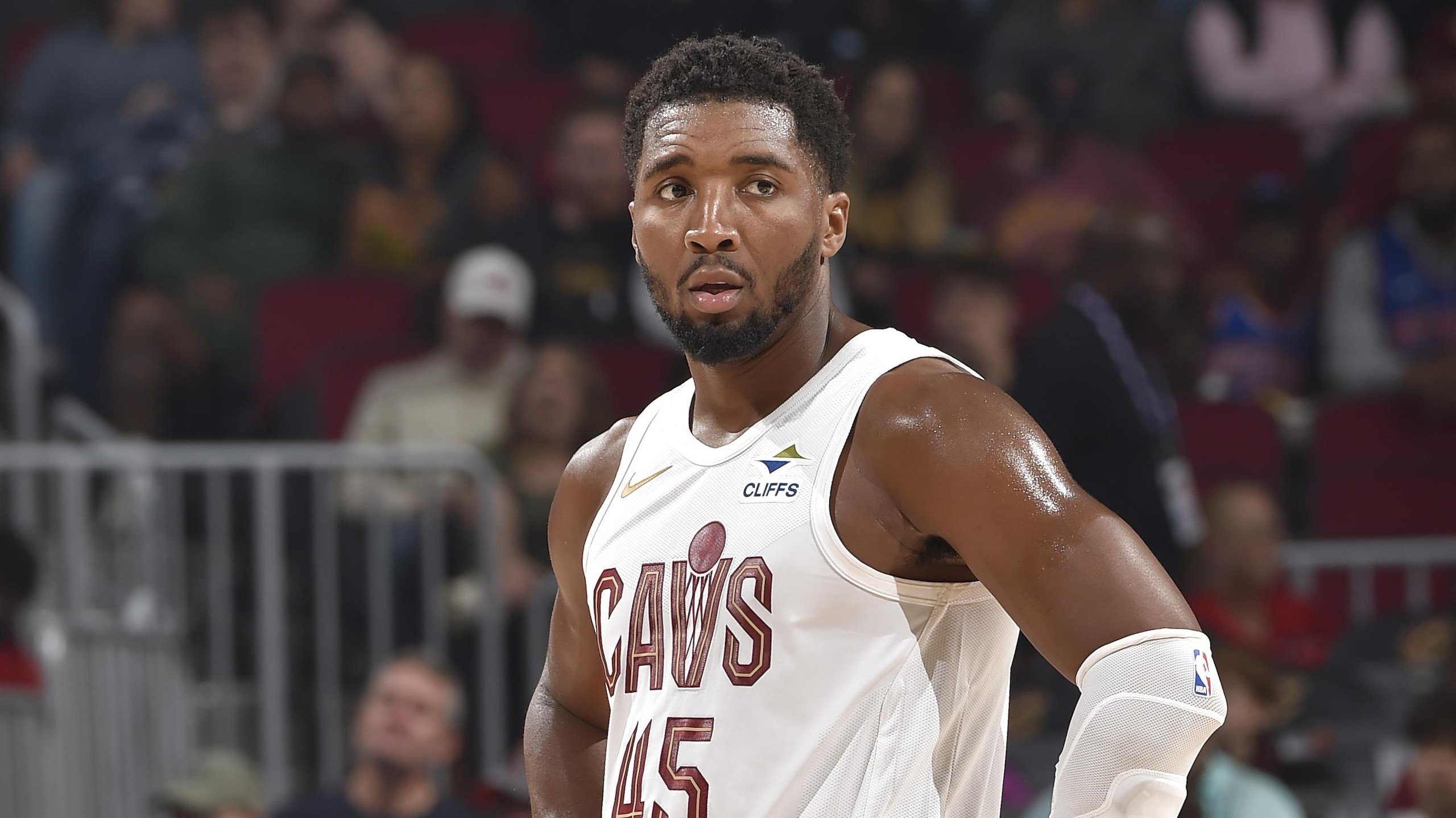
The New York Knicks physically overwhelmed them in the first round in 2023. Trade rumors swirled and head coach J.B. Bickerstaff lost his job in the aftermath of a 4-1 second-round drubbing by the Boston Celtics in 2024. Then, last year, the Indiana Pacers exposed Cleveland's lack of poise and ball-handling with relentless pressure in yet another 4-1 elimination.
The Cavs made adjustments this past summer, adding Lonzo Ball and Larry Nance Jr. to a rotation that needed more playoff-ready talent. Ty Jerome and Isaac Okoro, both of whom wilted in higher-stakes postseason play, are gone. That the Cavs are the only team currently above the second apron further emphasizes their focus on winning in the postseason after so many years of disappointment. A roster this costly cannot bow out early for a fourth straight year.
At the moment, the Cavs project to finish first in the East—even with season-opening injuries to Darius Garland and Max Strus. The rest of the league won't be bothered, as Cleveland might be the least-feared regular-season juggernaut in memory. The Cavs could match last year's 64 wins and still be subject to doubt.
Cleveland is the NBA's preeminent "prove it" team.
Dallas Mavericks: Over-indexed
7 of 30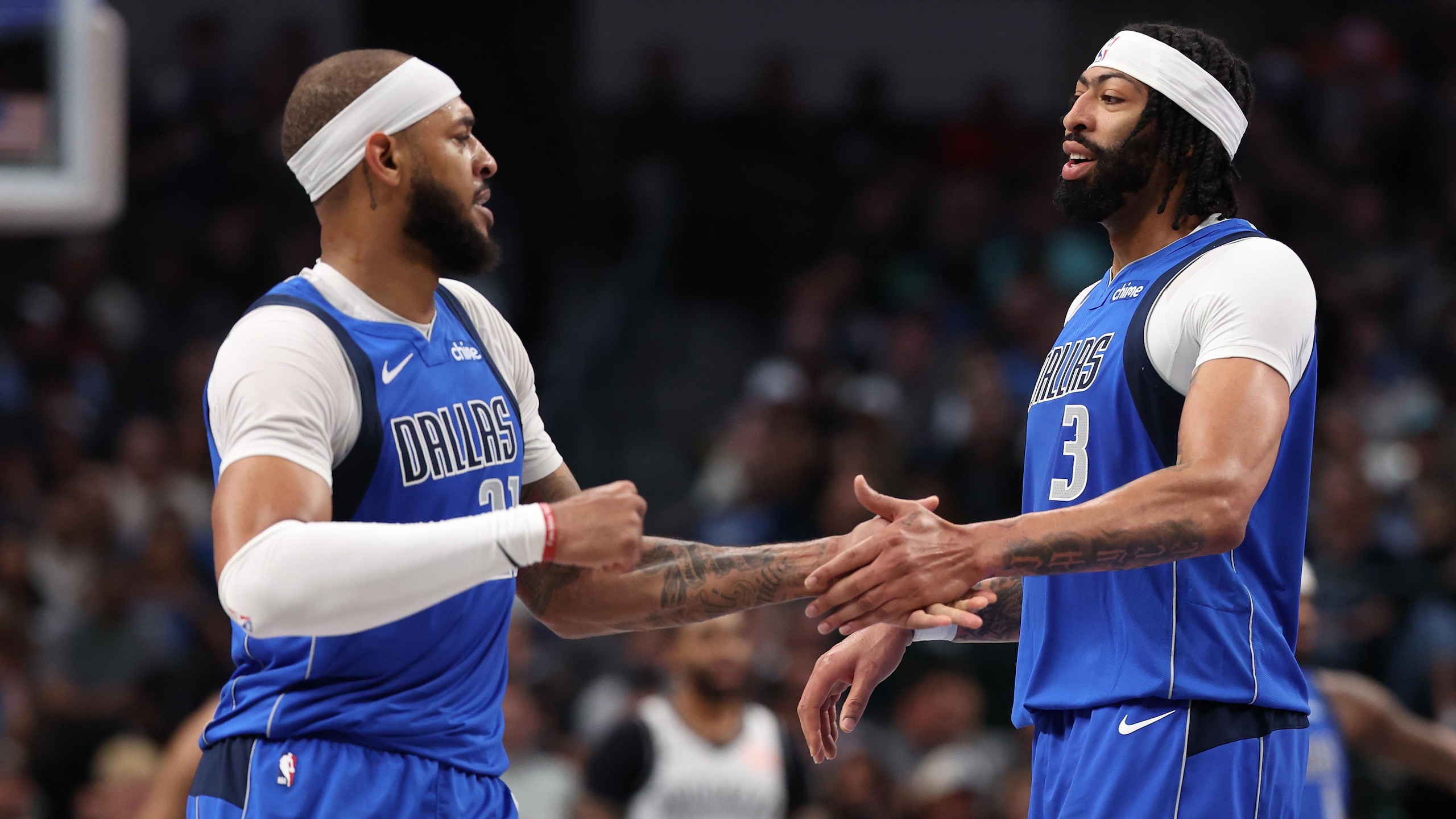
If success were measured by cumulative height, the Dallas Mavericks would be a contender.
Unfortunately, one of the league's most oddly constructed rosters won't get credit for its glut of centers and power forwards. Actual success will hinge on the Mavs figuring out how to create shots, defend opposing guards and space the floor with virtually no conventional tools for those jobs.
D'Angelo Russell is Dallas' only rotation-caliber point guard, and Max Christie might be its lone reliable defensive option against backcourt ball-handlers. Dante Exum could finally stay healthy, and old pal Dennis Smith Jr. could be a late-career reclamation project, but neither are big-minute options.
The Mavs will try to compensate for their shortcomings by dominating on defense and on the glass. They seem assured of great production in those areas with Anthony Davis, Dereck Lively II, Daniel Gafford, Cooper Flagg, PJ Washington and Naji Marshall set to man the front line. In order to get its best players on the floor, Dallas will have to play some of them out of position.
While it's exciting to imagine Flagg and Washington on the wings while Davis slots in at the 4 next to Lively, that doesn't feel like a sustainable strategy.
Denver Nuggets: Supported
8 of 30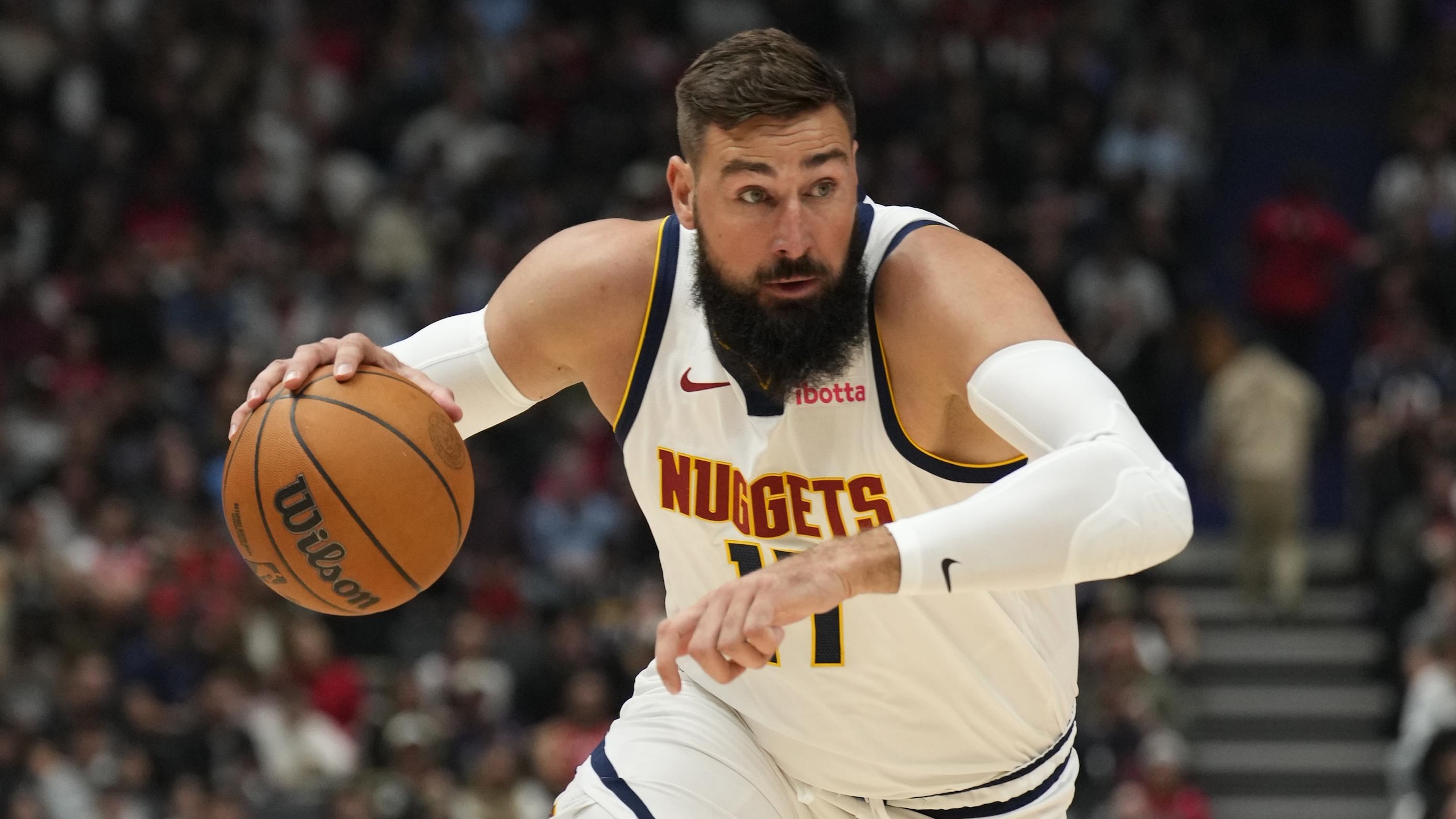
The Denver Nuggets will still probably lose the minutes Nikola Jokić spends on the bench, just not by such enormous margins. Denver's net rating fell by 21.3 points per 100 possessions whenever its superstar big man was off the court in 2024-25, a crippling figure.
In Jonas Valanciunas, they've got the first credible back up 5 in recent memory. Though Valanciunas won't mimic Jokič's offensive impact, he'll bang into opposing bigs, grab rebounds, hit the occasional jumper and delight Nuggets fans with the most deliberate shot fake in the league.
The upshot could be more rest for Jokić, who certainly deserves some. If Denver only gives away two or three points of its lead when the three-time MVP sits, it'll be easier to let him stay seated longer. Maybe slightly longer breathers will also make Jokić even more dominant when he's in the game.
It's jarring to imagine a version of Jokić that is somehow improved because he's already set the bar impossibly high. But we've simply never seen what he can do when supported by a credible backup.
Detroit Pistons: Hopeful
9 of 30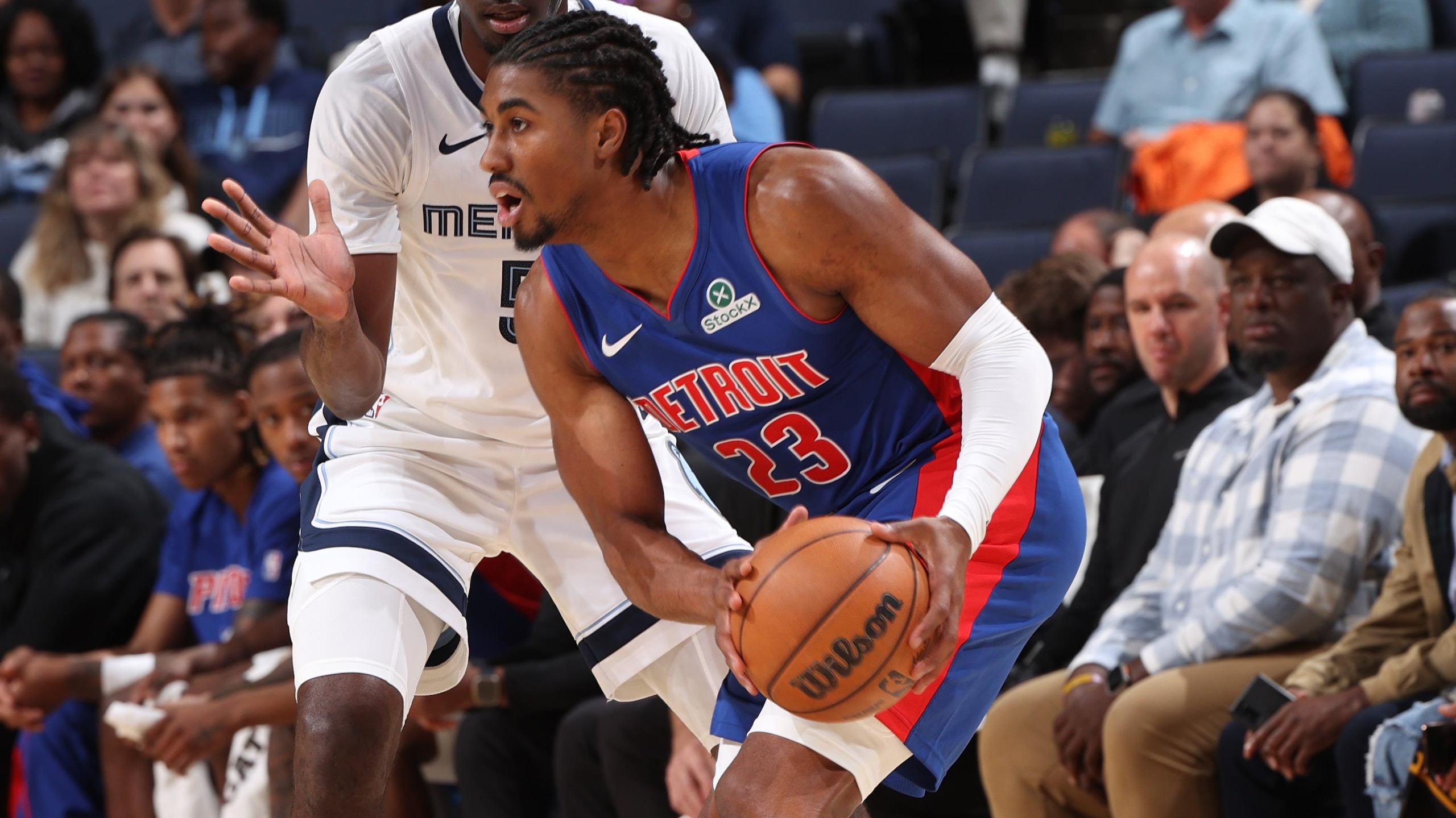
The overall talent level on the Detroit Pistons' roster is higher than it's been in years, as evidenced by last season's surge to 44 wins and a playoff berth. The fit is the issue, specifically when it comes to the bevy of promising young prospects' ability to space the floor on offense around superstar Cade Cunningham.
Jalen Duren has yet to sign an extension, but he profiles as the center of the future. His inability to shoot from the perimeter isn't uncommon at his position, but it makes playing him next to Ausar Thompson or Ron Holland II tricky. Those two have immense defensive value and need to be on the floor as often as possible—Thompson in particular.
Jaden Ivey flashed a 40.9 percent hit rate from deep in 30 games prior to injury last year, but he'll have to prove that accuracy is real before the Pistons commit to him on his next contract.
Even if none of those players settle in as reliable outside gunners, they'll be major contributors and/or valuable trade chips. But Detroit enters this season hoping at least one of them knocks down shots.
Golden State Warriors: Workaround
10 of 30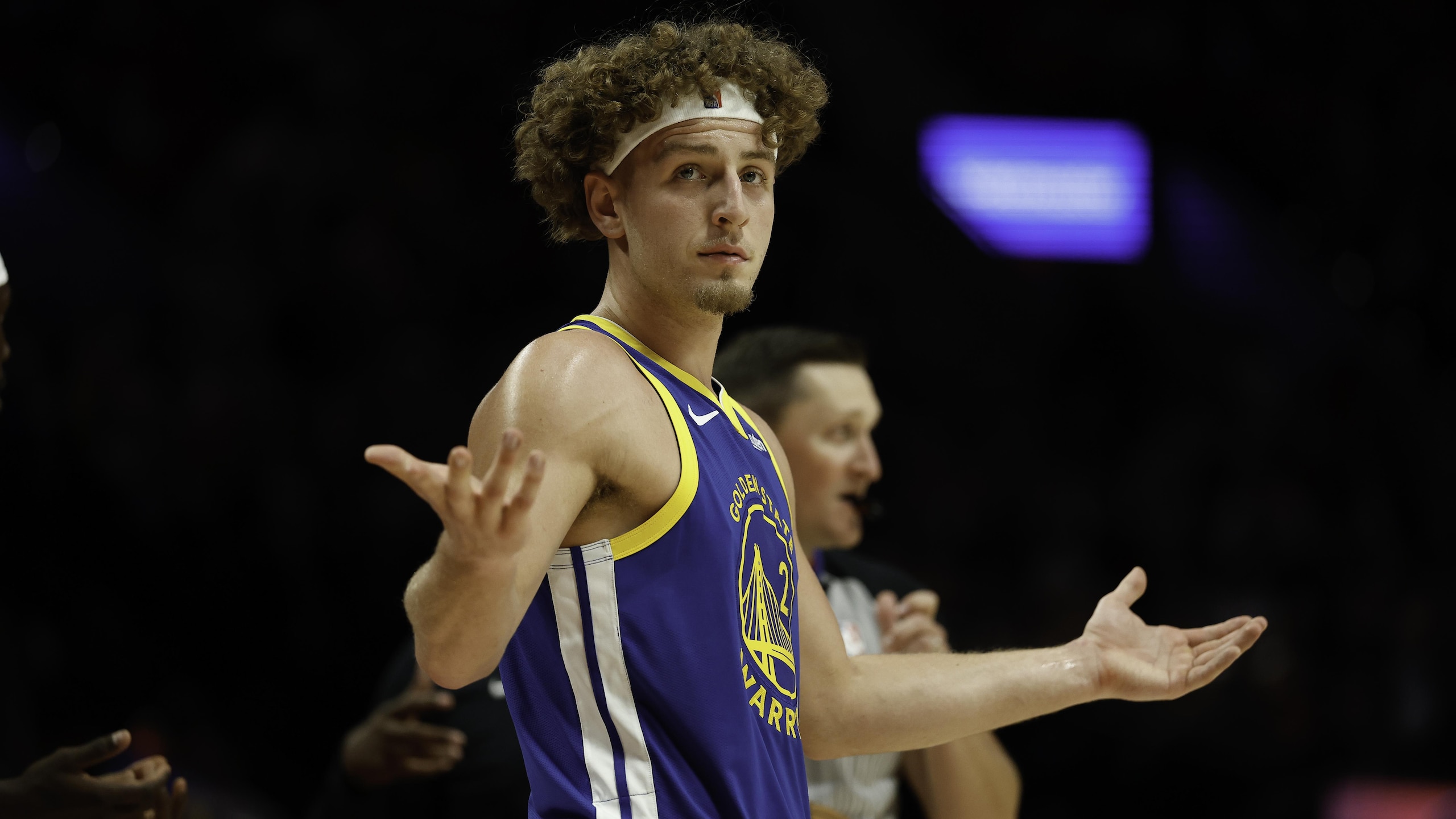
This year's Golden State Warriors will have limited access to the front door of standard NBA offense, which is to say they lack a single player who excels at simply getting past his man and into the paint from a standstill.
Odds are, a wildly experienced and diabolically clever collection of vets will be very good at finding alternative points of entry.
Stephen Curry's gravity remains best in class, and he'll fly around off the ball, bending the defense to its breaking point just like he always has. Jimmy Butler, Draymond Green and Al Horford all have their doctorates in advanced basketball tactics and should pair with Steph in a blur of effective ball movement, cutting and general exploitation of opponent mistakes.
They'll have to make things work that way, winning with passing and savvy, because this roster is severely limited in conventional run-and-jump athleticism. Unless Brandin Podziemski achieves a new level of on-ball creation or Jonathan Kuminga suddenly stops record-scratching whenever the ball swings to him, Golden State's attack will be all about workarounds.
Houston Rockets: Elevated
11 of 30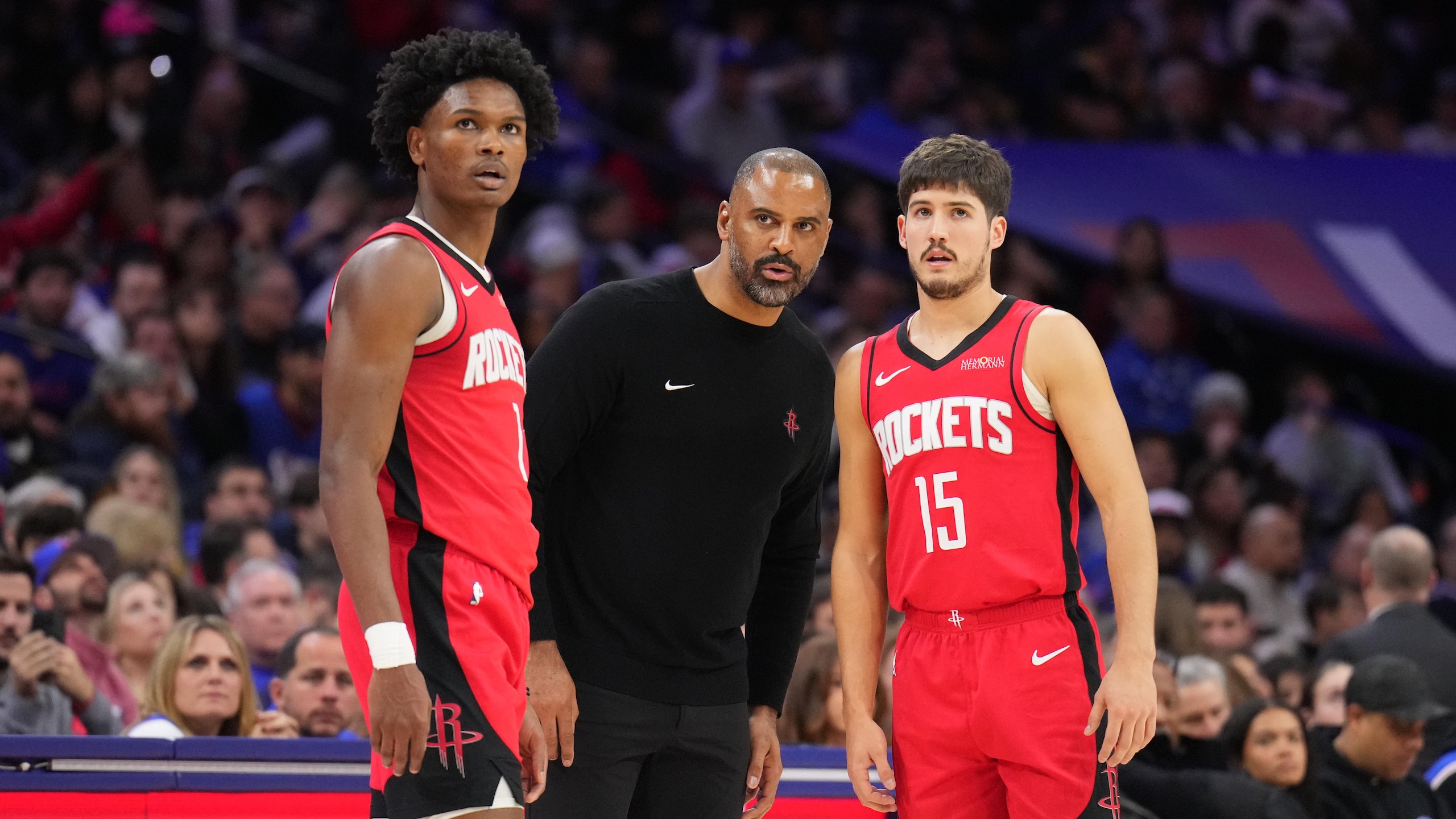
Reed Sheppard, come on down. You're the next point guard of the Houston Rockets.
Maybe.
Amen Thompson will also get a crack at playmaking duties now that Fred VanVleet is done for the season with a torn ACL, but it's Sheppard who profiles as the most logical successor. The No. 3 pick in the 2024 draft played sparingly as a rookie and was ineffective enough to render "our roster is stacked" less compelling as a total justification for his limited role.
Sheppard shot the lights out at Kentucky and compiled otherworldly stats as a defensive disruptor. He's the natural successor to VanVleet and seems guaranteed a key position in Houston's backcourt hierarchy.
The Rockets traded for Kevin Durant and added even more heft to an already hulking frontcourt because they intend to better last season's 52 wins and first-round playoff elimination. This is not a situation where Sheppard can be eased into anything. His ability to handle an elevated role could be the difference between the Rockets meeting or coming up short of those lofty goals.
Indiana Pacers: Sabbatical
12 of 30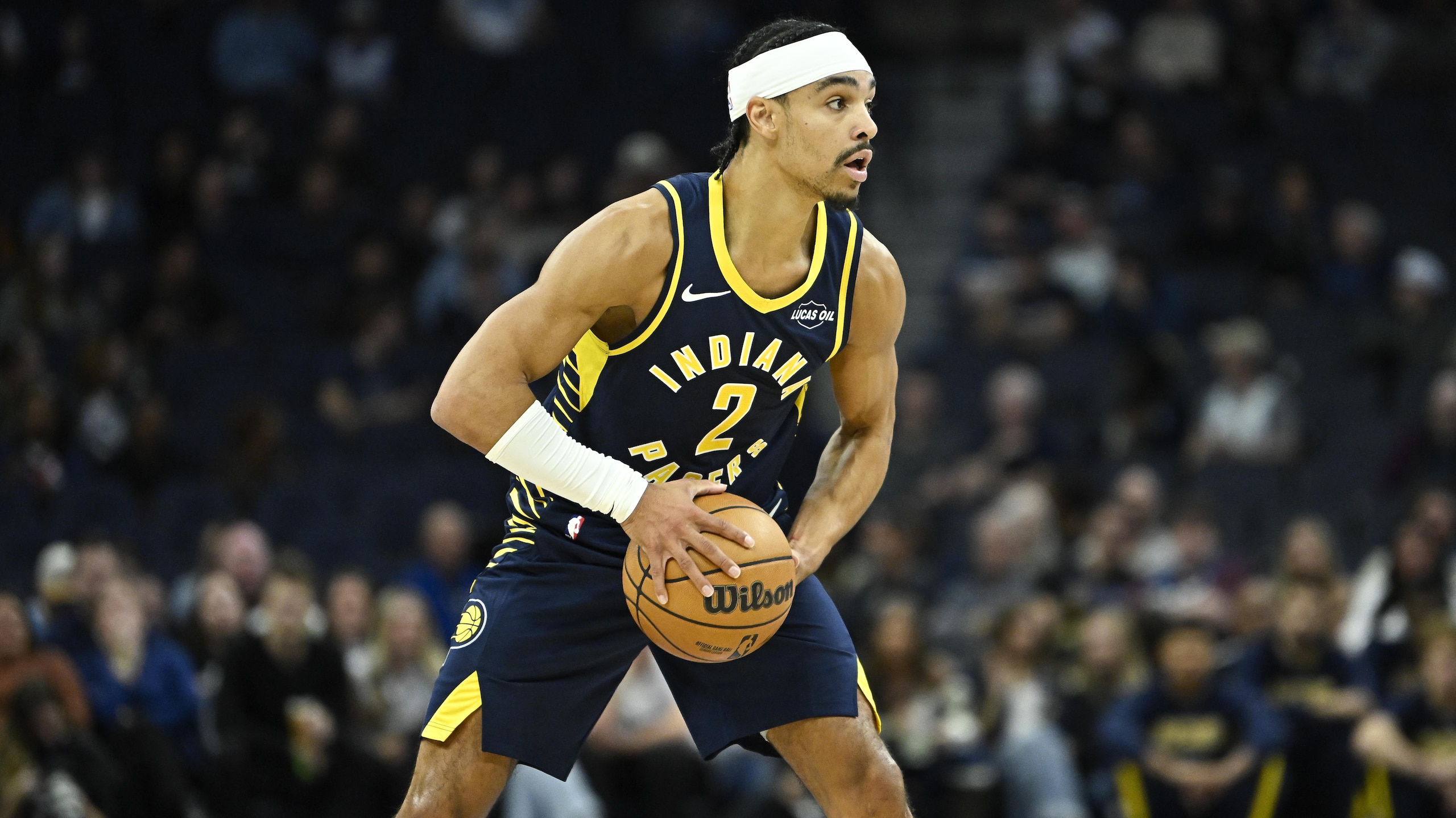
The Indiana Pacers aren't retired, but they're going to take some time off. Tyrese Haliburton's torn Achilles doesn't just remove an All-NBA superstar from the 2025-26 equation. It robs Indiana of its core identity as a savvy, opportunistic, unselfish run-and-gun offensive machine.
Myles Turner, one of a small handful of legitimate three-and-D centers in the entire league, is also gone.
The June trade with the New Orleans Pelicans that regained the Pacers control of their 2026 first-round pick now looks positively clairvoyant. That asset enables Indiana to steer into the skid and possibly outright tank if the right circumstances present themselves.
Normally, sabbaticals yield some level of personal growth. If that manifests in the form of Andrew Nembhard taking another step or Bennedict Mathurin proving he can do more than score, all the better. Either way, this is a full-on gap year for the Pacers. They'll return to work properly in 2026-27.
LA Clippers: Deep
13 of 30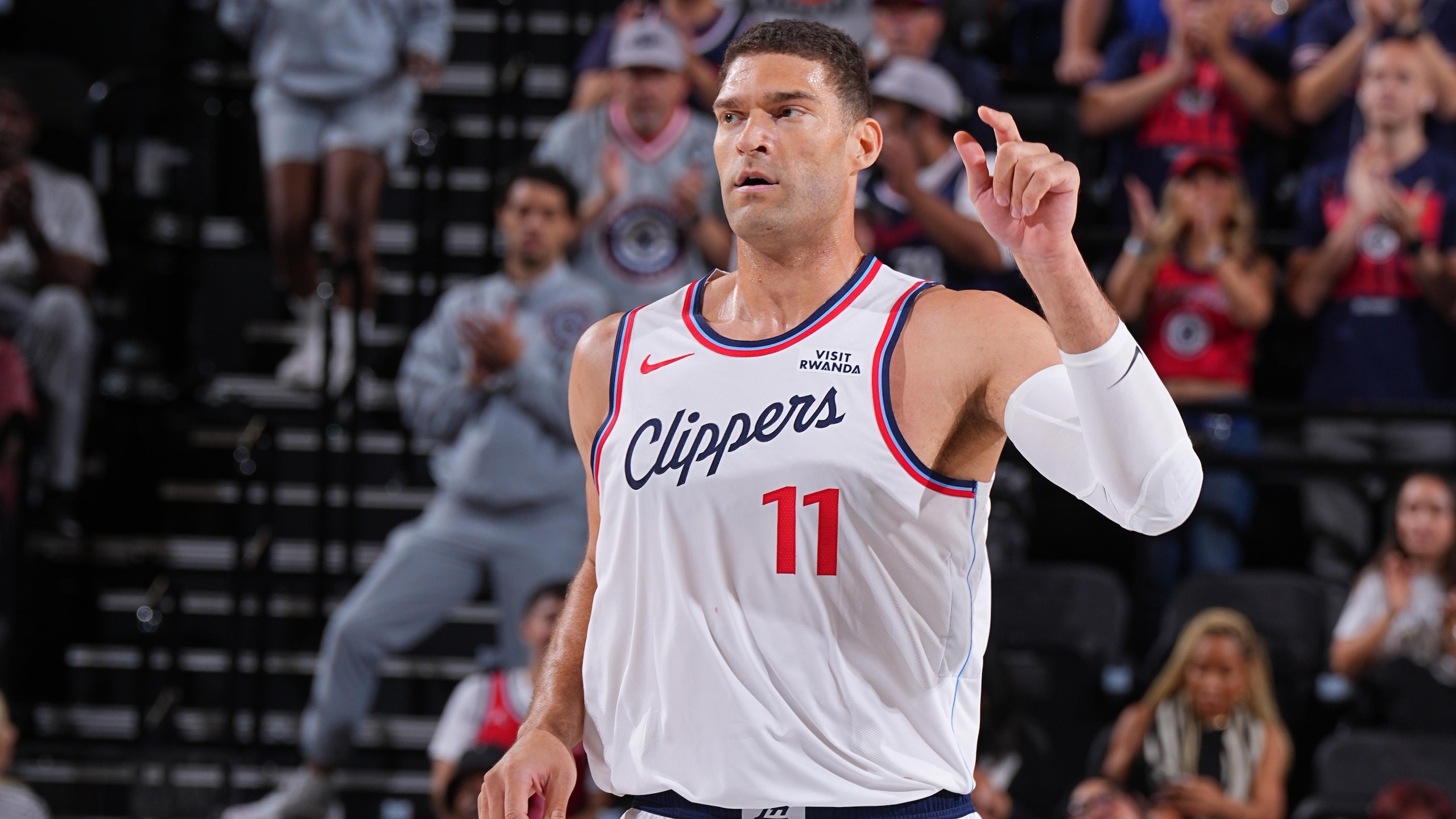
Chris Paul, Bogdan Bogdanović, Derrick Jones Jr., Nicolas Batum and Brook Lopez would be a pretty solid starting five. The unit has pick-and-roll playmaking, veteran smarts, shooting at all five spots and enough defensive oomph to make things difficult on opposing starters. If LA wants to ratchet things up on D, it can even turn to its resident smotherer, Kris Dunn.
Every player we just mentioned should be coming off the bench for the Clippers this season, which speaks to an uncommon level of depth.
The skeptic could argue that extra bodies are necessary with James Harden entering his age-36 season and Kawhi Leonard known for missing significant time. That doesn't change the fact that this year's Clippers are equipped with more starting-level talent than almost any other team. If LA wants to limit injury risk for its frailest players, it can easily adopt a strategy that limits Harden, Leonard and anyone else worth preserving to minute totals in the high 20s.
A team's eighth, ninth and 10th men don't matter as much in the playoffs, but the Clippers should be able to leverage a deep bench to ensure the best possible postseason seed, positioning their top threats to ramp up when the games matter most.
Los Angeles Lakers: Dependent
14 of 30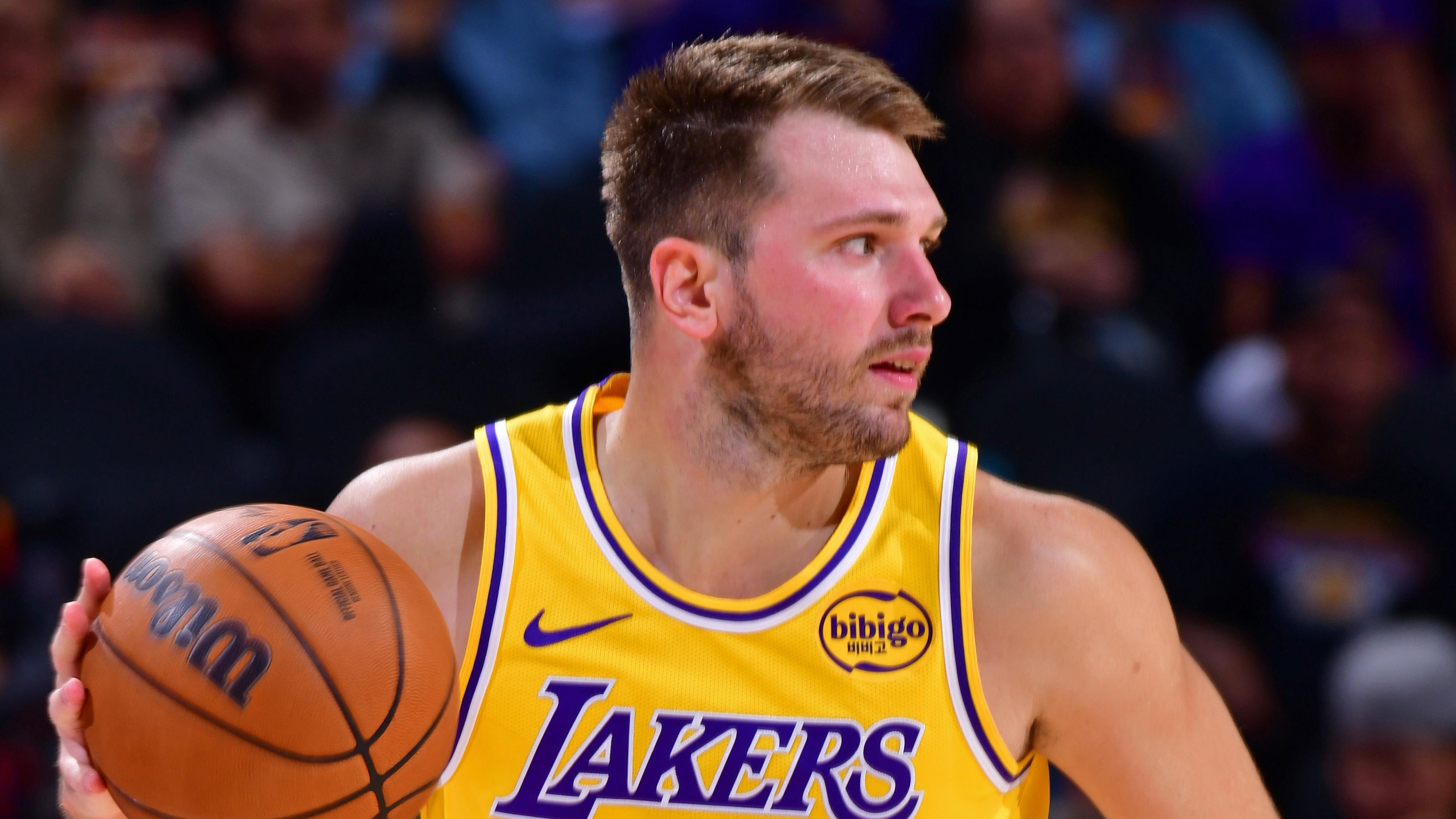
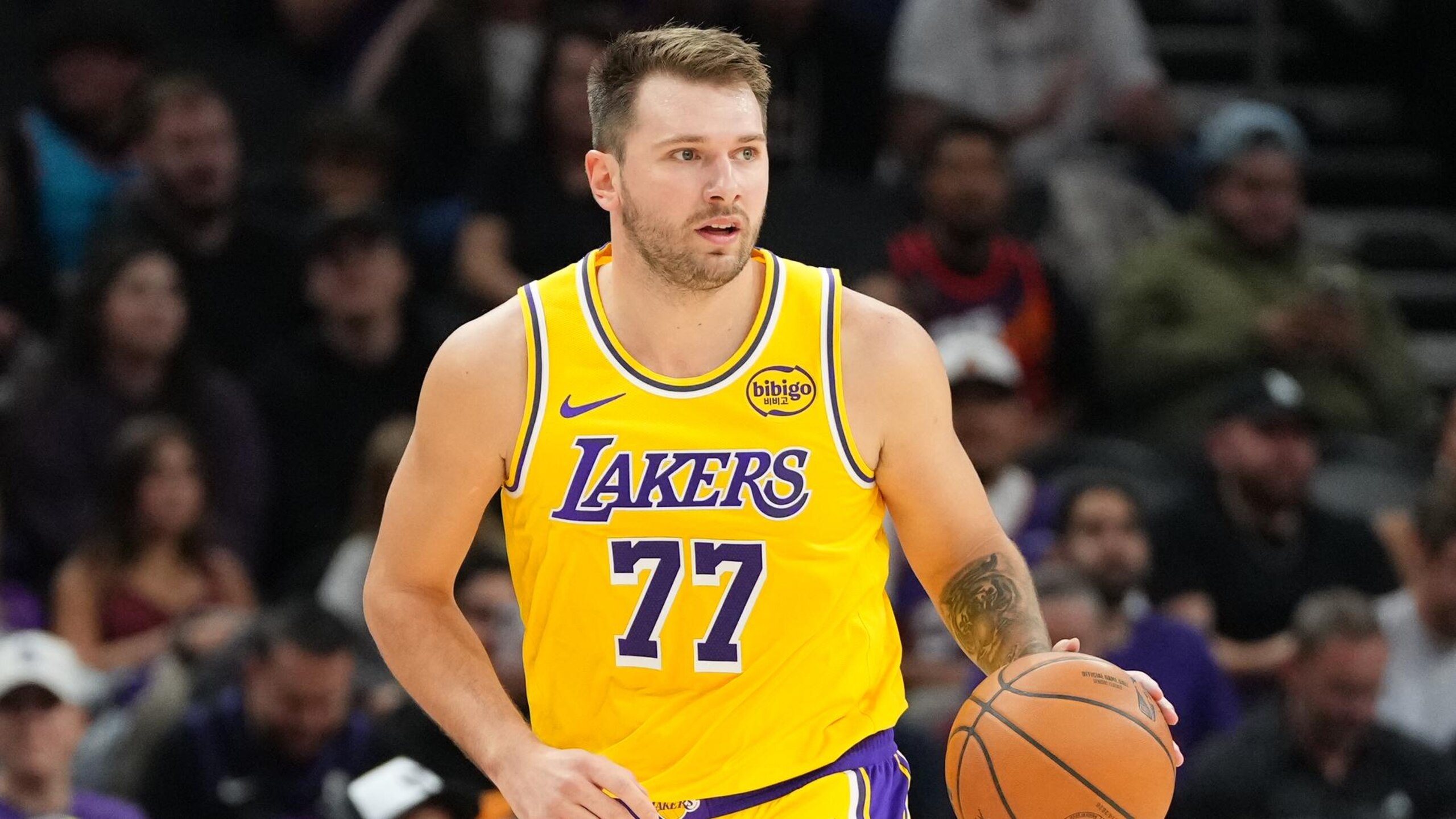
With LeBron James set to miss the first season-opener of his career due to sciatica, the Los Angeles Lakers find themselves almost wholly dependent on Luka Dončić for their offensive production.
That might actually be a good thing, and not just because the "Dončić and some guys" plan historically works out pretty well. This year in particular, Dončić should revel in the chance to prove he's moved past the conditioning and health issues that plagued him a season ago. What better way to do that than running the show with as little help as he's ever had?
Austin Reaves is a high-end starter who can make plays for himself and others, fitting pretty cleanly into the roles Jalen Brunson and Kyrie Irving once played next to Dončić in Dallas. After that, Los Angeles has next to nothing in the playmaking department. ESPN's Kevin Pelton tabbed the Lakers as one of four teams with fewer than five players projected to produce above the league average, and that included a healthy James.
With James set for free agency next summer, the Lake Show is going to be the Luka Show sooner than later. Doncic will thrive in a familiar role to start the season.
Memphis Grizzlies: Uninsured
15 of 30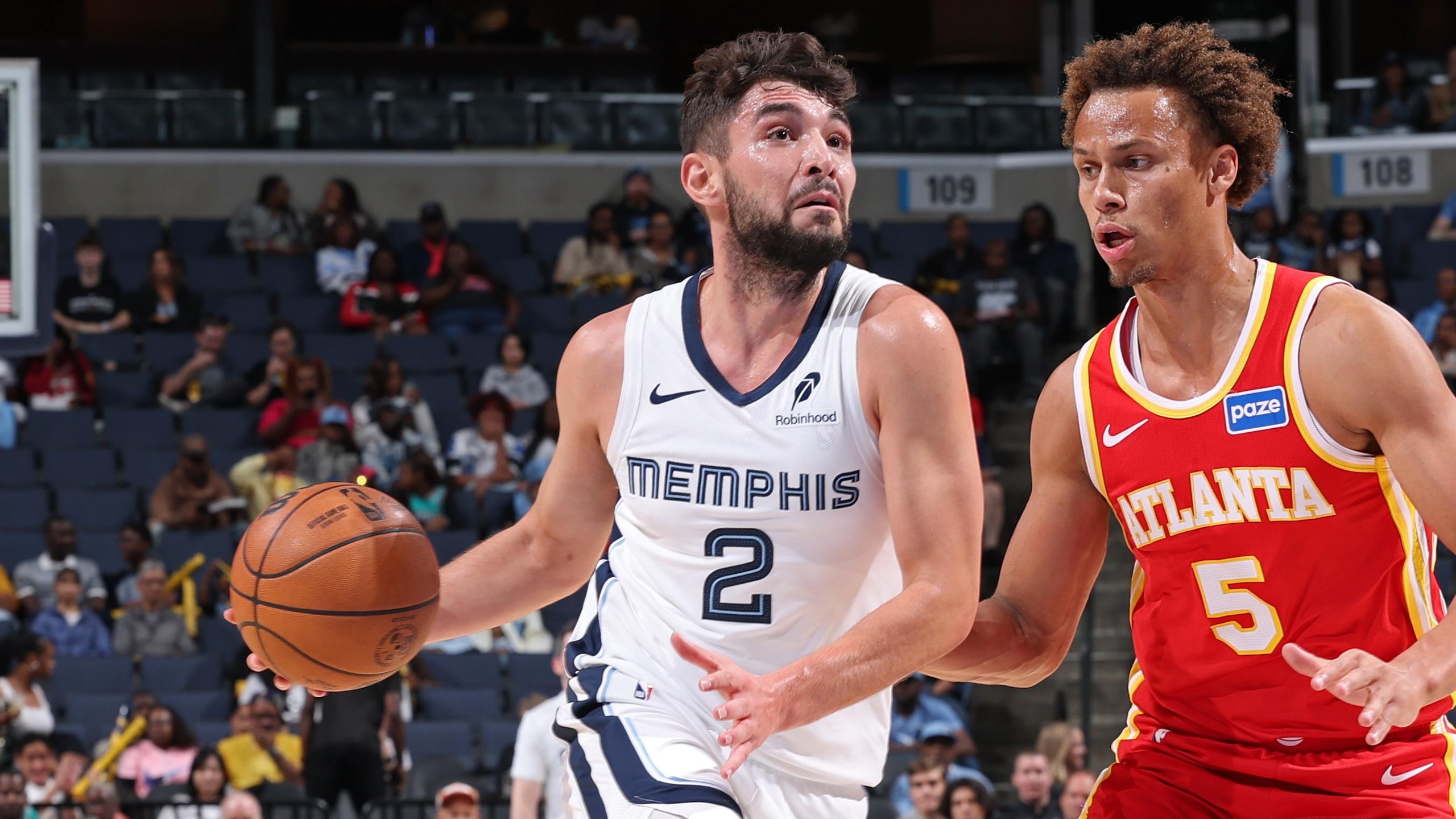
The best description of the Memphis Grizzlies would have actually been "partially insured", which would have captured the way they're built to withstand injuries in the backcourt but completely unready for the rough health luck that has already hit their frontcourt.
But we've got a one-word rule, so this is as close as we can get.
Free agent addition Ty Jerome joins Scotty Pippen Jr. to give Memphis the best backup point guards in the league, status they're already thankful for in the wake of Ja Morant's offseason ankle injury. The Grizzlies went 18-14 in the games Morant missed last season, due largely to Pippen's excellent defense and steady offensive stewardship. Jerome's presence gives Memphis yet another starting-caliber option to turn to when Morant, who hasn't played more than six consecutive games since 2023, is out.
It's the opposite case up front, where Memphis will be stuck giving Jock Landale major minutes while Jaren Jackson Jr., Zach Edey and Brandon Clarke all start the season banged up.
Miami Heat: Settled
16 of 30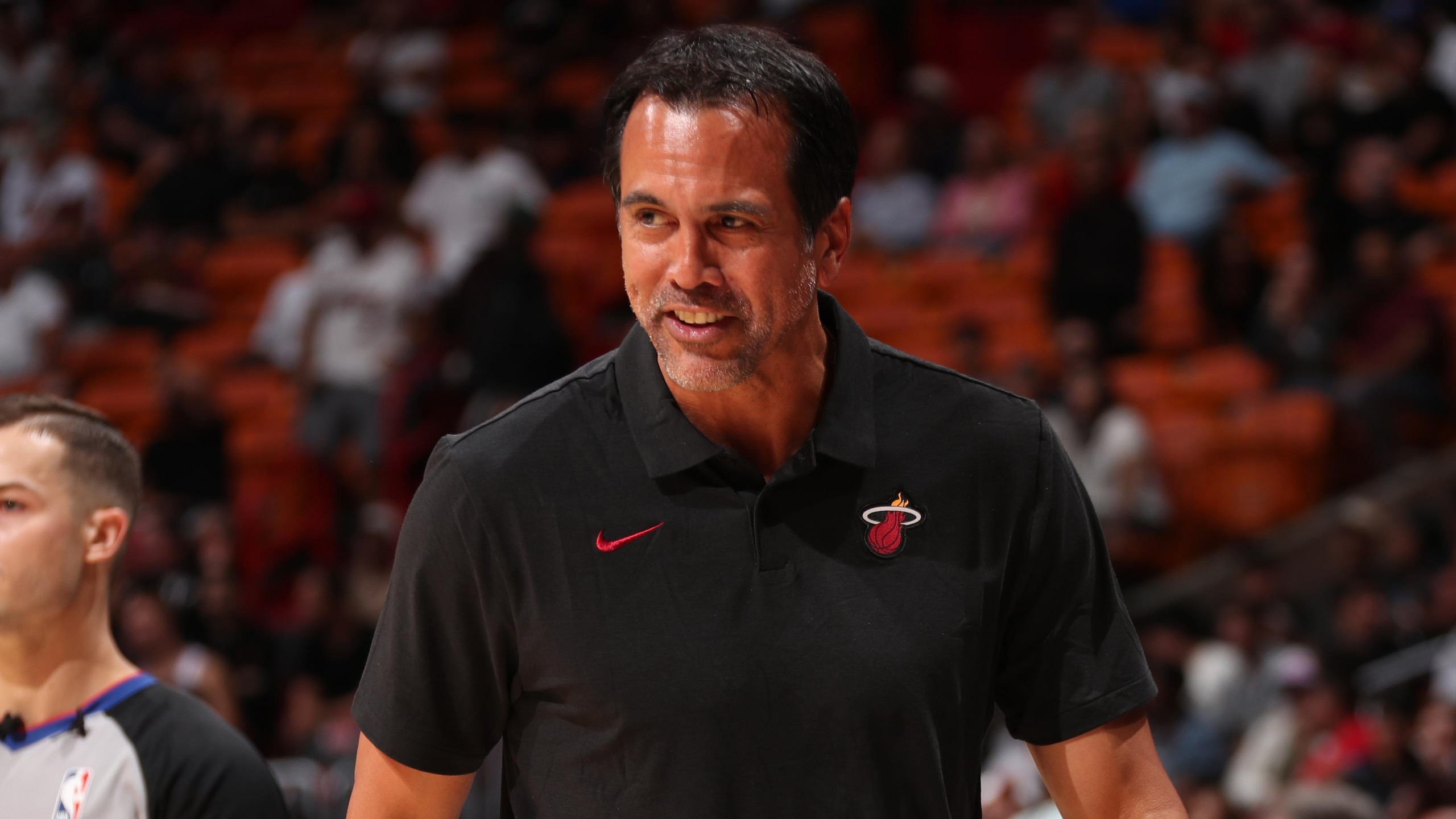
This time a year ago, the Miami Heat were trying to figure out how to be a two-way team. In each of the two preceding years, they could field competent offensive lineups that surrendered heaps of points on the other end. Whenever they pivoted to good defensive units, their offense fell apart.
Head coach Erik Spoelstra tended to skew toward defense-first units, which is why the 2022-23 and 2023-24 Heat both finished in the top 10 on D and the bottom 10 on offense. It was the same story last year.
That trade-off dynamic persists with this season's version of the Heat, but Spoelstra will get to tackle the challenging give-and-take roster construction without the massive distraction of a discontented Jimmy Butler.
That sound you just heard was Spoelstra, zen-like, exhaling calmly ahead of what should be a comparatively chill opening stretch of the season. Widely regarded as the best coach in the league, Spoelstra will actually get to just, well…coach from the outset.
Milwaukee Bucks: Ticking
17 of 30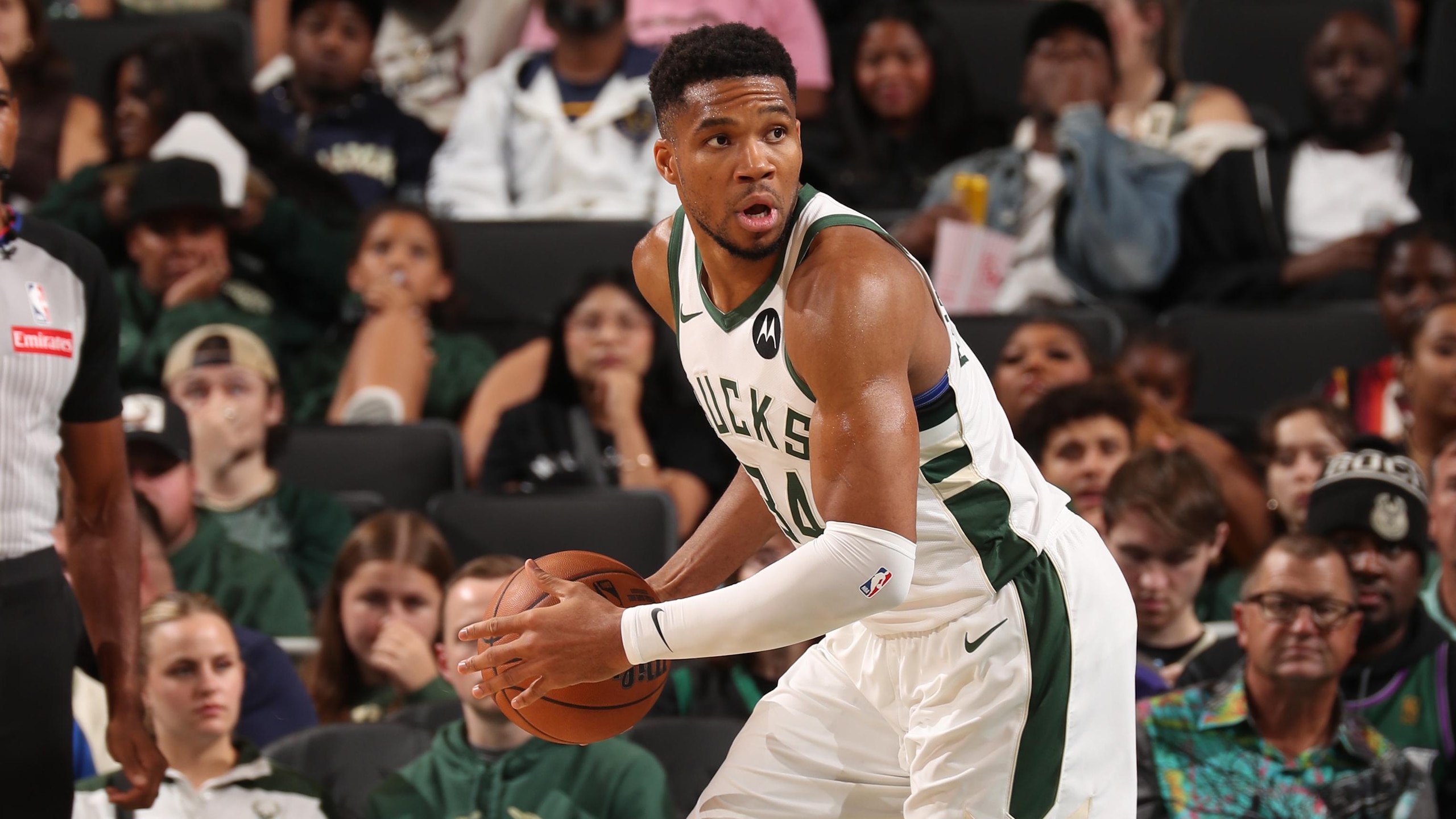
Giannis Antetokounmpo is well within his rights to say he's committed to the Milwaukee Bucks…unless he changes his mind. Does that hold the organization hostage in the friendliest possible way? Sure, but Antetokounmpo deserves credit for being honest.
The alternative—Giannis looking at this wholly underwhelming Bucks roster and then telling everyone he believes he has the best chance to win with it during what remains of his prime—would ring hollow.
Everything about the Bucks feels tenuous. Myles Turner is a terrific fit next to Antetokounmpo, who has always been best alongside a floor-spacing big, but the former Pacer isn't equipped to be a No. 2 on a contender. Surrounded by minimum-salaried vets and projects, subjected to Kyle Kuzma's two-way ineffectiveness and stuck paying an absent Damian Lillard $22.5 million over each of the next five seasons, Milwaukee is a Giannis change-of-heart away from total catastrophe.
A bad few weeks to start the season, and that possibility could become reality in a hurry.
Minnesota Timberwolves: Fragile
18 of 30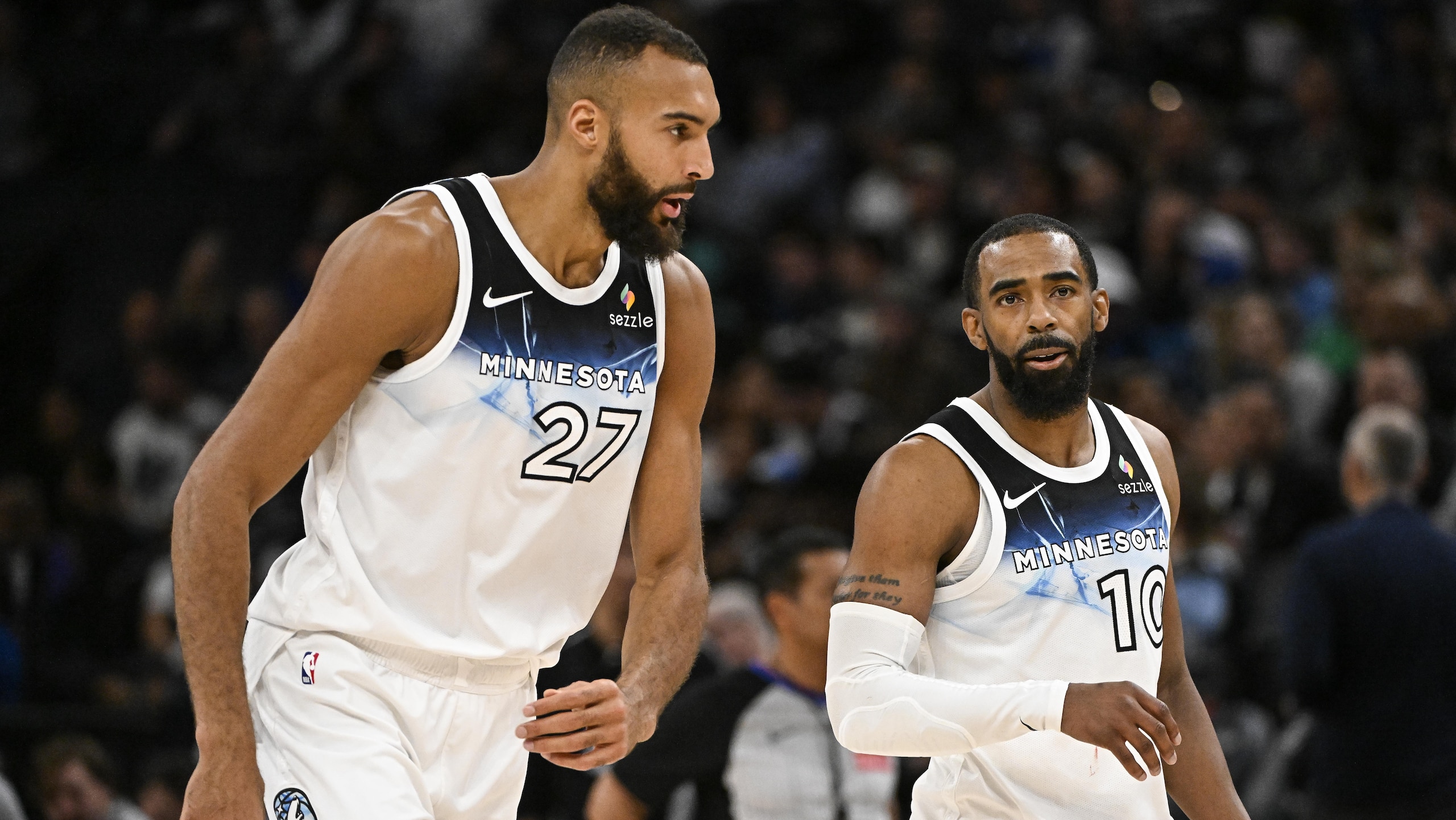
Led by Anthony Edwards, the Minnesota Timberwolves are dangerous because they have several in-prime, athletic forces. Jaden McDaniels, Naz Reid, Donte DiVincenzo, Julius Randle—all have the physical oomph to dominate games.
But the weakest link in a chain causes it to break, and the Wolves have a couple of key vulnerabilities in Rudy Gobert and Mike Conley.
The former defines the team defensively. A four-time Defensive Player of the Year, Gobert is now 33, showed signs of slippage last season and often cripples Minnesota's offense. Conley, the latter, is barely hanging on. He's coming off his first single-digit scoring average since he was a rookie in 2008 and, at 38, cannot be counted on for major minutes.
The Wolves don't have capable defensive-anchor or primary-facilitator replacements for either of their two starting lineup bookends. Just keep that in mind when setting a floor and ceiling for a team that has made the last two Western Conference Finals.
New Orleans Pelicans: Committed
19 of 30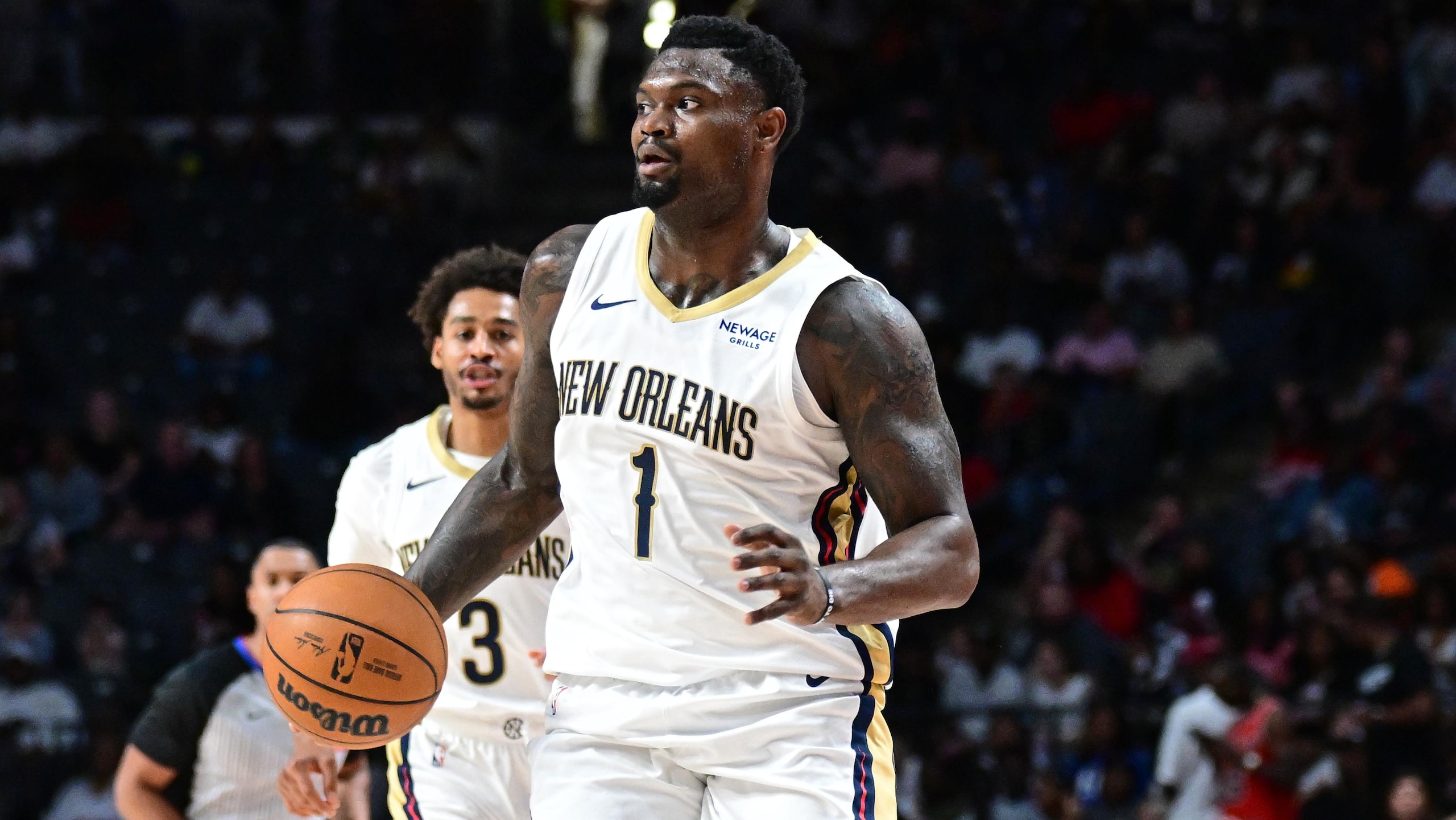
Two of the offseason's worst trades have upside in that the New Orleans Pelicans' reckless transactions will force a clarity of purpose upon them. Bereft of their own 2026 draft first-round pick (because they just had to have Derik Queen but wouldn't take him at No. 7), the Pels can't tank.
Well, they could. But they won't get the standard payoff of a lottery selection.
Likewise, New Orleans is committed to trade acquisition Jordan Poole for a full year after this one. Odds are, the defense-averse combo guard won't appeal to other teams as a trade chip. Had the Pelicans instead kept CJ McCollum around, his expiring salary would have allowed for more deadline flexibility.
As always, Zion Williamson's health looms larger than any other factor. Even if he succumbs to injury yet again, though, New Orleans won't have the option to pack it in and play for next year. In a backwards way, the Pelicans' lack of alternative paths could keep them focused enough to win more than they otherwise would have.
New York Knicks: Different (As Opposed to Better)
20 of 30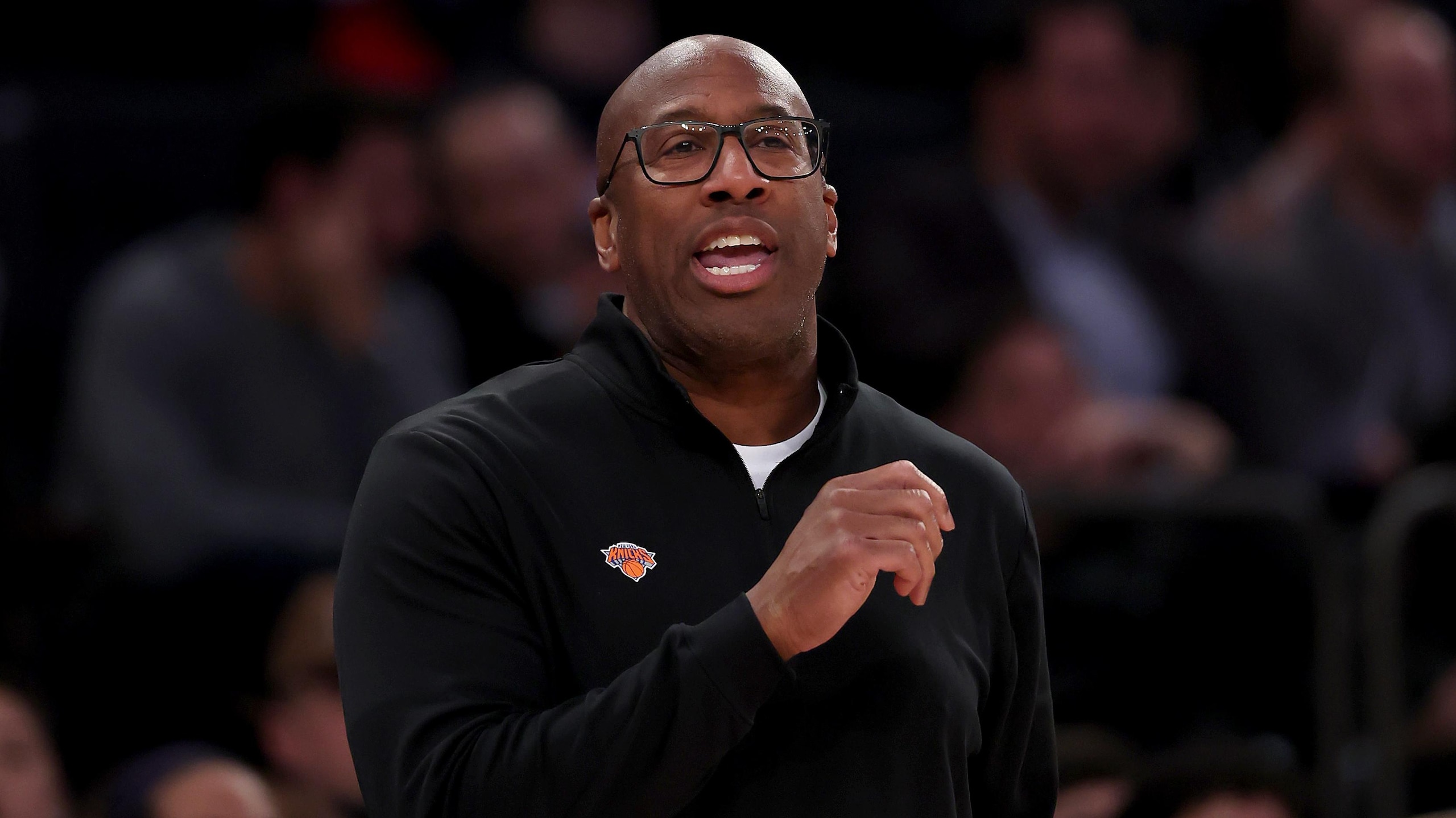
Tom Thibodeau was a good NBA coach, something he has in common with his replacement, Mike Brown. Given the somewhat lateral move in overall quality, the New York Knicks can't really expect to be significantly better than they were a year ago.
Different will have to do.
Distinctions between Thibodeau and Brown will arise in pace, lineup flexibility and offensive ingenuity. Will changes in those areas come at the cost of what Thibs brought to New York's identity—namely relentless "win the game in front of you" focus, extreme minute demands and uncompromising defensive principles?
The one factor that does seem objectively improved, depth, may not amount to as much as many expect. Jordan Clarkson is several seasons removed from contending for Sixth Man of the Year, and the dearth of actual wings behind starters Mikal Bridges and OG Anunoby is striking.
Oklahoma City Thunder: Bullet
21 of 30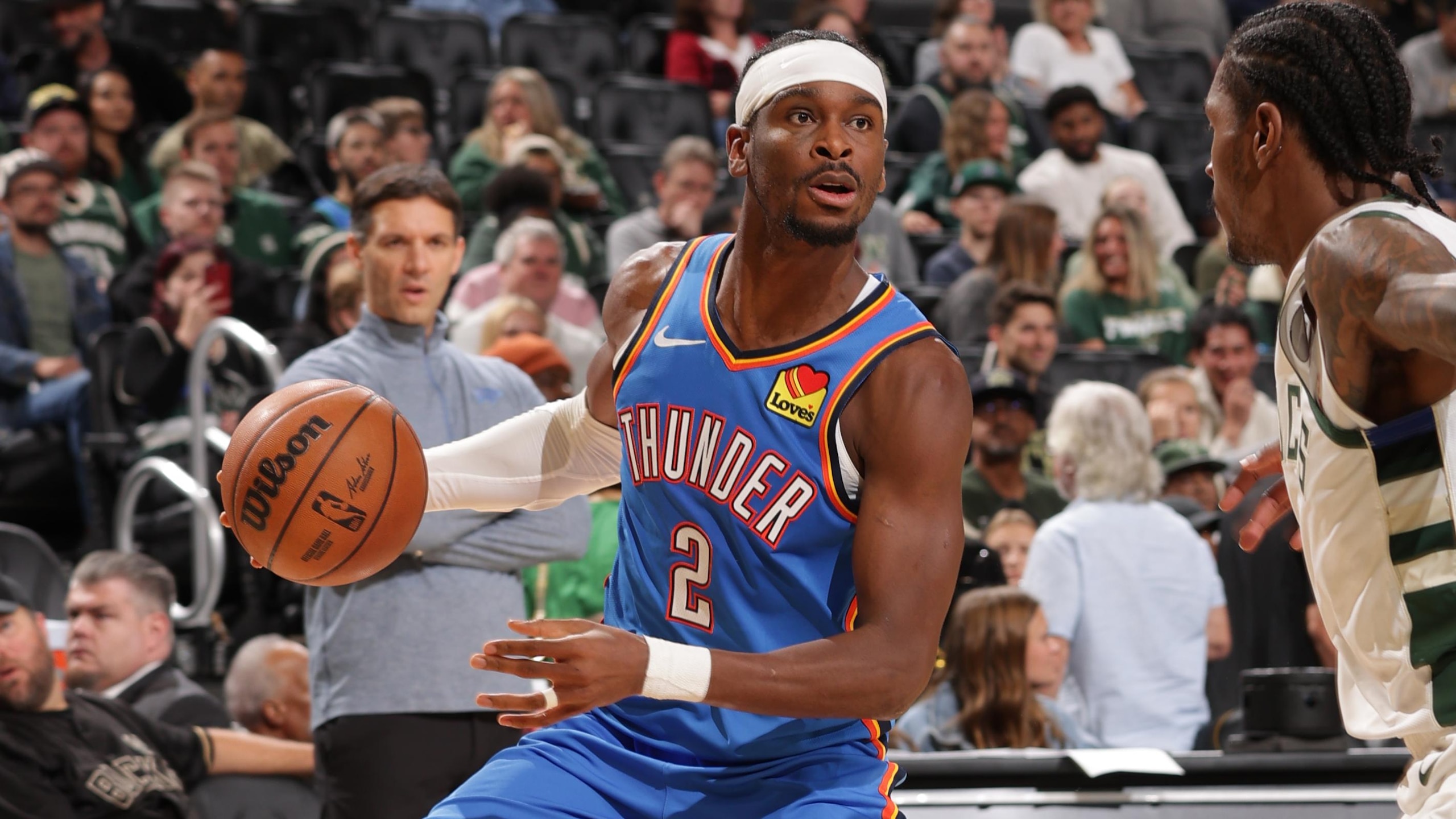
As in "No. 1 with a…".
Every other Western Conference playoff threat comes with issues. The Houston Rockets don't have an established point guard, the Golden State Warriors are old, the Minnesota Timberwolves can't score consistently enough and the Denver Nuggets still slip whenever Nikola Jokić is off the floor.
Not so for the frailty-free Oklahoma City Thunder, who seem like absolute locks to finish atop the West after racking up 68 wins a year ago.
If the Thunder want to chase the single-season wins mark, they can. If they'd rather throttle back and preserve themselves for another title run, they might have to settle for just 60 wins, which would still comfortably situate them at No. 1 in the West.
The odds-on favorite to post the best defensive rating in the league, Oklahoma City has an exceptionally high night-to-night floor. Even when reigning MVP Shai Gilgeous-Alexander sits out for preservative purposes, that smothering stopping power will keep the Thunder in games. Of course, SGA's nights off might not make scoring difficult if Jalen Williams and Chet Holmgren both take small steps forward as offensive weapons. Given their ages—24 and 23, respectively—growth should probably be the expectation.
Nobody's challenging the Thunder in the West. Give them the No. 1 seed now and be done with it.
Orlando Magic: Revealed
22 of 30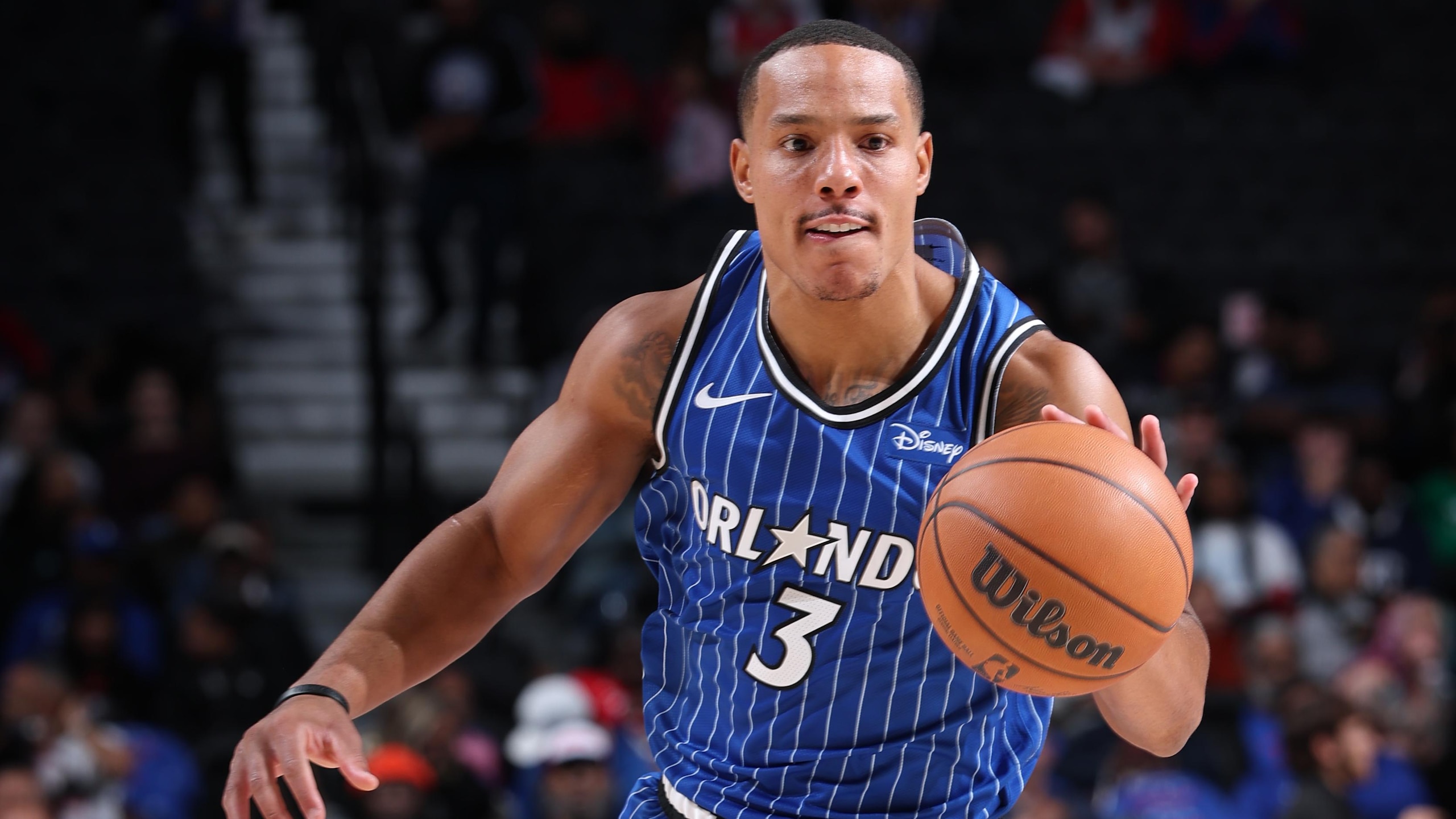
Last summer's Kentavious Caldwell-Pope signing failed, and the Orlando Magic proved they were done trying half-measures by sending out a half-decade's worth of first-round assets for Desmond Bane. The former Memphis Grizzlies guard was arguably the best solution for Orlando's problems; his career 41.0 percent hit rate on threes comes with the kind of competent defense head coach Jamahl Mosley demands.
With Bane aboard and Tyus Jones also joining up to support Jalen Suggs at the point, the Magic should be able to field an offense that ranks somewhere in the middle of the pack. That'd be a huge improvement for a squad that hasn't scored with league-average efficiency since 2011-12.
But what if the changes aren't enough? What if neither Paolo Banchero nor Franz Wagner improve their own below-average true shooting percentages with more spacing around them? What if Mosley can't draw up schemes or coax a faster pace out of a young roster that should be able to run?
This is a crossroads season for Orlando. Major success feels likely, but another poor offensive showing will reveal a lot about the organization's most important figures.
Philadelphia 76ers: Uncomplicated
23 of 30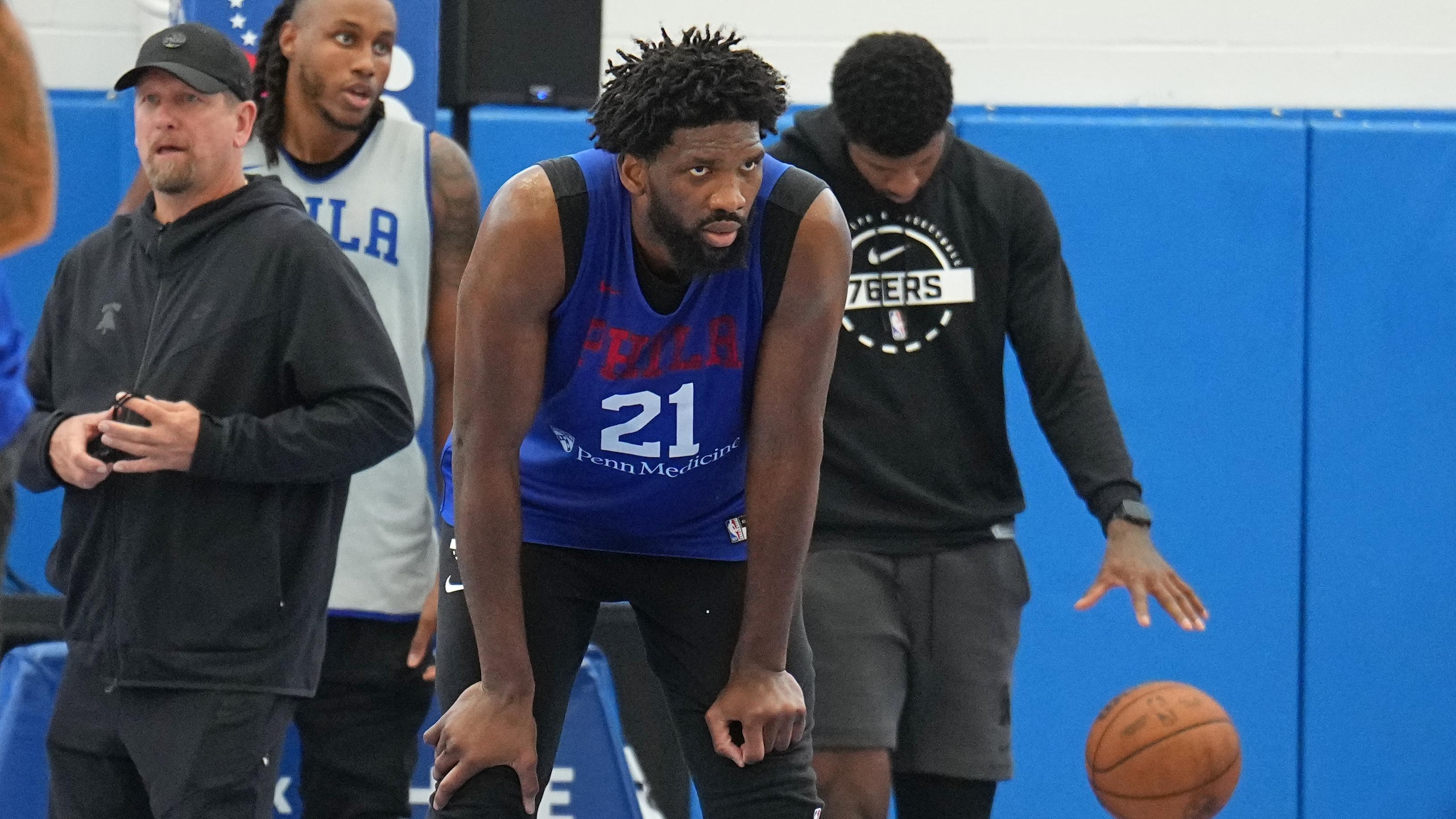
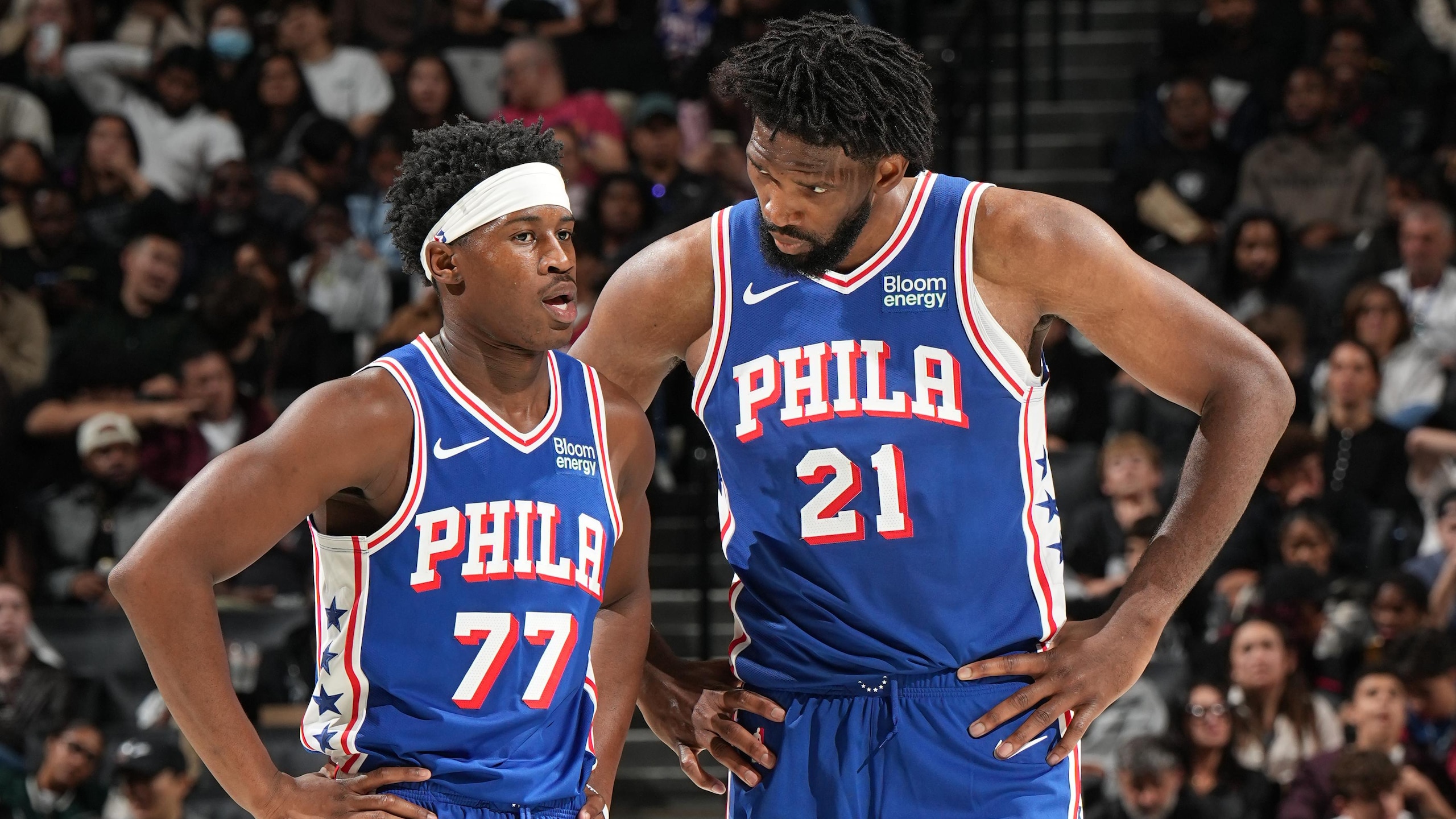
If Joel Embiid plays at least 50 relatively healthy games, the Philadelphia 76ers will challenge for a top-four spot in the East. Anything more than that from the former MVP, and 50-plus wins are very much on the table.
Alternatively, if Embiid is unavailable for most of the year and/or obviously no longer an All-NBA force when on the floor, Philly will be lucky to avoid 50 losses.
Paul George's health is a factor, and the Sixers can probably stave off a lottery trip if Tyrese Maxey and a promising core of young guards keep the offense afloat. But none of those secondary factors have anything close to Embiid's level of influence on the season. So in that sense, Philadelphia is among the simplest teams in the league to evaluate.
The Sixers are going to be interesting, competitive and possibly even a contender for a conference crown if Embiid is himself. If he's not, there won't be much to see here.
Phoenix Suns: Rudderless
24 of 30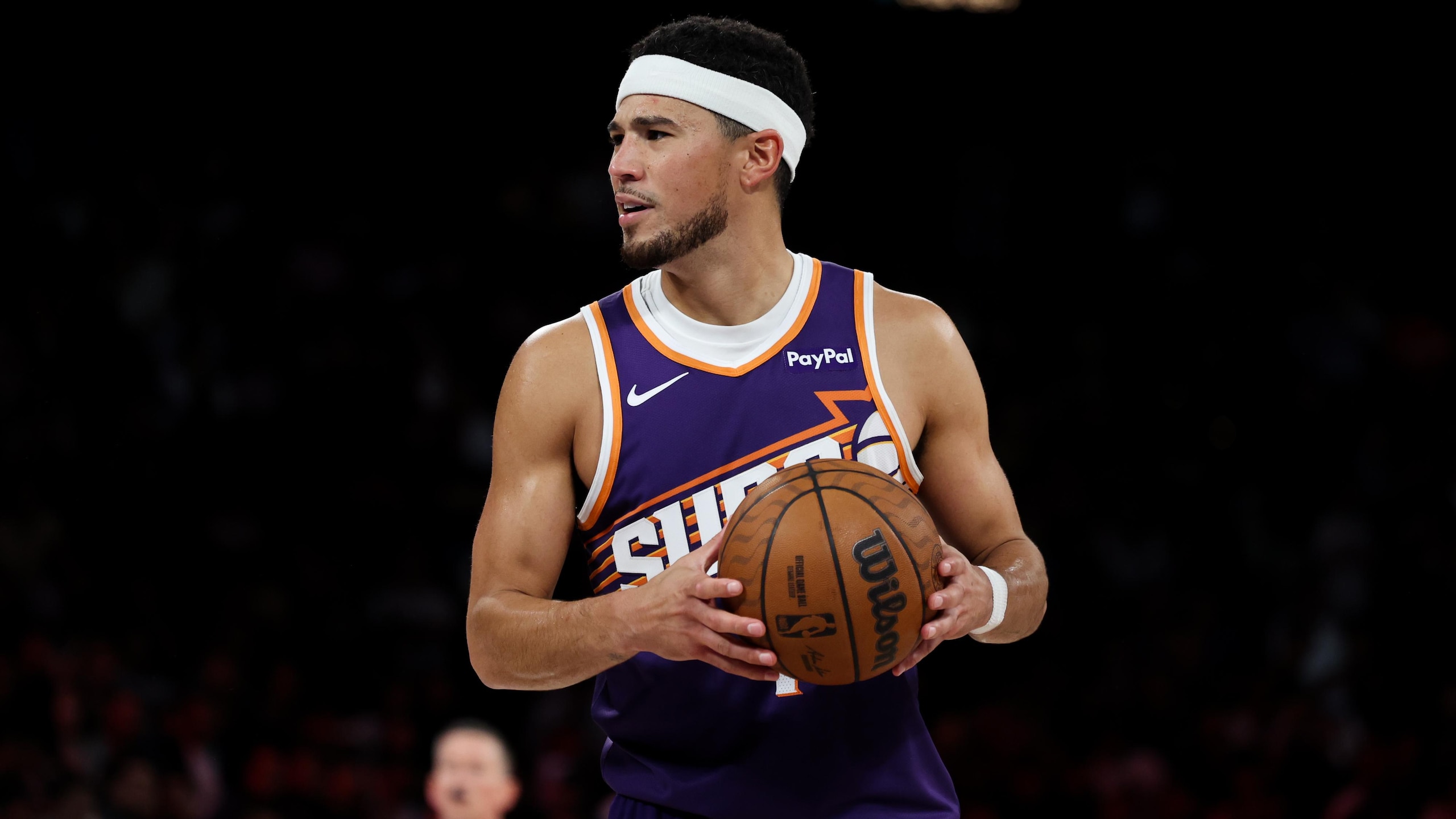
The failed pursuit of short-term gains cost the Phoenix Suns the draft picks they would have needed for a longer-term rebuild, leaving them stuck in no-man's land. Bereft of a young-cornerstone talent, unlikely to land one in any upcoming draft and locked into Devin Booker's max deal through 2030, Phoenix is adrift with no way to propel itself forward.
There's probably an ironic lesson in there somewhere about frantic failures of impulse control (aka Phoenix's transactional history under owner Mat Ishbia) ironically leading to a total inability to make any move at all. But there's an even better literal parallel to the product the Suns will put on the floor this year, which will be defined by the lack of a point guard.
Good luck to the Suns as they try to piece together an offense with former two-way player Collin Gillespie and early-career journeyman Jared Butler as the lone floor generals on the roster. Booker and Jalen Green will man the starting guard spots, which basically assures gummed-up sets and plenty of forced shots late in the clock.
Portland Trail Blazers: Hamstrung
25 of 30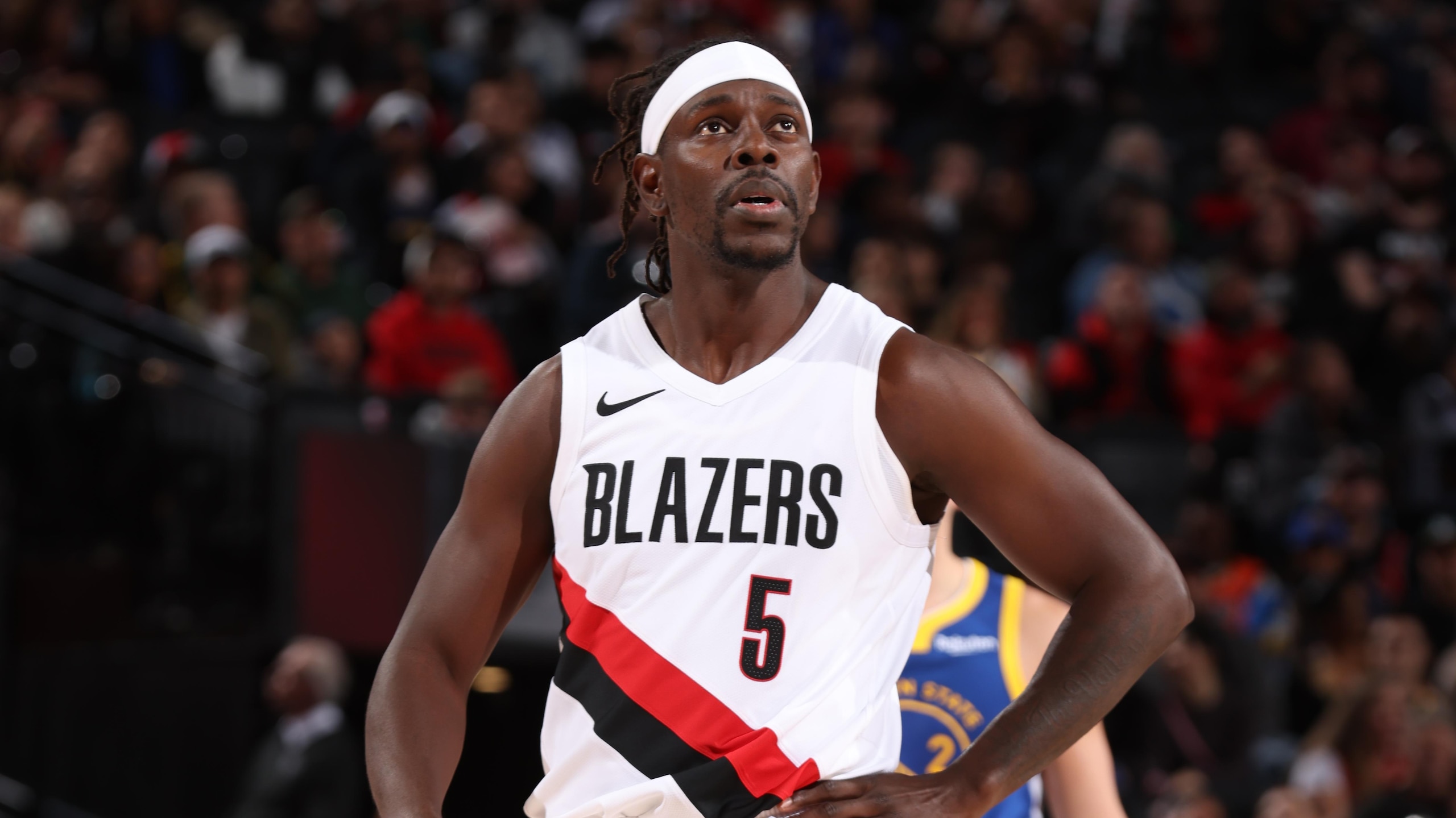
We've got some double-meaning action here, as "hamstrung" works as a reference to the injury suffered by third-year point guard Scoot Henderson and the damaging effects said injury will have on a Portland Trail Blazers offense that couldn't afford to lose a key playmaker.
All's not lost. Shaedon Sharpe showed signs in the preseason of taking his scoring game to first-option levels, and Deni Avdija is everyone's favorite breakout candidate after a hot run to close last year. Nonetheless, the Blazers' No. 23 finish in offensive rating last season was always going to be a trouble spot—especially relative to a defense that could crack the top 10 with a few good breaks.
Portland would never admit it, but Henderson's injury might cause some internal reconsideration of the deal that sent Anfernee Simons to Boston for Jrue Holiday. Even at his advanced age, Holiday is probably a better overall player than Simons, but that has more to do with his defense and experience than what he brings as a scorer. Simons was a deeply limited defender, but the guy could absolutely stripe it from deep at high volume and would have been one of the Blazers' top assist men.
Sacramento Kings: Familiar
26 of 30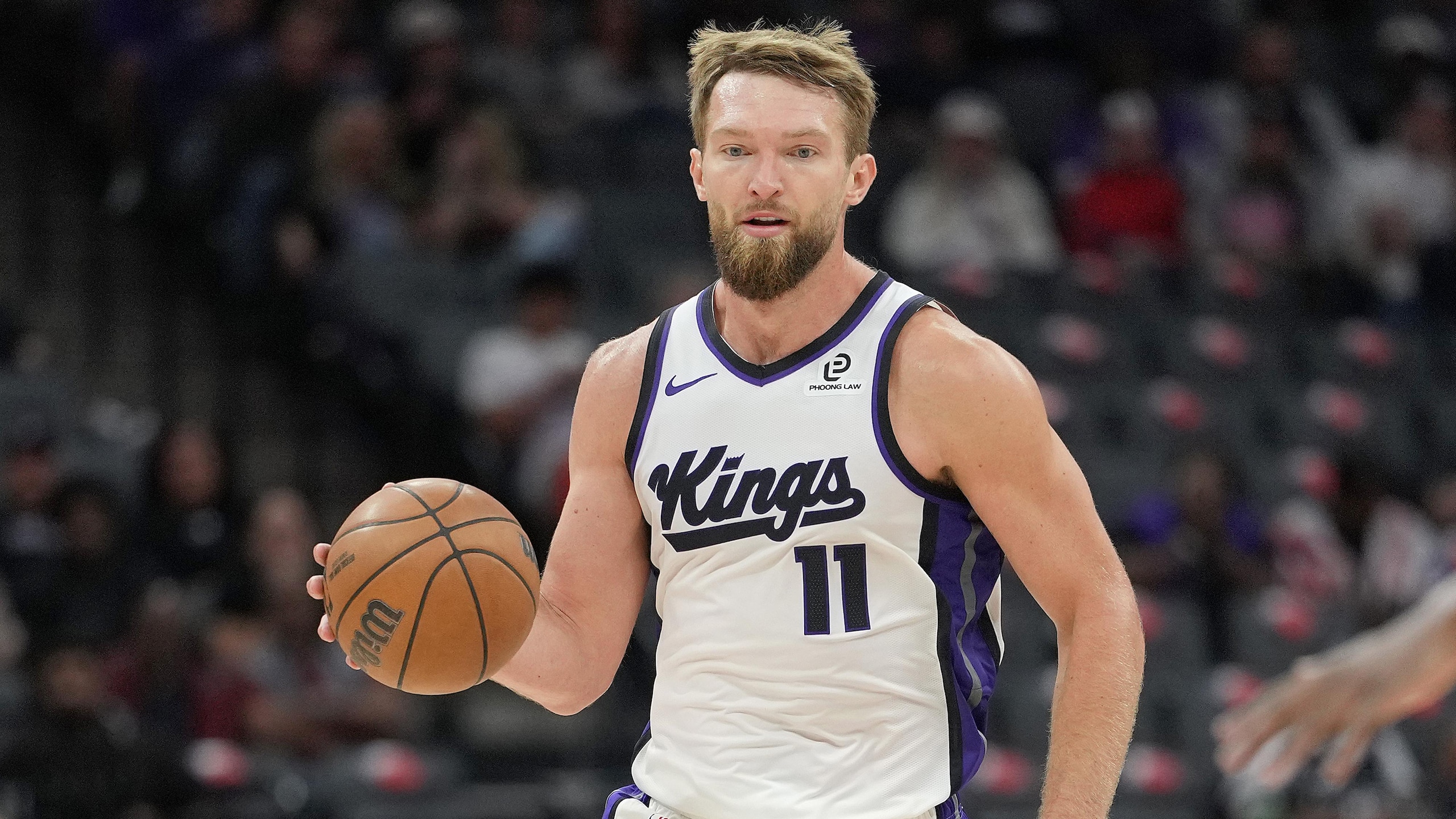
New general manager Scott Perry didn't hire Doug Christie, a dynamic that almost always resolves itself with a coaching change. The Sacramento Kings are well acquainted with this process. They spent most of the 2010s shuffling from one executive-and-coach combo to the next, rarely getting aligned for more than a season at a time.
Perry, who held the top executive job for about three months nearly a decade ago, was part of that cycle.
Another element that'll be eerily recognizable to Kings fans: This team has a relatively high floor that should keep it in the Play-In mix for most of the year but lacks the upside to dream of much more than a .500 record. Domantas Sabonis, Zach LaVine and DeMar DeRozan will score the ball effectively, but they'll also combine to produce poor defensive numbers. Russell Westbrook fits right into that group.
With Keegan Murray set to miss several weeks because of a thumb injury, Sacramento is bereft of two-way talent.
Costly vets clog the roster and the Kings have no one with star potential in the pipeline, leaving them stuck in the middle. At least they're used to it.
San Antonio Spurs: Incomplete
27 of 30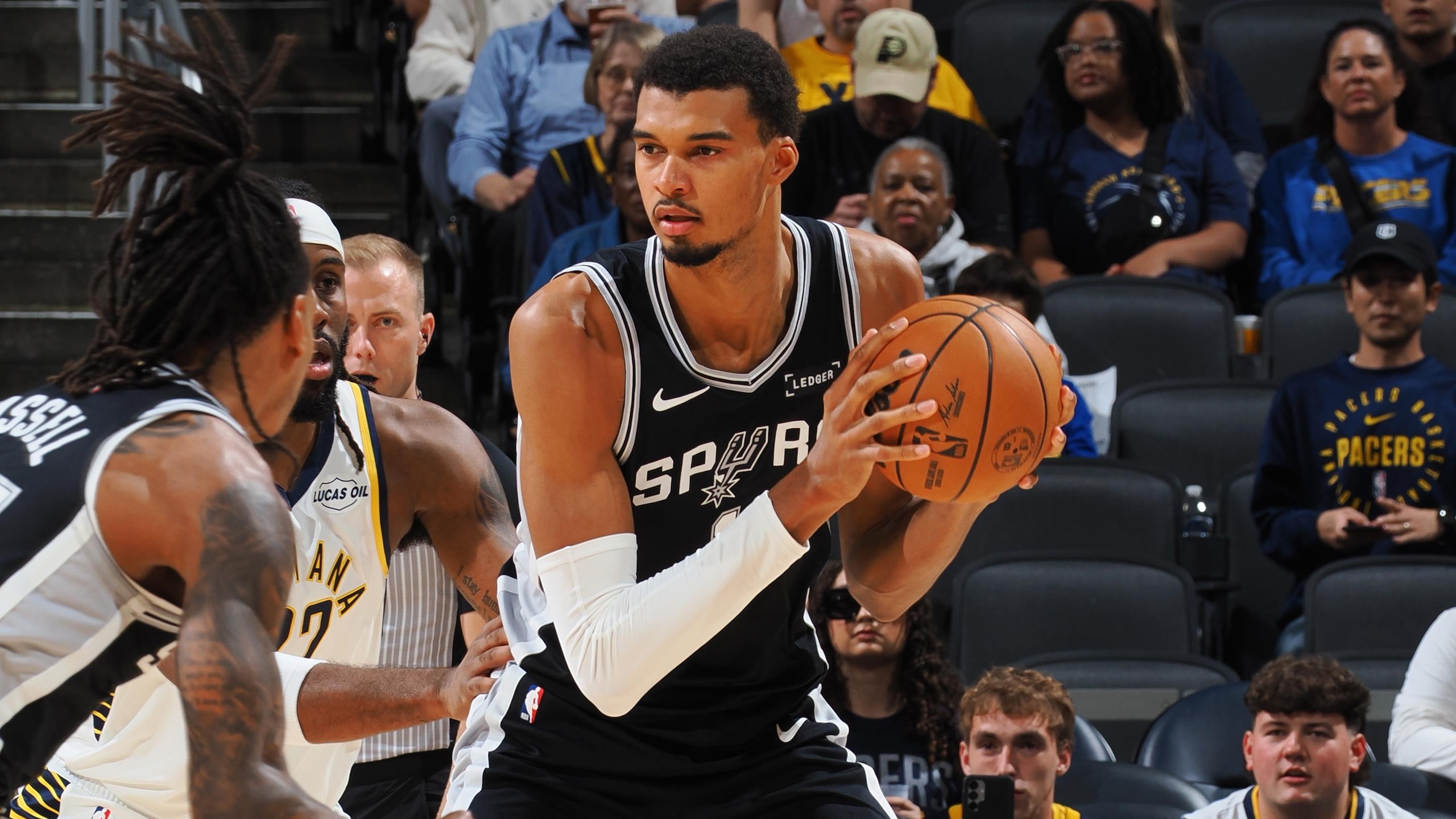
Victor Wembanyama is the best young centerpiece in the league, but the San Antonio Spurs are still a long way from surrounding him with the right supporting cast.
Unless defensively exceptional rookie Carter Bryant figures out how to score, the Spurs don't have a long-term partner for Wembanyama at either forward spot. Harrison Barnes is aging out, Keldon Johnson isn't a starter and Jeremy Sochan's lack of offensive punch makes him a poor fit.
Options abound in the backcourt, but De'Aaron Fox failed to impress in limited minutes last year, while Stephon Castle (like many of his teammates) has to fix his outside shot. Dylan Harper appears to be San Antonio's best bet as Wemby's top running mate, but he has yet to play a single minute of regular season basketball.
The good news is that the Spurs have the tools to acquire what they lack. They can trade their even-year first-rounders through 2032 and own several swaps with the Atlanta Hawks. Add to that the expiring salaries of Barnes, Sochan and Kelly Olynyk that total $40 million, and San Antonio can put together a compelling offer for the next star who wants to team up with Wemby.
Toronto Raptors: Overcome
28 of 30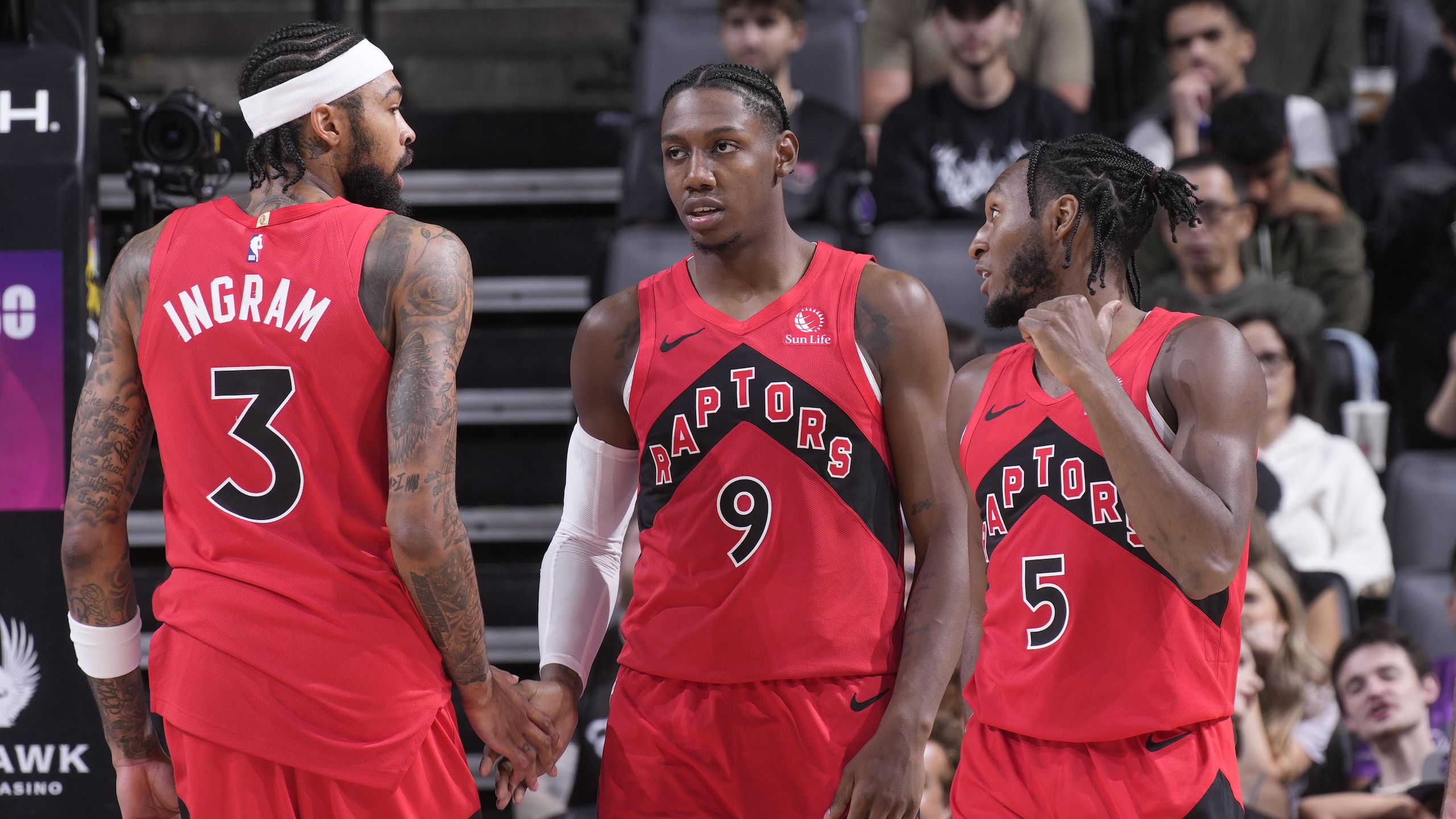
Talent isn't the issue for the Toronto Raptors, who have five legitimately good starters in Immanuel Quickley, RJ Barrett, Brandon Ingram, Scottie Barnes and Jakob Poeltl. The problem lies in the way those players fit together.
Toronto is light on floor-spacing in that unit, and any three-point shooting specialist it might insert to address the shortcoming would diminish the overall quality of the group. Gradey Dick might be more dangerous as a catch-and-shoot threat than Barrett (in theory; Dick is only 1.0 percent more accurate for his career), but he's not a better player than Barrett on balance.
If the Raptors win more games than they lose this season, it'll be because they overcome their ill-fitting roster by leaning on pure talent. That's not an impossible gambit, but it's one that also wouldn't be necessary if Toronto's decision-makers gave a little more thought to complementary skill sets.
Utah Jazz: Desperate
29 of 30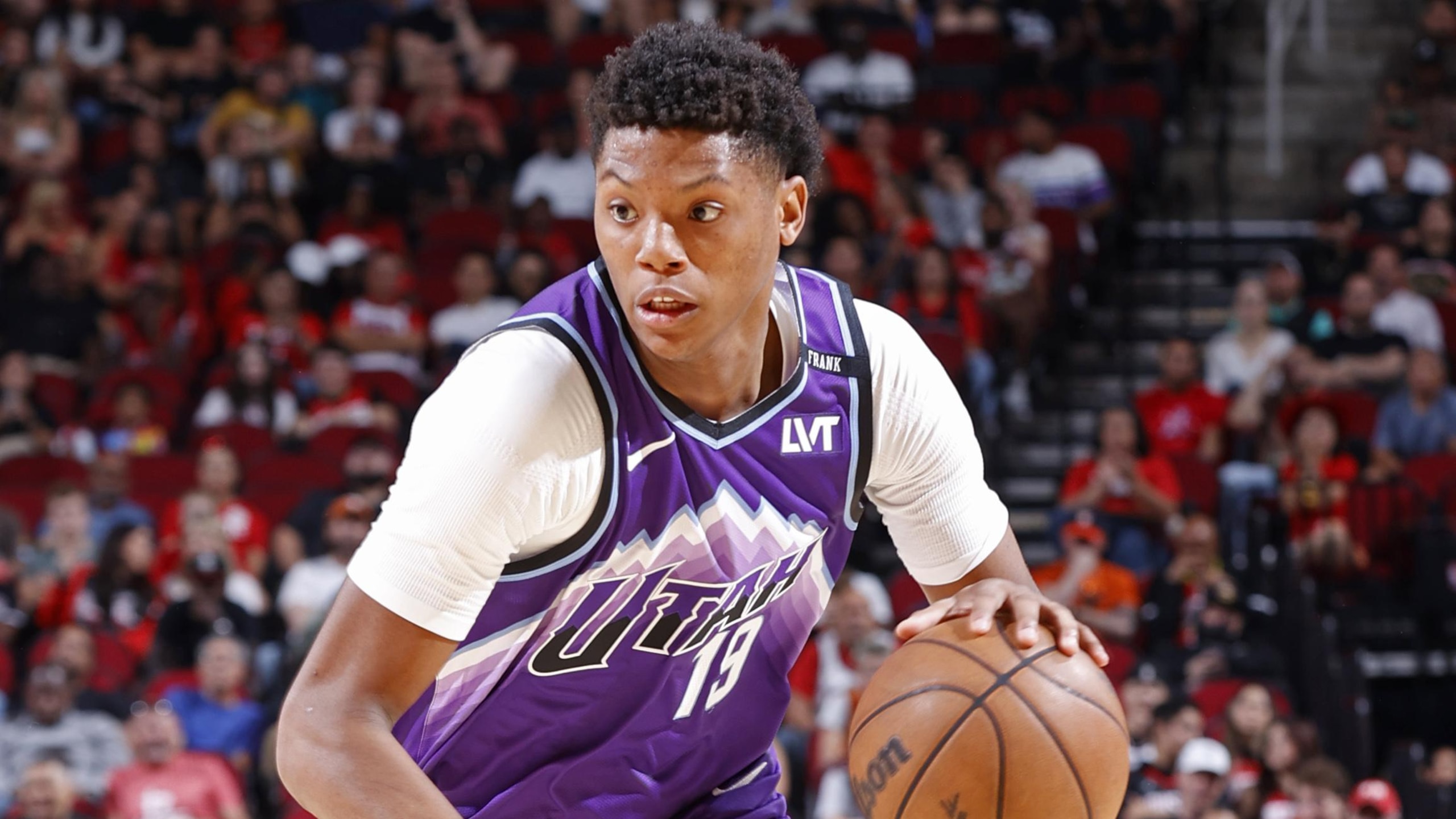
The Utah Jazz have a lot riding on rookie Ace Bailey. If he doesn't use this season to establish himself as a cornerstone, Utah will have gone through three full rebuilding years without capitalizing on 170-plus losses.
Cody Williams flopped last year, neither Isaiah Collier nor Keyonte George profile as future starters, Walker Kessler is already frustrated by his lack of an extension and Lauri Markkanen's prime continues to waste away.
Bailey showed flashes of intriguing shot-making and scoring potential during the preseason, and he should get every opportunity to prove his draft slippage had nothing to do with his talent.
Markkanen is clearly the best player on Utah's roster, but Bailey is the most important. Years of purposeful failure will have amounted to nothing if he can't become the young pillar on top of which the next great Jazz team is constructed. That's entirely too much pressure for a 19-year-old, but Utah's previous draft misses created this situation.
Washington Wizards: Squint
30 of 30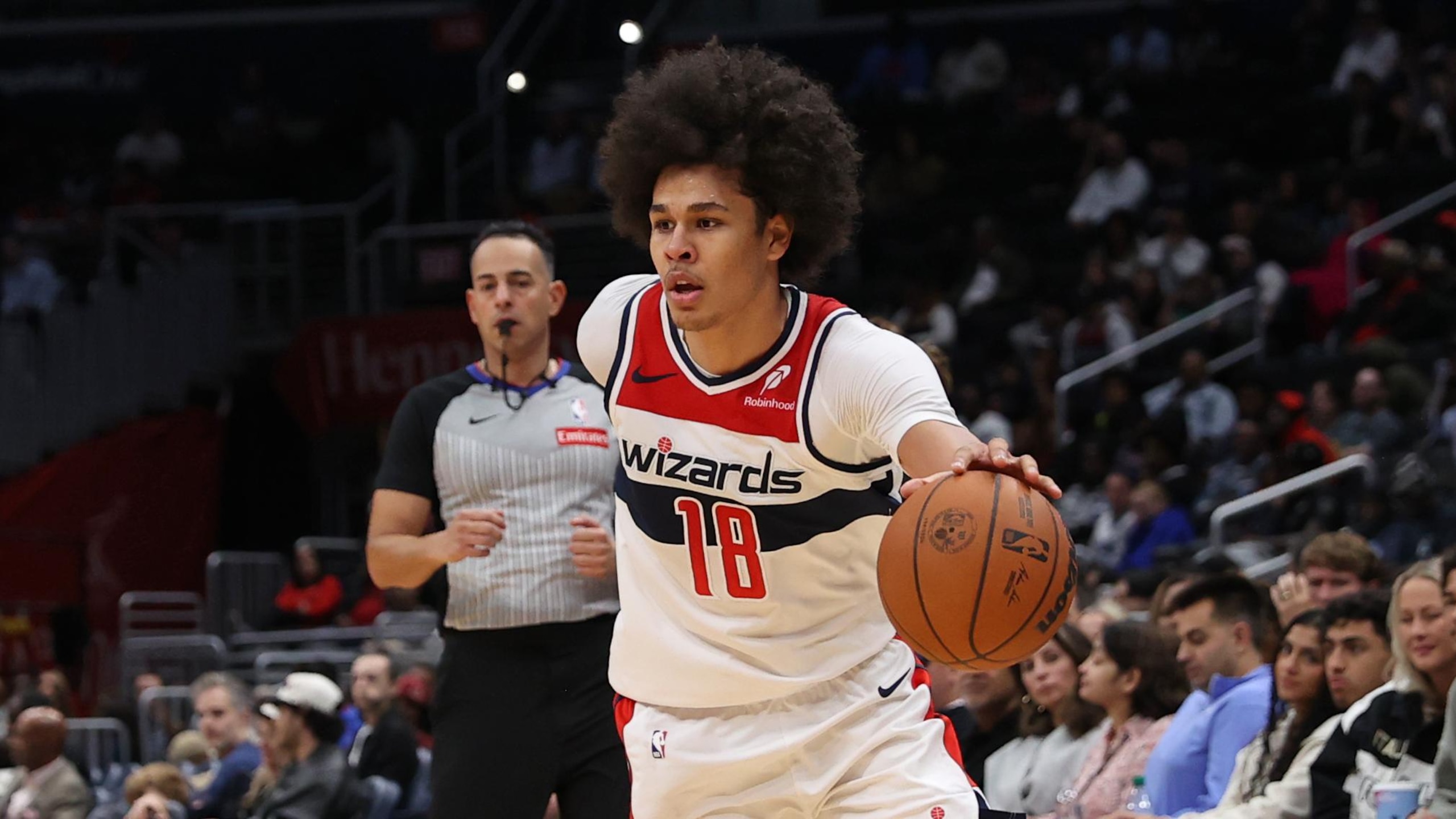
If you look at the Washington Wizards' prospects with eyes fully open, you'll see a collection of flawed, inexperienced and generally sub-star-level talent. But if you squint a little, you can see the rough outline of several highly desirable player types.
Bub Carrington has good feel and body control at the point, and maybe he'll improve his scoring efficiency enough to profile as a long-term starter. Alex Sarr has the physical tools to space the floor on offense and defend everything that moves. Kyshawn George and Bilal Coulibaly have the vague shape of high-end two-way wings, and rookie Tre Johnson's stroke could make him a scoring threat anywhere on the court.
That's not to say any of those outcomes are likely, and none of the Wizards' young players has proved anything consistently. But if you look hard enough, you can envision virtually everyone in the 23-and-under core filling specific roles and fitting together cleanly.
Stats courtesy of NBA.com, Basketball Reference and Cleaning the Glass. Salary info via Spotrac.
Grant Hughes covers the NBA for Bleacher Report. Follow him on Bluesky and subscribe to the Hardwood Knocks podcast, where he appears with Bleacher Report's Dan Favale.

.jpg?w=2560 "Cam Ward Says He's Not A Loser")
.jpg?w=2560 "🚨 Texans Trade for MHJ")
.jpg?w=2560 "Chargers Fall to 0-5 🤢")
.jpg?w=2560 "Grading MHJ Trade 📝")

.jpg?w=2560 "MHJ Bought Own Jugs Machine")