

Opening night is a little over a month away, which means we're not far from a time when any discussion of victories and defeats will pertain to actual games. Before we get there, we need to assess the winners and losers of the 2025 NBA offseason.
Most of the big transactional business was complete by the second week of July, but the LA Clippers ensured we'd have plenty to talk about through September. Not only that, but the dragged-out nature of this summer's restricted free agency also provided fodder for discussion.
As we near the beginning of a new campaign, let's close the book on the offseason by laying out the biggest winners and losers of the summer.
Winner: Atlanta Hawks
1 of 10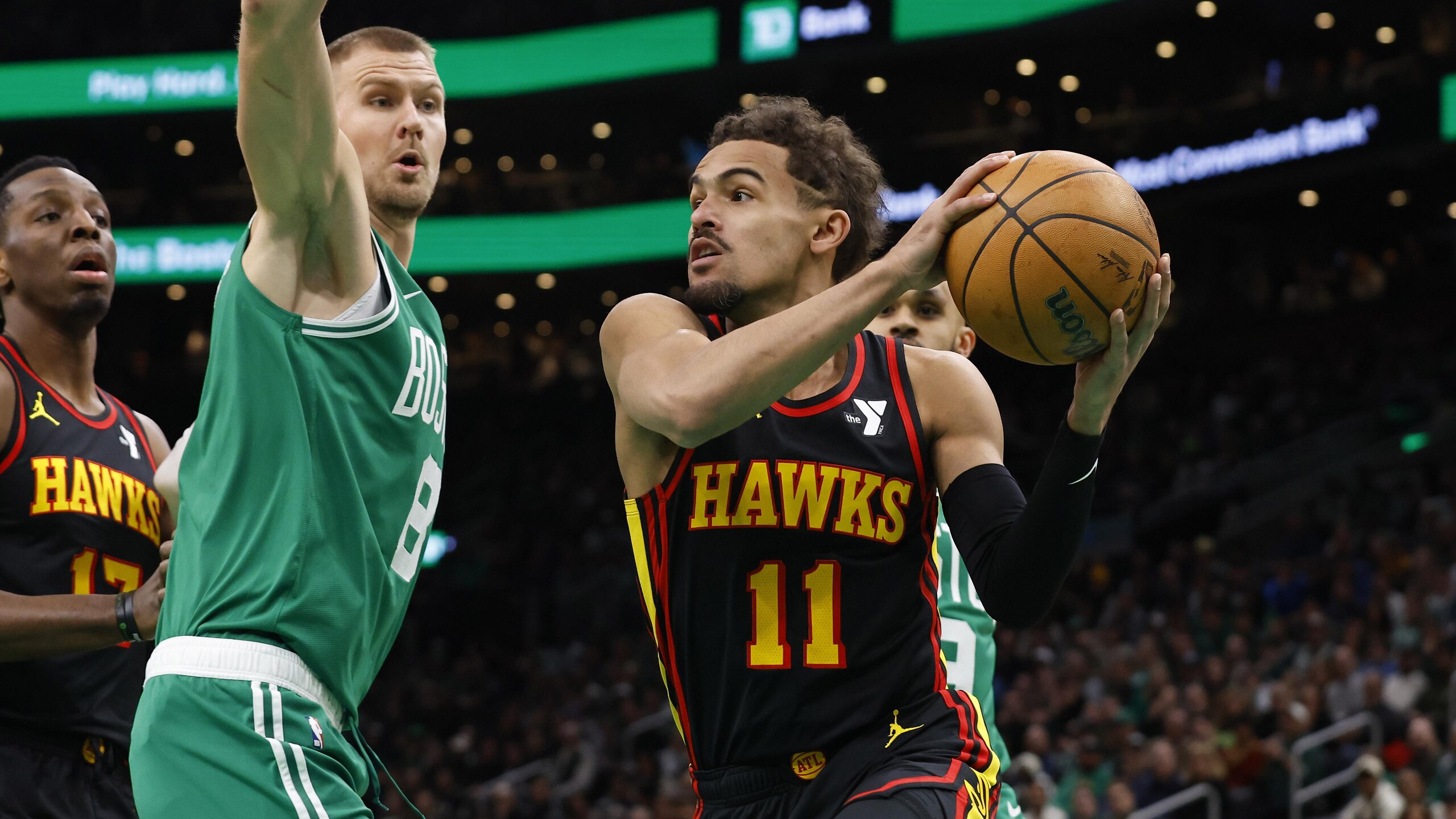
The first of many Atlanta Hawks offseason victories was all about opportunism. They capitalized on the Boston Celtics' selloff by acquiring Kristaps Porzingis in a deal that also allowed them to offload the remaining three years and $47 million on Terance Mann's contract.
Health will be a huge question for Porzingis, but Atlanta's risk is low. KP has only one year and $30.1 million left on his deal and could dramatically outperform that figure if he returns to form as a floor-spacing, shot-blocking, mismatch-busting weapon.
The Hawks also took Nickeil Alexander-Walker into a $25 million trade exception from last summer's Dejounte Murray deal. His new contract will pay him just a bit more than the mid-level exception, a terrific rate for a starting-caliber guard whose defense, ball-handling and shooting all complement the incumbent core.
Neither those moves nor the shrewd acquisition of sniper Luke Kennard came close to the true coup de grâce: the heist of a draft-night trade that netted Atlanta the better of New Orleans' and Milwaukee's unprotected 2026 first-round picks.
That selection could easily land in the top five next June, and all it cost the Hawks was a slide from 13th to 23rd in the 2025 draft.
All told, the Hawks picked up three high-end rotation options while also snagging the best future draft asset to change hands all summer.
Loser: New Orleans Pelicans
2 of 10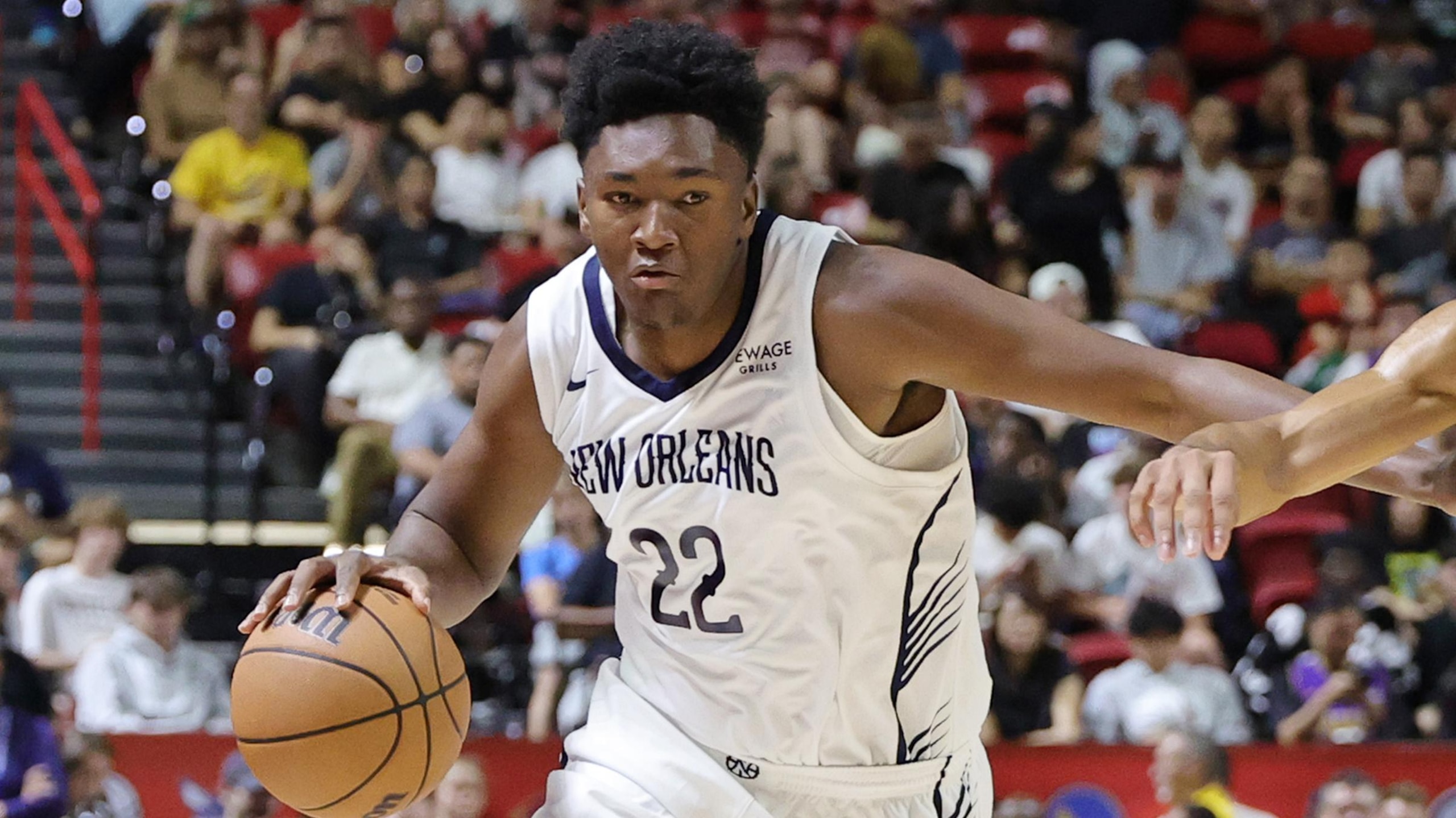
The New Orleans Pelicans' trade with Atlanta gave way to a quote that'll live on for quite a while.
Per Shamit Dua's In the N.O. substack: "When one Pelicans executive made the call to Atlanta, the Hawks couldn't believe what was actually being offered. Atlanta asked for clarification multiple times to confirm the unprotected pick was indeed part of the deal. ... But the Pelicans persisted and the Hawks got their steal."
You'd think a Pelicans team that had just endured an injury-ravaged 2024-25 season would appreciate the downside risk of a trade that surrendered the most valuable of their own or Milwaukee's 2026 first-rounder. Few organizations had more recent proof that things could go very badly, very quickly, in mostly unforeseeable ways.
New Orleans might only be assured of topping the Utah Jazz in the West, and the Bucks could come completely unglued if Giannis Antetokounmpo goes down with an injury.
Derik Queen, whom the Pels couldn't live without, suffered a left wrist injury in July and could miss at least the first month of the season. That after-the-fact bad luck probably shouldn't be held against the trade itself, but it is a perfect example of just how quickly injuries can arise—not that a team built around Zion Williamson should have needed that refresher.
If New Orleans wanted Queen this badly, it could have held onto its 2026 first-rounder and selected him at No. 7.
Winner: Josh Giddey
3 of 10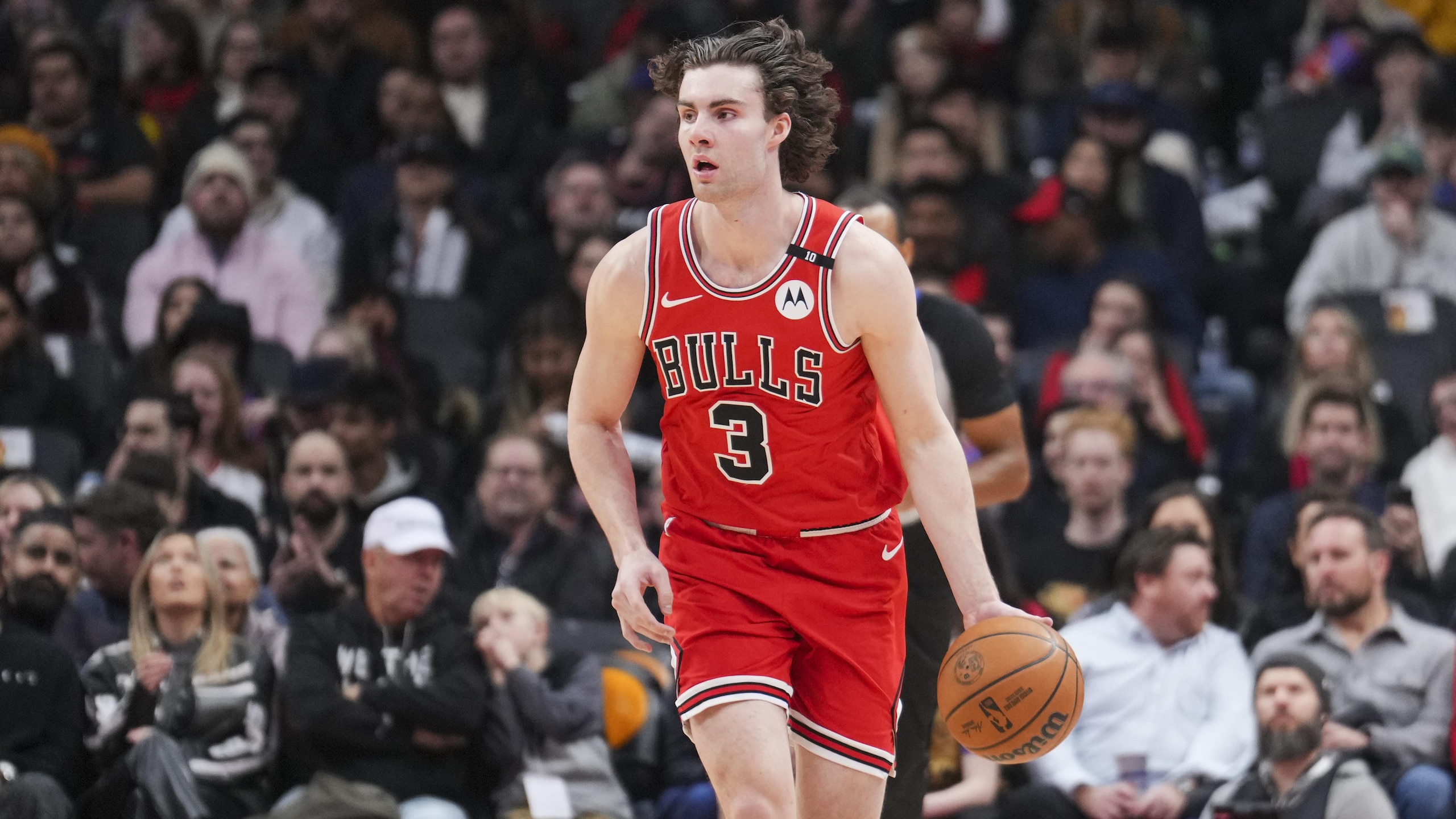
Josh Giddey's fully guaranteed, four-year, $100 million contract may seem like a compromise that benefits both Giddey and the Chicago Bulls. But that's not quite right.
Giddey had no leverage. The Brooklyn Nets were the only team with significant cap space this past offseason, and they didn't even come sniffing around. In fact, their own restricted free agent, Cam Thomas, had to settle for the qualifying offer.
The total dearth of suitors should have put Giddey at the Bulls' mercy. It's a borderline miracle that he came out of the offseason with a nine-figure deal.
Sure, he could have also accepted the qualifying offer of $11.4 million, which would have allowed him to hit unrestricted free agency next summer. But the lack of interest in him this year, coupled with broad skepticism about his ability to contribute on a winning team, would have made that a risky gambit.
Credit Giddey and his reps for squeezing everything they could out of a one-team bidding war.



Loser: All the Other RFAs
4 of 10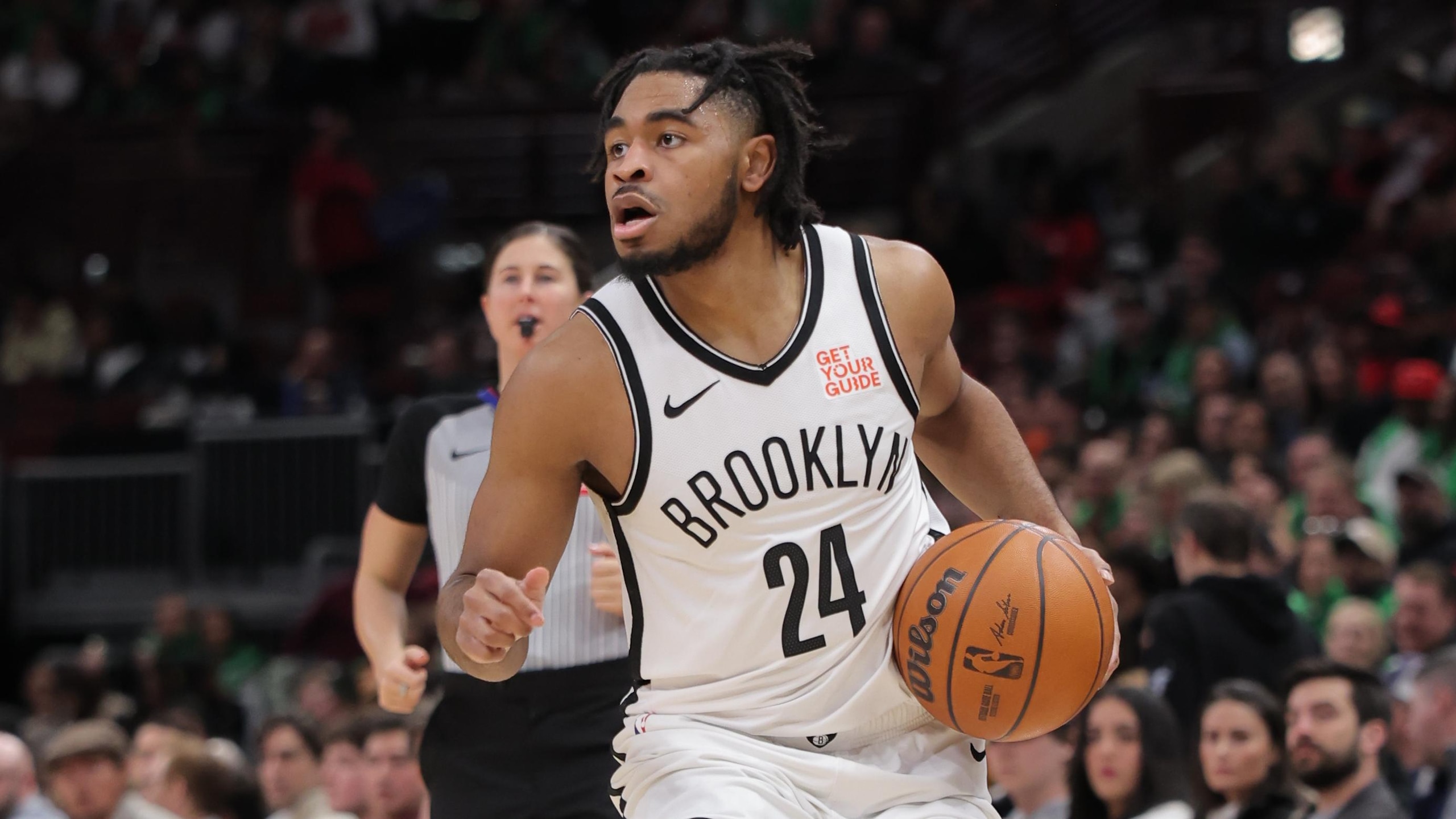
Giddey was the outlier, the lone restricted free agent who escaped the offseason with something pretty close to what he wanted.
Everyone else—from Jonathan Kuminga to Cam Thomas to Quentin Grimes—either remains unsigned or had to settle for embarrassingly minimal compensation.
Thomas is back in Brooklyn after accepting his $6 million qualifying offer, a wildly disappointing result for a player who once expected to earn $30-40 million per season, sources told Nets Daily's Lucas Kaplan. That discrepancy could be viewed as the league getting wise to the actual value of empty scoring, but only if Thomas were the only RFA struggling to get his bag.
That Kuminga and Grimes have yet to ink deals suggests something bigger is going on.
The apron era has teams pinching pennies like never before, and many of them also seem more comfortable wielding the considerable leverage of restricted free agency. Brooklyn, Golden State and Philadelphia all had no issue daring their RFAs to find offers on a barren market, knowing they'd come back empty-handed.
We'll see if this trend persists when more teams have cap space and can extend offer sheets to restricted free agents. At the moment, restricted free agency looks more unappealing to players than ever.
Winner: Houston Rockets
5 of 10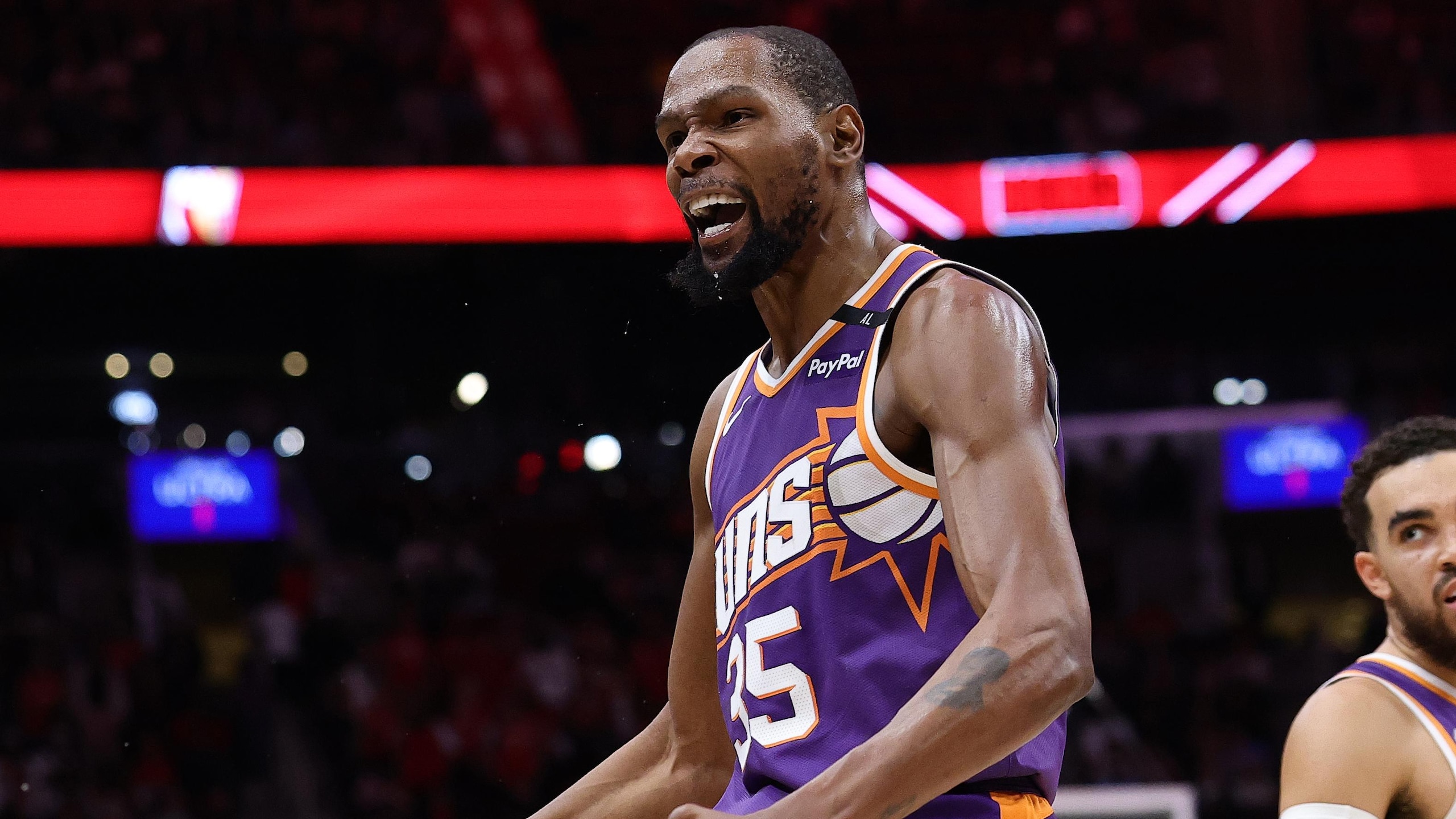
No team did more to solidify itself as a new member of the contender class than the Houston Rockets, who acquired Kevin Durant from the Phoenix Suns in a trade that only sent out Jalen Green, Dillon Brooks and a single first-round pick.
Dorian Finney-Smith should replace much of what Brooks provided as a three-and-D forward, and old pal Clint Capela came aboard to further deepen an already formidable center rotation.
As far as in-house business goes, the Rockets also managed to ink Jabari Smith Jr. to a sub-max extension worth $122 million over five years. Floor-stretching bigs who can defend all over the court, particularly ones with loads of untapped potential, don't tend to come that cheaply.
Throw in fair deals for Steven Adams (three years, $39 million), a re-worked agreement with Fred VanVleet that'll only pay him $50 million over the next two years and a raft of returning bench players on minimum deals, and Houston loaded up at bargain rates across the board.
Durant is exactly the kind of offensive bailout option the Rockets' shoddy halfcourt attack needed last season, and he'll join a core of young talent—Reed Sheppard, Amen Thompson, Alperen Sengün, Tari Eason and Smith—who all project to either improve or sustain the levels they reached in 2024-25.
Loser: Boston Celtics
6 of 10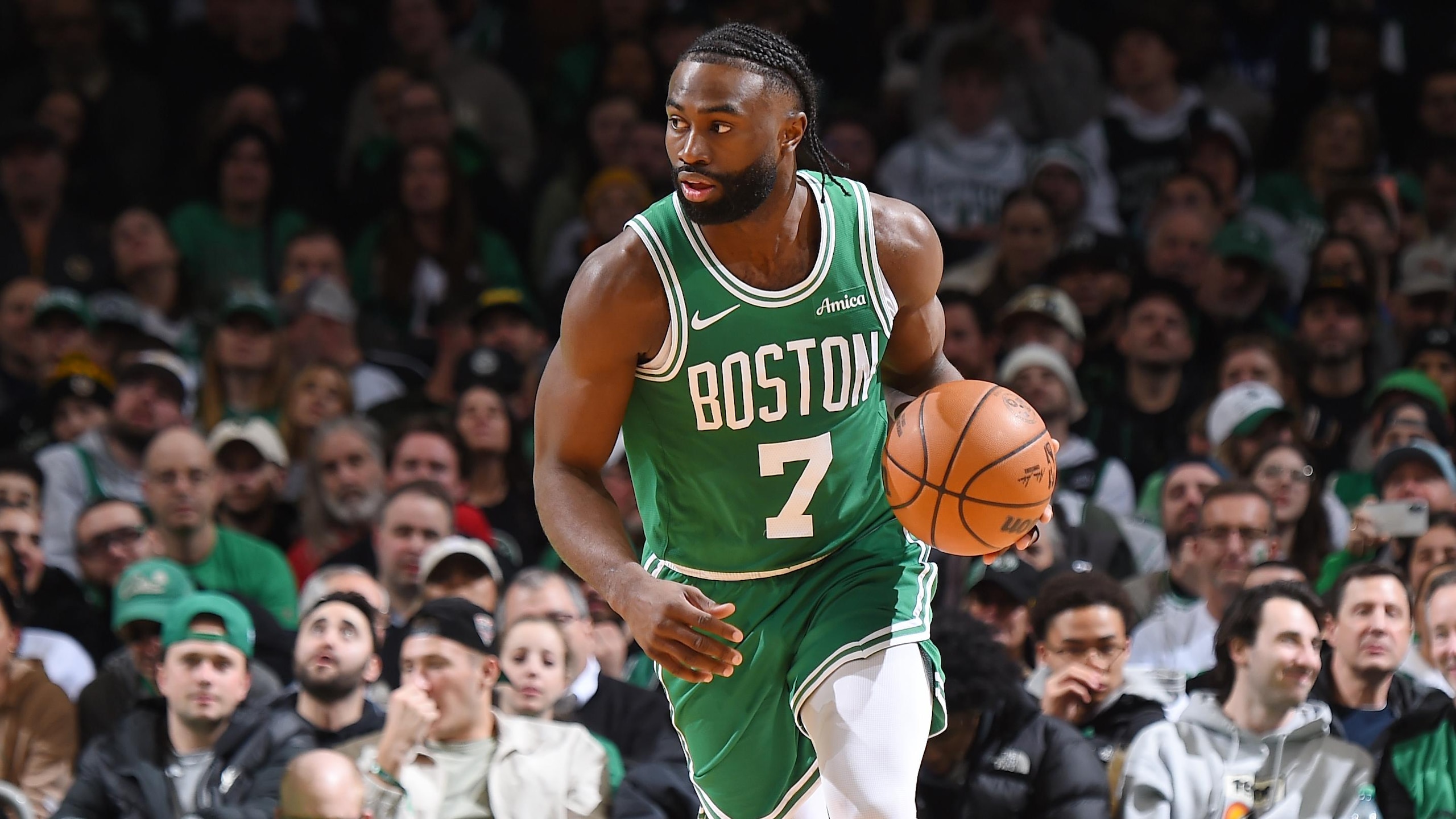
The teardown may have been in the cards anyway, but the Boston Celtics' self-destruction became much easier to justify when Jayson Tatum ruptured his Achilles in the Eastern Conference semifinals. That injury, which will likely cost Tatum all of next season and potentially hamper him in 2027-28, made it too difficult for Boston to justify a payroll and tax bill that would have combined to exceed $500 million.
Hence the selloff.
Boston dealt Kristaps Porzingis to Atlanta for Georges Niang and a second-round pick. Then it shipped Jrue Holiday to Portland in exchange for Anfernee Simons and a pair of future second-rounders. Those two trades sapped major talent from the Celtics' roster while trimming roughly $27 million in salary and an additional $180 million in tax payments.
The Celtics are now under the second apron and could further cut costs if they flip Simons for a smaller contract. Don't expect fans to rejoice over financial savings as they struggle through a gap year.
Boston is a loser in this specific instance because there's no other way to describe a recent title-winner that chose to destroy itself, but its deconstruction is part of a much larger issue that could affect fans everywhere.
Anyone who wants to see contenders stick together for more than a couple of years is going to be disappointed. Maybe we'll all wind up being the real losers here.
Winner: Dallas Mavericks
7 of 10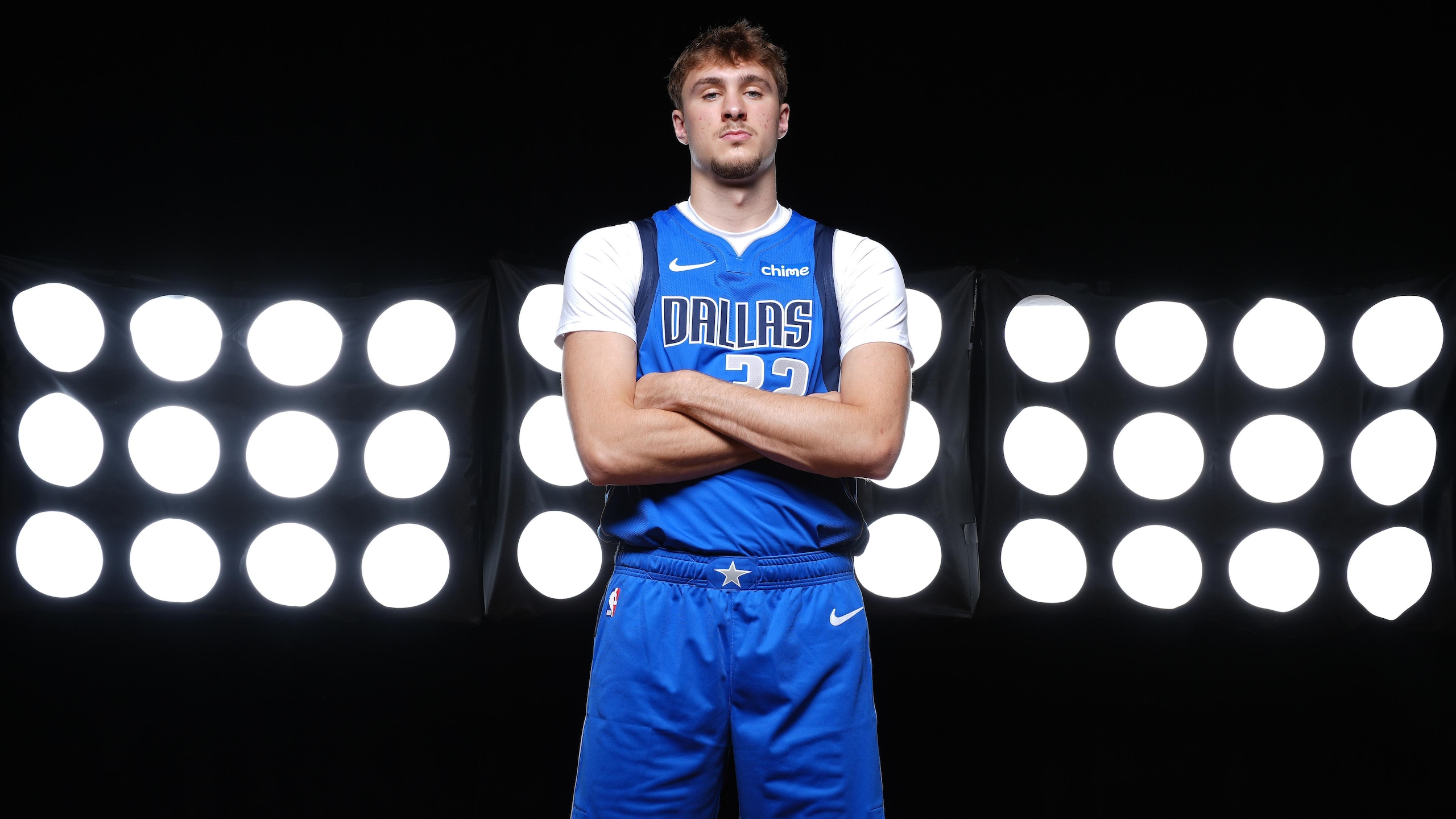
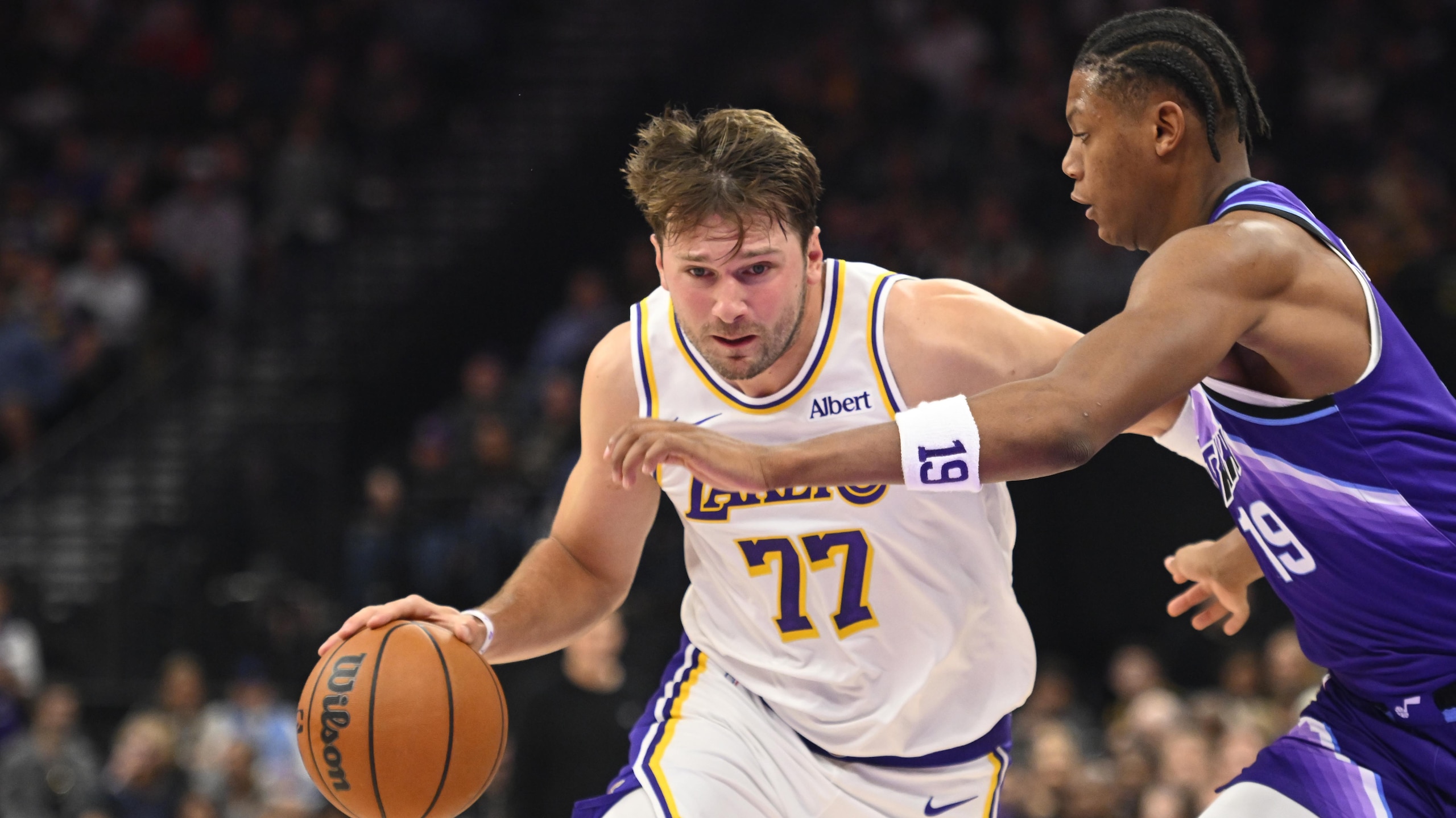
Nothing will undo the widely (and correctly) panned Luka Dončić trade from last season, but the Dallas Mavericks exit the 2025 offseason in shockingly good shape.
They lost just enough down the stretch last year to secure a 1.8 percent chance at the top pick in the draft. When their numbers hit, the Mavs got the mother of all lifelines in Cooper Flagg, a potentially transcendent two-way star.
After that, Dallas agreed on a three-year, $118 million deal with the injured Kyrie Irving. That may sound like a lot for a player in his 30s coming off a torn ACL, but his new average annual value comes in lower than the $42.9 million player option he declined in order to sign the extension. In need of a ball-handler until Irving returns, the Mavericks also inked D'Angelo Russell to a bargain deal at two years and $12 million.
Daniel Gafford (three years, $54 million) and PJ Washington (four years, $90 million) both re-upped at salaries that should make them positive-value trade assets, though Washington can't be traded during the 2025-26 season. Dallas probably didn't intend to flip him anyway; he's too valuable as a defensive wing and supplementary scorer.
Dallas will compete for a playoff spot in a typically brutal West, and Flagg's presence makes the long-term outlook much brighter than it otherwise would have been. Dončić's departure will sting for some time, but a strong offseason should provide real hope for Mavs fans.
Loser: LA Clippers
8 of 10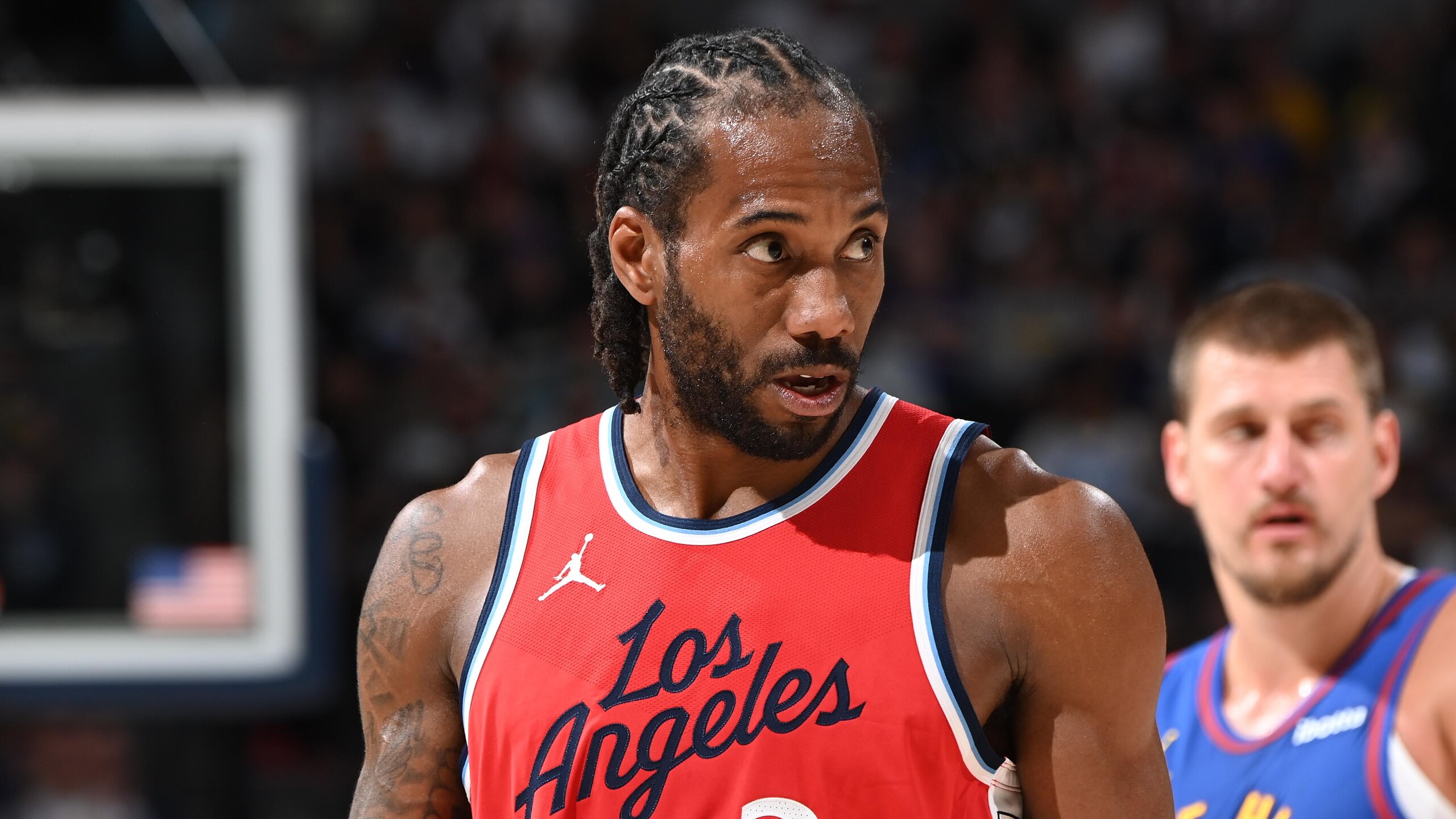
They haven't technically lost anything besides good moral standing among their peers, but the LA Clippers may only be a few months away from surrendering multiple first-round picks as a punishment for salary cap circumvention.
The bombshell story of the offseason, reported by Pablo Torre on his podcast Pablo Torre Finds Out, laid out a raft of sources and circumstantial evidence strongly suggesting that the Clippers provided illegal payments to Kawhi Leonard through their relationship with Aspiration, a company currently under federal investigation for fraud.
The NBA enlisted the New York law firm of Wachtell, Lipton, Rosen & Katz to conduct an investigation into whether the Clippers circumvented the cap by essentially paying Leonard an additional $48 million through Aspiration. We may not get answers until later this season, but the evidence is only mounting in the meantime.
Torre also reported on an additional $2 million wired to Aspiration from Clips' minority owner Dennis Wong, which preceded a nearly equal payment to Leonard nine days later—all while Aspiration was unable to make payroll or pay its other creditors.
The court of public opinion may have already reached a guilty verdict. If the league comes to the same conclusion following its investigation, the Clippers will be in a world of hurt.
Winner: Orlando Magic
9 of 10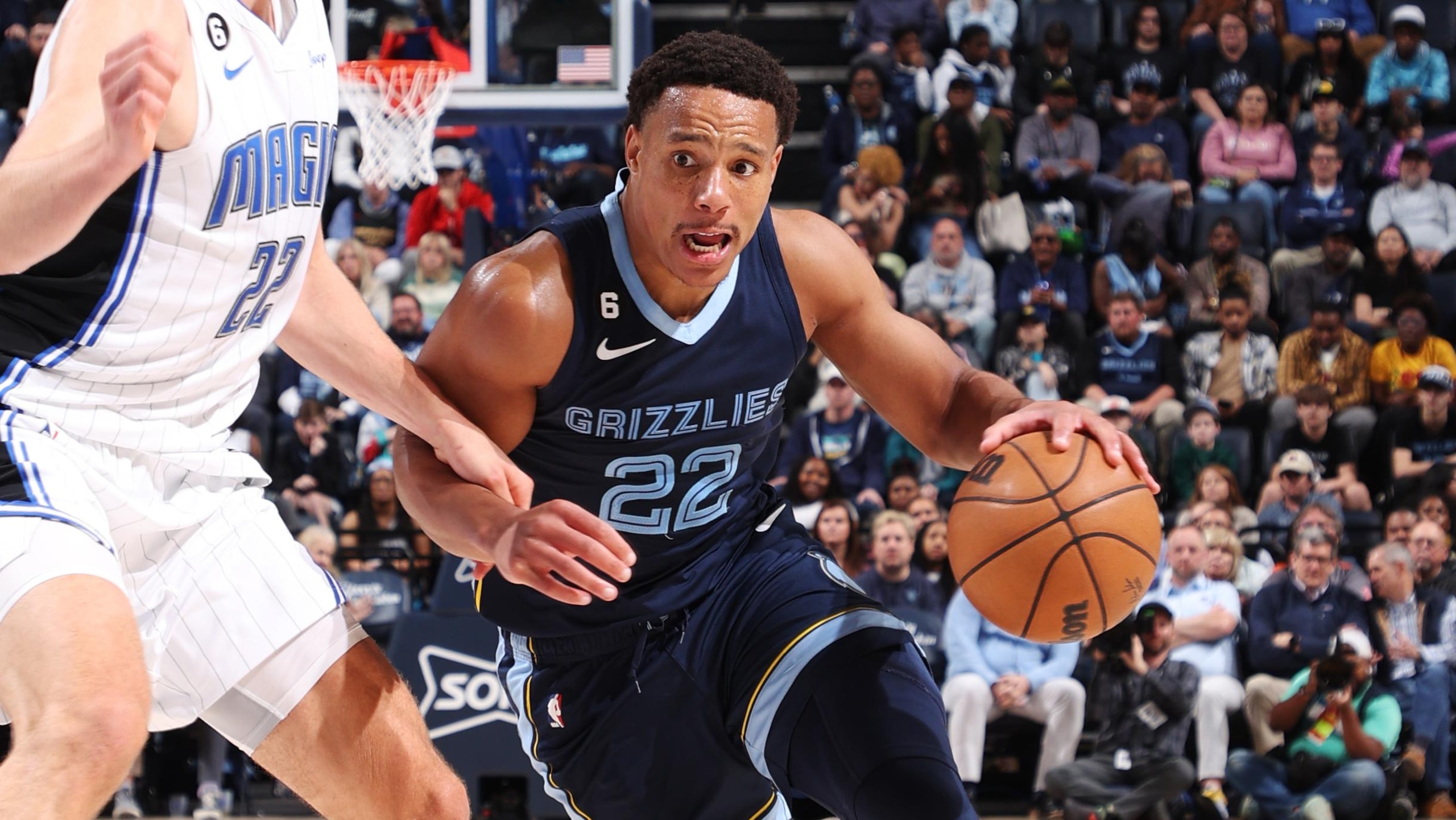
The Orlando Magic weren't serious contenders for the East's top seed before the offseason, but they are now.
Don't get caught up in the cost they paid to acquire Desmond Bane from the Memphis Grizzlies, which involved four first-round picks and one additional first-round swap. All that matters for our purposes is the on-court improvement Orlando made by adding one of the league's most reliable high-volume three-point shooters to an offense in desperate need of stretch.
The Magic should expect organic growth from Paolo Banchero and Franz Wagner, and Jalen Suggs can resume his ascent if he has better health luck. But the status quo was never going to be enough to get Orlando into the East's upper echelon.
Bane and fellow addition Tyus Jones give the Magic a real shot to produce a league-average offensive rating, something they haven't achieved since 2011-12. Combined with what should be one of the three or four best defenses in the NBA, that'll be enough to give the Cleveland Cavaliers and New York Knicks a run for the conference crown.
Loser: Indiana Pacers
10 of 10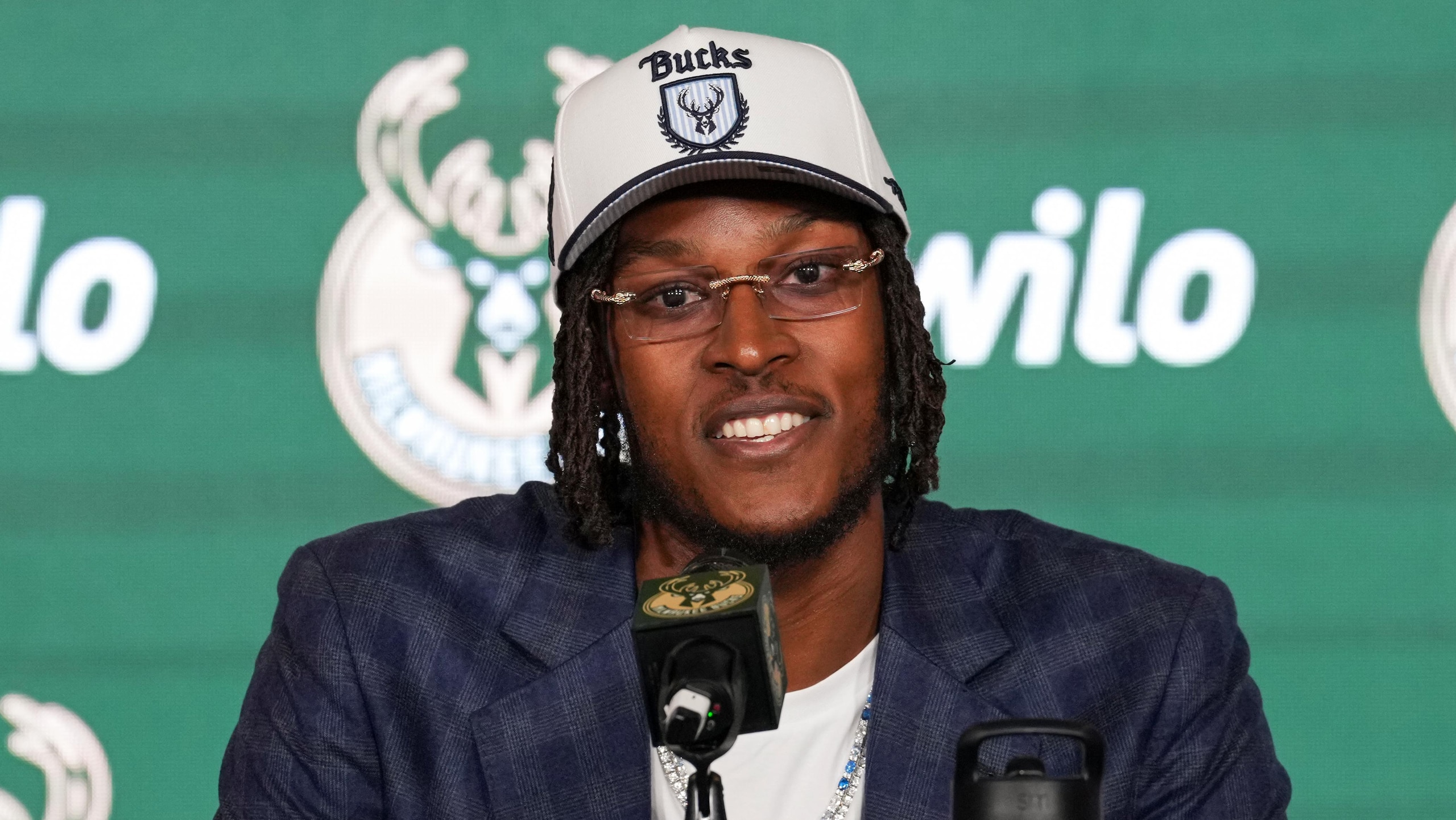
Tyrese Haliburton's torn Achilles gave the Indiana Pacers' tax-averse ownership the excuse it needed.
That injury, suffered in Game 7 of the Finals, allowed Herb Simon to justify a course of action that actively made last year's East champs worse under the guise of tax avoidance. Maybe he still would have gone that route with a healthy Haliburton, but the team's inability to contend without its point guard sealed it.
As a result, Indy let starting center Myles Turner get away. He signed a four-year, $107 million deal with the Milwaukee Bucks after the Pacers refused to offer him more than $22 million per season, according to Jake Fischer of the Stein Line Substack.
The Pacers didn't have to take such a hard line on Turner, who would have continued to be a key starter once Haliburton returned, and could have cut costs elsewhere.
Bennedict Mathurin, T.J. McConnell and Obi Toppin could have all been trade candidates if Indiana needed to free up more cash for Turner. Or, more simply, the Pacers could have just inked Turner at the same market-rate numbers Milwaukee did.
Instead, Indiana watched as Turner, one of a small handful of centers who can protect the rim and space the floor, depart for nothing.
Stats courtesy of NBA.com, Basketball Reference and Cleaning the Glass. Salary info via Spotrac.
Grant Hughes covers the NBA for Bleacher Report. Follow him on Bluesky and subscribe to the Hardwood Knocks podcast, where he appears with Bleacher Report's Dan Favale.

.jpg?w=2560 "Raiders Could Start Mendoza")

.jpg?w=2560 "Rodgers Iced Out on Plane 💎")
.jpg?w=2560 "🚨 Week 8 AP Top 25 Poll")