
The NBA has a complex salary-cap system that can quickly reach punitive levels when teams invest heavily in their rosters. Knowing when to go all-in and when to bail out may be the most challenging decision teams are forced to make.
For the Oklahoma City Thunder, rewarding Shai Gilgeous-Alexander, Jalen Williams, and Chet Holmgren seemed the natural choice after winning a title. The Boston Celtics similarly paid Jaylen Brown and Jayson Tatum, but Tatum's Achilles injury has contributed to a significant pivot.
The Phoenix Suns went hard to build a contender around Devin Booker, bringing in Kevin Durant and Bradley Beal. Now that the latter two are gone, the franchise is back to the drawing board.
Each team has a story; very few win championships. The following is a list of the NBA's eight worst salary-cap situations.
Honorable Mention
1 of 9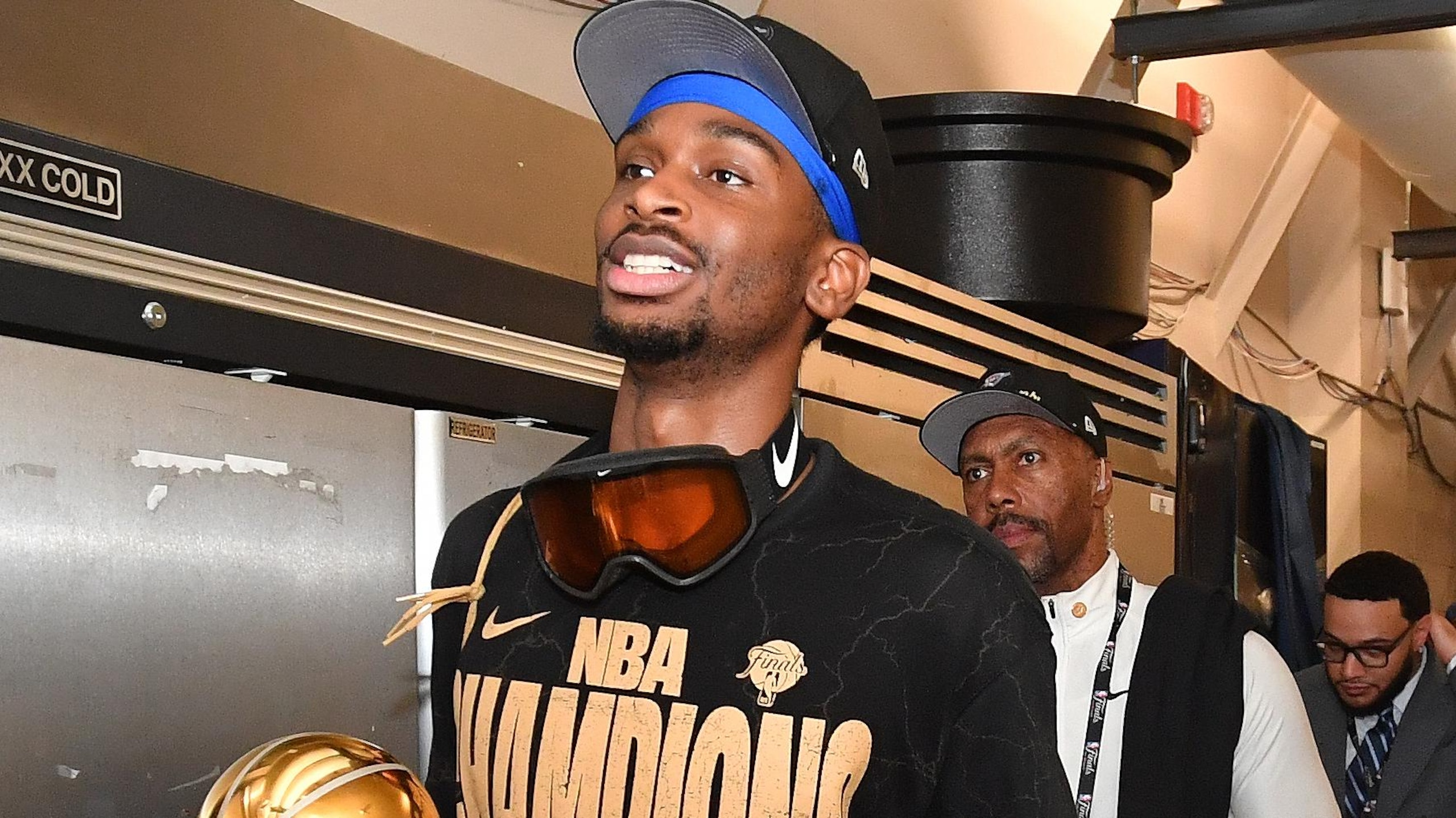
As long as the Oklahoma City Thunder stay healthy, the young core could battle for a three-peat before facing significant financial challenges. Initially, the Thunder project to be under the luxury tax threshold this season. The franchise may step over the second apron in 2026-27, but still has some flexibility to work new deals with Isaiah Hartenstein and Lu Dort. Additionally, the Thunder have a treasure trove of draft picks to help adjust when necessary. This is an expensive roster, but it has been diligently constructed.
The Toronto Raptors are on the other end of the spectrum. The team wasn't very good last season, but went over the tax via the Brandon Ingram extension. Will the core of Scottie Barnes, Immanuel Quickley, RJ Barrett, Jakob Pöltl, and Ingram work? Maybe, but the Raptors are paying with a confidence that it will. The team has all of its first-round picks, but none from other franchises.
The Dallas Mavericks didn't want to pay Luka Dončić an exorbitant extension, but took on the much-older (and expensive) Anthony Davis. After drafting Cooper Flagg, while paying Kyrie Irving and Daniel Gafford, Dallas needs to have a strong couple of years to justify the price, though justifying the Dončić trade may be too big a leap.
In a surprise move, the Milwaukee Bucks waived and stretched the contract of Damian Lillard, locking in $22.5 million of dead money for the next five seasons. It was a bold choice, leading to the signing of Myles Turner. Will it be enough to keep Giannis Antetokounmpo happy in Milwaukee? The Lillard move helped the Bucks exit the higher-tier payroll landscape, but the team lacks control over most of its first-round picks (owed outright or via swaps) and has literally zero future second-round picks.
These four could face issues moving forward, but don't quite make the final list.
No. 8: New York Knicks
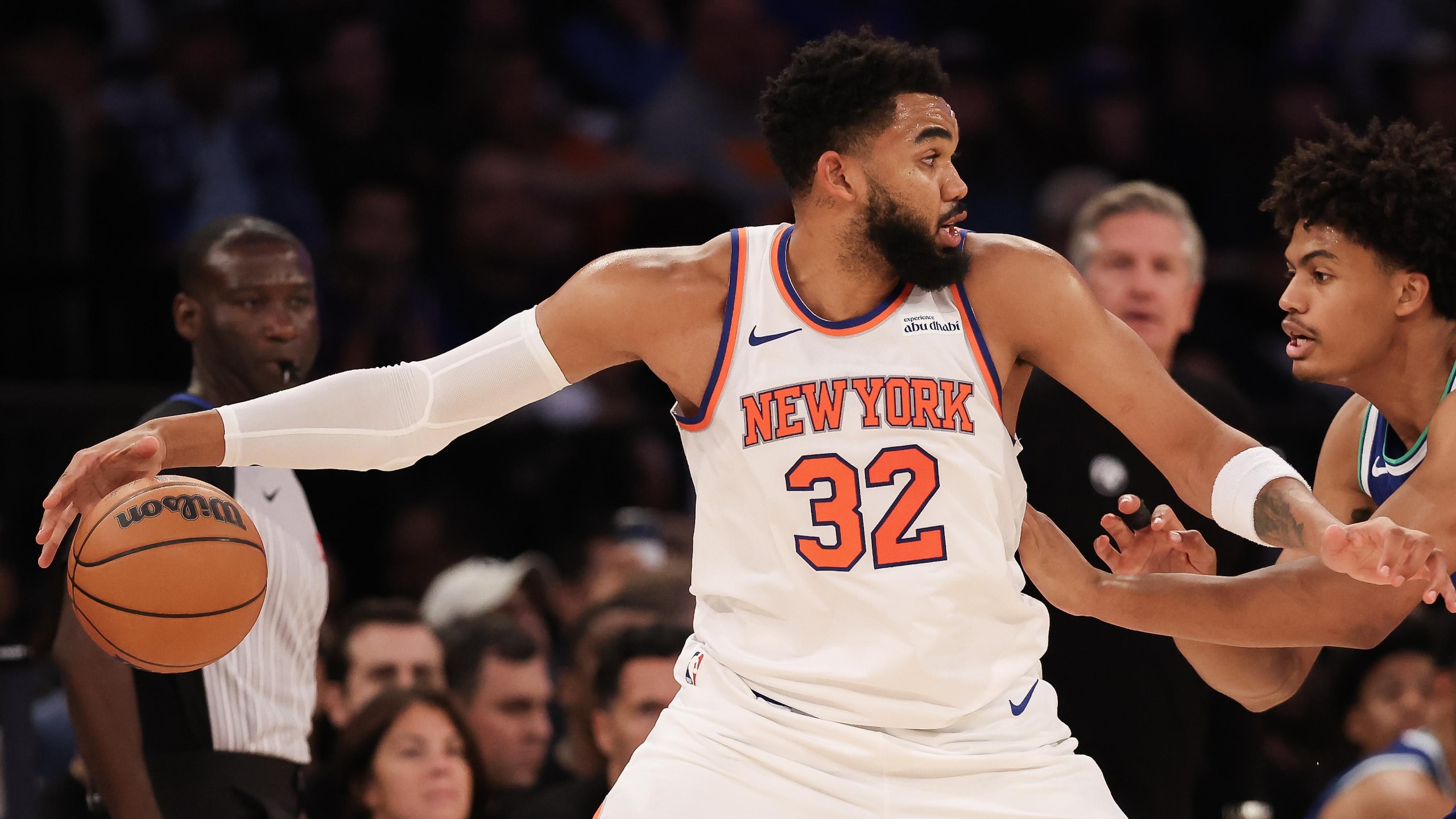
2 of 9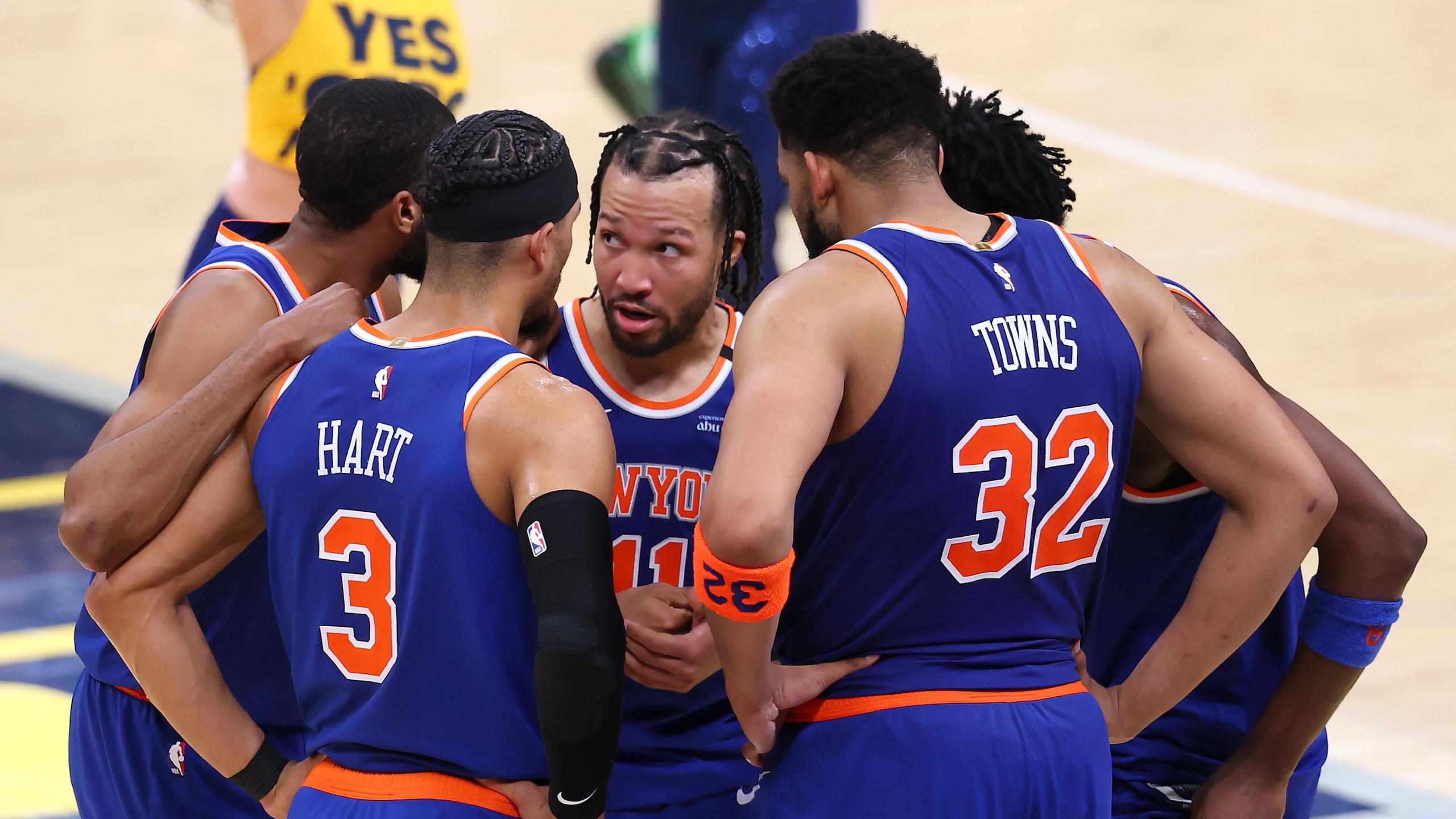
The Knicks may be closer to the Oklahoma City Thunder than the unproven Toronto Raptors, but that's assuming New York doesn't plateau. After giving Mikal Bridges an extension, the team is heavily invested in its core of Jalen Brunson, Karl-Anthony Towns, OG Anunoby, Josh Hart, and Bridges. Adding anyone else of note will be a financial and logistical challenge.
That the team got returned to the Eastern Conference Finals for the first time since 2000; the heavy investment may be a positive, provided New York can take that next step to the NBA Finals.
While the Knicks had banked multiple first-round picks, most were cashed out to assemble the current squad. Outside of potential swaps to offer, New York has just one selection available to trade, but it's from the Washington Wizards and is all but certain to convert to a pair of second-rounders when the Wizards presumably miss the playoffs again.
No. 7: Minnesota Timberwolves
3 of 9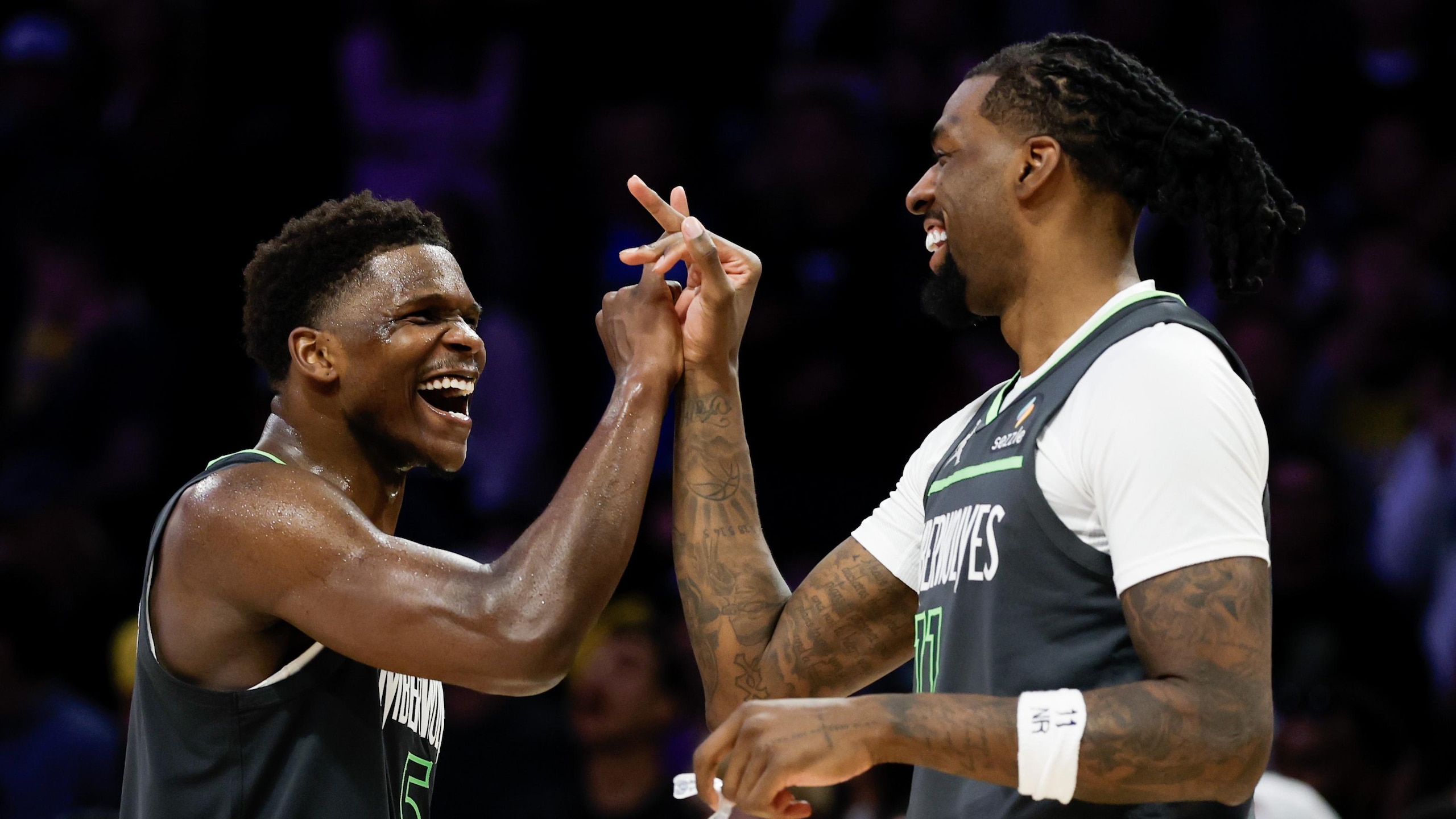
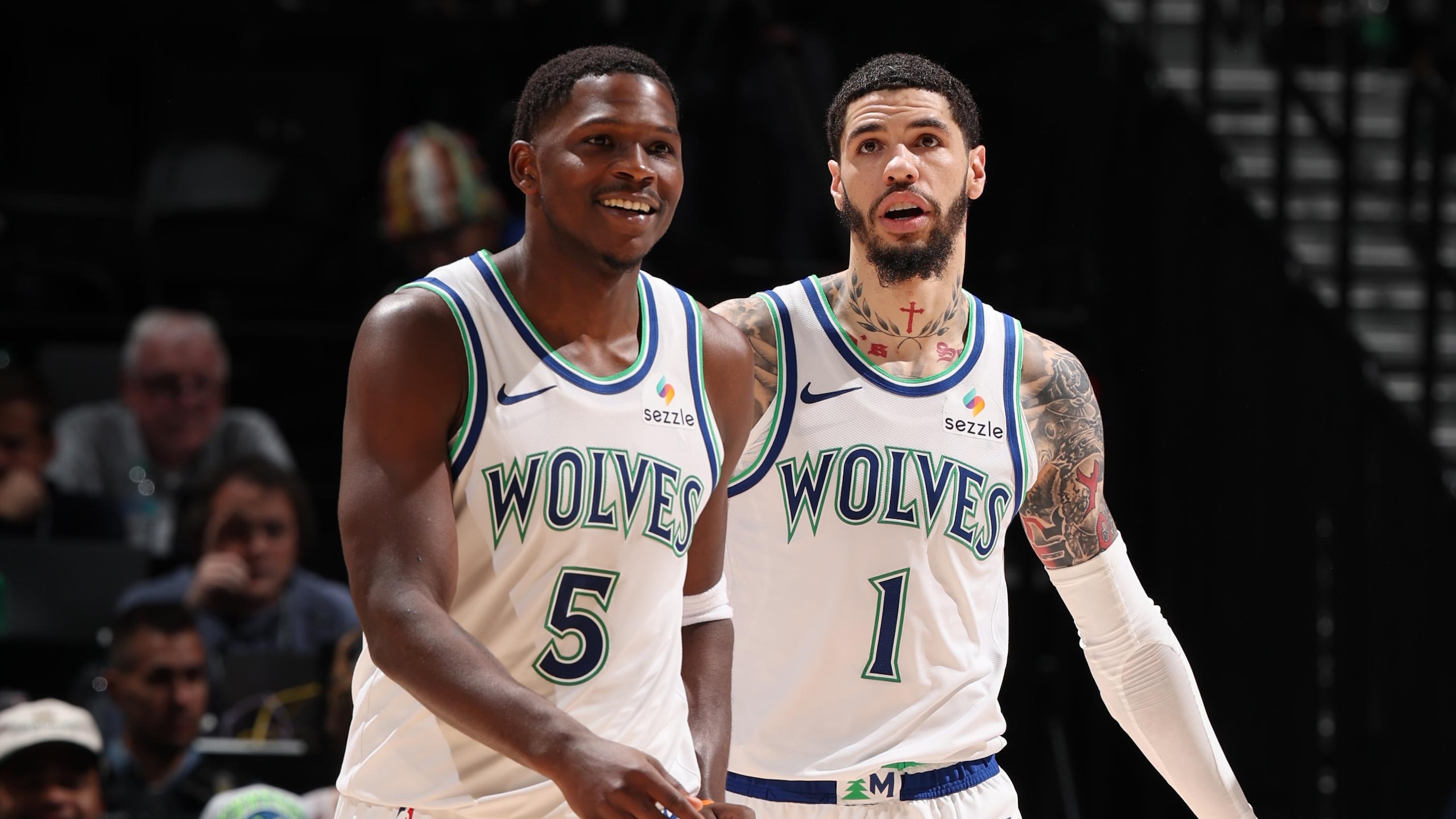
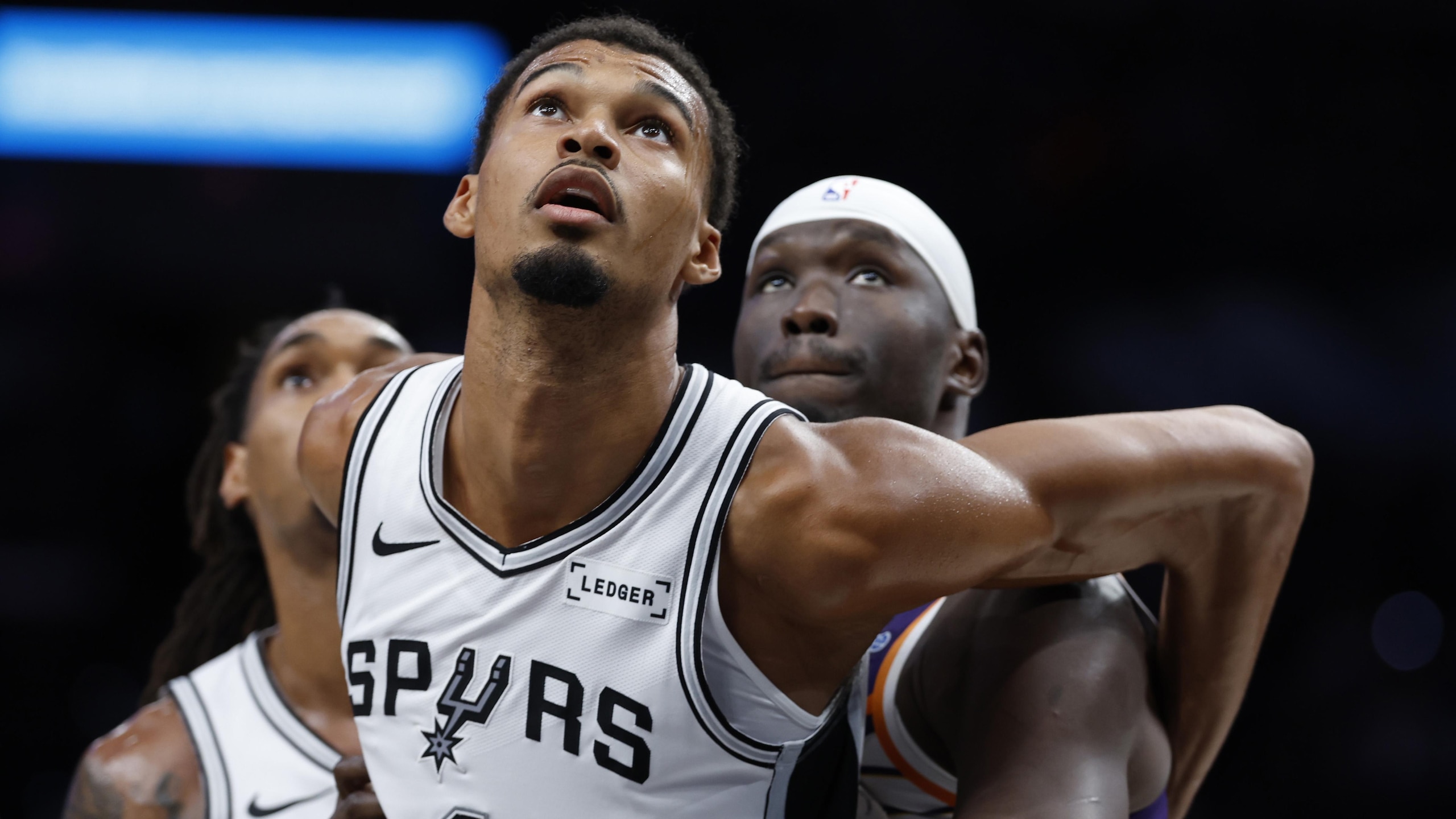
The Minnesota Timberwolves are the Western Conference version of the New York Knicks. A heavy payroll to win is not a bad thing.
Still, Minnesota is locked in with Anthony Edwards, Julius Randle, Rudy Gobert, Jaden McDaniels, and Naz Reid. What's missing is the starting point guard, with Mike Conley nearing the end of his career. Rob Dillingham didn't show much as a rookie, and while Donte DiVincenzo is a productive part of the team, he's not a true ball-handling lead guard.
The Timberwolves still owe most of their first-round picks and will need to be highly creative, lucky, or both to address the point guard position. Like New York, if Minnesota can take the next step (after back-to-back losses in the Western Conference Finals), the lack of flexibility could be an overrated concern.
No. 6: Cleveland Cavaliers
4 of 9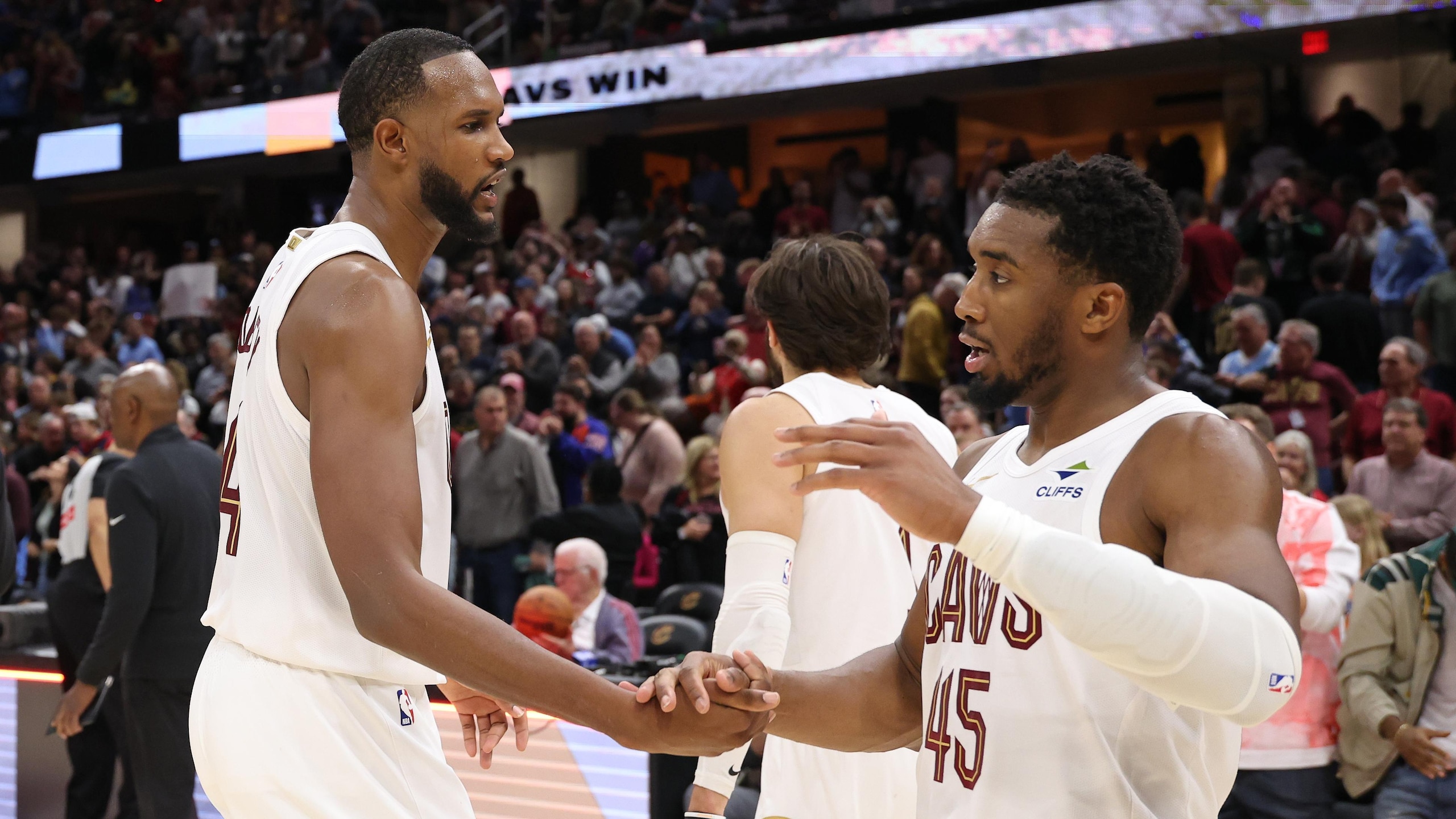
The Cavaliers completed their best non-LeBron James regular season with 64 wins, but fell in the second round for the second-straight postseason. Unlike the New York Knicks and Minnesota Timberwolves—both knocking on the door of the NBA Finals—Cleveland hasn't been as convincing. Some of the issues recently have been health-related, but does the franchise have enough to elevate it to a true contender?
Donovan Mitchell, who extended his contract last summer, only has two guaranteed years remaining on his deal (with a player option before the 2027-28 season). The books get clean if he leaves, along with De'Andre Hunter and Max Strus potentially hitting free agency after 2026-27—but then playoff viability could be lost.
In the meantime, the team is over the second apron with a heavy investment in Evan Mobley, Darius Garland, Jarrett Allen, Mitchell, Hunter and Strus. Cleveland also owes significant draft compensation over the next few years (mainly to the Utah Jazz from the Mitchell trade).
No. 5: Denver Nuggets
5 of 9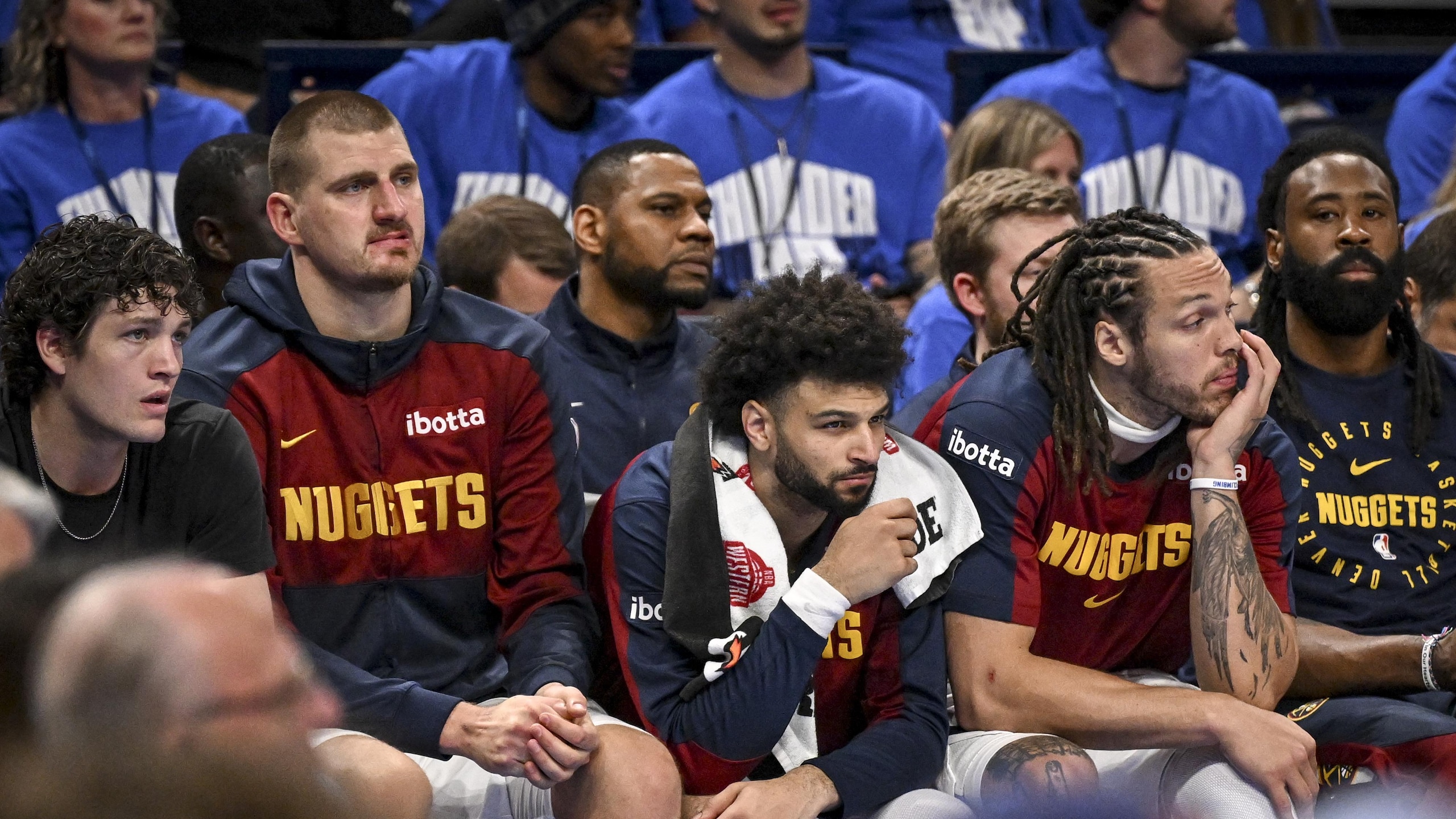
After winning the title in 2022-23, the Nuggets have remained stuck with a heavy payroll with not quite enough depth to win again, despite arguably the best player in the world (Nikola Jokić).
Denver finally committed to a change this summer, acquiring Cam Johnson for the more expensive Michael Porter Jr. and an unprotected future first. Getting out of Porter helps, but the flexibility remains tight. Jamal Murray, Aaron Gordon, Jokić, and Johnson are an expensive group.
Looking ahead, Christian Braun is due an extension before the start of the season (or he'll be a restricted free agent next July). Jokić "probably" extends next year, but that may not be a lock if the team continues to stagnate in the playoffs. Can Denver afford to pay Jokić, Braun, Murray and Gordon?
No. 4: Boston Celtics
6 of 9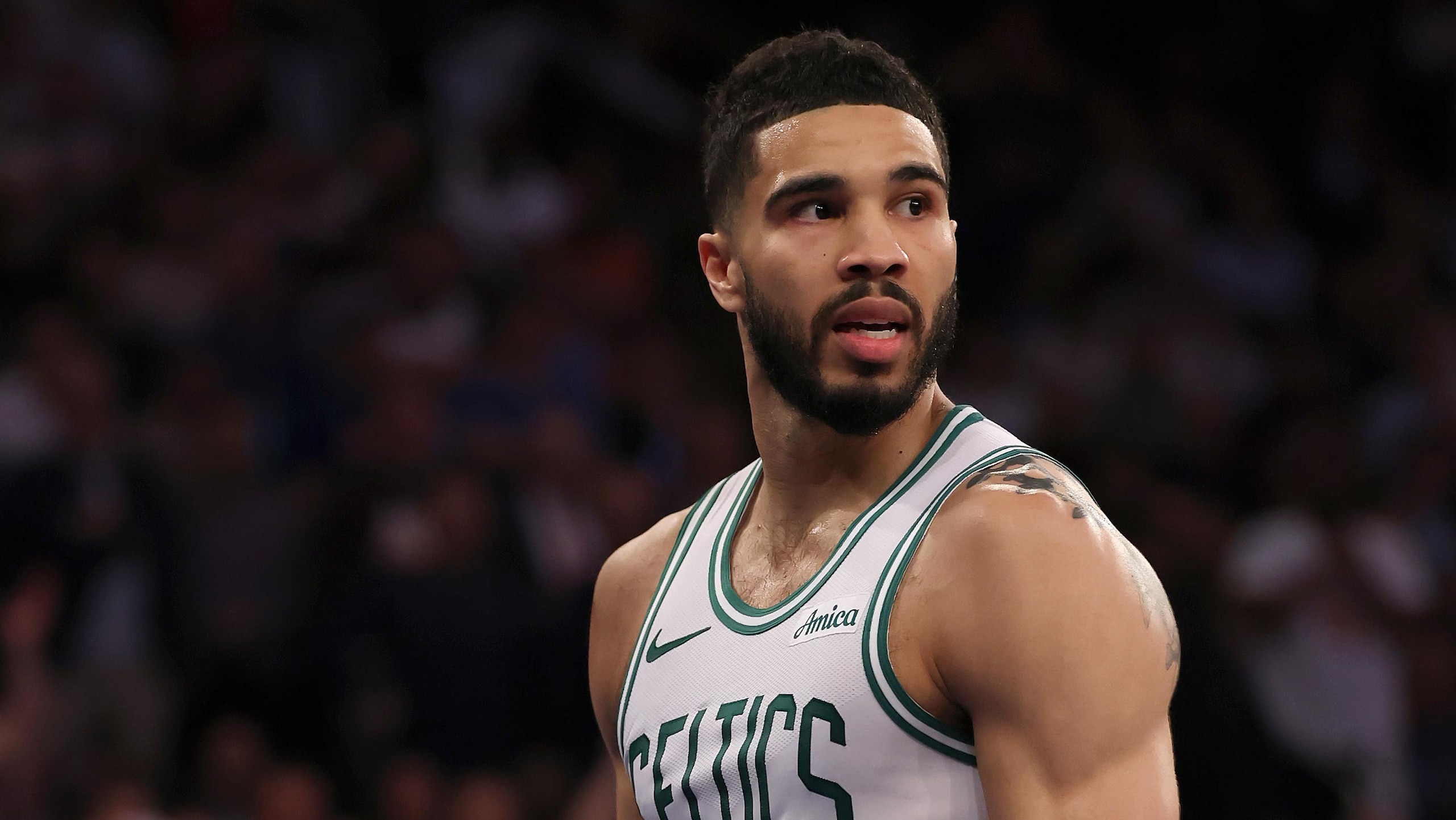
The Celtics gave supermax extensions in back-to-back years to Jaylen Brown (before the 2024 title) and Jayson Tatum (soon after). With expensive veterans like Jrue Holiday and Kristaps Porziņģis, maybe the franchise would have stuck together had it won consecutive titles. Instead, Tatum suffered a torn Achilles, and Boston has gone in an entirely different direction.
Facing over $500 million in payroll and taxes, the team dealt Holiday and Porziņģis, and looks like a second-tier contender on the assumption that Tatum returns to form after missing the upcoming season.
Paying two players (Brown and Tatum) a combined $120 million in 2027-28 may be an issue in the modern NBA era under the 2023 collective bargaining agreement. Can the Celtics continue to trim salary to get under the tax this year, but then pivot quickly back to contention?
Boston doesn't have much flexibility with its first-round picks, with the 2026 selection being the easiest to move (and also, probably the most valuable to the Celtics after what projects to be a down season).
No. 3: Phoenix Suns
7 of 9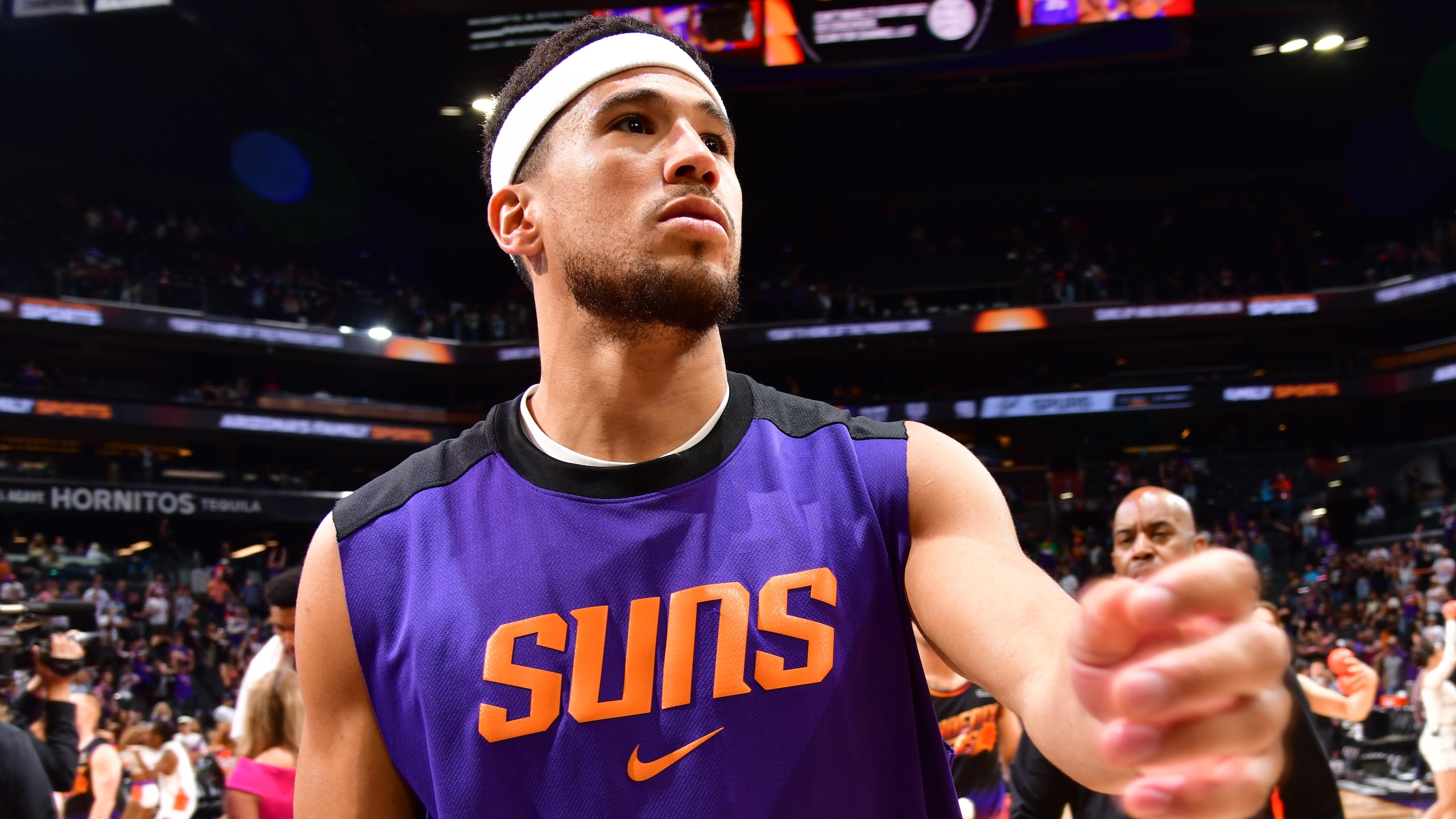
Credit to the Suns for acknowledging that the roster had dead-ended, but Beal's contract, which stretches $19.4 million a season through 2029-30, will limit flexibility for a long time. Phoenix could have taken a step further in a rebuild by trading Booker, but since the team owes all of its first-round picks to other teams (either outright or via swap) through 2031, bottoming out wasn't viewed as a viable option.
Luxury taxes and aprons are no longer pressing issues, but he combination of Booker and the stretched salaries of Nassir Little ($3.1 million a year) and Beal will total over $75-$91 million a season.
Does the return for Durant (primarily Jalen Green and Dillon Brooks) make the Suns competitive? Booker and Green play the same position; will Booker need to play point guard by default?
In the best case, the roster comes together unexpectedly, but the lack of pick flexibility and dead money may require a longer reset before the franchise becomes highly competitive again.
No. 2: Orlando Magic
8 of 9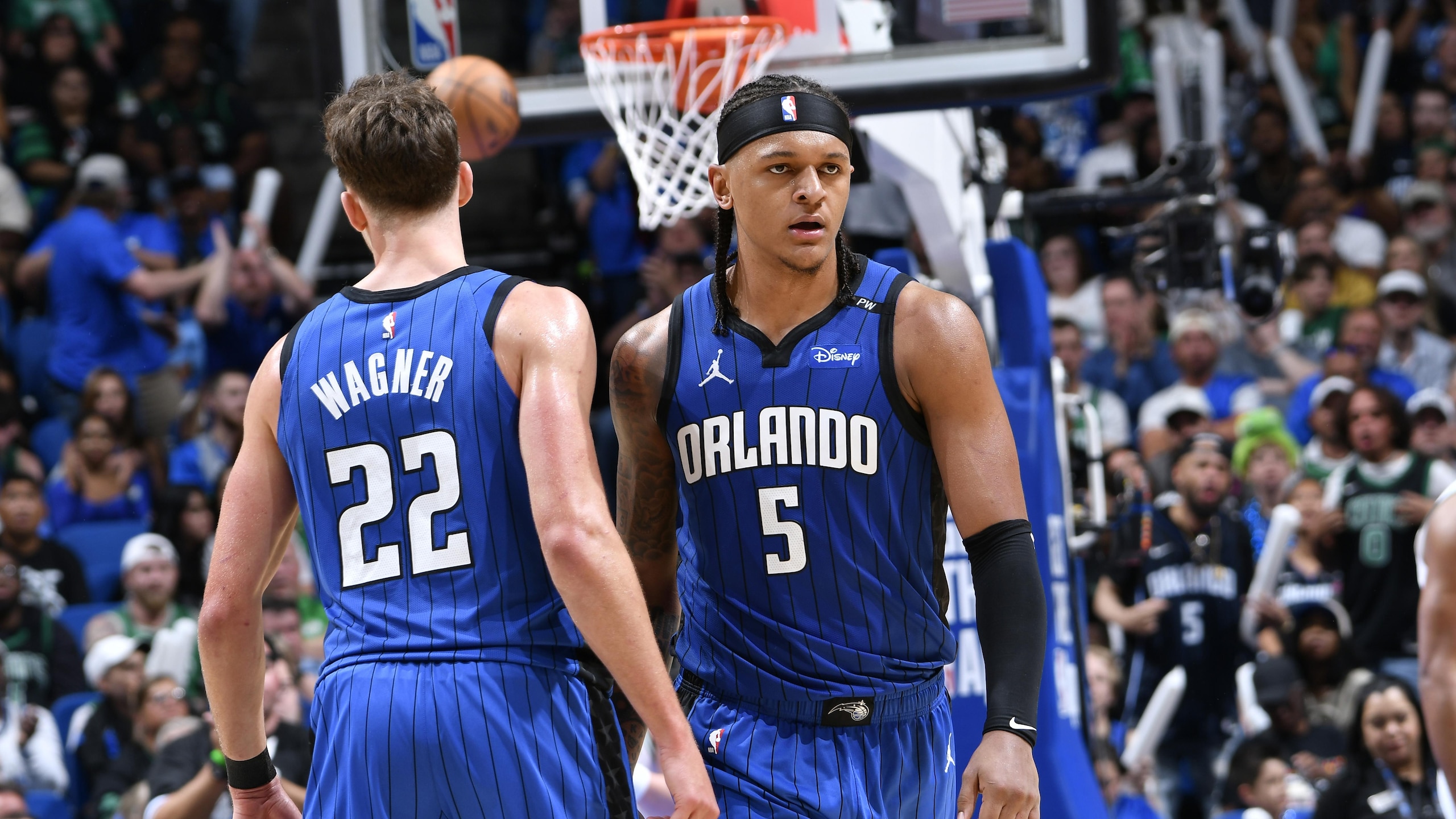
The Magic haven't won a playoff series since 2010, including back-to-back first-round exits. The team has an interesting young core built around Paolo Banchero, Franz Wagner and Jalen Suggs. Although talented, the group has yet to achieve anything significant in the Eastern Conference.
That didn't stop the team's front office from pushing in its chips, sending out multiple first-round picks to acquire Desmond Bane from the Memphis Grizzlies. Bane adds a necessary element (shooting), but comes with a near-max contract. Banchero and Wagner have maximum deals; Suggs is well-paid but with a team-friendly, descending contract.
Along with Wendell Carter, Anthony Black and others, the Magic project to pay luxury tax this year and will need to work around the second apron for the 2026-27 season. The Bane deal tied up Orlando's first-round flexibility.
The investment was bold; Orlando's roster needs to work for it to pay off.
No. 1: Philadelphia 76ers
9 of 9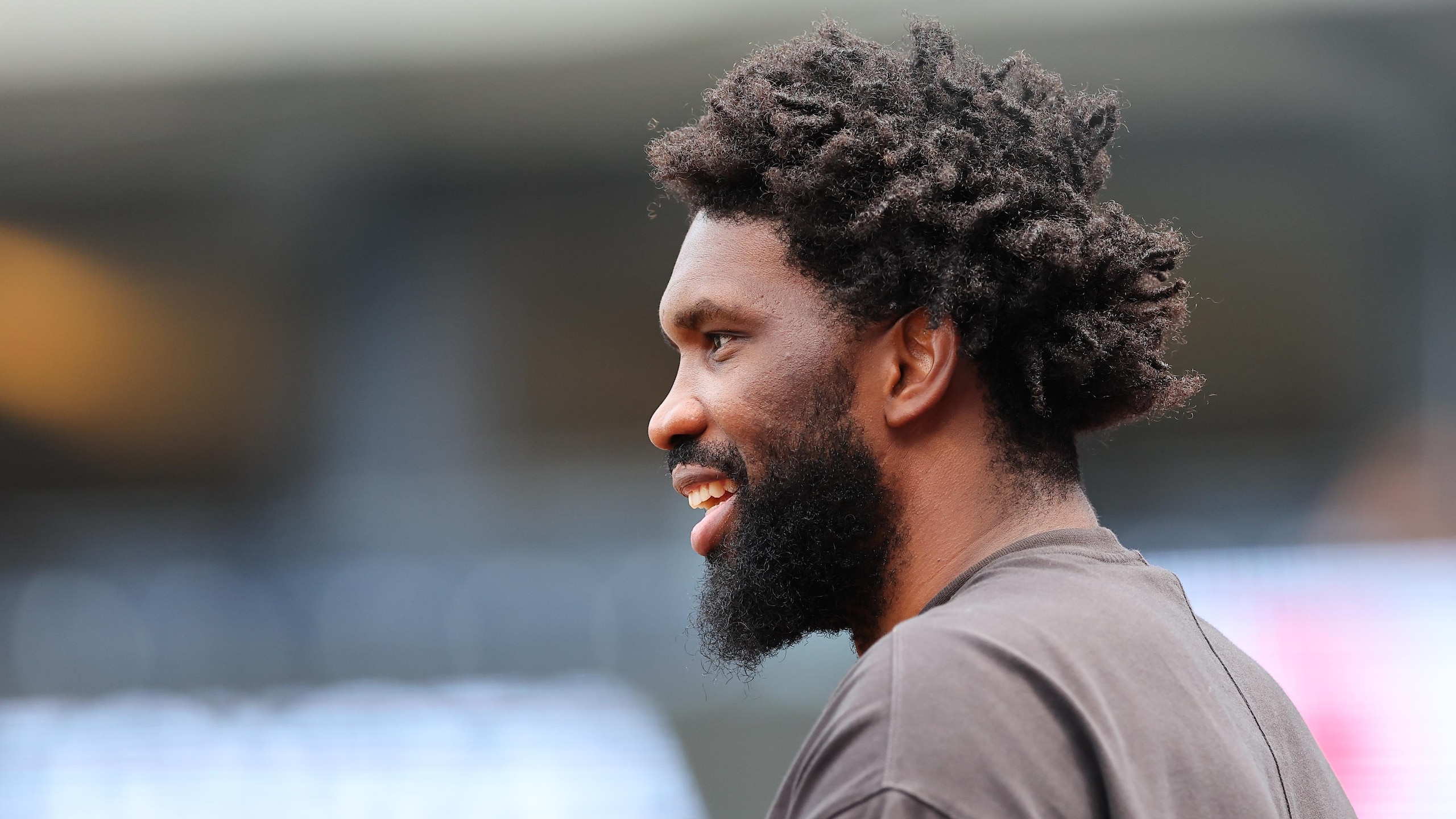
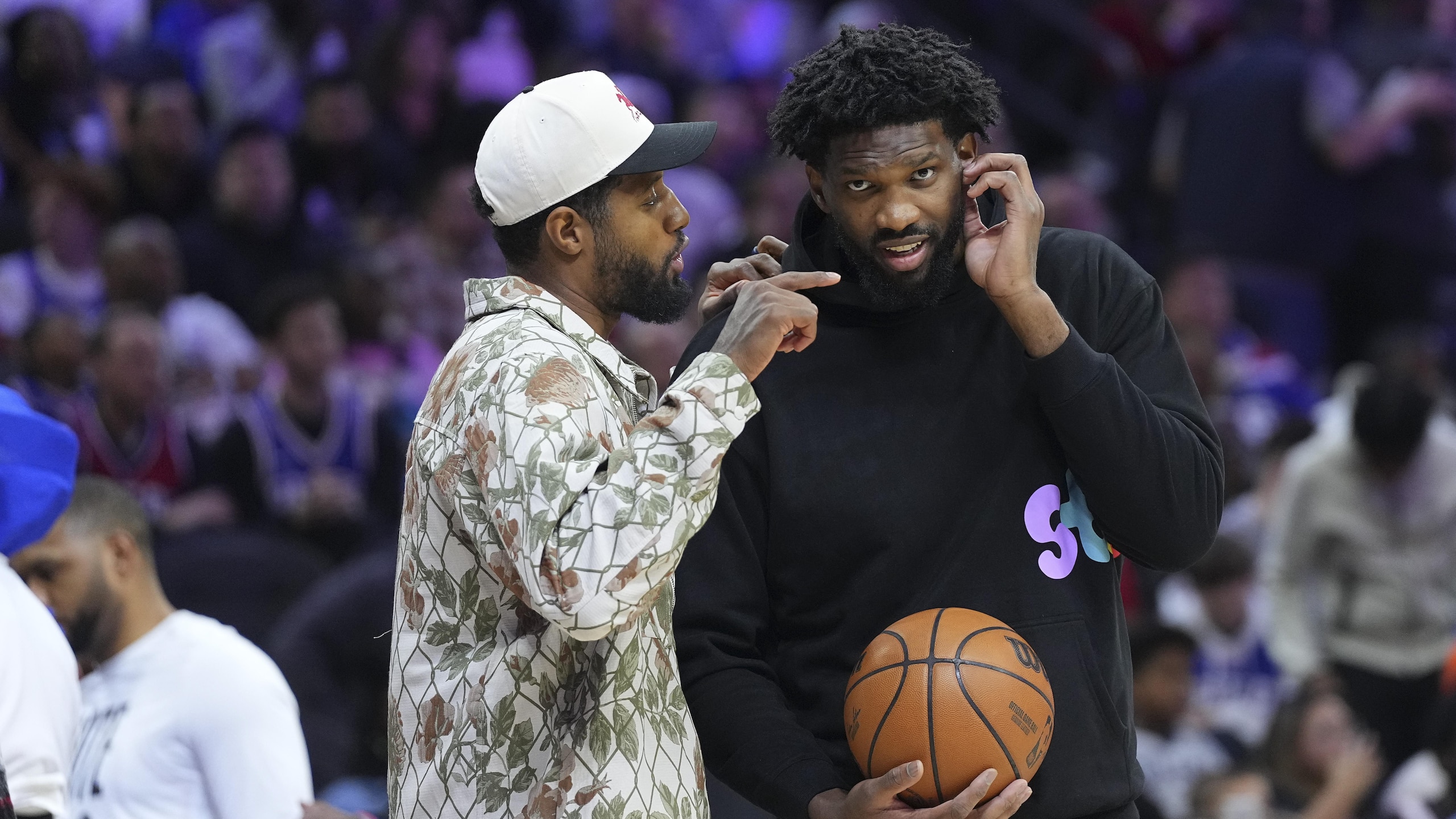
The 76ers hit last offseason with more flexibility than any team in the league. Unfortunately, the investment in Paul George looks to be a significant miscalculation. George's game has declined due to injury; Joel Embiid's health is a significant question mark. Very quickly, the franchise became over-leveraged with a mediocre roster.
Perhaps Embiid returns to his MVP form, George rebounds, and the 2024-25 campaign becomes a distant, unpleasant memory. In the worst-case scenario, Embiid would be forced to retire due to persistent knee issues, which would eliminate his remaining $248 million from the team's books. That would be a devastating end to his career, given that just a couple of years ago, he was arguably the best player in the league. He'd still get his salary, but the Sixers' financial picture would change significantly.
Assuming the more hopeful path that Embiid and George bounce back from down years, the Sixers have limited flexibility to add. Tyrese Maxey, Embiid and George are high earners, and the decision on restricted free agent Quentin Grimes remains pending.
Philadelphia's fast downturn from flexibility to a bloated set of books is a cautionary tale.
Email Eric Pincus at eric.pincus@gmail.com and follow him on X @EricPincus and Bluesky.
.jpg?w=2560 "Jalen Hurts Out Sunday")
.jpg?w=2560 "Troy Aikman teases ESPN departure")
.jpg?w=2560 "Bleacher Report's Expert NFL Picks 🔮")
.jpg?w=2560 "Tomlin's Take After Cowboys' Players-Only Meeting 💀")