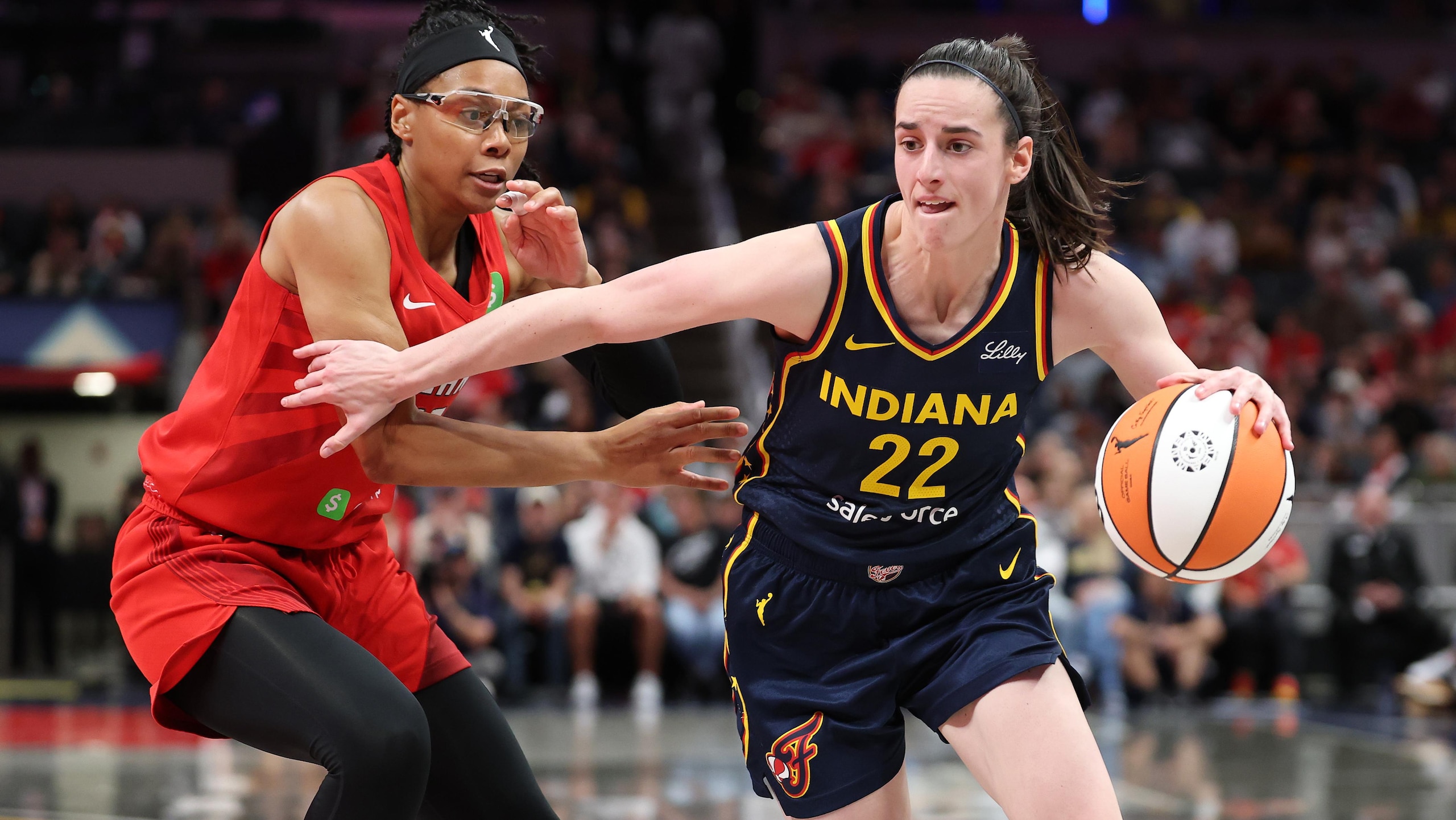

5 Trade Ideas to Help Caitlin Clark, Other WNBA Stars at Deadline
The WNBA trade deadline is a pressure cooker. Front offices are staring at the same fork in the road: double‑down and push for a title, or pull the ripcord and pivot to 2026 and an offseason that will feature a free-agent free-for-all.
The league has never been this loaded with individual talent, and yet, the difference between good and championship‑caliber often comes down to whether a front office surrounds its star with the right cast before the season’s final push.
Despite an injury-plagued 2025, Caitlin Clark has already shifted the center of gravity in Indiana and still has hope of a return for the playoffs. Skylar Diggins-Smith, Nneka Ogwumike and Co. have the Storm third in the West, while Allisha Gray and Rhyne Howard have propelled Atlanta to the league's upper echelon. Different markets, different windows, but each star is only as dangerous as the team around them.
Thursday's trade deadline feels like a rare moment when multiple teams could, and must, make a bold move. The hard cap limits blockbuster fireworks, but the opportunities are there: undervalued veterans, available shooters and versatile defenders who can tip a playoff series.
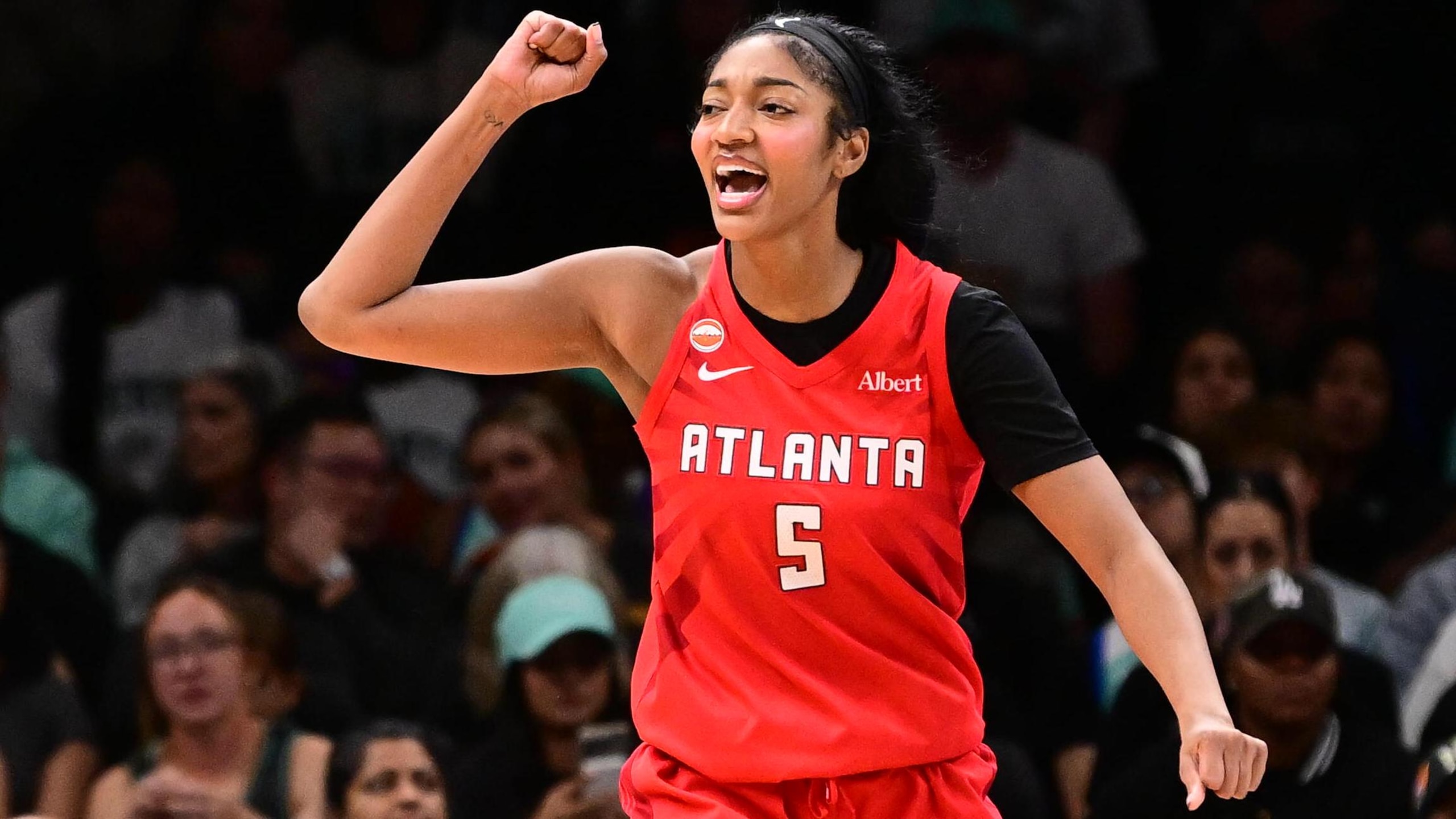
Satou Sabally to the Indiana Fever
1 of 5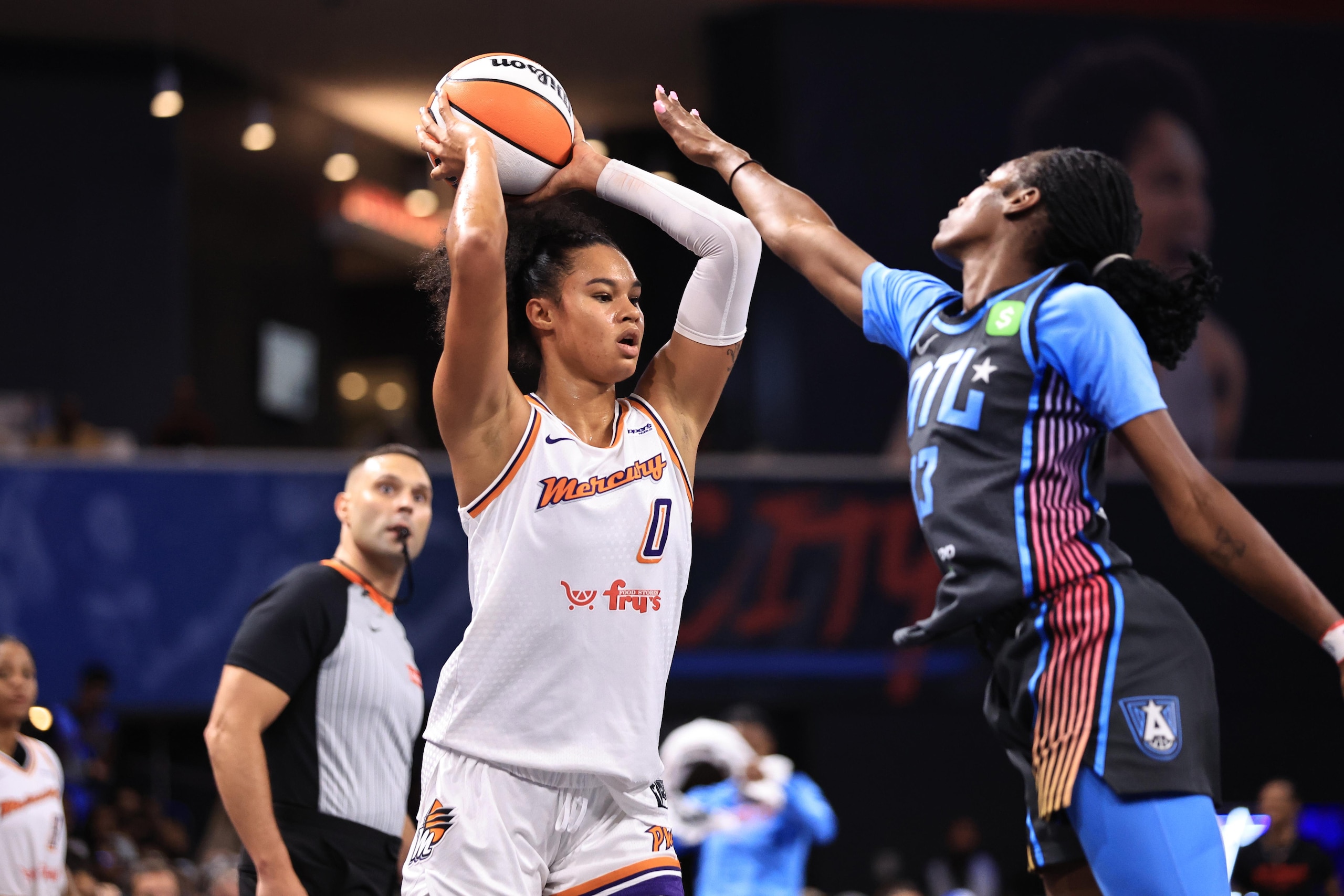
- Indiana receives: Satou Sabally
- Phoenix receives: Natasha Howard, future first-round pick (from Fever)
Why It Makes Sense for Indiana
At 6'4", Sabally blends size, handles, perimeter shooting, rebounding and switch‑mobility. Sounds like the very type of forward you pair with Caitlin Clark—when she returns from her groin injury—against switch-heavy playoff defenses.
Sabally’s versatility alleviates pressure on Aliyah Boston and mitigates spacing issues when defenses sag off Clark to deter her drives. Her elite feel lets her oscillate between post-ups and secondary pick‑and‑pop scoring.
The deal allows Indiana to upgrade youth-wise and provide runway growth around Clark’s rookie-scale deal. Howard has offered consistency and defensive grit for the Fever, but Sabally can do more on both ends now and for years to come. Importantly, Indiana retains flexibility: Sabally’s contract is short-term, with the potential to negotiate longer if she thrives with Clark and Boston.
Strategic Impact and Chemistry
Sabally’s three-point touch and mid-range scoring opens driving lanes for Clark and Boston. The idea? Deter double-teams and punish drop coverage. Ball‑synergy between Clark and Sabally in transition and half-court sets would flood defenses with covering decisions: post, perimeter or cutting wing.
She can guard multiple positions, which is crucial for a team leaning on Boston at the 5 and requiring rotational versatility in playoff matchups. Sabally’s length helps on the weak side, too, when Boston draws double-teams.
Clark already thrives in pick‑and‑roll. The 27-year-old Sabally fits seamlessly, adding youth, scoring and positional overlap without redundancy.
Indiana scales Clark’s gravitational pull into a trident attack: Sabally as the secondary creator/spacer, Boston handling the interior wall and Kelsey Mitchell operating off-ball gravity. It's a sensible, cap‑compliant upgrade that cements Indiana’s win‑now posture and echoes model trades across elite WNBA constructions.
For Phoenix, the decision would be about managing risk and retooling for the future while still competing this season. Sabally was recently benched and is currently away from the team for personal reasons, creating uncertainty about her role and long‑term fit. Her contract expires after this season, meaning Phoenix risks losing her for nothing in free agency.
But why make such a move when the team is fourth in the league? By moving her now, the Mercury get a proven veteran in Natasha Howard whose defensive presence, rebounding and playoff experience can bolster their frontcourt. The inclusion of a future first‑round pick also gives Phoenix a valuable asset to either draft a young cornerstone or leverage in a future deal, ensuring it gets tangible value in return rather than facing an offseason departure with no compensation.
Rachel Banham to the Atlanta Dream
2 of 5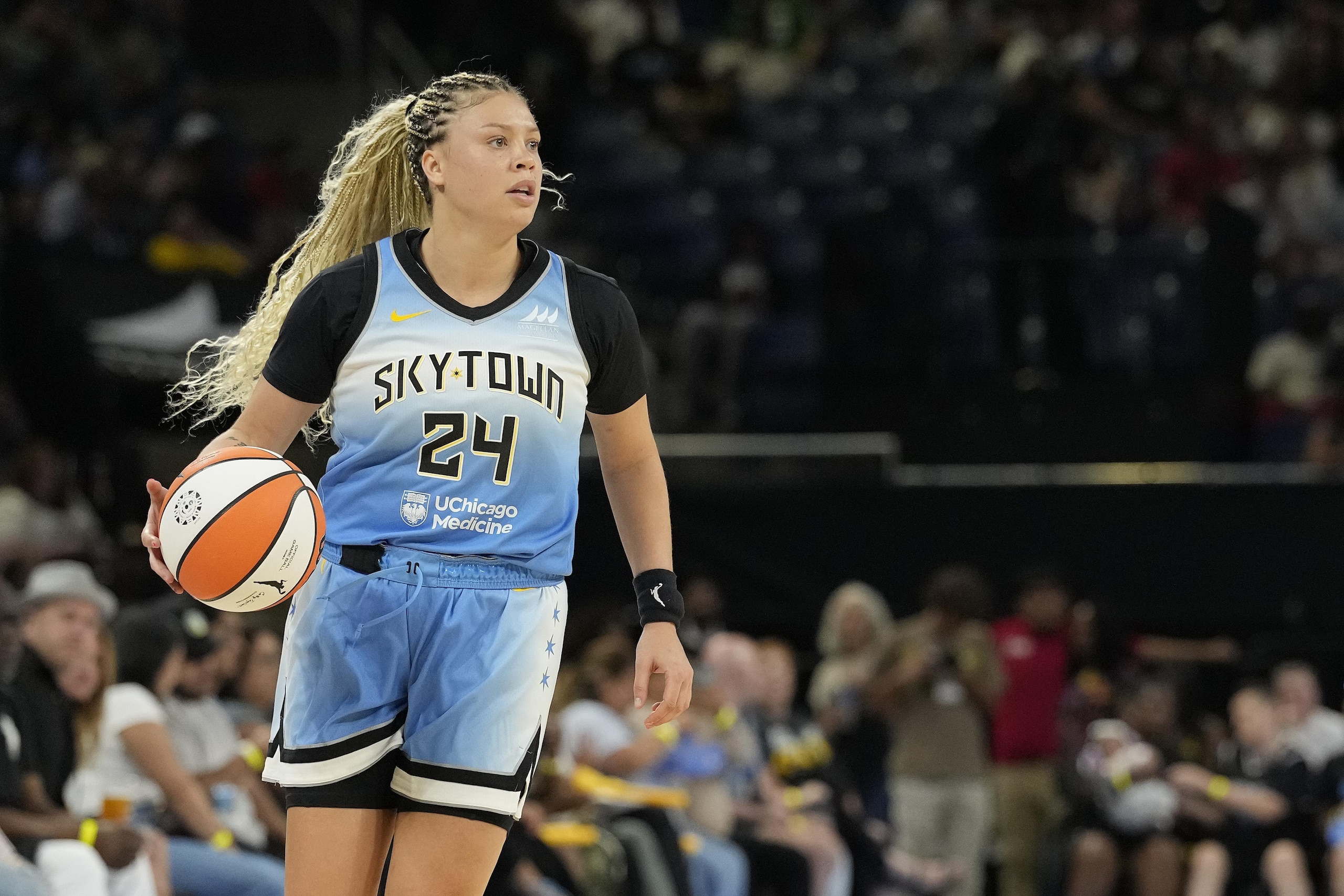
Atlanta receives: Rachel Banham
Chicago receives: Maya Caldwell, Taylor Thierry and a future second‑round pick
Why It Makes Sense for Atlanta
Few teams love to shoot the three as much as the Dream, and Banham’s deep‑range accuracy would give them another elite weapon in the rotation.
Coming off the bench, Banham could ignite scoring bursts and keep opposing defenses honest when Rhyne Howard and Jordin Canada need rest. Her off‑ball movement and quick release also mesh perfectly with Atlanta’s drive‑and‑kick style.
This is a playoff push move for the Dream, who owe their first‑round pick to Washington and can’t afford to slip further in the standings. Adding Banham now gives them extra perimeter punch and veteran shot‑making in critical late‑season games. Even a modest uptick in three‑point efficiency could swing close matchups in their favor and help secure a higher playoff seed.
With Howard and Canada commanding defensive attention, Banham would get cleaner looks than she’s had in Chicago, where spacing has been inconsistent. She offers spacing insurance against sagging defenses and an option to punish zone coverages with quick‑trigger threes.
In transition, her ability to spot up forces defenders to stretch the floor, opening more driving lanes for Atlanta’s guards and slashing wings. Banham can also serve as a secondary playmaker, keeping the offense flowing when primary creators sit.
Strategic Impact and Chemistry
Her veteran savvy would blend with Atlanta’s young core, helping them handle the playoff intensity they’ve been building toward. With Banham’s arrival, the Dream could roll out lineups loaded with shooting: a dangerous proposition for defenses in both regular-season and postseason play.
For Chicago, this deal is about pivoting toward youth development and future flexibility. Banham, while still a useful scorer, doesn’t fit the Sky’s rebuilding timeline and occupies a protected contract slot for 2025.
Moving her now frees up salary space and opens more minutes for younger backcourt and wing options like Caldwell and Thierry. Both incoming players have upside: Caldwell brings defensive versatility and secondary scoring potential, while Thierry’s athleticism and rebounding give Chicago an injection of energy on the wing.
The second‑round pick is another asset for reshaping the roster, and the move signals a continued commitment to building around younger, cost‑controlled talent. Rather than letting Banham’s role stagnate on a non‑contender, the Sky capitalize on her value while addressing roster balance and maintaining cap flexibility.
Marina Mabrey to the Seattle Storm
3 of 5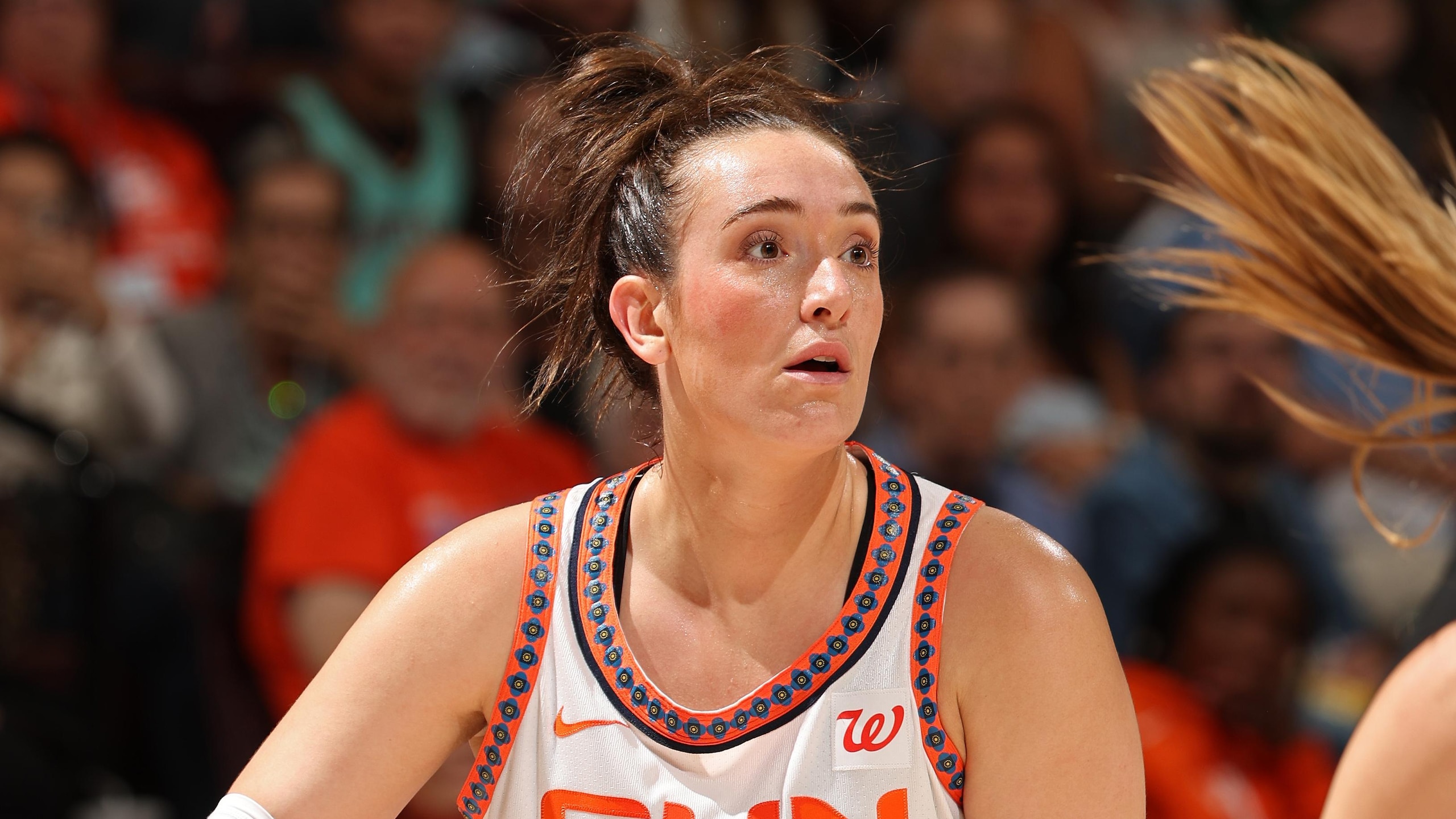
Seattle receives: Marina Mabrey
Connecticut receives: 2026 first‑round pick from Los Angeles (via Seattle), 2026 first‑round pick from Las Vegas (via Seattle), salary-matching veterans
Why It Makes Sense for Seattle
Seattle sits in a peculiar middle ground as good enough to compete now but young enough to think about the next five years. At 16‑13, the Storm are less than two games back of second in the Western Conference, yet they’ve also dropped head‑scratching games to lowly Dallas and Connecticut.
Their core of Skylar Diggins‑Smith, Nneka Ogwumike, Ezi Magbegor and rookie phenom Dominique Malonga gives them legitimate top‑end talent, but they remain thin on the wing and at the bottom of the league in defensive rebounding percentage (9th).
The Storm just acquired veteran guard Brittney Sykes from the Washington Mystics for forward Alysha Clark and their 2026 first-round pick. But they are still far behind in the standings enough to warrant another move.
This is where Marina Mabrey could answer their biggest needs. The Connecticut guard has been tied to Seattle this season, and for good reason: She’s a proven three‑level scorer, confident perimeter shooter and high‑energy competitor who can slot in immediately as a rotation‑plus starter.
Adding Mabrey would inject consistent outside scoring next to Diggins-Smith and relieve playmaking pressure while allowing Gabby Williams to play in a more versatile defensive role.
Seattle’s war chest of draft picks makes it one of the few contenders capable of getting another deal done without gutting the roster. The Sparks’ 2026 first‑rounder is likely a top‑three selection and the crown jewel. Packaging that pick with Vegas’ first‑rounder, plus veterans, would give Connecticut the kind of offer it can’t ignore while still leaving Seattle plenty of future flexibility.
Strategic Impact and Chemistry
Mabrey’s presence addresses two of Seattle’s most pressing needs: perimeter scoring and backcourt rebounding help via positional size. At 5′11″, she’s a tough guard for smaller defenders and holds her own boxing out against wings. Something the Storm sorely lack.
While she’s not a pure rebound vacuum like a frontcourt player, her willingness to crash the glass will help a team that ranks near the bottom in second‑chance points allowed.
On offense, she slots seamlessly into lineups with Diggins and Ogwumike, operating both as a floor‑spacer in the corners and a secondary pick‑and‑roll handler. Her ability to pull up from deep forces defenses to extend, opening lanes for Magbegor dives or Diggins drives.
Adding her now also gives coach Noelle Quinn the opportunity to integrate Mabrey’s skill set ahead of the playoffs, rather than scrambling with late‑season chemistry experiments.
If Seattle truly believes it can make a deep run this year without sacrificing its long‑term outlook, this is the type of calculated swing worth making. Mabrey gives them the steady scoring punch and wing depth they’ve been missing, while her competitiveness matches the veteran leadership already in place.
For Connecticut, cashing in on an asset before free agency and adding premium picks is a logical pivot toward its next era. For the Storm, it’s a win‑now move that still keeps the future in focus. It's the kind of move you make when you’re straddling two timelines and don’t want to waste a season of Ogwumike, Diggins and Magbegor’s prime.

Aaliyah Edwards to the Minnesota Lynx
4 of 5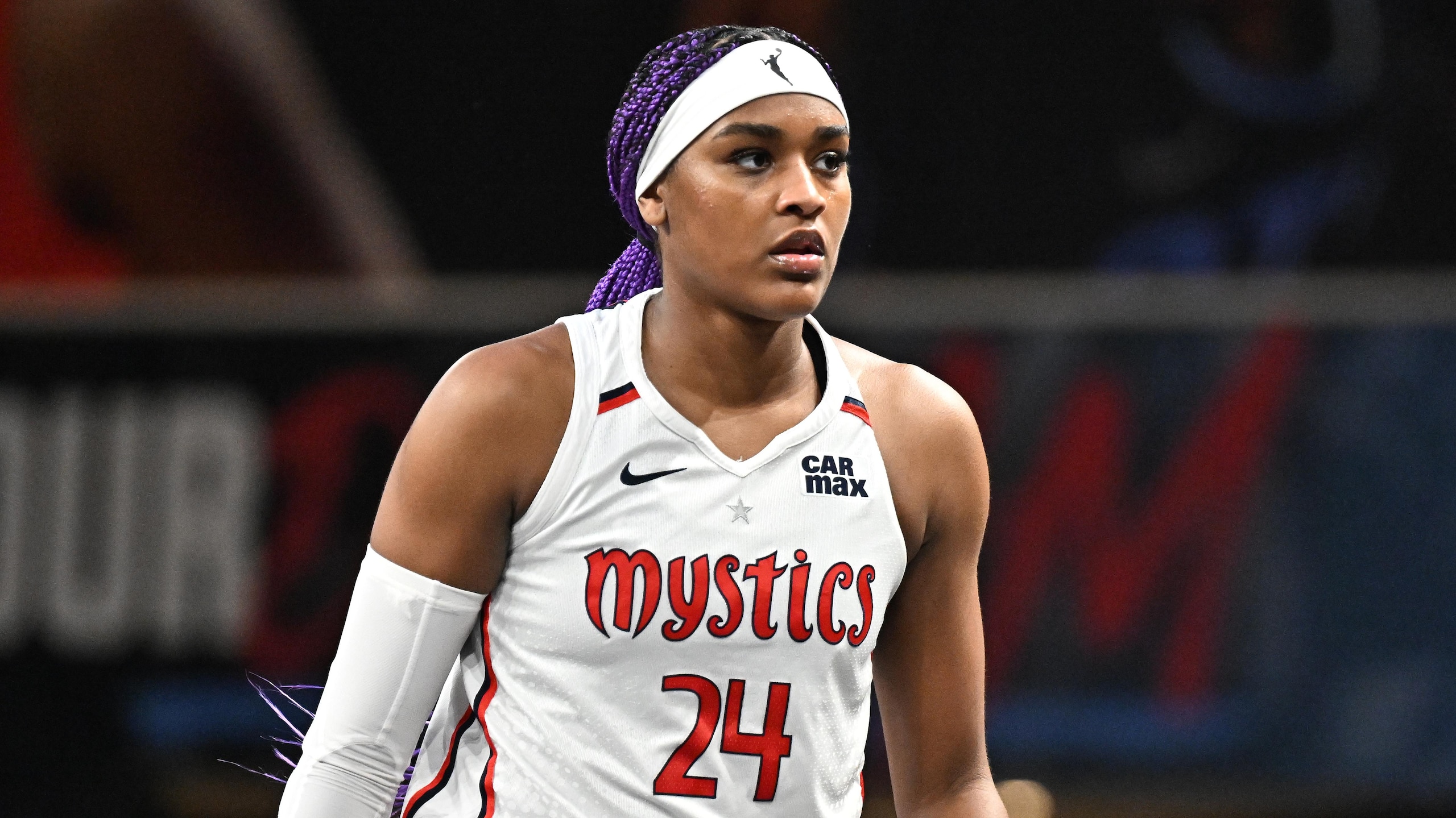
Minnesota receives: Aaliyah Edwards
Washington receives: Future draft pick(s) and/or a rotational wing
Why It Makes Sense for Minnesota
Edwards possesses the length, physicality and interior IQ needed to pair with Napheesa Collier. At 6′3″, she can switch onto guards, rebound and space the floor enough to help Collier and Kayla McBride dominate both ends of the floor.
Collier suffered a right ankle injury in the Lynx’s blowout win vs. the Aces and is uncertain of availability for the playoffs. With this in mind, Edwards offers defensive versatility and depth during a critical stretch.
With the Mystics, Edwards' minutes have dropped significantly due to frontcourt congestion and her own injury setbacks. A move now lets Minnesota secure a younger defensive forward with upside while sending Washington draft compensation such as a 2026 first-rounder or wing rotation piece in a way that's cap-compliant and future-friendly.
Edwards gives head coach Cheryl Reeve new lineup flexibility. She can play the 4 in traditional looks, shift to the 5 in small‑ball lineups or even work alongside Jessica Shepard to form a strong rebounding tandem. Her willingness to do the dirty work of setting screens, crashing the offensive glass, defending without fouling fits perfectly with Minnesota’s identity.
Offensively, she won’t need to dominate the ball. She can thrive as a complementary piece: cutting into open space when guards drive, cleaning up missed shots and occasionally facing up slower defenders.
Chemistry‑wise, her defensive motor and unselfish approach align with the culture Collier has built. Bringing in Edwards now also gives her time to gel with the core before the postseason, which could pay big dividends when rotations tighten and matchups get specific.
Strategic Impact and Chemistry
Collier’s injury scare throws the Lynx into a tricky spot. They can’t afford to fall in the standings while waiting for her to get healthy, but they also don’t want to overpay for a short‑term rental. Edwards gives them both in short‑term reinforcement and long‑term upside.
At 6′3″, she has the physicality to guard power forwards, the mobility to defend wings, and the energy to outwork opponents on the glass. Her defensive versatility would allow Minnesota to keep its switch‑heavy schemes intact even without Collier on the floor. She’s also shown flashes of offensive growth: a developing mid‑range jumper, better timing as a cutter and the ability to run the floor in transition.
This isn’t just a “Collier insurance” move, either. Edwards could be a fixture in the Lynx’s rotation for years, pairing with Collier in big lineups or sliding into a sixth‑woman role once Phee returns. Given Minnesota’s championship aspirations, it’s the kind of depth play that could swing a playoff series.
Myisha Hines‑Allen to the Indiana Fever
5 of 5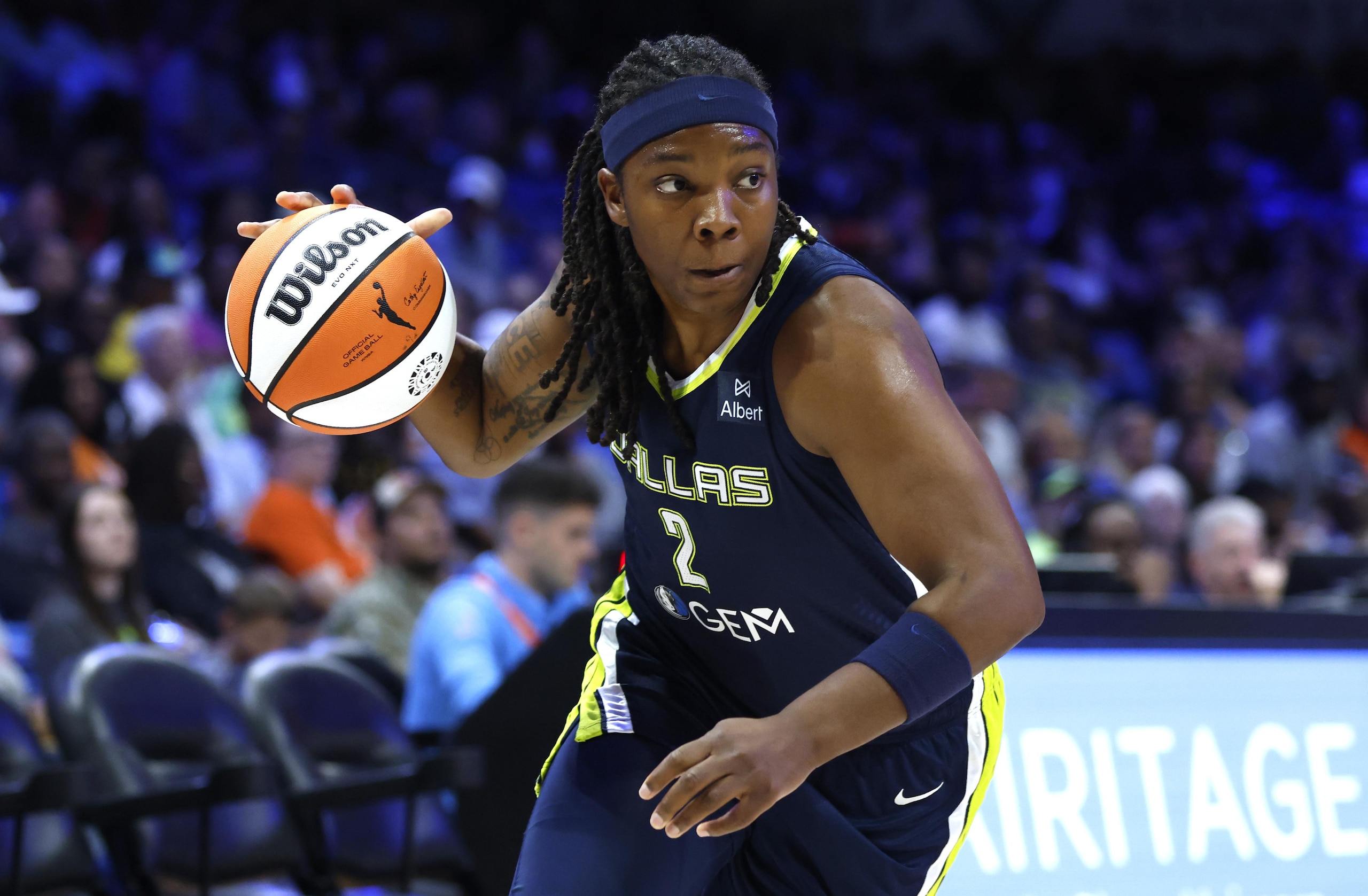
Indiana receives: Myisha Hines‑Allen
Dallas receives: Damiris Dantas and a 2026 second‑round pick
Why It Makes Sense for Indiana
Here's another Fever trade possibility. This is the kind of subtle, midseason move that doesn’t light up headlines but makes a contender measurably better. Myisha Hines‑Allen is the definition of a versatile glue forward as someone who can bang inside, stretch the floor just enough to keep defenses honest, and run the floor in a way that meshes perfectly with Caitlin Clark’s tempo.
Hines‑Allen lost her starting spot in late June, but that’s less about her ability and more about Dallas trying to work younger pieces into the rotation. With Maddy Siegrist on track to return from her tibial plateau fracture before season’s end, the Wings have incentive to move Hines‑Allen now rather than let her continue to lose value.
For Indiana, she’s an upgrade over Damiris Dantas as the third frontcourt option behind Aliyah Boston and Natasha Howard. Even in a “down” shooting season (31 percent from deep), Hines‑Allen is still hitting better than Dantas’s 28.6% from three and her career mark of 34.5 percent suggests a bounce‑back is likely. She brings more mobility on the perimeter, more activity on the boards, and more lineup flexibility in small‑ball looks.
Strategic Impact and Chemistry
Hines‑Allen’s biggest value to Indiana is in the rotations Stephanie White can now run without sacrificing spacing or athleticism. She’s comfortable playing both the four and small‑ball five, which lets Boston slide into her preferred interior spots more often and gives Howard fewer minutes against mismatched bigs.
On offense, she’s a sneaky good cutter and quick to exploit defenders ball‑watching Clark. In transition, she runs the lane hard which is something that can generate free buckets with Clark’s outlet passing. Defensively, she can switch more comfortably onto wings than Dantas, and her footwork allows the Fever to be more aggressive in pick‑and‑roll coverages.
She also injects some edge. Indiana’s frontcourt is skilled and disciplined, but adding another physical, talkative presence never hurts when you’re eyeing deep playoff runs.
The Fever don’t need another star, just another playable forward who keeps the offense going and the defense flexible when Boston or Howard sit. Hines‑Allen checks every one of those boxes. For Dallas, likely out of the final playoff spot, cashing in for a pick and a serviceable vet is just smart asset management. For Indiana, it’s a low‑risk, rotation‑level upgrade that makes life easier for their stars.
.jpg?w=2560 "Eagles Bears Football")
.jpg?w=2560 "Report: Rams Changing Kickers 😬")


.jpg?w=2560 "Buzz: Browns Shopping Jeudy")
.jpg?w=2560 "Jerry Defends Dak Heckler")


.jpg?w=2560 "Trade for NFL's Best Teams 📦")