
The WNBA's Growing Money and Image Problem, and What Players Are Doing About It
As a new generation of stars reshapes the WNBA’s cultural relevance, players are demanding more than recognition. They’re asking the league, the media and the public to evolve with them.
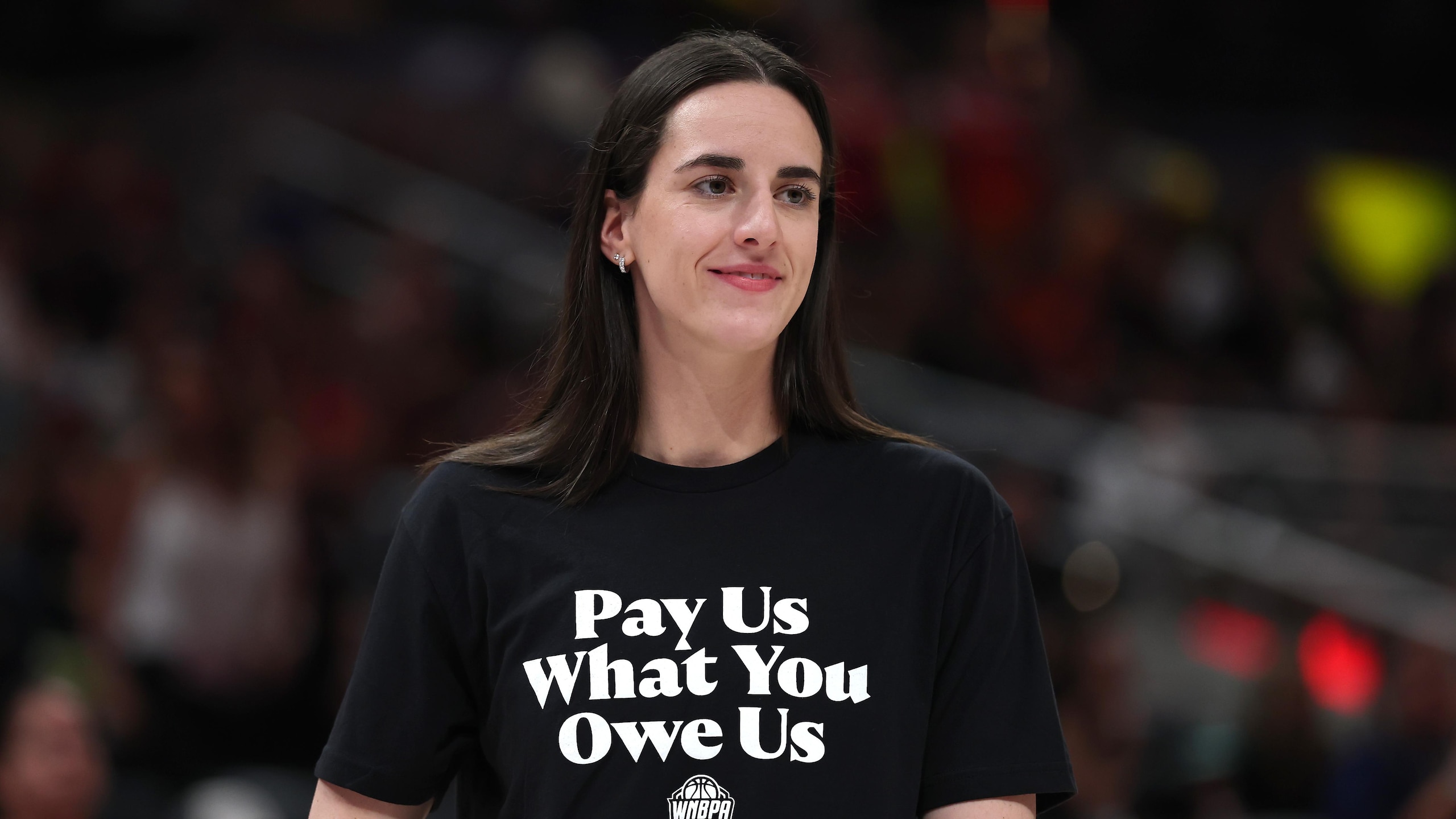
Amid the lights, cameras and sparkling fanfare of WNBA All-Star Weekend in Indianapolis, a silent protest spoke louder than the crowd. Players such as Angel Reese, A’ja Wilson and Breanna Stewart took the court not just in uniform, but in message-heavy warm-ups that read "Pay Us What You Owe Us."
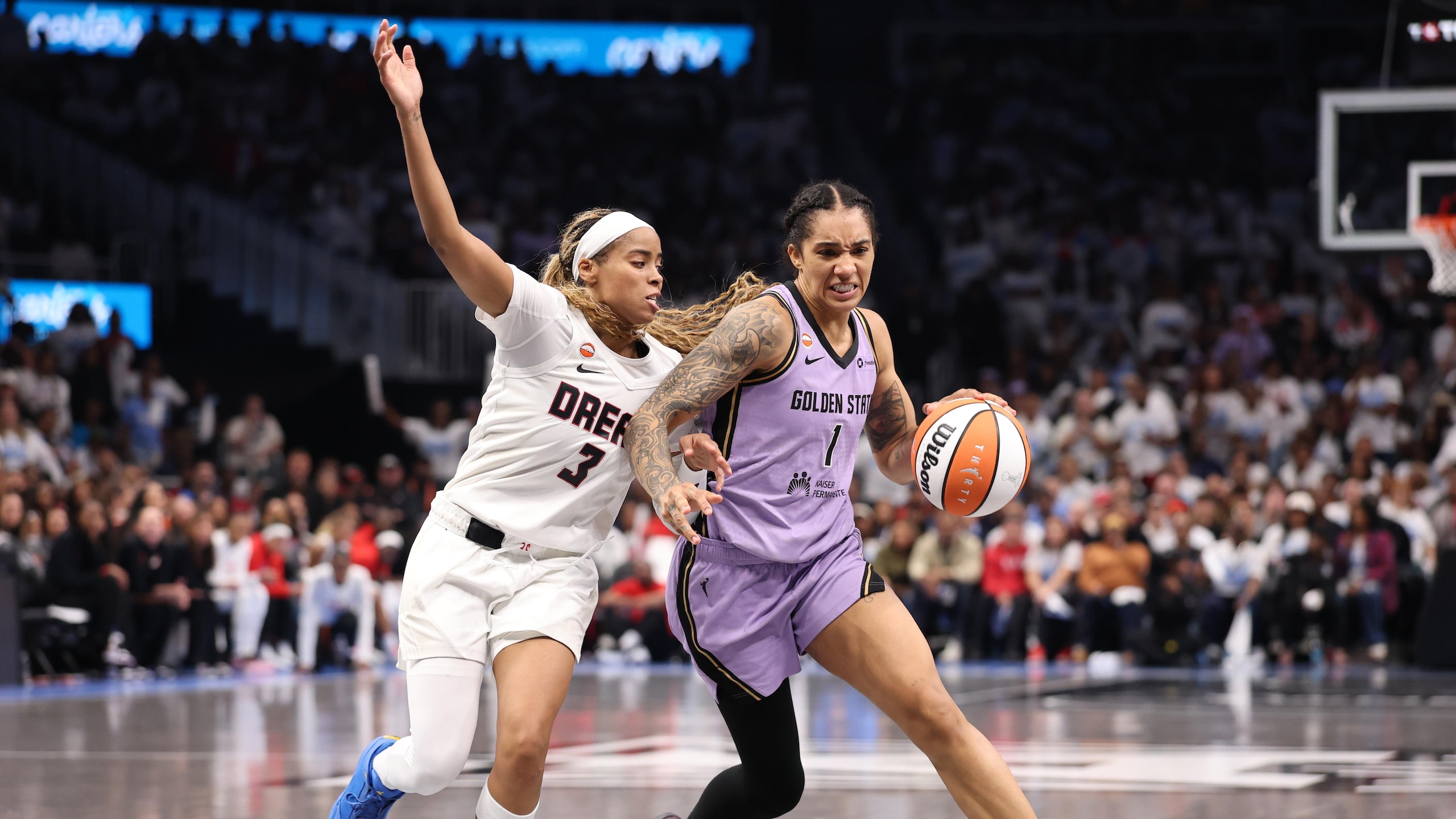
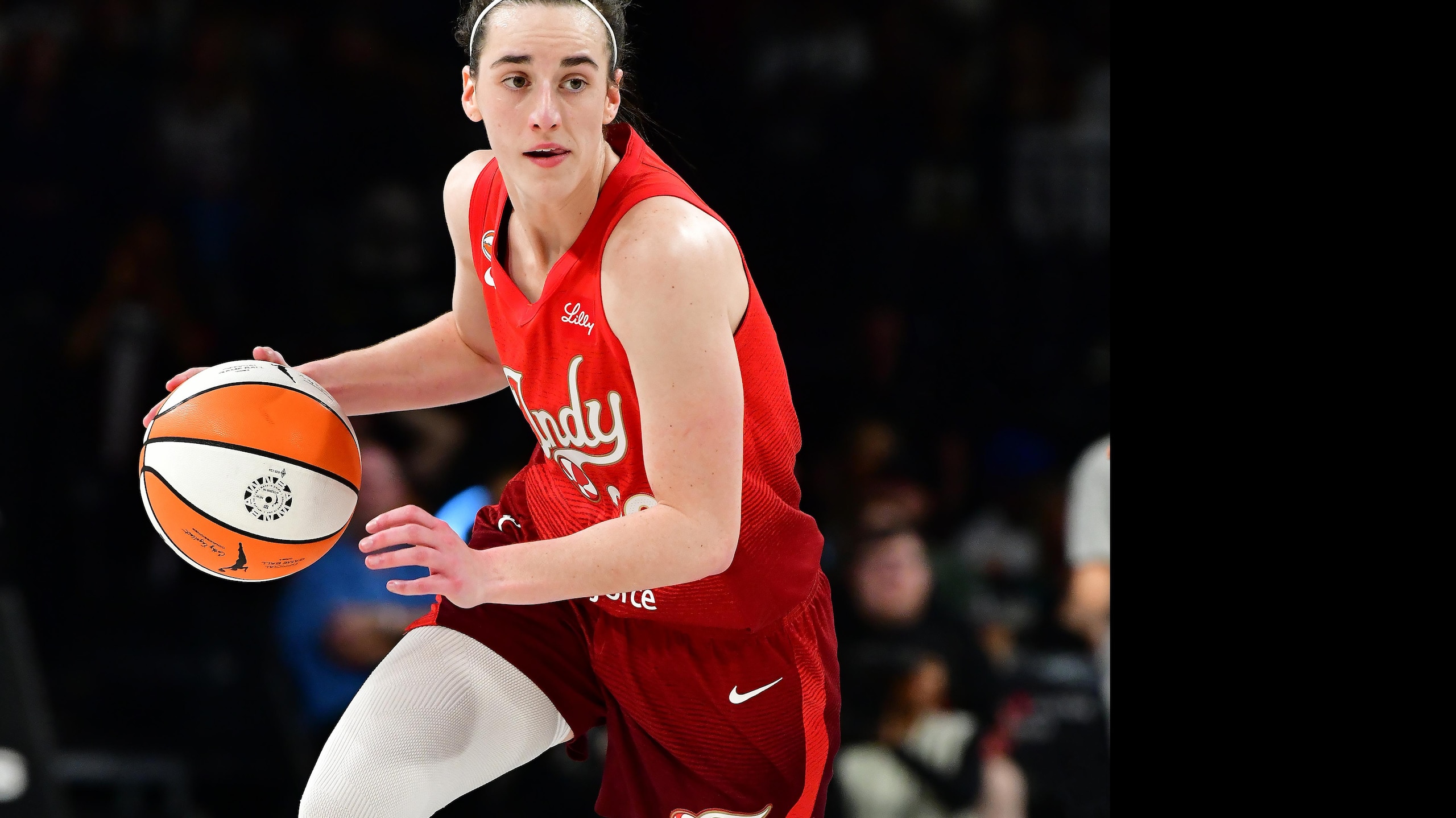
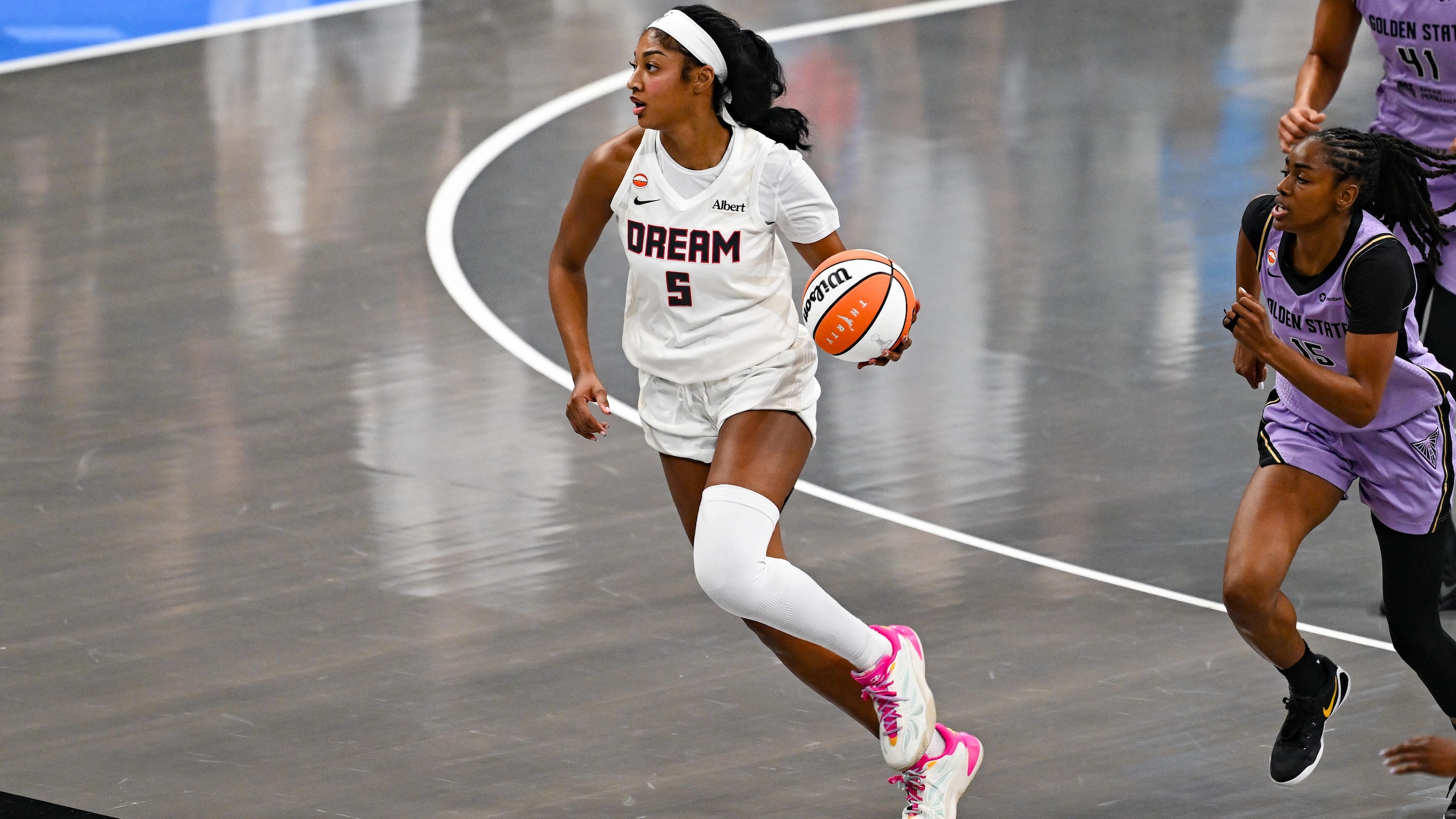
It was a warning flare. As the talent rises and the spotlight intensifies, the WNBA's systems of compensation, marketing and media coverage feel increasingly outdated. Players are building social media empires, yet the structures that support and elevate them remain stuck in a previous era.
This protest isn’t happening in a vacuum. The WNBA’s current collective bargaining agreement expires after this season, and the majority of players will enter free agency just as they attempt to take advantage of a financial windfall. The timing of this public demonstration is strategic. Players are sending a clear message ahead of what could be a transformative negotiation cycle.
The result is a visible tension: a league full of momentum tethered to frameworks that can no longer contain it.
Players from Caitlin Clark’s All-Star team skipped a pregame meeting where protest coordination was discussed. Kelsey Plum, union VP and vocal leader, pointed it out with a dose of sarcasm in the postgame press conference.
It was awkward and revealing. Even as players wear the same shirts, they do not always share the same strategy. The moment exposed a generational divide in how players approach activism and unity in the social media era.
A League Evolving Faster Than Its Framework
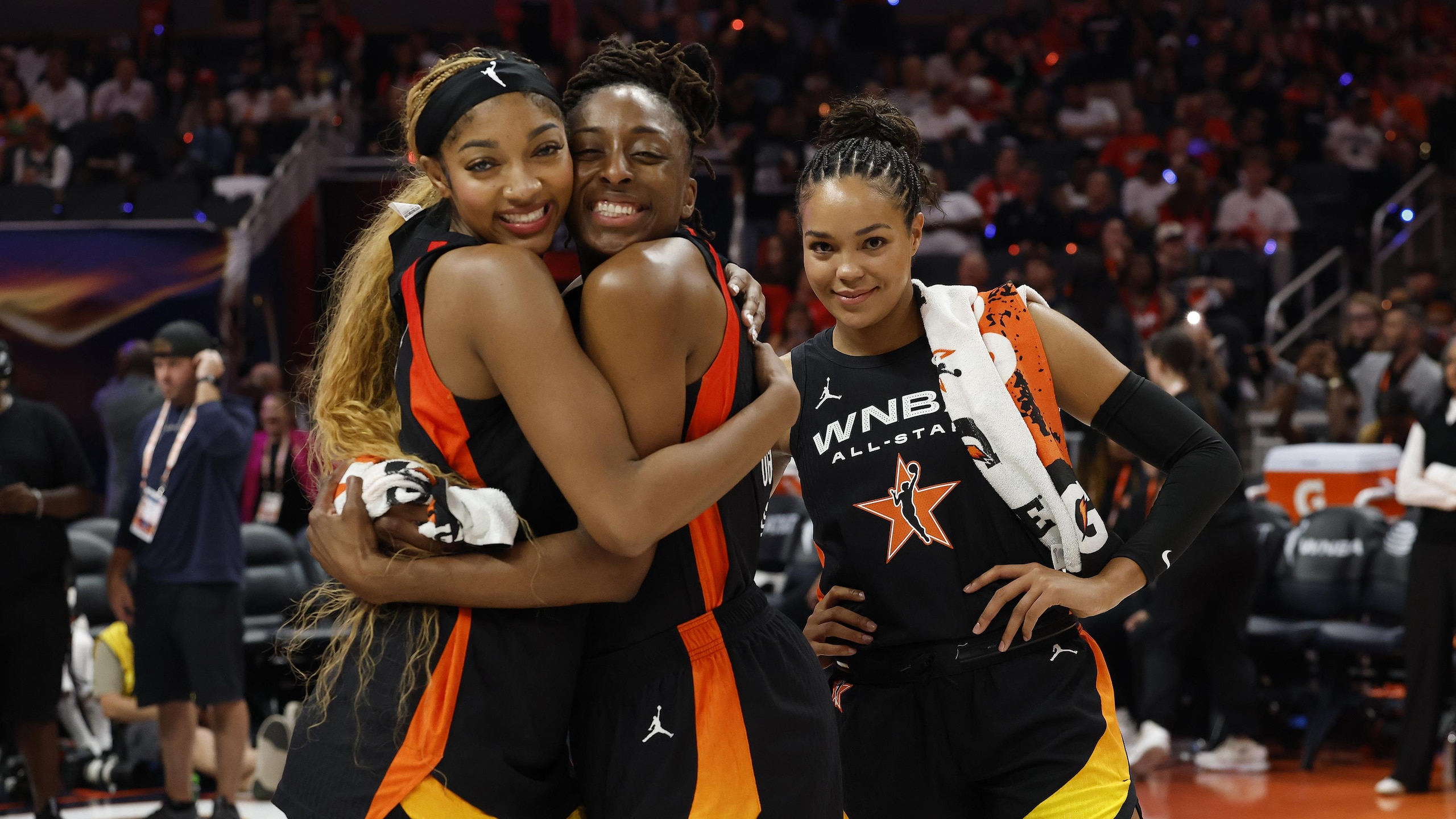
The WNBA is coming off one of its most visible seasons. Attendance hit record highs in 2024. Media coverage went mainstream. Stars like Reese and Clark became household names.
And yet, the financials are unclear at best. The New York Post reported last fall that the league was on track to lose $40 million during the 2024 season, after it had operated at a $10 million-per-year loss for a long stretch beforehand.
Still, ESPN's Michele Steele cited a report from financial and consulting firm Deloitte that stated women's basketball revenues are expected to top $1 billion in 2025, up from $710 million in 2024—the majority of that undoubtedly generated by the W and its players.
Per The Guardian's Beau Dure, the league's revenue growth more than outweighs cost increases from things such as the rising salary cap ($1.5 million per team) and charter flights ($25 million per year). That's not to mention the influx the league is about to get from its new broadcast deal, which will bring in $200 million per year (up from $60 million).
The money is clearly there. Otherwise, the W wouldn't be expanding so rapidly. The Golden State Valkyries started play this season, and new teams in Portland, Cleveland, Detroit and Philadelphia are expected to hit the court by 2030.
Players receive just 9.3 percent of that revenue. For all of the W's cultural capital, the financial math still doesn’t add up. Maybe that's on purpose.
But this is not just about money. The league struggles to keep up with the attention its players now command. Reese and Clark are not just in highlight reels. They are in brand campaigns, online discourse and television ads.
Clark, arguably the weekend’s biggest draw, missed the game and skills contest due to a groin injury. Her absence did more than leave a gap in the lineup. It reminded everyone how much weight one player is being asked to carry.
Most WNBA players make around $250,000. On paper, that seems fair. But it’s out of sync with what they represent and how much they move. Take Sabrina Ionescu: Her jersey ranks among the league’s top sellers, and she has endorsement deals with Nike and Beats by Dre. Her commercial value, like many of her peers, far exceeds her league salary.
Still, the players have to hold up their end.
The All‑Star Game had star power but a rec‑league feel at times: Arike Ogunbowale clanked a baseline reverse layup, Kahleah Copper fumbled Alyssa Thomas’ outlet pass, Allisha Gray and Sabrina Ionescu botched a screen, and Jackie Young strolled away from a live rebound as teammates watched.
The sluggish pace, poor spacing and minimal defense gave critics fresh ammo. While it may not be fair to hold the W's showcase to a higher standard than that of their male counterparts, the league has to take advantage of every opportunity to highlight how good its talent is.
Social Media Wars and Sports' Gendered Economics
Online chatter during All-Star Weekend predictably spiraled. The same argument surfaced again, like it always does: Should WNBA players be making more money?
One side showed up in force. Burner accounts with NBA avatars recycled the usual one-liners along the lines of: "low ratings, weak revenue, who cares?"
Then came the white knights trying to virtue-signal in public. Posting solidarity tweets but rarely engaging with the actual details. Sometimes it felt like the loudest voices weren’t even listening.
What disappears in all of this noise is context. Salaries aren’t just tied to gate receipts. They’re about control and leverage. On that front, the numbers don’t come close to telling the whole story.
As cultural critic and feminist theorist Gloria Jean Watkins, better known as bell hooks, wrote in Outlaw Culture: Resisting Representations, cultural production by Black women is often undervalued not because it lacks meaning, but because it threatens dominant systems of representation.
The WNBA is powered by Black and queer women, creating a cultural product that resists mainstream sports norms, favoring equity over hyper-masculine spectacle.
This helps explain not only the persistent wage gap, but also the reactionary pushback players face when demanding more. Their visibility is disruptive; their success, radical. In hooks’ terms, WNBA stars are asking for a raise while challenging the foundations of an industry that was never built for them.
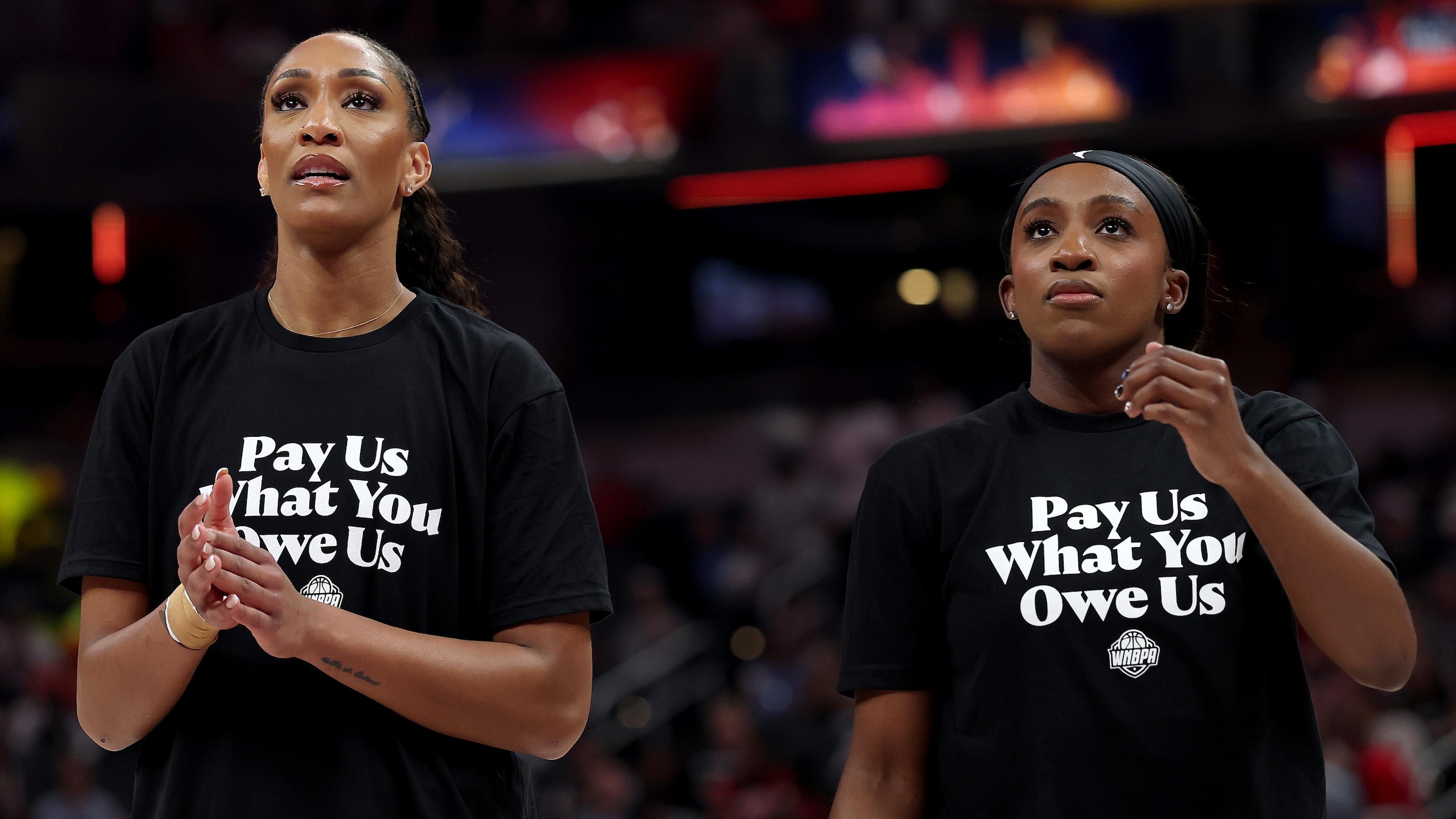
The real issue isn’t whether W players deserve more money. The debate is not about economics alone. It is about how women’s demands are culturally interpreted as threats, especially when framed as collective action.
In today’s outrage economy, any nuanced conversation about gender, labor and equity gets flattened into hot takes and quote tweets. Nuance isn’t rewarded. Emotional reaction is, just like in the cesspool of American politics.
The Queer Identity of the WNBA and Its Cultural Complexity
To understand the WNBA’s image challenges, you also have to talk about queerness.
The league has long embraced its LGBTQ+ identity, which is both radical and complex in the sports world. That was never clearer than with the viral popularity of Courtney Williams and Natisha Hiedeman during All-Star Weekend.
The duo, affectionately known on social media as #StudBudz, became one of the weekend’s most engaging storylines. Their mix of humor, authenticity and behind-the-scenes content resonated with younger, queer and Black audiences. This connects to the league's decades-long history of being allied with queer and lesbian audiences as its base.
But visibility doesn’t always translate to broad acceptance. The WNBA’s unapologetic queerness still invites subtle (and not-so-subtle) forms of coded criticism. Misogyny, homophobia and race intersect in a way that quietly and sometimes overtly limits the league’s mainstream marketing momentum.
What Players Are Doing About It
What’s the solution to the WNBA’s money problem? Until the league turns a consistent profit, the momentum will have to come from off the court.
Reese built her platform through podcasts and social media before entering the WNBA, redefining the college-to-pro blueprint. A’ja Wilson continues to lead through branding and community work. Ionescu and Natasha Cloud are landing commercial deals and making that visibility count.
Even Clark, the league’s marquee star, is navigating the tension between corporate stardom and team dynamics. Unlike others, she’s done so while staying slightly removed from union-led action.
Clark isn’t the only talented player in the WNBA by any means, but she is the main driver behind the league’s historic spike in viewership, ticket sales and cultural visibility. That’s not just opinion; it’s what the data tells us.
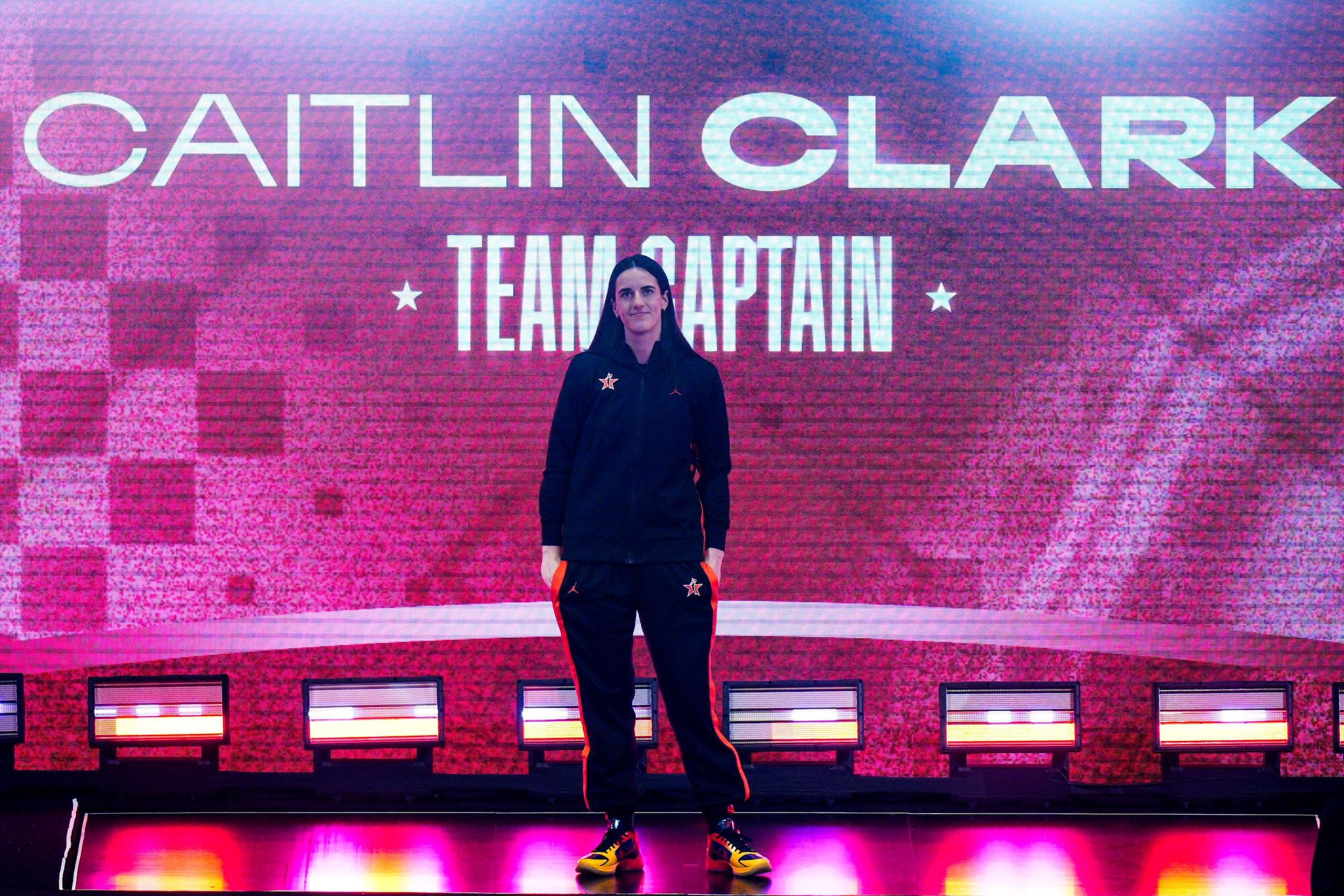
During her rookie year, the Indiana Fever went from near-empty arenas to selling out 15 of their first 17 road games. Opposing teams saw double or triple their usual gate whenever she came to town.
Her debut drew 2.1 million viewers, the most for any WNBA game in over two decades. While she was still at Iowa in 2024, her Elite Eight showdown with Reese's LSU topped 12 million—more than many MLB playoff games.
But in her second season, Clark has battled multiple injuries, and the WNBA has seen noticeable dips in both gate revenue and ratings during her absences. It’s a telling sign of how precariously the league’s visibility rests on a single player. That dependency is risky, and Clark's absence underscores how fragile momentum can be when it's tethered too tightly to one figure.
Yes, the WNBA is full of stars. But remove Clark from last season, and the spike in attention, attendance and revenue doesn’t happen to the same extent.
That doesn't diminish what Wilson, Collier, Reese, Ionescu, et al. bring. In fact, Clark’s rise is expanding the pie for them. But let’s not flatten the narrative out of discomfort. Clark entered the league with deals from Nike, Gatorade, State Farm and Buick. Nike reportedly gave her an eight-figure contract, the largest ever for a rookie women’s athlete.
Everyone else is benefiting from the economic windfall she’s generating.
Still, the future is bright. The TV windfall is coming, and more and more cities are throwing their hats in the ring for expansion teams in an attempt to get their share.
The players simply want theirs, too.



.jpg?w=2560 "Jonathan Taylor Landing Spots 📍")





