

Sometimes, you have to give the people what they want.
When you talk about the top prospects in any draft class, you're assuming the best-case scenario, or else they probably wouldn't be this ballyhooed. The reality is that only a percentage of prospects reach their full potential. Some turn out to be busts. Most fall somewhere in between being a bust and a Hall of Famer.
Still, when you're trying to find comps for prospects, you're going to aim high. That's particularly true with pitchers who throw in the high-90s and look like Greek gods. There's only so many players in MLB history to compare prospects who consistently throw in the high 90s to, because it's still a relatively new phenomenon to have starting pitchers reaching these type of velocities.
As long as you know that comps should be taken with a grain of salt, they can be a fun exercise. Ahead of Round 1 of the MLB Draft Sunday evening, here are comps for eight of the best prospects in this year's class.
Kade Anderson: LHP, LSU
1 of 7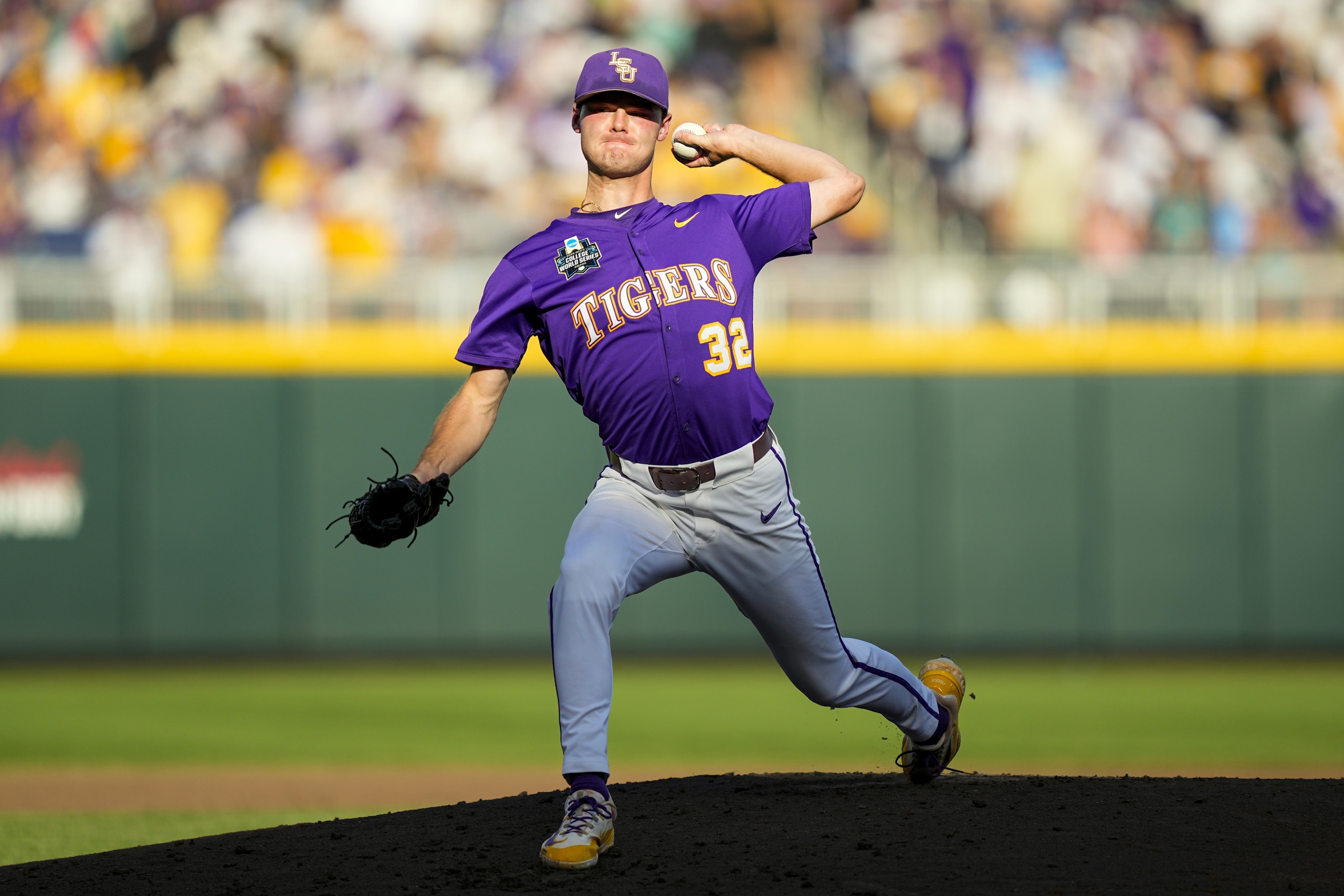
Comp: Max Fried, New York Yankees
Kade Anderson was the ace of the LSU Tigers this past season, helping them to defeat the Coastal Carolina Chanticleers in the College World Series. Now, Anderson has the chance to join Paul Skenes as the second LSU pitcher to go No. 1 overall in the MLB Draft in three years.
Whether the Nationals take Anderson at No. 1 or he winds up somewhere else in the top few picks, he projects as an impact arm. He's not Skenes—no one is—but he was dominant in his second collegiate season, going 12-1 with a 3.18 ERA and a staggering 180 strikeouts over 119 innings.
Anderson has most consistently been compared to Max Fried. That makes sense since he's a lefty that's listed at 6-foot-2, 179 pounds. Fried is a couple inches taller at 6-foot-4, and weighs 190 pounds. Considering Anderson only just turned 21, he could wind up around the same weight as Fried.
Additionally, Brandon Tew of Sports Info Solutions pointed out in his scouting report that Anderson has similar mechanics to both Fried and Cade Povich of the Baltimore Orioles:
Fried has been more of a 170 inning than 200 inning guy, but had an excellent eight-season run with the Atlanta Braves to begin his career that he parlayed into an eight-year, $218 million contract with the New York Yankees last offseason. In his first year in pinstripes, Fried is an All-Star for the third time in his career, with an MLB-best 11 wins.
If Anderson turns out to be like Fried, that would be a massive success for the Nationals, Los Angeles Angels or any other club that selects him.
Liam Doyle: LHP, Tennessee
2 of 7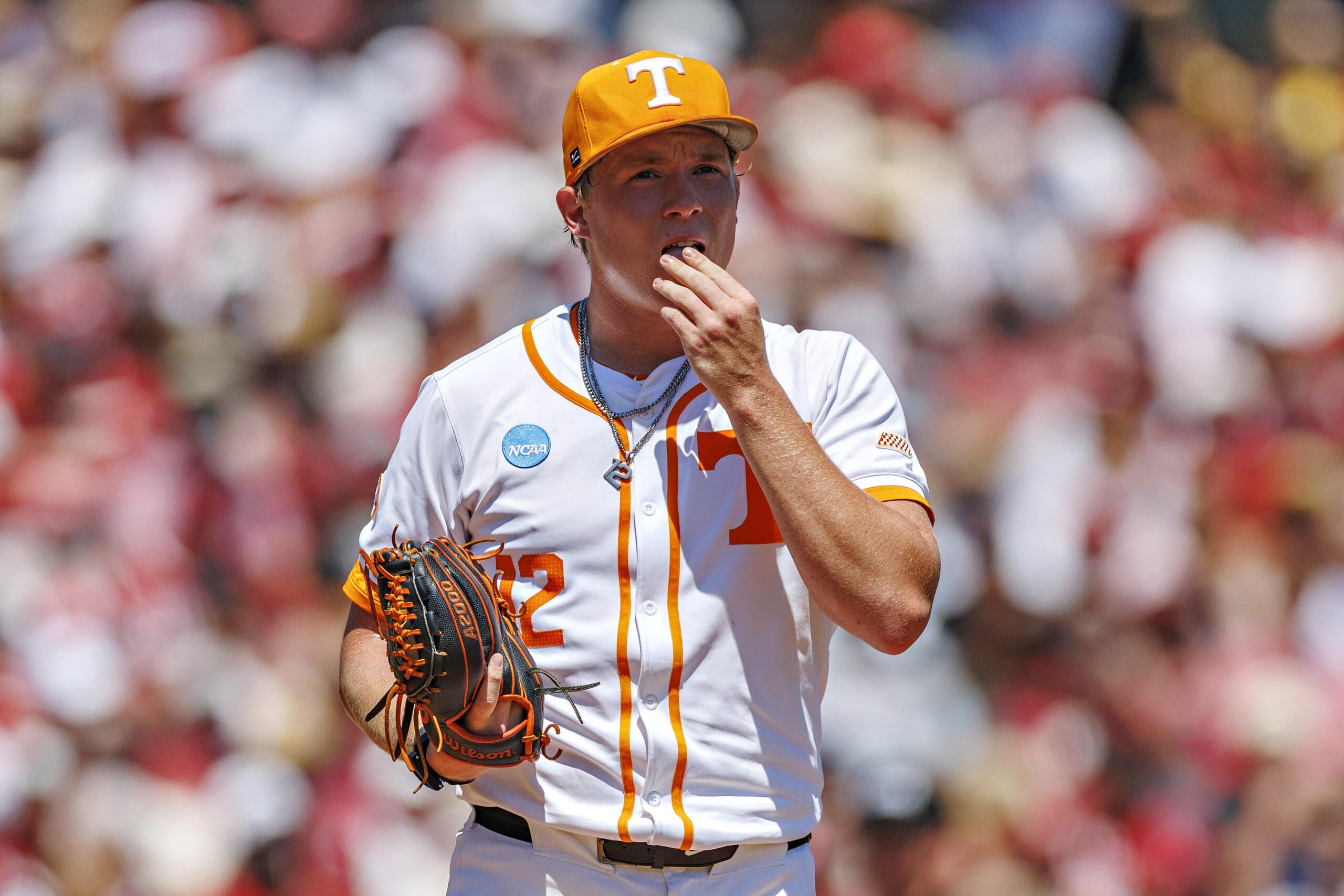
Comp: Tarik Skubal, Detroit Tigers
Another exciting lefty poised to go in the top five, Liam Doyle thrived with his third D-I college program in Tennessee, after prior stints at Coastal Carolina and Mississippi.
Doyle, 21, was dominant this past season for the Volunteers, striking out 164 batters and posting a 0.993 WHIP across 95.2 innings.
When you watch Doyle pitch, both his delivery and outward swagger give you Tarik Skubal vibes:
Beyond just the optics, Doyle, per MLB Pipeline, his fastball "operates in the mid-90s and peaks at 100 mph," which is also true of Skubal. Doyle is still refining his slider, but that's one of the pitches that has made Skubal successful as well.
It's not a perfect comp, but if Doyle winds up anything like Skubal—who might repeat as the AL Cy Young Award winner in 2025—he might be the best pick in this class.
Ethan Holliday: SS, Stillwater High School (Oklahoma)
3 of 7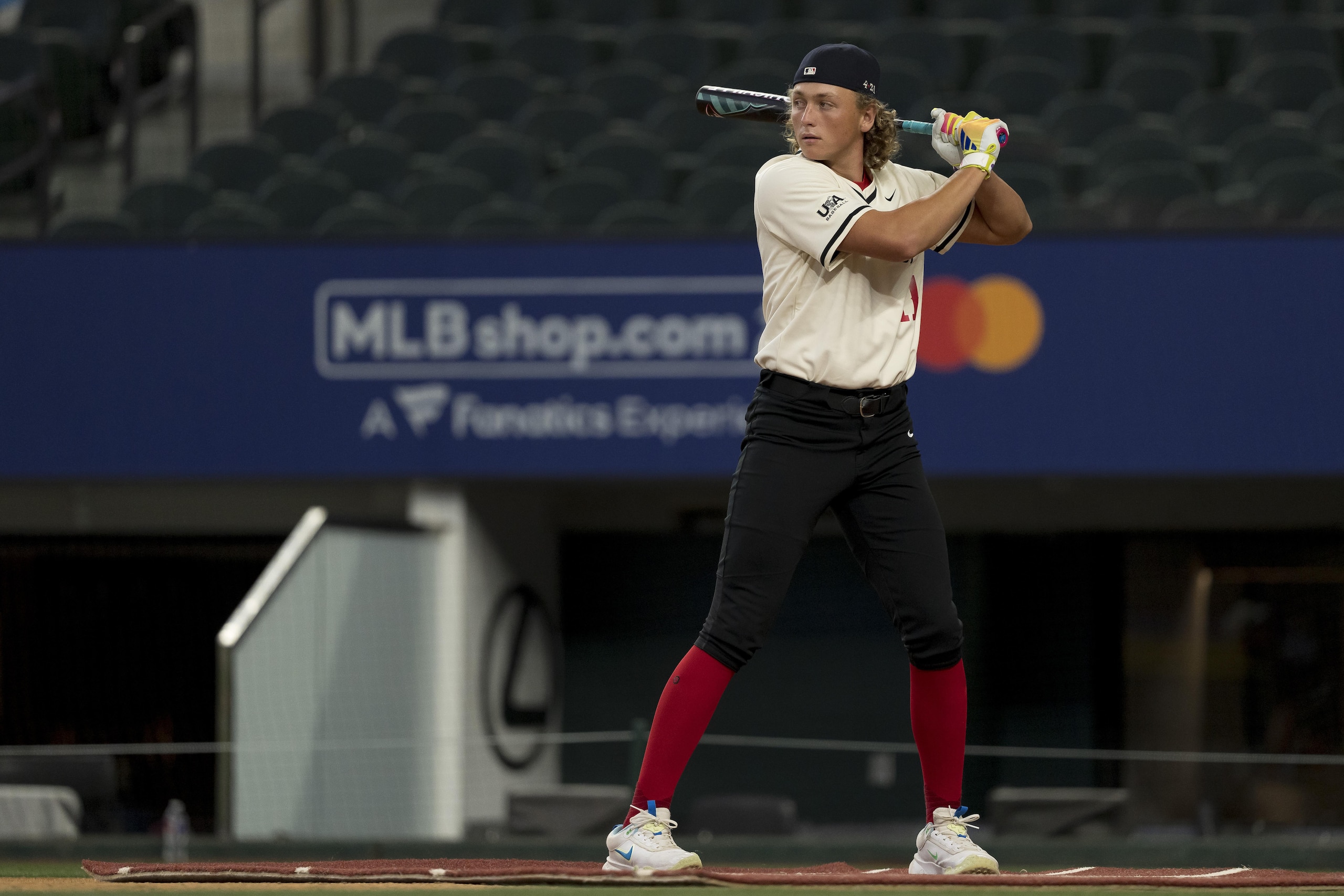
Comp: Corey Seager
The comp to Seager—a two-time World Series MVP—is probably overused. It feels like it becomes the default for every larger-than-normal shortstop, particularly if they hit left-handed.
Still, it's one that a variety of experts—including B/R's Joel Reuter—have used, and it makes more sense here than in other cases.
Holliday is listed at 6-foot-4, 210 pounds, as opposed to Seager at 6-foot-3, 215 pounds. Seager is big for shortstop, and there's a chance that by the time Holliday, right now just 18, is ready to go in the bigs, he will be too big for the position.
Reuter mentioned in his final mock draft that if Holliday has to move to third base, it will "will put more pressure on his offensive game." But Seager's bat is big enough that he could have succeeded as a third baseman if needed, and Holliday seems to be of a similar ilk:
Holliday, per Max Preps, hit .617 with 16 home runs and 51 RBI in 118 plate appearances in his senior season of high school. It's always hard to know how much stock to put into prep numbers, but those certainly suggest he was a man amongst boys.
Of course, Holliday has great genes. His father, Matt, was a seven-time All-Star that posted an .889 OPS in 15 MLB seasons. His older brother, Jackson, was the No. 1 pick in the 2022 MLB Draft and has homered 12 times this season for the Baltimore Orioles. Now Ethan will get his turn to add to the legacy of what's becoming one of baseball's royal families.


Seth Hernandez: RHP, Corona High School (California)
4 of 7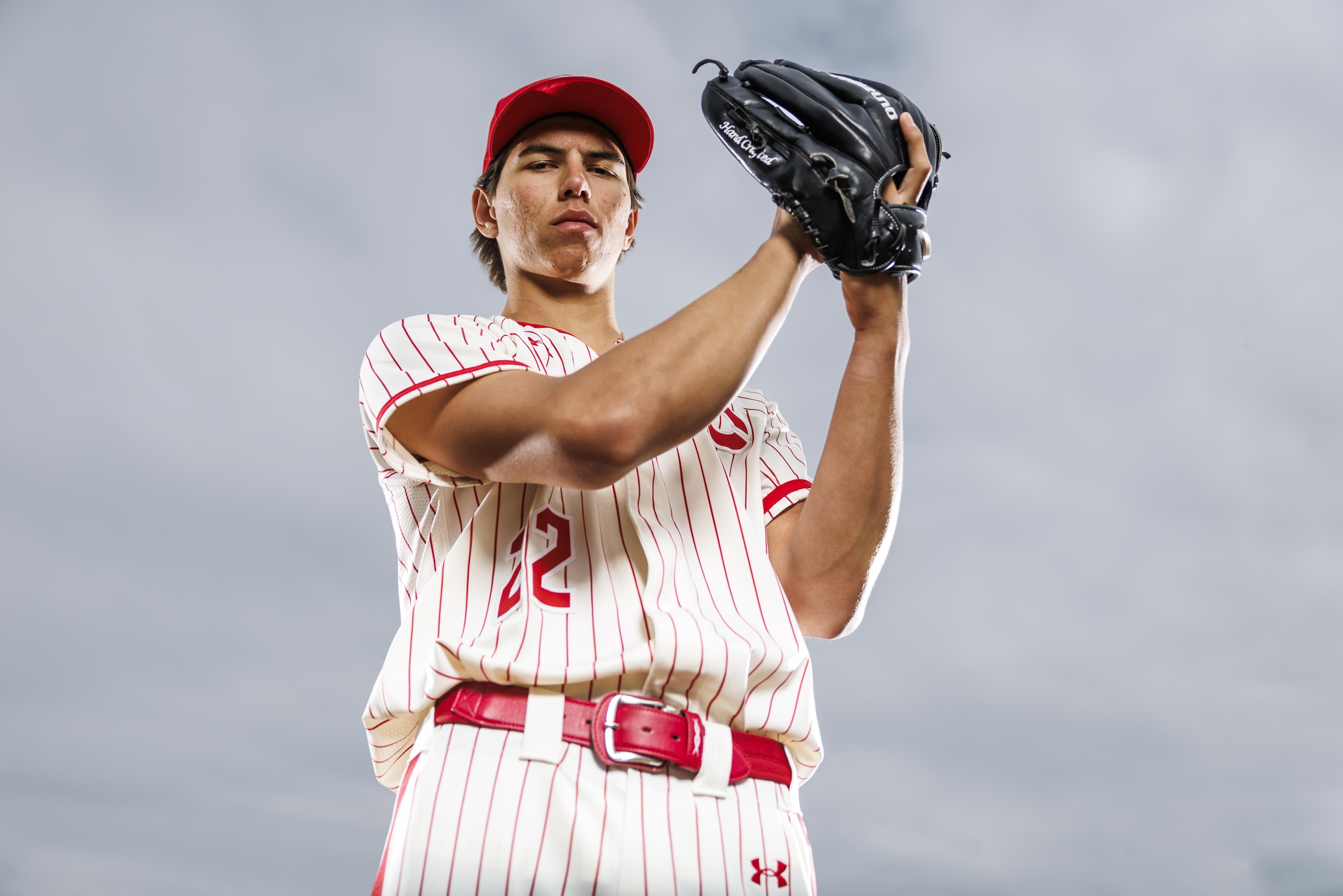
Comp: Josh Beckett
The Florida Marlins selected Josh Beckett with the No. 2 overall pick in the 1999 MLB Draft. Four years later, Beckett pitched a Game 6 complete-game shutout at Yankee Stadium to clinch a World Series victory for the Fish.
So it should excite the fans of whatever team drafts Seth Hernandez that almost every outlet seems to compare the righty—who wasn't even born until June of 2006, at which point Beckett was with the Boston Red Sox—to the '03 World Series MVP.
MLB.com's Jonathan Mayo wrote this of the Beckett comparisons:
"Hernandez has drawn comparisons to Beckett, who often is mentioned as the the best prep right-handed pitching prospect in Draft history. Hernandez went to YouTube to watch the former All-Star, who was the exact same size as Hernandez (6-foot-4, 190 pounds) when he was a high school senior in 1999."
Hernandez, per Prospects Live, comes with a compelling scouting report considering he's still a teenager:
The fastball currently sits 95-97 mph and has touched triple digits in shorter outings. As he continues to add strength, he projects to sit comfortably in the upper-90s with strong extension and the ability to challenge hitters at the top of the zone.The changeup is among the best in the country, a low-80s parachute with heavy sink and excellent separation off the fastball, flashing plus consistently. He also mixes in a big, top-to-bottom curveball in the upper-70s and a cutter/slider hybrid in the mid-to-upper 80s, both spinning north of 2,700 RPMs.
Beckett not only helped the Marlins to win it all in 2003, but he finished runner-up to CC Sabathia in AL Cy Young Award voting in 2007, a key cog for a Red Sox team that won the World Series.
Teams would sprint to the podium to take Hernandez early in the first round if they could guarantee a Beckett-esque trajectory for him.
Jamie Arnold: LHP, Florida State
5 of 7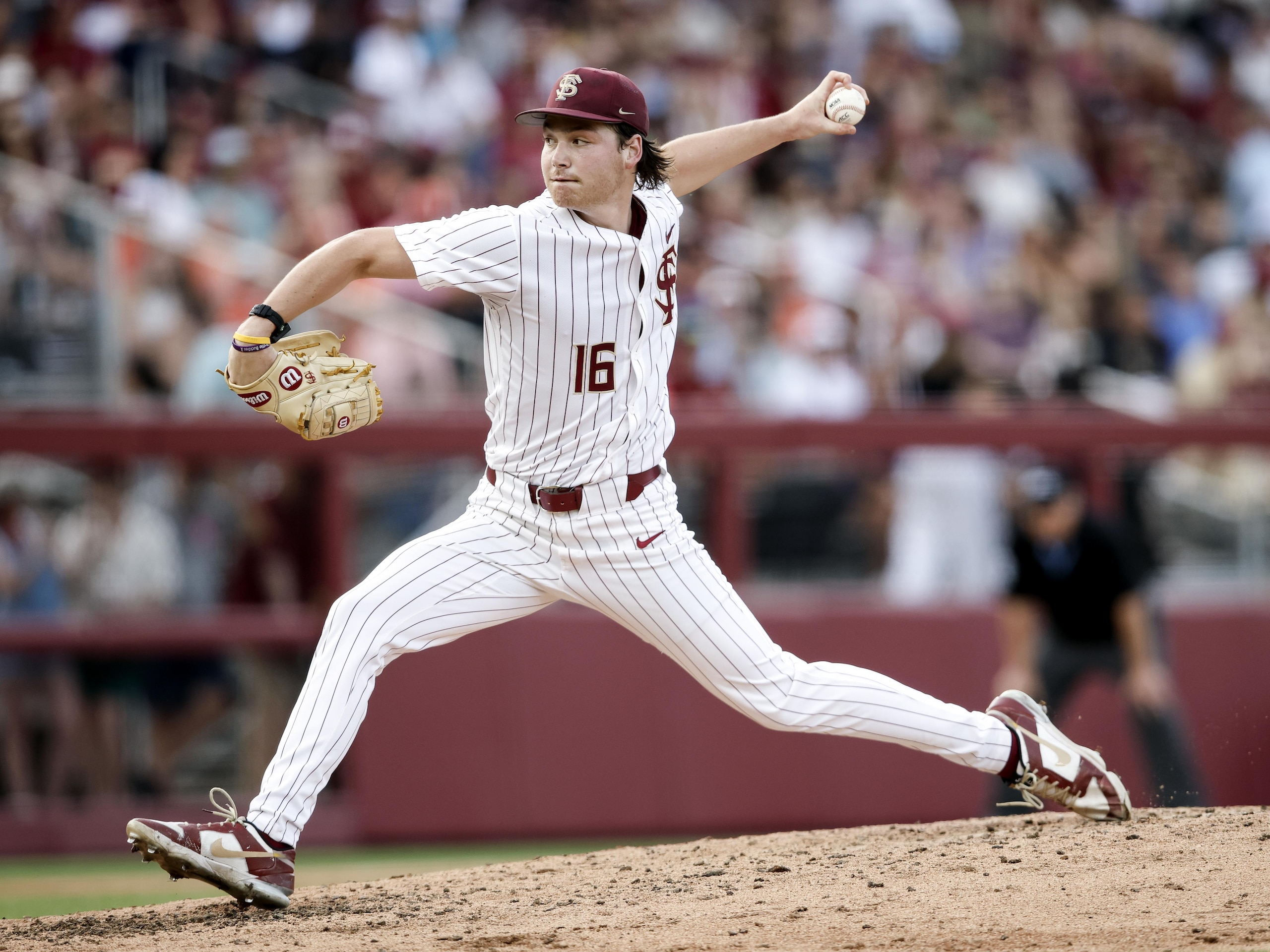
Comp: Chris Sale's repotoire in Spencer Strider's body
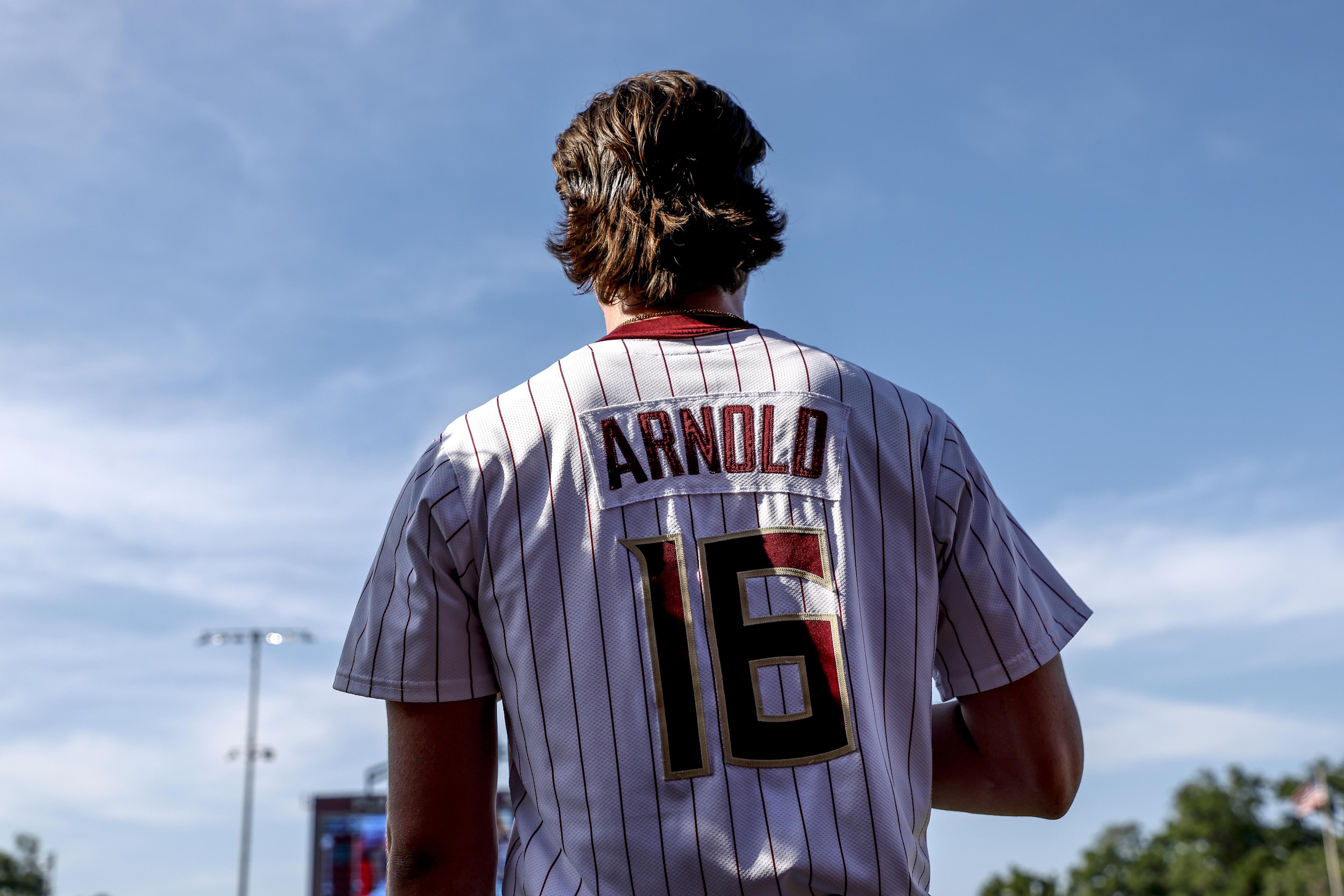
If you're looking for a collegiate left-handed starting pitcher, this is a great year. Jamie Arnold joins Anderson and Doyle among those who fit that profile that are consensus top-10 prospects in this draft class.
Arnold went 8-2 with a 2.98 ERA and 119 strikeouts over 84.2 innings this past season for the Florida State Seminoles:
Arnold's delivery has some similarities to Madison Bumgarner's, though they aren't at all similar in terms of size as Arnold is 6-foot-1, 188 pounds, as opposed to Bumgarner being 6-foot-4, 240 pounds. The repertoire isn't really close either, as noted in this Baseball America scouting report:
"Arnold’s fastball sits 92-95 mph and will touch 97-98. The pitch has tremendous armside running life that makes it both a bat-misser and a groundball-inducer at its best, though his fastball command and production backed up slightly in 2025. Arnold’s no-doubt plus slider is a mid-80s sweeper with the depth and bite to be a knockout secondary against lefties and righties. Arnold mainly pitches off his fastball and slider, but he upped the usage of his mid-80s changeup, and the pitch has the movement profile to become at least above-average."
Ultimately, the fastball, slider, changeup combination is probably most comparable to Chris Sale. With that said, even that isn't a great comparison given that Sale is 6-foot-6 (although the two are similar in weight). Sale's lankiness is part of what's made his so deceptive, and Arnold doesn't have that. But he has a pitch mix that's somewhat similar, with the body type of Sale's Atlanta Braves teammate Spencer Strider.
Aiva Arquette: SS/3B, Oregon State
6 of 7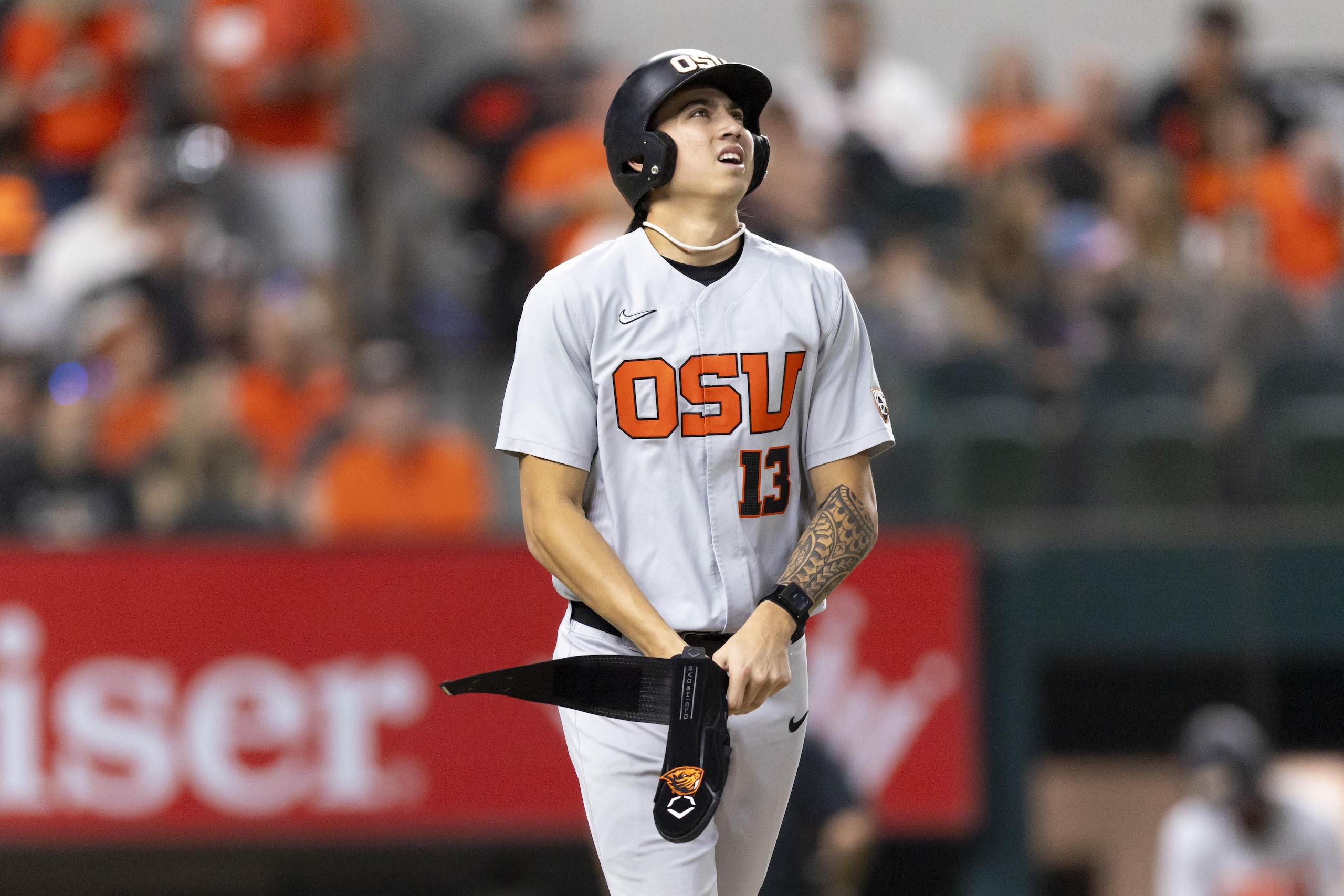
Comp: Carlos Correa
Following a breakout sophomore season at Washington, Aiva Arquette—first name prounced "eye-vuh"—transferred to Oregon State. The Hawaiian-born infielder put together video game-like numbers for the Beavers, and will now parlay that into likely being a top-10 pick.
Arquette hit .354 with 19 home runs, 66 RBI, 39 walks and a 1.115 OPS across 65 games in what proved to be his lone season at Oregon State:
As you can see in the video above, there were plenty of highlight-reel plays at shortstop from Arquette, though at 6-foot-5, 220 pounds, he could be another guy that winds up moving to the hot corner. Like we say with all who fit that profile entering the draft, if the bat remains this good, that's no problem. He gets strong grades for his arm as well, which is a good sign.
Carlos Correa—at the plate at least—is probably the best comp. Correa, the No. 1 overall pick in 2012, had a higher ceiling defensively at shortstop. But Correa is 6-foot-3, 220 pounds and has been an offensive force when healthy in his career.
JoJo Parker: SS, Purvis High School (Mississippi)
7 of 7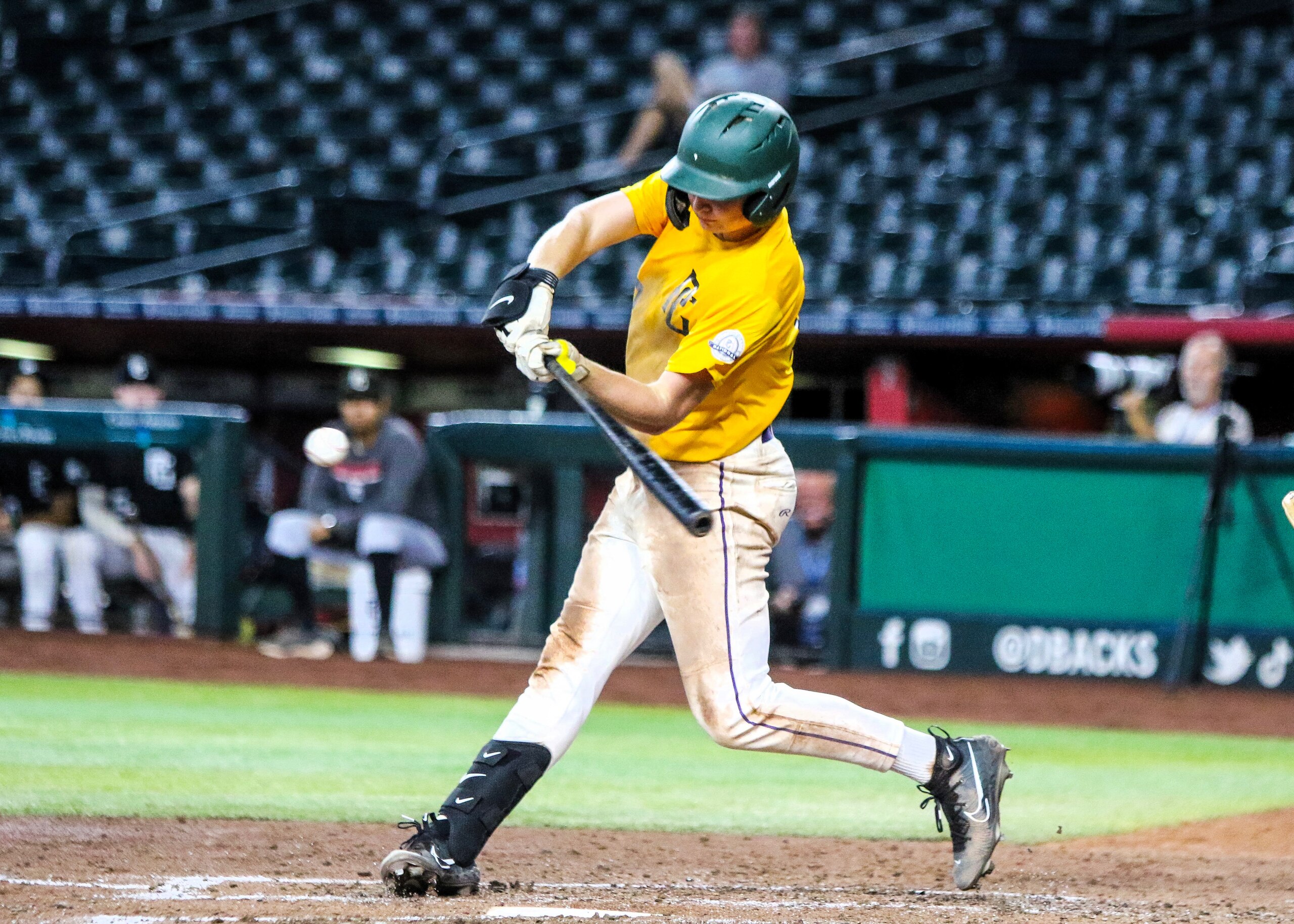
Comp: Kelly Johnson
JoJo Parker was very steady during his prep career at Purvis High School in Mississippi, averaging a .473 batting average, 12 home runs, 12 doubles and 36 RBI between his sophomore, junior and senior years of high school.
MLB Pipeline says that Parker "has a chance to be a plus hitter with 20-25 homers per season," but they cast doubt on whether he'll be a shortstop in the majors:
"While Parker will get the chance to play shortstop at the next level and his solid arm strength, his actions and quickness are just average. That likely will dictate a move to second or third base in the future, though he should provide enough offense to profile at either position."
Let's say Parker winds up playing second base and hitting 20-25 home runs per season. That's a profile similar to what Kelly Johnson was at his peak with the Arizona Diamondbacks. The two are almost identical in size, as Johnson played at 6-foot-1, 200 pounds and Parker is listed at 6-foot-2, 200 pounds. Parker will probably hit for a higher average than Johnson did, though in his career-best 2010 season Johnson did hit .284. Parker will likely be a superior defender if he plays second than what Johnson was.
Johnson was a first-round pick out of Westwood High School in Texas by the Atlanta Braves in the 2000 MLB Draft. He saw action all over the diamond in his career, but primarily at second base. Parker may end up with a similar profile.

.png?w=2560)


.jpg?w=2560 "NFL House in Paris Closes for Protests")
.jpg?w=2560 "Trevon Diggs Cut by Seahawks")

.jpg?w=2560 "Jonathan Taylor Landing Spots")