
5 Biggest NBA Free Agency Overpays So Far
All things considered, and certainly relative to some past free-agency periods, this offseason has been a tame, measured one from NBA front offices.
All the new cap rules and team-building penalties for exceeding the luxury tax and the dreaded "aprons" have seemingly tempered teams all over the league.
As things stand, there aren't even any reported offers for restricted free agents such as Josh Giddey, Jonathan Kuminga and Cam Thomas.
But that doesn't mean we didn't see a handful of overpays (or deals that could at least become overpays). We always do.
And we're here to show you the biggest, based on the age of the free agent, the injury history, past production and more specific context for each player.
Oh, and just one more note: We're only dealing with free-agency signings here. Trades weren't considered specifically for this list, though they may be brought up as context for a signing.
5. Jaren Jackson Jr. to the Memphis Grizzlies
1 of 5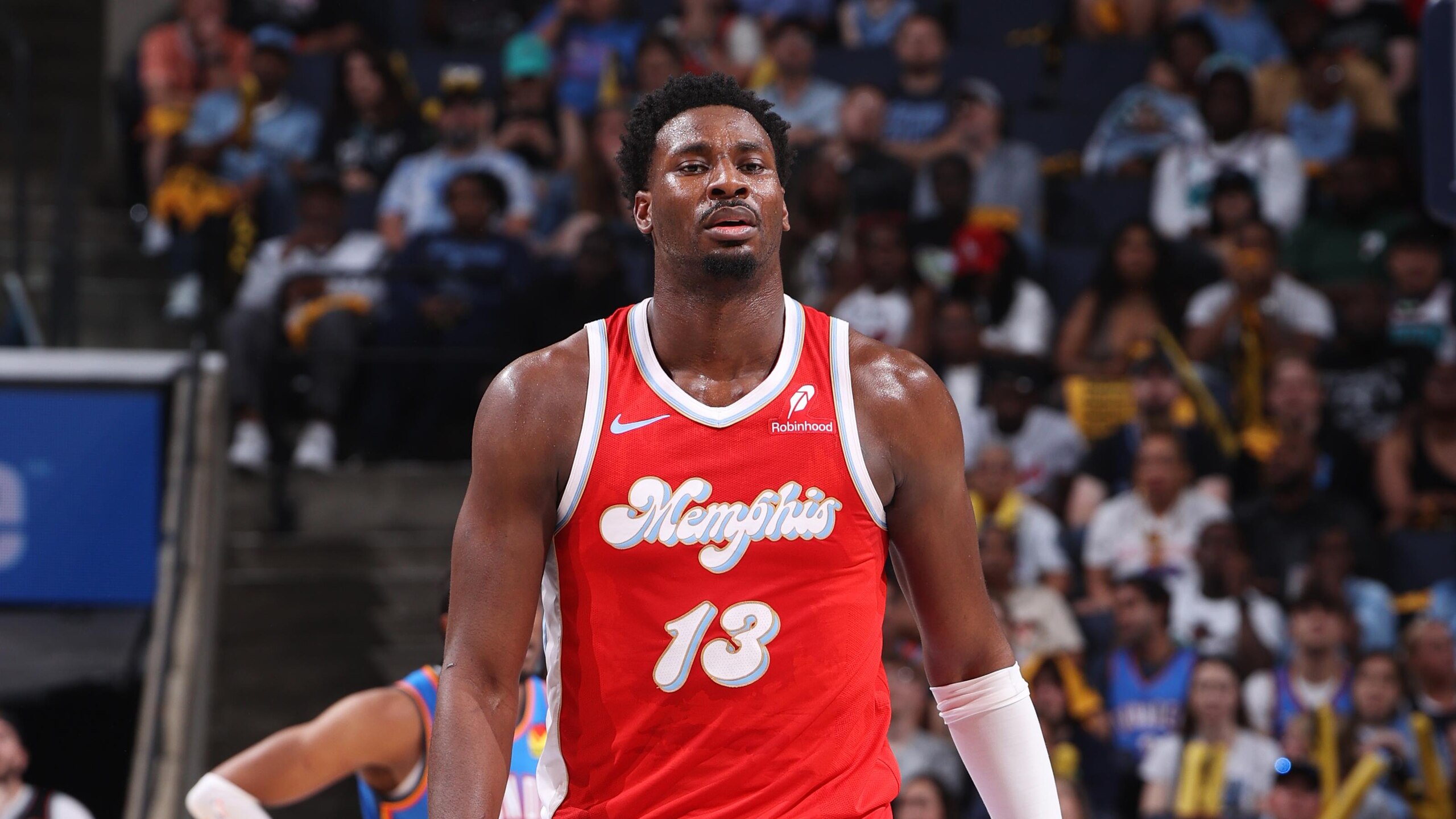
Contract: Five years, $240 million
We start the exercise with a take that definitely needs some explanation.
Keeping really good players in the NBA, for at least the last decade or so, has almost always required a max contract from the incumbent team.
And Jaren Jackson Jr. is a really good NBA player.
The 25-year-old won Defensive Player of the Year in 2022-23, has averaged 21.2 points, 2.0 blocks and 1.8 threes over the last three seasons and has been a crucially important ingredient for the Memphis Grizzlies winning games.
Over the same three-season stretch, Memphis is plus-2.4 points per 100 possessions when Jackson plays and minus-1.6 when he doesn't.
But a day after news broke of his new deal, the team released a report that he would have to undergo offseason surgery for a turf toe injury. And for his career, he's averaged just under 60 games per year.
Now, that's not all that unusual in the modern NBA. And that average is dragged way down by his first three years. But it's at least something to think about with a deal this big.
Jackson has long been a bit underwhelming in some of the ancillary statistical categories, too. For a 6'10" player, a career average of 5.5 rebounds is a real concern. And though it's ticked up a bit in recent years, 1.5 assists per game doesn't really scream "makes his teammates" better.
Again, Memphis probably had to do this. Had the Grizzlies let Jackson walk after next season (when his original contract was set to expire), they wouldn't have had many real options to replace him.
But this is one of those deals that, at least, has the potential to become cumbersome.
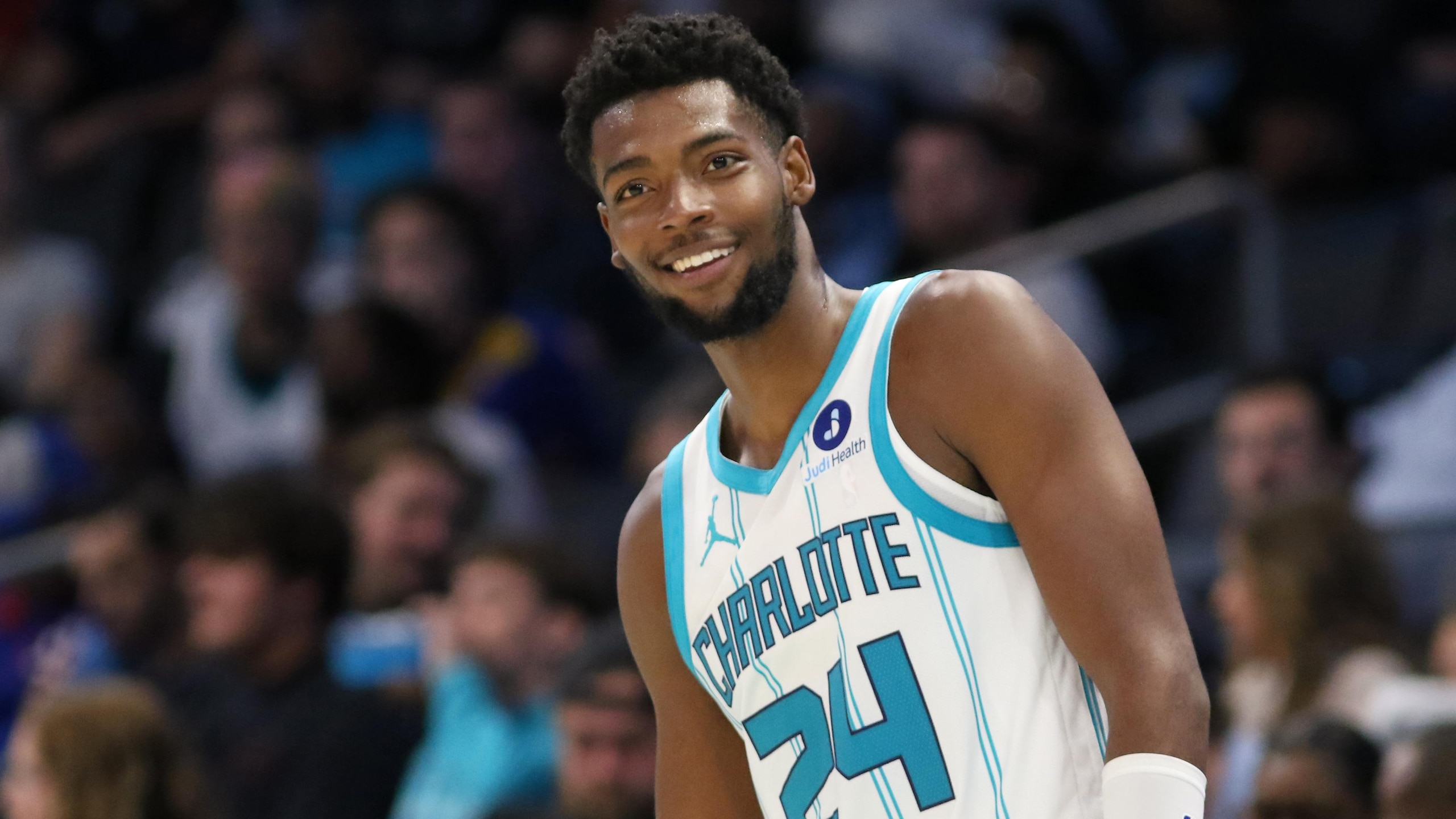
4. Tre Mann to the Charlotte Hornets
2 of 5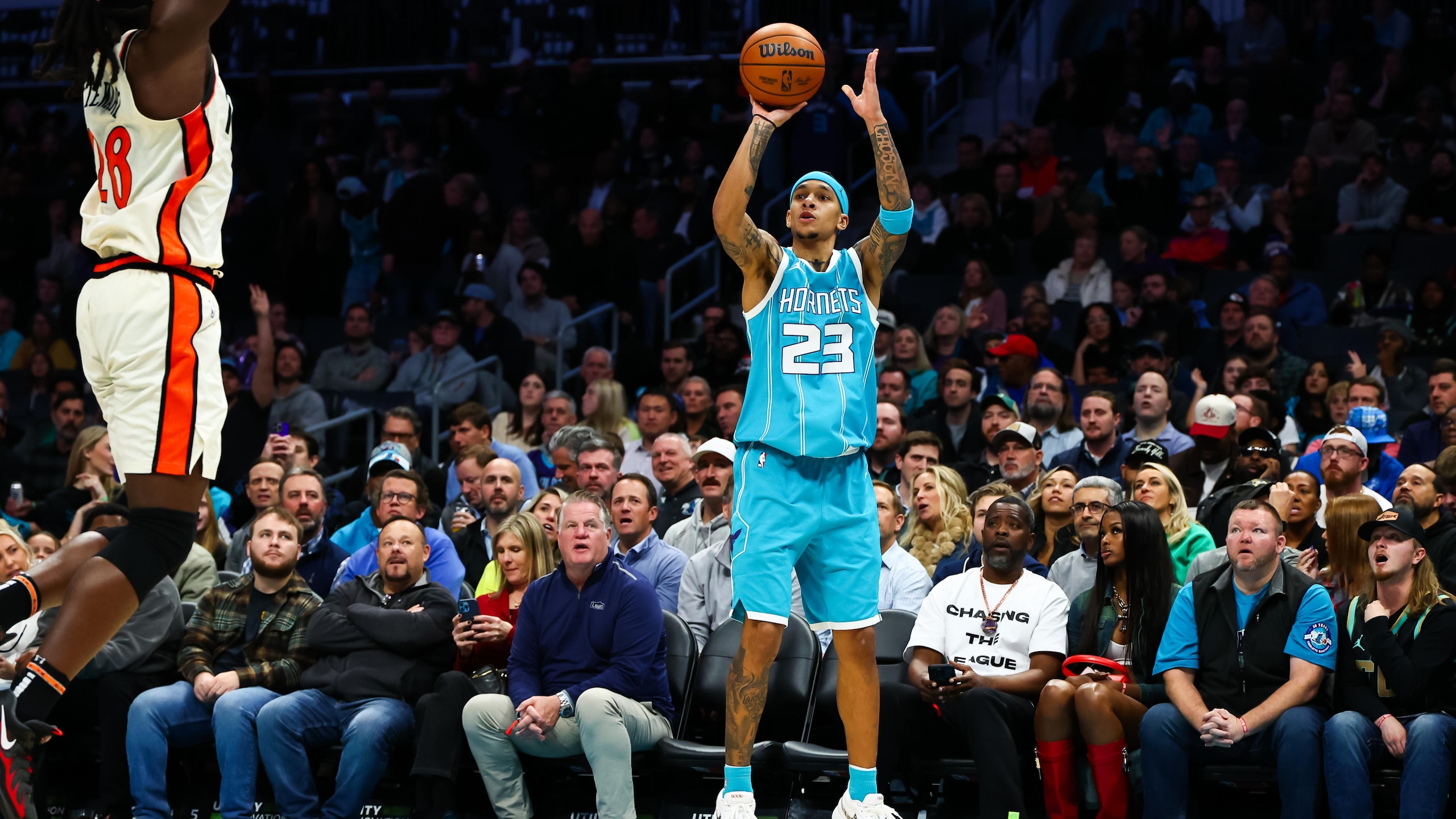
Contract: Three years, $24 million
In the grand scheme of things, when this season's salary cap is projected to be $154.6 million, a contract with an average annual value of $8 million isn't a big deal.
That's around five percent of the cap, and Tre Mann is only 24 years old. He has a good shot to be able to live up to this contract.
It's just that his career to this point suggested this number might come in a little closer to the minimum.
Mann did average 14.1 points last season, but that was in just 13 games. For his career, he's averaged 9.4 with a well-below-average effective field-goal percentage and a low free-throw-attempt rate.
He's never been particularly close to an average box plus/minus ("...a basketball box score-based metric that estimates a basketball player’s contribution to the team when that player is on the court.") in any of his four NBA seasons.
And that's thanks in large part to a lack of defensive counting stats, something he may never be able to remedy at his size (6'3" with a 6'4" wingspan).
3. Dennis Schröder to the Sacramento Kings
3 of 5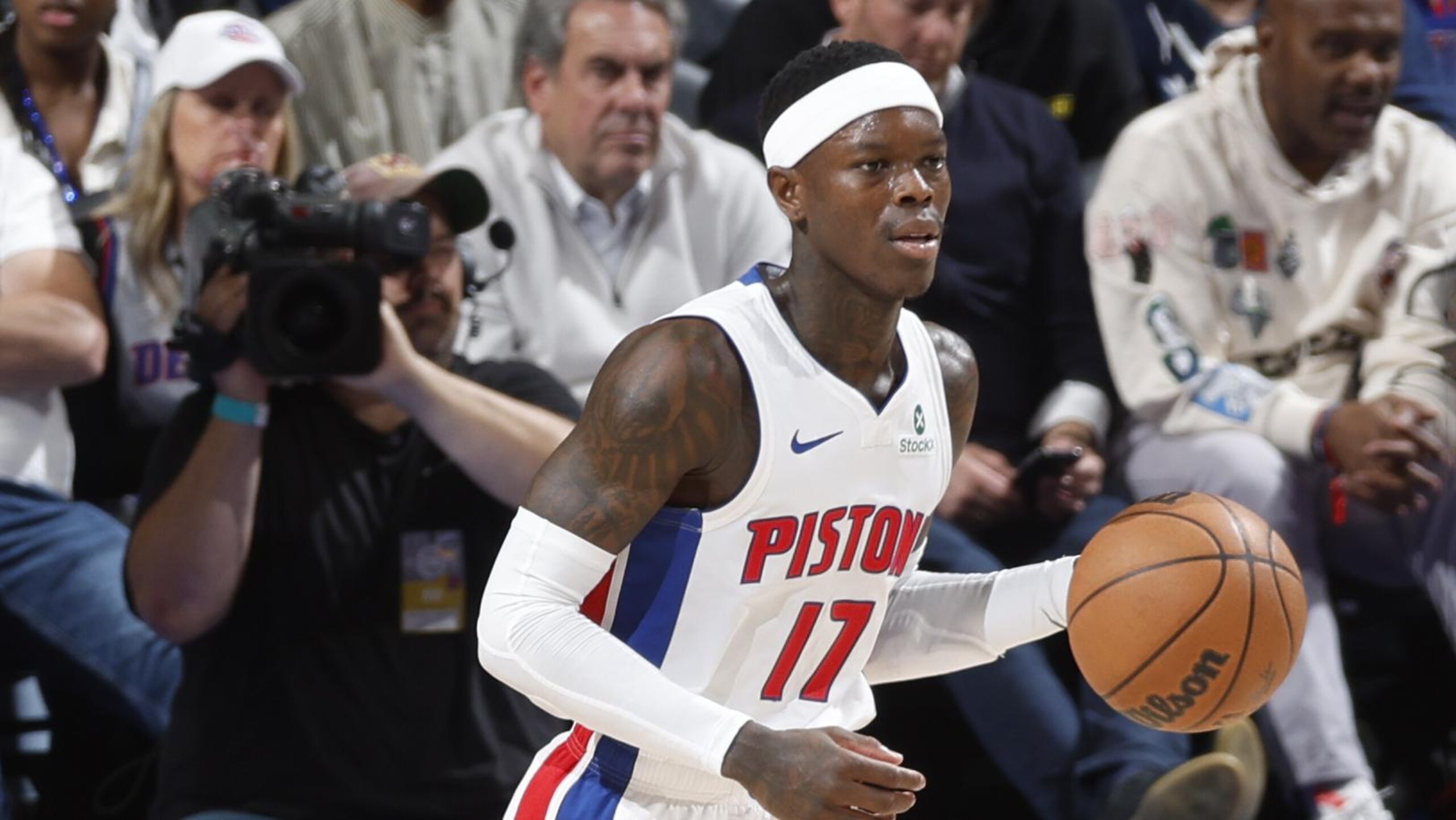
Contract: Three years, $45 million
This is one of those deals that requires the mention of a trade.
The Sacramento Kings swapped a serviceable backup 5 in Jonas Valančiūnas for Dario Šarić, who couldn't secure a role on an underwhelming Denver Nuggets second unit, because it saved them around $5 million and made the Dennis Schröder deal a bit more palatable.
Now, Sacramento was in obvious need of a point guard (after somehow trading both Tyrese Haliburton and De'Aaron Fox in recent years). The soon-to-be-32-year-old Schröder has certainly had his moments as a playmaker, and his salary is only going to be around one-tenth of the cap.
But at this point in his career, Schröder probably makes more sense as a backup (what he was for most of his time with the Detroit Pistons last season) than as a fixture in lineups with DeMar DeRozan and Domantas Sabonis. Offense could get awfully cramped with all three on the floor.
2. Jakob Poeltl to the Toronto Raptors
4 of 5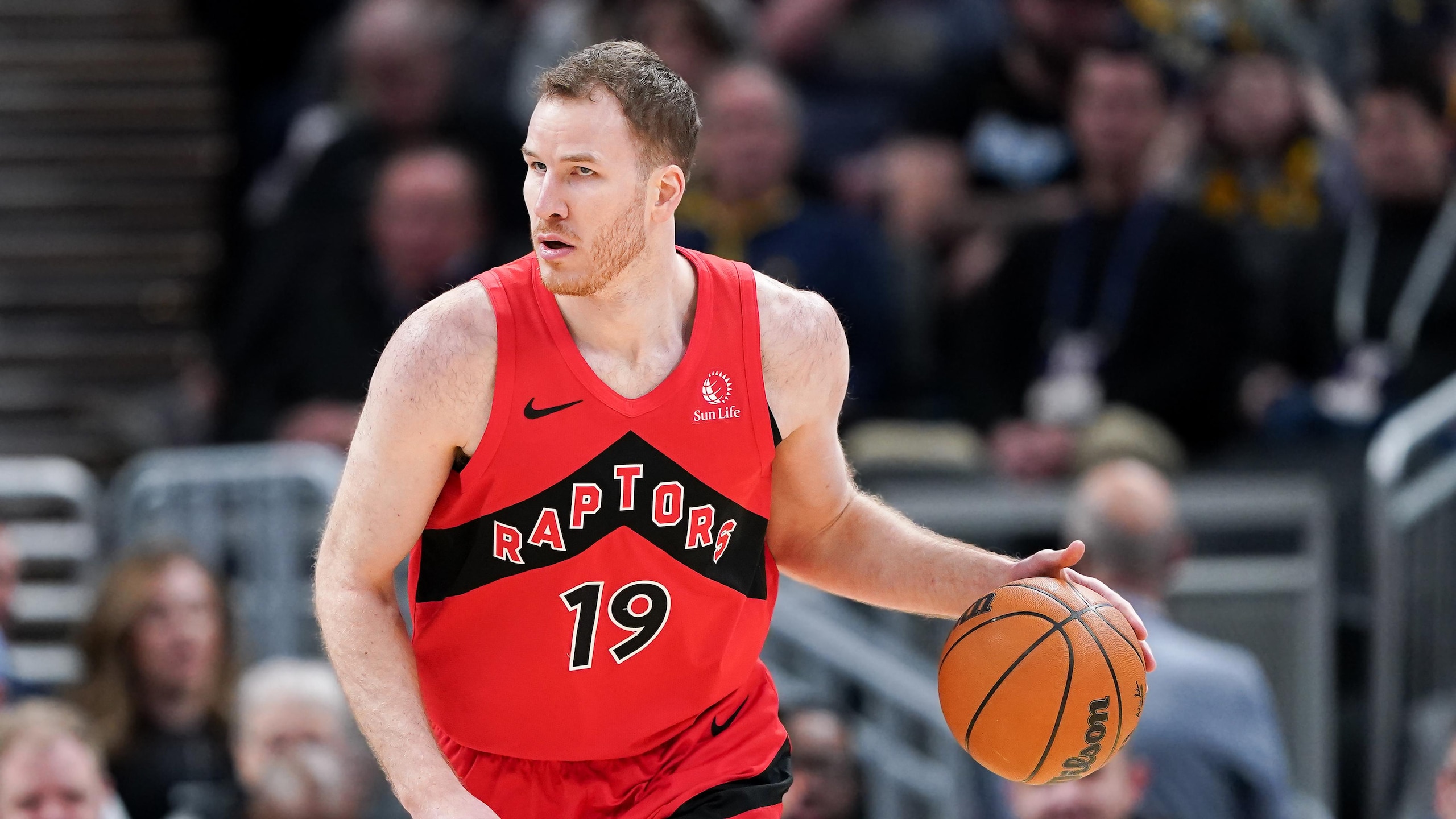
Contract: Four years, $104 million
This is another case in which the player at issue, in a vacuum, is perfectly fine. It wouldn't even be a stretch to say Jakob Poeltl is a good, top-100 level player.
But for the Toronto Raptors, specifically, his deal, which will pay him north of $25 million per year, makes it increasingly difficult to see any sort of team vision (unless that vision is for a laborious and painfully cramped offense).
Toronto is already paying Brandon Ingram, Scottie Barnes and RJ Barrett a combined $104.5 million in 2025-26. None of them command a ton of attention as three-point shooters. Even Immanuel Quickley, at $32.5 million on his own, isn't too far above average as a three-point shooter.
Adding Poeltl to that mix (or, more accurately, extending his presence in it) is like a move straight out of 1995. The 29-year-old big man has taken seven three-point attempts his entire career and has only hit 55.5 percent of his free-throw attempts.
If he was surrounded by good three-point threats who'd get those shots up in volume, Poeltl's offensive rebounding and passing skills would help him live up to this deal, but it'll be tough with this roster.
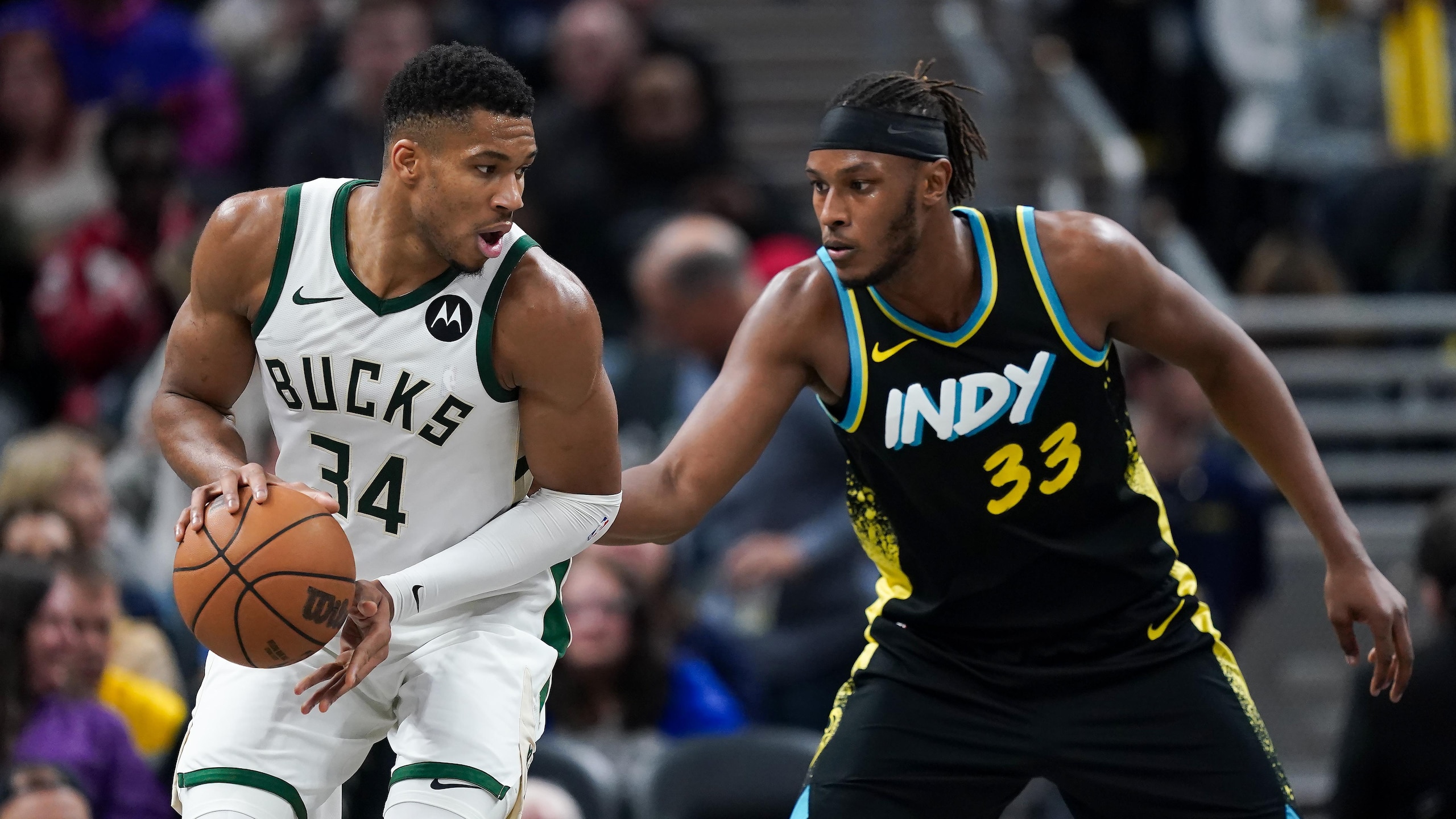
1. Myles Turner to the Milwaukee Bucks
5 of 5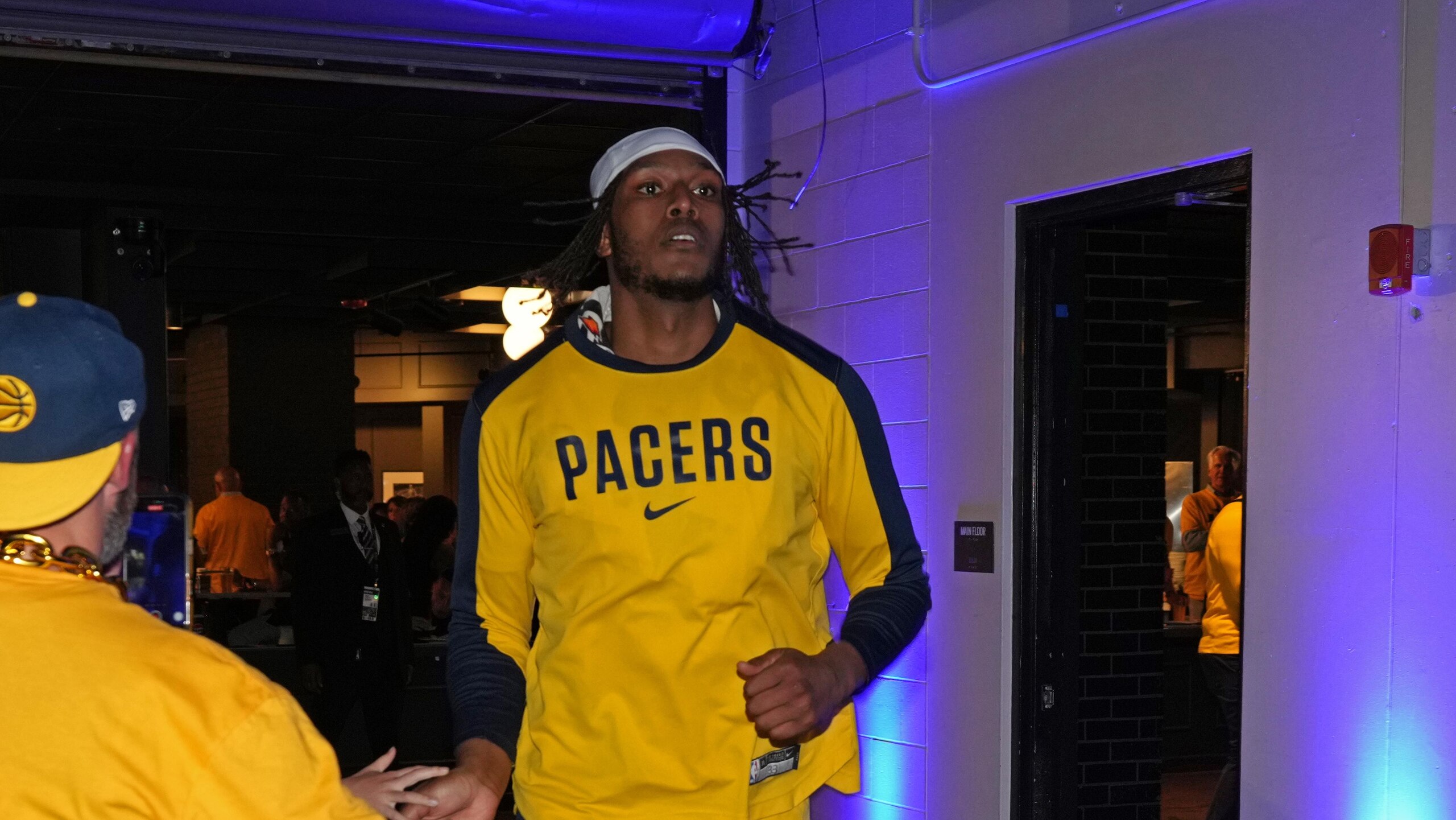
Contract: Four years, $107 million (and $20 million-plus per year for the next five to waive and stretch Damian Lillard)
After they were initially declared winners for securing perhaps the best individual free agent of this class, further reflection of the full scope of the Myles Turner deal shows the Milwaukee Bucks likely paid too much to get him.
There's just no way to separate his four-year, $107 million contract from the extra $22-$23 million that will be on Milwaukee's cap sheet in each of the next five seasons.
The Bucks used the "stretch provision" to take Damian Lillard off the team, but they still have to pay him the $112.6 million he's owed. Now, they have to do it over five years (instead of two).
Another way of looking at it is that Turner will cost nearly $50 million per year for each of the next four. And then in the fifth year, there will just be $20 million-plus in dead weight on the books.
If Turner was some kind of superstar who'd undoubtedly make Milwaukee a title contender, you could talk yourself into this. But he's never made an All-Star team.
He's a younger, more mobile version of the three-and-D big that Giannis Antetokounmpo has had success with in the past, but he's not going to a roster with the prime versions of Khris Middleton and Jrue Holiday.
Instead, he's the second name on a marquee that includes Kyle Kuzma (he was a legitimate disaster after joining the team last season), Gary Trent Jr., Taurean Prince and Kevin Porter Jr.
Even in the decimated Eastern Conference, that team hardly looks like a title contender. And Milwaukee may have seriously complicated its future for it.

.jpg?w=2560 "Cam Ward Says He's Not A Loser")
.jpg?w=2560 "Chargers Fall to 0-5 🤢")

.jpg?w=2560 "Grading MHJ Trade 📝")