

What AC Milan's Summer Spending Means for the Rest of Serie A
For much of Silvio Berlusconi's tenure as owner of AC Milan, the club was known for splashy expenditures. Berlusconi broke the world transfer record three times in the 1980s and has made other high-profile buys that cemented his reputation as a big spender.
That all changed in 2010. After crosstown rivals Inter won the treble, Berlusconi was planning to retaliate with a huge summer transfer window. His plans were undercut, however, by his eldest daughter Marina, chairperson of family holding company Fininvest.
As reported then by Goal.com's Salvatore Landolina, Marina slashed her father's plans in half.
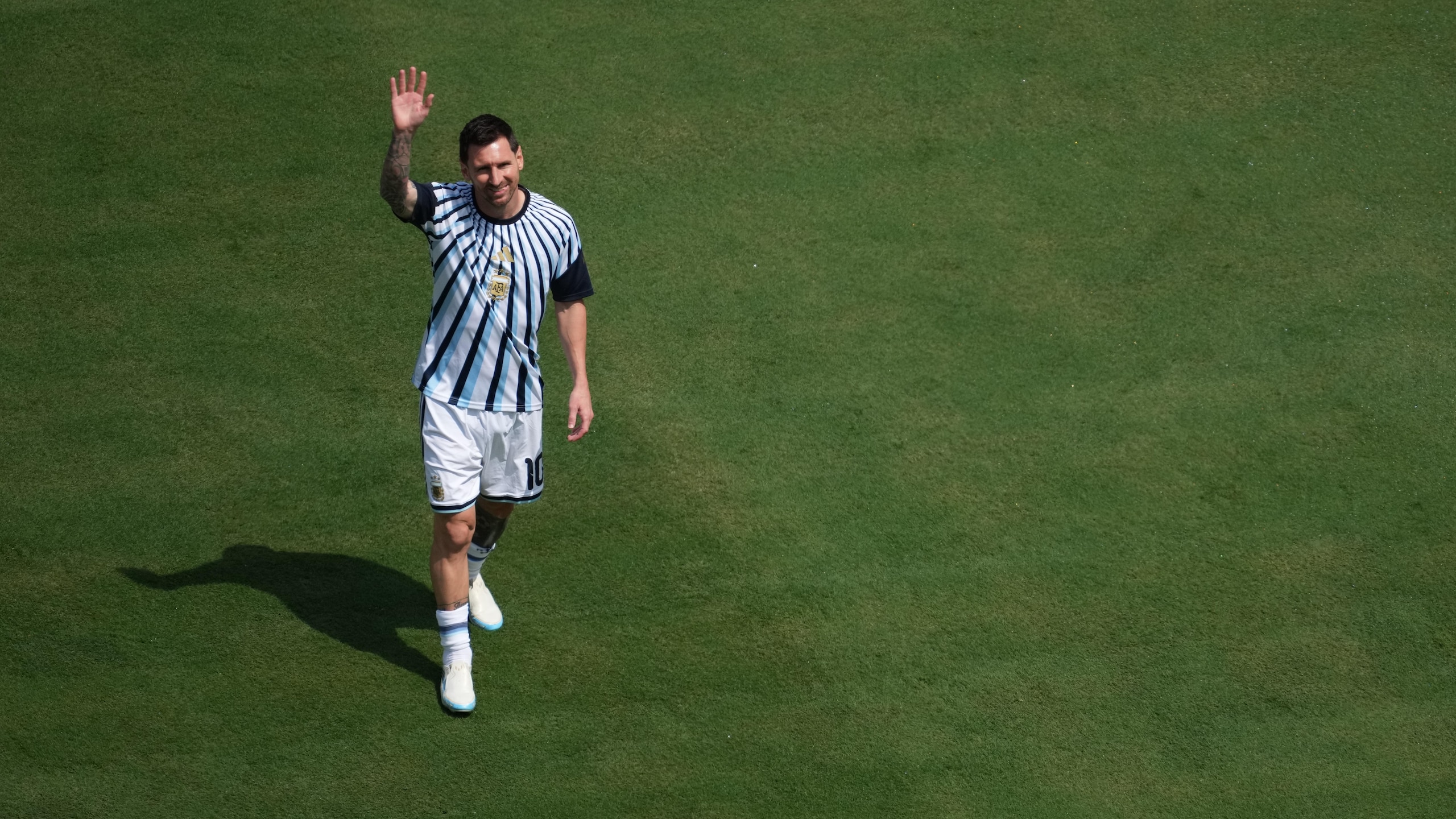

Since then, Milan have entered a period of financial austerity. Major contributors such as Thiago Silva and Zlatan Ibrahimovic were sold for big money but not replaced by players of anywhere close to that kind of caliber. Combined with the departure of veteran leadership in Alessandro Nesta, Clarence Seedorf, Massimo Ambrosini and Andrea Pirlo, it sent the club into a tailspin.
That austerity extended until about two months ago, when Thai businessman Bee Taechaubol bought a minority stake in the club.
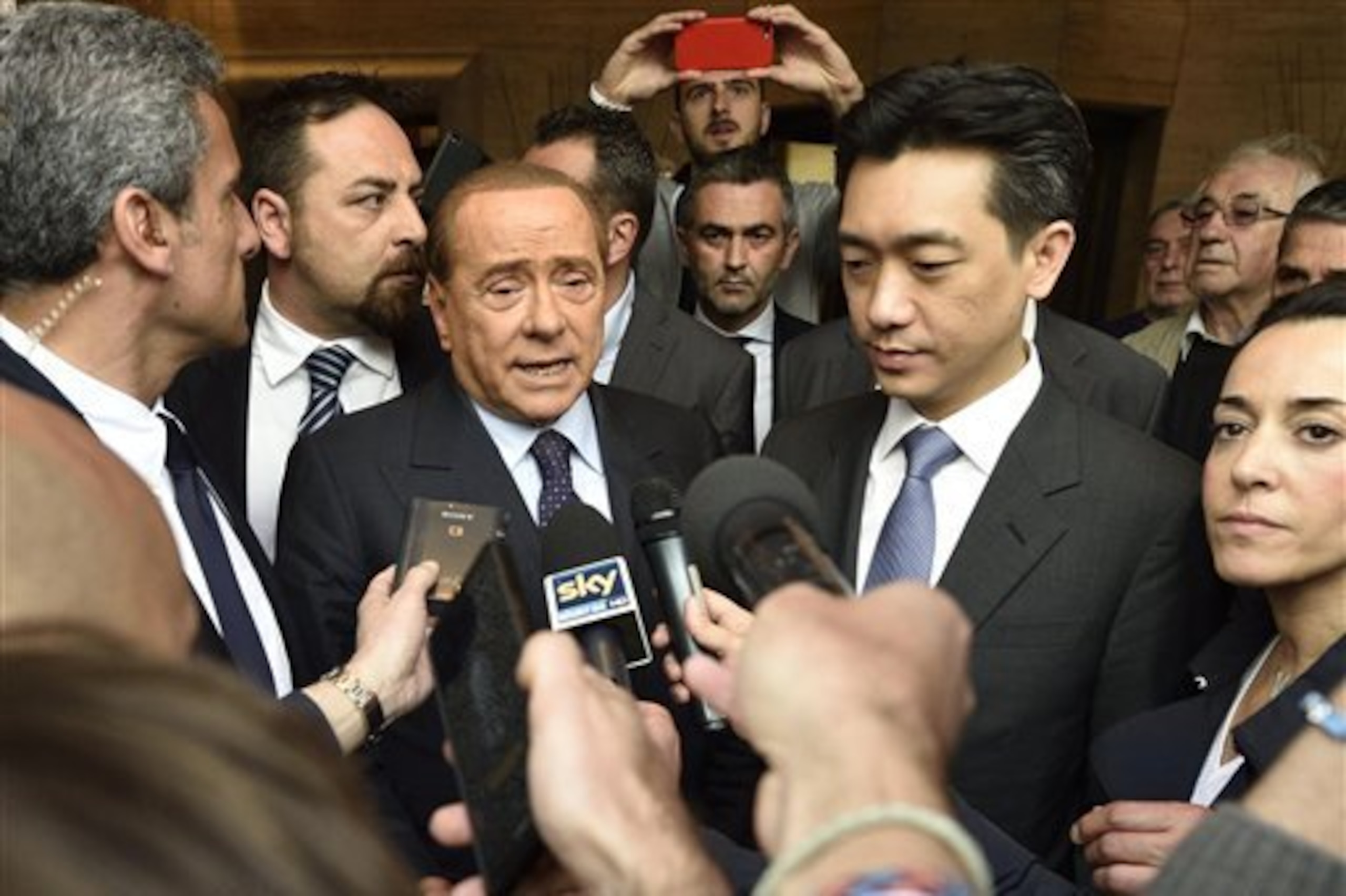
Since then, Milan have gone on a spending binge. They spent €30 million on Sevilla striker Carlos Bacca, €20 million on Roma midfielder Andrea Bertolacci and €8 million on Shakhtar Donetsk forward Luiz Adriano.
That's after big-money moves for Jackson Martinez, then of Porto, and Geoffrey Kondogbia, then of Monaco, came agonizingly close to coming to fruition before falling apart at the last minute.
An outlay of €58 million is huge given the financial problems Milan have dealt with over the last five years. That's especially considering the fact that Taechaubol's cash injection isn't actually official yet. The announcement from June wasn't an official purchase but, as the article from Goal.com linked above states, the opening of an eight-week window for exclusive negotiation with a view towards making the deal official.
That means that, while there are no indications the deal will fall through, all of the activity Adriano Galliani has been involved in this summer is, essentially, prospecting.
While Tuttosport reported about two weeks ago that the final documents are expected to be signed on July 20, that means if the deal were to fall through, Milan would be in a dire situation.
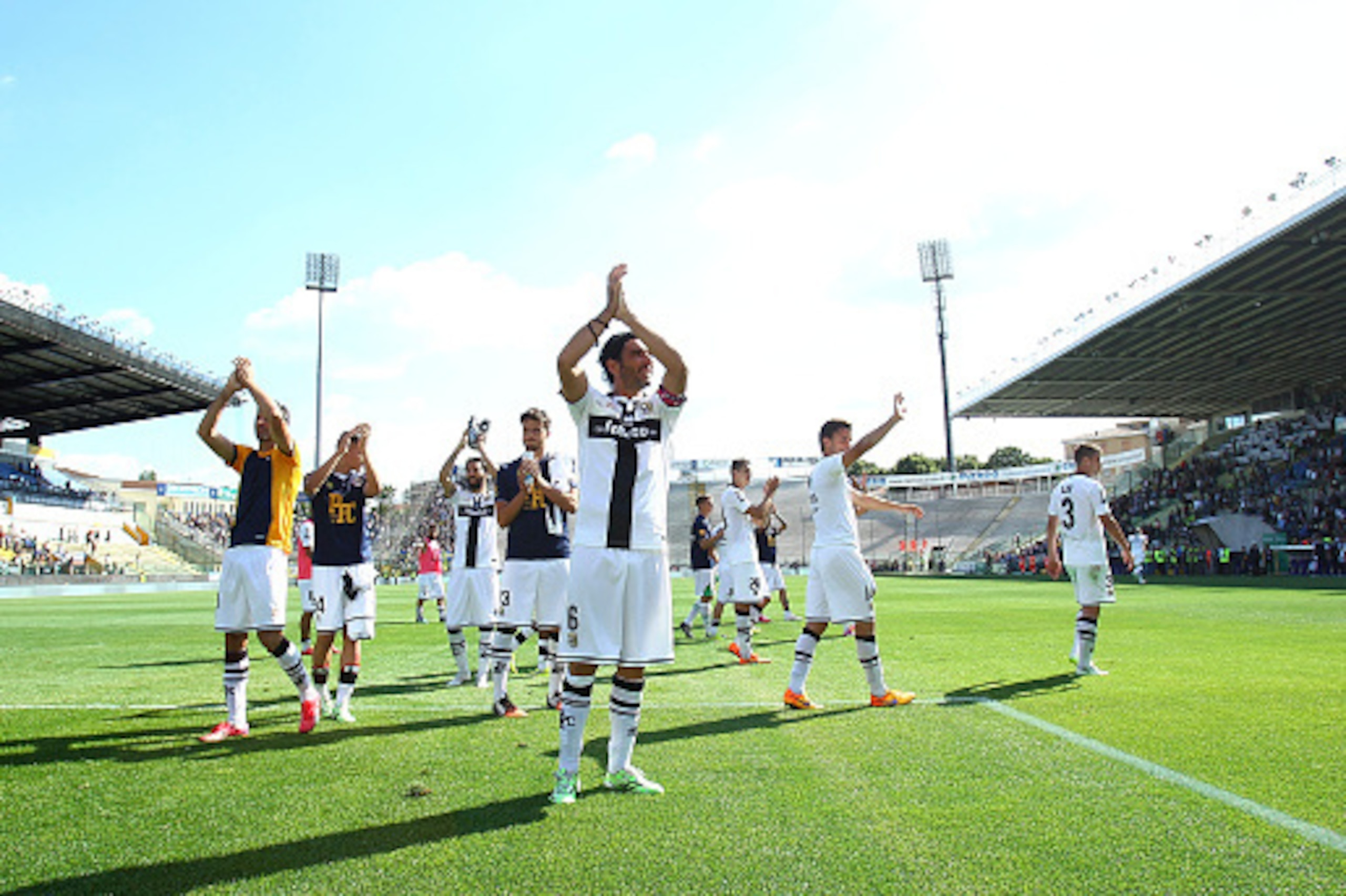
That is a concern, especially given the recent financial climate of Italian soccer. The sad saga of Parma, a club that will be reborn in Serie D this season as Parma 1913, has been front and center of calcio's consciousness for much of the year, but there are problems beyond what happened in Parma.
The Crusaders were the third Italian team in the last two years to go bust. Last summer Siena and Padova both declared bankruptcy and had to drop down to Serie D. They weren't the only teams in trouble. Grosetto nearly died as well but just managed to pay the bills in time to stay afloat.
The spending sprees of Milan and some other clubs, including Inter, have seen some people declare Serie A officially back from the doldrums. According to ESPNFC's James Horncastle, three of the six biggest deals in Serie A since the introduction of the euro have been made this year. The outlay has caused news outlets such as La Stampa to declare the league, as Horncastle noted, "rich again."
Of those three, Kondogbia commanded the second-highest fee in Inter's history, while only four players have cost Juventus more than Paulo Dybala. Bacca isn't on that level simply because of the money Berlusconi has spent in the past. Last year's biggest signing, Roma's capture of Juan Manuel Iturbe, would have only placed fourth this year.
Yes, Serie A teams had, through the end of June, spent more on players than any other European league, but that's a very superficial number. As mentioned by Horncastle, 78 percent of the spending in the league has been by the traditional Big Three. Juventus are far and away the most financially stable club in Italy, but Milan are much less so and Inter only two years into new ownership themselves.
FIGC president Carlo Tavecchio also clearly isn't sharing in the optimism. A week ago, in an interview with La Gazzetta dello Sport (h/t Football Italia), he said the federation had seen the books of most clubs and they were distressed, even with some big-city clubs. If the new financial controls he has promoted since the Parma fiasco were in effect, he said, only five clubs would be eligible to register for Serie A.
He finished the interview by likening calcio to the Titanic. Not encouraging words.
While he did sound slightly less alarmed the next day, he told Il Messaggero (h/t Football Italia): "I have no doubts in saying the state of Italian football is no worse than the rest of Europe." He also reiterated that the country was at a "delicate moment" and that he was "astonished" at the level of spending in the league so far this summer.
A lot has to happen before we can truly figure out what Milan's spending spree will mean for the rest of Serie A. If the moves get them back into European competition and the rest of the league continues to get the kind of improved results in Europe that we've seen the last two years, it could truly signal a new era in the Italian game.
If they flop—or in the worst case, the deal with Taechaubol falls through—the financial problems that can result from the splurge could send Milan further into the doldrums and do even more economic damage to the league.
Only time will tell which of those possibilities will come to pass.
.jpg?w=2560 "49ers Giants Football")

.jpg?w=2560 "Ertz Returning to Eagles")
.jpg?w=2560 "Dak Addresses 'Dumb' Old Romo Tweet 🤣")
.jpg?w=2560 "WWE Raw Live Grades 🔠")

.jpg?w=2560 "🚨 Puka Out for MNF")