
Re-Drafting Every Team’s Worst NBA Draft Pick over the Last Decade
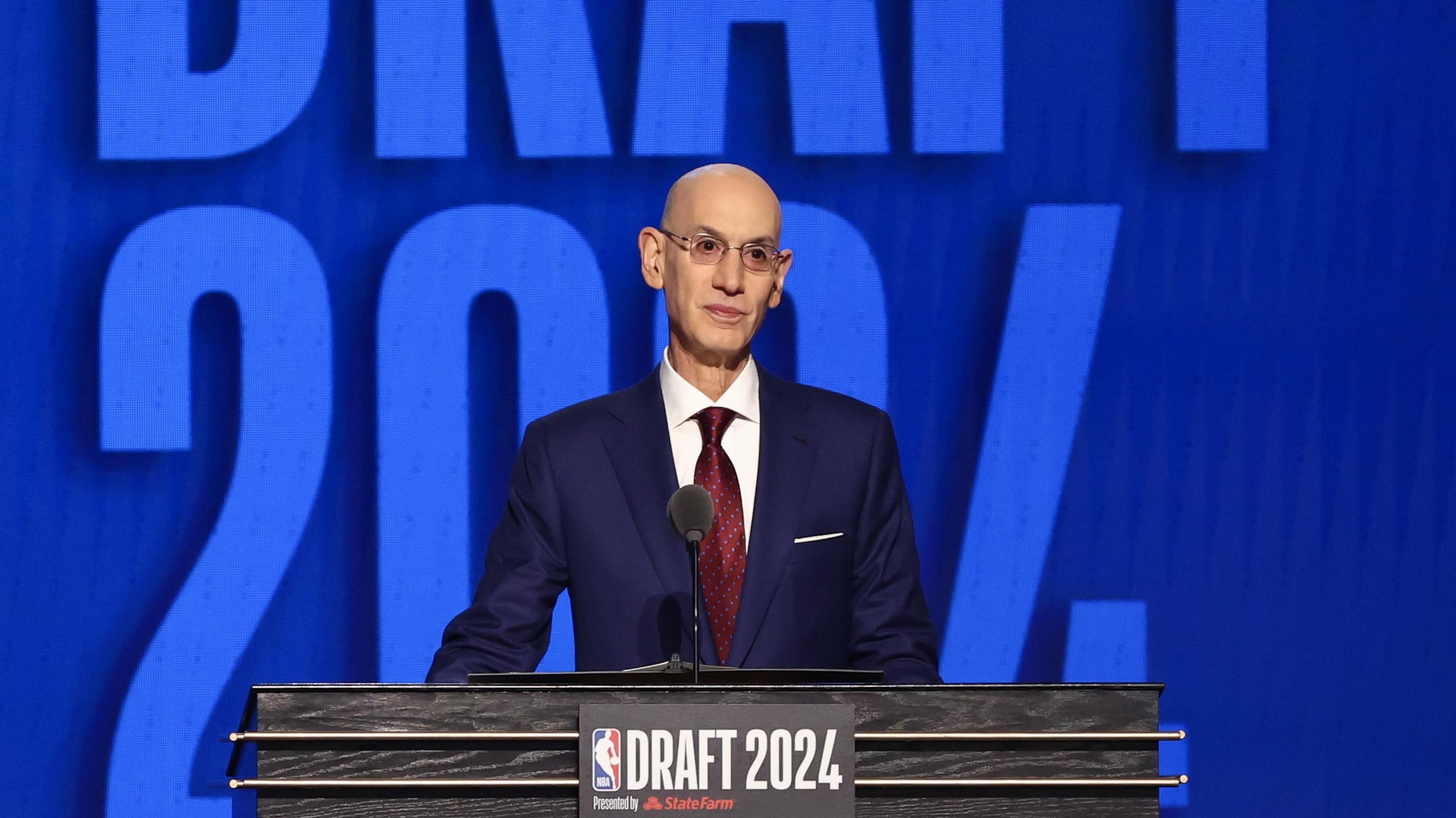
The NBA draft is a crapshoot.
Sure, there are certain can't-miss prospects who meet and exceed all expectations. And, naturally, there are guys who turn out to be diamonds in the rough and vault their teams higher than anyone could have predicted.
But, invariably, there are also can't-miss prospects who...miss. There are players who seem like they might be the missing piece for a team, but they ultimately don't fit. Sometimes, things just don't work out.
It's happened before, and it's going to happen again. For a bunch of teams, it's sure to happen this year.
Now, we're not trying to be funny and don't want anybody to have the worst day at their job, but we're taking a look at each NBA team's worst pick over the past 10 drafts (2015-2024) and trying to rectify their mistakes. For a selection to qualify as a team's worst, it must meet the following criteria:
- The player must have been picked in the first round.
- The player must have been drafted directly by the team (not acquired via trade).
- The player did not perform well with the team that drafted him.
Please note that one of the criteria is not, "so-and-so was available with the next pick and should have been taken instead." For example, Devin Vassell does not magically become a "bad pick" for the Spurs in 2020 just because Tyrese Haliburton went one spot later. Vassell is quite good, and the Spurs were happy to give him the largest contract in franchise history when they extended him in 2023.
Now, if a player didn't pan out and there was someone much better within the next 10 picks? That's the exact kind of stuff we're looking for. When rectifying mistake picks, we'll be limiting our do-over scope to players taken within the next 10 selections since it's unfair and revisionist to, for example, say teams in the 2018 lottery messed up by not taking Jalen Brunson (who went 33rd).
Atlanta Hawks
1 of 30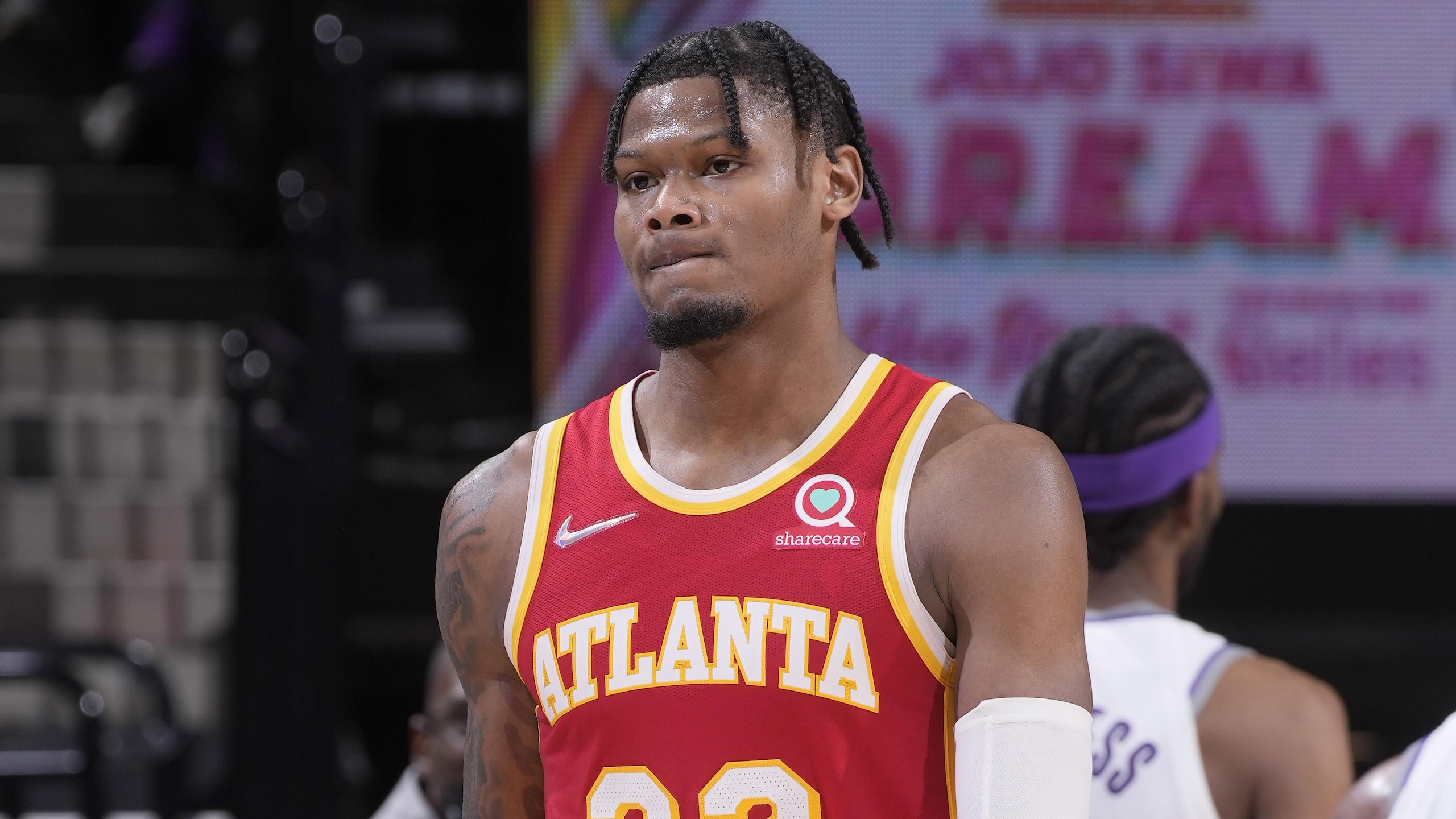
Worst Pick: Cam Reddish at No. 10 (2019)
Do-Over Pick: Cameron Johnson (originally 11th)
It's easy to understand what the Atlanta Hawks saw in Cam Reddish in 2019. A 6'8" 20-year-old with three-and-D potential is the exact kind of building block that lottery teams are looking for. That's especially true for the Hawks, considering Trae Young—while dynamite offensively—is a liability on defense purely because of his 6'1" size.
While Reddish showed flashes of high upside as a rookie, injuries played a major role in curbing his ascent. He's bounced around the league since being traded from Atlanta during his third season, and instead of being a cornerstone building block or solid starter, he's settled in as an intriguing depth option.
Though it's tempting to slot Tyler Herro (originally the 13th pick) in as a replacement for Reddish because of the incredible shooting and playmaking he could provide alongside Young, the Young-Herro tandem probably won't strike fear in anyone on the defensive end.
So let's stick with size and have the Hawks take Cameron Johnson instead. The 6'8" forward entered the league with less upside than Reddish given his age (23), but he's been a rock-solid rotation piece during his six years in the league. And with his 39.2 percent conversion rate on his 5.9 three-point attempts per game, he'd be a great fit on any roster.
Boston Celtics
2 of 30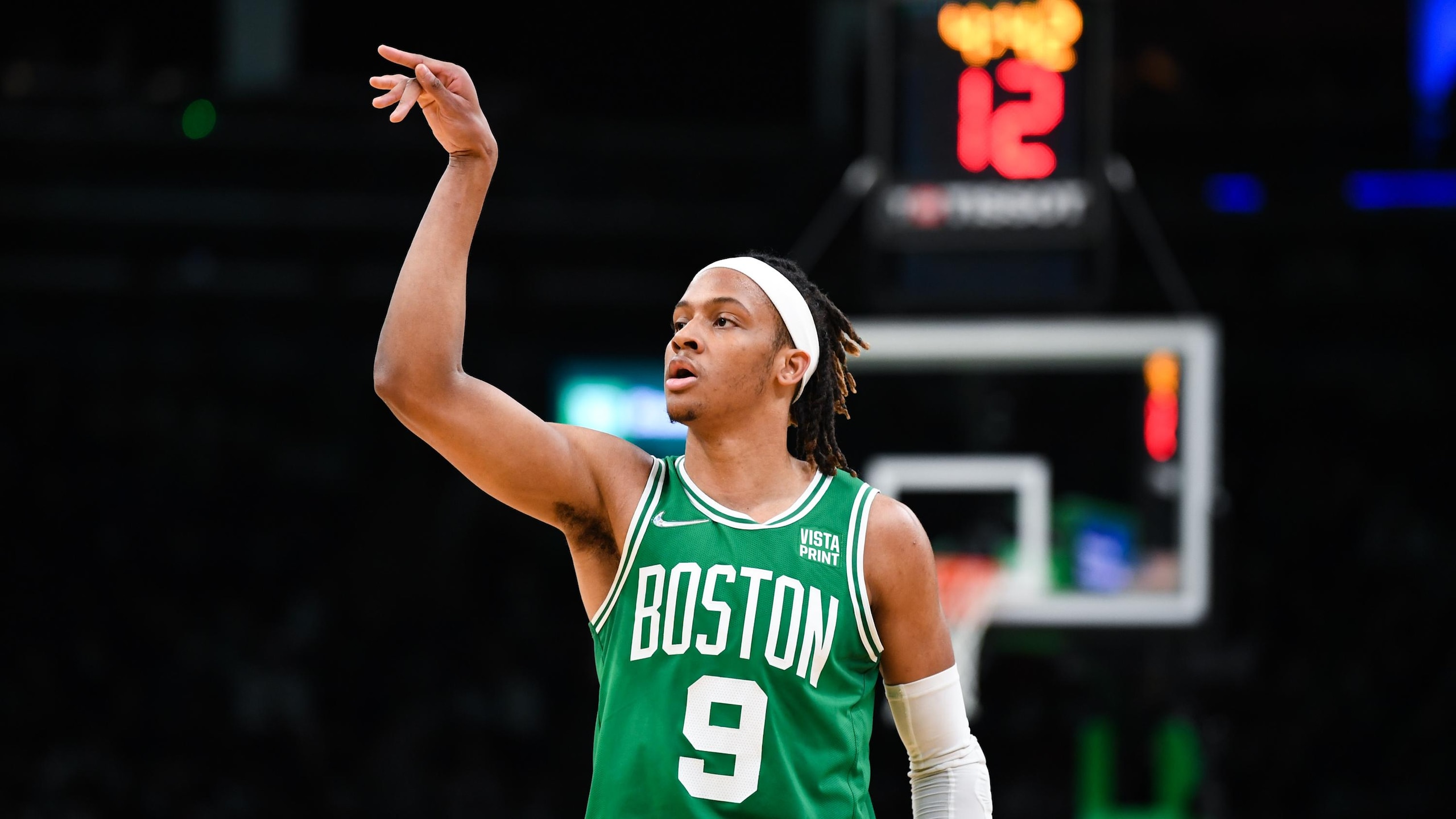
Worst Pick: Romeo Langford at No. 14 (2019)
Do-Over Pick: Matisse Thybulle (originally 20th)
Now, this might get convoluted. You see, the Celtics did pick Matisse Thybulle with the 20th overall pick in the 2019 draft, but they summarily traded him to the Philadelphia 76ers for the rights to Ty Jerome (24th) and Carsen Edwards (33rd).
The Celtics probably wish they had shipped out 14th overall pick Romeo Langford instead. Langford, who thrived as an iso scorer on the wing, just didn't have a path to a real role on a championship-contending Celtics team led by Jayson Tatum and Jaylen Brown (not to mention Kemba Walker, Marcus Smart and Gordon Hayward).
Langford played sparingly in his two years with the Celtics, didn't stand out all that much and was out of the league after four years.
Thybulle would have been a role player the Celtics could have actually used. His defensive prowess is elite, and with his size and length he could have taken on tough defensive assignments or wrought havoc off the ball. His offense is enough to keep opposing teams honest, but with all the firepower on that Boston team, he wouldn't have needed to do more than score a few buckets a night.
While Brandon Clarke (21st overall) arguably may have filled that role as well or better, for the sake of simplicity we're going to stick with Thybulle and say the Celtics made a fine trade, but they got rid of the wrong guy.
Brooklyn Nets
3 of 30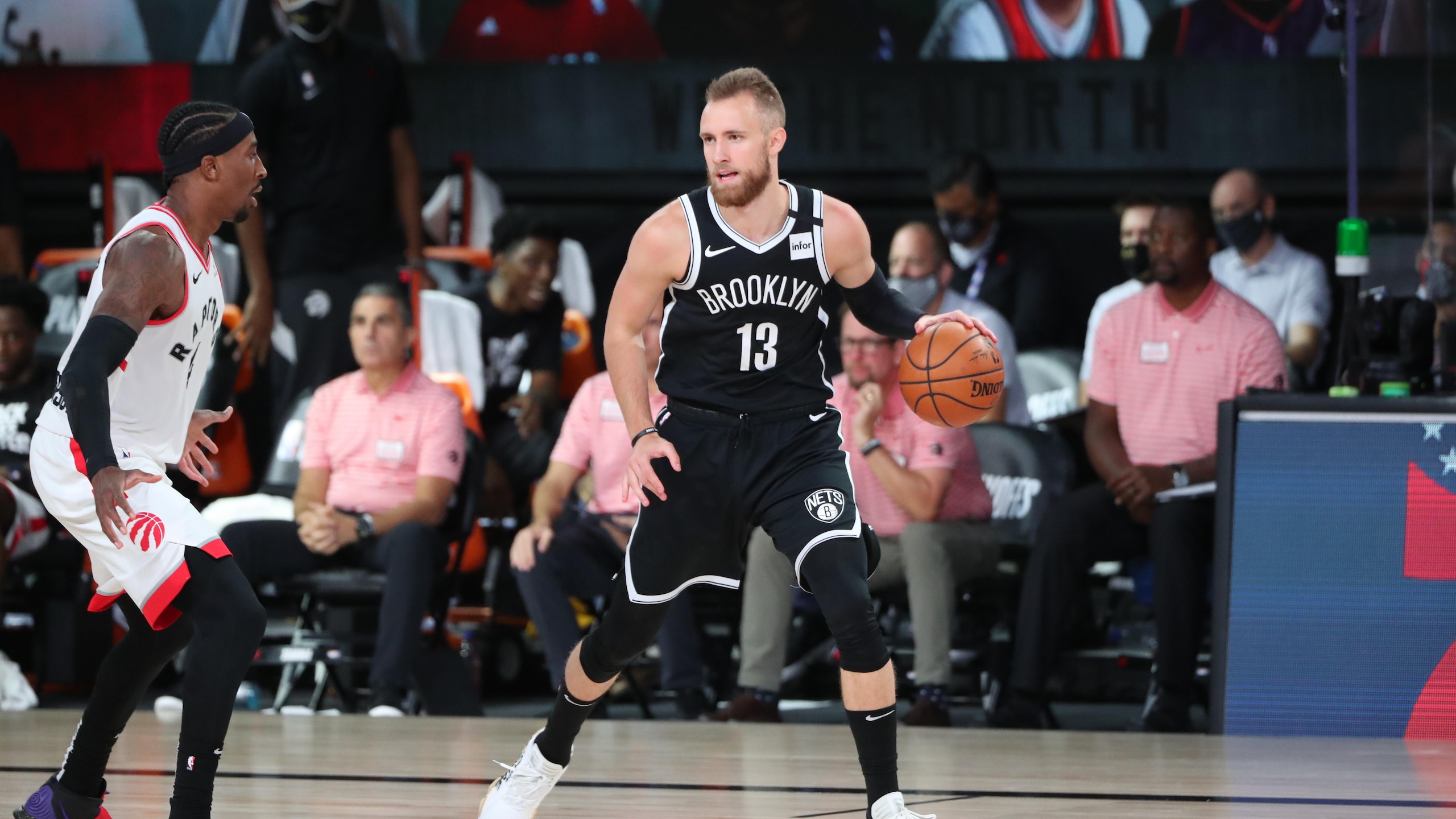
Worst Pick: Džanan Musa at No. 29 (2018)
Do-Over Pick: Jalen Brunson (originally 33rd)
In fairness to the Brooklyn Nets, getting value out of the 29th overall pick is difficult. On the other hand, sandwiched around Brooklyn's pick there in 2018, the San Antonio Spurs found Dejounte Murray (2016), Derrick White (2017) and Keldon Johnson (2019) in the 29th spot.
So getting value at No. 29 is far from impossible. And the opportunity was there for the taking in 2018.
The Nets made a bet that 19-year-old Džanan Musa's play with Cedevita in Croatia would translate to the NBA. It decidedly didn't, as he scored just 19 points over nine games in his rookie season, and he didn't do much to stand out over 40 games at the start of the 2019-20 season. He was traded and waived before Christmas of his second season, and he's been back in Europe since.
What makes this miss more painful for the Nets is that Jalen Brunson was available just four picks later. Though he was a consensus first-team All-American and 2018 college player of the year—not to mention a two-time national champion at Villanova—Brunson's 6'2" stature and age (22) caused him to slide to the second round.
He's now a two-time All-NBA player and is easily one of the top three or four players from the 2018 draft class. Missing on Musa hurt the Nets, sure, but compounding that swing and miss by also losing out on a chance to draft Brunson? Oof.


.jpg?w=2560 "NBA Gambling Charges")
Charlotte Hornets
4 of 30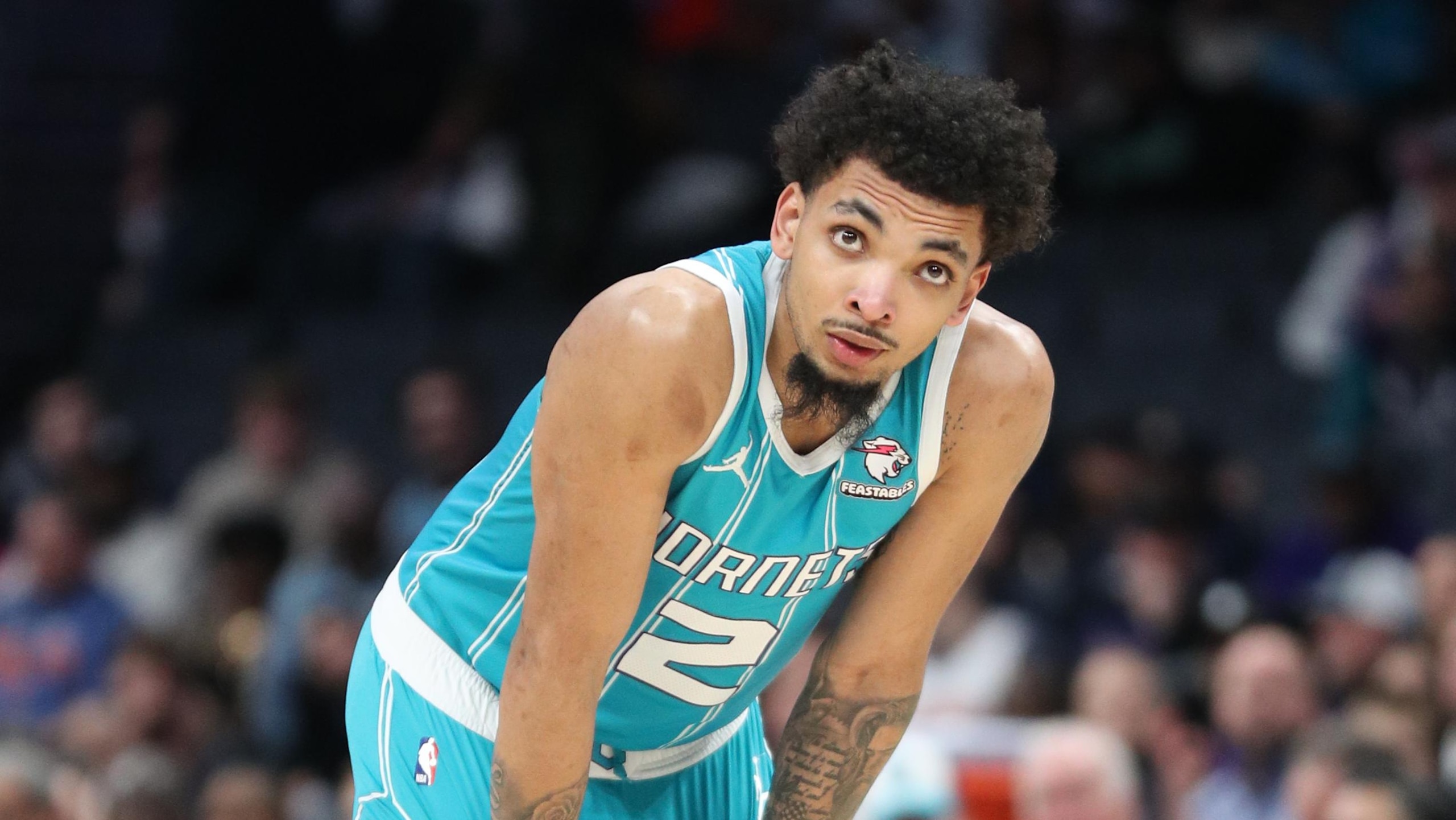
Worst Pick: James Bouknight at No. 11 (2021)
Do-Over Pick: Alperen Şengün (originally 16th)
Not every team's worst pick was a bad idea in the moment. Take, for example, James Bouknight landing with the Charlotte Hornets in 2021. At the time, you could have even called Bouknight a steal.
But Bouknight's potential was never realized in the NBA. He never truly found his place on the court, he battled multiple costly injuries, and a DWI charge in 2022 cast doubt on his decision-making and maturity off the court. Bouknight spent three seasons in the NBA and played last season with the Rip City Remix in the G League.
Meanwhile, for the past few years even predating Bouknight, it's been a truth universally acknowledged that the Hornets are in want of a center. By taking Bouknight—again, not a terrible decision in the moment!—they missed an opportunity to take a big man who has since proven to be one of the best players from the (admittedly underwhelming) 2021 draft class in Alperen Şengün.
Şengün has become known as "Baby Jokić" for the way he can fill up the stat sheet and serve as an offensive hub for the Houston Rockets. He made his first All-Star team in 2024-25, and his stock has continuously climbed as part of a Rockets team that exceeded expectations this season.
A center of that caliber could have been a major asset for the Hornets over these past four seasons, but hindsight is 20/20.
Chicago Bulls
5 of 30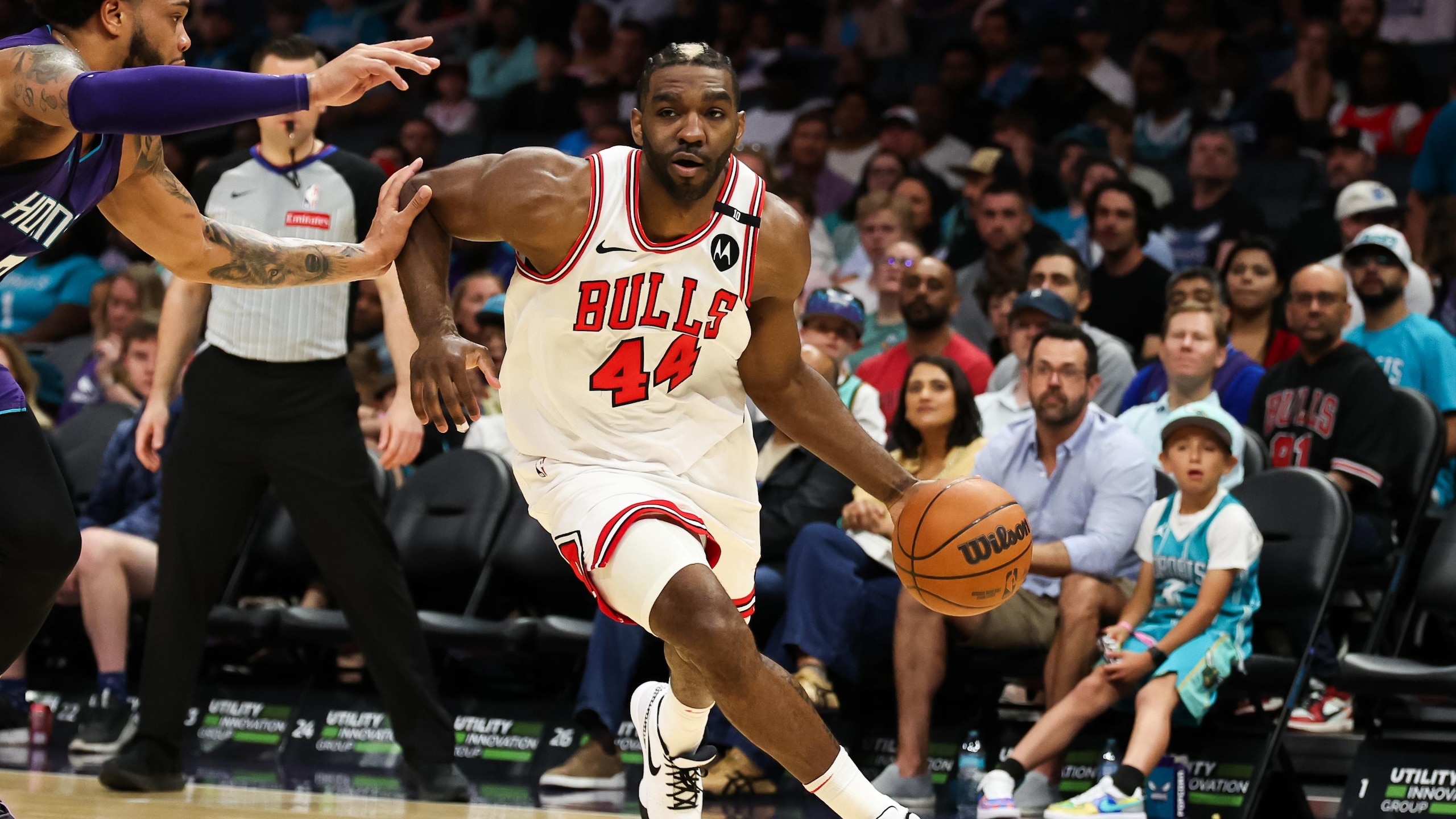
Worst Pick: Patrick Williams at No. 4 (2020)
Do-Over Pick: Tyrese Haliburton (originally 12th)
During his five seasons in the NBA, Patrick Williams has been...fine? He's a starter-level player who scores nearly 10 points per game and shoots nearly 40 percent on three-pointers (albeit on lowish volume). He's not a star, but he's not a slouch, and plenty of players like him have had long careers.
If Williams had been a mid- to late-first-round pick or a second-round selection, his impact would represent good value for the Chicago Bulls. But Williams was the No. 4 overall pick in 2020, and—fair or not—with that higher pick comes higher expectations.
Being a starter-level player on a mediocre team isn't anyone's dream for the fourth pick. Teams that high in the draft are looking for potential stars. Whatever you want to say about Williams, he's not that.
If Chicago had wanted to take a big swing at a potential star—a big "if," considering we're talking about the mired-in-mediocrity Bulls—Tyrese Haliburton was there for the taking. The do-it-all playmaker inexplicably slid to 12th on draft night, but he's proved to be one of the top two players from that draft class alongside No. 1 pick Anthony Edwards.
Cleveland Cavaliers
6 of 30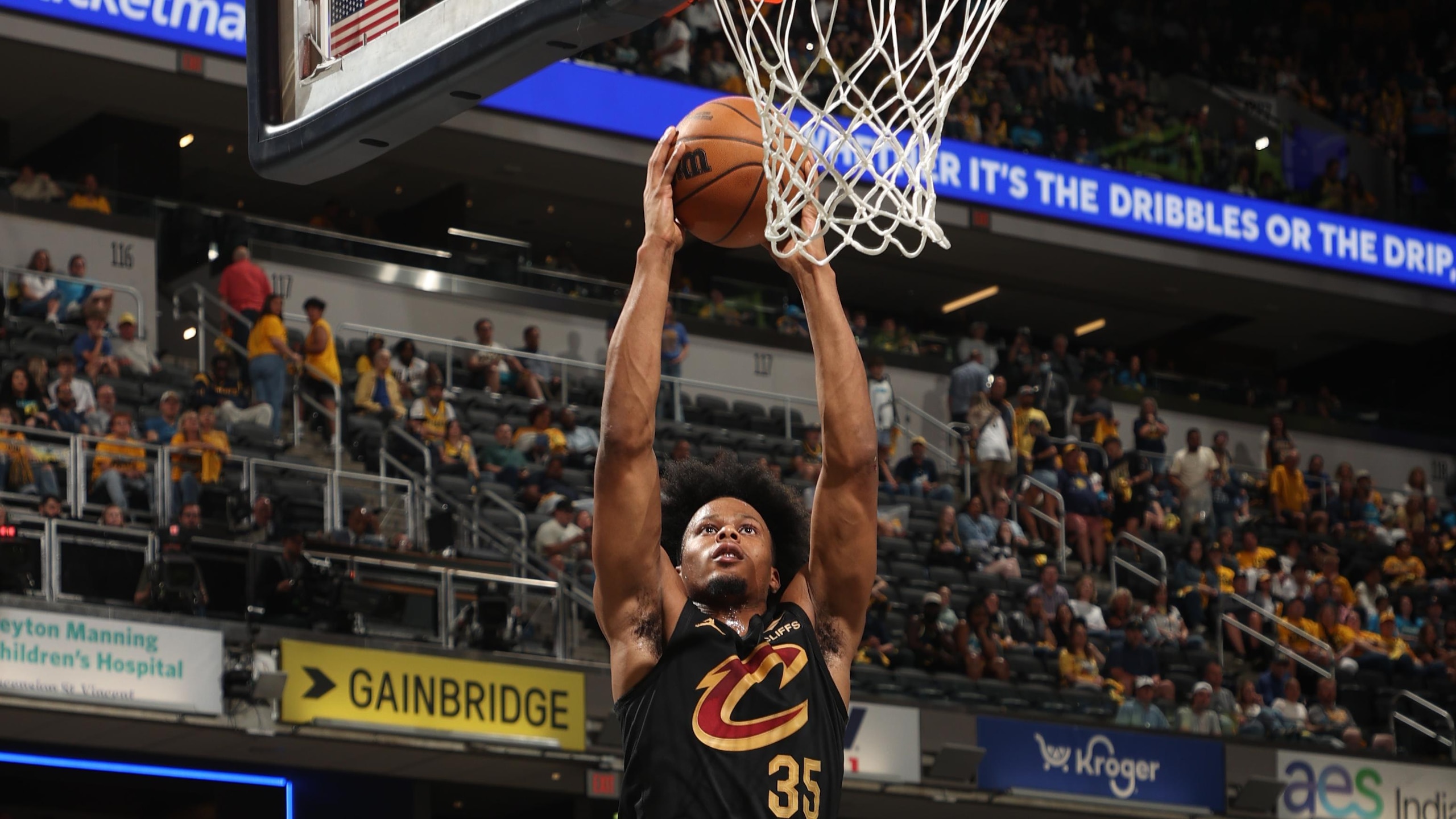
Worst Pick: Isaac Okoro at No. 5 (2020)
Do-Over Pick: Tyrese Haliburton (originally 12th)
Isaac Okoro is essentially the same player as Patrick Williams in the sense that he's also just fine. Through five seasons, Okoro has an even 0.0 Value Over Replacement Player rating. Again, he's not good, and he's not bad.
But like Williams, teams picking in the top five of the NBA draft aren't looking for replacement-level players. They're looking for stars who can turn a franchise's fortunes around. Players to build around and who can inspire hope.
Okoro is a piece that fit at the time and continues to fit now in a smaller role on a much-improved Cleveland Cavaliers team, but he wasn't the driver behind any of the team's progress. He's just a cog in the machine.
The Cavs had multiple options who may have fit better in Onyeka Okongwu (sixth), Obi Toppin (eighth), Deni Avdija (ninth), Devin Vassell (11th) and Tyrese Haliburton (12th). While adding Haliburton would have made for a crowded backcourt with him, Darius Garland and Collin Sexton, you have to err on the side of adding the most talent and upside possible with the No. 5 pick.
Assuming the Cavs could have struck the right balance in terms of usage, imagine the creativity of Garland and Haliburton sharing a backcourt? The results could have been electric.
Dallas Mavericks
7 of 30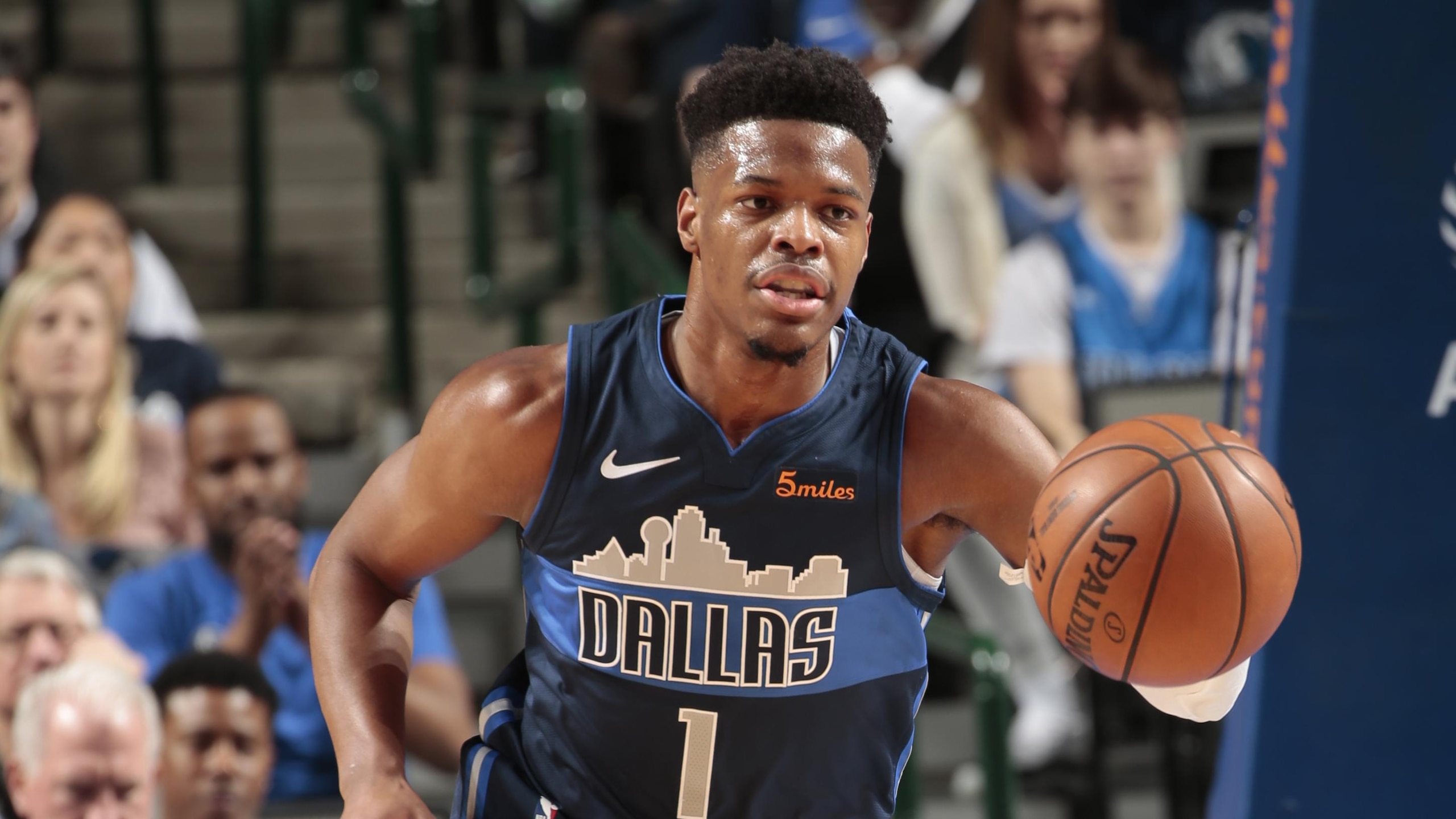
Worst Pick: Dennis Smith Jr. at No. 9 (2017)
Do-Over Pick: Donovan Mitchell (originally 13th)
We had to stretch a bit here, because the Dallas Mavericks have only had three first-round picks that qualified for consideration over the past 10 years given our criteria. And honestly, none of the picks were all that bad.
In 2015, maybe they could have taken Bobby Portis (picked 22nd) instead of Justin Anderson at No. 21. Maybe Josh Green (18th overall) was truly their worst pick in 2020 when they could have taken Tyrese Maxey (21st) or Immanuel Quickley (25th) instead.
Instead, though, we're going to tab Dennis Smith Jr. at No. 9 in 2017 as Dallas' worst pick. Though he finished fifth in Rookie of the Year voting, Smith was essentially a "good stats, bad team" guy during his short tenure in Dallas, which ended midway through his second season when he was sent to New York in the trade for Kristaps Porziņģis. He's been a journeyman ever since.
How would the Mavericks' trajectory—and with it that of the whole league—have changed if Dallas had taken Donovan Mitchell with the ninth pick that year? Now arguably the second-best player in the 2017 class behind Jayson Tatum, Mitchell could have raised the Mavs' ceiling immediately as a rookie like he did with the Utah Jazz.
Would Dallas have traded him the following season as it did Smith? Would Dallas still have had the opportunity to draft Luka Dončić in 2018? What could a Mitchell-Dončić backcourt have looked like had it come to fruition?
Denver Nuggets
8 of 30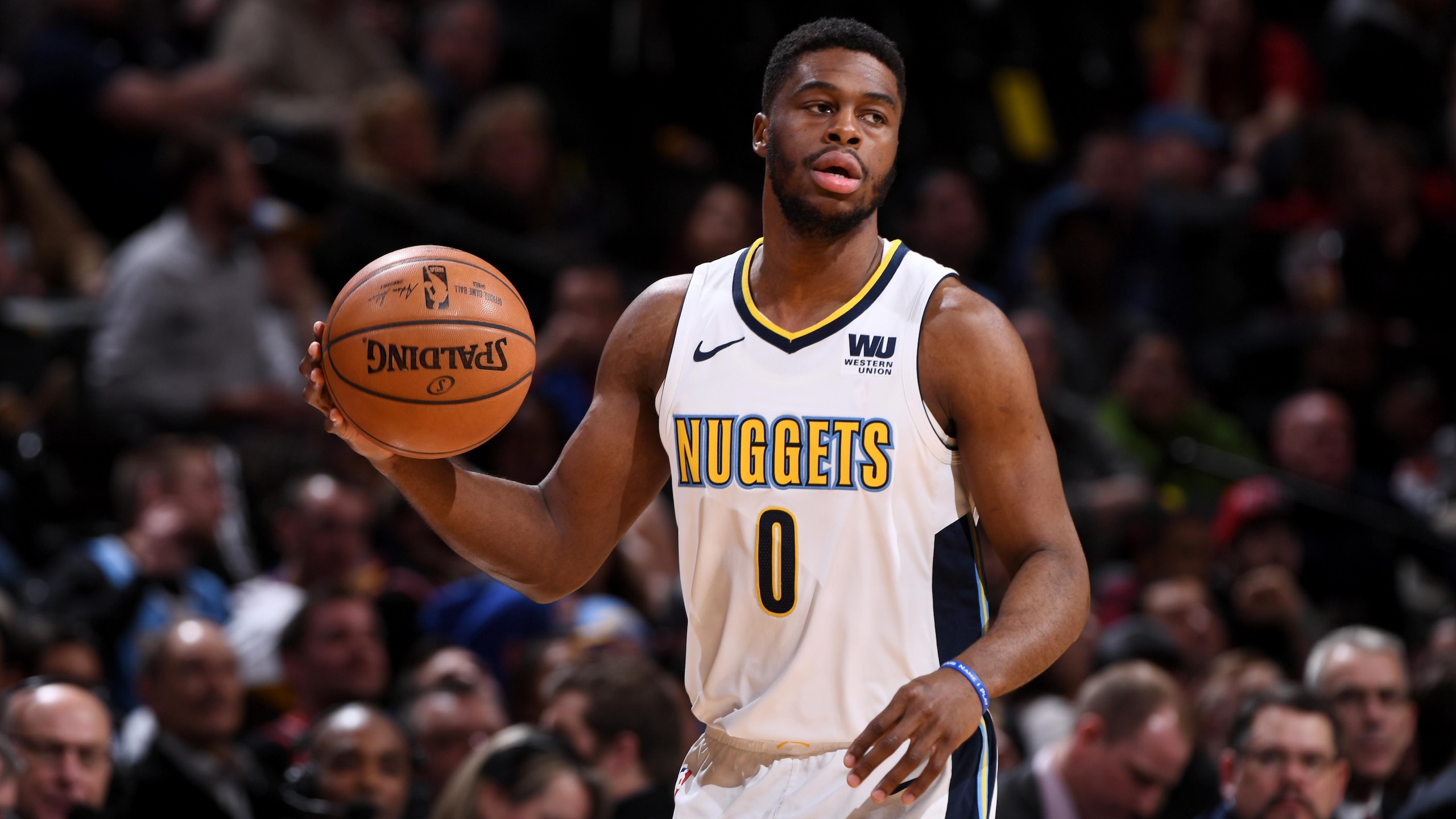
Worst Pick: Emmanuel Mudiay at No. 7 (2015)
Do-Over Pick: Devin Booker (originally 13th)
In the 2015 draft, a guard came off the board at No. 7. Next came a handful of wings and bigs, and the next true guard wasn't taken until No. 13.
The Denver Nuggets owned pick No. 7, and when they chose Emmanuel Mudiay, they took the wrong guard.
Mudiay was a 6'3" scoring guard who opted to play in China for a year instead of spending the 2014-15 season at SMU as initially planned. He played sparingly because of injuries, but the Nuggets still made a big bet on his upside in the draft. The bet didn't pan out, and Denver traded him to the New York Knicks during his third season.
Had the Nuggets taken the next guard off the board during the 2015 draft, things might have gone quite differently. Devin Booker was just 18 and the youngest prospect in the 2015 draft class, but he quickly established himself as one of the premier shooters in the league. Now a four-time All-Star, he's inarguably the best guard to come out of the 2015 draft.
Just imagine what the Nuggets would have looked like with Booker and Nikola Jokić playing together...
Detroit Pistons
9 of 30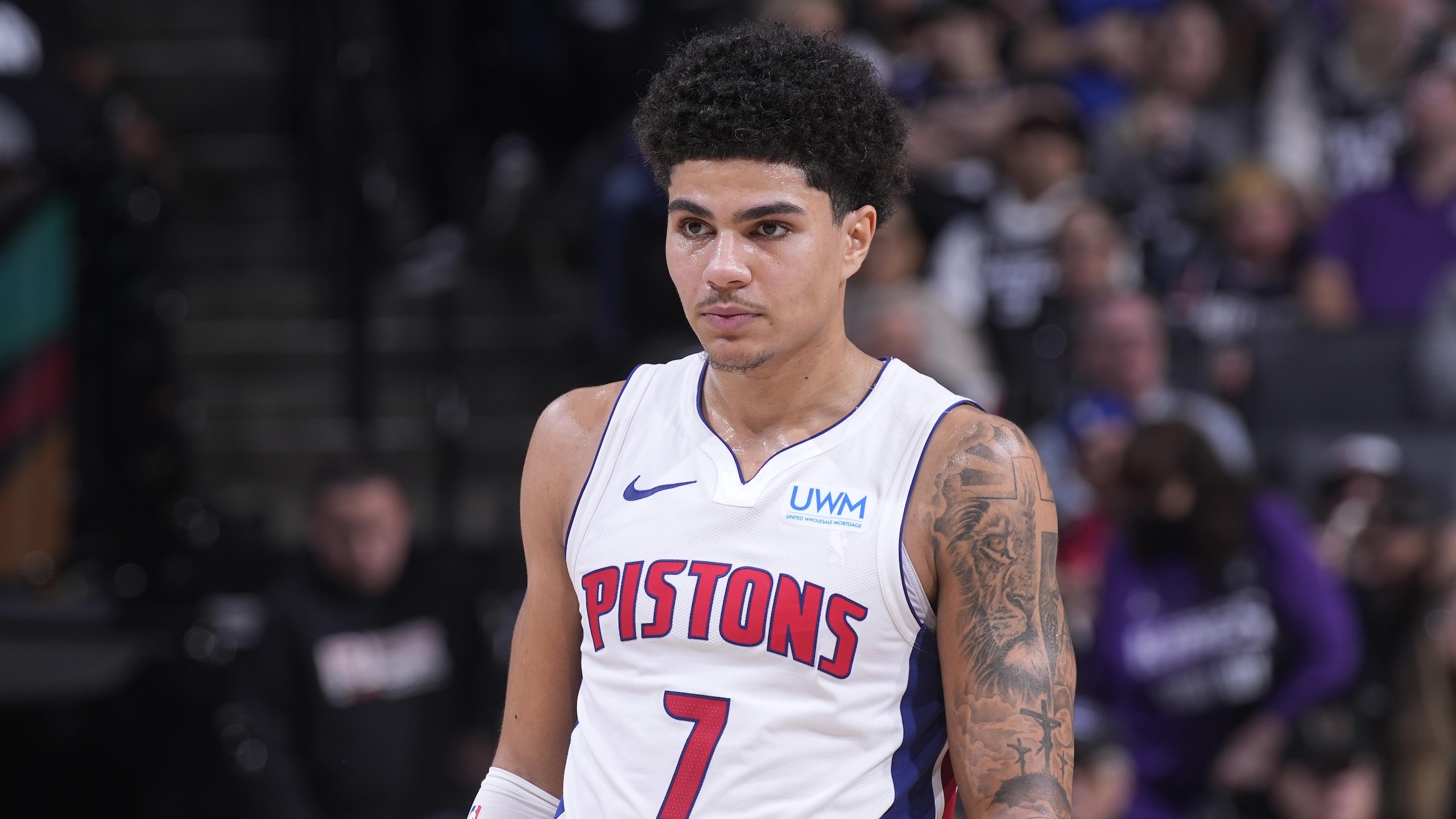
Worst Pick: Killian Hayes at No. 7 (2020)
Do-Over Pick: Tyrese Haliburton (originally 12th)
Pistons fans, look away. You have a lot to be excited about right now. Your team is young, compelling and back to being competitive. Just focus on that. There's nothing good that can come from looking back at the franchise's recent history.
That disclaimer aside, the Pistons have a lot of options for their worst draft pick over the past 10 years. Stanley Johnson (No. 8) over Devin Booker in 2015 is up there, as is taking Henry Ellenson (18th) in 2016 while Pascal Siakam was still on the board. Pretty much anyone would have been a better option than Sekou Doumbouya at No. 15 in the 2019 draft.
We're going to go with Killian Hayes at No. 7 in 2020 as Detroit's worst pick, though, because busting on No. 7 is objectively worse than missing on picks lower in the draft. The fact that the Pistons could have jump-started their rebuild with Tyrese Haliburton instead only makes matters worse, especially now that Haliburton has carried a division rival to the NBA Finals.
Golden State Warriors
10 of 30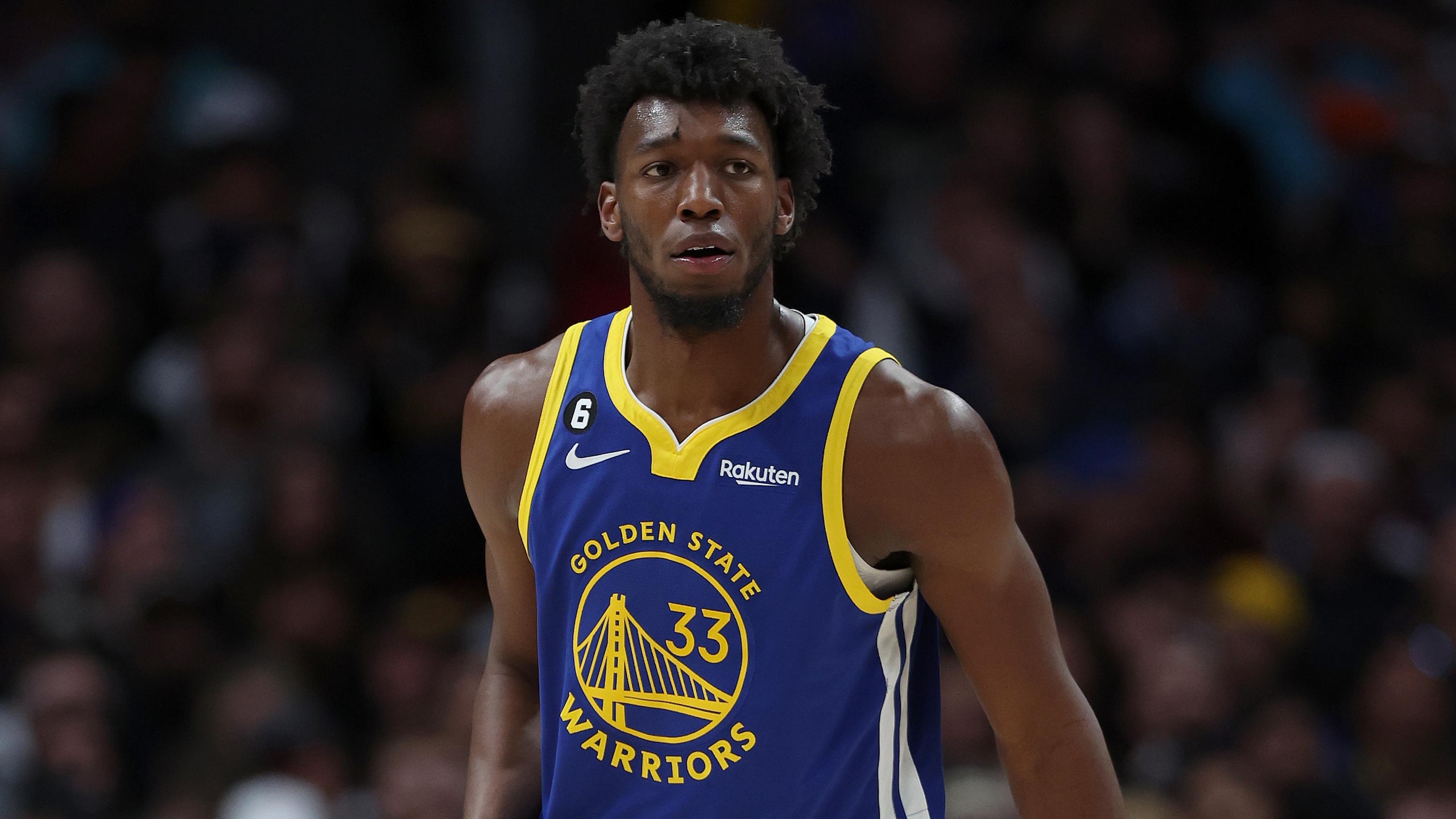
Worst Pick: James Wiseman at No. 2 (2020)
Do-Over Pick: Tyrese Haliburton (originally 12th)
It's not hard to pinpoint the Golden State Warriors' worst pick of the past 10 years. Ask any Warriors fan or even the Warriors themselves, and the answer will pretty much always be taking James Wiseman with the No. 2 pick in the 2020 draft.
The challenge, though, is figuring out exactly what the Warriors should have done instead. If they were dead set on taking a big, do they pivot to Onyeka Okongwu (sixth)? Could they have gotten more out of Jalen Smith (10th), who was underwhelming to start his career?
Alternatively, had they adjusted their course and decided to pick a guard, would LaMelo Ball (third) have been the clear choice? Could a playmaker like Ball have fit alongside Stephen Curry—and eventually Klay Thompson, who missed all of 2020-21 because of injury? Would someone less ball-dominant like Devin Vassell (11th) have been the ideal option instead?
But since he was taken within 10 picks, you have to imagine the true light-years play would have been to snag Tyrese Haliburton and plug him into the backcourt alongside Curry for a season just to see what would happen. Assuming he would have at least replicated his rookie-year production in Sacramento, Haliburton could have ascended to stardom even faster.
Once Thompson returned the next season, the Warriors could have figured out how to manage a Curry-Thompson-Haliburton backcourt, and if it was too unwieldy, they could have gotten a haul in return for trading him—certainly more than Gary Payton II and the two second-round picks they got for unloading Wiseman.
Houston Rockets
11 of 30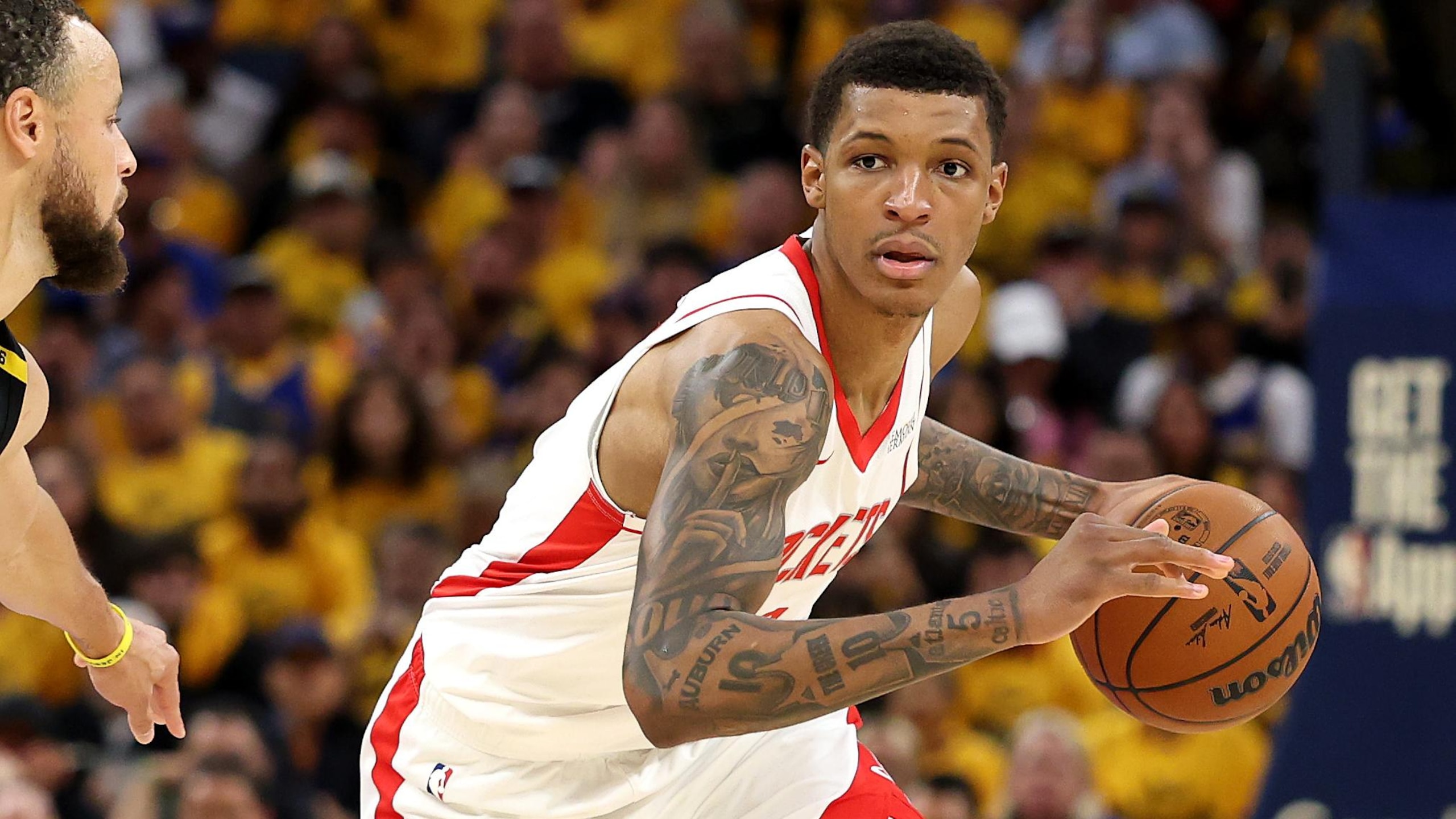
Worst Pick: Jabari Smith Jr. at No. 3 (2022)
Do-Over Pick: Jalen Williams (originally 12th)
You've got to hand it to the Houston Rockets. They've done a great job drafting over the past 10 years. In particular, they've had eight first-round picks over the past four years, and for the most part, those picks have been solid. You could quibble over some of the later first-round picks in that span, but it's not like the alternatives were much better.
But we have to pick someone as the "worst" pick of the past 10 years, as unfair as that may be. Realistically, Usman Garuba (No. 23 in 2021) or Josh Christopher (No. 24 in 2021) should be the selection here. Neither lasted more than two years with the Rockets, and neither really did much.
However, the expectations for them as the third and fourth first-round picks in Houston's 2021 class weren't all that high to begin with. The Rockets took a flier on them, it didn't work, and they moved on. Would Quentin Grimes, Bones Hyland or Cam Thomas have been all that much better?
So instead, we're going to label Houston taking Jabari Smith Jr. at No. 3 overall in 2022 as the franchise's "worst" pick. Smith has settled into a solid bench role, but as a No. 3 pick, that's a bigger letdown than Garuba or Christopher flaming out.
If the Rockets really wanted a big in 2022, they could have tried Jalen Duren (13th). Alternatively, since Alperen Şengün has the center spot locked down, Houston could have been better served taking Jalen Williams (12th). J-Dub's size, versatility, scoring, playmaking and defense have all been critical to Oklahoma City's rise to prominence over the past few years.
Williams is the kind of player who can thrive in any system, and the Rockets definitely could have used him over Smith.
Indiana Pacers
12 of 30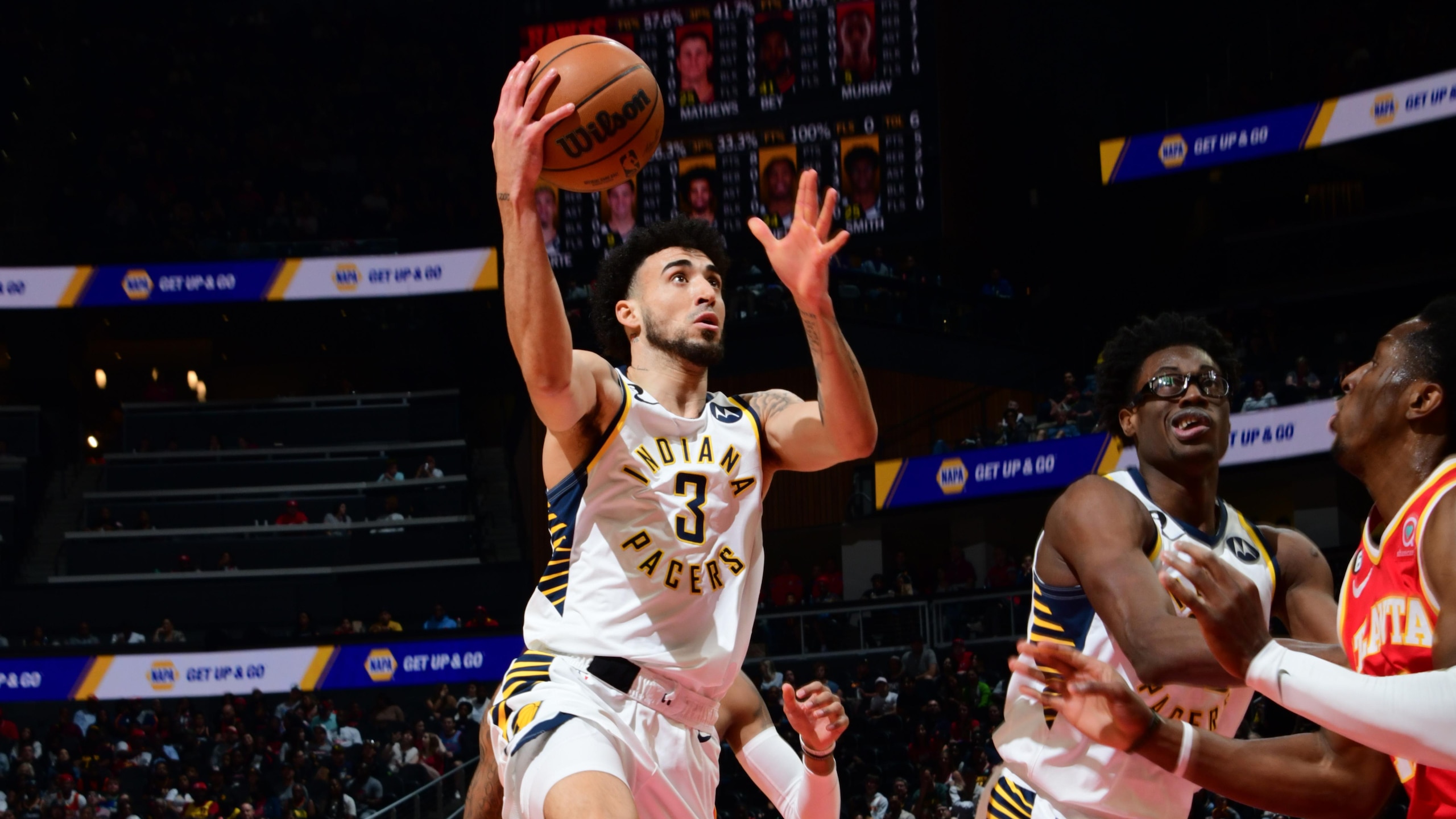
Worst Pick: Chris Duarte at No. 13 (2021)
Do-Over Pick: Trey Murphy III (originally 17th)
The Indiana Pacers have a reputation for drafting well even though they have rarely selected in the top 10 (just twice) during the past quarter-century. But even teams that draft well will inevitably miss on a pick.
Chris Duarte didn't look like he'd end up on a list like that during his rookie season. He averaged 13.9 points per game and was selected to the All-Rookie second team, but injuries and an overcrowded Pacers backcourt pushed him out of the rotation during his second season. That summer, Duarte was traded for a pair of future second-round picks as the Pacers moved in a new direction.
If given a do-over, the Pacers may have taken Alperen Şengün, a center who we've already established as one of the best picks in the 2021 draft. However, with Myles Turner and Domantas Sabonis already in the middle—and that pairing already seeming like it wasn't meant to last—it's possible the Pacers wouldn't want to add another big to the equation.
That's why our pick for a do-over is Trey Murphy III, who unlike Duarte got off to a slow start with the New Orleans Pelicans. However, Murphy is younger and taller than Duarte, and he's developed into a high-level scorer whose size and shooting could fit on just about any team in the league.
Los Angeles Clippers
13 of 30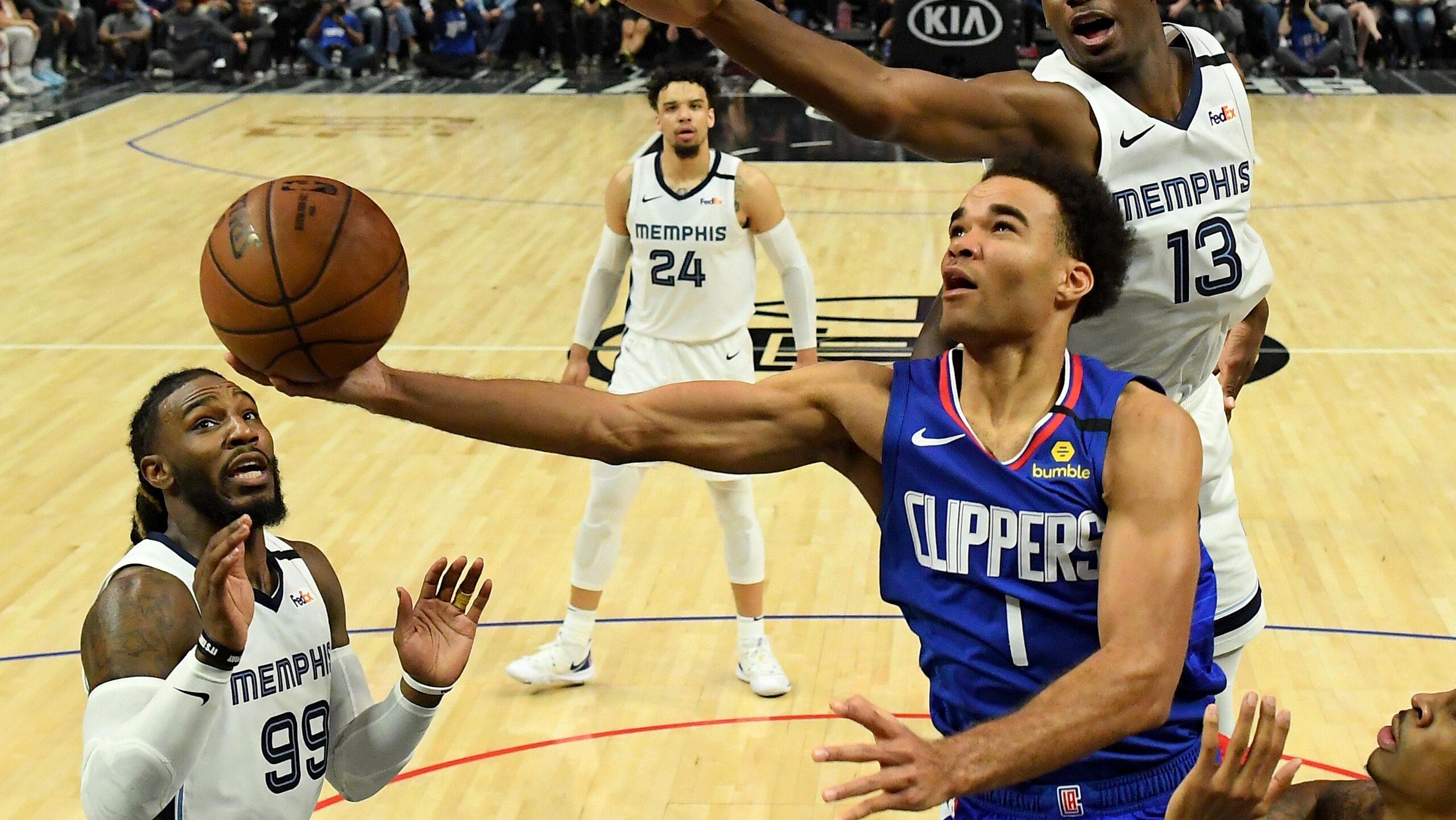
Worst Pick: Jerome Robinson at No. 13 (2018)
Do-Over Pick: Michael Porter Jr. (14th)
The Los Angeles Clippers were at a crossroads during the 2018 draft. With Blake Griffin shipped off to Detroit just months prior, the Lob City era was officially over, and the franchise needed to pivot toward the future.
With back-to-back first-round picks at Nos. 12 and 13, the Clippers had plenty of assets to make something happen. They traded that first pick to Charlotte to acquire the draft rights to Shai Gilgeous-Alexander (11th), which was undoubtedly a coup. But that 13th pick didn't go as well...
Jerome Robinson never really had a role on a deep, young Clippers team in 2018-19, and he was traded to Washington midway through the next season in a deal that brought Marcus Morris to Los Angeles.
But what if the Clippers had made a future-focused play with an eye on taking the most talented player available at No. 13? Michael Porter Jr. had been considered to be among the top prospects in the 2018 class, but he was going to miss the 2018-19 season because of a back injury that required a second surgery.
Had the Clippers taken Porter instead of Robinson, it's possible they never would have needed to trade for Morris to begin with, as Porter could have played that role alongside the recently acquired Kawhi Leonard and Paul George. In that scenario, the Clippers could have decided to keep Maurice Harkless and multiple future picks or trade them for a different impact player.
Los Angeles Lakers
14 of 30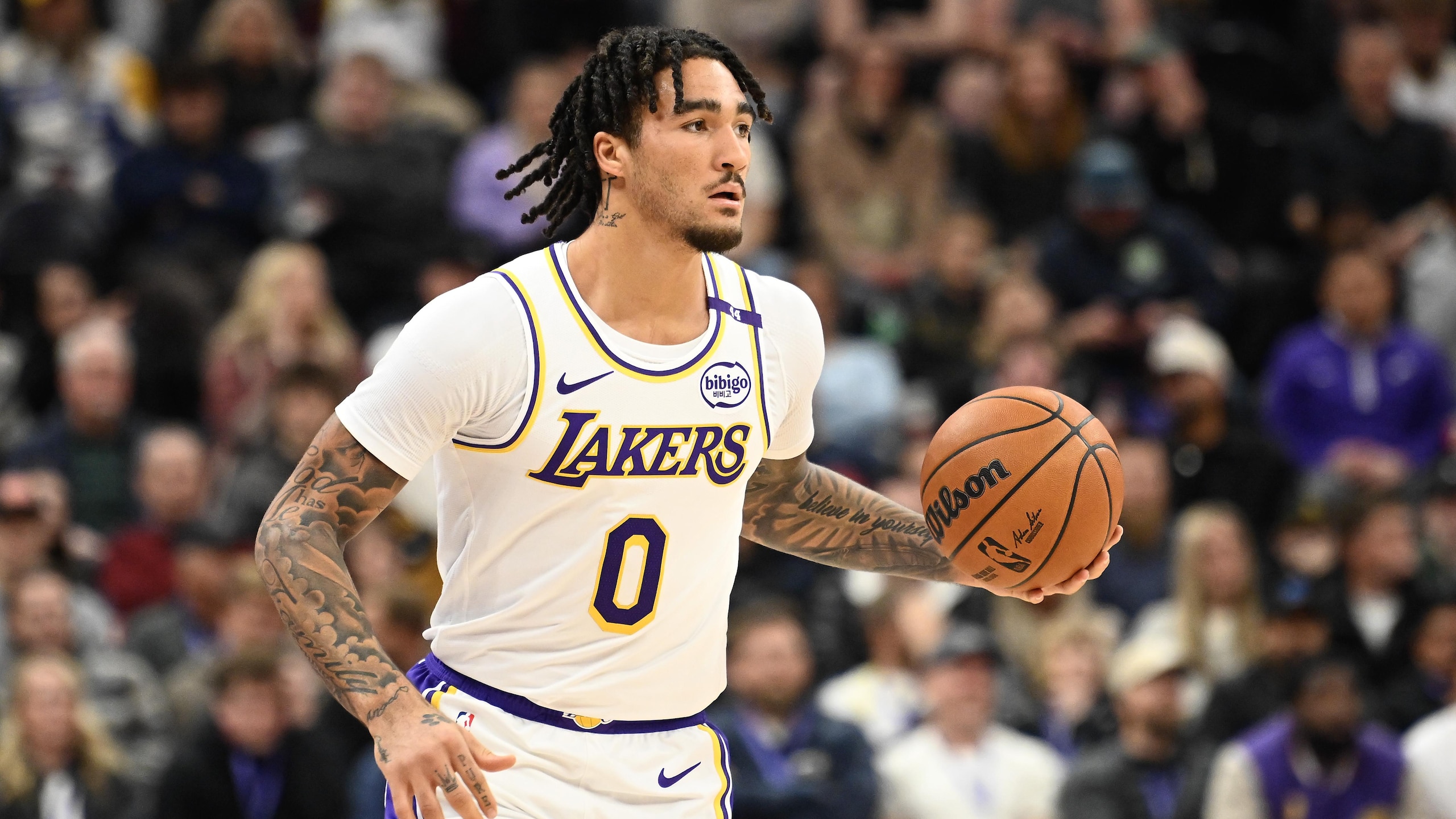
Worst Pick: Jalen Hood-Schifino at No. 17 (2023)
Do-Over Pick: Brandin Podziemski (originally 19th)
We're grasping at straws here. The Lakers didn't really give us much to work with.
D'Angelo Russell and Larry Nance Jr. (2015), Brandon Ingram (2016), Lonzo Ball (2017) and Moritz Wagner (2018) were all good, defensible picks for their draft slots and in their given years. The Lakers' next three first-round picks were all traded, and they didn't have a first-round pick at all in 2022.
So that leaves us with 2023 and 2024. Dalton Knecht (No. 17, 2024) was a consistent contributor this season and undeniably made more of an impact than 2023 first-round pick Jalen Hood-Schifino (17th), so Hood-Schifino is essentially the pick by default.
The major caveat, though, is that Hood-Schifino—though he wasn't much of a needle-mover on the court—was part of the trade that brought Luka Dončić to Los Angeles. He wasn't a core piece of the deal, but he was part of it, so at least he has that going for him.
And because Hood-Schifino was part of the Dončić deal, does it really matter if the Lakers had picked someone else instead? Sure, they could have taken Brandin Podziemski or Jaime Jaquez Jr., and maybe either or both of those players could have outperformed Hood-Schifino, but if the person taken 17th by the Lakers in 2023 was destined to be part of a trade for Dončić, then it's all a wash and there's really nothing to fix here.
Memphis Grizzlies
15 of 30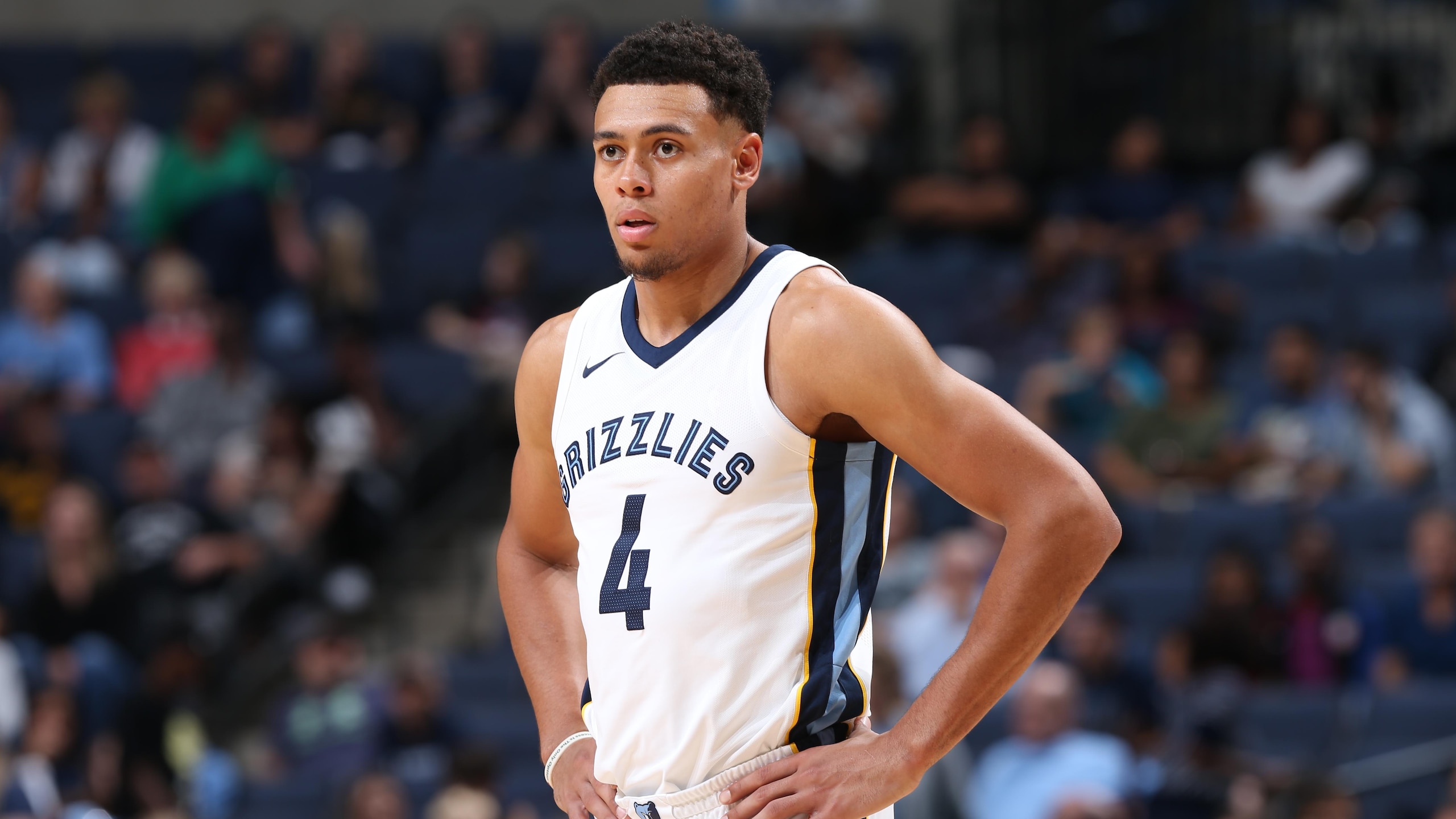
Worst Pick: Wade Baldwin at No. 17 (2016)
Do-Over Pick: Caris LeVert (originally 20th)
Rookie contracts for first-round picks in the NBA start with two years that are fully guaranteed. So, even when things might be working out as expected, players are almost always—barring a trade—kept around through the conclusion of their second season.
Not Wade Baldwin, though. The 17th overall pick by the Memphis Grizzlies in 2016 was waived before his second season even started because of his lack of productivity, coachability and Memphis' desire to clear a spot on the roster.
When it comes to flubbing a draft pick, it doesn't get much worse than that.
Pascal Siakam (27th) was within 10 picks of Baldwin and is inarguably the best player the Grizzlies could have taken, but it's possible he wouldn't have been the best fit. With Marc Gasol, Zach Randolph and JaMychal Green entrenched along Memphis' front line, Siakam might not have had many avenues for playing time.
Since the Grizzlies were looking for help at guard, the next best option after Baldwin would have been Caris LeVert, who was originally taken with the 20th pick. While not a true point guard, LeVert could have eased some of the scoring and playmaking burden among the Grizzlies' guards. And though he often had issues with injuries, it's hard to imagine LeVert generating less value than Baldwin.
Miami Heat
16 of 30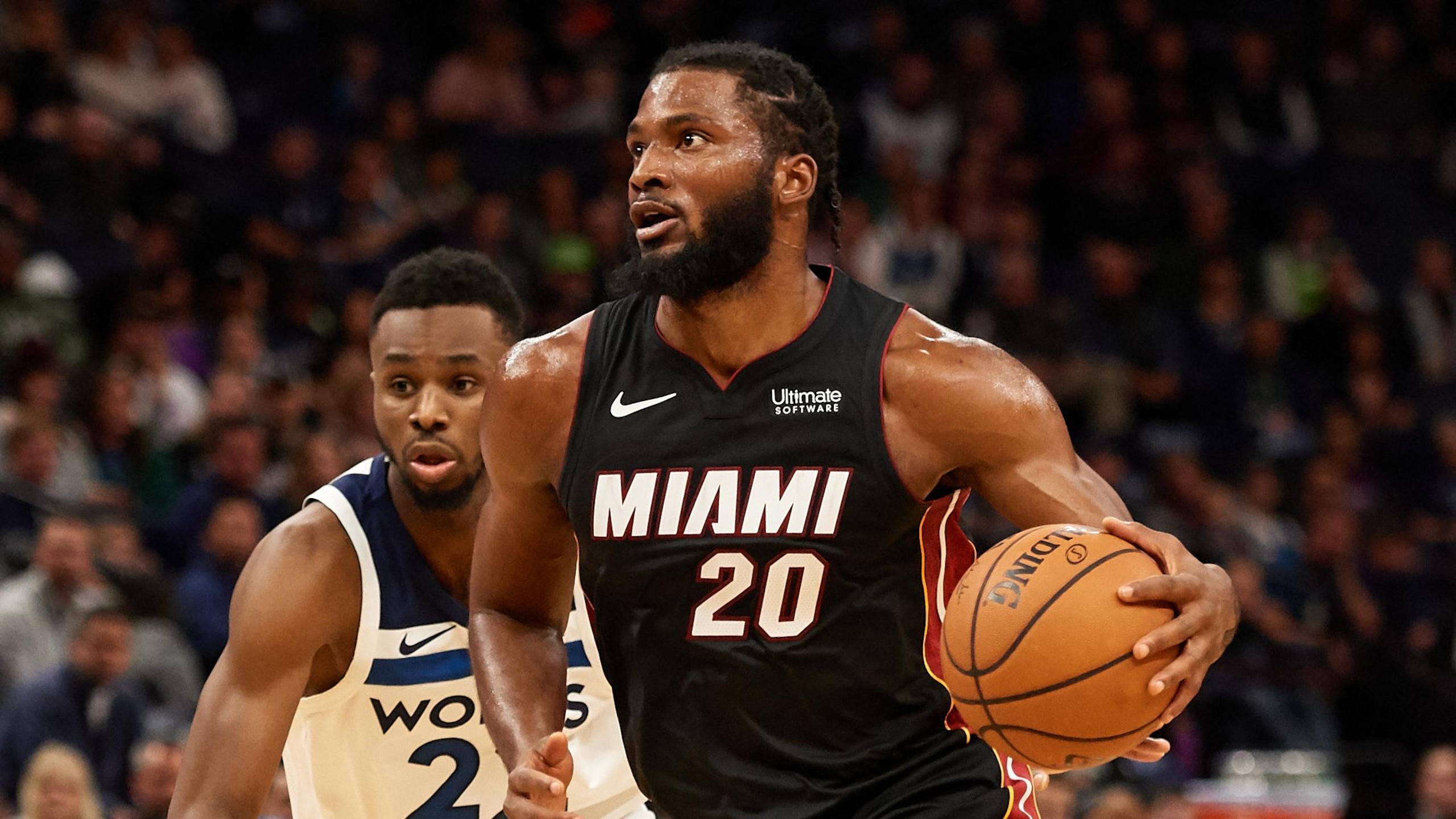
Worst Pick: Justise Winslow at No. 10 (2015)
Do-Over Pick: Devin Booker (originally 13th)
When the Miami Heat drafted Justise Winslow with the No. 10 pick in the 2015 draft, it seemed like a perfect fit. Winslow was a young, athletic, versatile player with great defensive ability and a good motor. A little molding from #HeatCulture, and he'd fit in well with a Miami team built to contend.
That's more or less what happened, but the issue was his offensive game never really blossomed. Because of that, Winslow was a stable rotation piece good for about 30 minutes per game, but he never became a reliable starting option during his five seasons in Miami.
As far as "worst" picks go, you could definitely do a lot worse than Winslow, which is a testament to the Heat's overall successful draft record.
Adding to the perception of Winslow being a missed pick is the fact that Devin Booker was available three slots later. While Booker isn't as strong, versatile or athletic as Winslow, he is a much better scorer, playmaker and facilitator. It's reasonable he could have slotted in behind Dwyane Wade and Goran Dragić as another weapon in the Heat's backcourt.
Myles Turner was also available one pick behind Winslow, and he might have been a solid option as the Heat's big man of the future if Miami wanted to go that direction.
Milwaukee Bucks
17 of 30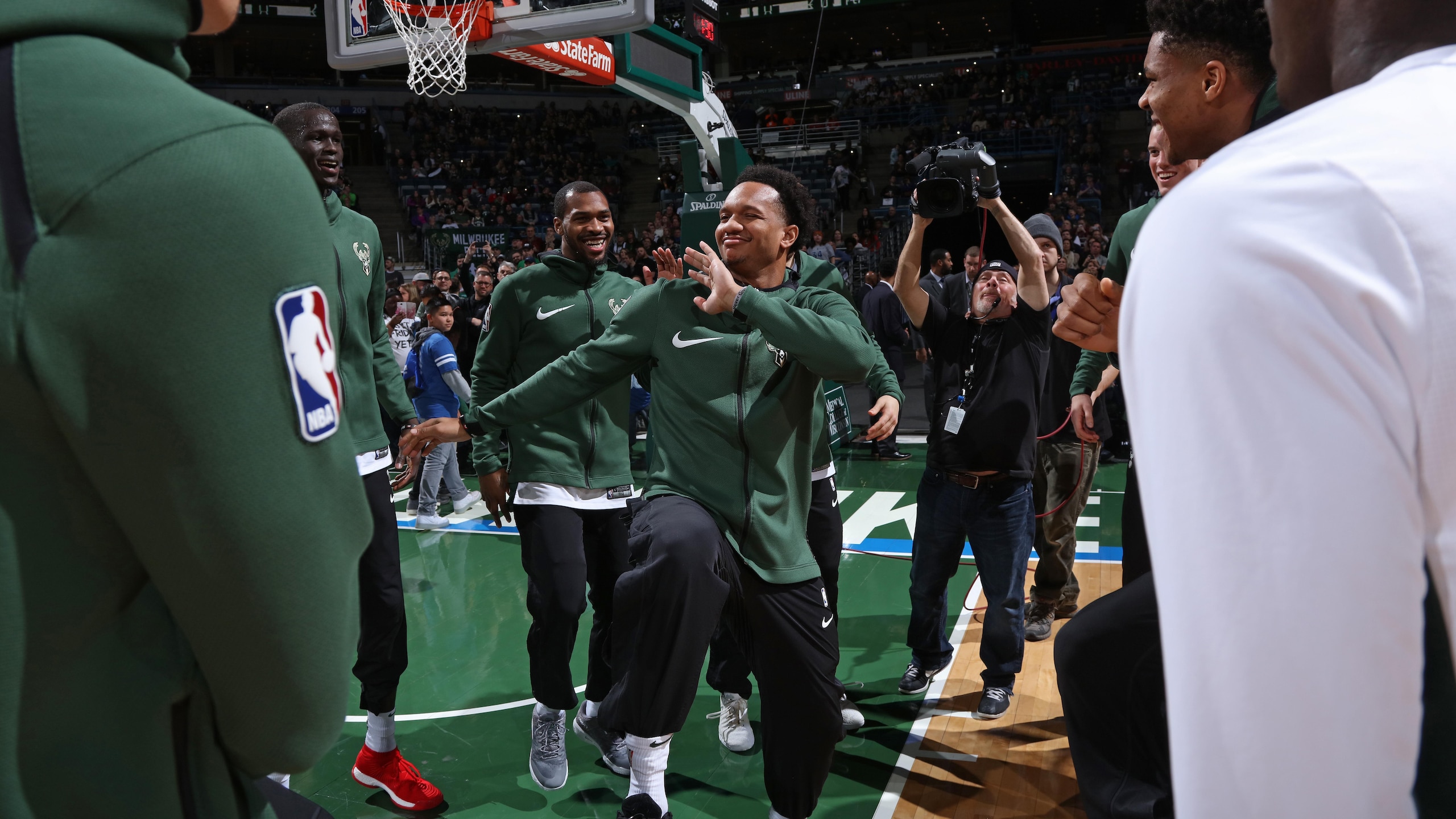
Worst Pick: Rashad Vaughn at No. 17 (2015)
Do-Over Pick: Bobby Portis (originally 22nd)
It's a good thing the Milwaukee Bucks hit the jackpot on Giannis Antetokounmpo in 2013, because their first-round draft picks since then have been [insert grimacing emoji here].
Injuries wrecked the potential of 2014 No. 2 overall pick Jabari Parker. Thon Maker was a reach in 2016 and despite some flashes was never reliable enough to be an everyday starter. D.J. Wilson (2017) and MarJon Beauchamp (2022) never found real roles, and AJ Johnson (2024) isn't off to an inspiring start. The Bucks salvaged an otherwise lackluster draft record by hitting on Donte DiVincenzo (2018) and scooping up Rookie of the Year Malcolm Brogdon in 2016's second round.
Even with all those misses, though, taking Rashad Vaughn with the 17th pick in the 2015 draft stands out as the team's biggest mistake. Vaughn was touted as a three-point sharpshooter—the kind of player who could help extend the floor around Antetokounmpo. But over 111 games during his first two seasons, Vaughn shot 32.7 percent from the field and 30.3 percent from long range without adding much of anything otherwise.
And yet, Milwaukee still decided to bring Vaughn back for a third season, when he mostly served as a human victory cigar and hype man during pregame dance circles before he was traded to Brooklyn.
What made missing on Vaughn even worse was that it eventually became known that the Bucks had been deciding between him and Bobby Portis with the 17th pick. Portis, who has spent the past five years in Milwaukee and become a fan favorite, clearly would have been the better selection, as he can play alongside Antetokounmpo or as a replacement for him.
Minnesota Timberwolves
18 of 30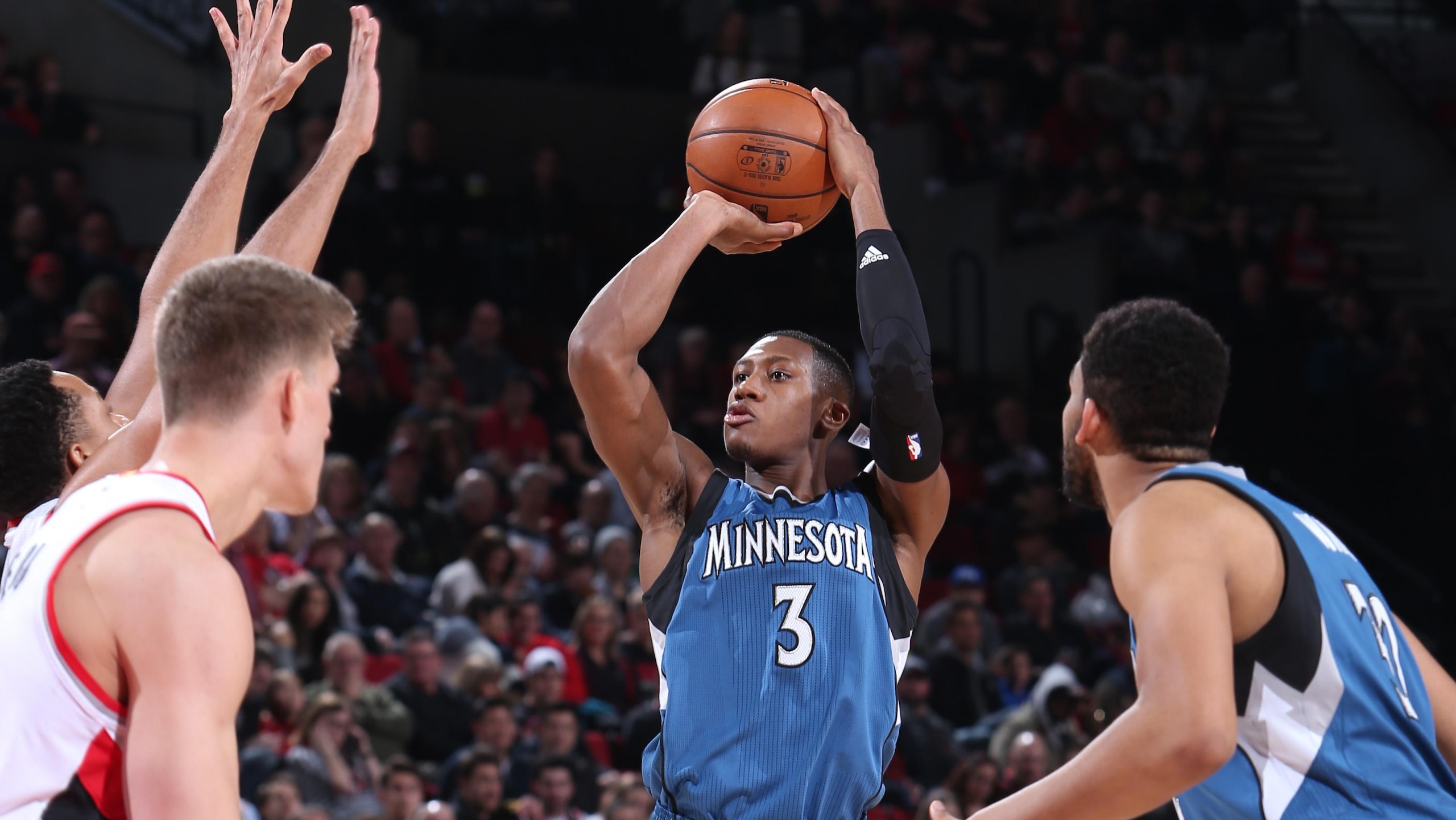
Worst Pick: Kris Dunn at No. 5 (2016)
Do-Over Pick: Jamal Murray (originally 7th)
Shoutout to the Minnesota Timberwolves for not making any egregious picks over the past 10 years. It helps that they've had the No. 1 overall selection twice, but they undeniably hit both times with Karl-Anthony Towns (2015) and Anthony Edwards (2020).
That said, they missed on Kris Dunn. A consensus second-team All-American at Providence with incredible defensive skills, Dunn unfortunately proved to be virtually unplayable because of his lack of contributions on the offensive end.
Minnesota pulled the plug after one year, sending Dunn to Chicago as part of the package that brought Jimmy Butler to the Twin Cities. Dunn has rehabilitated his career over multiple stops and has greatly improved his offensive game, but it took time for him to blossom—time the Timberwolves didn't want to give.
If the T-Wolves wanted more offensive production from the backcourt, they could have simply opted to select Jamal Murray during the 2016 draft. Murray had a decent rookie year while playing all 82 games for the Nuggets, but he really started to pop in his second year and grew into a reliable, championship-level second (and at times first) option to Nikola Jokić.
New Orleans Pelicans
19 of 30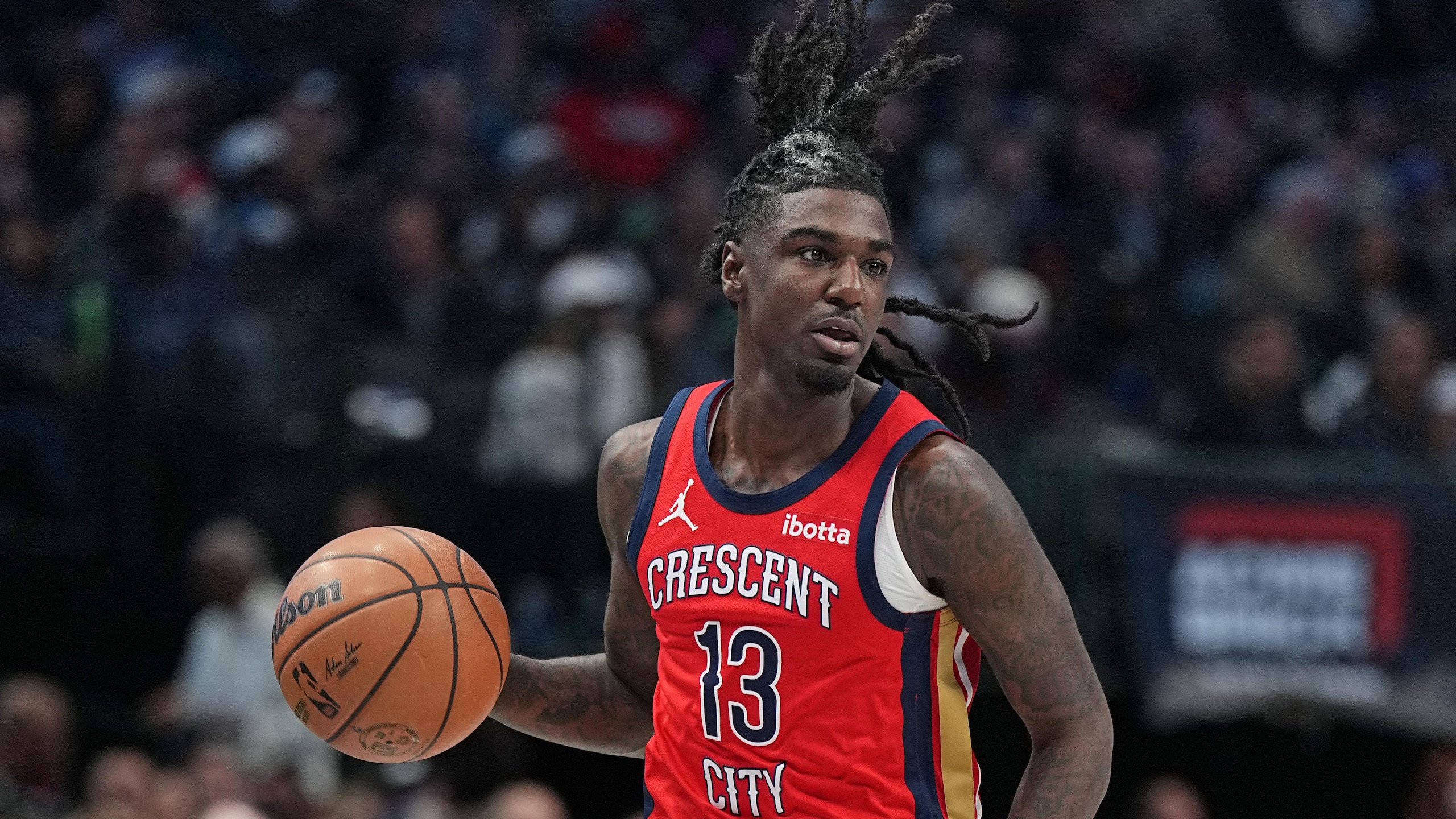
Worst Pick: Kira Lewis Jr. at No. 13 (2020)
Do-Over Pick: Tyrese Maxey (originally 21st)
We've suggested that a lot of teams in this exercise should have simply drafted Tyrese Haliburton instead of whoever they picked in 2020. Well, the New Orleans Pelicans didn't have that option, as Haliburton went 12th when they had the 13th pick.
The Pelicans opted for a different point guard in Kira Lewis Jr., and things didn't work out largely because of a torn ACL Lewis suffered early in his second season. He missed a year with that injury and then didn't find a spot in the rotation even when he returned. Lewis spent time with three different teams during his fourth season and spent all of 2024-25 in the G League.
Now, no one can foresee injuries like that, so labeling Lewis as New Orleans' "worst" pick feels unfair. The situation was just unfortunate, beyond anyone's control and simply didn't pan out.
If the Pelicans could do it all over again, maybe they'd still take Lewis and hope for better luck. But if they wanted to try someone new, Tyrese Maxey was on the board and could have filled their point guard role with his multi-level scoring ability and dynamic playmaking.
New York Knicks
20 of 30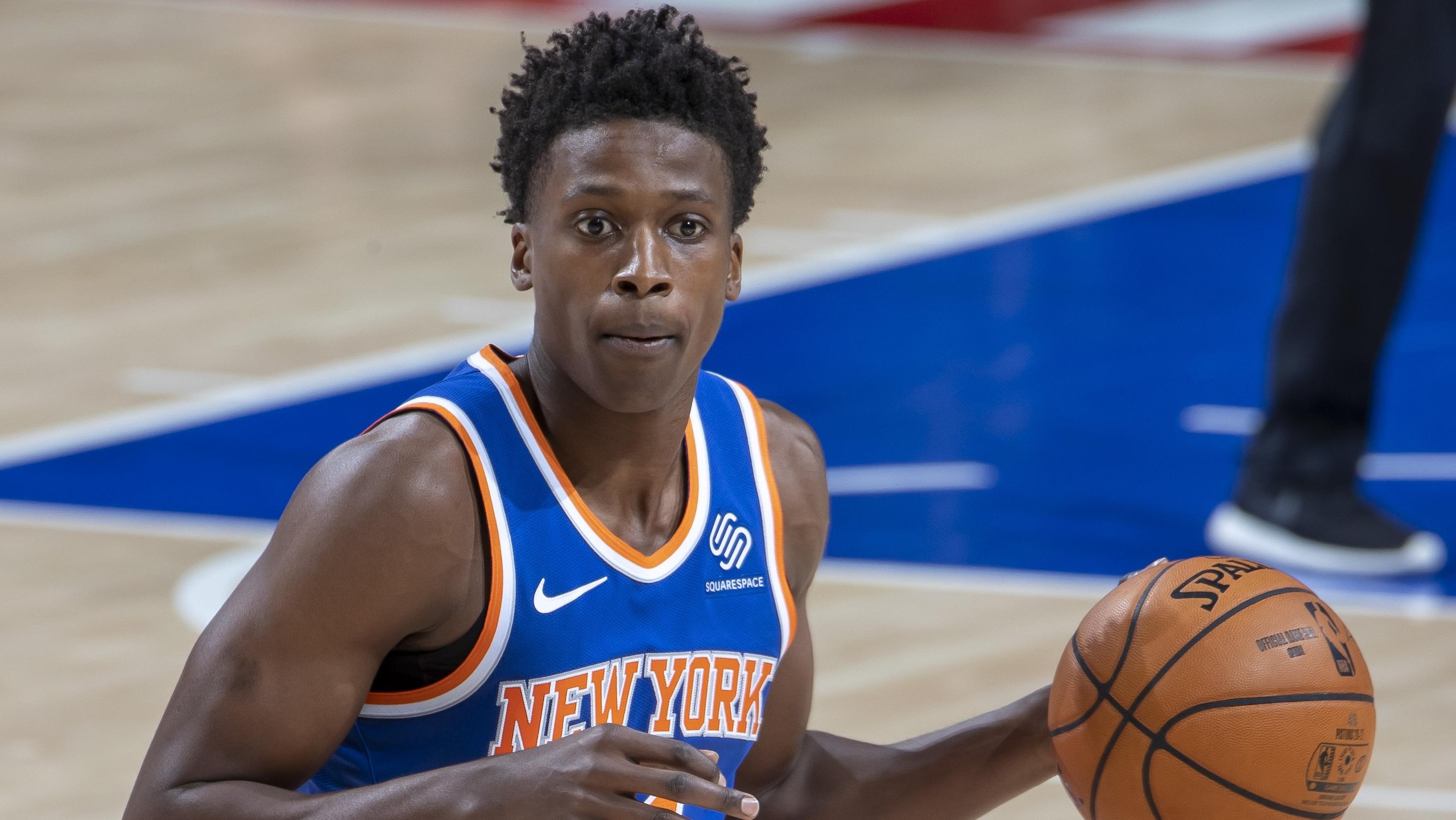
Worst Pick: Frank Ntilikina at No. 8 (2017)
Do-Over Pick: Donovan Mitchell (originally 13th)
This selection is bound to spark some blowback among Knicks fans. They won't be arguing Frank Ntilikina wasn't a bad pick (he was), but rather, they'll be arguing that Kevin Knox (No. 9 in 2018) was even worse.
Whatever side you take in that debate, you'd have a strong case. Both players were pinned with trying to lead the Knicks back to greatness, and neither was up to the challenge. Instead, they were prime examples of mismanagement and disarray in the midst of a seven-year down period for the franchise.
Missing on Ntilikina was bad in itself, but then compounding the problem by also flubbing the Knox pick a year later is disastrous. It would be hard for any team to avoid spiraling when it fails to hit on back-to-back lottery picks.
But for the purposes of our exercise here, we're going to pin Ntilikina as the worst pick. He was taken one draft slot higher than Knox, and he was taken before Knox. Had New York taken a player who didn't have the offensive limitations of Ntilikina, maybe Knox could have landed in a better environment when and if he was drafted by New York the next year.
Imagine if the Knicks had taken Donovan Mitchell instead of Ntilikina in 2017. Not only would they have likely been better off and had a superstar in the making running point, but we would have been spared years of rumors and rumblings about all the mutual interest between Mitchell and the Knicks.
Oklahoma City Thunder
21 of 30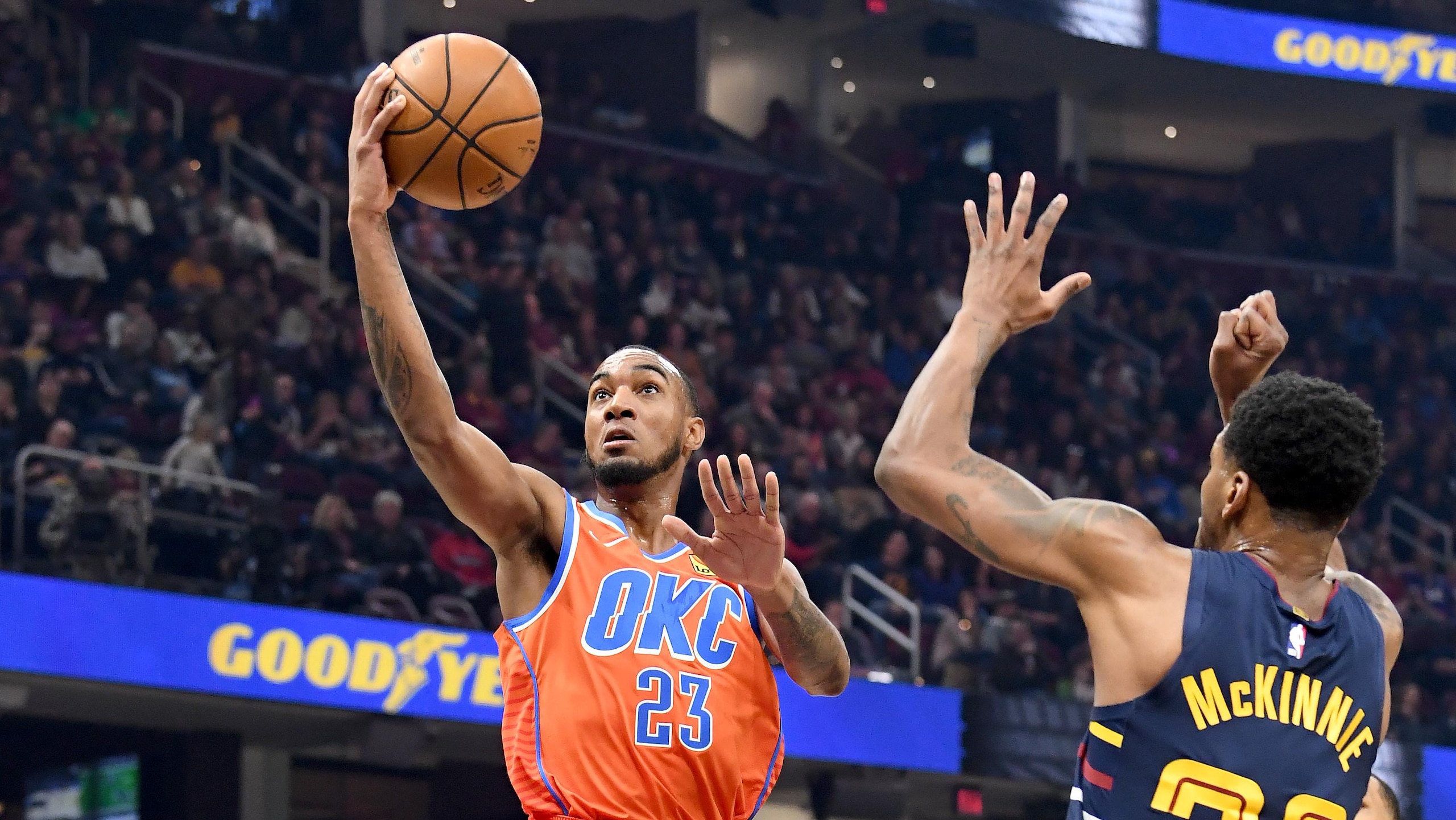
Worst Pick: Terrance Ferguson at No. 21 (2017)
Do-Over Pick: Jarrett Allen (originally 22nd)
The Oklahoma City Thunder and general manager Sam Presti are well known for their ability to stockpile draft picks. And when they use them, Presti and the Thunder generally choose wisely.
But that doesn't mean they bat a thousand.
Terrance Ferguson was a long, versatile wing in the three-and-D mold, and he appeared to be good value at No. 21 in the 2017 draft. However, his traits may have been more valuable to a different team, as the Thunder were well stocked with Russell Westbrook, Paul George and Carmelo Anthony during Ferguson's rookie year, meaning playing time was limited.
Ferguson was a dependable starter during his second year and seemed to be settling in as a role player, but by his third year his playing time had begun to dwindle, and before his fourth year he was traded to Philadelphia and soon out of the league.
The Thunder likely could have gotten more value out of center Jarrett Allen, who was selected immediately after Ferguson. Allen, an All-Star in 2021-22, could have served as the team's backup center and been the heir apparent to Steven Adams, offering OKC a sound defensive backstop and strong presence in the paint.
Orlando Magic
22 of 30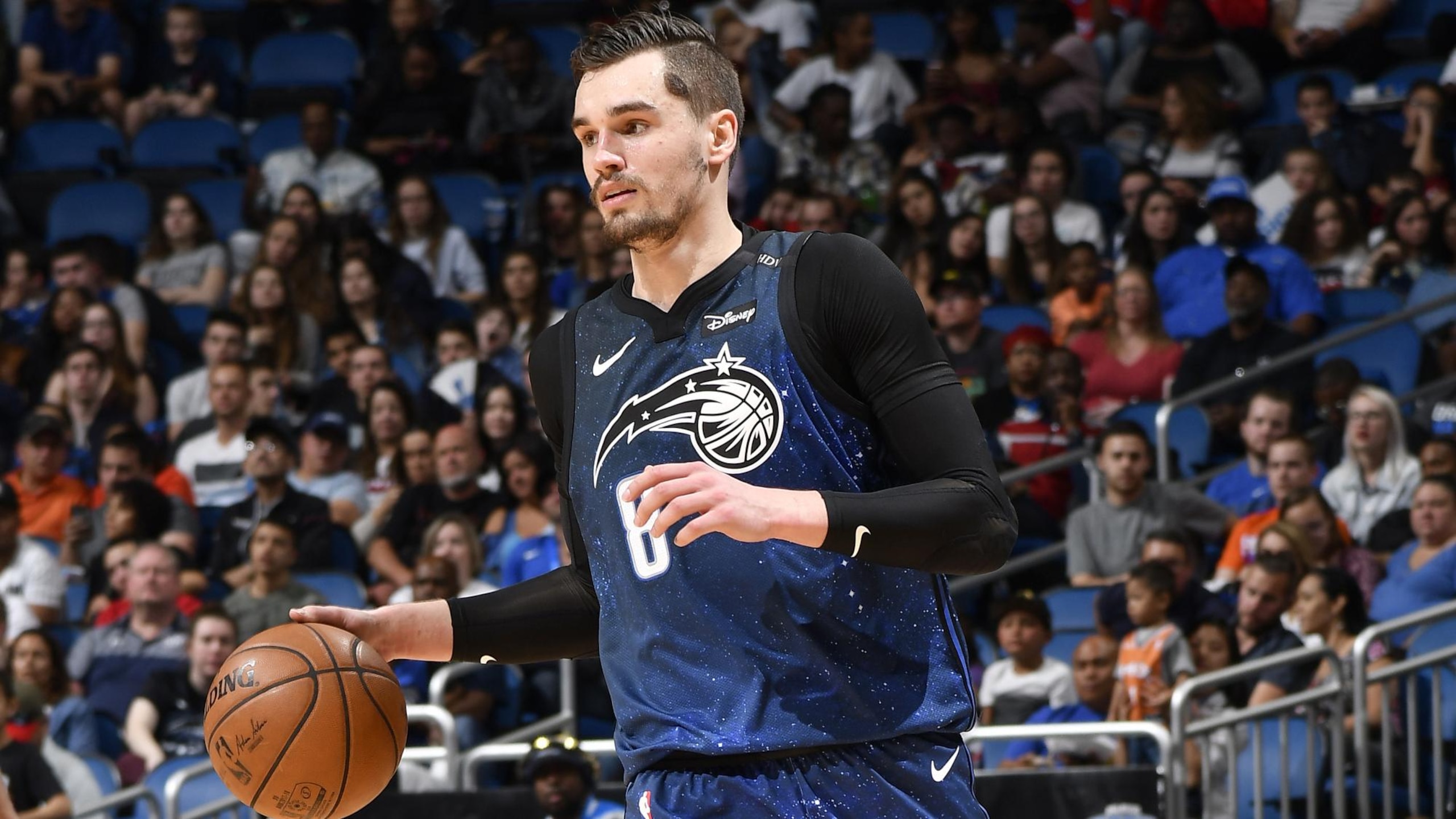
Worst Pick: Mario Hezonja at No. 5 (2015)
Do-Over Pick: Devin Booker (originally 13th)
It's good that the Orlando Magic seem to have hit on Paolo Banchero with the No. 1 pick in 2022, because they have been desperately looking for a true star and franchise cornerstone for more than a decade. Instead, they've had some bad injury luck alongside some generally uninspiring picks.
After taking Victor Oladipo and Aaron Gordon in the top five of the 2013 and 2014 drafts, Orlando was looking to further bolster its young core with the No. 5 pick in 2015. They landed on Mario Hezonja, a point guard out of Croatia, and the fit surely wasn't what Orlando was hoping for.
Hezonja got plenty of opportunities on those young Magic teams during his three years in Orlando, but he never really moved the needle. His scoring and playmaking were underwhelming, and his defense was nothing to write home about. For a top-five pick, he certainly didn't progress or elevate his teammates the way the Magic needed.
The Magic could have instead picked Myles Turner and beefed up their frontcourt, but with Gordon and Nikola Vučević in the way, it's unlikely Orlando would have added yet another big man. If the Magic were bent on getting someone with high upside who could play on or off the ball and complement their existing roster, they should instead have given Devin Booker a shot.
Booker, while not a true wing like the 6'8" Hezonja, could have played off the ball and spread the floor with his elite three-point shooting. He could have also run the point, which could have offered a different look for the offense and arguably would have been more effective than some of the other point guards who saw minutes for Orlando that season.
For a franchise desperate for homegrown stars, Booker could have been a home run.
Philadelphia 76ers
23 of 30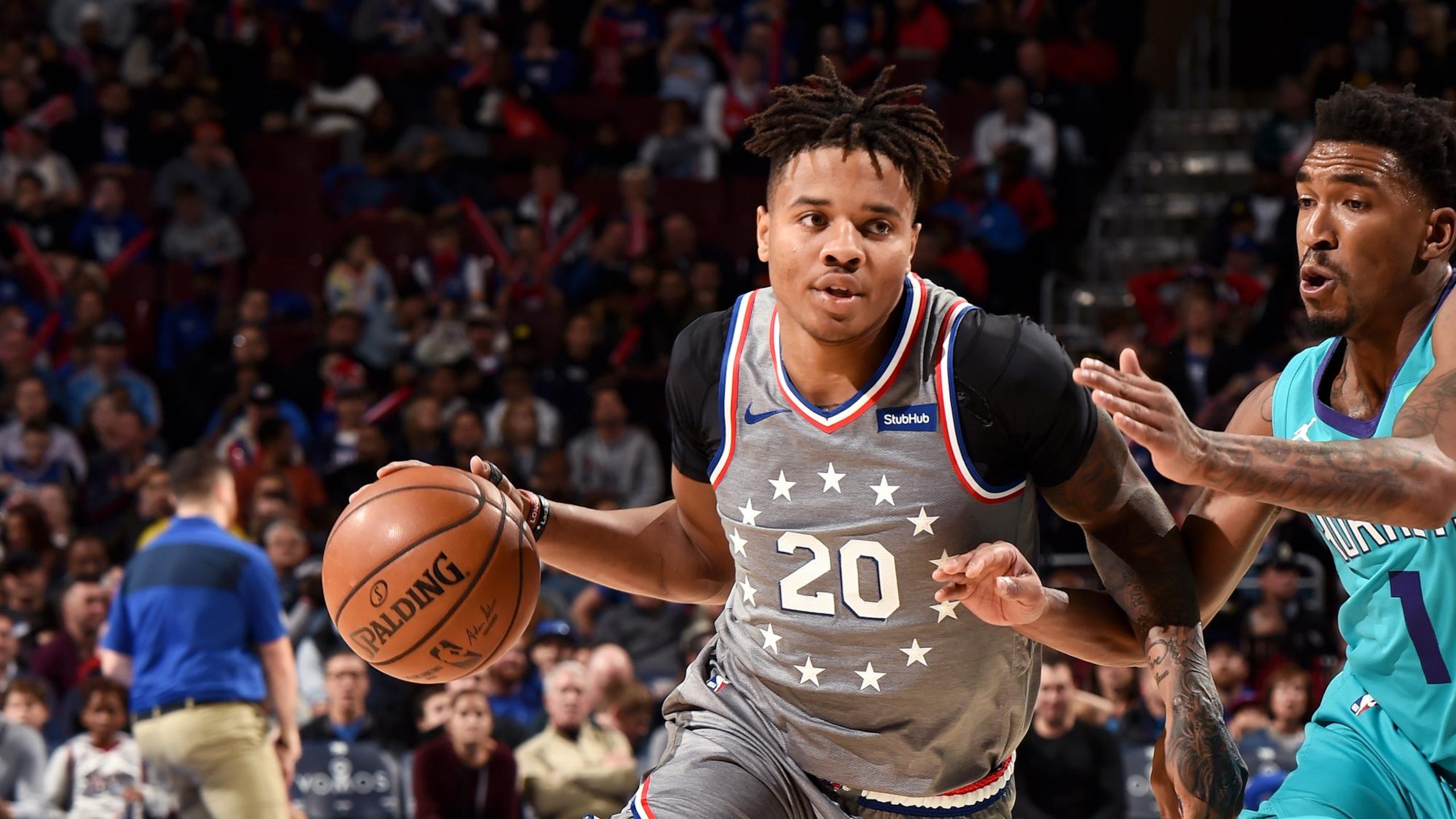
Worst Pick: Markelle Fultz at No. 1 (2017)
Do-Over Pick: Jayson Tatum (originally 3rd)
Yes, our criteria at the beginning indicated that we would not be including traded picks in this exercise. However, the Philadelphia 76ers taking Fultz doesn't really count as a traded pick.
It's not like the Boston Celtics selected Fultz and then traded him after the fact. Rather, the 76ers acquired the No. 1 pick from the Celtics before the draft, clearing the way for them to take whoever they wanted. And out of everyone in the 2017 draft class, they wanted Fultz.
The pick wasn't questioned much at the time. Fultz was one of the consensus top players in the draft. But Fultz, a prolific scorer during his lone college season at Washington, suddenly was totally ineffective in the NBA. He played just 33 games over two seasons with the 76ers and seemed to have lost his confidence and shooting ability while he dealt with an undiagnosed shoulder injury.
To make matters worse for the Sixers, the Celtics used their No. 3 pick on Jayson Tatum who has gone on to be six-time All-Star, five-time All-NBA and was one of the foundational pieces for the team's eventual run to the 2024 title.
Would Tatum have been available at No. 3 if the 76ers stood pat, or would the Celtics have traded the No. 1 pick to the 76ers knowing they planned to take Tatum? We'll never know. But had the 76ers acquired the No. 1 pick and then taken Tatum, the outcome of The Process could have looked very different.
Phoenix Suns
24 of 30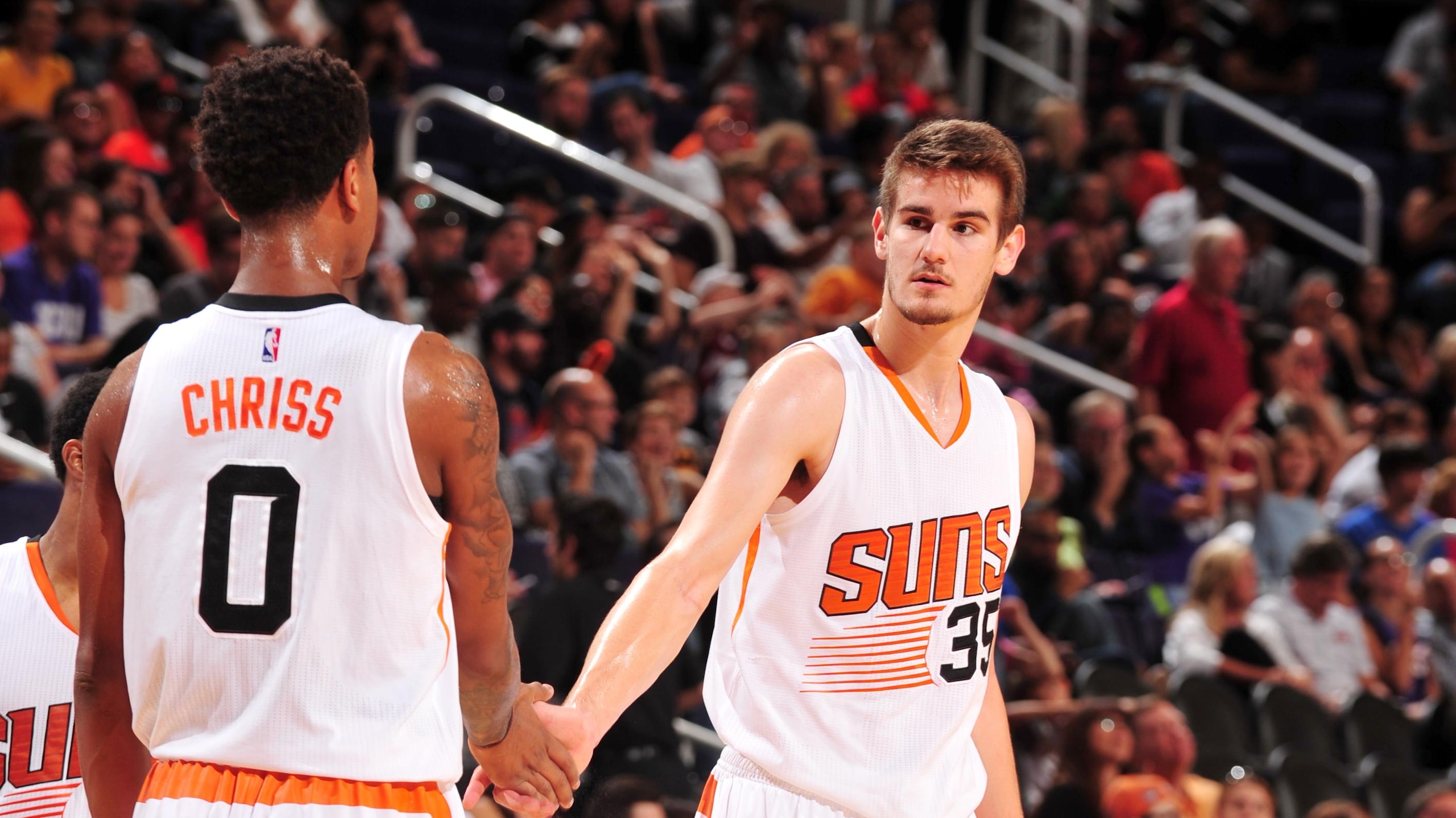
Worst Pick: Dragan Bender at No. 4 (2016)
Do-Over Pick: Domantas Sabonis (originally 11th)
The worst part about the 2016 draft for the Phoenix Suns was they had two top-10 picks and they missed on both. In fact, the players they took—Dragan Bender at No. 4 and Marquese Chriss at No. 8, whom they traded for—were arguably the worst players selected in the top 10 that year.
Bender, as the No. 4 pick, is the tougher pill to swallow. The 7-footer got off to a slow start in his rookie season before appearing in all 82 games for the Suns in his second year. The problem, though, is that his offensive numbers were putrid and his defense wasn't much better. During his first two seasons, Bender shot 37.8 percent from the field, with most of his attempts coming from beyond the three-point line where he hit at a 34.5 percent clip. That's just not going to keep a big man in the rotation.
Bender's playing time dwindled after his second season, he was traded during his fourth year and he was out of the league after that—before even reaching his 23rd birthday.
The Suns could have used that No. 4 pick on Buddy Hield or Jamal Murray, but with Devin Booker and Eric Bledsoe already in the backcourt, it made sense for Phoenix to try to bolster its corps of big men. So in this do-over, we'll slot Domantas Sabonis to Phoenix instead of Bender.
While Sabonis wouldn't have contributed to building a five-out offense, his solid inside scoring, exceptional rebounding and awareness in the passing game would have been major boons for Phoenix's offense. A three-time All-Star and two-time All-NBA selection, there's no doubt the Suns would trade Bender, Chriss and their 2017 first-round pick (a No. 4 selection effectively wasted on Josh Jackson) for Sabonis if they could do things over again.
Portland Trail Blazers
25 of 30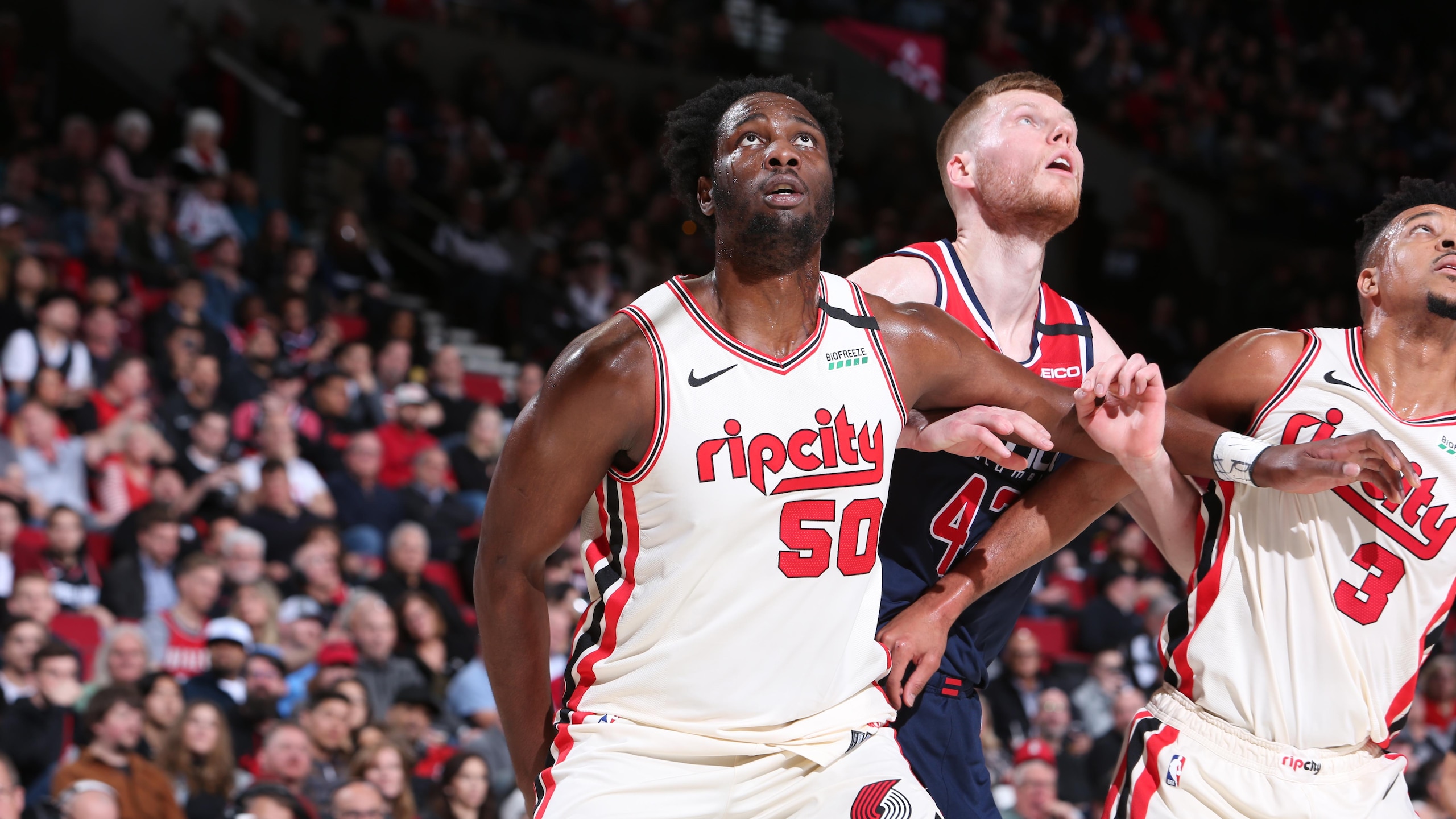
Worst Pick: Caleb Swanigan at No. 26 (2017)
Do-Over Pick: Kyle Kuzma (originally 27th)
It's possible that Scoot Henderson (No. 3 pick in 2023) may eventually fit the bill here, but it's too soon to tell and the Portland Trail Blazers don't exactly have a roster built to set him up for success.
For now, our pick is Caleb Swanigan, a 6'9" tweener whose game didn't extend much outside the paint and didn't make much of an impact over two separate stints with the Blazers during his three years in the league. Swanigan, a late first-round pick that was joining a competitive Portland team that had its eyes on trying to unseat the dynastic Golden State Warriors out West, never really found a role.
If they were looking for size, the Blazers could have found it—and added versatility, shooting and playmaking—in Kyle Kuzma, who was taken one spot after Swanigan. Kuzma got off to a strong start to his NBA career, making the All-Rookie first team and establishing himself as a dependable rotation player no matter where he has played.
Two years after playing his final NBA game, Swanigan, who battled with his weight throughout his life, tragically died of natural causes in 2022 when he was just 25 years old.
Sacramento Kings
26 of 30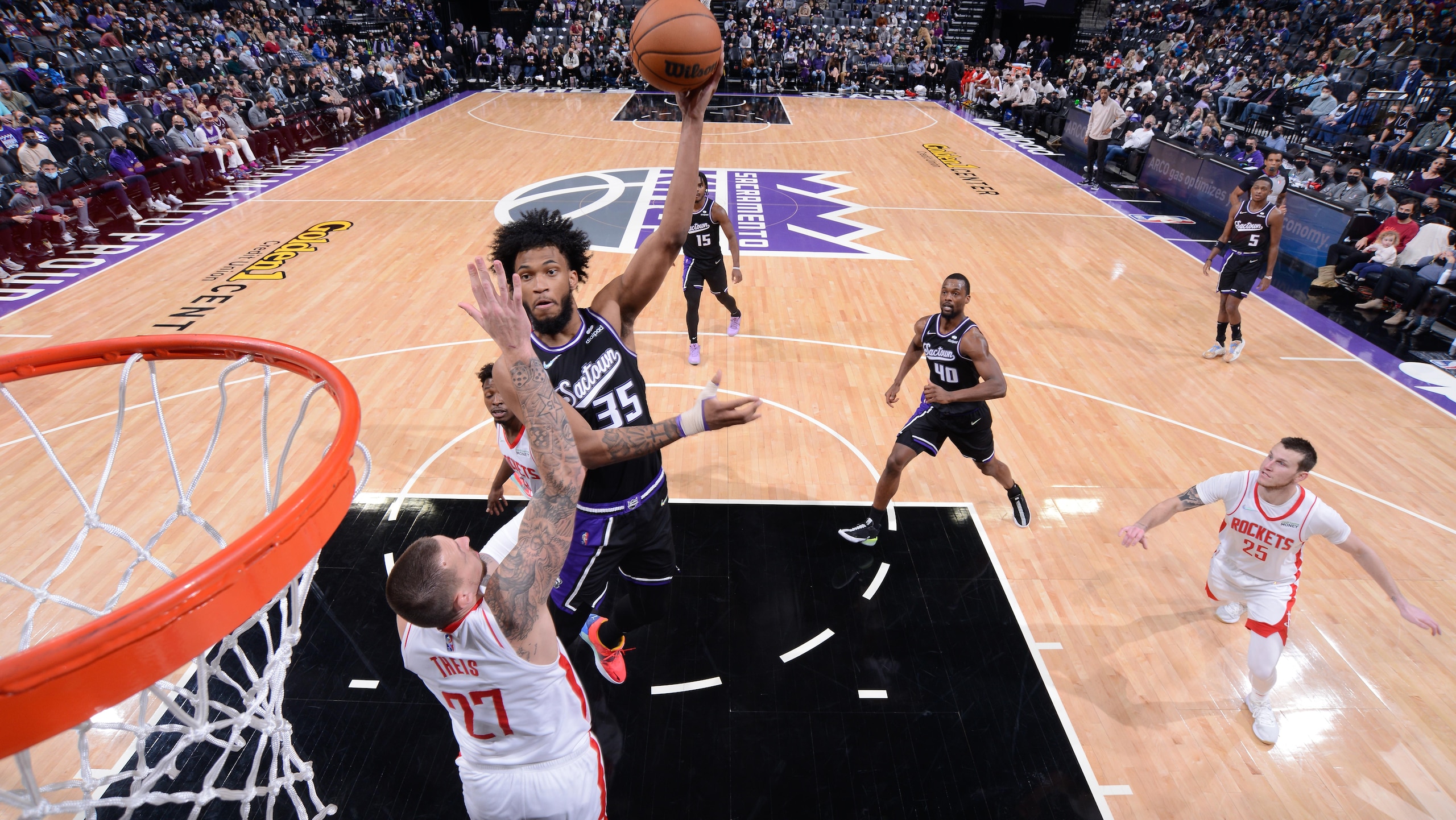
Worst Pick: Marvin Bagley III at No. 2 (2018)
Do-Over Pick: Luka Dončić (originally 3rd)
Poor Marvin Bagley III. Not only is he saddled with not being Luka Dončić or Trae Young, but he's also not Deandre Ayton or Jaren Jackson Jr. And the fact that he wound up in Sacramento stems from his willingness to earnestly go through the process with the Kings while the rest of the top prospects were "openly trying to avoid going there."
Add in the fact that injuries marred much of Bagley's time in Sacramento, and it's just an unfortunate situation.
Still, it doesn't change the fact that Bagley underperformed his No. 2 draft slot before he was unceremoniously traded to Detroit during his fourth NBA season. And when you look at the players the Kings could have had—even if they didn't want to go to Sacramento—it just makes matters worse.
If the Kings could do things over again, perhaps they would have opted to take Dončić even without seeing his medical information or getting him to come in for a workout. When you're talking about a guy who has gone on to be a five-time All-NBA player, maybe that's a risk you have to take.
In 2024, Vlade Divac, the team's general manager at the time, tried to explain his decision by saying he believed De'Aaron Fox was Sacramento's lead guard of the future and the team wanted to invest in him instead of having him share the ball with Dončić.
You have to imagine now that the Kings and their fans wish they could have tested that theory, especially since Fox is no longer part of the team's future.
San Antonio Spurs
27 of 30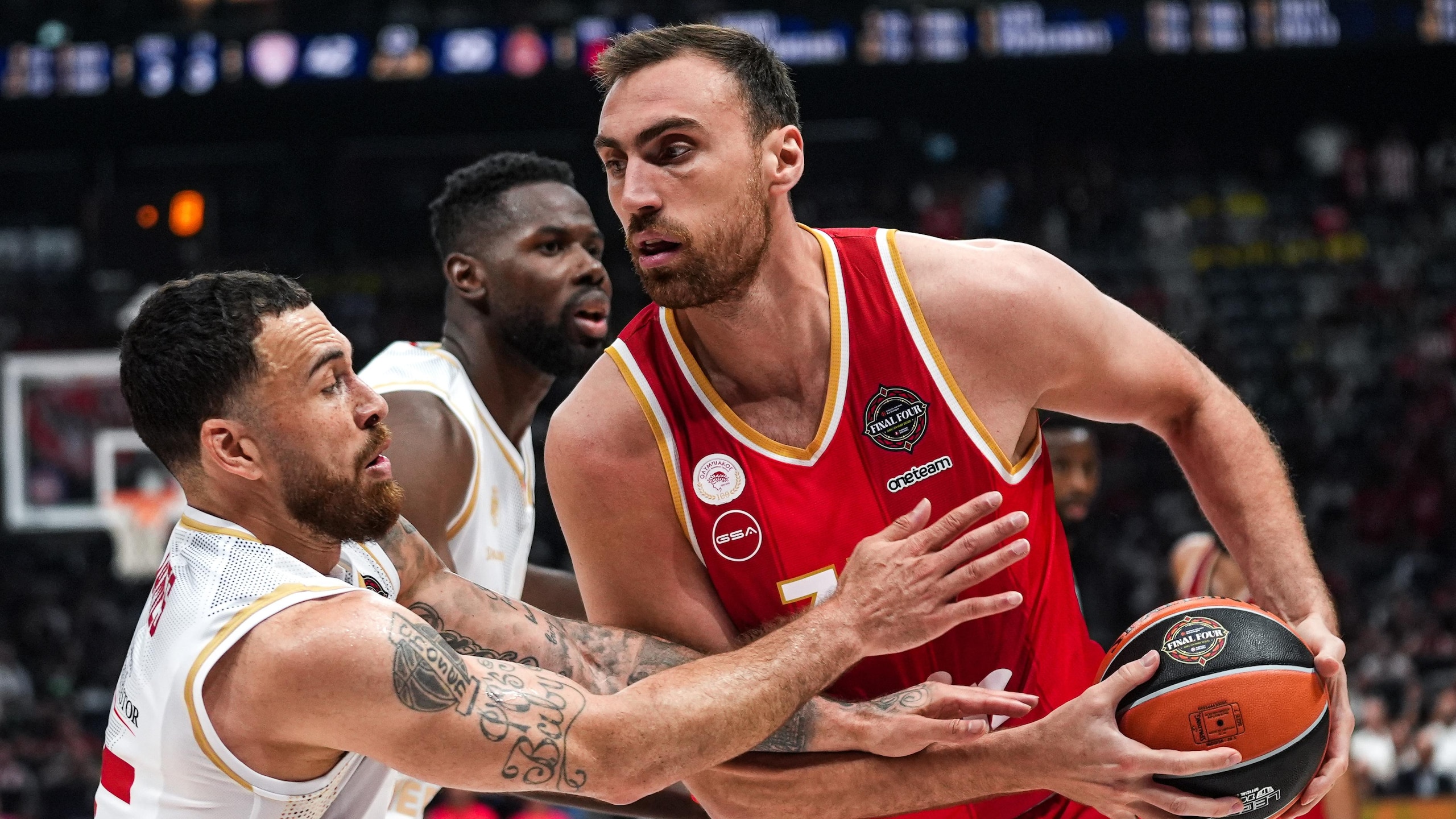
Worst Pick: Nikola Milutinov at No. 26 (2015)
Do-Over Pick: Larry Nance Jr. (originally 27th)
What, you don't remember Nikola Milutinov? You must not know ball.
But in all seriousness, Milutinov is a unique case. He's the only first-round pick over the past 10 years to never actually come over to the United States and participate in any activities with the team that drafted him. No Summer League, no training camp, no actual games—nothing.
The Serbian big man has gone on to have a successful career in Europe, and he was on the silver medal-winning Serbian team at the 2023 World Cup as well as the team that won the bronze medal at the 2024 Olympics.
Now, the Spurs didn't necessarily need him at the time he was drafted, so drafting him and stashing him wasn't unreasonable. But never bringing him over? That just seems wasteful. Milutinov placed the blame on the Spurs for never bringing him over even though they probably could have used him after Tim Duncan retired in 2016.
Since the Spurs were so stacked in 2015, maybe they should have just traded their pick instead of wasting it on someone they were never going to bring over. If they were going to make the pick, Larry Nance Jr. was right there for the taking, and he could have spent a year or two learning within San Antonio's system and earning a spot in the rotation.
Toronto Raptors
28 of 30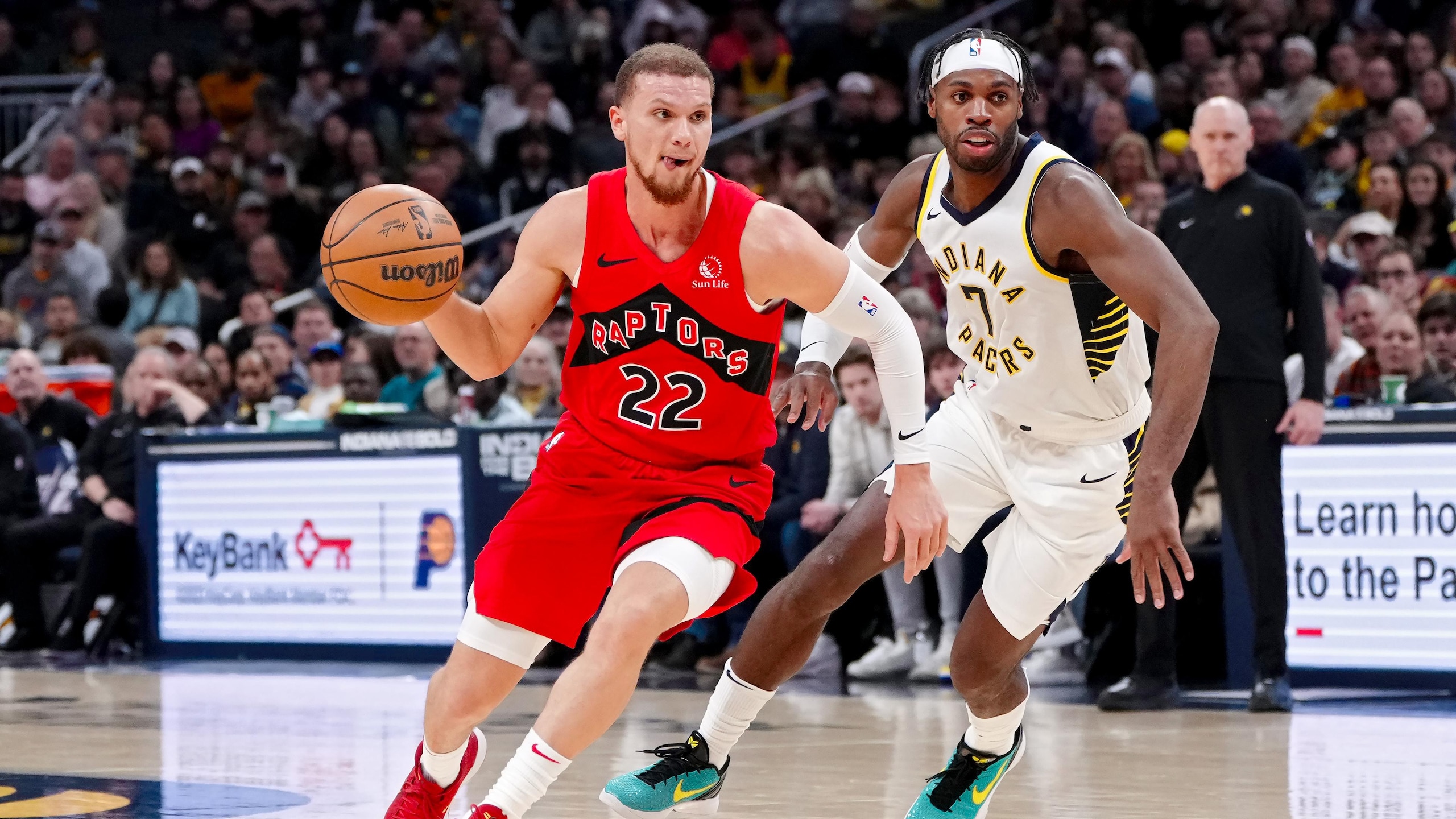
Worst Pick: Malachi Flynn at No. 29 (2020)
Do-Over Pick: Desmond Bane (originally 30th)
Malachi Flynn draws the ignominious honor of being the Toronto Raptors' worst first-round pick of the past 10 years mostly through no fault of his own. The Raptors have just drafted that well.
There's a lot of home runs and no really big misses among Delon Wright (2015), Jakob Poeltl (2016), Pascal Siakam (2016), OG Anunoby (2017), Scottie Barnes (2021), Gradey Dick (2023) and Ja'Kobe Walter (2024). That Flynn performed at the level you would expect of a typical 29th overall pick and ultimately faded out of the rotation isn't really that big of a problem.
Most teams could only hope to be so lucky to have Flynn be their worst pick over a 10-year period.
That being said, the Raptors still could have made a better choice in 2020. While he's not a pure point guard like Flynn, Desmond Bane was available one pick later, and the sharpshooting, versatile wing unexpectedly became one of the surprise gems of the draft.
Can you imagine if Raptors president Masai Ujiri had snatched him up, too?!
Utah Jazz
29 of 30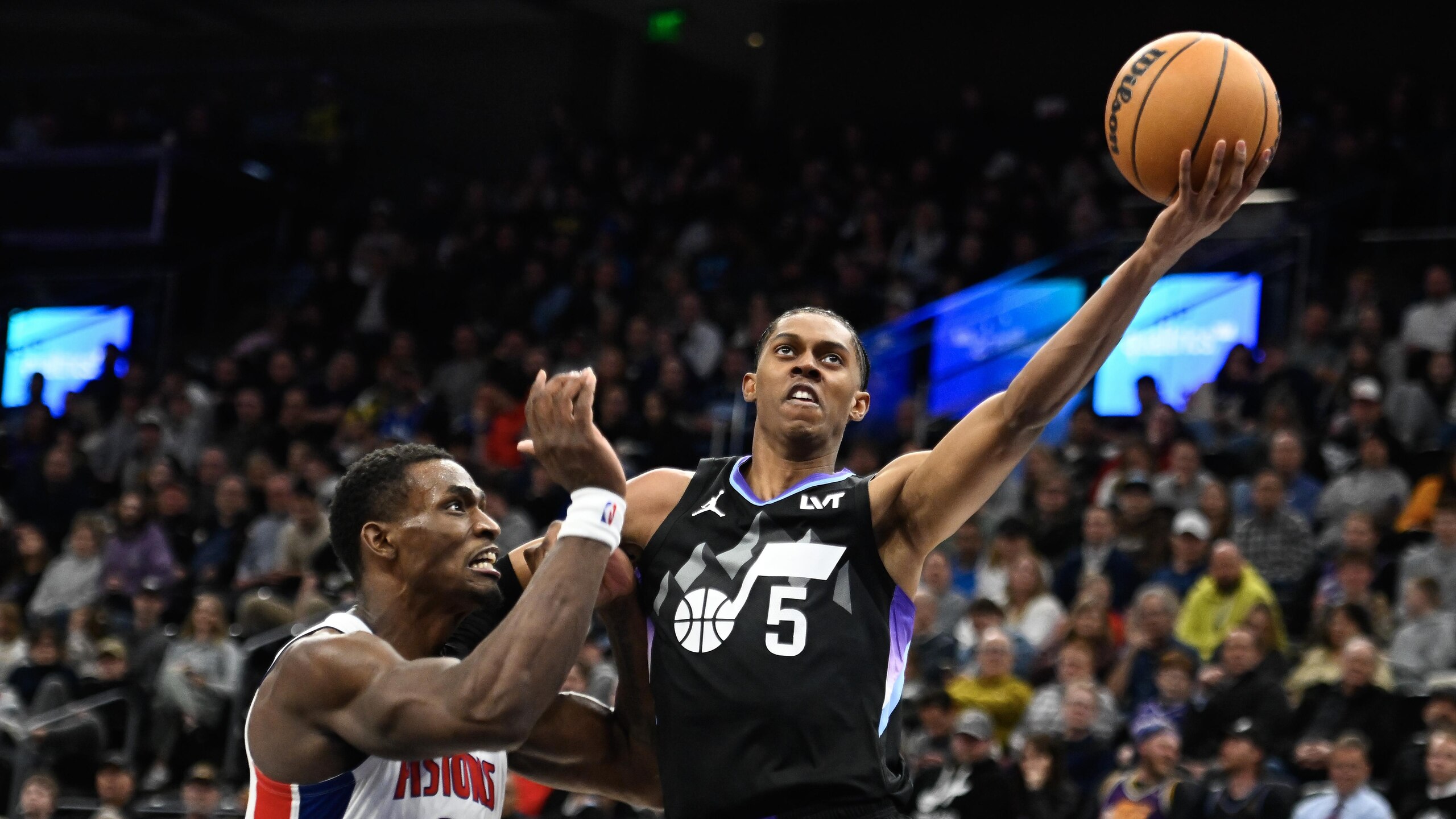
Worst Pick: Cody Williams at No. 10 (2024)
Do-Over Pick: Matas Buzelis (originally 11th)
It's probably too early to truly determine whether Cody Williams was a good pick by the Utah Jazz in last year's draft. Considering he's only their second lottery pick since they took Trey Lyles in 2015, though, it's of increased importance that Williams pans out.
Utah's other lottery pick was Taylor Hendricks, who was taken ninth in 2023. Unfortunately, Hendricks fractured his right fibula and dislocated his ankle during a game early in his second season, so he missed all of last season.
While the Jazz weren't built to win last year, Williams didn't necessarily inspire a ton of confidence as he shot 32.3 percent from the floor and 25.9 percent on three-pointers while averaging 4.6 points per game over 50 contests as a rookie. He's going to need to build on those numbers during his sophomore season in order to remain part of whatever the Jazz are hoping to build.
If the Jazz had a chance to do things over again, they might have opted to take Matas Buzelis, who went to the Chicago Bulls one pick later. The 6'10" wing played in 80 games for the Bulls this season, acquitting himself well enough to earn All-Rookie second-team honors.
Hopefully both Williams and Buzelis continue to grow and become fantastic NBA players, but as of right now, Buzelis' stock is higher.
Washington Wizards
30 of 30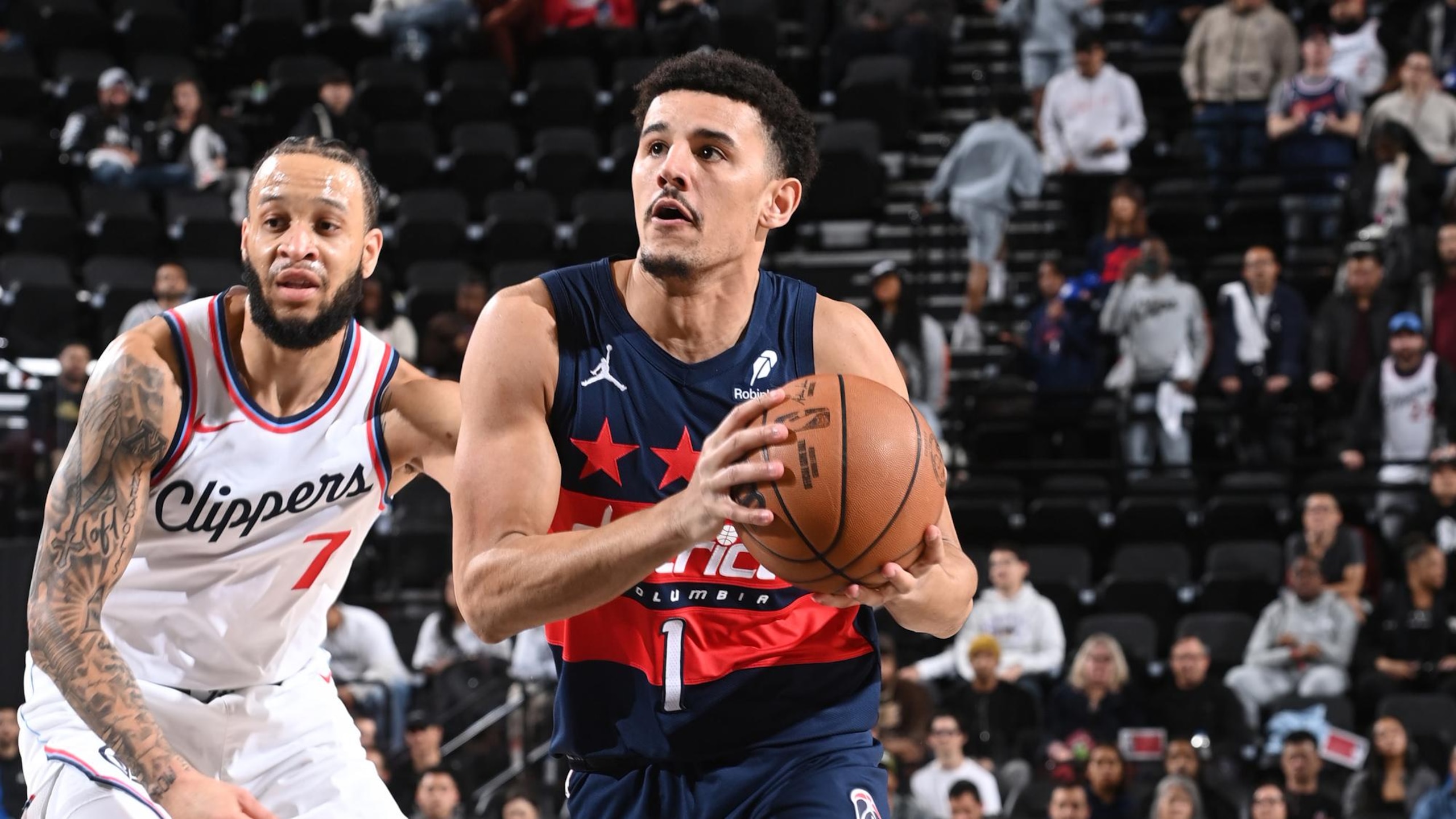
Worst Pick: Johnny Davis at No. 10 (2022)
Do-Over Pick: Jalen Williams (originally 12th)
The Washington Wizards entered the 2022 draft looking for a difference-maker—someone who could help them get them unstuck from their spot just below .500 and give them an upward trajectory and hope for the future in the Eastern Conference.
They placed their bet on Johnny Davis, an explosive scorer out of Wisconsin who had just won Big Ten Player of the Year and won the Jerry West Award as the nation's best collegiate shooting guard. He seemed like a bankable talent.
However, Davis' swagger and scoring didn't make the jump to the NBA with him. He spent most of his rookie season in the G League, appearing in just 28 NBA contests. While he played in 50 games in his second year, his production was worse, as he averaged just 3.0 points while playing 12.3 minutes per contest.
It didn't help that the Wizards totally revamped their front office after Davis' first season or that head coach Wes Unseld Jr. was moved into a new role midway through Davis' second. Before Davis' third season even began, he knew it would be a lame-duck year, as the Wizards did not pick up his fourth-year option.
Davis still has time to shed the bust label, but it's not going to happen with the Wizards. Meanwhile, Jalen Williams, who was selected two picks later, has proved himself to be indispensable in Oklahoma City, averaging 21.6 points, 5.3 rebounds and 5.1 assists per game this season while also playing great defense on the way to being named to his first All-Star Game.
Could Williams have put up those kinds of numbers on a much less talented Wizards team in the midst of a rebuild? Maybe not. But it's safe to believe he would have been more productive than Davis has been to this point.



.png?w=2560 "Week 8 Winners & Losers 📊")