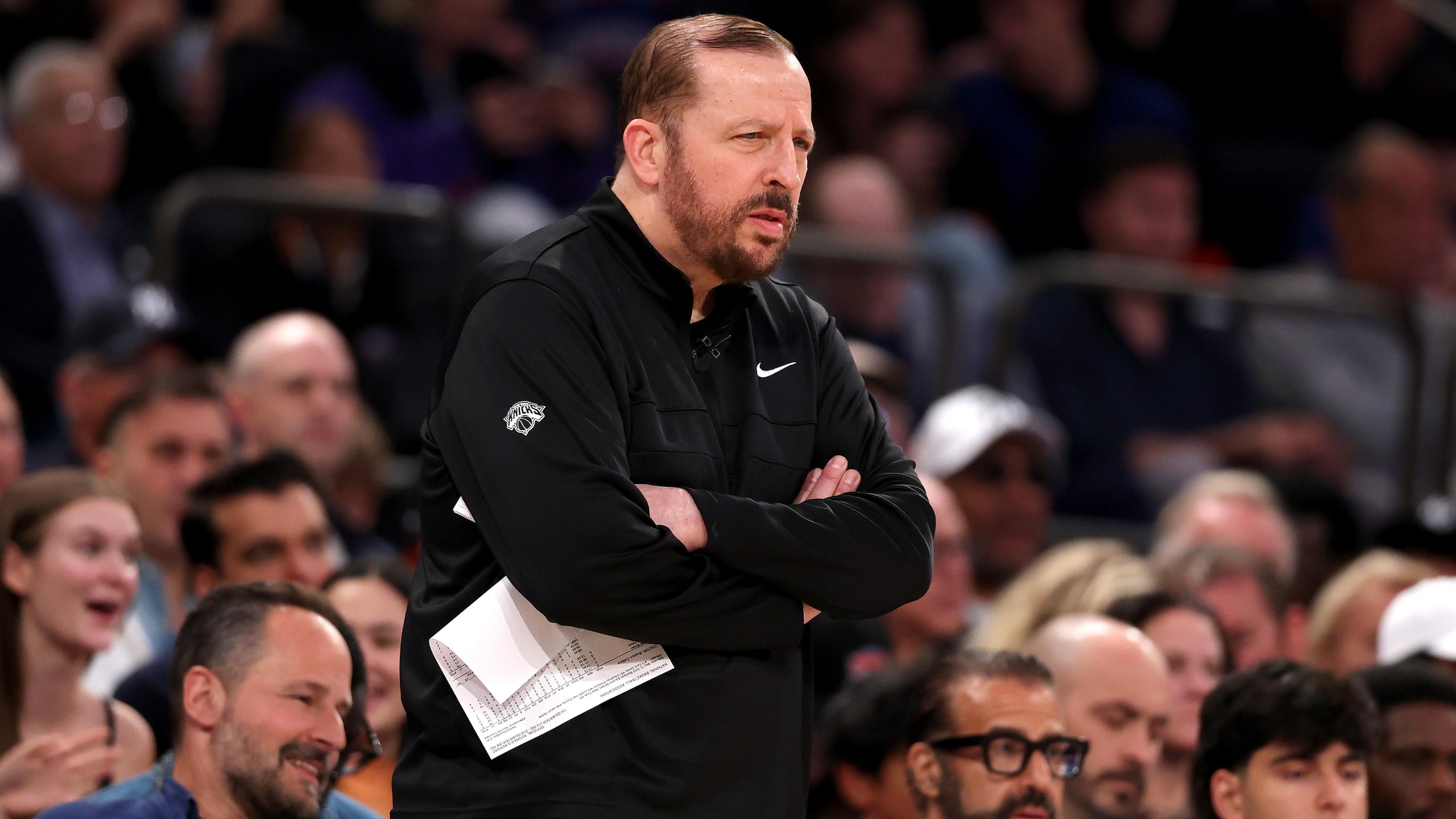

The New York Knicks parted ways with head coach Tom Thibodeau on Tuesday, as ESPN's Shams Charania first reported. It's a decision many fans and analysts will overwhelmingly support. It may even be the right call.
But it is not the only problem these Knicks must address.
Heck, moving on from Thibodeau doesn't even necessarily tackle New York's biggest issue. He was far from blameless in their less-than-impressive performance during the Eastern Conference Finals, but his exit alone does not guarantee this team will morph into the contender it wants to be next season.
Other wrinkles must be ironed out. Plenty of them, in fact. So let's roll through the five biggest ones.
The Jalen Brunson and Karl-Anthony Towns Minutes
1 of 5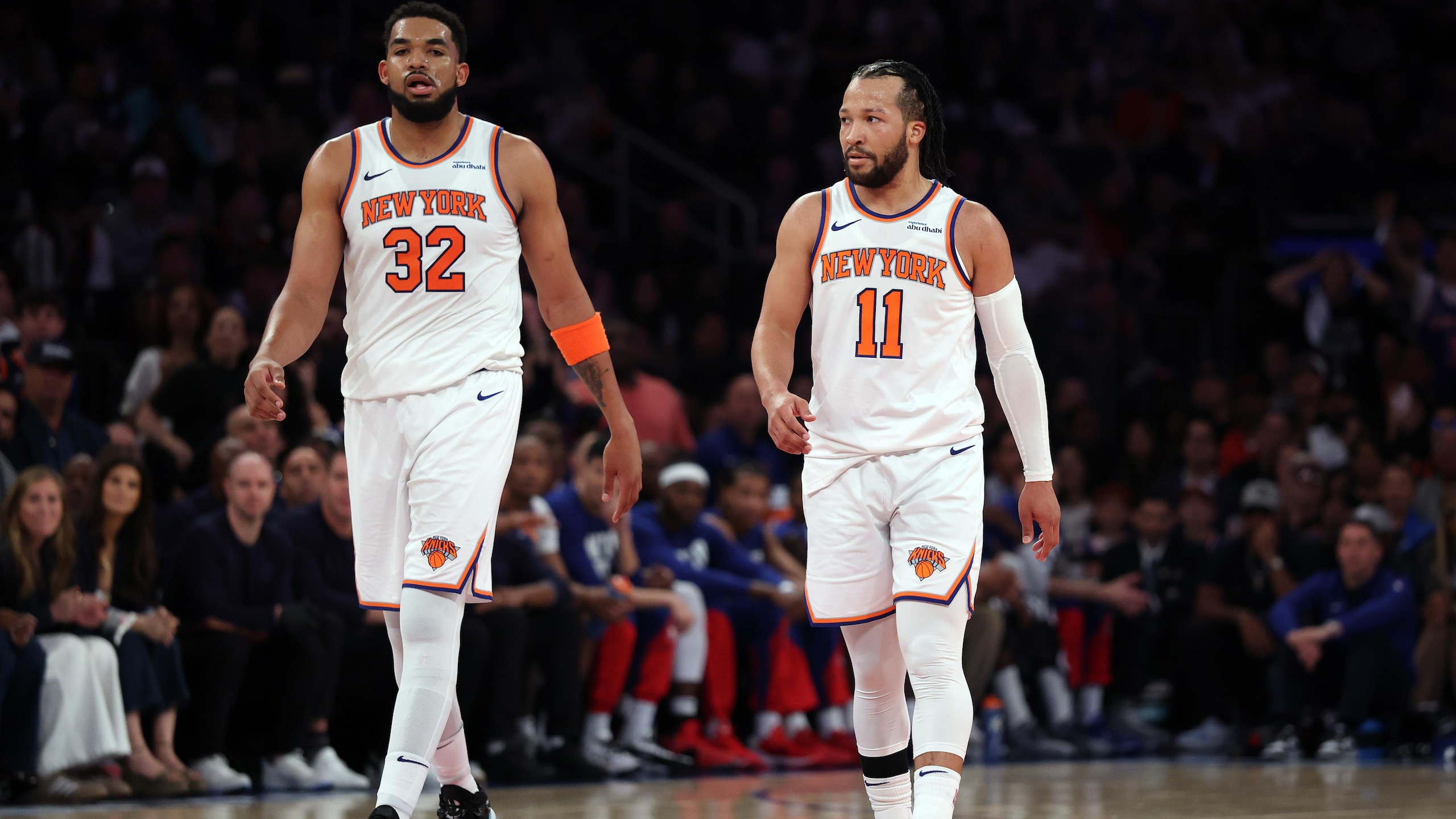
It became clear by the end of the postseason that Jalen Brunson and Karl-Anthony Towns were operating as two separate entities rather than on the same wavelength. New York's performance during their joint minutes versus solo stints proved as much.
This isn't just a playoffs issue, either.
After assisting on over 20 percent of Towns' made buckets prior to the New Year, Brunson dimed up the big man on just 17 percent of his baskets from Jan. 1 through March 6, when the point guard went down with an ankle injury. That number declined even further in the playoffs, with Brunson lending a helping hand on barely 14 percent of Towns' made field goals.
To what end Thibs was responsible for this deteriorating dynamic is debatable. Moving forward, though, the Knicks need their two most important offensive players to be more in sync. They better hope having a new voice and tactician at the helm does the trick.
Fixing the Starting Lineup
2 of 5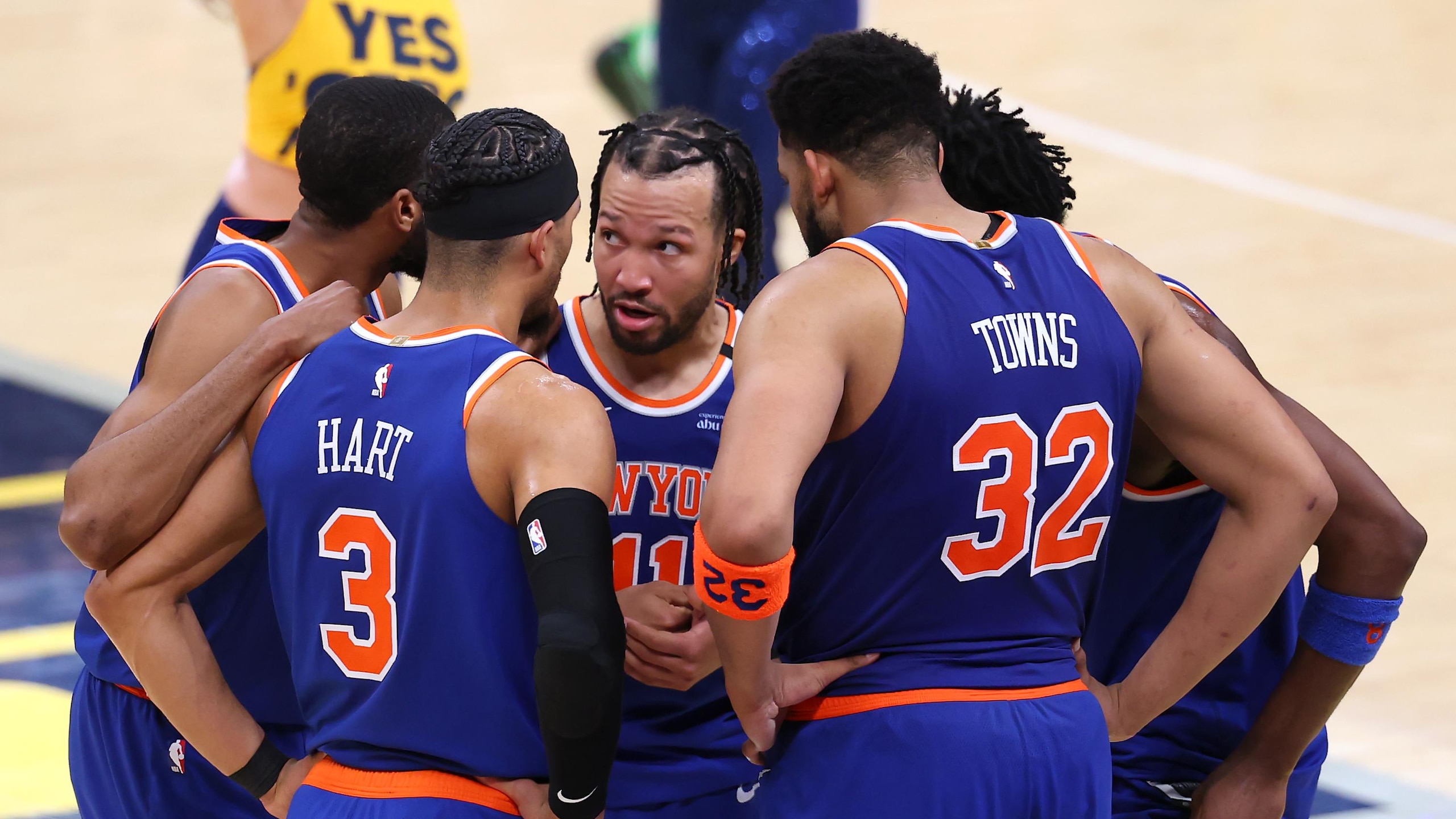
Thibodeau waited too long before switching up the starting five of Jalen Brunson, Mikal Bridges, Josh Hart, OG Anunoby and Karl-Anthony Towns despite having plenty of evidence the group wasn't working. This quintet finished the regular season as a net negative after Jan. 1 and was a minus-31 during the playoffs.
Though Thibs eventually made the obvious change by yanking Hart from the starting five, the move has not gifted the Knicks a freshly paved roadmap. The lineup with Mitchell Robinson was outscored by six points for the playoffs despite winning its minutes by a single point against the Indiana Pacers.
Starting a second big gives New York more flexibility on defense while increasing its presence on the offensive glass, but it doesn't necessarily remedy the functional awkwardness. Two-man actions between Brunson and Towns could actually be harder to come by since Robinson makes more sense as the primary screener. And if the Knicks designed this roster with five-out spacing in mind, Robinson compromises that vision more than Hart.
Playing two bigs also forces the front office to go out and land a serviceable third one this offseason. Towns can still play the 5 in certain looks, but it'll be tough to perfectly stagger him and Robinson when they begin games together. Precious Achiuwa clearly isn't the answer. Expecting Ariel Huckporti to handle those reps is a stretch. Free agency may offer solutions—Al Horford? Brook Lopez? Chris Boucher?—but only if those options are willing to accept no more than the $5.7 million taxpayer mid-level exception.
Perhaps rolling with Deuce McBride as the fifth starter ends up being the answer. New York can't be sure. McBride logged a total of 40 minutes with the non-Hart starters across both the regular season and playoffs.
The No. 2 Option Conundrum
3 of 5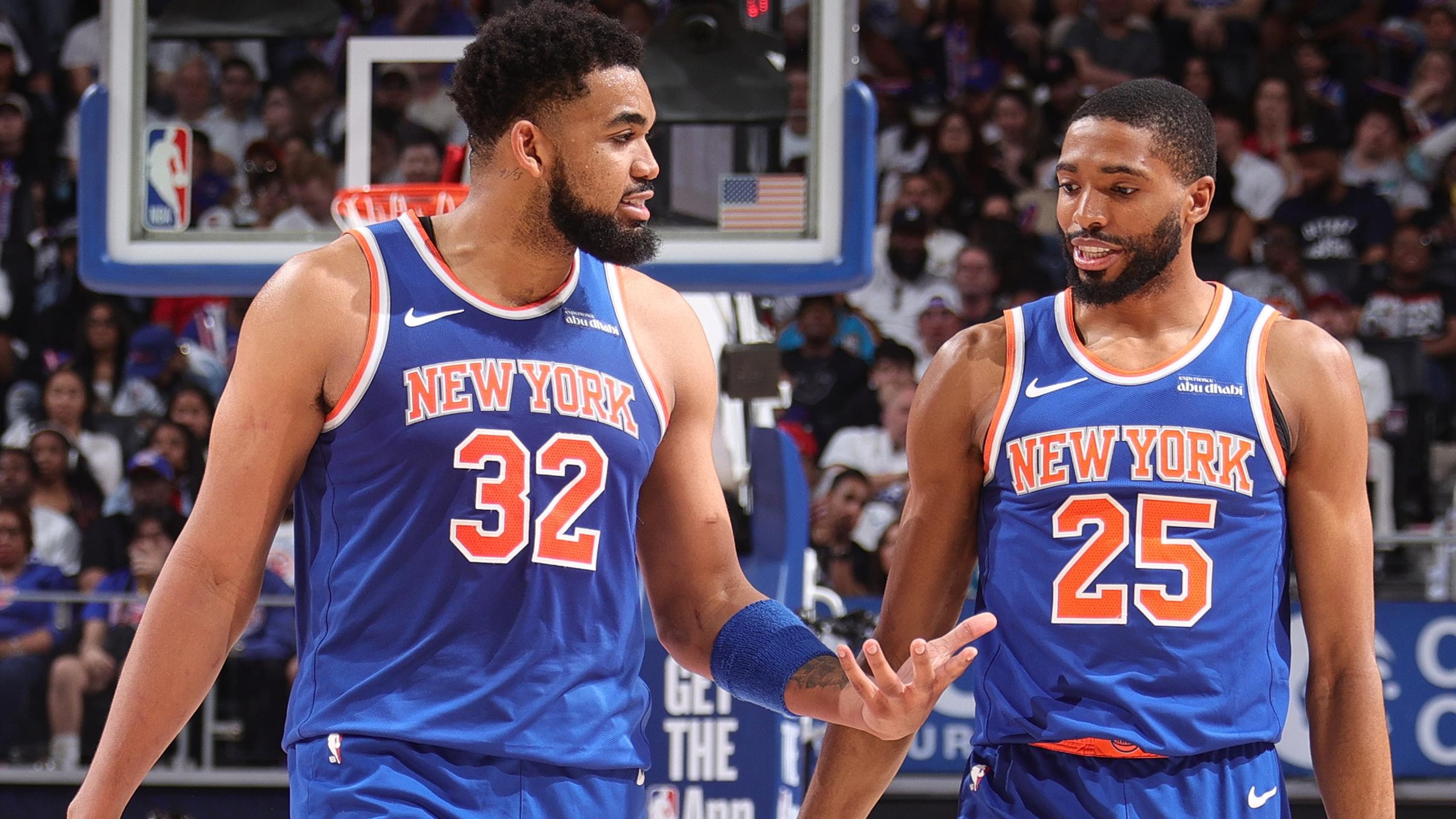
One thing Thibodeau definitely isn't responsible for: The Knicks surrendering control of seven first-round picks over the 2024 offseason and emerging from it without an actual No. 2 option.
Mikal Bridges' inconsistency looms largest because, well, five outright first-round picks and one first-round swap is a lot to surrender. But reliably generating offense for himself and others has never been the crux of his game. While his aversion to contact and the rim has reached critical mass in New York, over 65 percent of his twos and more than 94 percent of his threes for his career have come off assists.
Towns is as close as the Knicks come to a second-in-command. That is not comforting.
Inconsistent involvement has plagued him since entering the league. The vast majority of his own career buckets have come off assists, he is not a dependable live-dribble playmaker, and as we saw during the playoffs, his aggression level fluctuates unless he's plopped into lineups that don't have any offensive alternatives.
Counting on another coach to tap into previously unplumbed depths of Bridges and Towns is a pipe dream. They will be entering their age-29 and age-30 seasons, respectively, next October. A battled-tested No. 2 option will require looking outward—a super-tall order when the Knicks have limited financial flexibility and no first-round picks to trade.
Meaningfully Extending the Rotation
4 of 5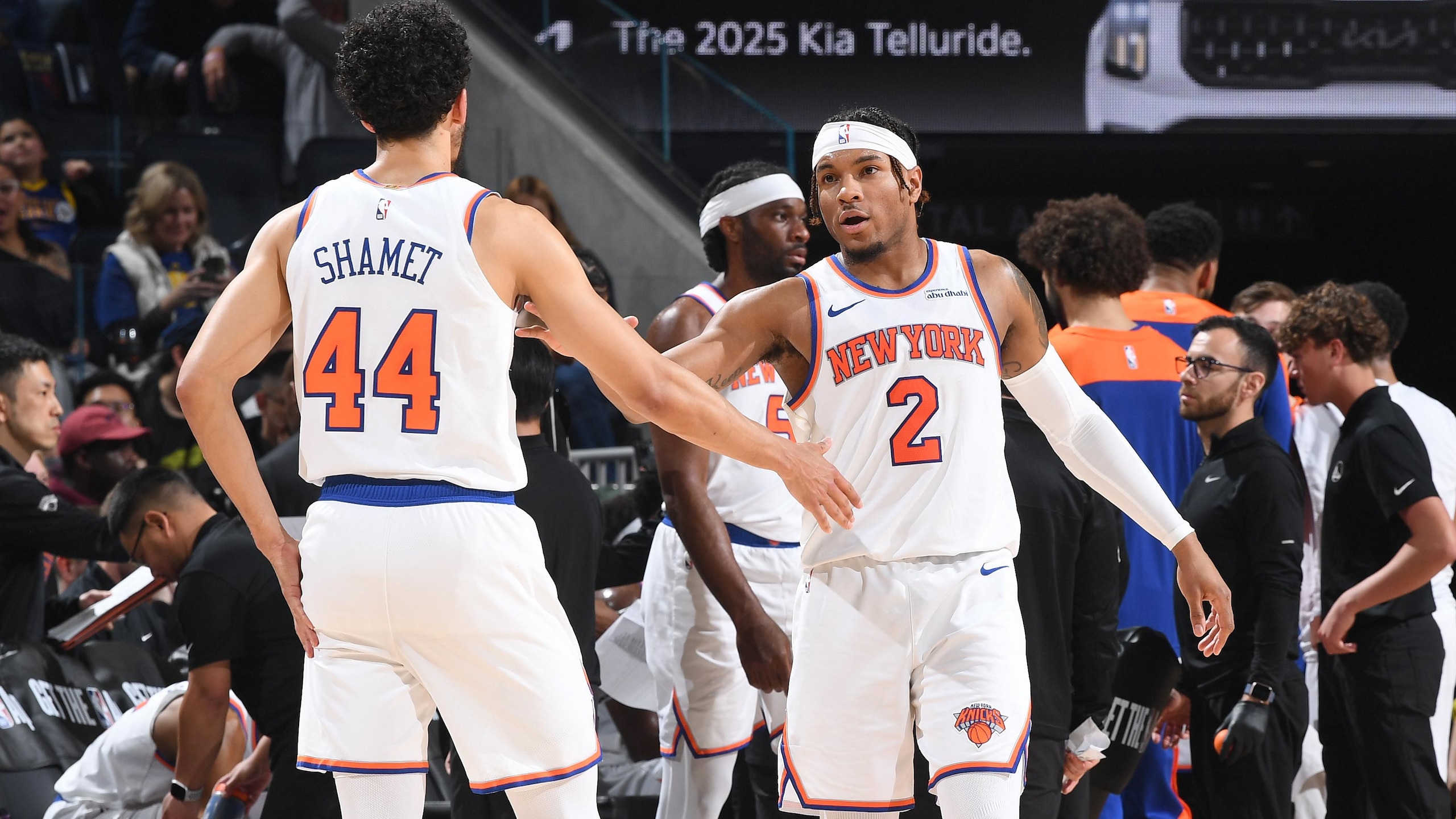
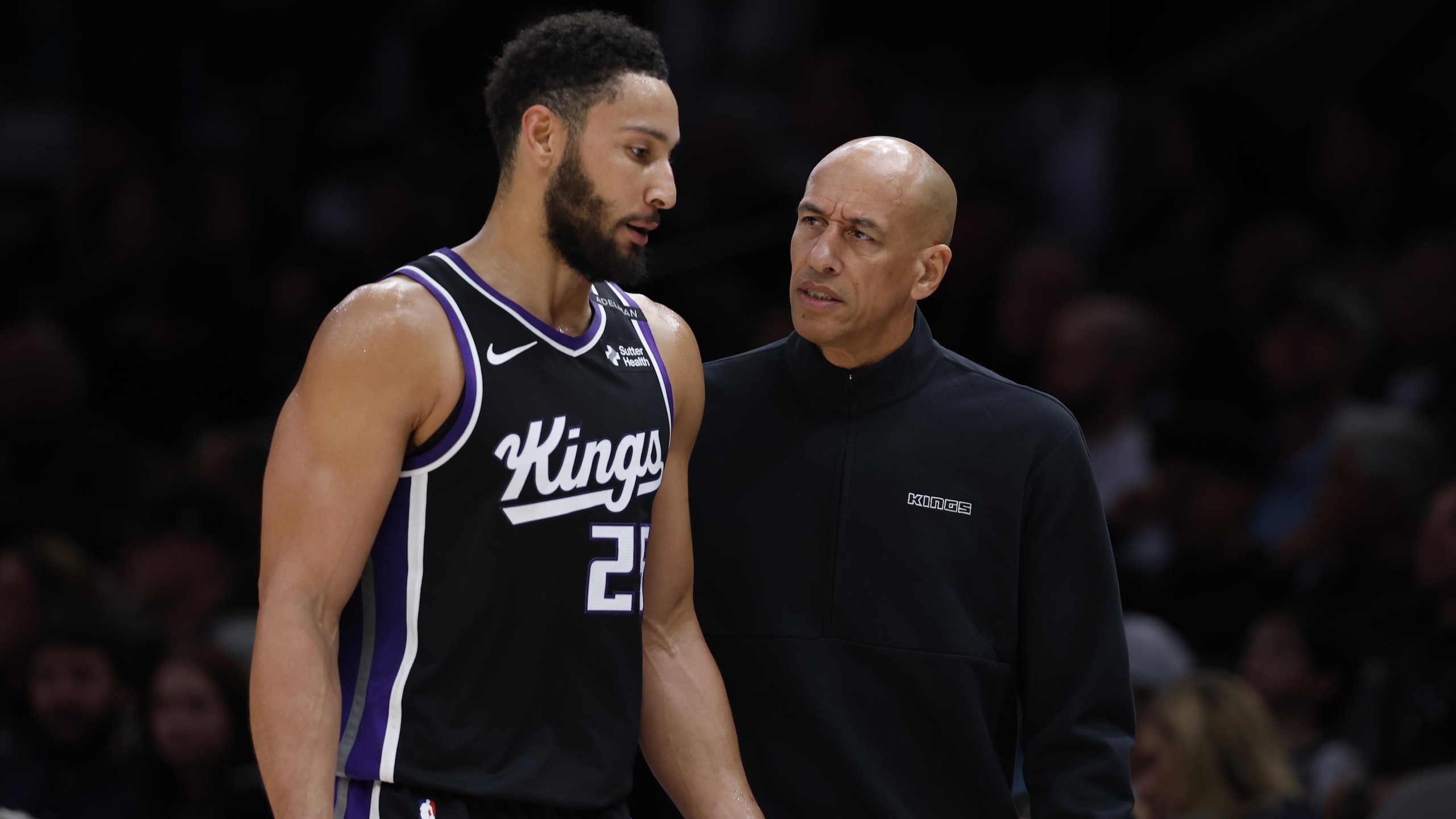
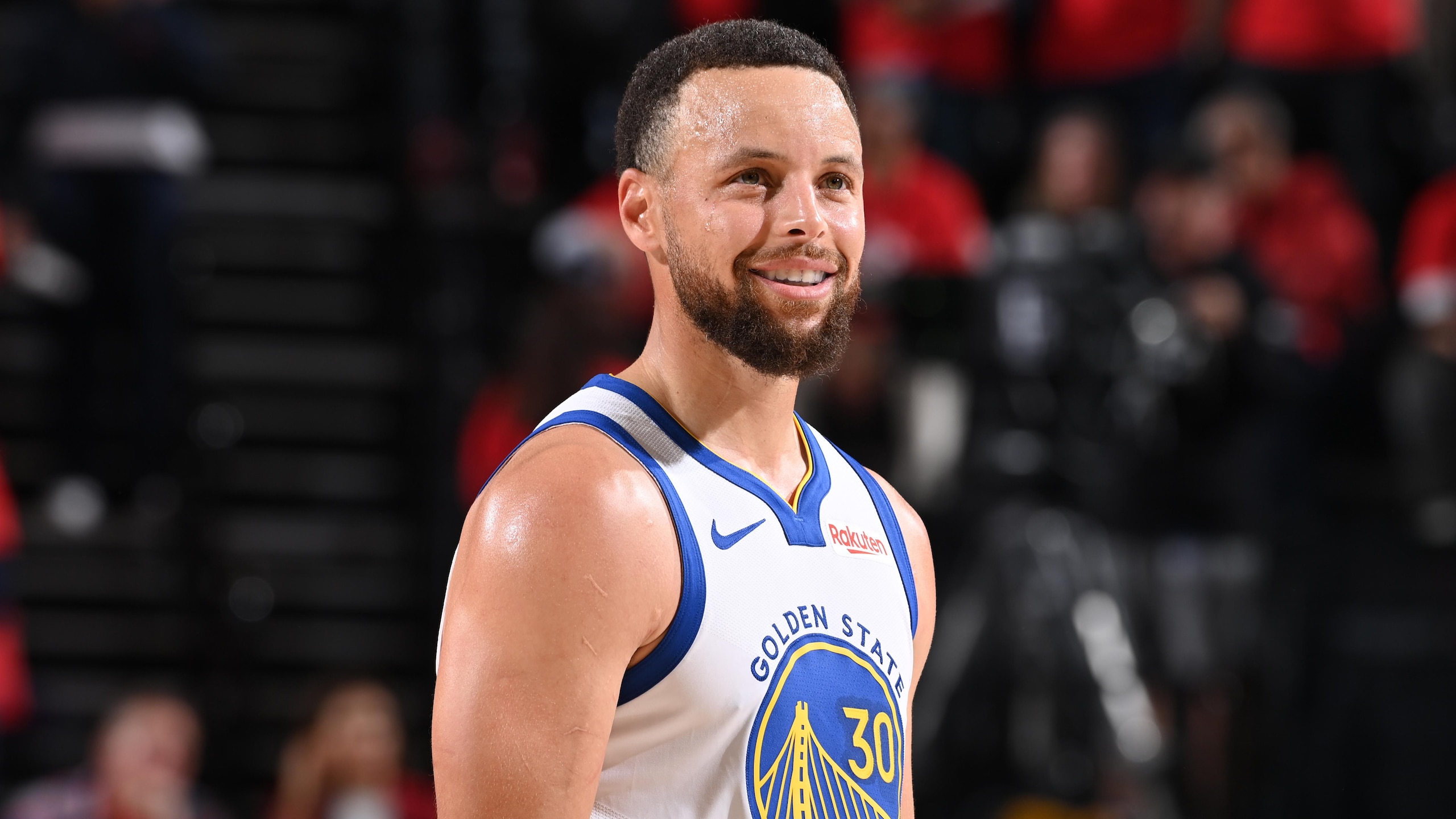
Thibodeau often received a ton of flak for his truncated rotations. Much of the criticism had merit. At the same time, we shouldn't pretend like he had a ton of good options.
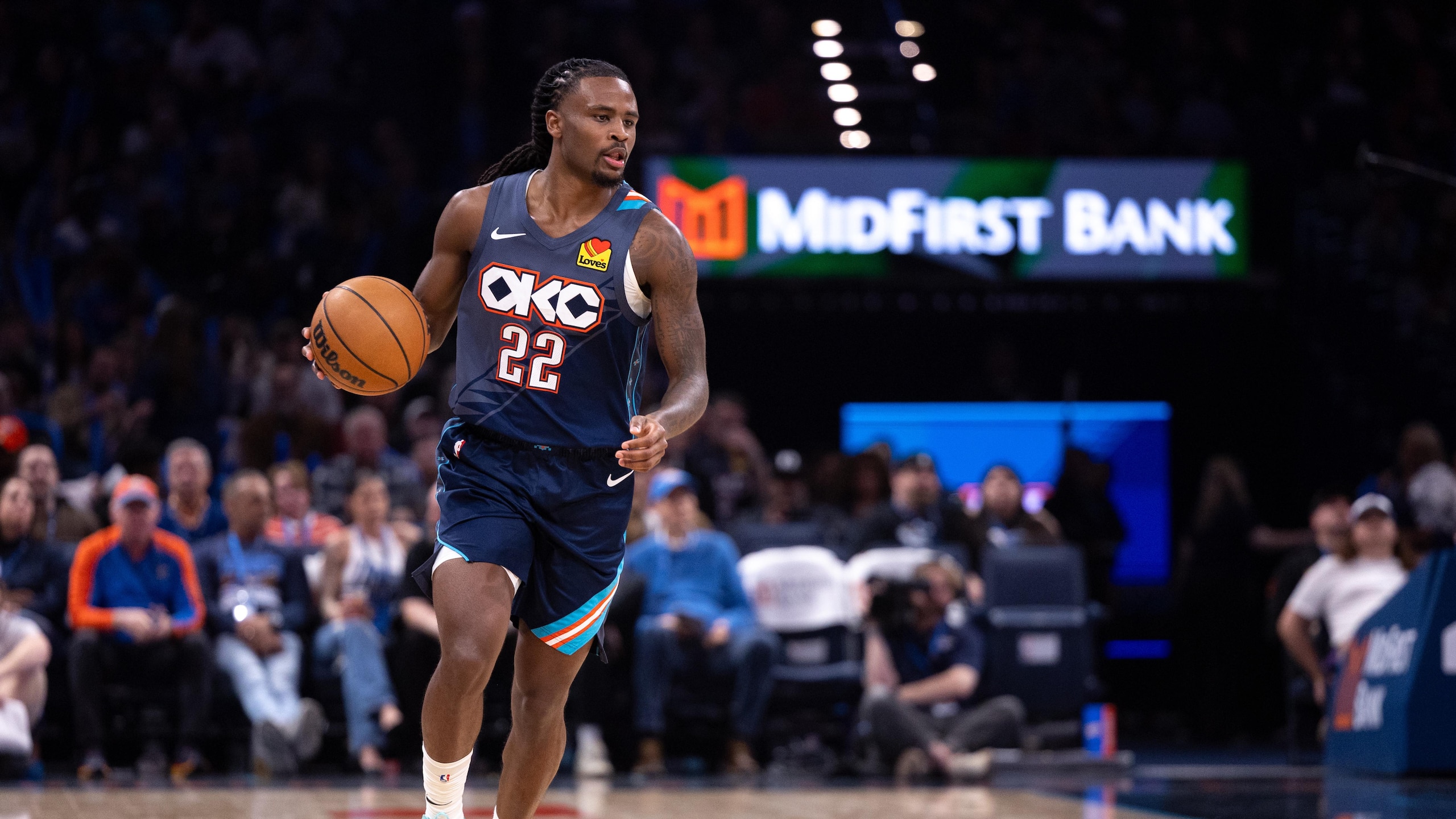
Once Mitchell Robinson returned from offseason ankle surgery in March, the Knicks' rotation stretched seven playable bodies deep with him, Jalen Brunson, Mikal Bridges, OG Anunoby, Karl-Anthony Towns, Josh Hart and Deuce McBride. After that, Landry Shamet, Cameron Payne, Delon Wright, Ariel Huckporti, Precious Achiuwa and rookies Tyler Kolek and Pacôme Dadiet were Thibs' depth pieces. That is...not ideal.
Another coach isn't changing that. They can redistribute minutes among the top seven, and New York should be trying to bring back Shamet in a bigger role. But the Knicks' rotation clearly needs another playmaker who can handle ball pressure and either an additional wing or big, if not both.
Nobody should be pretending all of the needs can be satisfied through talent retention and offering more opportunities to youngsters. New York's front office must figure out a way to bring in at least one or two more players who can crack the postseason rotation. That'll be tough with only the taxpayer MLE to spend and no first-round picks to trade. It may even require flipping a more expensive player for multiple names.
Offensive Shot Selection and Process
5 of 5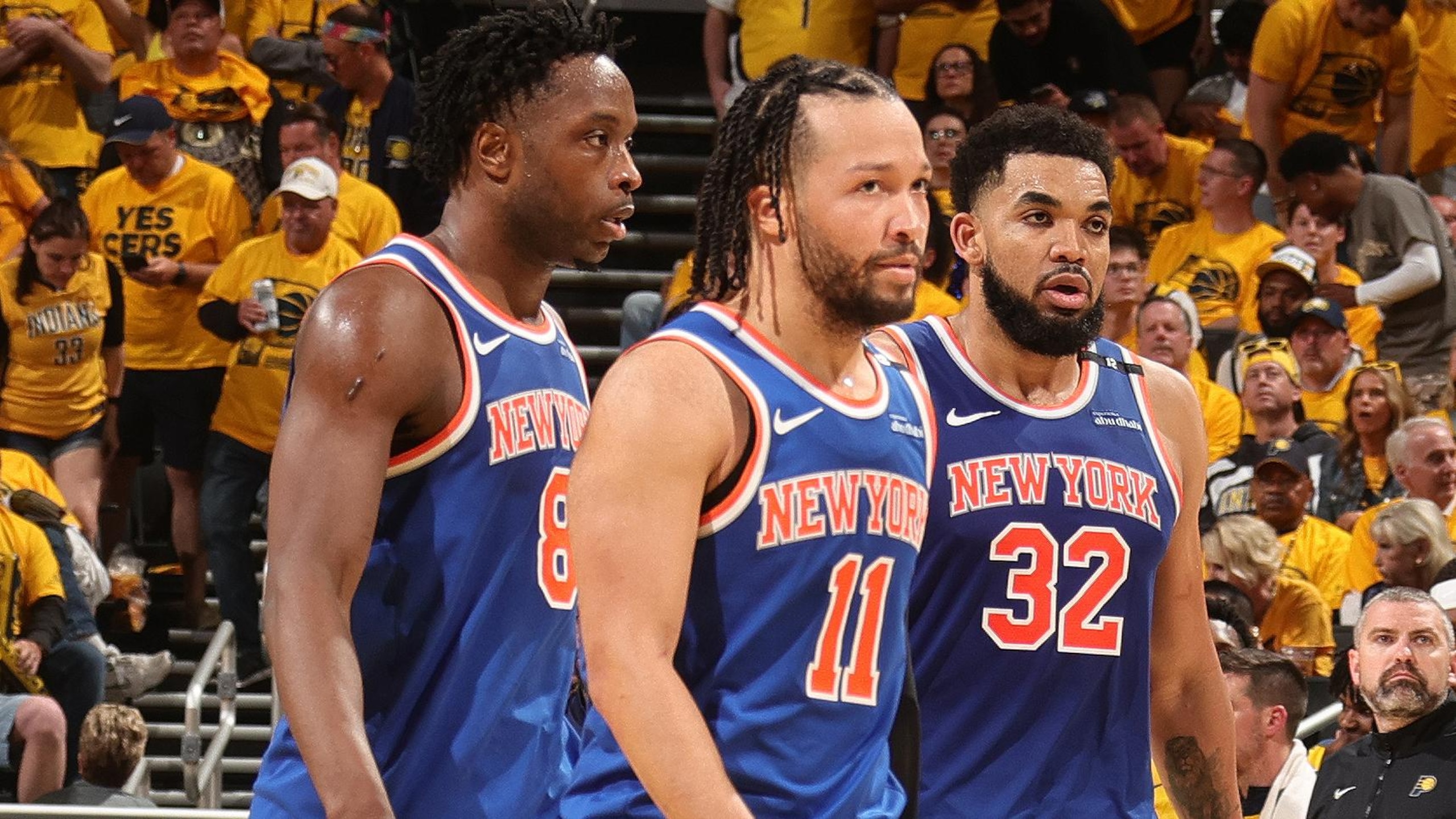
This somewhat steps on the toes of other issues, including New York's limited depth, the Jalen Brunson-Karl-Anthony Towns partnership, and the No. 2 option void. But it's also its own thing.
The Knicks finished fifth in offensive efficiency during the regular season, but they seldom felt truly elite. They relied on too much on Brunson creating something out of nothing, particularly in crunch time; didn't generate enough overall ball and body movement; and ranked 27th in the share of their shot attempts that came from beyond the arc.
Individual talent isn't always enough to overcome that, especially in the playoffs. Cracks started to permeate the Knicks' attack by the end of the season, as they were 14th in points scored per possession after Jan. 1. They can't afford to remain that vanilla when they're not fielding an elite defense.
Thibodeau will receive plenty of the blame for this wart. That's probably fair. But can he be held responsible for Bridges' awkward-looking threes and infatuation with mid-rangers? Or for Karl-Anthony Towns continuing his career-long trend of not taking enough threes? Or for personnel beyond Brunson ill-equipped to handle ball-pressure?
Again: Maybe. But there's also a chance the talent on hand is a weird brew of redundant and incompatible, and that it's generally incapable of filling the offensive holes and shortcomings that clearly exist.
A new coach won't fix that, so it's on the Leon Rose-led front office to correctly determine whether getting rid of Thibs is enough to change and improve what ails New York most.
Dan Favale is a National NBA Writer for Bleacher Report. Follow him on Bluesky (@danfavale), and subscribe to the Hardwood Knocks podcast, co-hosted by Bleacher Report's Grant Hughes.
.jpg?w=2560)
.jpg?w=2560 "Cardinals LB's Quote Resurfaces 😏")
.jpg?w=2560 "Skattebo Has 0 Touch Game 😬")
.jpg?w=2560 "Packers Beat Cowboys on SNF 🧀")
.jpg?w=2560 "Chargers Fall to 0-6 📉")
.jpg?w=2560 "Bills Safety Ejected for Spitting")