

We haven't even tipped off the 2025 NBA Finals, and the playoffs have already given us several weeks of eye-popping highlights, hard-fought series and team and individual performances that have defined the era and its narratives.
There are certainly memorable moments to come, but the postseason has already given us more than enough to sort through.
Today, we'll examine the biggest stories through the classic "winners and losers" lens.
Loser: Glamour (or Legacy) Markets
1 of 10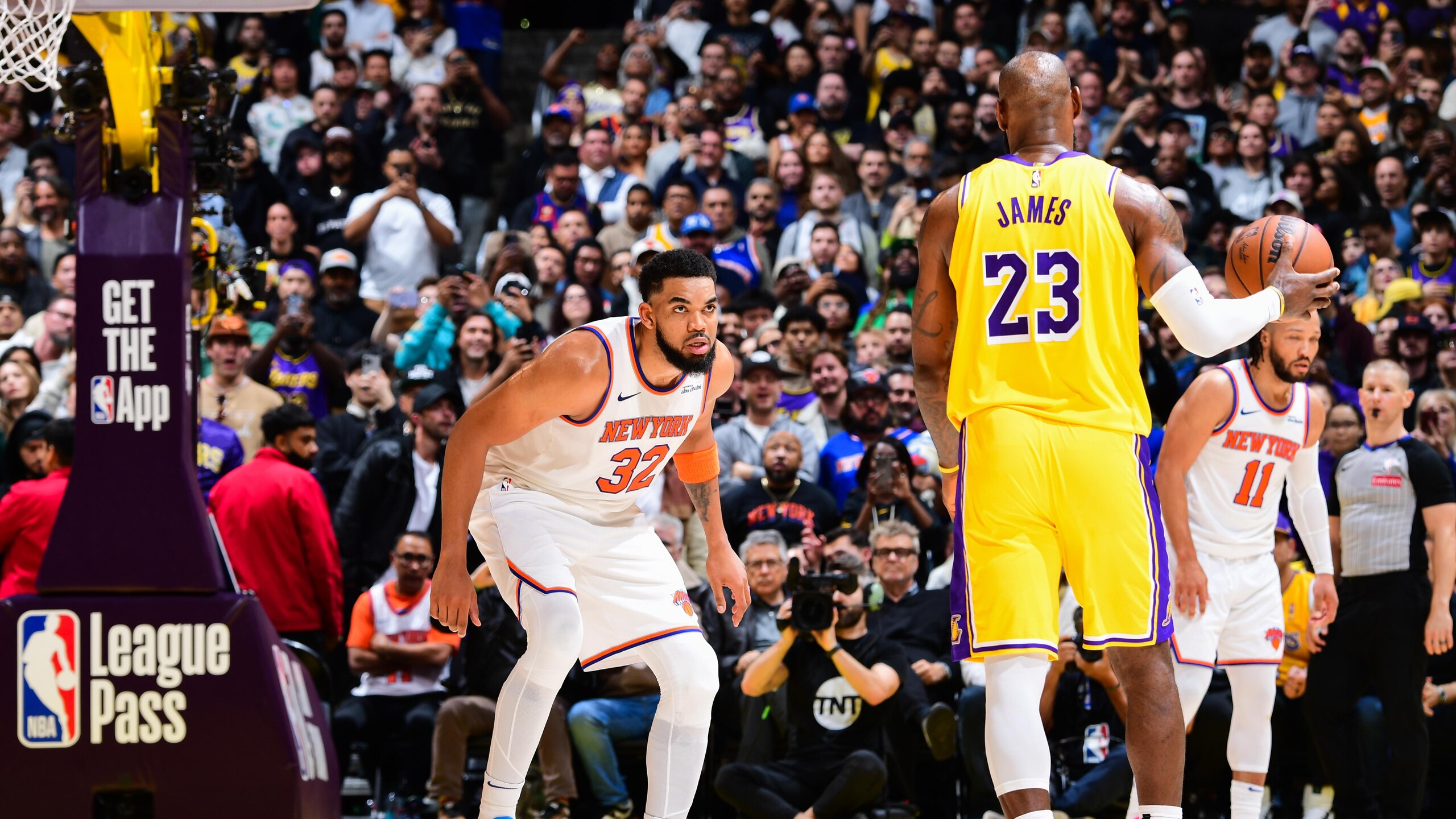
In the 49 seasons since the NBA-ABA merger in 1976, the Boston Celtics (11th biggest media market, but one of the league's flagship franchises), Chicago Bulls (third biggest media market), Golden State Warriors (seventh), Los Angeles Lakers (second) and Philadelphia 76ers (fourth) have made 43 Finals appearances.
This season, Philadelphia and Chicago didn't even make the playoffs. The Lakers got bounced in the first round. Golden State and Boston were out in the second.
And though the league's biggest media market, New York, was represented in the conference finals by the Knicks, they just got sent home, too.
Unlike the NFL, which has been a parity-packed league for decades, the NBA has long been about dynasties, legacies and huge markets (or ones deeply entrenched in the league's history) being featured on the biggest stage.
And the 2025 Finals obviously won't continue that tradition. The Indiana Pacers and Oklahoma City Thunder hail from the 22nd and 26th biggest markets, respectively.
Winner: Weakest-Link Theory
2 of 10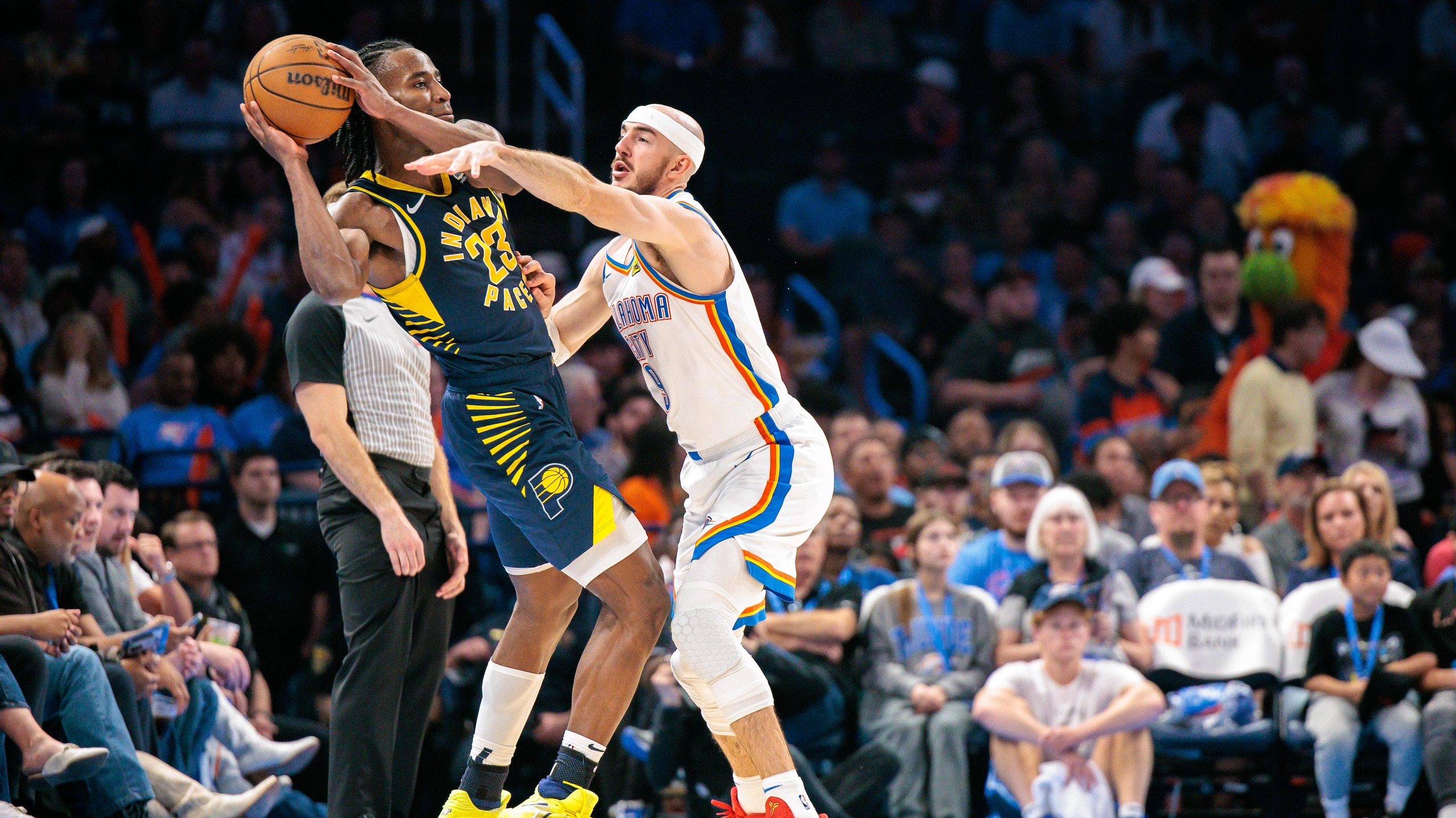
The idea that having the best player in a series or a big three will carry the day is another NBA trend or philosophy that's on the ropes.
Owen Phillips, who writes The F5 newsletter, has been on this point all season:
"…basketball is a strong link sport. A strong link sport is one where the team with the best player usually wins. In basketball terms, that means if you've got Michael Jordan or LeBron James on your team, you usually win… In weak link sports, the team without the worst player usually wins.
"Looking at basketball through the lens of a weak link sport helps explain why teams succeed and fail, especially in the playoffs.
"In the postseason, poor defenders are mercilessly hunted on one end while reluctant shooters are blatantly ignored on the other end. It doesn't matter how good a team's best player is if their worst player is consistently forcing them to defend or attack 4-on-5. A team's worst player can all but cancel out the impact of its best player."
A corollary of this theory is the simple idea that depth feels as important as it ever has. Just look at the Thunder and Pacers, the only teams left standing. They've both been nine or 10 players deep throughout the postseason. And pretty much every lineup they play is without a real weak link.
Finding young players or others who can contribute on smaller salaries will be critical going forward. Expending the bulk of your flexibility or cap sheet on a few stars and cobbling together the rest of a roster, especially in the league's "apron" era, will leave you susceptible to playing weak links. And those will almost certainly be exploited at the worst possible moment.
Loser: The Old Guard
3 of 10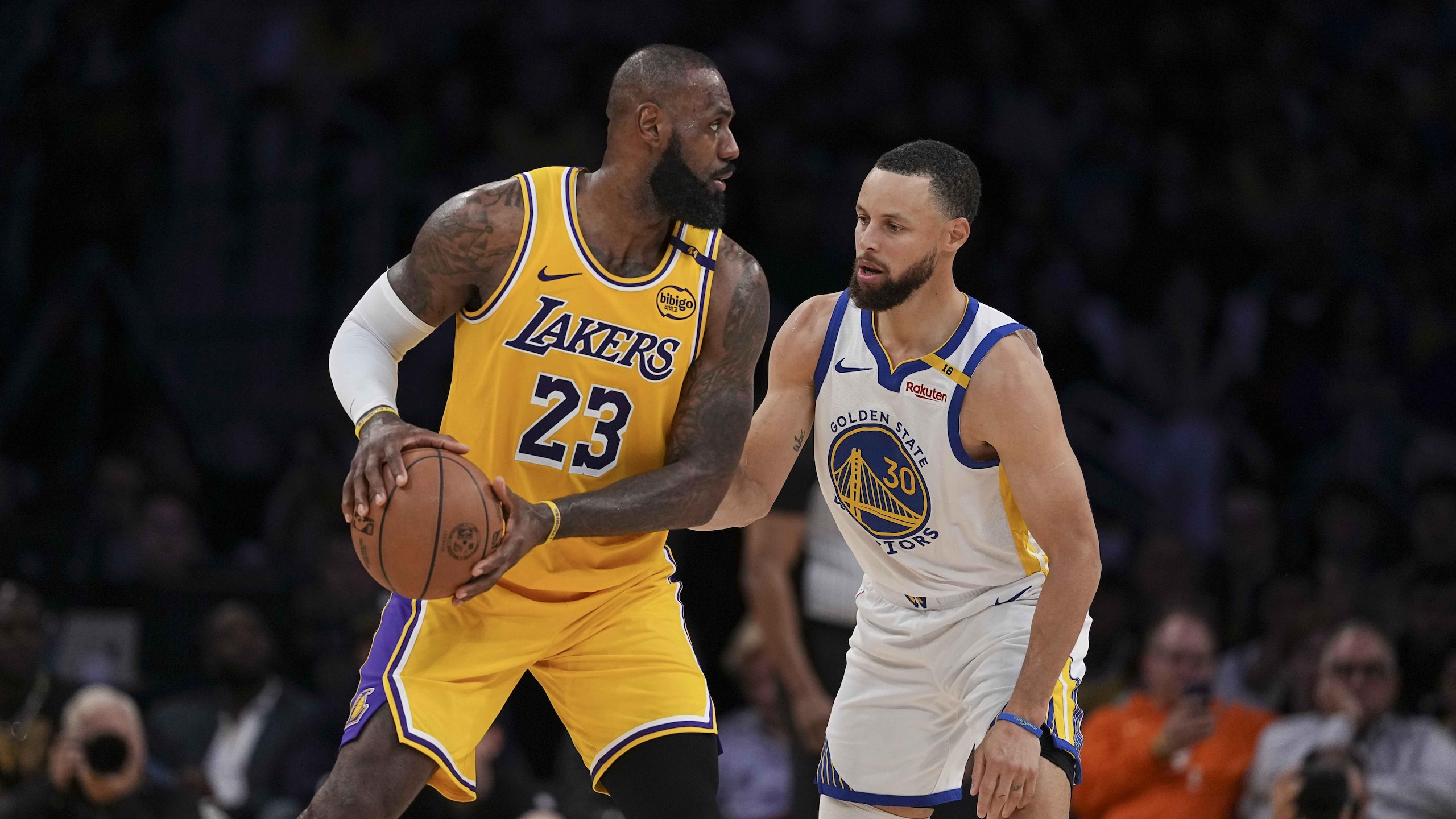
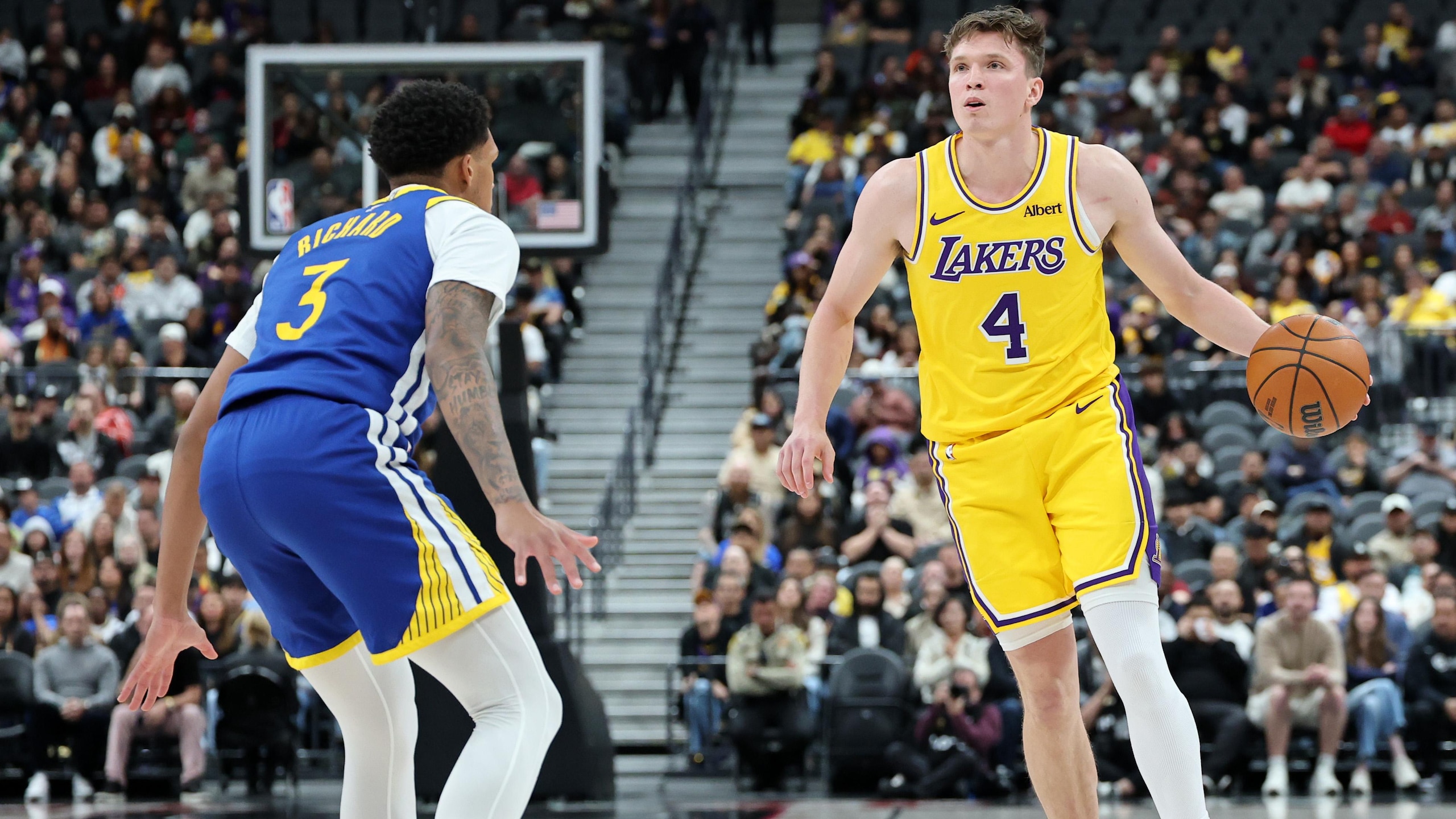
LeBron James and Stephen Curry are the faces of two of the glamour markets listed above. The former has been in the NBA Finals 10 different times, and the latter has been there six times.
But neither really got close in 2025. And several of their contemporaries weren't any more threatening. Kevin Durant and Chris Paul didn't make the playoffs. Damian Lillard, James Harden and Kawhi Leonard were eliminated in the first round. Russell Westbrook was a reserve for a team knocked out in the conference semifinals.
It's sort of hard to grasp, thanks to how long both have essentially shared the "face of the league" honor, but the LeBron-and-Curry era is coming to a close (if it isn't over already).
With teams like OKC, Indiana, the Houston Rockets and Minnesota Timberwolves seemingly on the rise, the likelihood of either superstar seriously contending for a championship is plummeting.
Basketball mortality is finally setting in for two players (and several of their peers) who long seemed immortal.

Winner: Up-and-Comers
4 of 10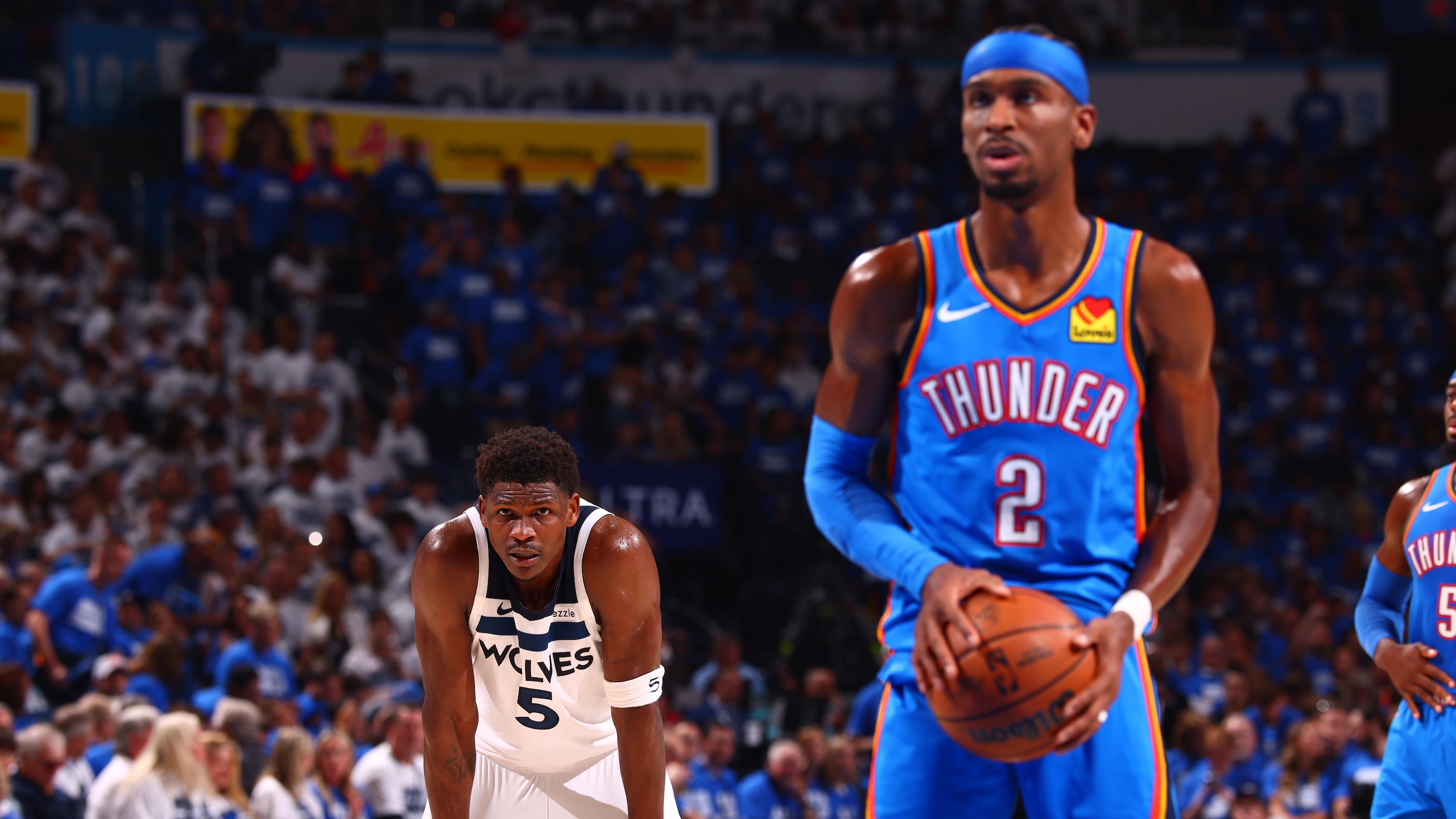
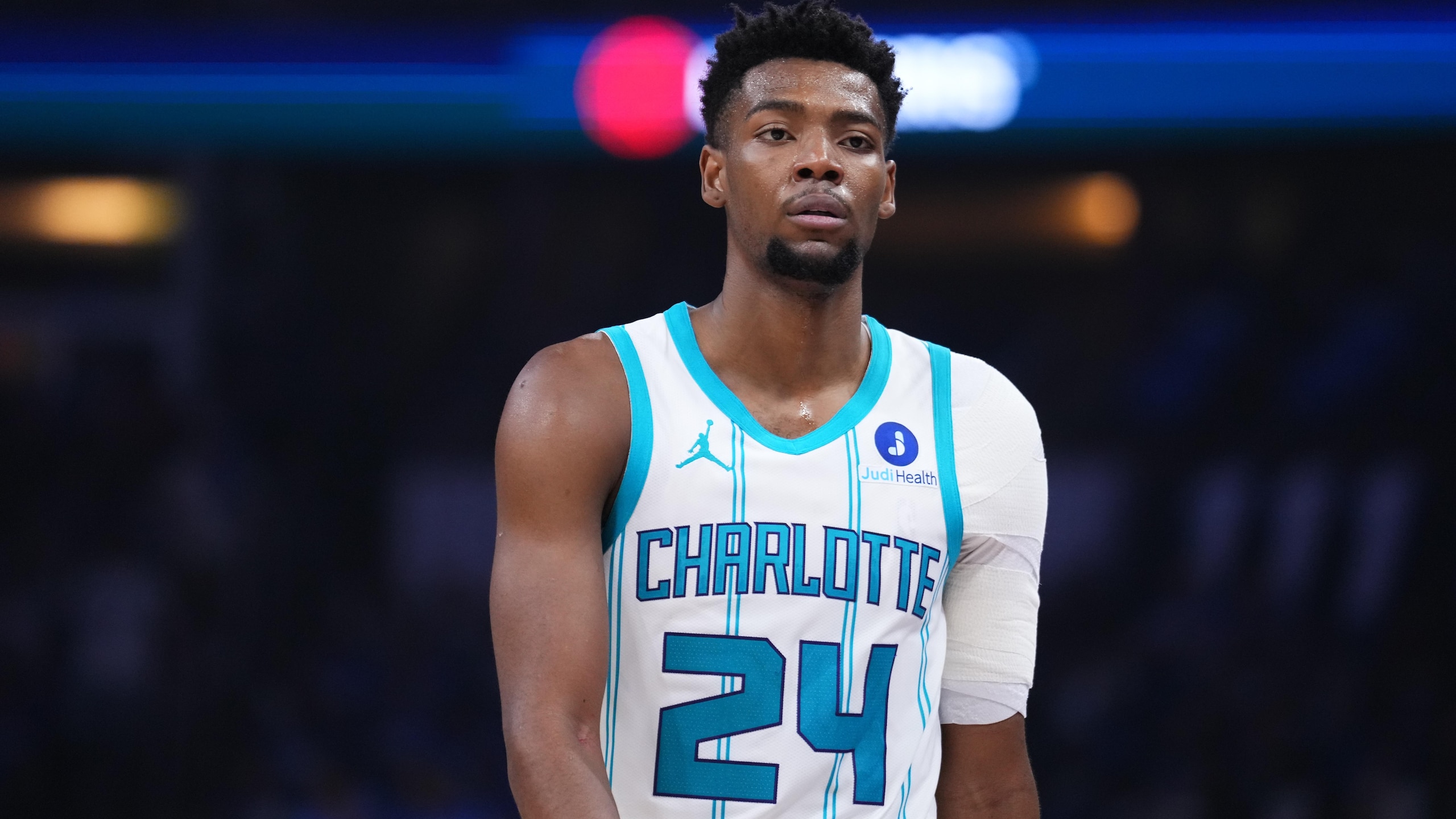
As has been the case many times before, there is a talented group of potential stars and superstars coming up, though.
Magic Johnson and Larry Bird eventually gave way to Michael Jordan. Kobe Bryant and LeBron picked up the reins shortly after MJ left. Curry arrived before LeBron was even done.
Yes, there have been lulls during the course of NBA history. There might be a bit of one during LeBron and Curry's last few years or immediately after they retire.
But this postseason was a vibrant showcase for reigning MVP Shai Gilgeous-Alexander (who turns 27 in July), his teammates Jalen Williams (24) and Chet Holmgren (23), Anthony Edwards (24 in August) and Tyrese Haliburton (25). Giannis Antetokounmpo and Nikola Jokić just barely entered their 30s. And despite getting knocked out earlier this year, we still haven't heard the last of Luka Dončić (26) or the Boston Celtics duo of Jayson Tatum and Jaylen Brown (both still in their 20s).
The NBA, as it has several times before, will organically find its next gravitational star, and this postseason may have given us a teaser as to who it will be.
Loser: 82-Game Proponents
5 of 10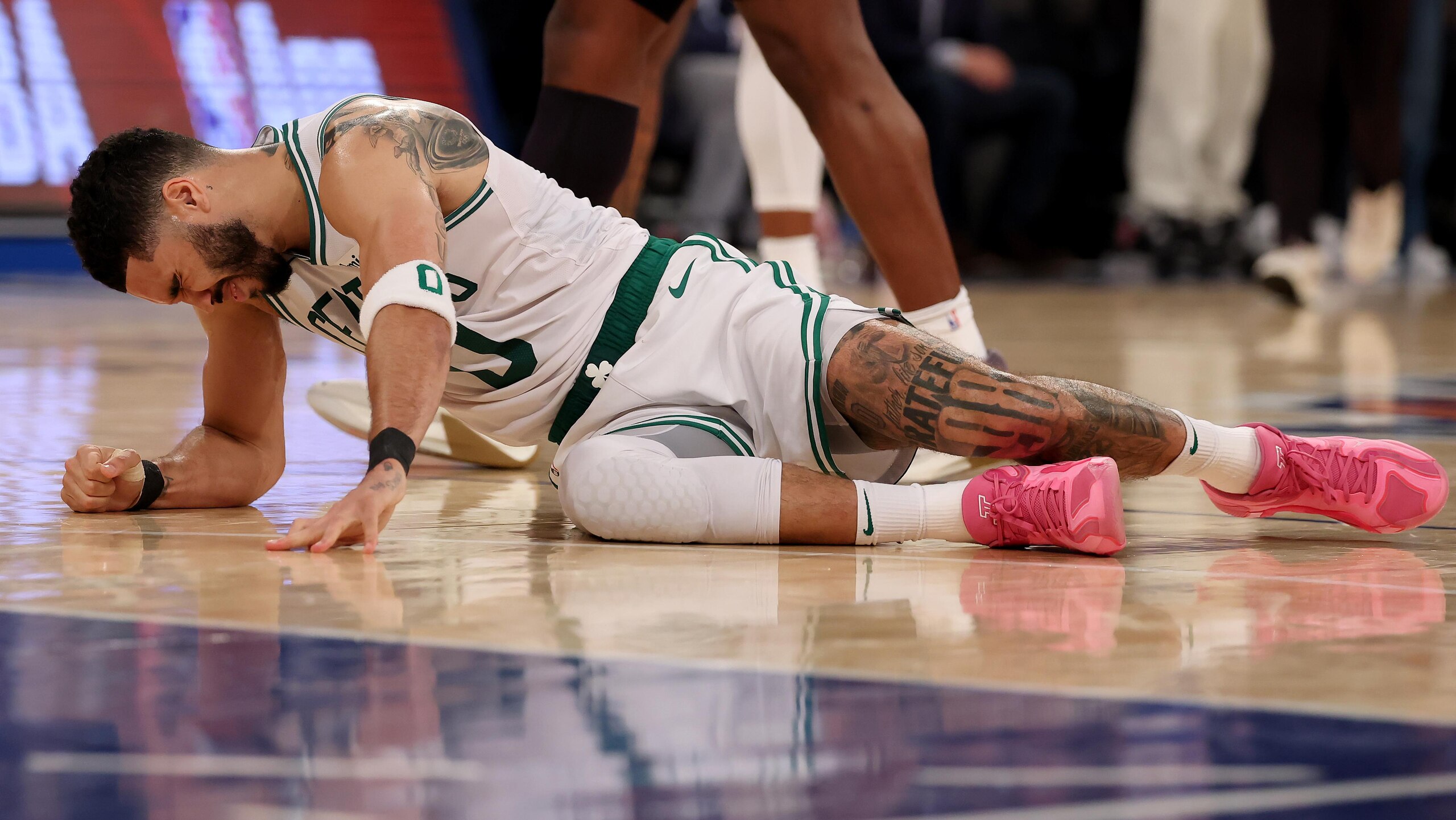
Count this writer among the seemingly shrinking contingent of fans and analysts who want the NBA to stick with 82 games.
That number has been a part of the NBA for decades. Surviving the gauntlet of a full regular season and a deep playoff run has always been part of the challenge. And though records for single-season or career totals certainly aren't as big a part of basketball as they are baseball, they're still important.
If the league shortens the regular season, Stephen Curry's single-season mark for threes is never going down. LeBron's career scoring total will never be challenged.
But after a postseason in which Tatum and Lillard were both lost to ruptured Achilles tendons and the Cleveland Cavaliers' rotation was decimated toward the end of their run, it's getting harder for this side to argue against the pro-shorten-the-season crowd.
Logic suggests fewer games and more time between them would decrease the likelihood of injuries, even if only by a bit. And if that means healthier teams, a more competitive regular season and more competitive series in the playoffs, a short-term loss of revenue from 10-15 axed games could eventually be worth it.
Winner: In-Season Tournament Proponents
6 of 10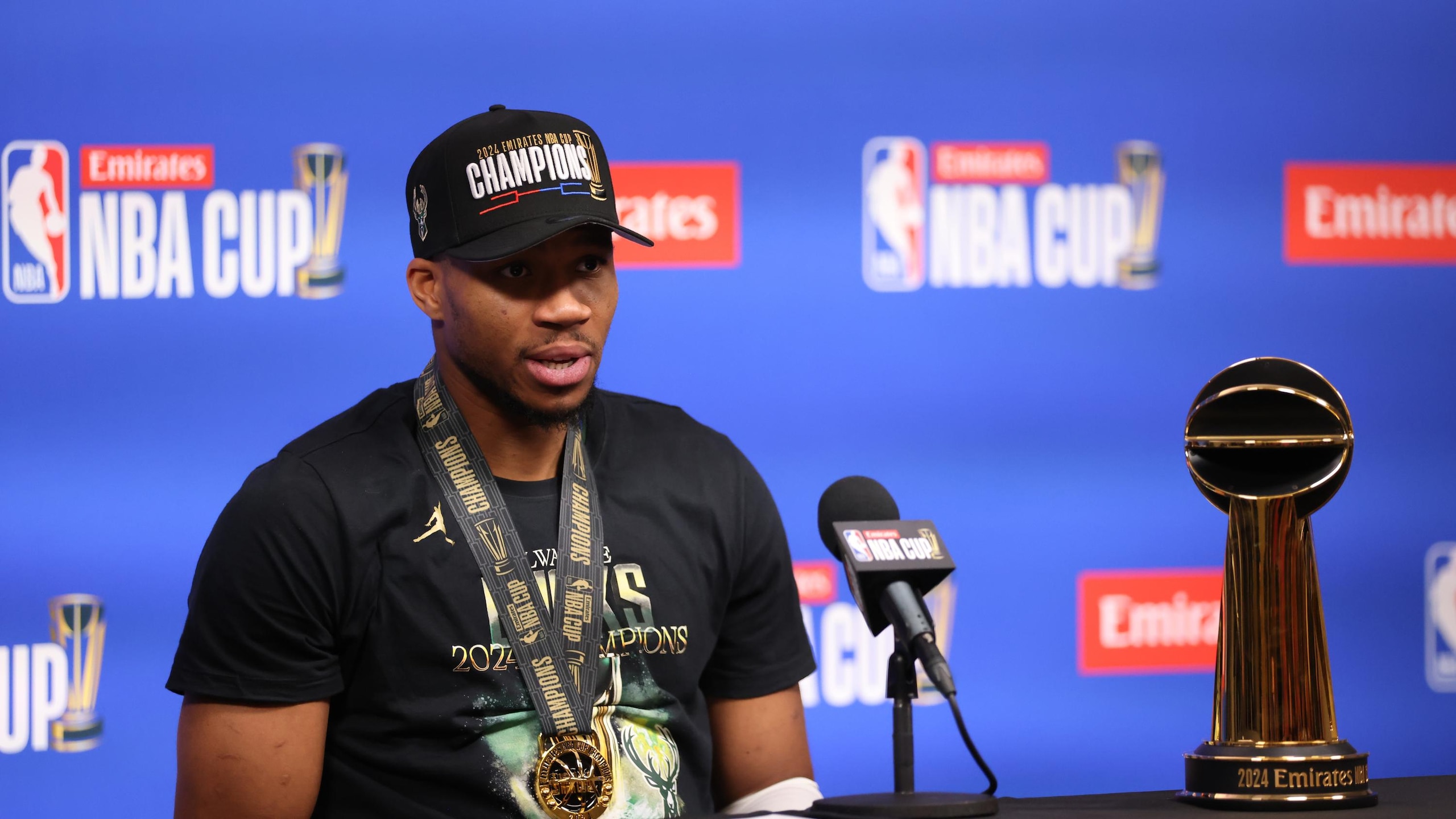
At the same time, one of the league's recent expansions or modifications of the old 82-game slate may have gotten a little juice this postseason.
It's still going to take plenty of time for fans and even the players to fully embrace the in-season tournament (or Emirates Cup), but it may be providing a fringe benefit already.
Last season, the Pacers finished second in the tournament's inaugural run. This year, OKC was the runner-up. Now, those two teams are meeting in the NBA Finals.
There's a chance these younger teams that took the tournament a bit more seriously and experienced the sting of losing it entered the playoffs with a hint more hunger for the real trophy.
Loser: Cleveland Cavaliers
7 of 10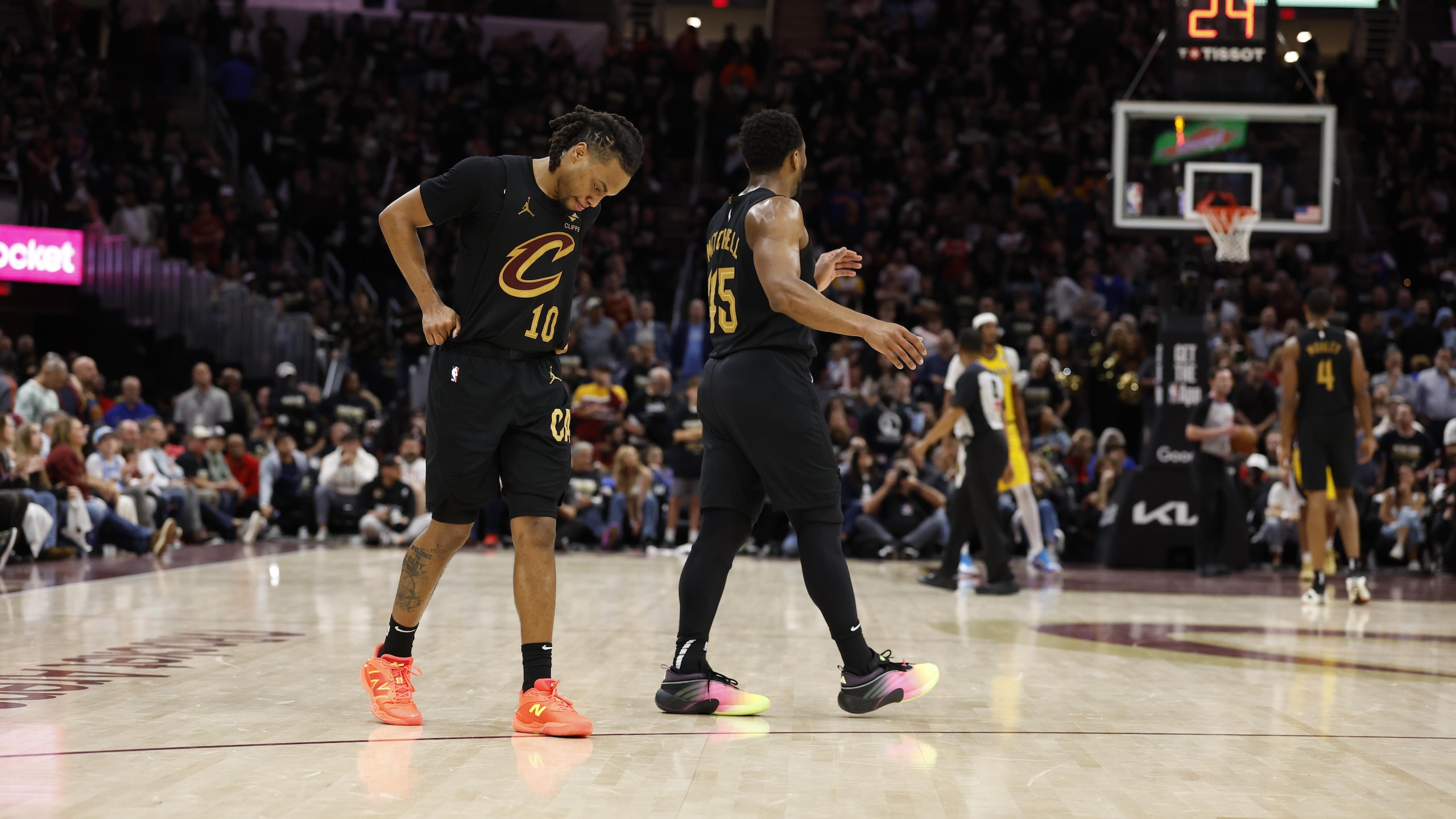
While they certainly deserve a bit of leeway for the aforementioned injuries (Darius Garland, Donovan Mitchell, Evan Mobley and De'Andre Hunter were all banged up by the end of the run), it's hard to emerge from this postseason without feeling like the Cavs were one of its bigger disappointments.
Cleveland went 64-18 and finished with the 16th-highest single-season average point differential in league history. Mitchell was a first-team All-NBA selection. Catch-all metrics suggested Mitchell, Mobley, Jarrett Allen and Garland were all top-25 players this season. And the Cavs outscored the Miami Heat by a whopping 30.5 points per game in the first round.
At least through that series, there were plenty of indications this was (or at least should've been) a real title contender, but it was dispatched by the Pacers in just five games. And it feels like Cleveland barely left an imprint on the postseason.
Now, despite clearing 60 wins in the regular season, we're likely in for another summer of questions about the fit between Garland and Mitchell in the backcourt and Mobley and Allen down low.
A trade of anyone (with the possible exception of Mobley) at least feels possible.
Winner: Indiana Pacers
8 of 10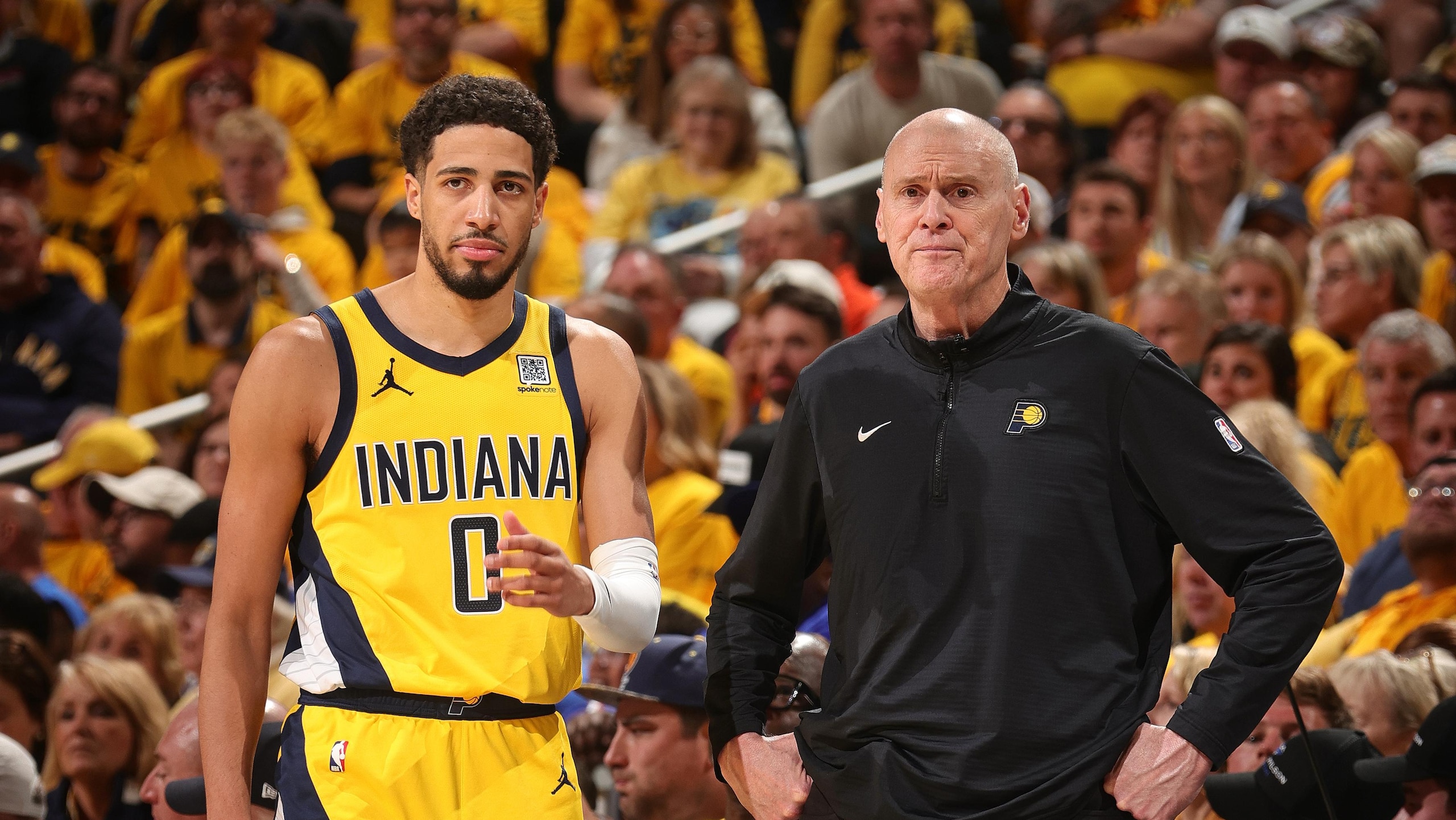
The Pacers' conference finals run in 2024 was unexpected. Some even described it as flukey. But Indiana didn't overreact to losing to Boston in that series.
They didn't make any panic moves. They trusted in the Pascal Siakam trade they made last season, played through a 10-15 start to the regular season and rode Siakam and Haliburton to the Finals.
Beyond that victory for patience, the Pacers have also done wonders for run-and-gun basketball, the virtue of depth and the power of ball and player movement.
Haliburton crushed the credibility of the anonymous player survey that declared him the league’s most overrated player. Rick Carlisle called into question the league’s official list of its 15 greatest coaches ever. Siakam added an Eastern Conference Finals MVP to a quietly budding Hall of Fame resume. And several role players, including Aaron Nesmith and Andrew Nembhard, proved their value on both ends.
Regardless of what happens in the Finals, the Pacers are undoubtedly among this postseason’s winners.
Loser (and Winner): Denver Nuggets
9 of 10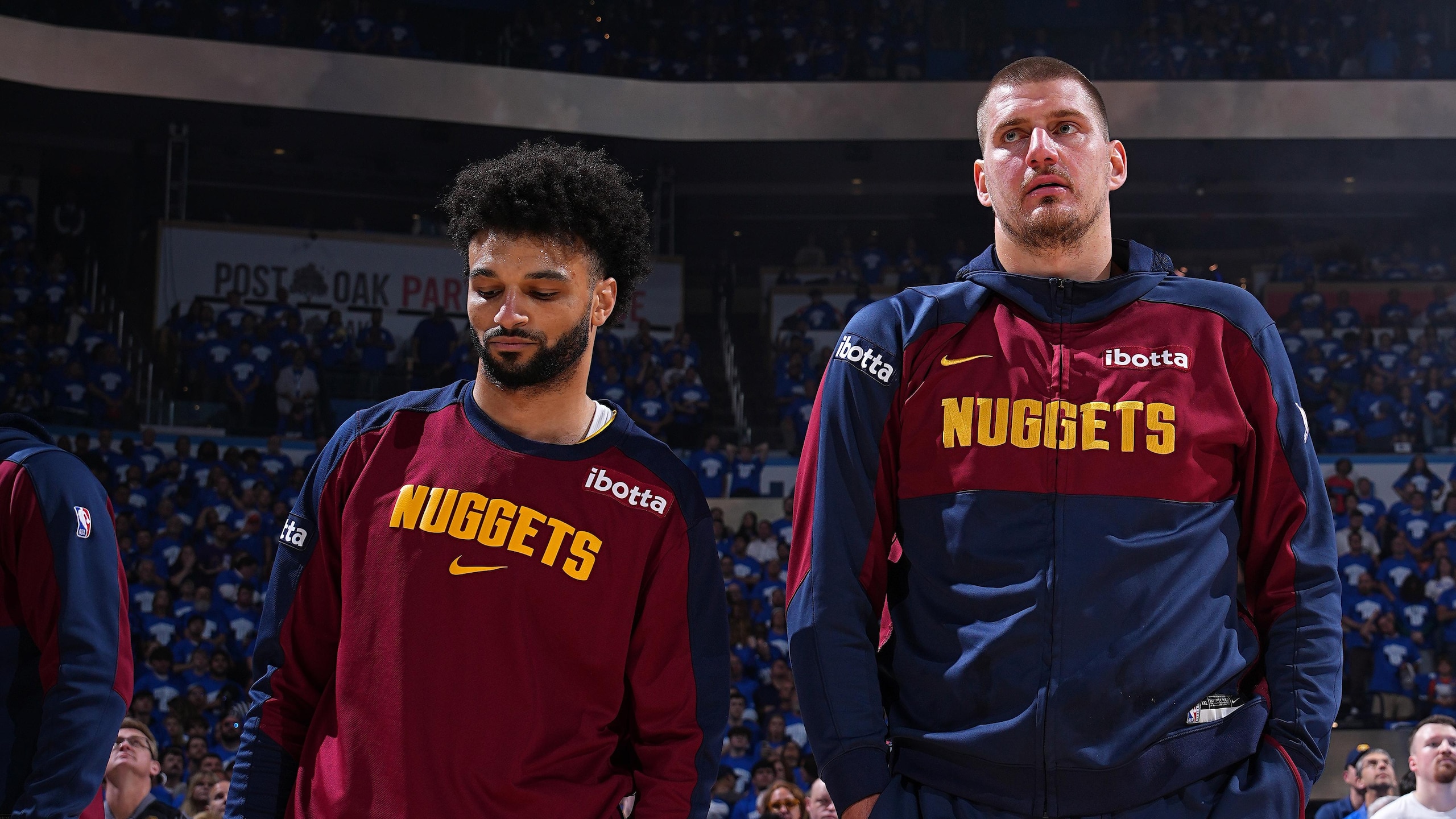
In a very literal sense, the Denver Nuggets are losers. They went home after the second round. They fired their coach and general manager shortly before the playoffs. Another year of Nikola Jokić’s prime ended without a title. And this one was marred by dysfunction.
But by the time the playoffs are done, barring overperformance by the Pacers in the Finals, Denver is likely going to look like this postseason’s second-best team. And Jokić will headline the best argument that the NBA could still be a "strong link" sport.
He averaged 28.4 points, 13.9 rebounds and 5.9 assists against OKC. Denver pushed the Thunder to seven games. It led Games 4 and 5 (both losses) in the second half. No one else has come close to challenging the overwhelming favorites to the degree the Nuggets did.
And that suggests they may be closer to Jokić’s second title than we thought at the time they were eliminated.
Plenty will be calling for dramatic changes (like a Jamal Murray or Michael Porter Jr. trade) this summer, but minor (though meaningful) tweaks might be the better way forward.
Winner: Oklahoma City Thunder
10 of 10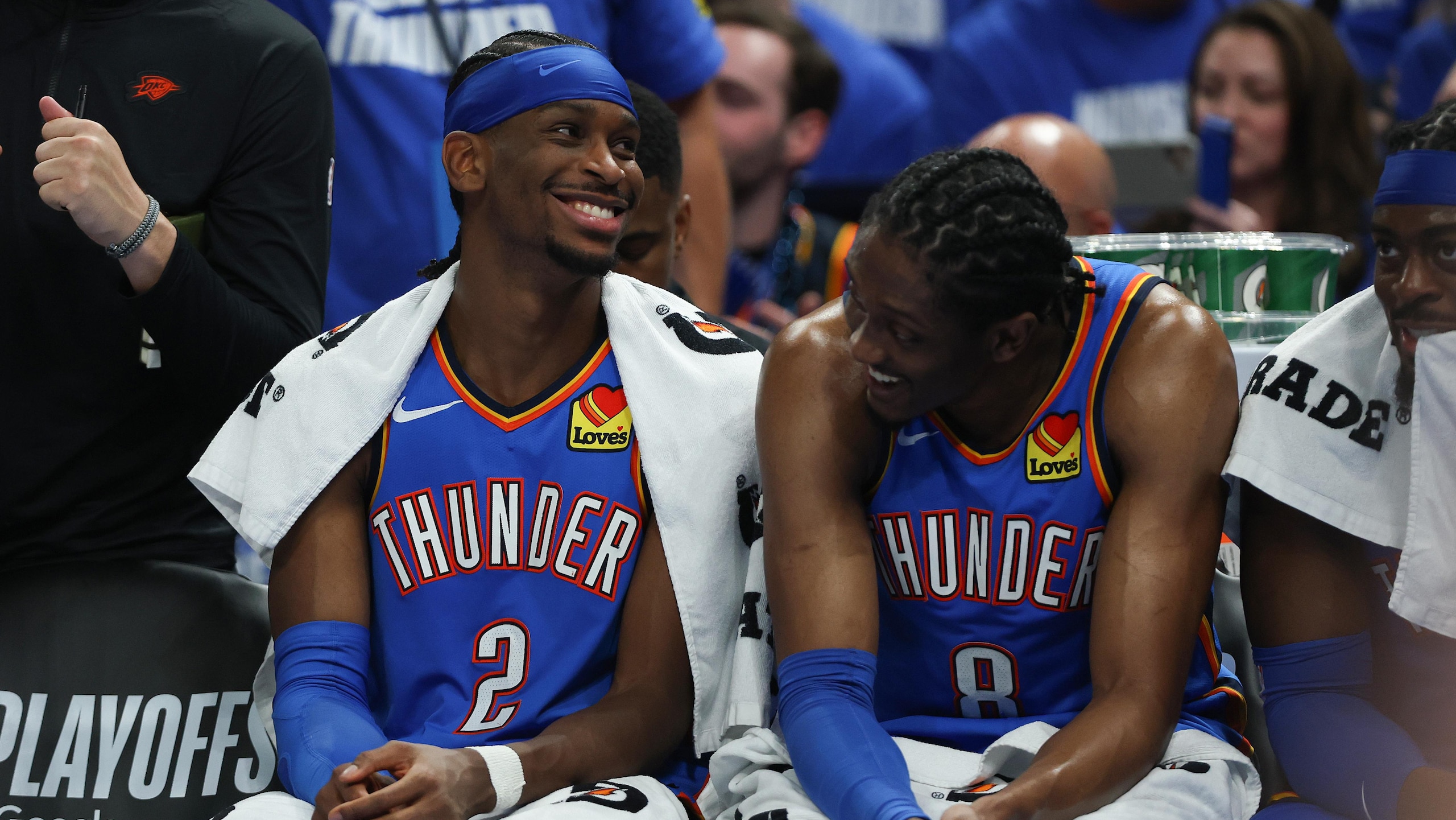
There may have been brief moments of doubt against Denver, but most of this OKC playoff run has felt about as predictable as a superhero movie: You almost always know who will come out on top, and that's certainly the case for this Thunder team (even if you don't see them as superheroes).
OKC broke the single-season records for average point differential, total double-digit wins and total 15-point wins. It boasts the league MVP. It has a Scottie Pippen in Jalen Williams to SGA's Michael Jordan. The Alex Caruso and Isaiah Hartenstein additions couldn't have worked much better. And though this doesn't have much to do with the playoffs, despite already having the deepest roster in the league, the Thunder have the draft-asset stash of a rebuilding team.
They haven't quite finished the mission yet, but that almost feels like a foregone conclusion (OKC is currently a minus-750 favorite to win the Finals). And the Thunder will emerge as this postseason's biggest winner.
.jpg?w=2560 "Grading WWE Raw 🔠")
.jpg?w=2560 "Purdy Becomes Highest-Rated QB EVER 🤩")
.jpg?w=2560 "🚨 Davante Out 6-10 Weeks")
.jpg?w=2560 "Analyst Apologizes to Hurts")