

Many of the Major League Baseball players signed to new contracts this offseason have been worth every penny and then some two months into the 2025 campaign.
And then there's the other side of that coin...
We're putting a different spin on an old faithful topic here. Rather than dragging up the likes of Stephen Strasburg, Anthony Rendon and Giancarlo Stanton whose groan-inducing contracts you've been reading about for several years at this point, we're only looking at contracts/terms agreed upon since the end of last season.
What qualifies:
- Players signed to new contracts in free agency (i.e. Juan Soto)
- Players signed to new extensions this past offseason (i.e. Jackson Merrill)
- Players who had a club option exercised (i.e. Marcell Ozuna)
What doesn't qualify:
- Players who are still arbitration-eligible (i.e. Kyle Tucker)
- Players on contracts that began prior to this season (i.e. Mike Trout)
- Players who exercised a player option (i.e. Jordan Montgomery)
Basically, if the team chose to (re)invest in the player this past offseason, it counts.
Beyond that, it also needs to have been a substantial, eight-figure investment. Because while the Guardians and Nationals might regret giving Paul Sewald and Josh Bell $7M and $6M, respectively, those hardly qualify as busts compared to what actually made the cut here.
Players are ranked in ascending order of how painful the contract has already become.
The Fully Sunk Costs, Plus 2 Others Who Don't Fit the Criteria
1 of 11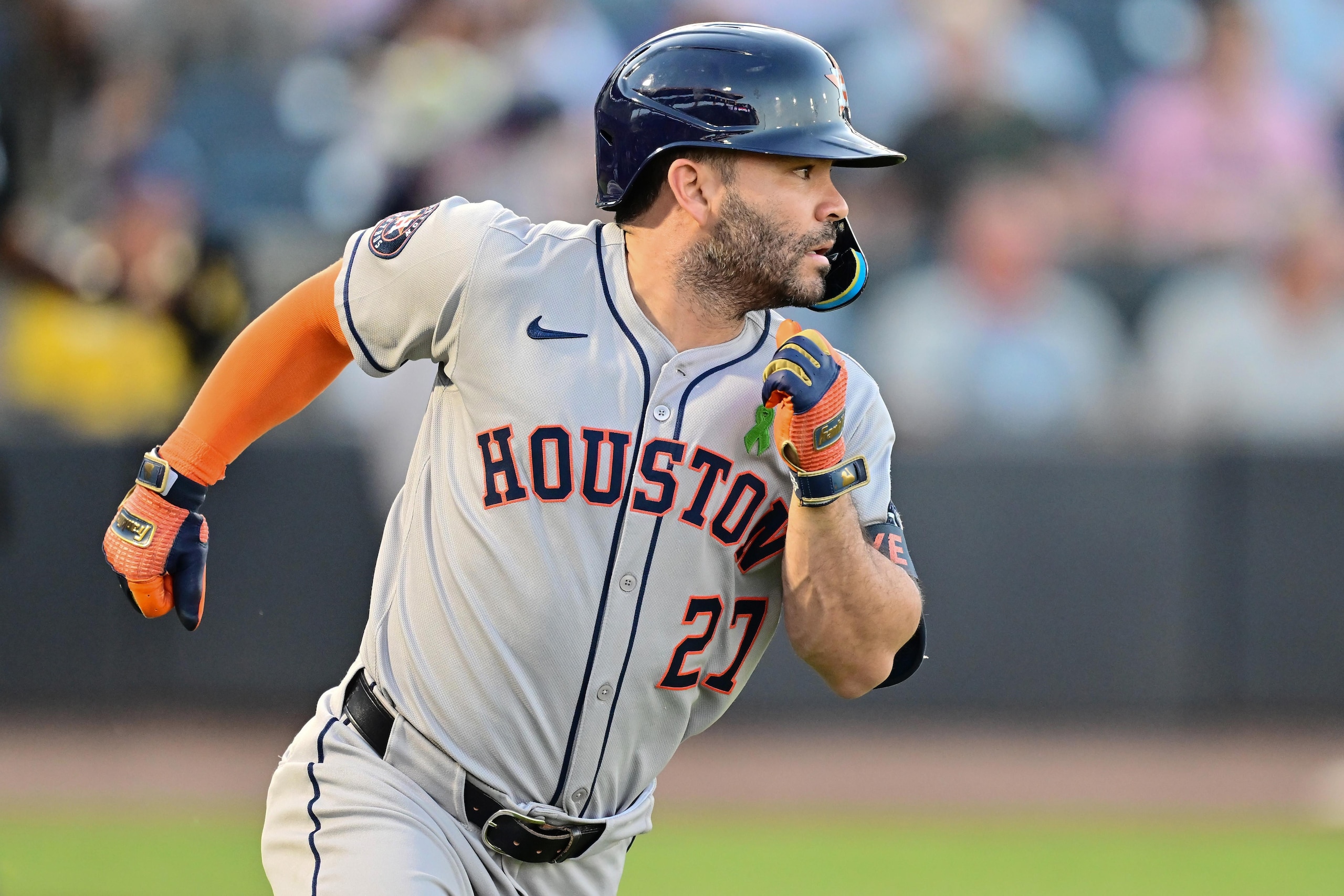
Alex Cobb, RHP, Detroit Tigers (1 year, $15M)
Patrick Sandoval, RHP, Boston Red Sox (2 years, $18.3M)
Shane Bieber, RHP, Cleveland Guardians (2 years, $26M)
Ha-Seong Kim, IF, Tampa Bay Rays (2 years, $29M)
Frankie Montas, RHP, New York Mets (2 years, $34M)
Sean Manaea, LHP, New York Mets (3 years, $75M)
Gerrit Cole, RHP, New York Yankees (4 years, $144M)
With Sandoval, Bieber and Kim, their injuries were already known and they were each signed to back-loaded two-year deals because of them. With the other four pitchers, however, those injuries surfaced after they signed—or, in Cole's case, opted out before re-accepting the original contract terms anyway. Either way, none of these seven players has yet to play in 2025.
The two bonus players worth mentioning even though they don't fit the criteria are Jorge Soler and Jose Altuve.
The former was already one year into a three-year, $42M contract when the Angels traded for him. Though it wasn't a new contract, it was a new expense for his new team, and he has given them virtually nothing for their investment, batting .227 with a 0.1 bWAR on his $16M salary (with another such salary coming in 2026).
The latter signed a five-year, $125M extension in February 2024 that didn't go into effect until this season. So, it's a new deal, but it was signed before the 2024 campaign ended and falls into a bit of a gray area here. We'll keep him out of the top 10 because of that technicality, but Altuve is sputtering through a brutal season. Even after going 5-for-9 with a pair of home runs in his last two games, he has a negative-0.6 bWAR.
If only Houston had decided to re-invest in Alex Bregman instead of Altuve...
10. Max Scherzer, RHP, Toronto Blue Jays
2 of 11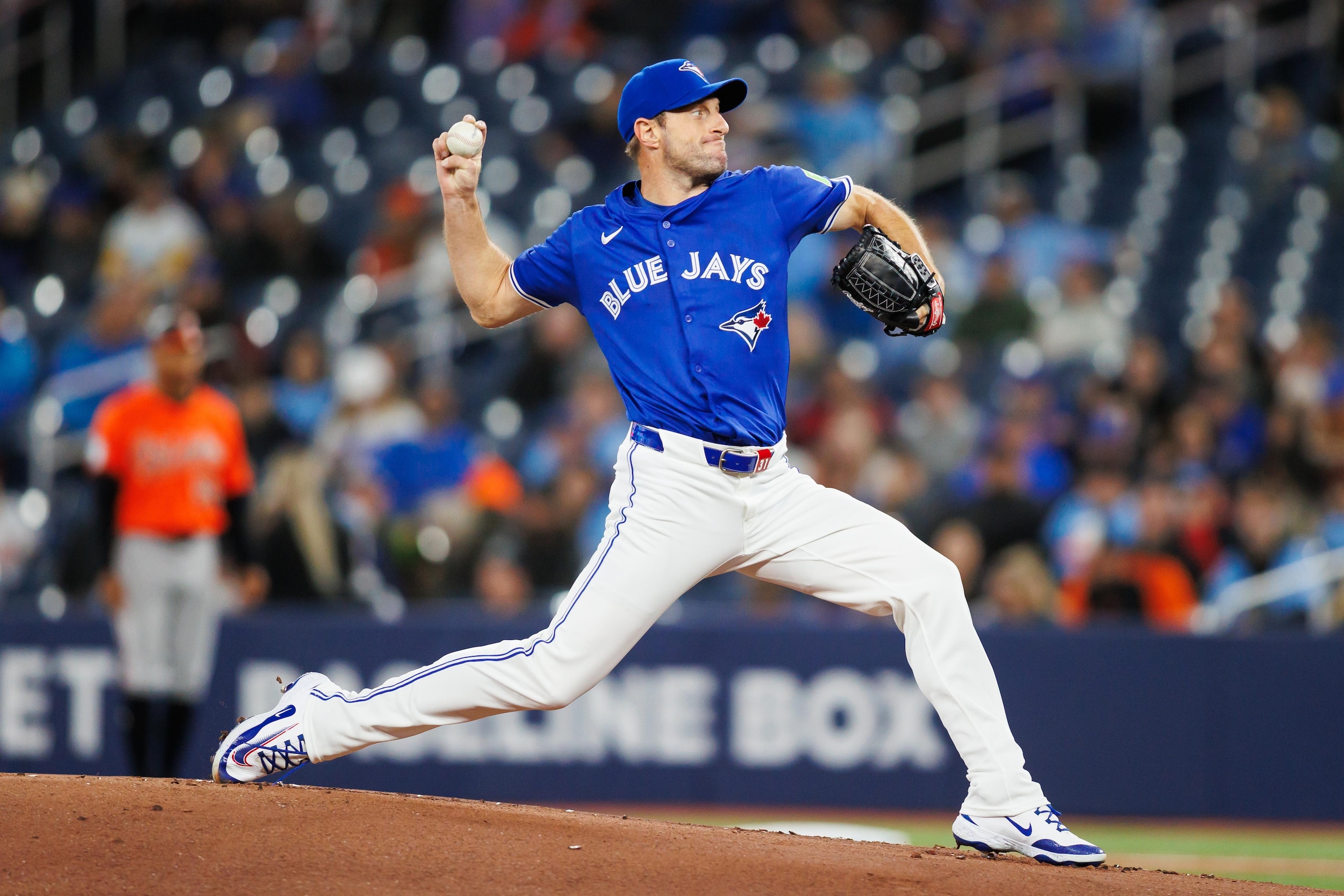
Investment: 1 year, $15.5M
Return: 3.0 IP, 6.00 ERA, 1.00 WHIP, 0.0 bWAR
For more than a decade, Max Scherzer was the ultimate work horse. From 2009-21, he logged enough innings to qualify for the ERA title in 13 consecutive years, racking up nearly 400 more strikeouts (2,954) than his closest challenger.
That constant availability began to wane in 2022, though, and really dropped off the table last year, making just nine starts with by far his worst whiff rate (8.3 K/9) since 2011. He turned 40 last July, amidst his three stints on the IL, and it kind of felt like that could have been the end of his career.
He wanted to come back, though, and the Blue Jays were willing to bet that the three-time Cy Young winner still had some magic left in that arm. But he only managed to throw 45 pitches in his debut before landing on the 60-day IL with thumb inflammation.
He has been throwing bullpens recently and could be back sometime in June. Maybe that second attempt will be good enough to get him off the list of busts. For now, though, the Washington Nationals are getting as much out of their $15M deferred payment to Scherzer as the Blue Jays are for their much more recent $15.5M investment.
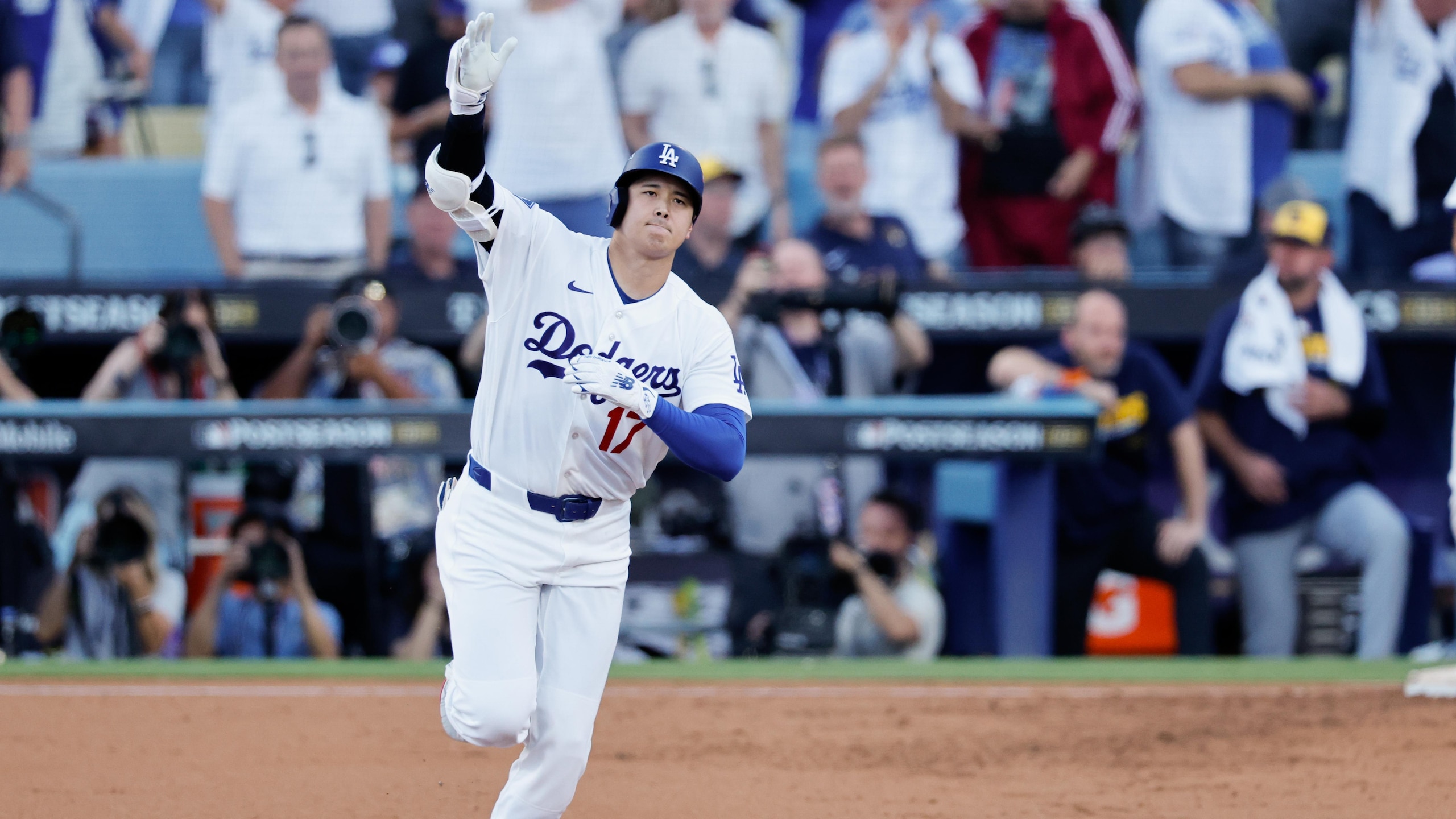
9. Michael Conforto, LF, Los Angeles Dodgers
3 of 11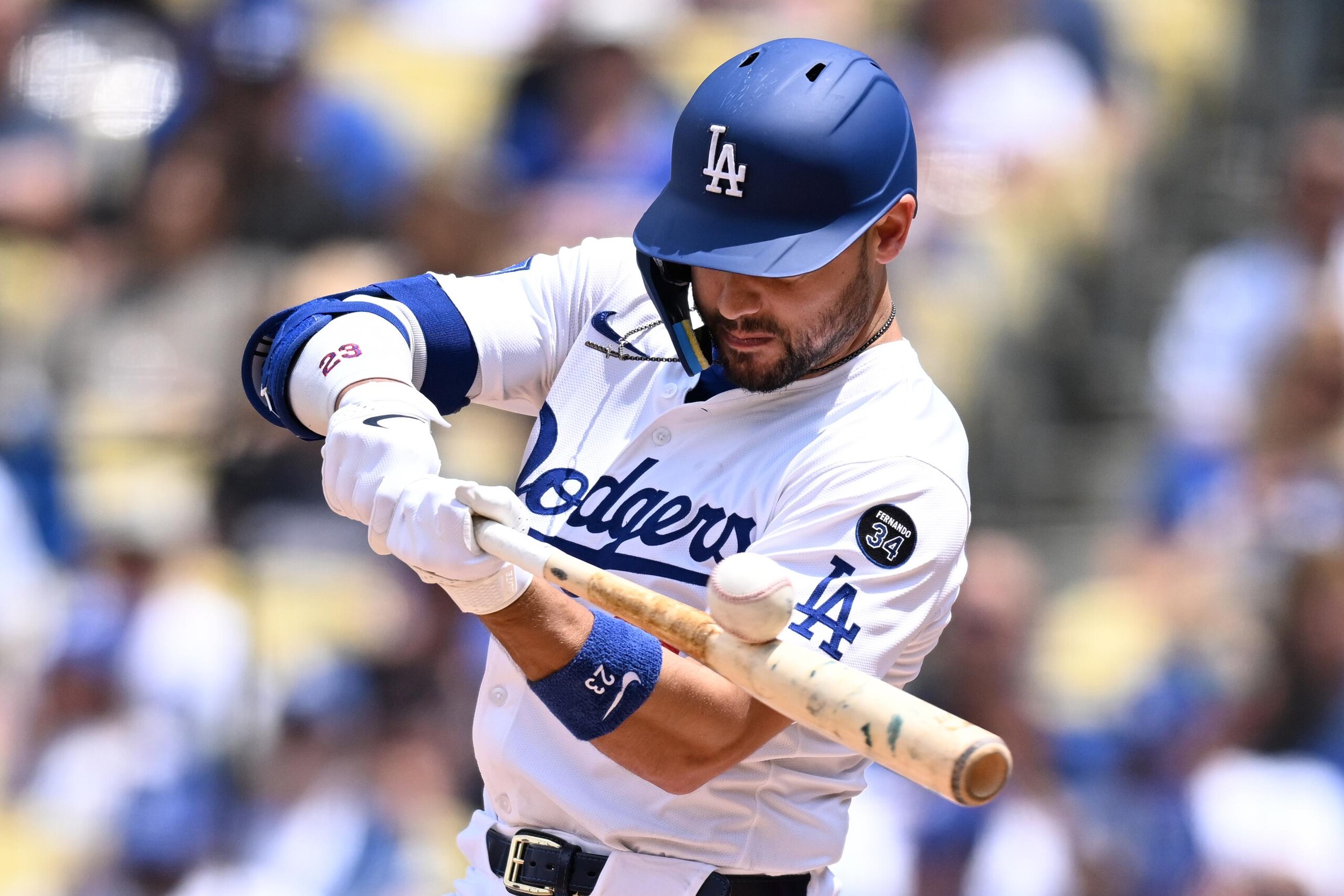
Investment: 1 year, $17M
Return: .167/.298/.267, 2 HR, 6 RBI, -0.8 bWAR
The saving grace here is that it's only one year, and what's another $17M* to the International Banking Federation that is the Los Angeles Dodgers?
But Michael Conforto has very much become the "one of these things is not like the other" player in this otherwise ridiculously loaded Dodgers lineup.
For a little while there—with both Tommy Edman and Teoscar Hernández on the IL while Hyeseong Kim was just beginning to cut his teeth at the MLB level—they had little choice but to keep Conforto as their regular left fielder.
Now, however, they have 10 solid assets at their disposal—11 if you're already counting recently promoted top prospect Dalton Rushing, who can play left field, for the record—and every plate appearance given to Conforto and his .448 OPS (with just one RBI!) dating back to April 6 feels like a missed opportunity to do so much more.
At this point, they probably wouldn't even be able to trade him away. If he doesn't start showing legitimate signs of life, might just have to bite the bullet and drop him like the Astros did with José Abreu last June.
*It's actually more like $34M, given they are slated to pay a 100% tax on over $100M of their payroll this season. But who's counting?

8. Charlie Morton, RHP, Baltimore Orioles
4 of 11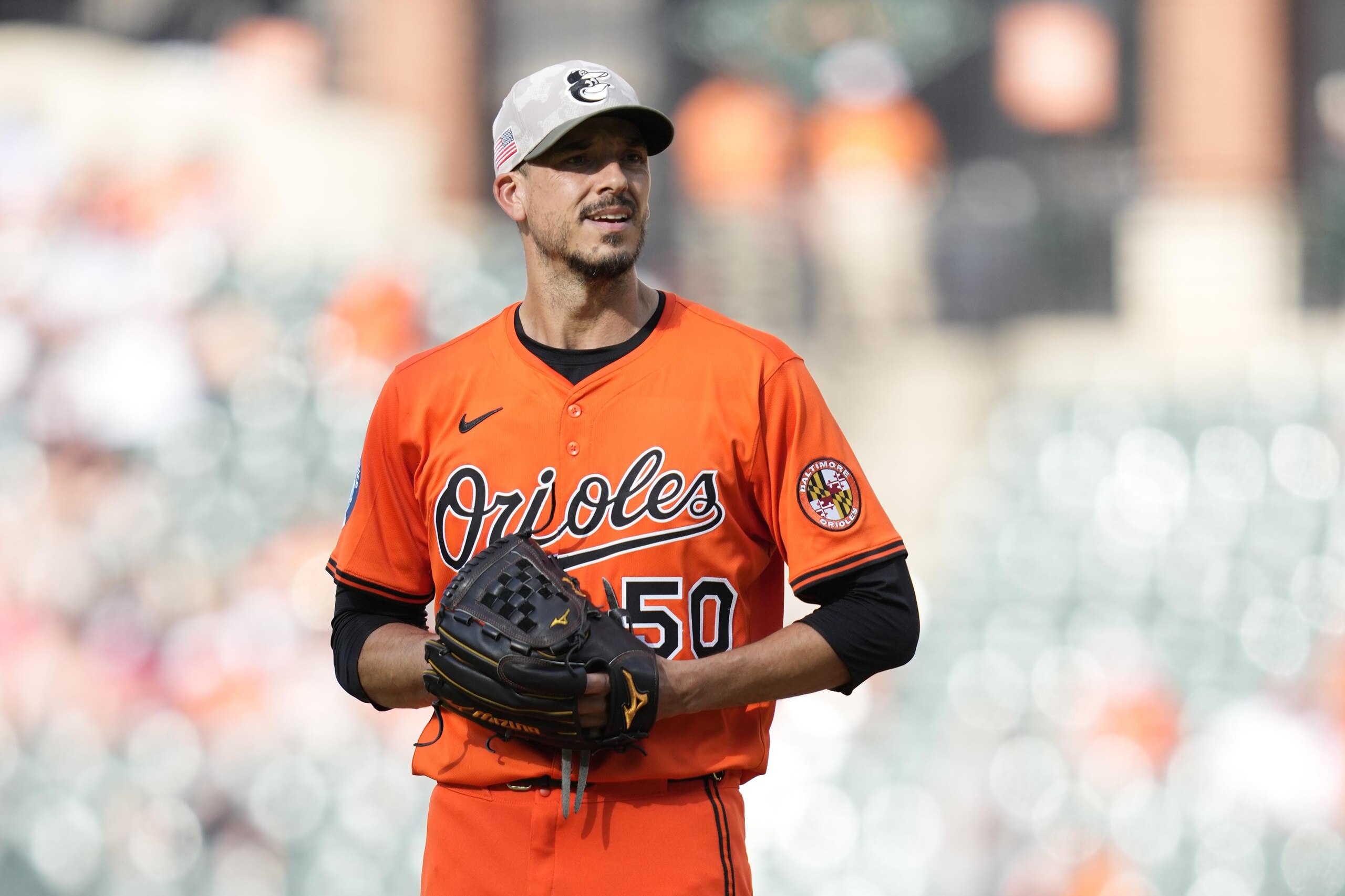
Investment: 1 year, $15M
Return: 41.0 IP, 7.68 ERA, 1.76 WHIP, -1.2 bWAR
As is the case with Michael Conforto in Los Angeles, there's a bit of an "at least it's only one year" saving grace here that keeps Charlie Morton from landing atop the list.
That said, things have gone extremely sideways for the 41-year-old, two-time All-Star.
Morton's...let's call it "considerable amount of MLB experience"...was already beginning to show last year.
Across the board, his velocity was down about one mile per hour. His patented curveball—though still pretty darn valuable and responsible for over 100 strikeouts in 2024 alone—wasn't quite the swing-and-miss, wipeout pitch it had been from 2021-23. And his changeup wasn't fooling anyone, opponents slugging .600 against it after three consecutive years without allowing one home run off it (in 120 total ABs.)
And through two months of this season, all of those things have become more problematic, especially the part about the curveball not doing its job anymore. With the exception of 2020, opponents had slugged .323 or worse against Morton's curve in every year dating back to 2013, with a whiff rate of 38 percent or greater in 10 of those seasons. So far this season, it's a .526 slugging against and a 30.2 percent whiff rate.
(The slugging against the changeup isn't as bad as last year, but opponents are batting .368 against it. So, it definitely hasn't been a good pitch.)
Morton lasted five starts with a 10.89 ERA before getting moved to the bullpen, where things have improved, though not enough to inspire any real optimism.
Not only is he 0-6 for the year, but the Orioles are 0-12 in games where he pitches.
7. Tyler O'Neill, OF, Baltimore Orioles
5 of 11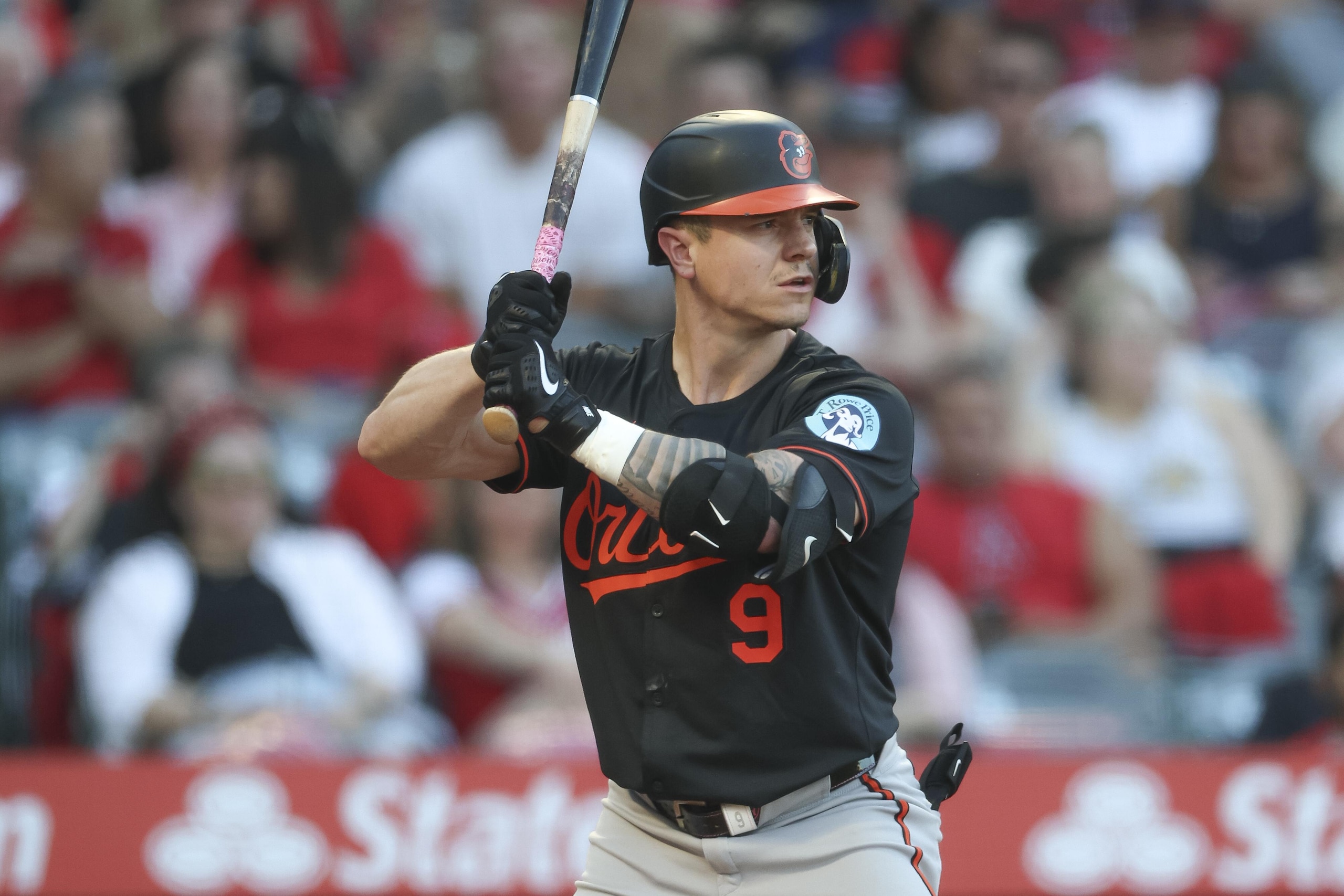
Investment: 3 years, $49.5M
Return: .188/.280/.325, 2 HR, 10 RBI, 0.0 bWAR (in 24 games played)
Though Anthony Santander will show up a little higher on the list than this, letting him walk in free agency—to eventually sign in Toronto at an AAV of $18.5M—while giving Tyler O'Neill $16.5M per season on a three-year deal was a bit of a strange decision by the Orioles, right?
From 2022-24, Santander hit 105 home runs with an OPS just shy of .800 and a bWAR just north of 8.0 while—most notably of all when comparing him to O'Neill—appearing in 460 out of a possible 486 games. During that same window, O'Neill missed more than 200 games, ending up with 54 home runs, a .765 OPS and a 4.0 bWAR.
Yes, he was fresh off a 31-homer campaign with Boston. But even then, he missed 49 games, and Santander had just clubbed a career-high 44 round trippers for the Orioles.
While each of those corner outfielders has been disappointing through the first two months, at least Santander has been consistently available, and historically has been a guy who does his best work in July and August. O'Neill, on the other hand, is already back on the IL for the second time this season, with just one home run since his annual tradition of homering on Opening Day.
O'Neill could opt out of the final two years and $33M on his contract, but best of luck to Baltimore in getting that to happen.
(At least he might provide some value, though, unlike the $31.5M in deferred payments the O's still owe Chris Davis through 2037.)
6. Blake Snell, LHP, Los Angeles Dodgers
6 of 11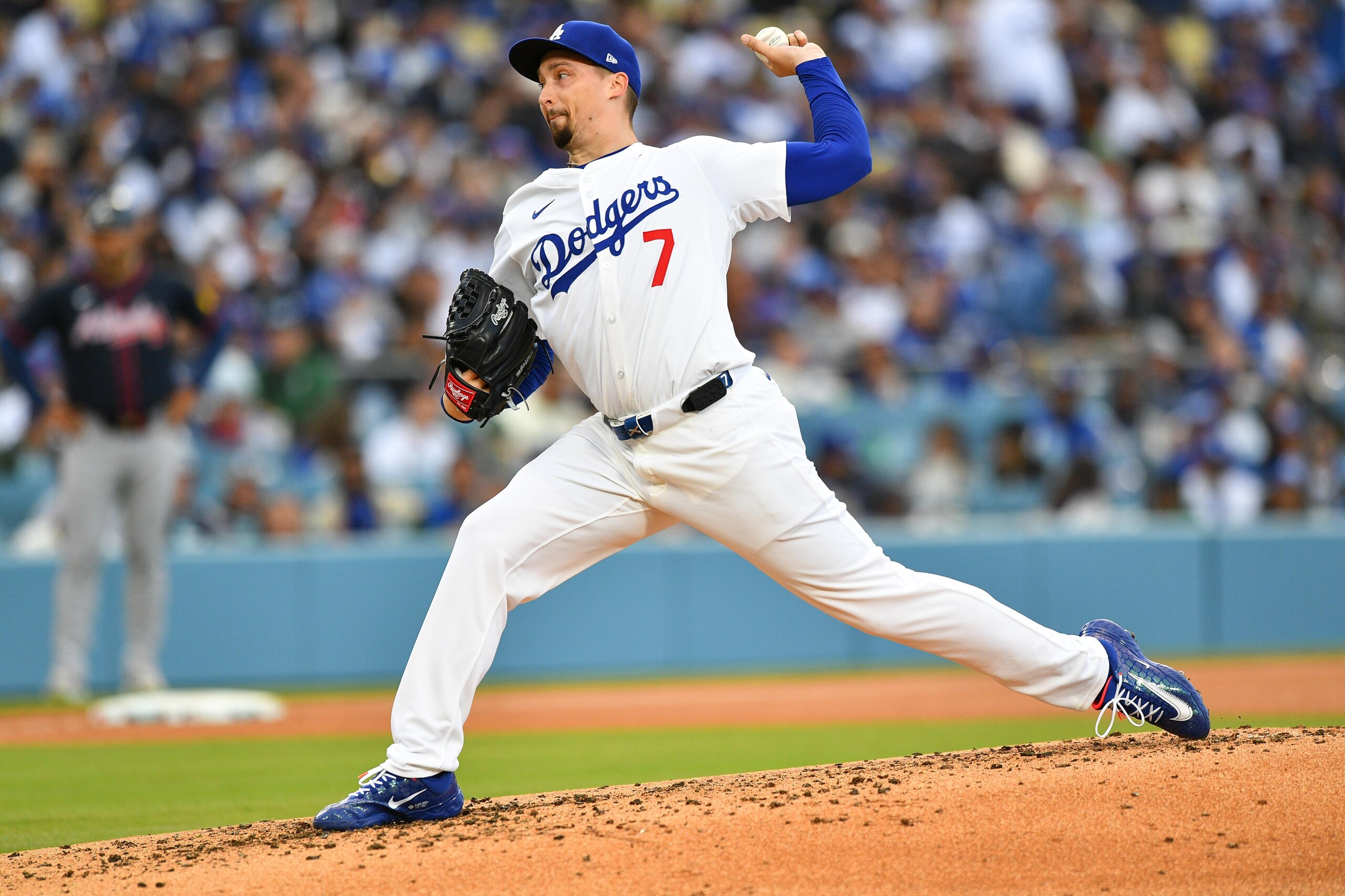
Investment: 5 years, $182M
Return: 9.0 IP, 2.00 ERA, 2.00 WHIP, -0.3 bWAR
Blake Snell was No. 1 on this list one year ago. To that point, he had an 11.40 ERA through four appearances, and it looked like the Giants were going to be stuck with him exercising the player option in his two-year, $62M deal.
From July 1 onward, though, Snell was maybe the most dominant pitcher in all of baseball, logging 80.1 IP with a 1.23 ERA, 0.78 WHIP and 12.8 K/9.
He pretty much always has been a better pitcher in the second half (2.32 ERA, 1.09 WHIP) than he has been in the first half (3.95 ERA, 1.35 WHIP). And though his WAR (thanks to the eight walks) suggests he stunk up the joint in his two appearances this season before getting hurt, he did limit the damage to just two earned runs, ever the king of wriggling out of self-inflicted jams.
Combine all those factors and I'm reluctant to put Snell any higher than this.
But there's no question that the Dodgers thus far have not gotten anything close to their money's worth on what is the third-highest salaried pitcher in the big leagues.
The good news is his shoulder has gotten the green light from the team doctors and he has been throwing for a little over a week now. He won't be eligible to come off the 60-day IL until early June, but he might be back shortly thereafter.
Just in time for July and his annual second-half surge to arrive.
5. Christian Walker, 1B, Houston Astros
7 of 11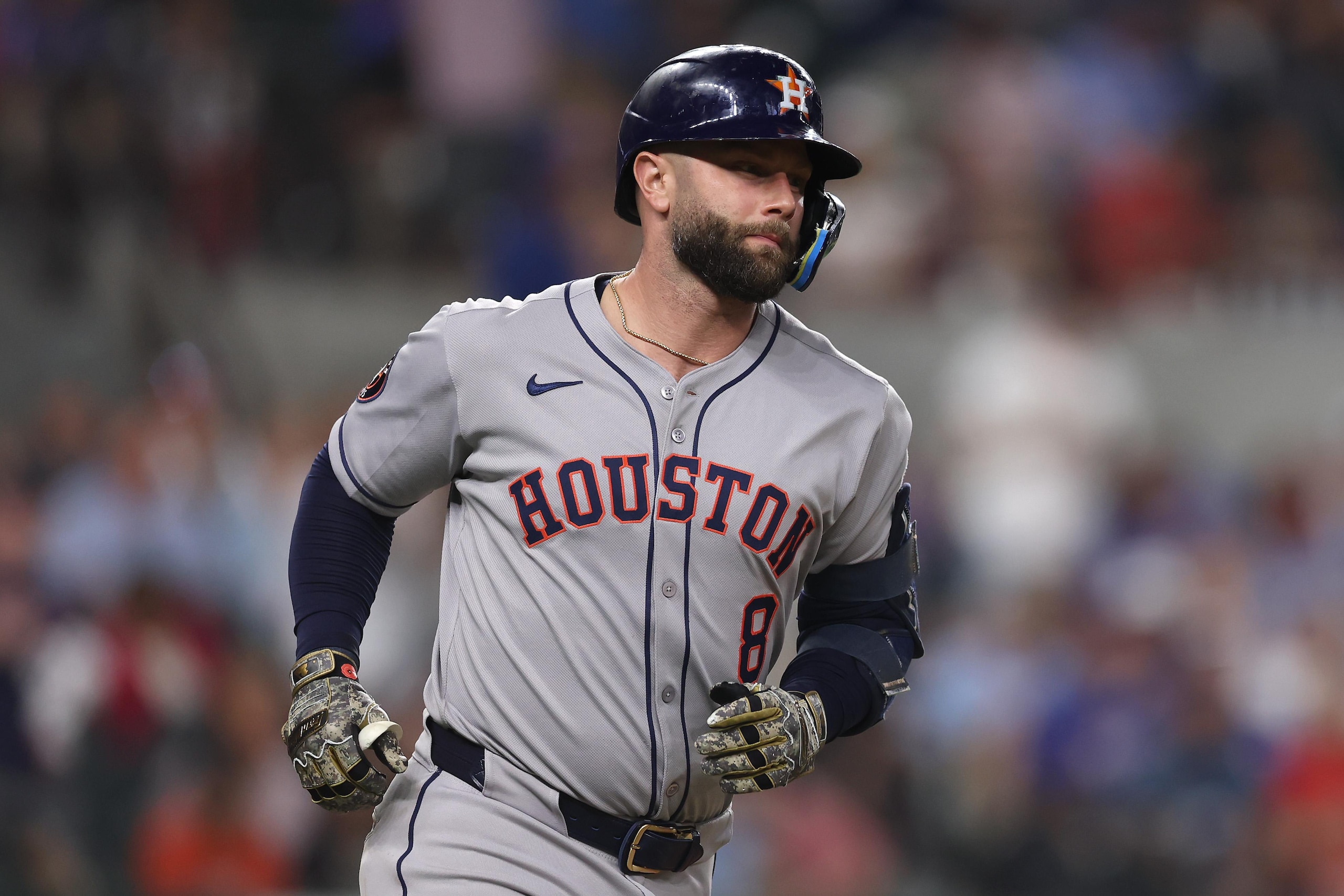
Investment: 3 years, $60M
Return: .196/.263/.328, 5 HR, 20 RBI, -0.4 bWAR
Over the previous three seasons in Arizona, Christian Walker was egregiously underappreciated at a national level.
Walker hit 95 home runs, good for 11th-most in the majors, and he won the NL Gold Glove at first base in all three years. The only other player with at least 65 home runs and multiple Gold Gloves during that window was Matt Chapman, with 71 and two, respectively.
Walker was also one of just eight players to record at least 500 plate appearances and an OPS of .800 or better in each of those seasons, an exclusive club that otherwise consisted of Shohei Ohtani, Juan Soto, Mookie Betts, Freddie Freeman, Rafael Devers, José Ramírez and Kyle Schwarber.
Nary an All-Star Game to show for it, but you probably can appreciate why Houston was willing to invest $60M in Walker, even though he turned 34 the day after Opening Day.
Unfortunately, that has aged about as well as the previous first base decision of signing José Abreu—He sure is catching some strays in this article, eh?—to a three-year, $58.5M deal.
Walker entered Saturday with just five hits and 14 strikeouts in his last 47 ABs, dropping his batting average back below .200. And while his glovework hasn't been terrible, he averaged a fielding run value of 10 and an outs above average of 13 over the past three seasons and is presently sitting at zero and one, respectively.
Maybe it's just a slow start, or maybe the Astros once again picked the wrong veteran first baseman to hitch their wagon to.
4. Joc Pederson, DH, Texas Rangers
8 of 11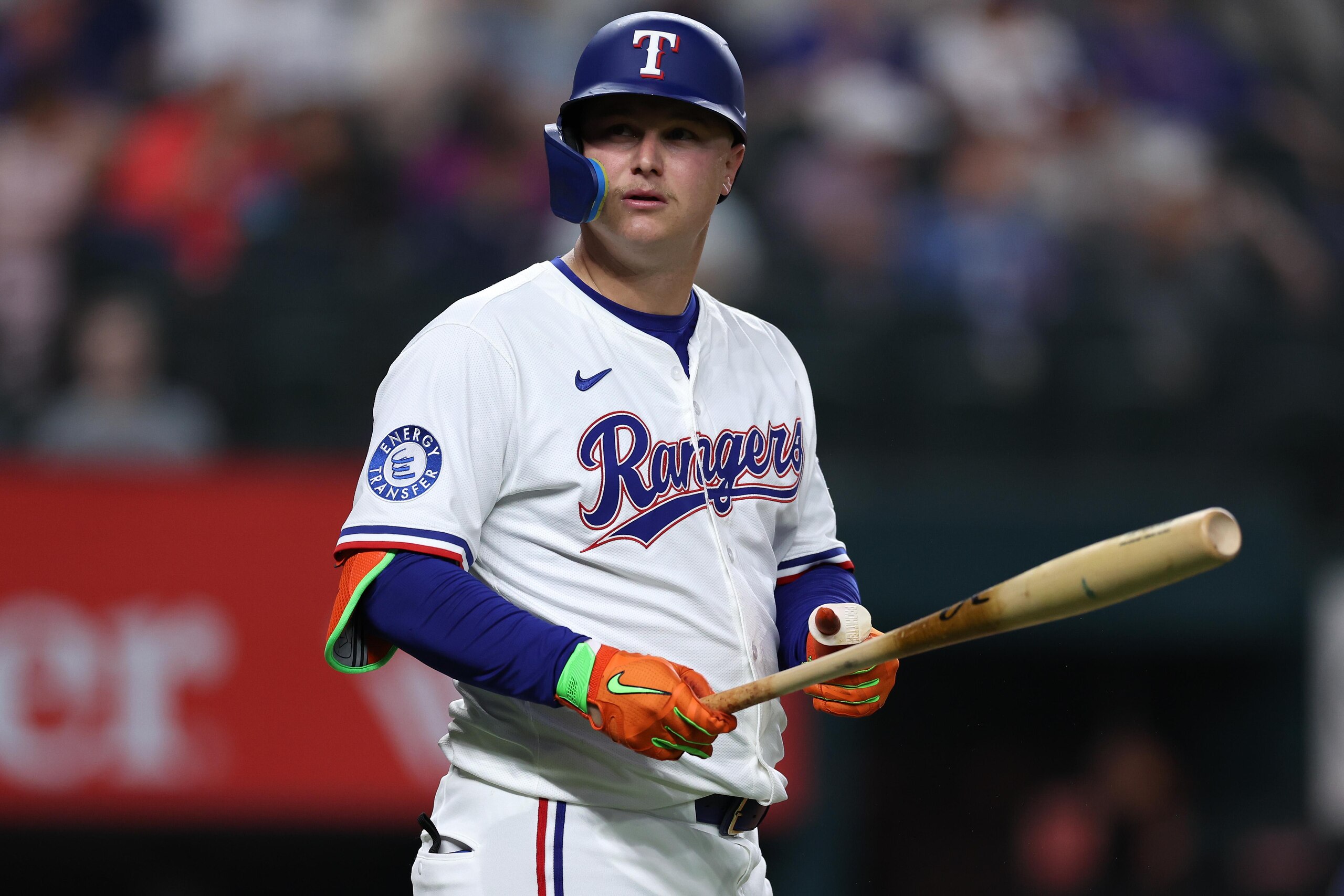
Investment: 2 years, $37M
Return: .132/.266/.240, 2 HR, 6 RBI, -0.8 bWAR
From 2022-24, Joc Pederson was one of the best "against right-handed pitchers" hitters in the majors.
He wasn't Aaron Judge or Shohei Ohtani good, mind you, but Pederson's .870 OPS against righties was almost top 10 among all qualified hitters. And last year was especially good, with 22 home runs and a .923 OPS.
The rub with Pederson is that he almost never plays the field and you need to platoon him at designated hitter with someone who can hit left-handed pitching. However, that ability to mash right-handed pitchers is so highly coveted that he was deemed worthy of nearly $20M per year on a two-year deal.
Out of nowhere, though, he has gone from one of the best to darn near the worst. Entering play on Saturday, Pederson's .485 OPS against righties ranked 192nd out of 193 qualified hitters, ahead of only Luis Robert Jr. (.469).
To some extent, it has been terrible luck. Pederson had a .322 BABIP last season compared to an almost impossibly bad mark of .154 this year—worst among hitters with at least 100 plate appearances. But after homering in 4.9 percent of plate appearances over the course of the first 11 seasons of his career, he's sitting at 1.4 percent thus far, simply not barreling balls like he used to.
The good news is he isn't flailing at the plate. His strikeout rate is actually ever so close to the lowest of his career. His inability to hit or hit for power, though, is a major reason why the Rangers almost rank dead last in scoring.
3. Jurickson Profar, LF, Atlanta Braves
9 of 11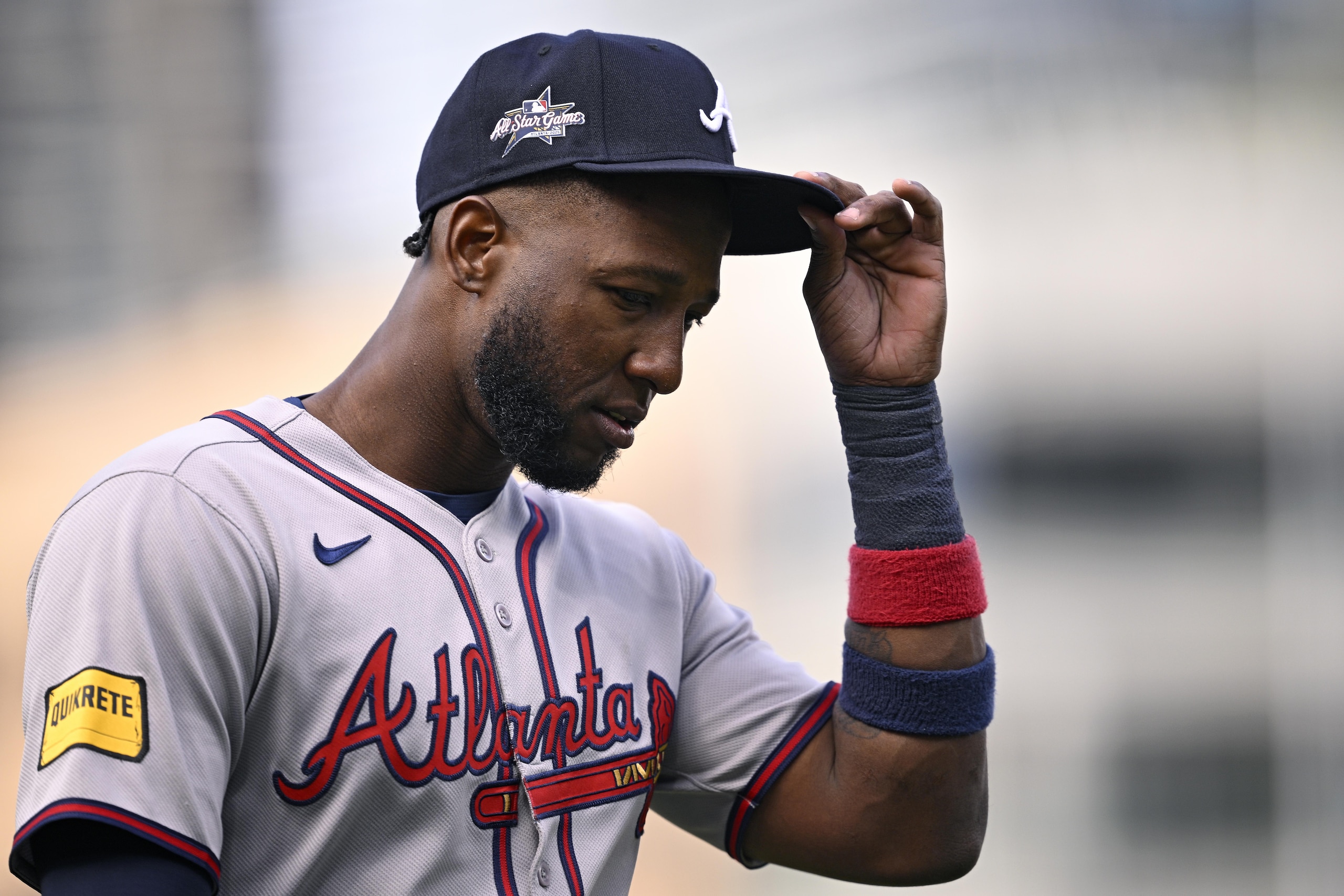
Investment: 3 years, $42M
Return: 3-for-15 before an 80-game suspension
After several consecutive winters of seemingly nonstop wheeling and dealing, Atlanta had an unusually quiet offseason. Aside from this one left fielder signed in late January, their most intriguing acquisitions were the minor league deals struck with Craig Kimbrel and Alex Verdugo.
But at least Jurickson Profar was going to fill a major void in the Braves outfield, especially until Ronald Acuña Jr. returned from his ACL surgery.
That was the plan, at any rate, until Profar tested positive for PEDs on March 31 and his career-best hitting in 2024 at the age of 31 suddenly made a lot more sense.
While he has done very little this season to be analyzed, it's certainly at least partially his fault that Atlanta's outfield has been a disaster. Left field has been abysmal in particular, with Verdugo, Bryan De La Cruz and Eli White primarily responsible for a .572 OPS with just one home run in Profar's stead.
He will not be eligible to return to Atlanta's lineup until July 2, and he will not be eligible to play in the postseason, if they even make it there.
Goodness only knows what he'll be bringing to the table when he does return, too. Robinson Canó was certainly never the same again after his (first) suspension. It took a couple of years for both Fernando Tatis Jr. and Ryan Braun to bounce back to their previous standards of excellence, too. And those three guys were a whole heck of a lot better than Profar ever was.
The most recent example was Noelvi Marte, who posted a .549 OPS in the second half of last season after his 80-game suspension. If that's what Profar's second half ends up looking like, they certainly won't miss him in October.
2. Anthony Santander, OF/DH, Toronto Blue Jays
10 of 11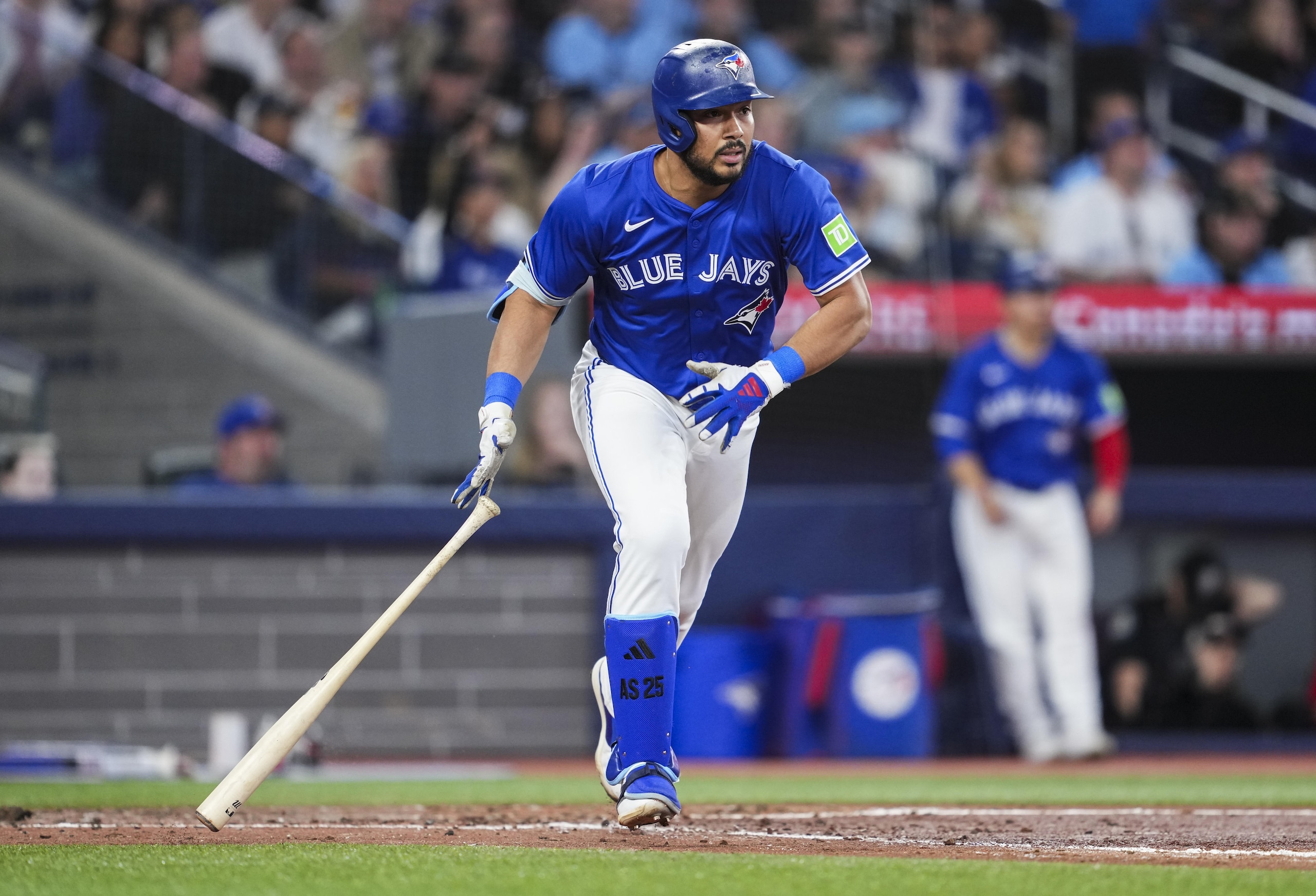
Investment: 5 years, $92.5M
Return: .188/.270/.327, 6 HR, 18 RBI, -0.6 bWAR
Anthony Santander's 105 home runs over the previous three seasons was the sixth-highest mark in the majors, two ahead of both Yordan Alvarez and Juan Soto. Granted, Santander made almost 300 more plate appearances than Alvarez, but hey, that ability to stay healthy is noteworthy.
Yet, every time we discussed the 10 or so players who tentatively could have fetched a $100M deal in free agency this past winter, Santander did always feel like the one who was most likely to not live up to that type of contract, given his combination of a career .307 on-base percentage, poor glovework, baserunning that is mediocre at best and already being 30 years old.
In fairness, if you're going to be a one-trick pony, hitting bombs is a good lone trick to have. And at least Toronto's Rogers Centre figured to be an OK venue for him to continue performing that trick, his expected home run total in that park a whole heck of a lot better than if he had gone to San Francisco, Boston, Detroit or Kansas City.
Thus far, however, he's not hitting much of anything, saddled with the worst batting average of his career and not even on pace for 20 home runs. Santander had a .786 OPS over the previous six seasons, but is languishing slightly below .600 through two months.
We were willing to give him a pass in April, as he historically has been a slow starter. We're almost finished with May, though, and he has yet to show any signs of turning a corner. If anything, he's seeing the ball worse, with multiple strikeouts in five of his last seven starts.
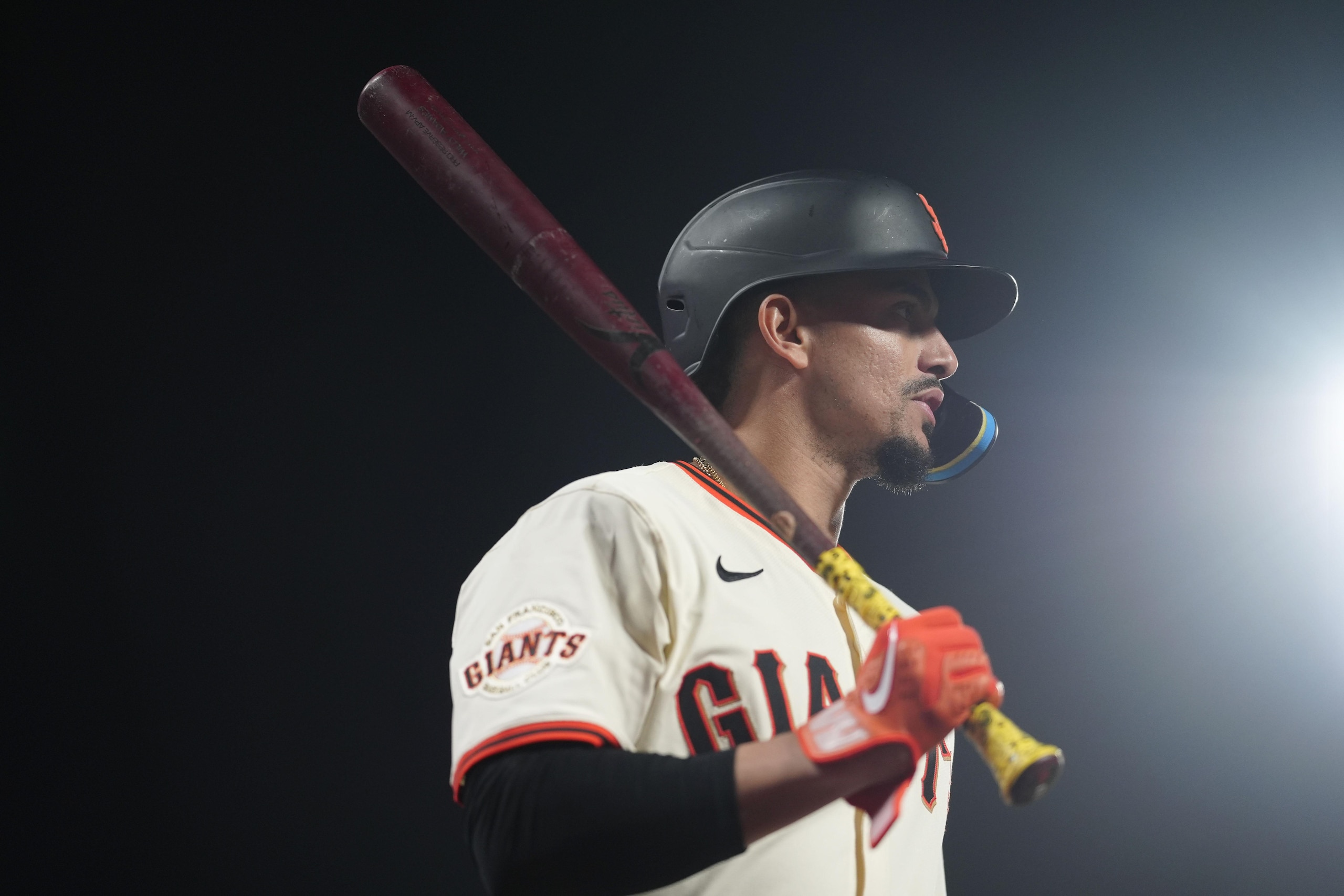
1. Willy Adames, SS, San Francisco Giants
11 of 11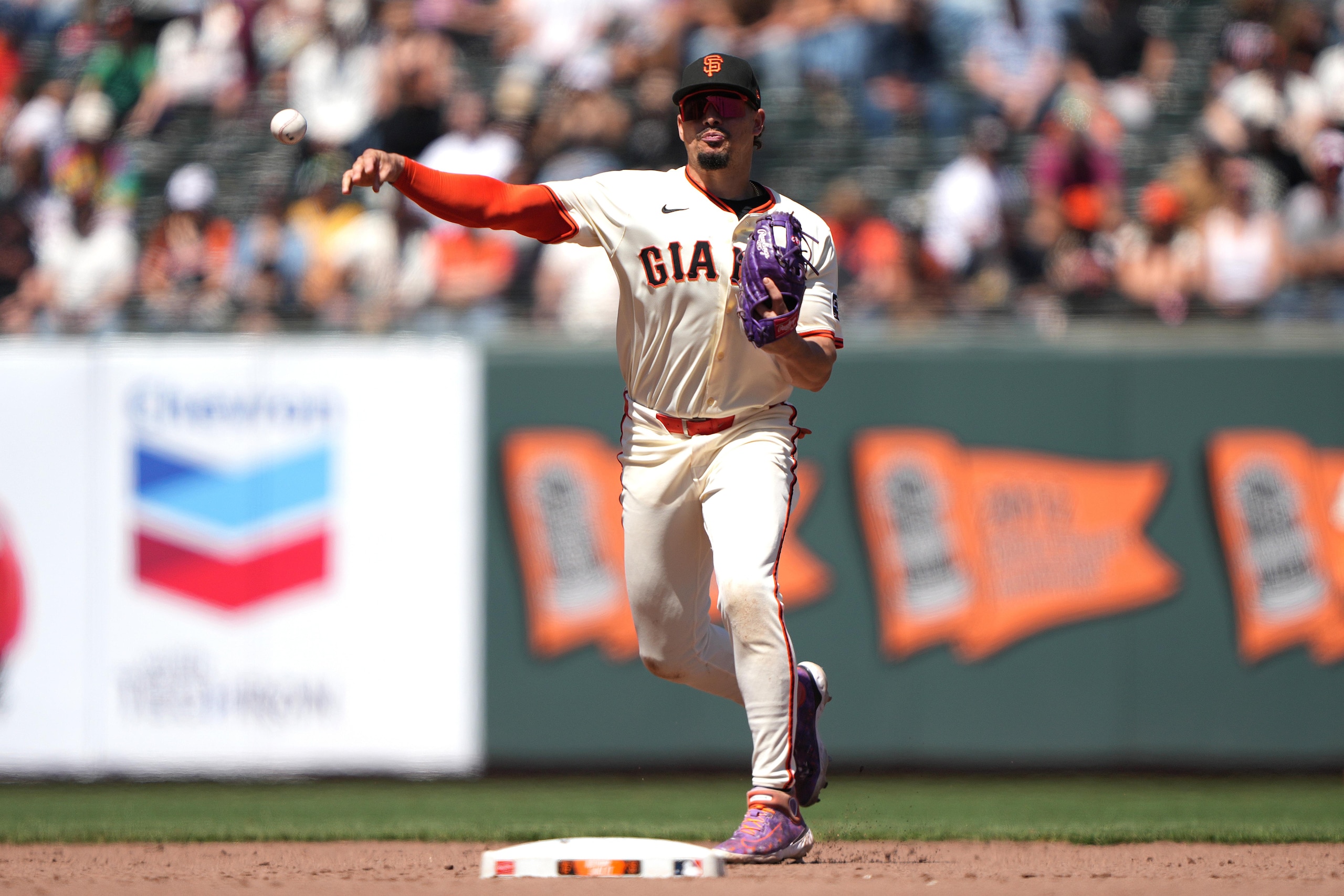
Investment: 7 years, $182M
Return: .216/.298/.352, 5 HR, 24 RBI, 0.0 bWAR
Willy Adames is hitting a little bit better than every other batter on this list. At least he's north of the Mendoza Line.
With the exception of Blake Snell, though, his AAV is at least $6M greater and his overall contract is at least $89.5M more than every other player on the list, making his early mediocrity that much more unforgivable.
While we won't go so far as to say it's looking like this seven-year, $182M deal is going to age as poorly as Kris Bryant's has at Colorado, things certainly aren't going according to plan.
Adames has an OPS+ of 87, which is the worst mark of his career and slightly below those of both Max Muncy and Alec Bohm, who have been the weak links in their respective, World Series hopeful lineups. And while the concern when he signed with the Giants was that Oracle Park could sap his production, he's actually hitting worse on the road (.585 OPS) than at home (.712 OPS).
Moreover, his glovework at shortstop has been dreadful.
Over the previous three seasons, Adames had a fielding run value of +20 and an outs above average mark of +27. He is at negative-2 and negative-3, respectively, flirting with some of the worst marks among shortstops.
By some miracle, the Giants are tied for the sixth-best record in baseball in spite of Adames' shortcomings. And at least he's only making $13.1M this year and next before his salary balloons to $31.1M over the latter five years of the deal. Nevertheless, an ominous start to the third-longest contract signed in free agency.

.jpg?w=2560 "Report reveals list of next NFL international locations")
.jpg?w=2560 "McCarthy 'Not Surprised' to Be QB1")
.jpg?w=2560 "Breaking News")