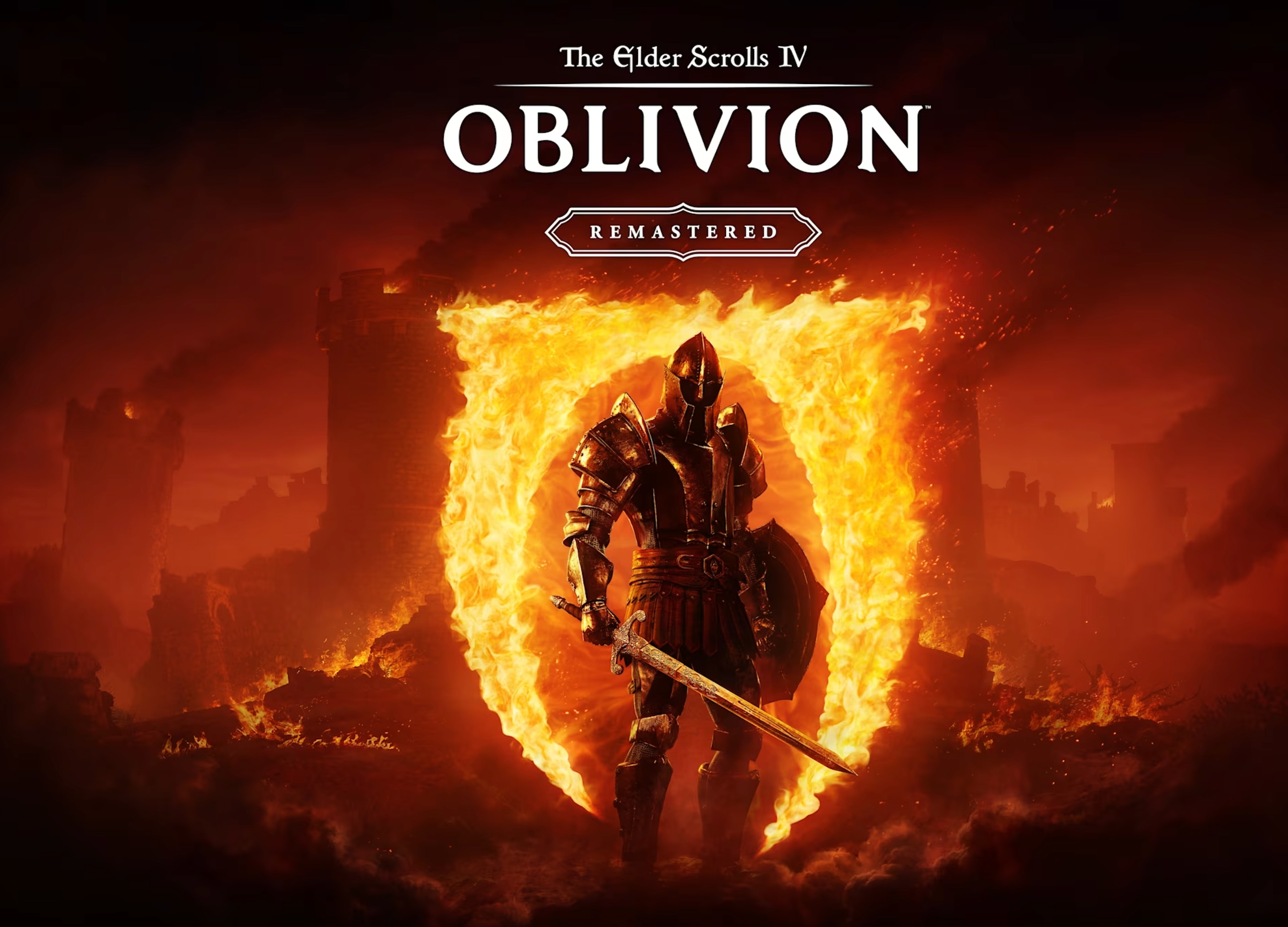

The Elder Scrolls IV Oblivion Remastered Review, Gameplay Impressions and Top Features
Elder Scrolls IV Oblivion Remastered from developers Virtuos and Bethesda Game Studios is one of the biggest surprises of 2025 and could have a far-reaching impact on the industry as a whole.
First released in 2006 on systems like the Xbox 360 and PlayStation 3, Oblivion was many current gamers’ first Elder Scrolls game, a release that revolutionized open-world RPGs and made follow-ups like Skyrim possible.
This iteration of Oblivion has been slick with its rollout. A shadow, surprise release, Oblivion undersells itself dramatically by calling itself a remaster when it goes above and beyond many remakes.
TOP NEWS
.jpg?w=2560 "Titans Giants Football")
OBJ Calls Out Giants After Release

Pic of LeBron's Helicopter Commute 🚁

Aaron Boone Calls Out Yankees Catcher 🗣️
Fully reinvisioned with modern technical feats and some smooth re-design choices in gameplay and otherwise, Oblivion’s return is so much more than simply capitalizing on the goodwill of even choosing to do a bold remake at all.
Graphics and Gameplay
Just like that, Cyrodiil and its inhabitants have rewritten what gamers should believe is possible with so-called remasters and remakes.
Harnessing the power of Unreal Engine 5, Oblivion is breathtakingly gorgeous at every turn, whether players are wandering around the wilderness, getting lost in one of the many varied cities, underground tunnels, or the hellish landscapes of the Oblivion gates themselves.
Revamped textures, lighting and blatant care for even adding new combat animations and spell effects ramps up the immersion. Back in 2006, a player’s idealistic version of Cyrodiil was… pretty much this.
Even the game’s UI gets a modernization pass, smoothing out some of the clunkiness. That goes for shifting around meters on the screen during gameplay, to mercifully making menus easier to navigate.
Keep in mind the game isn’t trying to re-do everything. Characters are shockingly detailed, but retain the weird mush-mouth facial animations during conversations that was funny a long time ago.
Speaking of upgrades, what was once an immersion-ruining-but-fun feature has been revamped as a viable option. Back in 2006, popping into third-person perspective was charming, but clunky. Now, it feels completely different and modern. Not perfect, but completely viable as an option for an entire playthrough of the game.
The game is downright hilarious for the way it retains many of the original voicelines and clunky NPC behavior. It was part of the charm in 2006, like we were all in on the joke. Those guards in the sewers screaming nonsensically the same re-canned voicelines was funny then, even funnier now. All the goofiness transplanted to a jaw-dropping world of surrounding upgrades just makes it all the funnier throughout the game.
It’s a similar story for gameplay. There’s an obvious visual upgrade and the many, many ways to tackle a given quest or situation remain. So, too, does the wealth of options in terms of combat playstyle based on classes, spells and otherwise. A varied amount of weapons (and a much better-feeling bow and arrow this time), right on down to a player’s fists, means no two players will necessarily experience the game the same.
At the same time, actual combat can still very much devolve into backpedaling like an NFL cornerback while timing out blocks and swings. Again, part of the charm. Freedom of choice is fantastic here, but it feels sort of authentic out in the open world that a player would fumble around while attempting to improvise a situation.
That’s not to excuse the frustration players might feel at points in combat, especially when ho-hum-looking bandits start rocking massively upgraded armor to keep pace with the player’s level. But combat was never the top dog here. It’s still punchy and fun, but the real selling point is the freedom of approach and how things can just go absolutely off the rails.
Make no mistake, combat and gameplay are massive upgrades from the original. But players will need to go into it with the understanding that it’s not rewriting the genre or leading the industry, either.
It’s just fun, and that’s what matters.
Story and More
Oblivion offers a rather shallow overall premise with more depth surrounding it than perhaps nearly every game ever.
Meaning, the initial hey player’s character is key to everything is just one minor facet to get the ball rolling. Players can pop out of the sewers and ignore that, exploring a surprisingly deep world littered with actually unforgettable characters, not the cliches found elsewhere describing other games.
Cyrodiil is littered with all-time memorable quests from side characters right on up to the surprisingly still great Dark Brotherhood and Thieves Guild questlines. In fact, players who never experienced the original game might be a little shocked at how great these stories really are—this is how storytelling in games used to be and why modern attempts (Starfield and otherwise) get panned, especially by older gamers.
Keep in mind that this so-called remaster also loops in the formerly paid DLC, Knights of the Nine and Shivering Isles, the latter being a must-play favorite for pretty much anyone who played the original—it’s right up there, or even above, The Witcher III’s Blood and Wine expansion.
That famous stepping-out-of-the-sewer-grate moment into a world where players can do literally anything has been copied (mostly poorly) endlessly and helped inspire the nearly two decades’ worth of massive open-world games, too.
This could go much, much longer on all that Oblivion has to offer in its world, but just know what it plays a huge what if? Game at all times across its map. What if…Goblin War? What if… Haunted Stuff? Etc.
It’s not all perfect, though. Even in 2006, the Oblivion gates felt repetitive and that hasn’t changed much here. But if that blemish is the major hiccup, Oblivion continues to do just fine in 2025. There’s storytelling built into the world and its many varied races throughout, not just in the form of journals and books, but in interactions and environmental cues.
Progression has been revamped to deal with some of the cheesy things players could do, too. Every single action a player takes builds specific experience in targeted skills. But back in the day, players would jump in place for hours in the opening prison cell (seriously, look it up) or do the classical “rubber bands on joysticks overnight” to cheese certain stats.
As a whole, the progression here is a big part of the reason there’s a huge camp of players who still consider Oblivion better than Skyrim. Freedom of skill allocation to the finest degree that encourages actual role-playing—but with the flexibility to change one’s mind later—is rare these days. And it goes beyond skill trees, seeing as players can just straight-up make their own magic spells.
Not that it should come as a surprise, but Oblivion runs well in most respects and has a long list of tweakable options tucked into the menus, too.
Conclusion
Oblivion is the best compromise in gaming, ever. It upgrades in the must-have areas in 2025, be it visuals and immersion or combat and modern progression. But it reserves just the right amount of straight-up jank to help retain the game’s soul.
Those who benefit from the nostalgic button getting pressed endlessly throughout the ride might have a leg up on first-timers here. But this is still a fantastic open-world RPG recommendable to literally any player for its memorable moments, locales and cast.
There’s also something simpler to be said about a surprise drop, eliminating all of the general lead-up to a game’s release that usually veers into the negative or builds hype beyond reasonable expectations. Not every franchise is Elder Scrolls and can afford to do that, but it’s worth a mention.
Either way, Oblivion remains a juggernaut all these years later, goofy and full of heart, too. It’s an all-time classic for a reason, now even better.
.jpg?w=2560 "Saints Lions Football")




.jpg?w=2560 "Report: Baker May Miss Up to 6 Weeks")
