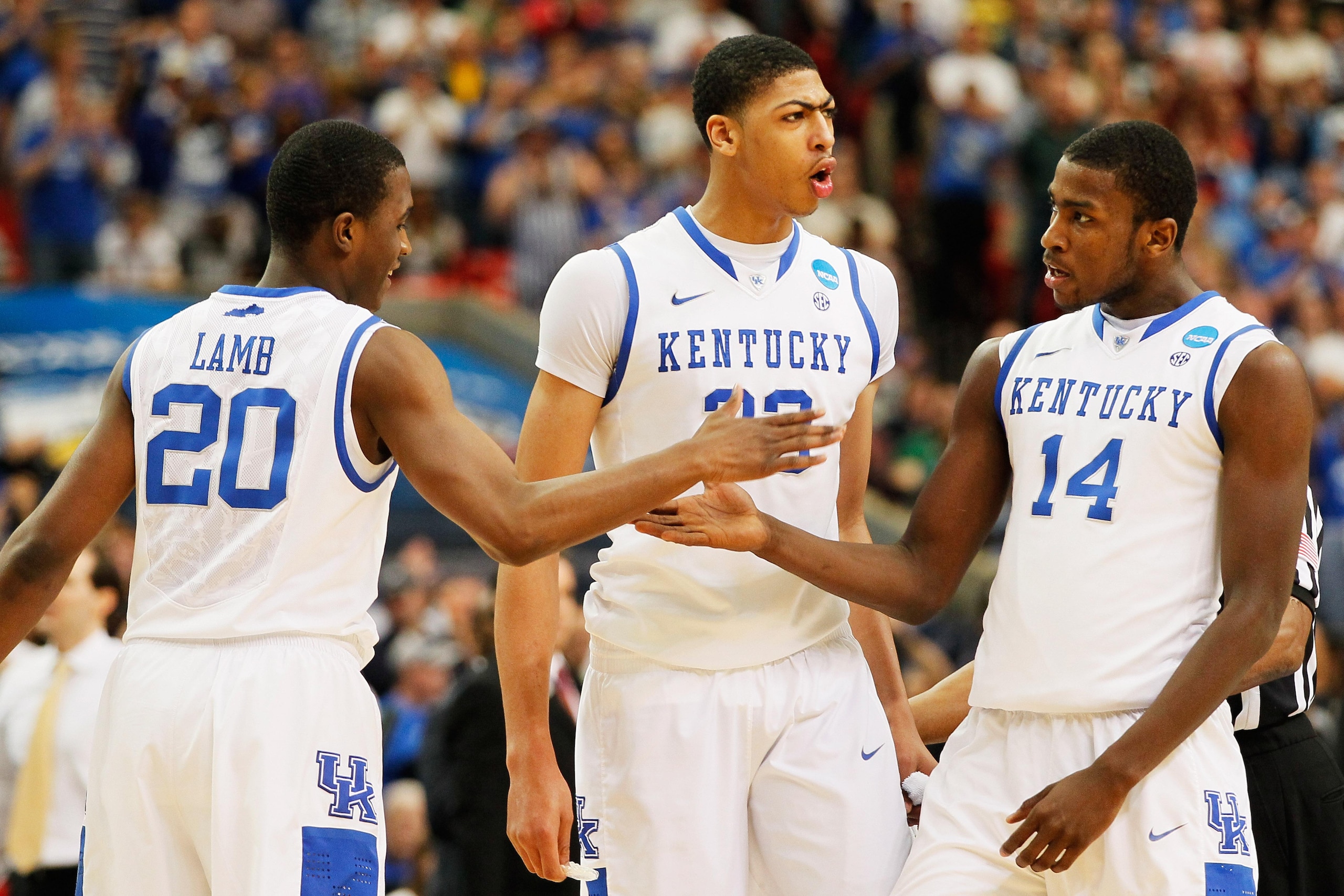

Ranking the 16 Best Men’s College Basketball Teams of All Time
The 2025 NCAA men's basketball tournament has yielded a potentially all-time great Final Four. For just the second time in tournament history, all four No. 1 seeds have advanced to the national semifinals, setting the stage for three incredible clashes of titans in San Antonio.
Adding to the excitement is the fact that all four of this year's teams—Auburn, Duke, Houston and Florida—could be historically great. According to a compilation of KenPom rankings over the past 25 years, all four sit in the top 10. Now, those placements should be taken with a grain of salt since KenPom's ranking system isn't designed to compare teams across seasons; rather, those numbers suggest how great a team was against its peers within its own season.
Still, it's hard not to get hyped for what's in front of us as we prepare to see 2024-25's best square off for the crown. Whoever emerges just might take their place among the best college basketball teams to ever hit the hardwood.
But who are those top teams of all time? Well, we at Bleacher Report have you covered with our own version of the Sweet 16. In sorting between teams from different eras, we put an emphasis on dominance—measured generally by wins, margins of victory and a lack of losses—to come up with our rankings for the best teams of all time. As magical as their runs were, Cinderella teams were not considered.
This list is subjective and certainly left off some incredible teams. We're splitting hair here, so feel free to agree or disagree in the app comments.
With apologies to Baylor and Gonzaga in 2021, Virginia in 2019, Villanova in 2018, North Carolina in 2009, Kansas in 2008, Duke in 2001, Houston's Phi Slama Jama, Patrick Ewing's Georgetown squads and too many of John Wooden's UCLA teams to count (among many others) here are our top 16 college basketball teams of all time.
No. 16: North Carolina, 1981-82
1 of 16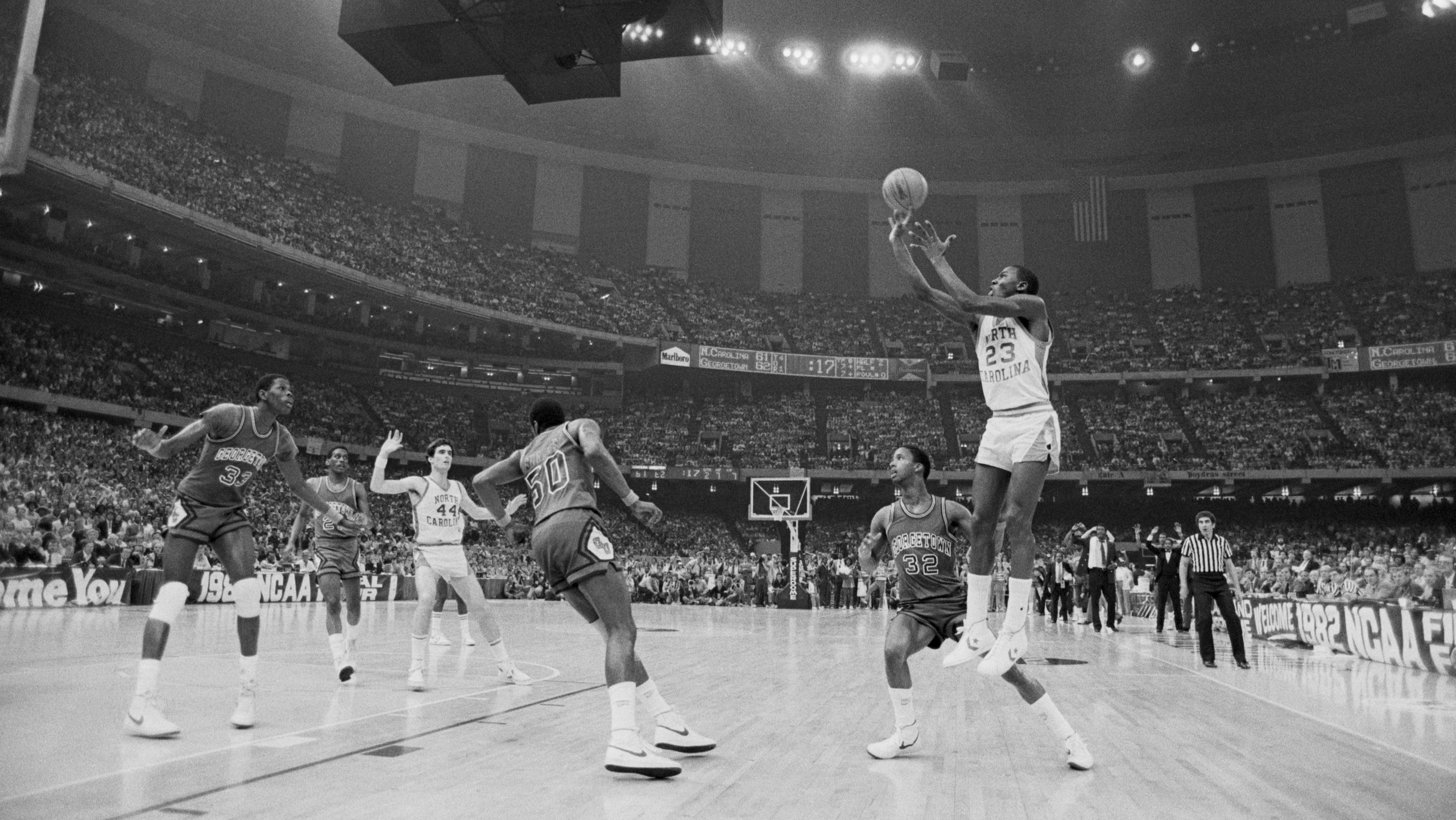
If we were going off star power, this team would undoubtedly be higher on this list. Stars like James Worthy, Sam Perkins and some freshman named Michael Jordan made these Tar Heels a formidable force during the 1981-82 season.
After avenging a lopsided loss to No. 3 Virginia with a 47-45 win in the ACC Championship Game, North Carolina strung together a series of close wins on the way to the championship game against Georgetown.
There, at the Louisiana Superdome, the Tar Heels weathered a monster 23-point performance by Hoyas freshman center Patrick Ewing and claimed victory on Jordan's iconic game-winner with 14 seconds left to finish the season at 32-2.
No. 15: North Carolina, 1956-57
2 of 16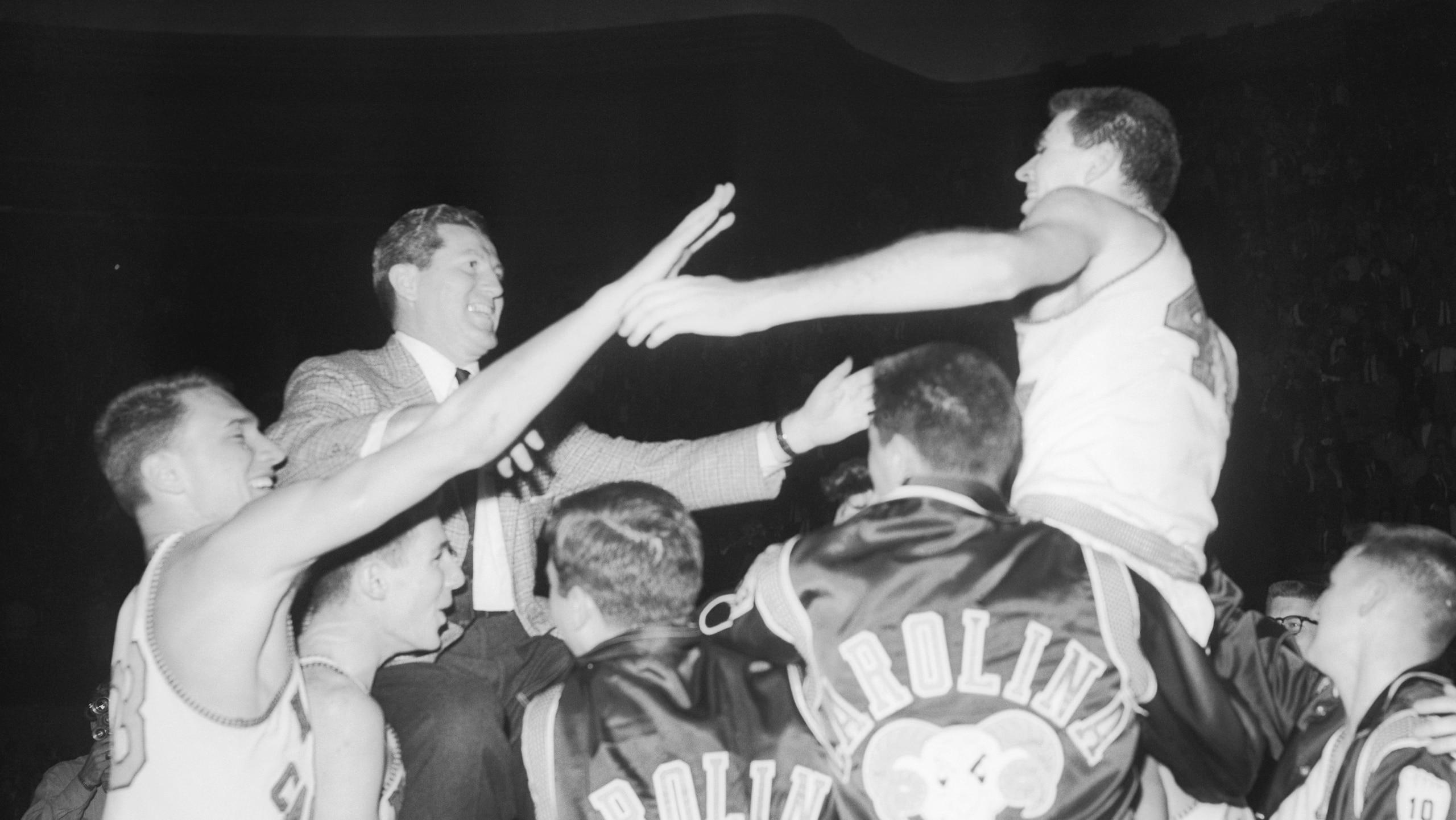
These Tar Heels were not dominant, but you might never find another team as battled-tested. And hey, 32-0 is 32-0.
North Carolina played multiple close games, including two overtime contests, during its unbeaten run through the regular season and ACC tournament. The Tar Heels kept their opponents at arm's length on the road to the Final Four, but once they reached Kansas City they had to survive back-to-back triple-overtime games to win the championship.
The title game came against Wilt Chamberlain and the second-ranked Kansas Jayhawks, with North Carolina needing a clutch free throw by Tommy Kearns to force overtime. Joe Quigg then played the hero in the third overtime, drawing a dubious foul call on Chamberlain in the final seconds (watch the full-game highlights here, they're amazing) and sinking a pair of free throws to push the Tar Heels ahead before stealing an entry pass intended for Chamberlain to seal the championship.
No. 14: Duke, 1998-99
3 of 16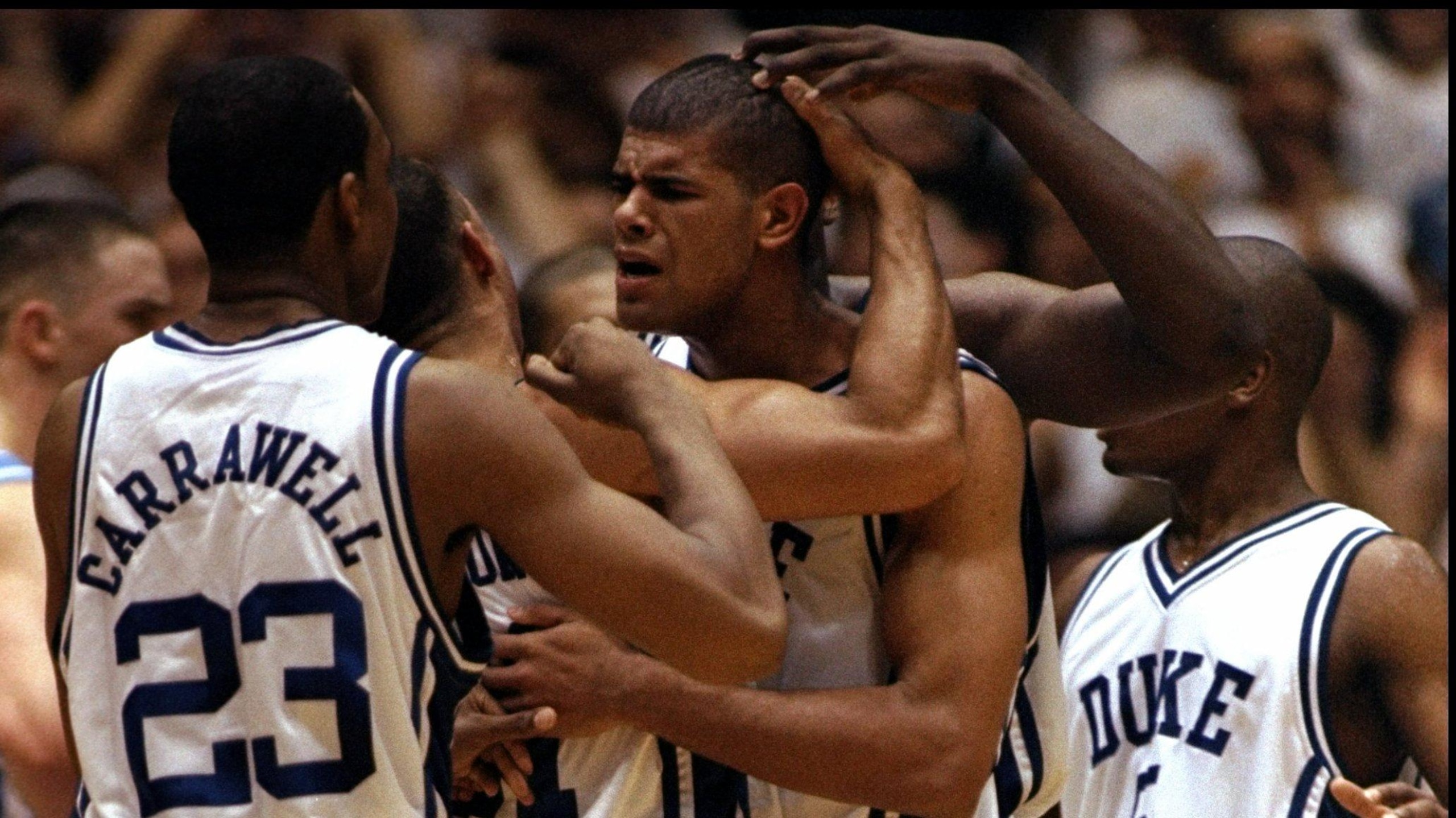
Remember those KenPom rankings referenced in the intro slide? Yeah, this team was No. 1. So what are the Blue Devils doing down here?
What a difference a single game makes.
Duke was truly dominant during the 1998-99 season, averaging a nation-leading 91.8 points per game and owning an average margin of victory of 24.6 points per game. Led by Elton Brand, Shane Battier and Trajan Langdon, Duke's lone blemish heading into the NCAA tournament was a two-point loss to No. 15 Cincinnati in the Great Alaska Shootout.
The Blue Devils cruised to the Final Four, winning their first four NCAA tournament games by an average of 30 points. They then knocked off Michigan State—which entered the tournament as the No. 2 team in the country—to set a date with No. 3 Connecticut in the final. Despite being nearly double-digit favorites, the Blue Devils fell, 77-74, to end the season at 37-2 and become one of the greatest what-ifs in men's college basketball history.
No. 13: Kentucky, 1995-96
4 of 16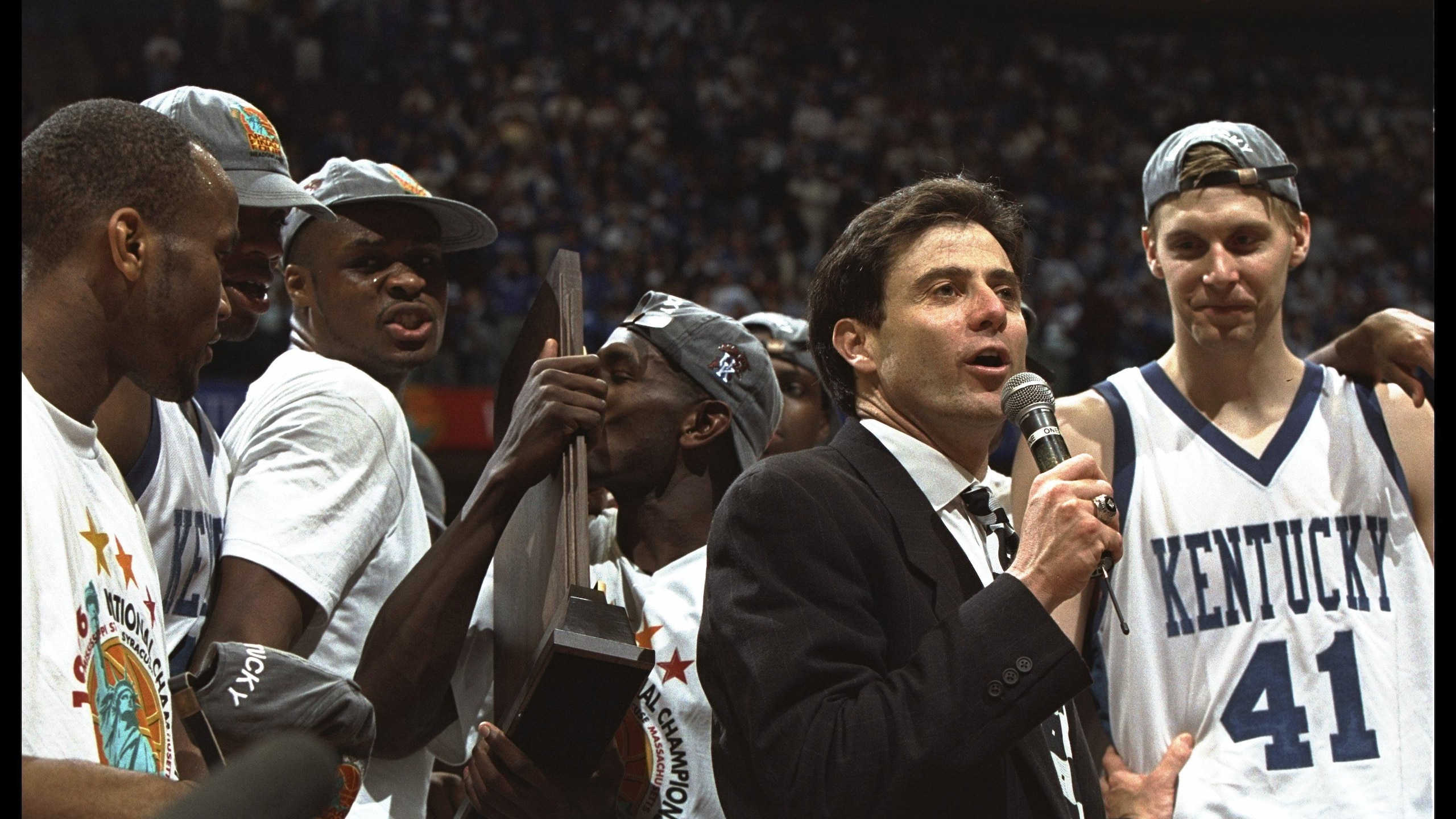
What do you get when you combine a high-octane offense and a full-court, tenacious defense? Well, you get the 1995-96 Kentucky Wildcats.
Led by Tony Delk, Ron Mercer and Antoine Walker—not to mention six other guys who went on to NBA careers—the Wildcats blitzed their opponents and compiled an average margin of victory of 24.0 points per game while putting up over 90 points per contest and shooting nearly 40 percent from three-point range.
Their lone blemishes were an early-season loss to No. 5 UMass and an 11-point flop against No. 25 Mississippi State in the SEC Championship Game, but once March Madness rolled around, the Wildcats were unstoppable.
Facing a relatively light road to the Final Four that featured four double-digit seeds, Kentucky rattled off four straight wins by 20-plus points. It then avenged its loss to UMass in the semifinal before Delk led the way with 24 points to carry the Wildcats past Syracuse, 76-67, in the championship game. The championship marked the first for head coach Rick Pitino, and the team ended the season with a 34-2 record.
No. 12: Texas Western, 1965-66
5 of 16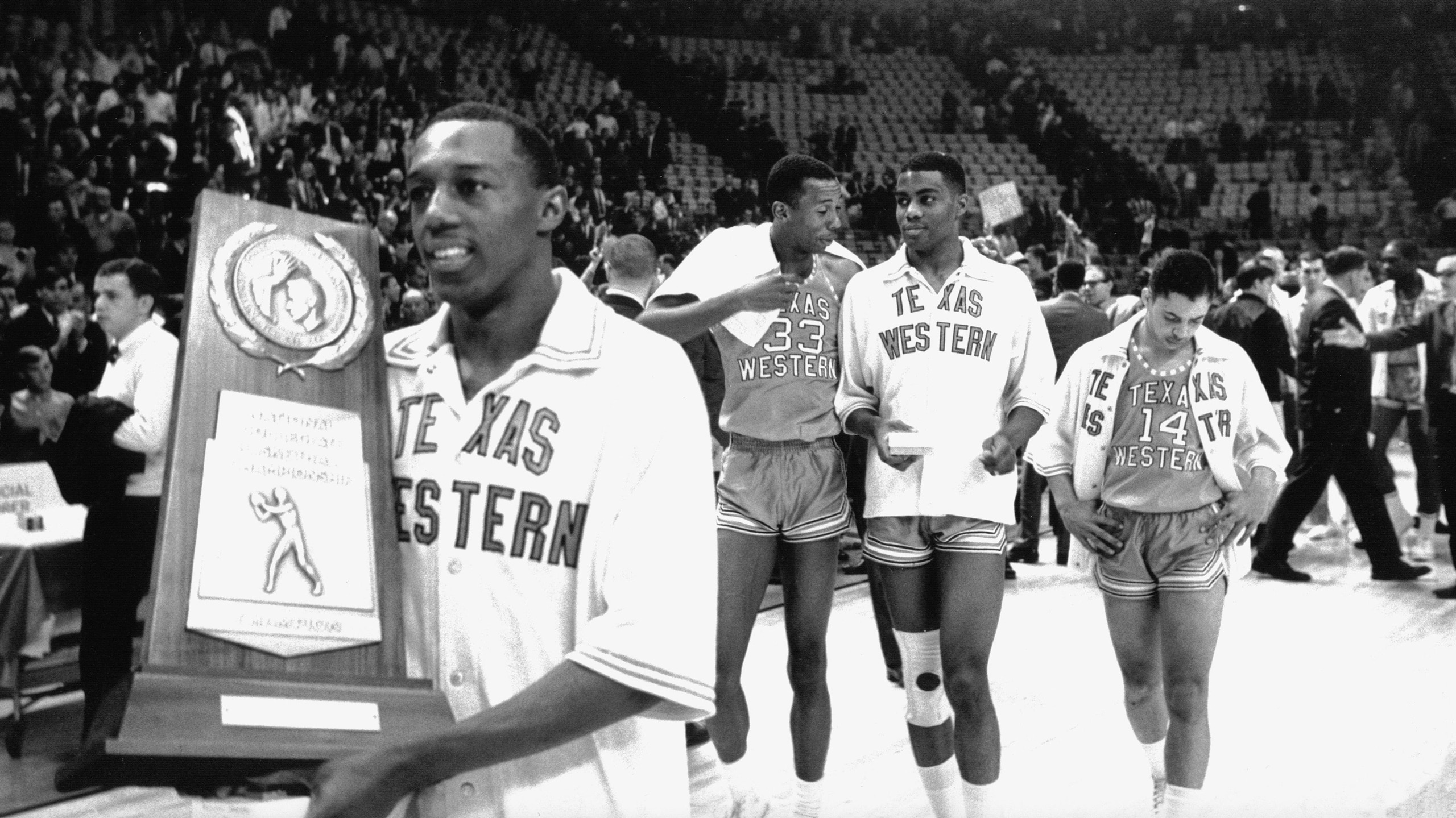
If this were a list of the most important teams in the history of men's college basketball, Texas Western's 1965-66 squad would probably be all the way at No. 1.
Led by Hall of Fame head coach Don Haskins, Texas Western became the first team in NCAA history to win the national championship with a starting lineup fully comprised of Black players. In a segregated United States, the team became a rallying point within the civil rights movement and a turning point in the integration of college athletics.
The Miners could sure as heck ball, too. They put together a dominant regular season, rattling off 23 straight wins—including a 20-point drubbing of No. 4 Iowa—before losing a two-point game at Seattle in their regular-season finale.
In the NCAA tournament, Texas Western cruised past Oklahoma City, eked by Cincinnati in overtime and then knocked off No. 4 Kansas in double overtime in the Elite Eight. After beating Utah in the national semifinal, Texas Western capped its season for the ages by beating Adolph Rupp and all-white No. 1 Kentucky, 72-65, to end the year with a 28-1 record and the school's first and only title.
No. 11: San Francisco, 1955-56
6 of 16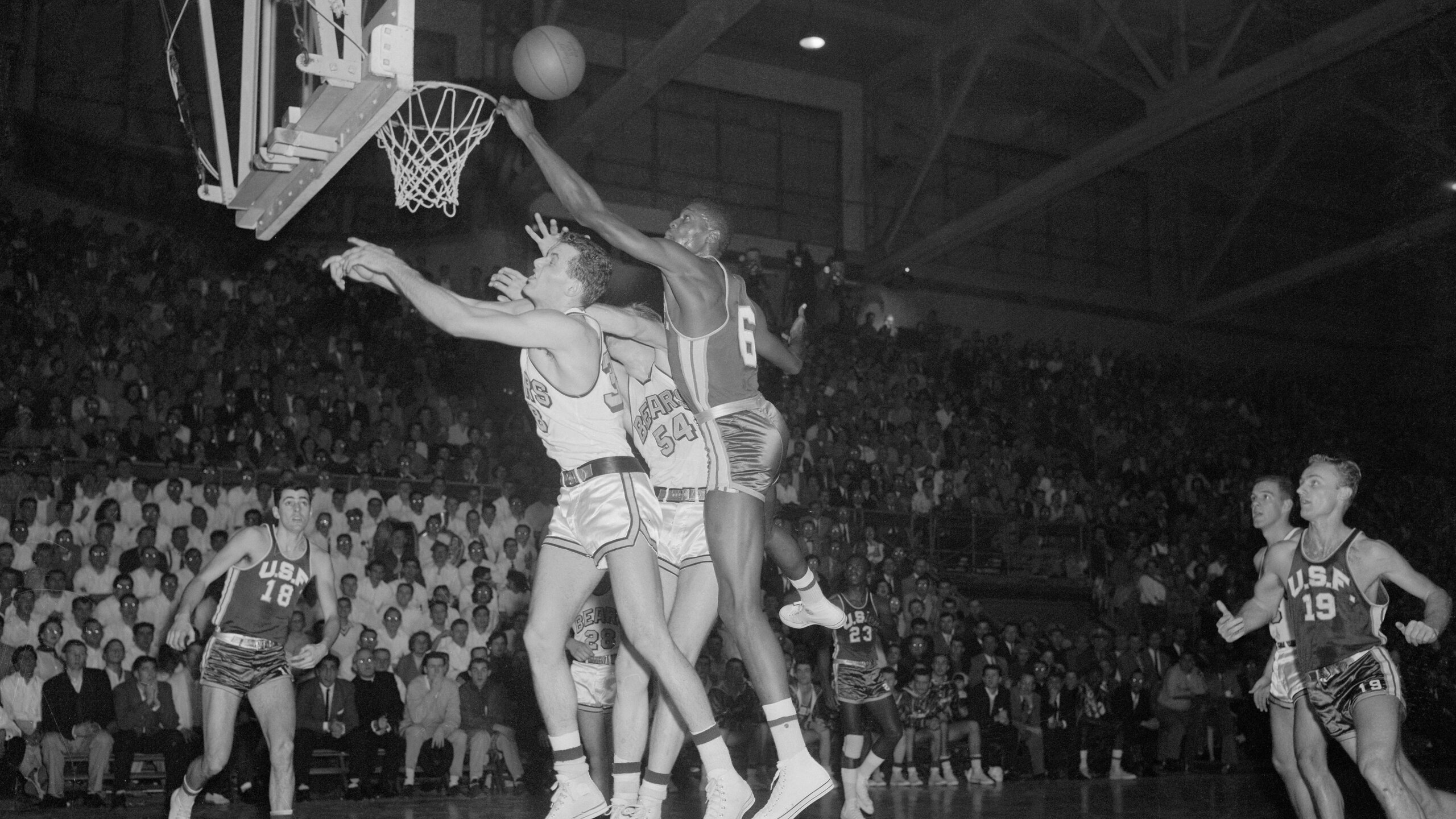
The University of San Francisco, coming off a championship in 1955, made history by becoming the first team in NCAA men's basketball history to complete a perfect season, finishing at 29-0.
Led by the legendary Bill Russell, the Dons outscored their opponents by an average of 20 points per game. Only twice were teams able to keep the final margin under double digits, and even then, no one came within six points of San Francisco.
The Dons did get off to a slow start in the championship game against Iowa, but they eventually picked up speed. Buoyed by Russell's 26 points, 27 rebounds and countless blocked shots, San Francisco rolled to an 83-71 victory and into the history books.
Fair or not, the only thing keeping San Francisco from going higher in these rankings is the era in which it played. While the Dons were undoubtedly incredible, the level of competition in 1956 pales in comparison to the rigors and quality of modern basketball.
No. 10: Connecticut, 1998-99
7 of 16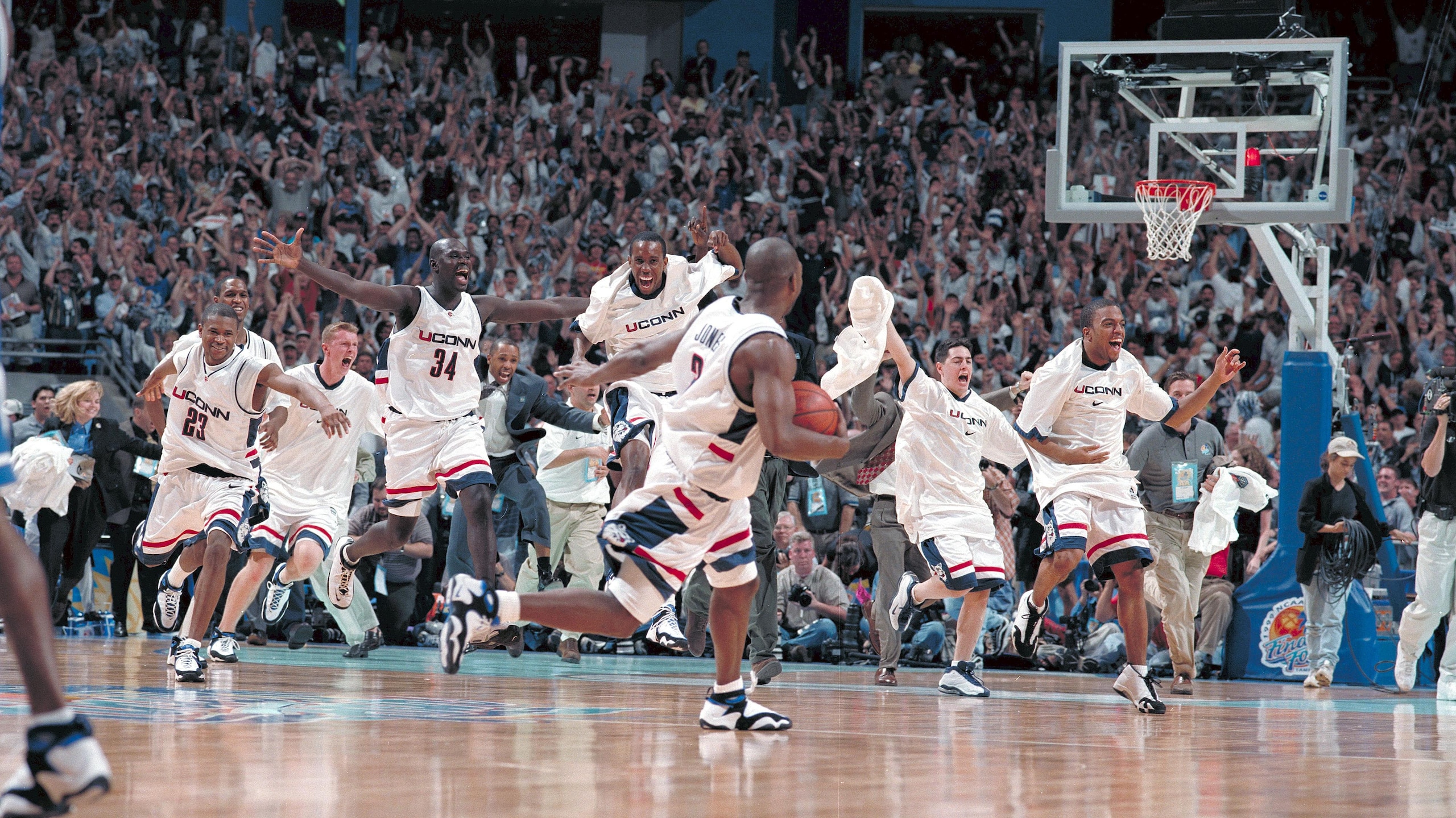
When the final buzzer sounded of Connecticut's 77-74 upset win over Duke in the 1999 championship game, UConn point guard Khalid El-Amin ran over to the broadcast table and screamed, "We shocked the world!" To an extent, he was right, as the Huskies—though they were the top seed out of the West Region—were nearly double-digit underdogs against a Goliathan Duke team.
Underdog though it was, this Connecticut team (34-2) was still a force to be reckoned with. Led by first-team All-American Richard "Rip" Hamilton, the Huskies knocked off No. 14 Washington, No. 9 Michigan State—an eventual Final Four team—and No. 18 Pitt in the nonconference before claiming the Big East regular season and tournament titles. UConn's only regular-season losses came in a short-handed game against No. 16 Syracuse—Hamilton and starting center Jake Voskuhl were out with injuries—and in a nail-biter to No. 15 Miami.
The Huskies got revenge on the Orange with a 21-point win in the Big East tournament, which started a streak of five straight double-digit wins. From there, they set the clock to midnight on Cinderella Gonzaga and held off a potent Ohio State team to set a date with Duke in the championship game.
That championship marked the first of three for head coach Jim Calhoun, and the first of the school's six over the past 26 years.
No. 9: NC State, 1973-74
8 of 16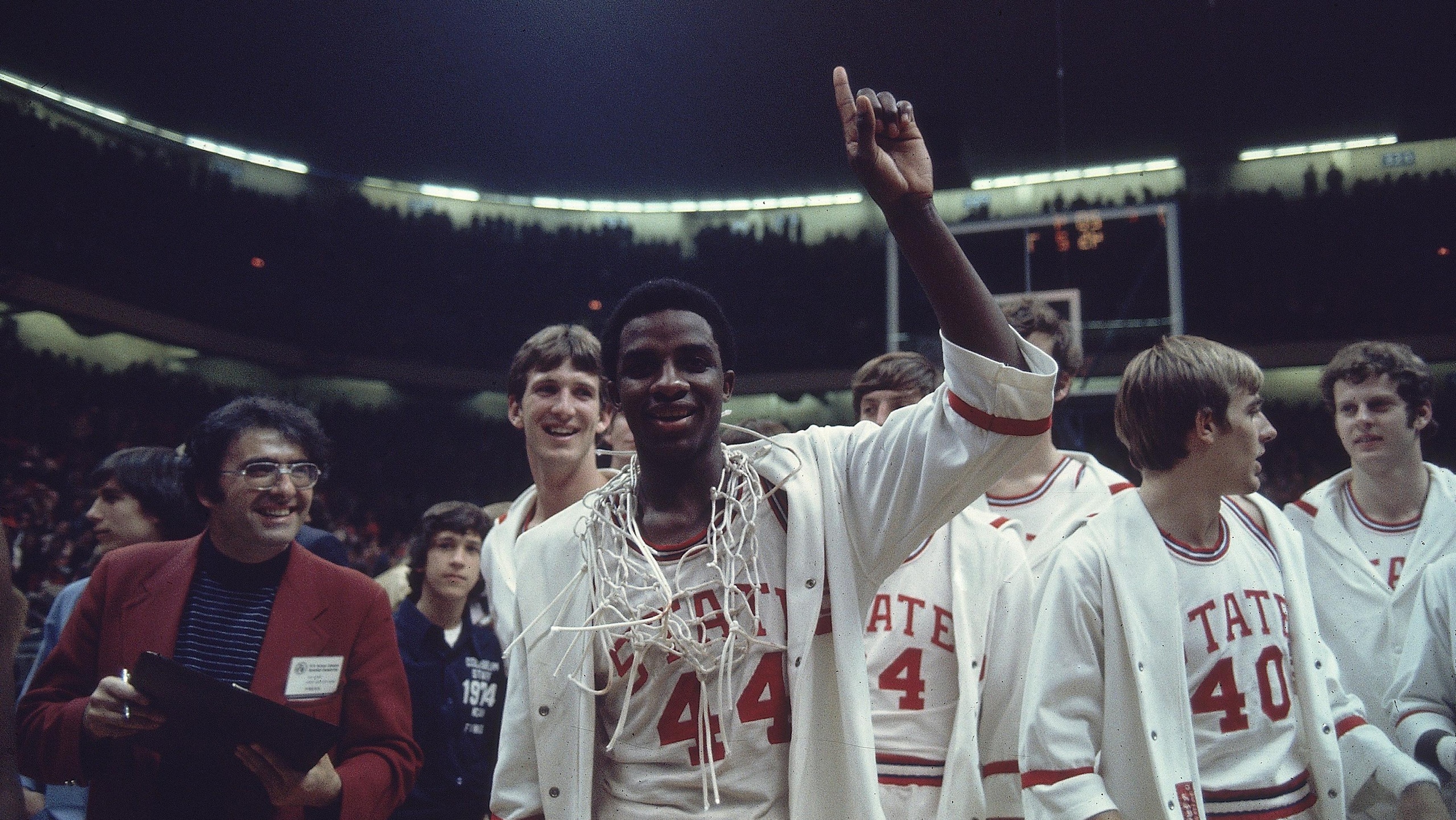
In 1974, college basketball belonged to UCLA. Under legendary head coach John Wooden, the Bruins had won seven straight national championships. Cutting down the nets was their birthright.
Heading into the 1974 NCAA tournament, NC State was looking to play spoiler. The Wolfpack had only one loss on their record—an 18-point defeat to none other than UCLA in a 1-vs.-2 battle early in the season. Outside of that, NC State had been a machine led by AP Player of the Year David Thompson.
After a pair of lopsided home wins to open the NCAA tournament, NC State drew a rematch with UCLA down the road in Greensboro at the Final Four. The game went to double overtime, where Thompson led a comeback, putting the Wolfpack ahead for good with a bank shot with under a minute left in an 80-77 win. He finished with 28 points and 10 rebounds while 7'4" center Tom Burleson added 20 points and 14 rebounds.
After dispatching UCLA, Thompson and the Wolfpack comparatively breezed by Marquette 76-64 to claim the program's first title with a 30-1 record.
No. 8: Kentucky, 2014-15
9 of 16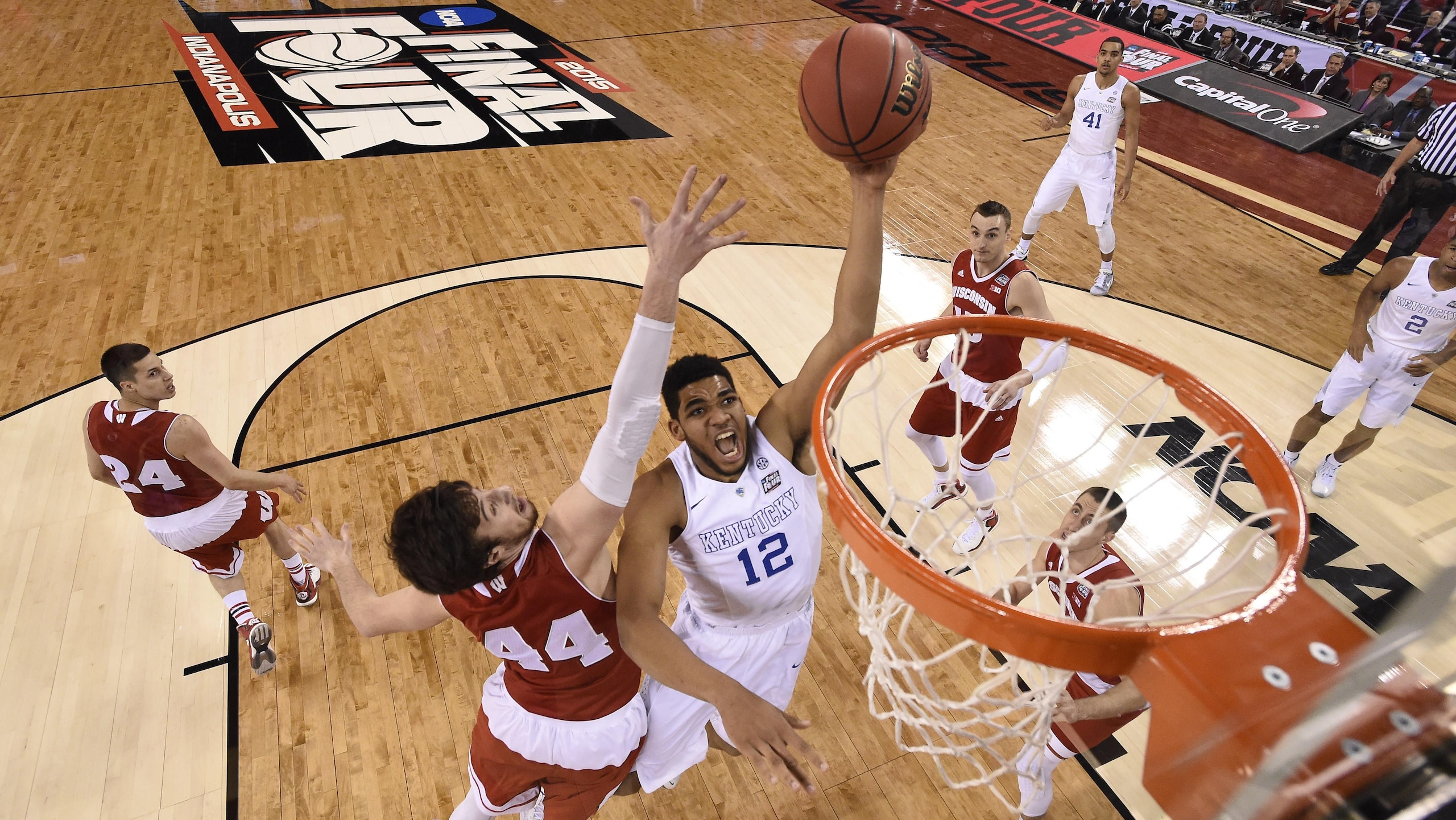
There's never been a 40-win team in men's college basketball, and this Kentucky team is the only squad that actually flirted with that possibility.
After announcing themselves with a 32-point spanking of No. 5 Kansas in the 2014 Champions Classic, the Wildcats tore through the rest of their schedule. Led by consensus All-American Willie Cauley-Stein and future NBA All-Stars Devin Booker and Karl-Anthony Towns, they racked up win after win, with an average margin of victory over 20 points, including double-digit victories in six of their seven games against ranked opponents heading into the NCAA tournament.
Kentucky continued its dominance in the NCAA tournament, including a 78-39 win over West Virginia in the Sweet 16. The Wildcats needed two last-second free throws by Andrew Harrison to eke past Notre Dame into the Final Four, but they made it there unblemished at 38-0.
But on the doorstep of history, Kentucky couldn't open the door. The Wildcats led Wisconsin with under five minutes to go, but they couldn't hold on as the Badgers rallied for a 71-64 upset in the national semifinal.
Still, the 2014-15 season was one of the greatest in both the school and the sport's storied histories, but perfection and a place at the top of NCAA history were not in the cards.
No. 7: UNLV, 1990-91
10 of 16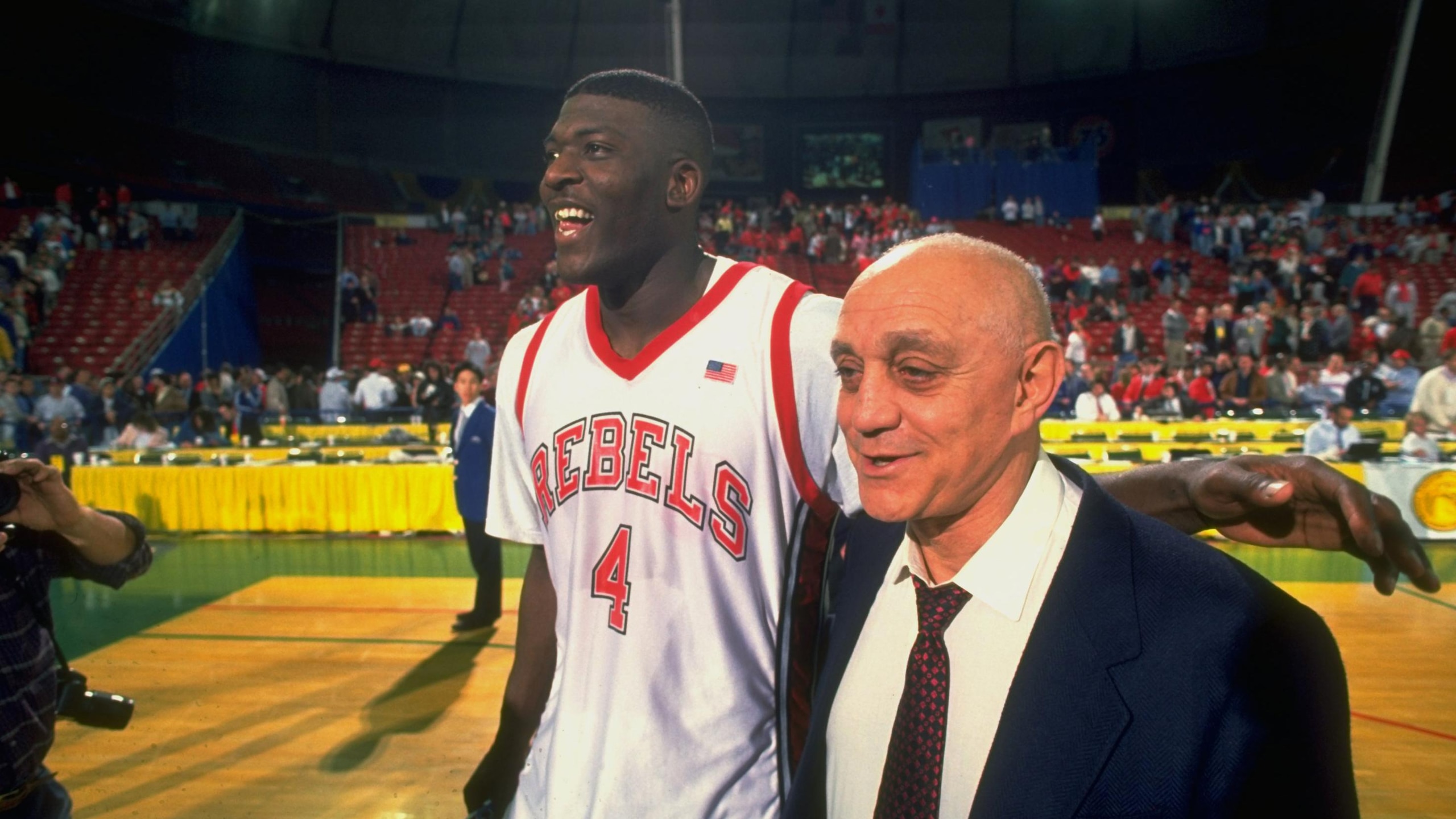
No one wants the mantle of being the greatest college basketball team not to win the championship, but that's precisely where things stand for the 1990-91 UNLV Runnin' Rebels.
Coming off a title run in 1990, Jerry Tarkanian's Rebels picked right back up where they left off. Led by Wooden Award winner and Naismith Player of the Year Larry Johnson, UNLV laid waste to everyone in their path while winning 34 games in a row. The streak of 45 straight wins going back to the 1989-90 season is the fourth-longest in NCAA history.
And the Rebels weren't just winning—they were crushing teams. They won by an astounding average of 26.7 points per game, and it took until the second round of the NCAA tournament for a team to keep the margin to single digits, with Georgetown only losing by eight.
But in the national semifinal, UNLV's magical run came to a shocking conclusion, as the Rebels lost 79-77 to eventual-champion Duke—the team the Rebels had clobbered 103-73 in the national championship game a year prior. At 34-1, the Rebels had a great season, but they undeniably missed their shot at immortality.
No. 6: Connecticut, 2023-24
11 of 16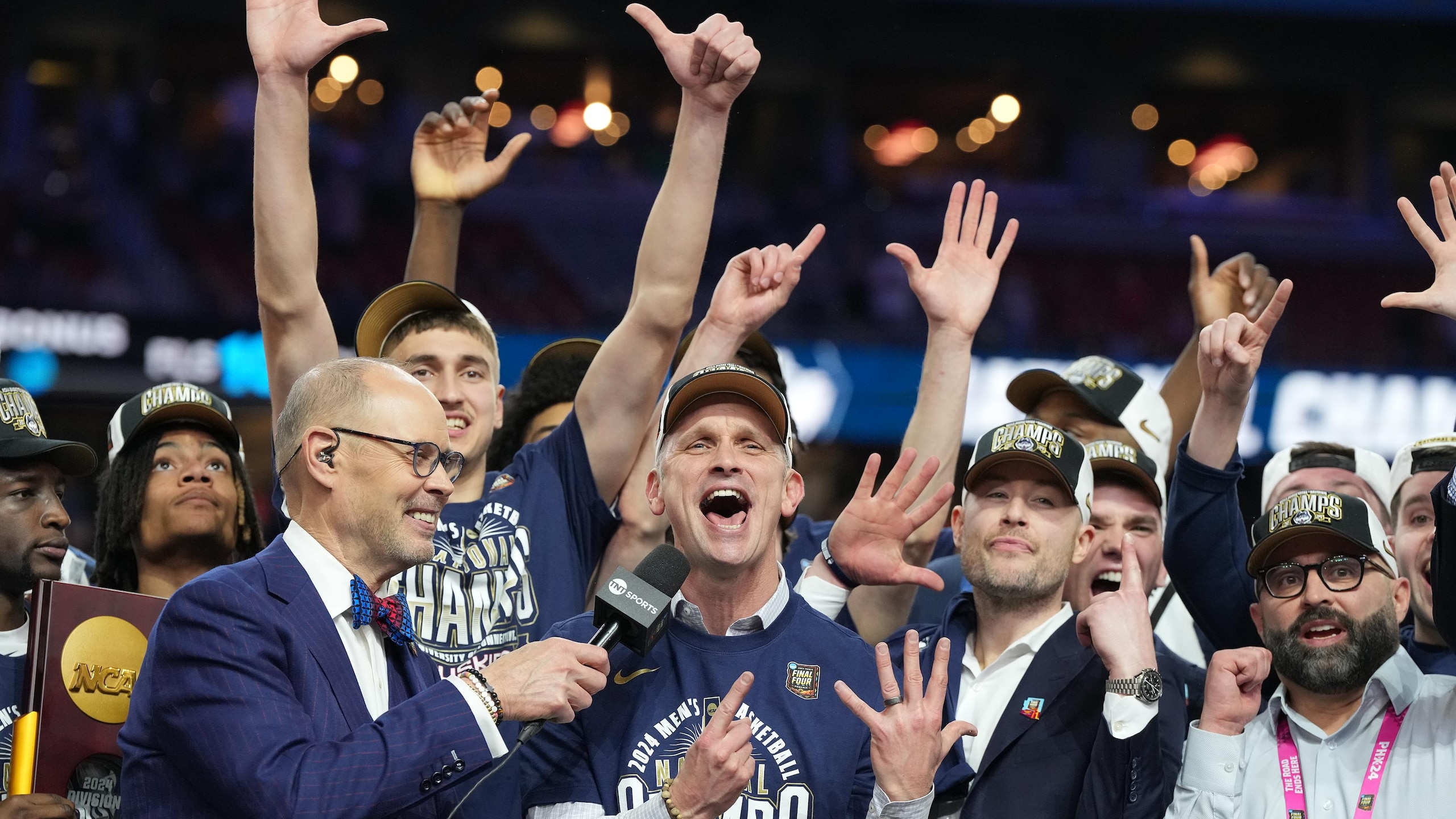
Yes, this UConn team is the only one on our list that suffered three losses. And yes, two of those losses were bona fide blowouts.
But when it comes to dominance of the biggest of stages, no one can hold a candle to what the Huskies did on their run to becoming back-to-back champions.
UConn's 2024 NCAA tournament run as the No. 1 seed in the East was nothing short of legendary. The Huskies won their first four games by 39, 17, 30 and 25 points, before only beating Alabama by 14 in the Final Four. Then, against all-everything Player of the Year Zach Edey and Purdue in the title game, Connecticut again cruised in a 75-60 victory.
Since the NCAA tournament expanded to 64 teams in 1985, the Huskies are the only team to win every game by 14-plus points and own the record of a 140-point combined margin of victory (a 23.3 point-per-game average margin). So, yeah, Connecticut's 37-3 season wasn't perfect, but its March couldn't have gone any better.
No. 5: Indiana, 1975-76
12 of 16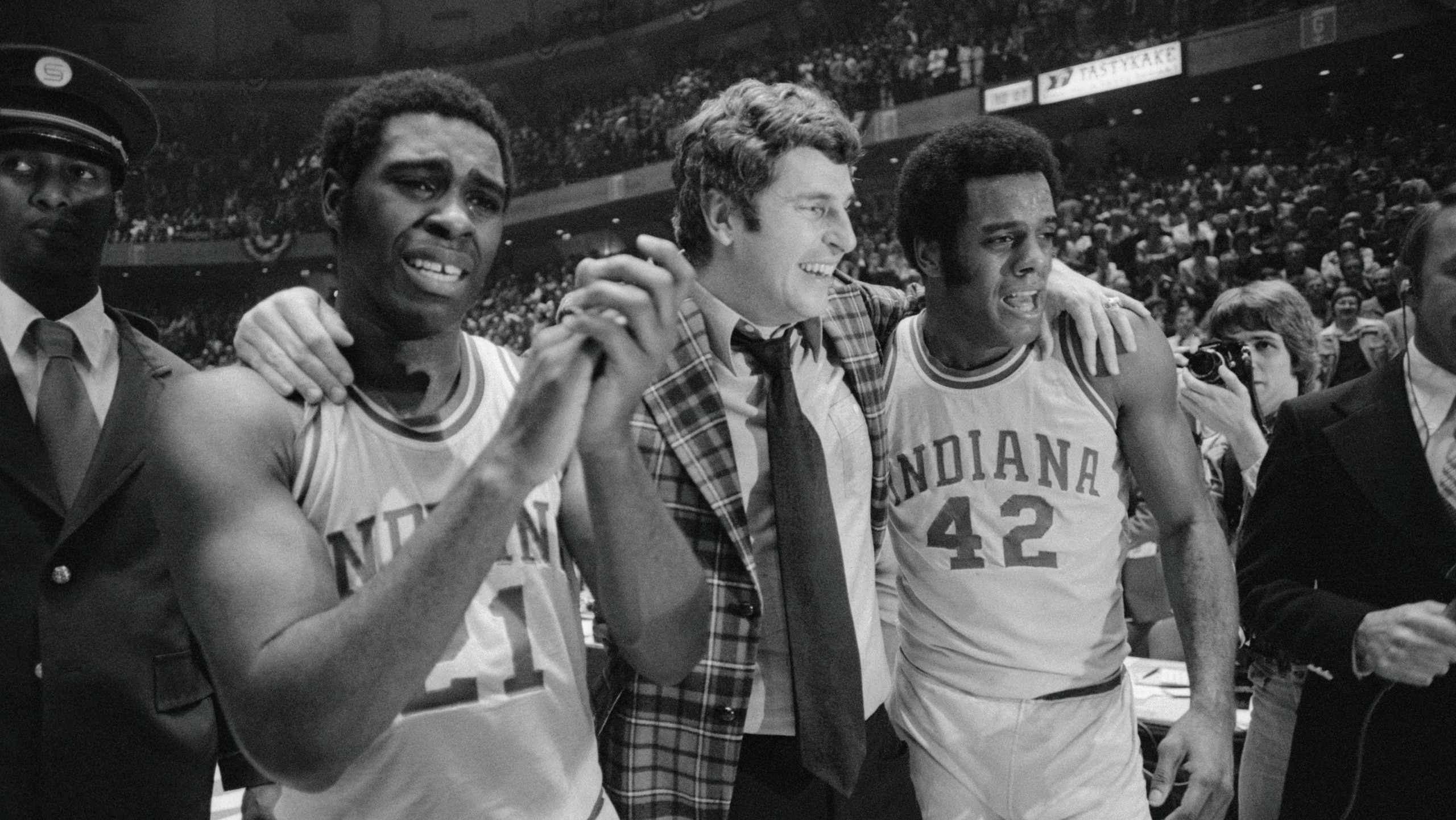
The perfect season. Six other teams had done it before Indiana, but no one has done it since the Hoosiers went wire-to-wire as the No. 1 team in 1975-76 on the way to a 32-0 record and Bobby Knight's first championship.
It's not like the Hoosiers weren't tested, either. They opened the season in St. Louis against the second-ranked, reigning-champion UCLA Bruins...and they demolished them 84-64. Led by AP Player of the Year Scott May, who averaged 23.5 points and 7.7 rebounds, Indiana entered the NCAA tournament battle-tested and ready for all comers.
The Hoosiers knocked off No. 2 Marquette in the Elite Eight to improve to 30-0 and set up a rematch with UCLA in the Final Four. Their second matchup was nearly as one-sided as the first, with Indiana prevailing 65-51. Indiana's coronation came two days later in an 86-68 victory over Michigan—one that nearly matched its 17.3 average margin of victory for the season.
At some point we'll see another perfect college basketball season. Until then, though, the Hoosiers hold the distinction as the last to do it.
No. 4: UCLA, 1966-67
13 of 16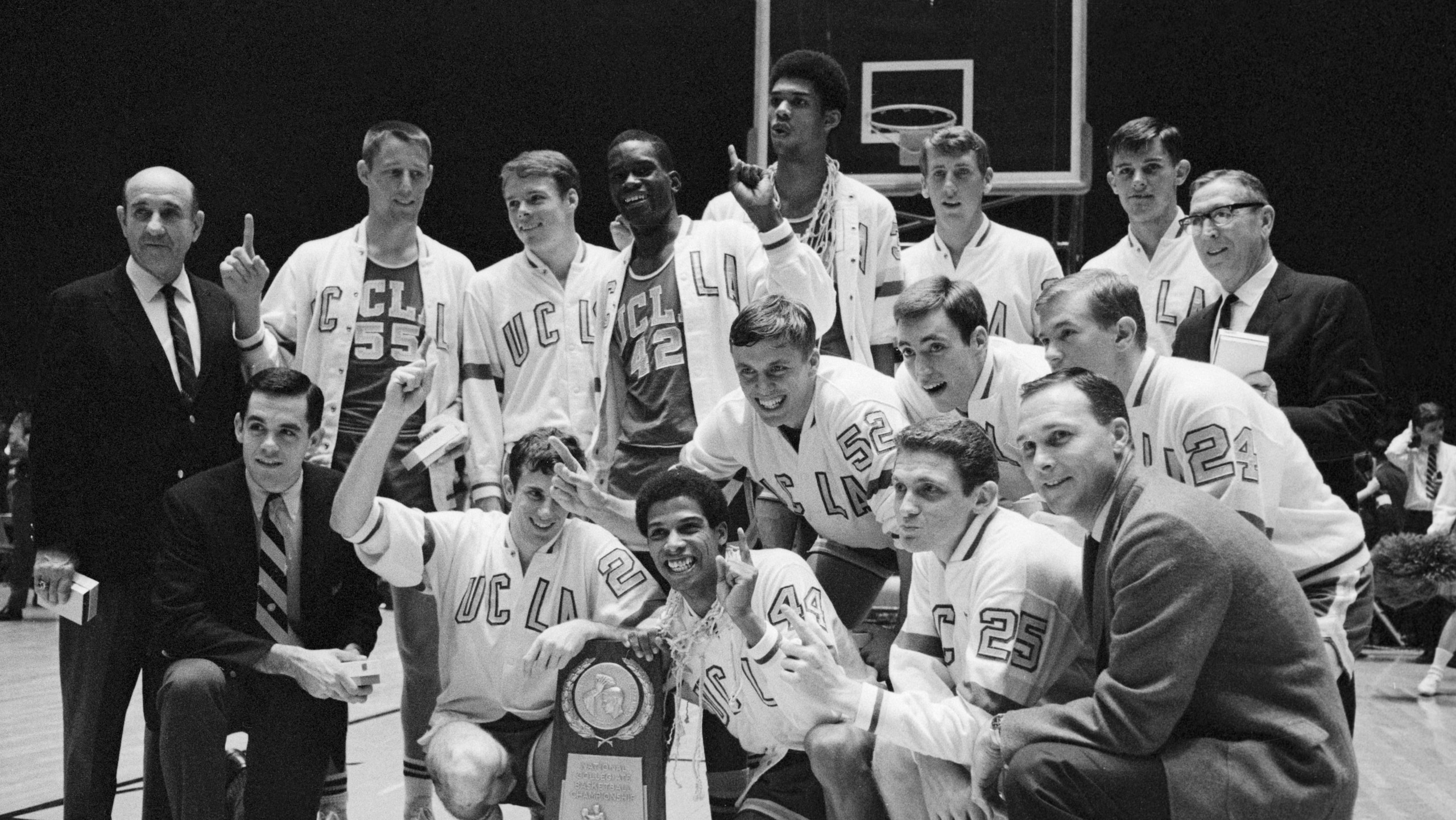
UCLA had won a pair of championships before the 1966-67 season, but this marked the year that John Wooden's dynasty truly took hold. With its championship victory over Dayton in 1967, the Bruins began what would be a streak of seven titles in a row.
This team was one of the best Wooden ever coached. Built around sophomore sensation Lew Alcindor, who later changed his name to Kareem Abdul-Jabbar, the Bruins' average margin of victory topped 25 points per game. The Bruins had a handful of nine-point wins and a close call in a 40-35 overtime victory against USC, but every other game was decided by double digits.
When the NCAA tournament rolled around, the Bruins left no doubt. They won all four of their games by 15 points or more to complete a 30-0 season. A well-rounded team that shot 52.0 percent from the field, UCLA had four players who averaged over 10 points per game—three of them being sophomores in their first year of varsity eligibility.
Alcindor, the AP Player of the Year, was the star, averaging 29.0 points, 15.5 rebounds and who knows how many blocks since they weren't an official stat at the time. His particular penchant for dunking the ball led to a ban on all slam dunks at the college level that lasted from 1967-76 and was widely known as the "Lew Alcindor Rule."
No. 3: Kentucky, 2011-12
14 of 16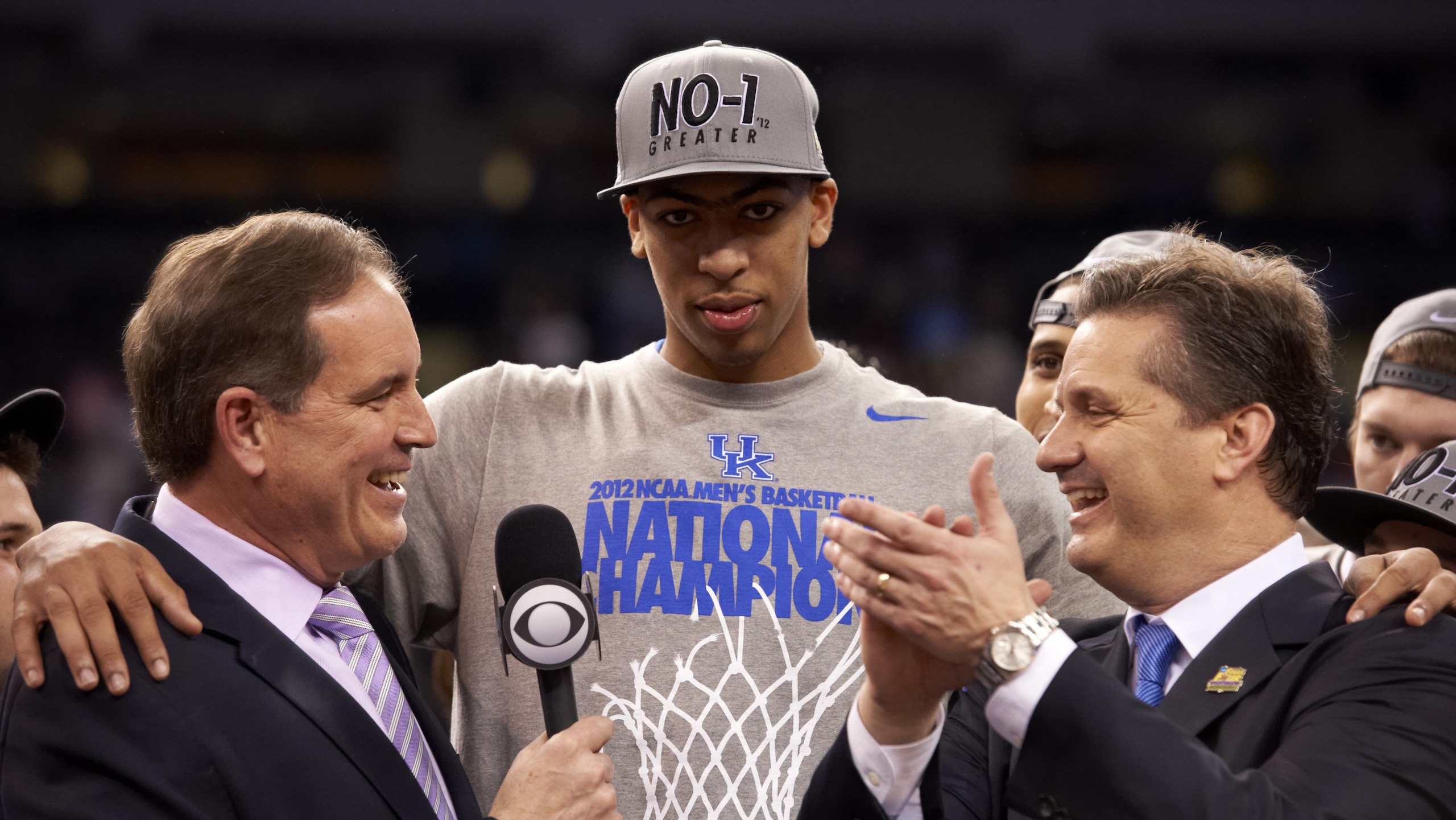
No, this Kentucky team didn't finish the season with an unbeaten record. If you want to move the Wildcats down a few rungs to make way for a team that had a perfect season, that's totally reasonable.
What Kentucky did do, though, is rack up a record 38 wins while playing some of the best defense the sport has ever seen on the way to claiming the national championship.
Anchored by consensus Player of the Year Anthony Davis, the Wildcats held opponents to a lowest-in-the-nation 37.4 field-goal percentage. Davis, a freshman, played a major role in that with his NCAA-leading 4.7 blocks per game, including a freshman-record 29 blocks during the NCAA tournament. Oh, and Davis could score, too, leading the SEC with a field-goal percentage of 62.3 as part of a Kentucky lineup that featured five double-digit scorers.
The Wildcats' lone blemishes came on a buzzer-beater at Indiana in December and a seven-point loss to Vanderbilt in the SEC Championship Game. In between, Kentucky won 24 games in a row, and for the season it owned an average margin of victory of nearly 17 points.
Kentucky faced little resistance on its run to the Final Four—a stretch that included some revenge against Indiana—before notching back-to-back eight-point wins to earn head coach John Calipari's first and only championship. And while it might not matter for these rankings, it's worth noting that Davis and Michael Kidd-Gilchrist went Nos. 1 and 2 in the 2012 NBA draft.
No. 2: Duke, 1991-92
15 of 16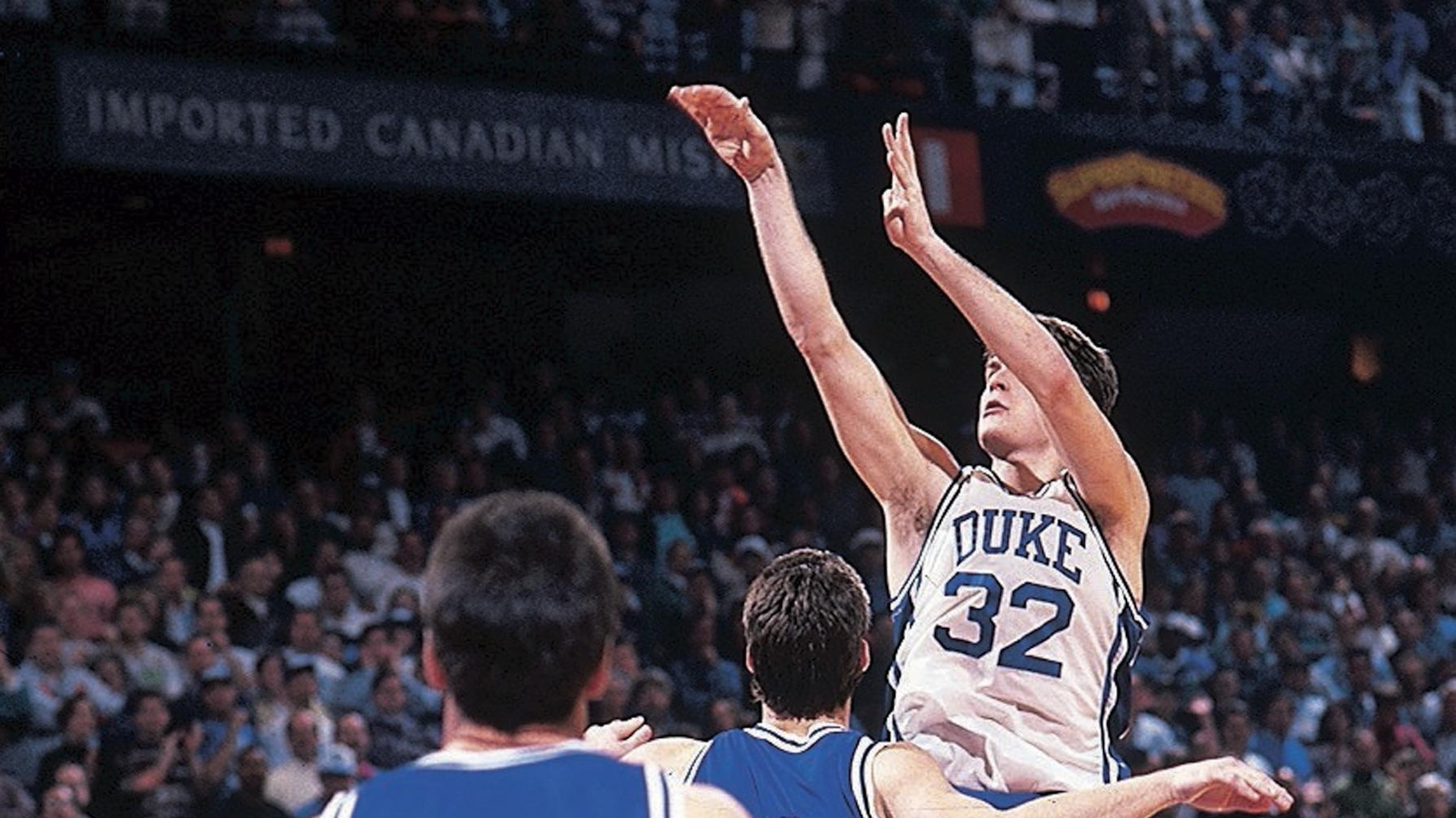
Coming off its 1991 championship—a run that included ending juggernaut UNLV's perfect season—Duke entered the 1991-92 season with high expectations and a No. 1 ranking. The Blue Devils did not disappoint...well, unless you're a fan of anyone else.
Led by consensus Player of the Year Christian Laettner, Thomas Hill, Grant Hill and Bobby Hurley, Duke opened the season with 17 straight wins, including an overtime victory over Michigan and its vaunted Fab Five. The Blue Devils did ultimately drop a pair of road games—at North Carolina and at Wake Forest—by a combined six points, but they never lost their No. 1 ranking.
After getting revenge on UNC with a 20-point win in the ACC title game, the Blue Devils made light work of their first three NCAA tournament opponents. Then, in the Elite Eight against Kentucky in maybe the greatest college basketball game ever, they looked to be on the verge of defeat until Laettner hit one of the most memorable shots of all time to give Duke a 104-103 overtime victory and cement his status as a March Madness legend. (Laettner, by the way, had 31 points on 10-of-10 shooting and made all 10 of his free throws in that game.)
After outlasting Indiana in the national semifinal, Duke walloped Michigan and its Fab Five, 71-51, in the national title game to earn it second successive championship and end the season at 34-2.
No. 1: UCLA, 1971-72
16 of 16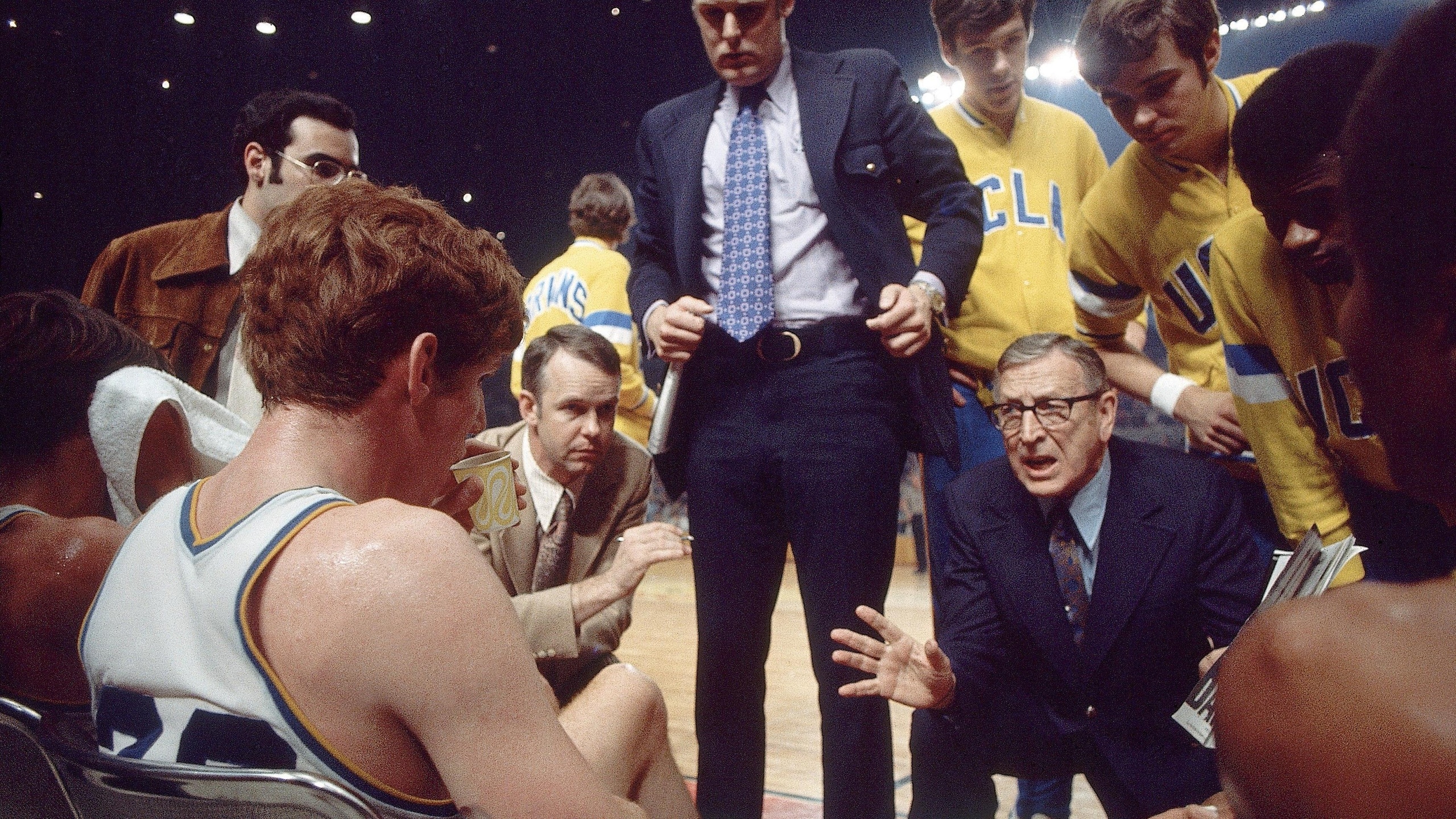
First, let's get this out of the way—UCLA could and maybe should have had more teams on this list. Heck, UCLA could have its own list. With 10 championships in 12 years from 1964-1975 plus another in 1995, the Bruins are in a class of their own in men's college basketball.
But of all those great UCLA teams, the 1971-72 iteration coached by John Wooden and led by AP Player of the Year Bill Walton represents the Bruins at the height of their power.
The five-time defending champs added Walton to the mix, and the sophomore starred with 21.1 points and 15.5 rebounds per game. Those numbers arguably could have been higher if the Bruins needed more out of Walton, but considering they won by a staggering average of 30.3 points per game, UCLA certainly could afford to spread the love. All-American Henry Bibby, Jamaal Wilkes and Larry Farmer all joined Walton in averaging double figures.
The Bruins' nearly unimpeded march to a sixth straight championship faced one of its only close calls in the national championship game. There, UCLA held off Florida State for an 81-76 win—its closest game of the season.
The victory marked the end of a 30-0 season and the 45th win of what would become a record 88-game win streak across four campaigns.



.jpg?w=2560 "🚨 Giants to Start McCarthy")