

Serena Williams Comments on Wimbledon Sexism Debate over Show-Court Selections
Serena Williams offered her thoughts on the sexism debate surrounding the disproportionate scheduling of men's and women's matches on show courts at Wimbledon, saying a "huge conversation" must be had about equal exposure.
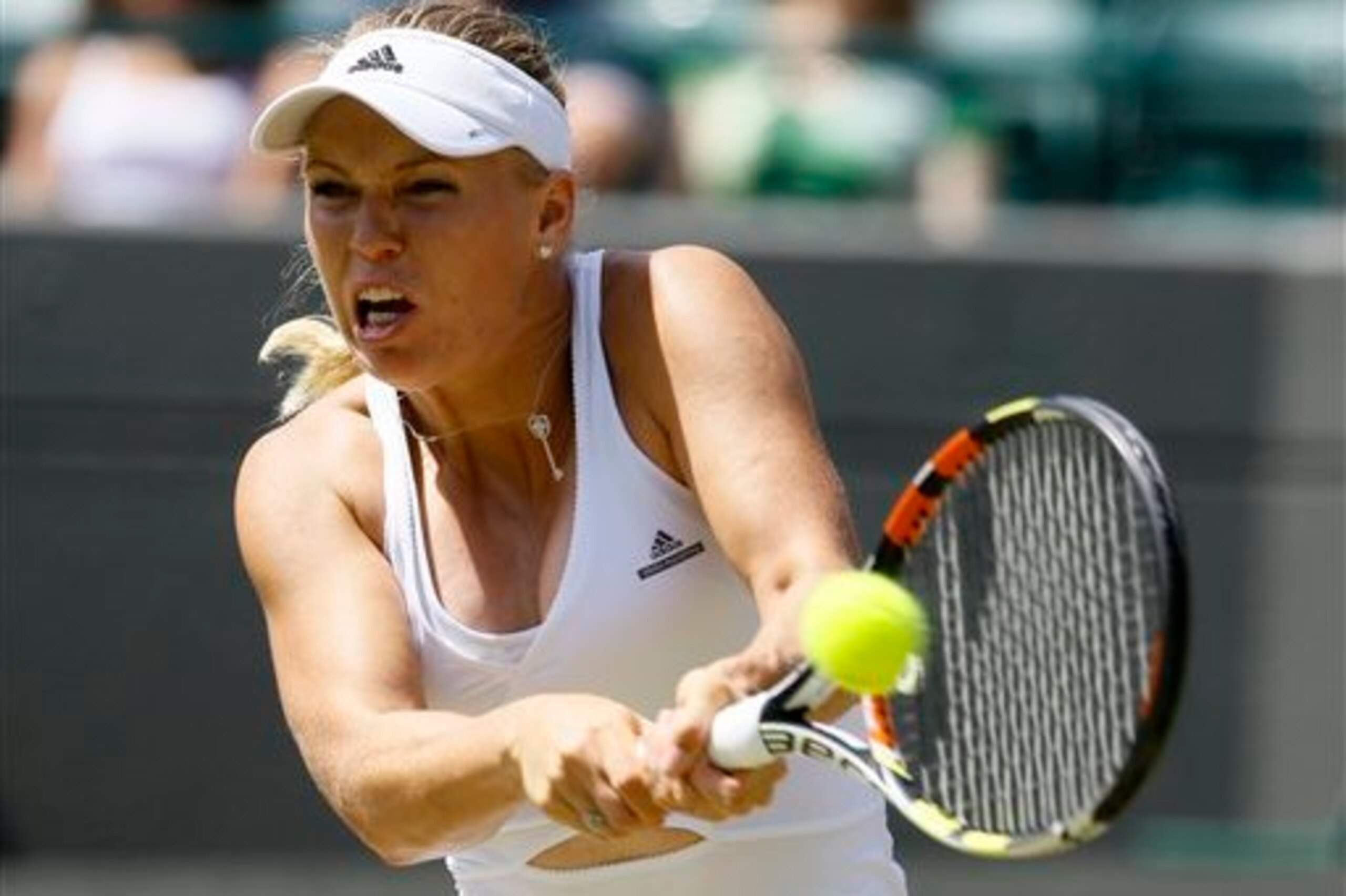
The American star didn't explicitly mention Caroline Wozniacki, who sparked the debate by suggesting "women really haven't gotten the opportunity here to play on the big courts," as Nick Purewal of the Press Association reported (h/t Daily Mail).
Williams doesn't believe the problem is exclusive to the English championship and instead suggests women's tennis in general is placed below the male game, as Sam Cunningham of the Daily Mail reported:
.jpg?w=2560 "Texans Titans Football")
.jpg?w=2560)
.jpg?w=2560 "Broncos Chargers Football")
"Every year there're two men's and one woman's match on the main courts—Court No. 1 as well as on Centre Court. We're still fighting on that. We've made some progress. Hopefully we'll keep making more progress.
I don't think it's limited to Wimbledon. We have this problem at a lot of different tournaments. Pretty much most of the tournaments that are both men and women. So I think it doesn't start here. It's a huge conversation that we have to have.
"
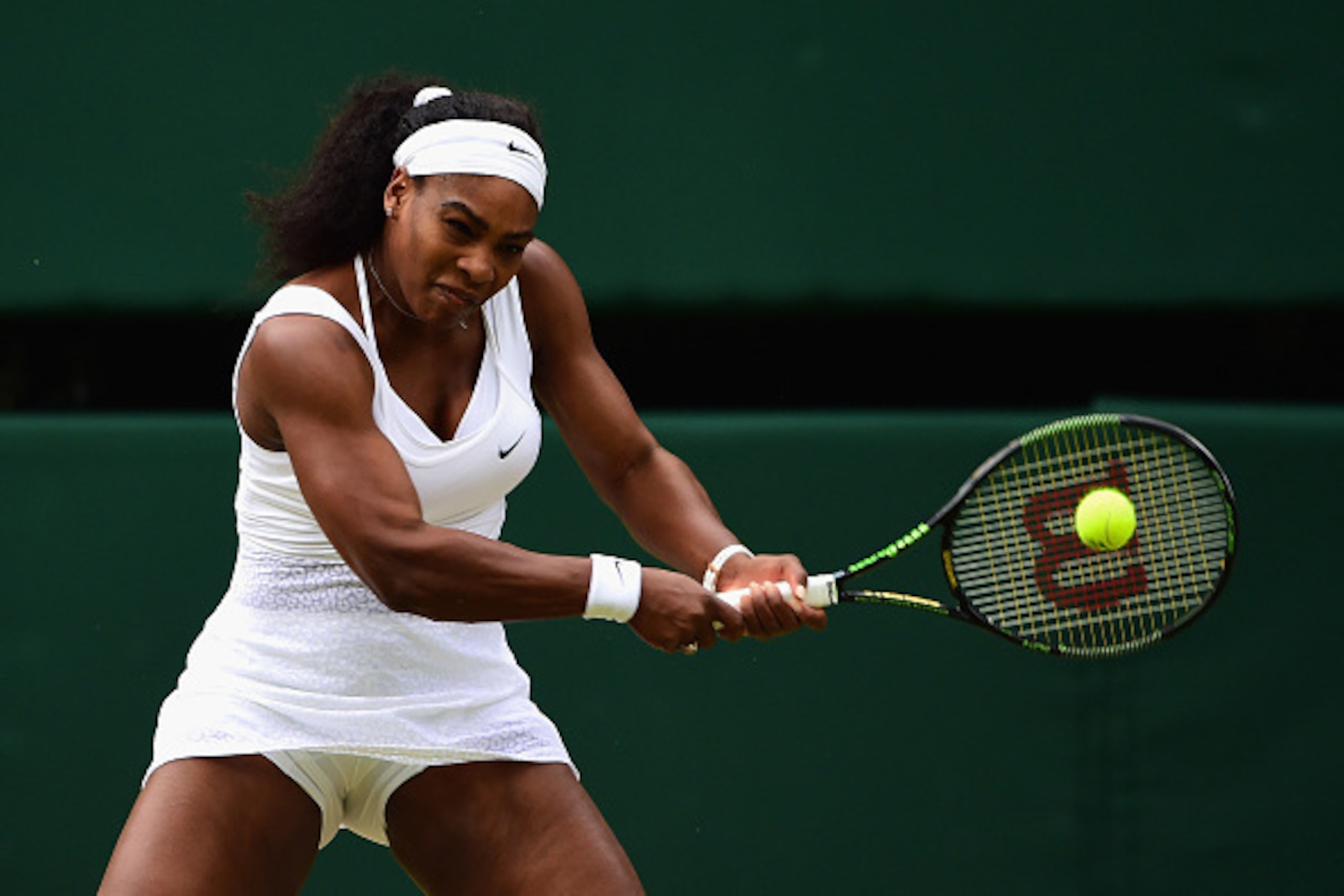
Williams set up a semi-final clash with Maria Sharapova on Thursday, beating Victoria Azarenka, 3-6, 6-2, 6-3, to keep her status as the favourite intact. Aside from her opening-round match against Margarita Gasparyan, which took place on Court 1, Williams' route through the competition has been exclusive to Centre Court and a premium British crowd.
She has beaten Timea Babos, Heather Watson, Venus Williams and Azarenka on the iconic court. However, aside from Tuesday—which saw the men's schedule take a breather—no other women's match has appeared on the main stage when Williams has played.
Three men's matches took place around Serena's win over Babos on July 1, but like she said, there's most often a 2:1 ratio against women's encounters on Centre Court (as has been the case for the rest of Williams' schedule) and Court 1. Sixth-seed Lucie Safarova appeared on Court 17 for her second-round win over Su-Wei Hsieh.
Serena previously spoke out when an Australian interviewer asked Eugenie Bouchard to twirl at the Australian Open: "I wouldn't ask Rafa [Nadal] or Roger [Federer] to twirl," she said, as the Press Association reported (h/t the Guardian).
However, she was reluctant to enter the debate as to whether this incident was sexist.
"I don't think and look that deep into it," Williams said. "Life is far too short to focus on that. We have so many other problems we want to deal with that we should focus on. Whether I twirl or not, it's not the end of the world. It's about being positive and just moving forward."
The world's No. 1 female tennis player admitting there is an unfair schedule weighting could be a watershed moment. Williams is a global icon and epitomizes dominance in the sport, helping to grow the women's game. It's important when a star of her stature—who rarely appears away from the show courts at Grand Slams—makes her feelings known.

However, top players who draw a major audience will always receive precedence, as Dharmesh Sheth of Sky Sports noted. "And the second point is that players with a large fan following will usually by necessity be scheduled to play on courts offering the greatest security," Sheth suggested.
The men's game is currently more competitive on an overall scale, even if only four different players have won Wimbledon stretching back to 2003. Players such as Rafa Nadal, Grigor Dimitrov and Jo-Wilfried Tsonga are huge draws in their respective countries and also across the world, despite struggling to remain in the ATP top 10.
Both Wozniacki and Williams may inspire other female players to speak up in hopes of furthering the discussion of gender equality in the sport.
.jpg?w=2560 "Cardinals Giants Football")




.jpg?w=2560 "MHJ Bought Own Jugs Machine")