
The One Player Who Could Make or Break Every NBA Team
NBA teams succeed or fail collectively, but there's always a single player who has an outsized impact on the results.
Here, we'll highlight one individual on each team who figures to have a pivotal role in what's ahead. That might mean considering the rest of this regular season, the upcoming playoffs or even an organization's longer-term outlook.
As much as possible, we'll steer away from the obvious. It's no great revelation to say Jayson Tatum and Stephen Curry will determine the fates of the Boston Celtics and Golden State Warriors, respectively.
Instead, we'll target someone whose performance, role or projected future carries uncertainty—as in, things could swing either way, and it's hard to know the likeliest outcome.
These are the make-or-break players for every NBA team.
Atlanta Hawks: Zaccharie Risacher
1 of 30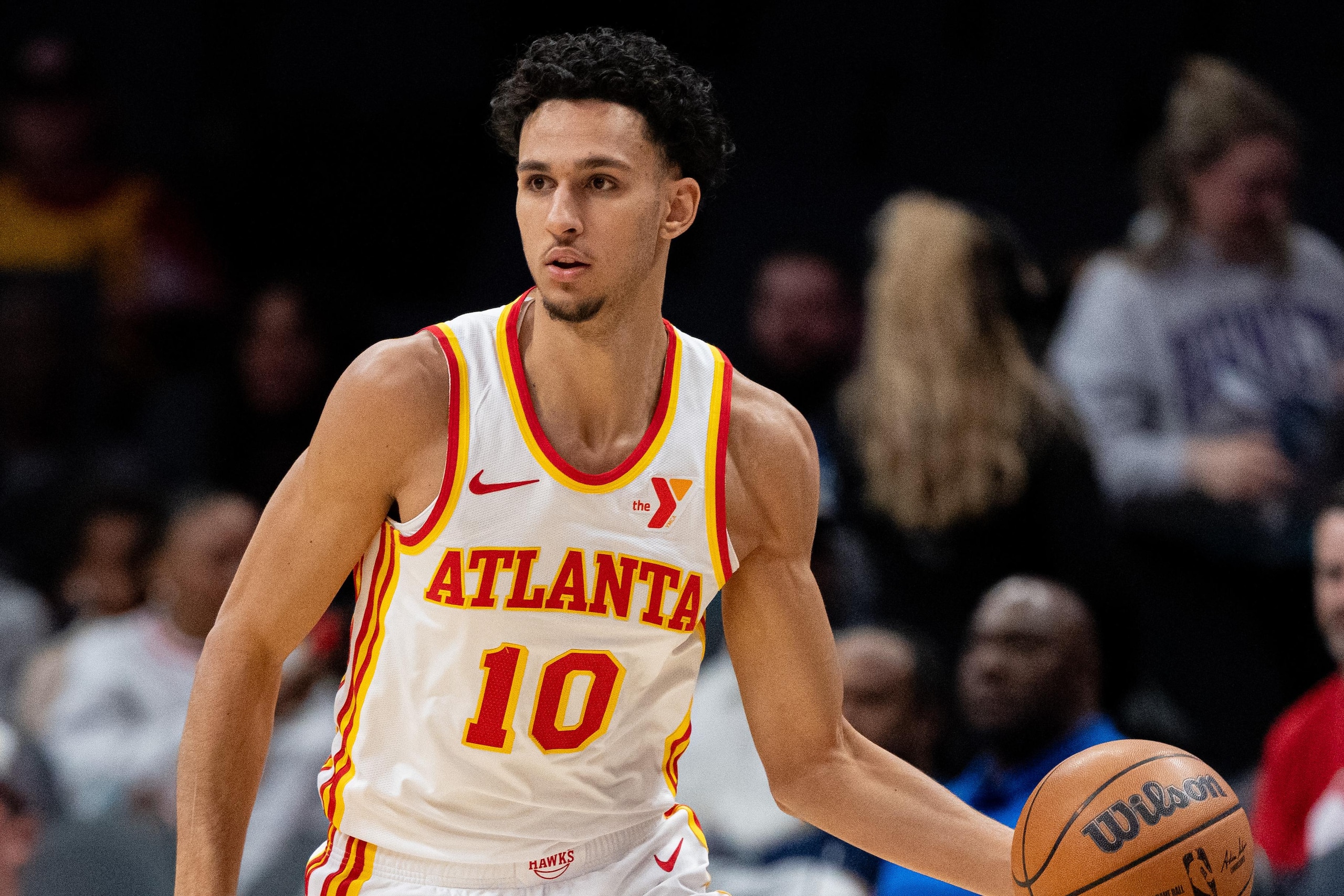
If Zaccharie Risacher is a 40-percent three-point shooter, it could change everything for the Atlanta Hawks.
That's what the 2024 No. 1 overall pick has been since the All-Star break, and his emergence as a dangerous perimeter threat makes all of his other supporting skills—connective passing, cutting, defensive length, good feel on both ends—matter more.
Atlanta doesn't control its own first-round pick until 2028, so the 19-year-old is likely to be the last infusion of young, high-end talent for a while.
Though he came billed as having less than a star ceiling, the rangy wing's multifaceted game fits well with the Hawks' other core pieces: Trae Young, Dyson Daniels, Jalen Johnson and Onyeka Okongwu.
If Risacher is truly a knockdown three-point shooter, Atlanta will be set up well to compete for playoff trips until it regains agency over its first-rounders.
Boston Celtics: Kristaps Porzingis and Jrue Holiday
2 of 30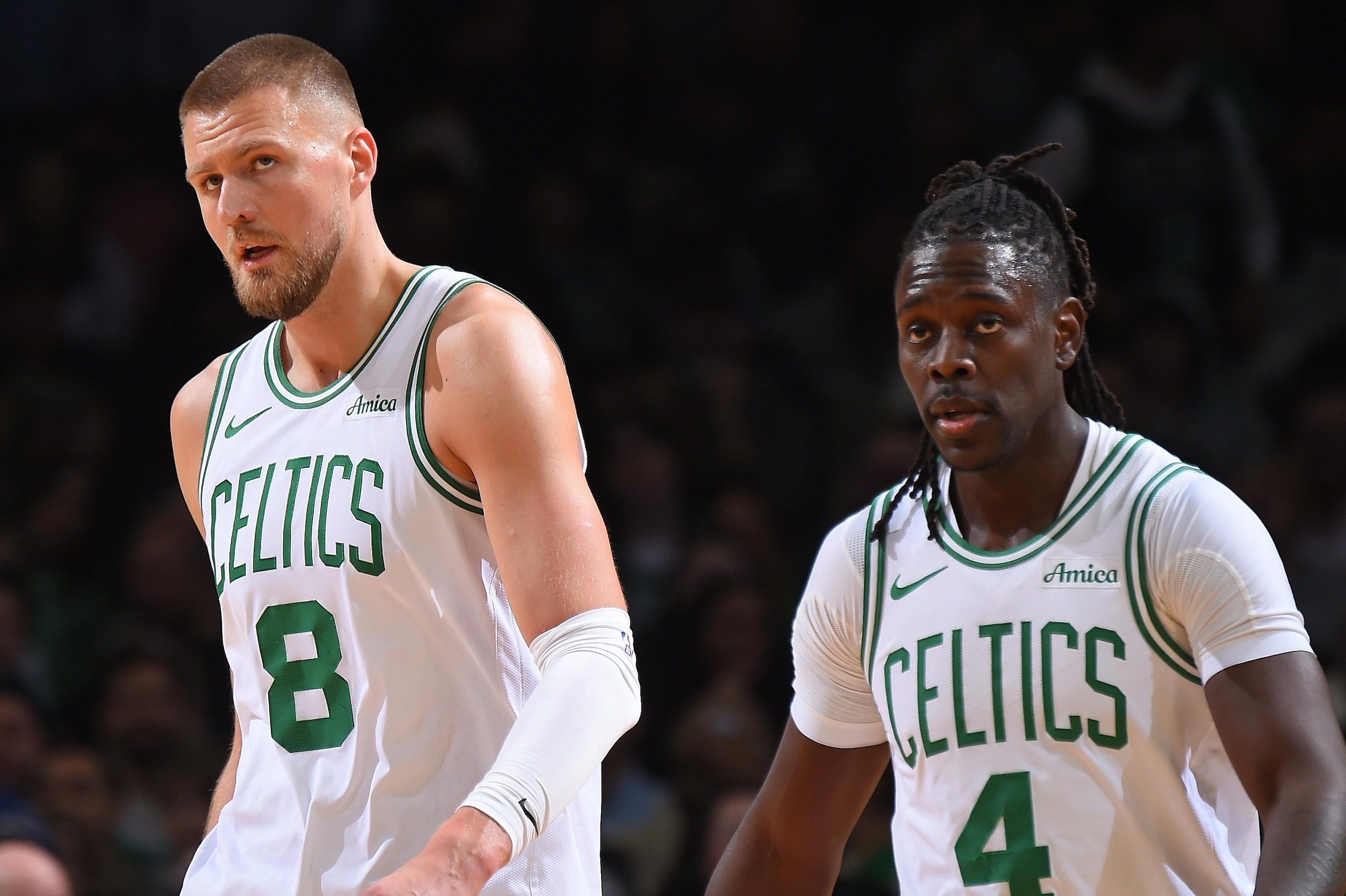
We're doubling up here because these two Boston Celtics players come with similar concerns.
The defending NBA champs have been better offensively with Jrue Holiday and Kristaps Porzingis off the floor this season, posting an offensive rating of around 115.0 points per 100 possessions when one or the other plays, well below the team's overall figure of 119.4.
Both have missed a fair amount of time this season, Porzingis in particular, so the samples are small enough to attribute some of the issue to shooting luck.
Nonetheless, Holiday's long-range errancy (33.5 percent) has been one of Boston's few weaknesses this season, while Porzingis has yet to recapture the extreme, switch-busting, post-up dominance he flashed as a major X-factor last season.
Both could easily sort themselves out by the playoffs. But if they can't, the Celtics could be vulnerable offensively.
Brooklyn Nets: Nic Claxton
3 of 30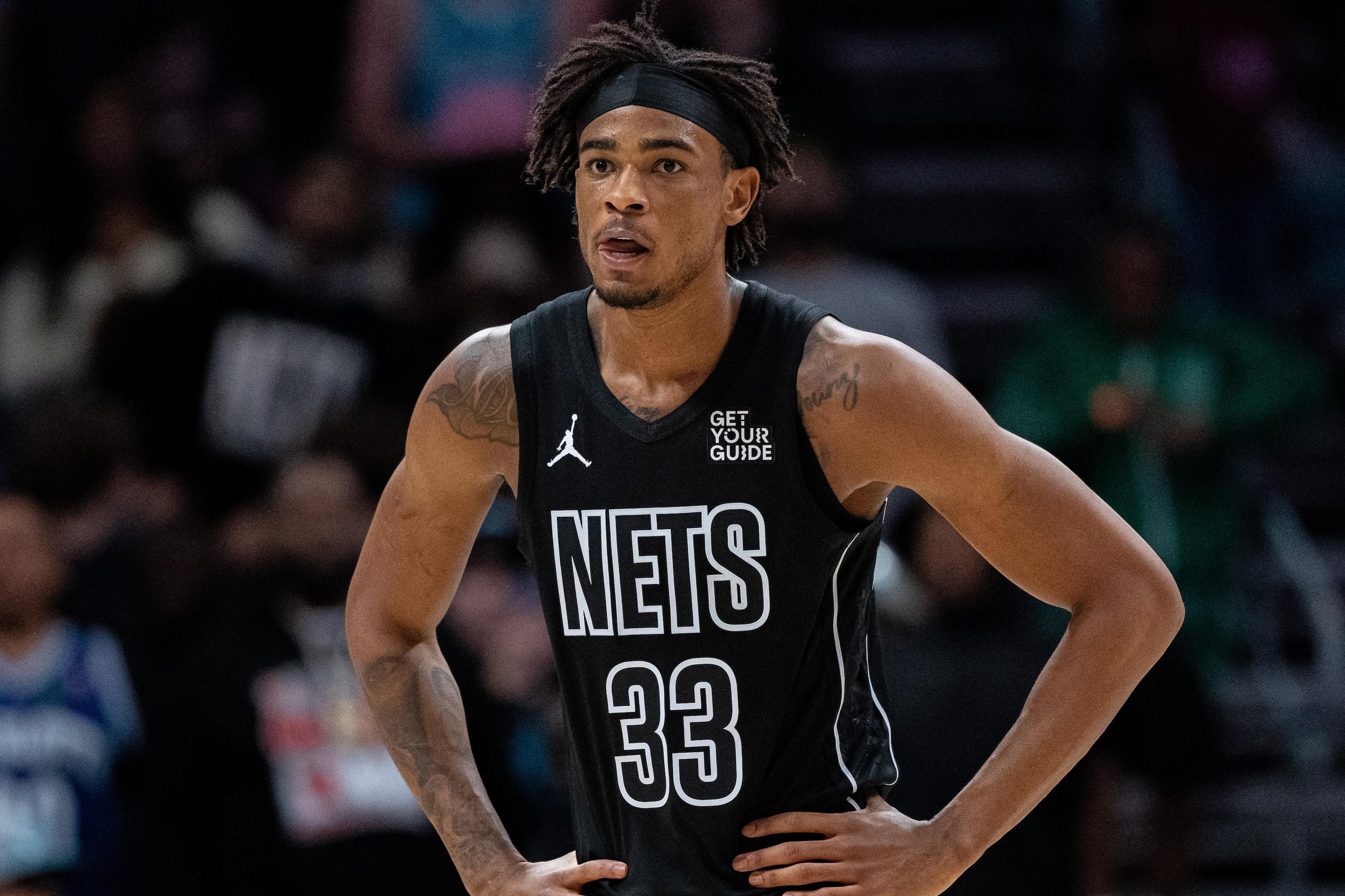
The Brooklyn Nets are competing harder and winning more games than any team with their level of talent has a right to this season, and that's with theoretical tentpole star Nic Claxton coming up well short of expectations.
Everything's relative, and even if the 25-year-old isn't objectively an All-Star, he's as close to a locked-in, well-compensated producer as Brooklyn has. He is nearing the end of the first season on his four-year, $97 million contract and is on track to finish with three-year lows in points, rebounds and blocks per game while making a career-worst 55.5 percent of his shots from the field.
The Nets traded to regain control of their first-rounders in 2025 and 2026, and their lack of a cornerstone means virtually everyone on the roster today might not feature in the eventually competitive version of the team. Claxton, though, is being compensated as if he's a keeper.
He'll need to start playing like one.
Charlotte Hornets: Brandon Miller
4 of 30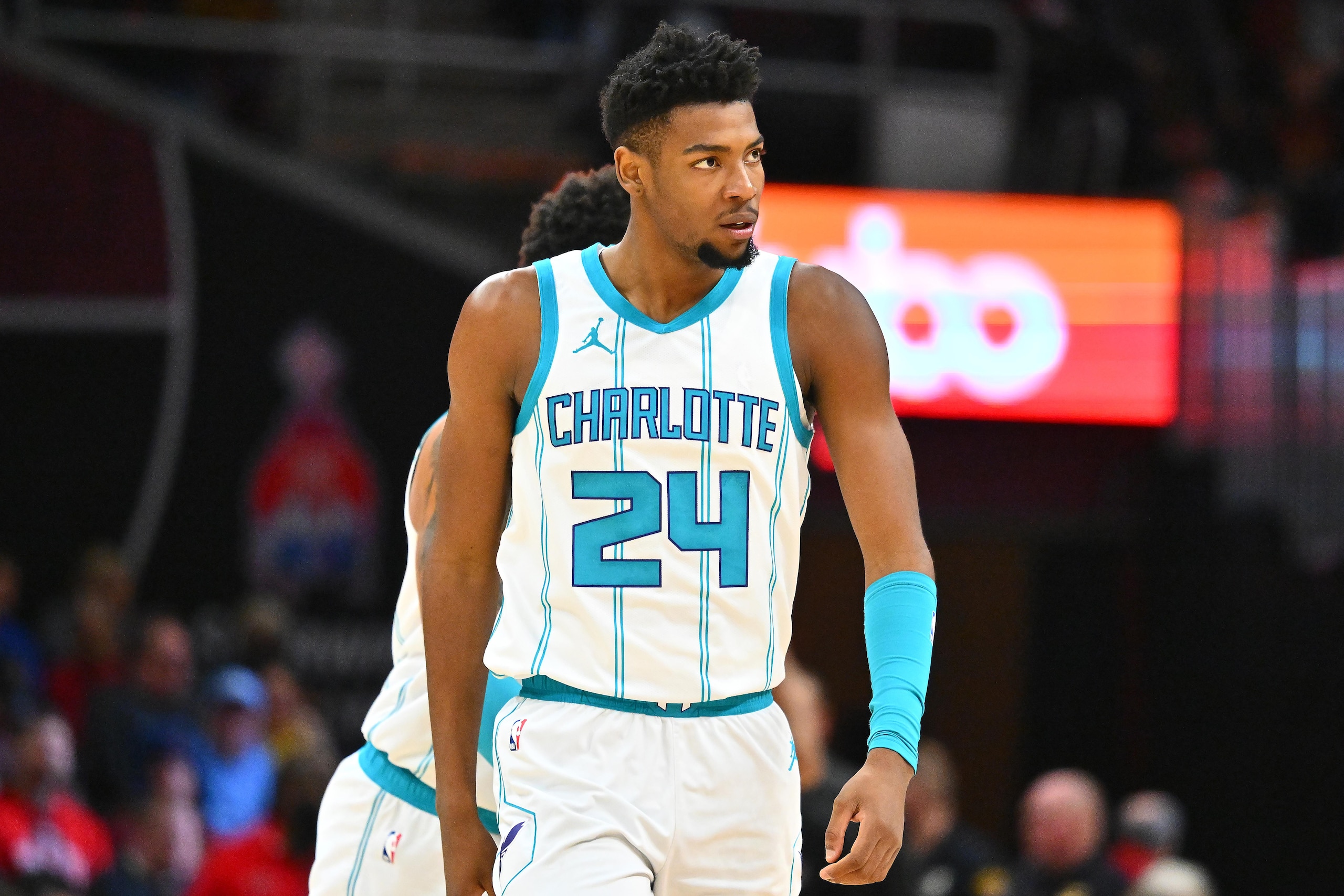
LaMelo Ball signed his $204 million extension when the Charlotte Hornets were under old management. That, combined with just enough whispers about the former All-Star's possible availability in trade and Charlotte's clear long-view approach, suggests Brandon Miller might be the only member of the team with a good shot to stick around.
The Hornets reached for the raw Tidjane Salaün, who's still just 19, in the 2024 draft and would have shipped out 23-year-old Mark Williams at the deadline if their deal with the Los Angeles Lakers hadn't been scuttled by a failed physical.
That's not the behavior of a franchise looking to maximize the early years of Ball's prime.
Miller lost most of this year to injury but profiles as the type of two-way wing every team views as a building block.
If the 22-year-old can improve his two-point finishing, scale up his playmaking and leverage his considerable physical tools as a defender, he could make Ball seem even more expendable.
Chicago Bulls: Josh Giddey
5 of 30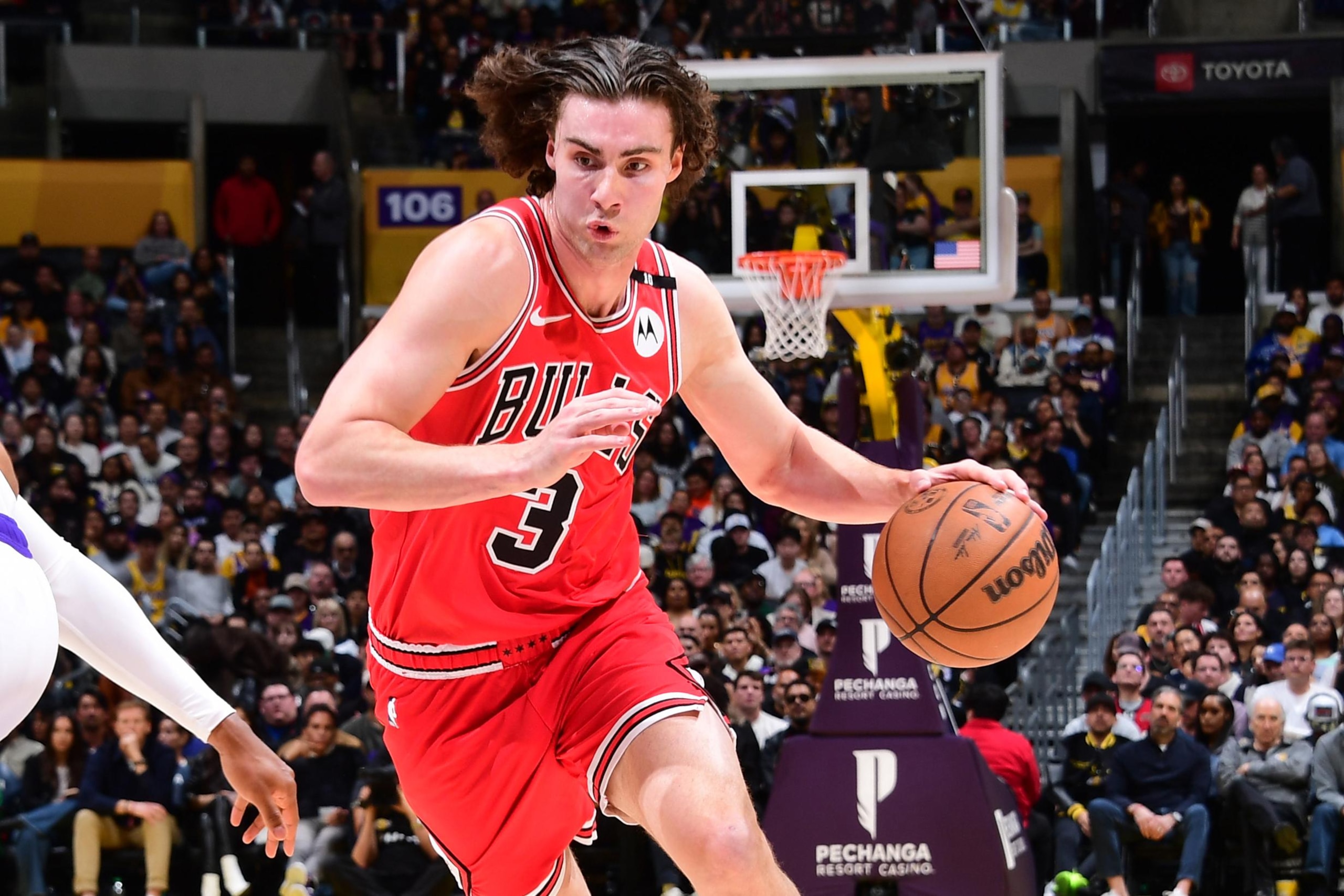
Matas Buzelis deserves every chance to prove he's the future of the Chicago Bulls, but he'll have a harder time developing into the cornerstone the franchise needs if Josh Giddey cashes in too richly this summer.
Giddey's impending restricted free agency will be a test for Chicago, which cannot allow itself to overspend on a player who has caught fire since the All-Star break but comes with a track record that suggests major investment would be a mistake.
Brushes with quadruple-doubles are hard to ignore, but the 22-year-old remains a zero-position defender who needs the ball to be effective and still doesn't command much defensive attention as a spacer.
Investing $30 million per year in him is a major risk, one the Oklahoma City Thunder—regarded as one of the league's shrewdest organizations—chose to avoid by trading him last summer.
The Bulls should have interest in retaining Giddey, who's still young, but they must avoid overspending to do so.
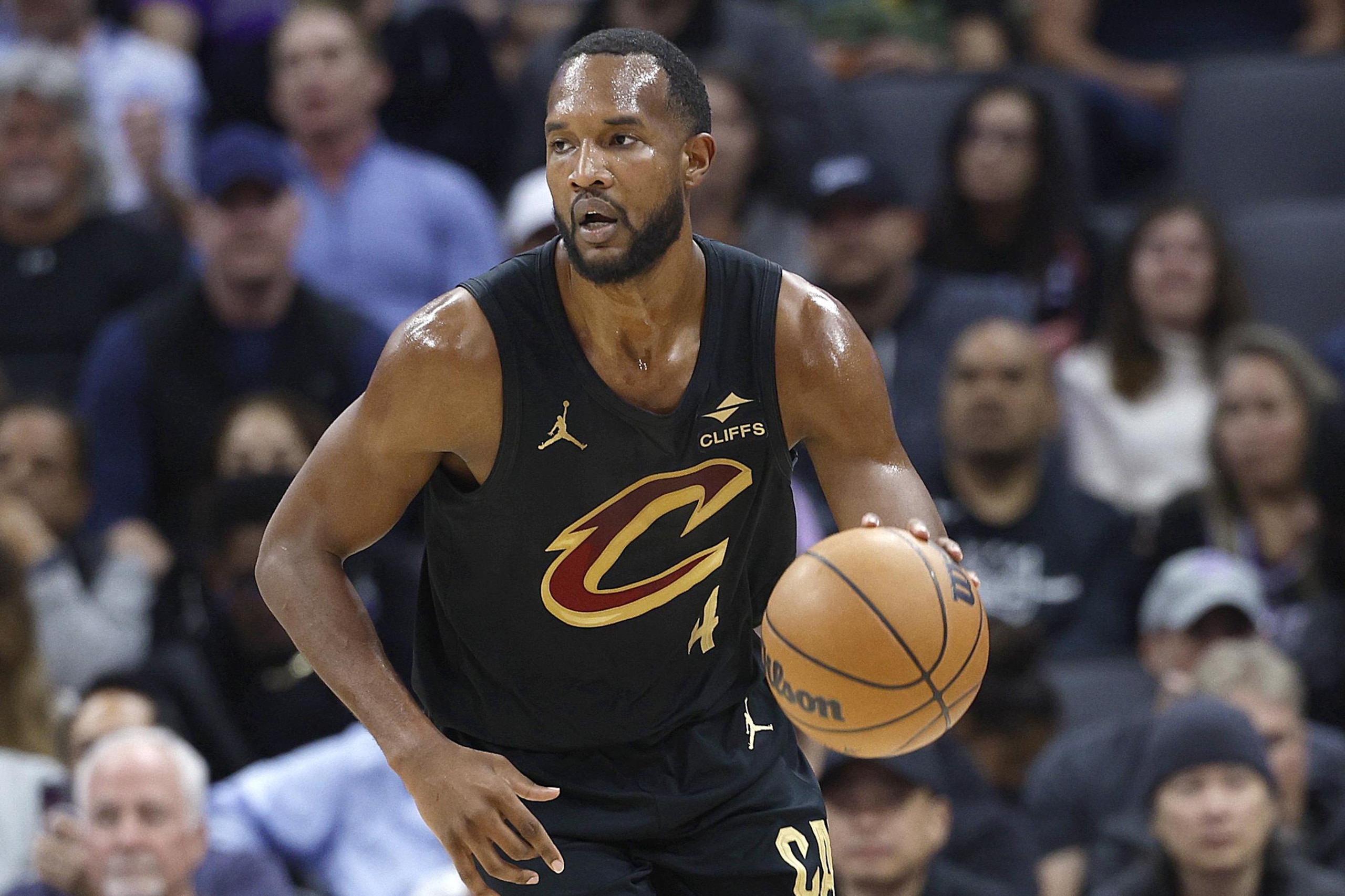
Cleveland Cavaliers: Evan Mobley
6 of 30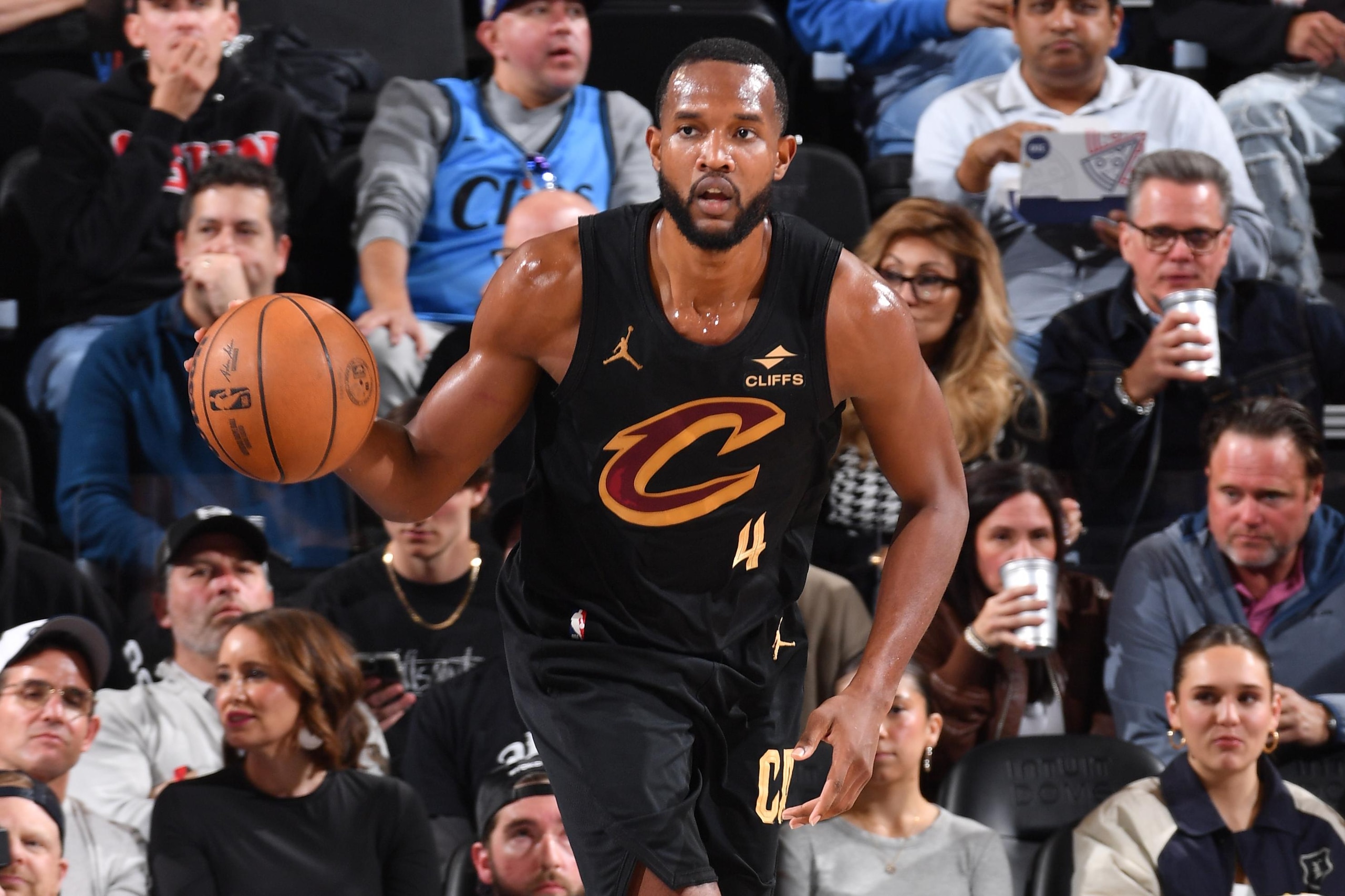
Evan Mobley has never been better, but is he good enough?
That's the question the Cleveland Cavaliers will be asking themselves as they embark on a playoff run as the East's top seed.
Mobley has been a major factor in helping them secure that postseason position—a DPOY short-list candidate who deserves legitimate All-NBA first-team consideration.
Now a fearsome on-ball threat as a driver and knocking down at least 37.0 percent of his threes for the second straight season, the fourth-year big man is tracking toward superstardom.
Is this improved version of Mobley ready to move past the major postseason struggles he endured at the hands of the New York Knicks in 2022? Can he make last year's tough sledding against the Orlando Magic and Boston Celtics a distant memory?
The Cavs are a genuine championship threat, but only if the 23-year-old proves his regular-season leap translates to high-stakes playoff series.
Dallas Mavericks: Anthony Davis
7 of 30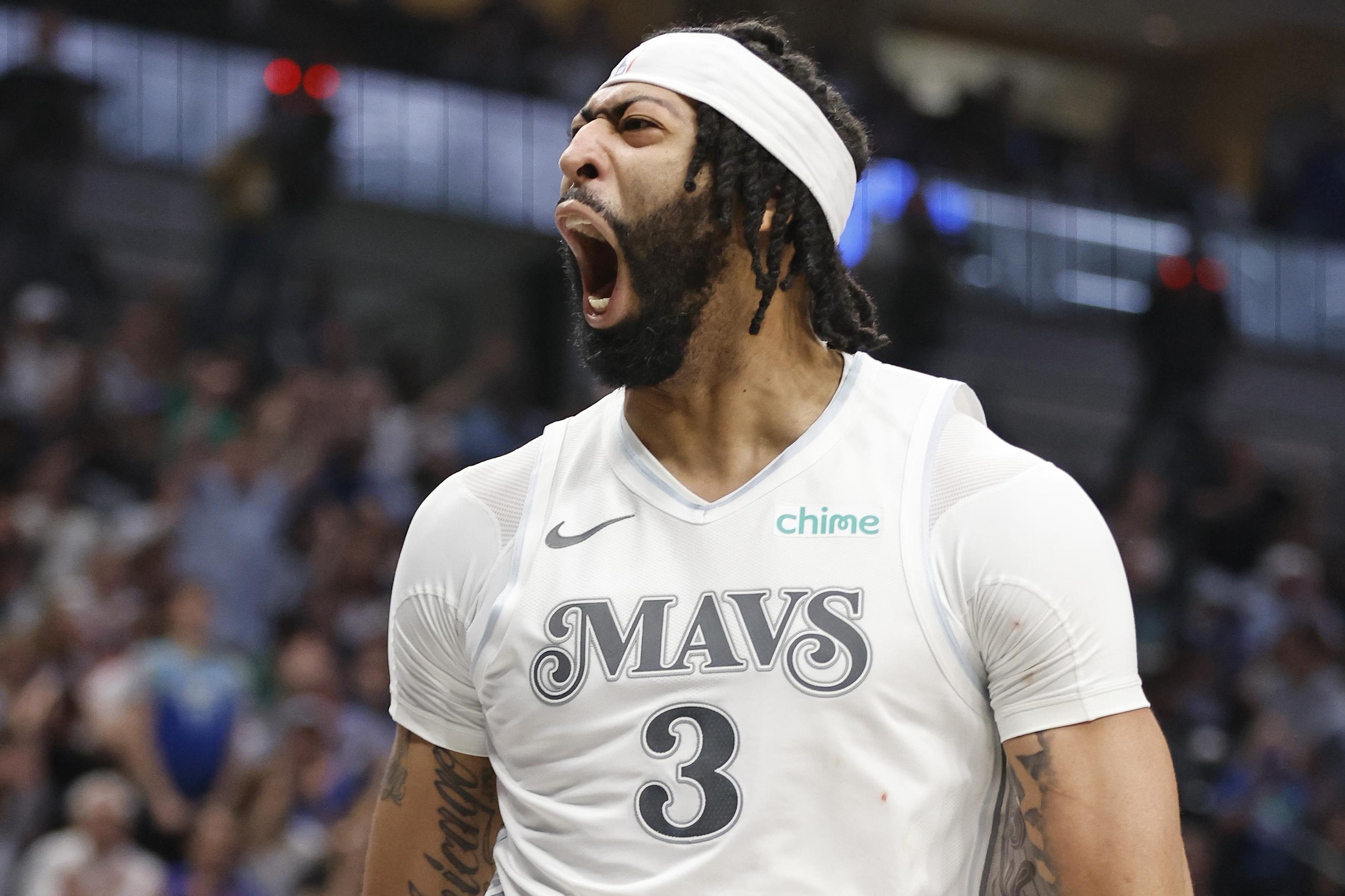
It may not be possible to undo the damage of the Luka Dončić trade, but Anthony Davis is the man best positioned to mitigate some of it.
The centerpiece of the Dončić deal returned to the floor this past week. Out since sustaining an adductor injury in his first game with the Mavs on Feb. 8, Davis could be the reason Dallas squeaks into the Play-In this season.
Short-term concerns aren't why AD's return matters, though. His (hopefully) dominant comeback is the only thing that might give disenchanted Mavs fans hope.
Though he's not Dončić, the 32-year-old has the ability to control the game on both ends. That's exactly what he was doing in an inspired 26-point, 16-rebound, seven-assist, three-block effort against the Rockets before he went down.
Dallas needs someone to make it forget about Dončić—now, and for at least another handful of years. It's unfair to ask that of Davis, who didn't choose to replace an icon, but that's the role he'll have to occupy for the foreseeable future.
Denver Nuggets: Jamal Murray
8 of 30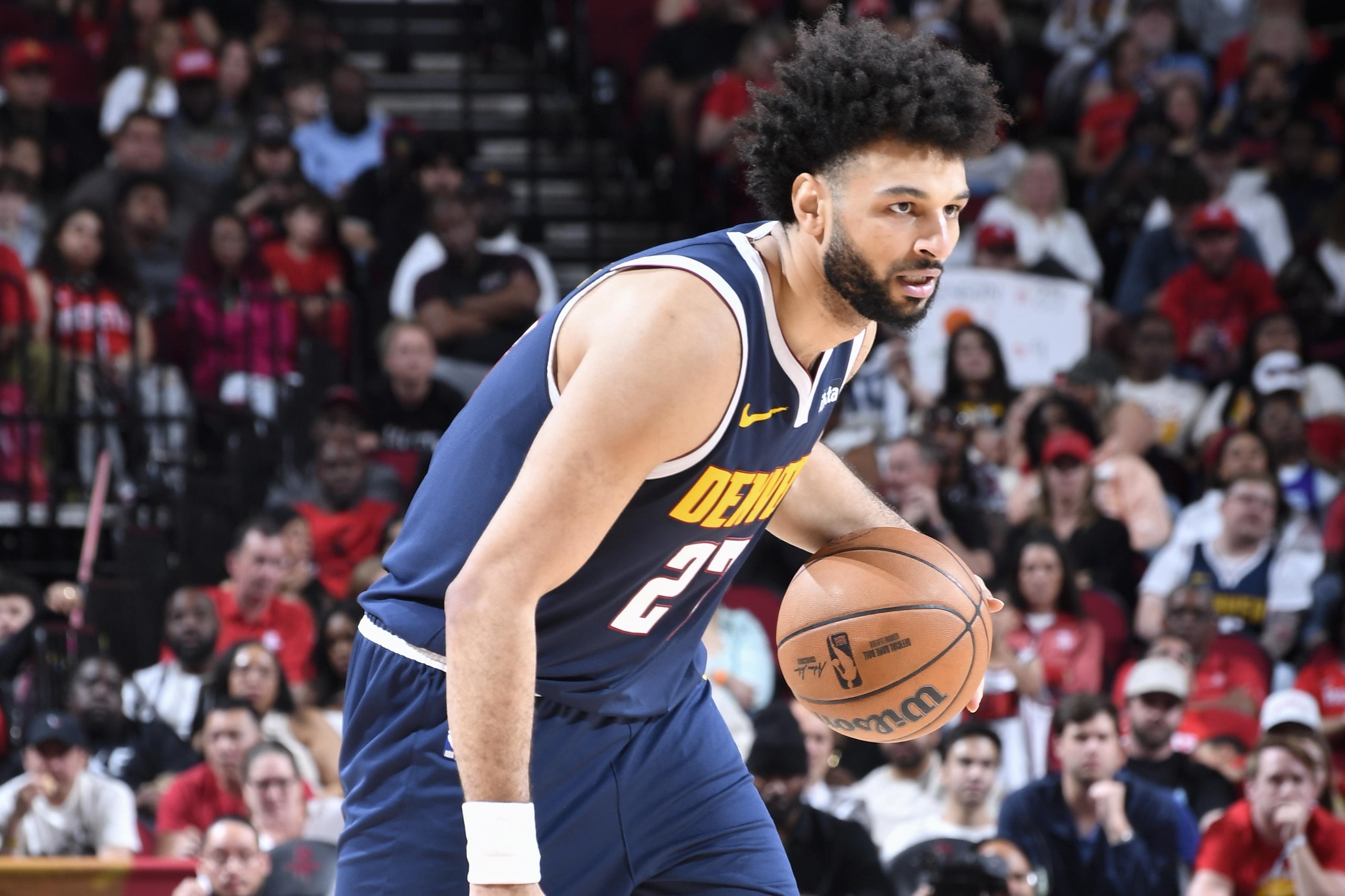
Jamal Murray's 39 points in a 116-111 win over the Houston Rockets on March 23 were evidence of his singular importance to the Denver Nuggets' operation.
They produced a victory without Nikola Jokić, along with optimism that the very best version of Murray is here to stay.
A dreadful summer begat a rough start to the season, but Denver's second option has been on a heater for multiple months. If he sustains it, the Nuggets are a first-tier title threat. If he doesn't, they become mortal.
Murray's numbers from last year—21.2 points, 6.5 assists and 4.1 rebounds on 58.6 percent true shooting—are nearly identical to the ones he's posting now. But it's critical to note that even coming off such a productive 2023-24, the 28-year-old flopped in the playoffs.
Murray has to avoid a repeat of that disappointing effort if Denver is going to add another championship to the mantle.
Detroit Pistons: Malik Beasley
9 of 30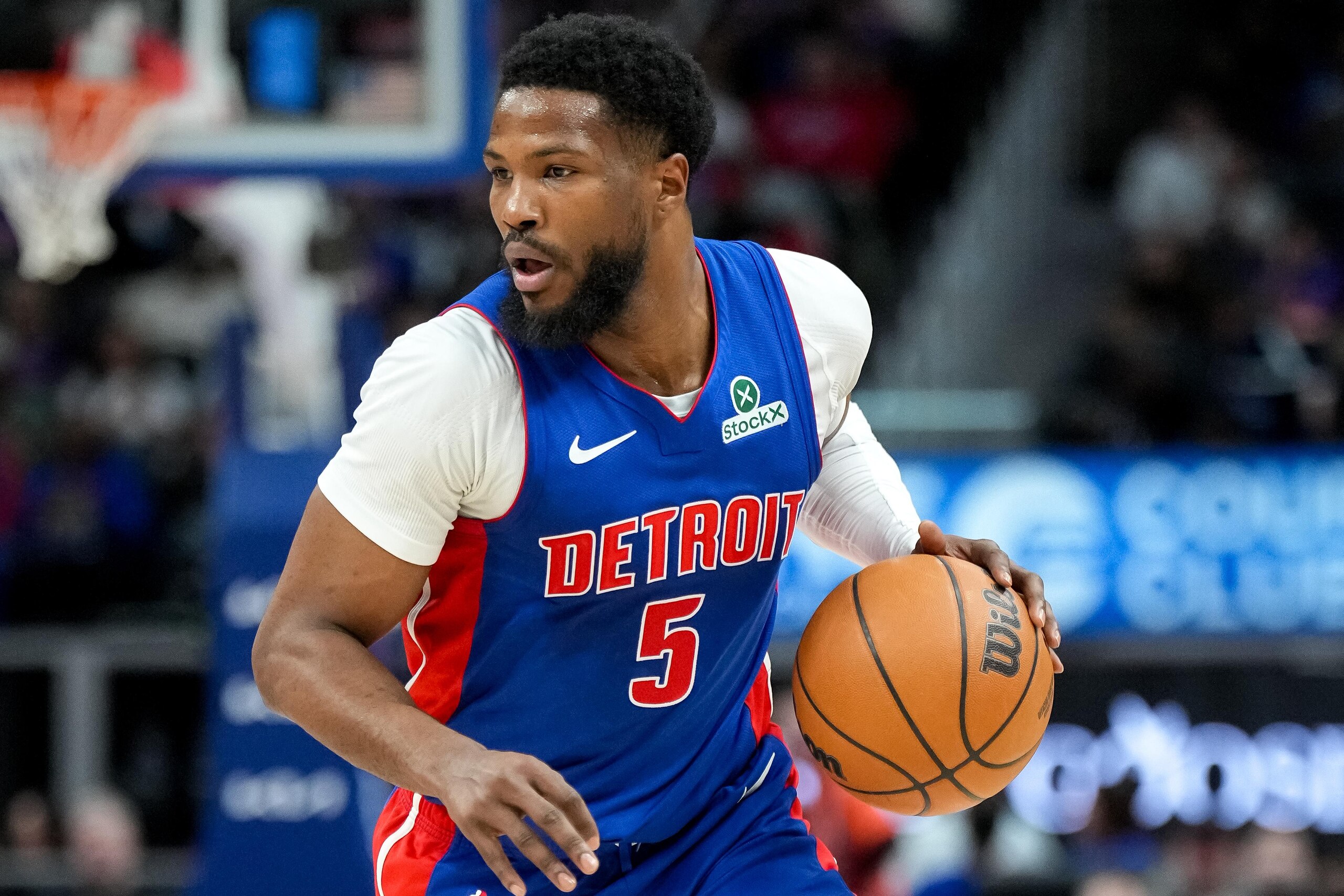
Malik Beasley accounts for almost a third of the Detroit Pistons' made threes per game, and they're extremely hard to beat when the sharpshooter goes over his average of 3.9 makes.
Detroit is 19-9 when the 28-year-old cans at least five triples, a fact that illustrates just how valuable his long-range shooting is for a Pistons team that frequently dots the perimeter with non-threatening options.
Ausar Thompson's transition attacks and disruptive defense are key ingredients to the Pistons' success, but he's shooting 24.3 percent from deep. Ditto for rookie Ron Holland, who's at just 22.0 percent. None of the Pistons' big men has spaced effectively this year, and both Tobias Harris and Tim Hardaway Jr. are only at 33.1 and 35.9 percent, respectively.
If Beasley's hitting at high volume, Detroit is a different team.
Golden State Warriors: Quinten Post
10 of 30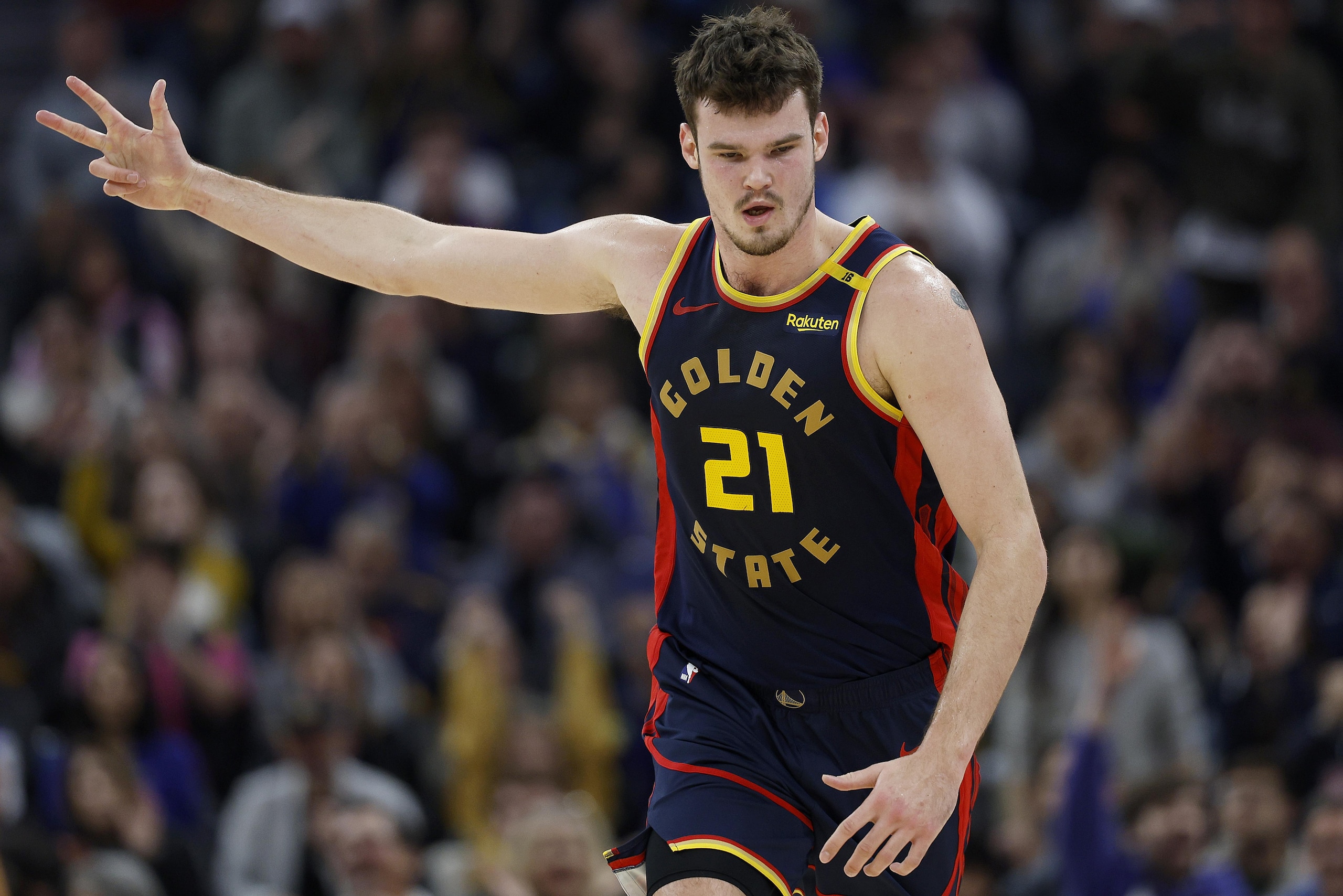
Even with Stephen Curry healthy and in the lineup, and even in the post-deadline games featuring Jimmy Butler, there have been stretches during which the Golden State Warriors have had a hard time scoring.
Often, rookie Quinten Post is the guy who breaks them out of the slump.
It's difficult to overstate the value of a 7-footer who gets up nearly 10.0 three-point attempts per 36 minutes, and it's almost impossible when said sniper drills all those attempts at a 43.4 percent clip.
Let's try anyway: Post, fewer than 50 games into his professional career, is one of the best pure shooters in the league.
His floor-stretching prowess is doubly vital to the Warriors, who frequently field lineups with two non-spacers. One of those, Butler, occupies a wing spot where the inability/unwillingness to shoot from deep is often fatal to an offense.
When Post checks in and starts firing, the Dubs thrive. Most notably, their free-throw rate spikes because help defenders can't linger inside.
The key to Golden State's stretch run and playoff success could be figuring out how to keep Post's offense on the floor while covering for his suspect defense and penchant for fouling.
Houston Rockets: Jalen Green
11 of 30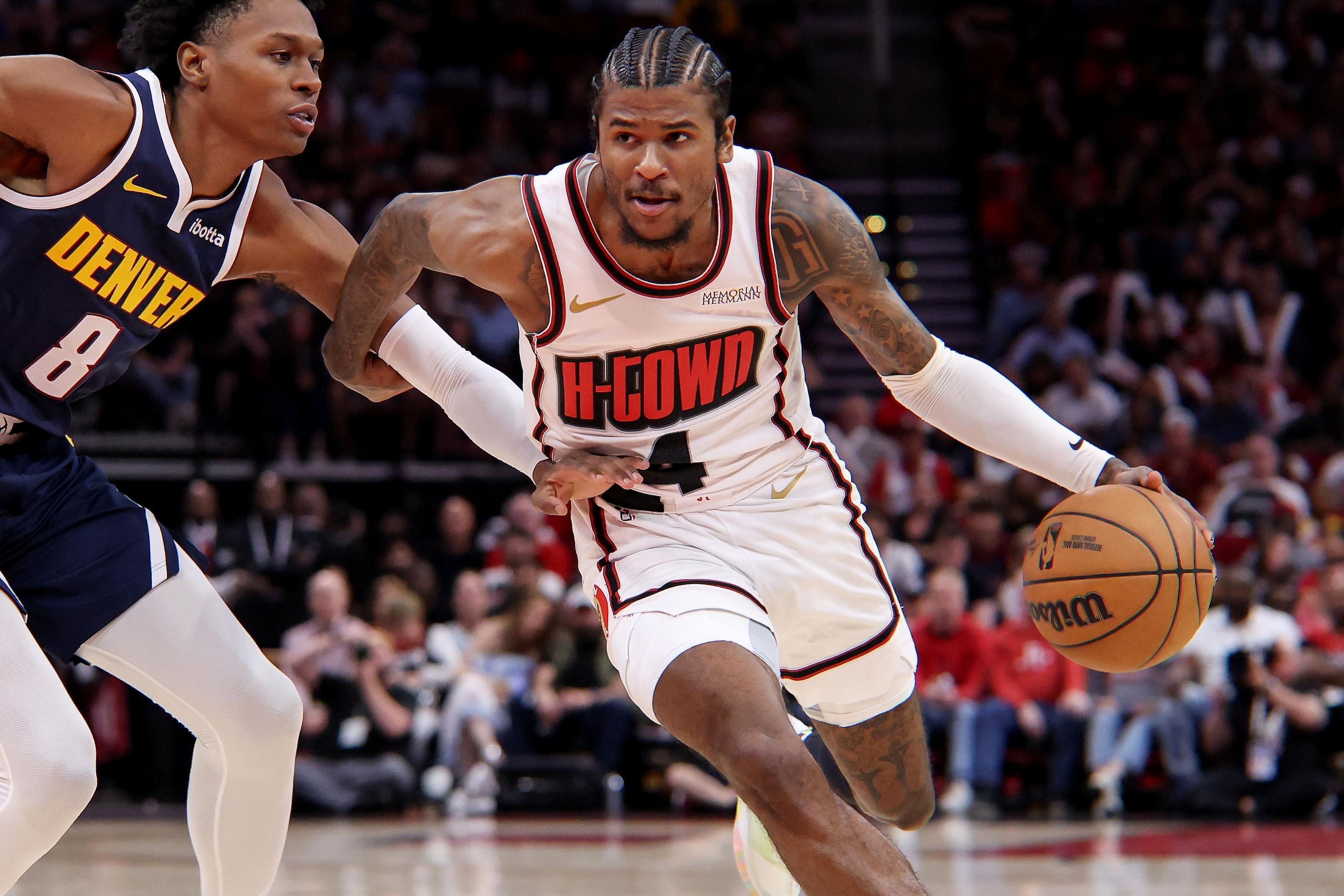
It's March, which means it's officially time to wonder which Jalen Green is the real one.
In recent years, the late-season version of the 23-year-old has been a revelation. Last March, he put up 27.7 points on 61.3 percent true shooting. This time around, he has gone the other way. He's averaging 21.1 points on 52.6 percent true shooting.
Green's struggles are disappointing on an individual basis; Houston invested $105 million in him this past summer and would probably like to see more consistency as he nears the end of his fourth season.
On a team level, his up-and-down offense stands out as one of the reasons the Rockets seem much more vulnerable than a potential No. 2 playoff seed should. Houston's offense crumbles down the stretch because no one—Green included—has proved able to run the show against dialed-in defenses. The Rockets rank 26th in fourth-quarter offensive rating.
If Green can find his form (and keep it), maybe the Rockets won't have such a hard time producing buckets when it counts.
Indiana Pacers: Aaron Nesmith
12 of 30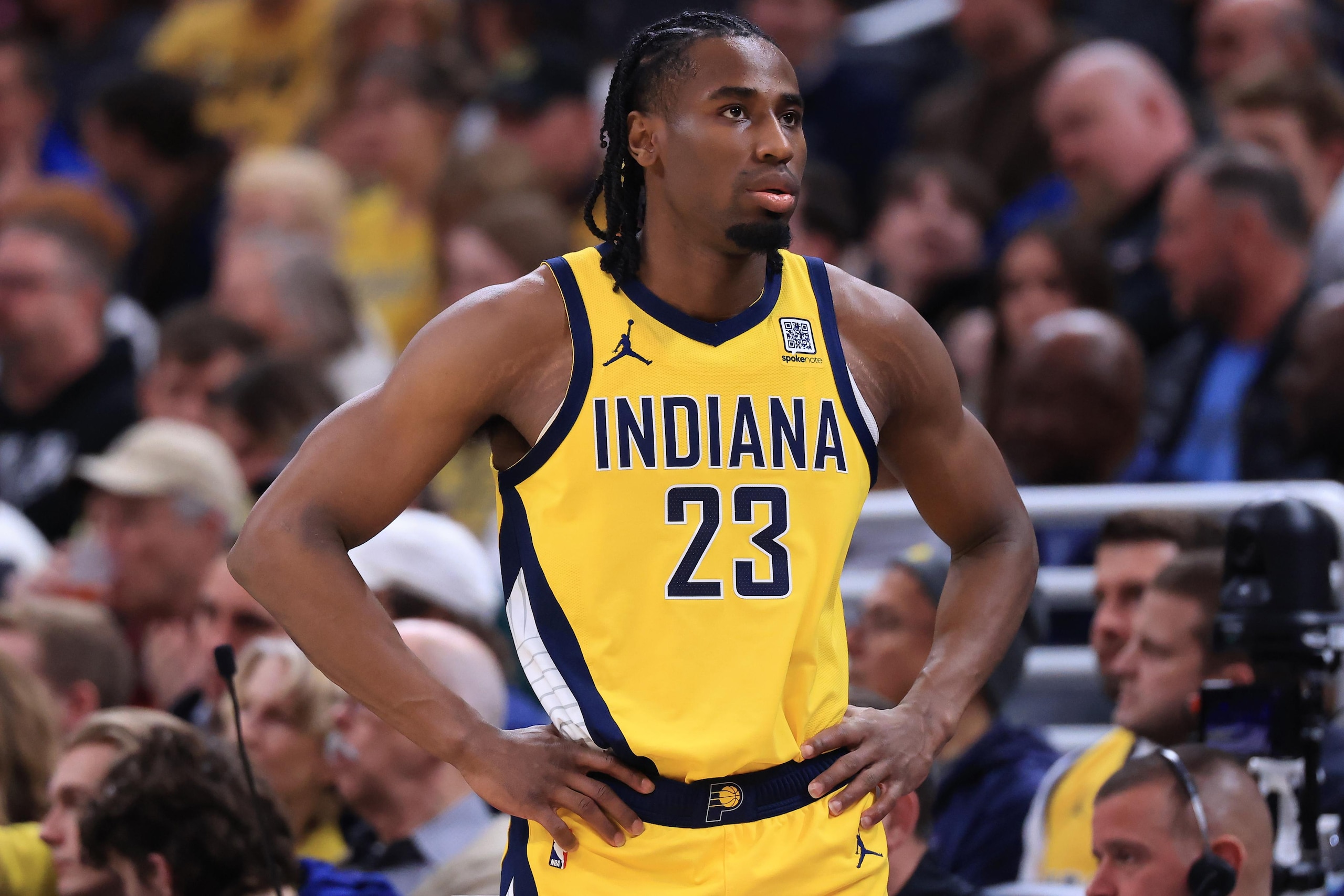
Aaron Nesmith's job is as thankless as it is important. He's the guy most often tasked with defending the Indiana Pacers' most threatening opposing matchup, regardless of the position.
Though his frame is that of an undersized small forward, the 25-year-old checks everyone from Jalen Brunson to Jayson Tatum, both of whom feature prominently in his most frequent matchups. You don't have to scroll down very far to find Trae Young, Paolo Banchero and Giannis Antetokounmpo.
Sure, Indy is defined by its Tyrese Haliburton-led offense. And with the point guard racking up double-doubles at historic rates, things on that end are looking as good as they have since early last year.
But without Nesmith keeping the defense from springing leaks, all that scoring might not amount to much.
LA Clippers: Ivica Zubac
13 of 30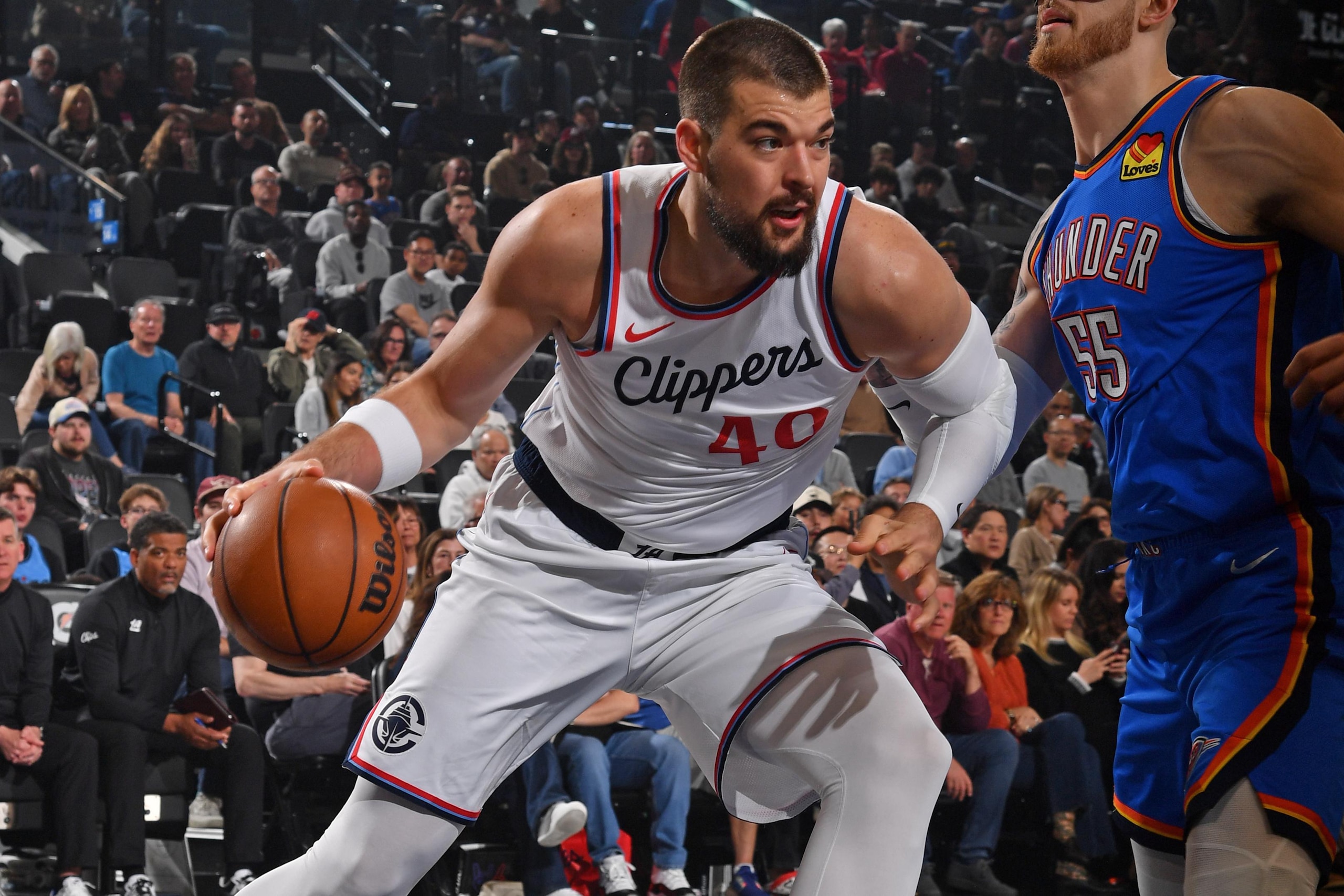
The last time the LA Clippers won a playoff series, it happened largely because they benched Ivica Zubac.
Removing the then-23-year-old center during a first-round matchup against the Utah Jazz in 2021 allowed the Clips to spread the floor, fire off threes and make paint-bound big man Rudy Gobert operate in space.
As they gear up for the 2025 postseason, hoping to win their first series in four years, they won't even consider taking Zubac out of the lineup.
In the intervening seasons since that Utah meeting, he's become an All-Defense candidate whose interior dominance forces adjustments by the other team. With career highs of 16.4 points and 12.5 rebounds, he is going to do damage against anyone L.A. faces.
It'll still be fascinating to see how he handles it when opponents test him like his own team tested Gobert nearly a half-decade ago.
If Zubac is up to the task, the Clippers could be a sneakily tough out.
Los Angeles Lakers: Austin Reaves
14 of 30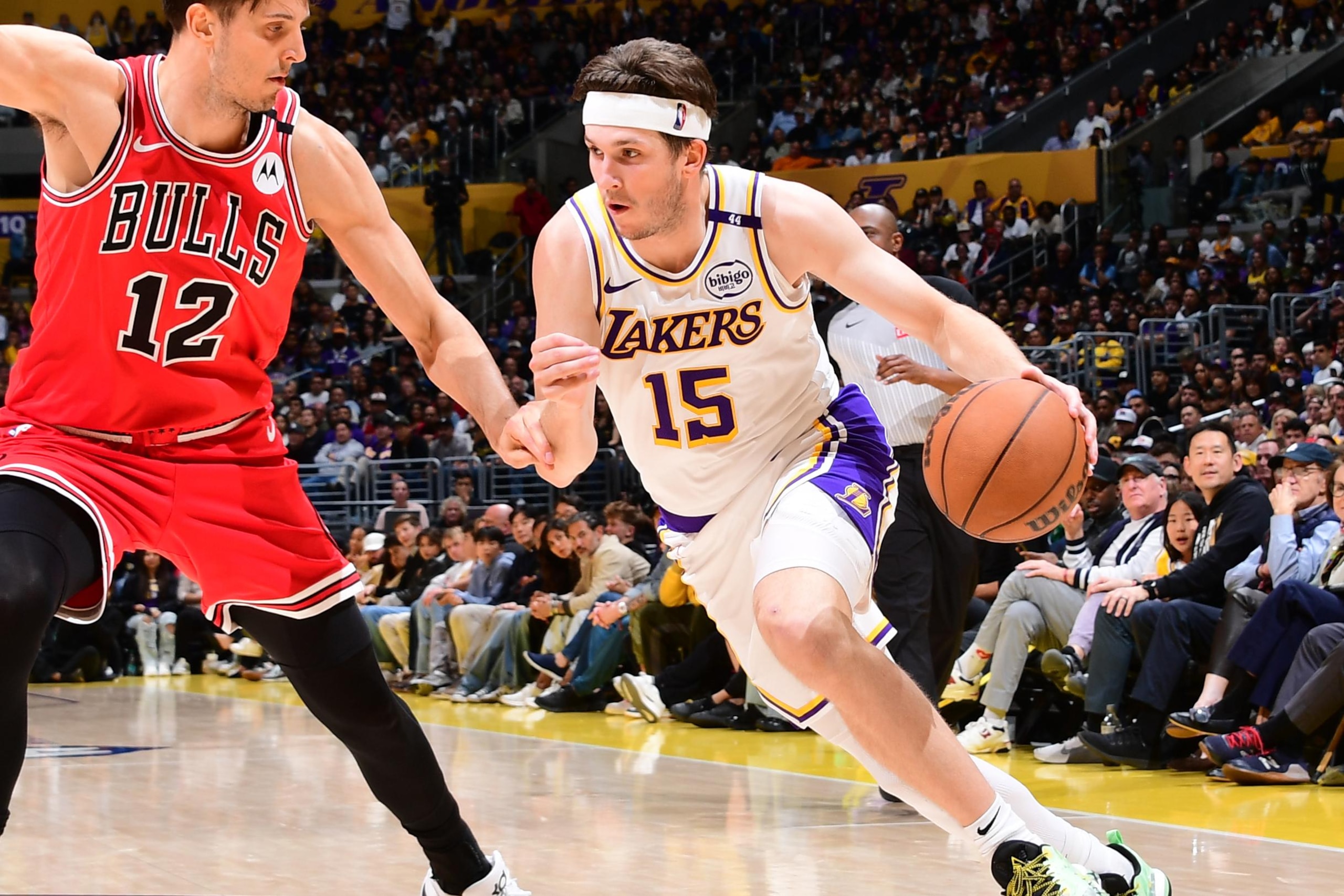
Rather than fade into the background as a deferential third option after Luka Dončić joined up next to LeBron James, Austin Reaves has thrived in his role on the remade Los Angeles Lakers.
Since the All-Star break, the 26-year-old has lost a little touch time and is averaging about one fewer assist per game, but he's scoring more often and doing so at an even higher efficiency level. That this season saw him prove he could operate as a legitimate point guard and then as a lights-out scorer speaks to his criminally underrated game.
As the postseason nears, Reaves will find himself cast as one of L.A.'s most indispensable weapons—albeit one that may have to figure out his role on a game-to-game basis.
When opponents force the rock out of Dončić's hands, Reaves will take on a scoring role. When defenses play things straight up, he'll be in position to lighten the playmaking load.
That's a lot to ask, but Reaves has handled everything thrown at him so far.
Memphis Grizzlies: Ja Morant
15 of 30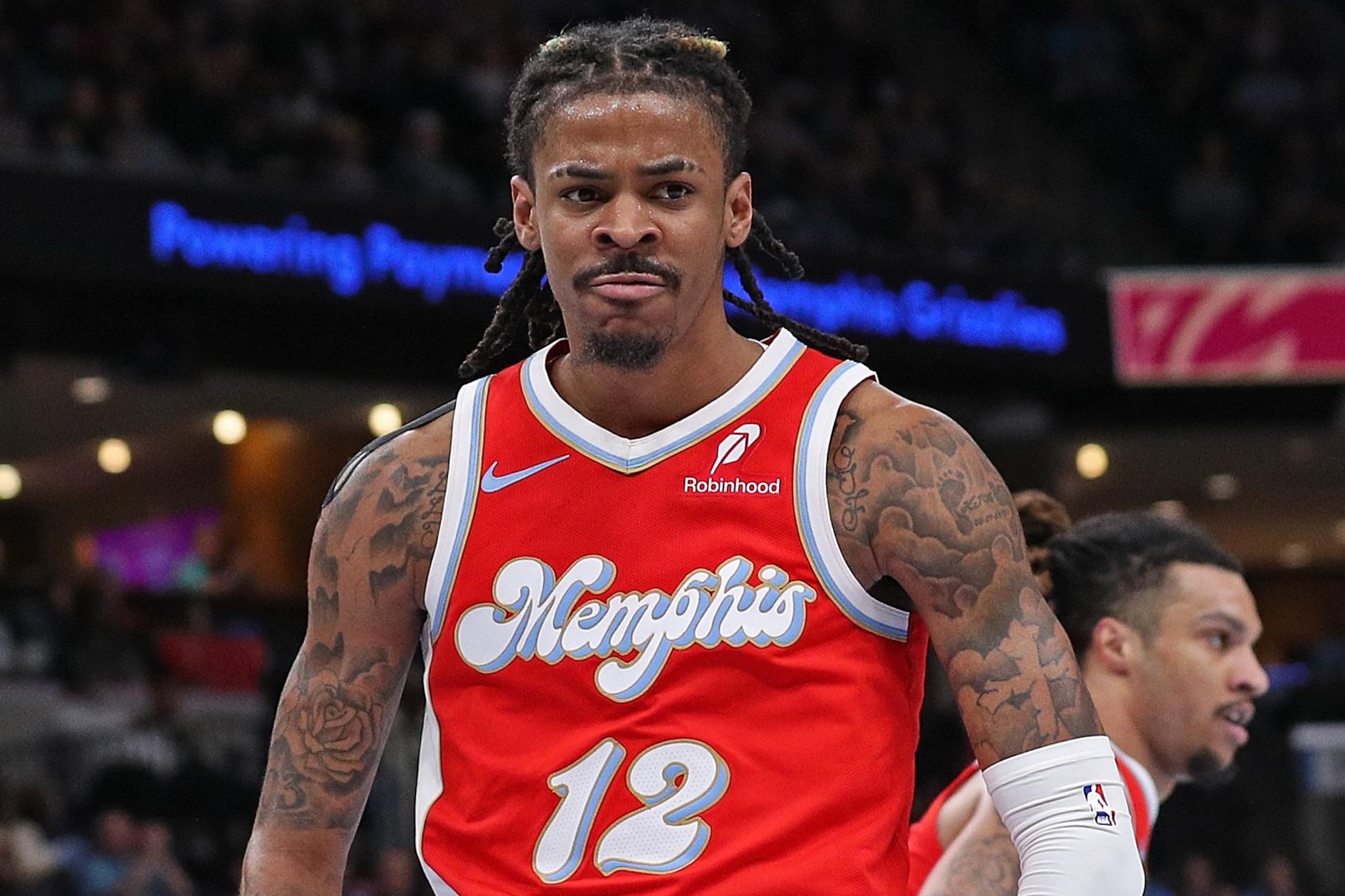
Though this is only his age-25 season, Ja Morant is immersed in what looks a lot like decline.
On pace to set four-year lows in points, rebounds and effective field-goal percentage, the Memphis Grizzlies once-electrifying guard is much less of a live wire than he used to be. The flashes are still there, but Morant isn't sustaining them—both within single games and over longer stretches constantly interrupted by injury.
Morant's field-goal percentage has never been lower. His three-point shooting is under 30.0 percent for the second straight year. On many nights, even his status as Memphis' top offensive threat is in question—a result of Jaren Jackson Jr.'s growth as much as Morant's slippage.
The good news is that Morant is much closer to his career counting stat rates if you judge him on a per-36-minute basis. Maybe the Grizzlies are trying to keep him in one piece by limiting him to a career-low 30.0 minutes per night.
If that's not the case, and Morant is simply no longer the same game-changing force he was in 2021-22 and 2022-23, the Grizzlies won't pose much of a postseason threat.
Miami Heat: Kel'el Ware
16 of 30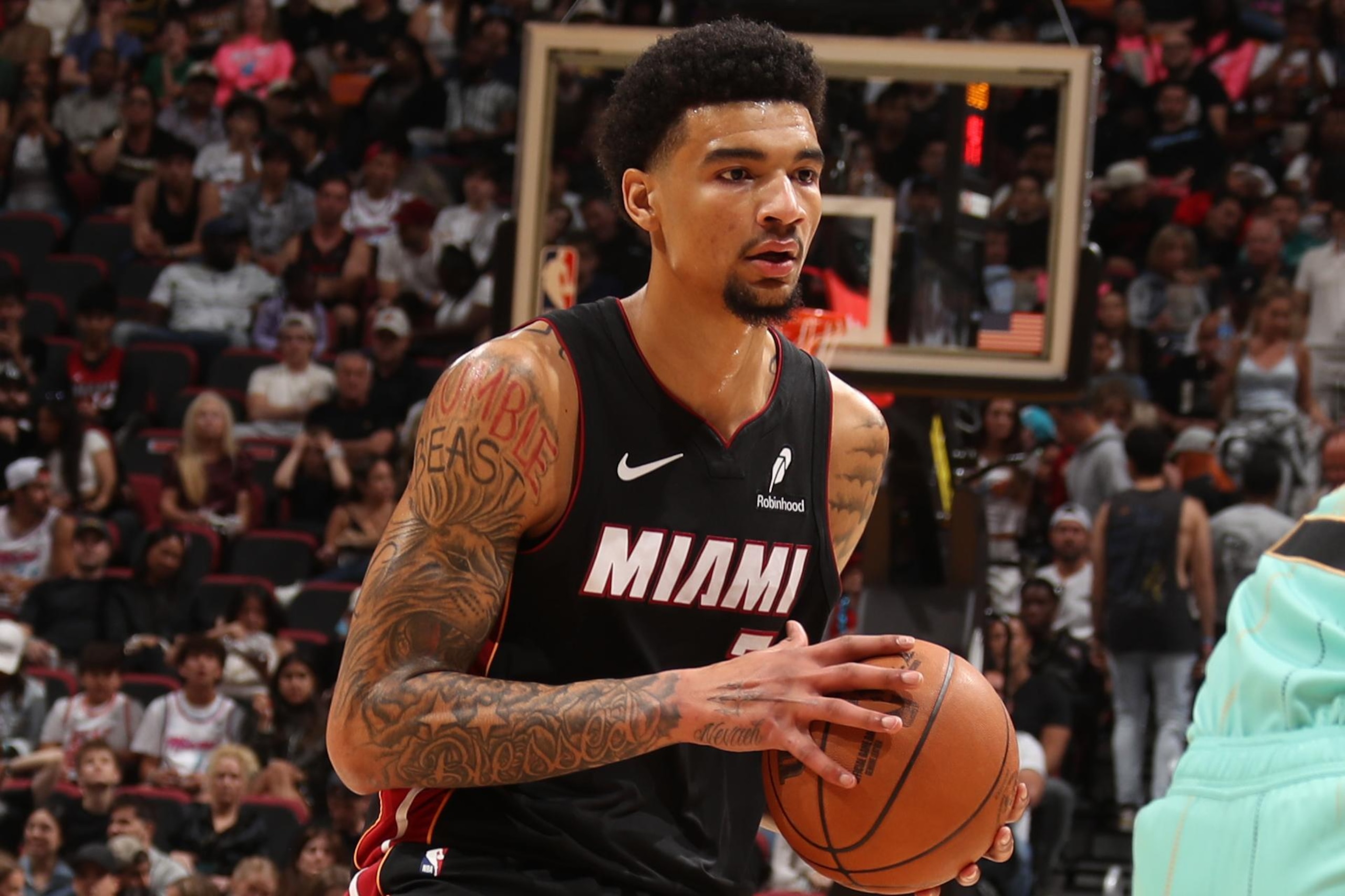
The Miami Heat are assured of a Play-In trip but cannot finish with a winning record and don't pose a threat to any top seed they might potentially face in the first round. That means their make-or-break player has to be someone with the chance to impact them beyond this season.
Rookie Kel'el Ware is the easy pick.
Can the springy 7-footer build off his near double-double average as a starter, perhaps by adding consistency to his three-point shot (44.7 percent in January; 15.0 percent in February) and improving as a team defender? If so, Ware profiles as an exciting frontcourt complement to mainstay Bam Adebayo.
The Heat tend to operate ambitiously, so a 20-year-old who's too inexperienced to drive winning at the moment isn't a typical lynchpin for them. Ware, though, is Miami's most exciting young prospect and could be the key to getting the team back into the real postseason mix in 2026.
Milwaukee Bucks: Kyle Kuzma
17 of 30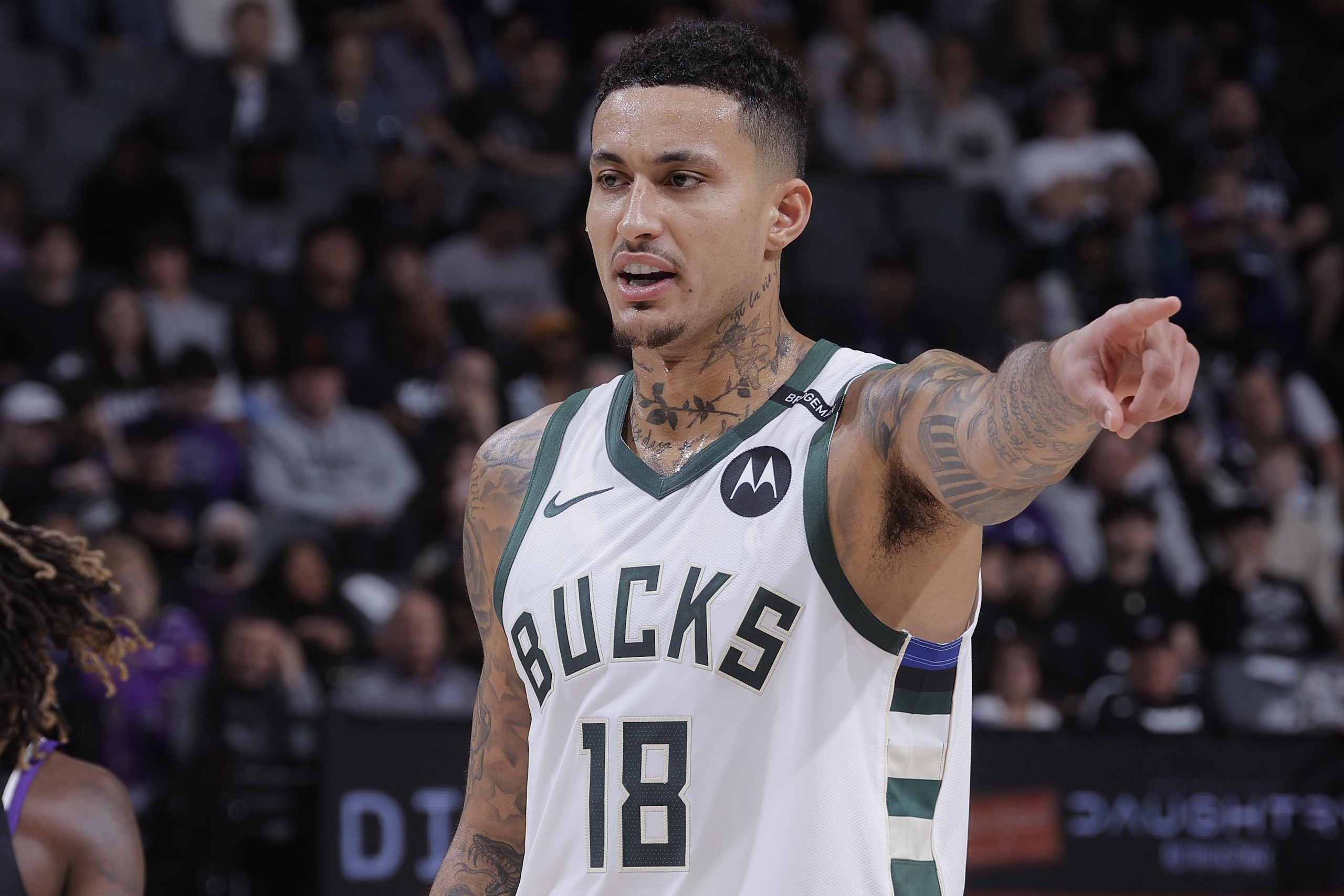
If we can only use the stretch of games he's played since joining the Milwaukee Bucks at the trade deadline, it's hard to avoid the conclusion that Kyle Kuzma has broken his team.
Basically, he's been the same inefficient, net-negative "contributor" he was with the Washington Wizards. Optimists expecting Kuzma to come alive once freed of the losing environs in Washington have likely given up hope.
Most problematically for a Bucks team that needs offensive juice in support of Giannis Antetokounmpo (and especially when Giannis sits), Kuzma is still shooting under 30.0 percent from deep and has offered zilch as a playmaker. In his first 22 games with the Bucks, he handed out 47 assists against 46 turnovers.
Kuzma has been better than this in the past, and a return to his early-career Los Angeles Lakers form would go a long way toward making Milwaukee more dangerous. For now, it's hard to believe that version of Kuzma is still in there.
Minnesota Timberwolves: Julius Randle
18 of 30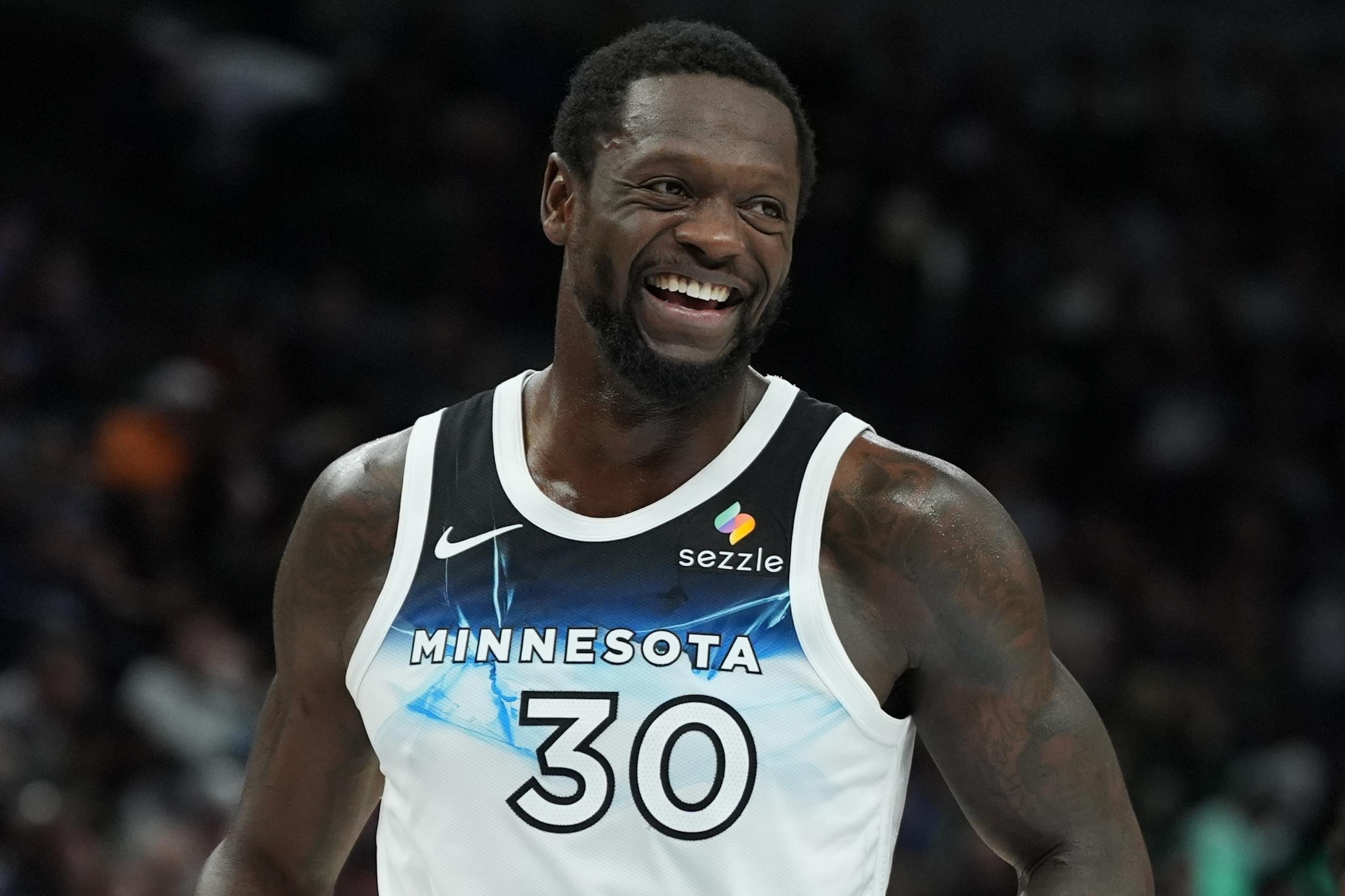
Even during an 8-0 stretch that began when Julius Randle returned from injury on March 2, the Minnesota Timberwolves were better without the power forward on the floor. The team's net rating was roughly 10.0 points per 100 possessions lower during Randle's minutes in that undefeated run.
There's a lesson in there about being careful to scrutinize team success, but it seems as if many of Randle's supporters stopped the analysis at the 8-0 record.
The Wolves will have to deploy Randle carefully as they jockey for playoff positioning. It's true that the three-time All-Star offers individual shot creation and facilitation that an occasionally sticky Minnesota offense needs. But those benefits come with costs. Randle isn't a helpful defender and can completely remove any sense of flow and quick decision-making from his team's attack.
The best version of the Wolves probably includes Randle as a major contributor. But many of the worst ones also feature him in a prominent role. The trick for Minnesota will be coaxing out the good while mitigating as much of the bad as possible.
New Orleans Pelicans: Jordan Hawkins
19 of 30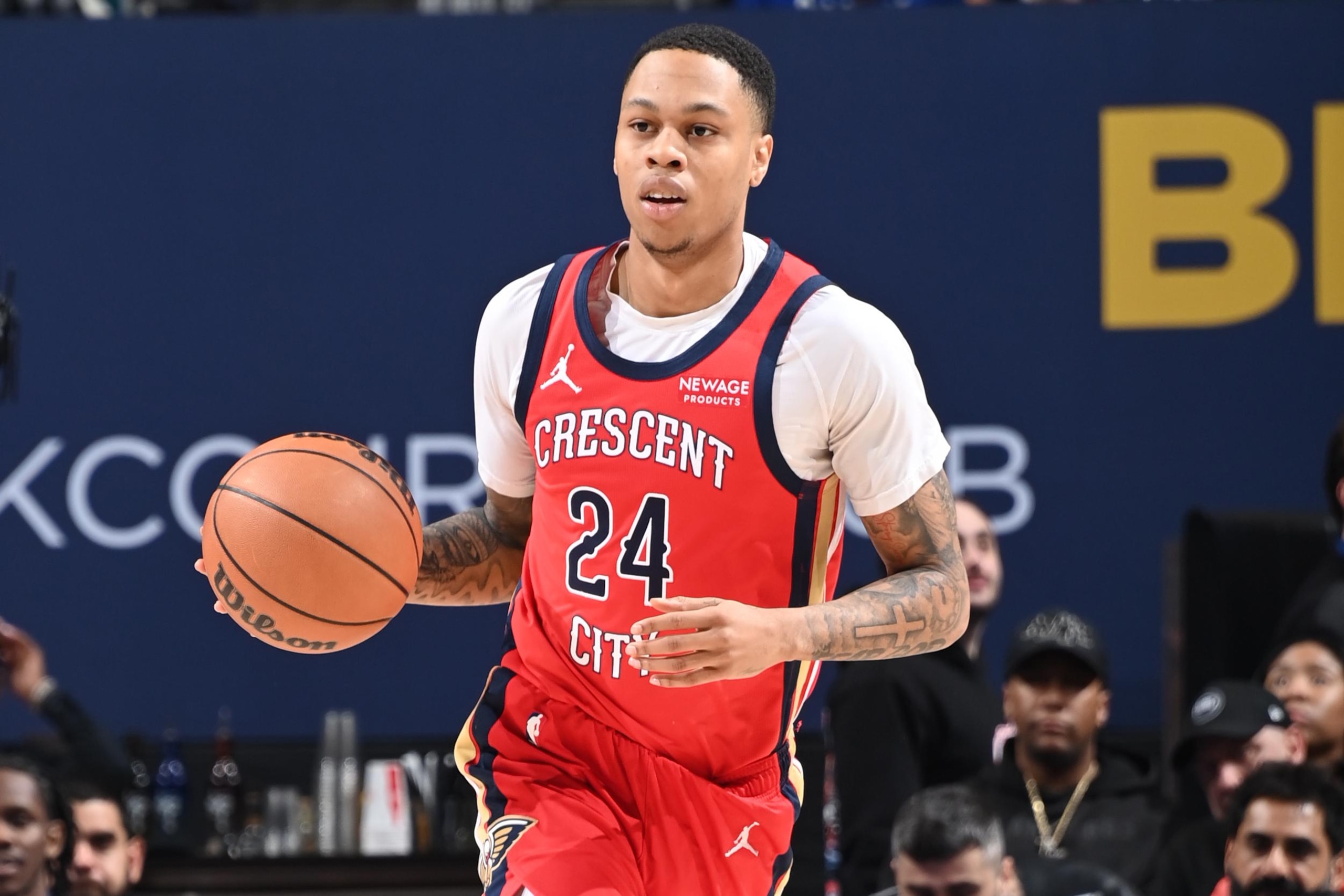
We've discussed Zion Williamson enough, and it should go without saying that he's obviously the most pivotal New Orleans Pelican.
Jordan Hawkins is a deeper, more interesting, less scrutinized cut.
The second-year guard was on one of his better runs before tweaking an ankle against the Philadelphia 76ers on March 24, scoring in double figures eight times in his last 11 games. Though he's regressed to 33.2 percent from last year's 36.6 percent on threes, Hawkins' potential as a devastating movement shooter persists.
A quick release that looks smooth even when Hawkins is closely guarded or sprinting around a screen makes him dangerous. His developing facility as an off-the-dribble shooter in pick-and-roll sets only adds intrigue to his profile.
If Hawkins can evolve into the kind of threat that opponents fear to leave alone away from the ball and have to chase over the tops of screens, it could blow the lane wide open for Williamson, unlocking massive offensive potential.
New York Knicks: Mitchell Robinson
20 of 30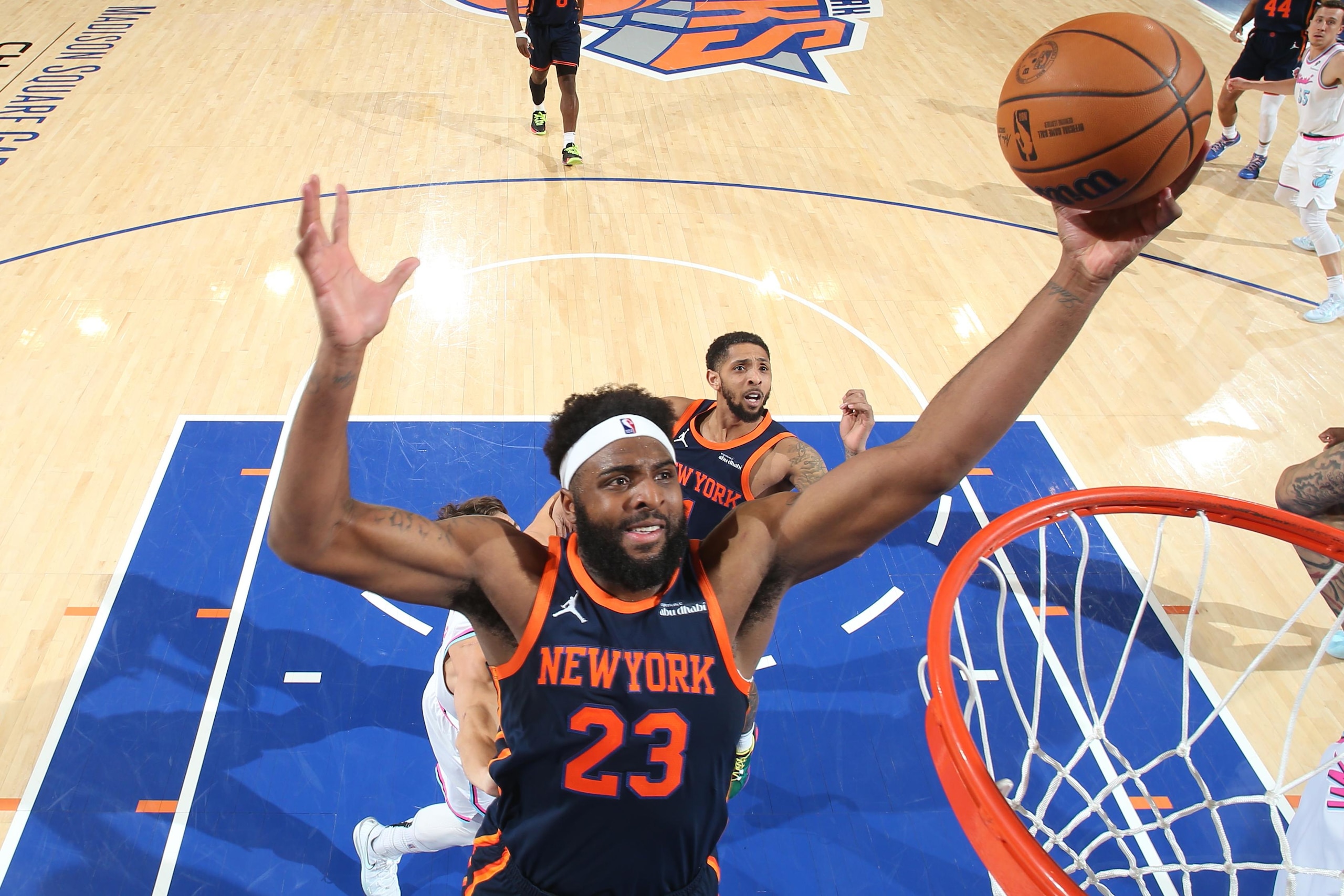
Mitchell Robinson hasn't even played a month's worth of games for the New York Knicks since returning from his ankle injury, but he's looked a lot like the board-hoarding, shot-deterring force he was before he got hurt.
On a per-36-minute basis, Robinson is actually posting five-year highs in points and steals, while rebounding and blocking shots at rates right in line with his norms.
The real giveaway as to his impact is the 7.6 percent boost he provides to New York's offensive rebound rate, a 97th percentile figure among bigs. The Knicks are built around Jalen Brunson and Karl-Anthony Towns, but a few second-chance points generated by Robinson could go a long way—especially if he's healthy and mobile enough to provide the interior defense Towns rarely does.
Oklahoma City Thunder: Jalen Williams
21 of 30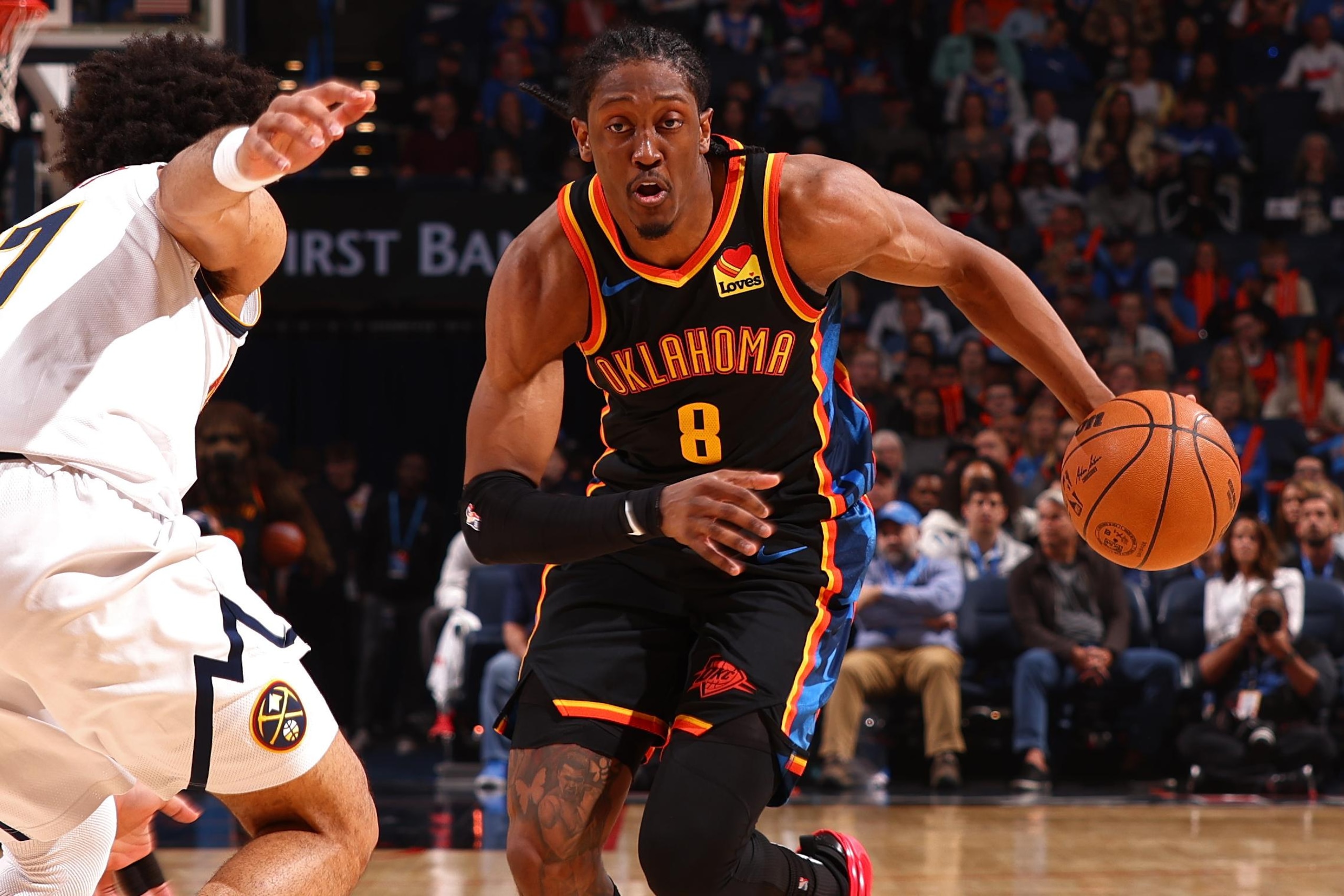
If Jalen Williams can keep the offense on track when Shai Gilgeous-Alexander is off the floor, the Oklahoma City Thunder might not be beatable.
Fortunately for the rest of the contender class, J-Dub's work as an alpha—even in short stints—leaves a lot to be desired.
OKC's offense craters whenever SGA rests, a troublingly familiar trend to Thunder fans who watched their team's attack fall off by 13.4 points per 100 possessions during last year's conference semifinals against the Dallas Mavericks.
The non-SGA minutes have been just fine this season when Chet Holmgren shares the court with Williams, producing a 98th-percentile offensive rating in those looks. Williams and Isaiah Hartenstein haven't been quite that good but still lead SGA-less offenses to a scoring rate above the league average.
The Thunder's defense is elite, so the bar for Williams as a run-the-show force is low. He still needs to prove he can clear it.
Orlando Magic: Franz Wagner
22 of 30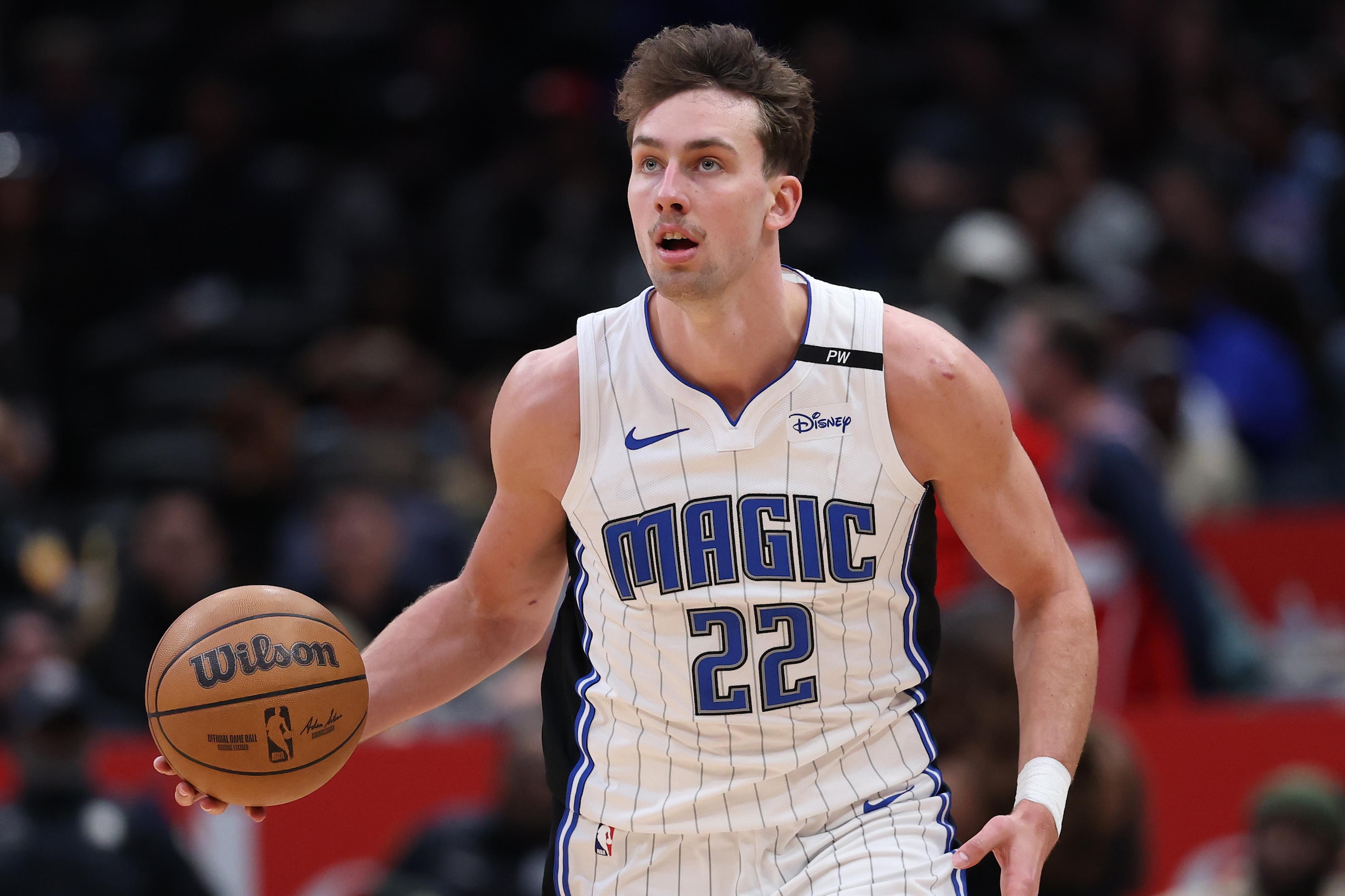
There aren't many high-end NBA offenses built around ball-dominant, perimeter oriented forwards who can't shoot. This is why it's no coincidence that the Orlando Magic, built around two such players in Paolo Banchero and Franz Wagner, continue to have a hard time scoring.
Banchero has the draft pedigree, 2023-24 All-Star nod, higher ceiling and more impressive highlight reel. He, not Wagner, is the central figure around which the Magic's other offensive players orbit. Where that leaves Wagner, who is shooting 29.7 percent from deep (28.1 percent last season), is a critical question.
Wagner is a terrific all-around player—one who was an All-NBA factor prior to injury earlier this year. If he develops into a capable three-point shooter, which he was as a second-year player, Orlando's attack could be exponentially better. If he continues to be a non-threat from deep, the Magic will either have to consider breaking up their core or accept a mid-pack ceiling on offense.
Philadelphia 76ers: Quentin Grimes
23 of 30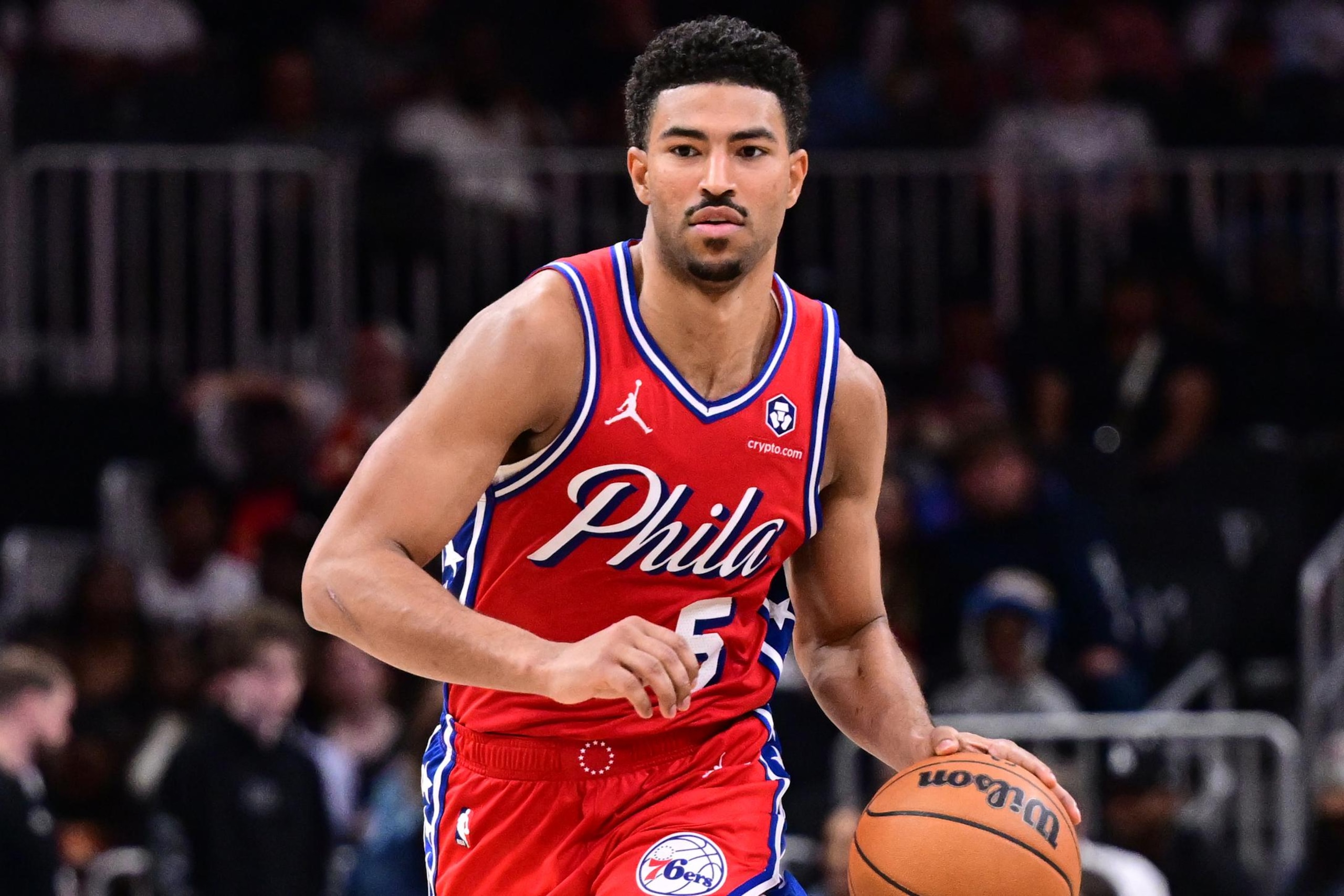
Joel Embiid is the Philadelphia 76ers' great unknown, status he's enjoyed for all of this lost season. To the questions surrounding him and Paul George, we must now add those attached to deadline acquisition Quentin Grimes.
Grimes' ascent since coming over from the Mavericks creates a good problem: Philly must decide what he's worth in restricted free agency and then, if he's still on the team next year, figure out how to integrate him into an offense that already has two smallish, defensively iffy guards in Tyrese Maxey and Jared McCain.
Depending on how high the market sets Grimes' price, the Sixers could find themselves paying him upwards of $25 million per season—a possibility that probably never occurred to them when they brought him aboard.
As a Sixer, Grimes is averaging over 20.0 points on strong efficiency and has showcased a level of self-created offense no one knew he had. If Philly decides he's a core piece, it dramatically changes the team's financial planning, roster makeup and general optionality going forward.
Phoenix Suns: Oso Ighodaro
24 of 30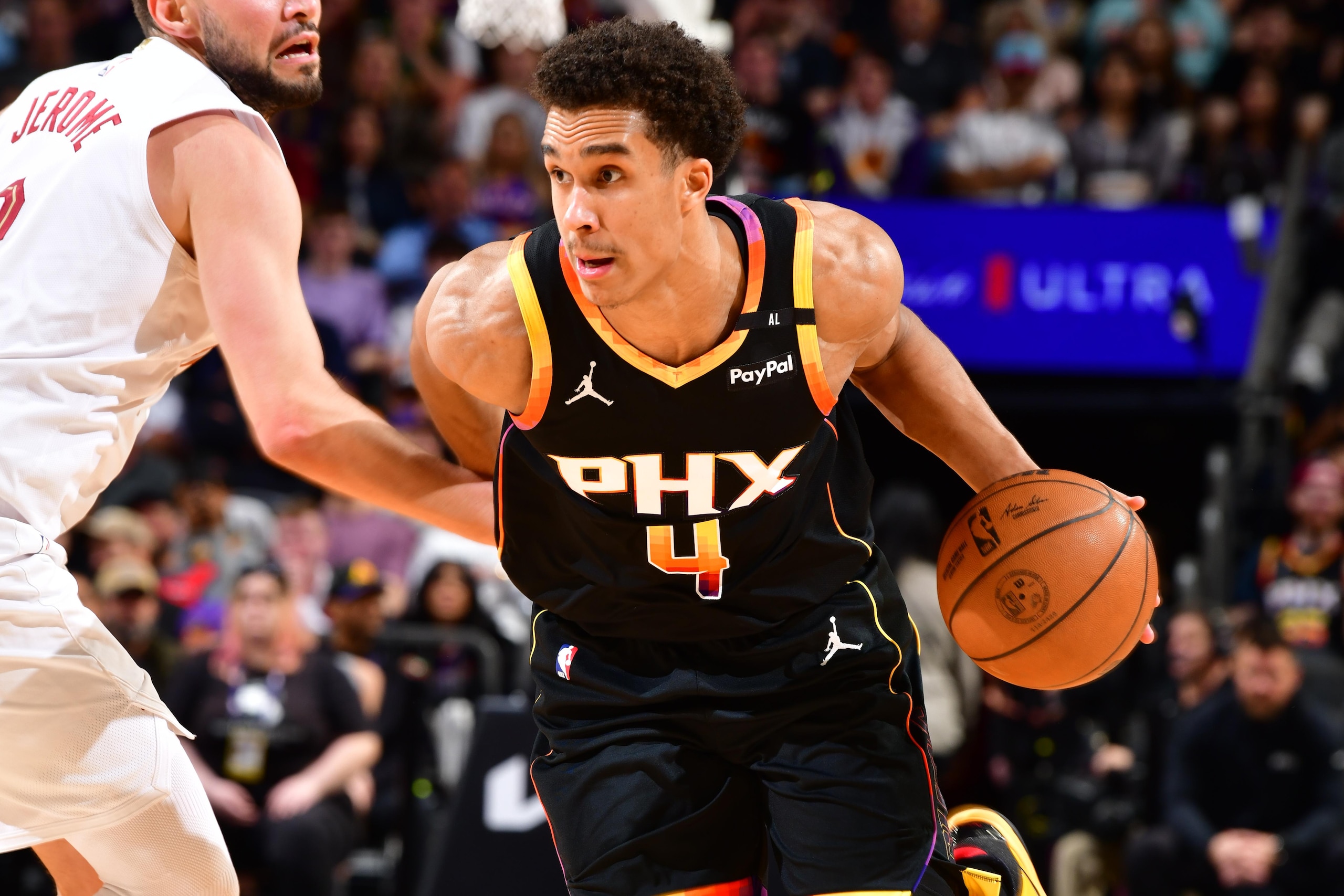
After getting bounced around, DNP'd and otherwise marginalized for a couple of months, Oso Ighodaro is a rotation fixture for the Phoenix Suns.
What took so long?
Though undersized at the 5, the rookie big man is an adept switch defender whose deft floater game and developing short-roll passing gives him two-way value. Protecting the rim is an issue when he's on the back line, and Ighodaro is only in the 32nd percentile among bigs in defensive rebounding rate. But the level of dynamism he injects into the game on both ends has been welcome for an otherwise stuffy and unexciting Suns makeup.
If he's a long-term answer at center, Ighodaro and his dirt-cheap second-round deal could allow the Suns to continue spending big and chasing short-term success for another year or two.
Portland Trail Blazers: Donovan Clingan
25 of 30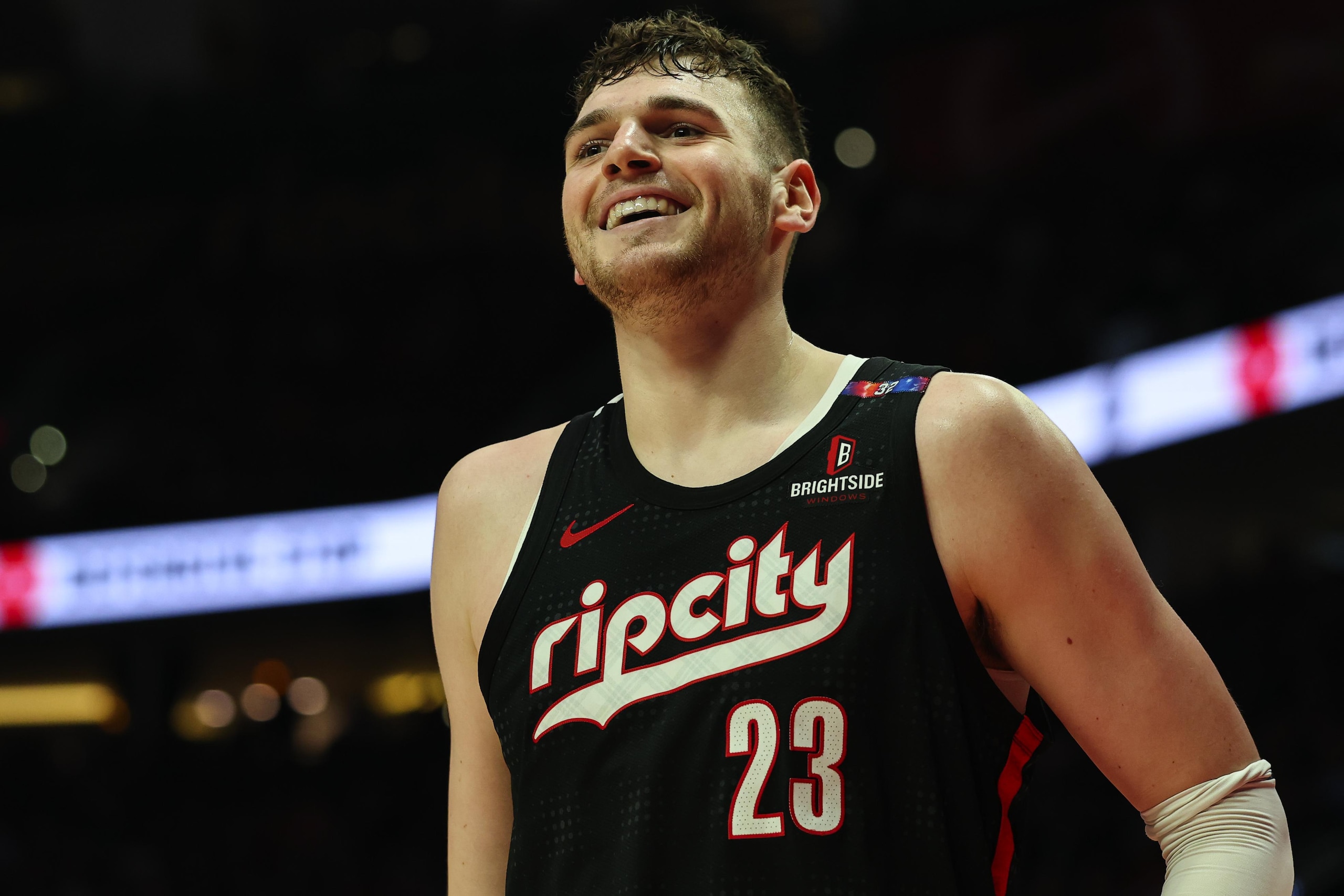
One way or the other, rookie center Donovan Clingan is going to have an impact on the Portland Trail Blazers' march toward competitive play.
If the plusses he provides—elite rim protection, dominant offensive rebounding—outweigh the minuses—iffy defensive mobility, substandard finishing for a 7'2" behemoth—Clingan profiles as a defensive anchor for an up-and-coming squad that also has terrifying stoppers at both forward spots in Deni Avdija and Toumani Camara. His quiet development as a three-point threat is an exciting little bonus, too.
The jury's still out on Clingan's viability as a net-positive full-time starter, and there are always going to be situations where opponents downsize him off the floor. But he's shown enough intriguing glimpses of overwhelming interior play to suggest Portland might define itself by its potent defense for the next several seasons.
Sacramento Kings: Devin Carter
26 of 30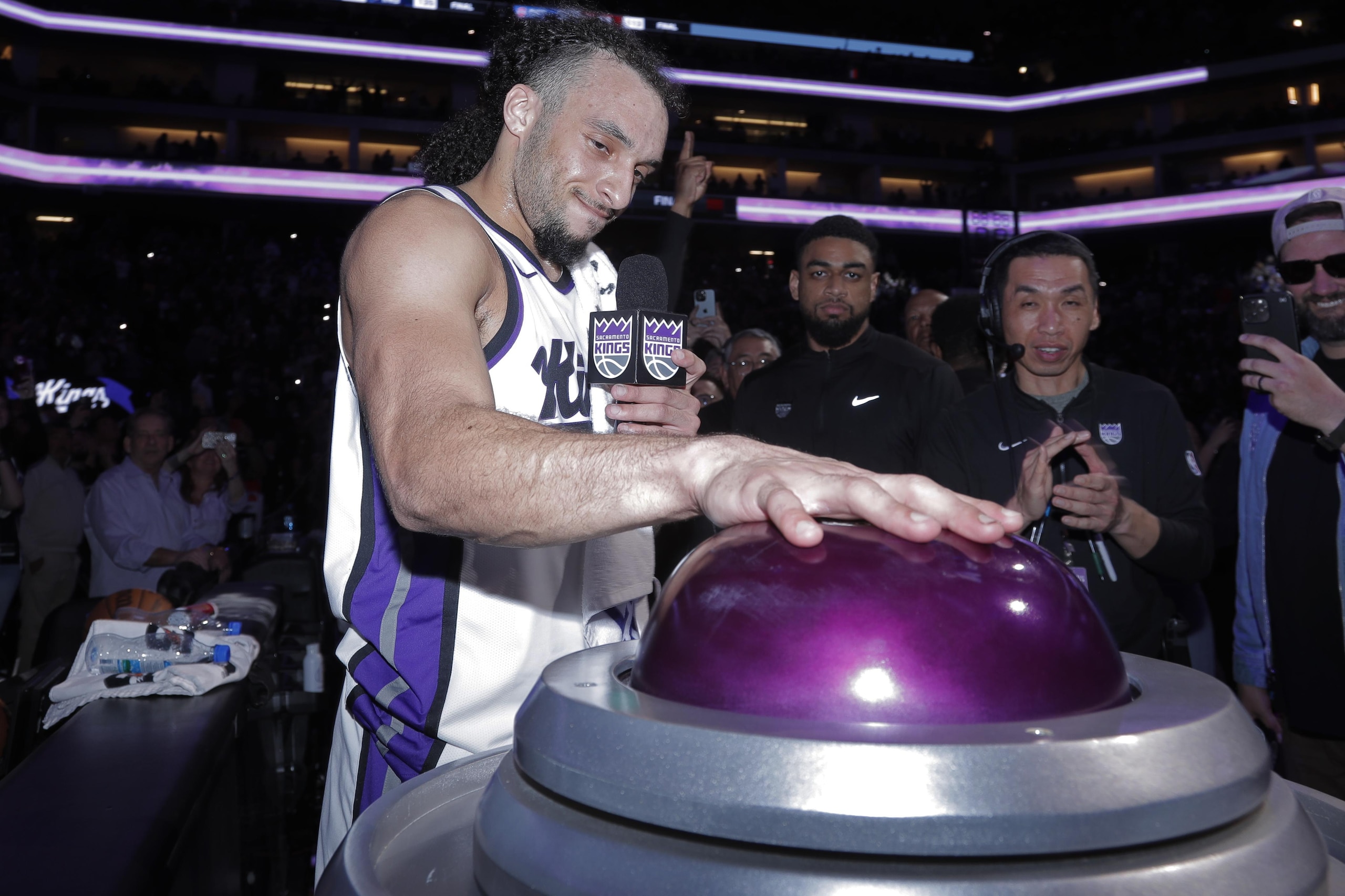
Devin Carter stands out on a Sacramento Kings roster otherwise defined by known commodities. Maybe Keegan Murray still has some upside if he ever gets more aggressive on offense, but it's not like there's any mystery as to who Domantas Sabonis, Zach LaVine or DeMar DeRozan are.
Carter is only shooting 28.0 percent from deep during his rookie season, but he's played better (and more) since the All-Star break. It'd be nice if his moon-ball outside shot fell a little more often, but Carter's real impact on the Kings comes on the margins.
An incredible rebounder for a guard, Carter also totes high steal and block rates while rarely turning the ball over. Those are exactly the kinds of contributions Sacramento, a team that is otherwise best known for trotting out lineups with loads of score-only options, needs.
If Carter develops into a disruptive defender who connects the offense and gains extra possessions through his hustle and craft, he'll give the Kings dimensions they haven't had in years.
San Antonio Spurs: Stephon Castle
27 of 30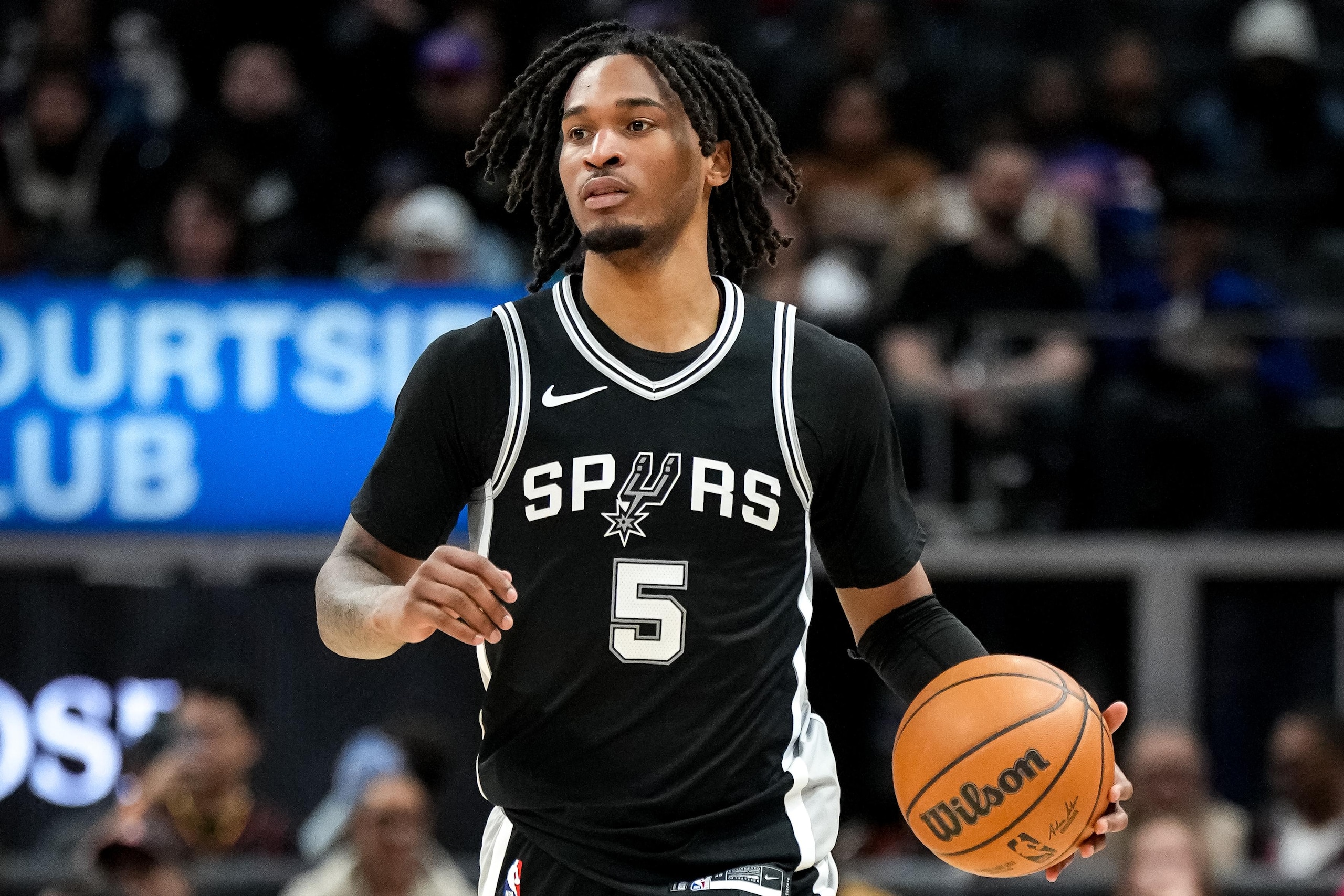
Stephon Castle's future hinges on a single question: Is the ball ever going to go in often enough to make him a complete offensive threat?
Everything else about the rookie's profile screams stardom. Preposterous athleticism, intriguing finishing craft, better feel than you'd expect from a first-year guard and, not to be overlooked, legitimate box-score production. Castle is averaging 19.6 points, 5.0 assists, 4.5 rebounds and 1.3 steals per 36 minutes—rates unmatched by anyone else in this year's rookie class.
Castle's 42.8 percent shooting from the field and 28.6 percent hit rate from distance are preventing him from standing out to an even more significant degree.
Let's fantasize for a second. Attach league-average shooting (46.0 percent overall and 36.0 percent from deep) to Castle's per-minute figures, and you get a list populated almost exclusively by MVPs and superstars. That illustrates the singular importance of Castle's scoring efficiency. Forget the future; league-average conversion rates are all that stands between Castle and a massively positive impact right now.
Toronto Raptors: Immanuel Quickley
28 of 30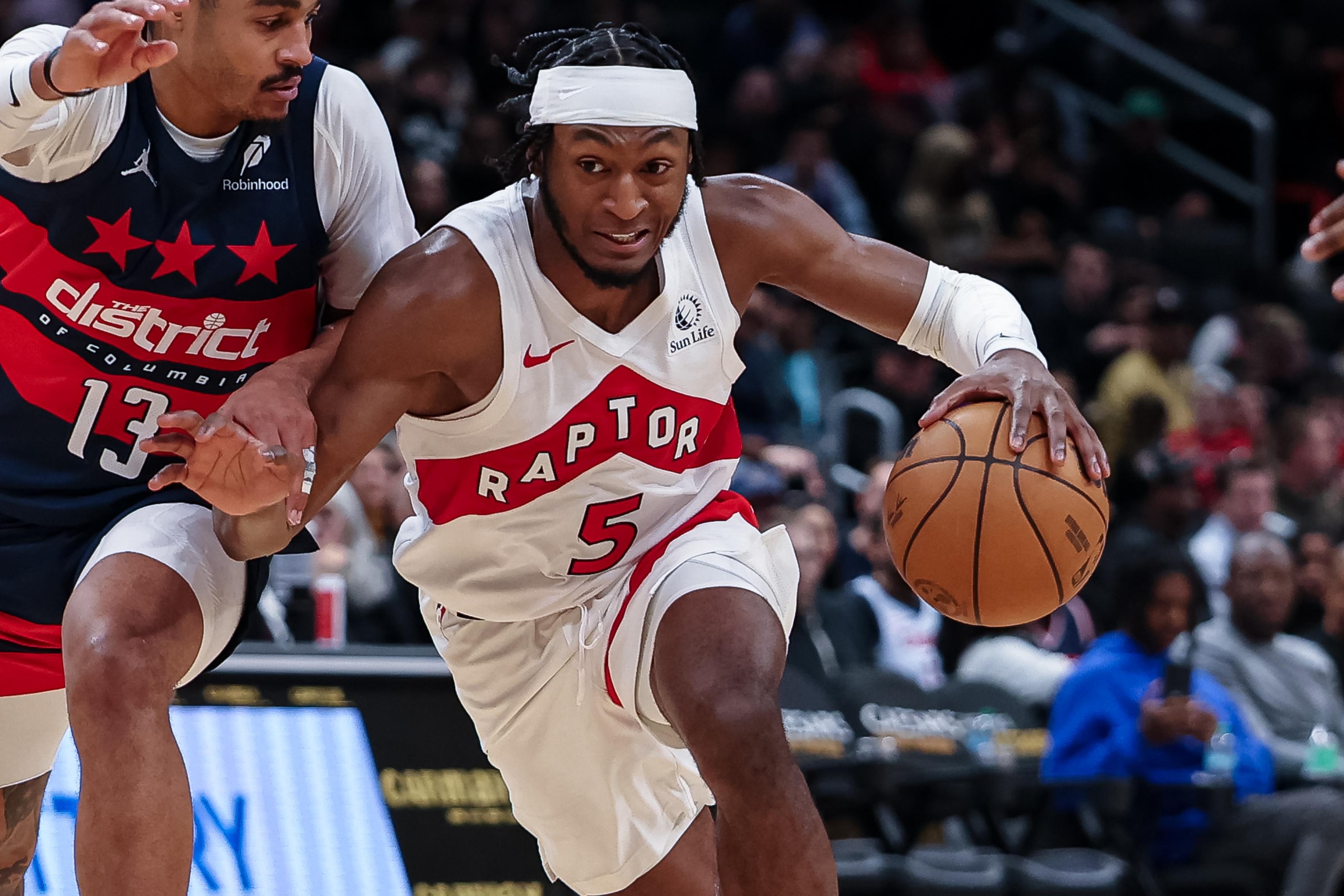
Even after weeks of cutting starters' minutes in a not-so-clandestine tank, the Toronto Raptors are hanging around the league average in defensive rating. Given their collective length and activity, it's a good bet they'll climb into the top 10 on that end next year.
Offense has been trickier, and one of the key hangups is Immanuel Quickley's uninspiring impact on the team's attack.
Toronto ranks 29th in three-point attempt frequency overall, and Quickley's presence on the floor drives that number down—along with the Raptors' rim-attempt frequency. It's not ideal when a team's point guard doesn't actively help to generate high-value shots.
Quickley is a good individual shooter, and his assist percentage ranks in the 95th percentile at his position. But the Raptors need him to prove he can uplift an offense. Otherwise, he won't be worth the $32.5 million they're paying him per season.
Utah Jazz: Taylor Hendricks
29 of 30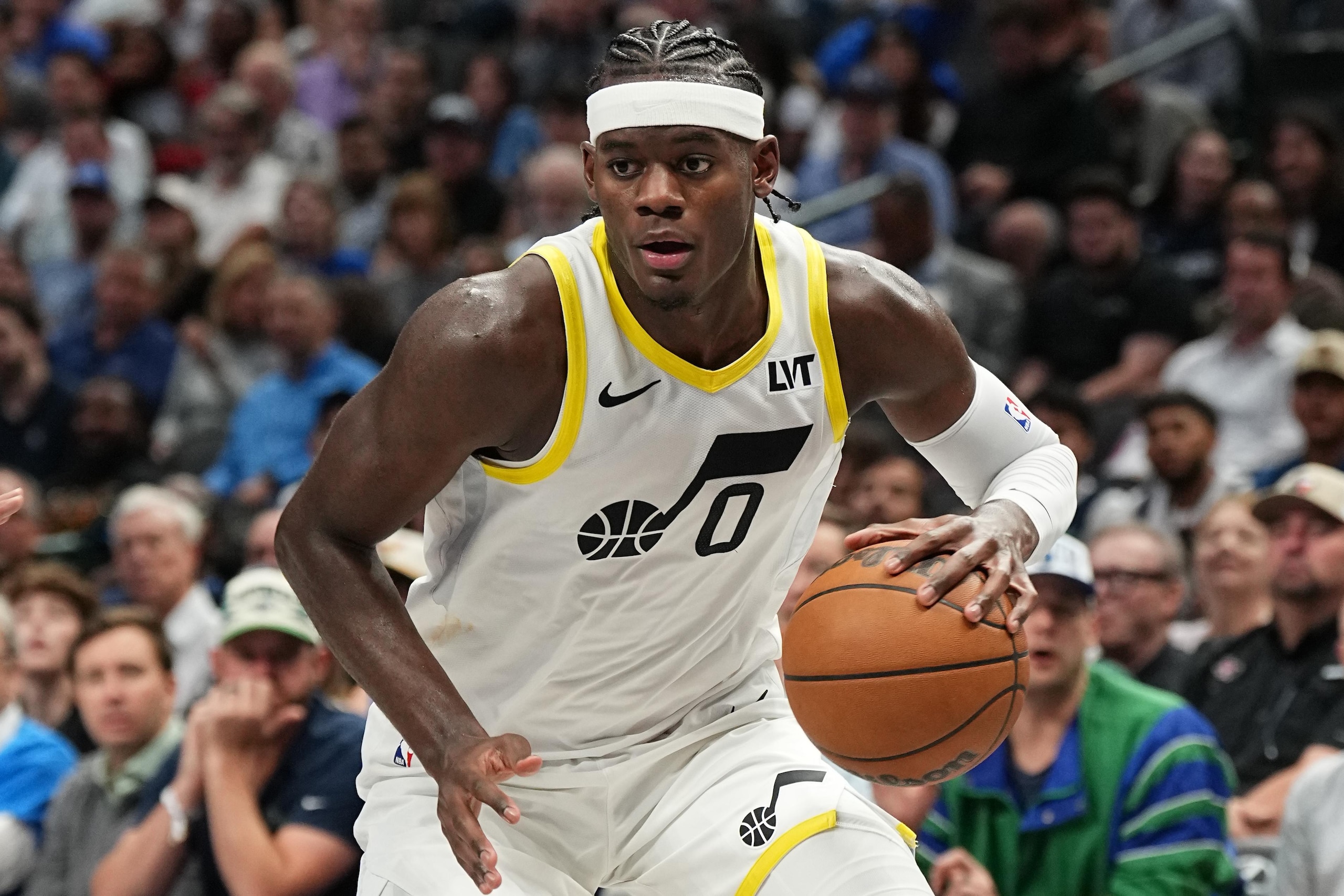
The Utah Jazz haven't competed seriously this season. On the off chance they change that next year, Taylor Hendricks is going to be hugely consequential.
A gruesome fractured fibula and dislocated right ankle ended Hendricks' season after just three appearances, but the second-year forward still projects as a source of defensive versatility, three-point shooting and athletic rim-protection going forward. Those are qualities almost no one else on the current roster can provide.
Utah may have something in Isaiah Collier and Kyle Filipowski, whose respective contributions—facilitating and general offensive competency—make them interesting prospects. Walker Kessler is a quality interior defender. Keyonte George shows flashes of self-created scoring.
Hendricks, though, continues to profile as the big wing/combo forward who can tie everything together.
Here's hoping he returns next season, and that his efforts actually position the Jazz to play some meaningful games.
Washington Wizards: Bilal Coulibaly
30 of 30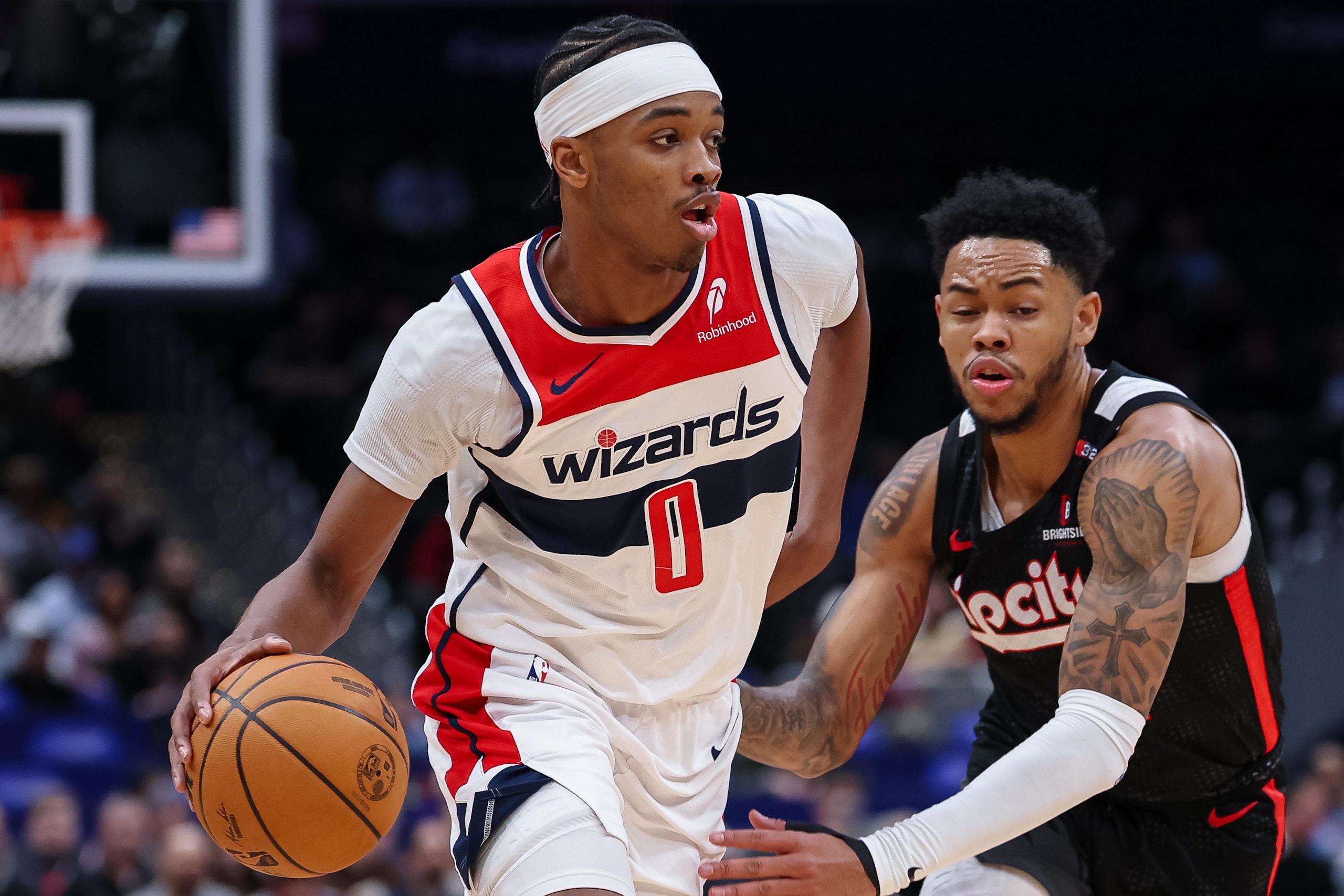
A hamstring injury ended Bilal Coulibaly's season on March 10, capping a sophomore performance best described as a mixed bag.
The 20-year-old wing made gains as a facilitator, demonstrating more on-ball effectiveness and doubling his assists from 1.7 to 3.4 per game. He got to the foul line more often, finished 74.9 percent of his shots inside three feet (up from 66.7 percent a year ago) and scored nearly half of his two-point shots without the benefit of a teammate's assist.
That growth came with declines in scoring efficiency, as Coulibaly struggled mightily from three (28.1 percent) and saw his true shooting percentage dip six points below the league average.
An influx of rookies redirected some of the attention away from Coulibaly this season, but he remains the team's most intriguing prospect. If he becomes a genuine two-way, starting-caliber wing who can score, defend and facilitate, he—more so than Alex Sarr or Bub Carrington—will be the reason Washington climbs out of the cellar.
Stats courtesy of NBA.com, Basketball Reference and Cleaning the Glass. Salary info via Spotrac. Grant Hughes covers the NBA for Bleacher Report. Follow him on Bluesky and subscribe to the Hardwood Knocks podcast, where he appears with Bleacher Report's Dan Favale.


.jpg?w=2560 "KOC Contacted OBJ After Release ☎️")


.jpg?w=2560 "Jazz's Best FA Fits📍")