
Nightmare Matchups for Potential No. 1 Seeds in the 2025 Men's NCAA Tournament
Earning a No. 1 seed in the men's NCAA tournament is a major accomplishment.
March Madness expanded to 64 teams in 1985, giving us 39 years of reasonable data. In that stretch, 25 national champions have owned a No. 1 spot—as did 62 of the 156 teams to reach the Final Four.
But upsets happen, of course, and 2025's cast of top teams will be aiming to avoid that deflating loss in the Big Dance.
In short: Certain types of opponents can produce a less favorable matchup that championship contenders are hoping to not encounter.
With an assist from B/R bracketologist Kerry Miller, seven programs remain in the hunt for a No. 1 seed in 2025: Alabama, Auburn, Duke, Florida, Houston, Michigan State and Tennessee. These are their nightmares.
Alabama Crimson Tide
1 of 7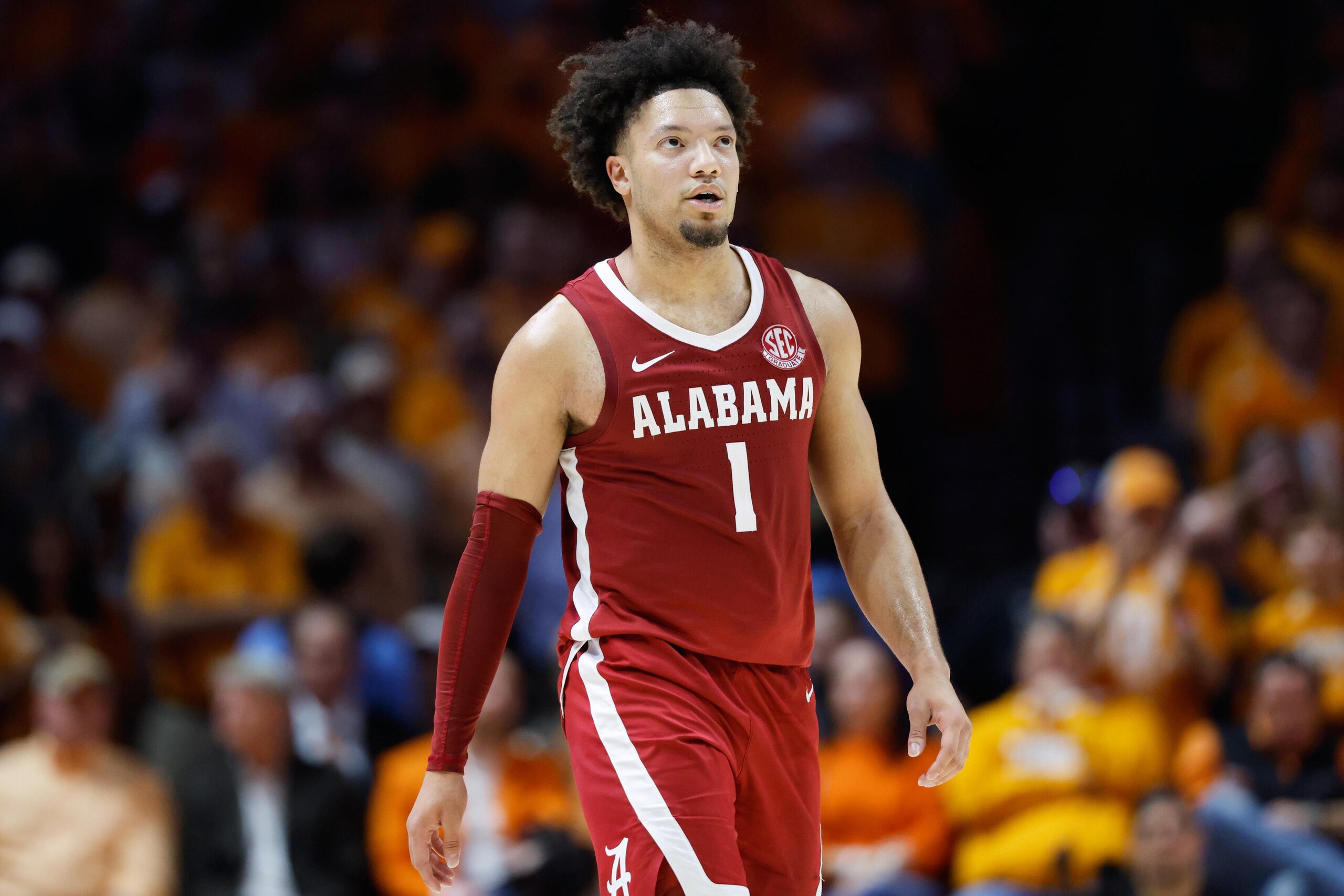
Nightmare opponent: High forced turnover rate
Because of Alabama's rapid pace—the fastest in the country, according to KenPom.com—turnovers are simply an inevitability. They're constantly moving the ball, and mistakes are going to happen.
The giveaways had better not lead to easy buckets, then.
On the opening weekend, the Crimson Tide wouldn't want to see programs like Marquette or New Mexico. They are ranked 16th and 30th in the nation, respectively, in opponent turnover rate. Depending on how seeding shakes out, Drake (fifth in that category) isn't an ideal foe, either.
Alabama has plenty of firepower to atone for those issues with All-American guard Mark Sears leading the charge, but turnovers are a real concern.
Auburn Tigers
2 of 7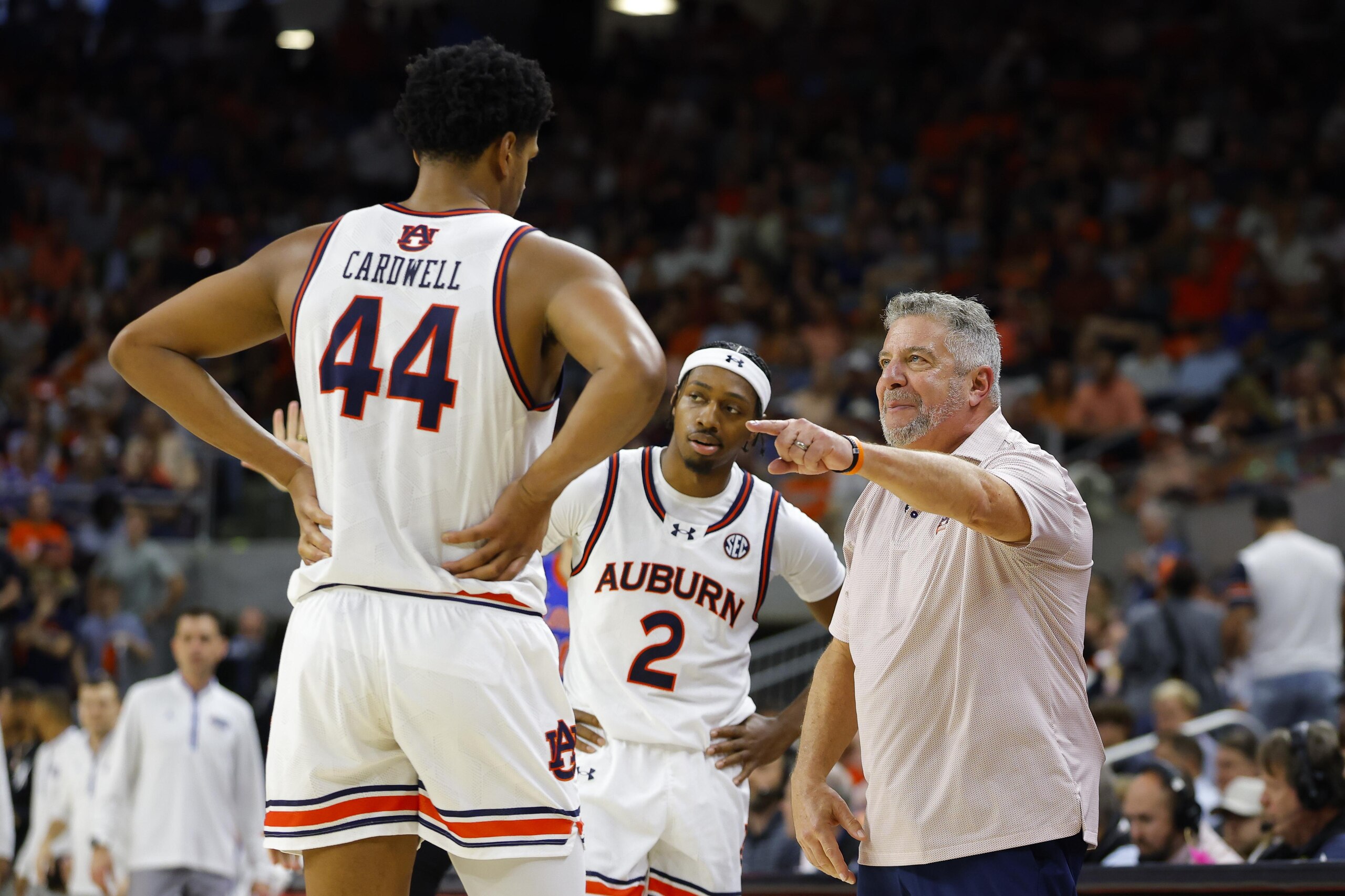
Nightmare opponent: Volume perimeter team
Led by National Player of the Year candidate Johni Broome, Auburn is a powerful group that really does not have a glaring weakness.
Put it this way: Three of the Tigers' four losses happened in games against other potential No. 1 seeds: Duke, Florida and Alabama. It's going to take a lot—and a bit of luck, probably—to upend Auburn.
And the blueprint starts on the perimeter.
The three opponents to hit nine-plus threes all beat Auburn. Doing so efficiently is also vital, yes, but BYU, Connecticut and Creighton are among the teams comfortable taking a bunch of threes and that have a trio of reliable high-volume options.
While it's likely BYU has played its way beyond an 8-seed, UConn and Creighton are legitimate second-round possibilities for Auburn.
Duke Blue Devils
3 of 7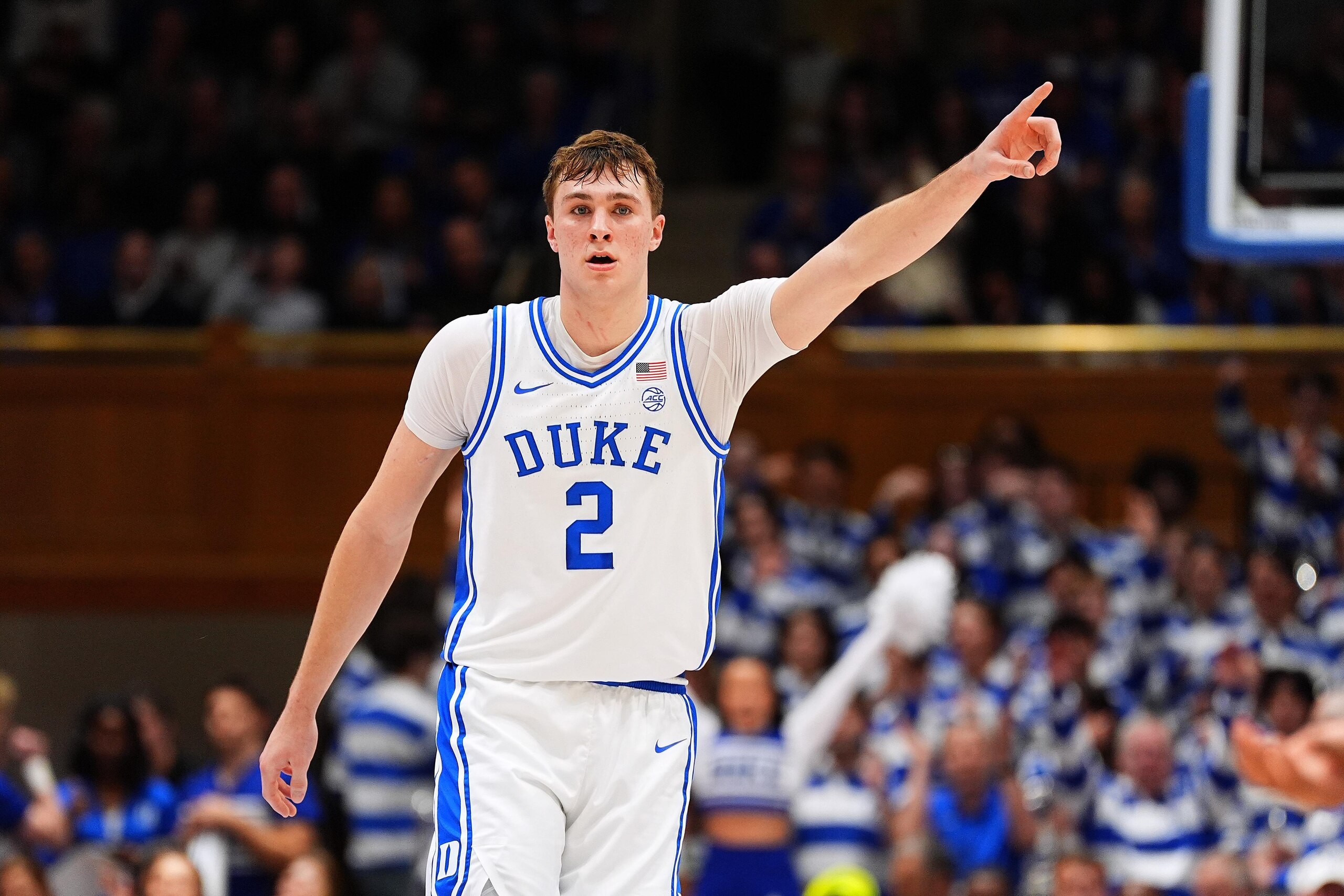
Nightmare opponent: Comfortable in close games
I seriously considered a snarky answer such as "the basketball gods" for a Duke squad that is crushing anyone in its path. Few teams have legitimately tested the Blue Devils this season.
And perhaps that's the exact obstacle, especially after Cooper Flagg's ankle injury.
When the NCAA tournament begins, the pressure only rises. Duke sports an impressive 30-3 record with 25 of those victories by 10-plus points. If you dislike math, that also means the Blue Devils are 5-3 in single-digit margins.
Oregon, meanwhile, has played in tight contests all season and holds a 12-5 mark in single-digit/overtime games. Michigan is 10-5, while Maryland and Ole Miss have notched at least eight such victories.
All of those programs are potential Sweet 16 matchups. Duke is the superior team, but not needing to prove that in the last two minutes would be preferable.

.jpg?w=2560 "Lions Cardinals Football")
.jpg?w=2560 "Packers 49ers Football")
Florida Gators
4 of 7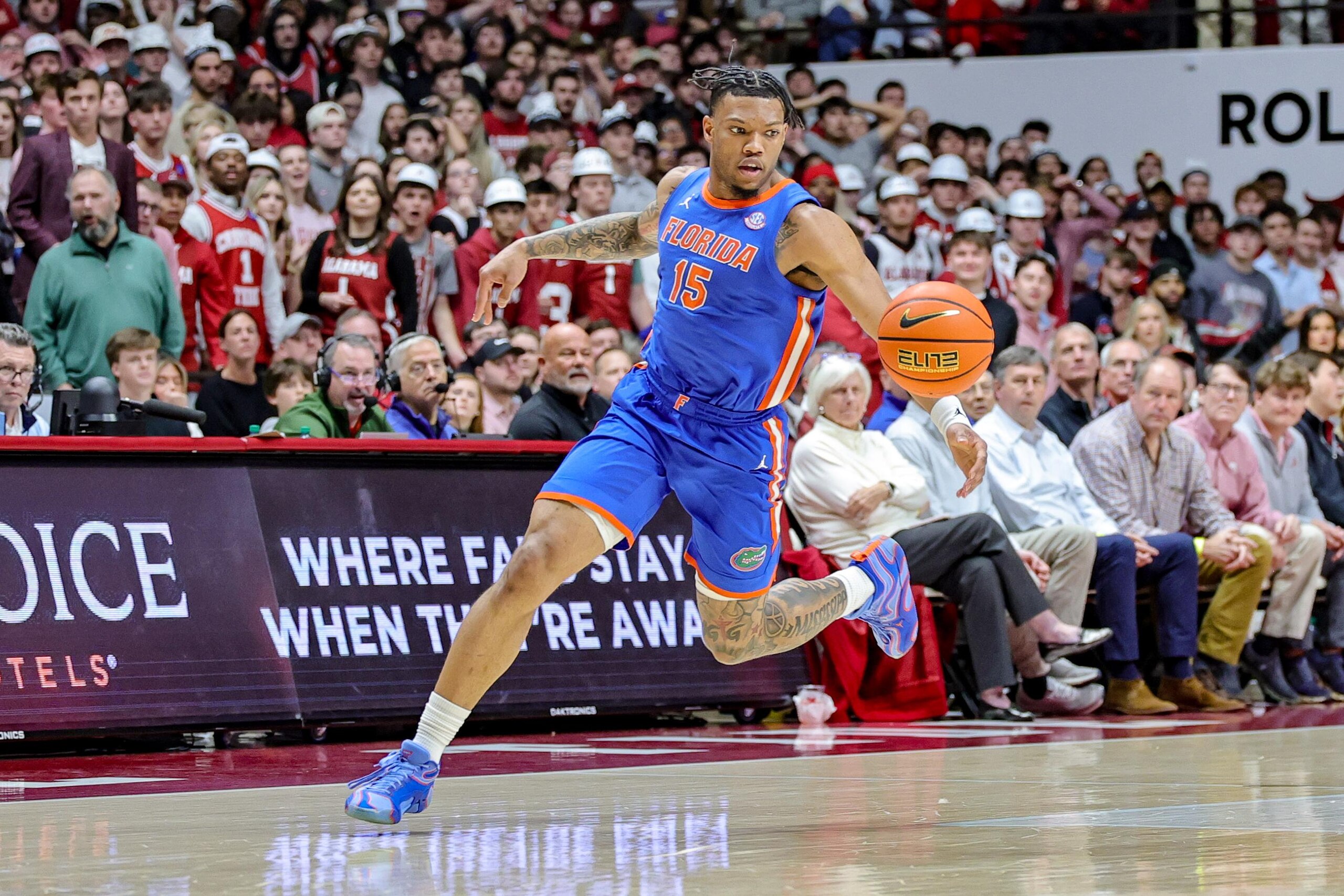
Nightmare opponent: Efficient offense
Florida, at its best, has a tremendous defense. There are plenty of good reasons for the Gators ranking ninth in adjusted efficiency on KenPom.
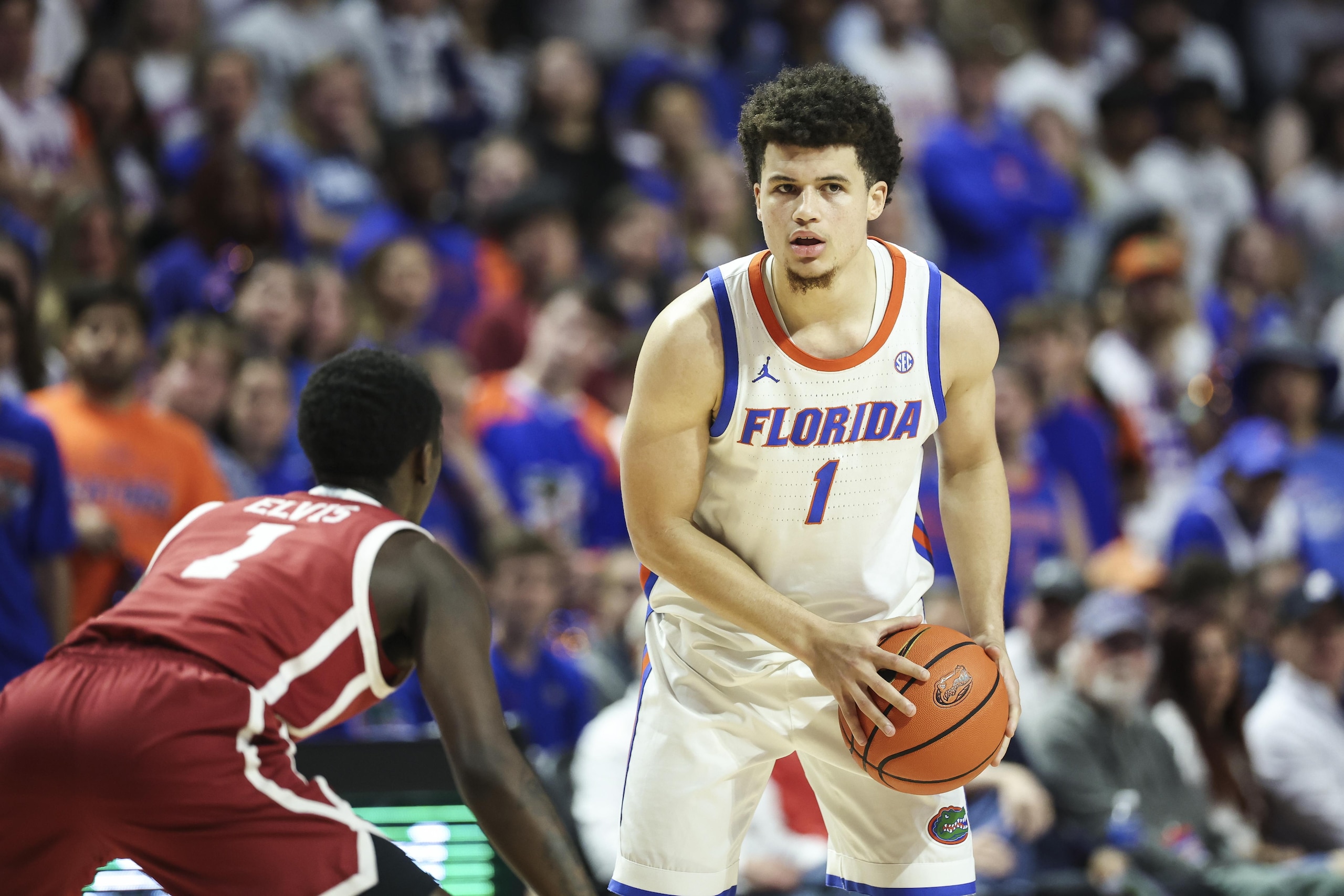
When the unit breaks down, however, it can be really ugly. Kentucky hung 106 points on UF in early January, while Missouri and Georgia topped 80 in their upsets of the Gators. Alabama lost but scored 94 in the recent clash, too.
The first weekend might not be friendly to Florida.
Among the potential 8/9 seeds, Utah State and Gonzaga are ninth and 17th nationally in true shooting percentage. UConn and Creighton are 27th and 32nd, for good measure.
Florida can straight-up outscore its opponent. That's also a dangerous game.
Houston Cougars
5 of 7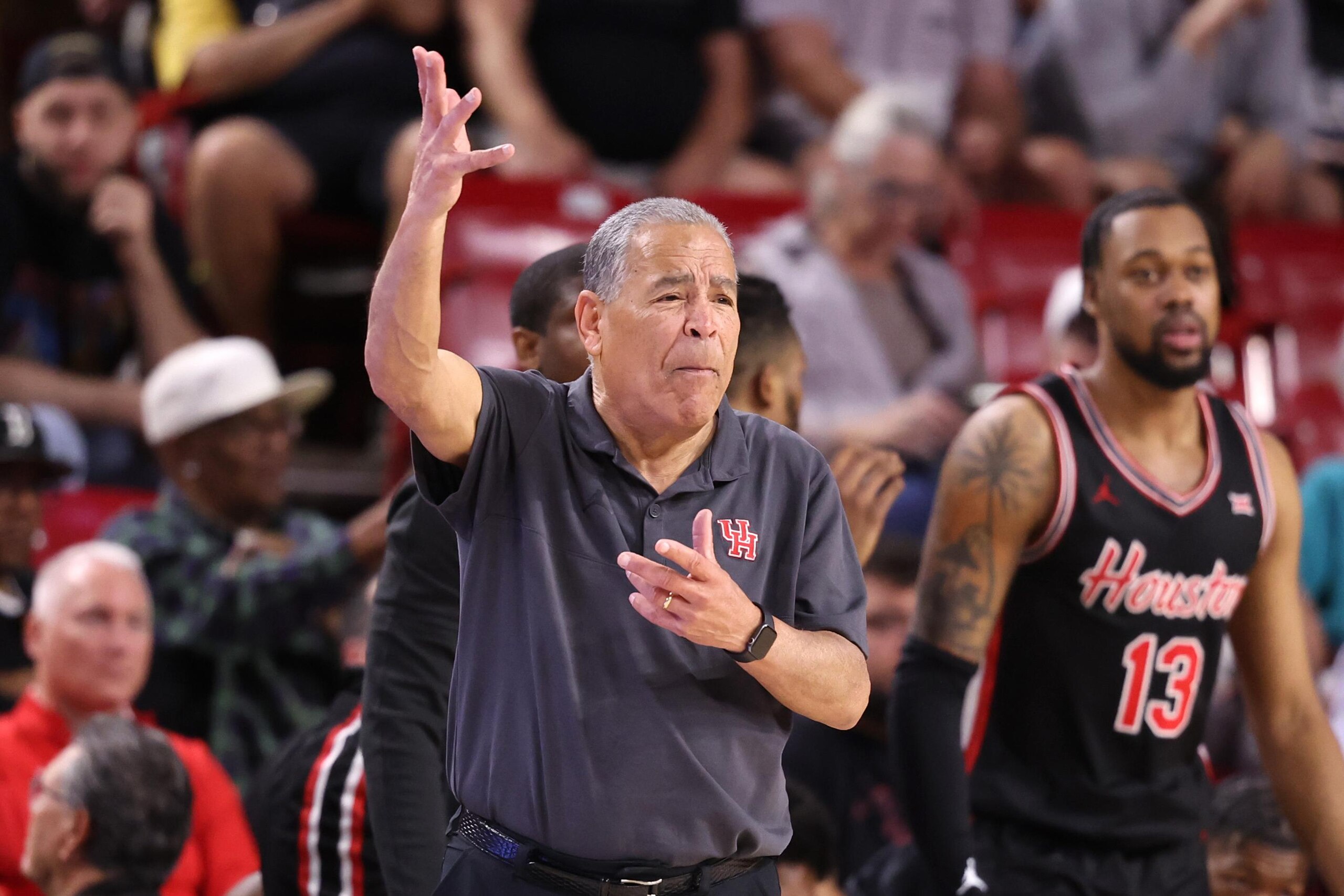
Nightmare opponent: Elite three-point teams
Houston, on the other hand, is adept at squeezing the metaphorical life out of opposing scorers. Entering the Big 12 tournament, the Cougars have yielded the fifth-lowest field-goal percentage in the country.
As usual, it's tough to crack the defensive wall. If long-range attempts start falling, however, UH can find itself in trouble.
Houston, subsequently, faces a similar outlook to Auburn.
Creighton and UConn stand out again, naturally, but Memphis is an interesting second-round game, too. The offense has a downhill creator in PJ Haggerty with a couple of efficient, high-volume perimeter shooters.
In the Sweet 16, Clemson and Purdue are among the offenses that fit a less-favorable mold for Houston.
Michigan State Spartans
6 of 7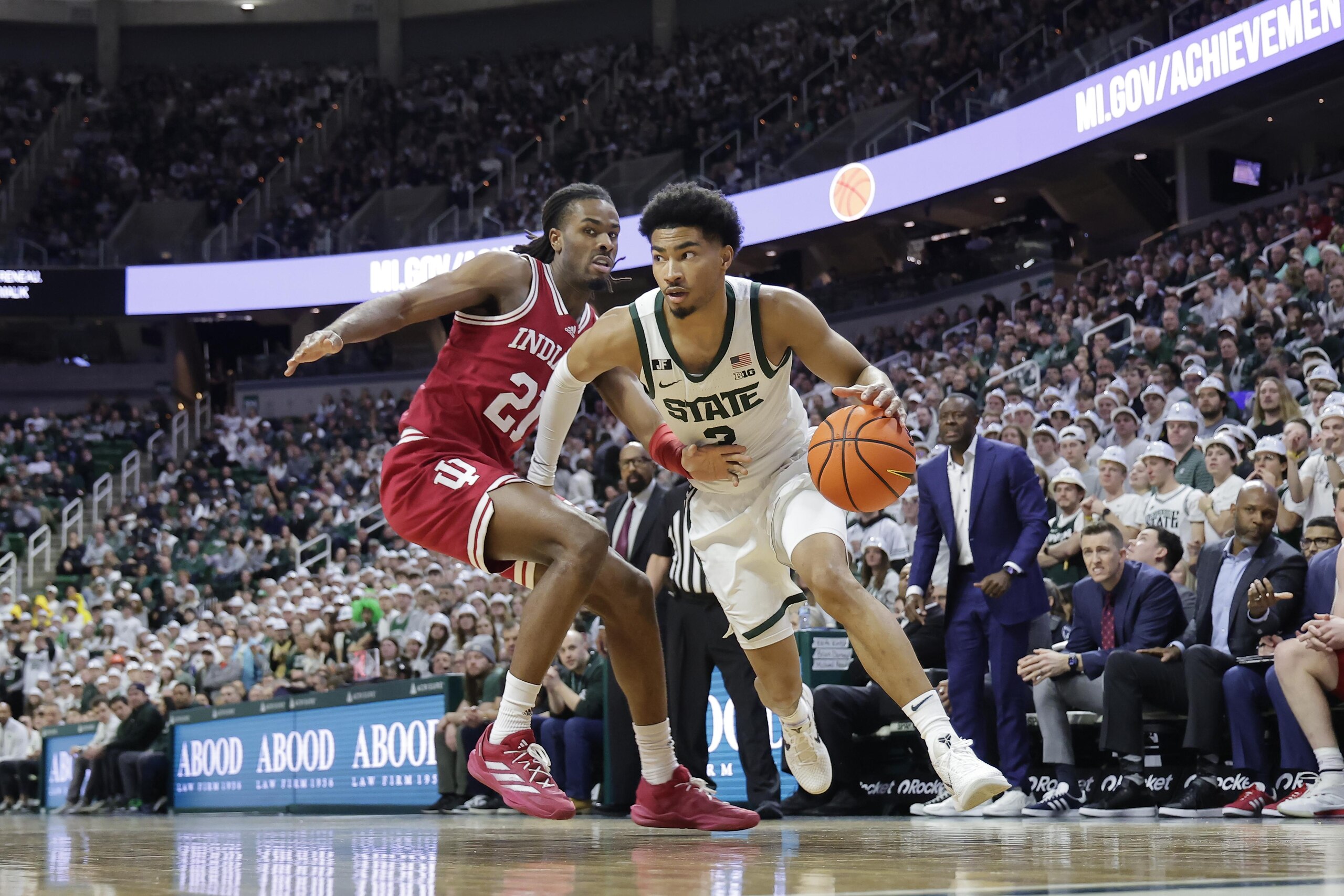
Nightmare matchup: Strong two-point defense
In today's game, the perimeter makes a huge difference. Michigan State wouldn't be a potential No. 1 seed without its suffocating three-point defense.
But we, uh—we need to talk about the other side.
Few teams are worse at shooting triples than MSU, which enters the Big Ten tourney at a ghastly 30.2 percent from deep. That ranks 344th out 364 teams, and the Spartans are (wisely) 328nd in three-point attempt rate.
In other words, the Big Ten champions must be efficient inside the arc. Bracket rules should push Kansas away—a major positive for MSU, which lost to KU in November—but Creighton (Ryan Kalbrenner) and San Diego State (Magoon Gwath) have elite shot-blockers. Connecticut's two-point defense is excellent, and Georgia isn't lacking size at the rim.
The opening weekend is full of possible landmines for Sparty.
Tennessee Volunteers
7 of 7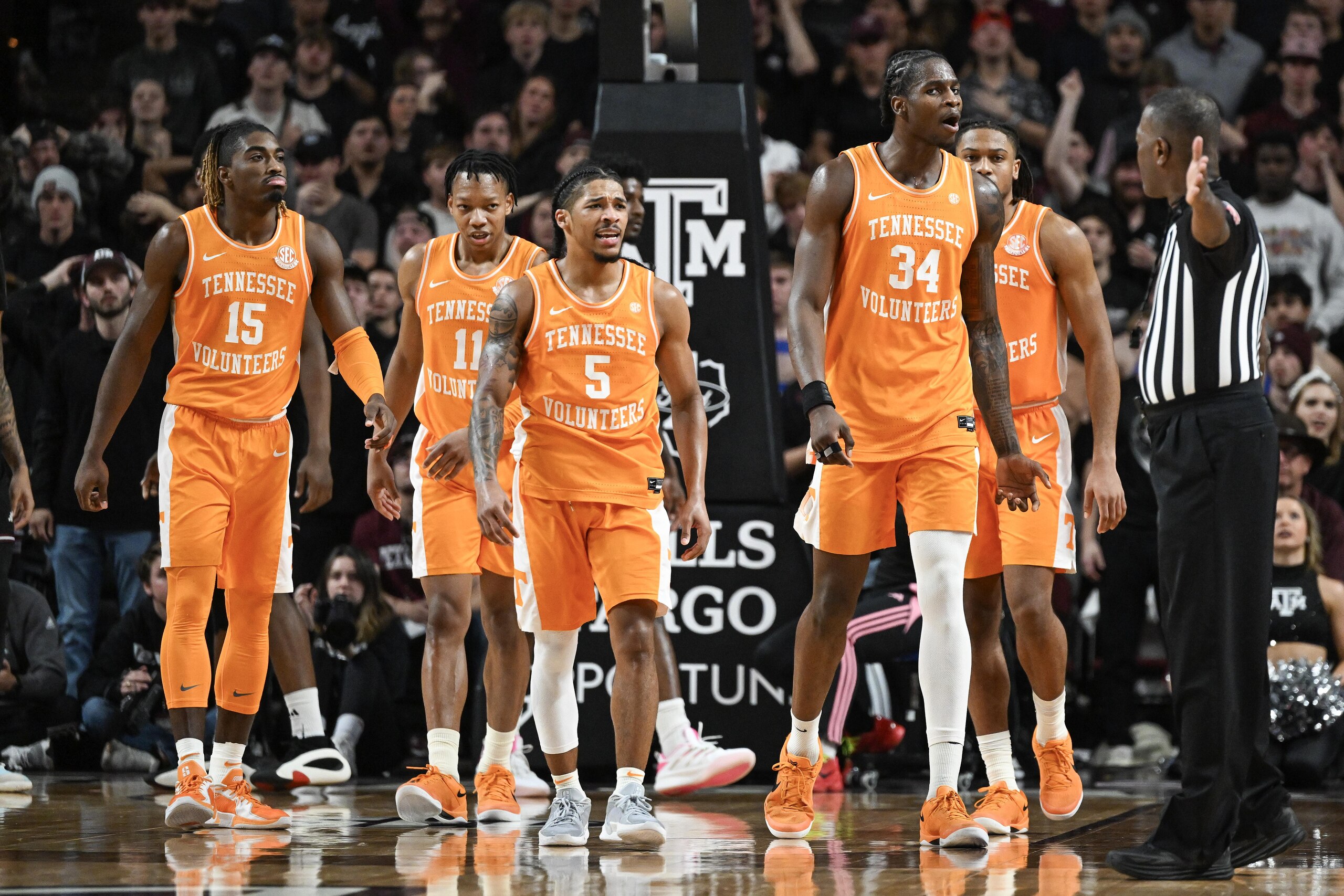
Nightmare opponent: Three-and-D team
Different year, same story.
Tennessee is reasonably limited on offense. The interior is thin on scoring, and the Vols lean heavily on one player—Chaz Lanier—for a consistent long-range impact to buoy a few inconsistent shooters.
Thanks to a rock-solid defense, though, the Vols remain in contention for a top seed. They lead the nation with a 37.7 opponent field-goal percentage.
BYU is less vulnerable inside the arc defensively and features a deep group of three-point options. Creighton has Kalbrenner with a slew of shooters, and the best version of Gonzaga is a serious thorn.
Tennessee has survived one round longer in each of the last four NCAA tourneys, but this familiar outlook may doom the Vols earlier in 2025.
.jpg?w=2560 "Texans Titans Football")
.jpg?w=2560 "Broncos Chargers Football")
.jpg?w=2560 "Report: Steelers WR to Miss 'Weeks'")