How Ashley Young Earned His New Manchester United Contract
In news that would have seemed unthinkable 12 months ago, Ashley Young is reportedly set to sign a new contract with Manchester United.
James Robson of the Manchester Evening News reported on Wednesday that Young was to be rewarded for his fine form last season with a contract extension. His current deal is set to expire at the end of the coming season.
A year ago, most United fans would have assumed Young would not see out his contract at the club, let alone have it extended. His United career seemed to have stalled. He was one of the players worst affected by the David Moyes era and became a convenient scapegoat for United's collapse.
TOP NEWS

Messi Picks Next Gen Talent 💫
Live World Football Goals and Highlights 🔥
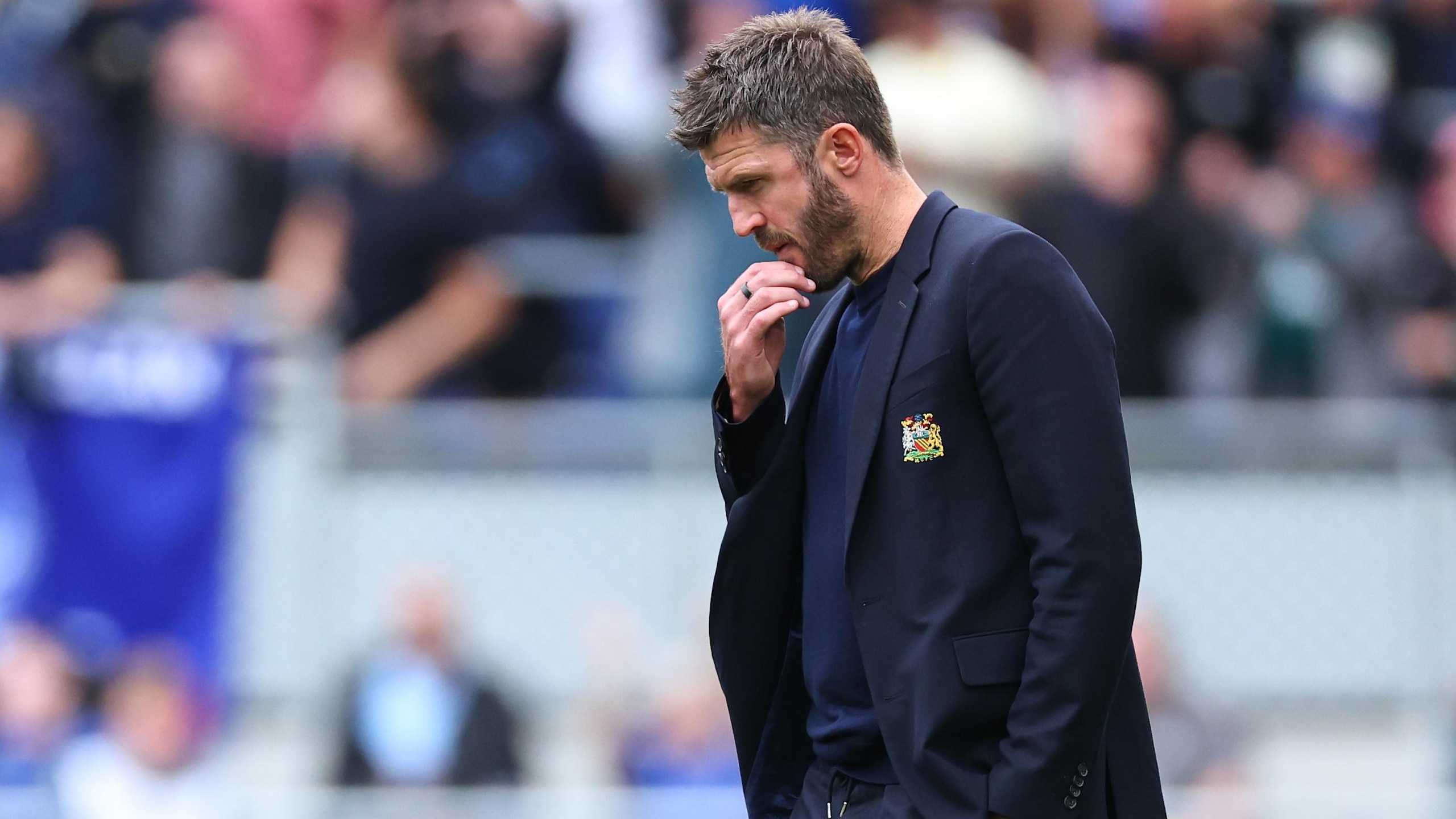
5 Potential Replacements for Michael Carrick as Manchester United Manager Amid Rumors

Not that he had been a huge fan favourite pre-Moyes. His best season under Sir Alex Ferguson was his first. He managed six goals and seven assists in the league in 2011/12. He has not matched either number since.
That has been partly down to injuries—in the 2012/13 season, he missed a total of 26 games through injury, per Transfermarkt. He struggled to get into a rhythm, as the longest he stayed fit was from October to January.
What followed was the advent of Moyes era. One of the big knocks against Sir Alex's replacement was his inexperience at dealing with a squad the size of United's. Ferguson had almost always found a way to accommodate his fringe players and make them feel as if they were part of the squad.
That way, when he needed them in a big game, either because they suited the opposition or were required as cover, the squad players would often be able to step up and perform. Park Ji-sung was perhaps the archetypal example of this type of player.
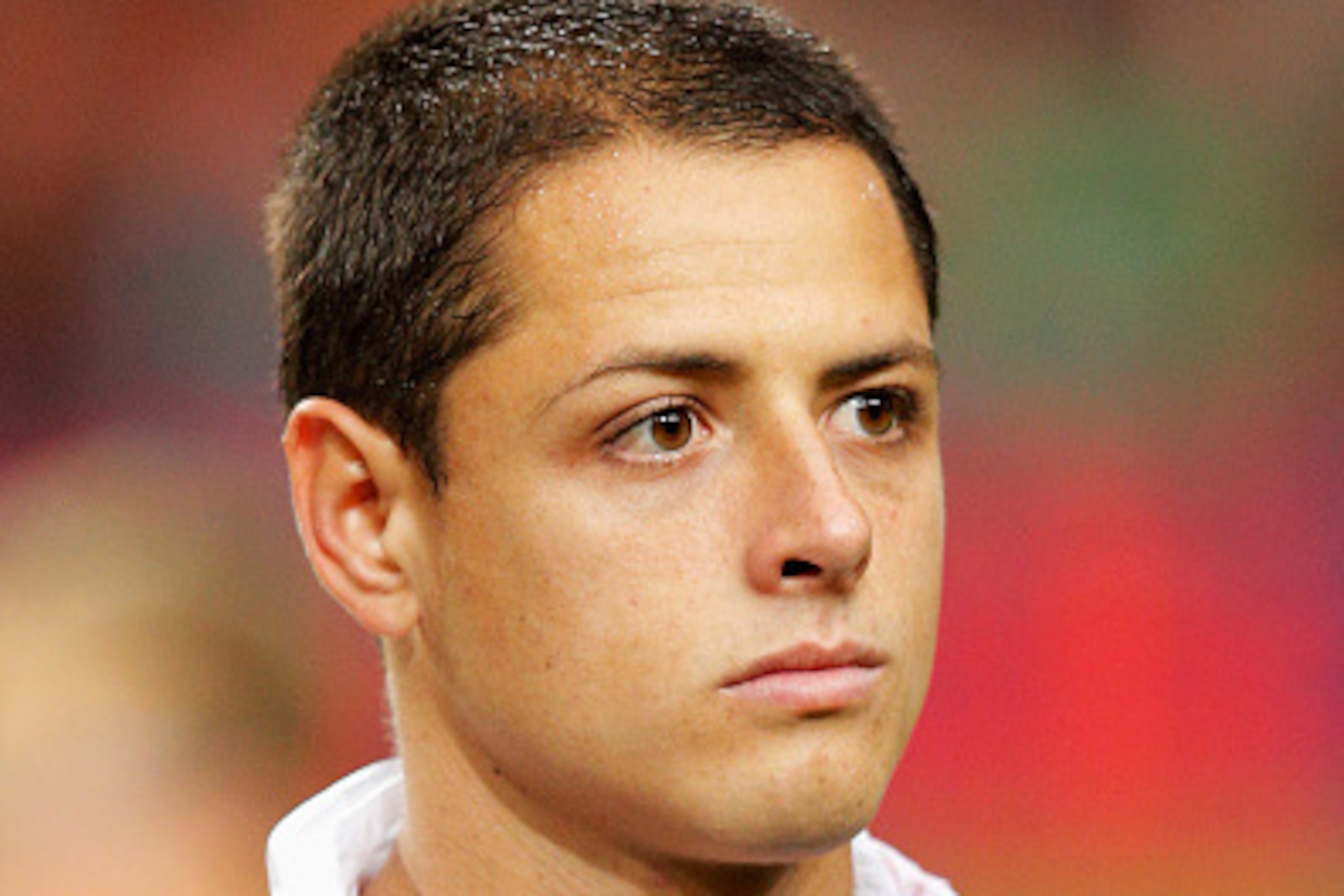
Under Moyes, though, squad players languished. In March 2014, Javier Hernandez complained publicly about his lack of playing time, saying ahead of a Mexico game, relayed by Rob Dawson of the Manchester Evening News, "I am very eager to play as my club don't take me much into account."
Danny Welbeck was reportedly unhappy about being played out of position, per Jamie Jackson in the Guardian in April 2014.
In an interview with Daniel Taylor of the Guardian in April, Young was diplomatic in his choice of language but explicit about his lack of involvement under Moyes: "The last manager had his plans and I wasn’t in the team. A couple of times I wasn’t even on the bench."
Given how little playing time he got—just 1,030 minutes in the league despite being essentially injury free—it is little wonder Young struggled to find his form in 2013/14 after such an injury-hit 2012/13 season.

In addition to injuries and his terrible form under Moyes, the perception of Young among fans and pundits was influenced by the fact he was not being paid like a fringe player. He had not exactly been a bargain-basement acquisition in terms of transfer fee, either. It cost around £17 million to bring him to Old Trafford, according to a BBC Sport report at the time of his signing.
Will Giles of Metro reports that his potential new contract will keep him on the terms of his currently agreement, which has apparently earned him £120,000 per week over the last four years.
It would be impossible to argue United have got good value from that deal.
However, last season, Young finally did enough to merit his wages—in the financially inflated world of Premier League football at least—and to earn himself a new contract at Old Trafford.
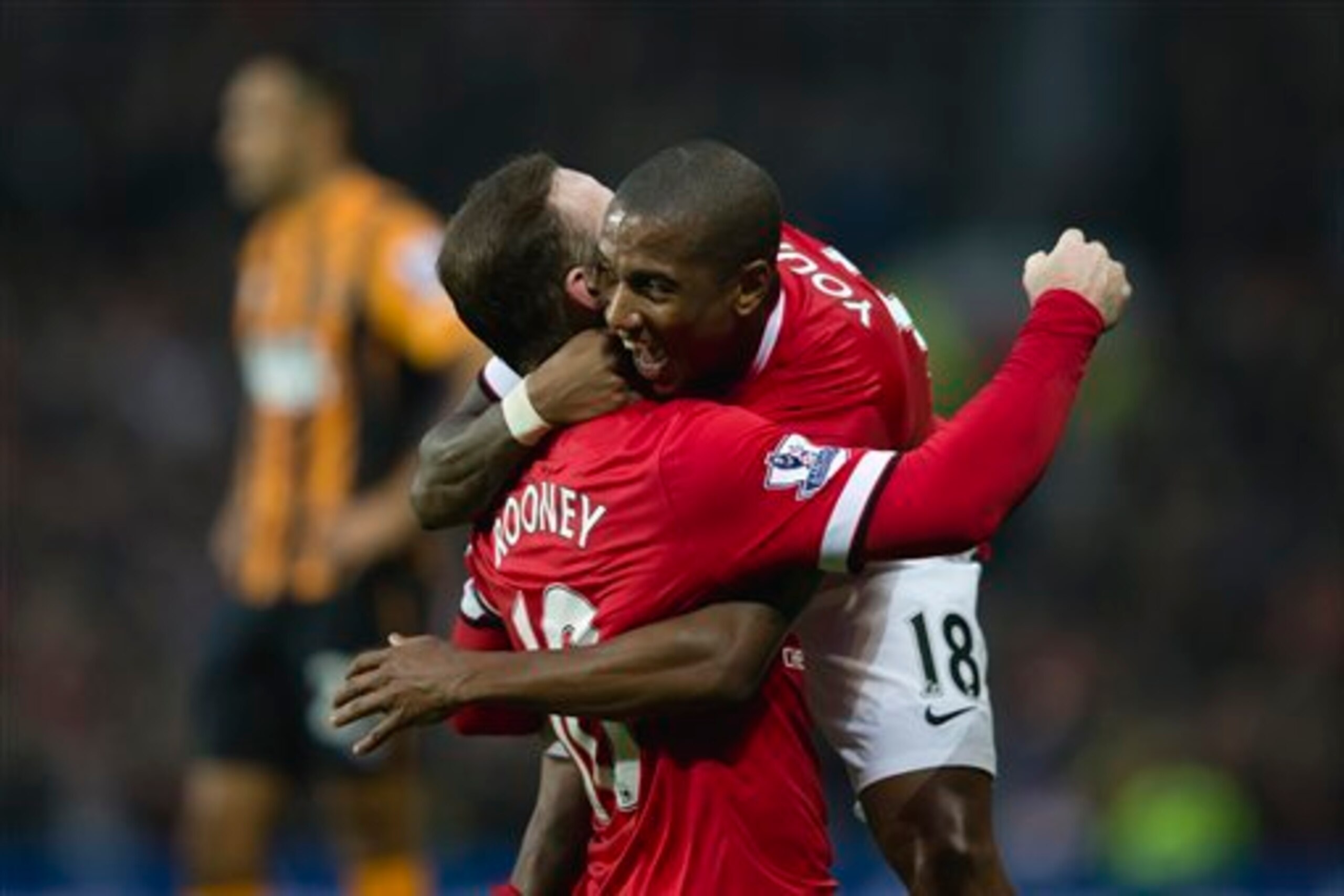
His numbers were not spectacular. Two goals and five assists is below the minimum expectation for an attacking player in United's side. In Young's case, however, this is mitigated by the fact he was not an attacking player for much of the season.
Louis van Gaal is the United manager who has got the best performances—if not yet the best numbers—out of Young because the Dutchman recognised Young's previously unheralded defensive qualities.
He impressed Van Gaal during pre-season, per Young himself in his interview with Taylor. What followed was a transition to wing-back, which turned out to be a surprisingly natural fit for the former Aston Villa man. He was disciplined and defensively sound—so much so that Van Gaal even occasionally used him as a left-back in a back four.
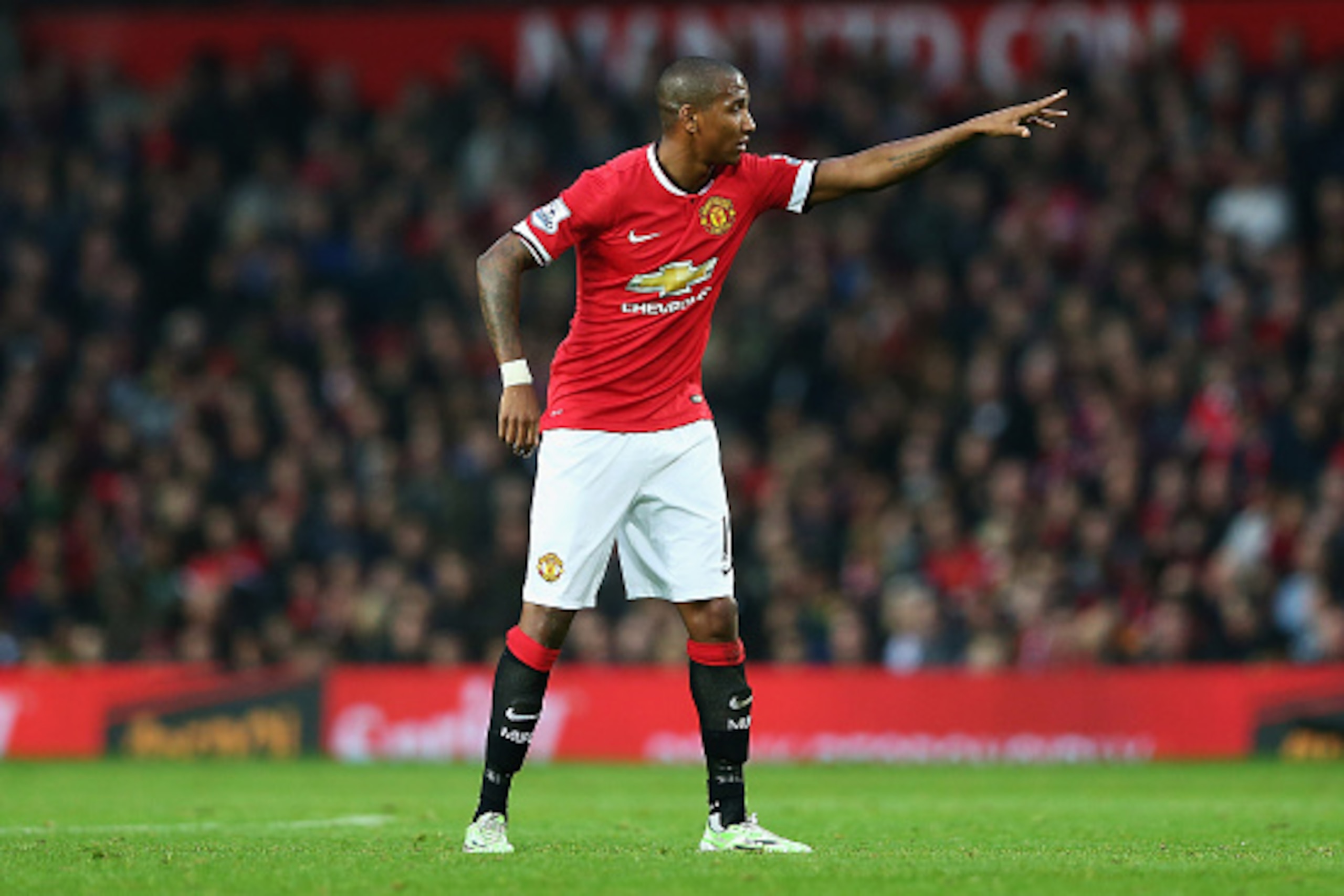
Made to feel like a crucial part of the squad, Young's confidence grew. By the time Van Gaal finally used him as a winger, he was ready. Four of his assists and one of his goals came in the last seven games of the season. Before that, his form had been decent.
From the April 12 derby against Manchester City at Old Trafford on, his form was excellent. His star turns against City and Crystal Palace were vital as United pushed on to reclaim their place in the Champions League.
Time will tell whether he will revert to producing historically underwhelming displays at United. However, it was hardly a purple patch that arrived from nowhere—it was the culmination of progress over the course of a season.
By the end of the campaign, he had played almost 500 minutes more than his previous best for minutes during a league season as a United player. Taking a look at a detailed statistical breakdown, the most telling change in his approach might just be his number of dribbles per league game.
His previous high point for this particular metric at United had been his first season, but even then it was just 0.8 per game on average. Last season, it was almost twice that—1.5 per game—which is indicative of a player who had rediscovered his confidence and was prepared to try the unexpected.
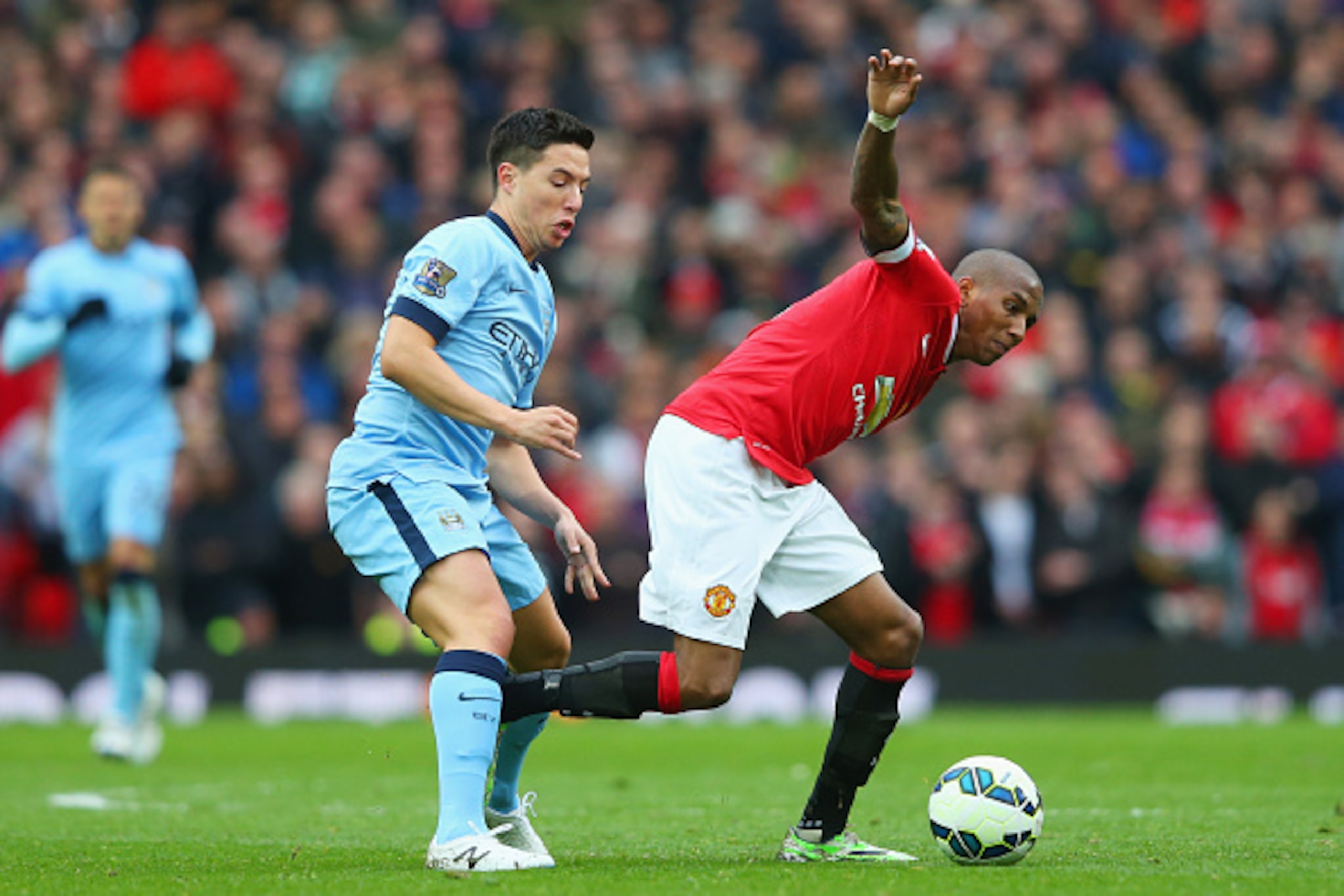
It was noteworthy in a couple of games late in the season that he appeared more confident of beating players on the outside rather than cutting inside onto his favoured right-foot. He still did plenty of the latter, but his increased tendency to try the former meant he was less predictable to defend against.
What comes next for Young is uncertain. In a way, it is a shame—from the club's perspective—that a decision on his contract is needed this summer.
Seeing how he performs next season and how important he is to Van Gaal after the squad has likely been further strengthened would give a better indication of whether another three-year contract represents good value.
The club will certainly be hoping that they get performances more akin to his first and last seasons at United so far than they did during the middle two.
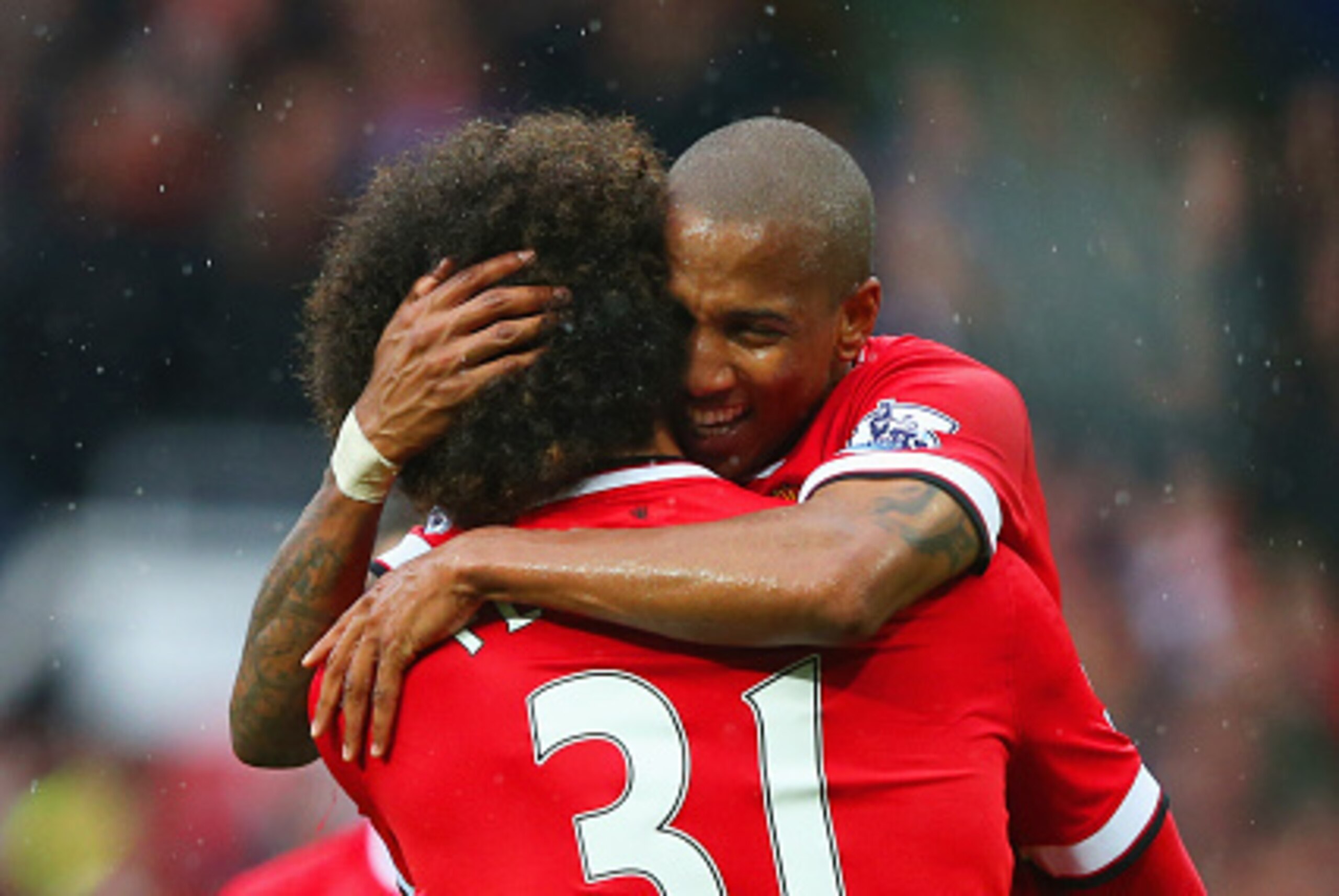
There seems reasonable cause to hope that they will. After all, one of those poor seasons was hugely affected by injury. It seems plausible to argue that the second poor season was too, since he never really got the chance to recover his confidence. And under Moyes, no outfield player played consistently well.
It also seem reasonable to believe that Young will play a less crucial role next season than he did in the one just gone. With the arrival of Memphis Depay and the potential arrival of a litany of others, places in the starting XI will be harder to come by.
Assuming Van Gaal can manage that better than Moyes did, last season proved United have an asset in Young, one worth keeping around for another few years.
All advanced statistics per WhoScored.com

.jpg?w=2560 "Cam Ward Says He's Not A Loser")
.jpg?w=2560 "🚨 Texans Trade for MHJ")
.jpg?w=2560 "Grading MHJ Trade 📝")
.jpg?w=2560 "Chargers Fall to 0-5 🤢")

.jpg?w=2560 "MHJ Bought Own Jugs Machine")