
England Lose Women's World Cup Semi-Final in the Cruelest Possible Way
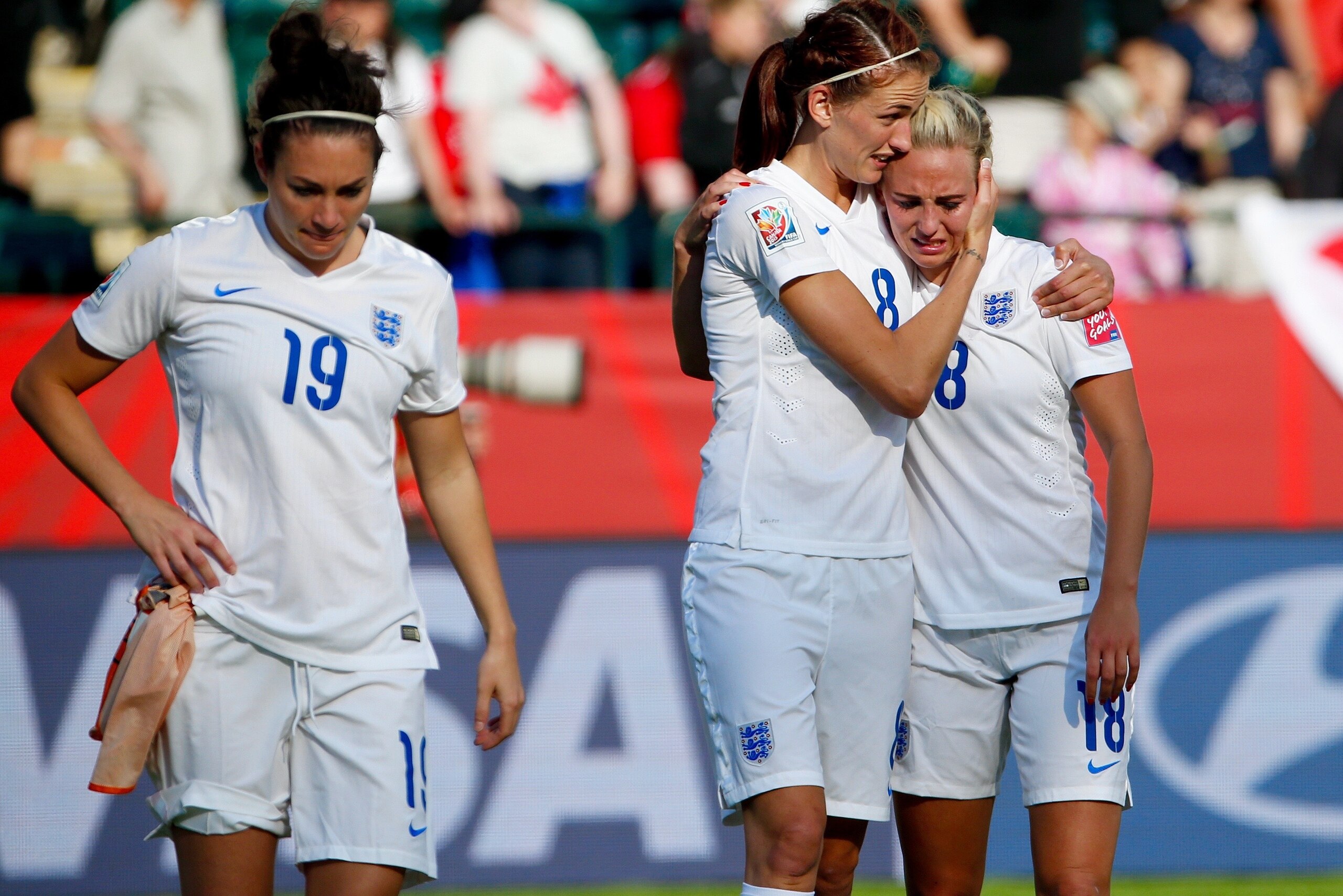
Playing for the right to take on the United States in Sunday’s 2015 FIFA Women's World Cup Final, England conceded a goal in the 92nd minute to lose 2-1 to Japan in Edmonton on Wednesday evening in heartbreaking fashion.
Just like Tuesday night’s semi-final, two penalties played a part in the story, but Laura Bassett’s injury-time own goal separated the two sides and reduced some of the England side to tears.
From the first to the last minute, Mark Sampson’s well-organised team pushed, harried and pressured the reigning world champions all over the pitch. Heading into the final minutes, it seemed extra time was on the cards, though England looked most likely to find the winning goal.
TOP NEWS

Messi Picks Next Gen Talent 💫
Live World Football Goals and Highlights 🔥
5 Potential Replacements for Michael Carrick as Manchester United Manager Amid Rumors
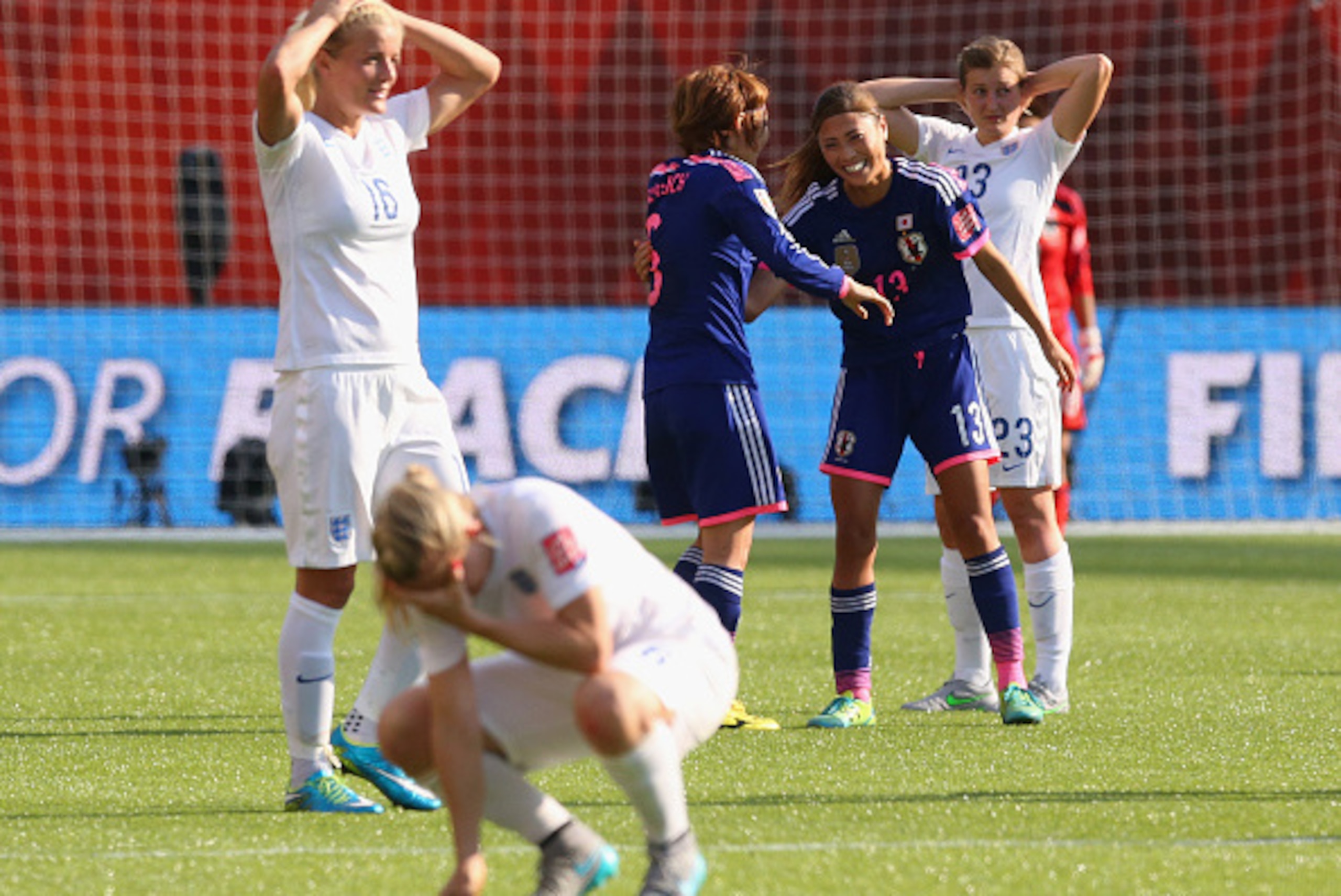
In the dying seconds of the game, Japan midfielder Nahomi Kawasumi played in a beautiful cross from the right side. But instead of finding forward Yuki Ogimi, Bassett got the vital touch with her outstretched boot, flicking the ball off the underside of the crossbar and over her own goal line.
Penalty shootouts are often cited as the cruelest way to lose a knockout game, but in a very English way, the Three Lionesses found a new way to lose a tight game on the world's stage.
Despite taking on the team that won the 2011 tournament in Germany, England showed no fear. And for large periods of the match, Sampson’s side was the better team. Full respect has to be given to England—a side that had never won a knockout game before this summer—for pushing the reigning champions to the edge.
Straight after the game, Sampson declared his immense pride in his players, speaking on BBC One (h/t TheFA.com):
"I just said that it’s OK to cry. They left everything on the field and they couldn’t have done any more.
It’s just a really tough way to go out of the tournament.
I’m just so proud of them. We came to this tournament as huge underdogs with the weight of the nation on our backs.
People said we weren’t good enough to get this far – but they have inspired the nation and deserve to go back home as heroes.
"
England started the game well, and they continued that momentum throughout the 90 minutes. Meanwhile, Japan struggled to find their rhythm and patient passing style. Jade Moore and Katie Chapman pressed and chased the midfield, winning the 50-50s and second balls.
One mistake let Japan take the lead. After 31 minutes, Saori Ariyoshi got in behind Claire Rafferty down the right; the Chelsea full-back pulled her back, and although the contact started outside the box, referee Anna-Marie Keighley pointed to the spot.
Captain Aya Miyama took her time and weighed up the penalty, her slow approach outwitting Karen Bardsley. She sent the England goalkeeper the wrong way and slotted home her penalty to give Japan the opening goal.

England could have struggled if they were made to chase the game, but they pulled level just seven minutes later. It was another penalty, and it was again controversial. Steph Houghton went down in the box under what looked like contact from Yuki Ogimi, but after slow-motion replays from various angles, it still wasn't clear.
Fara Williams wasn’t interested in the merits of the opportunity, confidently dispatching the penalty to level the score before half-time.
England were the side in the ascendancy as the second half wore on, and it looked like the game was heading to extra time. That briefly switched in the dying moments of the game. Japan pushed forward in injury time and pressed down the right through Kawasumi.
Her cross looked to pick out Ogimi, and Bassett had to do something to intercept. But in the cruelest way possible, her outstretched right foot made contact and guided the ball high and past Bardsley.
"She didn’t deserve that and she should be remembered as an absolute hero," Sampson said of Bassett to TheFA.com. "People will remember the Laura Bassett who headed and blocked and tackled. She has stayed strong and kept this team together."
For English women’s football, the real battle starts now. This needs to be the first step in creating a legacy for women’s football. And in Canada, they put in performances the whole nation can be proud of.

The Women’s Super League is in its fifth full season, with the addition of a second division in 2014. Now, the league boasts a large number of professional players—made possible by a combination of central contracts from the English FA and some players earning around £40,000.
This is still only reserved for the top players, with it being reported by the BBC that some WSL players earn as little as £50 a week.
Growing the game from the grassroots level is a wonderful first step, and the This Girl Can project is heading in the right direction. However, more could be done by every club to advertise and market the game better. Even the WSL website could do more to self-publicise.
The men’s Premier League didn’t become the powerhouse it is today without the help of Sky Sports and its increased coverage.
Luckily, BT Sport has already scheduled more live games for TV, with three matches set to be broadcast in July. Before the World Cup, there were only three live games shown in the first six weeks of action. However, with cameras at every game, more could be done to give viewers weekly access to their club, especially when travelling to away games is an issue.
Seven different WSL clubs were represented within Sampson’s 23-player squad this summer; each of those teams has a star they can use to publicise and help build the clubs' profiles. That’s where the next phase has to start.
Engage the fans, make the league accessible and the level of talent and interest will grow. That will give England a huge chance to go all the way come the next World Cup in 2019.

.jpg?w=2560 "Cam Ward Says He's Not A Loser")
.jpg?w=2560 "🚨 Texans Trade for MHJ")
.jpg?w=2560 "Grading MHJ Trade 📝")
.jpg?w=2560 "Chargers Fall to 0-5 🤢")

.jpg?w=2560 "MHJ Bought Own Jugs Machine")