Nico Rosberg's Relief Is Clear After Consecutive Wins Reignite F1 Title Assault
You can tell a lot about a Formula One driver by the way they celebrate a grand prix win.
Some, such as Kimi Raikkonen, simply take victory in their stride, raising a reluctant arm of, if anything, acknowledgement, tolerating the formalities of the podium ceremony, swigging some champagne and moving on to the next one.
Others, in stark contrast, make an episode of the affair, reveling in their success, reinforcing their superiority and treating their post-race antics as an encore to their on-track performances.

.jpg?w=2560 "Rams Raiders Football")

Think of Sebastian Vettel's finger-waving exploits and how, with every swing of his forearm, his index finger would resemble a knife, slicing and severing the championship hopes and dreams of his rivals.
Think of Michael Schumacher's podium leap, how he would stomp on and crush his own opponents while marking his territory on the top step.

Such celebrations—these trademarks, if you will—reveal much about how drivers, and athletes in general, value the very sensation of achievement as well offering an insight into their state of mind, their attitude and their outlook.
And like his fellow Germans, Nico Rosberg appears to have developed a signature celebration of his own if his recent victories in the Spanish and Monaco grands prix are anything to go by.
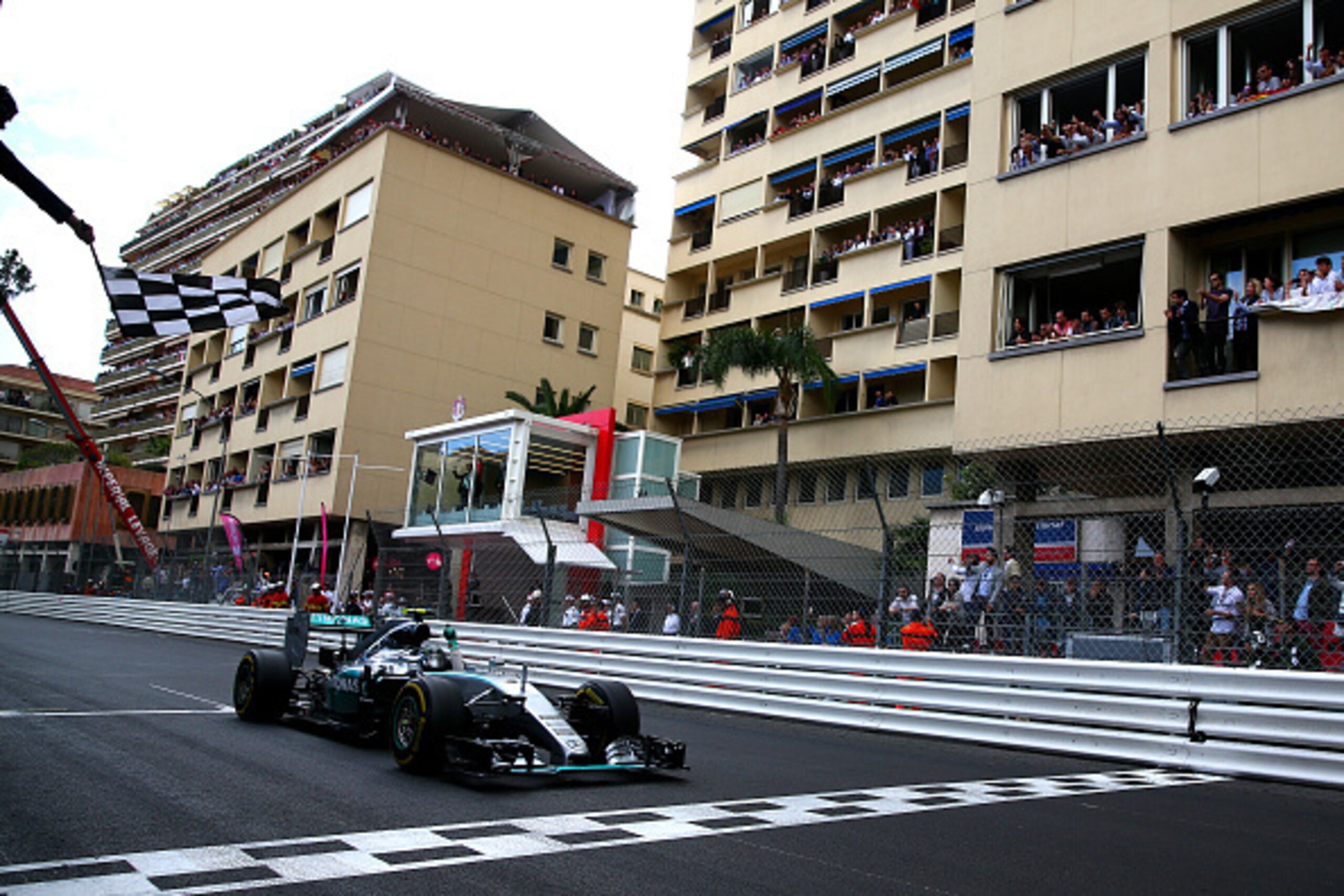
Upon returning to parc ferme after the chequered flag, it is common practice—the minimum requirement, in fact—for the winning driver to clamber out of their car, stand on the monocoque with their arms raised before hopping down and receiving congratulations and back slaps from their mechanics, only removing their crash helmet between that point and their arrival at the pre-podium, cool-down room.
But Rosberg?
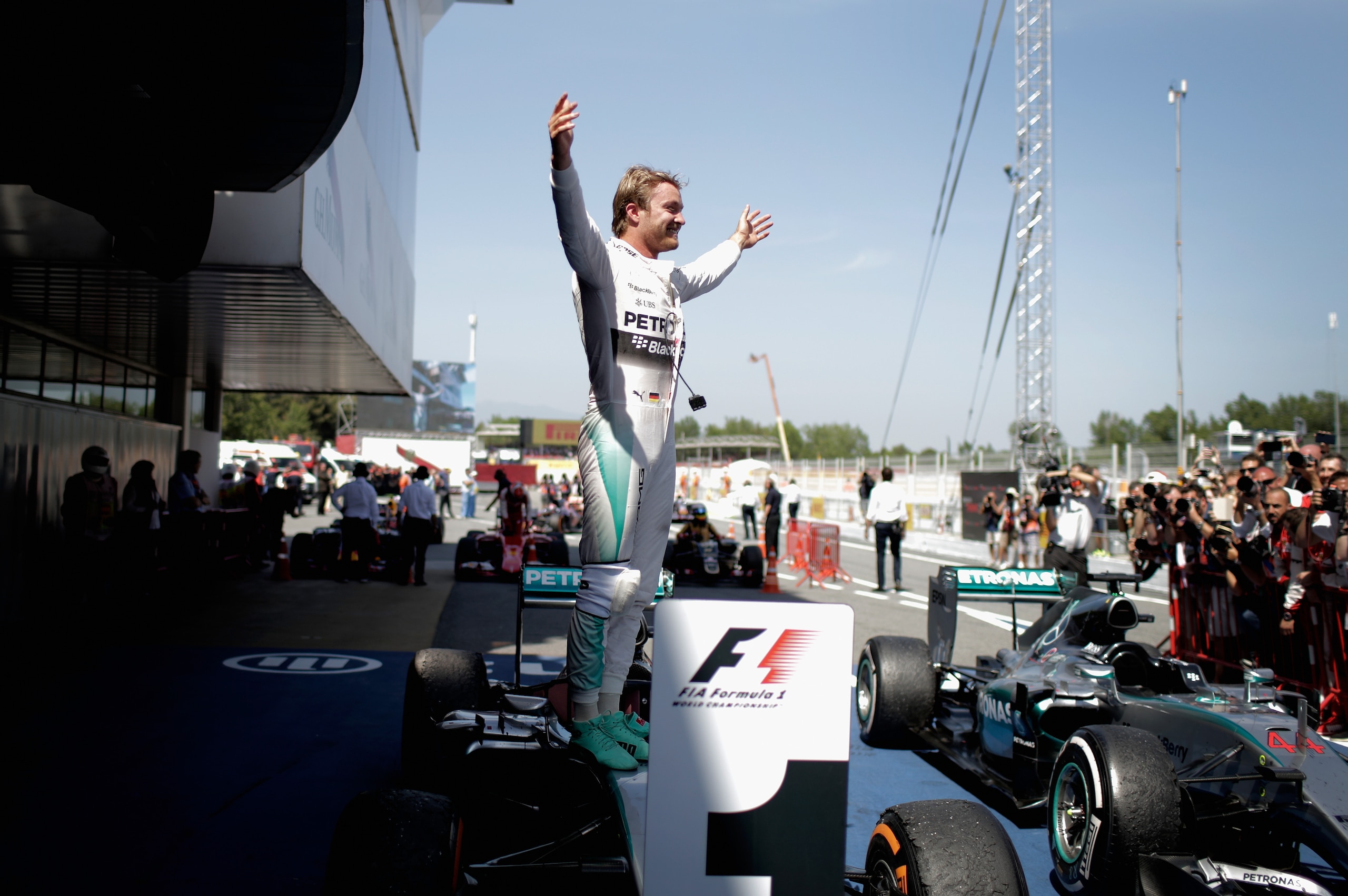
At both the Circuit de Barcelona-Catalunya and last weekend's Monte Carlo race, he offered a modern twist on that tradition, removing his helmet before perching on his car and fulfilling the remainder of his celebratory obligations.
A slight variation it may be but, in a sport where full-face helmets and PR waffle often conceal a driver's true emotions, the effect was profound and surreal.
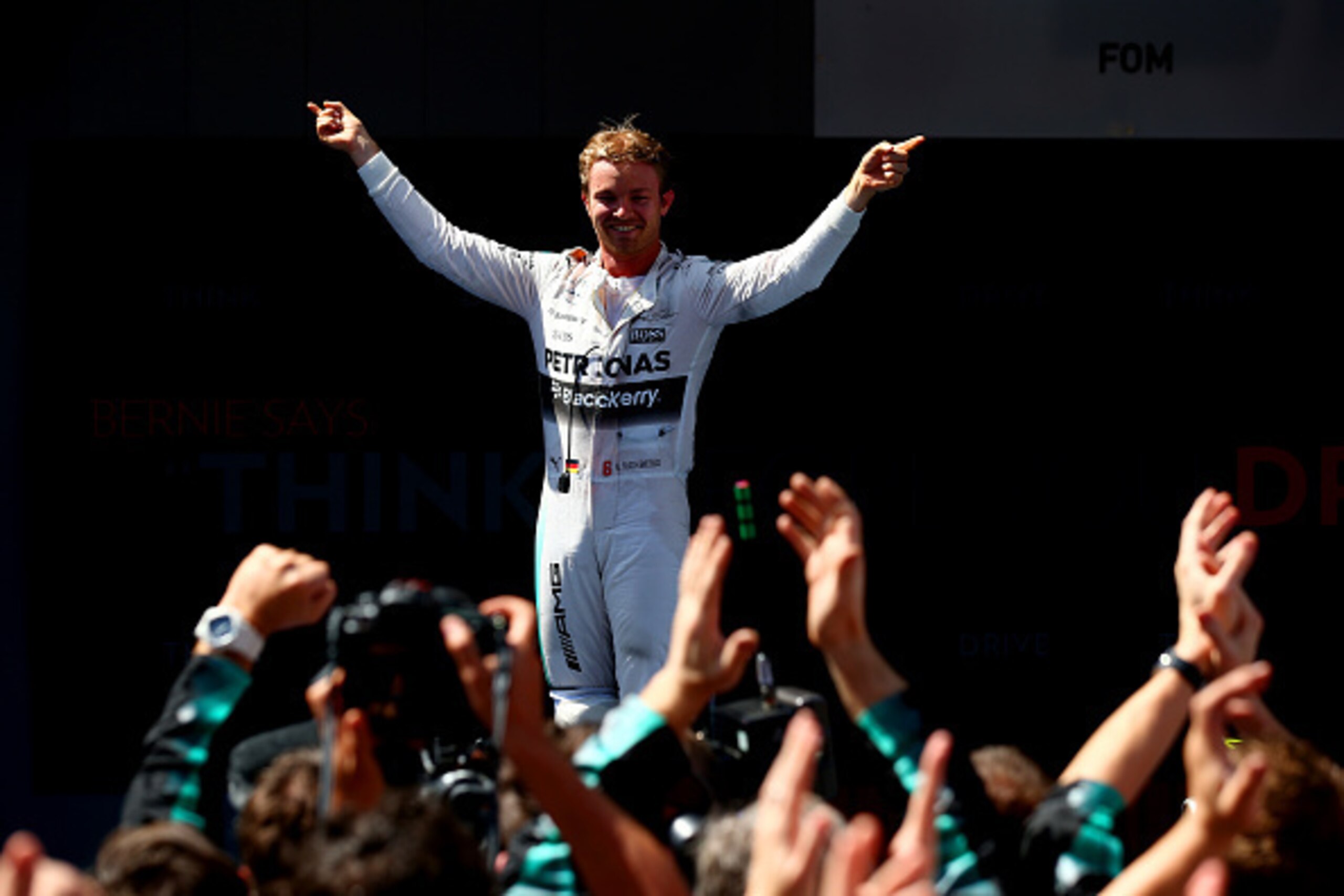
It felt as though this was a conscious effort by Rosberg to ensure the emotion, the joy and the relief on his face was captured by nearby photographers and television cameras and that beaming, ear-to-ear grin—not just the bulging eyes through the helmet's letterbox—was transmitted to millions around the globe.
It was almost living proof of the belief that to truly understand, appreciate and savour the most gratifying moments in life, we must first experience hardship.
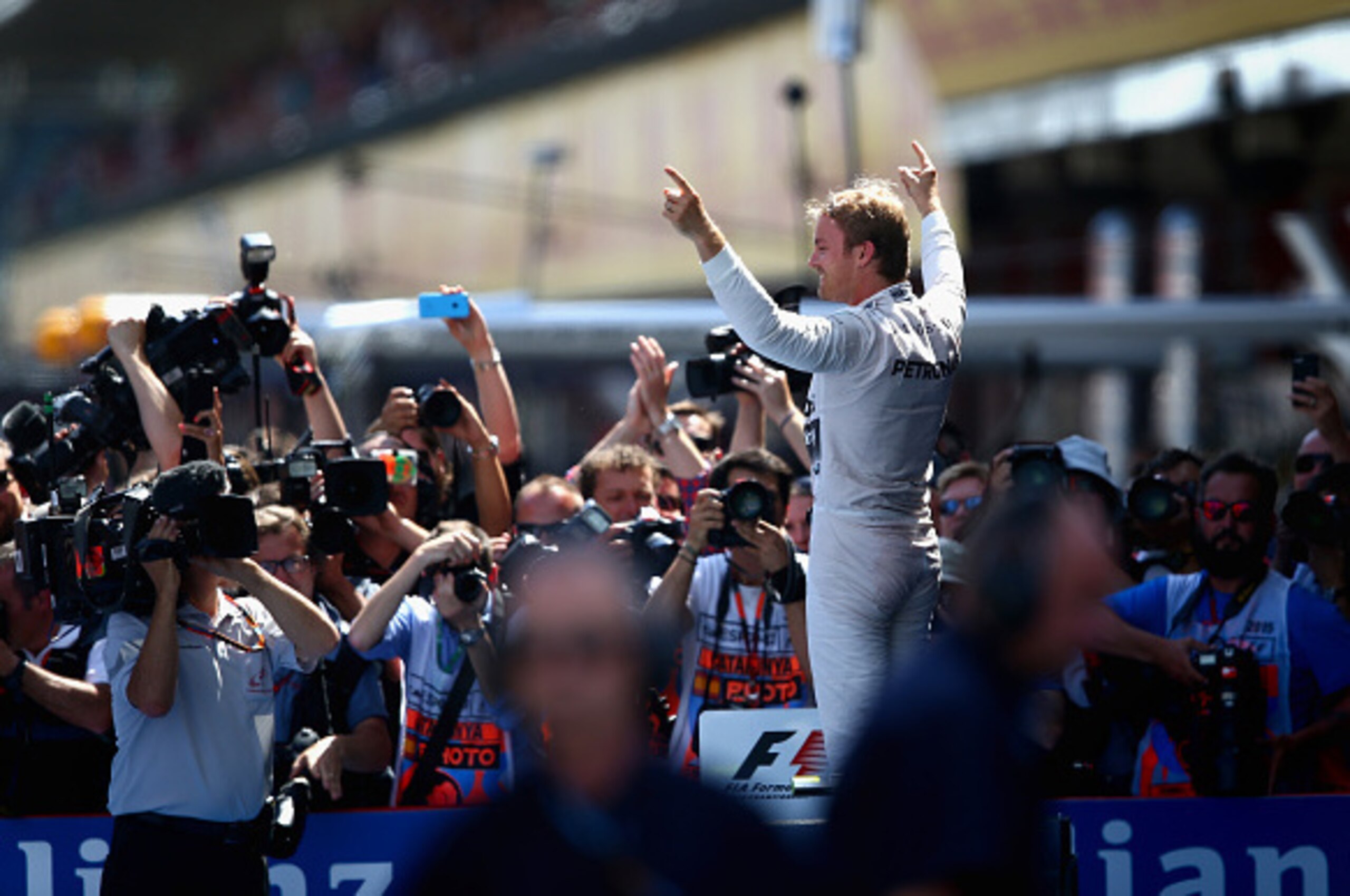
Bullied by Lewis Hamilton, his Mercedes team-mate, since last summer and having won just one of the last 13 races until Spain, this was Rosberg confirming he was well and truly back and treasuring, cherishing victory more than ever before, perhaps as a direct consequence of his degrading, winless run.
A degrading, winless run that, following his claiming of two successive victories for the first time in his F1 career, is beginning to feel like a distant memory.
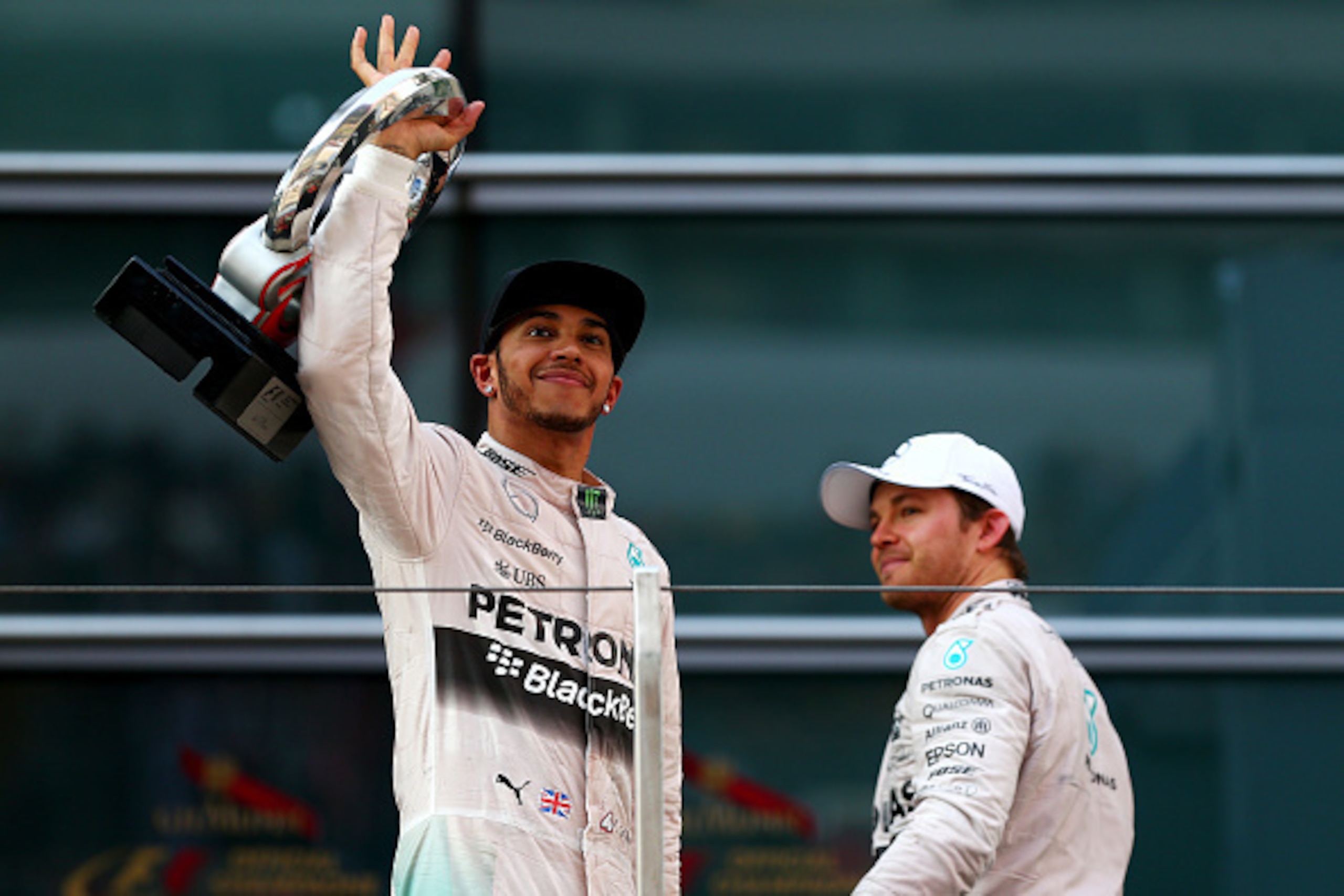
As Hamilton was threatening to run away with this year's world championship, establishing a 27-point lead with victory at the fourth round in Bahrain, it didn't matter so much how Rosberg halted the British driver's momentum but that he somehow found a way of doing so as soon as possible.
Yet now he has won two very different races on consecutive weekends, cutting Hamilton's advantage to just 10 points, Rosberg has the chance to build some momentum of his own at a stage of the season already carrying remarkable similarities to 2014.

As was the case last year, he arrived at the Spanish GP on the back foot, requiring a strong, error-free performance to restart his campaign and delivered emphatically, harassing Hamilton to the finish line in 2014 and dominating from lights to flag in 2015.
Likewise, the Monaco GP was a race he wouldn't have won in straightforward conditions, but when uncertainty intervened and the variables came into play—for 2014's qualifying controversy, see 2015's late-race safety car—it was, rather predictably, Rosberg who triumphed.
As he admitted in the post-race FIA press conference, Rosberg benefited from "a lot of luck" with the appearance of the safety car in Monaco, but his vow to "to make the most" of his good fortune is where the true challenge lies.
While, post-Monaco 2014, it was Hamilton under pressure to provide an instant response in Canada, one of his most favourable venues, this time there will be an emphasis on Rosberg to prove he can succeed in his own right and not just the occasions when his team-mate endures an off-day, or when external factors rob him of victory.

For Lewis, nothing will—or should—change; if he can recover from the shock and disappointment of Mercedes' Monaco mishap, the results will flow as effortlessly as they had until that point. But for Nico, his ability to take advantage of and widen any cracks in his team-mate's armour in the coming weeks could be potentially career-defining.
Should Rosberg prove able to match or outpace Hamilton at Montreal for the second consecutive season, his title challenge will be firmly back on track. And who knows? Winning, as it has with Hamilton since his second championship victory, may very quickly become second nature.
But if he is unable to come close to his team-mate in Canada and normal service resumes?
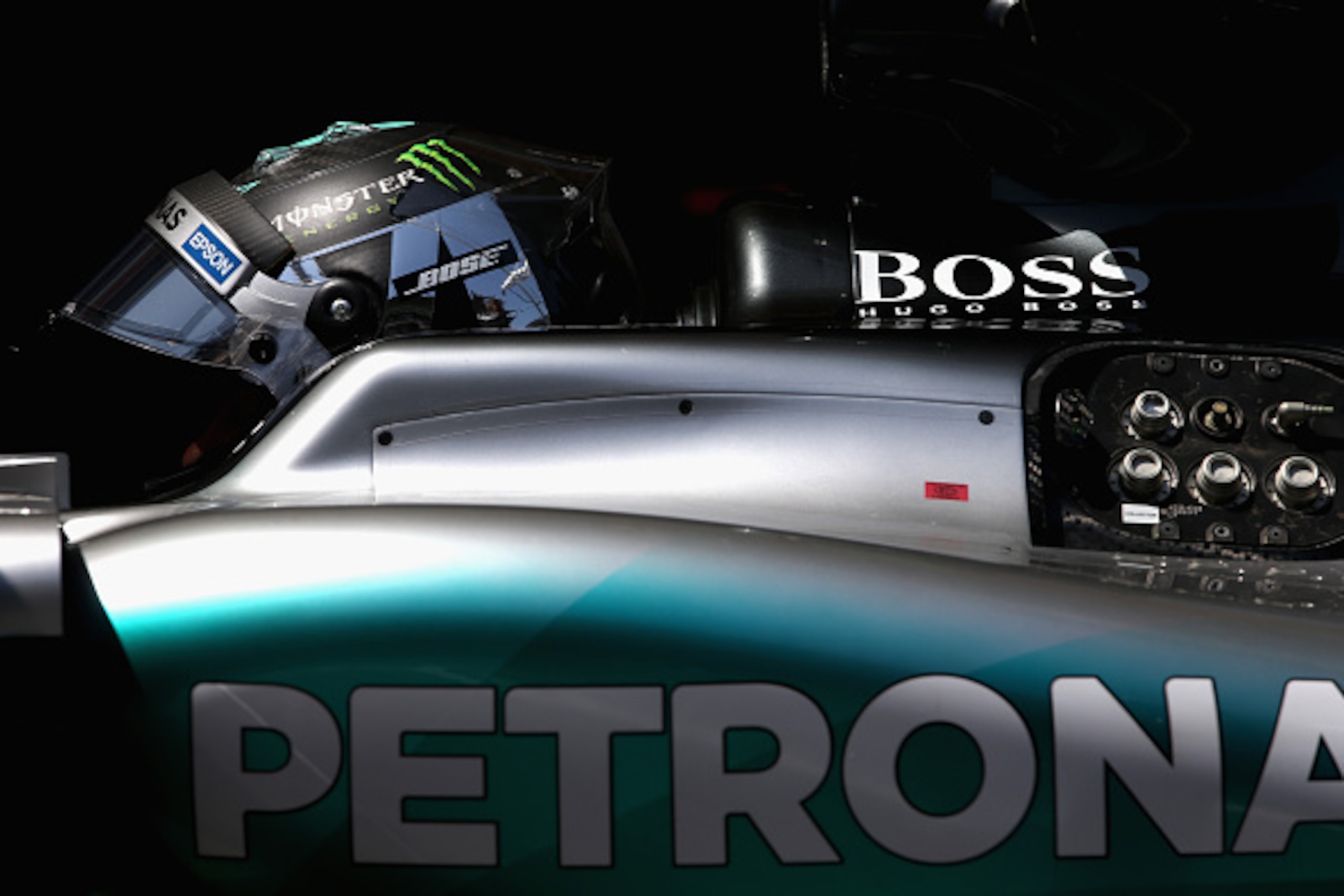
The gleaming smile of relief Rosberg was so eager to show in Spain and Monaco will soon disappear and retreat within the prison of his visor once again.
.jpg?w=2560 "Steelers Saints Football")

.jpg?w=2560 "Packers Safety Slams Refs 🤬")

.jpg?w=2560 "🚨 Week 8 AP Top 25 Poll")