Bigger Top-10 Draft Misses Since 2010: NFL or NBA?
In sports, nothing can set a franchise back like missing out on a top-10 draft pick.
With all of the scouting reports and player evaluations at the disposal of franchises, you'd think there wouldn't be so many flops. Unfortunately there always are a slew of them.
Comparing the NBA with the NFL, we decided to list 10 of the biggest draft-day misses since 2010. These were picks that had fans punching walls in anger and general managers dancing their way out of town.
Using advanced metrics, traditional stats and the eye test, we've formulated a list of 20 catastrophic misses with the hopes of finding which league wound up with bigger flops over the past five years.
Here is what we came up with.
Anthony Bennett
1 of 21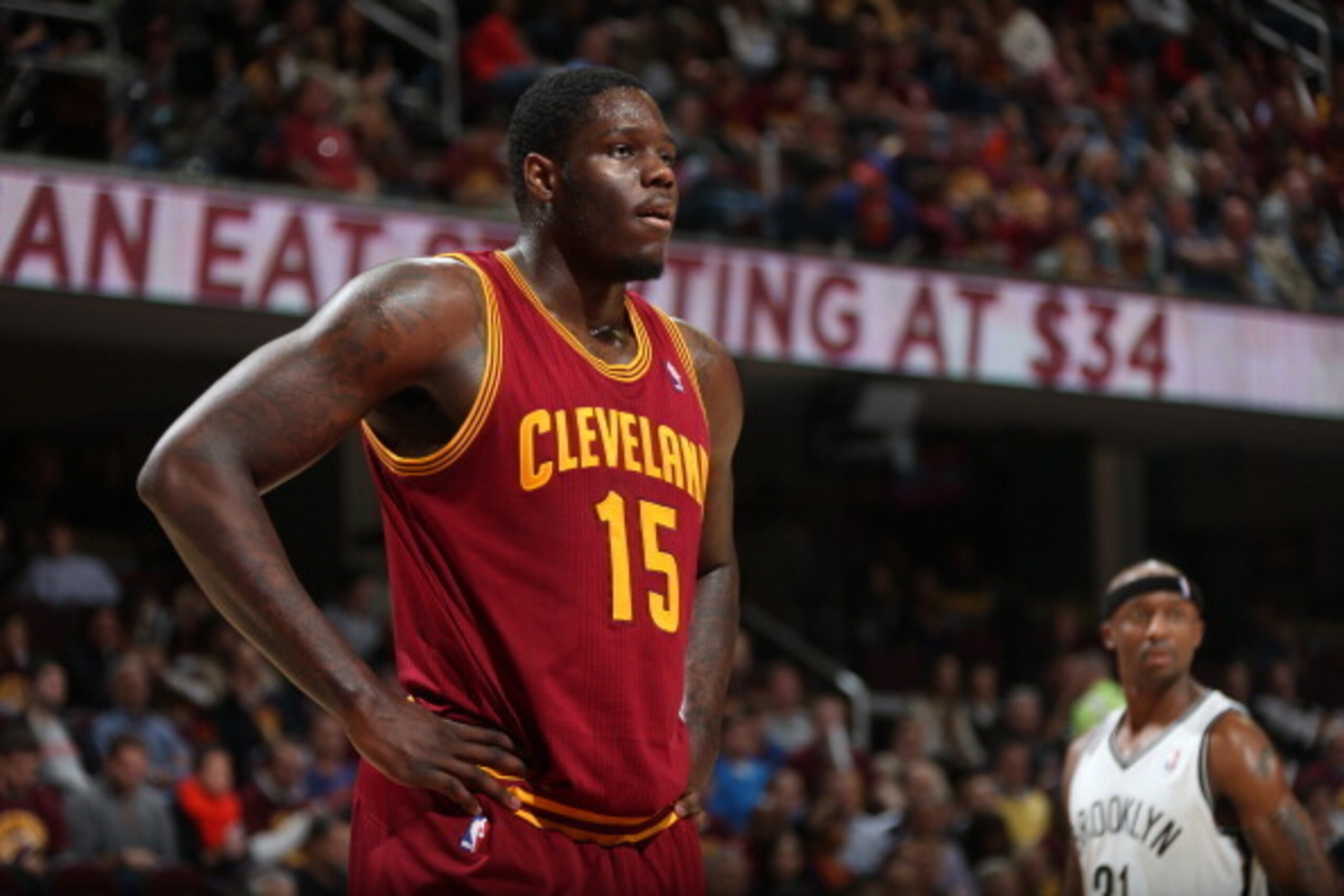
Right after LeBron James decided to play in Miami for a few seasons, the Cleveland Cavaliers received three first overall picks.
The first one of those selections was used on an outstanding young guard from Duke, Kyrie Irving, in 2011. After Irving was selected, the Cavaliers got another chance to secure a vital piece of talent in 2013. That pick was used on forward Anthony Bennett of UNLV.
To be fair, nowadays the entire 2013 draft class doesn't look like a strong one. But selecting Bennett over Victor Oladipo—the No. 2 pick—and others was a huge mistake.
His one season in Cleveland turned out to be nothing short of a tremendous flop. Coming off the bench, Bennett played only 52 games. He averaged 12.8 minutes, 4.2 points and 3.0 rebounds per contest.
He was dealt to the Minnesota Timberwolves the following offseason—along with Andrew Wiggins—in the trade that brought Kevin Love to "The Land."
As the first overall pick, he will go down as a staggering disappointment for the Cavs.
Derrick Williams
2 of 21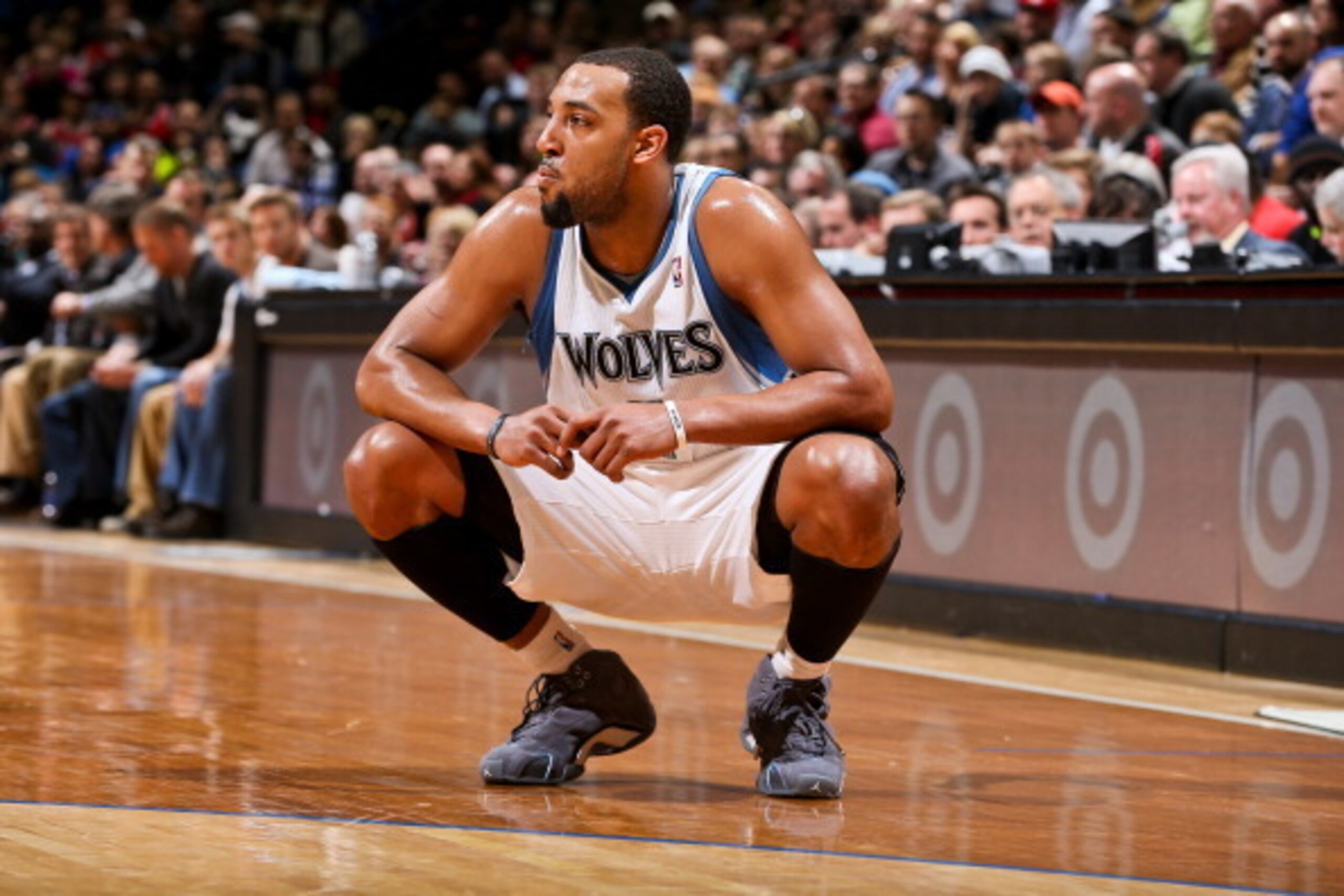
When the Minnesota Timberwolves landed former Arizona Wildcats forward Derrick Williams, he was supposed to be an excellent consolation prize considering they missed out on Kyrie Irving.
Prior to the draft, he was given a 99 overall ranking score by NBADraft.net and was even compared to David West because of his rangy skill set.
Everything you saw Williams do in college made it seem like the T-Wolves were getting themselves an instant impact franchise player. We now know that didn't turn out to be the case.
In three seasons with the team, Williams averaged just 10.1 points and 4.9 rebounds per game. He struggled with his offensive game, shooting a meager 42.0 percent from the floor.
In November 2013, Williams was dumped off to the Sacramento Kings. Despite flashing a few bursts during his time with the T-Wolves, he never fit into that scheme and wasn't good enough to overcome that.
Considering that he was the second overall pick in the 2011 NBA draft, we can definitely classify Williams as a bust.
Thomas Robinson
3 of 21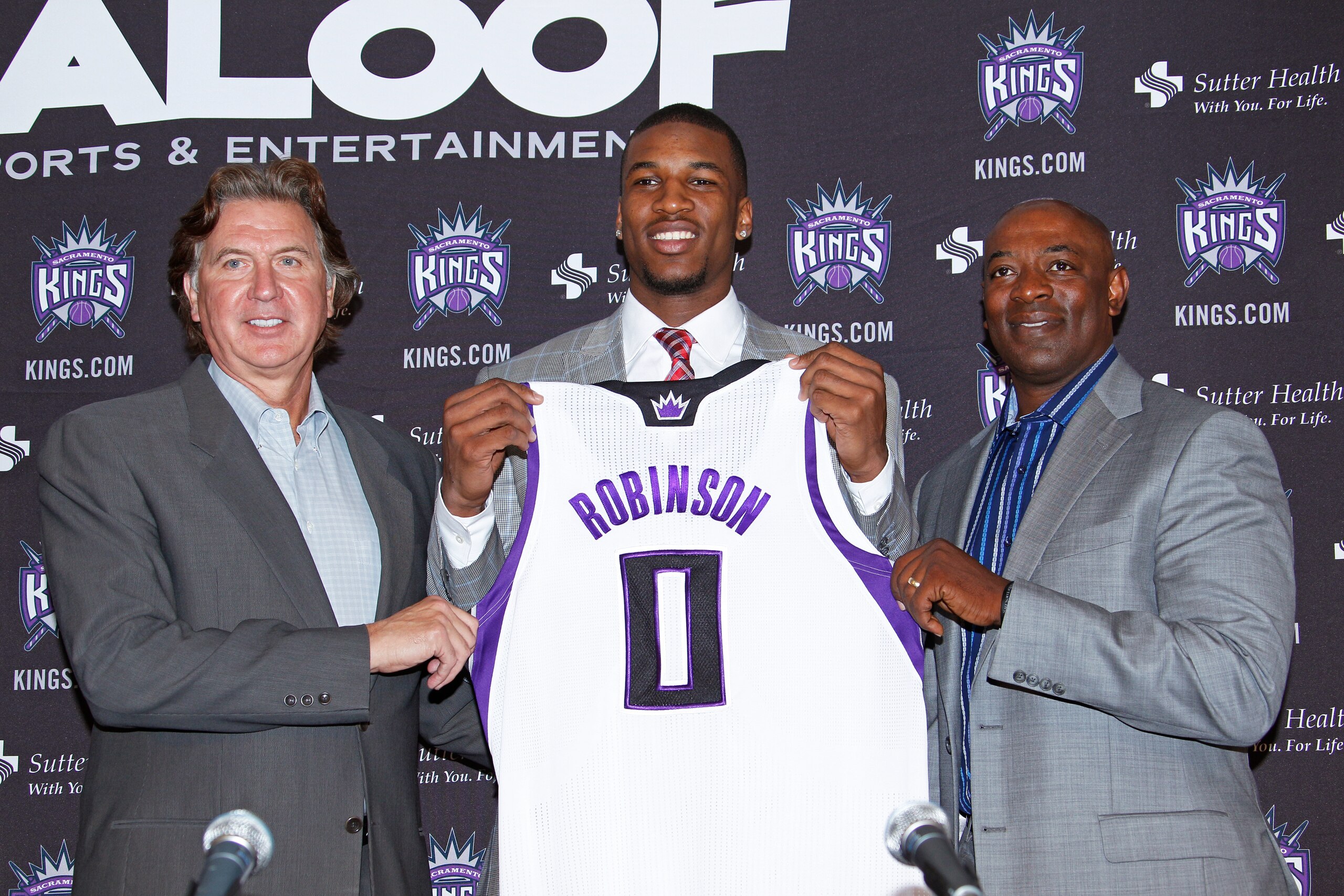
Thomas Robinson's NBA career has been a weird, uncharted journey of sorts.
In 2012, he was selected No. 5 overall by the Sacramento Kings. Pegged to be a foundational member of the Kings' rebuilding project, the 6'10" power forward from Kansas was an underdeveloped beast, oozing with potential.
The Kings were so confident in Robinson's upside that they selected him over Damian Lillard, Harrison Barnes, Terrence Ross and Andre Drummond.
To no fault of his own, Robinson got lost in the Kings' big man rotation behind the likes of DeMarcus Cousins and Jason Thompson. Without proper minutes and that ability to overcome his lack of experience, he fell into the abyss.
It was an odd time for the Kings. There longtime owners were trying to sell the team and Robinson had no clear-cut future with the organization. Instead of having time to properly develop, he was traded to the Houston Rockets a year after he was drafted.
Since then, he's never been able to recover. Five teams later, his worth has amounted to nothing but diminished returns.



Dion Waiters
4 of 21
The Cleveland Cavaliers' pursuit of a scoring guard during the 2012 draft led them to Dion Waiters of Syracuse.
Part of the post-LeBron James rebuild—which was of course eventually scrapped—Waiters came to Cleveland as the No. 4 overall pick.
Waiters is an interesting bust candidate. There were always moments where he looked really good on offense. In fact, he averaged 14 points per game over his brief Cleveland career.
But more often than not, Waiters was nothing more than a rhythmic disruption on the floor. And when King James returned to take his crown back, the Waiters experiment came to an abrupt end.
He was dealt to the Oklahoma City Thunder in a three-team deal that brought the services of Iman Shumpert and J.R. Smith to Cleveland.
Maybe down the road he will turn into a viable scoring threat or even a two-way menace. Until that moment happens—especially in terms of Cleveland—he was definitely a draft miss.
Jan Vesely
5 of 21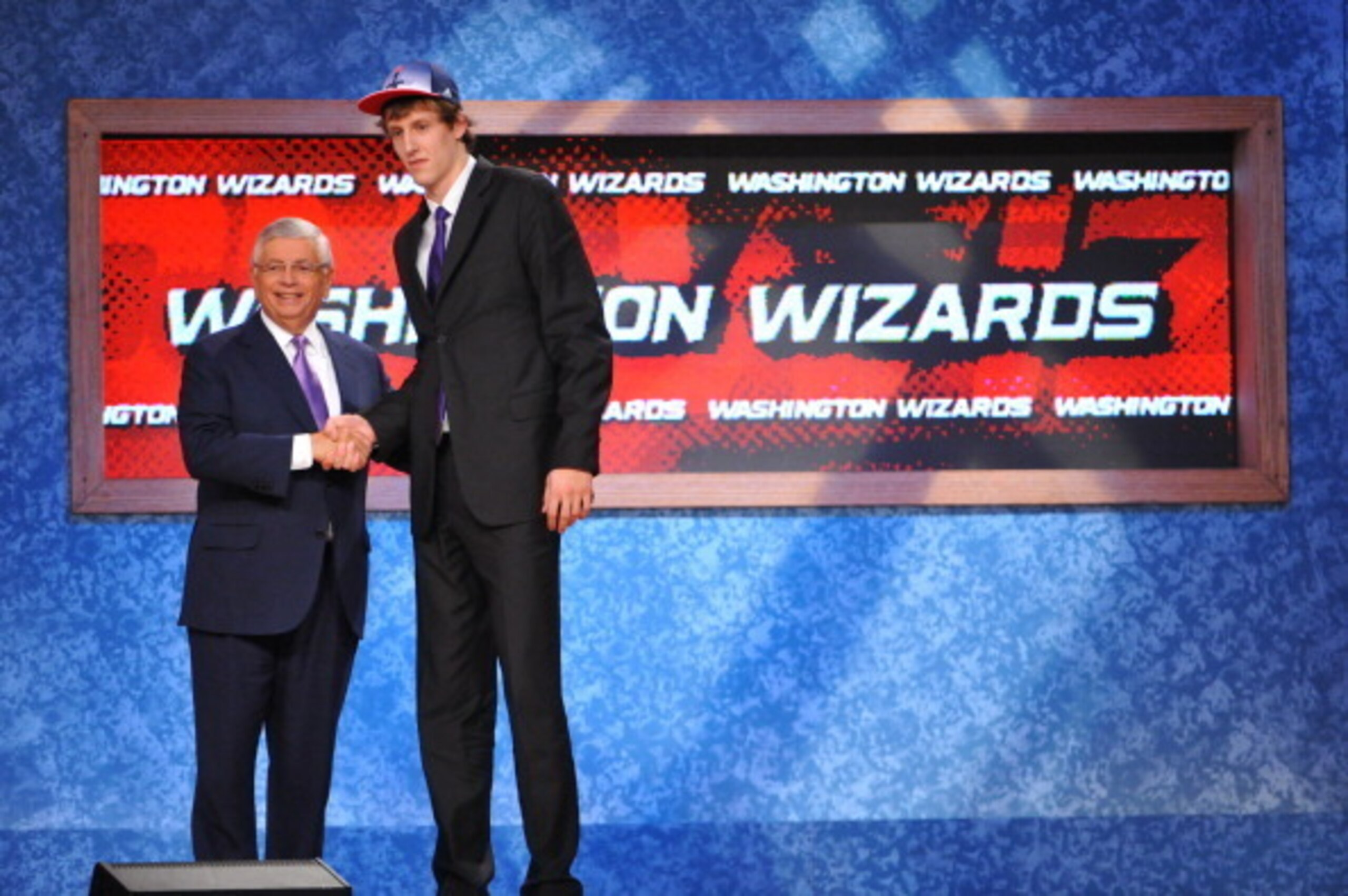
One of the biggest draft flops in recent times was former Washington Wizards forward Jan Vesely. Vesely was considered to be an athletic prospect with a bunch of upside attached to his name, despite having obvious flaws from playing overseas.
His time with the Wizards turned out to be nothing short of basketball tragedy. He spent two seasons with the club before being dealt to the Denver Nuggets.
Lasting only 21 games there, Vesely left the NBA shortly after to play professionally in Turkey.
Wesley Johnson
6 of 21
As a lottery pick, Wesley Johnson will never be able to remove the "bust" label from his resume. Selected fourth overall during the 2010 draft, the 6'7" swingman was taken before prominent names like DeMarcus Cousins, Gordon Hayward and Paul George.
Johnson was bounced from Minnesota after two short seasons, where he managed to score only 7.7 points per game.
He's found somewhat of a role with the Los Angeles Lakers over the past two seasons, but nothing to write home about. Is Johnson an average NBA player? Absolutely. Will he ever be anything more than that? Doubtful.
Considering where he was picked and the production that followed suit, Johnson was a major miss for the T-Wolves as a franchise.
Ekpe Udoh
7 of 21
The Golden State Warriors have done a marvelous job accruing talent over the past five years. But one of their most ambitious and biggest misses was Ekpe Udoh.
Udoh came to Golden State as the No. 6 pick in the 2010 draft. The lanky, athletic big man from Baylor was even selected a pick before Greg Monroe—imagine if the Warriors got their hands on him instead?
The hope was that Golden State was getting a player who could be a presence in the paint. Sadly, that didn't turn out to be the case.
Udoh was purged from the Warriors roster after just two seasons. In that span of time, he posted 4.6 points and 3.4 rebounds a game. There was no chemistry with him on the floor. Despite being raw, he rarely showed enough potential to even be considered a "long-term project."
Since then he's spent time with the Milwaukee Bucks and the Los Angeles Clippers. Neither place turned out to be the right fit.
Bismack Biyombo
8 of 21
NBA teams will never stop going after big men with potential. When they finally hit on one, their entire franchise can change for the better.
Back when they were called the Charlotte Bobcats, Michael Jordan's franchise rolled the dice on Bismack Biyombo in 2011. Using the seventh pick to retain his services, the 6'9" center became a part of the team's rebuilding process.
So far, Biyombo hasn't blossomed into a must-start player. His lengthy wingspan has given him a role, but overall he isn't even close to being considered a perennial talent. In four seasons with Charlotte, he's managed to drop only 4.6 points per game.
The bright area of his game has been rebounding. Biyombo's 6.4 career rebounds per 21 minutes of play has some weight to it.
Regardless, he's still a bust. By now his skill set should have turned the page. Since it hasn't, he belongs here.
Jimmer Fredette
9 of 21
Jimmer Fredette is a purebred shooter. In college, he made it rain from long range and did it without hesitating or slowing down.
As the 10th overall pick in the 2011 NBA draft, the Milwaukee Bucks and NBA fans had high hopes for this young man. On his NBADraft.net evaluation, Tyler Ingle wrote: "(Fredette) will be an instant impact player in the NBA as a scorer/shooter off the bench and if he can tighten up his defense and find a system that works for him, he has the potential to be a very good starting point guard."
Those lofty expectations never quite hit. He was traded on draft night to the Sacramento Kings, where he struggled to find his role. He scored a lowly seven points per game in three seasons there.
Porous numbers and a nonexistent role found him bouncing between teams like the Milwaukee Bucks, Chicago Bulls and New Orleans Pelicans. With his college days long behind him, Fredette has veered off into that dreaded bust territory.
Evan Turner
10 of 21
Evan Turner's NBA career as a former No. 2 pick has been odd to say the least. The former Ohio State star ended up with Philadelphia 76ers after the Washington Wizards took John Wall No. 1 in 2010.
Turner then spent four seasons with the 76ers, where he averaged 11.5 points and 5.5 rebounds per game. After a disappointing start, he was shipped off to the Indiana Pacers for a year where he struggled to get anything going on a consistent basis.
Now a member of the Boston Celtics, we can all see that Turner has morphed into a role player above anything else.
Jake Locker
11 of 21
As the No. 8 overall pick in the 2011 NFL draft, the Tennessee Titans had high expectations for Jake Locker. He was a dual-threat quarterback of sorts thanks to a strong arm and an increased level of mobility.
But Locker never panned out. He was battered during his four-year stint in Tennessee, and when he announced his shocking retirement earlier this offseason, per Mike Garafolo of Fox Sports 1, he left the club with a record of 9-14.
Hopefully the Titans' latest franchise quarterback, Marcus Mariota, turns out to be the complete opposite of Locker.
Blaine Gabbert
12 of 21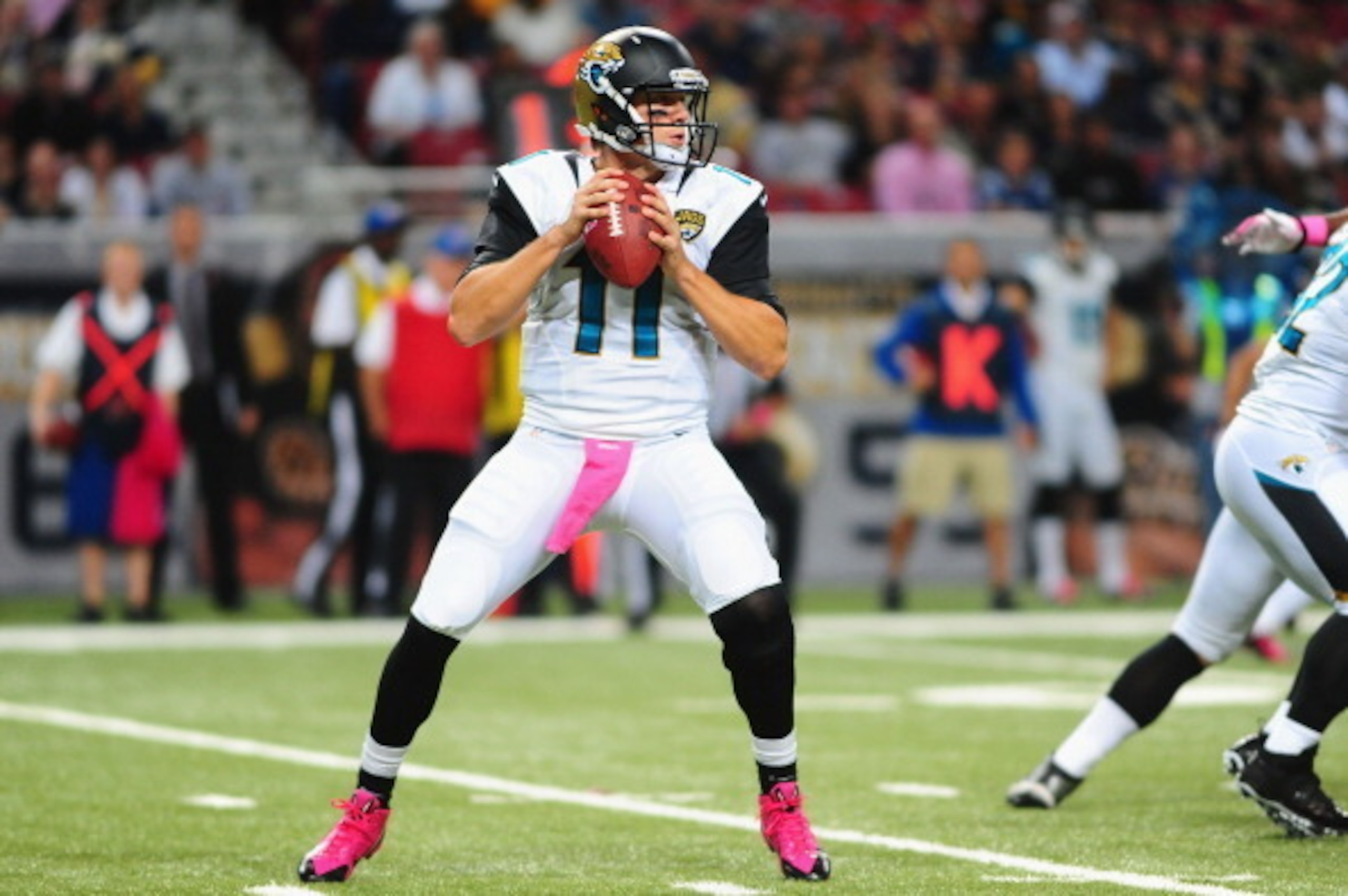
The 2011 NFL draft wasn't kind to first-round quarterbacks outside of Cam Newton.
After Newton went first and the Tennessee Titans took Jake Locker a few picks later, the Jacksonville Jaguars selected Blaine Gabbert No. 10 overall.
Assuming you've been watching the NFL over the past five years or so, you know that Gabbert turned out to be a complete disaster. In 27 games, he finished with a 5-22 record. To add insult to a whole bunch of injury, the ex-Missouri quarterback completed 53.3 percent of his passes, throwing 23 touchdowns to 24 interceptions.
Gabbert wound up in San Francisco before the 2014 season, strictly relegated to bench activities. He's still a member of that squad.
Trent Richardson
13 of 21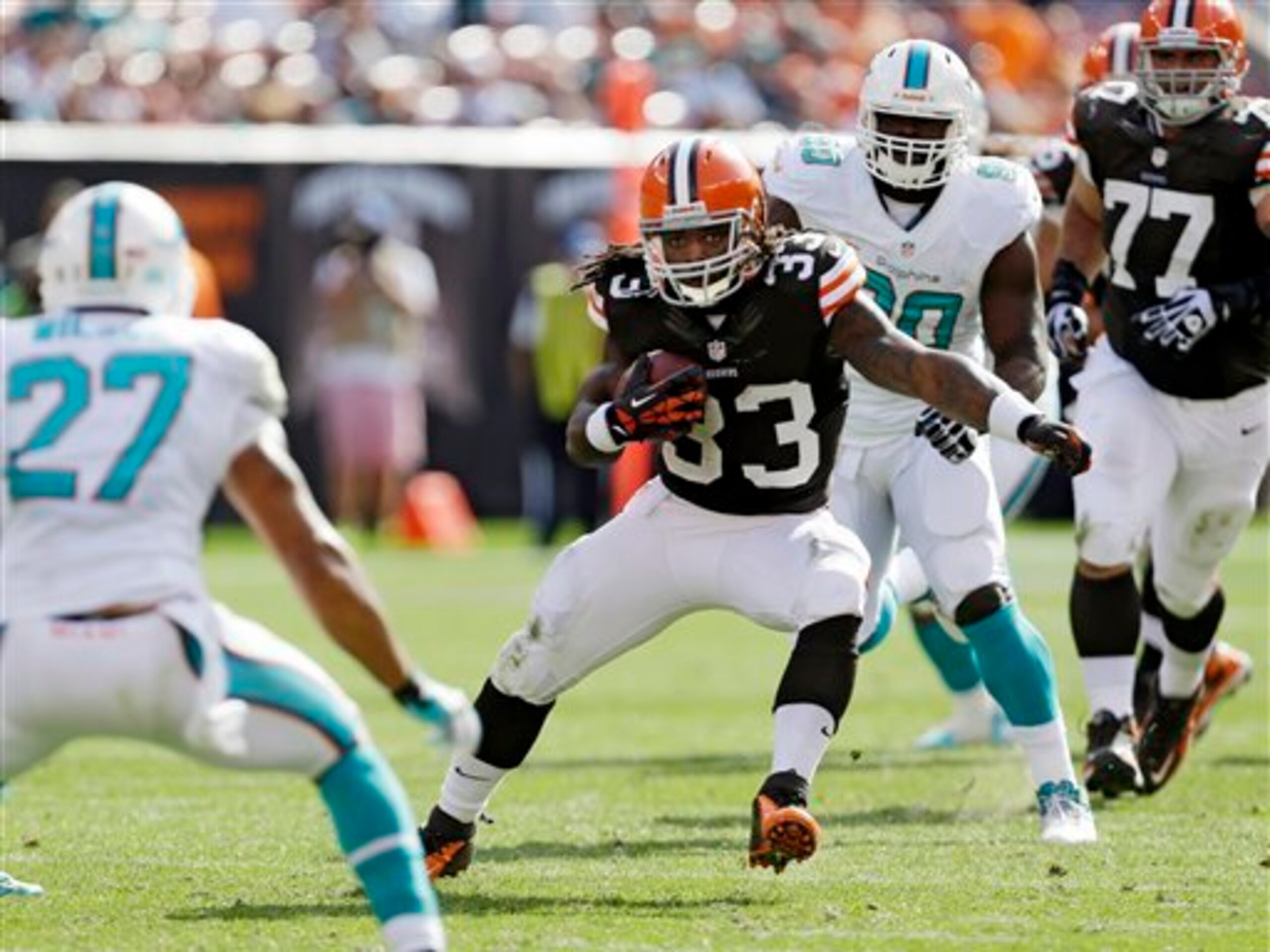
The running joke over the past two years has been the Indianapolis Colts trading for former No. 3 overall pick Trent Richardson.
On paper the deal made sense. Putting a bullish runner behind franchise quarterback Andrew Luck would give the Colts offense another dimension.
But Richardson's regression from his brief tenure in Cleveland was shocking. His 3.5 yards per carry dipped to 3.1 as he lost playing time behind guys like Ahmad Bradshaw and Dan Herron.
Barring some pigskin miracle, Richardson will go down as one of the biggest misses in draft history. Not only did he look sluggish at times in Cleveland—don't let his 11-touchdown debut year fool you—but he also burned the Colts as well.
Justin Blackmon
14 of 21
Jacksonville Jaguars wide receiver Justin Blackmon isn't a bust because he lacks talent. He's a bust because of his off-the-field issues.
When you can't contribute for lengthy periods of time, you have to be deemed a bust—especially when you're selected No. 5 overall.
Blackmon is a highly skilled receiver. In 2013, he showed off those gifts, catching 29 passes for 415 yards and a score in only four games. After that burst of production, he was suspended by the NFL for "violating the NFL Policy and Program for Substances of Abuse," per Jaguars.com.
He missed the entire 2014 season and so far his status for 2015 is up in the air.
Clearly it's going to be hard for Blackmon to peel that bust label off of him considering how much time he's missed.
Morris Claiborne
15 of 21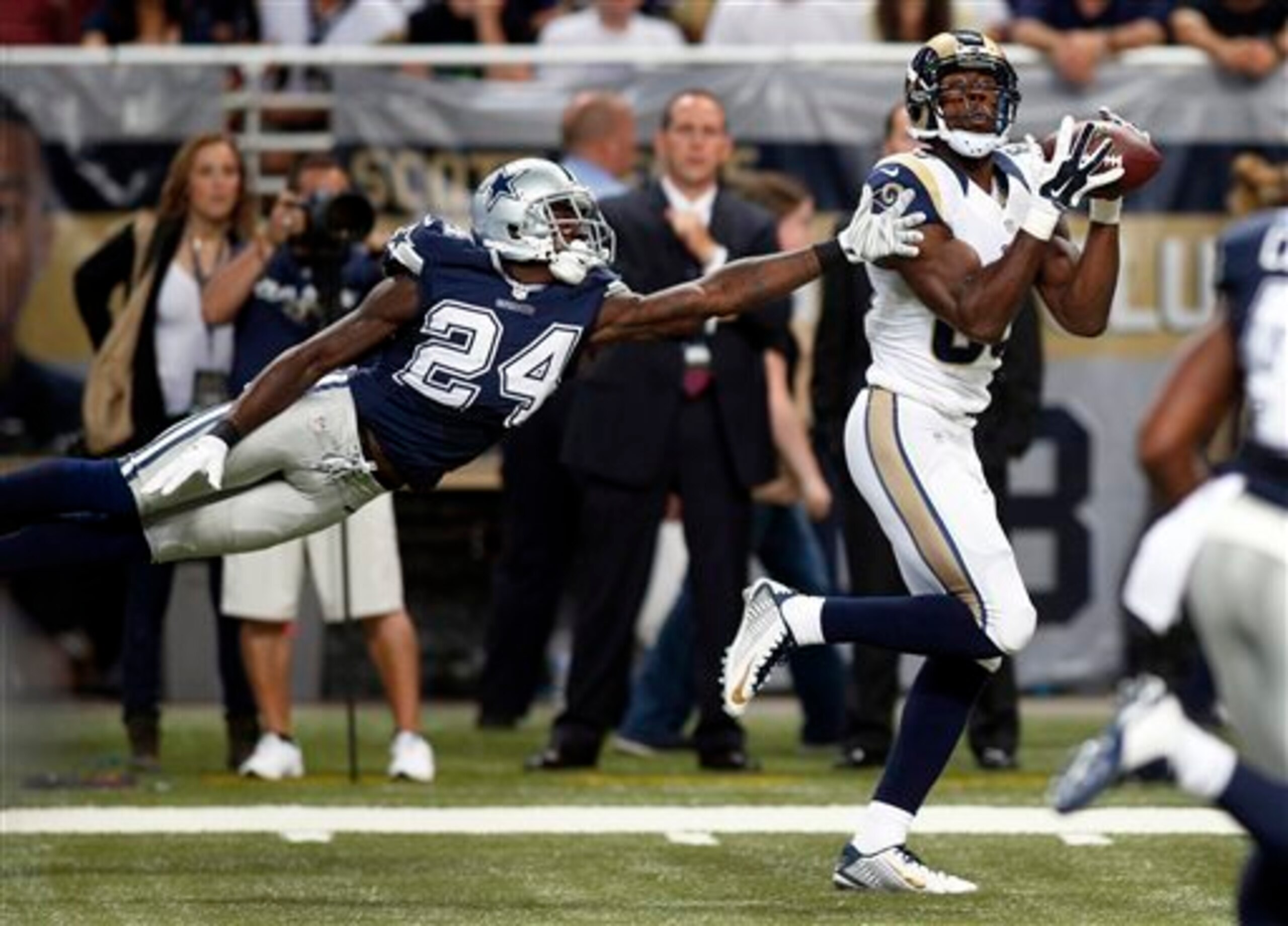
When the Dallas Cowboys decided it was in their best interest to trade up for former LSU cornerback Morris Claiborne, they were looking for a shutdown defender.
Claiborne had the tools to be just that. He was lighting quick, could stick with all types of wide receivers and had the ball skills to snatch passes out of the air.
Instead of turning into that, Claiborne faltered. If you add up all of his seasonal grades from an advanced metrics site like Pro Football Focus, Claiborne checks in with a negative-5.5 total.
That's not even remotely close to being a top-tier cornerback. Come to think of that, that's pure bust status.
Dion Jordan
16 of 21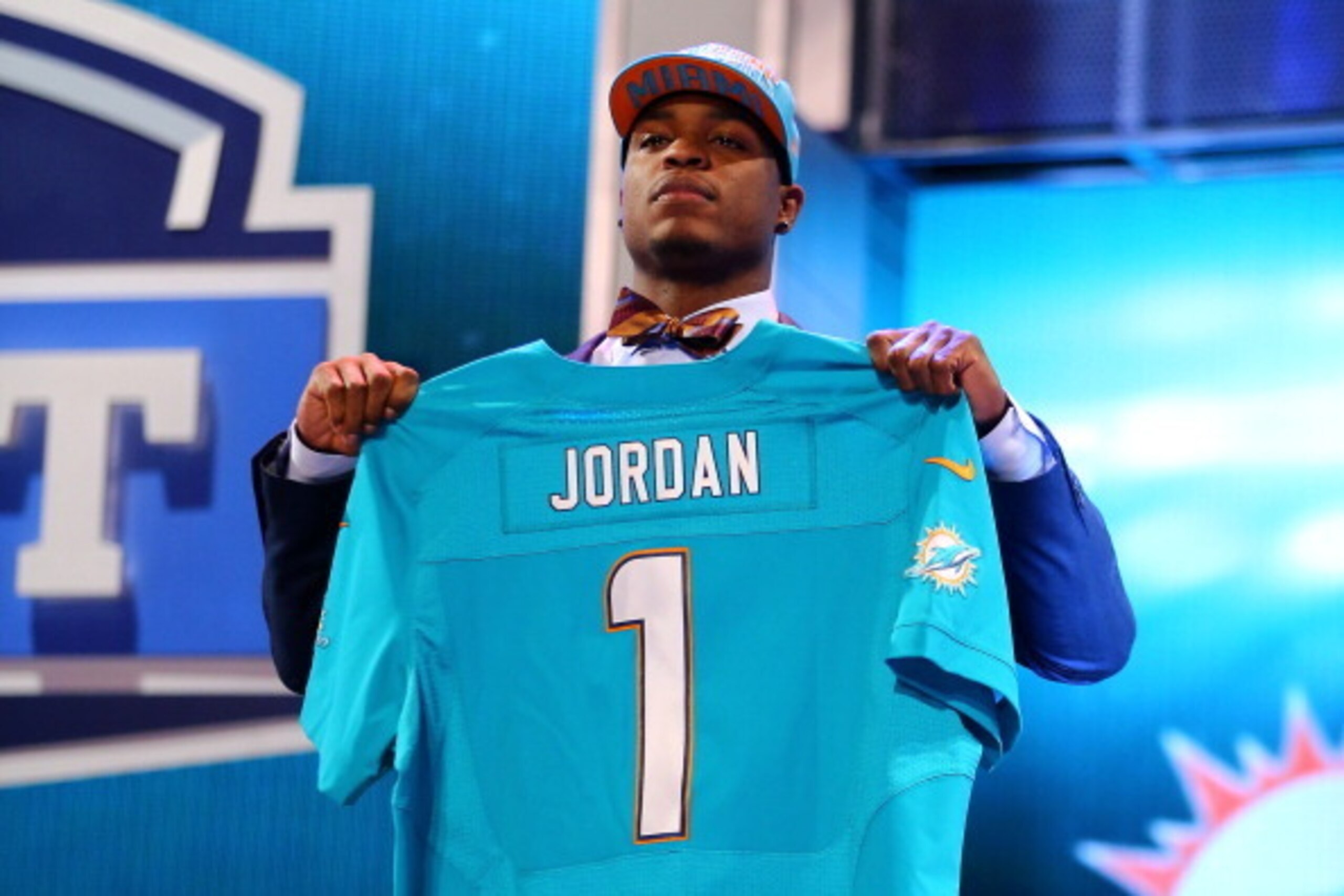
Dion Jordan was supposed to be an energetic, high-octane edge-rusher. He turned heads at the University of Oregon, leading their defense with his pressurized style of play.
So when the Miami Dolphins took him, big things were supposed to happen right away.
A case of limited snaps—PFF had him playing just 223 out of a possible 651 in 2014—and gross misuse hurt his ability to thrive. In two seasons, he accumulated only three sacks coming off of the edge.
The worst part is, there isn't even a chance he can redeem himself during the upcoming season. Jordan was suspended by the NFL for a substance violation, per the Dolphins' official Twitter feed.
He can now officially be deemed a draft-day miss.
Dee Milliner
17 of 21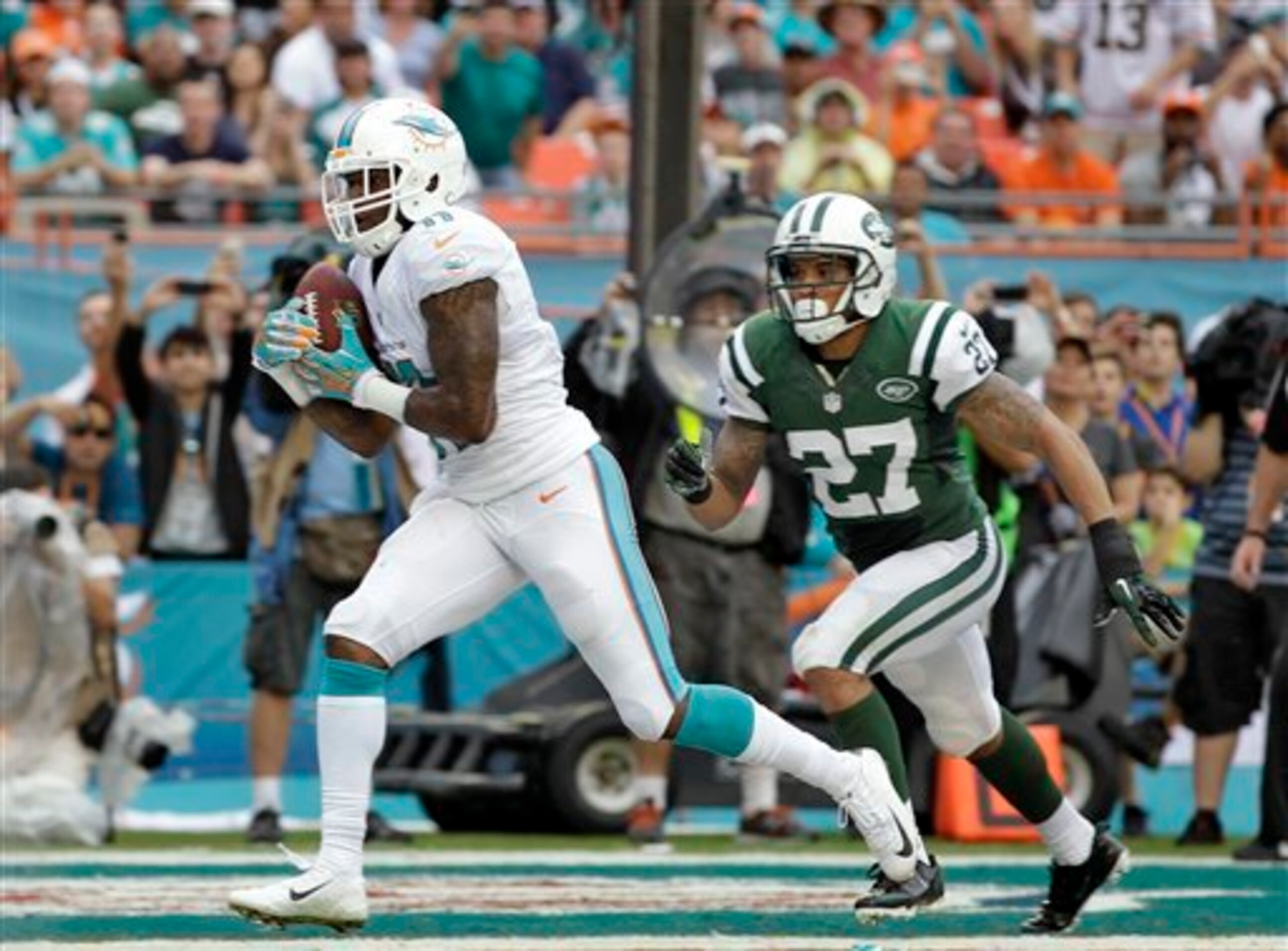
Dee Milliner's had a brief and weird tenure with the New York Jets.
He was originally selected No. 10 by Rex Ryan's version of the Jets in 2013. Like Morris Claiborne, being that high of a pick warrants serious production. That didn't happen.
To be fair to Milliner, it's not that he's been awful. He actually played well toward the end of the 2013 season. What makes him a miss right now is the fact he hasn't been able to explode and become a true No. 1 cornerback.
Now that Darrelle Revis and Antonio Cromartie are back with Gang Green, it could stay that way. Add in the fact that Milliner is recovering from an Achilles injury, and what you have is a whole bunch of confusion.
Can he turn around his woes? By December, we will all know that answer.
Tyson Alualu
18 of 21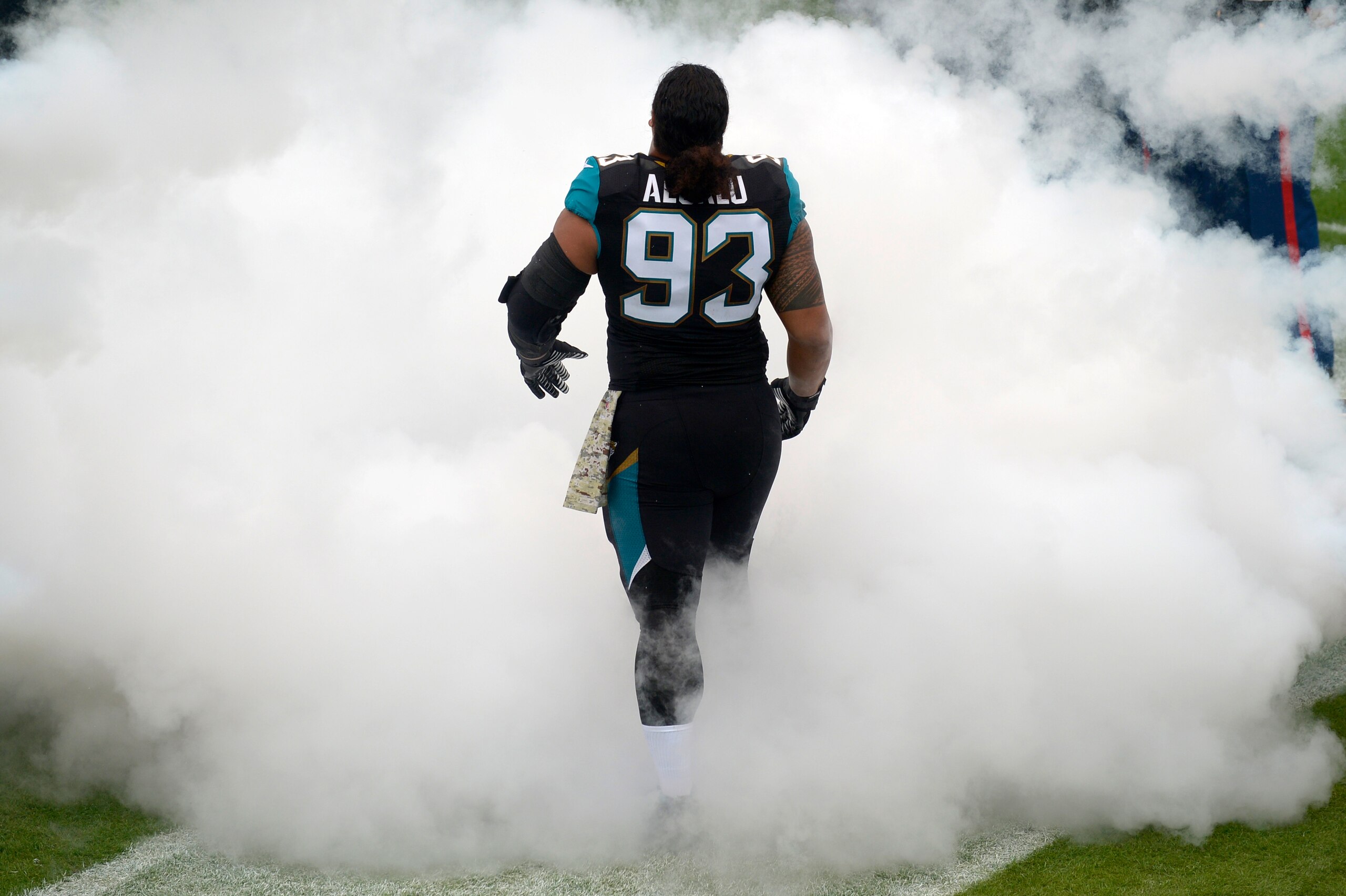
The Jacksonville Jaguars haven't had a ton of first-round success in recent years. Defensive lineman Tyson Alualu is a good example of that.
Selected 10th overall during the 2010 draft, Alualu never was able to turn into a dominant force in the trenches. He flashed potential at times, despite switching from defensive tackle to end when Gus Bradley was hired as head coach.
PFF pegged Alualu with a negative-11.6 grade for his efforts in 2014. Based on those totals, even if he improves slightly, he still won't live up to being selected so high in the draft.
Tavon Austin
19 of 21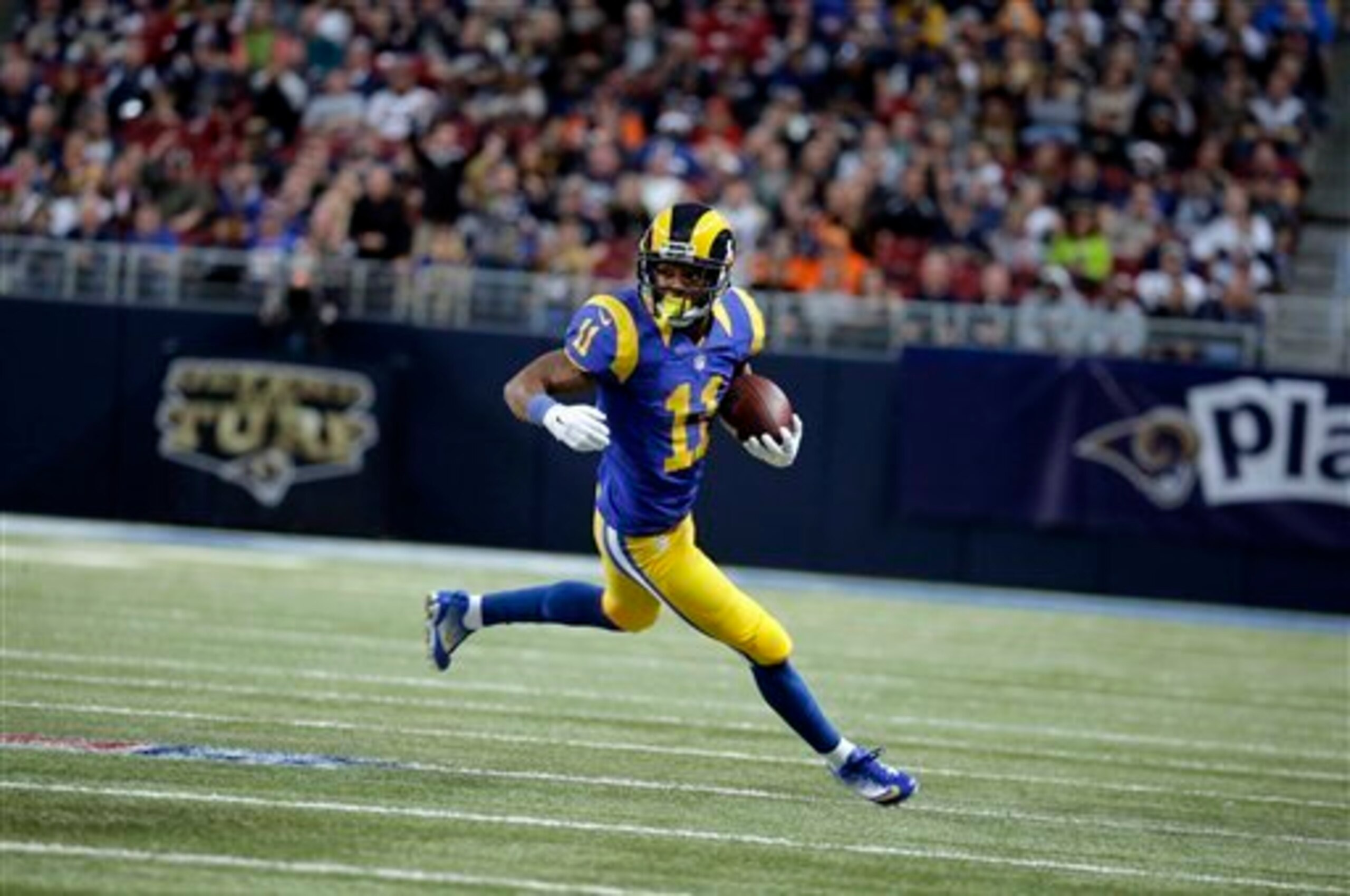
As an athlete, Tavon Austin is always going to be deemed impressive. But as a complete, cohesive wide receiver, he isn't quite there at this point in time.
The St. Louis Rams fawned over Austin and decided he was worth the No. 9 pick in 2013. In the two seasons that have transpired, Austin has caught only 71 passes on a possible 113 targets for 660 yards and four touchdowns.
We can blame it on horrible play-calling and scheme, but that doesn't completely excuse Austin's average play.
The bust label isn't there yet, but it's getting close. If the Rams can't figure out what to do with Austin and he can't overcome those deficiencies, we will all remember him for being nothing more than a guy who had potential.
Luke Joeckel
20 of 21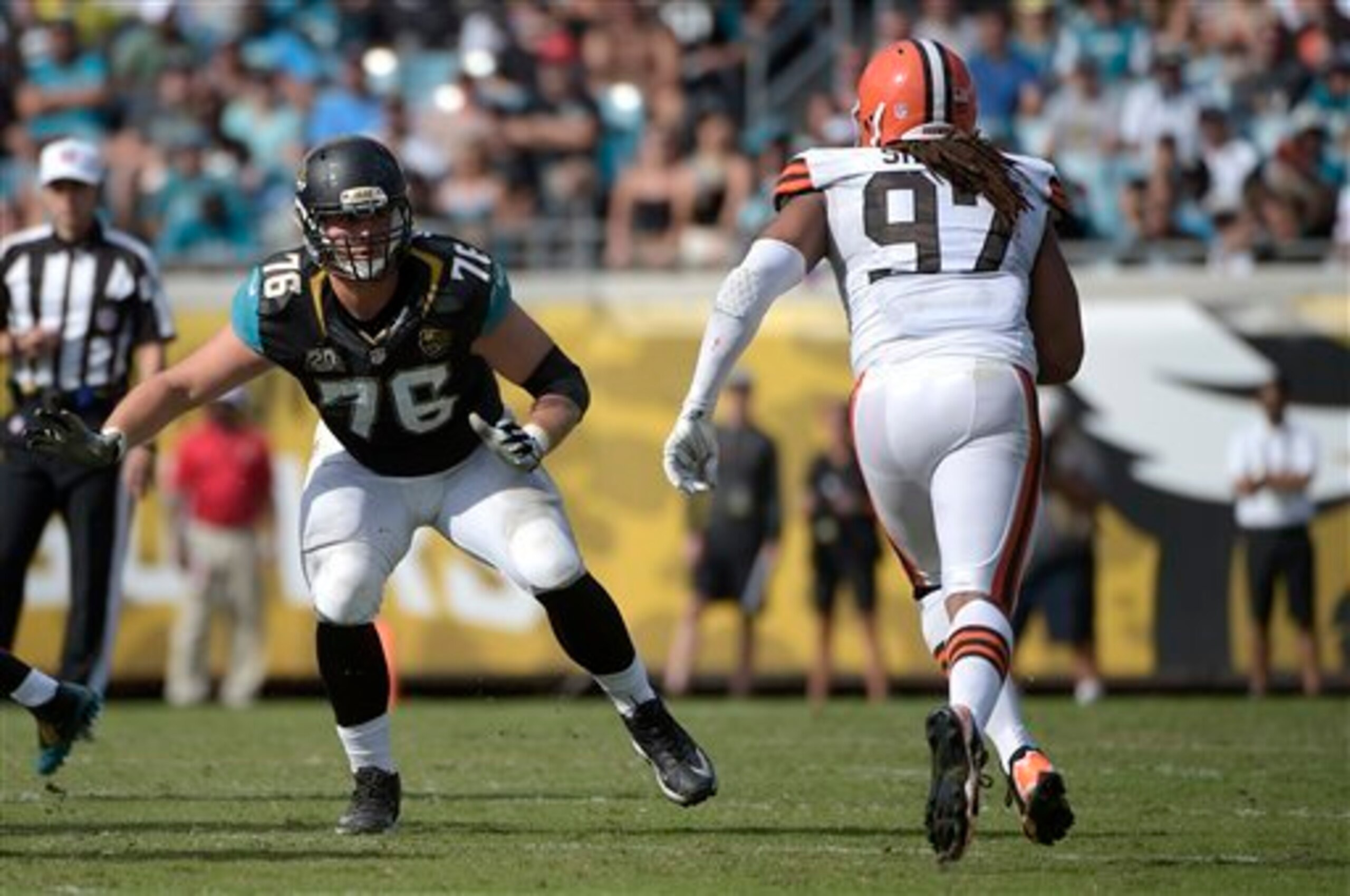
As we've mentioned multiple times, being drafted early on comes with lofty expectations.
When the Jacksonville Jaguars decided to go after offensive tackle Luke Joeckel with the No. 2 pick in 2013, they were trying to grab themselves a franchise player. They wanted one of those plug-and-play guys who could get after it from Day 1 without having a tremendous learning curve to overcome.
An ankle injury his rookie season derailed any sort of progress he might have made leading up to the draft. He played only five games because of it.
Last season, he came back healthy but couldn't put it together. By PFF's count, Joeckel struggled mightily, finishing the year with a negative-15.8 grade.
That's not cornerstone material. And to be frank, it's actually scary. One more season of poor play is all we need to really stamp that dreaded bust moniker onto his paperwork.
Conclusion: NBA
21 of 21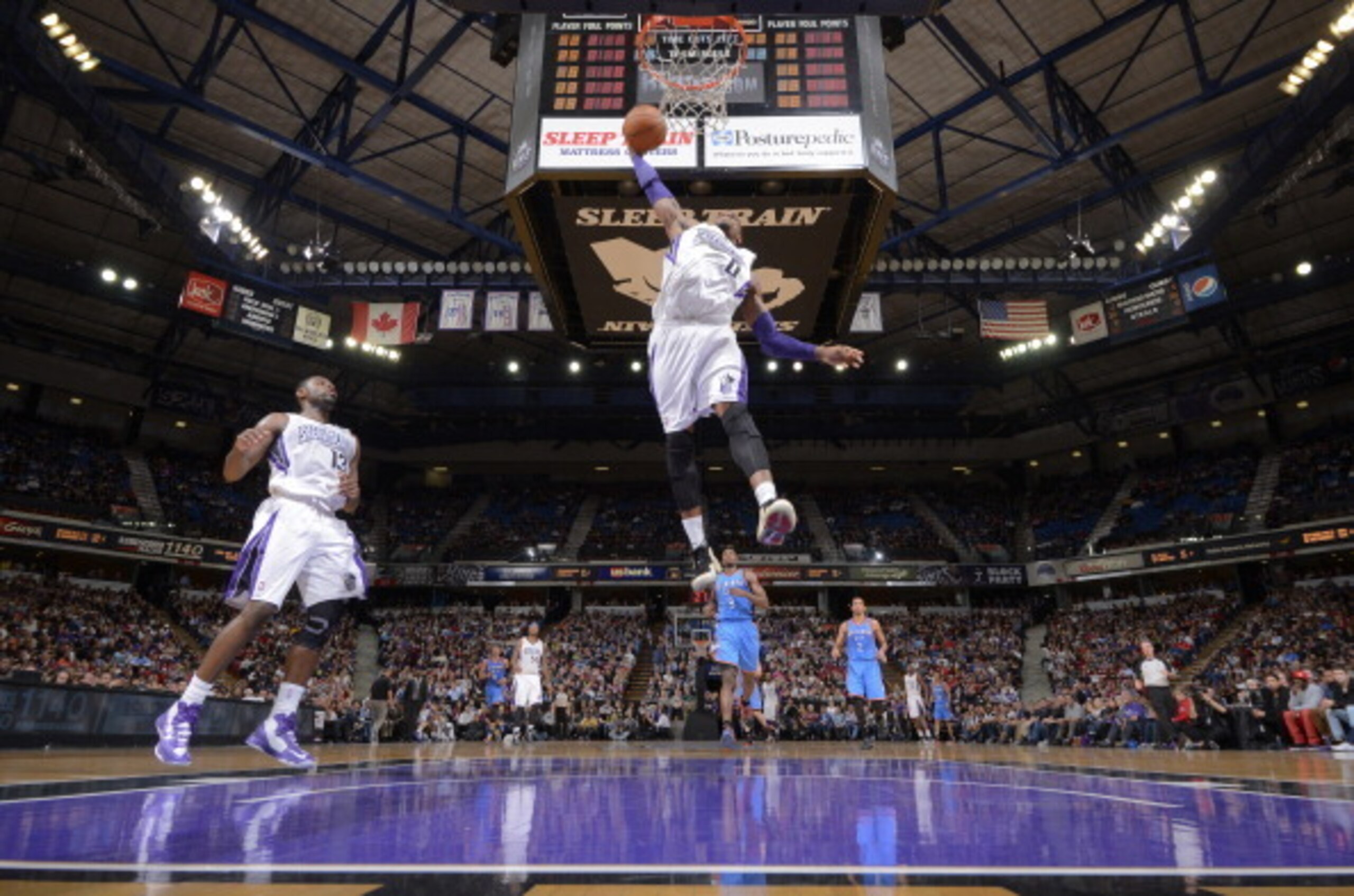
The NFL had a ton of insane flops. They really did. So cheers to those franchises that missed horribly over the past five years.
But the real winner here is the NBA. Considering that the NBA draft consists of only two rounds, missing in professional basketball is further magnified. While NFL teams can get by with a miss or two—minus the quarterback position—you absolutely need to hit on your lottery picks in the NBA.
Having fewer players out there on the court puts a greater value on those dreadful top-tier selections.
All statistics and information via Sports-Reference.com, unless noted otherwise.

.jpg?w=2560 "Raiders Could Start Mendoza")

.jpg?w=2560 "Rodgers Iced Out on Plane 💎")
.jpg?w=2560 "Packers Safety Slams Refs 🤬")
.jpg?w=2560 "🚨 Week 8 AP Top 25 Poll")