
MLB's Biggest Winners and Losers for the Month of April
We've reached the final day of the 2015 MLB season's first month. For some, it's been a good month. For others, it's been a not-so-good month.
And you know what that means: It's time to sort them out.
We're going to take the events of April and play a classic game of "Winners and Losers." If this is your first encounter with this game, it's simple: The winners are the ones who have every reason to gloat, and the losers are the ones who should be looking about as ashamed as this puppy.
We're going to look specifically at the five biggest winners and losers from April, ordered in such a way as to form a convenient narrative. Step into the box whenever you're ready.
Winner: Alex Rodriguez
1 of 10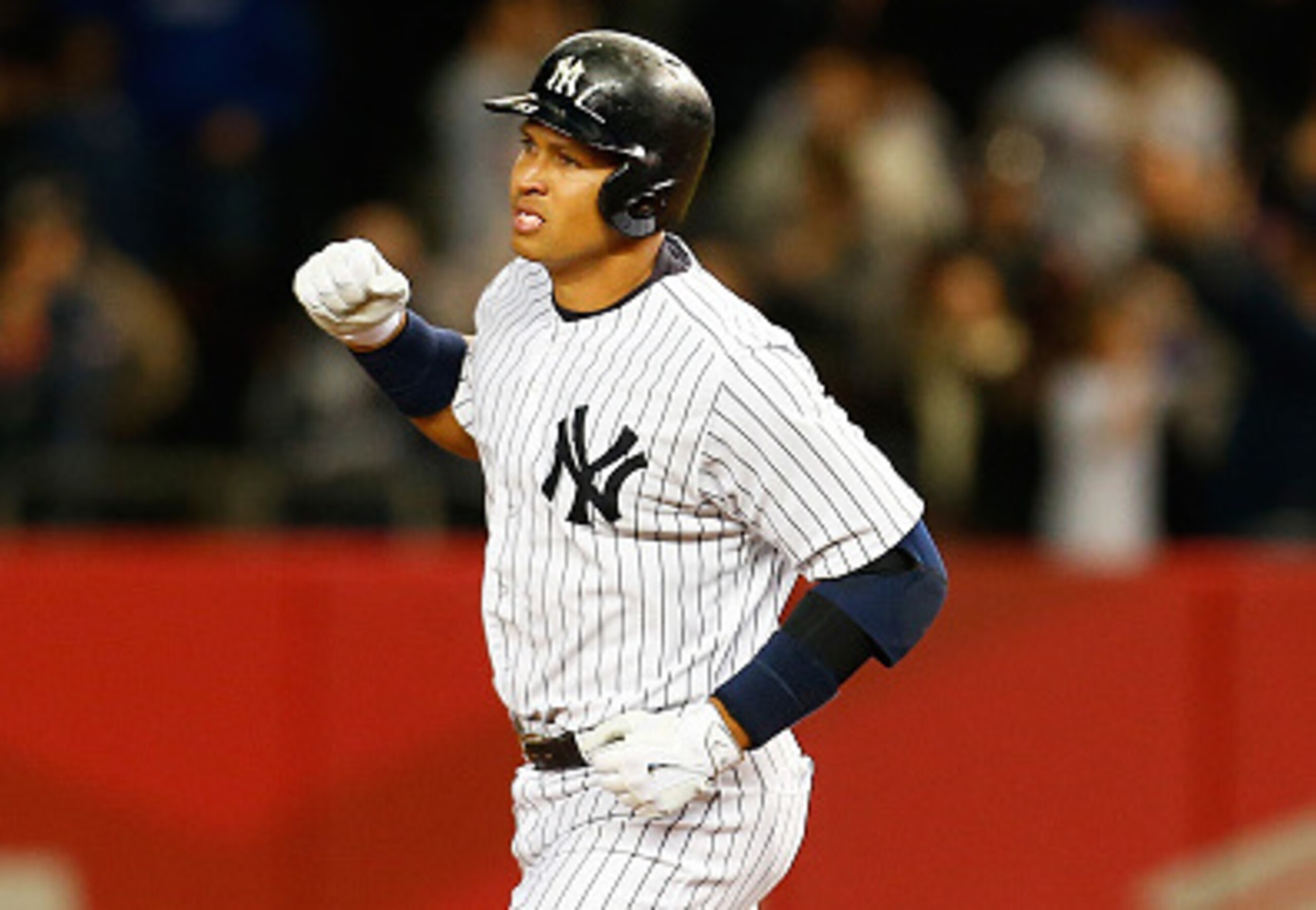
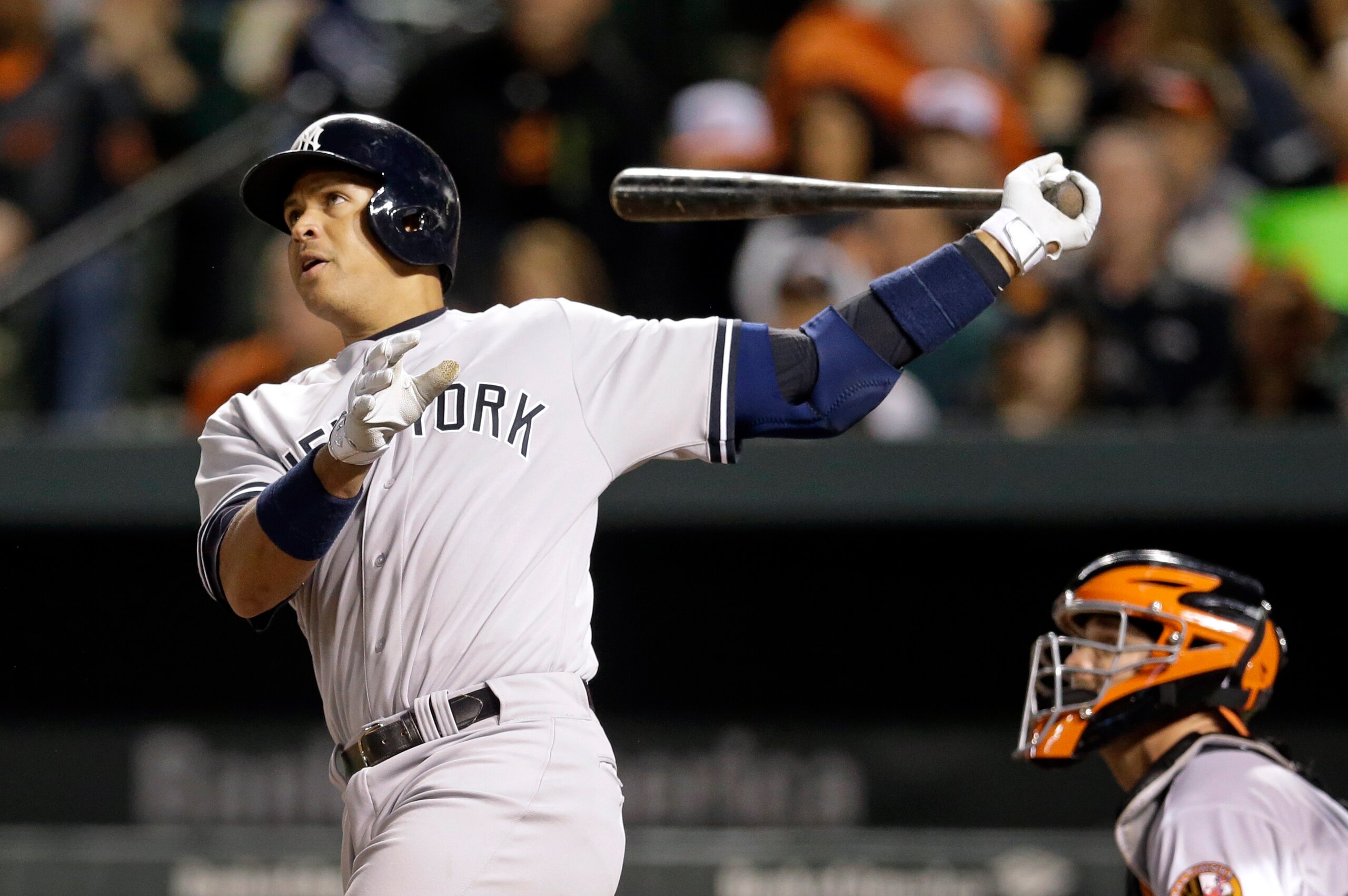
Alex Rodriguez is old and diminished, they said. Alex Rodriguez can't possibly bounce back from a season-long performance-enhancing-drug suspension, they said. Alex Rodriguez is the bad guy, they said.
Well, now there's only one thing to say: Whoops.
The New York Yankees veteran slugger hasn't turned out to be the lineup albatross many predicted. Instead, Vin Scully would say he's been the butter-and-egg man for the Yankees. He's hitting only .232 but with a .369 on-base percentage and .876 OPS in his first 20 games. He also has five home runs, putting him just one shy of Willie Mays for fourth-most all-time.
A-Rod hasn't been the villain he was supposed to be either. His return from his suspension has seen him act like a model citizen in the Yankees clubhouse, and he's said all the right things to the press. He's become the Jaime Lannister of MLB: It's easy to hate his past, but in the present, he's oddly sympathetic.
So, there you have it. It turns out that overpaid, over-the-hill menaces to society like A-Rod can change their stripes after all. At least in sample sizes as small as one month, anyway.
Meanwhile, in the realm of high-priced players who aren't off to such a sparkling start...
Loser: Jon Lester
2 of 10
This past winter saw two free agents sign for over $150 million. One of them is making a hell of a first impression in the nation's capital. The other, though, is making people antsy on the North Side of Chicago.
This would be Jon Lester, who isn't off to a promising start in the first year of a six-year, $155 million contract with the Chicago Cubs. He owns a 6.23 ERA in four starts, which is the fifth-worst in baseball among qualified starters.
In fairness to Lester, his peripherals say he should be making a better first impression. His strikeout (10.0 K/9) and walk (2.1 BB/9) rates are fine, which highlights just how much damage his .424 batting average on balls in play has done. That number will come down eventually, and so will the veteran lefty's ERA.
But even then, he may not be all out of problems to solve.
The issue he had with throwing the ball to first base was something of a well-kept secret coming into the year. But the secret got out on April 13, when a pickoff throw to first somehow ended up in right field. Baseball fans cringed, and a single tear rolled down Tom Emanski's face.
Now you know what it looks like when an ace makes a bad first impression. But on the flip side, there's...
Winner: Matt Harvey
3 of 10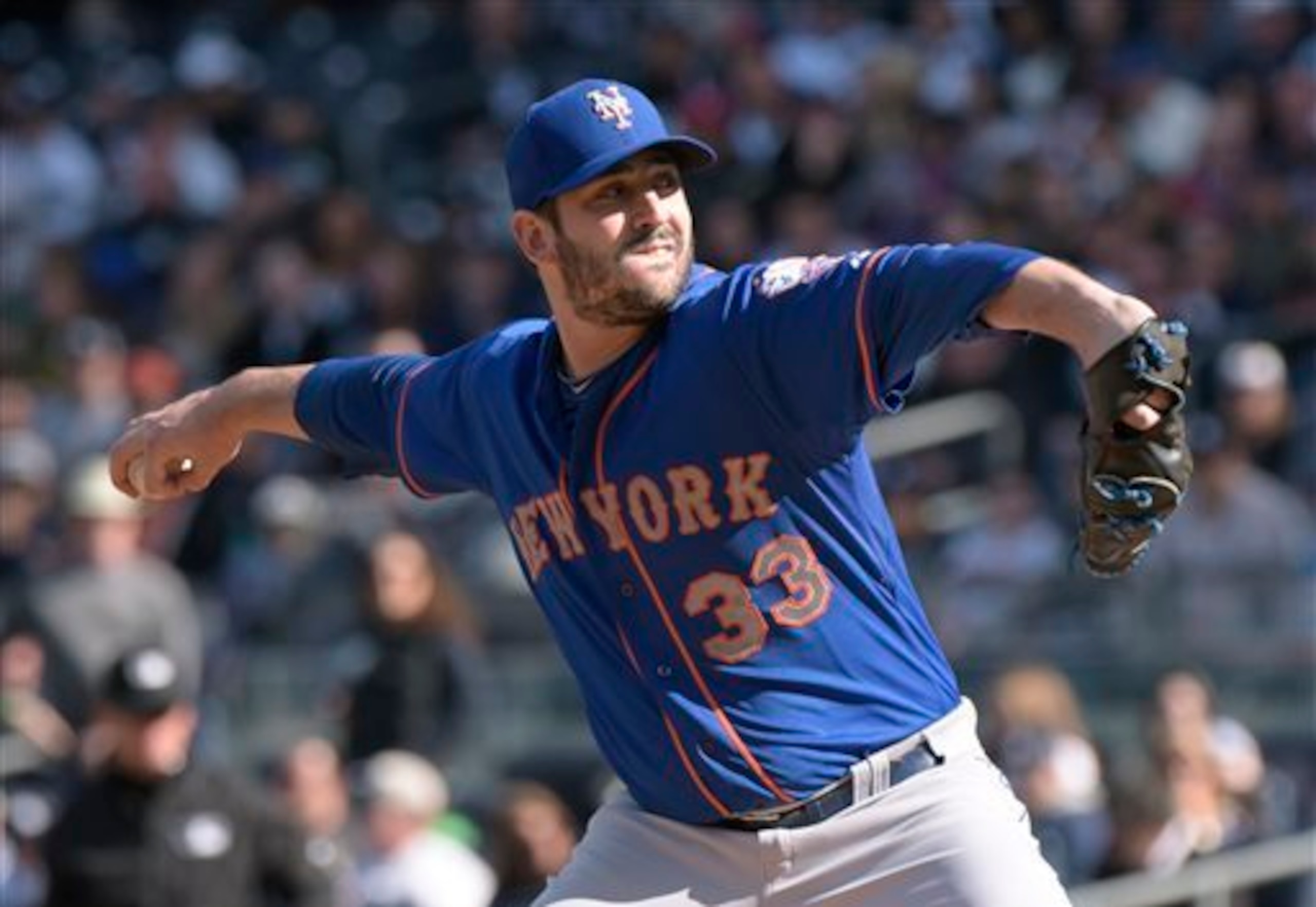
The New York Mets are a hell of an early storyline in their own right. They're 15-7 through 22 games, giving them the most wins in the National League.
But the most exciting storyline in Queens this April hasn't really been the Mets as a whole. It's concerned one Met in particular: Matt Harvey.
Harvey is making his return from Tommy John surgery, and it really couldn't be going any better. He has a 3.04 ERA in his four starts, and that undersells how good he's been. What drives the point home is how he's pitched 26.2 innings and has walked only three while racking up 31 strikeouts.
In doing so, Harvey has looked every bit like the pitcher who was on track to win the National League Cy Young Award in 2013. He's throwing his fastball in the mid-90s and breaking off nasty curveballs, sliders and changeups that have helped him keep the whiffs coming.
"Wow. As good as advertised, no doubt about it," said Alex Rodriguez after striking out twice against Harvey last Saturday, according to MLB.com. "He's a horse. He's got four plus pitches, throws them all for strikes, great demeanor out there on the mound. The Mets are in good shape. He's a cornerstone for them."
Harvey's pitching is one reason why the Mets are off to such a hot start, as their 3.20 ERA is one of baseball's best. That makes their pitching staff the polar opposite of...


Loser: Boston Red Sox's Starting Pitching
4 of 10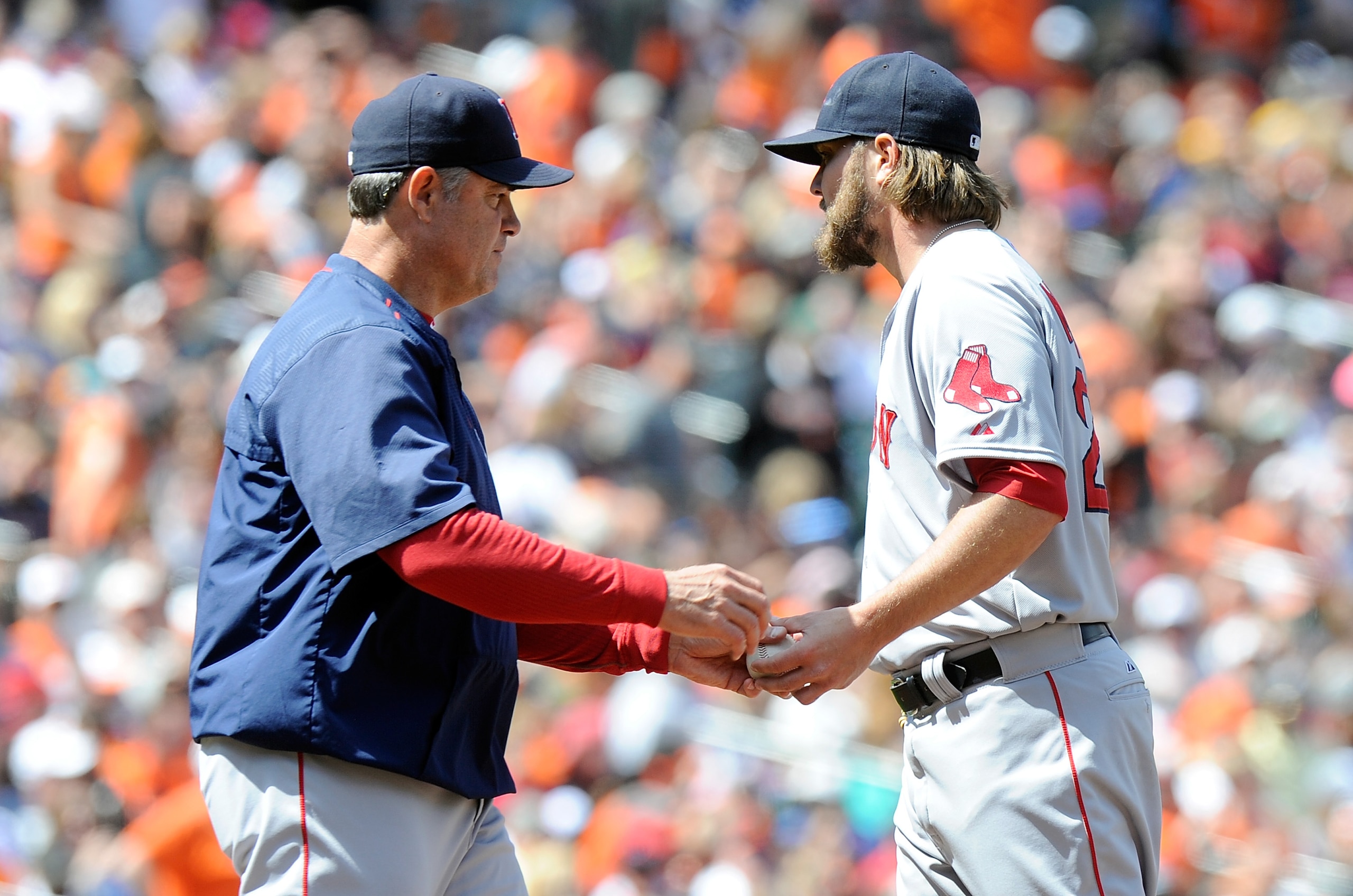
There's only one word that can adequately sum up the Boston Red Sox's starting pitching: Yeesh.
It's been a mess, all right, and the big problem has been what many expected it would be coming into the season. With no ace among them, it's no surprise that none of Boston's starters has an ERA under 4.94, and collectively, they have a 5.75 ERA. That's the worst in MLB by a comfortable margin.
The bright side is that Boston's 12-10 record puts it within striking distance of the top of the AL East. But suffice it to say, continuing to get by despite league-worst pitching isn't the best recipe for sustainability.
That makes it a question of how much longer the Red Sox will wait before they act. But to that end, general manager Ben Cherington doesn't seem to be in any hurry.
"We acknowledge the performance of the pitching staff and we know it needs to improve. We still believe it will simply by our pitchers pitching to their capability," he wrote in an email to Alex Speier of The Boston Globe. "We don't need them to do more than that. We believe if we pitch to our capability we will win games. We're focused on helping the guys that are here now pitch to their capability."
So be it, but Cherington better be ready to take the heat if that doesn't work out. He's the one who put Boston's rotation together, and he's the one who was warned about it being a flimsy unit.
Meanwhile, on the other side of the country, there's one GM who seemingly has the Midas touch...
Winner: A.J. Preller
5 of 10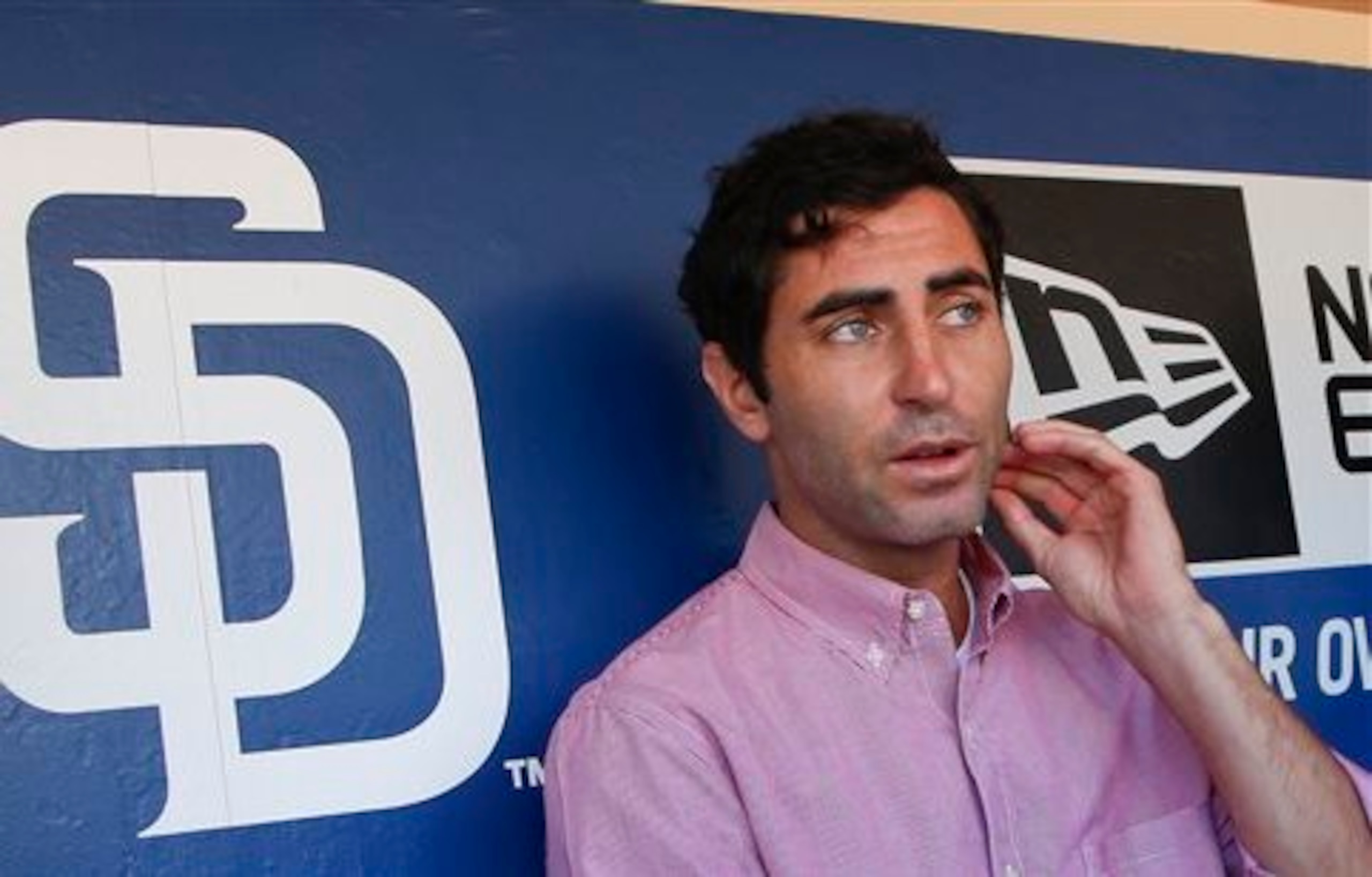
Nobody went more all-out over the winter than San Diego Padres GM A.J. Preller. While everyone else was quietly playing checkers, he was playing chess on an oversized board with strobe lights flashing and "The Final Countdown" on full blast.
That's one way to picture it, anyway. Regardless, Preller's dealings are definitely paying off early on.
Preller's main area of focus was rebuilding San Diego's offense, which was easily the worst in MLB in 2014. So far, his efforts are working like a charm. The Padres lead the National League in runs scored and are fourth in OPS, largely thanks to new additions Matt Kemp, Justin Upton, Wil Myers and Derek Norris.
Preller's two big pitching acquisitions have also panned out. Veteran right-hander James Shields has a 2.90 ERA in five starts in the first year of a $75 million deal. Before a rough outing Wednesday afternoon, fireballing relief ace Craig Kimbrel had saved six games with a 2.16 ERA in nine appearances.
All this hasn't translated to a particularly impressive record, as the Padres are only 11-12. But it's undeniably been good for business, as attendance at Petco Park has skyrocketed.
We now go from a man whose product is living up to the hype to a team that's doing the exact opposite...
Loser: Washington Nationals
6 of 10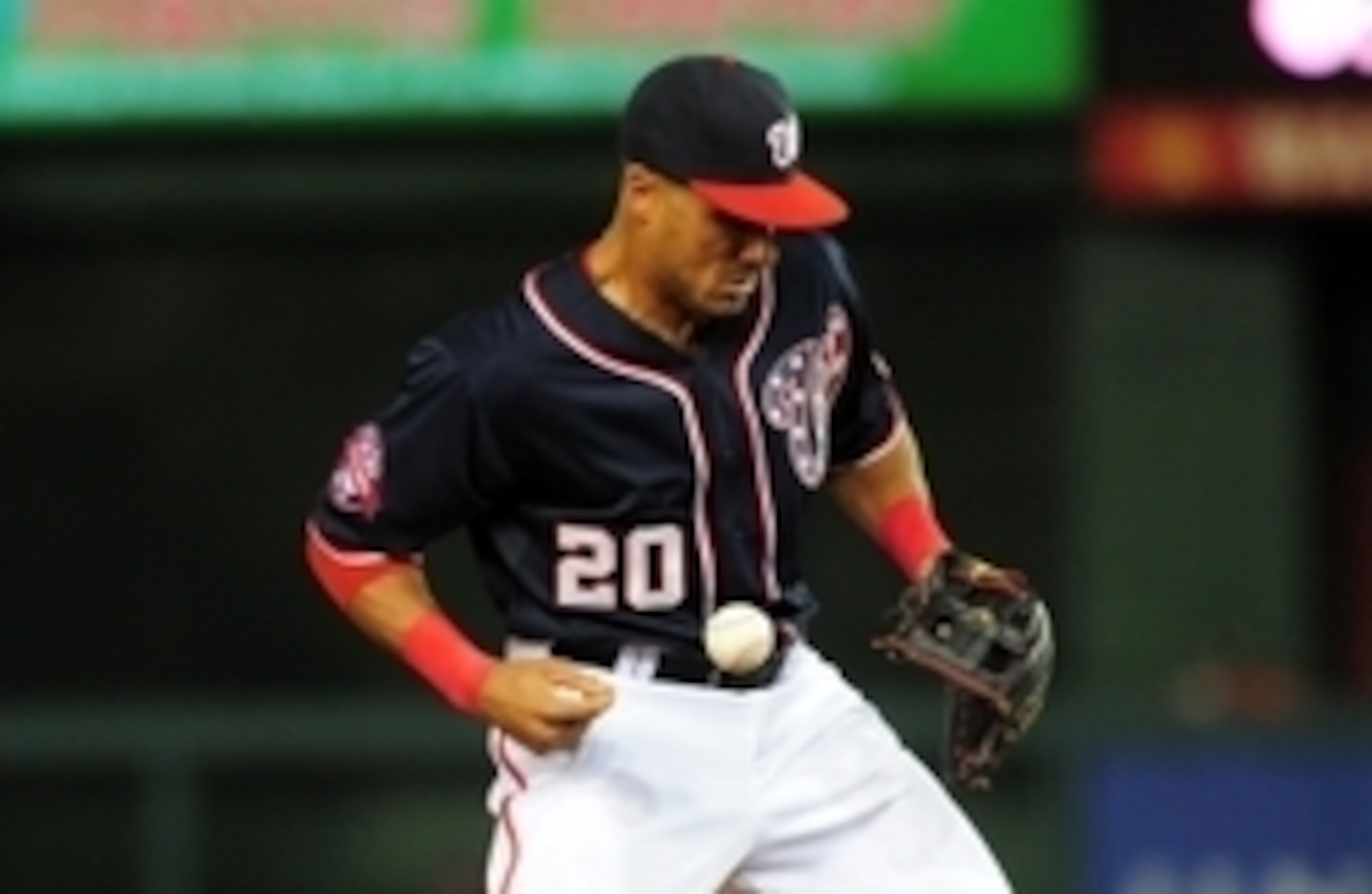
A month ago, we were talking up the Washington Nationals as a potential superteam. Sadly, they've responded to our hype job by going "pluh" out of the gate.
The Nationals are one of the worst teams in baseball with a record of 9-13, and that's by no means a mirage. They've been struggling right from the start and in every phase of the game.
With a collective OPS of just .681, the Nats are one of the National League's worst offensive teams. With a 4.01 ERA, their vaunted starting rotation has been a disappointment. With a 3.29 ERA, their relievers have also been mediocre. Defensively, the Nats entered Wednesday with the most errors in the NL and, per FanGraphs, ranked last in Defensive Runs Saved.
Of course, it's a silver lining that a slow start to 2014 didn't stop the Nats from finishing with baseball's best record. But as James Wagner of The Washington Post explained earlier this week, the situation this year is a little different:
"It feels almost disingenuous to look at the standings this early in the season but it's a natural reaction after a rough stretch. And no matter the time of the year, an eight-game deficit is a substantial margin. At no point last season — even through all the injuries, the rough start, a 27-28 record on June 1 — did the Nationals trail by eight games. Their biggest deficit was four.
"
In other words, the turnaround job ahead of the Nationals is a bit more daunting than the one they faced last year. They're going to need to get everything working.
For a model to follow, they can turn to...
Winner: Kansas City Royals
7 of 10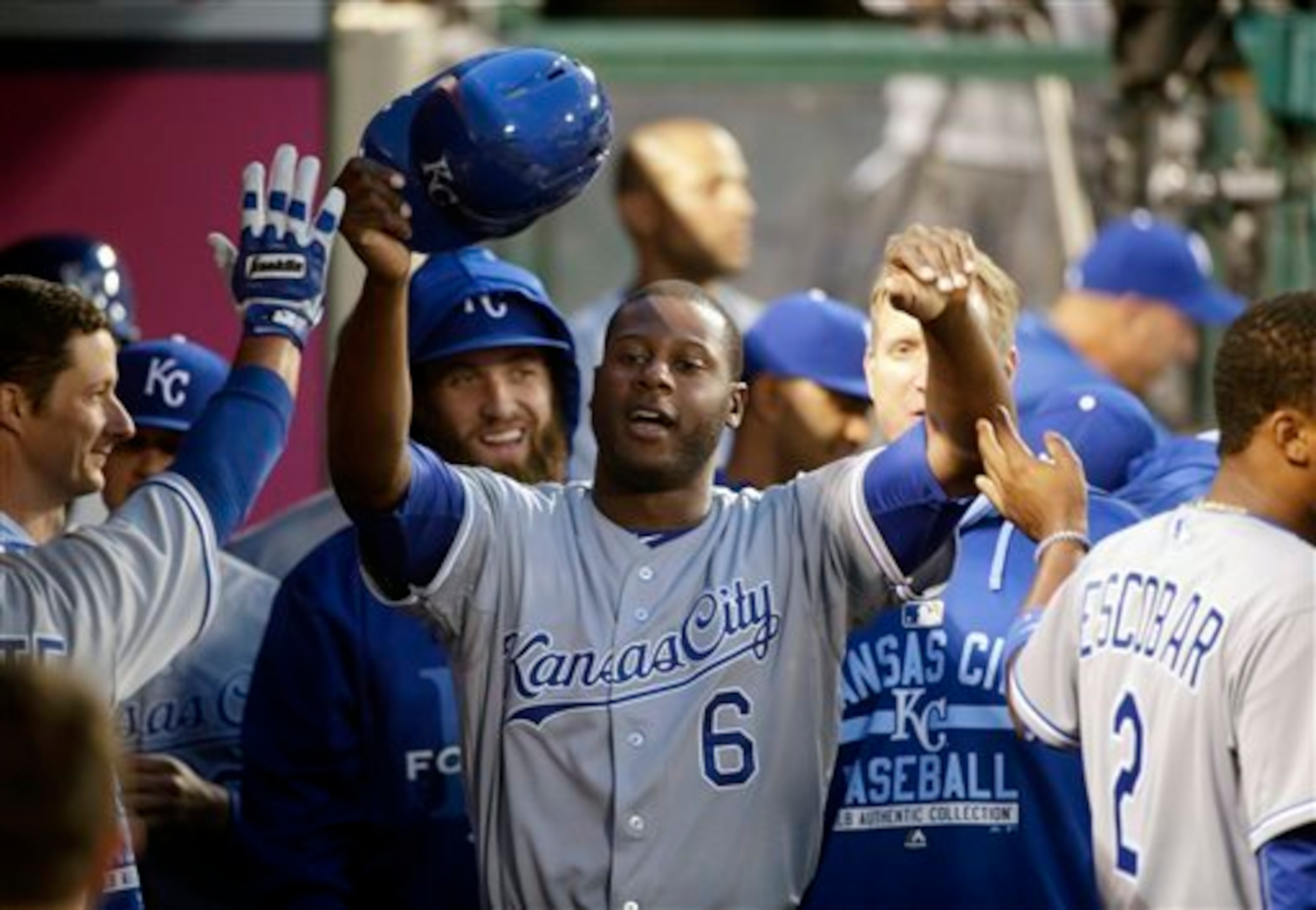
Full disclosure: It did occur to me to label the Kansas City Royals as a loser due to their sudden lust for combat. They've become equal parts baseball team and fight club.
But nah. What matters more is the baseball team half of the Royals, which is the more exciting side.
Their 14-7 record—obligatory shoutout to the upstart Houston Astros, who are also 14-7 and were very tough to leave off this list—may not say so, but the Royals look like the best team in baseball in the early going. They lead everyone in run differential at plus-38, and that's come about largely because they're doing everything right. They rank third in MLB in OPS, fourth in ERA and first in Defensive Runs Saved.
Helping matters is that two of GM Dayton Moore's roundly mocked offseason acquisitions have paid off in a big way. Edinson Volquez has filled in for James Shields with a 1.91 ERA in four starts. Kendrys Morales has filled in for Billy Butler with an .857 OPS in 21 games.
So don't get too hung up on the Royals' sudden "Bad Boys of MLB" image. They've certainly earned that, but at least they've backed it up. There's nothing admirable about jerks who can't win games. There's plenty to admire about jerks who can.
Now then, who's up to seeing what the opposite of the Royals looks like?
Loser: Milwaukee Brewers
8 of 10
What makes the Milwaukee Brewers one of the biggest losers of 2015?
Mainly that they're literally the biggest loser of 2015.
At 5-17, the Brewers have the worst record in baseball, and it's not really close. Nobody else has more than 14 losses, and run differential tells an even uglier story. At minus-47, Milwaukee has a run differential seven runs below the next-worst team.
This is what happens when you can't hit or pitch. The Brewers rank toward the bottom of MLB with a .627 OPS, largely because they had only one above-average regular (Adam Lind) in their lineup at the start of play Wednesday. The club also owns a 4.78 ERA that ranks toward the bottom of the league. Among the team's starters, only Jimmy Nelson owns an ERA below 4.60.
What's worse is that this slow start isn't coming out of nowhere. It's a continuation of last year's September collapse, which saw the Brewers go 9-17 in their final 26 games.
And if Jon Heyman of CBS Sports is to be believed, the Brewers may already be reading the writing on the wall. There's talk of them possibly sending up a white flag soon.
Presumably, this isn't music to the ears of former Brewers owner and commissioner Bud Selig. His replacement, however, is probably in good spirits these days...
Winner: Rob Manfred
9 of 10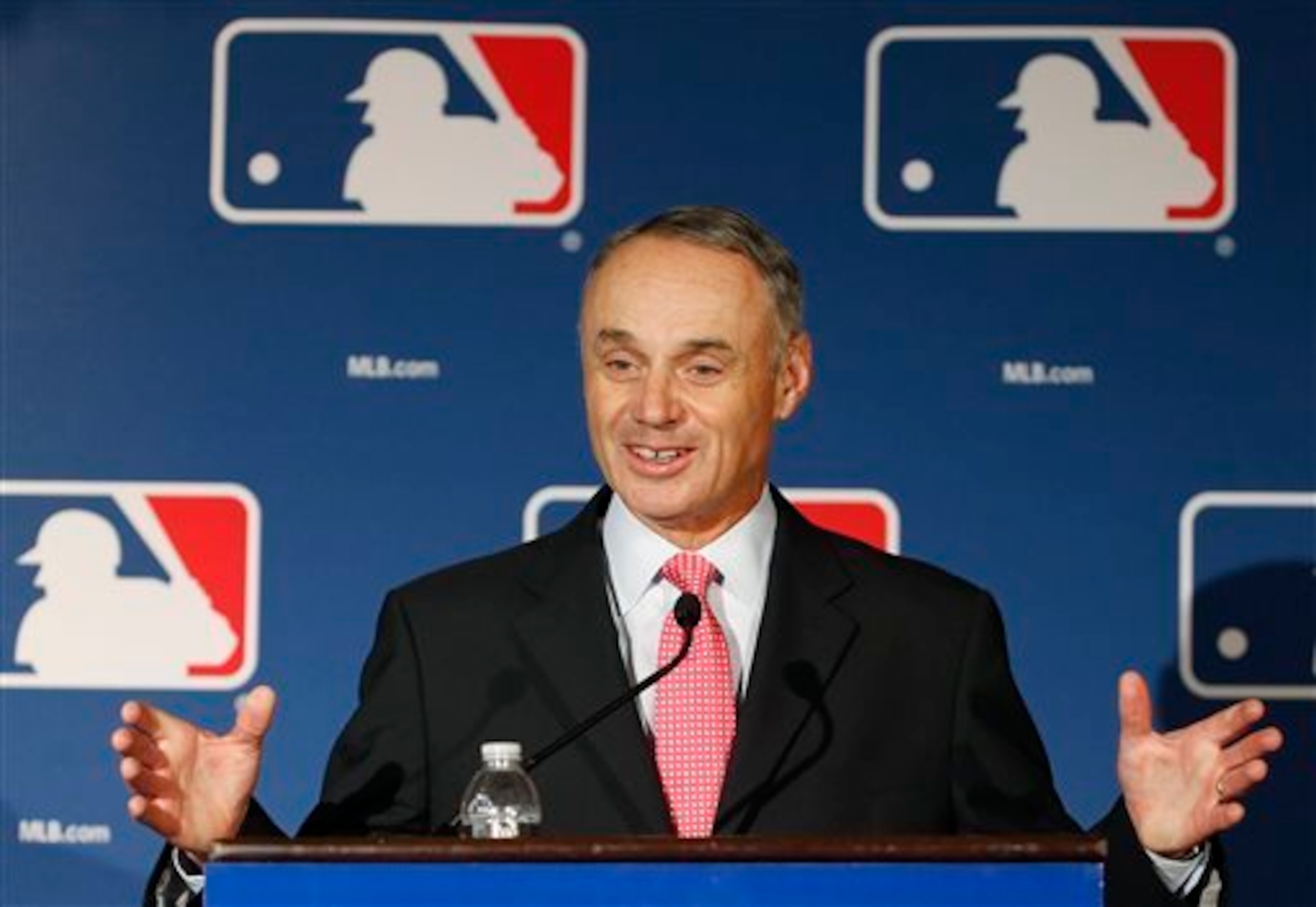
In a January interview with Ken Rosenthal of Fox Sports, new MLB commissioner Rob Manfred made it clear that he was worried about two things on the field level: pace of play and offense.
To these ends, he must like what he's seeing so far in 2015.
Regarding pace of play, Manfred spearheaded a movement that resulted in new rules designed to speed things up. Those are working. According to FanGraphs, the pace in between pitches is down a full second from 2014. The average game time is down from 3:02 to 2:54, a drop of eight minutes.
There was some concern before the season that a quicker pace would lead to less offense, but the opposite has happened. At the start of play Wednesday, the average for runs per game was up from 4.07 to 4.23, thanks in large part to increases in on-base percentage and slugging percentage.
It also helps that the league's strikeout rate is down, going from 20.4 to 20.1. One wonders if Manfred himself has made this happen, as Jon Roegele noted at FanGraphs on April 21 that the size of the called strike zone has mysteriously shrunk from the gargantuan size it was in 2014.
Even if Manfred had nothing to do with that, he'll surely take it. Between how that's helping offense and how things are moving along at a quicker pace, he's already seeing results in two key areas where he wanted to see improvement.
And where offense is concerned, it's worth noting things could be even better...
Loser: National League-Style Baseball
10 of 10
If you're a fan of pitchers having to bat in National League games, you might want to take a seat and have a good, long thought about what's happening in that neck of the woods in 2015.
We all know the big headline. St. Louis Cardinals ace Adam Wainwright has been lost for the season with a torn Achilles tendon he suffered running out of the batter's box. And while there's no guarantee that such an injury could have been avoided altogether, that it happened at all shines light on how forcing pitchers to hit for themselves puts inherently fragile players in unnecessary danger.
This is where we could get into the (sort of) war of words between fellow NL aces Max Scherzer and Madison Bumgarner, but let's skip that and focus on a key word in the above paragraph: "unnecessary."
Yes, pitchers batting is traditional. And also within NL rules. To these ends, "unnecessary" may sound misplaced.
But here's the problem: Pitchers may bat for themselves, but they're no longer hitting for themselves.
Last year was the worst year on record for pitcher offense, and things are even worse so far this year. It's long been understood that pitchers are pretty much automatic outs. Now there's no "pretty much" about it. They are automatic outs.
And this is not some new trend. As Grantland's Ben Lindbergh can show, pitchers have been getting steadily worse at hitting ever since 1920. As such, to defend the tradition of pitchers hitting for themselves is to defend a tradition that's been dying a slow death for damn near 100 years.
The sooner MLB puts this tradition out of its misery, the better.
Note: Stats courtesy of Baseball-Reference.com and FanGraphs unless otherwise noted/linked.


.jpg?w=2560 "Love's Body Already 'Tired'")
.jpg?w=2560 "Tyreek Deal May Come Soon")
.jpg?w=2560 "Ward Nearly Walks Out of Presser ▶️")


.jpg?w=2560 "NFL investigating 2 referees for separate viral exchanges")