The First Tornado Tag Match and the Birth of Team Wrestling
From their seats inside Houston's City Auditorium, the fans out to catch their usual dose of Friday night wrestling witnessed more than the usual lineup of matches—they witnessed history. Tag team wrestling's origins are unclear, washed away by time, but a Tornado Tag Team match in 1936 was most certainly central to its growth.
Tiger Daula and Fazul Mohammed bashed the good guys, Heinrich "Milo" Steinborn and Whiskers Savage, until victory was theirs.
This match is the grandfather to today's clashes between teams. Despite not being a runaway hit that night, it proved to be a catalyst that would change the industry.
.jpg?w=2560)
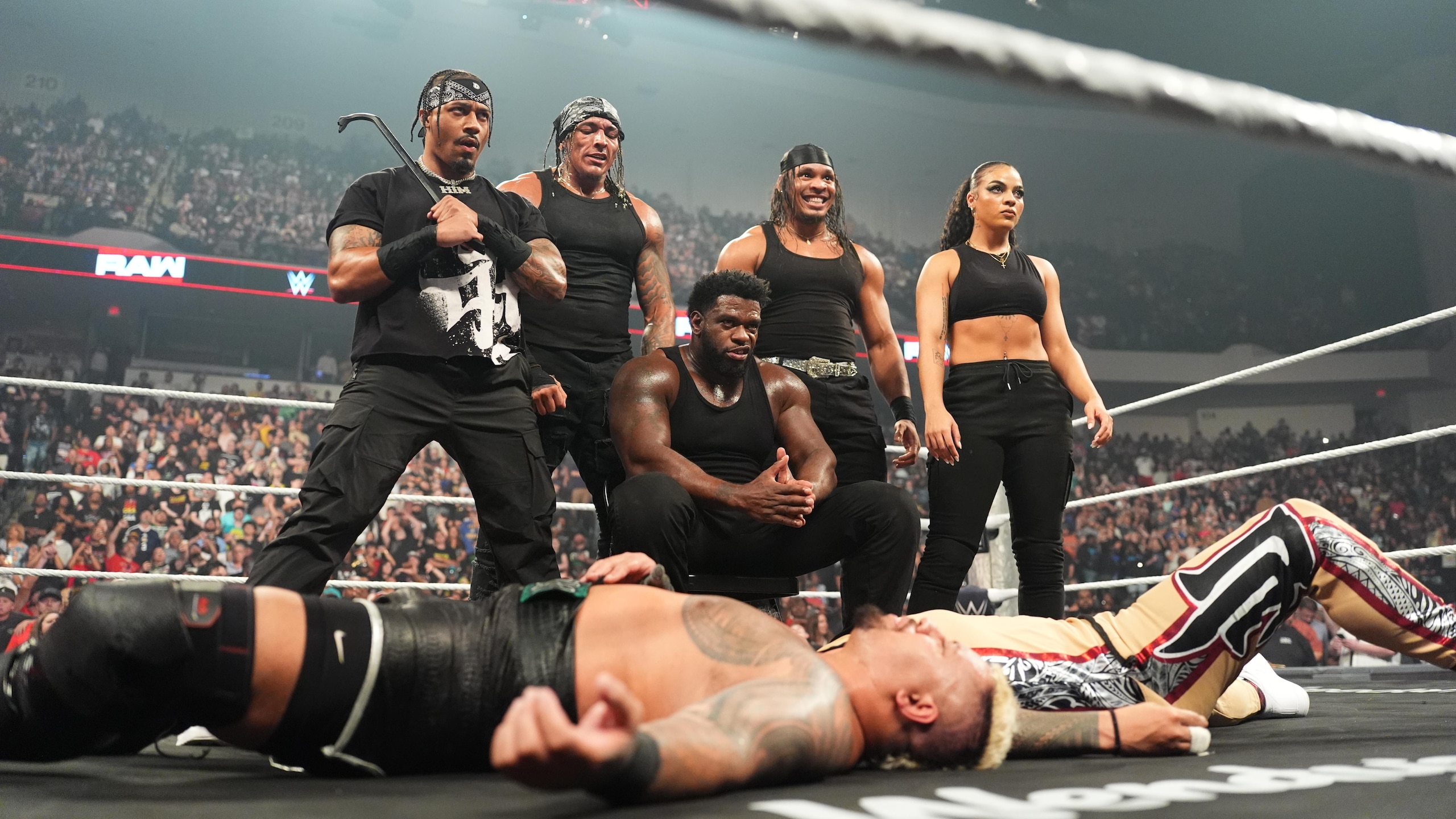
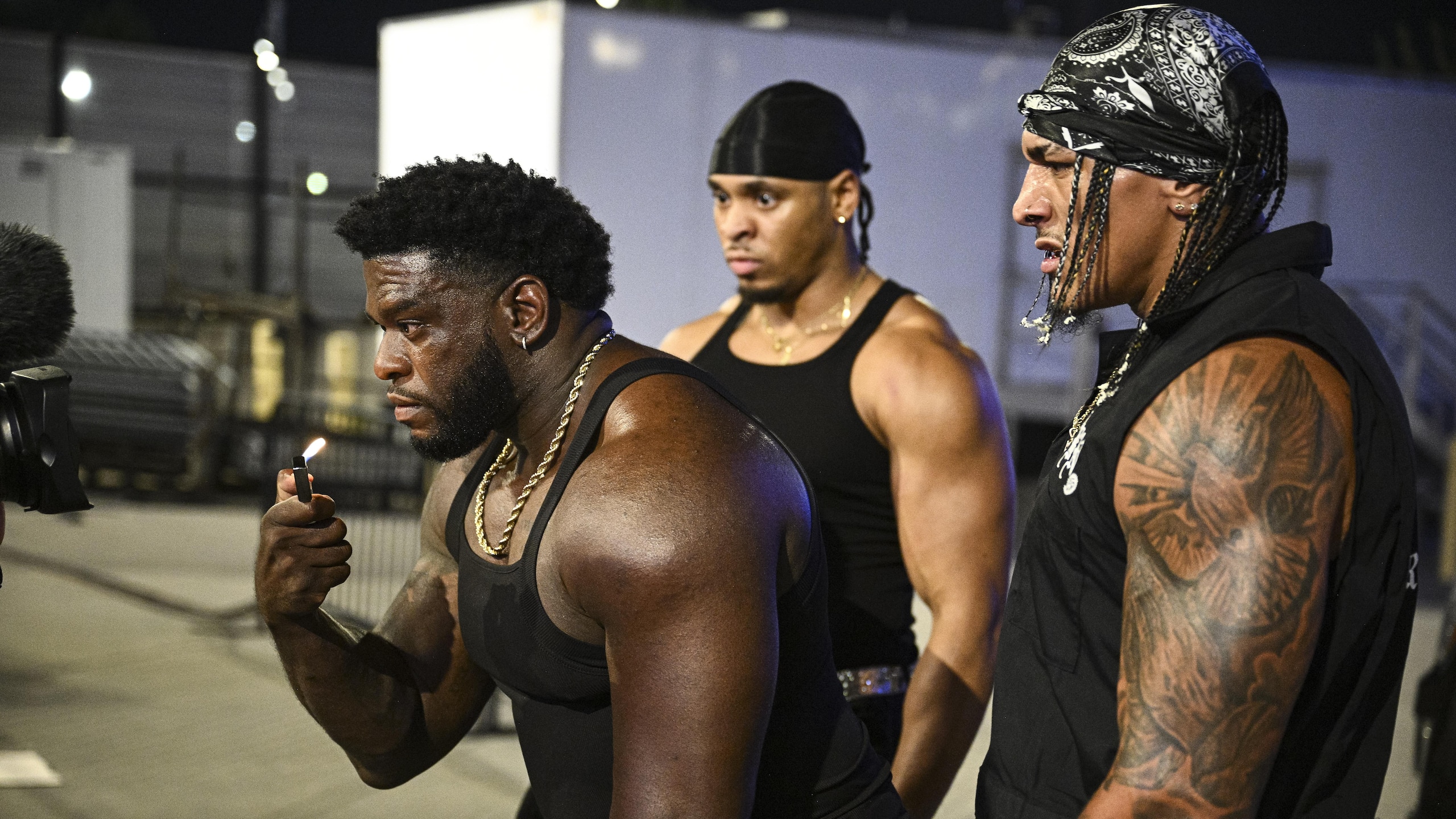
In the early part of the 20th century, wrestling matches were contested between two wrestlers. Promoters had yet to explore the options of inserting more gladiators between the ropes. The industry was decades away from six-man matches, Fatal 4-Ways or what WWE dubs an "interspecies match."
There is a prevailing belief that San Francisco birthed tag team wrestling over 100 years ago.
That line of thinking pops up in several wrestling publications and in newspapers. Well-known wrestling writer Keith Elliot Greenberg, for one, wrote in Pro Wrestling: From Carnivals to Cable TV: "The first tag team match was held in San Francisco in 1901."
Greg Oliver, author of The Pro Wrestling Hall of Fame: The Tag Teams, thinks otherwise.
Oliver wrote of the references to San Francisco as tag team wrestling's genesis, "Modern historians reject these accounts as undocumentable. There is nothing in San Francisco newspapers of 1901 to support the contention that promoters there hit upon the idea of tag team wrestling."
Even if there had been some dueling duos prior to Daula and Mohammed vs. Steinborn and Savage, team wrestling was still something so unfamiliar at the time that it was seen as an oddity.
It was on Friday Oct. 2, 1936, that Houston fans saw that oddity up close, unaware where that in-ring struggle would lead.
Back then, the City Auditorium was Houston's wrestling and entertainment hub. Babe Ruth spoke at the venue. Singers, dancers and performers all entertained at what is now Jones Hall.
On Friday nights, though, wrestling owned the place.
On this particular night, a standard card was set to end with a novel four-man match. Ray Steele earned a win over Dan O'Connor. Ellis Bashan was in action. Jim Clintstock took on Sun Jennings. Business as usual.
Then came the special attraction.
Promoter Morris Sigel sought to offer something different. If two wrestlers at a time was entertaining, wouldn't four of them be twice so?
This 2-out-of-3 Falls affair that he set up for the Houston fans allowed all four men to compete in the ring at the same time.
Steinborn, a German strongman who had famously lifted everything from an elephant to a car, teamed with a Texas native in Savage. Their opponents played the part of the dangerous, dastardly foreigners.
Daula and Mohammed took advantage of the tag team stipulation and forced the battle to become a two-on-one situation. They left Savage tied up in the ropes while they worked on Steinborn. The double-team not only earned them the first fall, but it also knocked the German out of the match for good.

Doctors came to Steinborn's aid, but he was too hurt to continue. The officials wouldn't allow him to return. That left the local boy on his own.
Savage fought valiantly, despite the numbers not being in his favor. In the end, though, he fell. As Jimmie Lingan wrote for the Houston Chronicle the next morning, Savage "finally took his measure after a series of slams and pinwheels."
Lingan wasn't impressed with what he saw that night. And likely he wasn't alone. This match marked a departure from the norm, doubling the number of gladiators in the arena.
The journalist described the bout as a "freak team match." He added that "the four man final did not register well after a good preliminary show."
He couldn't have known what had just happened in the City Auditorium. He couldn't have known that this new style of wrestling would catch on and that it would eventually become a staple of the business.
Oliver wrote that after Steinborn and Savage vs. Mohammed and Daula, "team wrestling soon became a regular feature of wrestling cards around the country."
By the middle of the century, a long list of territories were taking on this new venture. It was morphing from a strange, unheard-of endeavor to an exciting new trend.
A 1955 edition of Pennsylvania's Reading Eagle began a write-up for a wrestling event, "Tag team matches are all the rage in wrestling circles these days." Strangely enough, the main event tag match featured Milo Steinborn's son, Dick.
As noted on Wrestling-Titles.com, National Wrestling Alliance affiliates were featuring tag team championships around this time. In Tennessee, Jack Purdin and Garza Lozano became the first mat men to hold the Southern Tag Team Championship. Their reign began in 1945. The Mid-Atlantic territory first awarded their version of that title in 1951.
The "tornado" style tag team match evolved into something less chaotic. At some point, the rules shifted so that only one partner was legal in the match at one time. As one wrestler toiled in the ring, the other waited on the ring apron.
Today, this is the standard approach to team battles. Tornado Tag Team matches are rare treats promoters only provide to fans when looking for something unique.
Tag team wrestling in general, though, is ever-present.
It's hard to imagine today's WWE without The Usos flying over the top ropes or Ring of Honor without The Briscoe Brothers. Six-man, eight-man and elimination versions of the tag team match fill up the screen each week. WWE's Hall of Fame boasts legendary teams like The Road Warriors, The Blackjacks and The Four Horsemen.
Back in 1936, Sigel planted a seed that would lead to all that. Steinborn and Savage vs. Mohammed and Daula was a trailblazing event, whether or not the fans sitting at ringside or the writers covering the bout realized it at the time.