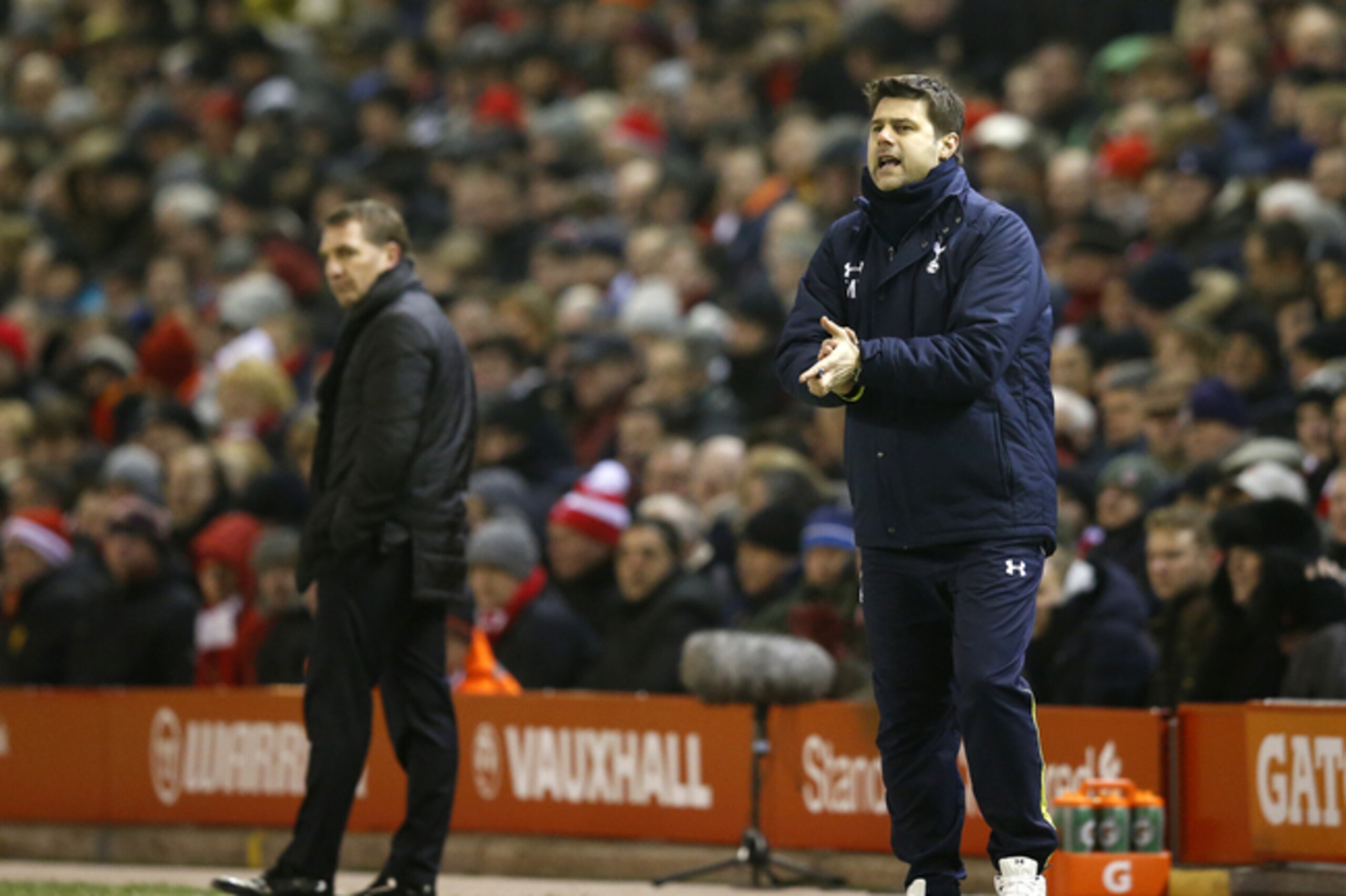

Mauricio Pochettino's Tottenham Blueprint And His Debt To Marcelo Bielsa
When Mauricio Pochettino leads out Tottenham Hotspur at Wembley for the Capital One Cup final against Chelsea on Sunday, it will be a tentative vindication of his nascent reign—and of Daniel Levy’s decision to put him in charge of the north London club’s latest rebuilding project.
Investing in a distinct identity, as Tottenham have with the appointment of their Argentinian coach, has been a step toward finding something that the club have arguably lacked through the ups and downs of recent years. Pochettino’s principles of energetic, feverish high press have been well documented since his arrival in England and will again be in evidence on the open spaces of the national stadium, a yawning surface that he believes will suit his Spurs.


That philosophy has its roots in the very start of Pochettino’s playing career, with Newell’s Old Boys in the city of Rosario. It was here that he first crossed paths with Marcelo Bielsa, who recruited the teenager—with trademark eccentricity—in a late-night visit to his parents’ house in the company of his legendary confidante Jorge Griffa, who had offered Bielsa his own route into the professional game back in the 1980s (Griffa, incidentally, recently returned to work at Independiente’s academy at the ripe old age of 79).
By Pochettino’s own admission, it wasn’t really during their time together at Newell’s that he really learned from Bielsa—that came later, when they worked together with the national side. It wasn’t always successful. They were part of Argentina’s group-stage exit in the 2002 World Cup. Pochettino, remember, conceded the penalty from which David Beckham scored England’s winner in the middle of those three games.
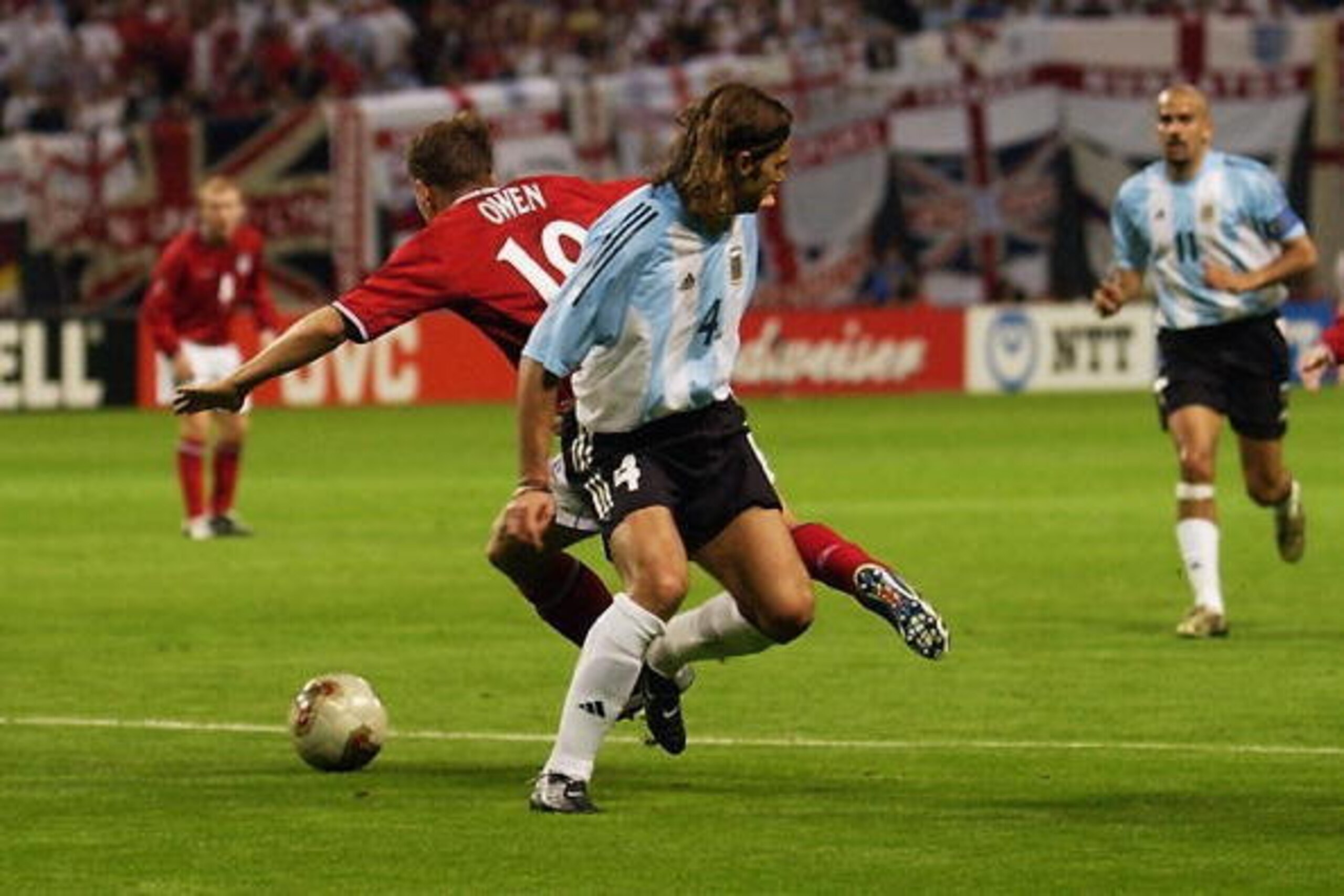
It was a significant growth experience, though. “With the exception of Brazil, everyone who'd played the European season was physically on their knees, which took an especially high toll on Bielsa's high-intensity game,” BBC’s South American football expert Tim Vickery told Bleacher Report.
The lesson stayed with Pochettino. “You could perhaps argue that the rotation dilemma at the moment might be in some way shaped by 2002,” said Vickery. Tottenham’s boss knows his own mind, and is a pupil of Bielsa’s rather than a disciple.
“Tottenham look to me a bit of a halfway house [between Bielsa’s ideas and something else],” Vickery continued. “I would have expected him to make more use of Aaron Lennon for example. Playing inverted wingers and then moaning about how small the pitch is something I can’t really imagine Bielsa doing.”
The connection is significant, however. Espanyol binds them, as well as Griffa, who played the last two years of his career there (the last of a dozen in Spain) before returning to his native Argentina in 1972. Bielsa later took his first coaching job in Europe there in a short spell in 1998, truncated by his appointment by Argentina.
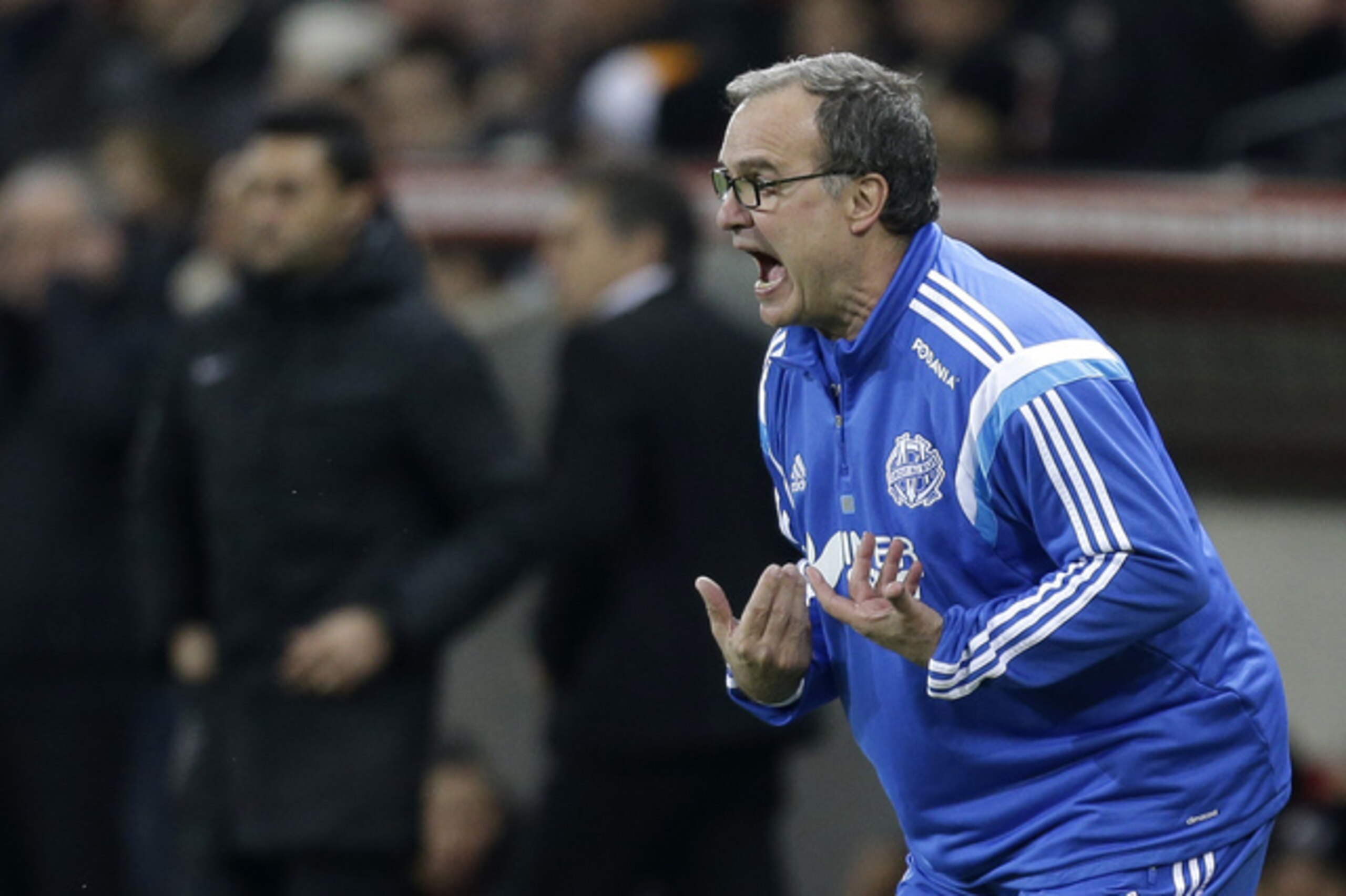
It was Pochettino, though, who enjoyed the most lasting relationship with Barcelona’s second club, appearing over 300 times in the blue-and-white stripes over two spells before being appointed as head coach in January 2009. It was also at Montjuic, and later at Cornella, that he proved himself as a man of principle, as well as one of ideas.
After winning his second Copa del Rey title with Espanyol in 2006, Pochettino brought an end to his playing career at the age of 34 after a frustrating, peripatetic season in which he had experienced the unfamiliar sensation of being on the fringes of the team.
This was no fit of pique. He had simply decided, after discussion with his advisors and his family, that his departure was best for him and the club, whose interests he always treated as paramount. Pochettino walked away from the final year of his contract rather than sitting it out and collecting a pre-retirement bonus.
He was equally magnanimous when his near-four-year tenure as coach ran aground in late 2012, underpinned by a decimated squad, financial difficulties and dressing-room factions. With the praise of president Joan Collet ringing in his ears, Pochettino left with genuine sadness but with the expressed wish that he could one day return.
That sort of longevity has never been Bielsa’s thing, though Pochettino believes his "El Loco" nickname is a red herring. The elder Argentinian was not “mad” but “methodical” and simply “very faithful to his ideas,” as Pochettino insisted when facing his teacher when he was in charge of Athletic Bilbao in 2011, reported by ESPN.
There is no doubting that Pochettino is his own person—emphatically so in fact. Yet the fingerprints of the man who also acted as a conduit to Pep Guardiola’s coaching career will again be plain to see on Sunday and beyond.


.jpg?w=2560 "Puka Dealing with Calf Injury")