

2015 NFL Draft Loaded with Slot Receivers, Offensive Weapons
As the NFL continues to evolve schematically, coaches and coordinators look to push the envelope with innovation to create mismatches.
Growing from the T-formation at the beginning of football’s origins to more modern variations of the shotgun, the ability to get elite athletes executing just a little better than their opponent is invaluable for success, and the 2015 NFL draft can continue to push the latest development for offenses.
The newest fad has been to spread defenses out horizontally at the line of scrimmage with multiple receivers. With less defenders able to line up around the tackle box, the offense is able to see coverage schemes pre-snap more effectively than when everyone is bunched up in an I-formation. Considering how the NFL rules clearly benefit offensive players, it’s wise to allow the receiver to get one-on-one opportunities, as they’re often bigger and more likely to draw a penalty flag if the defender panics.

.jpg?w=2560 "Falcons Saints Football")
.jpg?w=2560 "Rams Eagles Football")
The emergence of slot specialists has forced defenses to look for a new hybrid of player to compete in coverage. Unlike outside receivers, slot receivers have easier access to the middle of the field because of their pre-snap alignment. With more space to operate with, a different skill set is valued in comparison to outside receivers.
Receivers that line up outside of the numbers often need more size and straight-line speed because there is less room for routes to develop. Seven players must line up directly on the line of scrimmage; at least one outside receiver often joins the five offensive linemen so that the offense is set. This opens opportunities to jam receivers because a cornerback can line up directly over the offensive player.
Slot receivers generally are quicker in short spaces than they are fast on deep routes because their routes will usually top off around 10 yards downfield. The goal of their route is usually to get them the ball and allow them to create after the catch. This isn’t always the case but is a trend when looking at the position.
Great playmakers who excel after the catch have immense value in the NFL because it eases the job of the quarterback and offensive line. Instead of blocking for five seconds, a great slot receiver can create separation within two seconds after the ball is snapped and make a defender miss to create more yards.
Defenses have certainly adjusted to help prevent big plays by slot receivers. Mismatches like a lumbering linebacker trying to cover a shifty receiver are sure to be exploited, so defensive coordinators have adjusted their strategies. A big emphasis has been placed on finding smaller linebackers who are more like safeties but still offer a presence in the run game and fluidity in coverage.
Finding such players is difficult because the human body just isn’t built to be tall, fast and flexible. A tiny percentage of the population is even athletic and big enough to compete in professional sports to begin with, and filtering to the most elite athletes is really splitting hairs.
The other strategy is to find dedicated nickel cornerbacks who can handle the quickness of slot receivers.
Like their counterparts on offense, nickelbacks are usually smaller, quick and are more instinctual than technical. According to Pro Football Focus’ game data from 2013, 45 percent of all plays featured five defensive backs on the field. That extra defensive back is assuredly almost always a nickel cornerback.
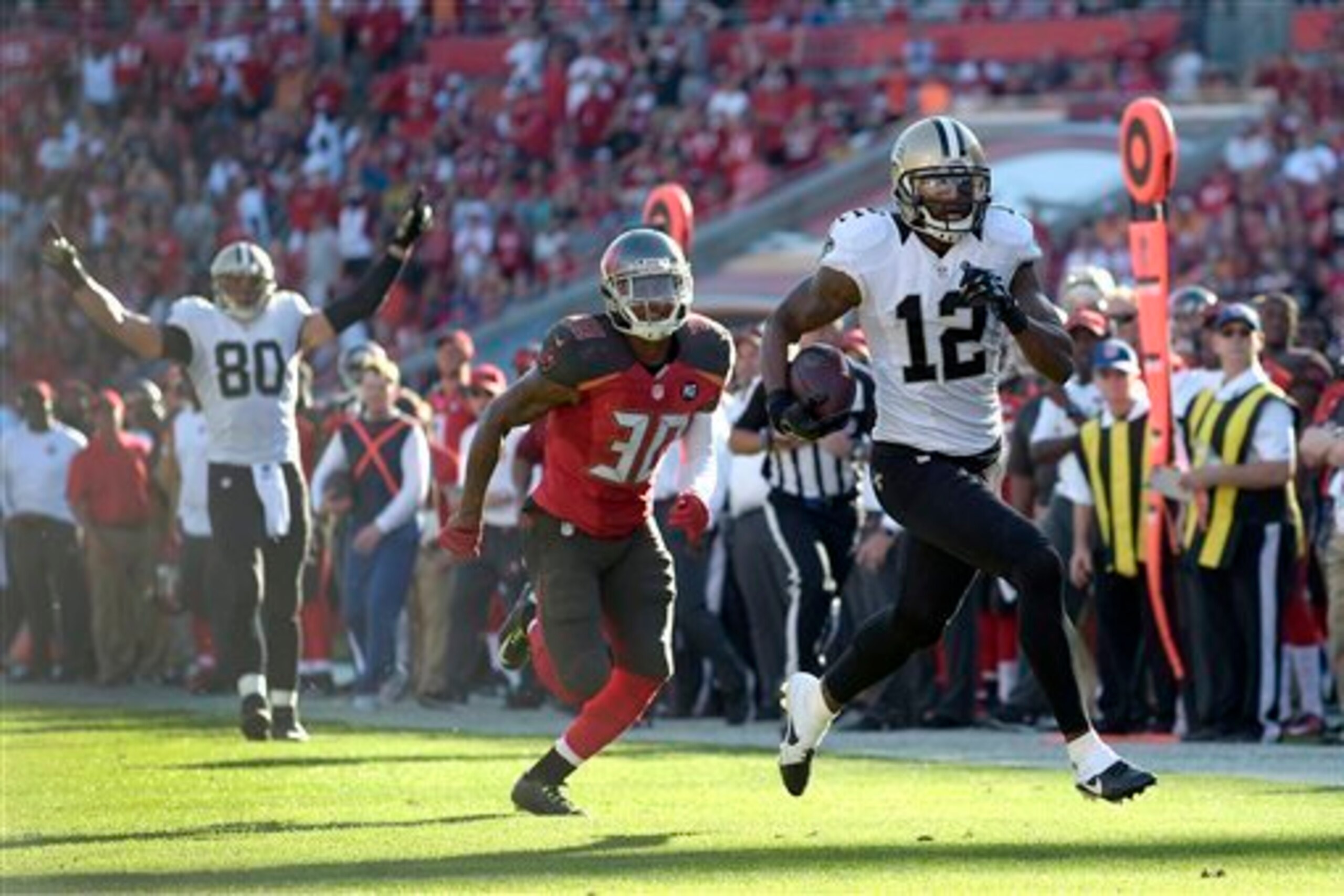
Current slot receivers in the NFL vary in size, age and skill set, so not all 32 slot receivers perfectly fit the mold. That makes defenses squirm even more. Imagine being an NFC defense, which has to build a unit that can handle Jimmy Graham, Marques Colston and Brandin Cooks when facing the New Orleans Saints and then turn around and have the personnel to defend against Calvin Johnson, Golden Tate and Eric Ebron of the Detroit Lions. Times are tough for general managers and defensive coaches looking to scheme ways to curb scoring.
Some of the most dangerous receivers in the NFL line up in the slot for a majority of their snaps. Household names like Larry Fitzgerald, Colston and even Reggie Wayne logged at least 50 percent of their snaps in the slot in 2014, according to Pro Football Focus. Some may find this surprising, as those players are not small or shifty, but they all have terrific hands and incredible football intelligence.
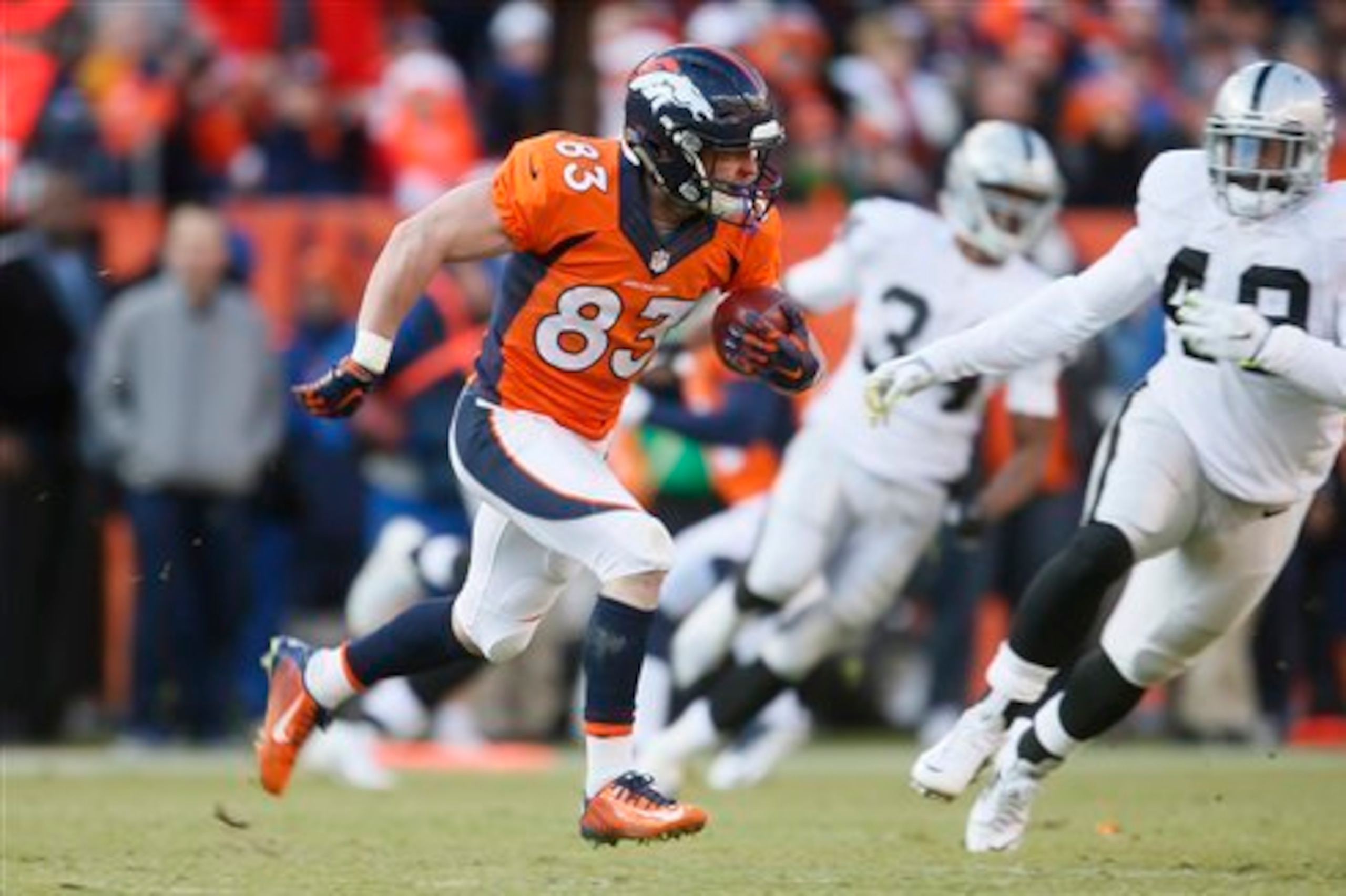
More traditional slot receivers across the league include Wes Welker, Jarvis Landry and Randall Cobb. Those names shouldn’t surprise anyone, as they’re three of the most effective slot receivers in the NFL. They all log a vast majority of routes as the third receiver (compared to the bigger, more physical receivers mentioned above).
Expect more slot receivers to enter the NFL with experience since slot specialists as offenses keep using space to their advantage. Spread offenses are able to help overcome some talent gaps if they’re effective in executing game plans that allow playmakers to do the heavy lifting as opposed to relying on a great quarterback and offensive line. Those are hard to find and develop, but good receivers aren’t overly tough to acquire.
The 2015 NFL draft class features a number of candidates who vary in size but are capable of being effective slot receivers. Possessing great hands, good quickness and a tough mindset, the next five players all have potential to be impact slot receivers early in their NFL careers if they’re asked to fill that role.
These players were specifically picked because they’re projected through various points in the draft. Some may go on Day 1 or 2, but others could fall to the late rounds depending on their combine performances. Either way, on-field success for the next five names wouldn’t be a surprising outcome.
Devin Funchess
Projected to be a first- or second-round pick by NFLDraftScout.com, Michigan wide receiver Devin Funchess is one of the top athletes in the class. At 6’5” and 230 pounds, Funchess played tight end before his junior season began, but he has always effectively been a receiver for the Wolverines, as he’s too slight of frame to play in-line as an effective blocker.
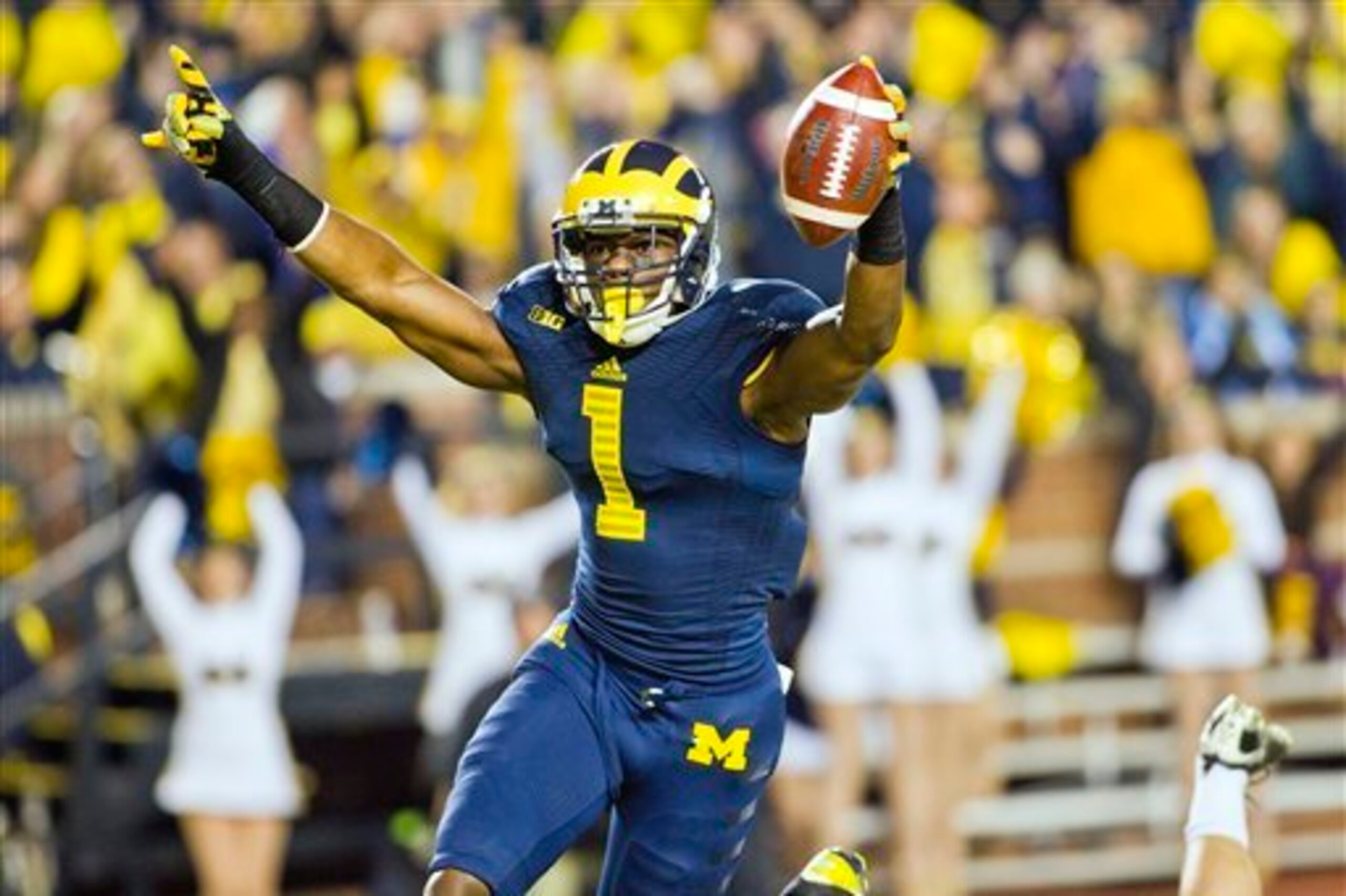
Funchess has terrific movement for his size. His hips are as fluid as a much smaller player and help him sell routes effectively. With his length and frame, he’s an obvious red-zone weapon for an offense to target, but his ability to win at the catch point would be considered solid regardless of his size.
Lacking great deep speed, Funchess often lined up as a slot receiver for the Wolverines. He looks natural there, as he is able to abuse linebackers and safeties who try to keep up with his quickness, but cornerbacks have no chance against his frame as well. Expect Funchess to be a hot name if his on-field athleticism translates at the NFL combine.
Nelson Agholor

The trend of USC wide receivers struggling in the NFL could very well change with their latest product, junior Nelson Agholor. Not only does he have the name that could be mistaken for a wise philosopher, but he’s incredibly difficult to defend against on the gridiron.
Agholor is a good athlete and has solid size at 6’1” and 190 pounds. He boasts tremendous hands and a big catch radius, which are essential for slot receivers to succeed. There is a decent likelihood that Agholor finds himself playing as an outside receiver as much as he does in the slot because of his great route-running ability, but that only speaks to his overall talent to be that versatile and effective.
Jamison Crowder

Seeing Duke’s Jamison Crowder scurry around the field is more reminiscent of a traditional slot receiver than the other big playmakers on this list. At only 5’8” and 174 pounds, Crowder’s ability to handle physical coverage is very much a question mark. In the slot, however, he won’t have to worry about being pressed or jammed, and he can let his feet break down defenses.
Crowder has great deep speed and short-area burst, so he’s a weapon who can put cornerbacks in a tough position. He’s a true offensive playmaker who is capable of creating before and after the catch. Just give him the ball somehow and watch him work his magic.
Tyler Lockett
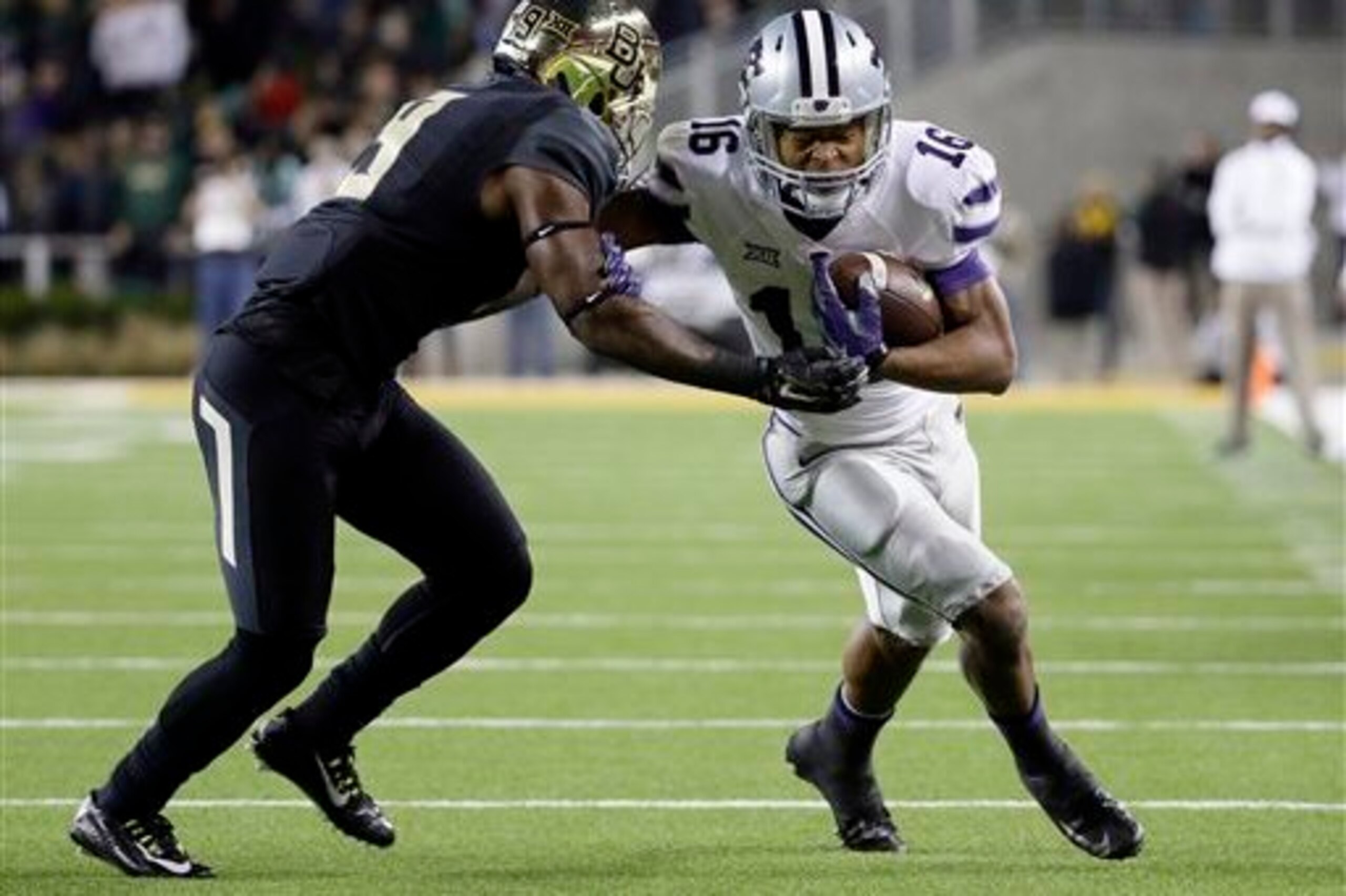
Another small receiver, Tyler Lockett of Kansas State wins less with physical traits and more with precision and toughness. He’s a relentless worker as he fights for the ball and has experience going up against boundary cornerbacks quite often. His success in college is a direct result of his incredible footwork and aggressiveness at the point of the catch.
At just 5’9”, Lockett will likely be a full-time slot receiver in the NFL. This shouldn’t be an issue, though, as his feet and release off the line are still standout traits. He’s such an impressive competitor and reliable receiver that any offense will be able to incorporate his services.
Stefon Diggs
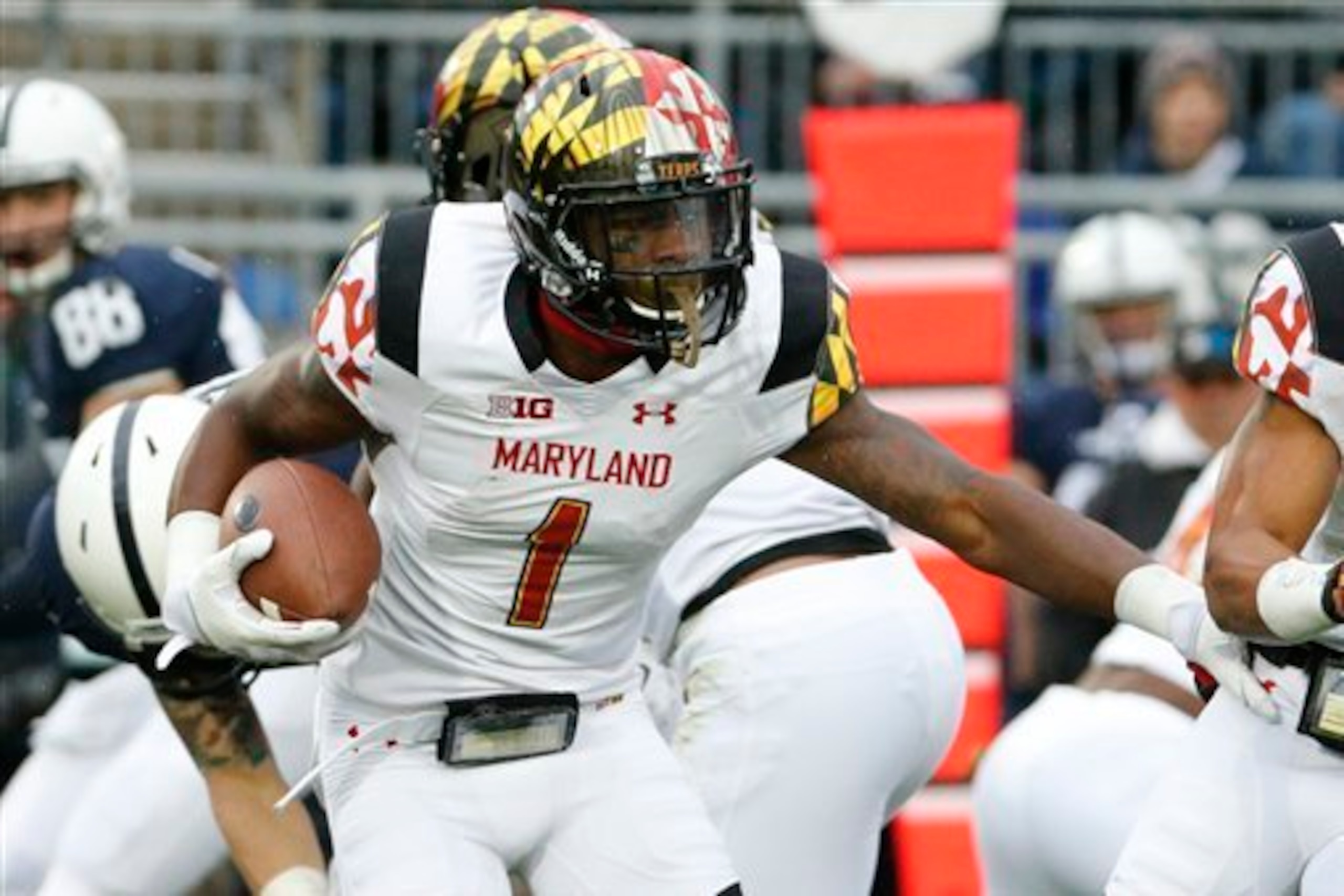
If Maryland’s Stefon Diggs can stay healthy, he is a potential difference-maker at the next level. When he’s on the field, he is tremendous after the catch. His big-play potential puts defenses on high alert as soon as he turns upfield.
Diggs doesn’t have elite quickness or deep speed, and his frame is slight. But he’s an impressive football player who just makes plays. That’s all that is needed, sometimes. His open-field vision and ability to make tacklers miss catches the eye.
With the injection of these young talents into the NFL, defensive coordinators will need to continue to search high and low for capable cornerbacks to slow them. The receiver position continues to get richer, and soon every team will have versatile playmakers who can make their surrounding casts play even better.
All stats used are from sports-reference.com.
Ian Wharton is a NFL draft Featured Columnist for Bleacher Report, contributor for Optimum Scouting and analyst for eDraft.
.jpg?w=2560 "Texans-Mixon Released Football")

.jpg?w=2560 "Grading WWE Raw 🔠")


.jpg?w=2560 "2 NFL Officials Suspended")
