

Lionel Messi Not the Sole Reason Luis Enrique Will Lose the Battle at Barcelona
If there’s one thing we know more than anything about Leo Messi, it’s that this is a player who prefers to do his talking on the pitch, not off it.
So when he appeared on the official FC Barcelona television channel following the team’s performance of the season against Atletico Madrid on Sunday, you realised immediately this was a man with a lot to get off his chest.
And in a carefully orchestrated question-and-answer session (via Sky Sports), he came out all guns blazing to quash varying rumours, whispers and general tittle-tattle which have been seeping out from the Camp Nou.
TOP NEWS
Alexia Wins Ballon d'Or 🏆
Live Ballon d'Or Ceremony Winners 🎉

Final Men's Ballon d'Or Rankings 📊

NO, he had not called for the resignation of the coach, Luis Enrique or any member of his staff.
NO, he had not made great demands on the club so he would stay and he’d never had any intentions of moving to Chelsea or Manchester City.
NO, he had not in the past orchestrated the departure of players like Samuel Eto’o, Zlatan Ibrahimovic and Bojan Krkic.
NO, he had not had a bad relationship with Pep Guardiola nor should we look for a rivalry between himself and Luis Enrique where none existed.
And finally—and perhaps most tellingly—he added that, while he was accustomed to any number of spurious accusations emanating from a hostile press in Madrid, what really hurt him was that these accusations were coming from Barcelona, and worse, from people who claimed to love the club.
For a man out of his comfort zone, this was brilliant stuff and as clinical as any of his sweetly struck goals. What we saw is a man who can step up to the plate off the pitch as well as on it when called upon to do so.

But let’s take a closer look at what he actually said, or perhaps more importantly, what he didn’t say.
First and foremost, while slating much of what has been published he did not deny everything, nor did he say Luis Enrique is a great coach who should be at Barcelona for a long time and one with whom he enjoys a perfect relationship.

Logically this was a choreographed interview although the only thing he did say that was not on the script was that he never had any plan to leave the club. Yet just a day later he was announcing before the Ballon d’Or when asked about his future plans, that you never know what is going to happen in football. Or did he?
He had only returned to his usual "you never know what is going to happen" but again his words were twisted to make it another transfer story—the issue which attracts more viewers/followers than any other in football.
At the end of the ceremony he said all that was just a way of talking, he wants to stay at Barcelona and he speaks little precisely because his words get misrepresented—but these words post-event were mostly ignored by the general media the day after.
In any case, there is no denial that what we are seeing here is the climax of the stand-off which has occurred between the player (backed by other team-mates) and the club, and he has won it and there have been consequences.
Luis Enrique, despite Sunday’s excellent result, is in a much weakened position without director of football Andoni Zubizarreta, as he himself admitted.
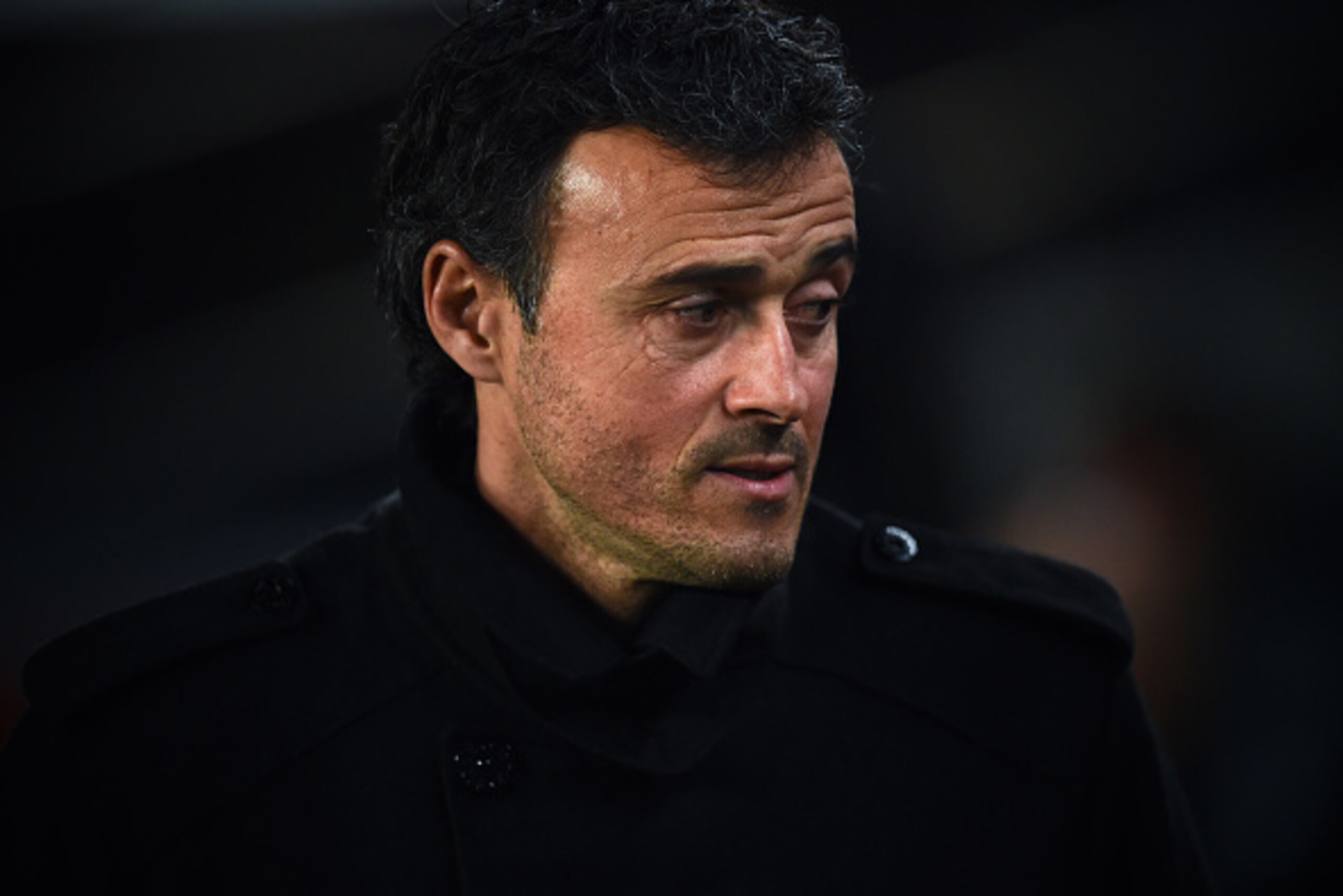
There have been elections called for next year and of the five "sharp suits" expected to put their names on the ballot papers, there isn’t one of them who will do so with a manifesto proclaiming the wisdom of keeping Luis Enrique on and selling Leo Messi.
The present board, which hasn’t actually enjoyed the greatest of relationships with the little maestro, looks set to be changed and Luis Enrique—barring a Champions League or La Liga win—will almost certainly also leave.
And he’ll leave because many of the players, not just Messi, find him either unable or unwilling to communicate as well as he should, and some of his decisions—Sunday’s match apart—hard to fathom.
But that’s a million miles away from saying Messi is demanding his dismissal.
Luis Enrique’s attitude from the moment he arrived at the club has created an element of friction, but it’s over-simplistic to say the problem—as some have suggested—is that Messi doesn’t like the way the coach talks to him.
In the complicated, rarefied, hierarchical world of top-level football, it is mostly issues concerning the coach’s philosophy and man-management skills which create problems.
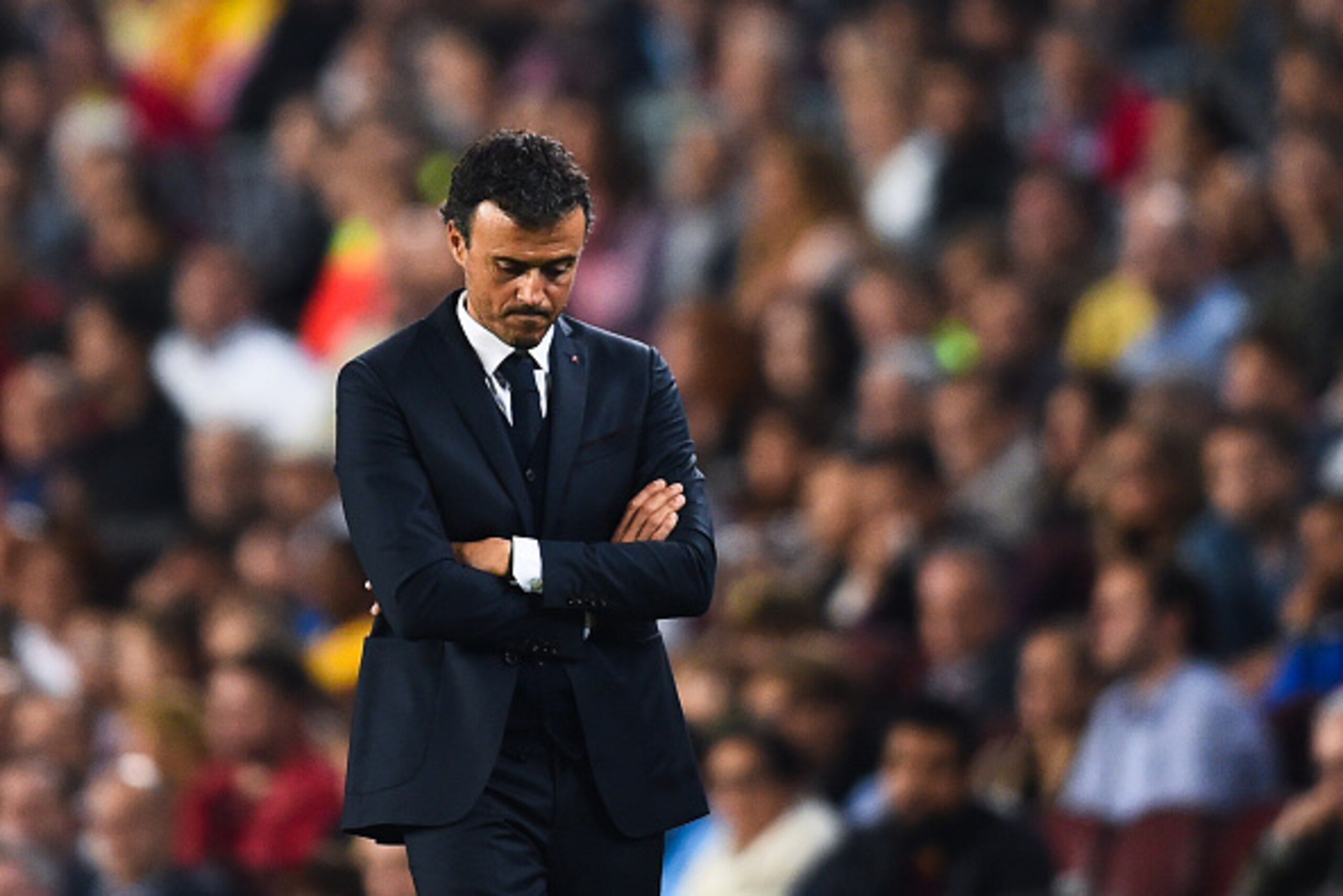
When he arrived, Luis Enrique announced at his first press conference that he, the coach, was the leader and he has never had any reservations about displaying the idea that Messi is just another player, and no player is bigger than the team.
And guess what? He’s wrong, and it will almost inevitably cost him his job.
In management terms they don’t come much bigger than Pep Guardiola, and he realised immediately that for the club’s—and therefore his own—success, Messi had to be the leader, the very focus of what happened on the pitch.
“Build your team around him, give him the ball, and never, never substitute him,” was the short but sweet advice offered by Guardiola to the incoming Argentina manager Alejandro Sabella.
By not taking that on board, essentially what Luis Enrique seems to be doing is almost preparing for his new job when he can tell everyone that in a previous life he took on Messi and, lest we forget, also Francesco Totti when he was at Roma.
He would do better to listen to the wise words of a former, and far more successful incumbent in the Camp Nou hot seat, but being the man that he is, of course he won’t and it will cost him dear.

.jpg?w=2560 "Chiefs, Steelers Eye WR Trades")






.jpg?w=2560 "Raiders Sticking with Cousins")