Always 63 Not Out: How Cricket Must Remember Phillip Hughes
Always 63 not out. That is the way cricket must remember Phillip Hughes.
Just shy of his 26th birthday, Hughes passed away two days after being struck by a bouncer in a Sheffield Shield match at the Sydney Cricket Ground. Hughes was 63 not out at the time.
"We lost a little ripper today. Honesty, hard work and humour typified the man, taken away way too soon. Always 63no. pic.twitter.com/2Sgi7cwexC
— Tim Nielsen (@nielsen514) November 27, 2014"
TOP NEWS
.jpg?w=2560 "Chargers Mack")
Every Trade's Best Trade Asset 🔁
.jpg?w=2560 "Green Bay Steelers Football")
Insiders: Cowboys Overpaid for Porter
Houston's Space Helmets 🧑🚀
It was an innings that could well have cemented Hughes' return to the Australia Test side, five years after his debut. Sadly, we will never know how that story would have played out.
What we do know is Hughes will leave a huge void in the lives of his family and friends. Tributes have flooded in; not the glib words of a throwaway culture, rather heartfelt tributes from people who had genuine affection for a person and player who had fought his way to the pinnacle of his sport.
Posting on Instagram, Australia opener David Warner said: "RIP my little man. You will always be with me when I walk out onto the field. Not just a mate but a loved one to us all big man. Forever in my heart brother for life. Miss you buddy."
Hughes, from a humble background in the north of New South Wales, made his way into the Test side at a time when it was in a period of transition.
Following in the footsteps of mighty opening pair Matthew Hayden and Justin Langer was no easy task, but it was one thrust upon Hughes.
He made his Test debut in February 2009 against South Africa, and it was a series that epitomised Hughes as a player and a person.
Hughes was not the most technically gifted batsman to play the game, but he was not afraid to tough it out. A four-ball duck on debut, after waving airily at a wide ball from Dale Steyn, had scribes sharpening pencils ready to cast a player to the side as one unable to replace Hayden and Langer.
There are not many who would be capable of replacing two of Australia's finest cricketers. But Hughes fronted up and hit a belligerent 75 in the second innings. Australia won the Test. Pencils were put down.
In the second Test, Hughes demonstrated his batting and battling qualities to write himself a place in cricket's record books.
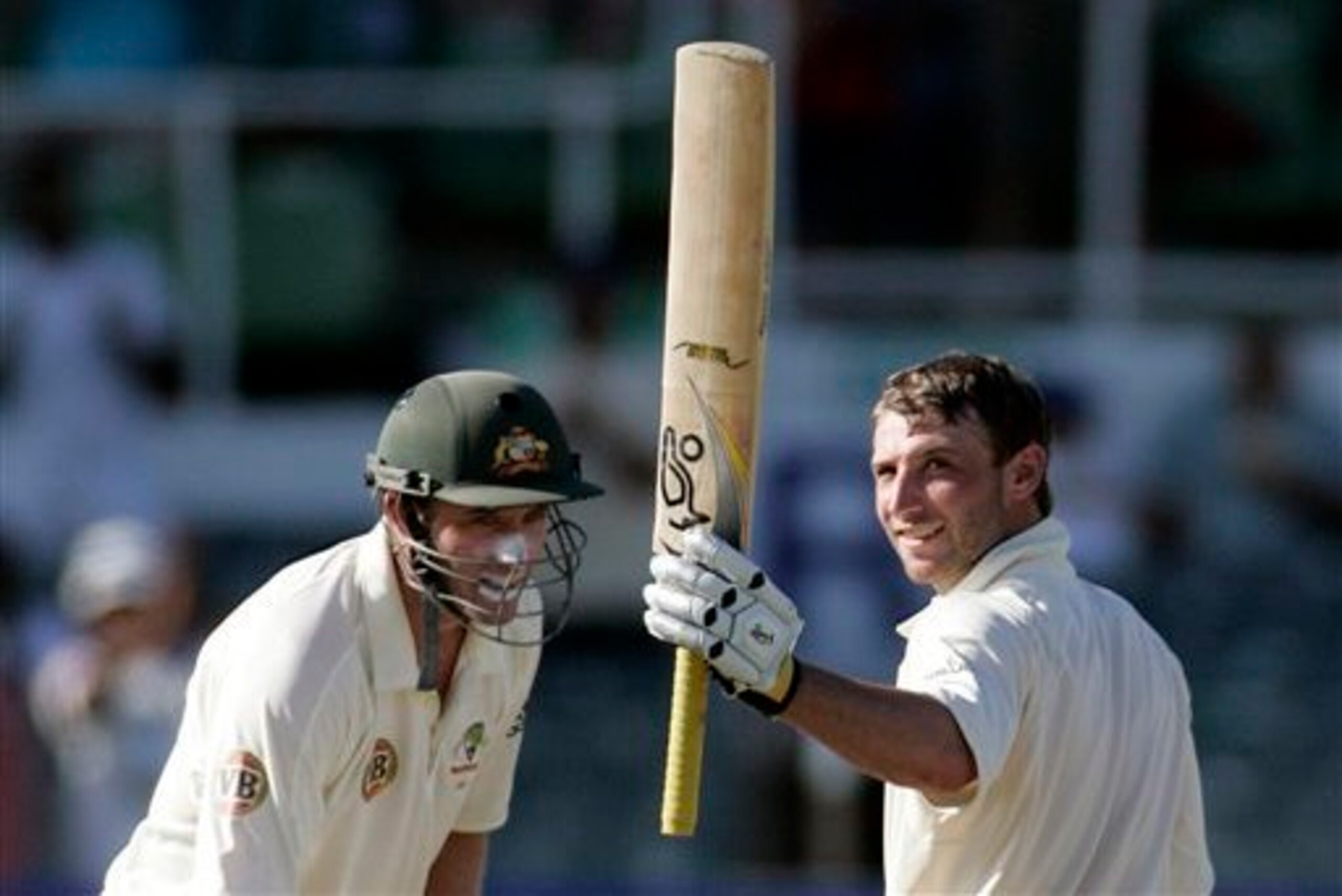
He hit tons in both innings, 115 and 160, to become the youngest player to score hundreds in both innings of a Test match. He was 20. The likes of Sachin Tendulkar, Gary Sobers and Graeme Pollock were playing Test cricket at that age, but they never achieved that feat at that age.
It appeared Australia had found their next batting star. But a tour to England later in 2009 exposed a flaw in Hughes' technique: a susceptibility to the short ball.
Andrew Flintoff and James Anderson hunted as a pack and ruthlessly exposed Hughes. Scores of 36, four and 17 left the selectors with little choice but to drop the opening batsman.
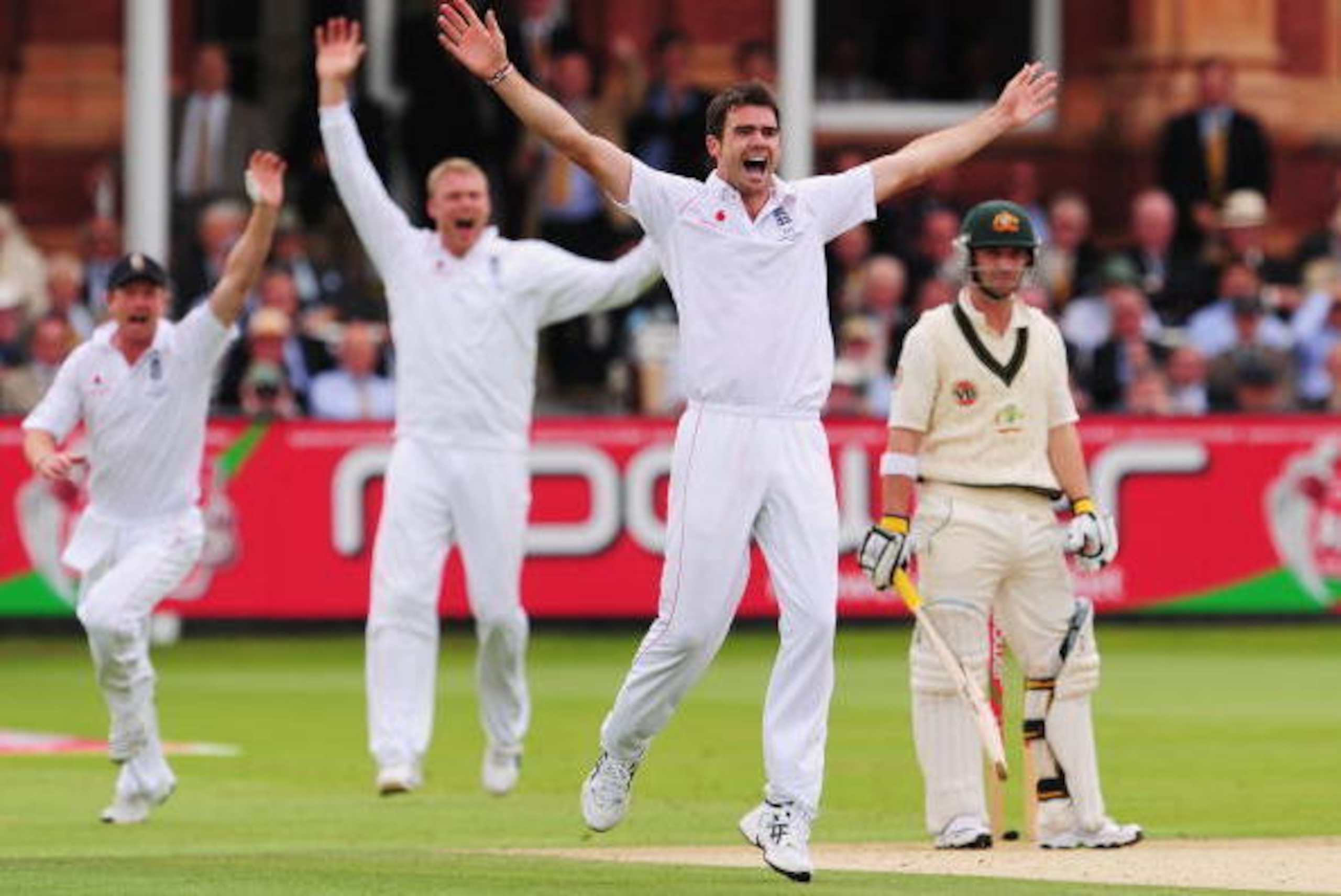
The following five years saw Hughes make fleeting appearances in the Australia side as he battled to overcome technical deficiencies.
It appeared to be a battle he was winning, as he hit a rich vein of form in the past 12 months. Hughes appeared less gung-ho, a player who had come to terms with the flaws in his game and became comfortable playing the shots he knew he could play and jettisoning the ones he could not.
Australia captain Michael Clarke, a close friend of Hughes but not a man to let friendship cloud his judgement, had been impressed, as he declared in August in an interview with ABC Radio (via the Sydney Morning Herald) that he felt Hughes could join an elite club of players who had made 100 Test appearances.
"I think Hughesy is a really good example of someone who continues to score big runs.
Look at his first-class record, he's probably got more hundreds than any other player at his age. He's making runs consistently for Australia A, so I think he's doing everything he can to be in the front of the selectors' minds.
His performances speak for themselves. He's got a bright future. He's a 100-Test player in my opinion.
"
Hughes died having represented his country 26 times at Test level.
While cricket's attention is quite rightly on the Hughes family, a thought must be spared for Sean Abbott, the bowler who struck Hughes with the fatal blow.
No blame can be apportioned to Abbott, it was a one in a million freak occurrence that no one could have predicted.
Hopefully, given time, Abbott, who is 22, will be able to return to a sport he loves every bit as much as Hughes loved, to fulfil his potential as a cricketer and as a person.
Hughes achieved much in his short life, but he had much more to give. Cricket will remember.
Phillip Hughes: always 63 not out.
.jpg?w=2560 "Top NFL Trade Targets")