Phillip Hughes Played Cricket the Way It Should Be Played
The cricket world came to a standstill on Thursday. Fans, players, associations, coaches, friends and family all united in mourning the death of one of cricket’s brightest young talents.
In just a few days, Phillip Hughes was going to celebrate his 26th birthday. A few days later, he was in all likelihood going to take to the field for his country in the first Test with India.
Hughes died far too soon and in tragic circumstances. When a young talent is taken away, no words are ever adequate enough to describe the loss.
TOP NEWS
Jaylen Brown Calls Out Tatum 🧢
LeBron on President Trump's Criticism
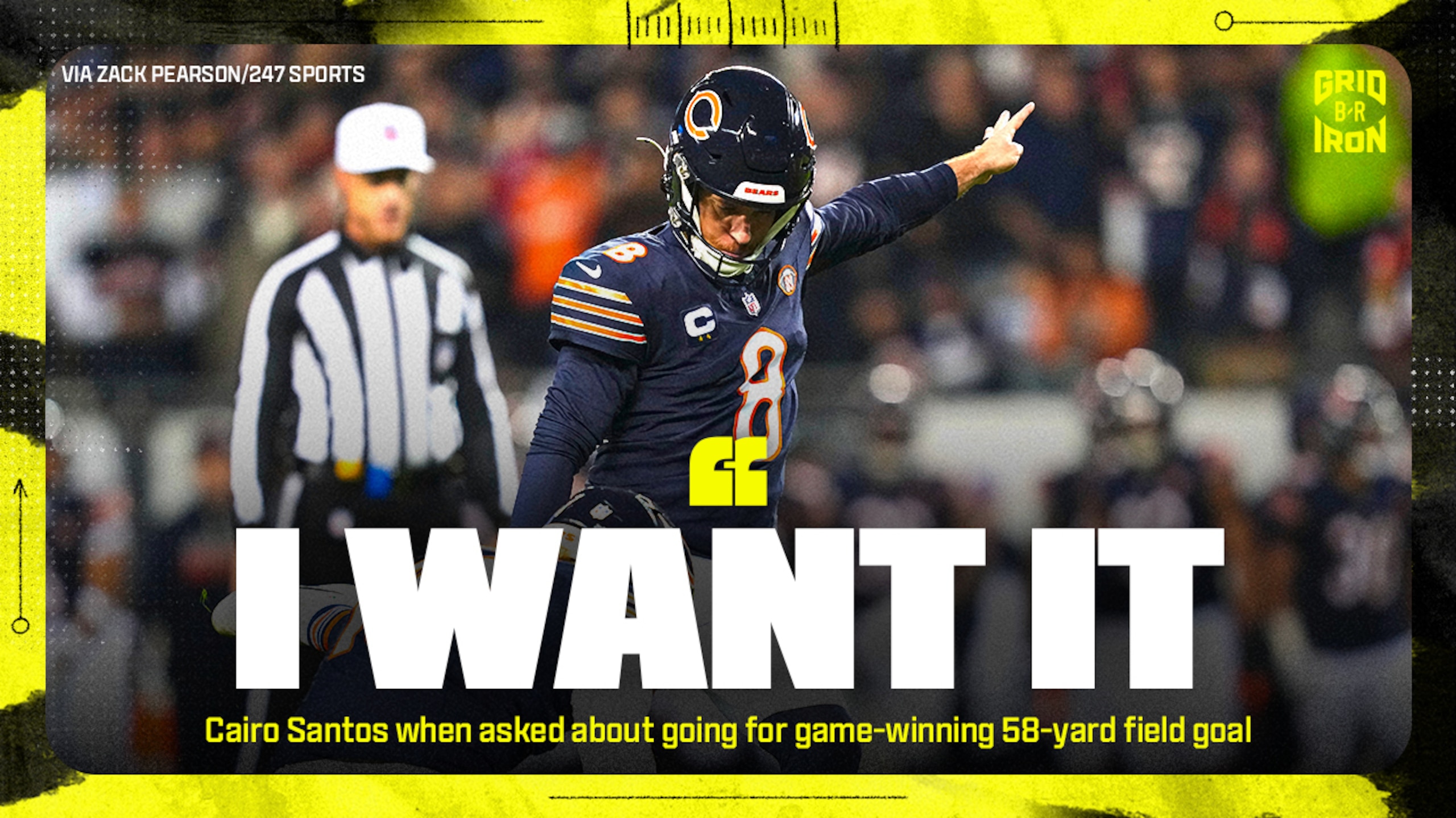
Bears' Santos Wanted to Kick 58-Yarder
Remembering the achievements of somebody taken away too soon might not ease the pain, but it does pave the way to reconcile with what has happened.

Virtually every tribute penned in Hughes’ honour since his passing has mentioned the same thing: He was a really nice guy.
Far from the conventional cricketer, Hughes thrived through adversity. He was not one for classic technique, but he loved a challenge, and he always bounced back when his back was against the wall.
South Africans will remember Hughes well. In 2009, he made his Test debut against them in Johannesburg. The innings lasted just four balls, and the spritely opener was out for a duck. In the second innings, he responded by scoring 75, the only half-century of that innings, and Australia won by 162 runs.
He relished that knock, saying afterwards, per ESPNCricinfo's Brydon Coverdale: "I love it. I love them to come hard at me. I'm only a short left-hand opening batsman. They like to come in pretty hard but I love that challenge."
In the next Test, he scored a century in each innings, becoming the youngest man to ever achieve that feat.
His career went through the usual ups and downs after his debut, but it was always filled with promise.
When he was 19, he became the youngest to score a century in a Pura Cup/Sheffield Shield final. He was in and out of the team but always went back to basics, working hard in the domestic game and always bouncing back.
Through all of that, he always had time for others—that much has been evident through the many Tweets that have been sent to remember him.
It took four years after his Test debut for Hughes to show that he could adapt to the limited-overs game, too. In July this year, he became the first Australian to notch up a double century in a List A match and followed it up with his highest score in first-class cricket just one month later.
Against South Africa during a tri-series in Zimbabwe earlier in the year, Hughes continued to show why he should be part of the Australian team. He scored two 50s in four games at an average of 40.25.
He did not get the opportunity to play in the Test series against Pakistan, but, as always, Hughes went back to basics after returning home. He went back to first-class cricket, and when it was announced that Michael Clarke would sit out against India, Hughes’ name was the one which cropped up as a replacement.
Hughes went about his usual business on 25 November, compiling an innings that looked likely to confirm his spot in the series opener against India. Opening the batting for South Australia, he collapsed after being struck by a bouncer in the 49th over. He had to be resuscitated on the pitch, taken to the hospital and had to have surgery. He never regained consciousness.
Hughes always fought back. When the news broke that he was in a critical condition, many hoped that he would fight back this time, too.
Instead, he was taken too soon. He might be gone, but for his friends, family and the cricket community, Hughes will always be 63 not out.